
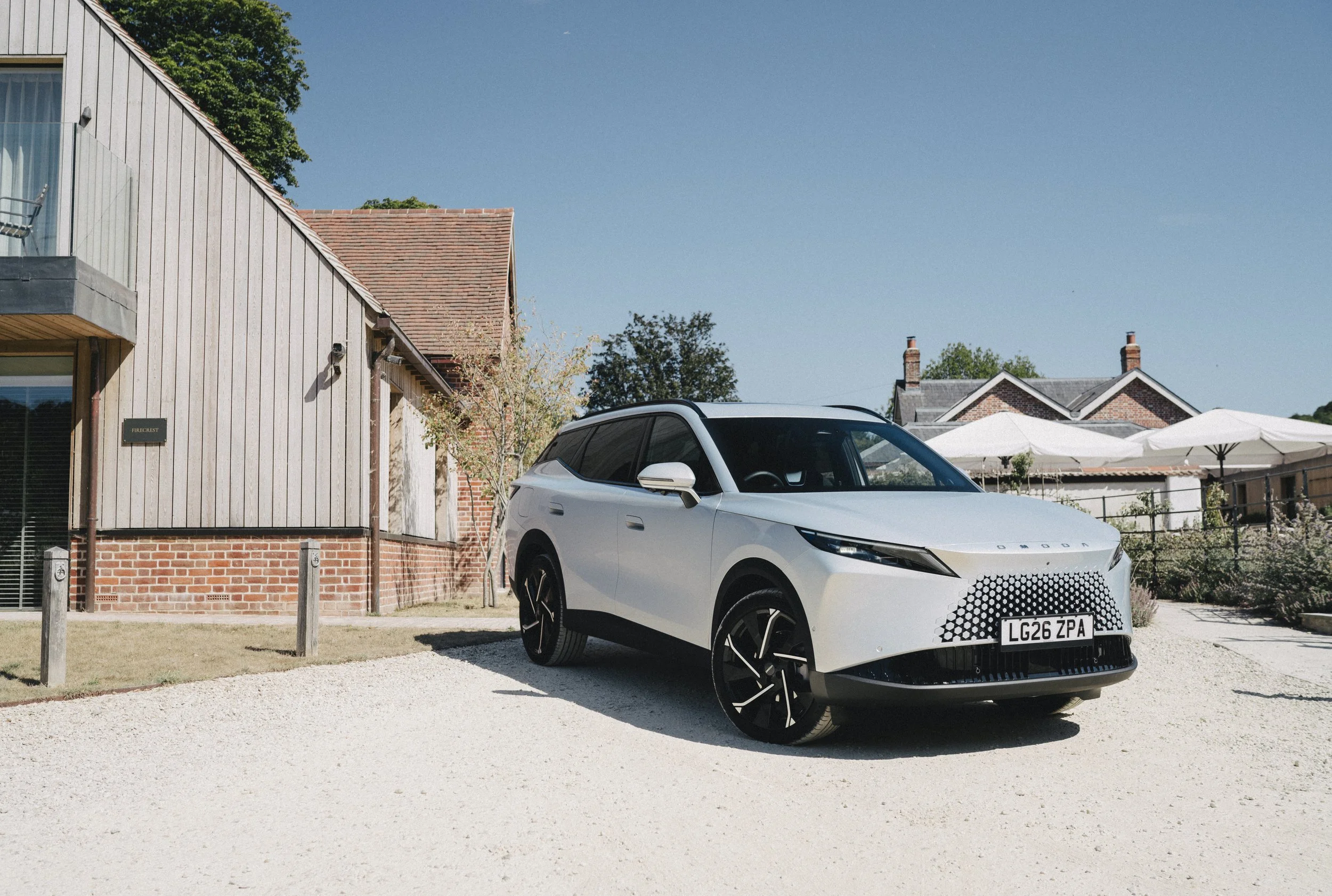
Okay, that's a lazy headline, we know. But it's also 100% true. The OMODA 7 SHS-P now comes with an air conditioning fragrance system, and whilst you might think that's a bit silly, after driving over 450 miles in one, John Marcar thinks he might have figured out the point.
450 Miles, Multiple Scents and an Incredibly Unique Road Trip
As a motoring journalist, I sometimes have to justify to my nearest and dearest that the press trips I get invited to attend are often harder work than they look. My fiancée gets the brunt of my brags, with often nonchalant responses to my exclaimations of "oh, I've been invited to Iceland to ride a motorcycle" or "ah, no, sorry. I'm actually away that week in the South of France to drive that funky new EV everyone's talking about".
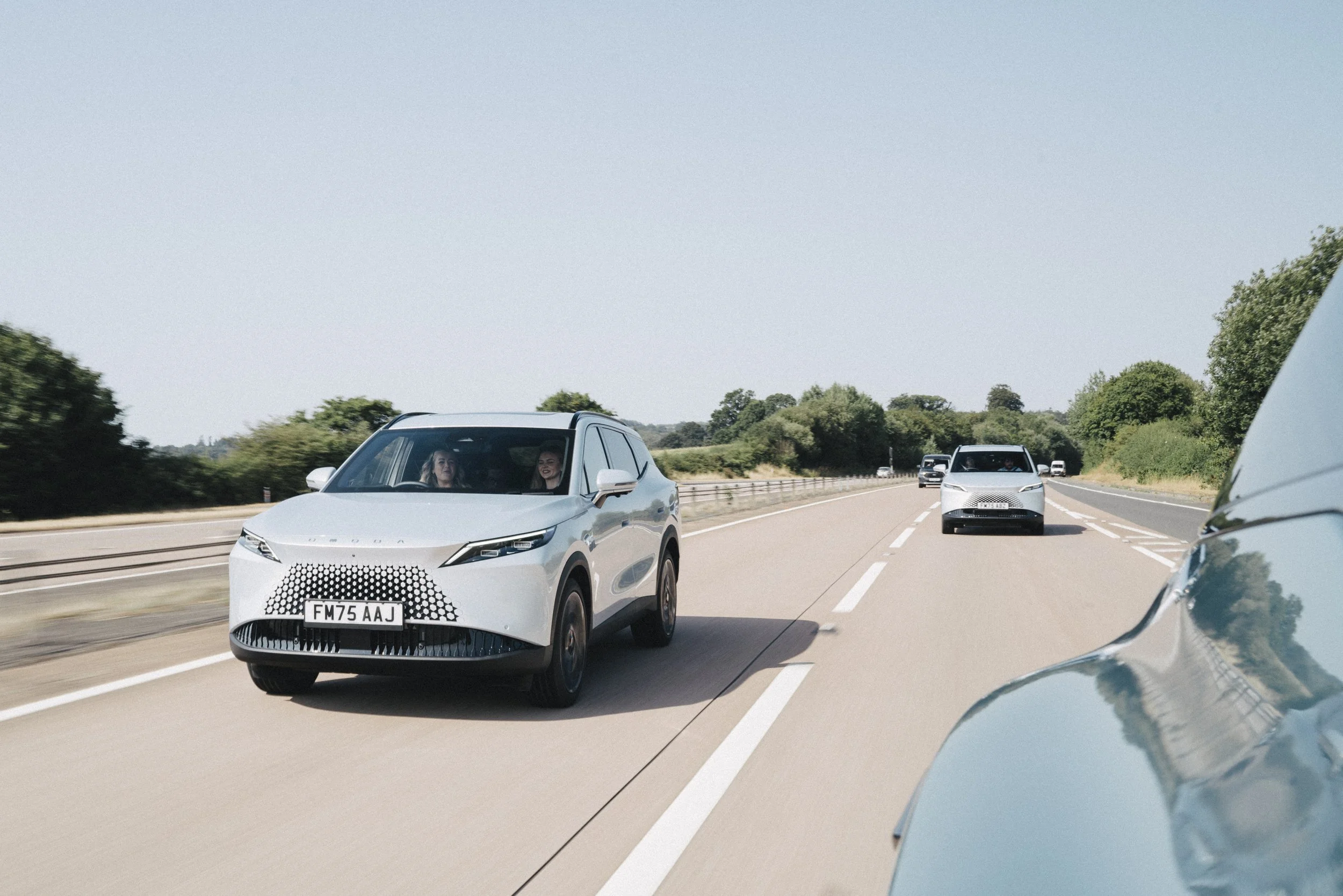
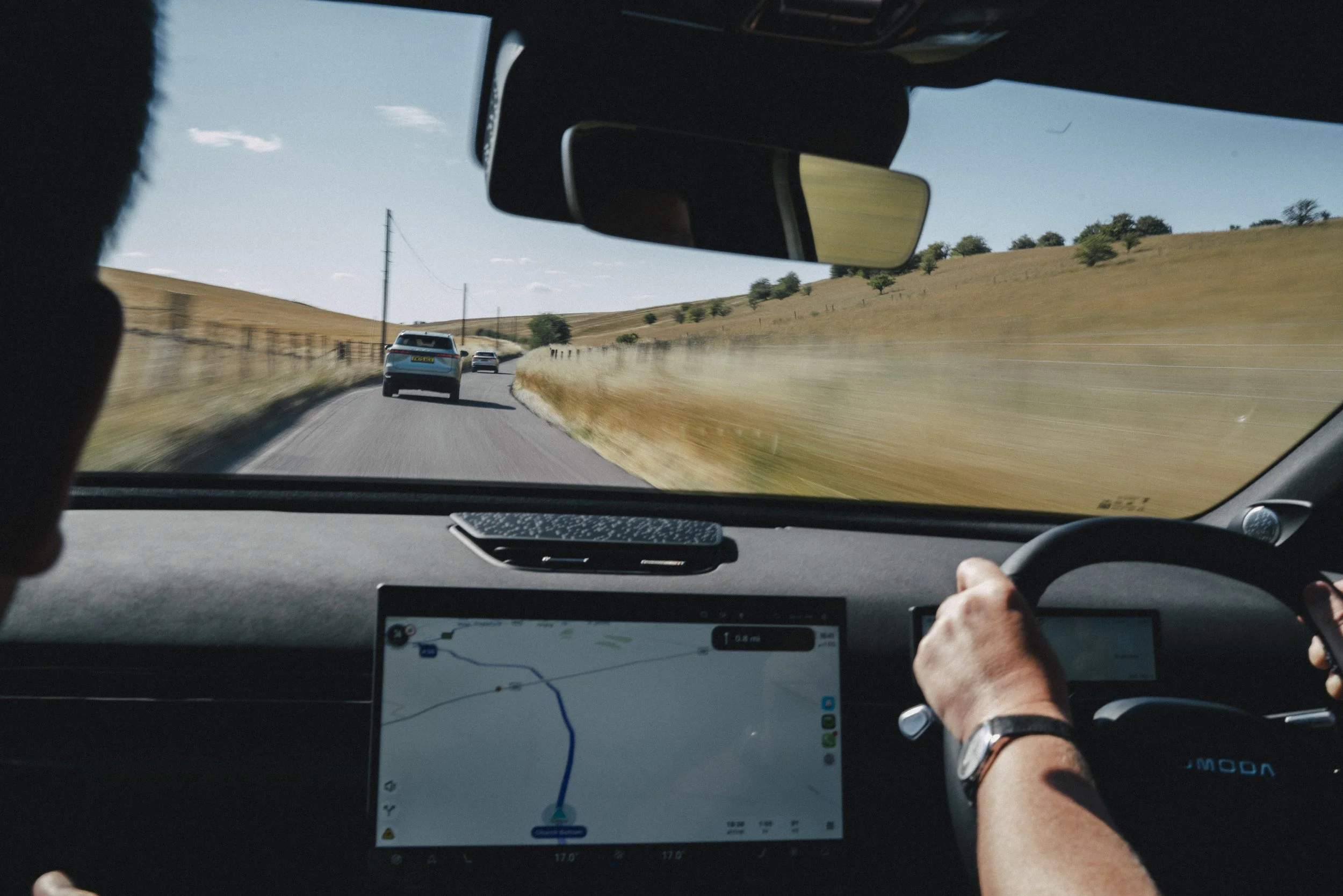
You can imagine my relief when the PR team for OMODA reached out to ask if I fancied a 450-mile UK drive of the new OMODA 7 SHS-P. That'll be an easy one to justify, I thought, after all; it's a thirty-something-thousand-pound Chinese plug-in hybrid SUV, and we're driving from London to Devon, then up towards the Midlands before heading back to London again. Nothing to brag about there! ...And then the itinerary landed.



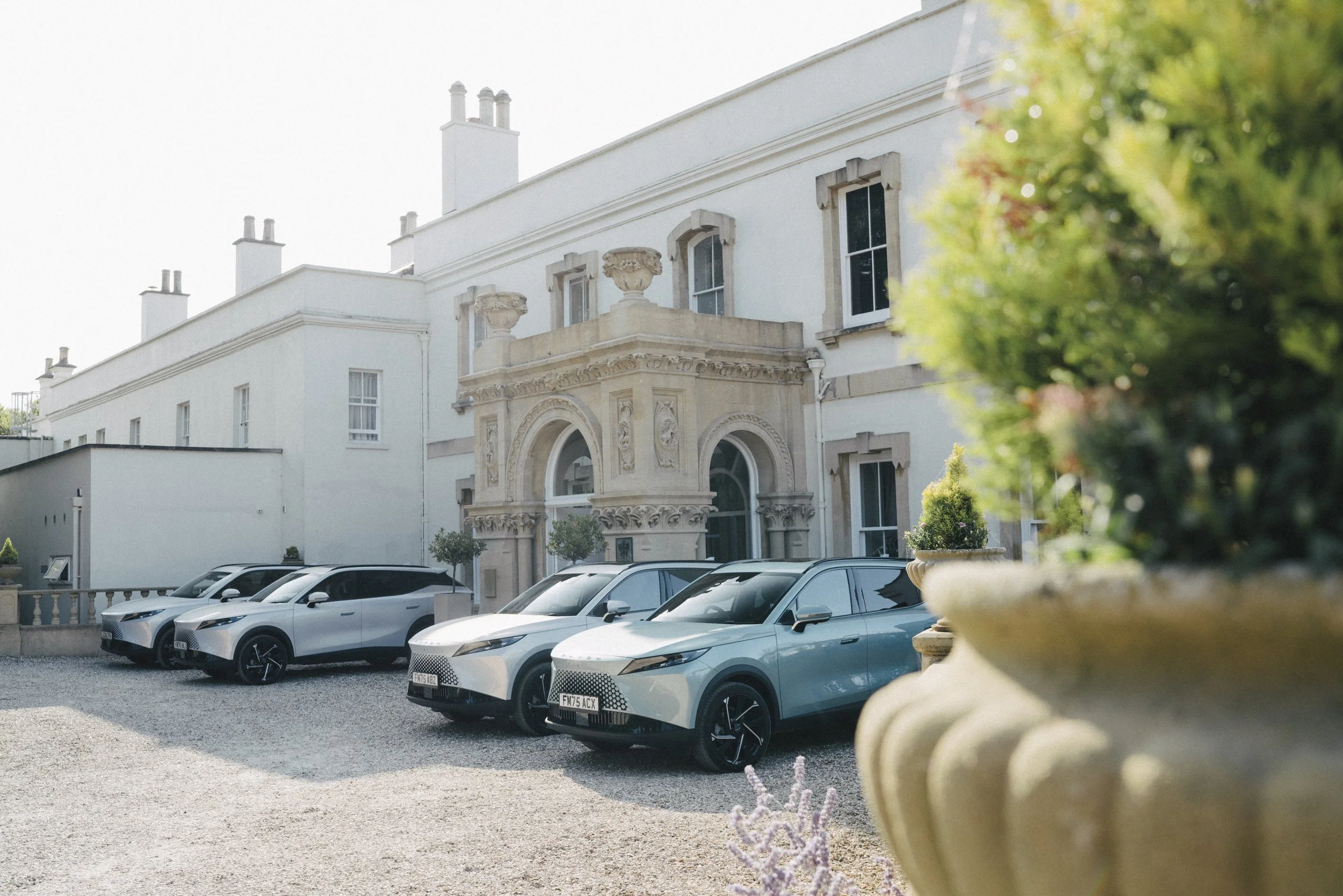
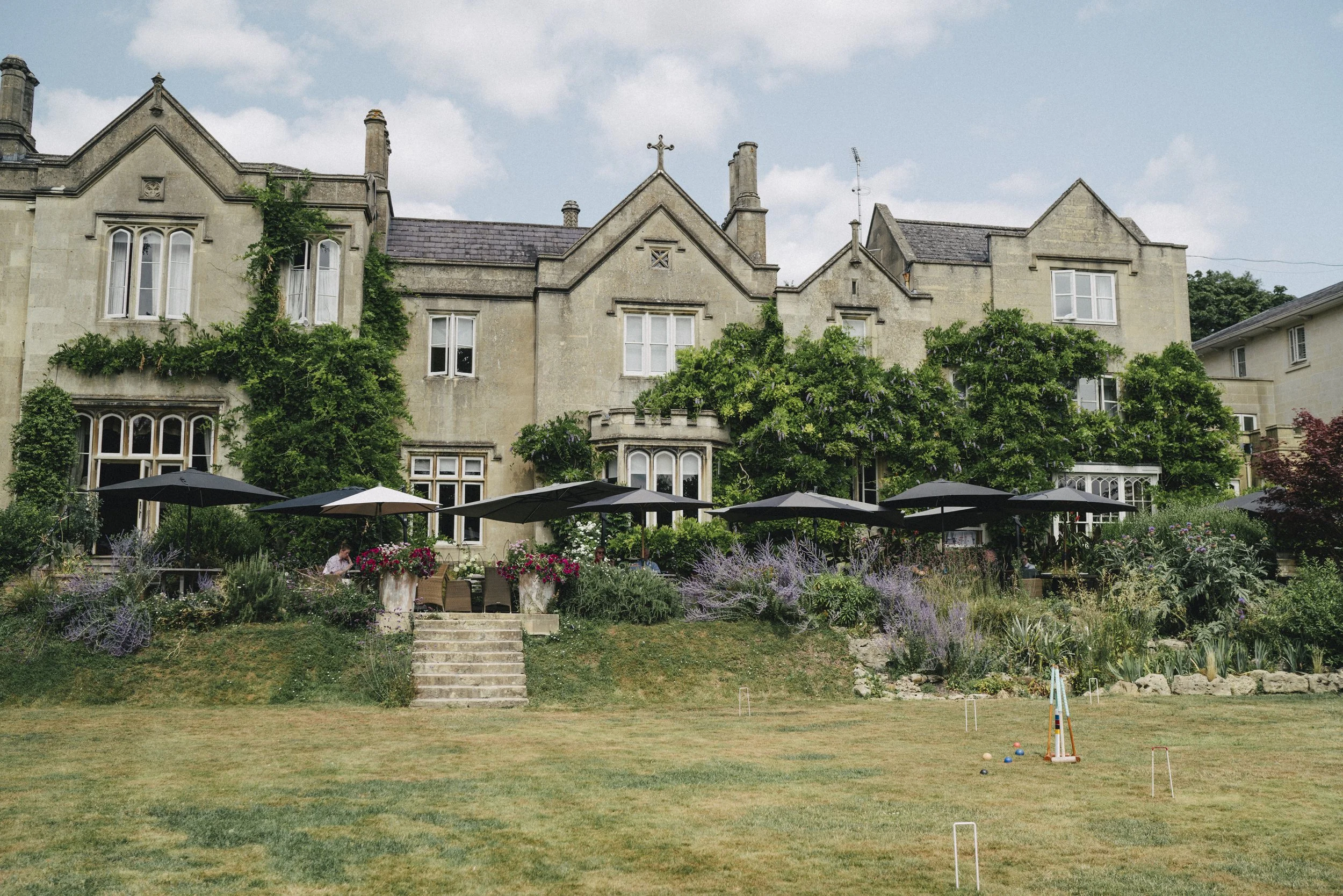



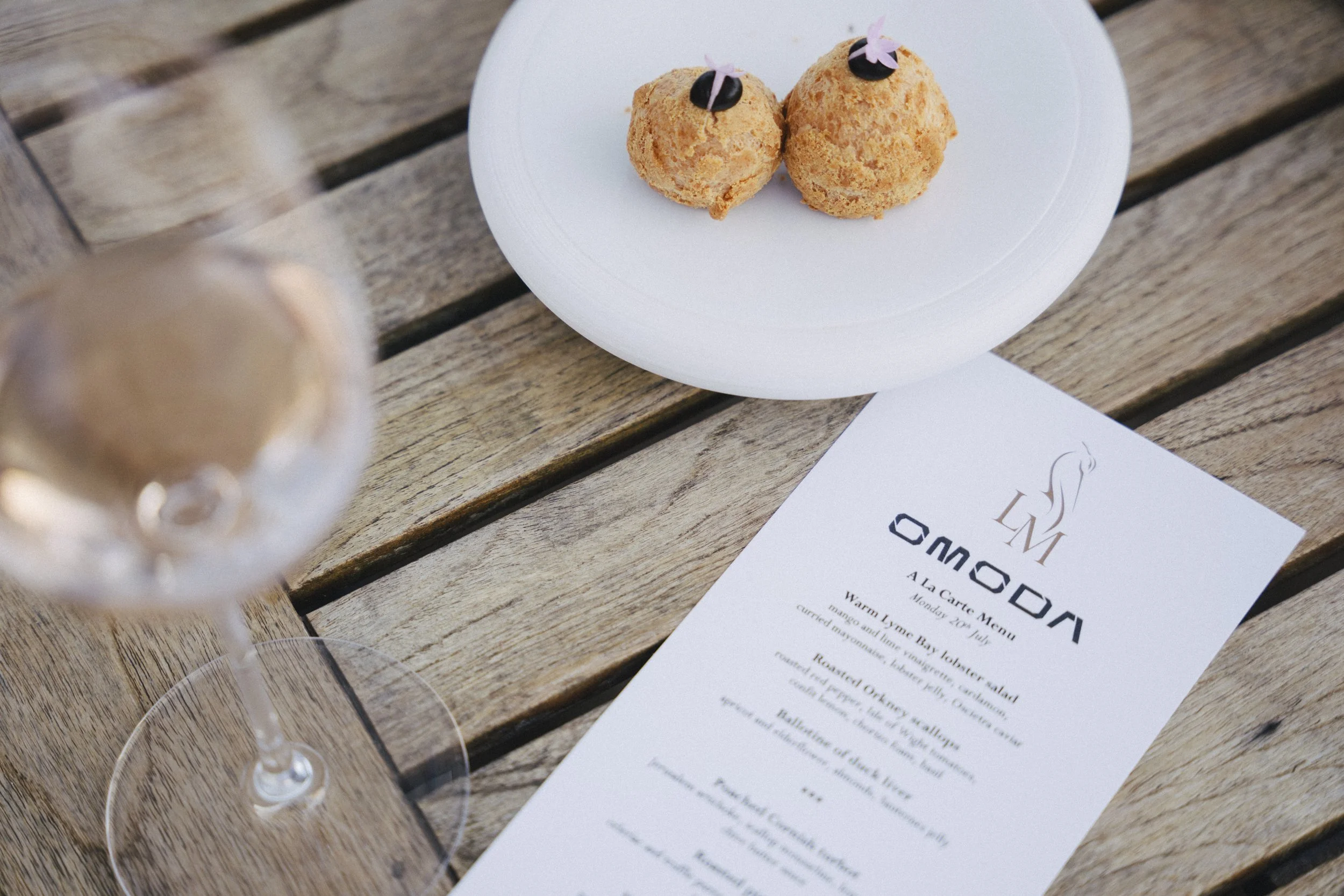
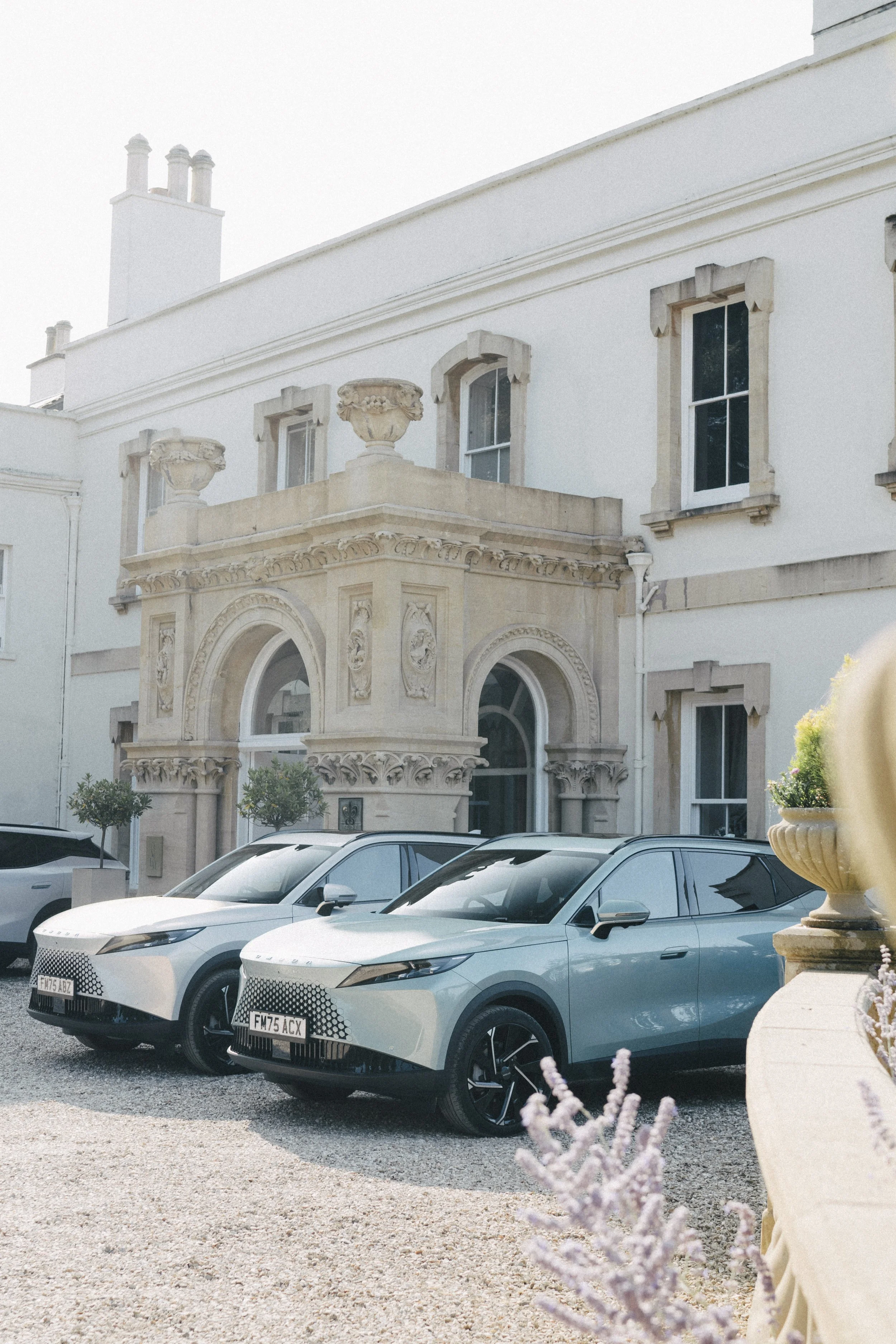
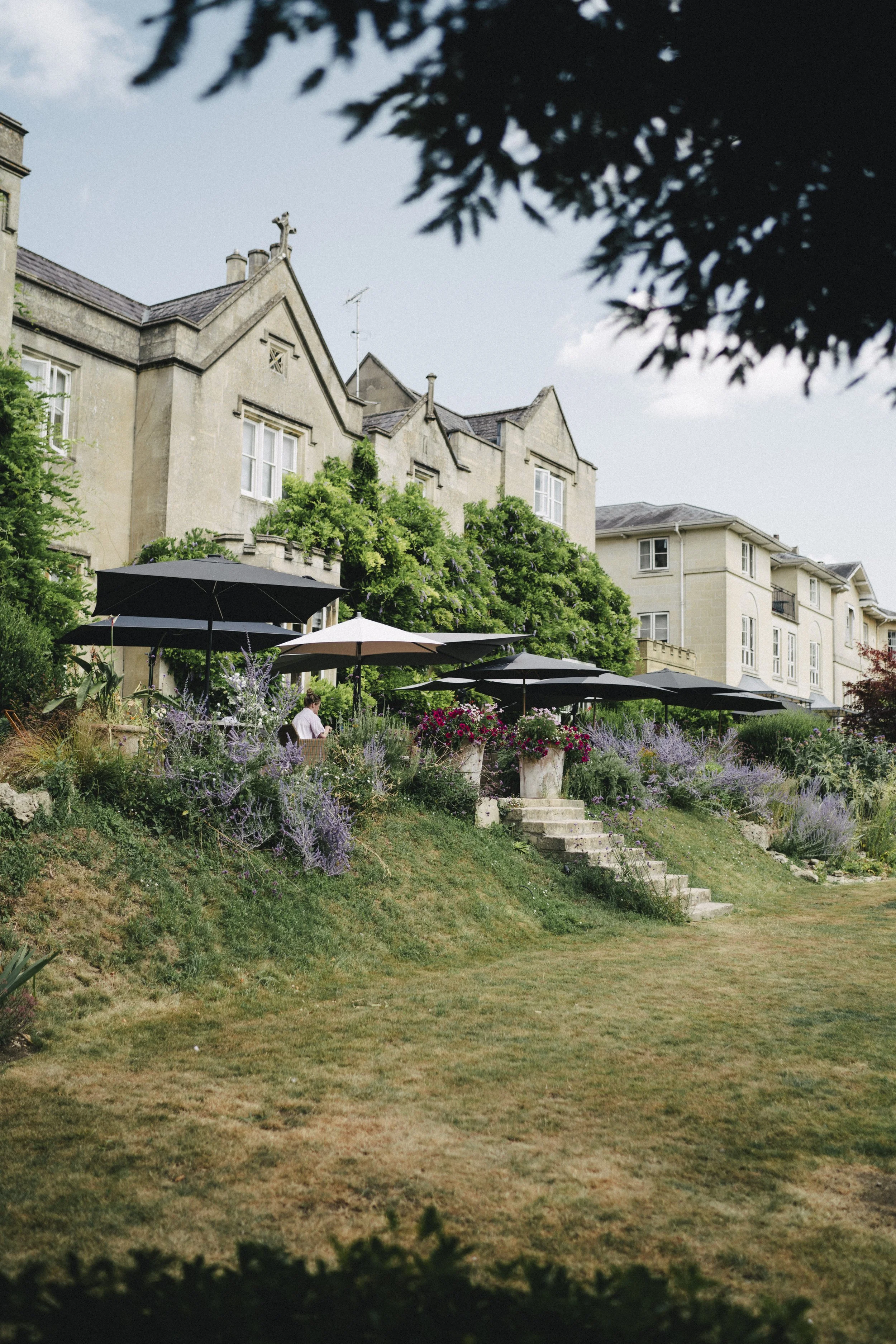
The tour, aptly named 'The OMODA 7 Scent Tour', would see me and a handful of other journalists, writers and creatives meet for the start of our tour at Floris on Jermyn Street in London. Floris is the UK's oldest retailer of perfumes and has been creating, perfecting and selling scents from its shop in central London since 1730. At Floris, we would learn the intricacies of scent and perfume creation before then heading out of London and down to Devon to stay at Lympstone Manor, a 5-star luxury Manor House near Exmouth. In addition to its lavish rooms, private vineyards and scenic views over the Exe, Lympstone Manor also happens to be owned by Chef Michael Caines MBE, a two-Michelin-star chef famed for perfecting 'Terroir Cuisine', which utilises the finest local and regional produce and ingredients.
Day 2 would involve driving from Lympstone Manor to the globally renowned Thyme Hotel and Spa located in the Cotswolds. At Thyme, we would be treated to a cookery class from MasterChef champion Marjorie Lang to learn about the importance of quality ingredients before dining in the hotel's award-winning Ox Barn restaurant and resting in the hotel's lavish and tastefully themed rooms.
The 3rd and final day would involve a drive back to London to end the tour at another perfumer. Perfumer H is a British perfume house created by perfumer Lyn Harris. In the company's original shop on Crawford Street in West London, we would learn more about the individuality of scent creation, along with identifying how different scents smell different according to the person they are applied to.
Suddenly, my three-day UK drive would be one of the most difficult to justify, and believe me, even writing out the itinerary here for this very review has made me feel marginally uneasy - I'm 500 words in, and I've not yet told you anything more than the name of the car I've been driving.
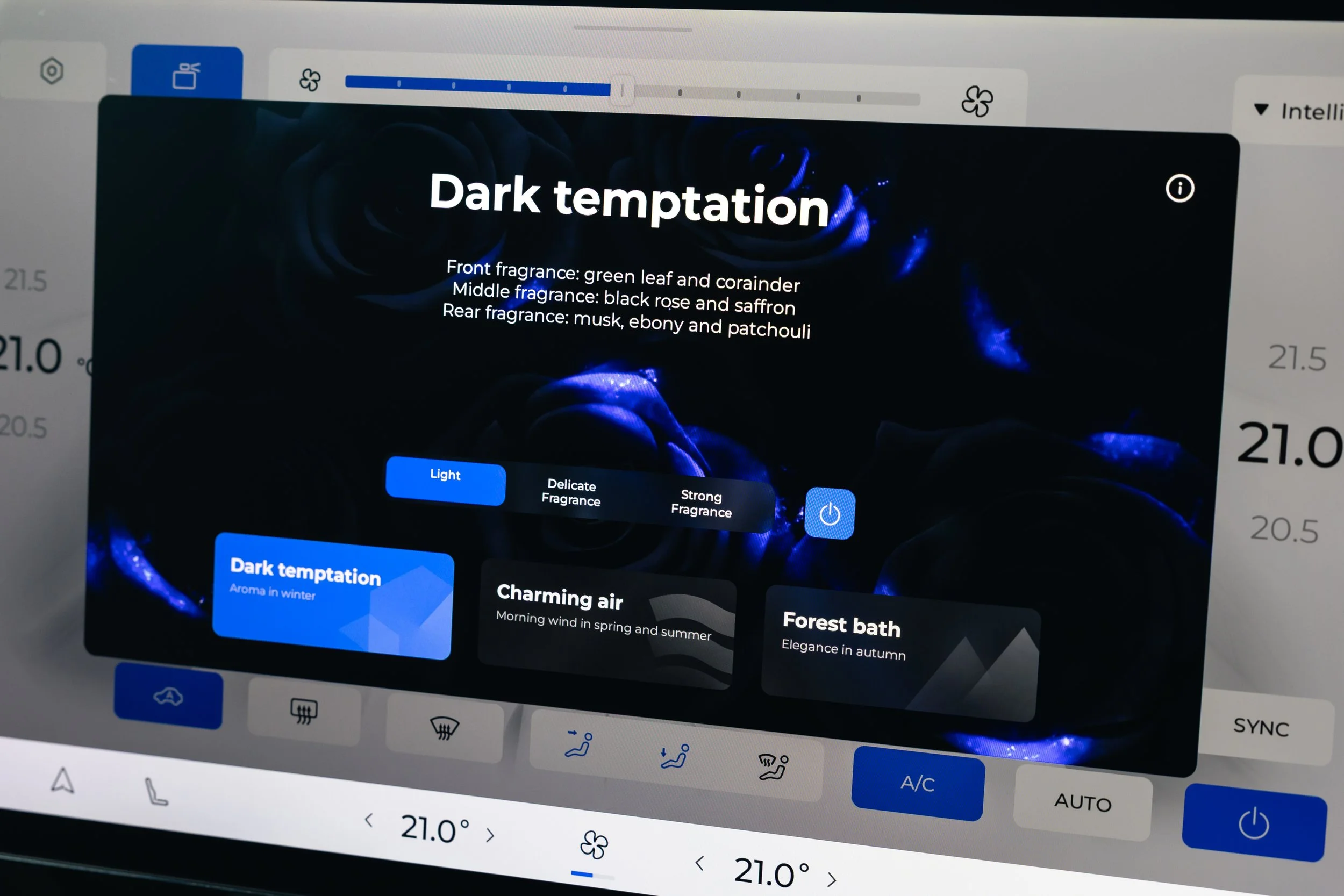
OMODA's Air Conditioning Fragrance System
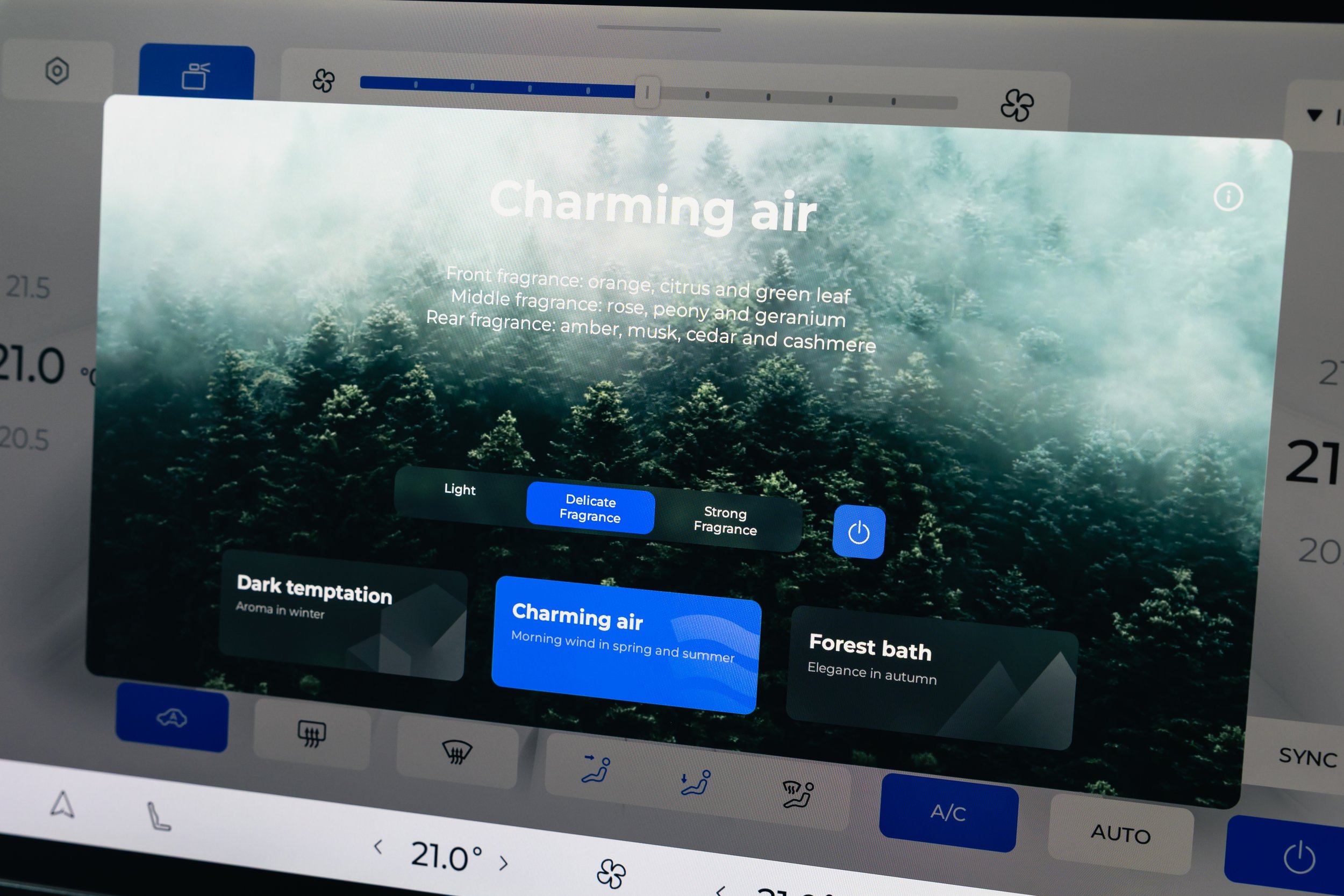
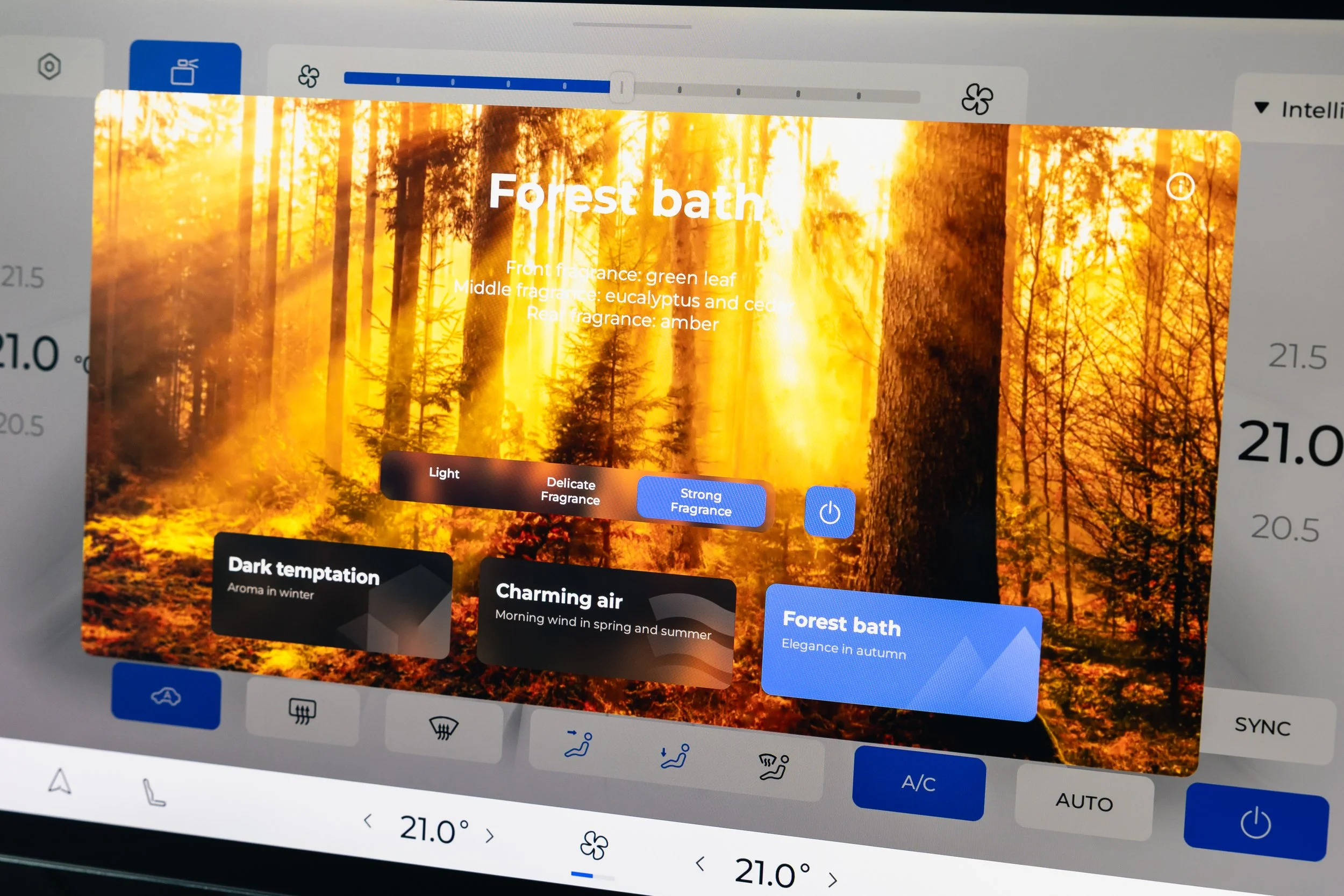
So, what do smells have to do with a new car? It's a fair question, and fortunately one I have an answer to. The new OMODA 7 SHS-P now includes 3 luxurious scents built into the model's air conditioning system, offering a choice of smells inside the cabin. It sounds a bit gimmicky, but OMODA isn't the first car maker to do such a thing.
Perfumed air conditioning has been a luxurious optional extra in marques including BMW, Mercedes-Benz, and Rolls-Royce for quite some time. Now, as has been a theme for many of the new Chinese manufacturers, OMODA has taken inspiration from what others have succeeded in mastering and had a stab at doing it for a far friendlier price tag.
The scents on offer inside the OMODA 7 are named 'Forest Bath', 'Charming Air' and 'Dark Temptation'. Forest Bath is described as having top notes of green leaf—a heart note of eucalyptus and cedar and a base note of amber. Charming Air is lighter, with notes of tangerine, green leaves, floral rose and peony, plus amber, musk, and cashmeran. Dark Temptation has notes of green leaves, black rose, saffron, musk and something called Agastache Rugosus (that's Korean Mint to you and me).
The OMODA allows for different intensities for each scent, and each fragrance feels and smells genuinely high quality. Forget your off-the-shelf air freshener that's pungent for a week before transforming into an unsightly addition to your rear-view mirror or indicator stalk. These scents are classy and on par with the sort of experience you could expect in a top-of-the-range BMW.
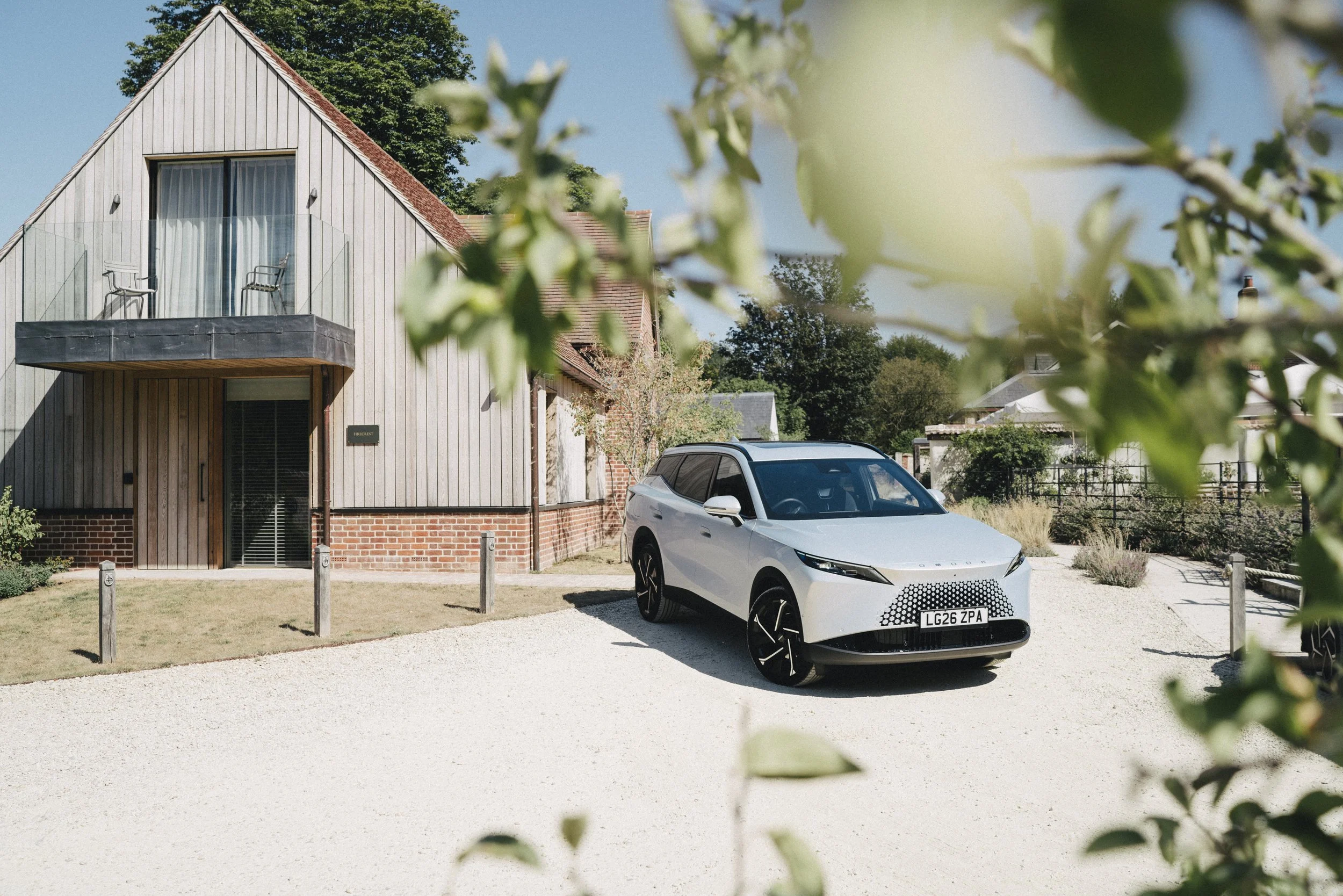
Is OMODA a good brand?
Okay, so the new car smells good, but what about the rest?
OMODA is part of the Chinese Chery/OMODA/Jaecoo family, all of which have exploded in popularity in the UK since the three brands arrived individually over the past few years, with improvements in design, quality, and user experience progressing at a rate that other OEMs have taken decades to refine.
I recently tested the Chery TIGGO 9 and was left genuinely impressed by the level of luxury in a car priced at just £43,000. The OMODA brand offers many of the same underpinnings as the Chery, but in a far more stylish, luxurious, and fashion-focused package. The interior quality of the OMODA, as well as overall design and driving experience, is noticeably different (positively) from the £43k Chery flagship. This means that potential buyers are likely to be very impressed by the OMODA 7 SHS-P, especially if directly comparing it to similarly priced competitors from the likes of Skoda, VW, Kia or Hyundai - and rightfully so - the build quality and overall fit and finish is fantastic.
Prices and Specifications
The 7 SHS-P (Super Hybrid System Plug-in) is, as the name suggests, a plug-in hybrid SUV built to accommodate families, executives, or anyone who wants a practical all-rounder. There are three trim levels on offer for buyers: Knight (£32,005), Noble (£35,005), and Noble Tech (£35,505).
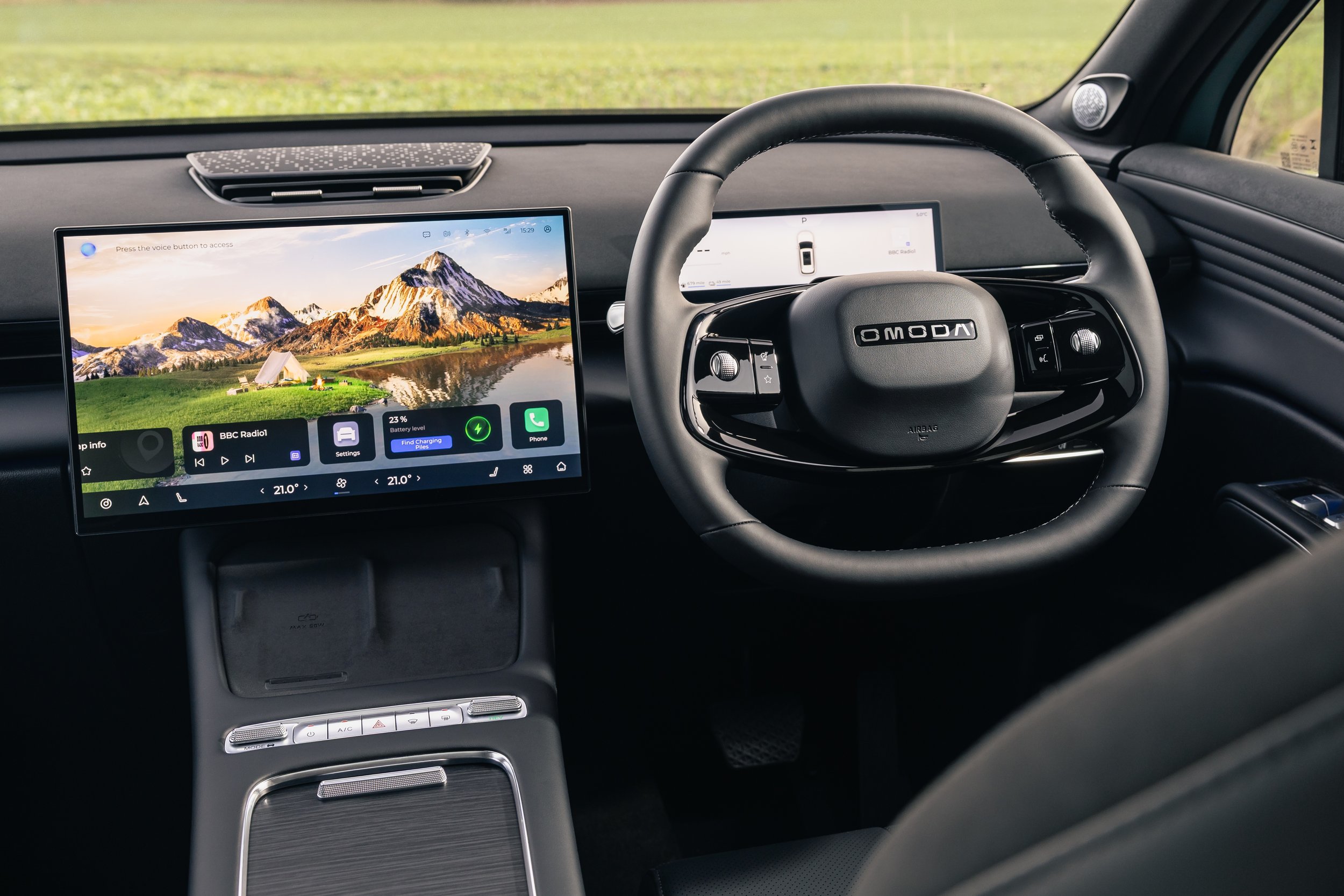
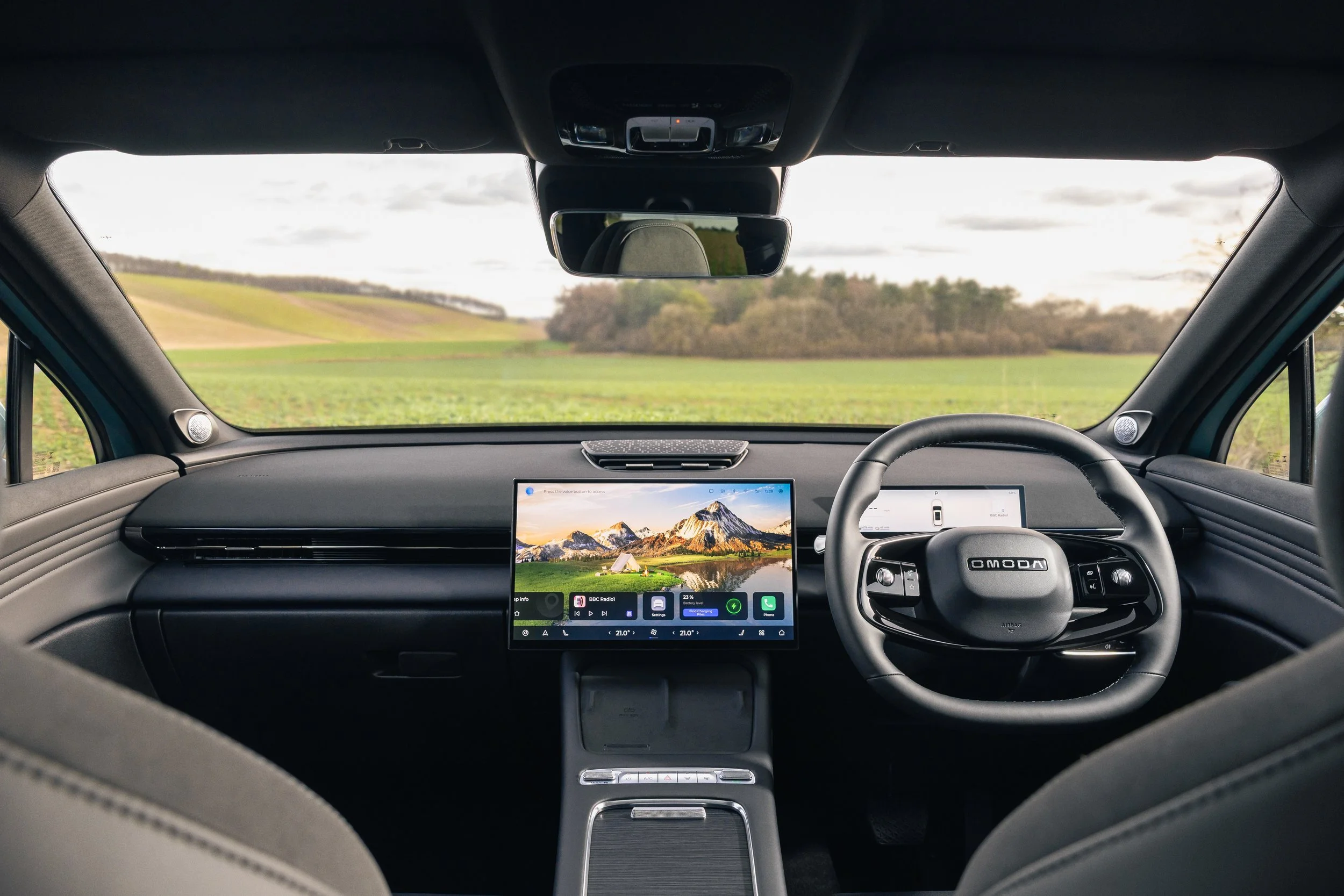
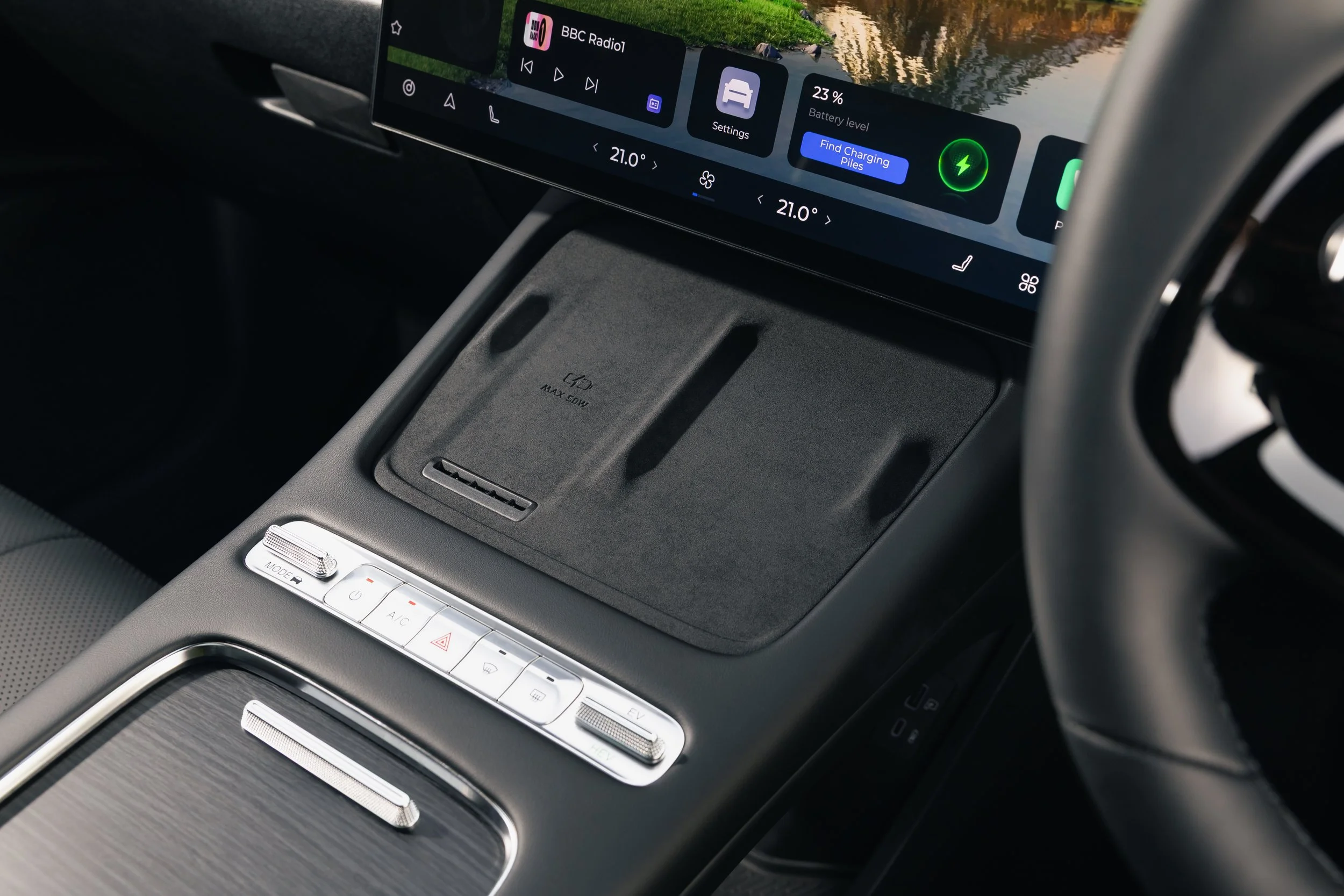
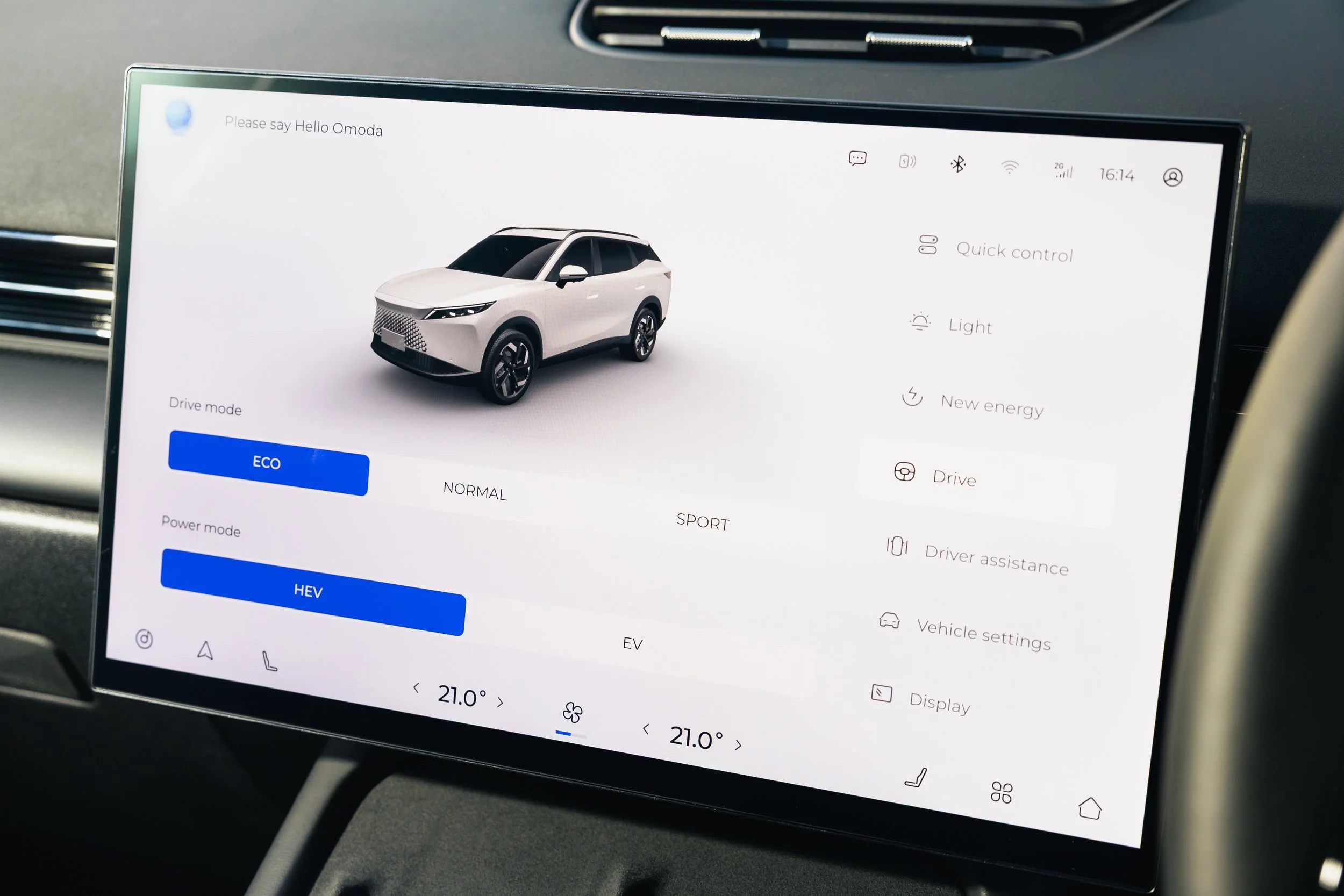
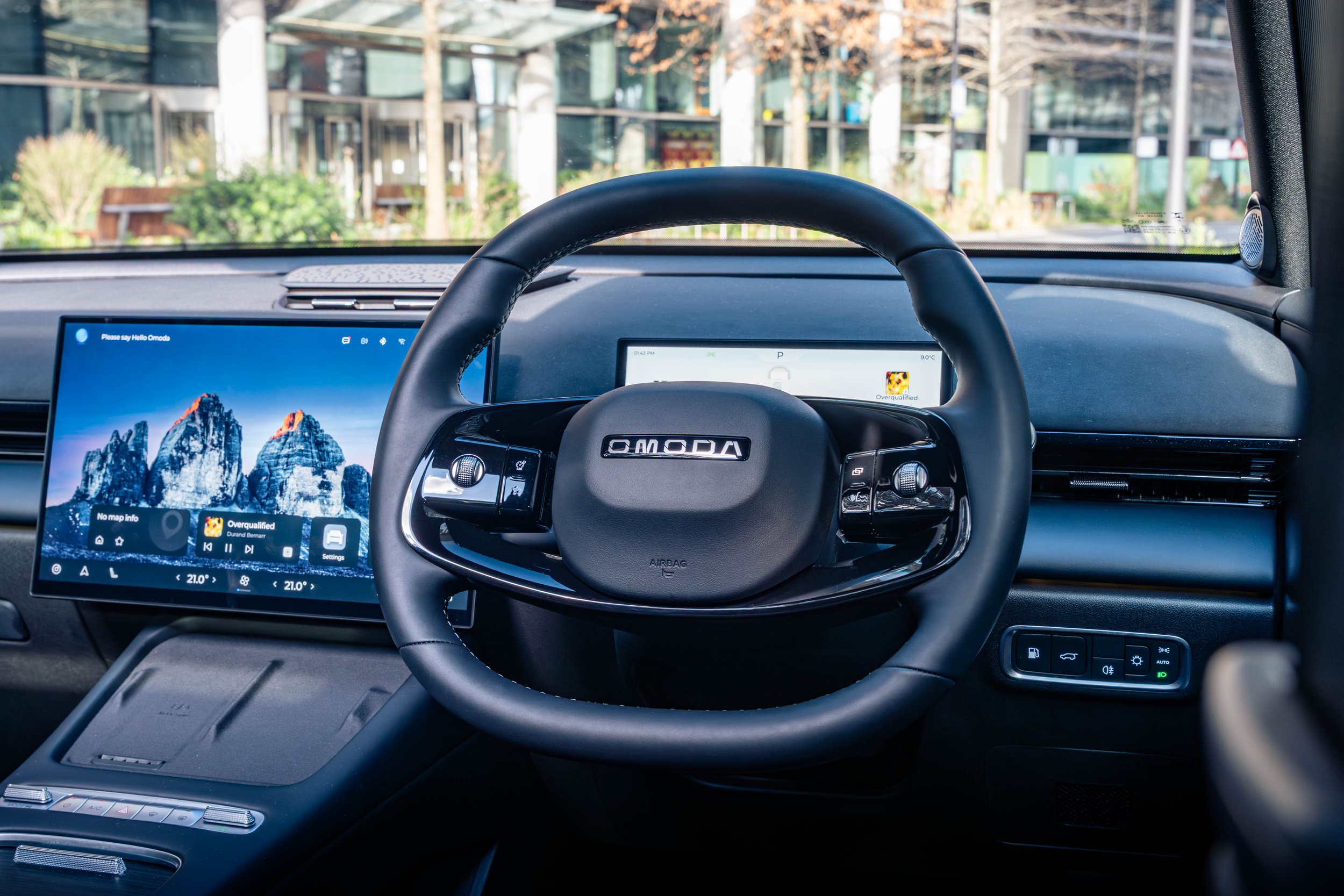
As is the norm for the Chinese manufacturers, the offering of what you get for your money is excellent. All trim levels come with 5 luxurious seats, a 15.6-inch infotainment touch screen, alloy wheels, LED headlights, wireless phone charging, a luxurious 6-speaker SONY sound system, a 540-degree panoramic camera system, wireless Apple CarPlay and Android Auto.
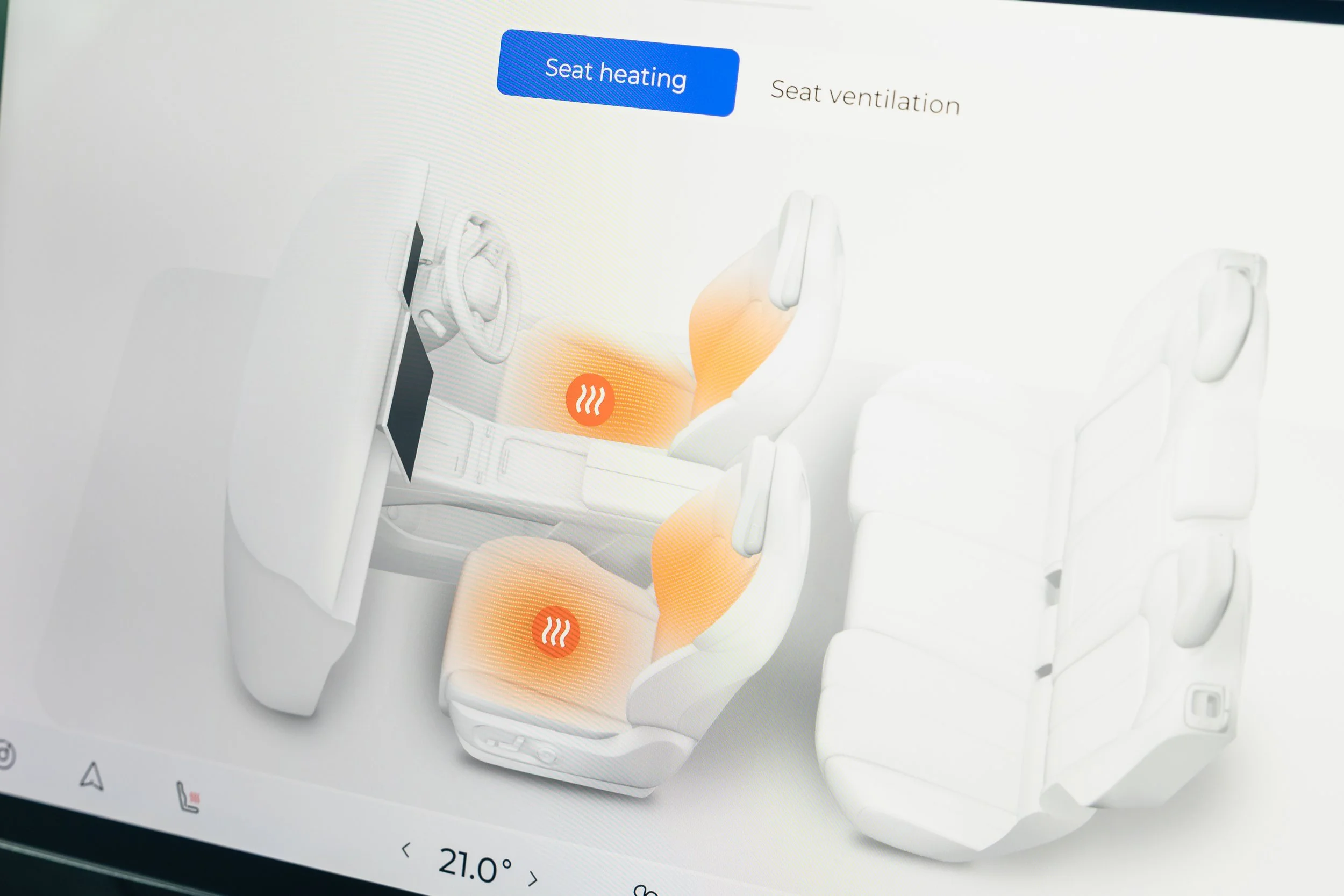
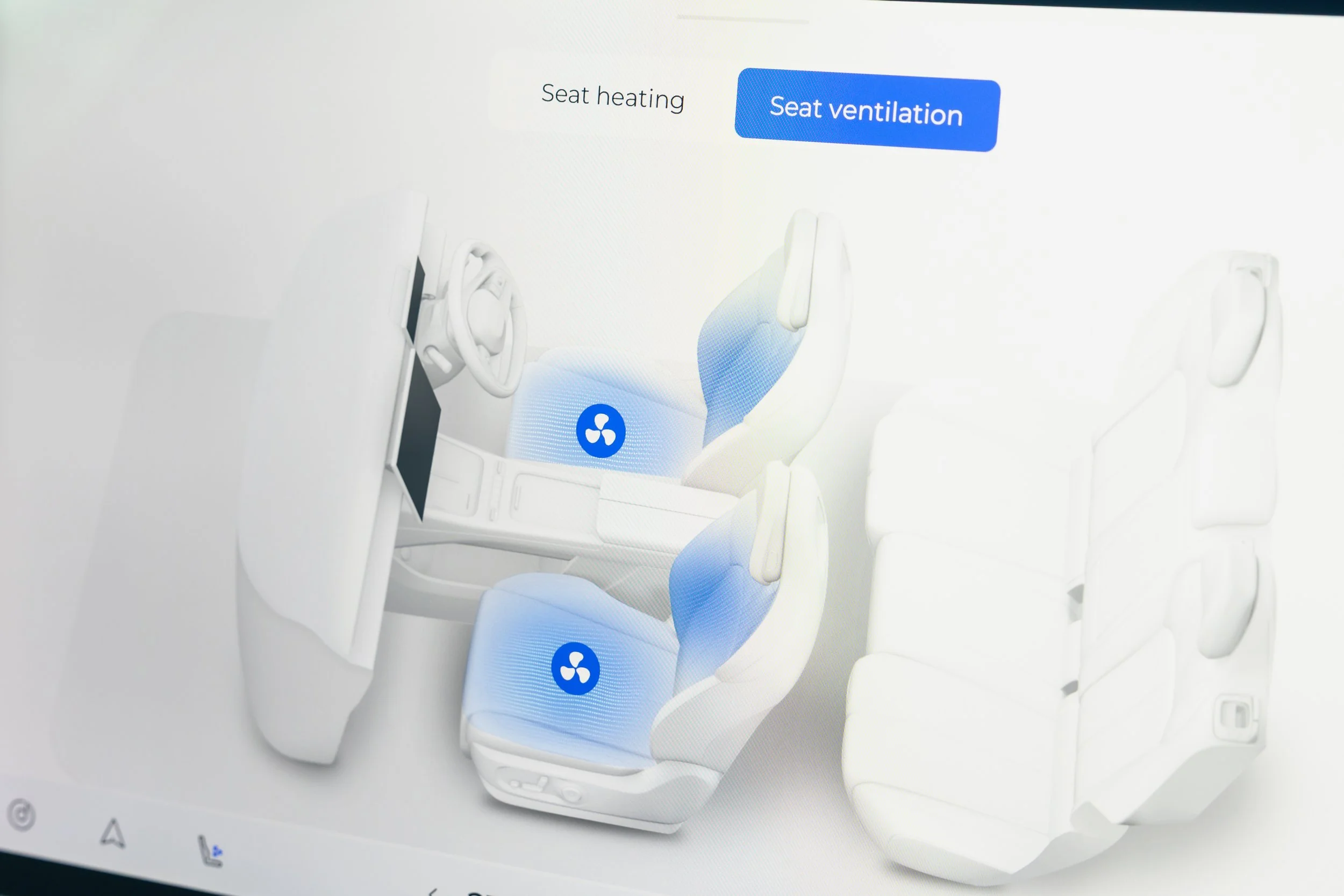
In Noble trim (as tested), the luxuries are increased to include a panoramic glass sunroof, an auto-dimming rear-view mirror, 20-inch wheels, ambient interior lighting, an upgraded 12-speaker SONY audio system, heated and ventilated seating, a power tailgate and four-zone climate control with the air conditioning fragrance system.
The highest spec (Noble Tech) takes all the added perks from the Noble and adds a sliding infotainment screen that moves to sit in front of the front passenger, plus remote parking assistance.
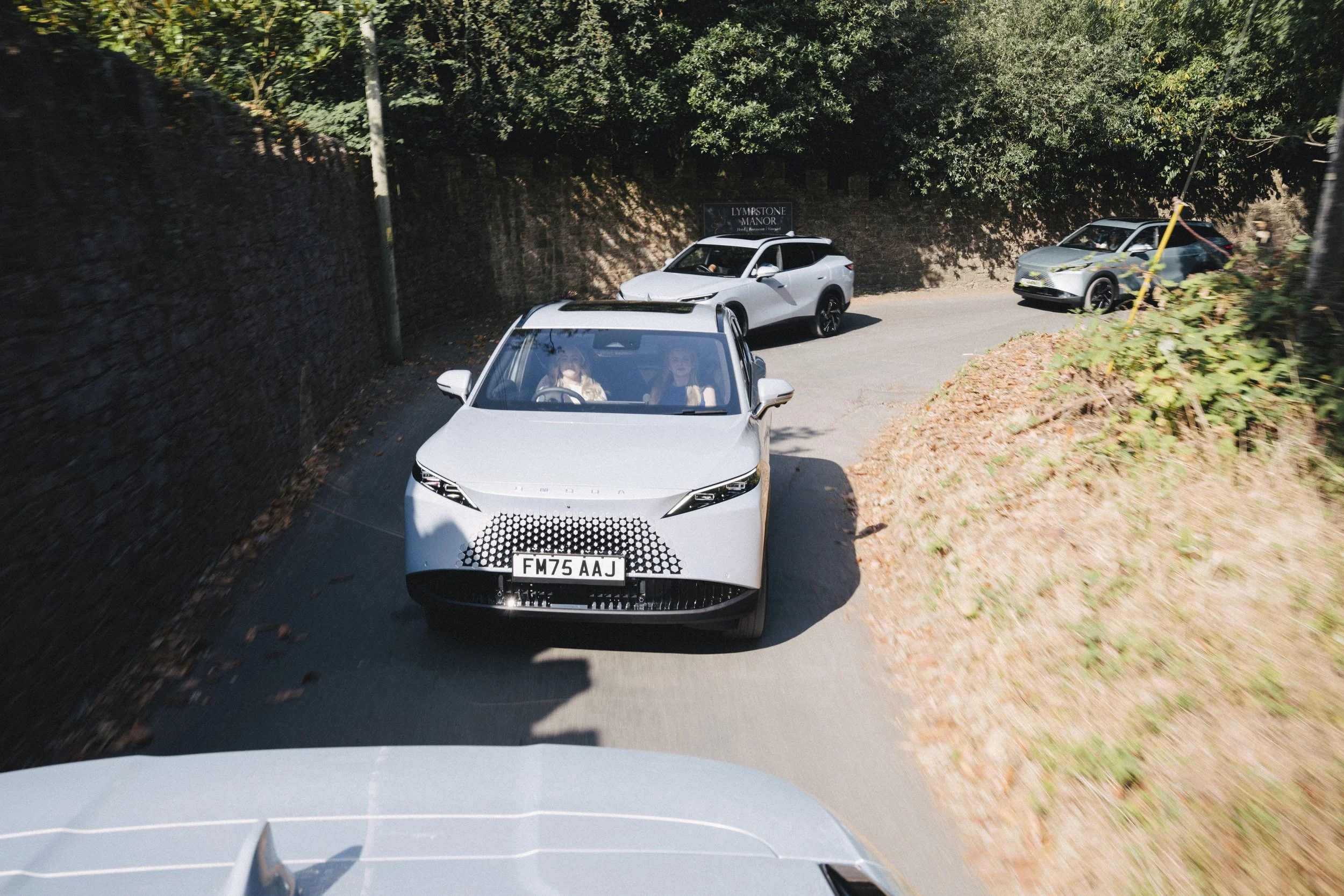
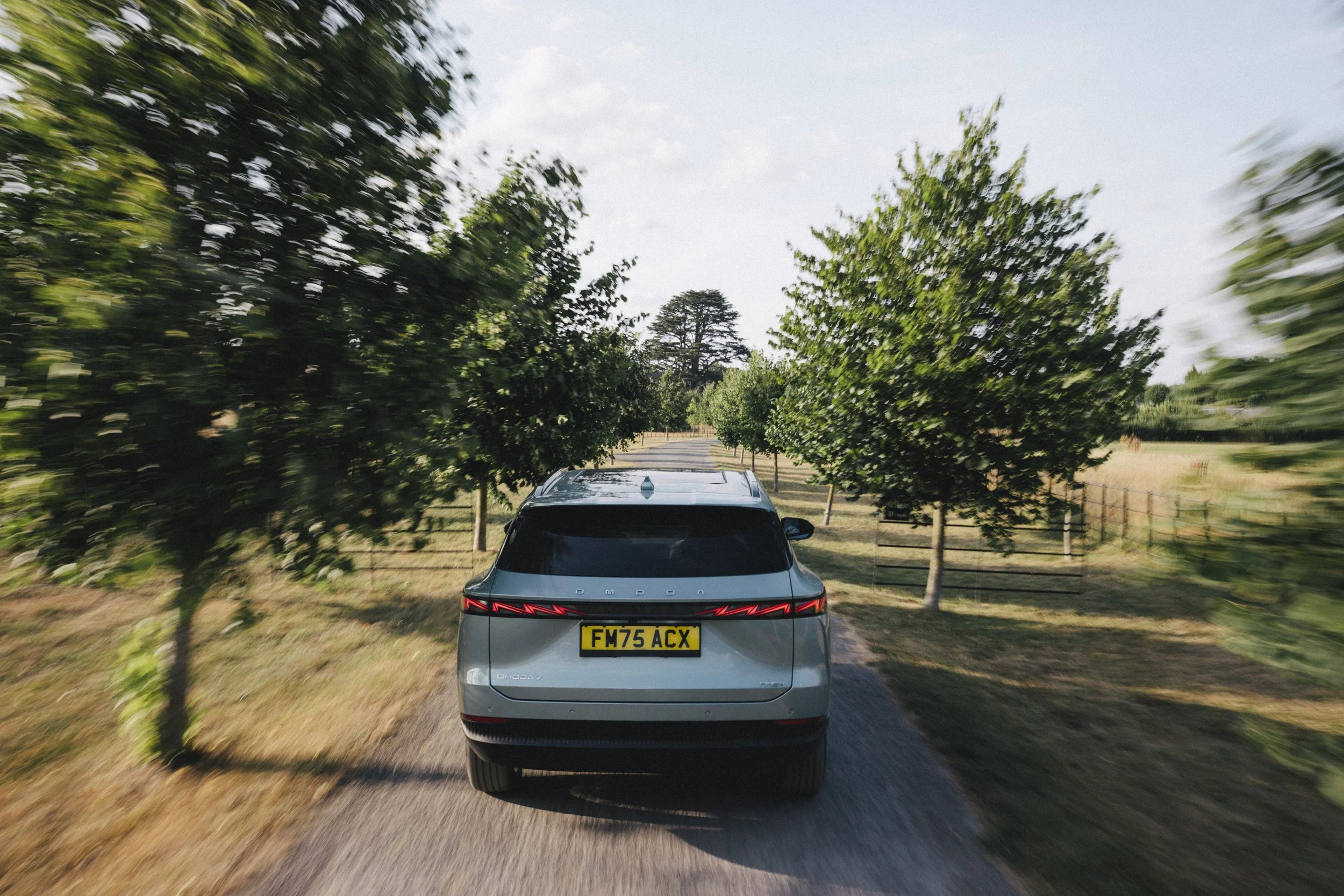
Driving Experience
In all trim levels, the OMODA 7 SHS-P is a plug-in hybrid that utilises a 1.5-litre turbocharged petrol engine and an 18.4kWh battery that feeds power to an electric motor running in tandem with the engine. The 7 SHS-P can also drive exclusively on EV power, with a WLTP range of 56 miles.
Where the OMODA impresses (in the same way as the Chery I tested last month) is the way power is delivered to the wheels and how quietly the engine operates. The 7 SHS-P accelerates with the characteristics of an EV, and that's no bad thing. It's not quite as punchy as some of the competition, but with a 0- 62 mph sprint in 8.4 seconds and a top speed of 112mph, it's no slouch either.
Performance and Range
With the electric motor and engine working in tandem, the power figures are respectable: 204 hp and 365Nm of peak torque. Power figures aside, where the OMODA 7 SHS-P is likely to impress the most is its range. The headline figure is 700+ miles on a full charge and a full tank of petrol, something that I could comfortably see being achieved on my 450-mile road trip.
The 7 SHS-P utilises an intelligent system called Smart Power, which uses the petrol engine to efficiently charge the battery and send power directly to the electric motor. The result is a seamless power delivery and constant priority of keeping a minimum level of charge in the battery as a reserve. This is something that not all PHEVs do, and something I grumbled about in my review of the Skoda Superb iV.
When the engine is running, you'll be hard pushed to hear it, even during harder acceleration. Overall, the Super Hybrid System is undoubtedly one of the best I've experienced, far outperforming similar systems in VW and BYD cars.
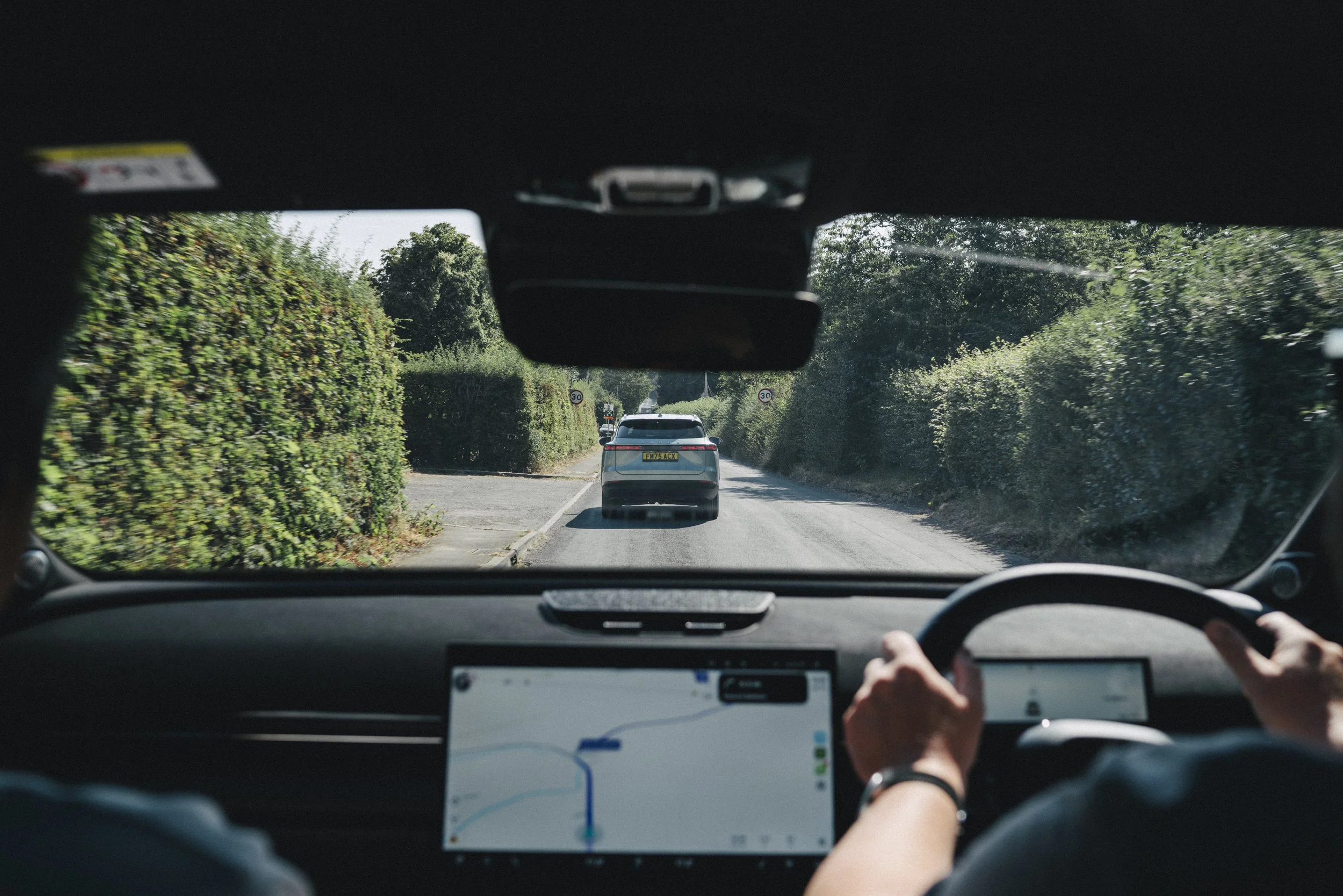
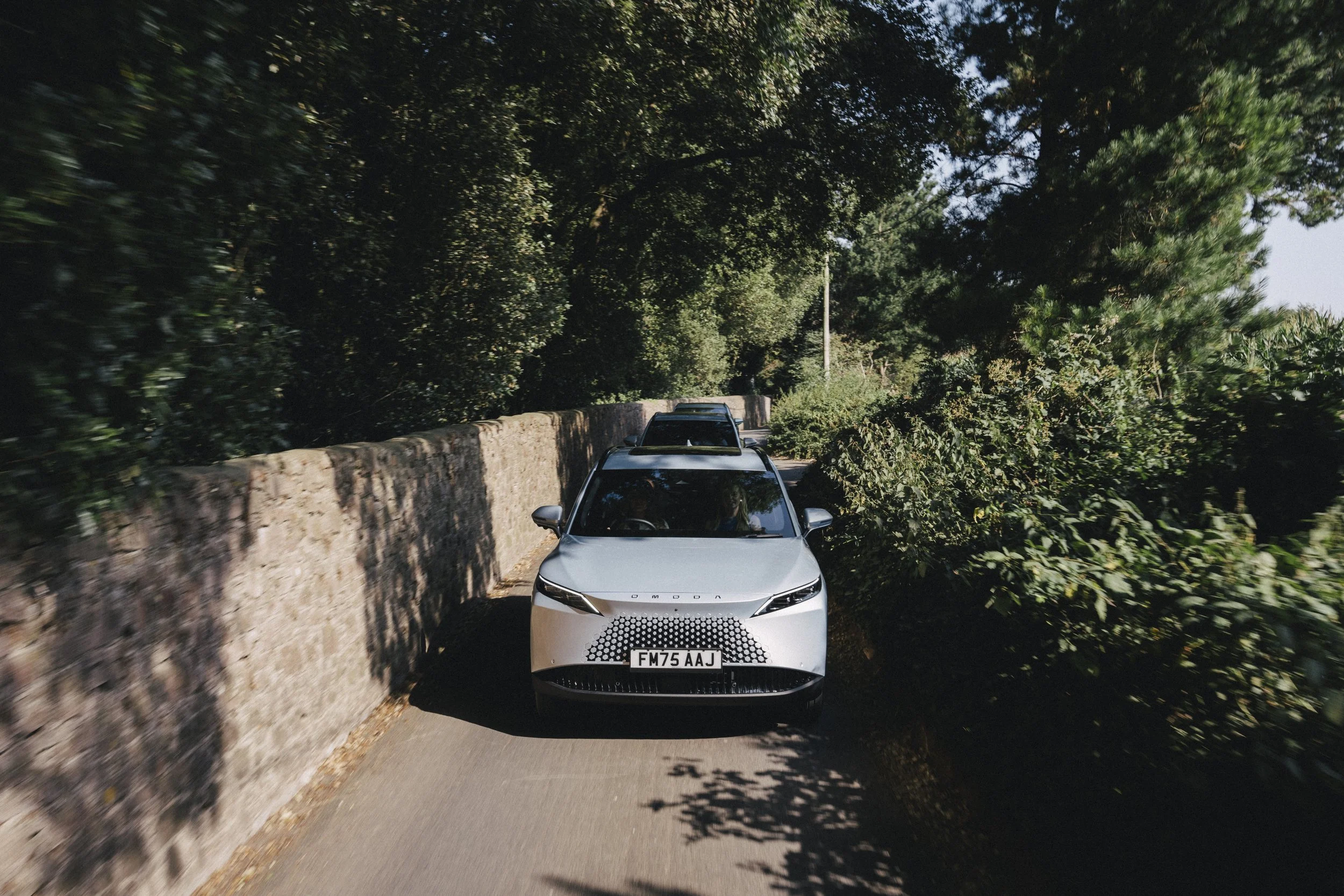
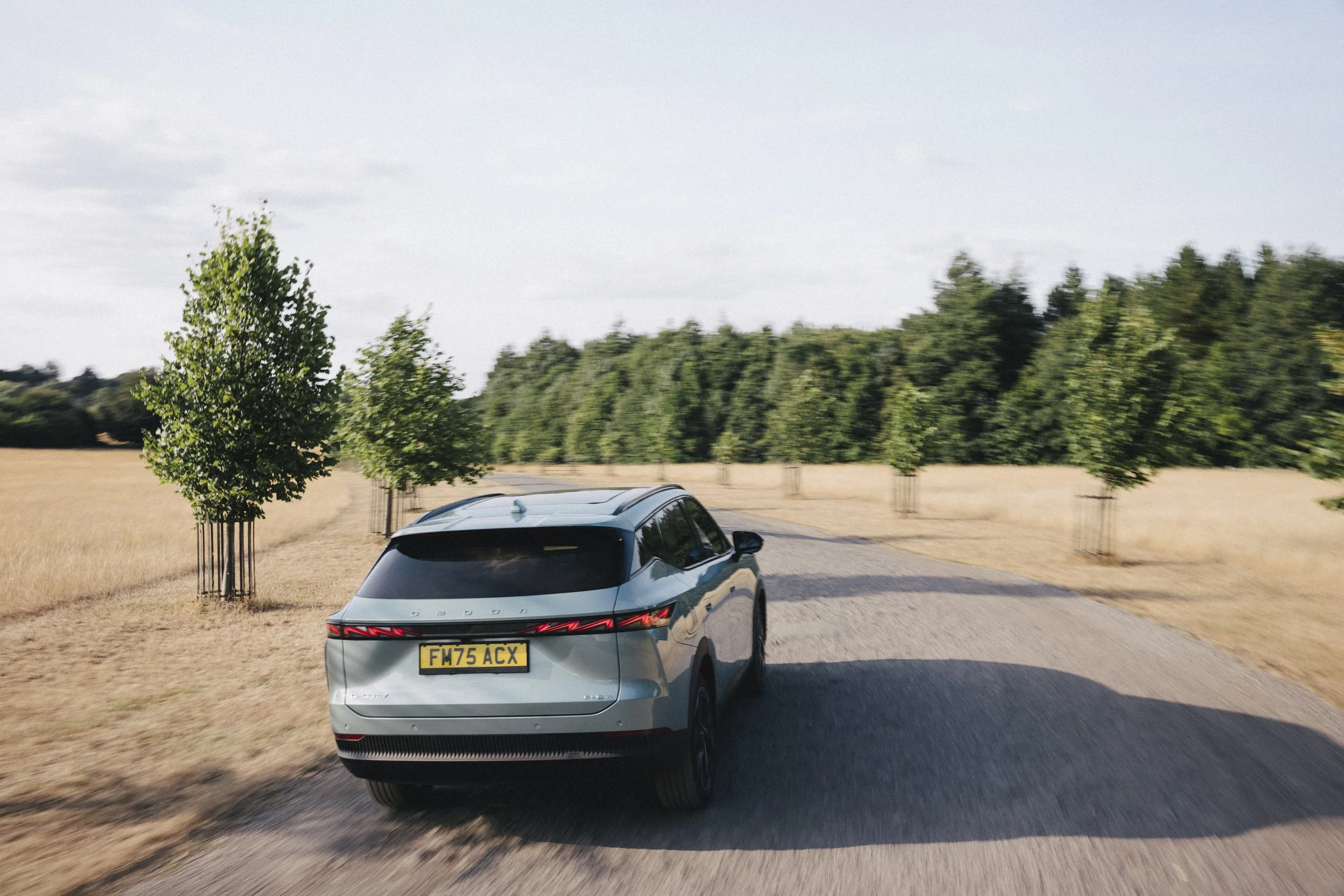
Driving Experience
There's very little to moan about in how the OMODA 7 SHS-P drives. The driving position is comfortable, visibility is excellent, and the driver assist systems, including intelligent cruise control and assisted steering, are all worthy of a positive note. In the driver settings, it's easy to switch between levels of regenerative braking, which helps send kinetic power back to the battery when decelerating, and it's very simple to switch to other driving modes, including eco, normal, and sport.
The steering feel is leaps and bounds above its Chery Tiggo 4 CSH sibling, as is the quality of interior parts and overall fit and finish.
Seat Comfort
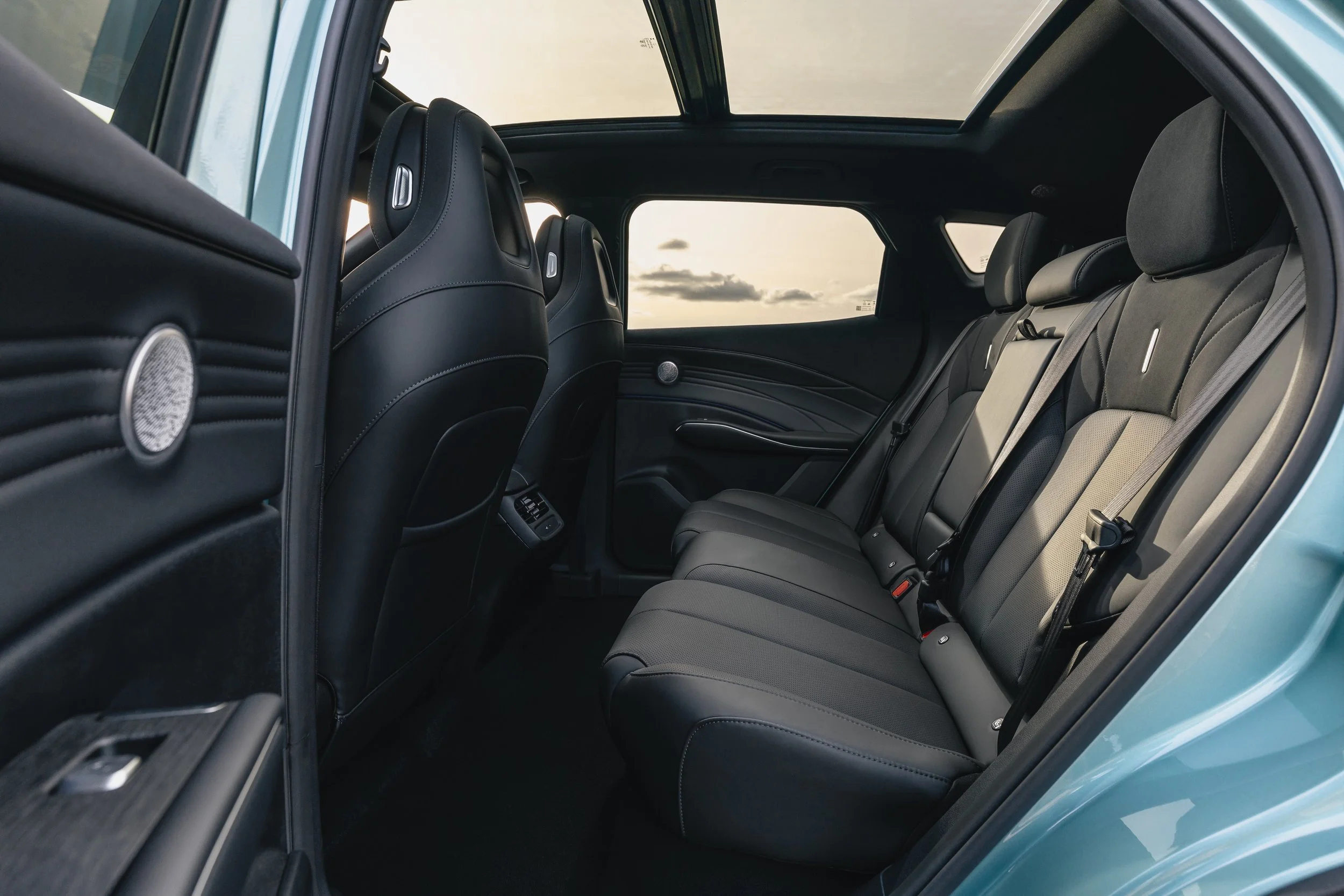
Some Chinese cars, including multiple from the Chery family, have been guilty of prioritising front seat comfort and giving less thought to those who will be sat in the back for hours at a time. Clearly, the engineers and designers at OMODA have listened to the customer comments and read the reviews. The rear seats are a monumental improvement from earlier attempts, something I can vouch for personally experiencing on our road trip. The front seats were also much better than expected, with the added bonus of a massage function adding further luxury to the experience.
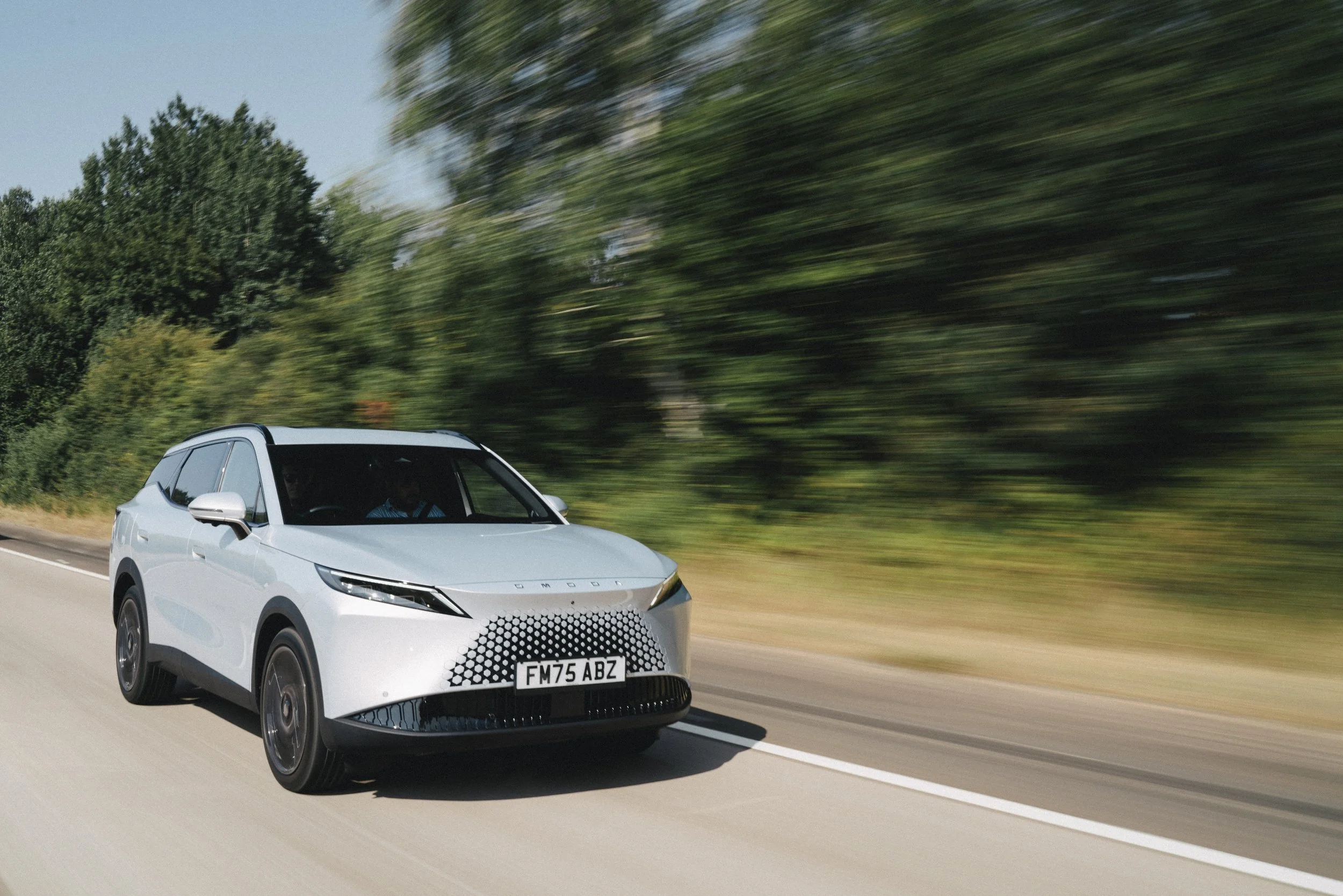
Areas for improvement
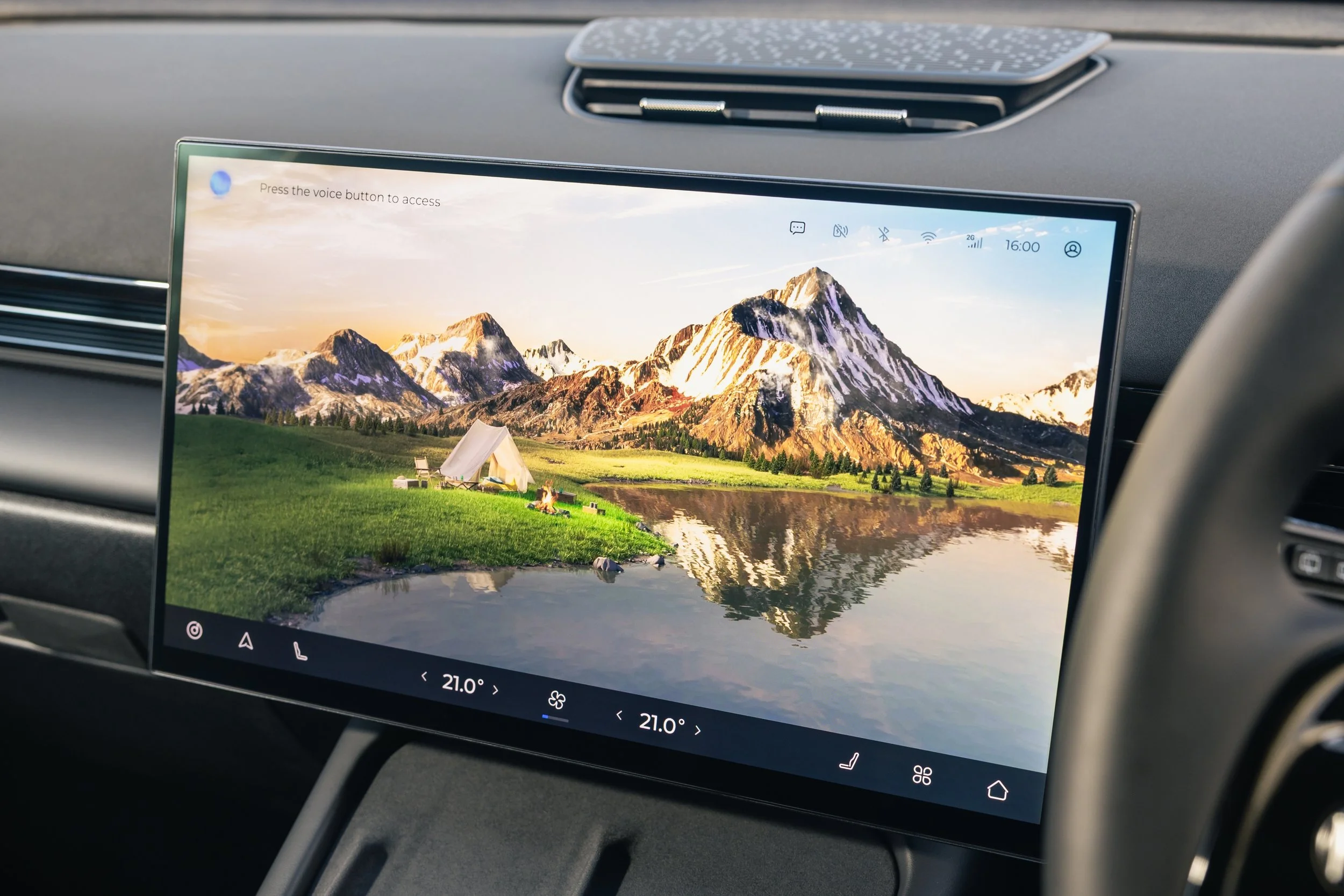
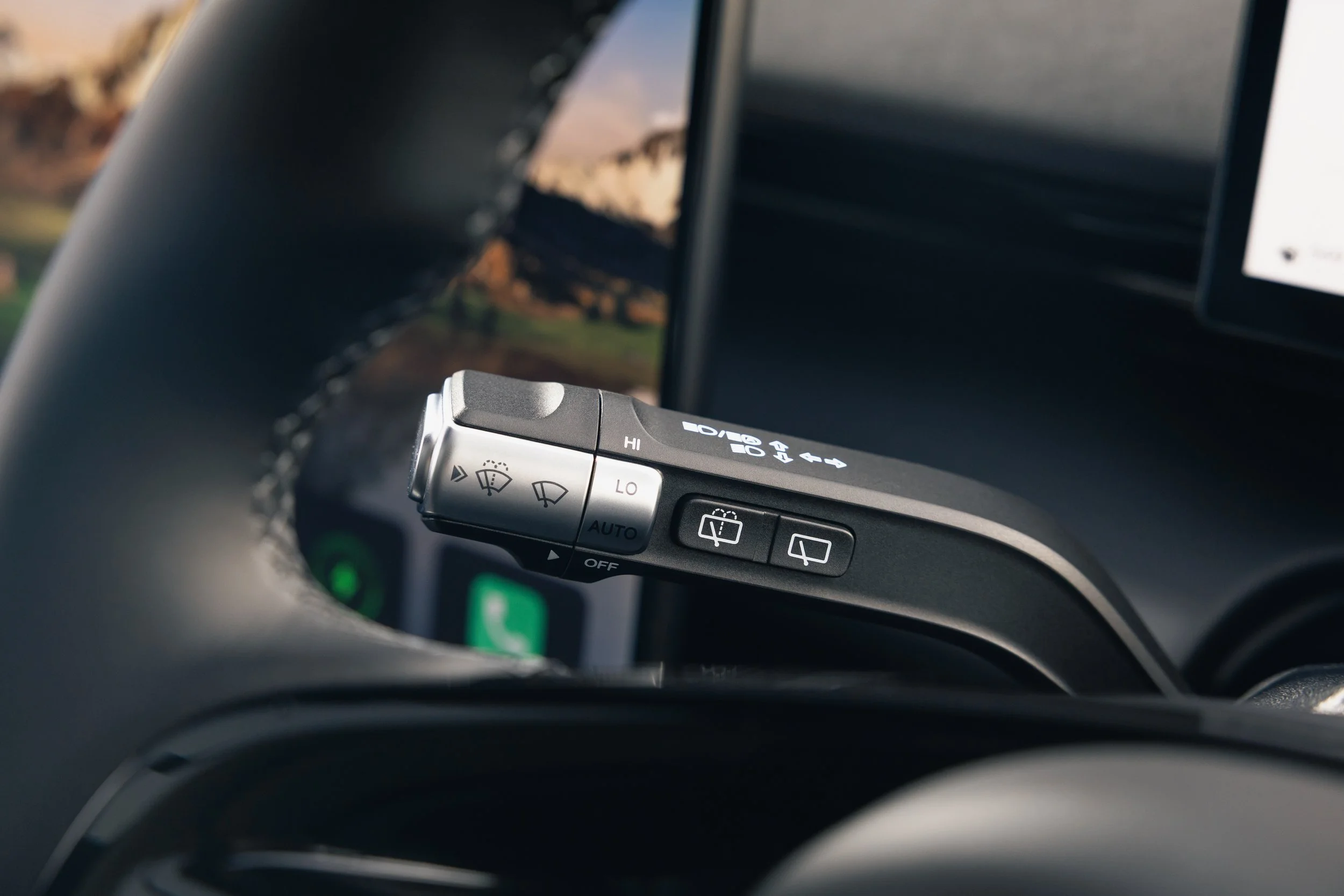
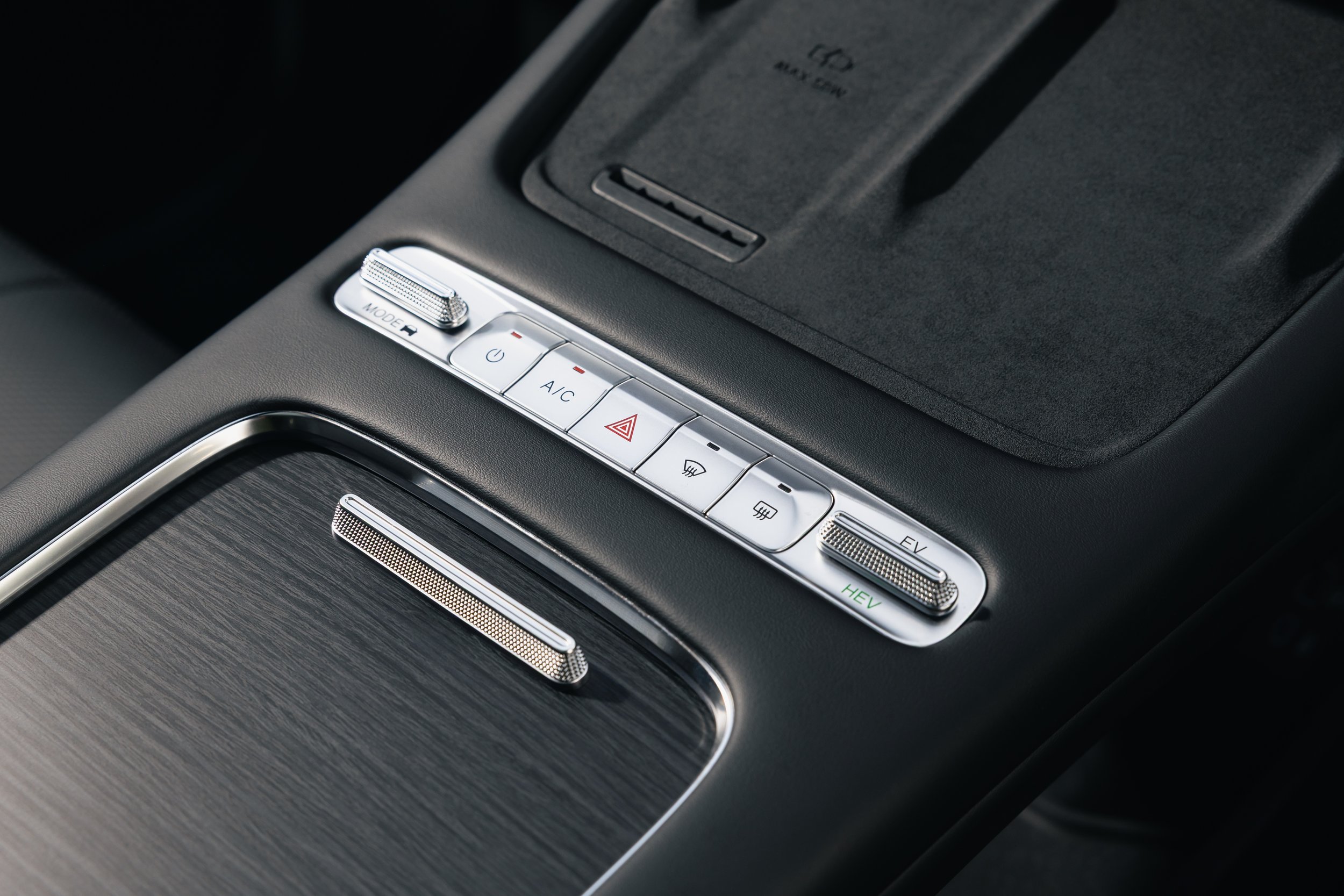
There are still a few areas where OMODA and the wider Chery family could improve for everyday use. Whilst audio controls are in reach of the driver's fingers and thumbs on the steering wheel, there is no physical volume toggle for the passenger without having to tap on the infotainment screen to find a slider. Likewise with climate control adjustments. Other than a physical button for AC and an Auto AC mode, there is no quick and easy way to adjust fan speed or temperatures without multiple taps and swipes on the touch screen. OMODAs answer to both complaints will be the fact that you can speak to the car and ask it to set the desired tempreture and fan speed, but where it's clever in certain areas, such as identifying from which seat the commands are coming from, the commands are often either missunderstood or misinterpreted entirely, with the most common reply to my requests being "sorry, I haven't learned that yet".
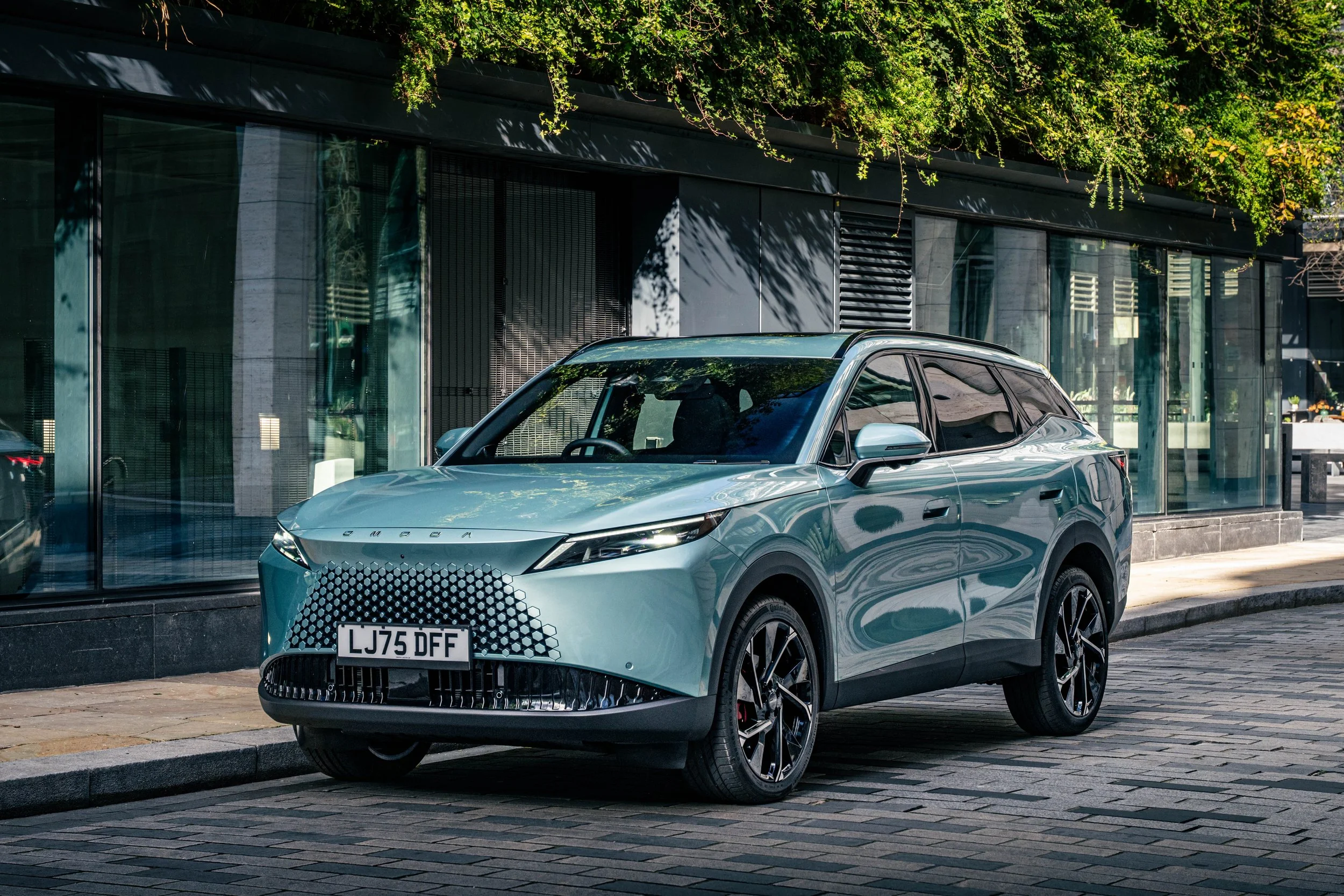
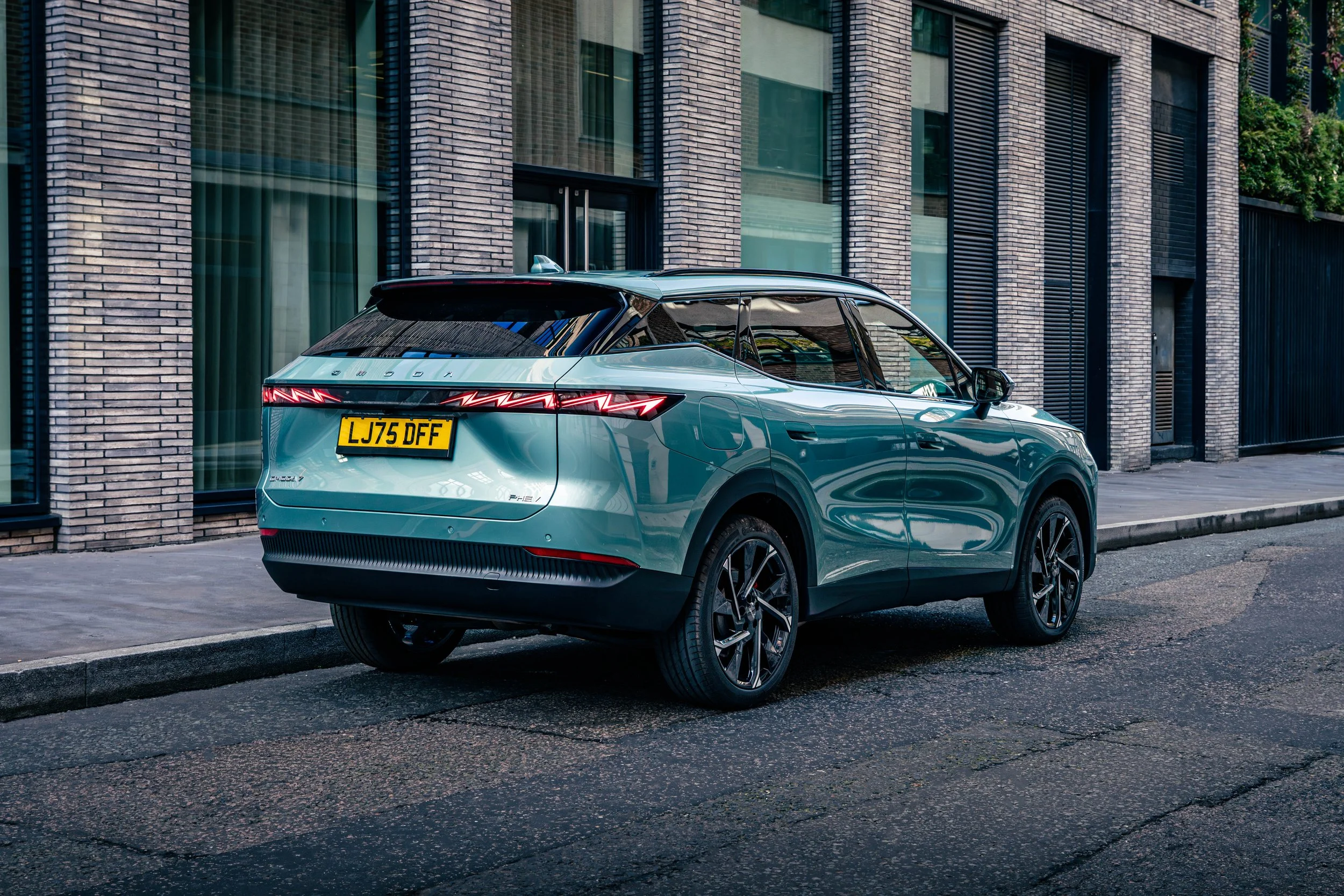
Design, Space and Practicality
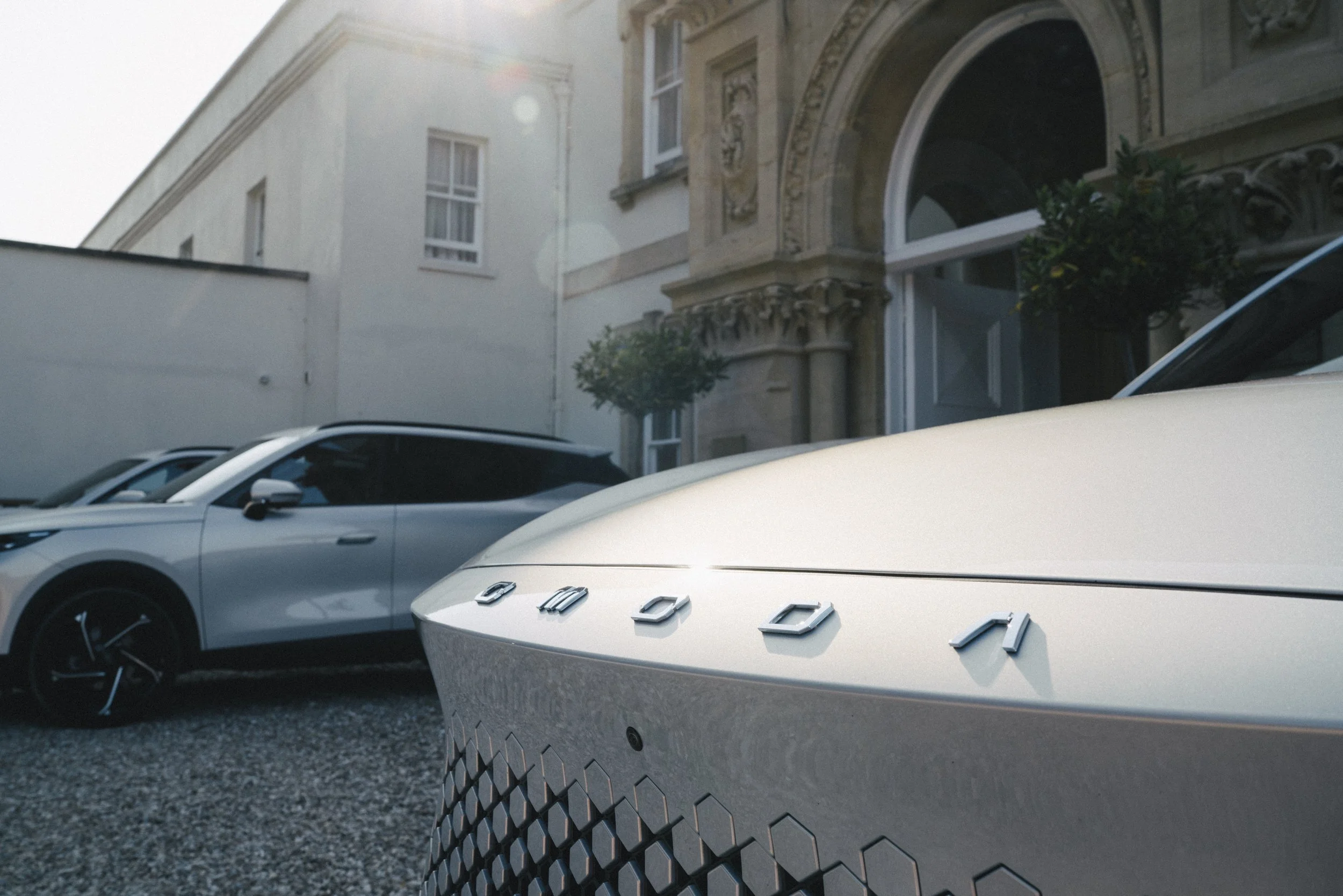
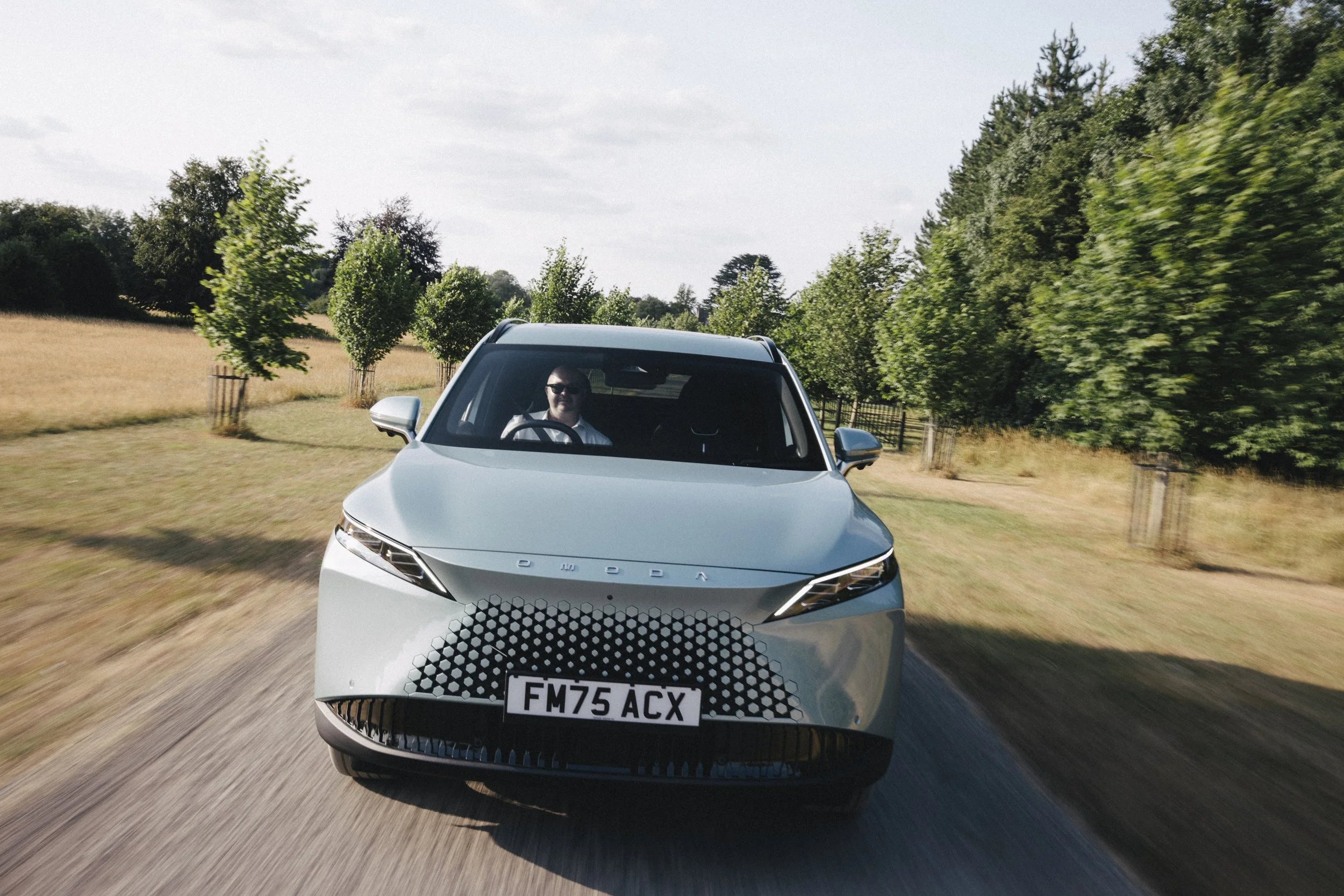
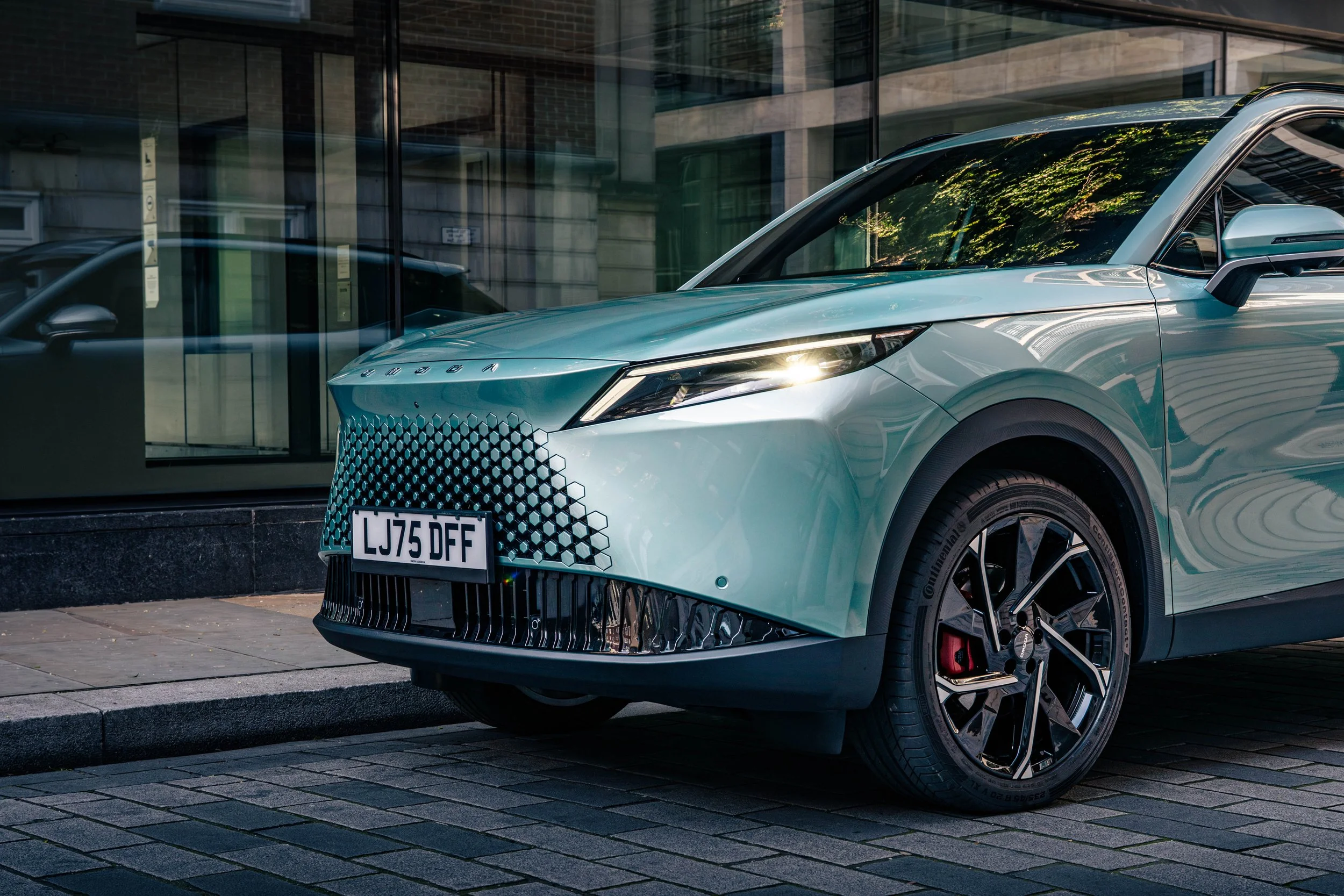
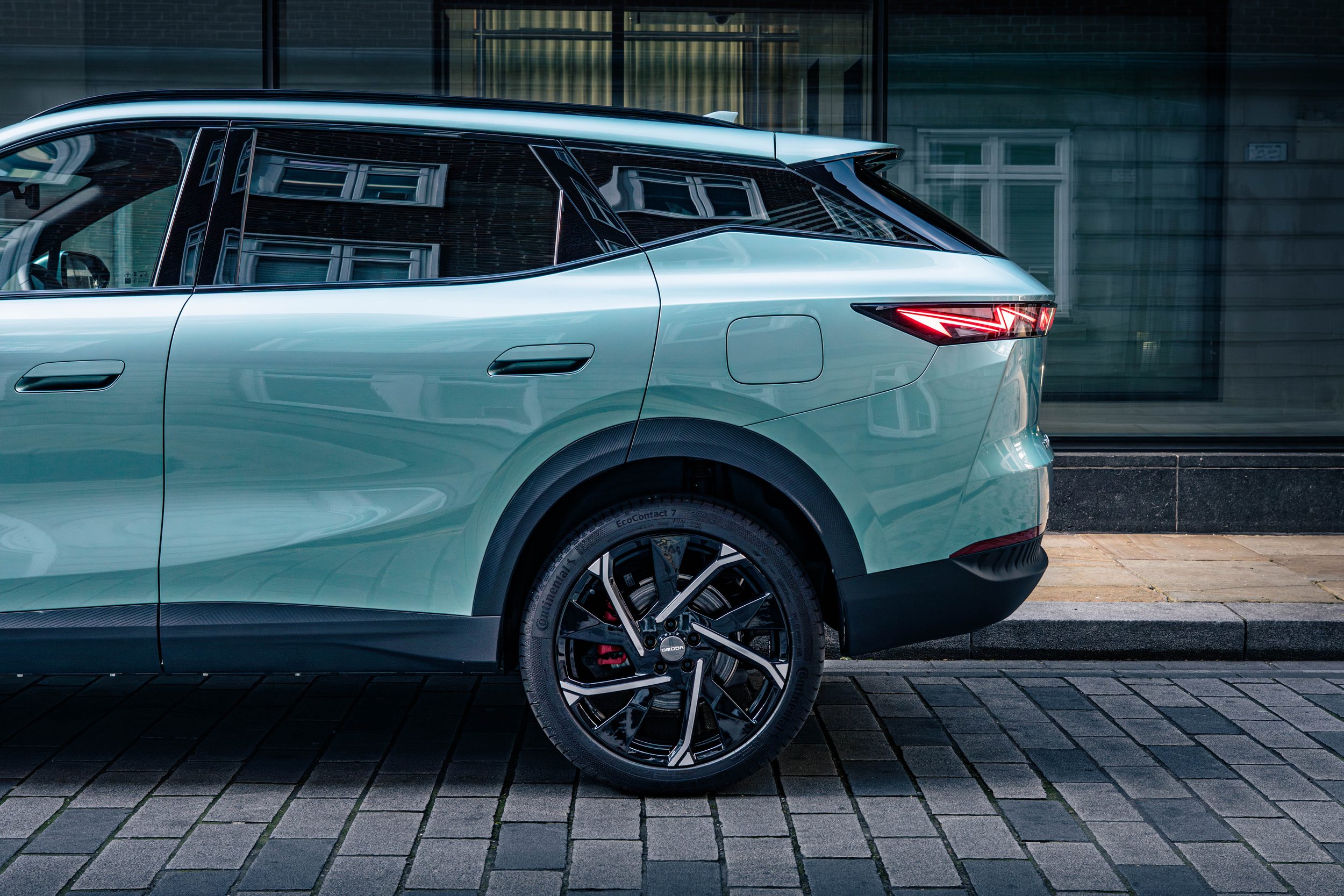
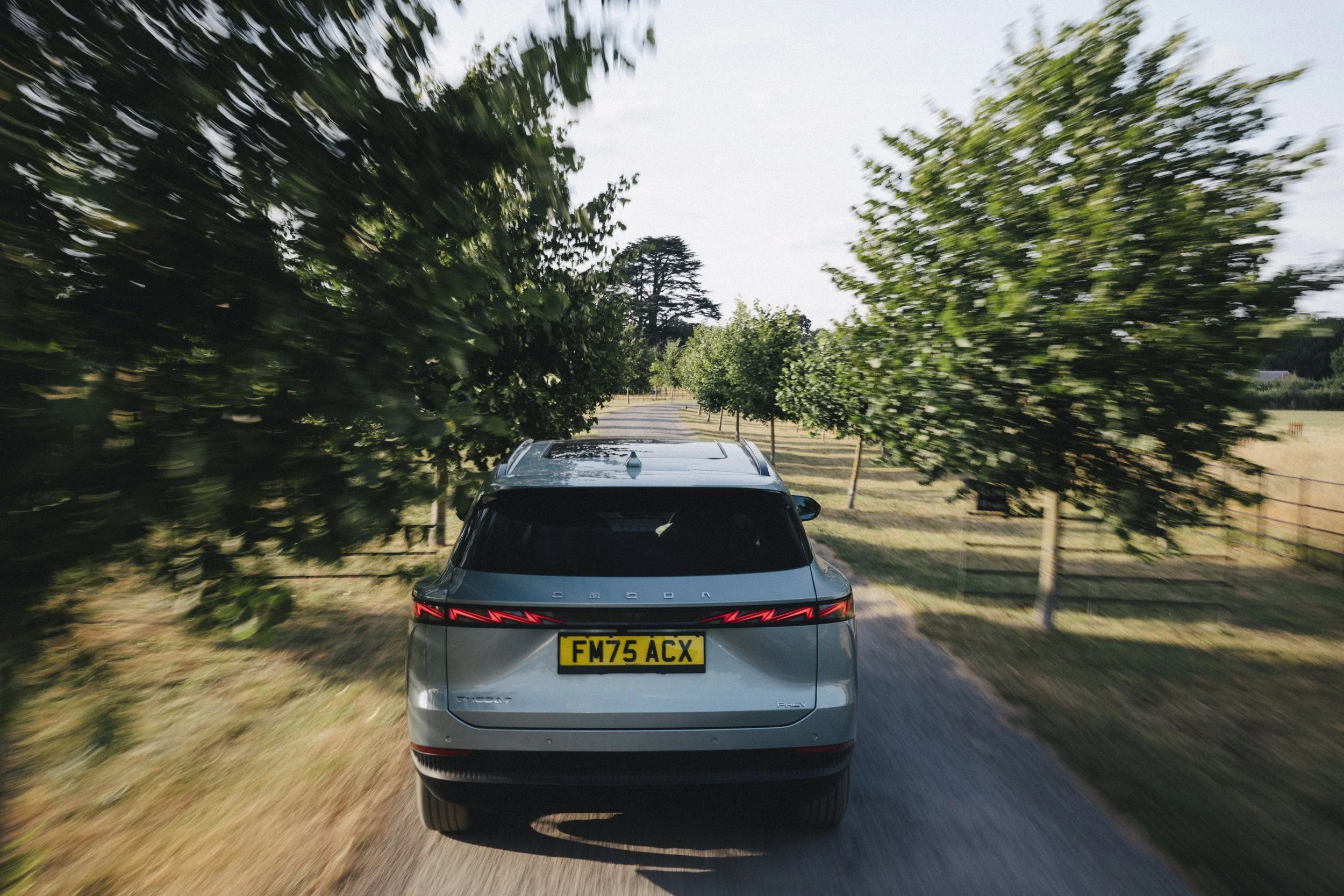
A huge positive for the car is the way that it looks. Design, as ever, is subjective, but I'm glad to see that OMODA is veering away from the generic blob-pebble design trend and having a go at something different. Exterior features like concave headlights and sharp angles make the 7 SHS-P look distinctively unique from the competition - something that can't be said for its Jaecoo-badged cousins.
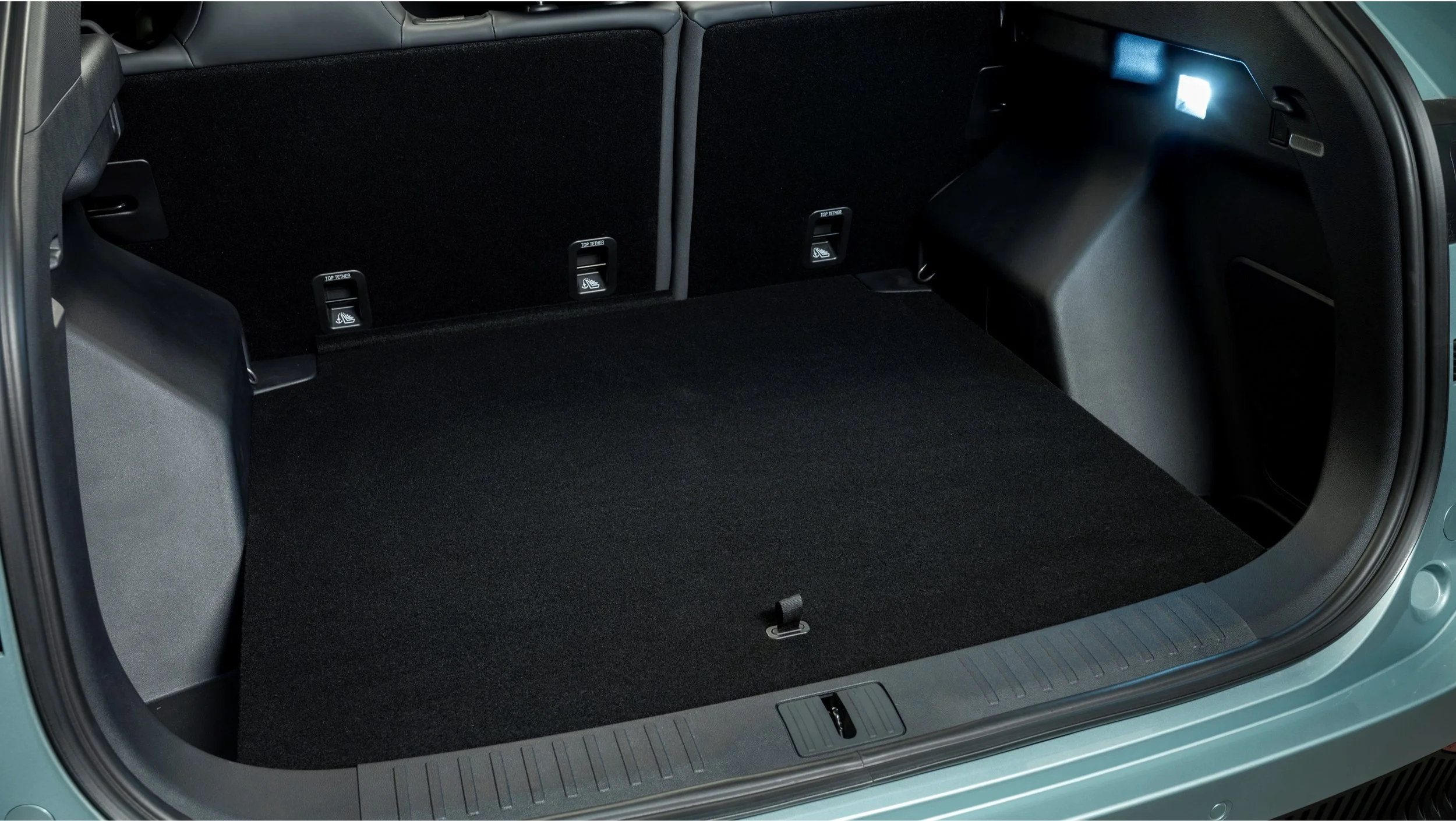
The interior layout is good, storage options are intuitive, and the boot offers a more than adequate 590 litres to swallow up everyday items or the family dog.
Real World Range
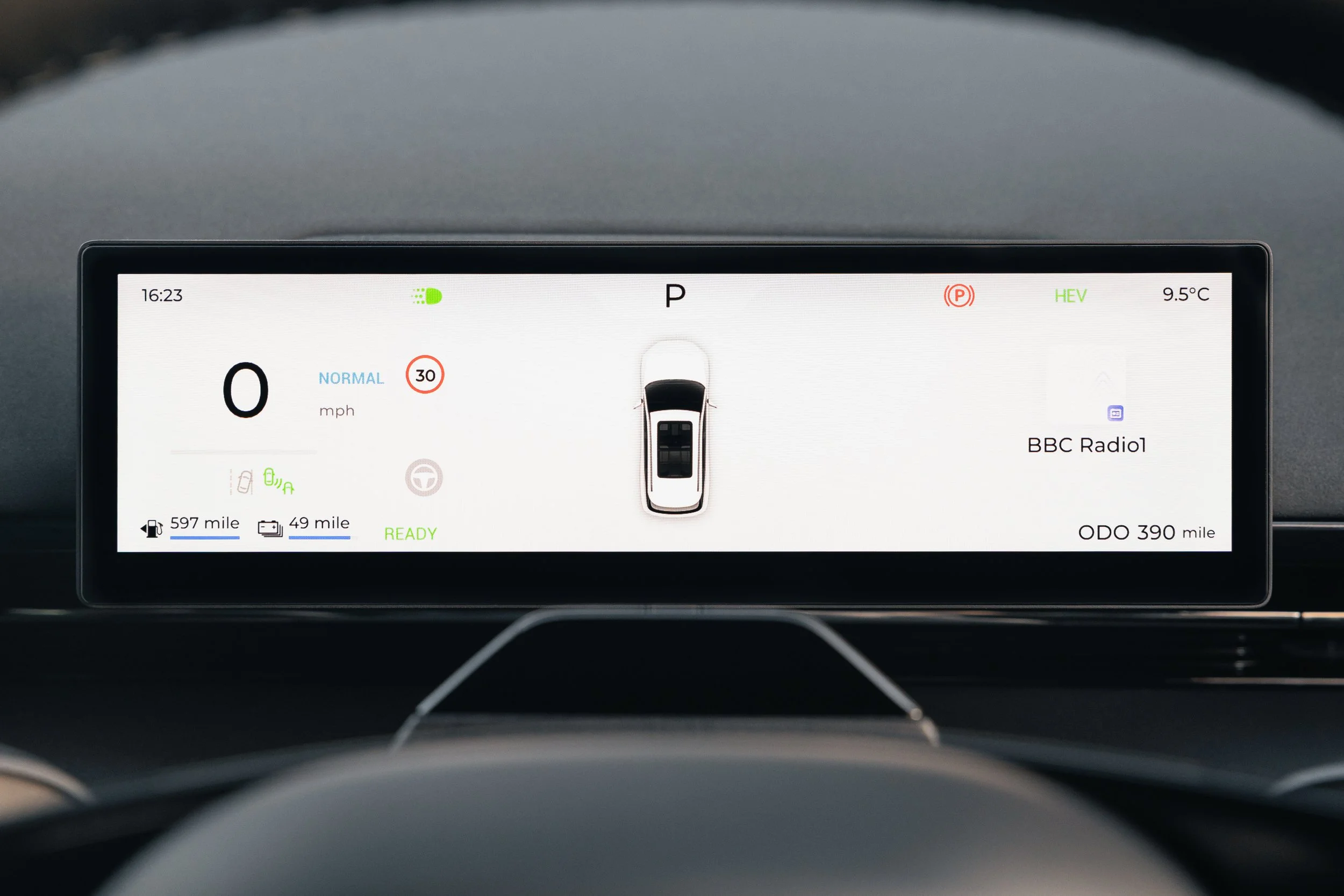
On our 450-mile scent tour road trip, we wouldn't get a chance to test the claim of a 700+ mile range in the 7 SHS-P; however, I do not doubt the figure could be achieved with ease. After 330 miles of driving and reaching our second hotel in the Cotswolds, the predicted range displayed a further 336 miles from the fuel tank PLUS 22% of battery power in reserve to get us the further 95 miles back to London. There was little incentive to drive economically either, with various stints at motorway speeds which typically zaps range. The 1.5-litre petrol engine and battery combo seems to be the perfect plug-in hybrid recipe, so expect to see a lot more cars appearing with this ilk of drivetrain in the future.





Let's get back to the Scents... Was it all Necessary?
I hear you; did we need two luxury hotels, Michelin-star meals, and personally guided experiences in scent creation by two of the world's most renowned perfumers to test a new car? No, of course we didn't, but I completely see the logic in the programme.
Think back to when you were younger, and the distinctive smell of the cars you experienced as a child. How often have you smelt the interior of a now classic car at an event or show, and had immediate vivid technicolour memories of trips to the beach, family holidays, or birthday adventures come flooding back?
For me, the smell of the fabric seats in a 1982 Cortina or 1990 Nissan Bluebird will trigger tear-inducing happy memories in the same way that a certain perfume will make you think of an old friend, colleague or family member. Historically, the smell of a car has been as significant for some as the design, but today, with advancements in tech and the thankfully far cleaner use of fossil fuels, there's often no smell at all. Interior smells have become noticeably more generic with the reduction of materials such as leather and wood in favour of vegan leather and plastics.
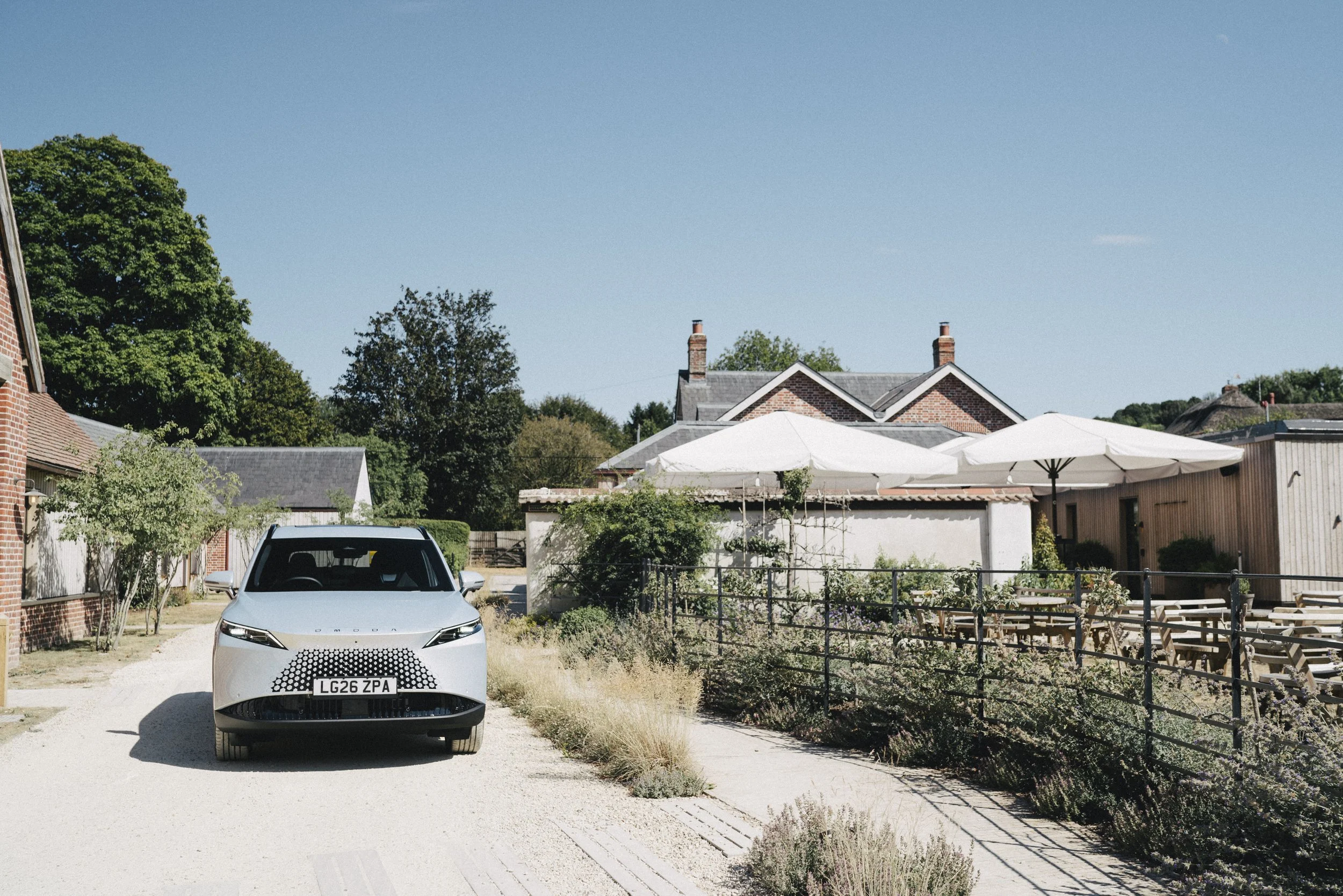
Whilst it may seem a strange comparison, I've no doubt that there will be adults 30+ years from now regaling the smell of their parents' new 2026 OMODA, not because of the way the seats or carpets smell, but because of the distinctive perfumes that OMODA's engineers have lovingly crafted.
Be it a good thing or bad, the gap in luxury versus affordable cars is closing at a rate that we've never seen before. Thanks to the abundance of standard luxuries and features, OMODA has jumped forward once more by offering a feature previously reserved for £150,000+ limousines to their humble family cars priced at just £35,005.
words by John Marcar
photography by Huckleberry Mountain and Alex Rory Jacobs for OMODA