
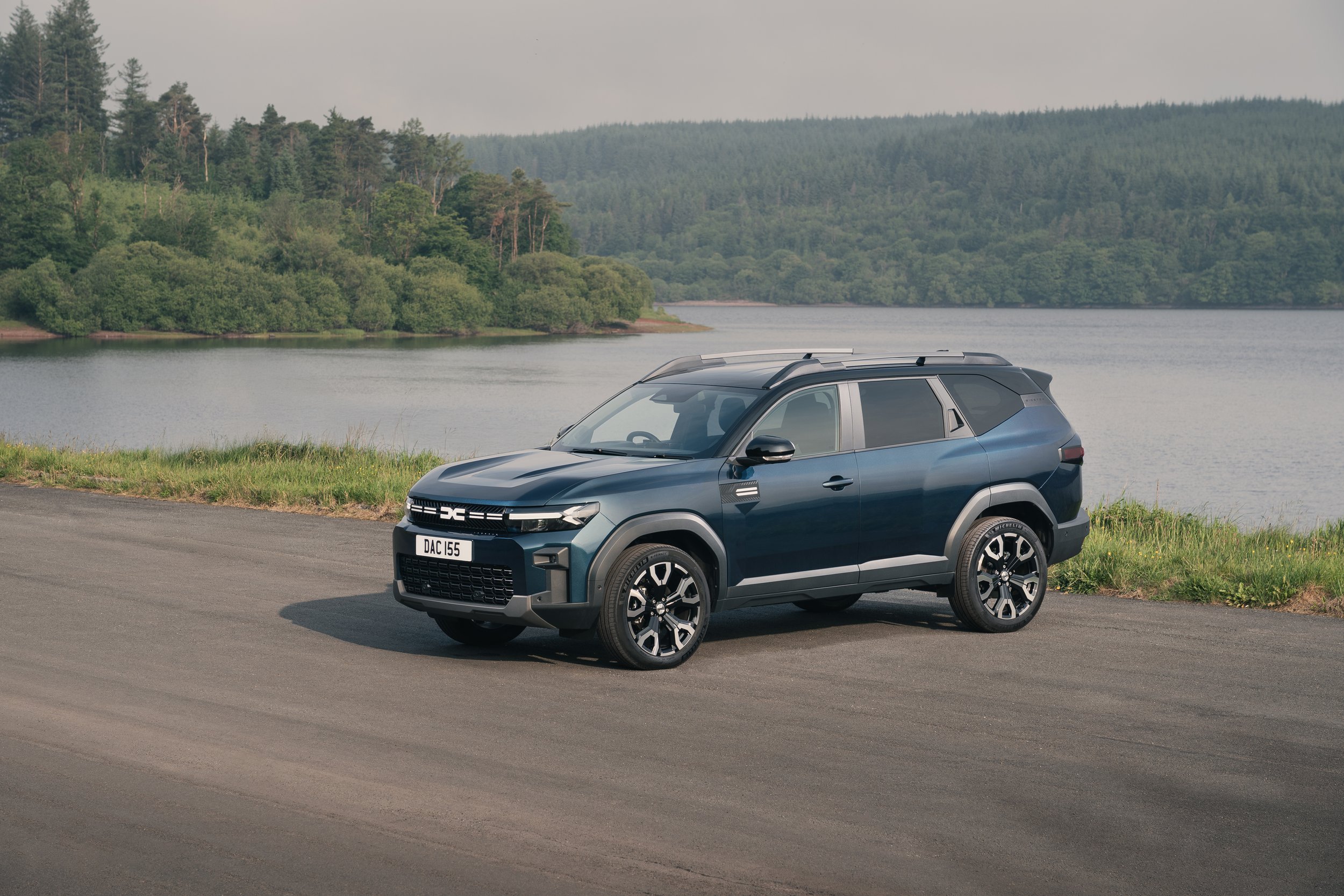
The new flagship Dacia model
Dacia is slowly but surely extending its range. The Bigster is the latest model to arrive and goes straight to the top of the tree as the brand’s flagship car.
As ever, Dacia goes big on price. Not big as in expensive, but more like big in terms of savings. I’m trying not to use the word ‘cheap’ because that tends to make you think that the car is either lacking in any sort of quality or that it’s not very good, both of which are completely wrong.
Price
And, as with the Bigster’s smaller stablemate, the Duster, it’s a rather endearing sort of car for the simple reason that, for the price, it’s up to the job, is equipped with the essentials, and drives okay. It’s also distinctively styled.
Back to the price. If you go for the entry level Expression trim with a mild hybrid 138bhp engine, you’ll end up forking out £25,215. At the other end of the scale, if you go for the top Extreme trim and mate it to a full hybrid 153bhp engine, you’ll still only be paying £29,990 (prices July ’25), which is cracking value.
Fancy a Bigster with 4x4 transmission? That’s yours with a starting price from £27,465.
Bigster vs Duster
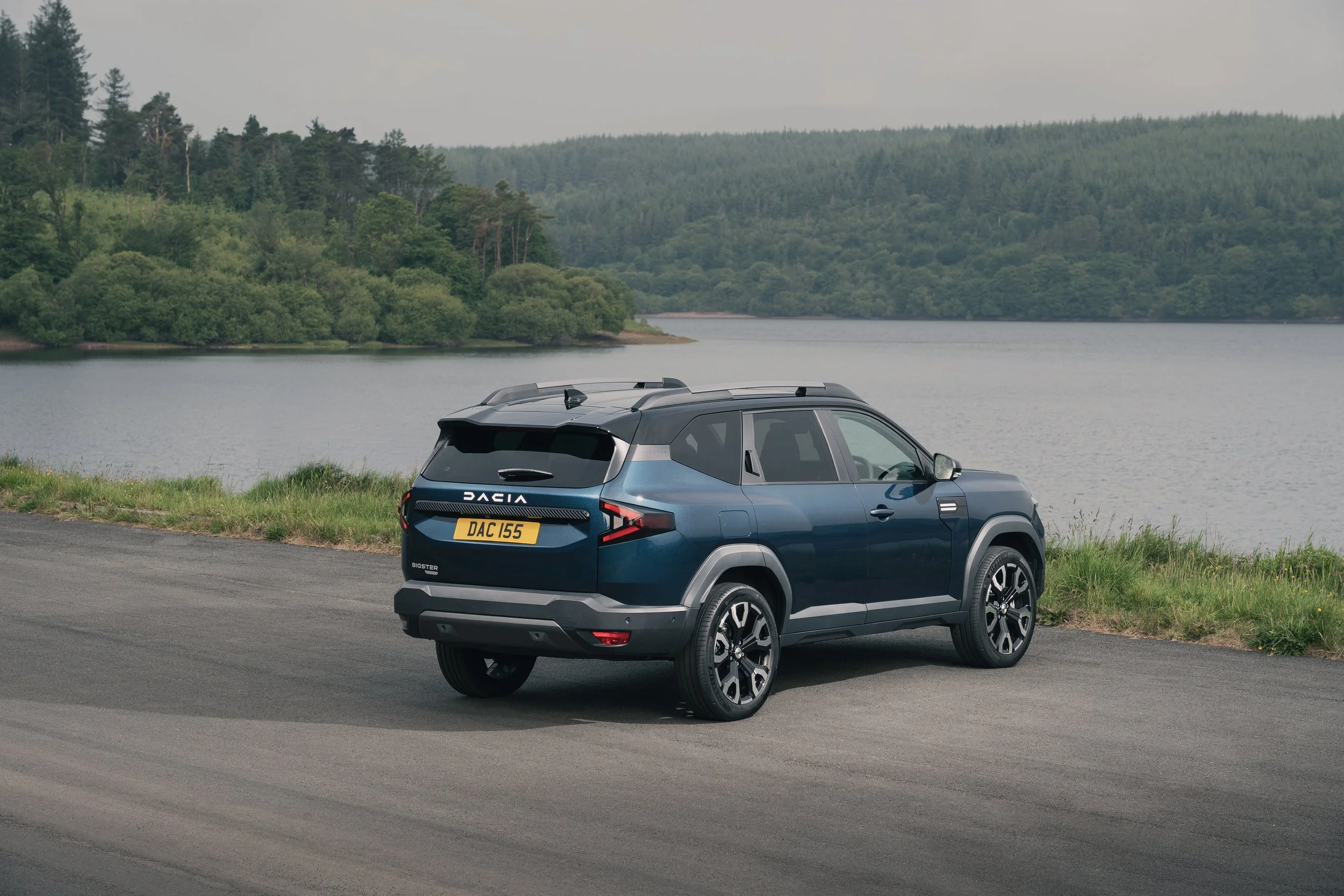
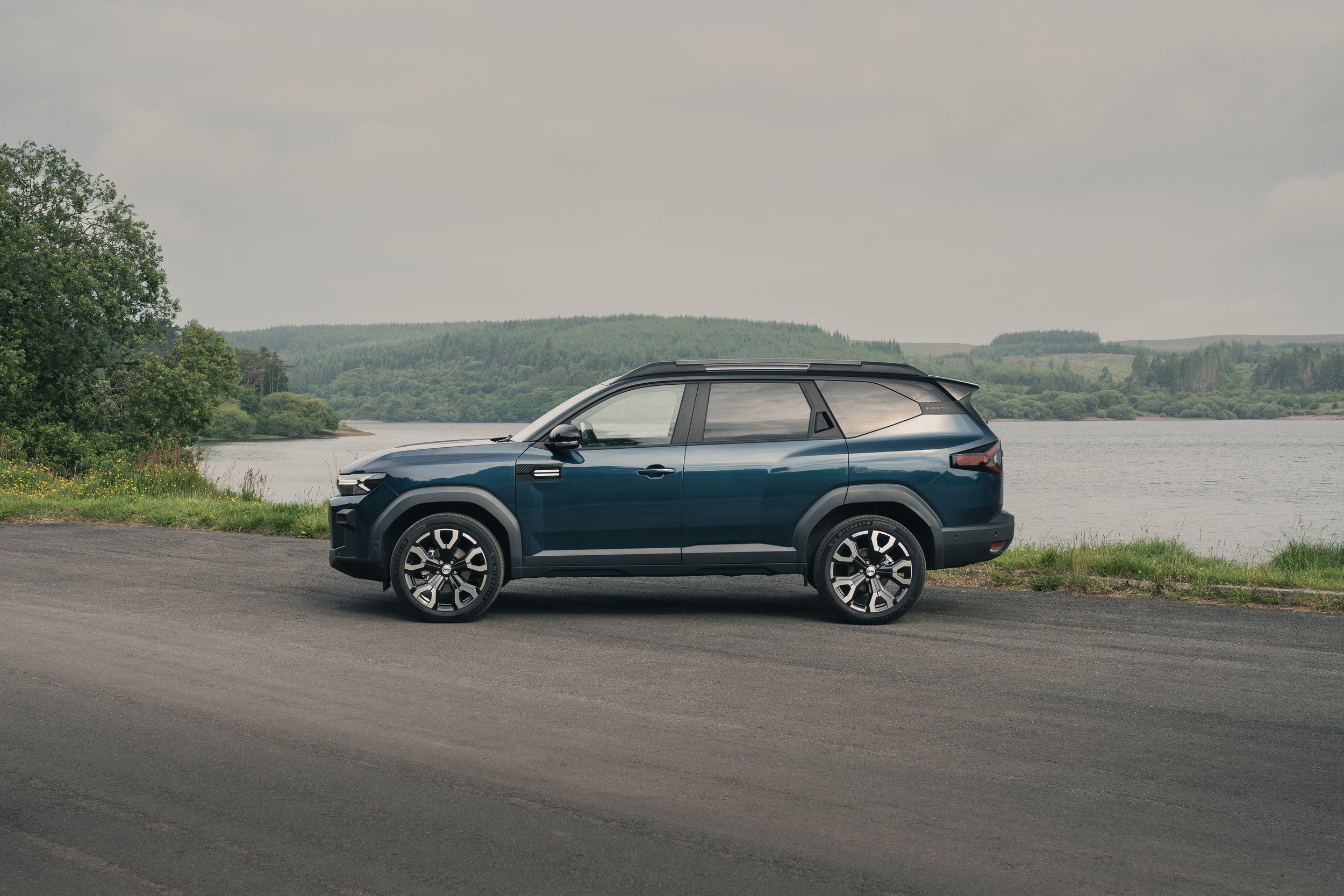
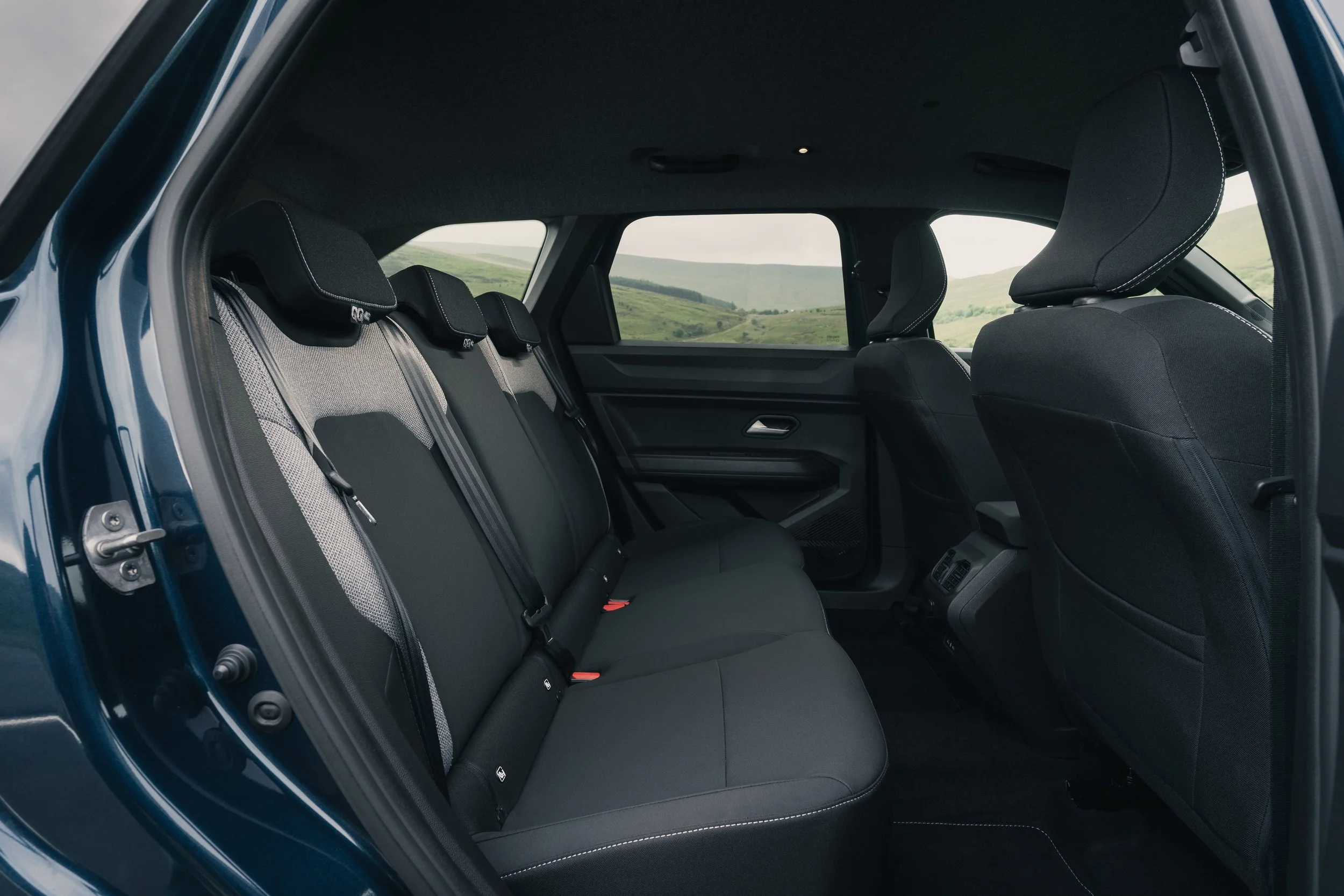
Everything about the Bigster screams Duster, which is no bad thing because the Duster looks smart, sells well and does everything you’d want it to. To be honest, you’d only really be able to spot the difference if they were parked next to each other. The only area where the similarity ends is that the Bigster is, obviously, bigger, but only in terms of length, to the tune of 220mm. Everything from the front seats forward is identical. Rear legroom, when compared to the Duster, is up by 40mm, and the boot is bigger by around 100 litres. In other words, the Bigster is roomy and, if you drop the rear seats, can carry some sizeable loads.
Powertrain options
A quick word about the powertrains. The entry-level vehicle gets a three-cylinder 1.2-litre engine and front wheel drive. Yes, it’s a mild hybrid, but there’s not much in terms of additional poke. It’ll get you rolling from a standstill, but that’s about it. The estimated economy is 52.3mpg, and a 0-60mph sprint will take you 9.8 seconds.
Next up is a 130bhp 1.2-litre option with four-wheel drive. Granted, it won’t be able to do an impression of a mountain goat, but it’ll get you across boggy and slippery ground. It’d make sense if you live out in the sticks, where roads can get a tad muddy or lacking in grit during wintertime. Dacia predicts it will manage 47.1mpg, and its top speed is 112mph, with 0-60mph taking 11.2 seconds. The towing limit is 1.5 tonnes with a braked trailer, not startling but enough to pull a small-ish horsebox, for example.
Top of the heap is reserved for a four-cylinder 1.8-litre petrol engine with a full hybrid set-up. Front wheel drive is the only option available at the moment, but don’t be surprised if an all-wheel drive set-up doesn’t arrive eventually. Accelerating from 0-60mph takes 9.7 seconds, and it can reach a top speed of 112mph. The economy is pretty good too at 61.4mpg. This is the only Bigster which has an automatic gearbox option instead of a 6-speed manual. I was surprised by how much urban driving is done on battery power alone, hence the decent mpg figures.
Driving experience
Out on the road, the Bigster handles tidily. If you chuck it into a corner, it’ll roll a bit, but the suspension isn’t unduly soft. At motorway speeds, it’s smooth and offers relaxed cruising and around town, everything is composed. Even though the Bigster is a sizeable car, it’s not overly wide and, thanks to light steering, it’s easy to punt around.
Interior
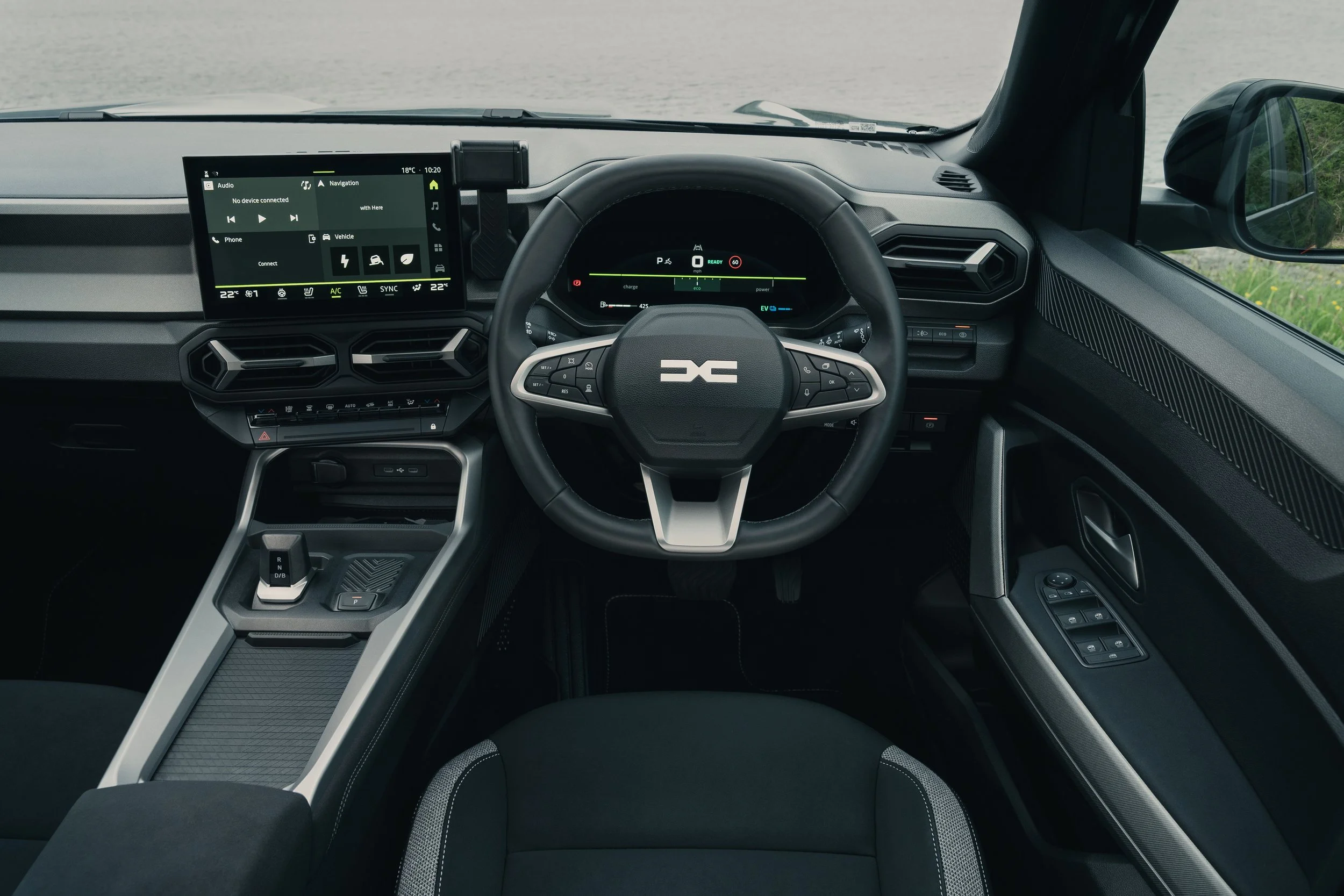
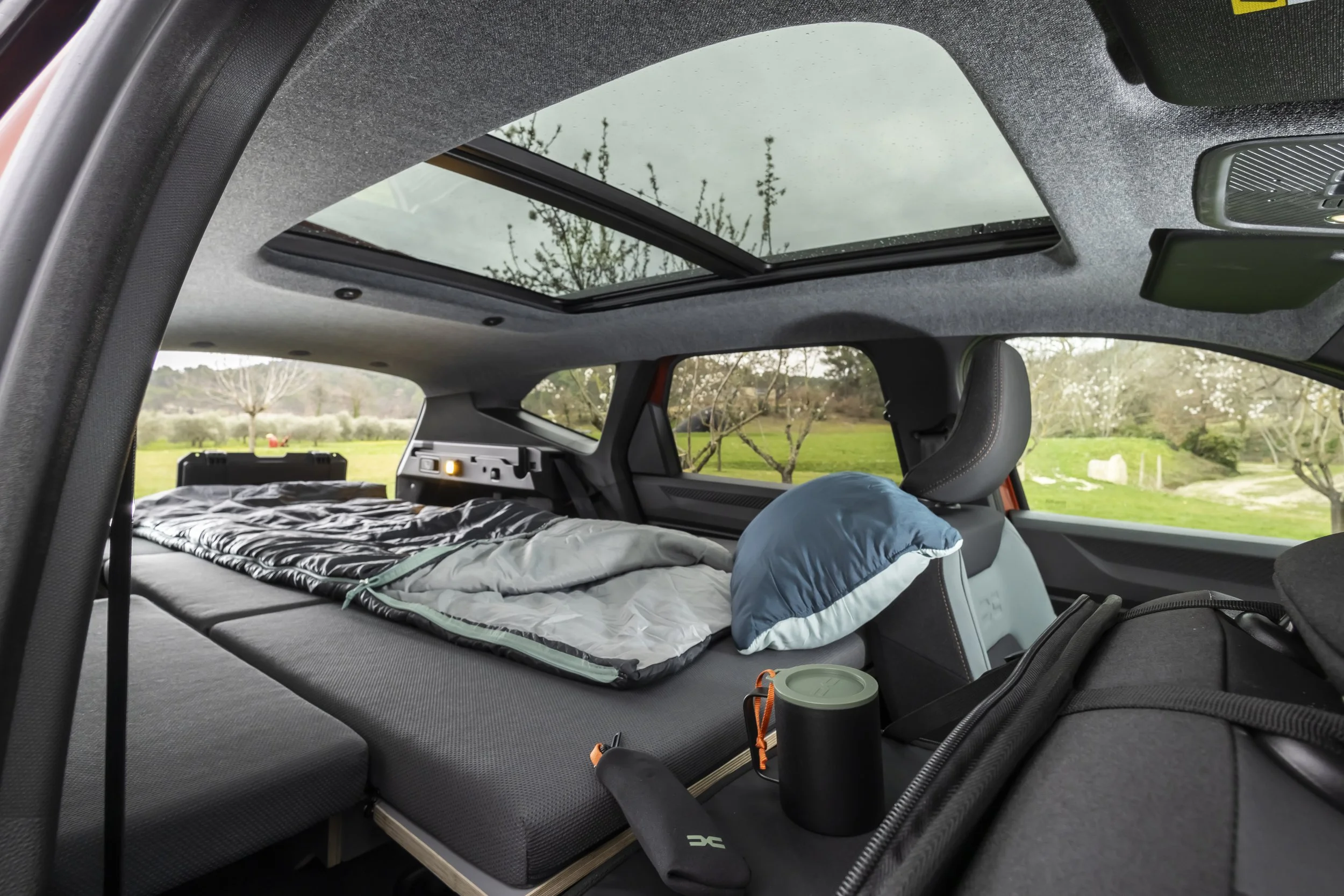
The interior is nicely presented, and although you’d never describe it as being of premium standard, there’s nothing particularly wrong with it. Yes, there are one or two areas where you can tell that cost savings have been made, but everything works. I’d go for the top-level trim because you’ll get a panoramic sunroof which opens, satellite navigation via a 10.1-inch central screen, 360 degree camera; front, rear and side parking sensors, cruise control with a speed limiter, heated front seats, heated steering wheel, powered tailgate, and dual zone climate control.
You can also customise the Bigster. How does a Sleeper Pack with a double bed sound? What about a roof tent? Oh, and the centre armrest in the second row can double up as a backpack. I also like what Dacia refers to as YouClip. It’s a series of hooks which allows you to attach various things such as cup holders, coat hangers, bags, a reading lamp for rear seat passengers, a smartphone holder, and even a media tablet holder, so kids in the back have what is, in effect, a TV. Simple but clever.

Concluding thoughts
Which Bigster would I recommend? Well, bearing in mind that the most expensive model has a 1.8-litre engine and even comes in at under thirty grand, I’d push the boat out for that. It’s also the most economical, and price-wise, it is less than the starting price of the vast majority of other SUVs on the market.
Dacia Bigster - it’s a Dacia Duster but bigger and better value.
words: Graham Courtney
pictures: Dacia
