
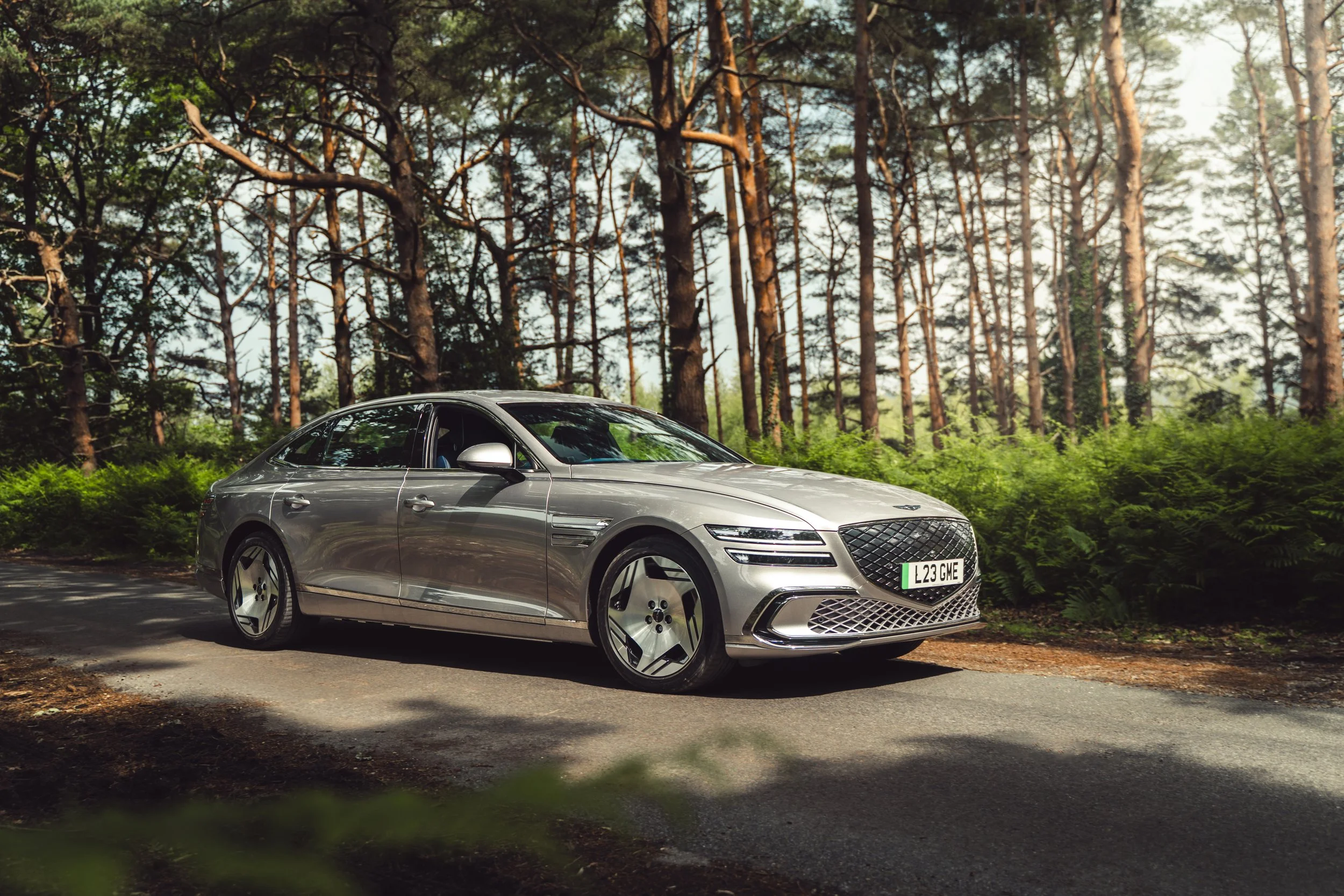
It’s big, it’s Korean, and it’s electric, but is the new Genesis Electrified G80 good enough to take your eye away from the competition? Genesis hopes so, and after some time behind the wheel, it’s easy to see how some may well be swayed.
Genesis is giving its leccy lineup a big ‘ol refresh this year, and the G80 is the latest car under the knife. The changes aren’t so substantial that you’d be miffed if you have the outgoing car, but they might make you turn your head if you’re keen on a large electric waftmobile.
Exterior
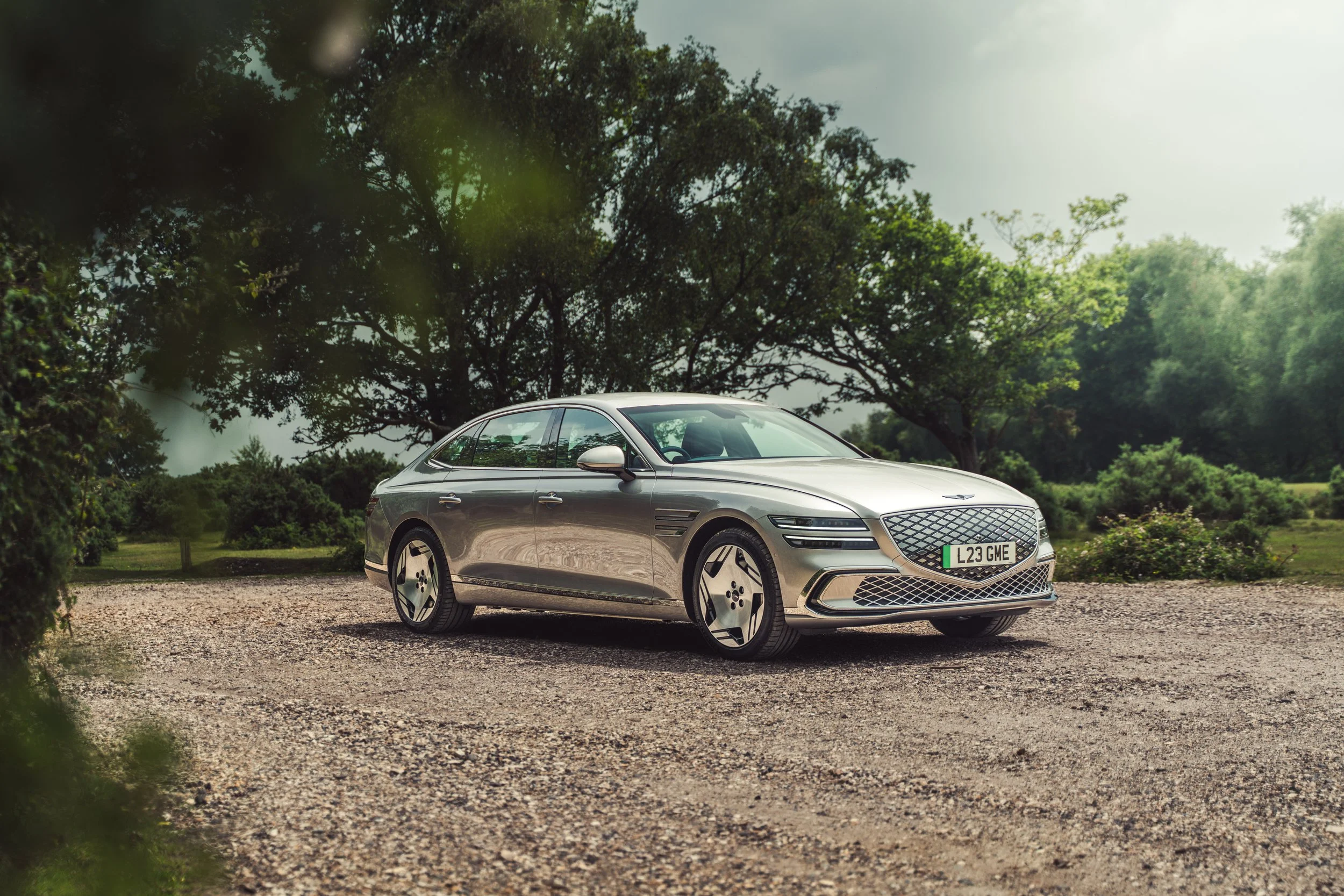
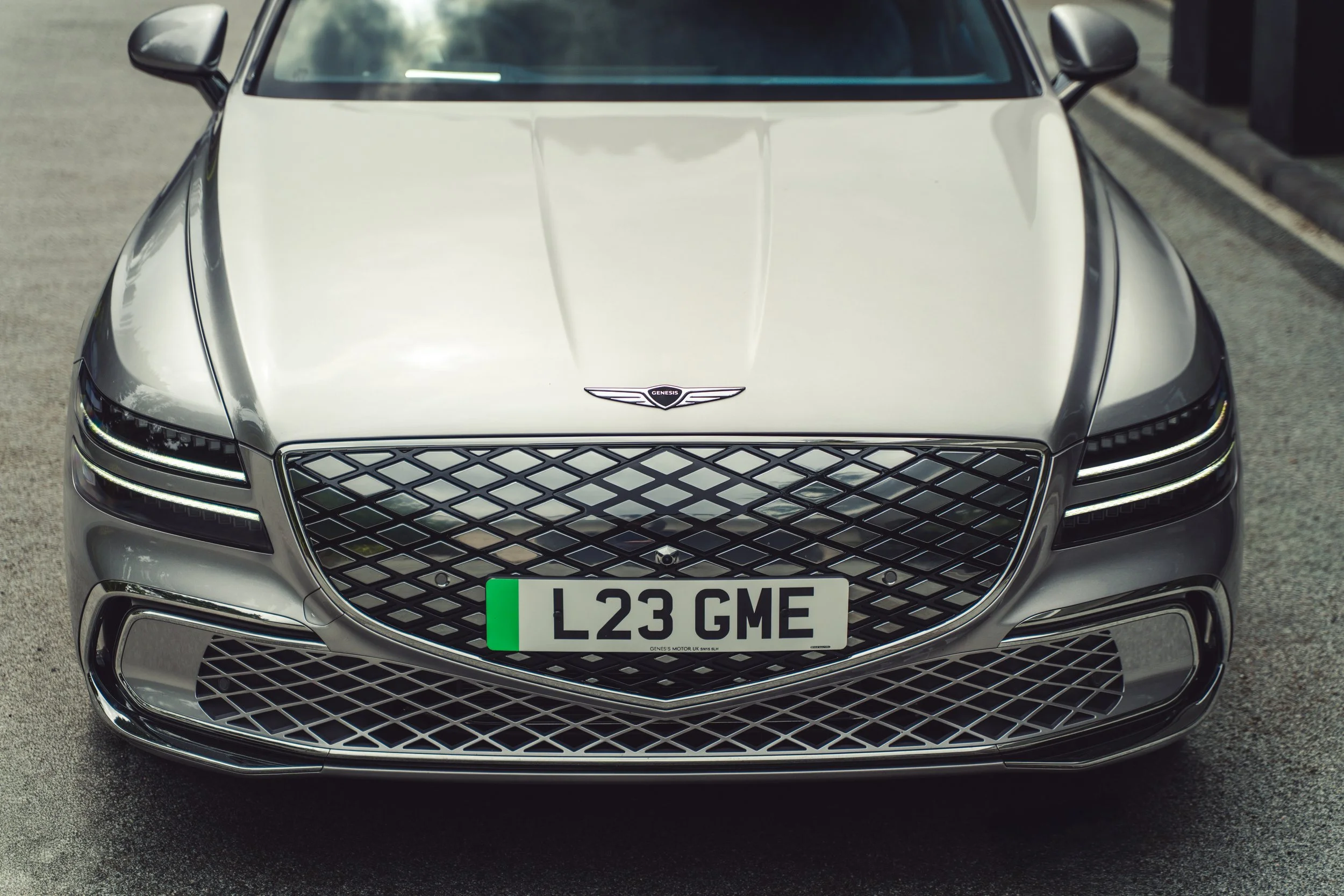
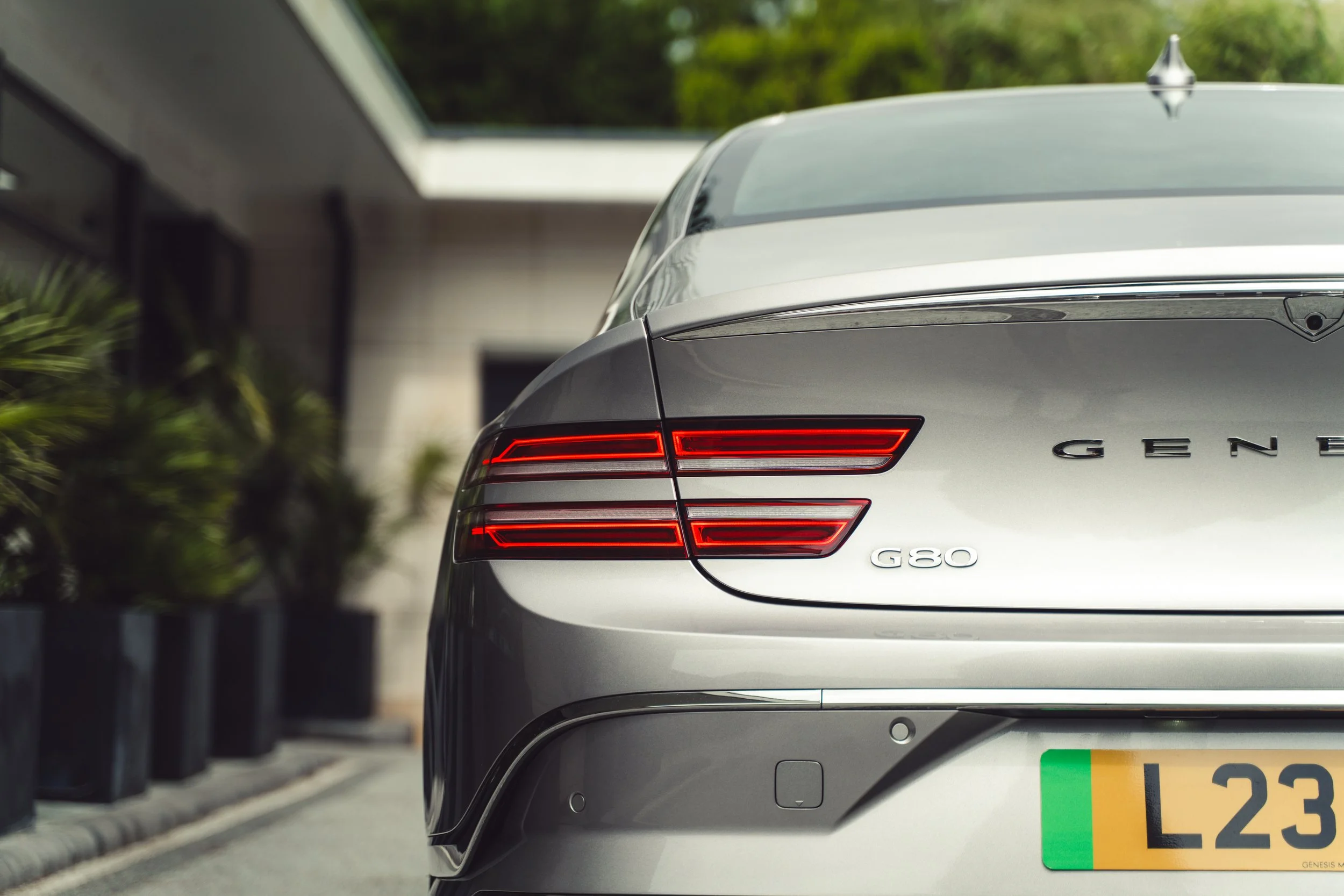
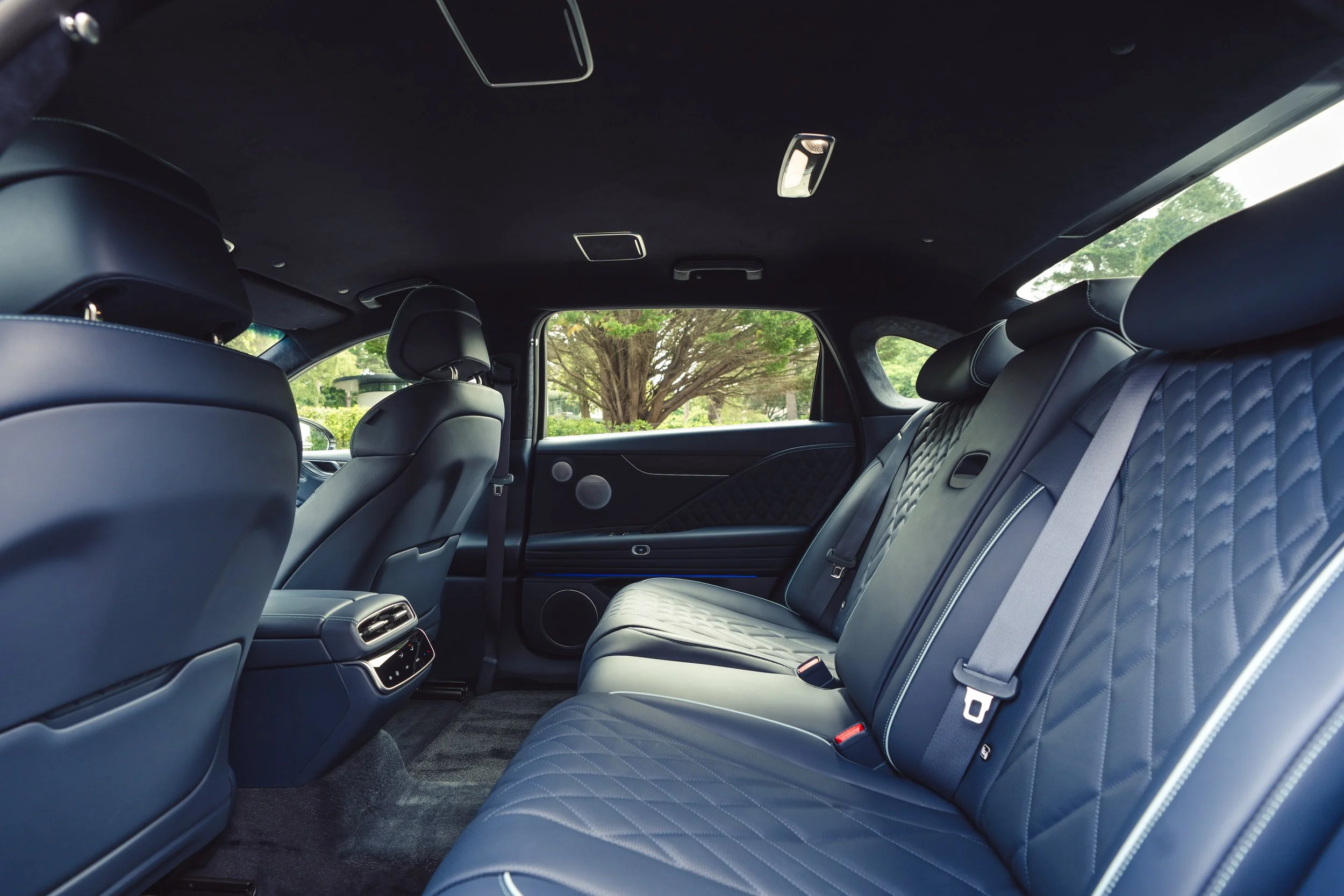
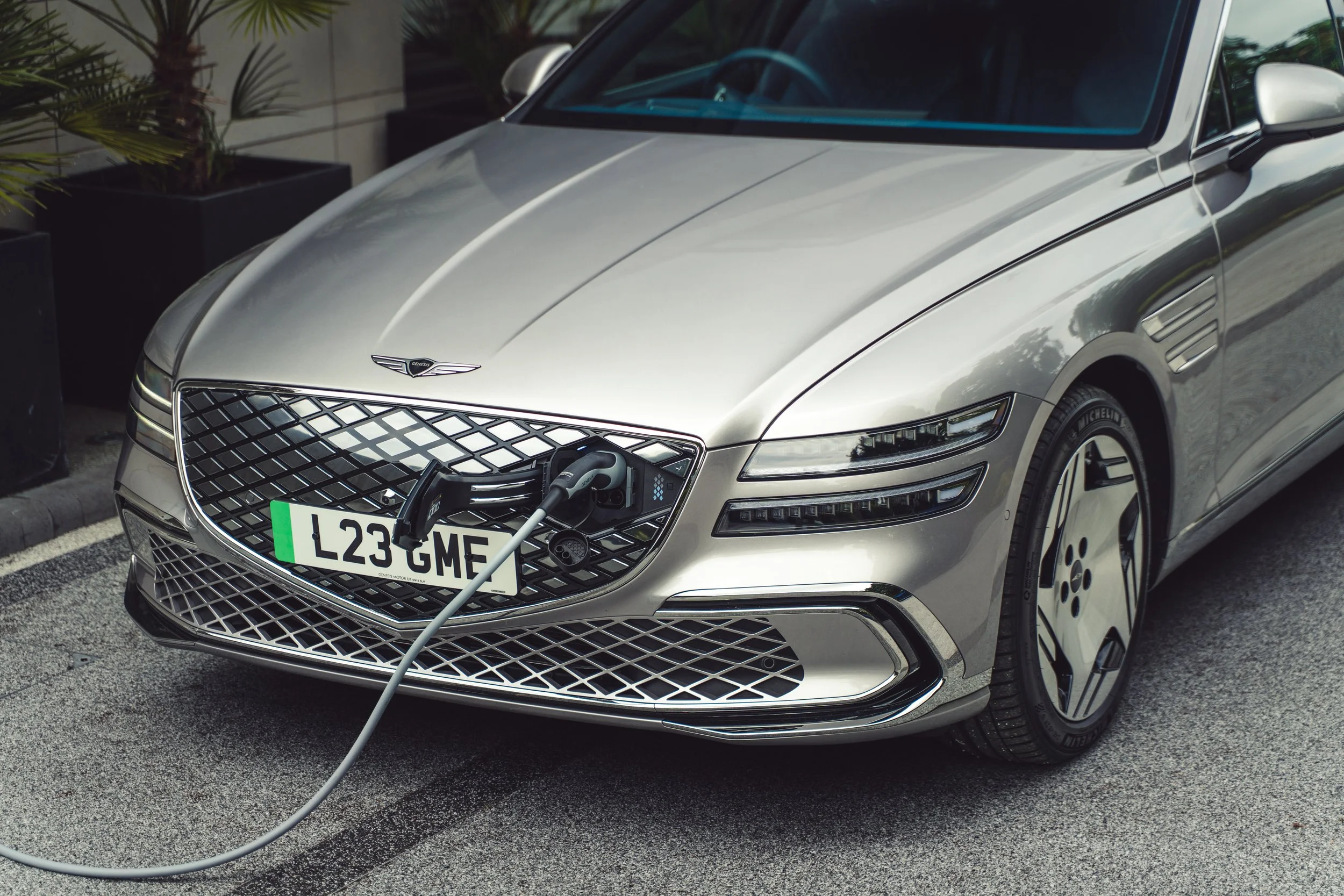
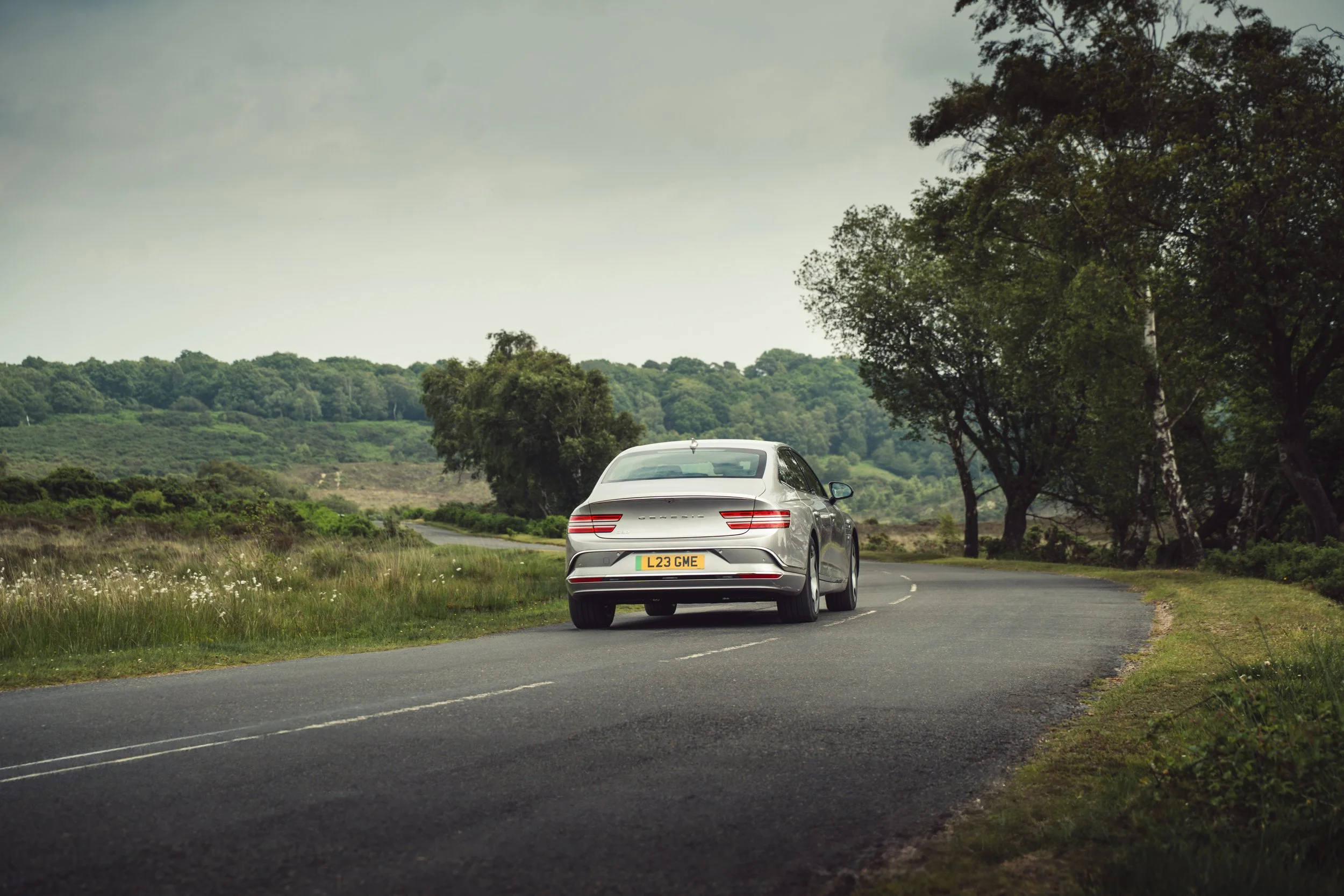
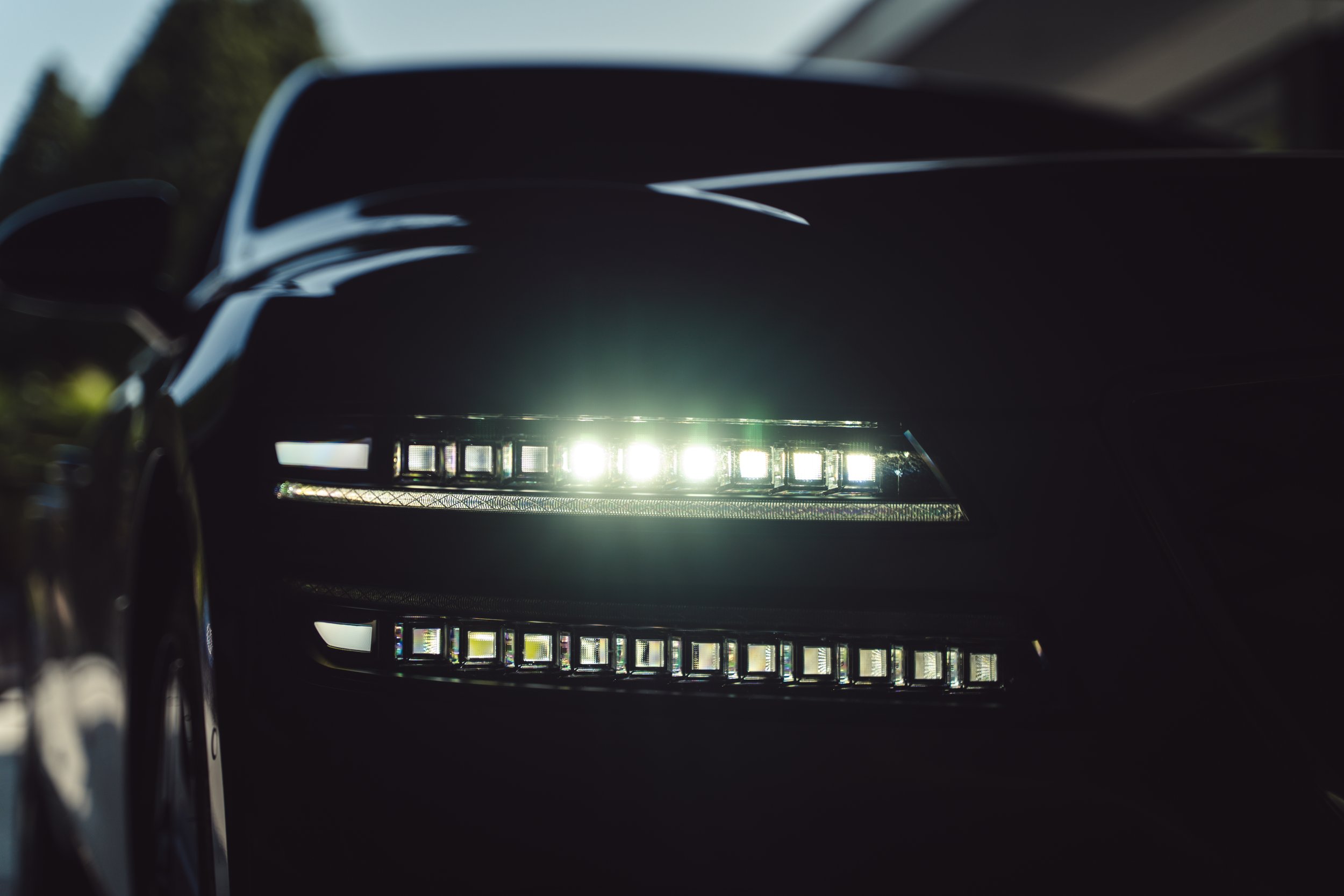
What’s changed then? It’s got a new, swoopier face for one that gives an air of greater luxury and imperiousness than before. It’s not as stern to look at up front. The headlights have a new LED set up, meaning while the Genesis design hallmark of two strakes is still there, they’re more useful than before. Keen eyed people will stop the new Genesis logo, too. You’ll also spot it’s a lot longer than before - the last car was criticised for not having enough room in the back, and Genesis listened. Everything from the b-pillar backwards (bar the bootlid) is new, even the rear bumper detailing.

Interior
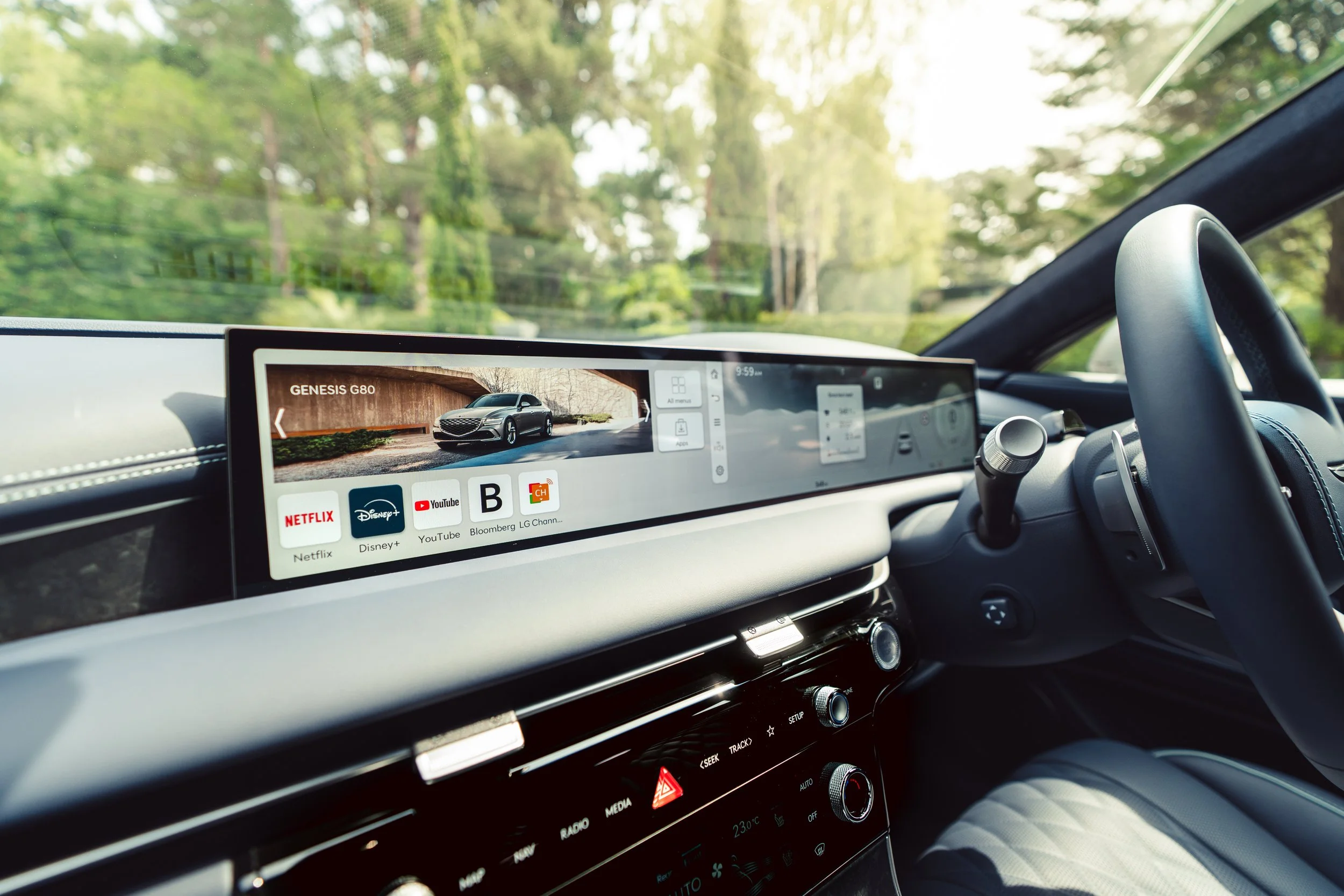
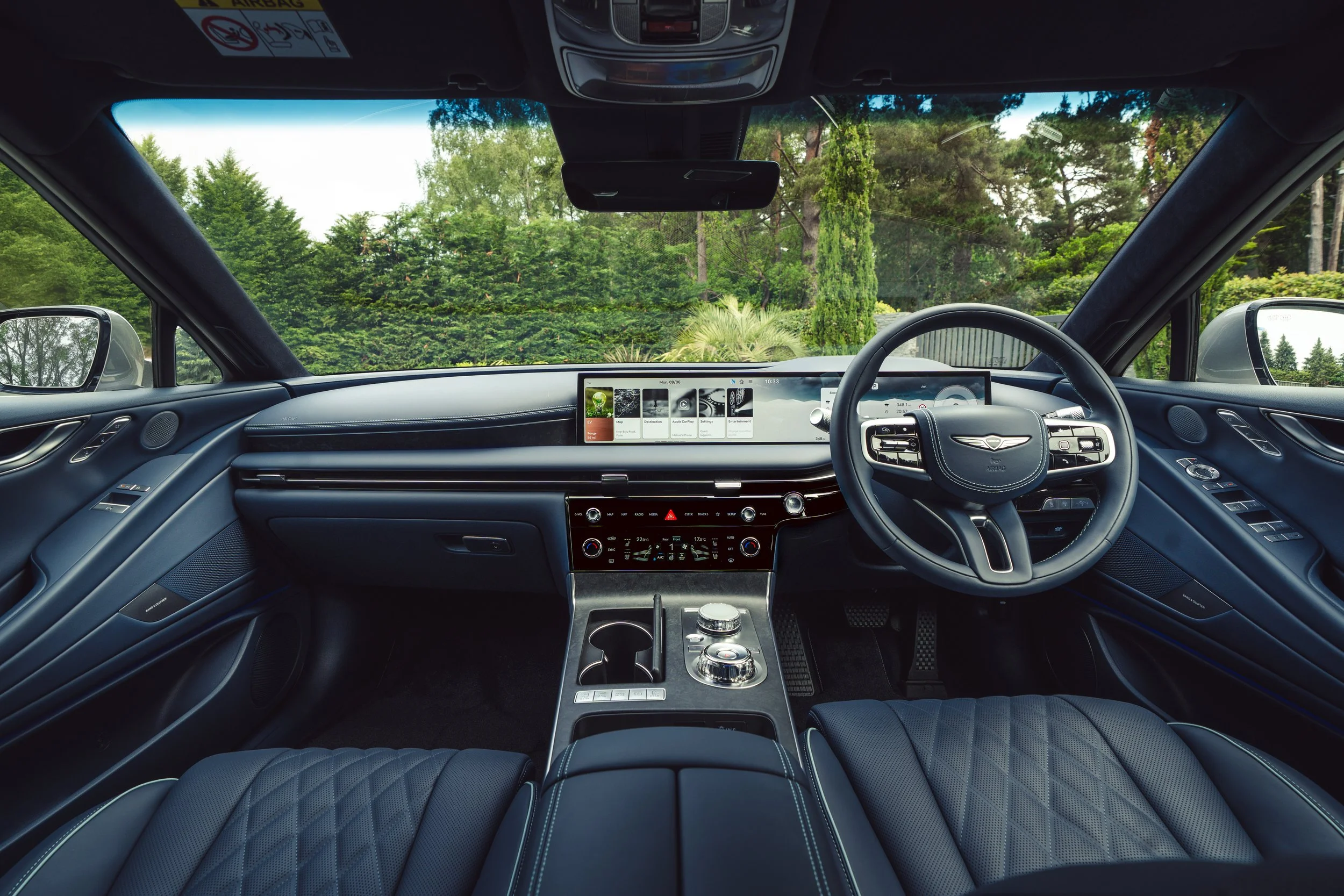
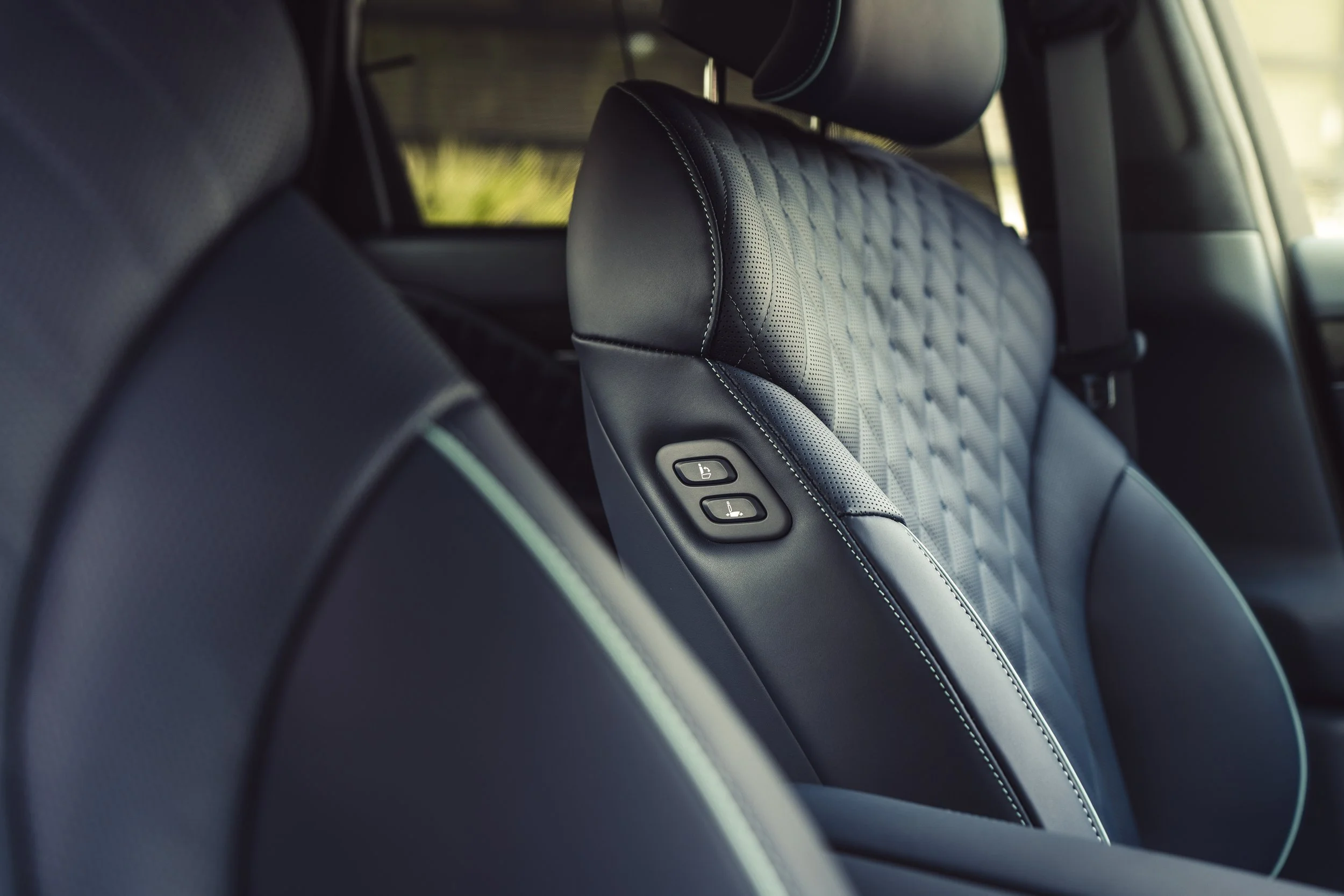
Inside, there’s a new dash layout - you get massive floating 27-inch infotainment screen, a new steering wheel, a wireless phone charger, new inlays to make it look all pretty, and even a switch in the central cubbyhole that turns it into a big UV steriliser box to keep your keys, phone, and other sundries disease free. Handy if you hang out in germ-ridden places. The switchgear is largely wonderful, though some plastic where you’d expect metal is an odd dissonance (though very much a Genesis thing).
Range, tech & charging times
The big news is all the tech Genesis has thrown at it. It’ll take a deep breath to do the lot, so here’re the highlights. A 94.5kWh battery attached to 800v architecture gives the G80 a theoretical range of 354 miles, and access to 187kW fast charging with a 25 minute 10-80% SOC rapid charge time. It comes with highway drive assist, a 17 speaker Bang and Olufsen speaker system, a blind spot monitor, netflix streaming, a heated charge door on the front, a digital key that works with a smart watch, one pedal driving, noise cancelling tech to make the road quieter, the ability to disconnect a motor on the highway so you use less electricity as you roll along, and suspension that primes itself based on what a forward-facing camera sees on the road. Spared no expense ‘n all that.
Performance & driving modes
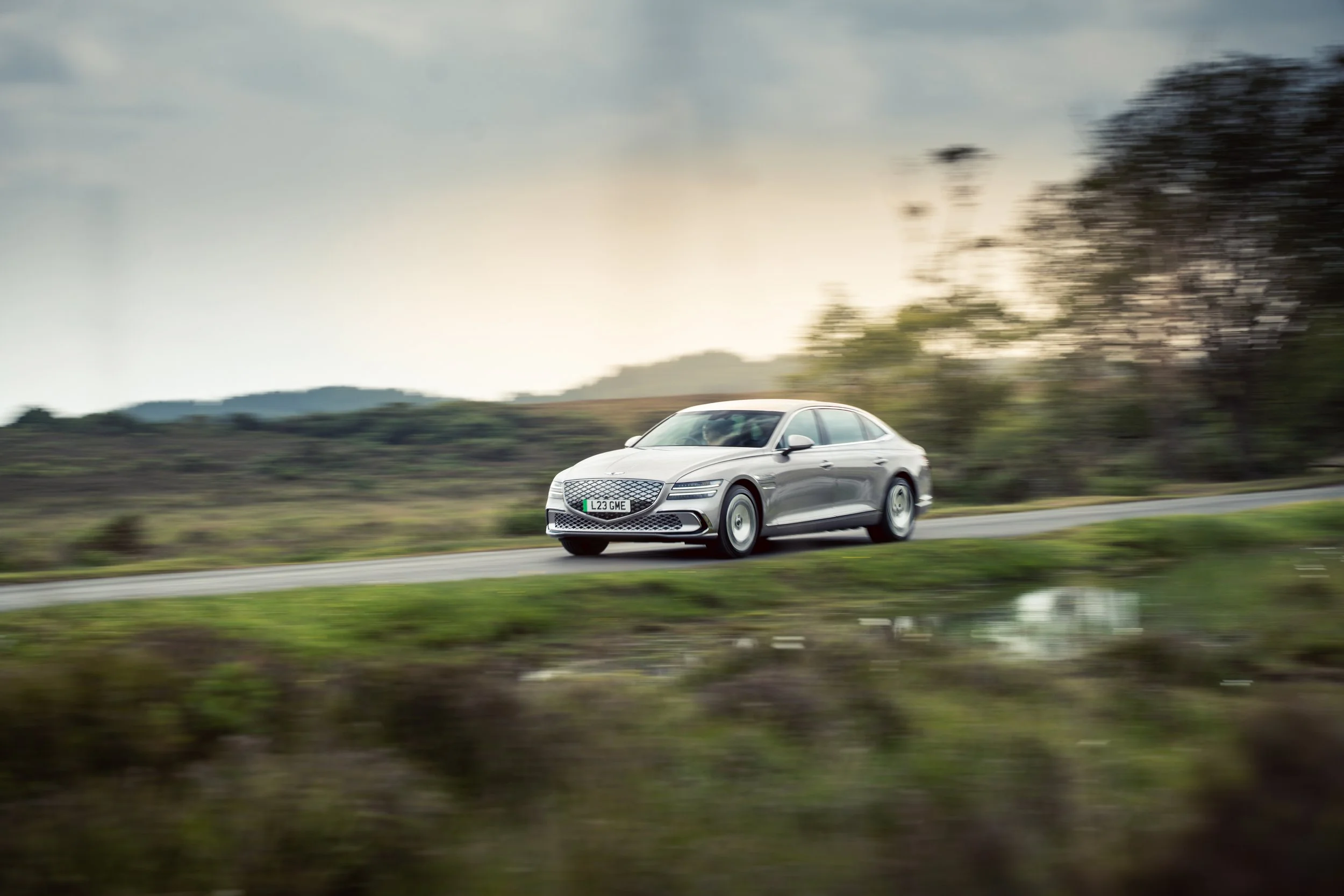
You want the good numbers? Here are the good numbers: 0-62mph takes 5.1 seconds, thanks to a combined 370bhp 516lb ft power output. It promises much shove, but it’s not a car for racing around giggling in. It’s a car for comfortably cruising in.
It comes with various drive modes, the usual set of sport, comfort, and eco to choose your own adventure in. They do exactly what they say on the tin, but there’s an extra mode in there for extra comfort: chauffeur mode. It adjusts the suspension and torque delivery for utmost comfort, and on the road, it’s the best way to get around, whether you’re up front or in the back.
Driving experience
The ride in any of its modes is smooth, comfy, and cosseting, but in chauffeur mode it’s an extra degree of squidgetastic. Torque delivery is extra smooth, too, allowing rear seat passengers the best ride possible. Honestly, there’s no reason to not have it set to chauffeur mode.
While you’re wafting about, the silence in the cabin is a marvel. Thanks, almost certainly, to double glazed windows and the car’s noise cancelling tech, you’re free to enjoy the incredible B&O sound system, or to have a crystal clear conversation with other people in the car.
Wafting is this car’s raison d’etre. It steers waftily, it rides waftily, and even when you give it a bootful it delivers its power waftily. You can hustle it, but the whole affair is a gentle mix of man and soft machine. Frankly, it’s wonderful, but it has three big problems.
The problems
The first is that it’s not a Mercedes. A professional driver chum once noted there’s a saying in his biz: “No Merc, no work,” which was something of a surprise considering he was driving a BMW at the time. People want their big cars to be German and come with the prestige that affords. Despite its capability, buyers may not see the appeal in a luxury Korean car.
Problem the second is linked to the first: Genesis isn’t a household name in the UK. The cars are good, but unless you know about cars - more specifically luxury cars - they take some explaining. Genesis is working on this thanks to an upcoming TV campaign and other brand activations (Le Mans, for example), but for the moment, your friends and family may have a few questions, but biggest of which will be…
Number three: The price. Prices kick off at £75,915, up from the last generation’s sub £70k. For that you get a bigger battery, more range, and way more toys as standard, but that’s still an awful lot of wedge. Add cash and you’ll get things like rear steer, more active safety kit, and other toys, as well. It’s priced competitively in its class, which will help, but the ‘not German’ thing may work against it.
Concluding thoughts
The G80 is a wonderful thing. It looks good, is comfortable, and is a mighty fine way to get around. The people who buy them will utterly adore them for all they have to offer. The people who don’t will probably be in something German, asking their passengers what just overtook them.
words: Alex Goy
pictures: Genesis