
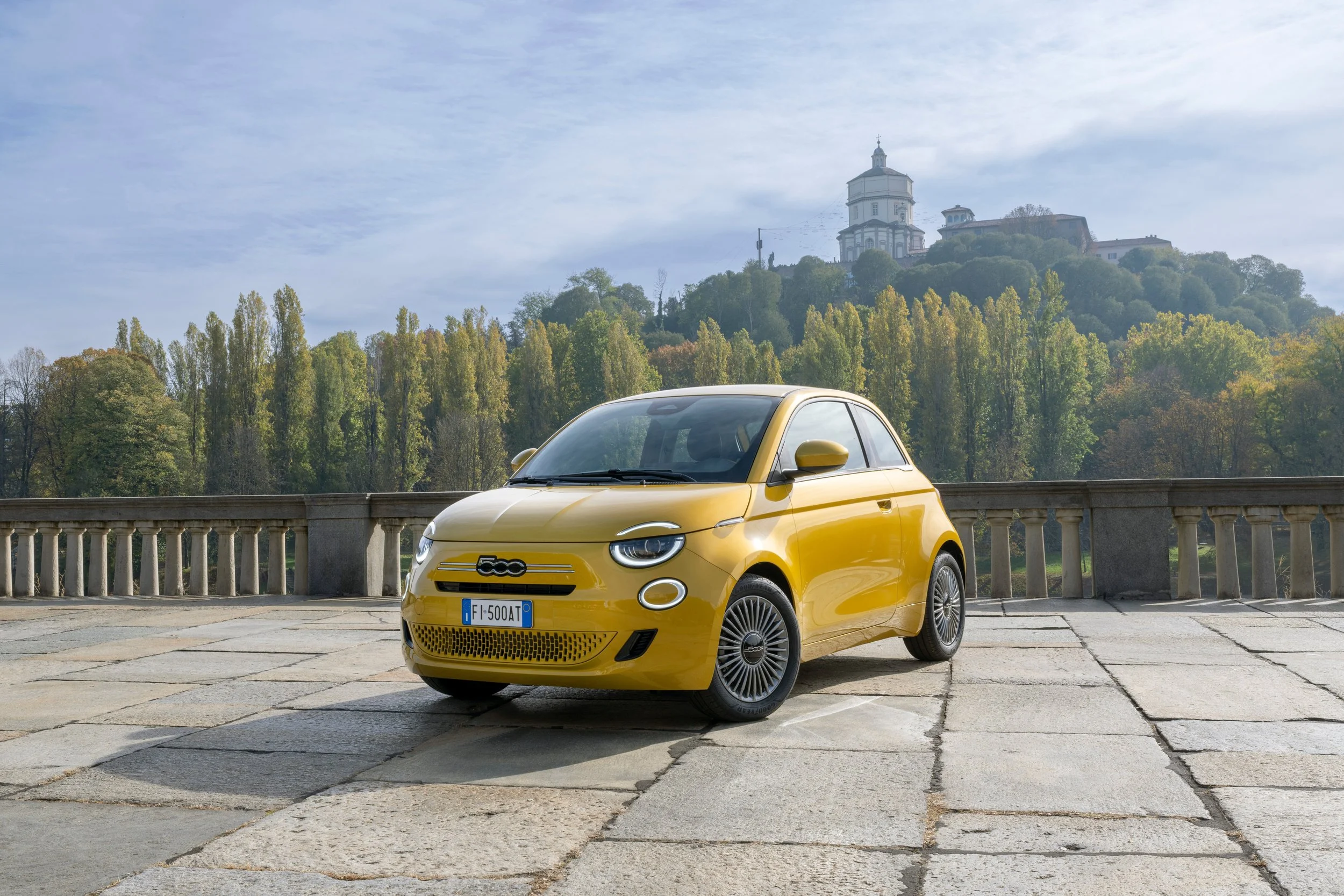
Swapping a battery and electric motor for a petrol and mild-hybrid setup broadens the appeal of Fiat's fashionable supermini. But it has come at a cost. Sam Sheehan has driven the new model, which arrives in the UK in spring 2026.
The story so far
There's never been any shortage of love for the design of Fiat's fully-electric 500e since it launched in 2020, but sluggish sales suggest that plenty of motorists still haven't fallen for the prospect of running a 199-mile-capable supermini just yet. In fact, while the old petrol 500 sold strongly right up until it was taken off sale in late 2024, demand for the 500e actually went down by 40% in quarter one of 2025. It was as if the loss of the petrol model didn't direct buyers towards the 500e. They either stuck with an old 500, or went city car shopping elsewhere. Oh dear.

The petrol engine lives on!
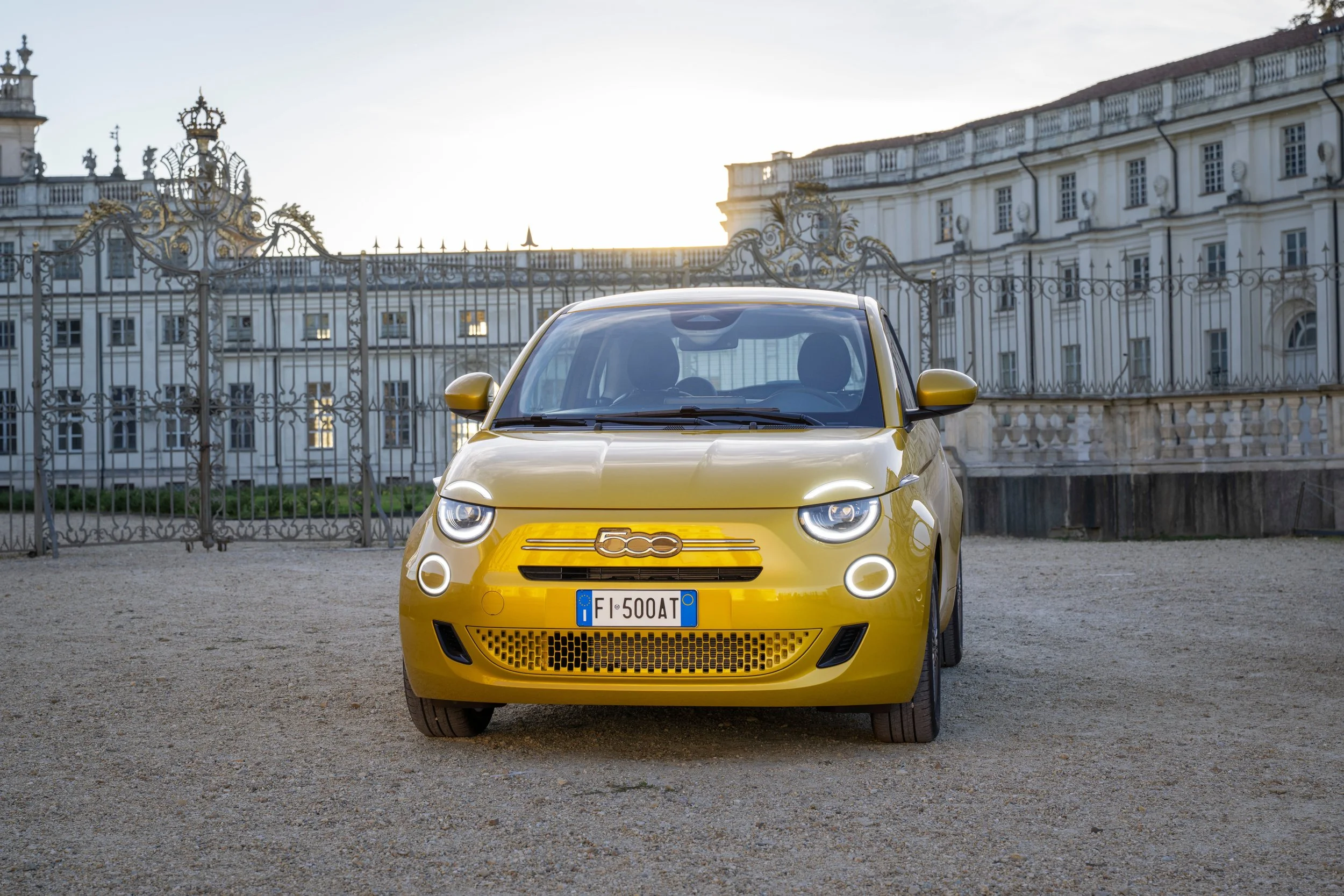
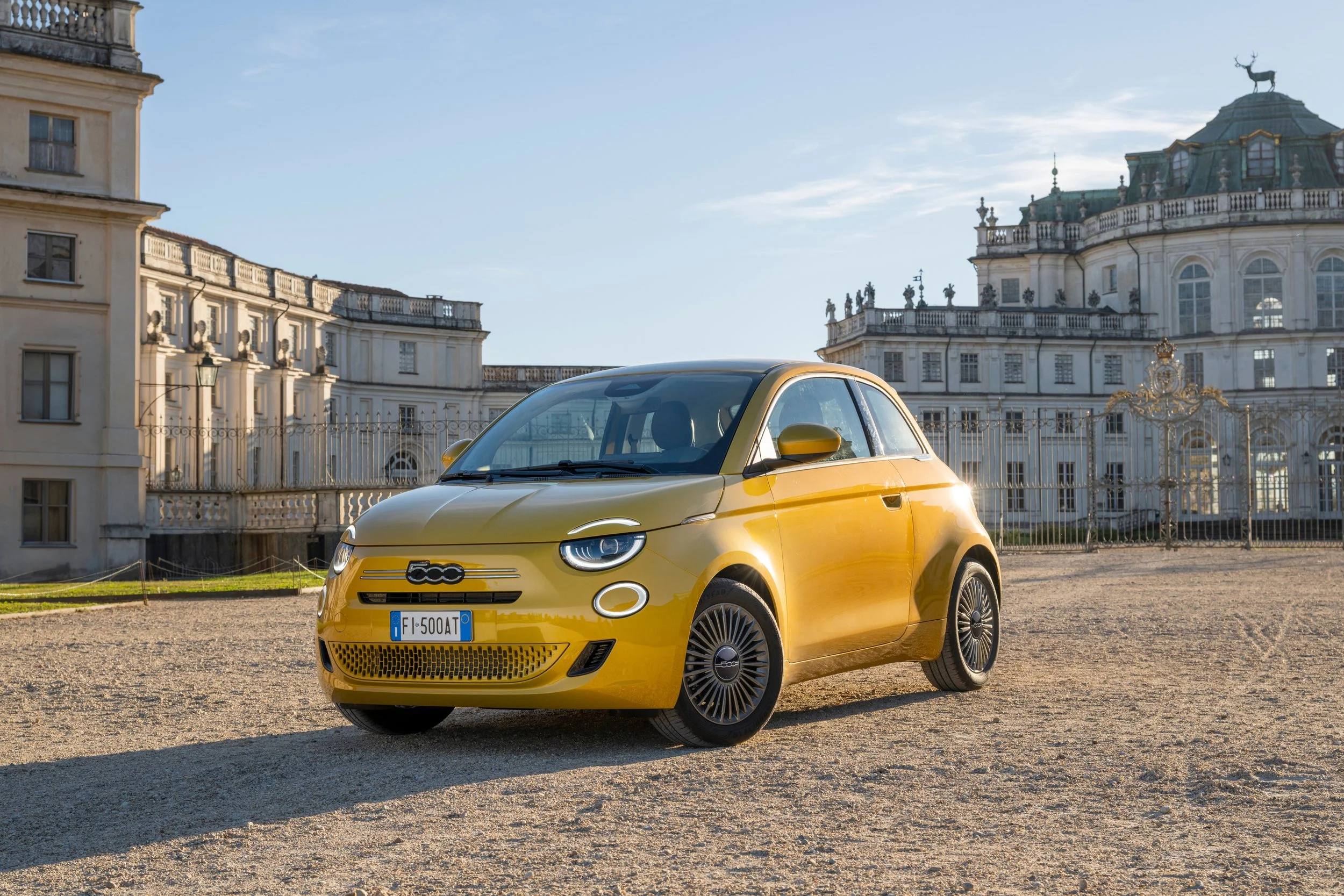
Things could be about to get a lot busier again at the home of 500 production in Turin, however, with the launch of the new 500 Hybrid. To create it, engineers have effectively had to shoehorn a mild-hybrid 1.0-litre engine into the bodyshell of the 500e, creating a petrol-drinking supermini that only a couple of years ago was never meant to exist. It's been a hard task to make it work, what with the swapping of batteries and an e-motor for a combustion engine setup requiring the addition of many more components. But it might just be the best thing Fiat's done in years.
Exterior: Good!
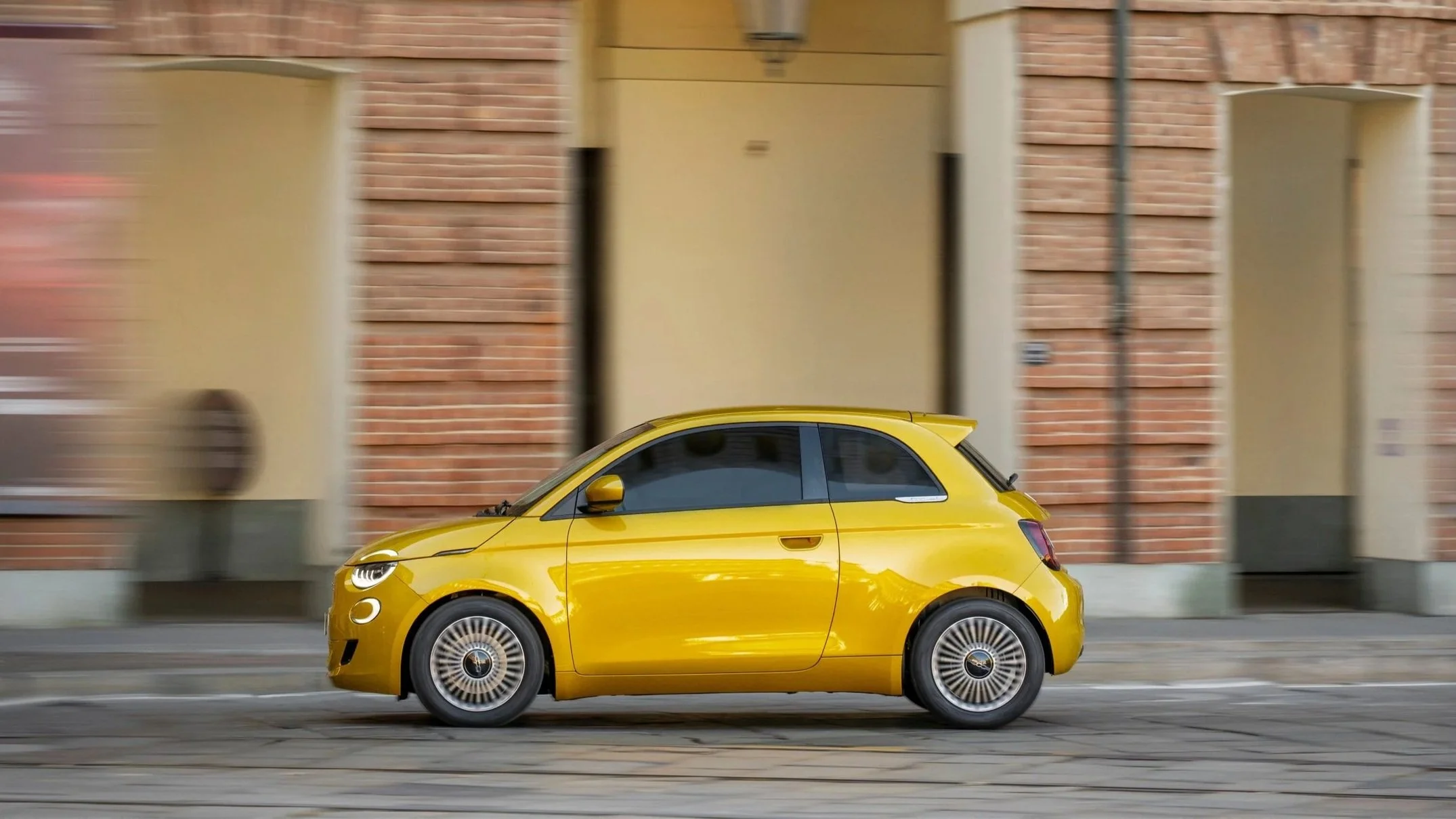
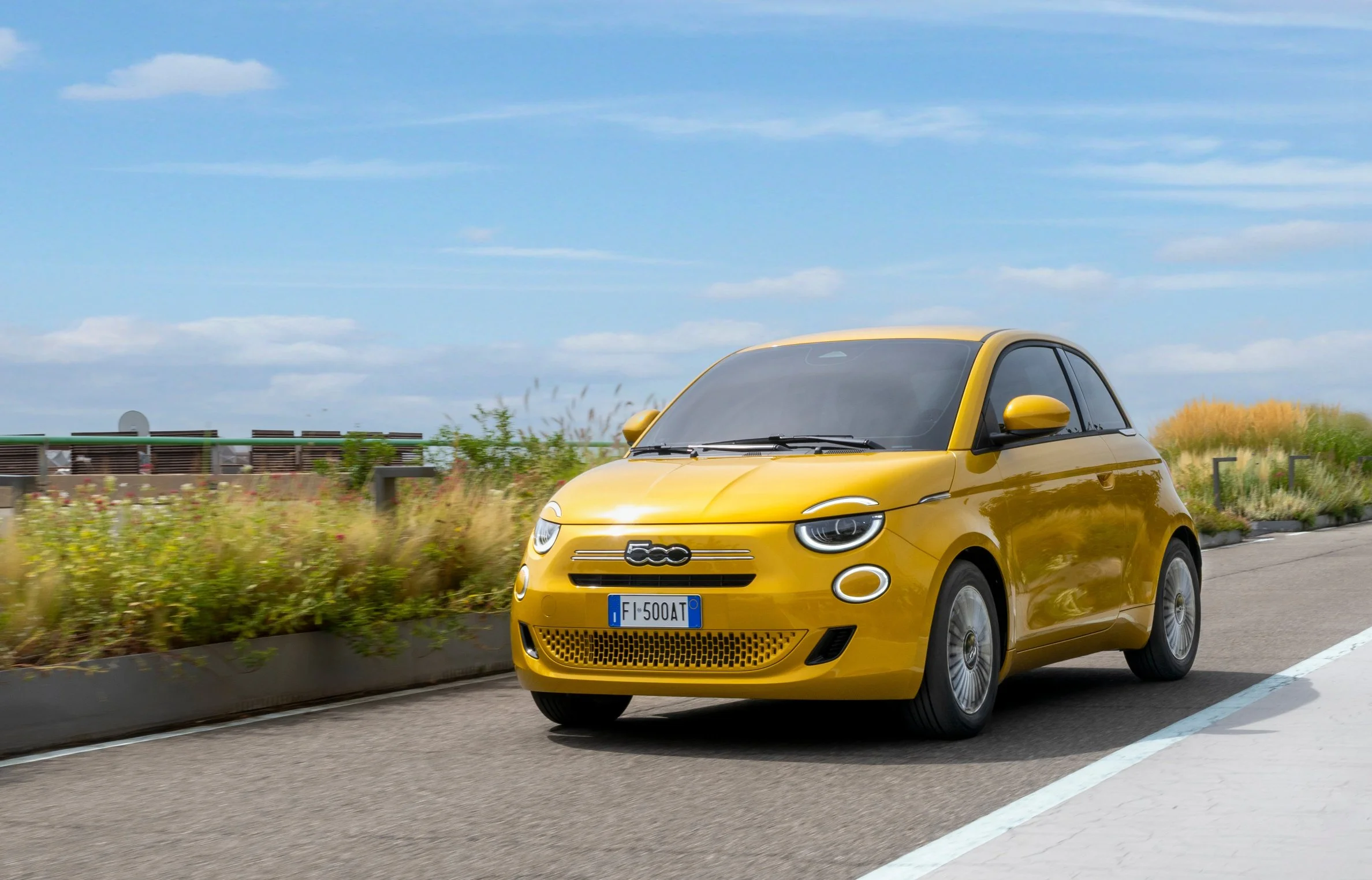
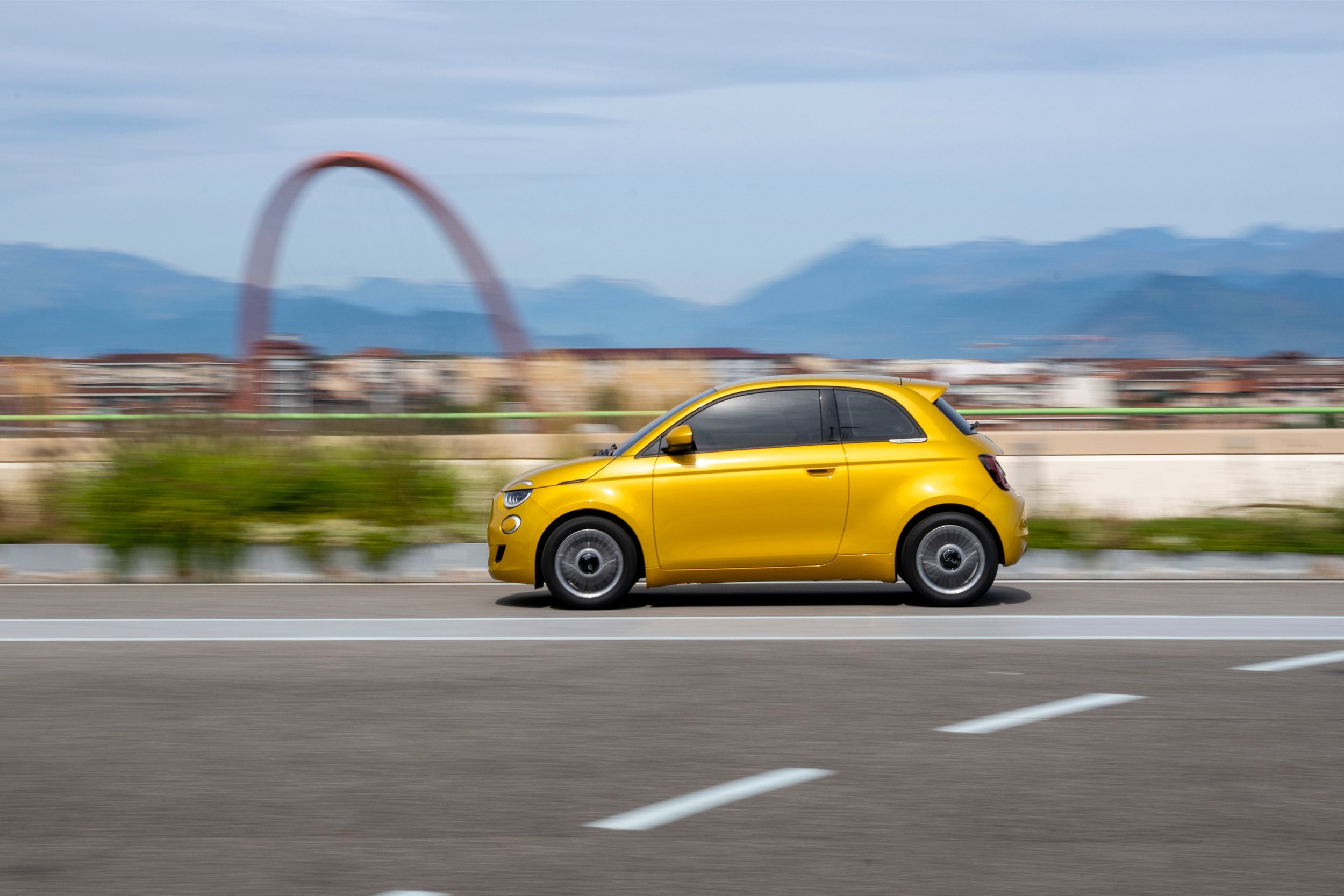
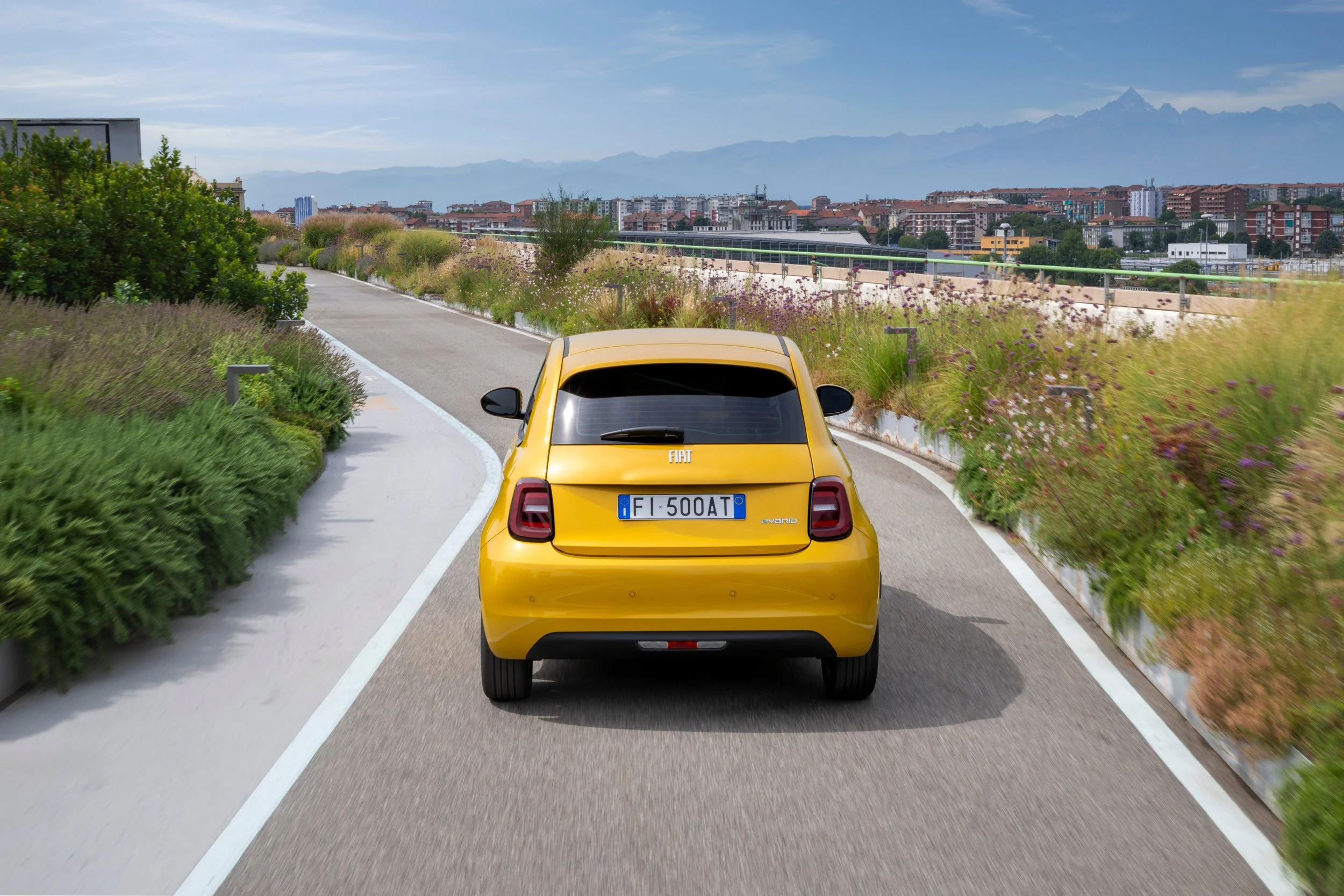
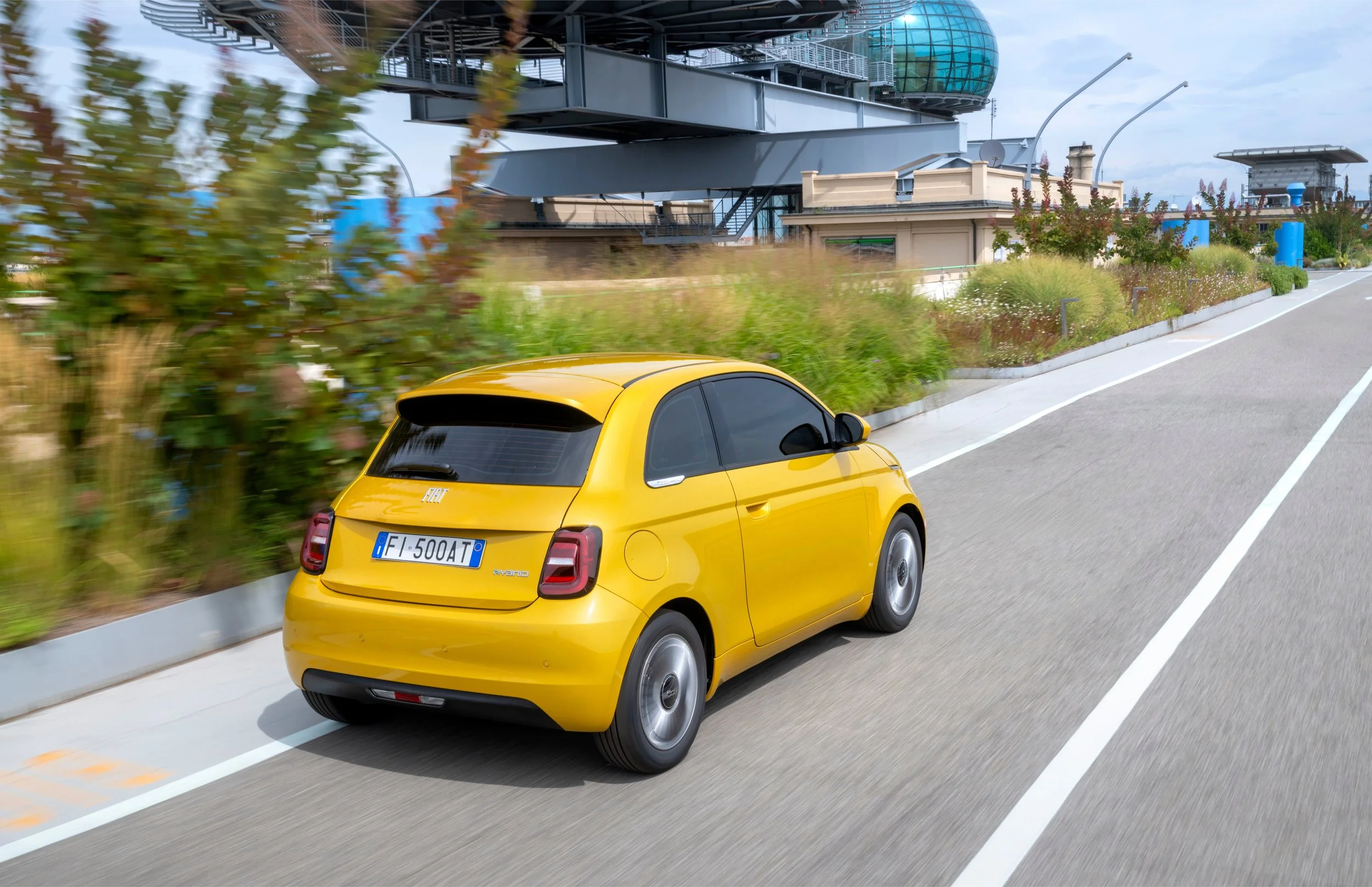
The reason is simple. The Fiat 500 Hybrid blends the excellent design of the 500e's exterior and interior with the usability of a mostly petrol-powered setup. Given how much love the old 500 had right up until its production ended, this new one has more than a bit of potential for picking up where it left off. I mean, is there a better looking small car on sale right now? Especially in the eye-catching yellow of the car we have here, the 500 Hybrid - complete with its new moustache front grille to feed the engine air - is gorgeous. There will be five-door and convertible versions in due time, but the three-door's proportions are, to me, perfect.
Interior: Also good (unless you're tall)
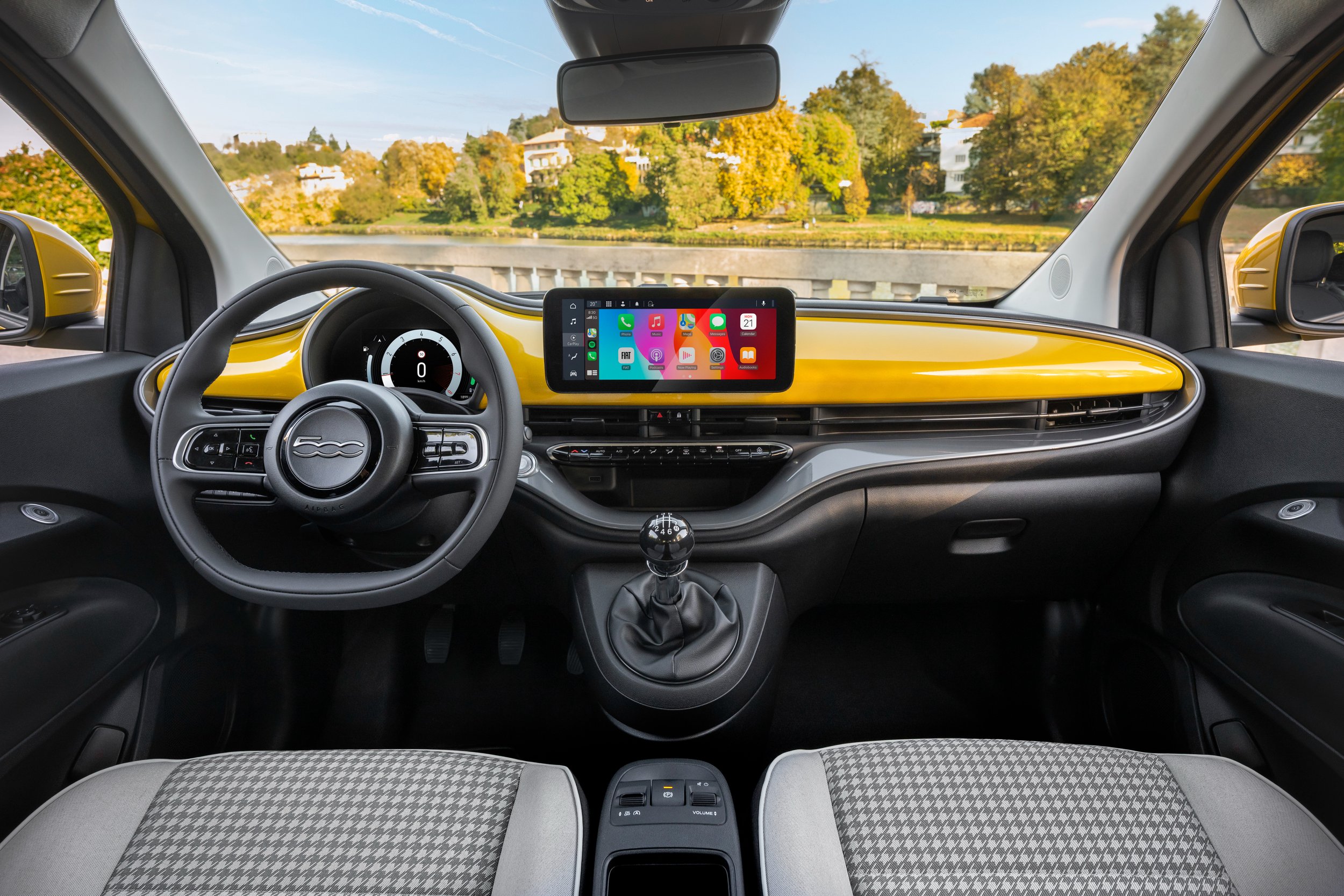
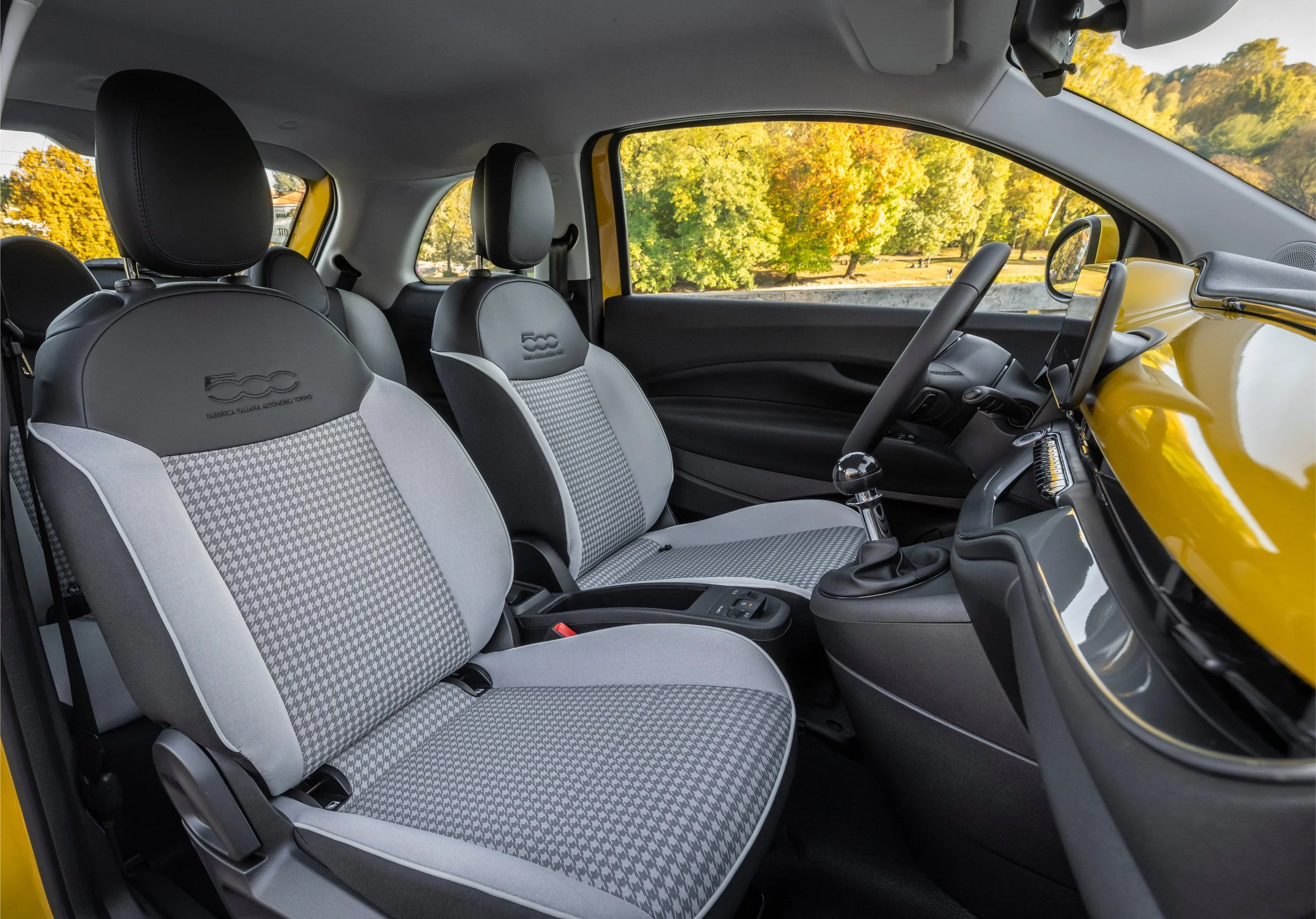
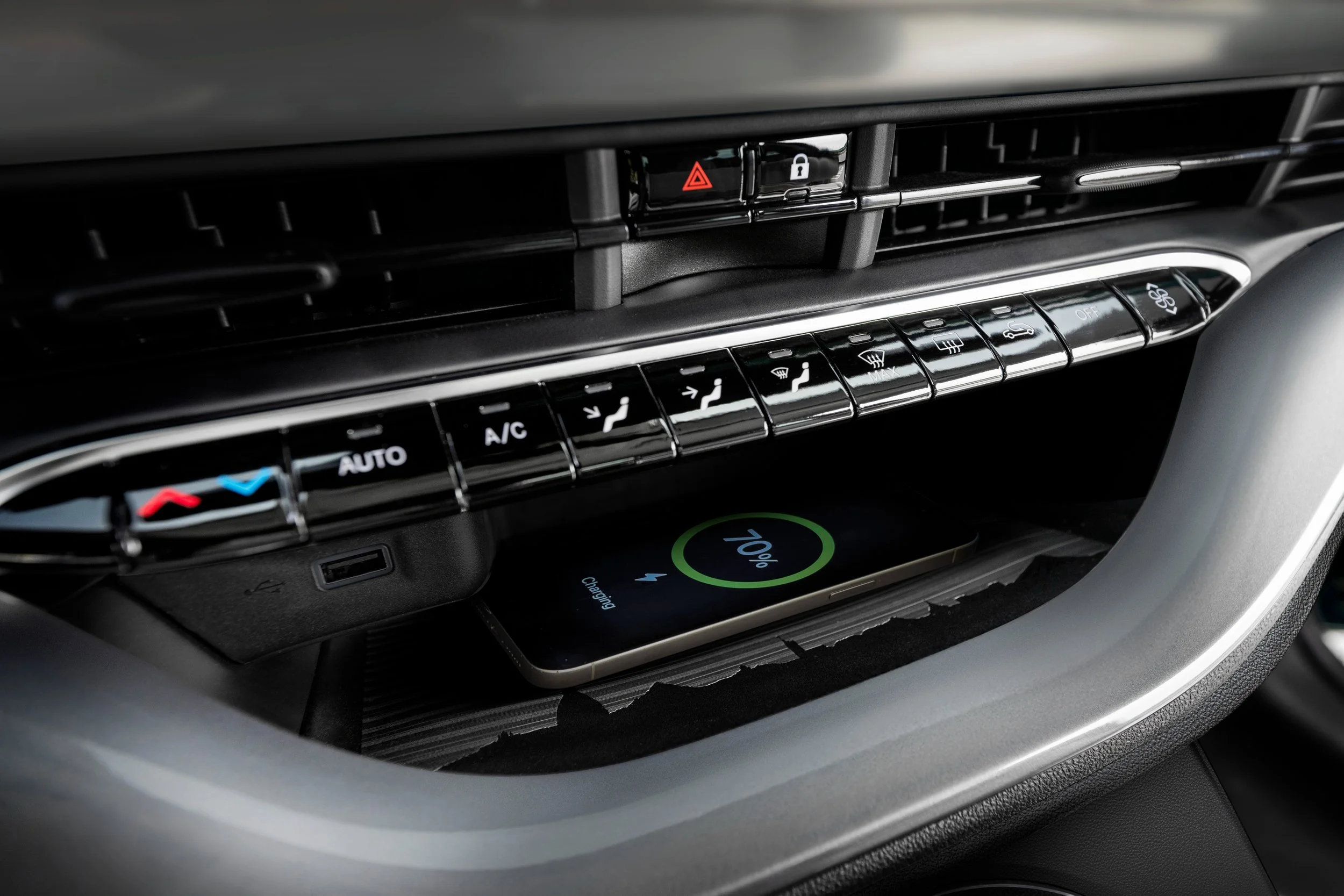
The same can't exactly be said for the inside, because as a near six-footer (I'm 182cm tall, if you're wondering), the rear seats are a proper squeeze for an adult. But let's be frank, most 500 buyers have always been singletons or couples, perhaps with very small children, and for them, this interior is a marked step up on the old 500 petrol’s. It gets the same cleanly designed dash as the 500e, complete with a 10.25-inch infotainment screen running quick-reacting tech, and it offers essentials like wireless Apple CarPlay and Android Auto. The digital screen behind the steering wheel is simple, but its round shape mimics the retro dials of the original. It looks great.
It has a manual gearbox!
The only major change inside is the addition of a manual gear knob, which is linked to a six-speed 'box that - even before the engine's started - feels identical in weight and throw to the old 500 petrol's box. It does take the place of a storage area that you get in the 500e, but to be fair, this newest of 500 bases actually has a respectable amount of boot space at the back. 185 litres is far from the class's best (the Kia Picanto dwarfs that), but there's more than enough room for a couple's weekly shop - and you can, of course, lower the rear seats for extra space. Overall, the new 500 is 60mm longer than the old petrol car.
What is the new Fiat 500 like to drive?
Even as a longer-than-before supermini, the 500 still feels tiny on the road. It weighs barely more than a tonne, and bumbles over city bumps in a familiar way, but where the old car felt a little tinny at times, this new one is much more refined. It's obviously not as cushioned as larger, more comfort-focused cars (the Citroën C3, for example, is much squishier), but it handles road imperfections well enough. Light steering and a tight turning circle only add to the urban-friendliness of the 500 Hybrid, and working the mild-hybrid 1.0-litre and six-speed gearbox is an enjoyable experience at lower speeds, not least because the clutch is so effortlessly light and the mid-range torque is decent.
The only problem might be power...
But pick up the pace on faster roads, or ask the three-cylinder - which feels only lightly assisted by its 12-volt mild-hybrid system - for more muscle, and it does start to feel quite underpowered. 0-62mph comes in 16.2 seconds, so powering onto a motorway requires a real wringing of the engine's neck. With no turbocharger under the bonnet, the engine revs smoothly to its 6,500 red line, but power delivery is always steady. It takes me 20 seconds to get from 55mph to 80mph on a 130kph-limit Italian motorway during our test. At least it makes a decent three-cylinder thrum.
Settle into a cruise, however, and not only will you get well over 45mpg (the WLTP stat is 53mpg, if you're really sensible), but you've also got adaptive cruise control, as well as relatively low road and wind noise. That's a big step forward in terms of usability and comfort versus the old petrol car. It also goes some way toward explaining why the new car is anticipated to cost £18,995 in Britain when it arrives here in right-hand-drive form, probably in April 2026. Unlike other markets, we won't take the entry-level Pop variant, meaning goodies like that cruise tech will come as standard on our Icon and La Prima trims.
Is the new Fiat 500 worth considering?
The generous (for the class) standard kit, those fantastic looks, and the added usability of a petrol-only fuel source mean the new Fiat 500 Hybrid's more-than-£3k premium over the Kia Picanto might not be so hard of a pill to swallow for some buyers. The old car felt dated on the road towards the end of its life, but those looks and its city-friendly footprint were clearly enough to keep demand up even after 17 years on sale. This new car addresses the old models' most significant shortcomings, while remaining approachable enough thanks to its meagre 64hp output for new and nervous drivers. Or those with not-so-clean insurance records.
It's impossible to not love the new Fiat 500 Hybrid, and it will no doubt sell brilliantly well in Britain, even if for many of Driven's readers, it will need much more power before it can be considered a viable choice. That's always been the case however, with an Abarth 500 normally filling the void. And, there's potentially good petrol-related news there as well, as our earlier Abarth 500 news story revealed.
words by Sam Sheehan
photography by Fiat