
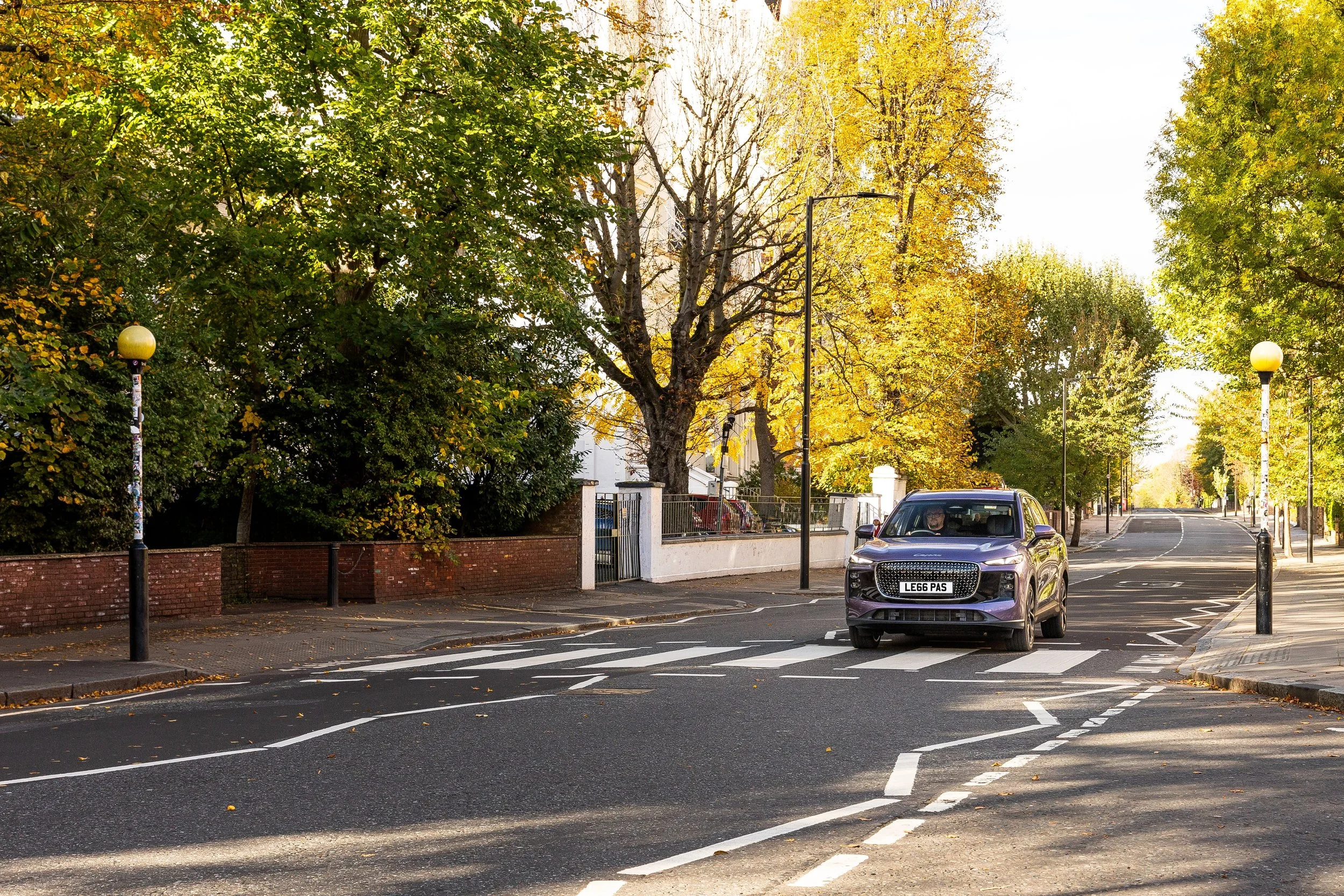
One of Britain’s simplest, yet most effective solutions to road safety — the zebra crossing — turns 75 years old this year and to celebrate the milestone anniversary, new brand Lepas has compiled a list of ten facts about them.
The story of the zebra crossing began in 1951 as a solution to the increase in traffic in post-war Britain. Distinctive black and white road markings were easy to create and understand, with the addition of flashing Belisha beacons making them more visible to pedestrians and cars.
Variations on zebra crossings can be found across Europe, Asia, the Americas, Africa and Australasia and modern cars have even been fitted with Autonomous Emergency Braking (AEB) safety features to recognise them and stop the car if needed.
10 Zebra Crossing Facts
1 — The world's first official permanent zebra crossing appeared on Slough High Street on 31 October 1951, after around 1,000 experimental striped crossings were tested across the UK in 1949.
2 — The familiar black-and-white stripes were chosen after blue-and-yellow and red-and-white trials because they were judged the most conspicuous; broad contrasting markings also improved visibility compared with earlier metal studs.
3 — Flashing amber Belisha beacons were introduced in 1934 and are named after the Minister of Transport, Leslie Hore-Belisha. The first Belisha beacons were erected in London in 1934, with the very first beacons placed on Kensington Road on the southern edge of Hyde Park.
4 — The design emerged from the Road Research Laboratory, the forerunner to today's Transport Research Laboratory which reported a seven per cent fall in pedestrian casualties in the first year after zebra crossings were introduced.
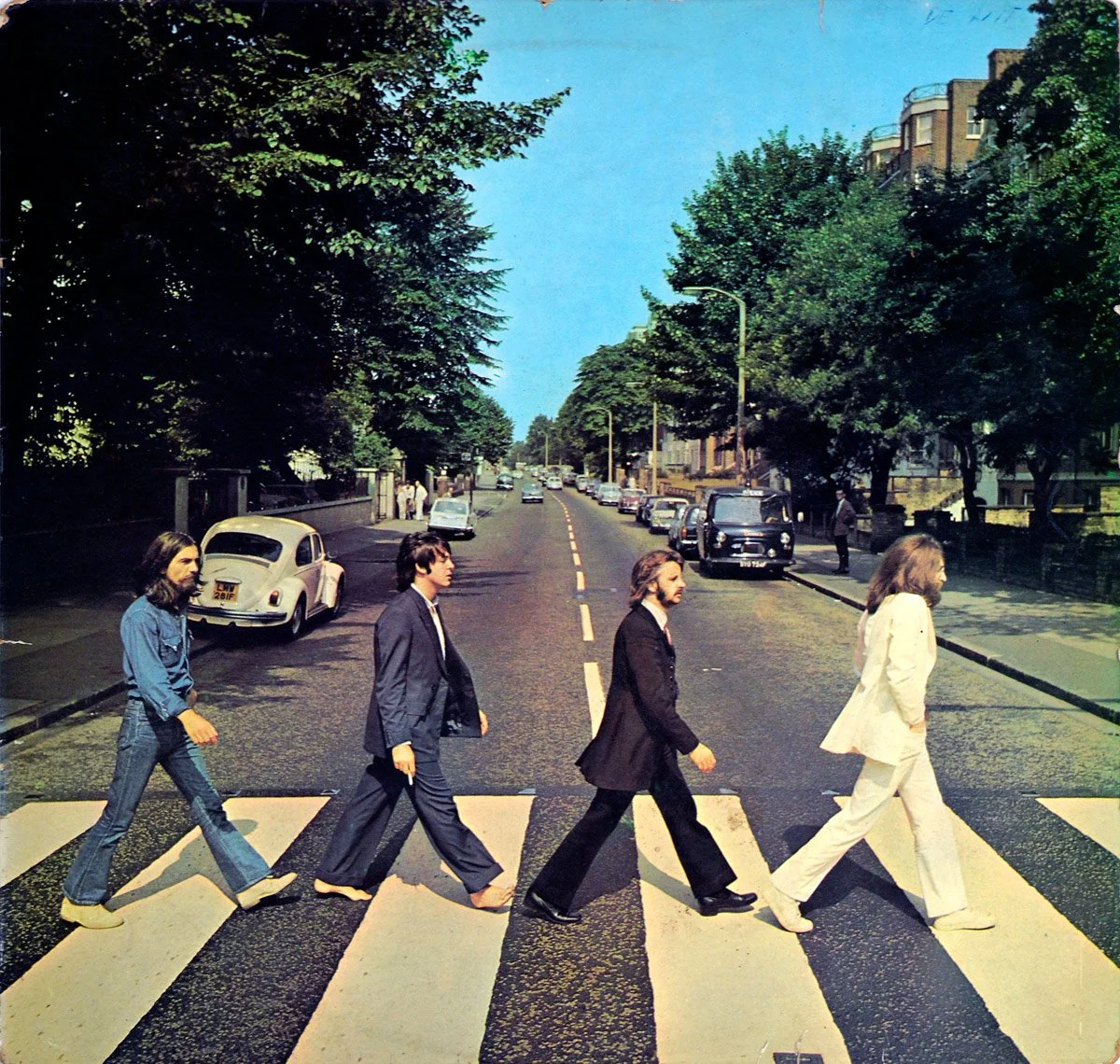
5 — The zebra crossing outside Abbey Road Studios featured on the cover of The Beatles' 1969 album of the same name and remains a working part of London's road network and is probably the most famous zebra crossing of all.
6 — The 'zebra' nickname is widely attributed to James Callaghan, then an MP and later Prime Minister, though never conclusively proved.
7 — The newest crossing was unveiled in September 2026. Cheshire West and Chester Council unveiled a TRIXIE crossing, a signal-controlled crossing with dedicated crossing points for pedestrians, cyclists and horse riders.
8 — The smallest zebra crossing in the UK, measuring just under 3.5 metres, is located in Raunds, Northamptonshire.
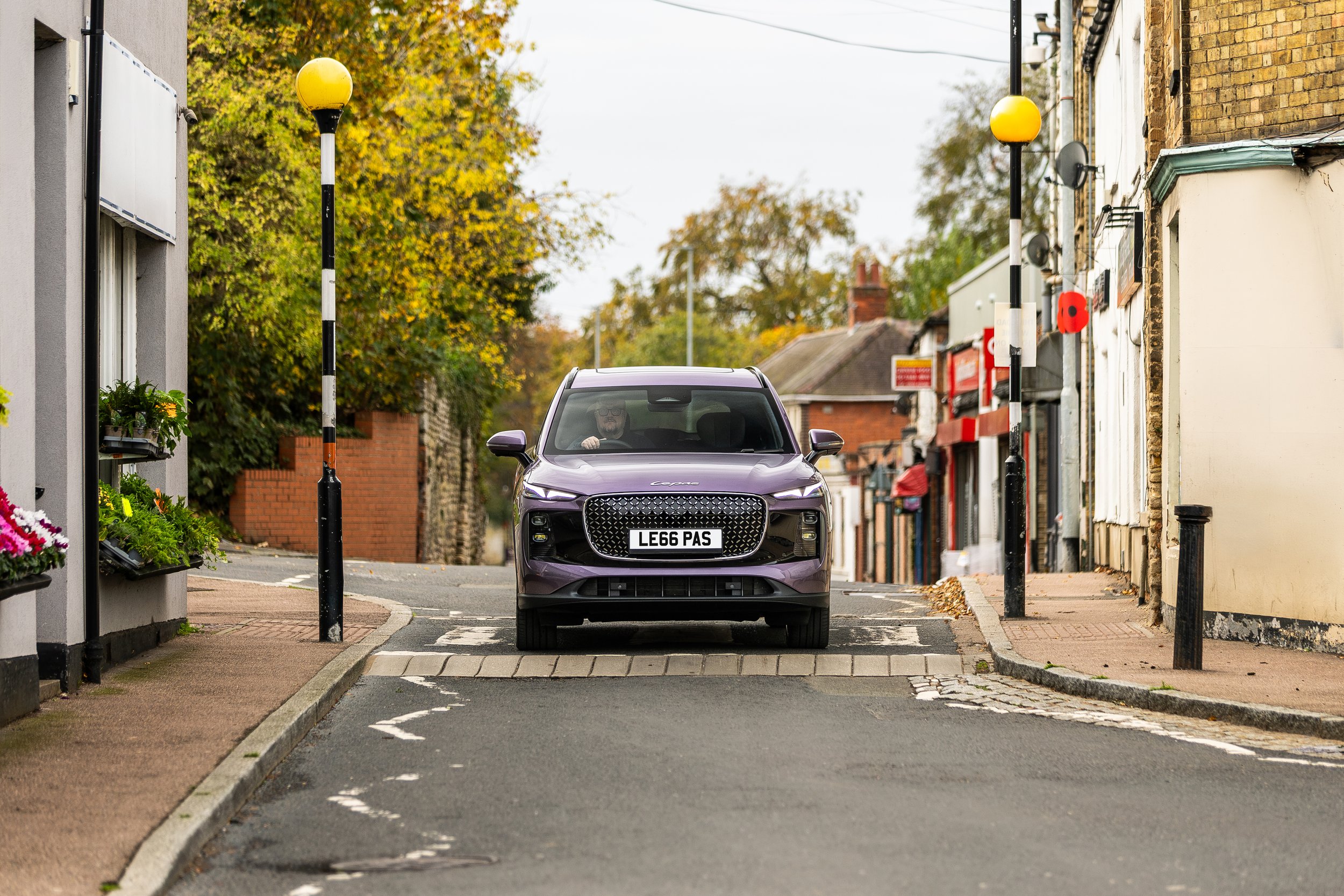
The shortest UK zebra crossing in Raunds, Northamptonshire.
9 — Japan’s Shibuya is the busiest zebra-style crossing in the world. At peak times, an estimated 1,000 to 2,500 people cross the Tokyo junction every two minutes.
10 — Britain’s crossings have a whole animal family. Alongside the Zebra are Pelican, Puffin, Toucan, Pegasus and Tiger crossings:
Pelican – derived from the name Pedestrian Light Controlled Crossing with a push-button for pedestrians
Puffin – an acronym for Pedestrian User-Friendly Intelligent, is a push-button crossing that uses smart sensors to detect when pedestrians are crossing or waiting to cross the road
Toucan – which sounds like Two Can, where pedestrians and cyclists can share the crossing
Pegasus – an equestrian crossing for horse riders
Tiger (officially called Parallel crossing) – side-by-side lanes for cyclists and pedestrians
words: Mike Booth
pictures: LEPAS UK