
The Silent Takeover: How the number of Chinese cars is increasing in the UK
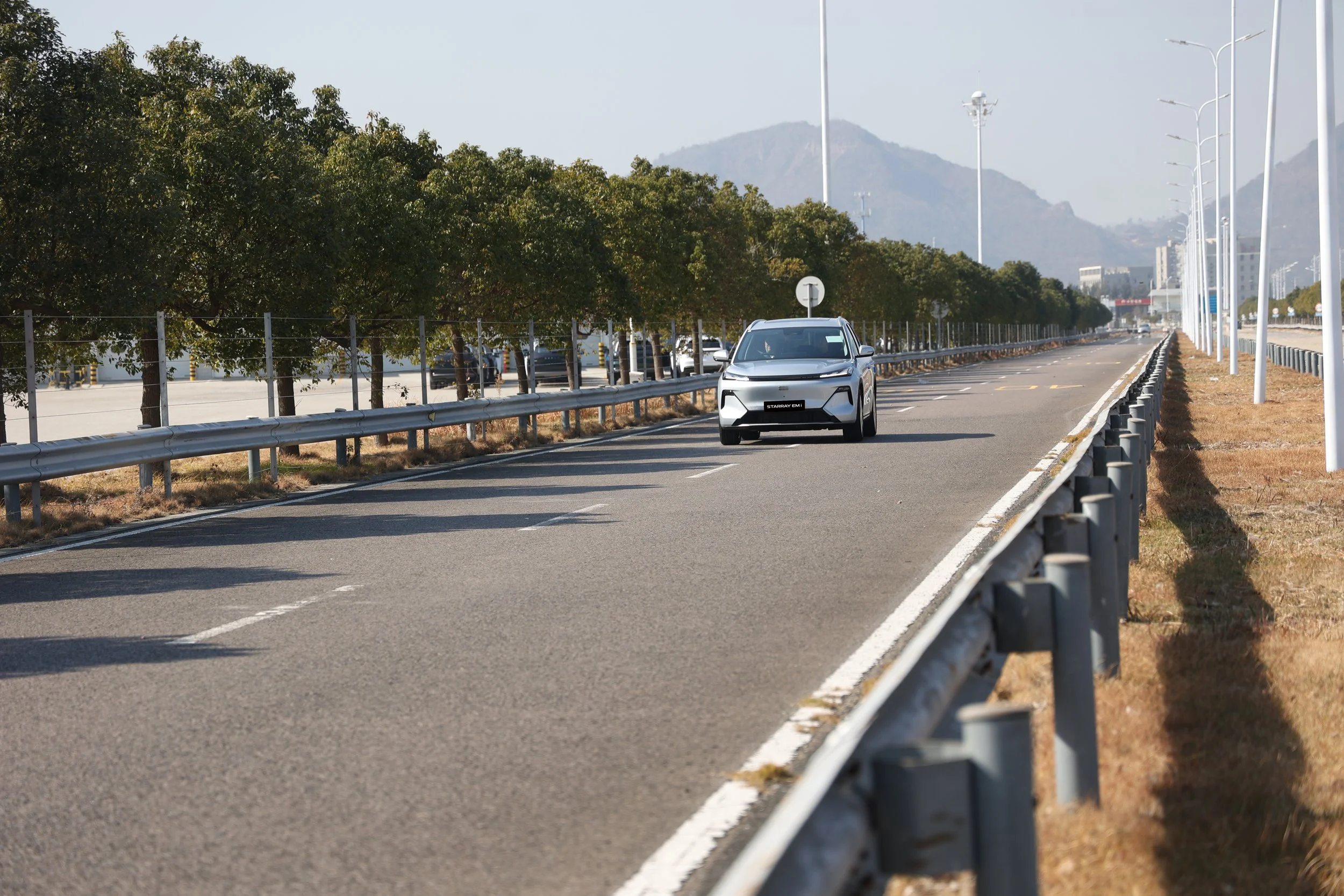
It’s beginning to become a cliché, but there are a LOT of Chinese cars on our roads these days, aren’t there?
A few years ago, maybe you’d see an MG here and there, but now, Omoda, Chery, BYD, Geely, Jaecoo, Leapmotor, and plenty more are vying for your cash. By the looks of the roads, they’re getting it and then some. After spending some time looking around both BYD and Geely’s respective motherships (or at least a small - yet somehow still massive - part of them), it’s not hard to see why. In fact, it gave the distinct impression that US, UK, and EU legacy manufacturers should be more than a little worried.
What is China’s biggest selling car?
That would be the electric Geely EX2 — at least that’s what it’ll be called when it gets here later this year. It costs about £6,000 locally (it’ll be £20k here), can go about 250 miles on a charge under the Chinese test cycle, and seats four people comfortably. It comes with all the toys you could reasonably want, and looks good, too. Geely sells 50,000 of them every month locally. Now, there are 1.4 billion people in China at varying ends of the financial spectrum, which means plenty of them will want a car of some sort. 600,000 EX2s a year will barely make a dent in the overall population, but that’s still a HUGE number. And that’s just one model in a huge brand portfolio.
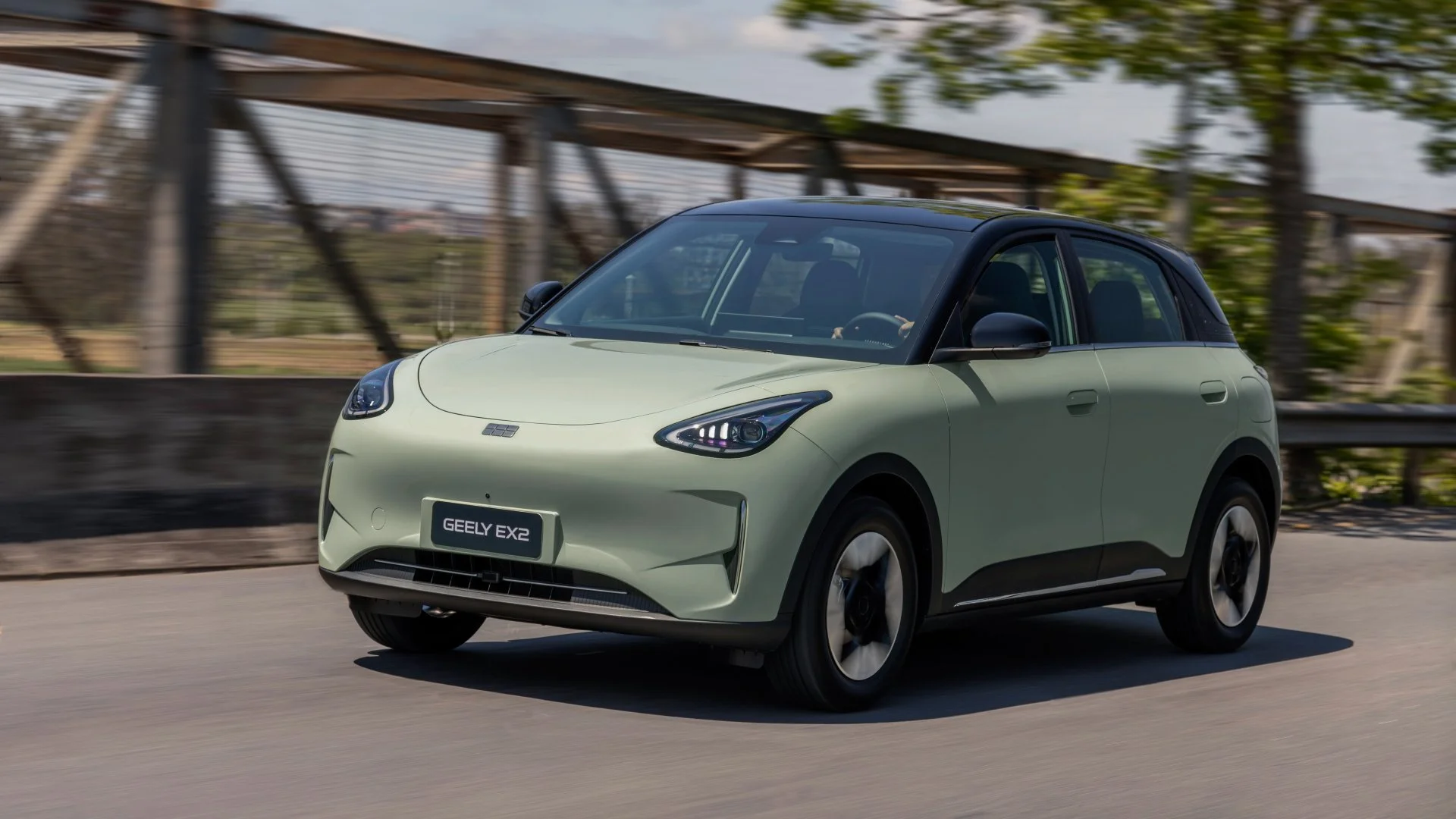
credit: Geely
How does the EX2 stack up against something we know a little better?
Globally, in 2025, MINI sold just shy of 165,000 Coopers. Not just the three-door, but the five-door, and the convertible combined. Yes, it’s a more expensive, premium product, but it took a year to do globally what Geely did in just over three months in its own back garden.
It wasn’t too long ago that the Chinese car industry was regarded as a bit of a joke. Reports would flood back from various motor shows of borderline copyright-infringing ‘MINIs,’ ‘Land Rovers,’ and more. Some looked, in pictures at least, flimsy, a bit tacky in places, and were powered by some sort of anaemic petrol motor. Column inches were spent giving their sort of westernised names a dressing down, speculating on whether or not their makers would be sued into oblivion, and taking the mickey. There were some sensible homegrown cars, and some re-badge jobs, too, but it wasn’t regarded as a world automotive power, more ‘a thing that is there.’
The turning point
Then, all of a sudden, China took things a little more seriously. Electrification was coming, and it wanted to be at the forefront. Thousands of companies sprang up to develop the next generation of cars and powertrains. Over time, many of those companies were bought up by others or went under, and many became few.
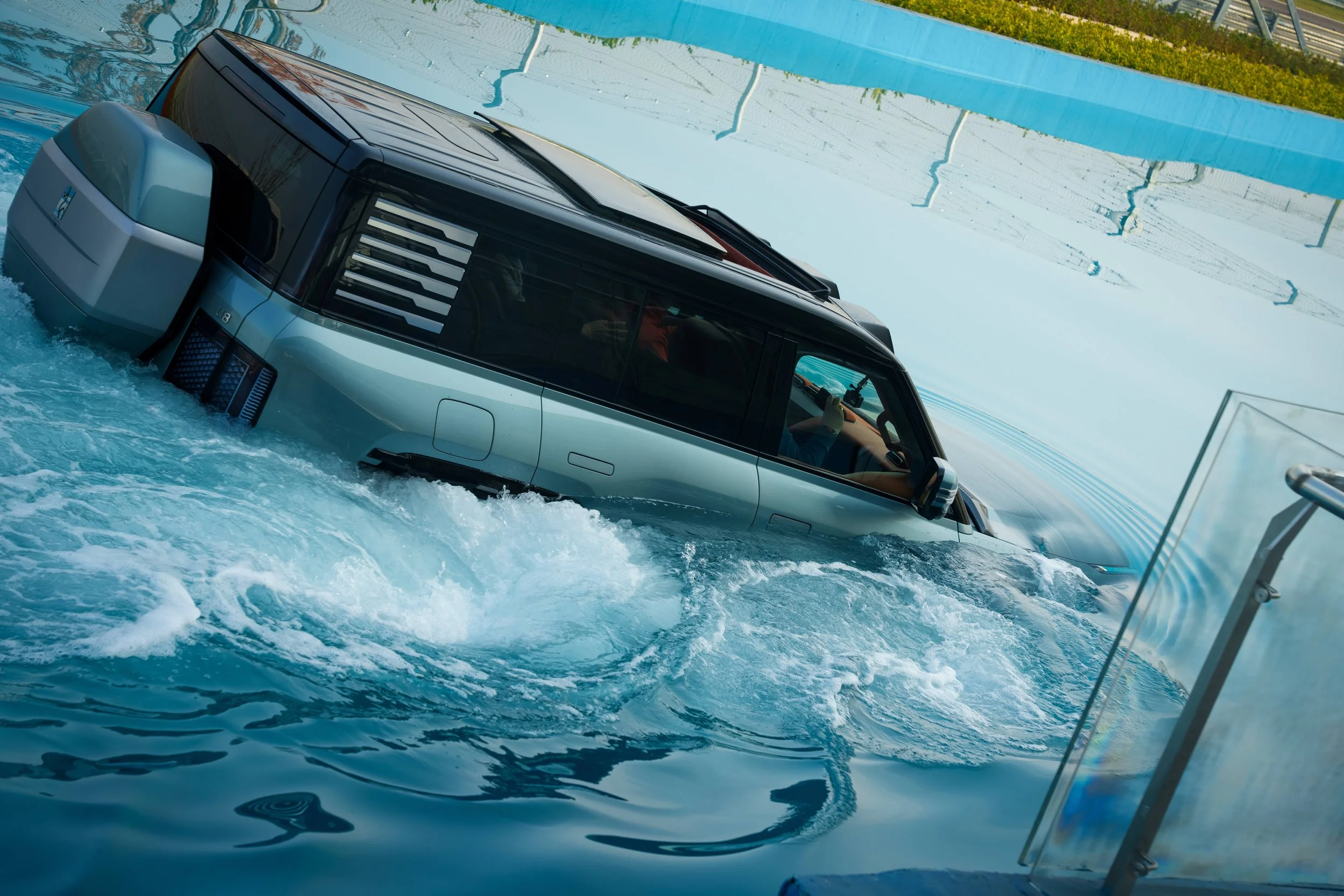
The pace of technological change is truly staggering. BYD files 45 patents a day and has over 65,000 to its name. That’s a lot. Each new car comes with a new feature - both over and under the skin - and they’re enough to grab attention. It makes cars that can drive in the sea, that launch drones from roof mounted boxes, and even dance. While, yes, they’re largely gimmicks, the fact that they CAN do these things with ease every time (well, hopefully in the case of the swimming cars) is a testament to the pace of change.
How did China achieve this?
There are two elements to the how: people and space. And they both come down to money. Huge dollops of cash drip from every pore, which means manufacturers out there can hire the best people and buy up as much land as needed to get the job done.
Geely’s HQ takes up a decent chunk of Hangzhou, harbouring 6,000 people whose jobs are to make the business of cars and other assorted bits of industry work. Geely’s been making cars since 1998, which isn’t a huge amount of time, and today it’s got a foot in every market you can think of. It does the mass market stuff, and ultra luxury cars with homegrown brands, as well as Volvo, Polestar, Lotus, and LEVC (the people who make the new London cab) to boot. Across all those brands, there are thousands of people working on tech to make them better every day that can be shared over the portfolio. Smart charge tech that’ll benefit, say, a Lotus Emeya, can be rolled out elsewhere. Same with platforms and tech within. Yes, it’s the same elsewhere - look at the various platforms underpinning VW Group cars, for example - but the speed at which tech can be deployed here is quicker than Europe or America can seem to muster. Or, at least, will admit to.
Rapid improvements in a short space of time
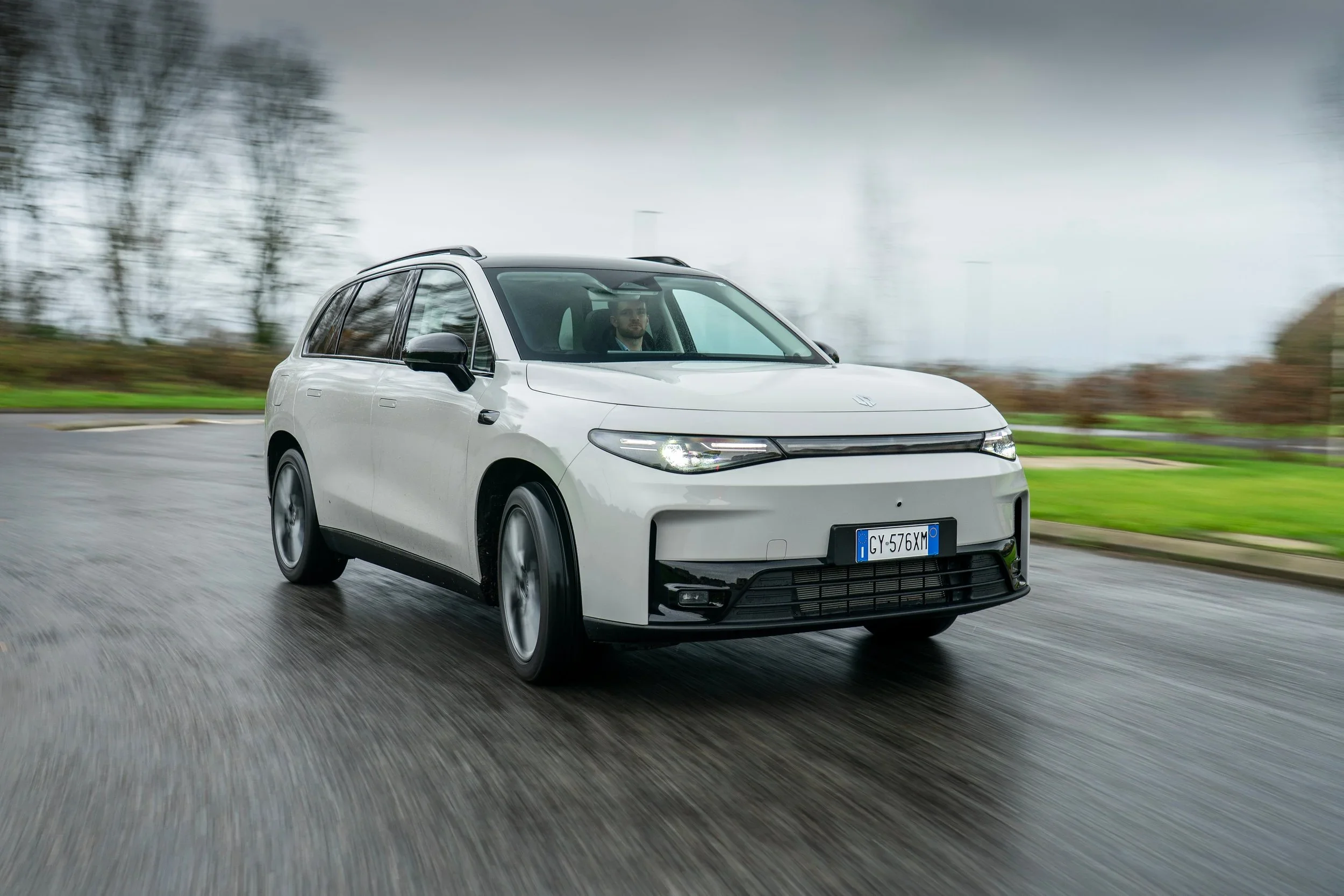
Leapmotor, a Chinese manufacturer partnered with Stellantis for European distribution, is a prime example of this. In 2025, it launched the C10, a family SUV. Its huge plus point was that, for a new car, it was quite cheap. The rest… was not so great. It wasn’t very good to drive, the infotainment was flawed, and it was honestly a woeful car. Less than a year later, it had been updated in key areas. It’s (marginally) better to drive now; the tech’s smoother, it’s a more complete package for the mass market. Similarly, Omoda, off the back of criticism, gave its 5 and E5 models a comprehensive upgrade after less than a year on the market. Had, say, Skoda thoroughly updated an interior and various underbody bits after less than a year - and marked the fact with a press release - it would have likely been nailed to a wall and panned. Omoda just did the thing, shrugged, and moved on because that’s just what happens there.
Large, world class facilities
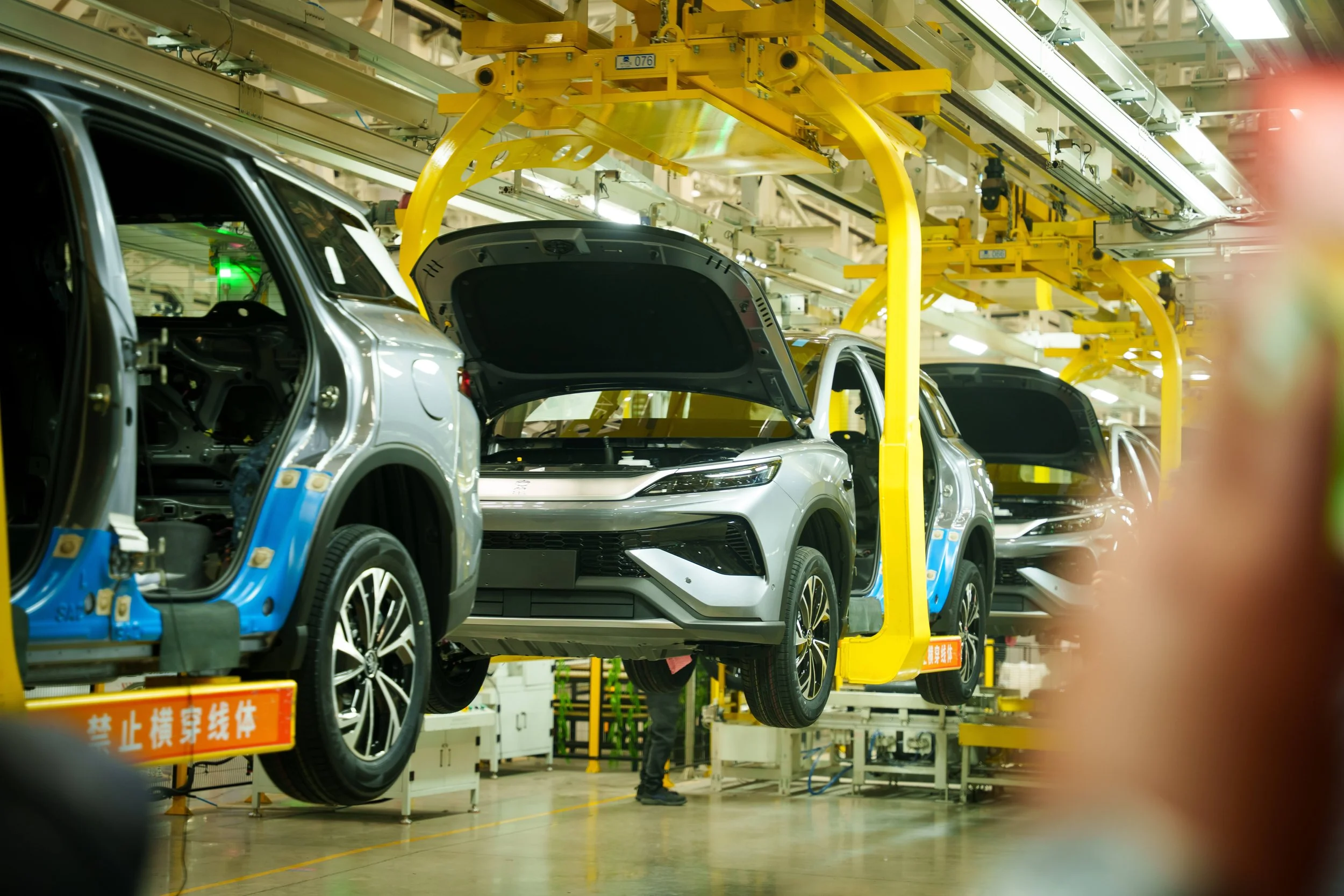
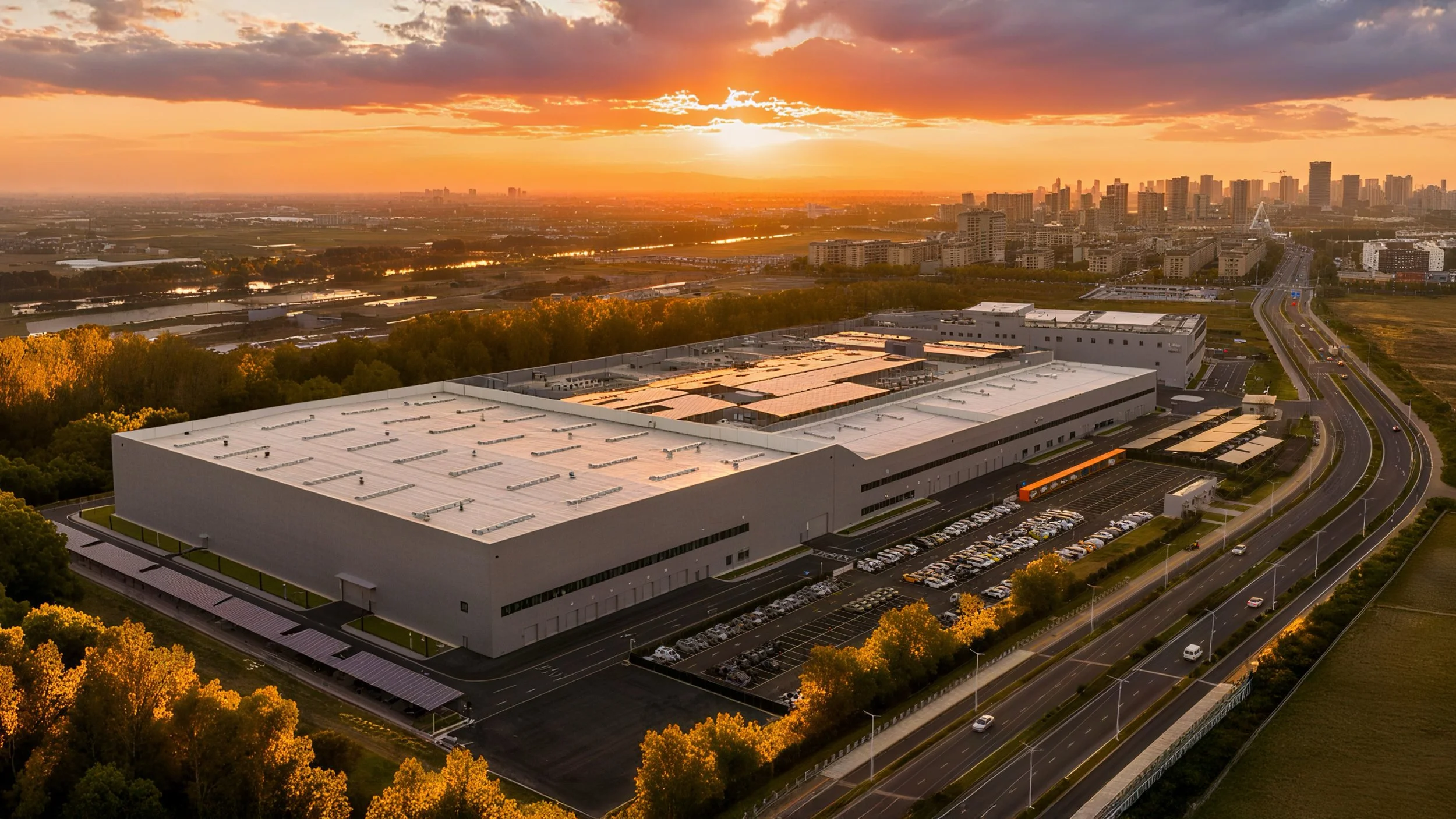
The facilities the cars are built in are vast, thanks to China having LOTS of land to build on. Massive spaces with robots and humans working quickly to build, paint, and check cars for their new owners. There’s room and ability to retool them quickly, too. Geely could, if needed, switch, say, its Starray factory to make EX2s (or anything else) in no time at all, and with ease. Okay, it’s not the work of 30 seconds, but it’s not a headache. Hell, if it needed to build another facility, it’d be done in the blink of an eye, such is the speed it can move. Geely’s new safety facility, and (three) wind tunnels are all made to check its cars are the best they can be before they head out to the wider world, and it’s all for them to use. A thing was needed to make sure the product was good, so it built it.

Legacy manufacturers may have missed the boat
Things move faster in China. Not being the latest and greatest isn’t something that’s accepted there. When it spotted where it could excel, it pounced on the chance and is now reaping the benefits. Electrification was a reset for the industry as a whole. It put the manufacturers that relied on ICE, heritage, and prestige on unsure ground - if their EVs didn’t pass muster, they had more to lose, whereas a new brand that does everything it says it will do for less money… it’ll stand out. And if it doesn’t hit the mark the first time, a quick fix will solve the problem, and away they go.
We’re going to see more and more Chinese cars, or partnerships with Chinese manufacturers, and we’re going to see them soon. Having been in the belly of the beast, it’s no surprise. It feels, really, as though the legacy manufacturers we know and love aren’t just having a minor setback, but have missed a big boat. China was on an earlier one.
words: Alex Goy