
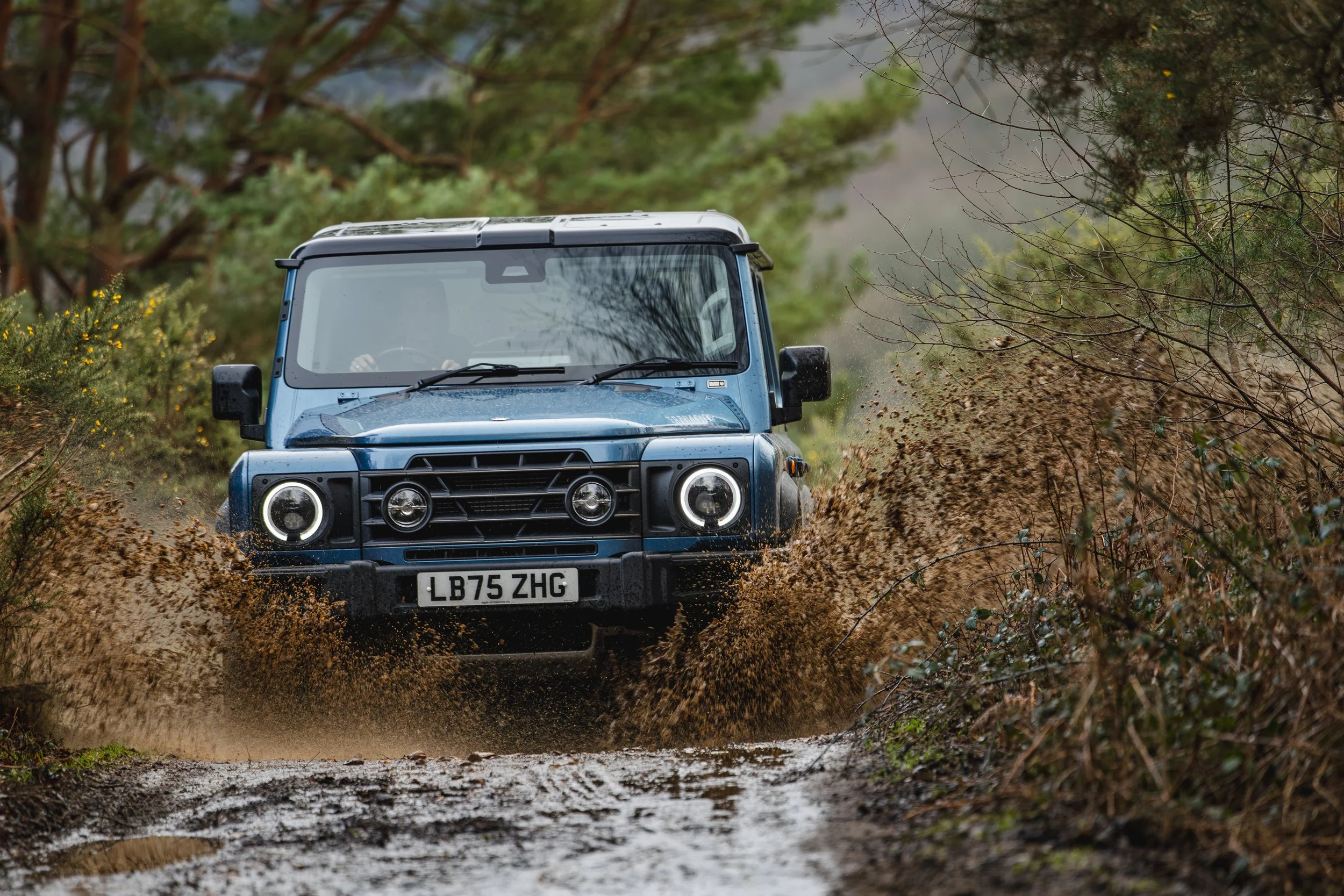
The Ineos Grenadier is one of those cars that seems like it’s been around forever, but has only been on the road for three years. That’s not very long at all, is it? It’s time, though, for the Grenadier to get a big ‘ol update. Customers have had enough time to provide feedback from real world use, and Ineos has been listening.
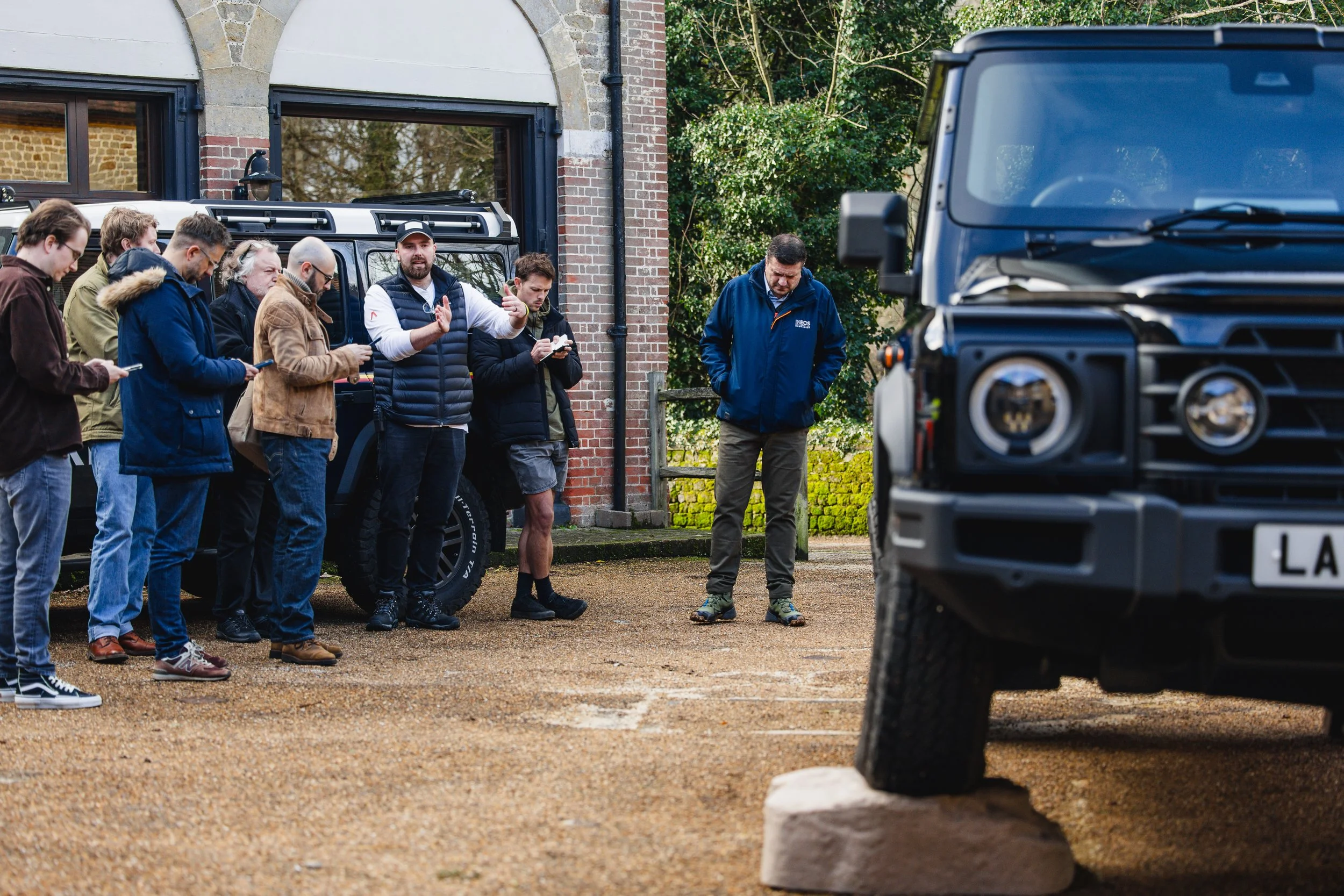
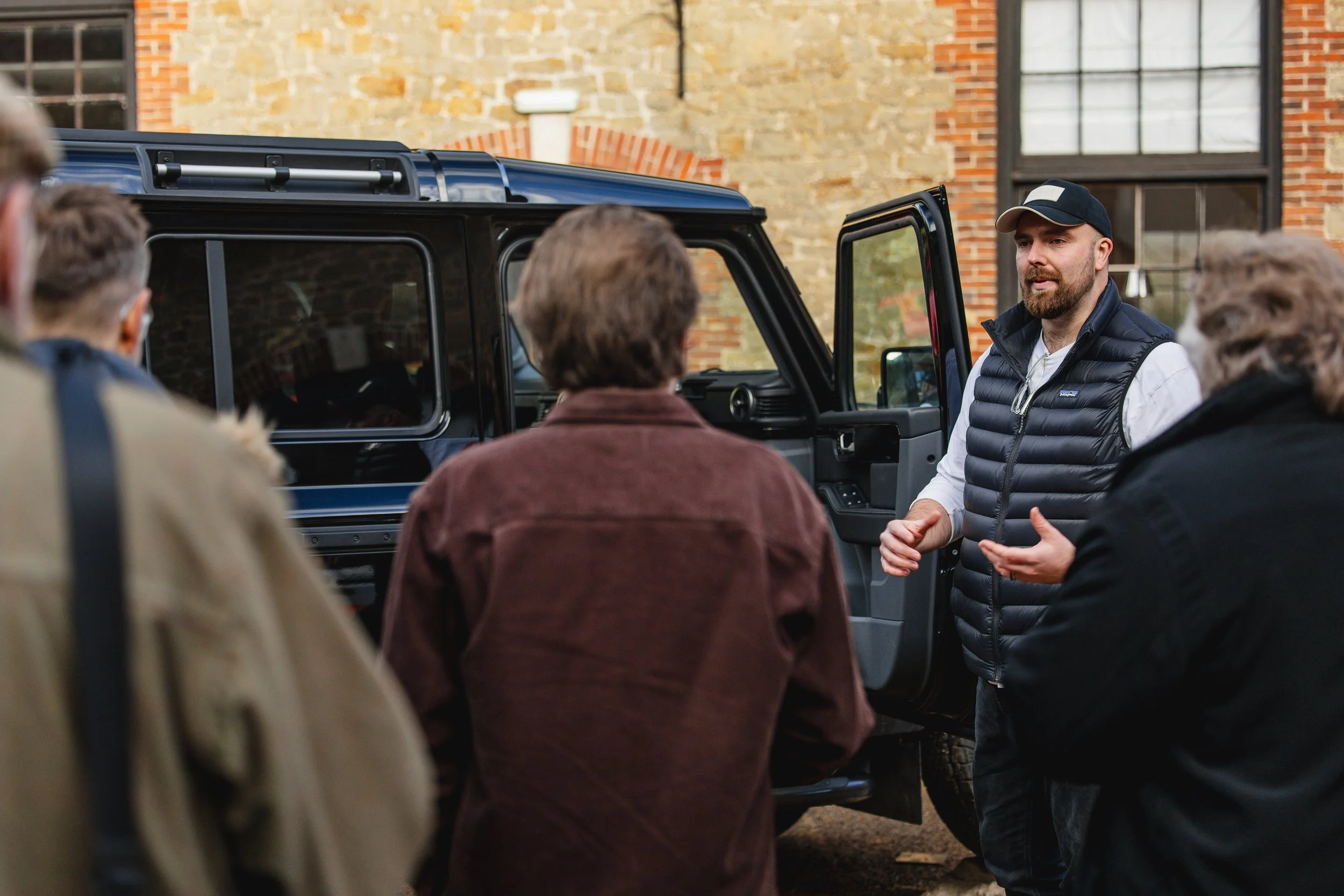
How the Grenadier was born
In case you’ve no idea what the Grenadier is, or where it came from, it launched three years ago and is the brainchild of petrochemical billionaire and Manchester United owner Sir Jim Ratcliffe. He, along with chums, were a bit miffed that Land Rover was putting its utilitarian Defender out to pasture, and decided (while having a pint at The Grenadier pub in London - which he also now owns) to do something about it. That something was to design, engineer, market, and build an uncompromised vehicle designed for proper off-road adventures. Years of development ensued, and in 2023, it appeared with bells on. It came with a petrol or diesel BMW-sourced powertrain, body-on-frame construction, ways to attach various accessories to the outside, and various handy cubby holes all over the car designed to make having muddy/damp/otherwise grim things easier to deal with post-drive. It was, and remains, unapologetically uncompromised for off roading - at which it’s pretty much peerless.
Being so laser-focused on off-road excellence meant there were a few on-road foibles to deal with. It, erm, wasn’t brilliant on tarmac. Admittedly, neither was the Defender it was built to supersede, but that had the excuse of being a car from the 1940s. In its original incarnation the Grenadier was a head scratcher. It was cool, rugged, and made all the right noises, but it was very much a tool designed to do a job - those looking for a lifestyle car may well have found the school run a little… lumpy.
Ineos returns with a fresh attempt
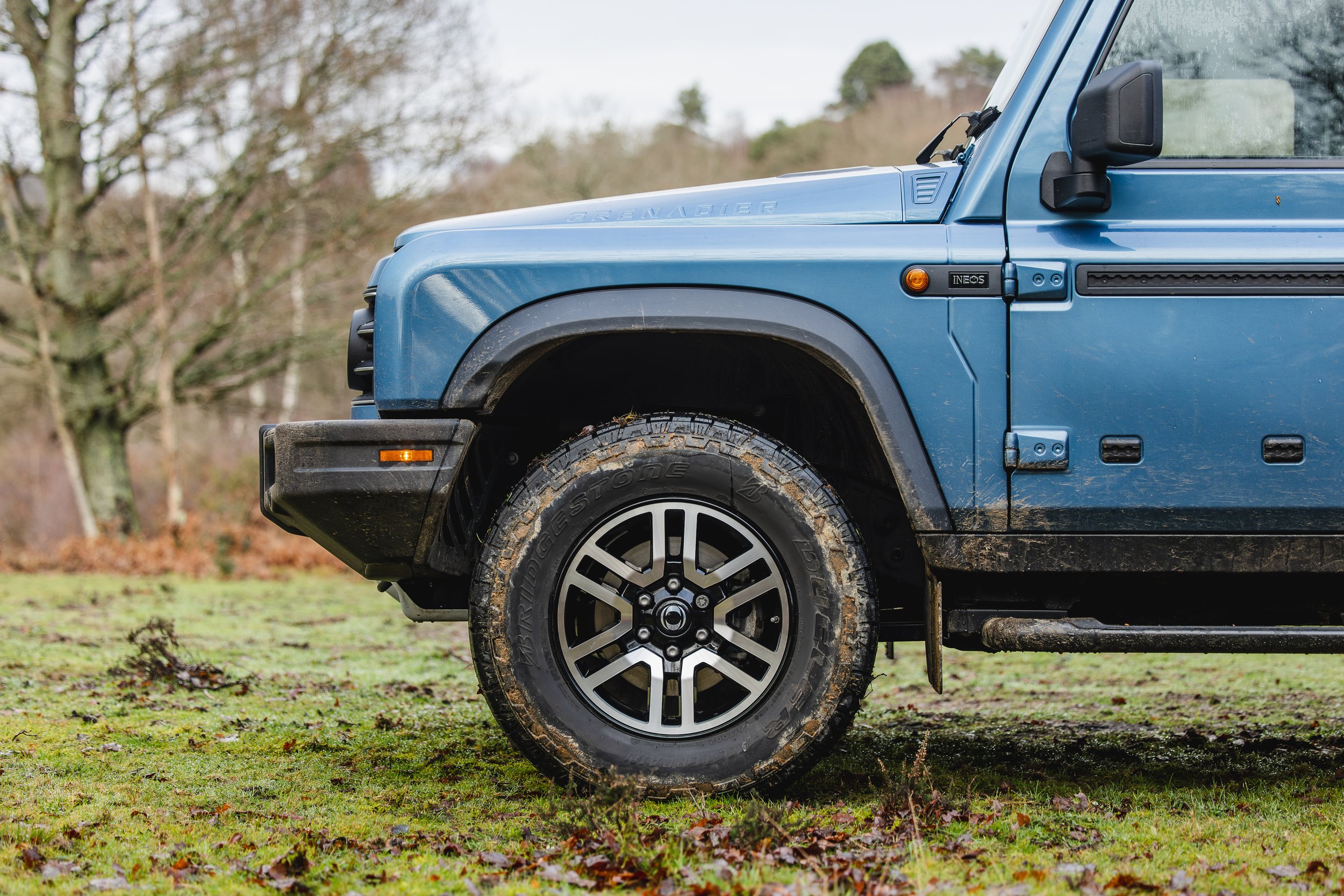
Three years later, Ineos has put its listening ears on. Customers, especially of more niche vehicles, can be a vocal, passionate bunch, unafraid to share their feelings. The big update is new variable ratio steering to make it, hopefully, less busy, and cut 70cm off the Station Wagon’s turning circle (the Quartermaster pickup’s turning circle is now the same as the pre-facelift Wagon’s). The lineup’s tyres have been updated to the latest on and off-road biased versions of their former selves, too.
Exterior
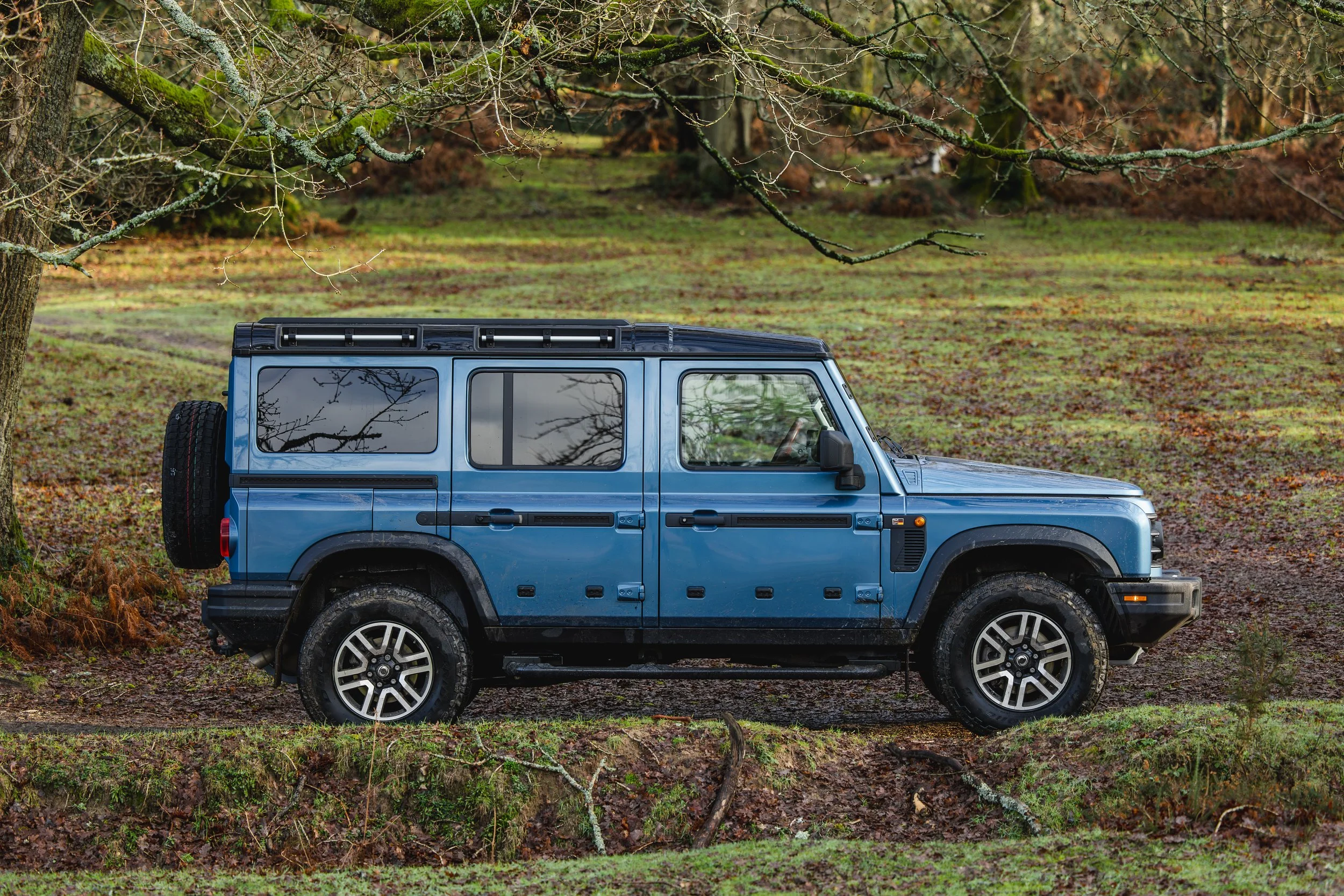
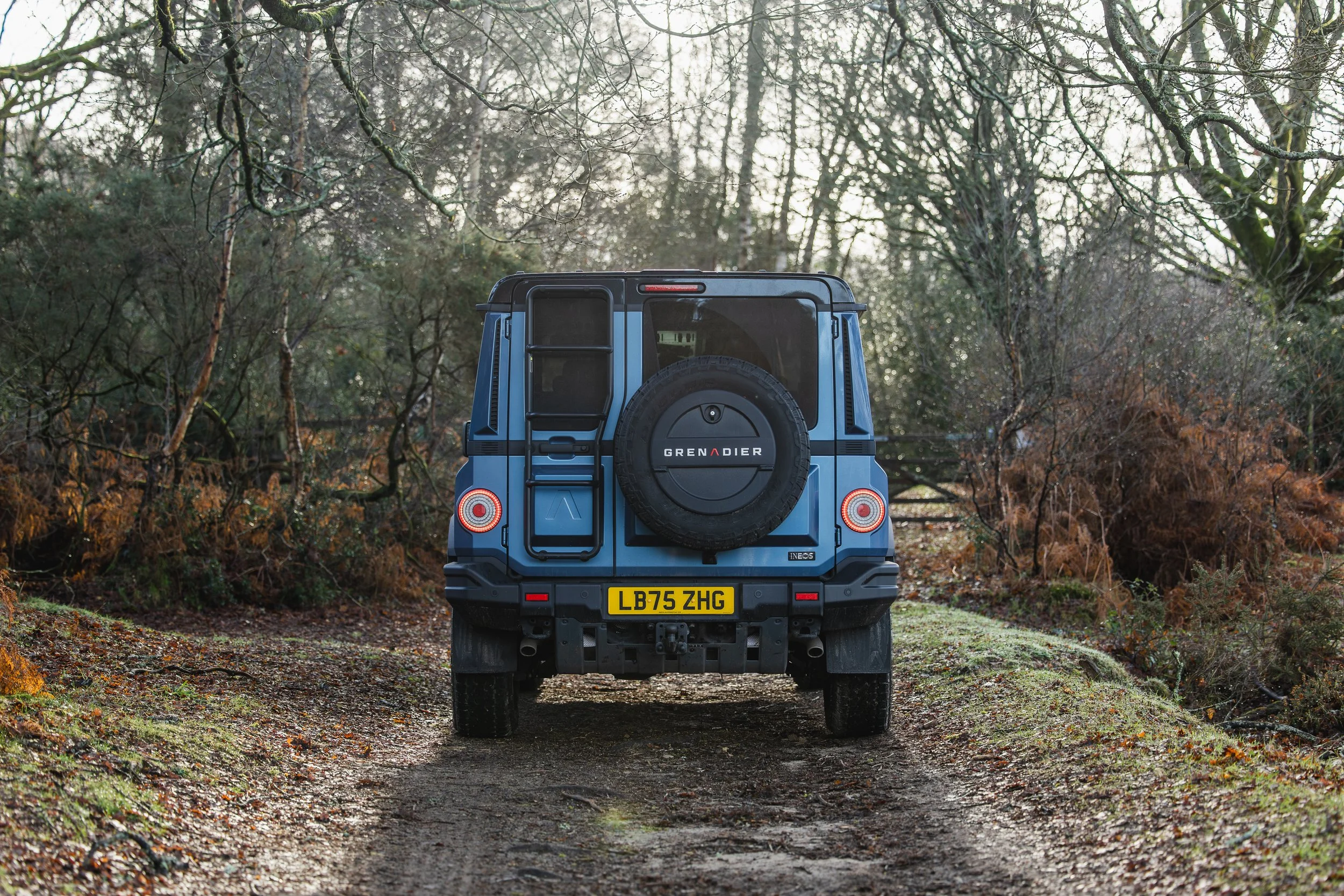
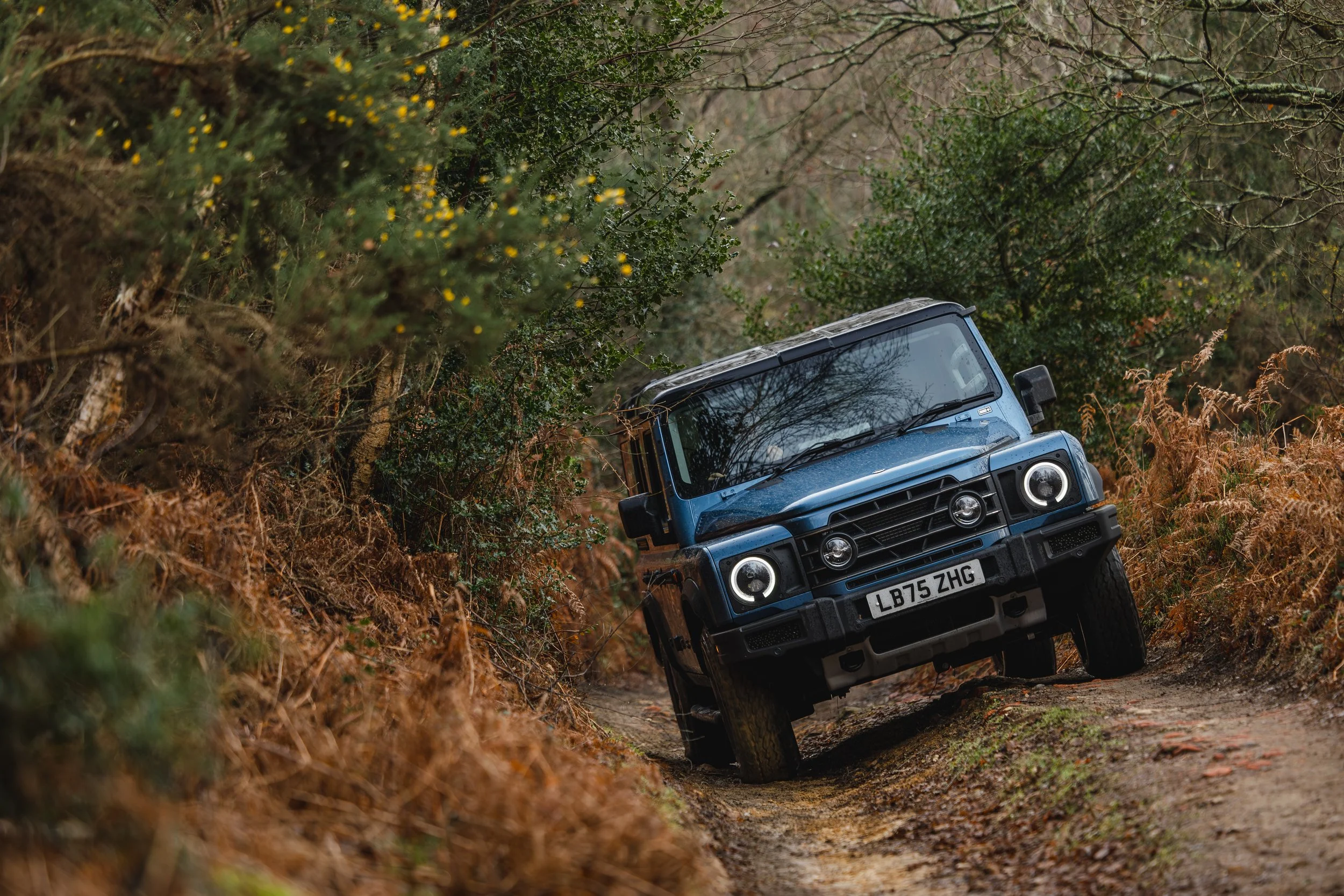
There are a handful of cosmetic changes, too, though they’re quite hard to spot in some places. New headlights now come as a two ring job rather than just the one to handle both indicating and shining ahead at the same time, which is a handy touch. A new rear view mirror and surround now hides various (mandated) ADAS functions, but Ineos was keen to point out that they’re set to be as unintrusive as possible. You can have a different type of saddle leather on the steering wheel and handbrake now, too. Map fans will enjoy the new nets attached to the rear of the front seats, because you can put, amongst other things, maps in there now. There’s also a smattering of brighter branding so your neighbours can see what your new battle tank is called.
Powertrain
There aren’t any changes to the powertrain, which means you have a choice of a 249hp 409lb ft 3.0-litre diesel, or a 286hp 331lb ft 3.0-litre petrol. 0-62mph clocks in at 9.9 seconds for the diesel, and 8.6 seconds for the petrol, which seems perky. You’ll allegedly get up to 26.9mpg from the former, and a less wallet-friendly maximum 19.6mpg from the latter. Still, when you need to drive over tree stumps, the last thing you’ll care about is how much fuel you’re using. There’s room in the back for a couple of cans more, after all. Both have a top speed of 99mph.
Driving Experience - On Road
It’s a nip ‘n a tuck, but in ways that matter. On the road, the steering adjustments make all the difference, and, frankly, feel like a huge relief. The original car was manageable on tarmac. It kept you busy, and you needed to be alert to keep it on the straight and narrow. The new car is so, so much better. You’re not constantly adjusting the wheel to stay in a straight line, and it doesn’t dart off in whichever direction seems fashionable at the moment. Saying it’s smooth might be a bit kind, but it feels far more ‘normal’ than before. It doesn’t centre the wheel as willingly as a regular car, but for buyers looking for something to tackle green lanes AND the M3, it’s far, far better suited to the job. It genuinely made me happy to see Ineos had made the change. The ADAS kit isn’t irritating at all, either, which is a blessed relief. Yes, you’ll get a gentle bong if you drift over the limit, but it’s not so persistent as to give you a headache.
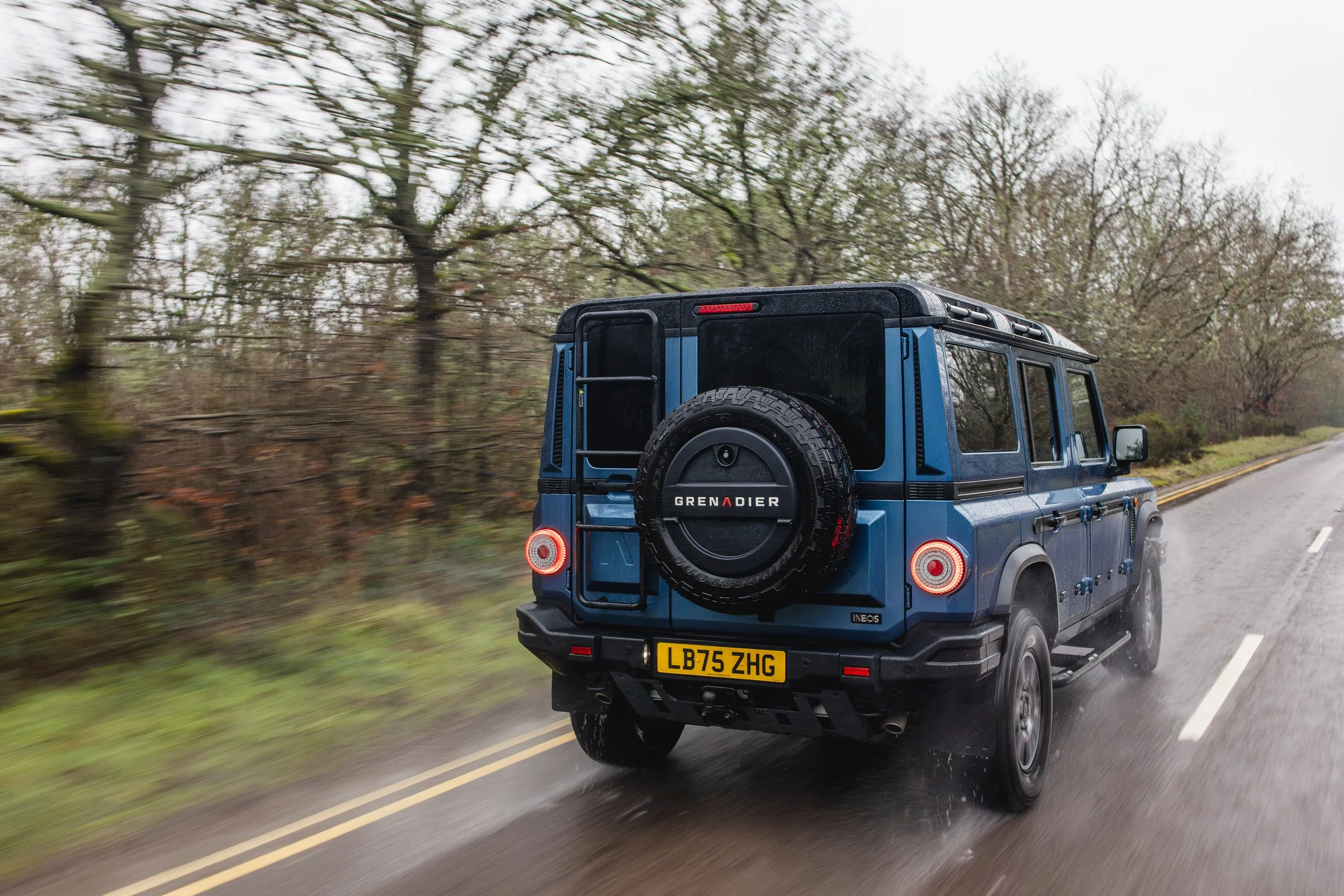
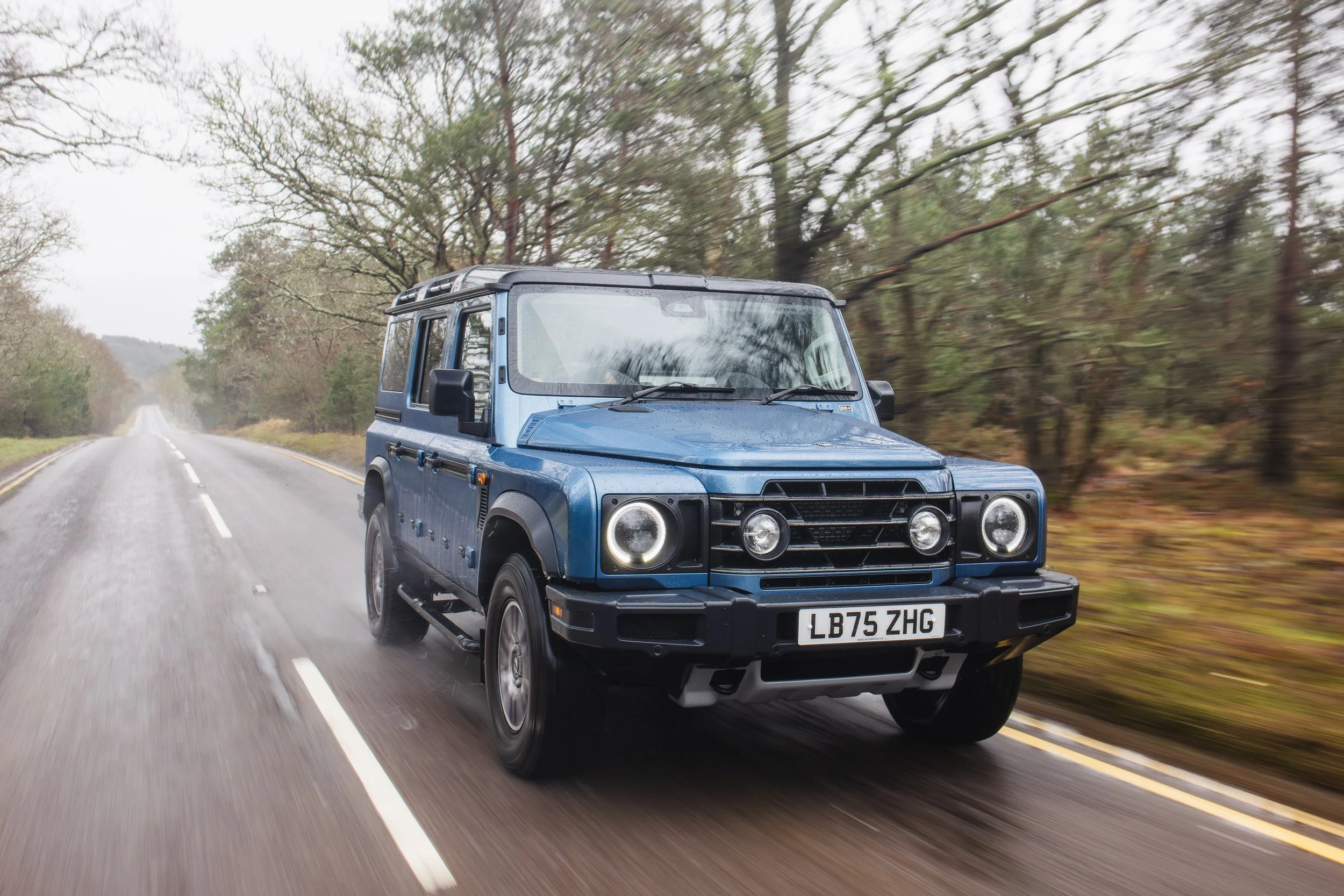
With a diesel motor under the hood, it’s a mightily torquey thing, you can make sensible progress in no time at all despite a 2.6 tonne (minimum - it varies depending on spec) kerbweight. BMW’s powertrain proves time and time again to be a blinding choice. It rides well, too, though it can get upset by chunkier lumps in the road - that’s to be expected for a car like this, though, so it’s not something you’ll get cross about.
Off-road
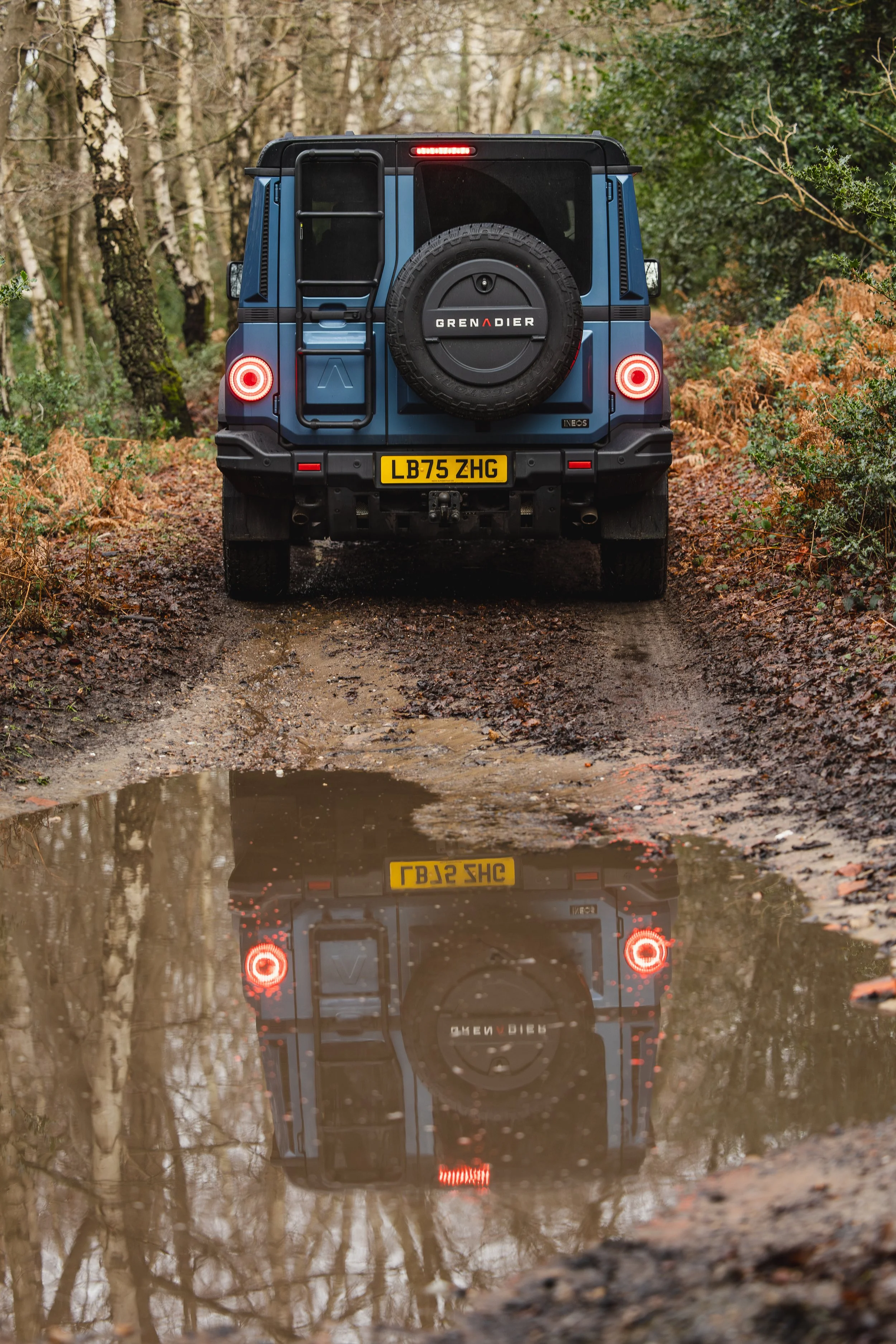
Off-road, the Grenadier (and Quartermaster) remains imperious. Ineos took us down some suitably muddy, rutted, and splashy green lanes to show off what it could do, and the car didn’t even break a sweat. Its slab sides mean you can see down the sides, so there’s no worry that you’ll peel panels off on errant branches. As the under the skin bits have barely been messed with (bar the steering), you can rest assured that if you need to cross a damp field, you’ll be fine. The same goes for needing to climb a mountain. It was made for adventures big or small.
Some issues still remain
The previous generation car’s original problems are still present - the windscreen is quite small, and with a tyre mounted on the back, you can kiss goodbye to rear visibility (a standard reversing camera helps with that though). It’s still massive, so various bits of you will pucker down narrow lanes, and you can expect to scratch some paint if your greenlane of choice has pointy/low hanging branches here and there. Shorter people (hello) will still lament the lack of a grab handle on the driver’s side of the car, ‘cos it means you have to grab onto the wheel to hoist yourself into the hotseat. And it’s a long jump down to get out. You get the impression that it was designed for tall people, which, given the chap at the very top of the Ineos tree, seems somewhat likely. Having the speedo on the infotainment screen isn’t the best thing in the world, but it works when you need it to, and there are LOTS of buttons - if you’re button averse, you’ll hate it, but otherwise you’ll get used to what’s where in no time at all.
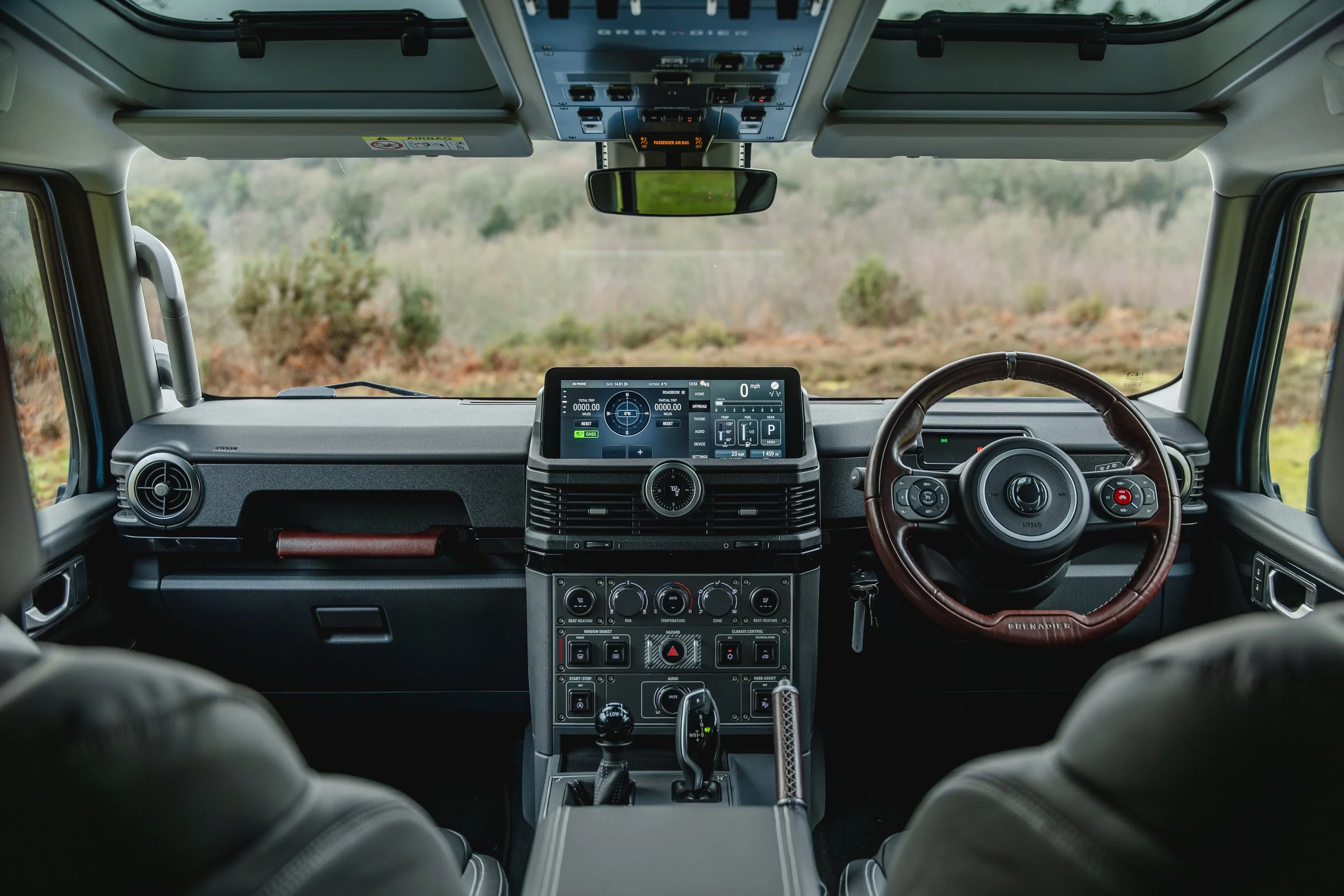
The Grenadier and the Quartermaster remain endlessly customisable, too. If you want to put winches, light bars, and other such gear on it, you can without issue. The buttons and switches on the cockpit ceiling can be mapped to do whatever you fancy if the right bit’s there.
The new Grenadier, then, is like the old one, but a bit better in the right ways. If you want to climb a mountain, Ineos’ baby is still, probably, the way to go.
words: Alex Goy
pictures: Ineos & Alex Goy