
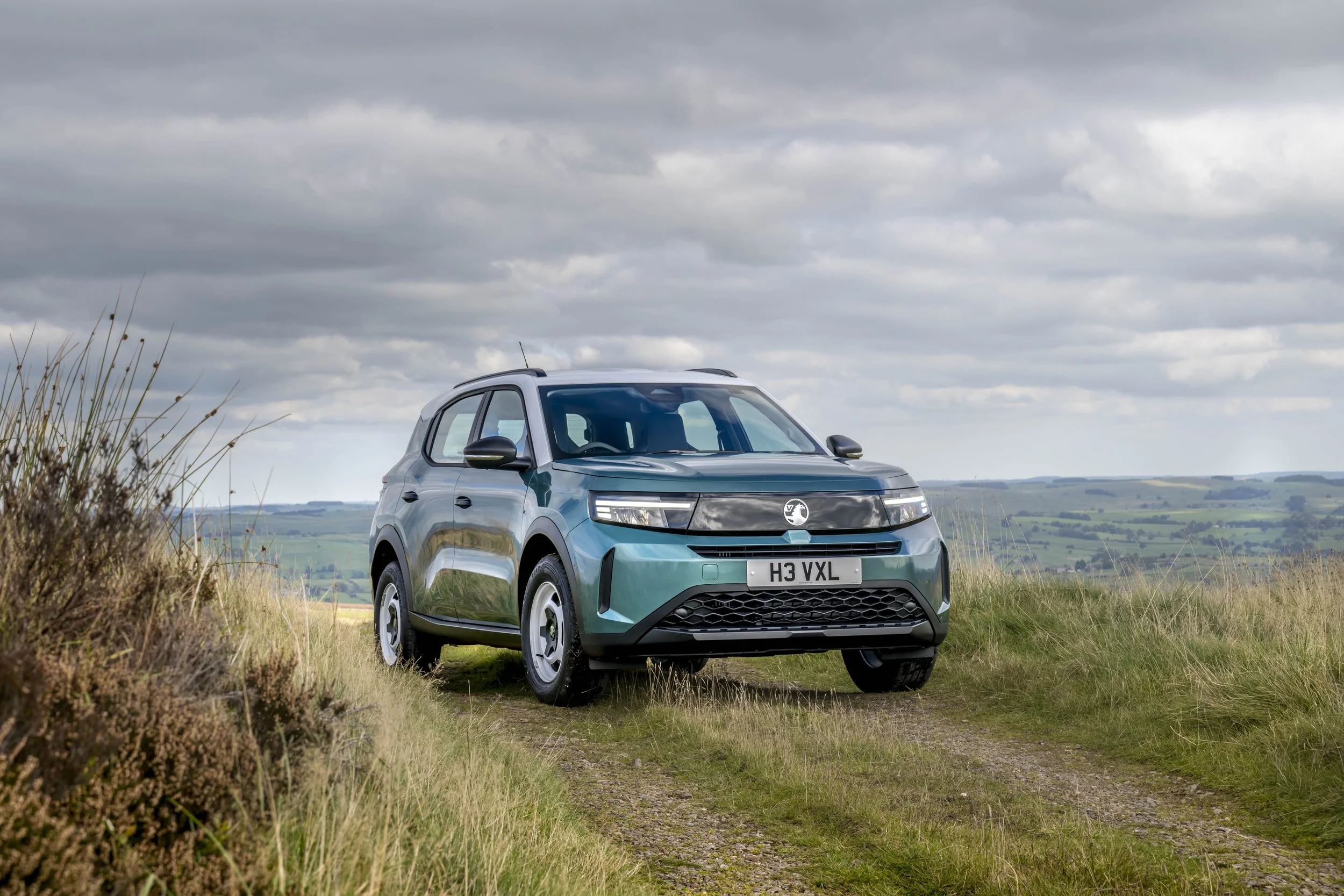
Who remembers the original Vauxhall Frontera?
Yep, I thought so.
It was instantly forgettable. Strip off the Vauxhall badge, and underneath you had an Isuzu on which the Frontera was based. It went on sale in 1991, was constructed at Vauxhall’s van factory in Bedford, and was launched as a competitor to something like the Land Rover Freelander and Toyota RAV4. It didn’t get close.
The actual Isuzu was called the Isuzu MU, which stood for, and I’m not making this up, Mysterious Utility.
Original Frontera - One to Forget
The biggest mystery was why anyone bought one. Okay, if you needed something that could haul a trailer across a muddy field, it’d do the job, but other than that, it wasn’t a car you’d want as day-to-day transport. It was slow, handled like a softly sprung mattress, was unreliable and very thirsty. Amazingly, it soldiered on until 2004.
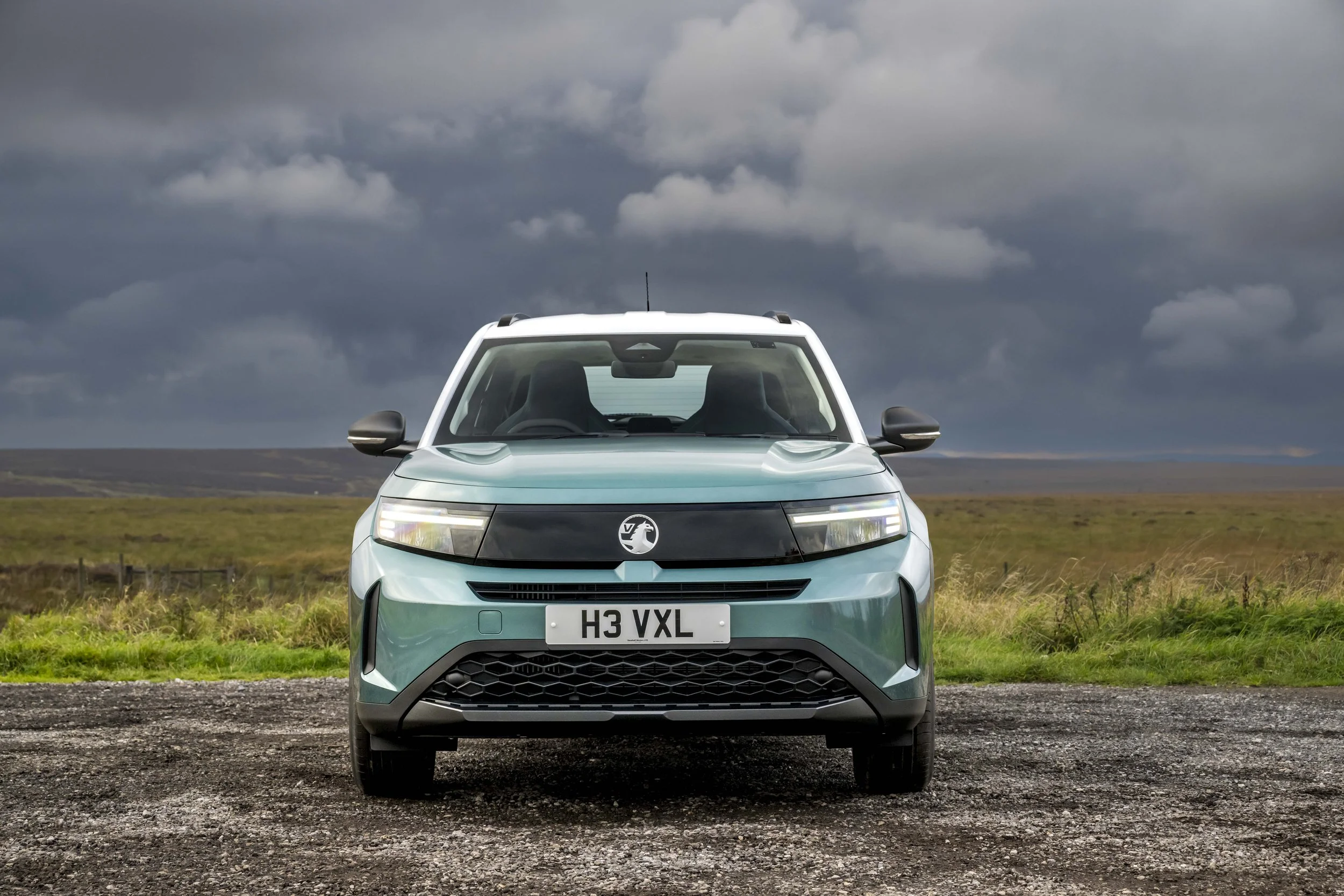
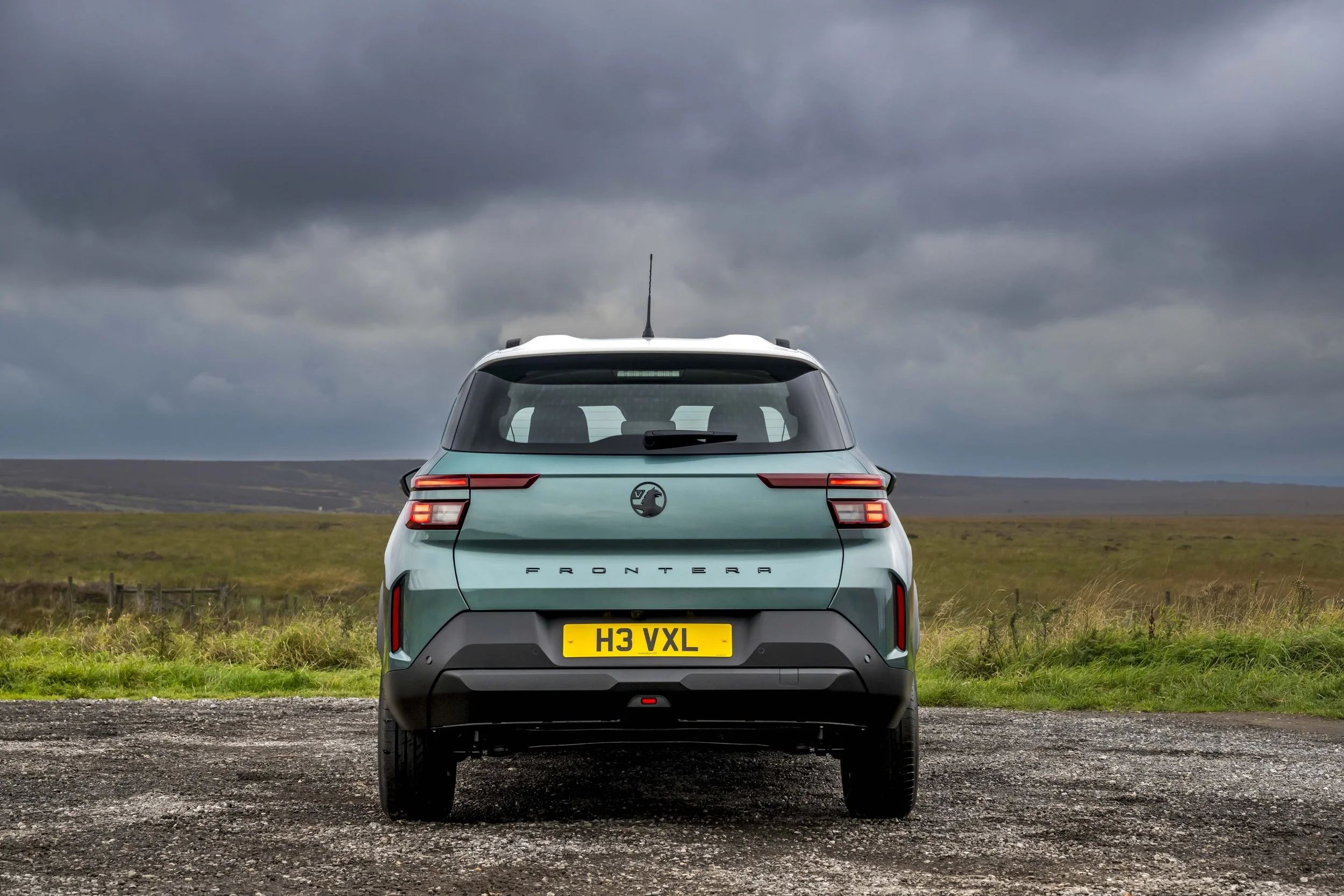
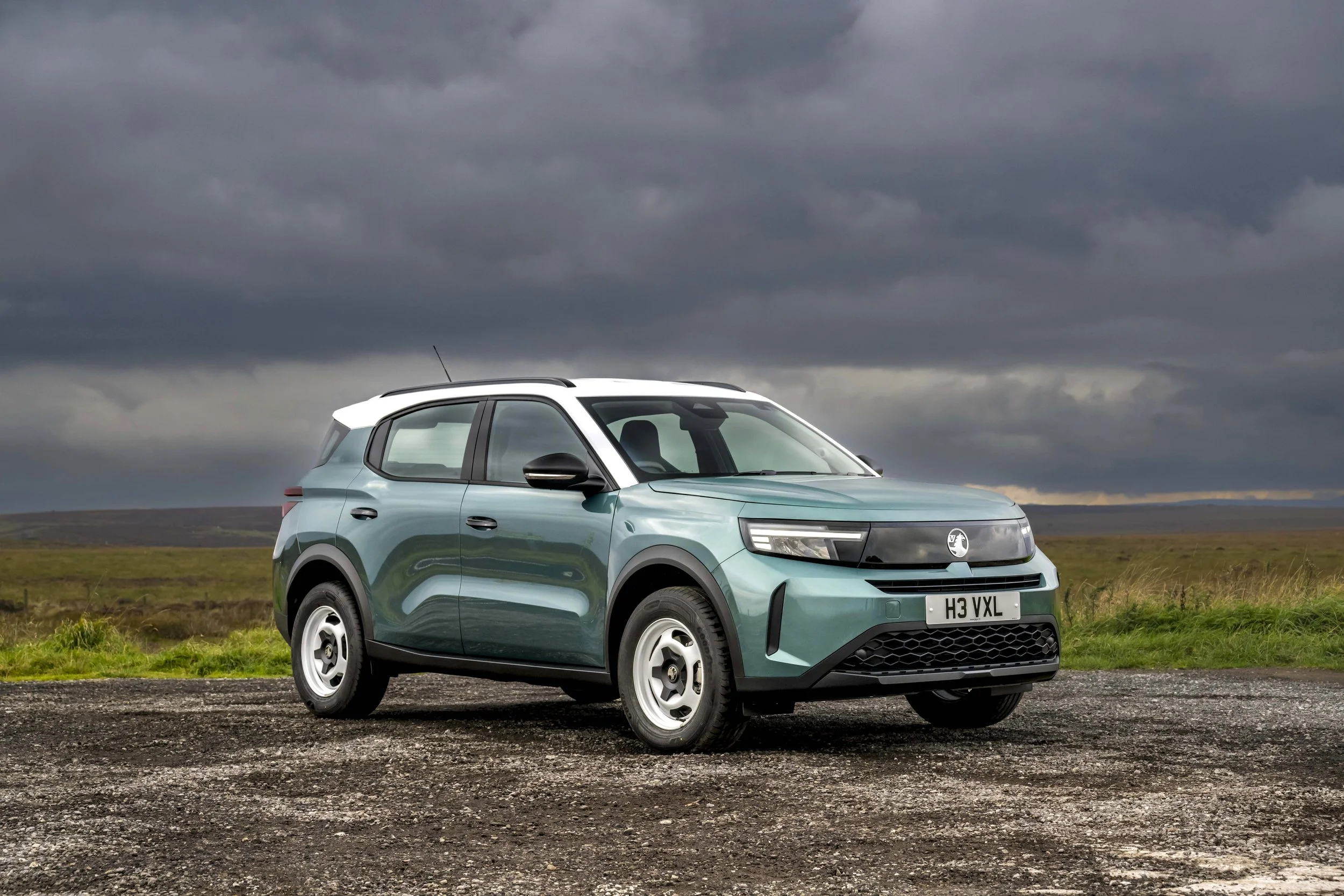
Thankfully, the latest Vauxhall Frontera iteration, which replaces the anonymous Crossland, is nothing like its predecessor and is a thoroughly well-sorted car that uses a decent number of underpinnings from the rest of the Stellantis range. It explains how the Frontera can be priced so competitively.
Powertrain Options & Price
Talking of price, what you’ll pay depends on which of the many powertrain options you go for. There are a few different ones to choose from: a 113PS electric with a choice of a long-range battery, or a pair of hybrids delivering either 99bhp or 143bhp. There are three levels of trim — Design, GS and Ultimate. The entry-level Frontera Design with the lower power output hybrid will set you back £24,855. Choose the electric version and you must go for the long-range battery, all of which bumps up the price by a couple of grand.
The other trims give you the choice of all powertrain options, so for example, if you go for the mid-spec Frontera GS, the price for the smallest hybrid is £27,255, but if you opt for the lower power electric model, the price drops to £25,895. This is a rarity in the current motoring landscape, where electric models are usually more expensive than their ICE stablemates.
I’ll be trying the electric Frontera in a few weeks’ time for a Driven review, but for today, I’ve got the entry-level Frontera in Design trim and with the self-charging 99bhp petrol, mild hybrid powertrain.
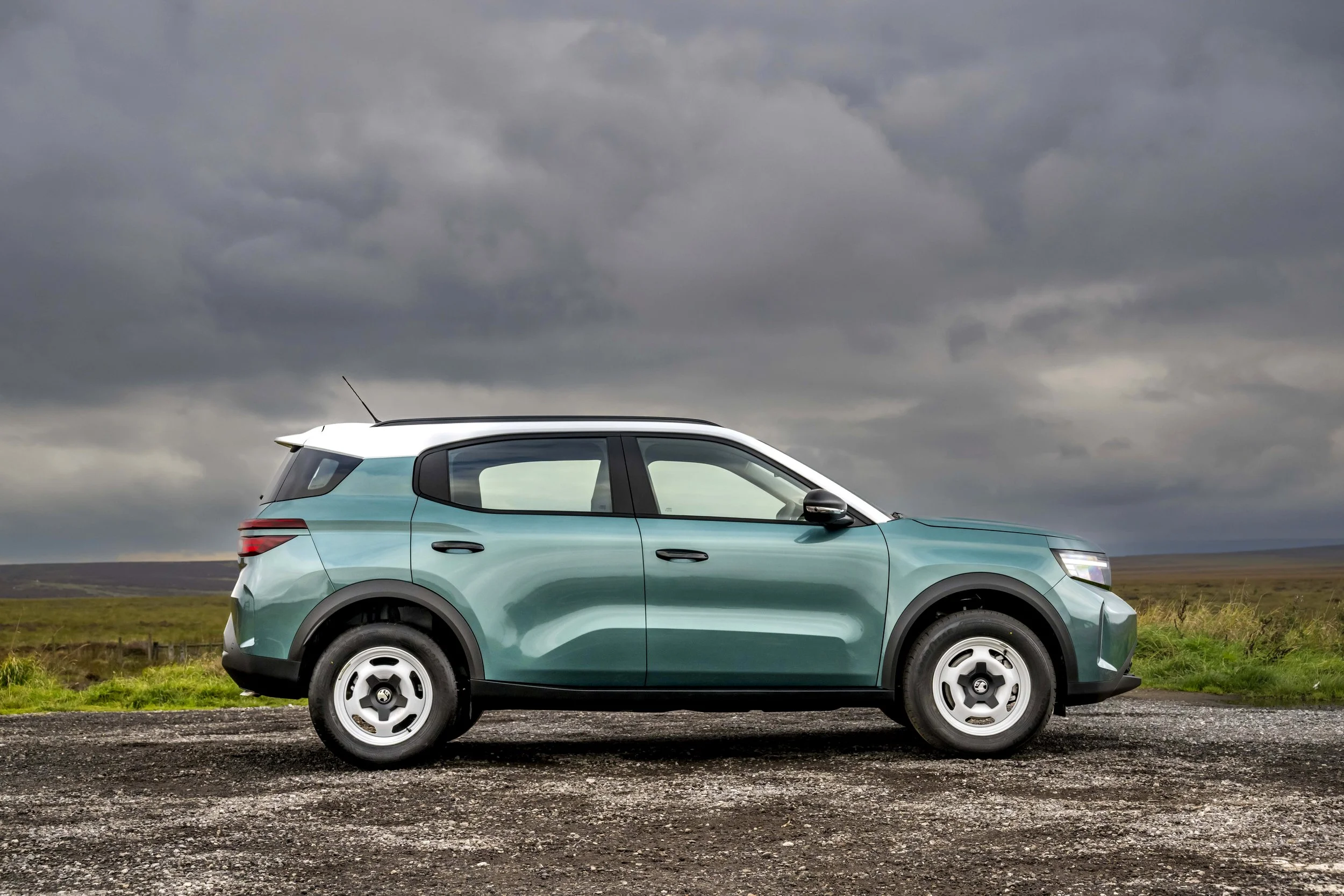
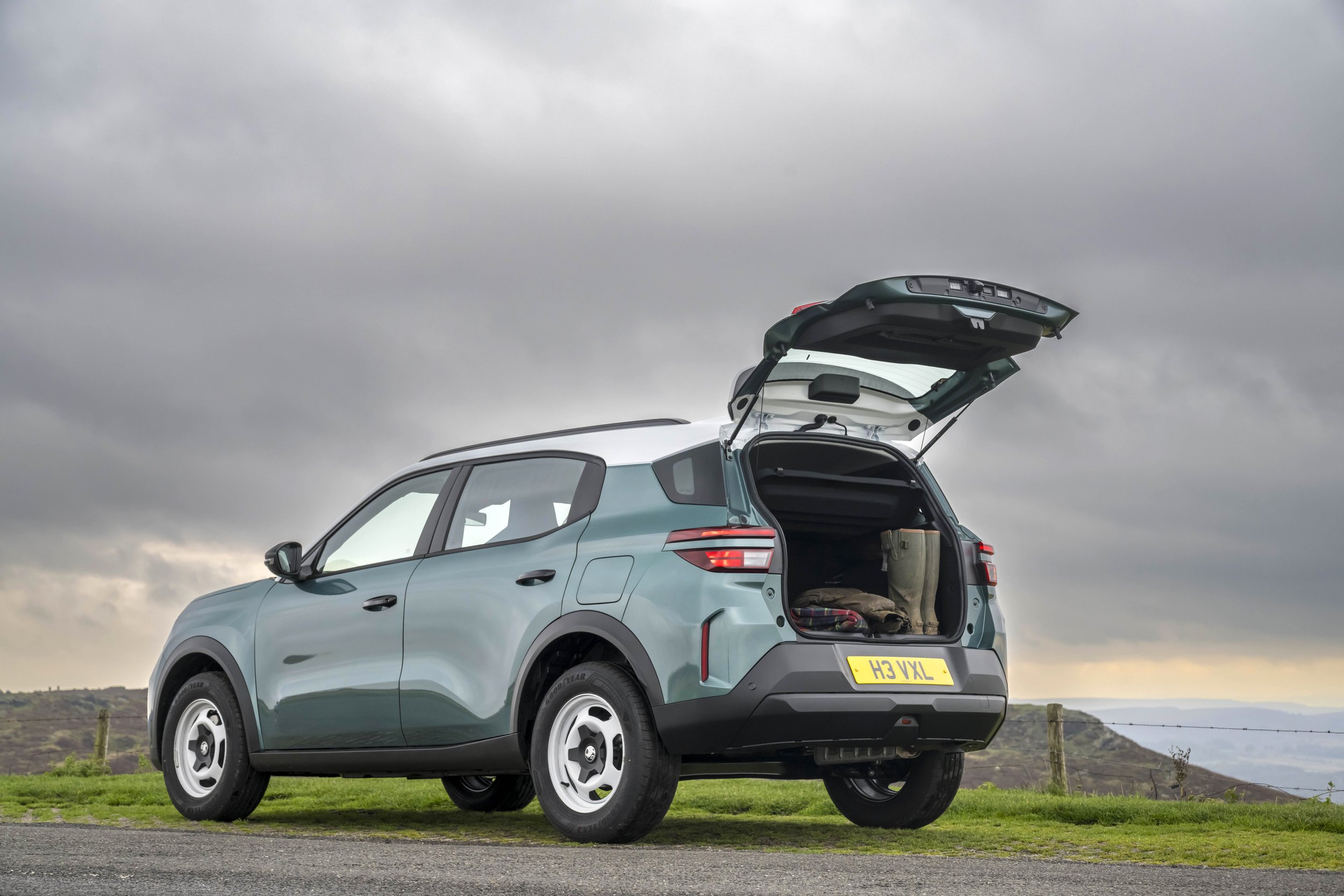
And yes, for the first time in many years, I’m driving a car with what Vauxhall refers to as ‘rugged-looking’ 16-inch steel wheels.
Crunching The Numbers
Under the bonnet, there’s a 3-cylinder 1.2 litre petrol engine mated to an electric motor and a six-speed automatic transmission. Add the engine and battery-driven motor together, and you end up with 108bhp. Performance is merely okay, with 0-60mph taking 11 seconds and your top speed is limited to 112mph. For the record, if you go for the more powerful hybrid, your 0-60mph dash comes up in 9 seconds flat and you’ll get an extra 8mph of top speed. Take it easy will get you around 54mpg and you can even drive for a very short distance under battery power only, but it’s most noticeable when setting off from a standstill. Overall, this is a quiet car to ride around in.
Driving Experience
Out on the road, the Vauxhall Frontera is surprisingly rewarding to drive. It rolls about when you chuck it into a corner, but the Stellantis boffins have plainly worked hard to make their cars decent to punt around…and it’s worked. Bearing in mind that this sort of car is likely to spend a lot of its life pootling around stop-start busy urban roads, it soaks up lumps and bumps nicely yet still manages to retain plenty of ‘feel’ out on the quicker tarmac.
Vauxhall has aimed this car at sitting between the Mokka and Grandland. It’s easy to assume the Frontera has Astra running gear, but it doesn’t. It has a similar footprint, but is built on what’s referred to as the Stellantis ‘Smart Car’ platform. This is the same platform that underpins the latest Citroen C3 and Fiat Grande Panda. The upcoming Fiat Multipla also gets the same running gear.
Interior
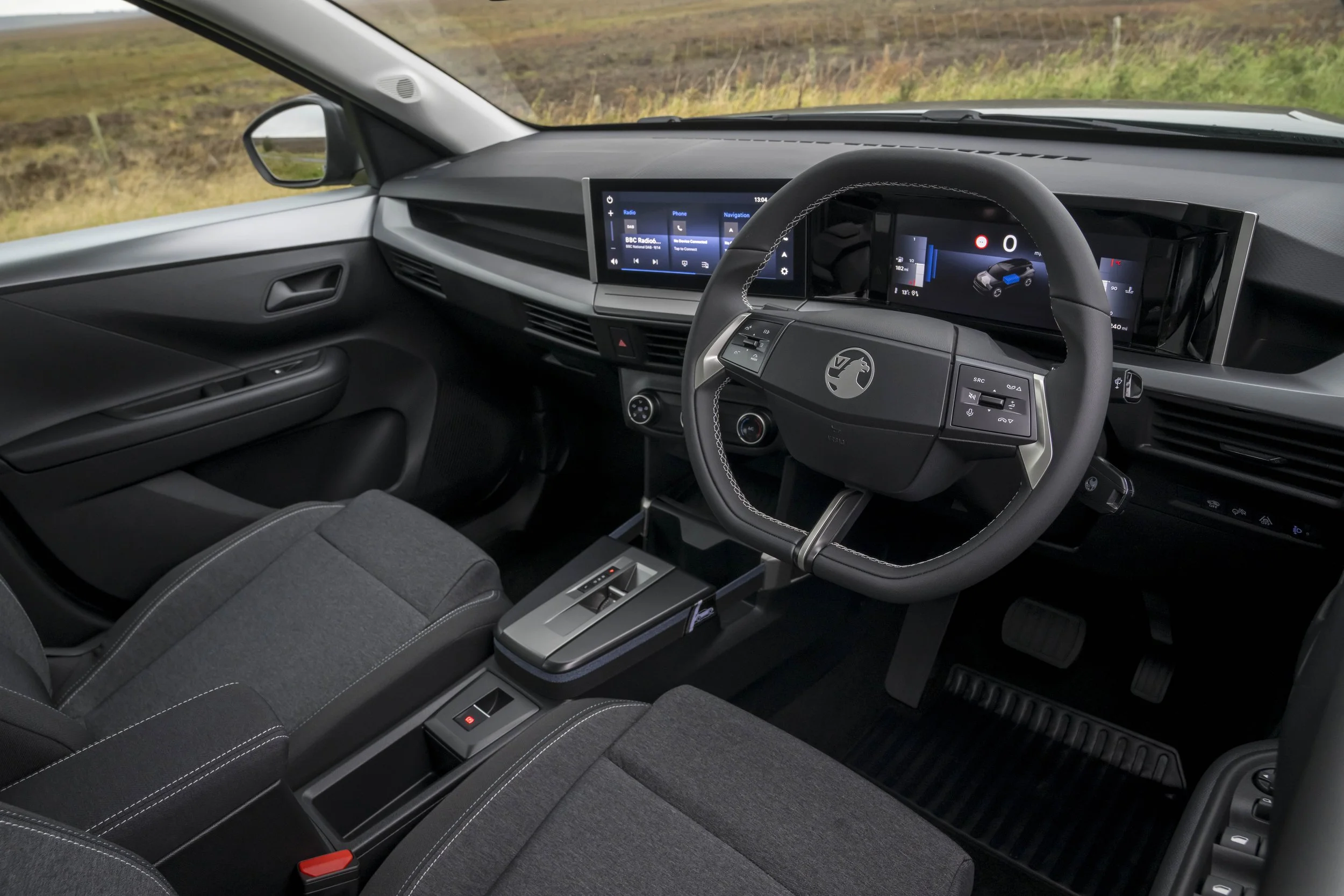
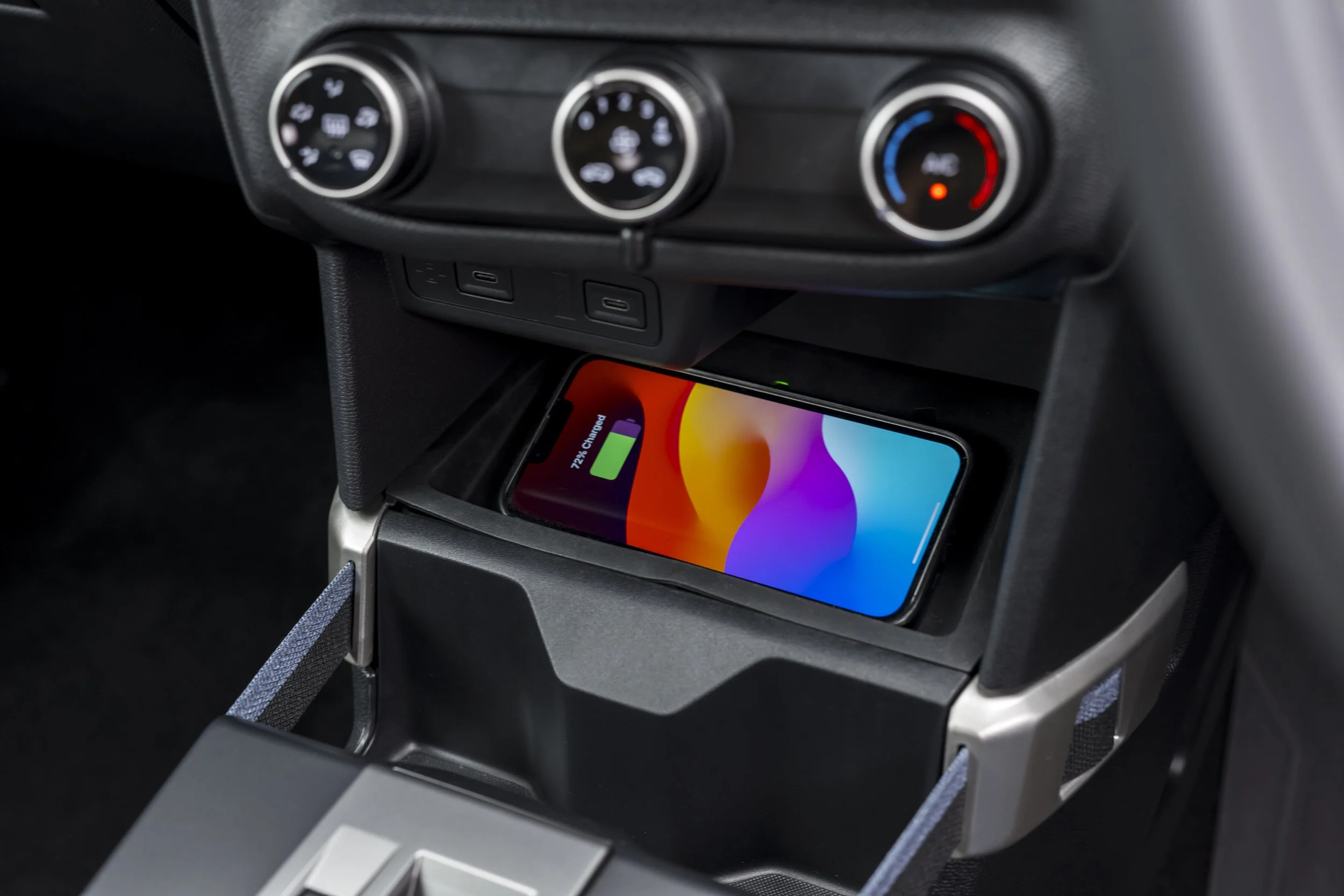
Inside is a tidy and nicely kitted-out place. The entry-level Design trim brings you a rear-view camera, rear parking sensors, wireless charging, 10-inch central touchscreen with sat nav, DAB, and smartphone capability, cruise control, air con, 10-inch driver instrument cluster, and LED headlights. For a lot of you reading this, that’ll be fine. It’s also good to see plenty of knobs and buttons scattered around the fascia and steering wheel.
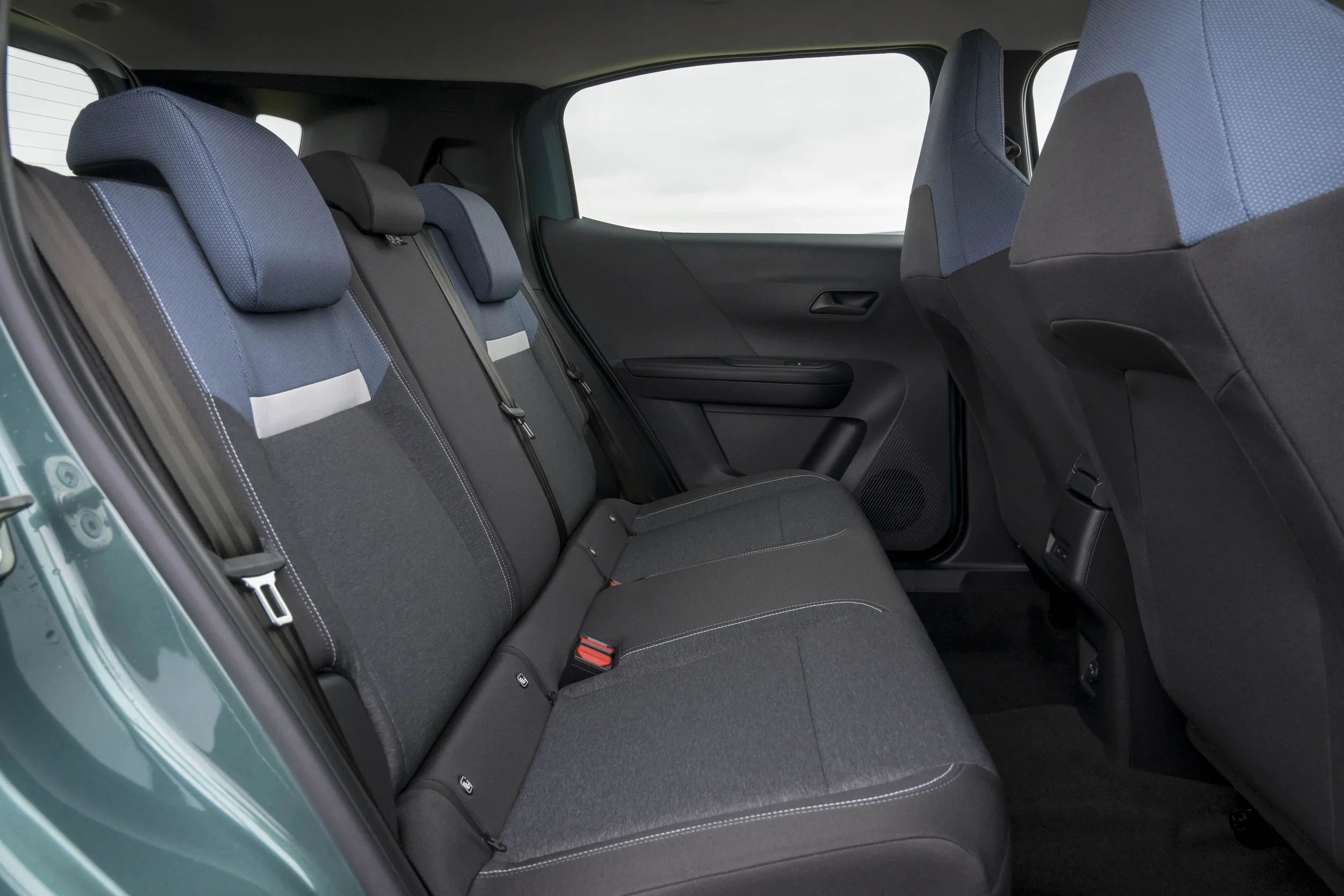
The interior is surprisingly roomy also, and it’s worth pointing out that the Frontera can be optioned with seven seats which makes it handy for the school run. This does mean that luggage space drops, making it tight for a half-full carrier bag, so you’ll need to go for the top two trims to fix that conundrum.
GS trim bumps up the price by £2400 and adds auto wipers, tinted rear windows, powered mirrors, front parking sensors, ergonomic seats, additional safety gubbins and alloy wheels.
Decisions, Decisions…
If I had the choice, I’d probably save the money and stick with the Design trim. Although if you regularly travel with a decent load or prefer a bit more oomph, go for the more powerful 1.2-litre powertrain.
If you need an economical, easy to live with, surprisingly roomy car with the option of seven seats, the new Vauxhall Frontera is a decent bet.
If you rarely do a lengthy journey, the electric model would be worth looking at, so check back here in a few weeks’ time to learn more about the Electric Frontera.
words: Graham Courtney
pictures: Vauxhall
