
I’ve got an admission to make…I love small, quick cars. Always have done. One of my early favourites was the Peugeot 205 GTi. The 1.6 litre petrol engine was eventually joined by a 1.9 litre petrol engine. Size isn’t everything, and often the better car came with a smaller engine.
The really good news is that a Peugeot 208 GTi is in the pipeline, but the big difference is that instead of a petrol engine, it will be an all-electric car. The output of 276bhp means it should be a flyer. Anyway, what are the other options in the current 208 range?
Minimal changes make for happy viewing
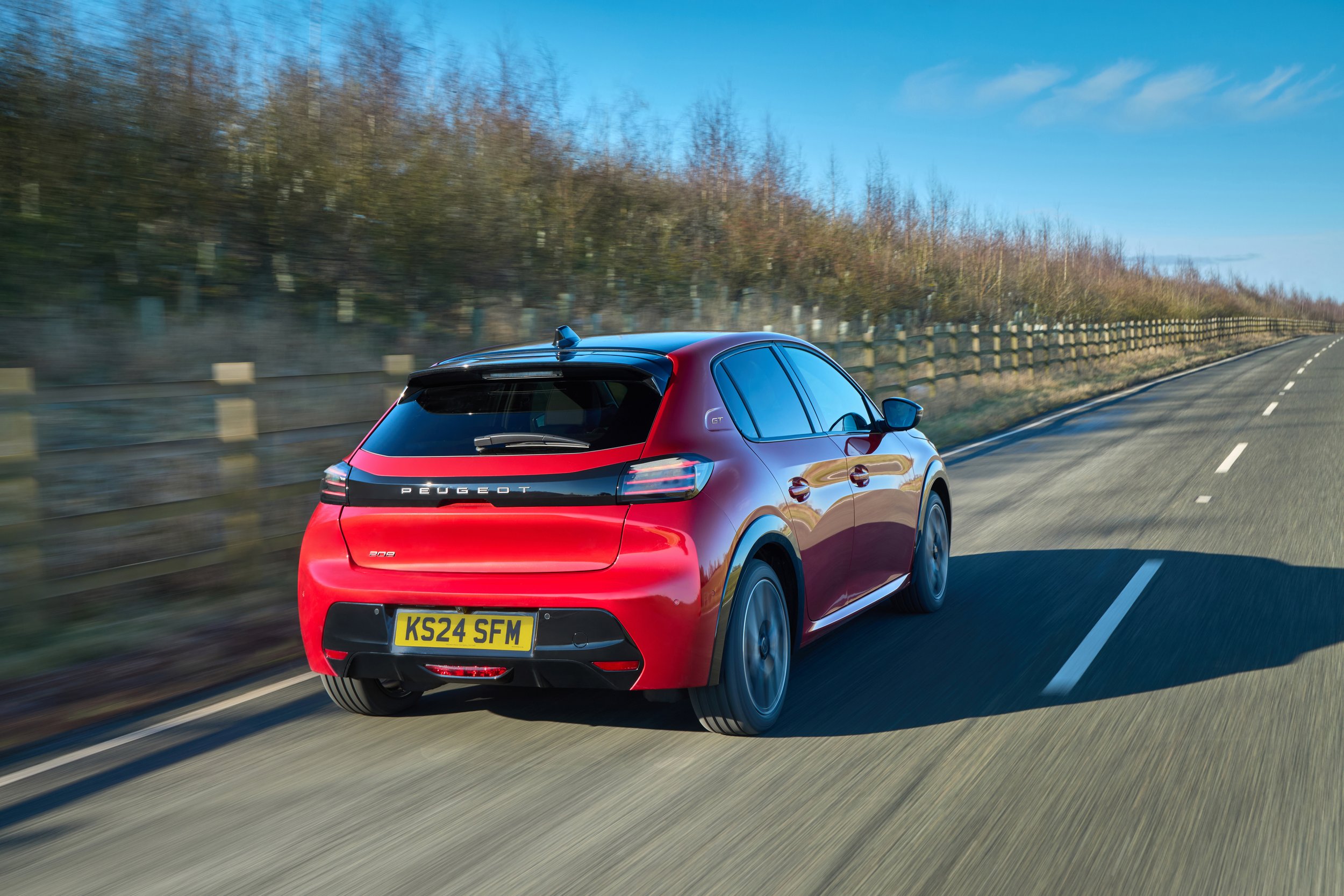
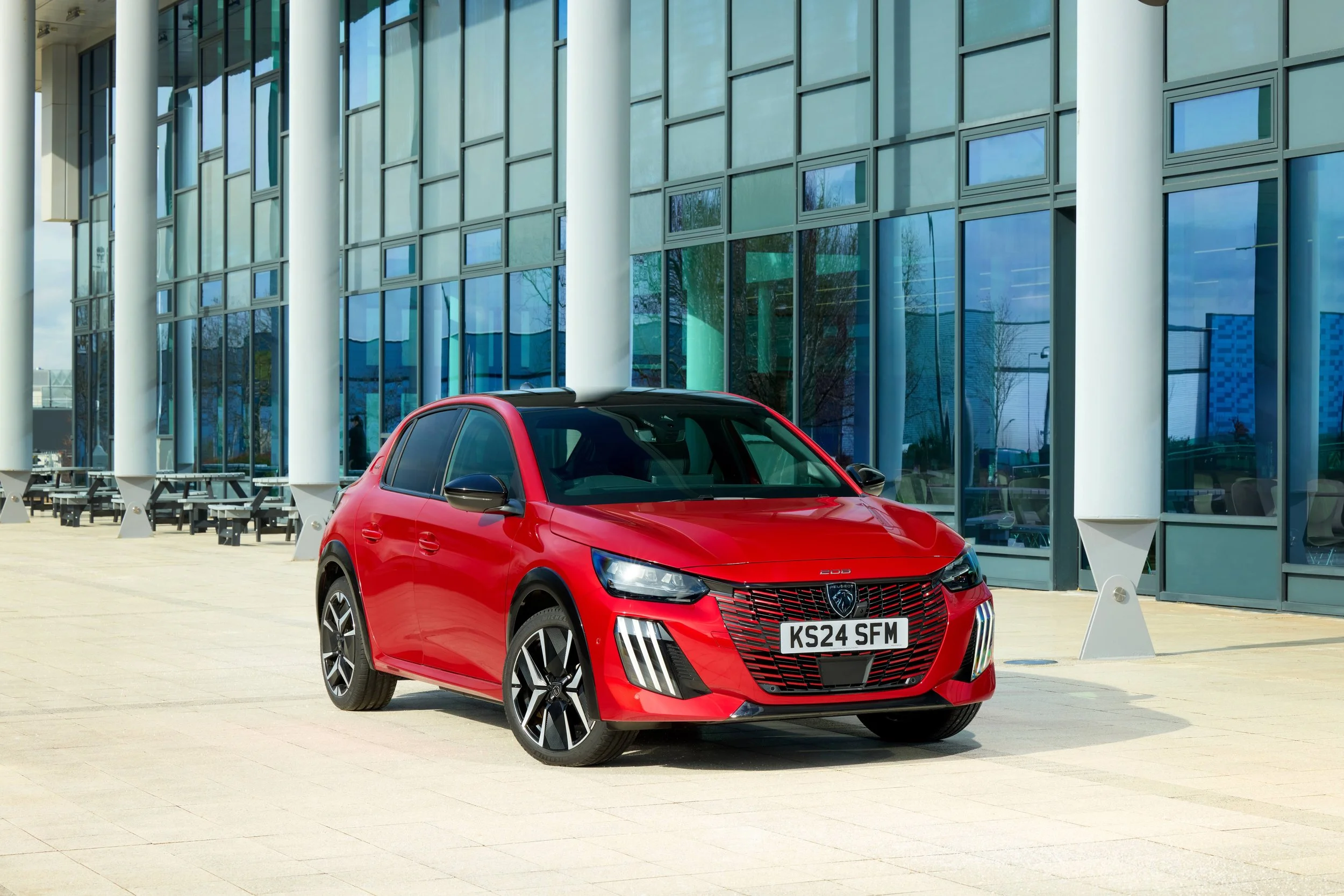
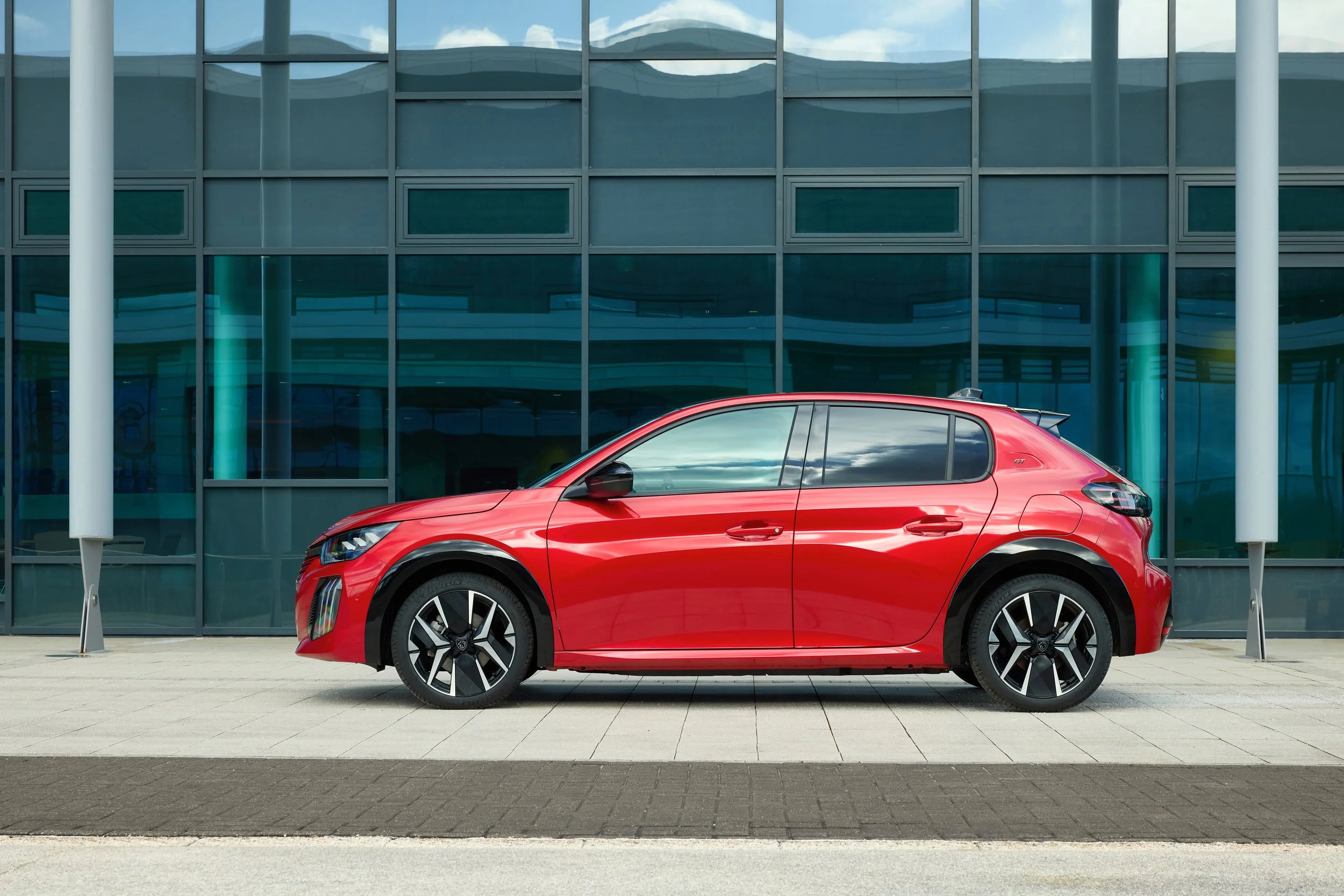
The latest generation of the Peugeot 208 was launched in 2019, so it was overdue for an update, which it’s now had. The exterior changes are fairly minimal, which is good, as I’ve always thought it to be one of the prettiest cars on the road. There’s a tweak to the LED headlights, minor alterations to the grille, and the running lights have been deepened and are now referred to as ‘three claw’ - that’s three vertical white lights. Distinctive. The rear light clusters have been remodelled and there’s a new-look Peugeot badge.
In other words, it’s sufficient to make the car look fresh, but it hasn’t removed the instantly recognisable appearance, which is something of a rarity in this lookalike age.
Powertrain
The big changes are to be found under the bonnet. The all-electric E-208 continues, as does an entry-level 1.2 litre petrol engine model developing 99bhp via a 6-speed manual ‘box.
Those powerplants have now been joined by a pair of self-charging mild-hybrid 1.2 litre PureTech petrol engines developing either 98bhp or 134bhp. Both get a 6-speed automatic transmission, and there’s no PHEV or diesel to be seen. Whether this latest 208 update is the last we see with petrol engines remains to be seen, but Peugeot have already said that the next 208 generation will be battery powered only. Perhaps it’ll be a 209, following on from the 205, 206, 207 and the current 208.
Economy & performance
Peugeot says the addition of hybrid power has boosted economy by 15 per cent. It also reckons that during town driving, you’ll spend more than 50 per cent of the time trundling along using battery power alone.
The one I had was the 134bhp hybrid model (from £30,150 Oct ’25). Using the hybrid set-up to its full extent gives you an impressive economy of 66mph. The smaller hybrid (£26,950) manages a similar figure. As for agility, 0-60mph takes about 9.8 seconds in the smaller hybrid model, while the more powerful version shaves the sprint time down to 8.1 seconds. The top speed for both is around 120mph.
For the record, the petrol only 1.2 litre 208 will set you back from £20,495, while the battery-only E-208s kick off at £30,150.
Trim levels
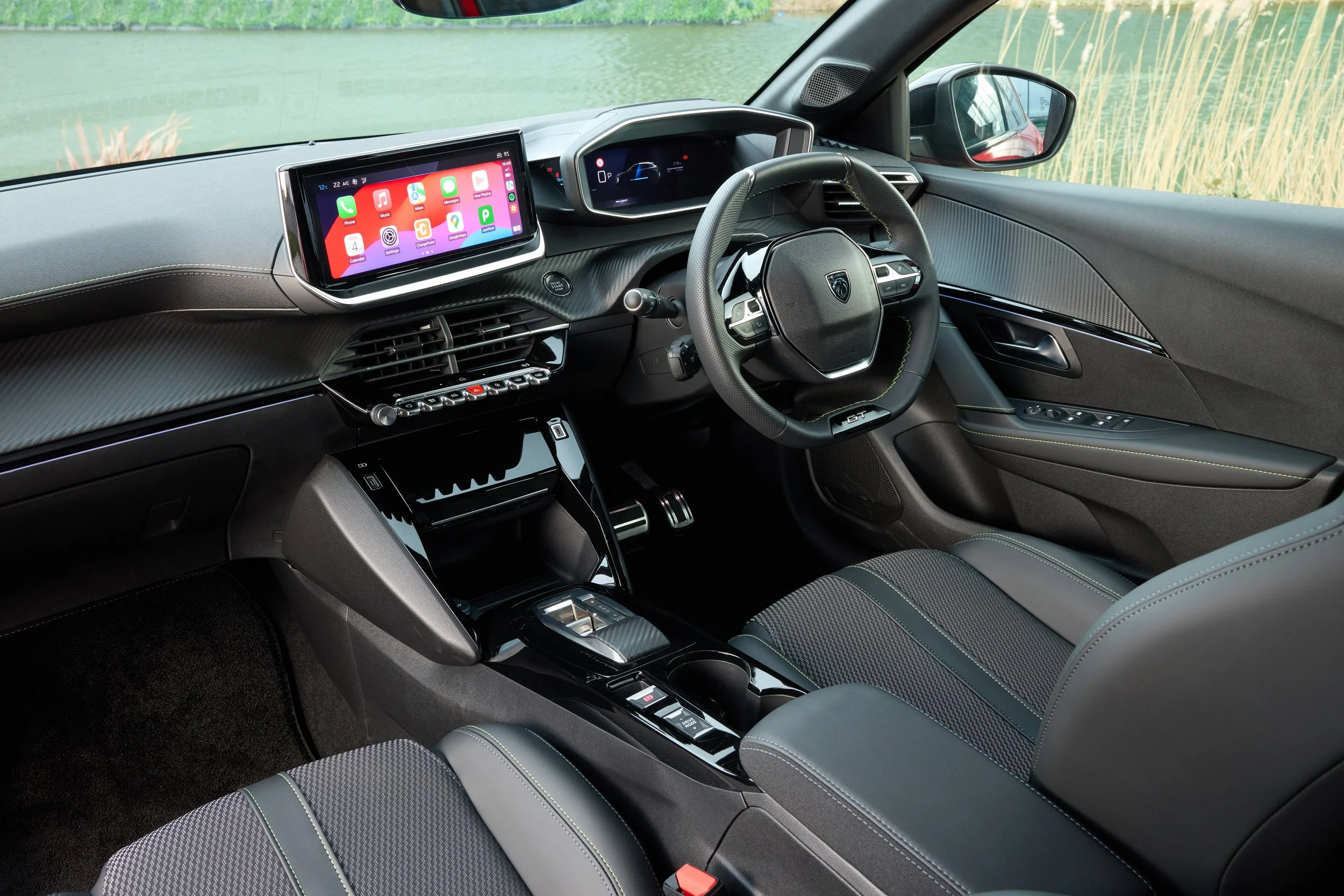
There are four trims: entry level Style, followed by Allure, GT and top of the range GT Premium. All use the iCockpit dashboard, which sweeps around the driver. The first thing you’ll notice is the size and position of the steering wheel. It’s small (think medium size pizza) and sits very low, meaning that you peer over the wheel to see the instrument dials rather than through it. If you go for a test drive, it initially feels a bit odd, but you’ll soon get used to it, and it makes for fun driving, sort of like being in a go-kart.
Driving experience
Out on the road, the ride is firm-ish at town speeds, but once you get a move on, things settle nicely. Everything is nicely controlled. The gearbox paddles are a waste of time; you just need to let the automatic transmission do its stuff, which it does really well, even if it is a little sluggish when you initially set off. The steering is really light, great for town speeds, but there’s not a lot of ‘feel’ on twisty roads. To be honest, though, I’m nitpicking a little here because, overall, it’s an enjoyable car to punt around.
Interior & kit
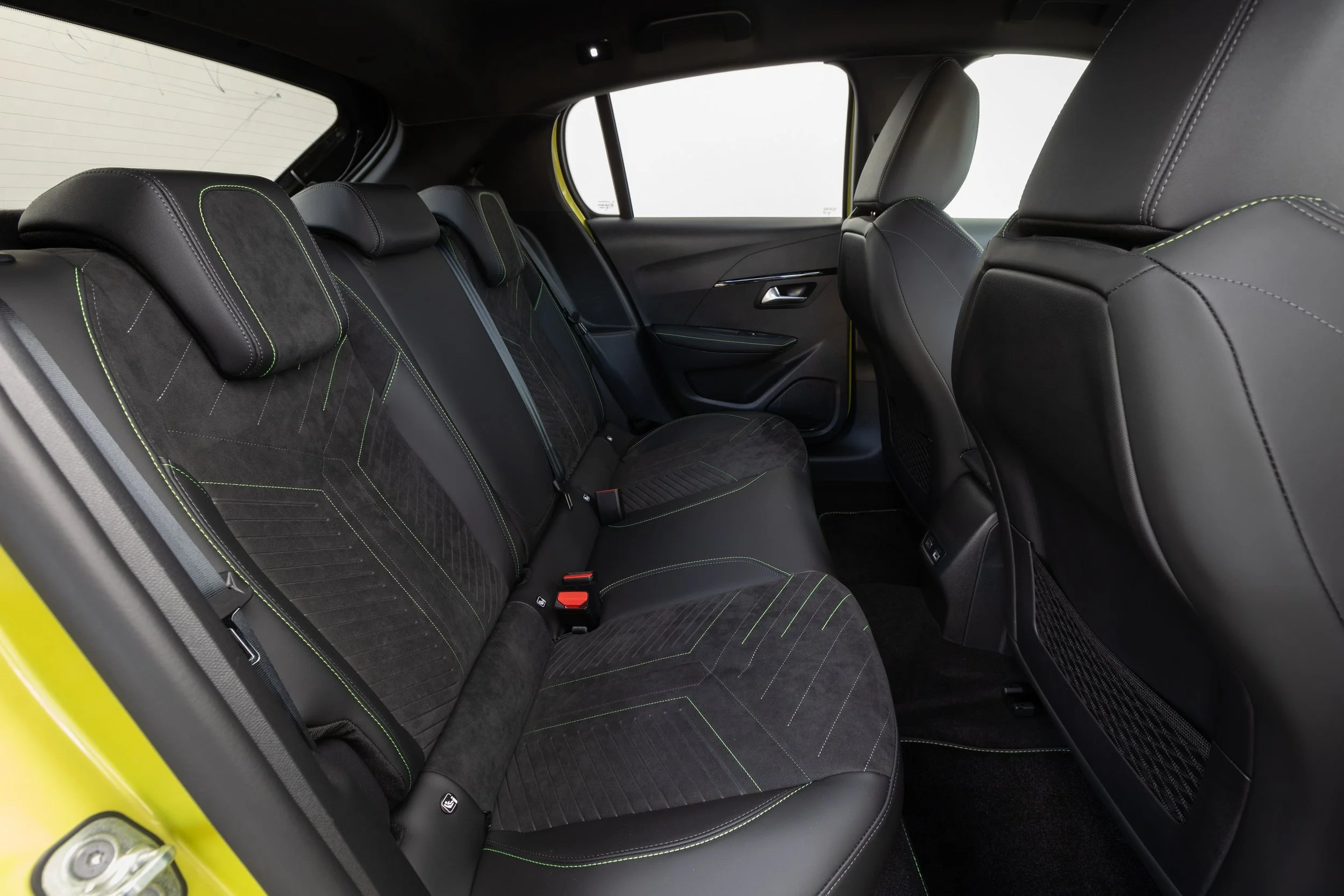
We like the GT trim (£30,300 Oct ’25), which was fitted to the 134bhp car we had. You get a 10-inch central touchscreen which is a bit fiddly and requires too much prodding of the screen. There’s also a 10-inch driver instrument panel with a cool 3D effect, front and rear parking sensors, dark tinted rear windows, reversing camera, sports seats, LED headlights (they’re excellent), 17-inch alloys, ambient interior lighting and DAB radio. A quick word of praise for the seats, which are supportive and comfy; it’s just a pity they’re not heated. You’ll need to move up to GT Premium trim if you want sat nav, but I just mirrored my phone through the screen. Simples.
The space available inside isn’t massive, but as long as everyone doesn’t resemble a prop forward, they’ll be fine.
Driving satisfaction for a decent value
I definitely like the Peugeot 208. It’s in the top ten best sellers list in Europe and, courtesy of these latest updates, it’s better than ever. Looks great, good to drive, nicely trimmed and comes with the essentials in terms of kit. The driving position is something you’ll need to try, but I quickly got used to it and, if anything, it adds to the car’s enjoyment in terms of driving satisfaction. Decent value too.
As petrol-powered hybrid superminis go, it’s one of the best.
words: Graham Courtney
pictures: Peugeot
