
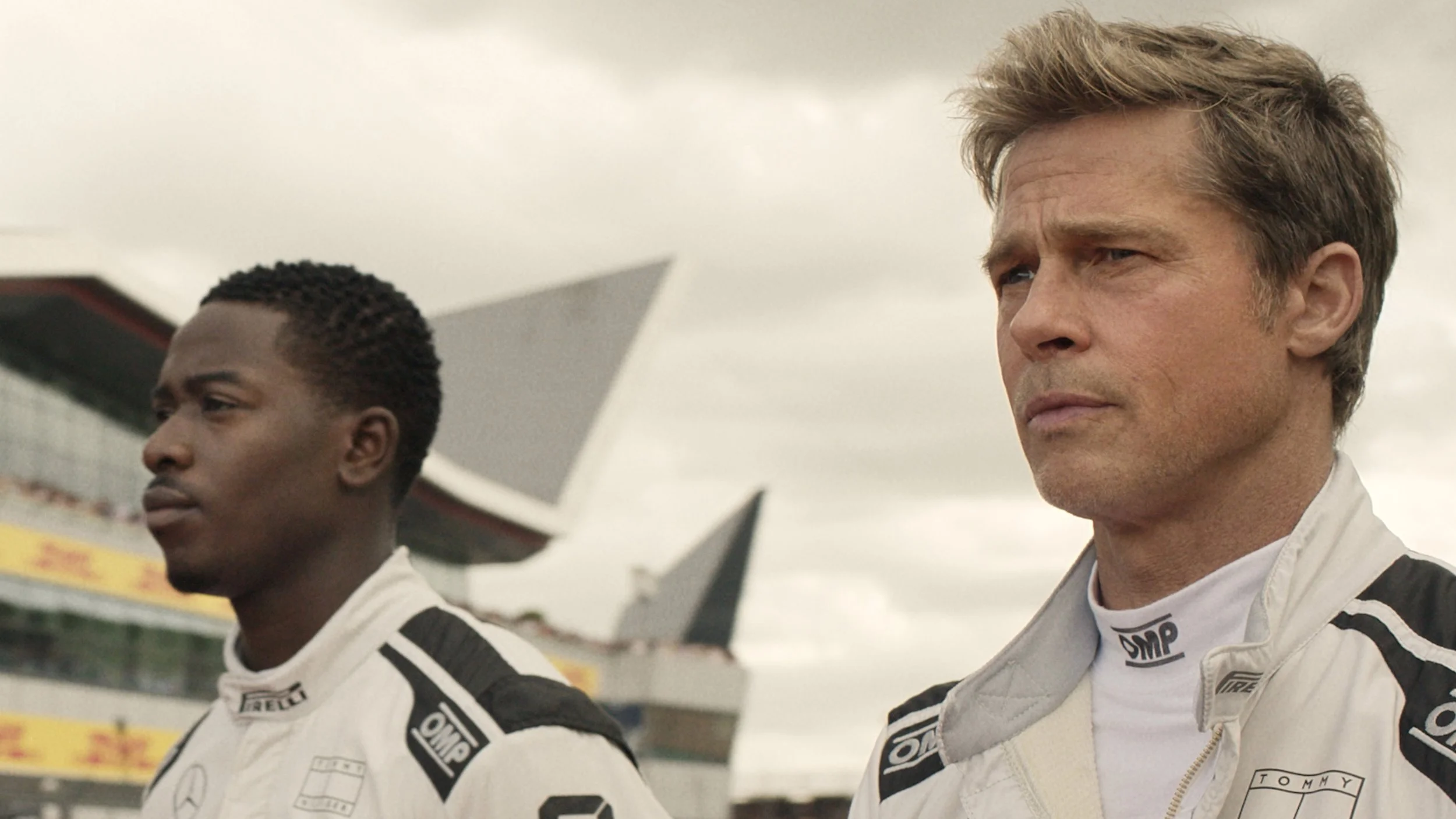
I’ve been really struggling to find the best way to summarise my thoughts about F1: The Movie.
As someone who has watched the sport for over 20 years and will rarely miss a race, to say I was disappointed with the film is an understatement. That’s not to say there isn’t plenty to like about this film, and I’ll be highlighting every one of those things throughout this review. It is undeniable that while several hundred million dollars have been spent making this film into an action-packed summer blockbuster, it left me feeling somewhat underwhelmed and juxtaposed with the level of excitement I felt walking into the screening.
Unlike Gordon Ramsay begrudgingly tasting a meal served to him courtesy of a hapless wannabe chef and subsequently destroying their culinary abilities, I take no pleasure in writing this review. My enjoyment of the sport of F1 will be unaffected by this film; however, if I can’t remain impartial when reviewing something, then there really isn’t any point in me doing so.
Righting the wrongs of Top Gun: Maverick
I popped down to my local cinema, still reeling in regret at having missed the chance to see Top Gun: Maverick on the big screen in 2022. This new Joseph Kosinski-directed summer action blockbuster was not one I was going to miss this time around. I was blown away by the action sequences in that film on my 32-inch TV, so for that to be translated into the world of Formula 1 was the cherry on the cake. What could go wrong? Unfortunately, it turns out, quite a bit.
So, where to begin with F1: The Movie? Let’s start with the title, which uses the official F1 logo and indicates the level of involvement, or some may say, control, that the sport had over the making of this film. Therefore, as expected, F1 does a great job of patting itself on the back and talking about why it is now the pinnacle of motorsport. Many may consider this to be pure hyperbole; however, maybe this viewpoint is justified. In America, for instance, F1 has gone from being a poorer cousin to the likes of NASCAR and IndyCar, to having three races per season on the calendar, including the level of influence to park itself in the centre of Las Vegas once a year.
Much of the stratospheric rise in popularity of F1 can be attributed to the Netflix documentary series Drive to Survive, which has proven to be a smash hit in creating plot lines, characters and drawing more eyes to the sport than ever before. Throw in the savvy use of social media, which has spawned armies of F1 fans all equally as passionate about their chosen favourite teams and chosen favourite drivers, who are idolised in a similar manner to K-Pop stars.
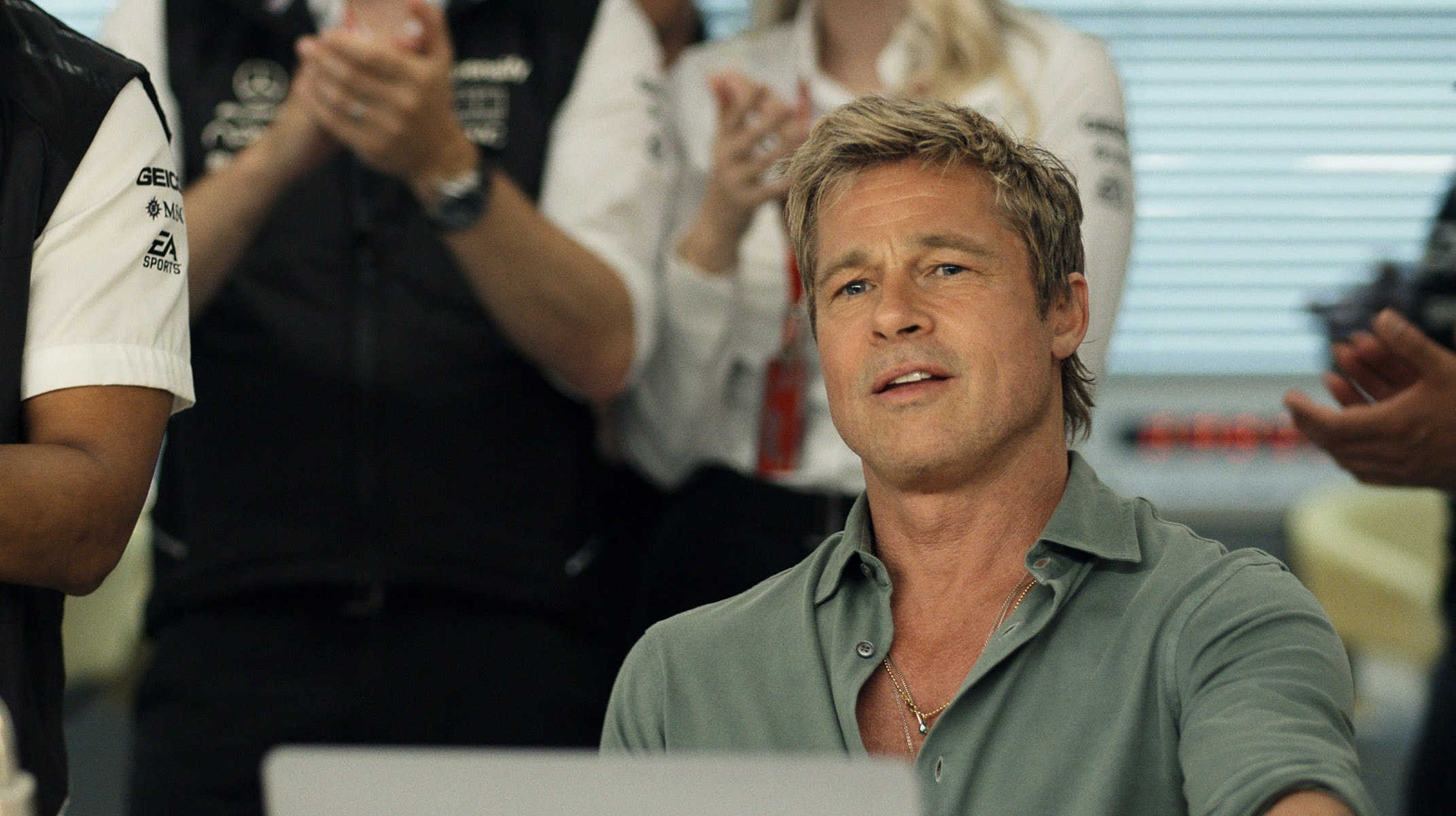
These drivers are characters in F1: The Movie, with the film choosing to integrate an original story with original characters within the already established world of Formula 1. This has been done before, I’m sure, but I can’t pretend it wasn’t incredibly jarring to see Brad Pitt stand alongside Max Verstappen in a pre-race lineup and it did remove me somewhat from the fictional world I was witnessing.
It is, in many ways, a continuation of the recent Barbiefication of modern movies, which has seen major companies create films based on their fictional world, all while having the majority of creative control. In some cases, like Barbie, this has worked well; in others – like Minecraft, it hasn’t. F1 slightly differs by treading the line between reality and fantasy.
So, I suppose they couldn’t have chosen any other title. Judging by the majority of action I saw on screen, I think the titles, ‘Tyre Strategy: The Movie’, or perhaps even, ‘How to Make Use of the Safety Car When You Start Each Race at the Back of the Grid: The Movie’, would be more apt.
The Plot
I’ll go over a brief summary of the plot for those who haven’t seen it, which should give things a little more perspective.
Brad Pitt plays Sonny Hayes, a 50/60-something-year-old nomad living in a motorhome and travelling from racetrack to racetrack as a driver for hire. After bursting onto the F1 scene some thirty years ago, a near-fatal crash with Lotus tore his world apart, causing him to lose his seat in the sport and spend the subsequent decades in the metaphorical wilderness, battling a gambling addiction and living through three failed marriages.
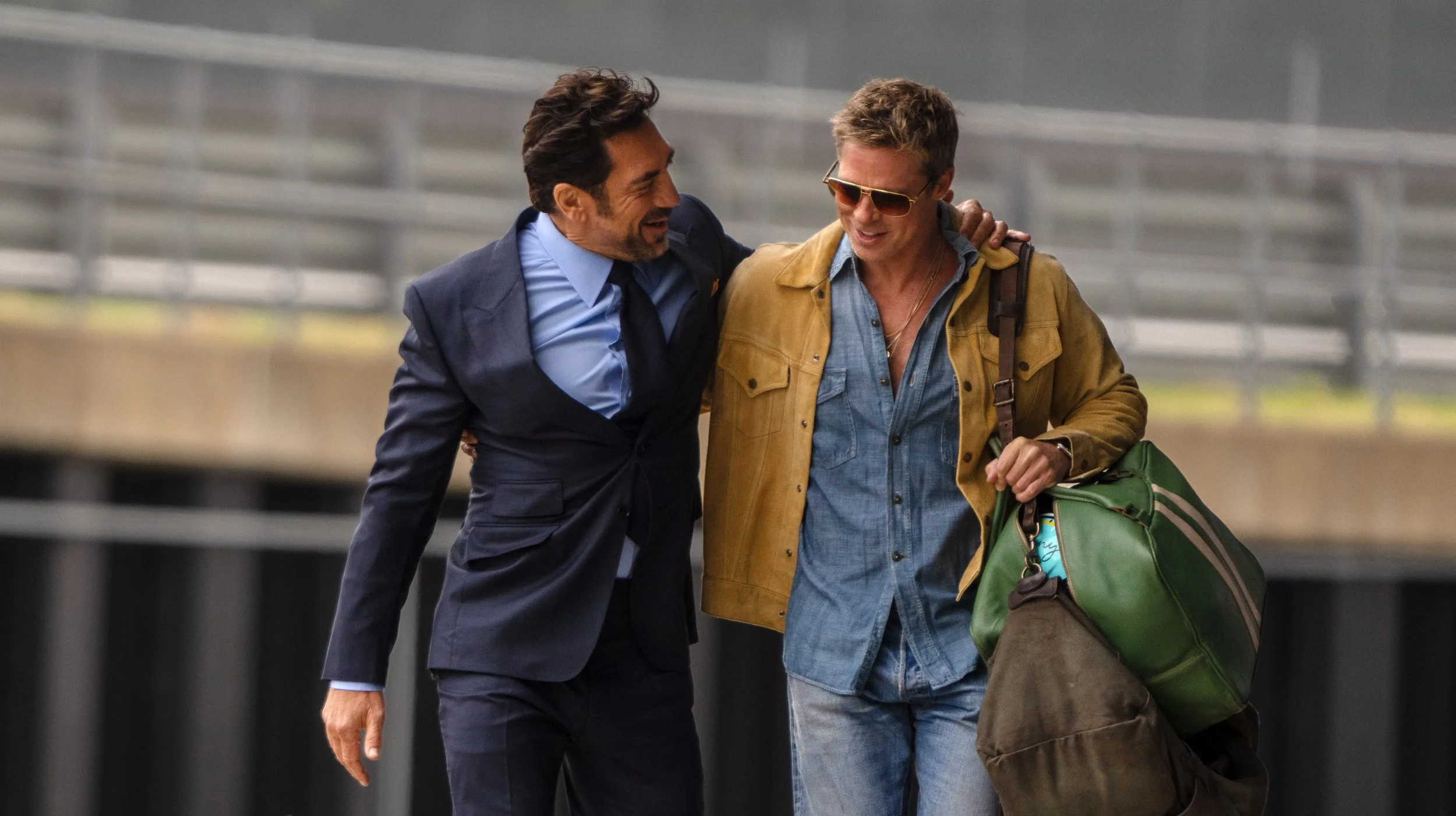
We meet Hayes as he steps into a 911 GT3 R for his stint at the 24 Hours of Daytona with Chip Hart Racing, where he proceeds to immediately overtake the entire grid on his first lap as if he’s just consumed a golden mushroom on Mario Kart. After contributing to his team’s victory, Hayes rejects an offer from the team owner to stay on, instead choosing to go back to his nomadic ways. Later that day, at a local laundrette in the middle of nowhere, Hayes is approached by Ruben Cervantes (Javier Bardem), a former teammate and the owner of APXGP, a struggling F1 team desperately in need of a race win before the end of the season, or face the prospect of being sold.
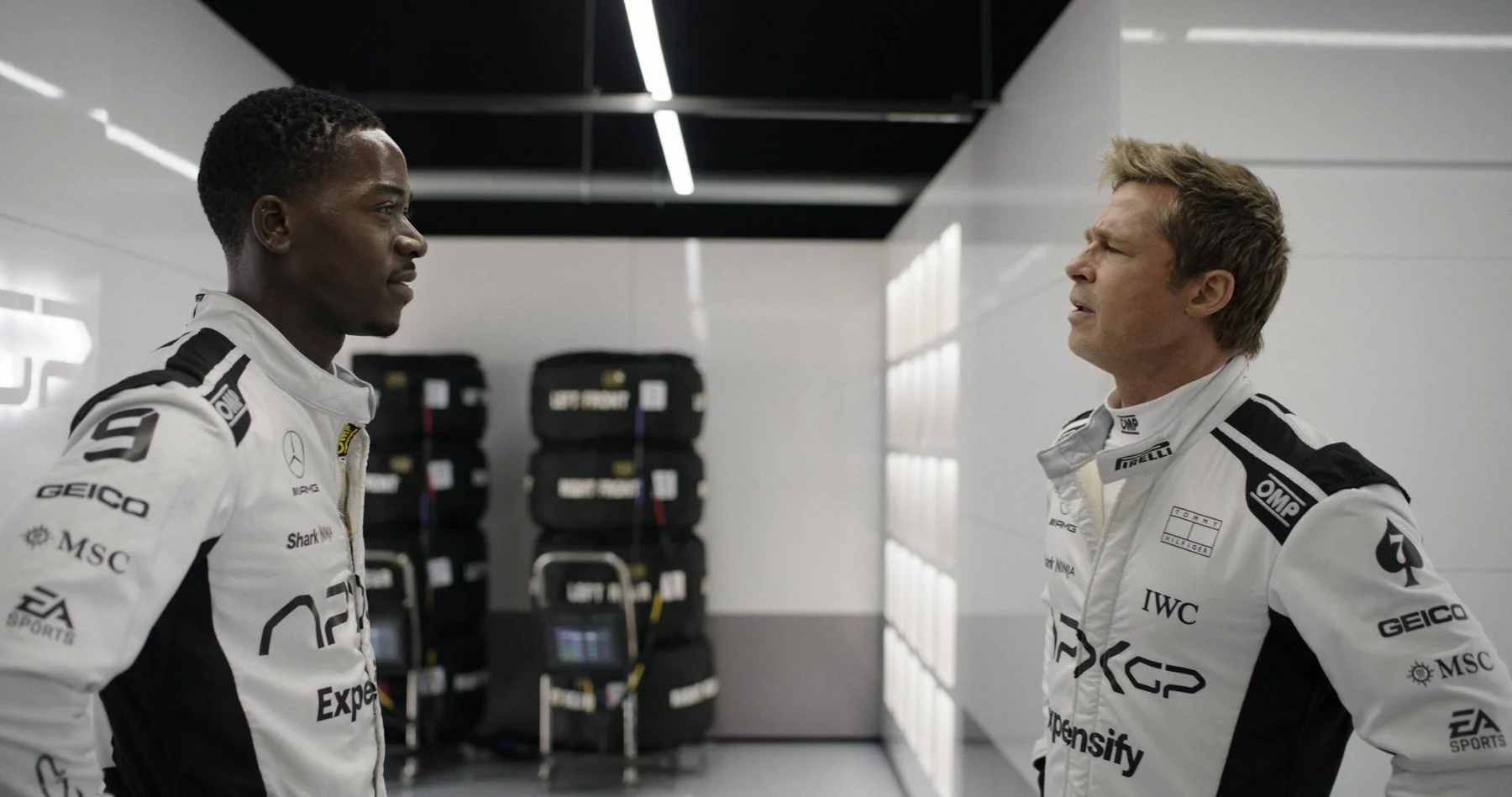
Following a minute or so of deliberation, Hayes flies to the UK and becomes the new teammate of rookie Joshua Pearce, played brilliantly by Damson Idris, who himself needs to impress in the nine remaining races of the year or face the prospect of losing his seat in the sport for the following season. As expected, the two take an immediate dislike towards one another, with Pearce stating at Hayes’ unveiling press conference about it being “wonderful that Apex is giving second chances to the elderly”.
Their fortunes in the remaining nine races of the season are overseen by technical director Kate McKenna (Kerry Condon), who is tasked with improving a car that is the worst performing on the grid and planning a strategy that can push Apex up into the points places. The most commendable piece of casting has to be the role of APXGP team principal Kaspar Smolinski, who may be the most F1 team principal-looking actor I’ve ever seen.
Positives
Pitt continues his Cliff Booth Once Upon a Time in Hollywood nonchalant style of acting that is impossible not to be charmed by, while Idris, an actor I wasn’t overly familiar with before watching this film, more than holds his own as the cocky Pearce and will undoubtedly go on to have a stellar career in Hollywood. With Hayes and Pearce locked in heated battles against the rest of the field, and more significantly, each other, Kerry Condon as Kate McKenna holds the film together as the voice of reason. Bardem is great as Apex’s team owner and his chemistry with Pitt left me Googling to see whether they’d shared the screen before. The rest of the APXGP team is entirely believable in their roles, and Lewis Hamilton’s role as a producer undoubtedly contributed to the film’s authenticity in those moments off the track that we rarely got to see before the arrival of Drive to Survive.

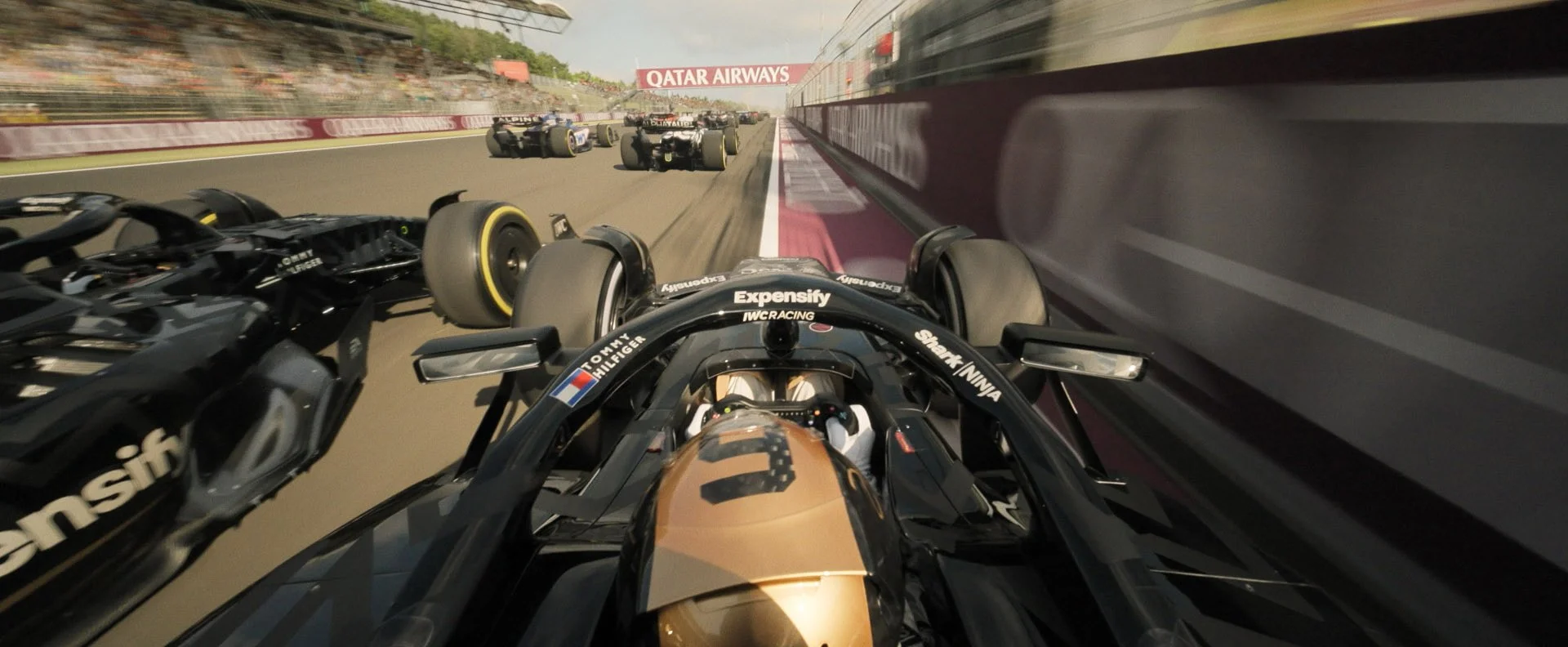
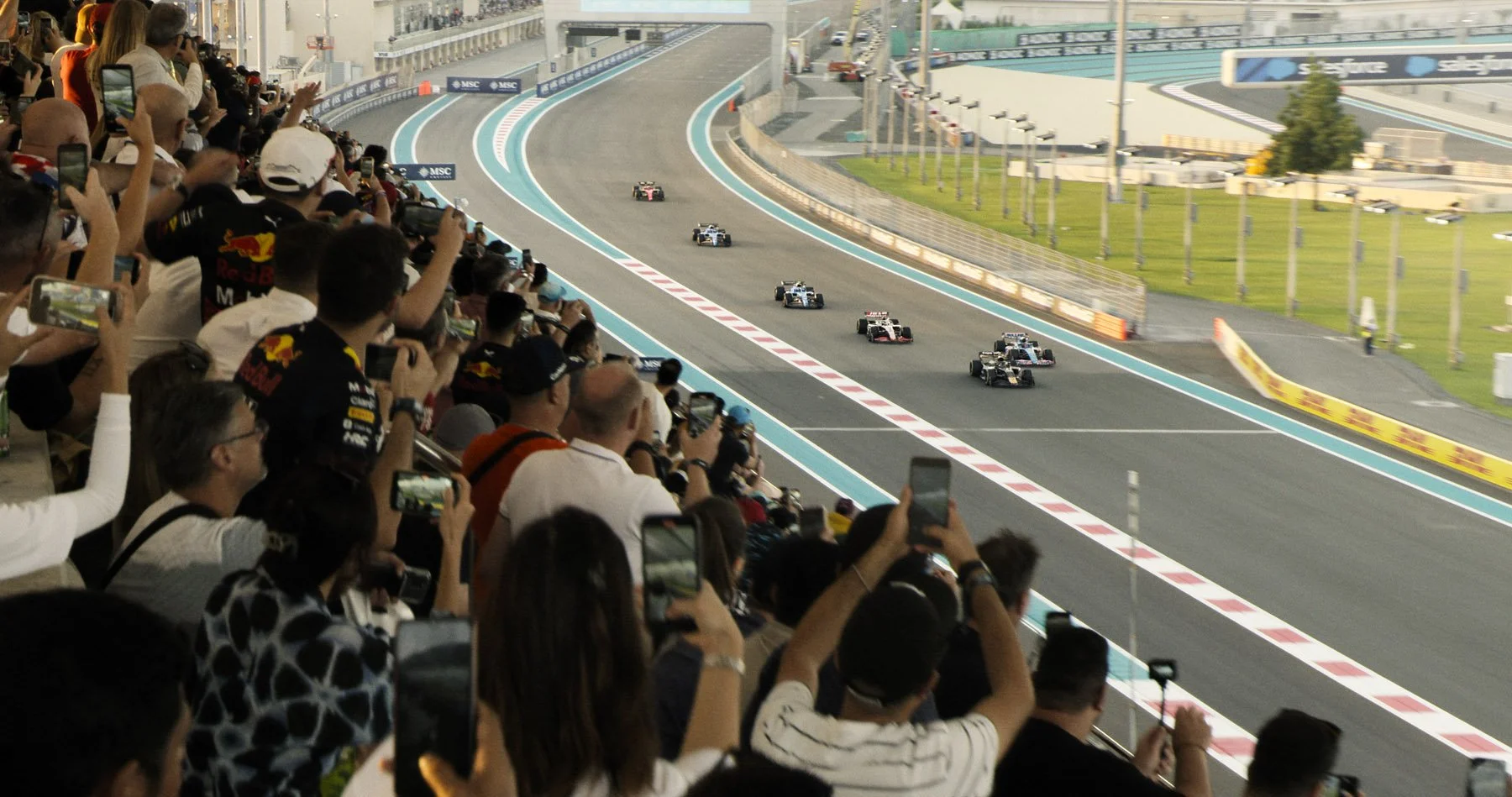
As previously mentioned, a lot of money ($200–300 million) has clearly been spent making this film, and it shows in the racing sequences, which are action-packed and brilliantly shot by director Kosinski in both POV and wide-lens styles. It is no surprise that this is the case given that Top Gun: Maverick’s action sequences were so widely lauded by punters and critics alike, leading to multiple Academy Award nominations. I saw the film at a standard Cineworld cinema, and although I’d imagine the film would be better experienced on an IMAX screen, the two-and-a-half-hour running time filled with blisteringly screaming engines was more than enough to leave my ears ringing for the remainder of the day. I fear an IMAX screen may have ripped my head off entirely.
On paper, it appears to have all the ingredients of a smash hit film, and for many, it will be. I’ve spent time thinking about who this film is for, and I anticipate that your opinion of it will largely depend on your relationship with the sport prior to your first viewing.
Negatives
Let’s address the elephant in the room. I know that the idea of an older driver coming back for one final shot at glory is, as a concept, entirely believable, but Brad Pitt is 60 years old. Yes, he could probably pass for someone in his forties (and fair play to him for keeping himself in good nick) and yes, we’ve seen the likes of Carlos Sainz Sr winning the Dakar Rally in recent years. However, this is Formula 1, a motorsport that conjures up rocket-launching levels of G-Force that are sometimes too rigorous for even the youngest of drivers. Even for a Hollywood script, it is ever so slightly beyond the realm of fantasy.
The writing is also a real issue, and the film uses every cliché in the book. Looking back, I can’t remember too many memorable or funny lines that weren’t already in one of the trailers, and if you paused the film after ten minutes and asked people to guess the remainder of the plot, I’d imagine 99% of people would get it bang on. This would usually be fine, but after an unnecessarily long two and a half hours running time, in which tyre temperatures and safety car regulations are discussed at great length, any emotional attachment to the characters and the film itself is difficult to maintain.
In terms of its plot, the film has its hands tied in many ways. While desperately trying to create an exciting story arc, it is held back by the realities of the sport of Formula 1, in which it is almost impossible for a team at the back of the grid to get on the podium within the same season. And yes, I write this fully aware of Niko Hulkenberg’s recent third place finish for Sauber at the British Grand Prix.
The film rejects the chance to employ actors to commentate on the races and leave that to Sky Sports duo David Croft and Martin Brundle, who, it has to be said, give their best effort in an admirable, if slightly stilted way. I love Martin Brundle and his pre-race grid walks, in which he squirrels his way between drivers, mechanics and celebrity freeloaders to get off-the-cuff interviews. It is unquestionably one of the highlights of the race weekend. His co-commentary, along with Croft’s “lights out and away we go” laden main commentary, has become synonymous with the sport, but for those who have listened to it for many years, their intonations and cadence in this film are telegraphed in a way that removes you from the story once more. I saw one podcast discussion that impeccably described it as sounding like commentary from one of the old FIFA video games, in which Martin Tyler has quite clearly been sitting in a booth for hours recording every possible scenario that could occur.
Everything that happens during the race, including the rules of the sport, is signposted in excruciatingly precise and dumbed-down detail, which may work for those who have no prior knowledge of F1, but ends up making the film look like a giant advert for the sport. And that is one of the problems. F1: The Movie does a lot of preening, no more so than when Peter Banning, an APXGP board member played by Tobias Menzies, has his love of Drive to Survive shamelessly worked into the script when meeting Sonny Hayes at Silverstone. But can you blame those at F1 for doing so?
Drive to Survive has been transformative to F1, spawning numerous copies from practically every other sport on the planet trying to replicate its success. This film will very much cater to that new audience, and it feels like F1 is aware of that and more than happy to provide. As for someone who has followed the sport for many years before Drive to Survive arrived, it grows a little tiresome.
Another issue is the film’s length. Sonny Hayes joins APXGP with nine races remaining of the season. Despite never seeing a qualifying session, the film lasts two and a half hours as we hop from race to race, repeating more or less the same formula - crash followed by safety car, followed by post-race fight. By the time we’d reached Las Vegas, I was hoping that it would be scripted to be the film’s final race of the season. Alas, there was another one in Abu Dhabi to go.
Racing films and the bigger picture
I really wanted to enjoy F1: The Movie. I went into the cinema excited, hoping to right the wrongs of missing out on the Top Gun: Maverick big screen experience. Ultimately, I left feeling deflated. Yes, as an immersive experience, the sequences are probably unmatched, but it lacked the heart, drama and depth of films like Rush and Ford vs Ferrari.
However, I must end with this. The boost that this film will give cinema and Hollywood in general cannot be overstated. Following the pandemic and rise of streaming, the number of people going to the cinema has noticeably decreased year on year, with many preferring to wait the relatively short time for the film to be available to stream at home.
It cannot be Tom Cruise alone leading cinema’s fightback. While he continuously risks his body riding motorcycles off cliffs, climbing buildings and holding on to airborne planes for our entertainment, it was his decision to resist offers from streaming services to put Top Gun: Maverick on their platforms during the pandemic that proved to be his most daring stunt of all. Significant offers were being made, but Cruise held his nerve, and the film ultimately took $1.496 billion and counting at the box office. F1: The Movie has currently made (at the time of writing) a healthy profit $401.2 million, becoming Apple Studios' highest-grossing theatrical release ever and only the sixth Brad Pitt movie to ever pass that milestone.
The world needs a thriving film industry, and summer blockbusters are an integral part of its success. F1: The Movie has more than played its part in 2025. Let’s just hope that others can follow suit.
words: Mike Booth
pictures: Apple TV+ Press