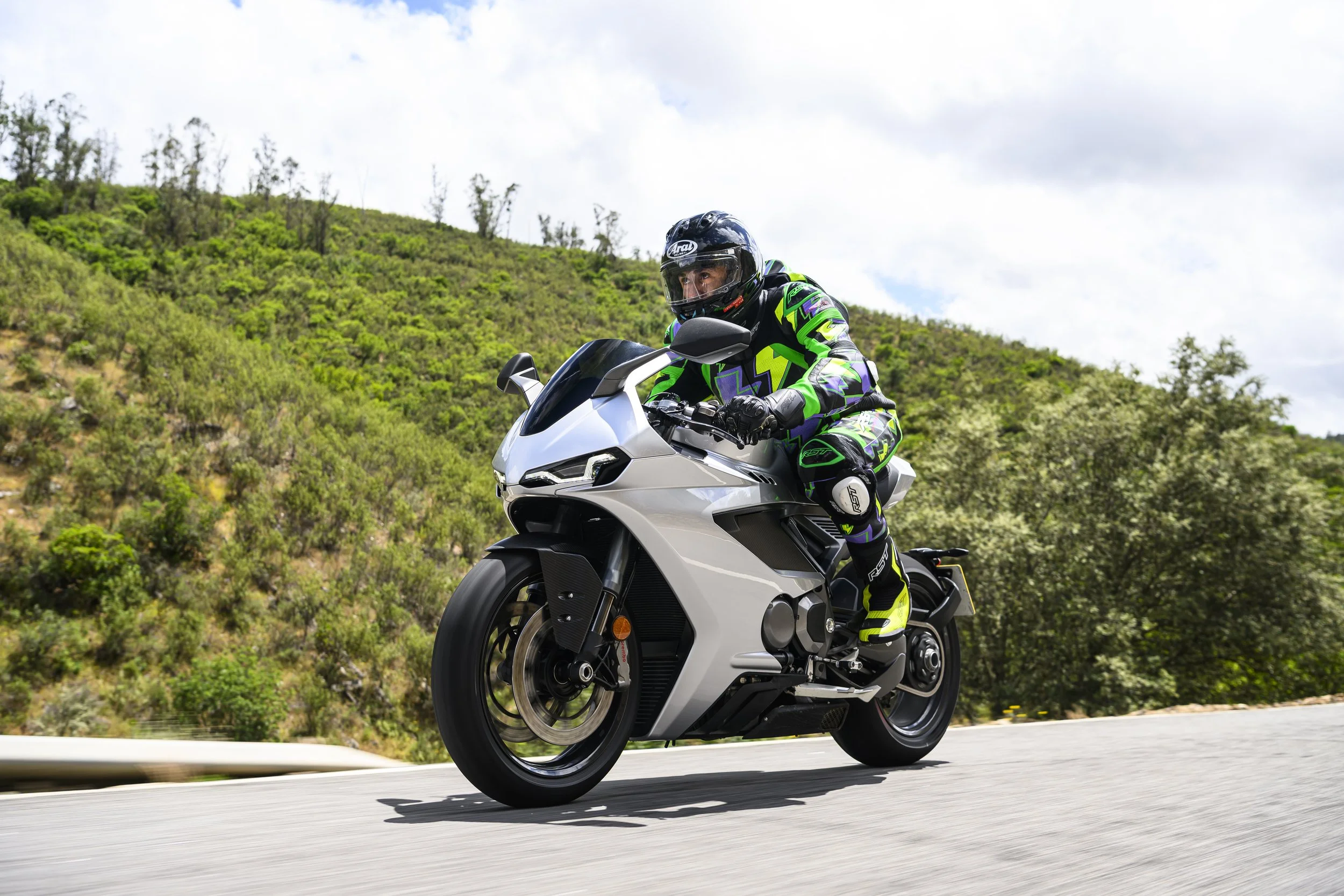
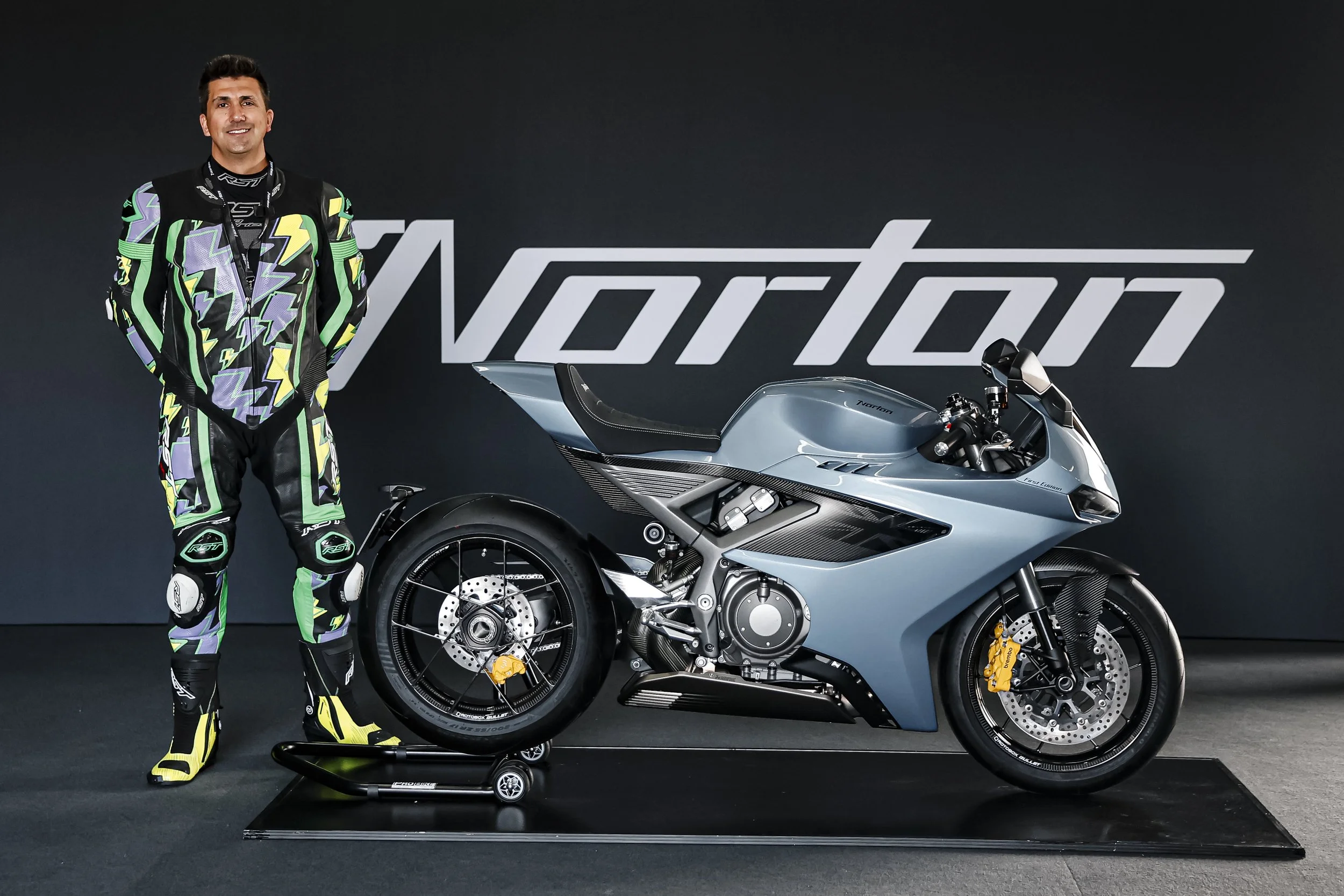
For the first time since 2010, an all-new Norton is now available to order, and it's arguably the most significant in the brand's chequered history. John Marcar has been testing the new Norton Manx R 'Signature Edition' in Seville.
The Manx R is Here!
In October 2025, I flew to India to meet TVS, the Indian motorcycling powerhouse that has acquired Norton and is now celebrating being the world's 3rd-largest motorcycle manufacturer. TVS' acquisition of Norton is a huge deal for the motorcycling industry, and following an investment (so far) of over £200 million, the first product of the brands 'resurgence' is now here.
The Manx R is the first of 3 new bikes revealed to the world at the EICMA event in Milan last November (more on that here). Just 6 months on from the big unveiling in Italy, the first of the new models was launched to the world's press at Circuit Monteblanco in Spain, and I was there to throw a leg over and see what it's like.
Available versions and prices
At the time of launch, Norton is offering the Manx R in four different editions: Manx R, Manx R Apex, Manx R Signature (as tested), and Manx R First Edition.
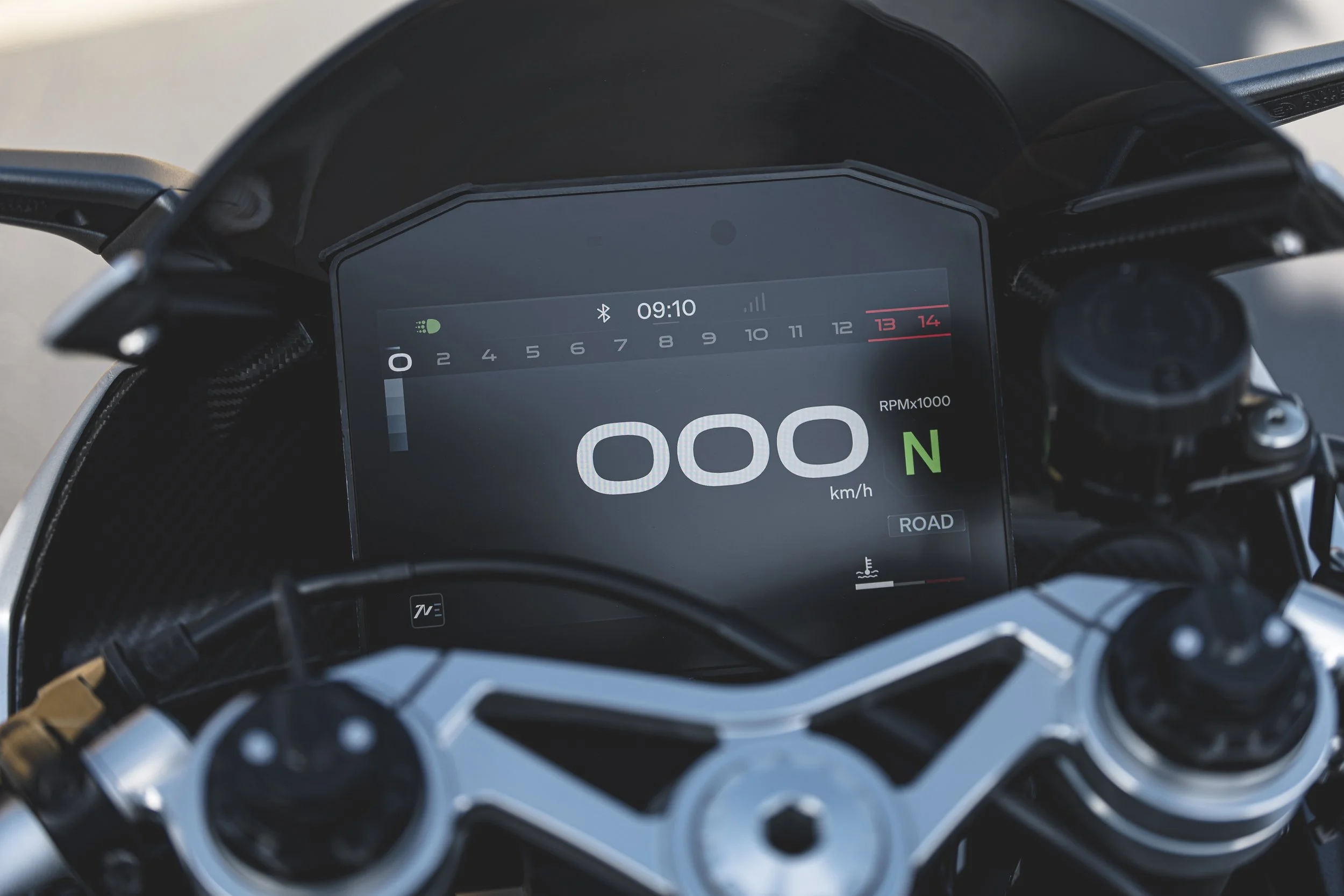
All variants share the same 1200cc 72-degree V4 engine, and all produce the same overall 206 hp and 130 Nm of peak torque. Also standard on all models is an 8-inch TFT touchscreen display, cruise control, traction control, ABS, a quickshifter, and a selection of rider aids that work alongside Norton's own electronics suite, which controls five ride modes, lean-sensitive ABS, launch control, and wheelie control.
What divides the different editions is the level of tech and hardware applied to the models. In the most basic Manx R form, the model includes manually adjustable Marzochi suspension, a two-seat rider configuration, an integrated stainless steel exhaust system and aluminium cast wheels.
On Apex, Signature, and first-edition models, the suspension gets a significant upgrade with electronically adjustable Marzocchi Semi-Active suspension that works in tandem with a Bosch control module. Using powerful real-time linear potentiometers, the system instantly adjusts compression and rebound damping separately at both front and rear for the most compliant ride and a mystical braking performance - more on that, shortly.
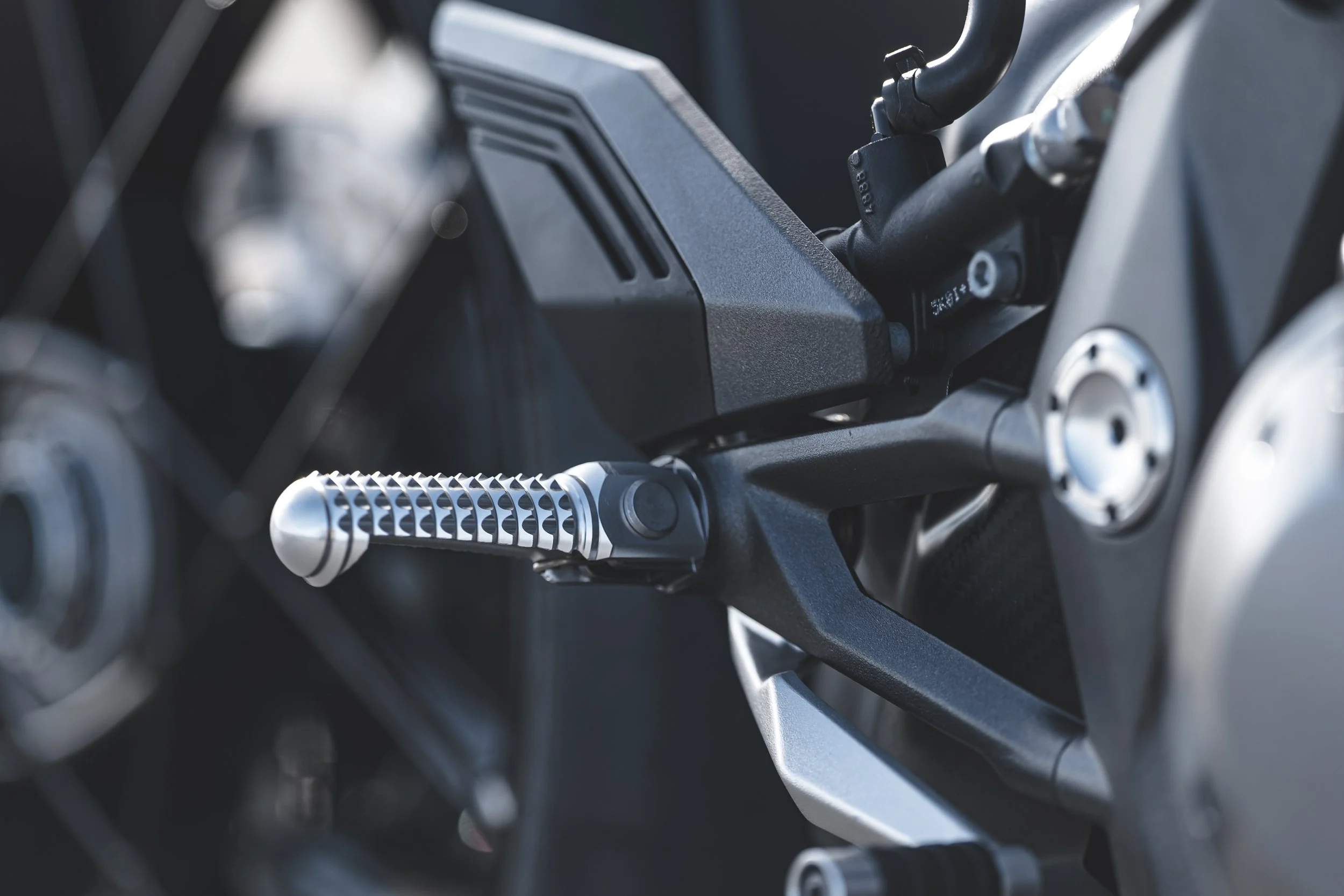
The Apex and Signature models also get additional weight reduction, with forged aluminium wheels on the Apex edition or carbon fibre on the Signature edition, along with lighter forged foot controls and a steering yoke for better handling. On the Signature version, the already lightweight body panels are further reduced in weight thanks to their Carbon Fibre structure.
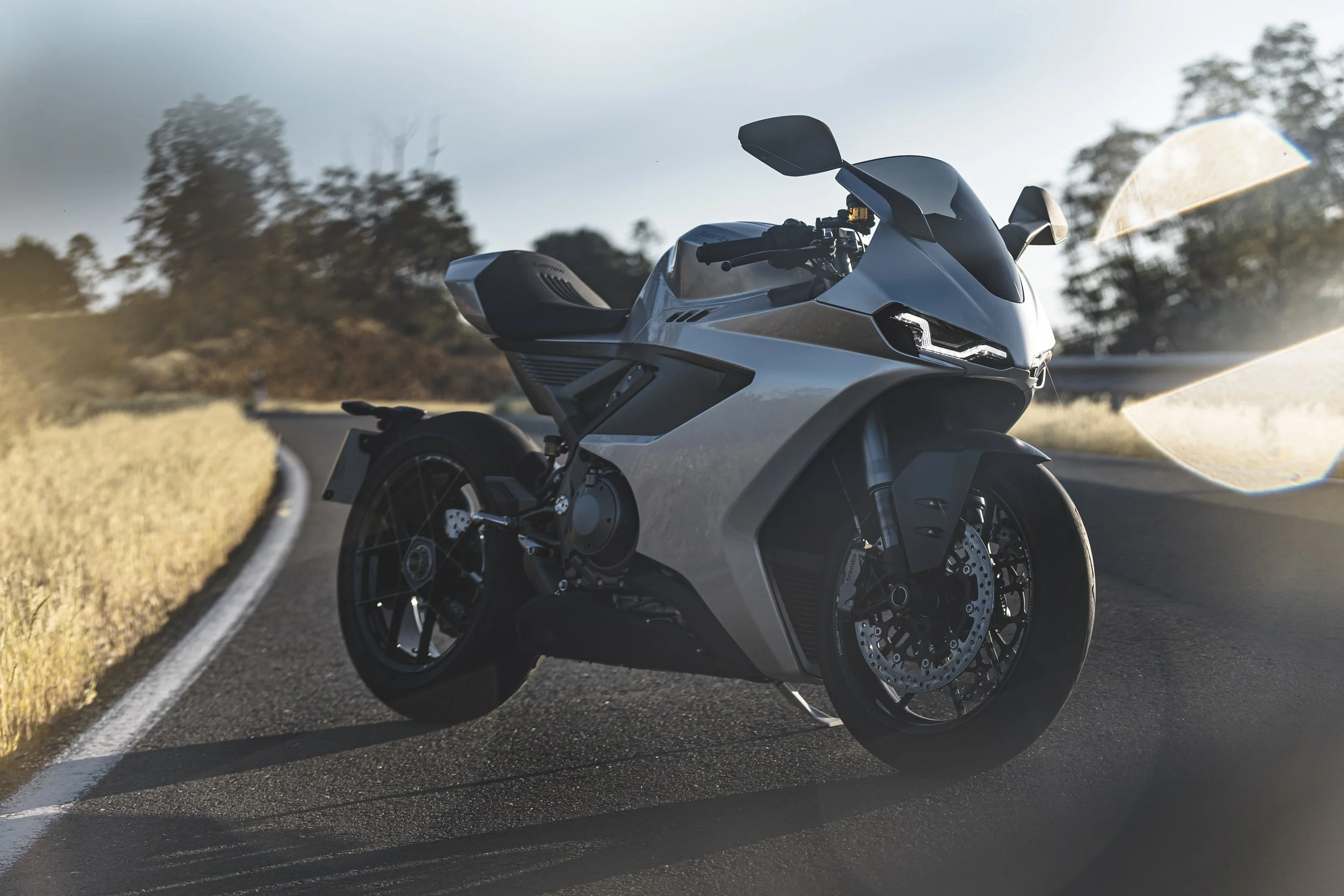
Norton Manx R Model Pricing (2026)
Manx R: £20,250
Manx R Apex: £24,750
Manx R Signature: £38,750
Manx R First Edition: £POA
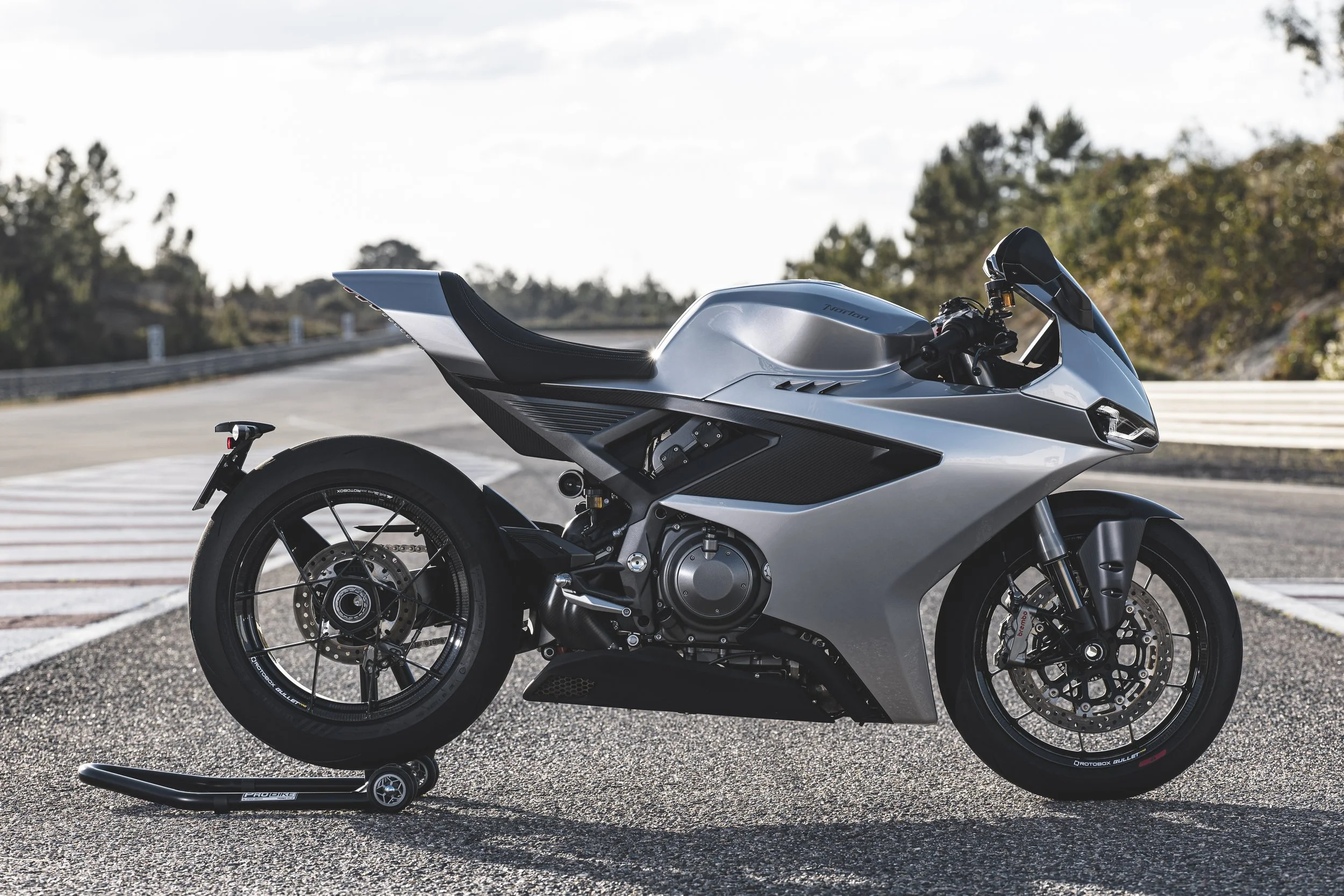
The Prettiest Sports Bike in Recent History?
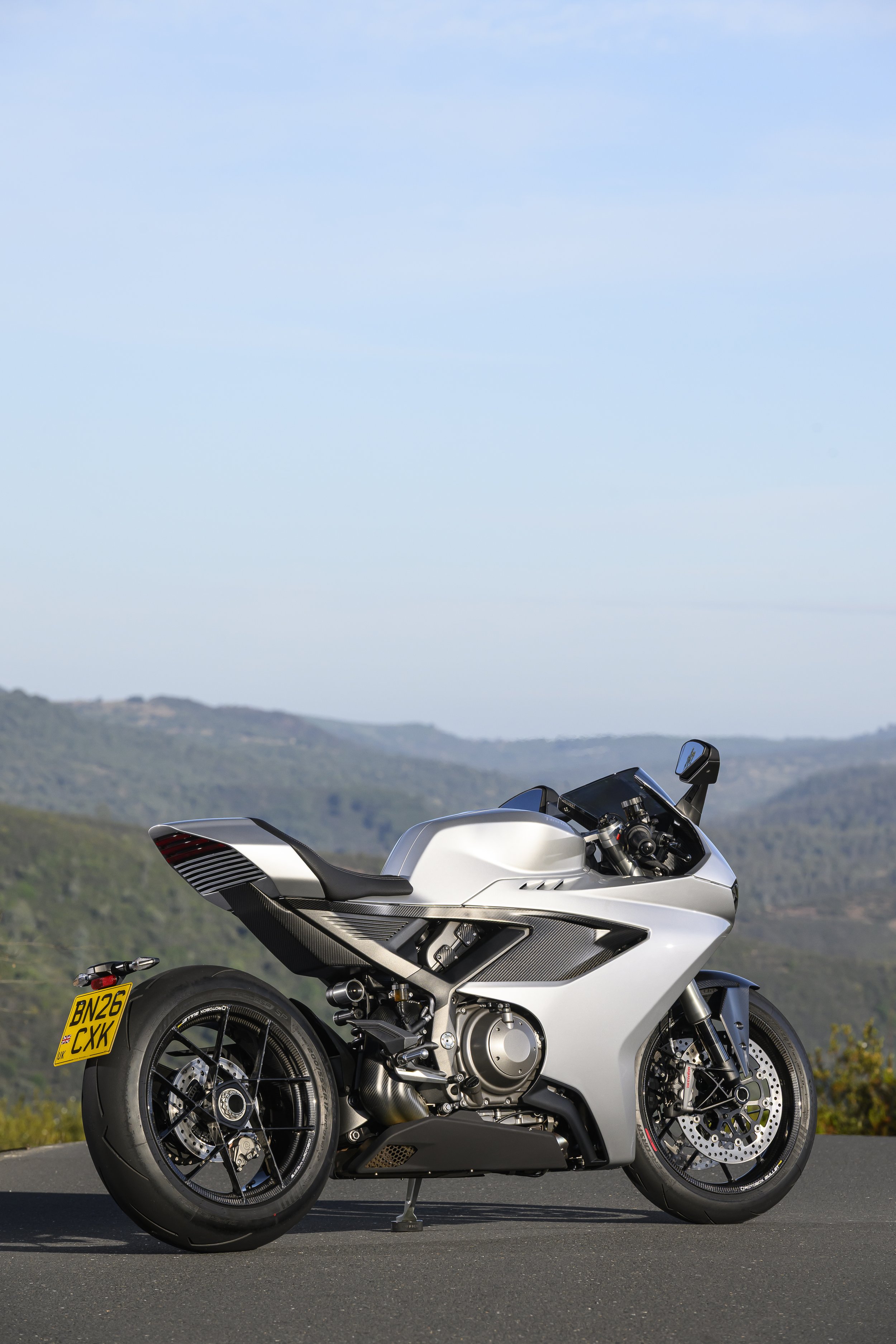
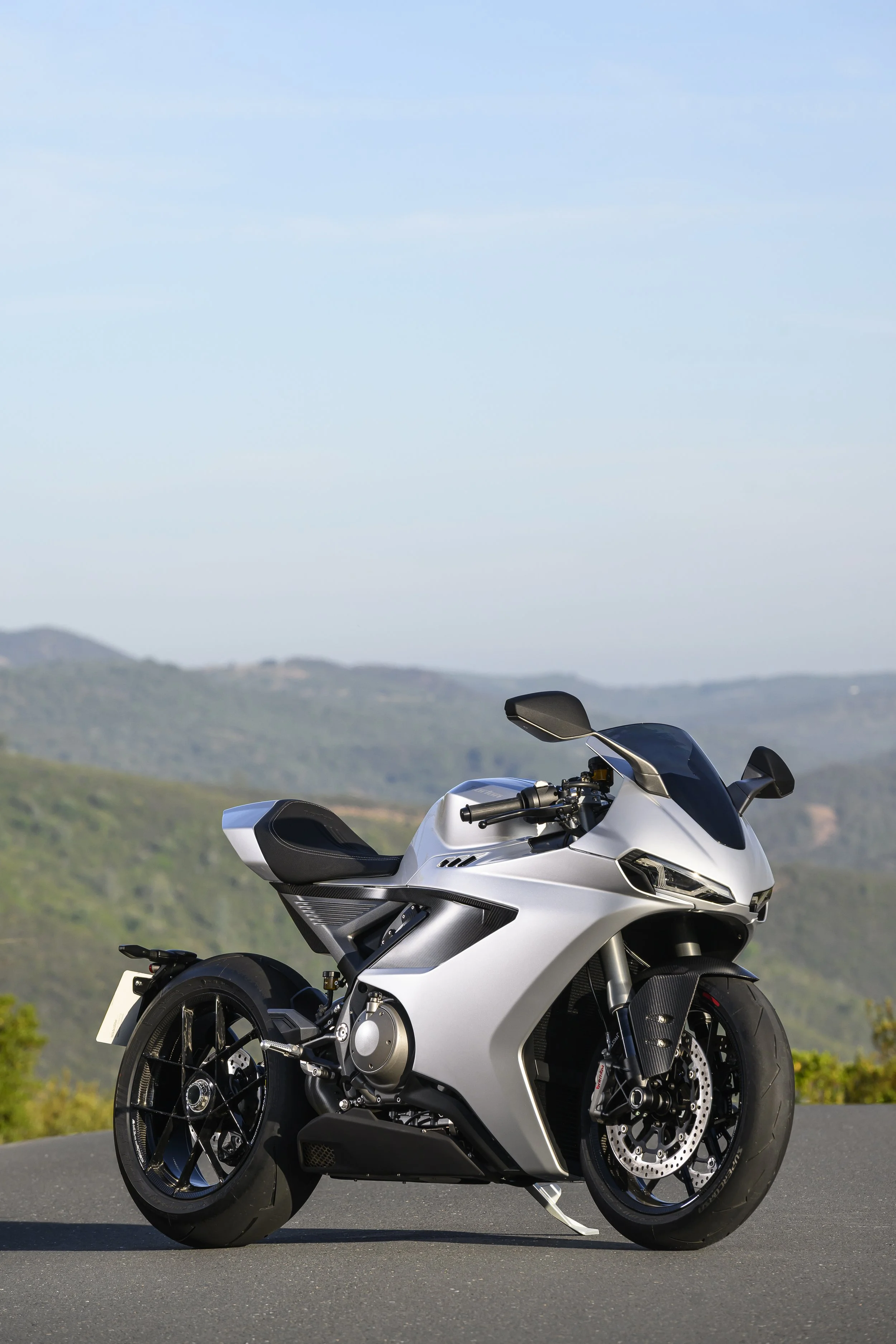
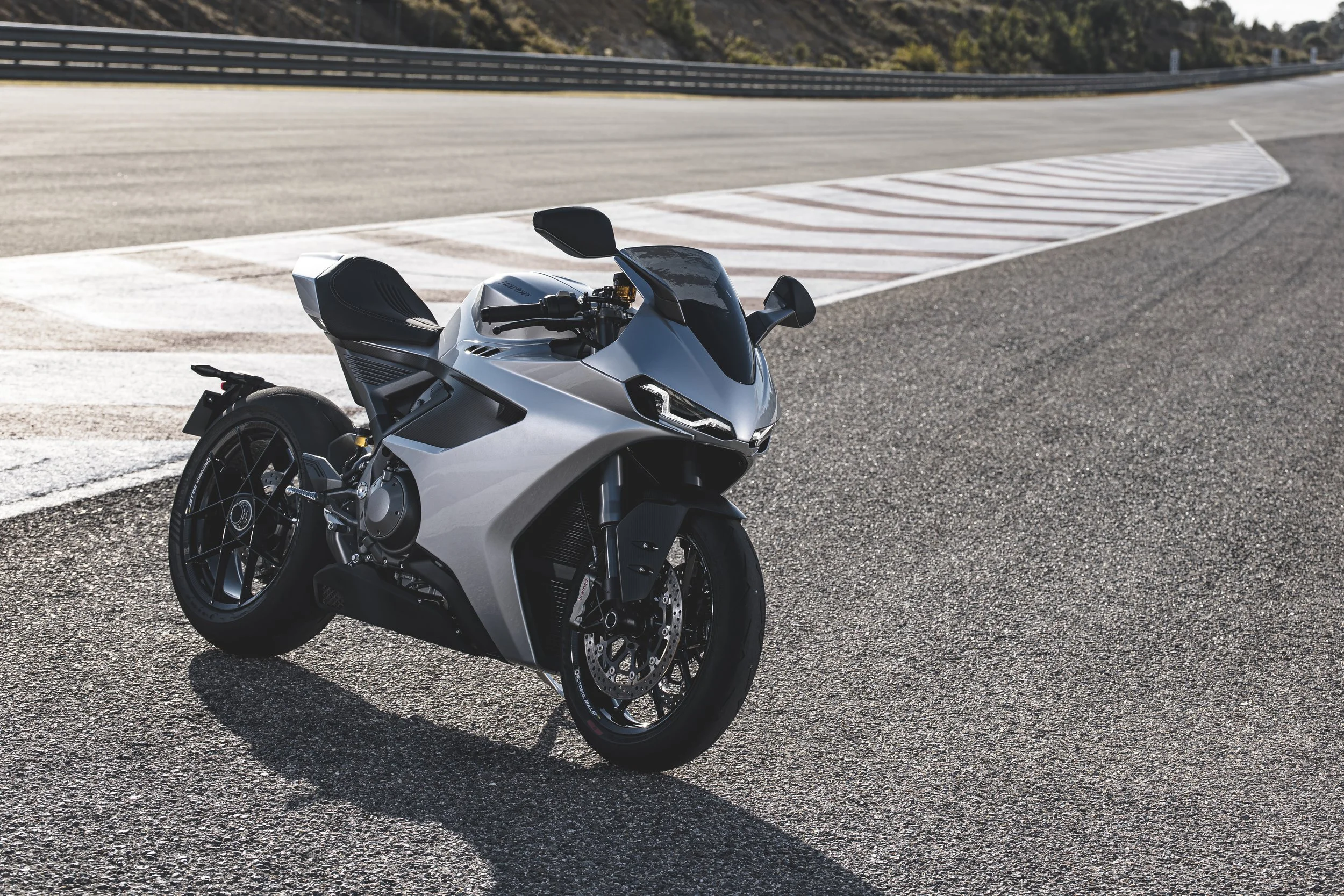
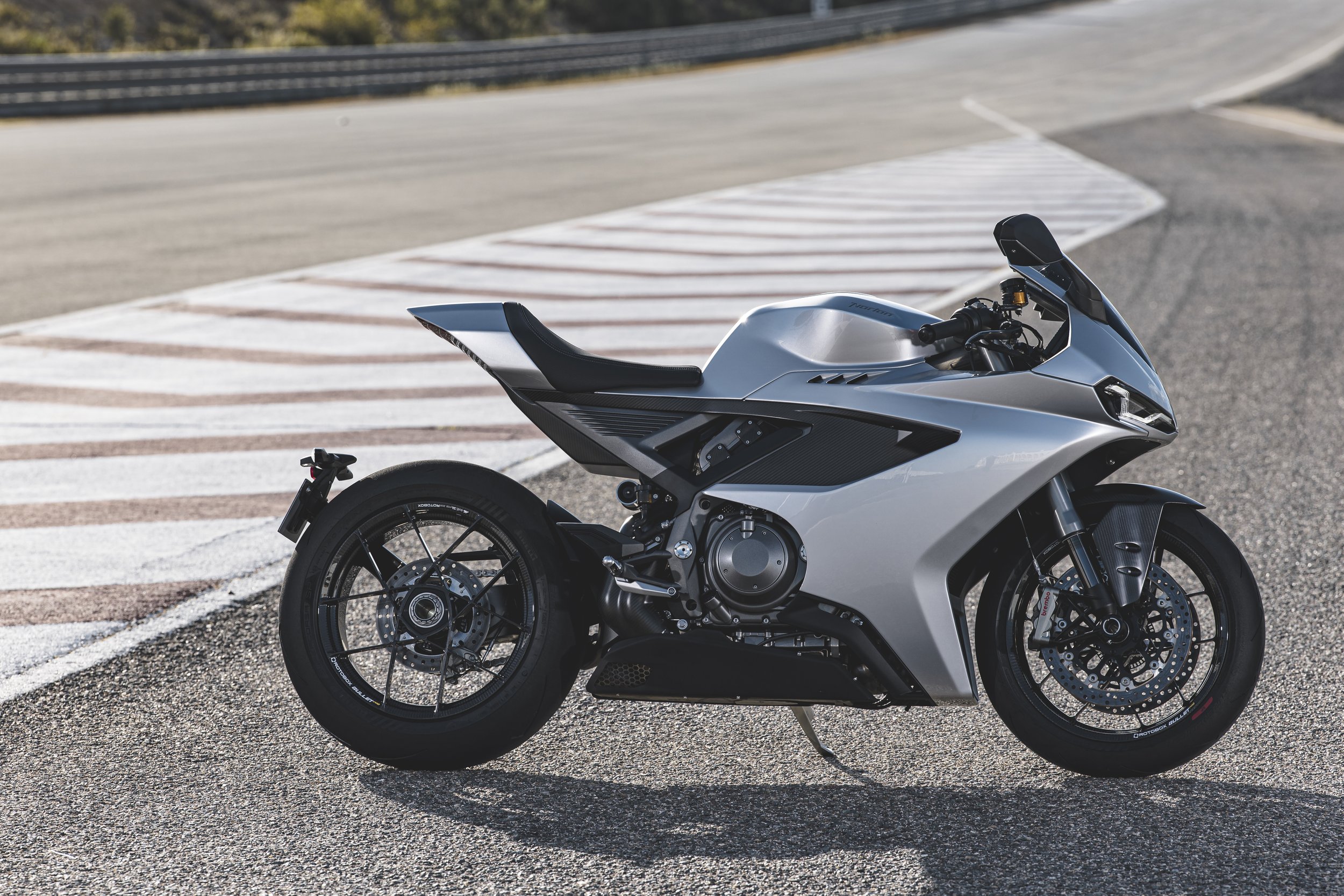
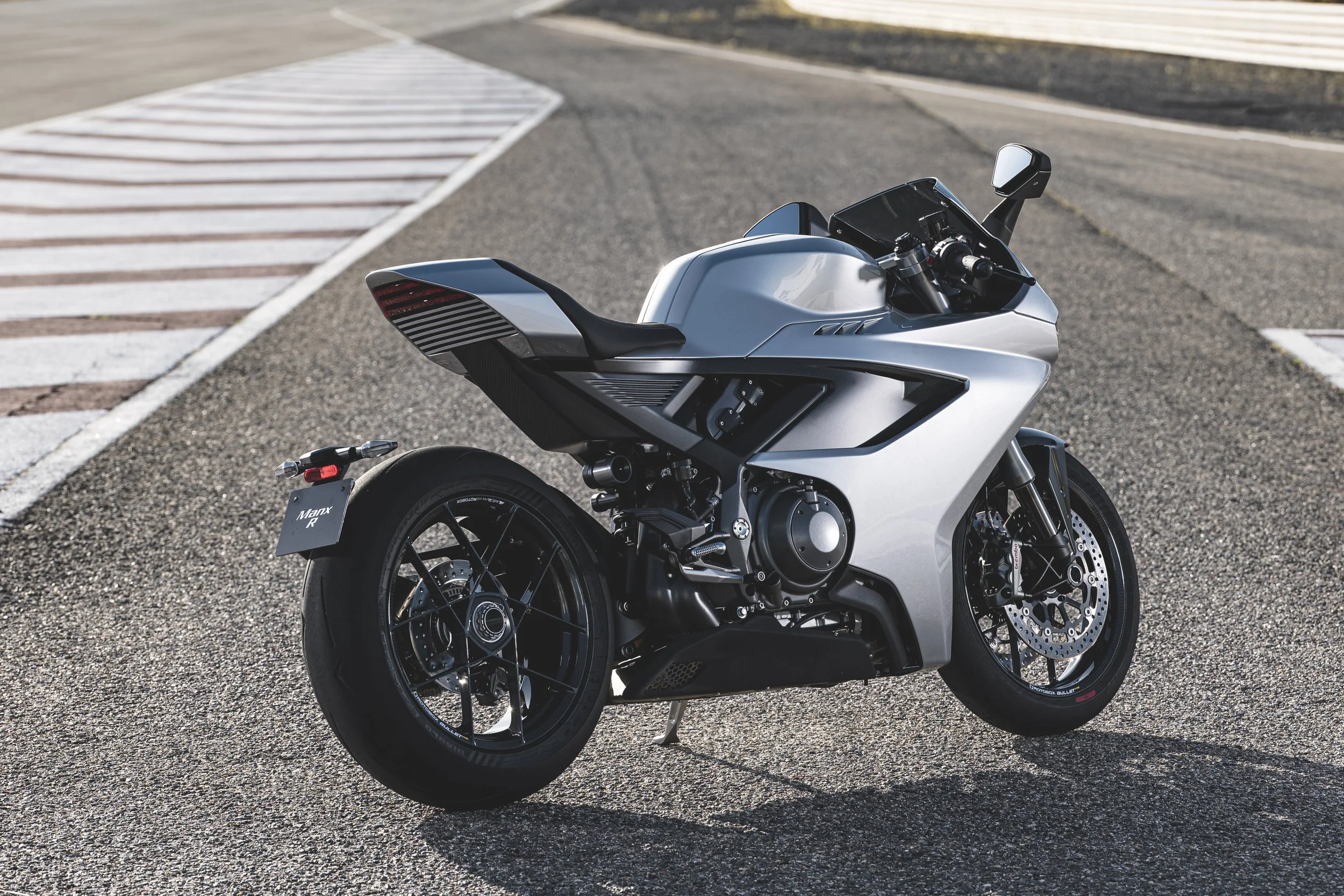
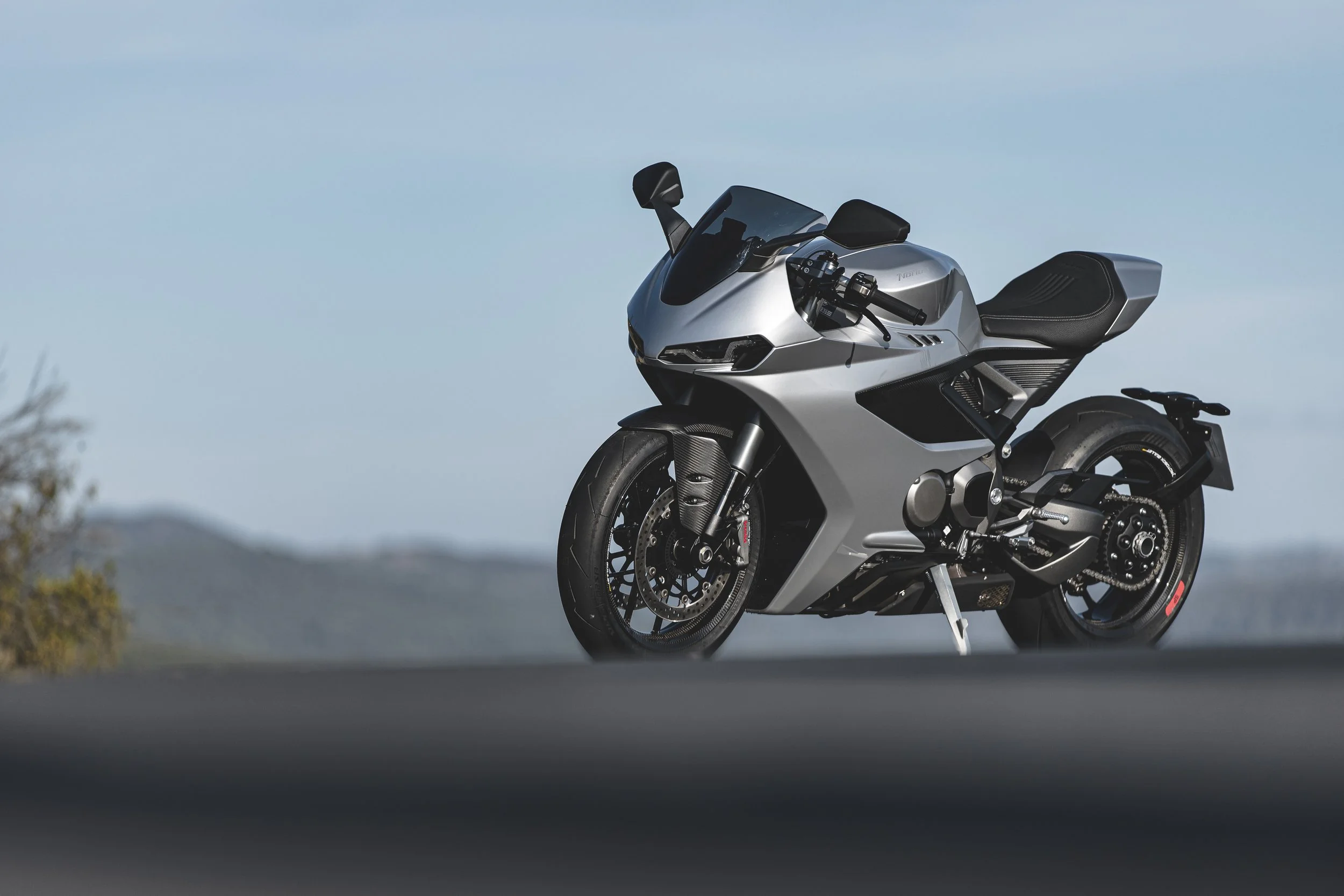
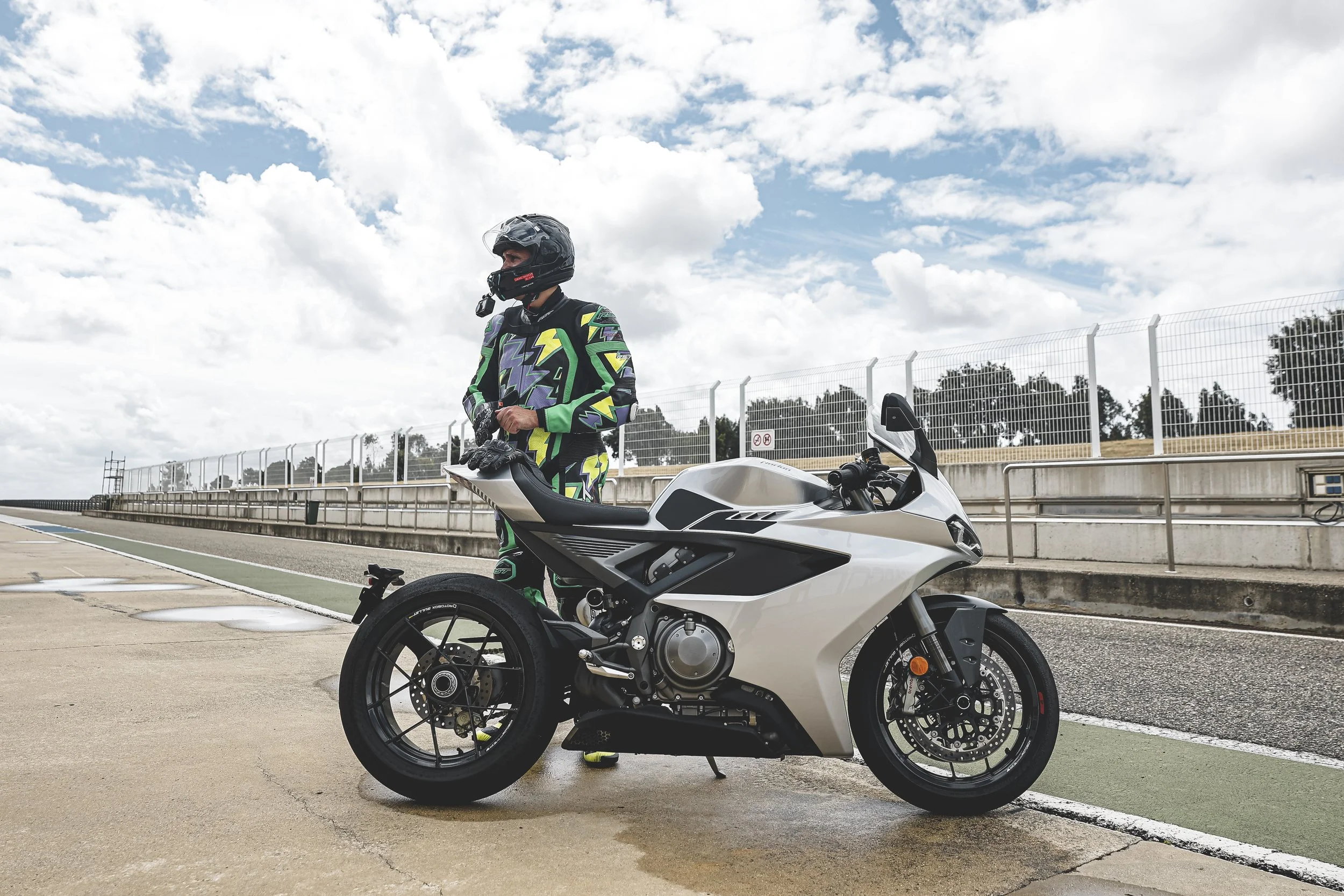
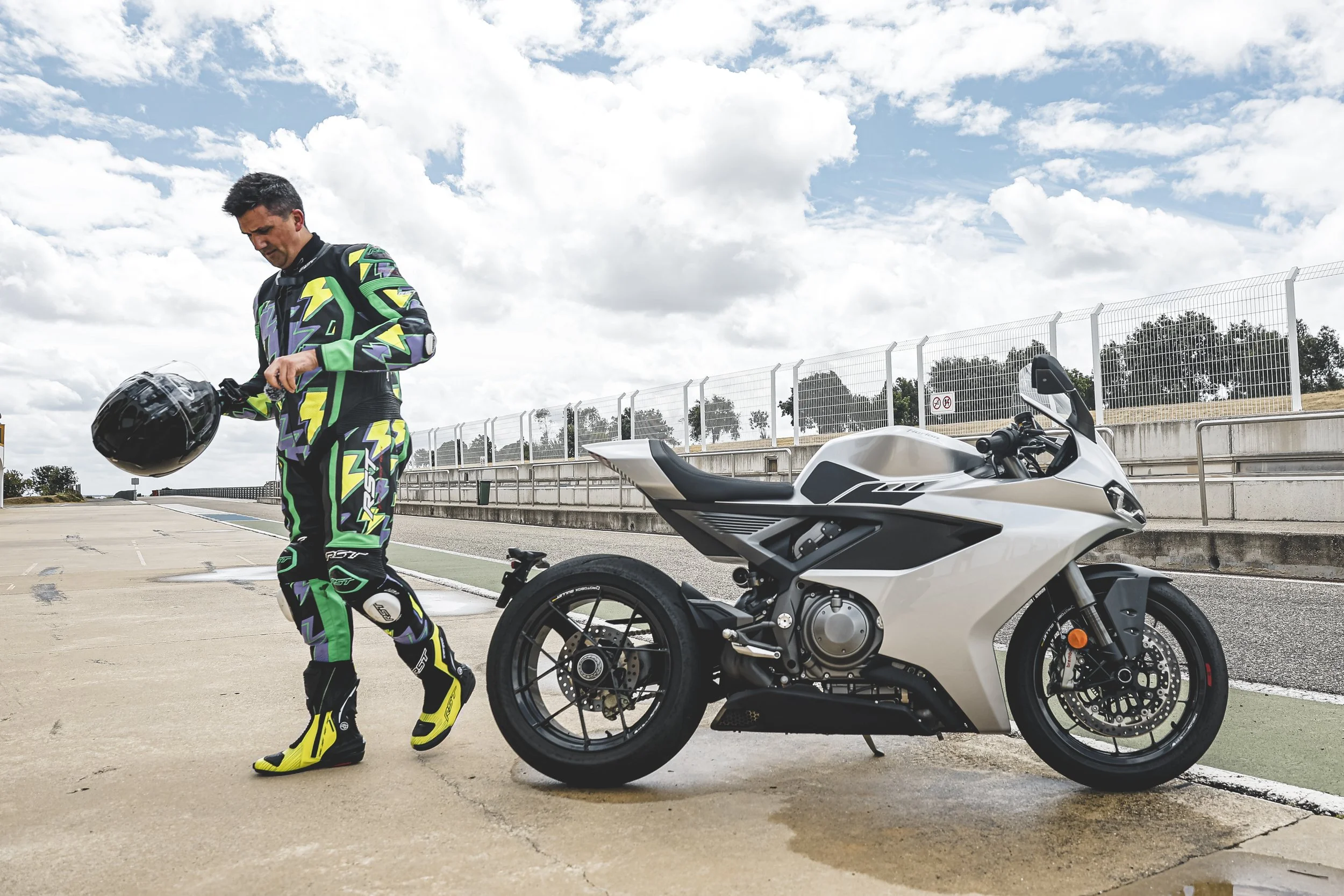
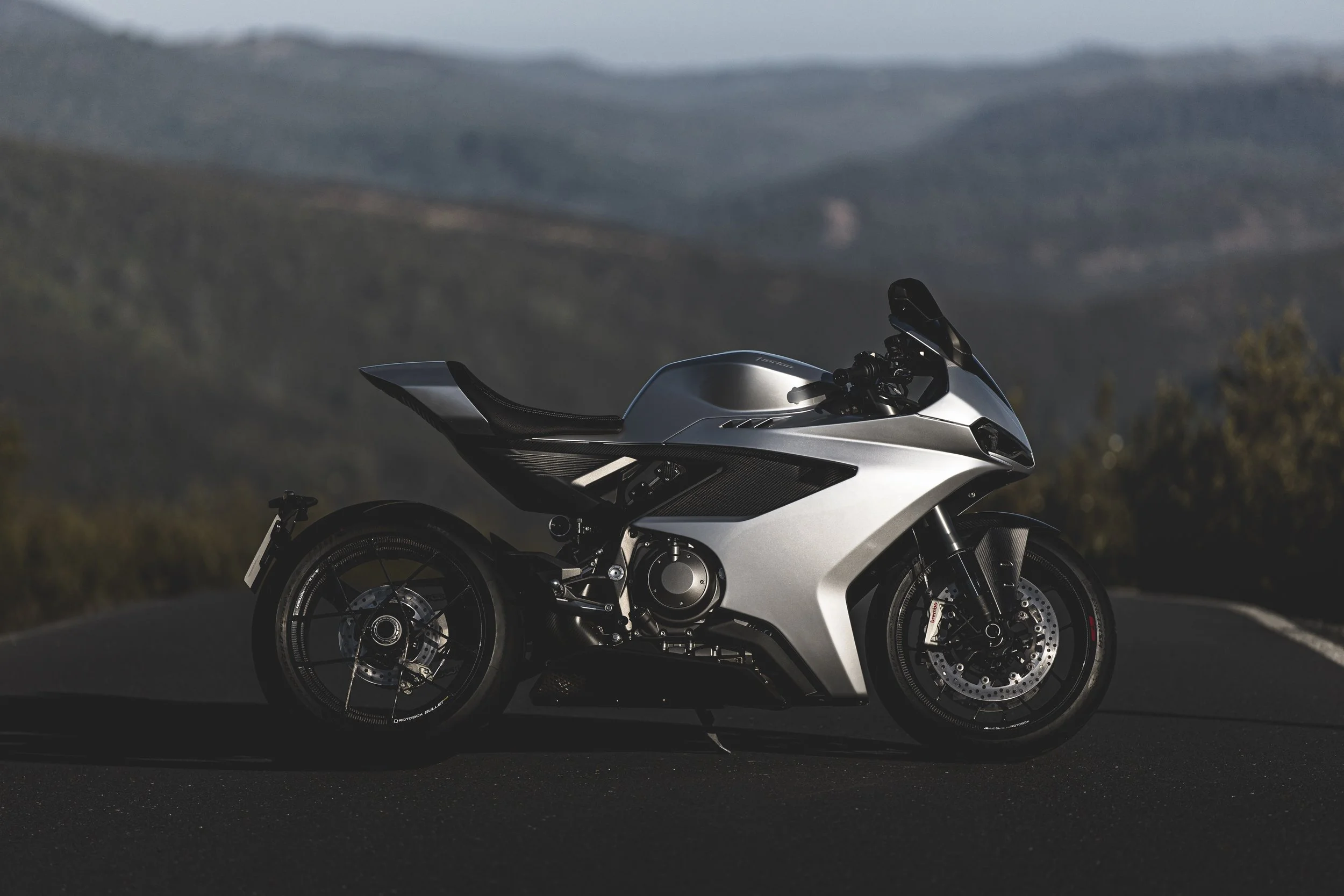
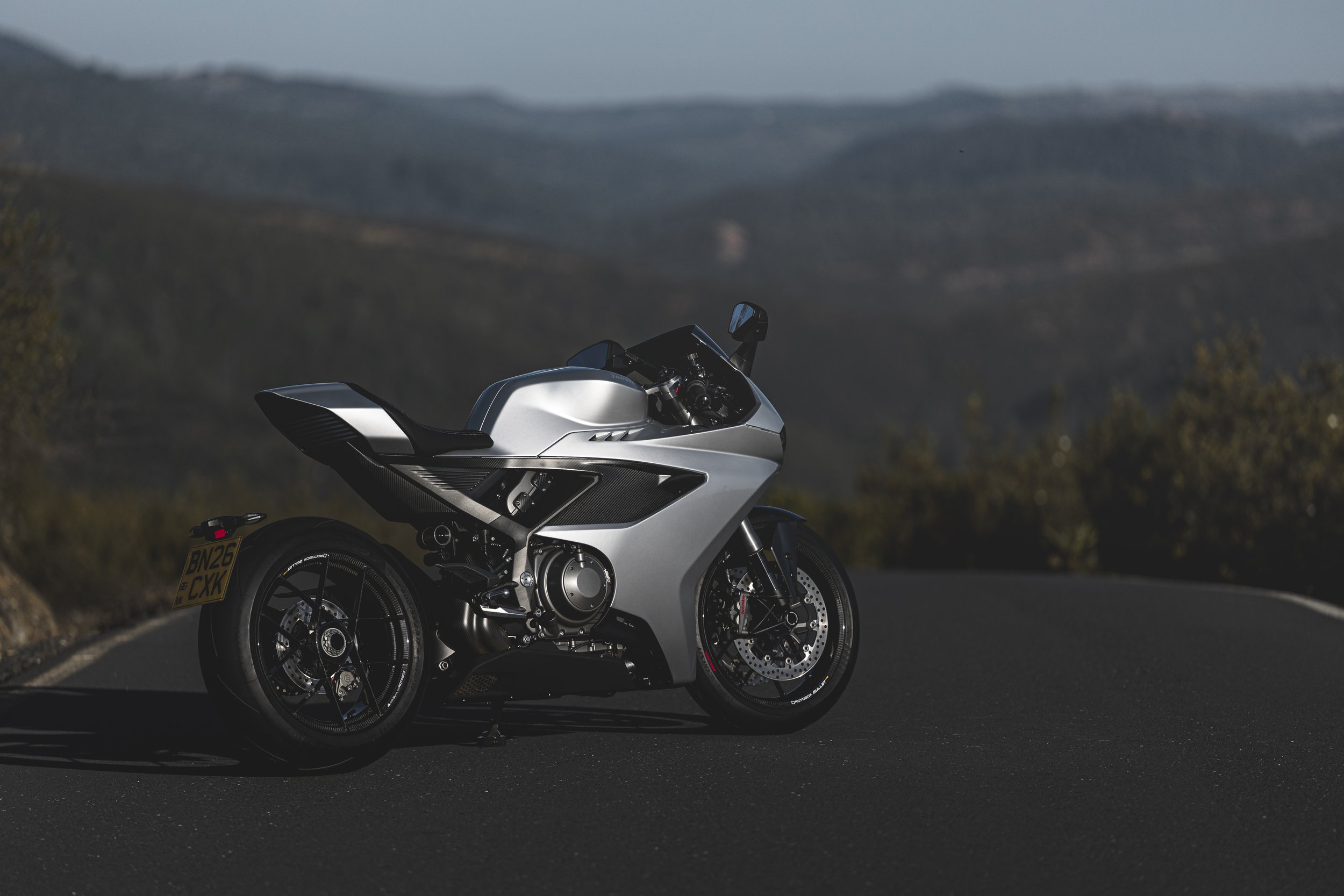
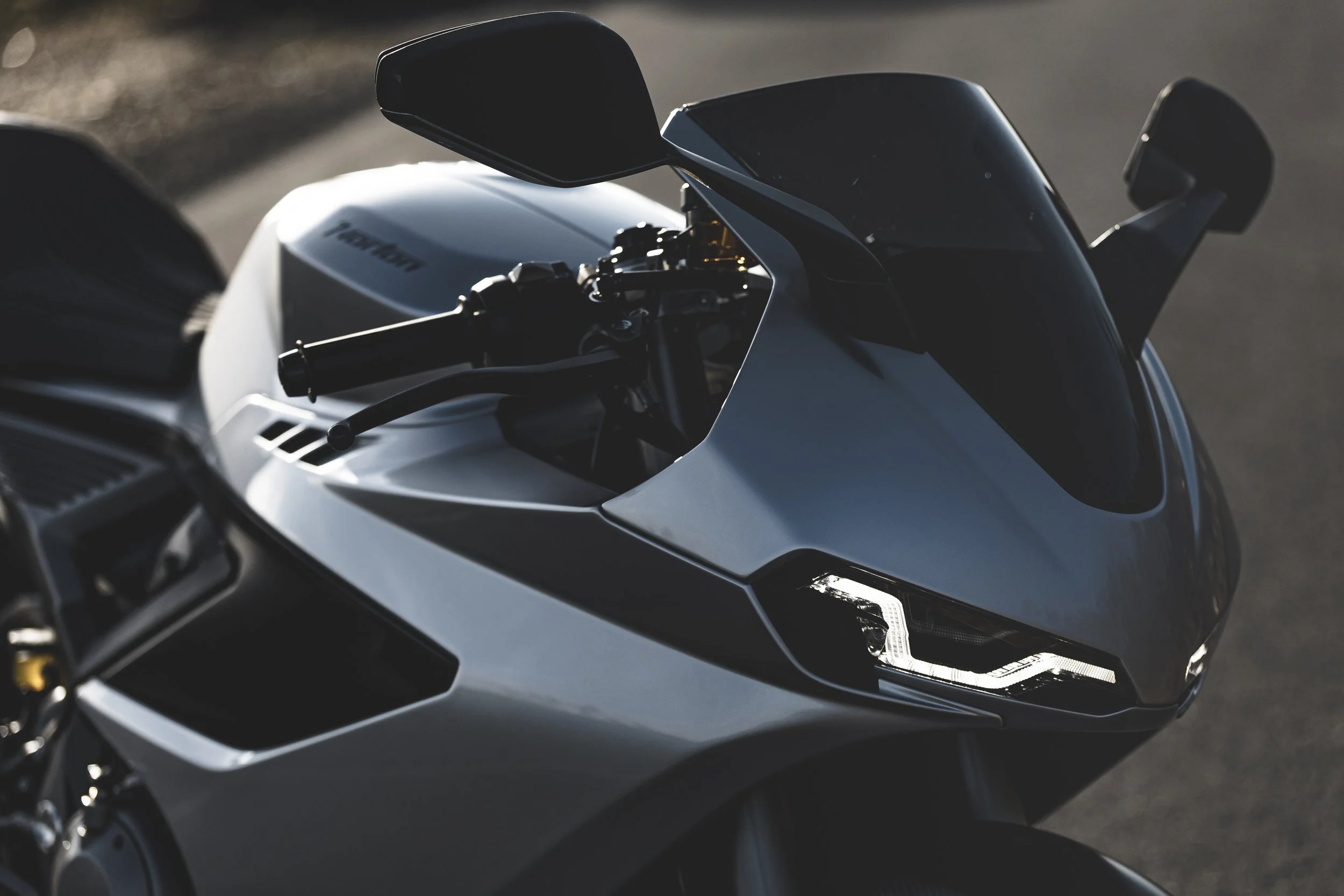
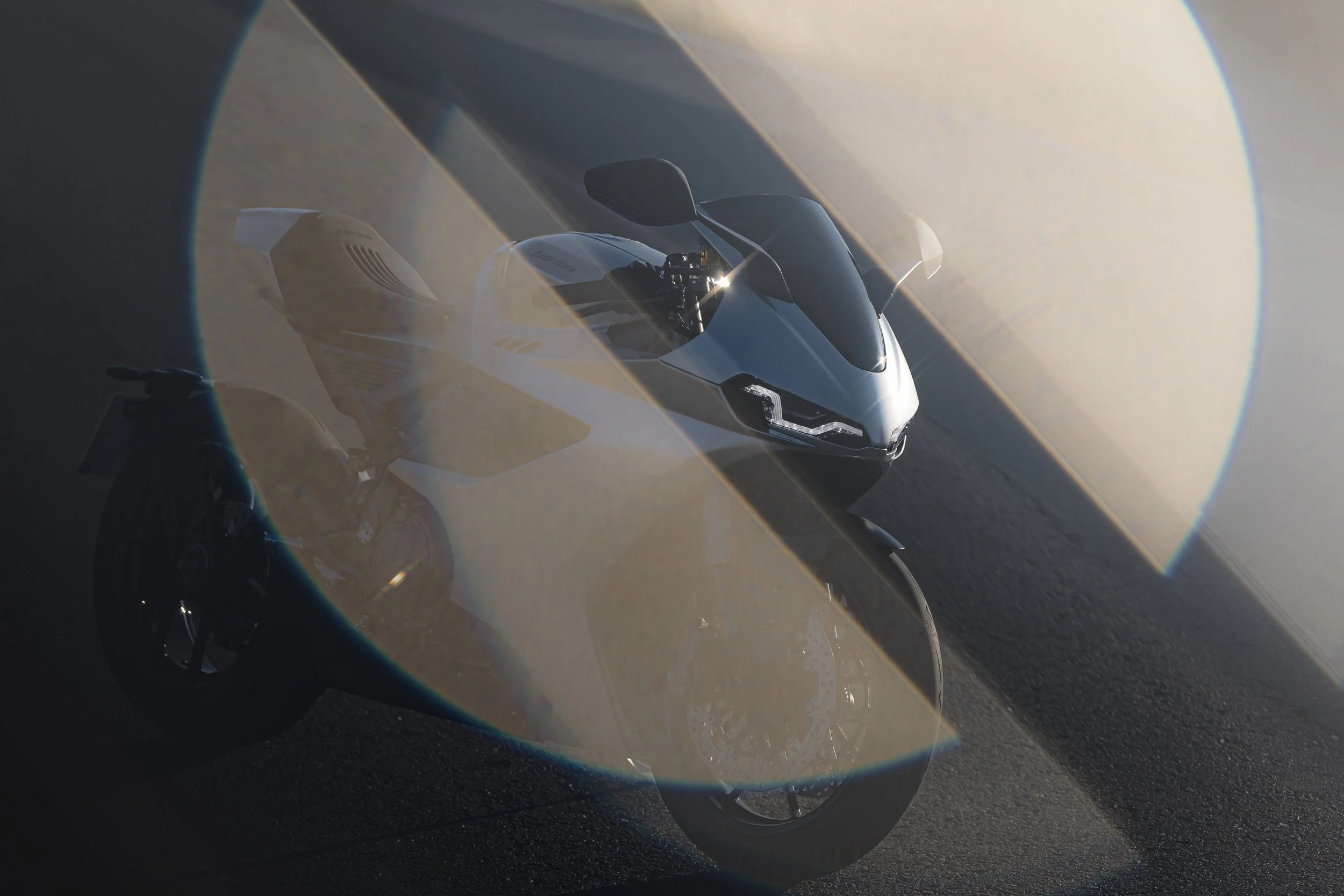
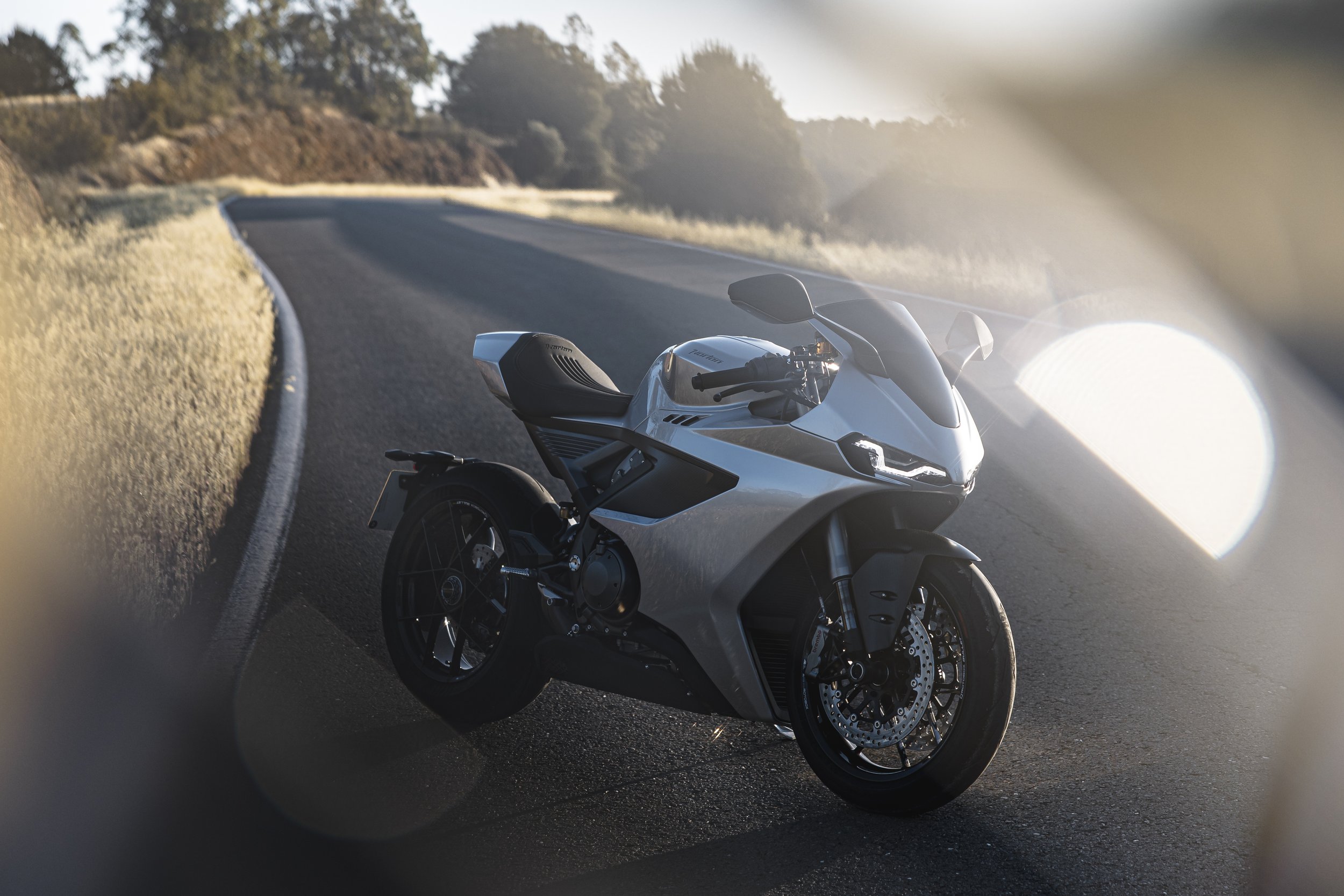
I've learned my lesson that I have to be relatively careful when it comes to expressing design opinions on the internet, and I'm all too aware that the topic of design on the new Norton Manx R is causing many interesting conversations; however, I think the Manx R might be the prettiest new sports bike we've seen for a long while.
Simon Skinner and his design team in Solihull have worked tirelessly over the past few years to create and shape the first new mass-production Norton since the Commando 961, which was first unveiled 16 years ago, in 2010.
Skinner has made his design brief for the new model very clear. It's not supposed to be an out-and-out race-focused superbike with downforce-inspired aerodynamics or snarling oversized air intakes. It's a fast, road-focused superbike, designed for everyday use and enjoyment without the usual compromises.
The handlebar positioning is sporty, yet usable. As is the case for the foot peg positions. The pegs are high enough for a good lean into the corners, but without placing your heels uncomfortably close to your wrists, which can sometimes be the case on race-derived superbikes like the Ducati Panigale V4S and V4R.
Interestingly, despite the stark pricing difference between the £20,250 entry-level Manx R and the £38,750 Signature edition, you really have to know what you're looking for to spot the differences between the two extremes. There are no obvious decal differences between the editions, which is great for those spending £20k, but may not be ideal if you've spent almost twice that much and you want people to know it.
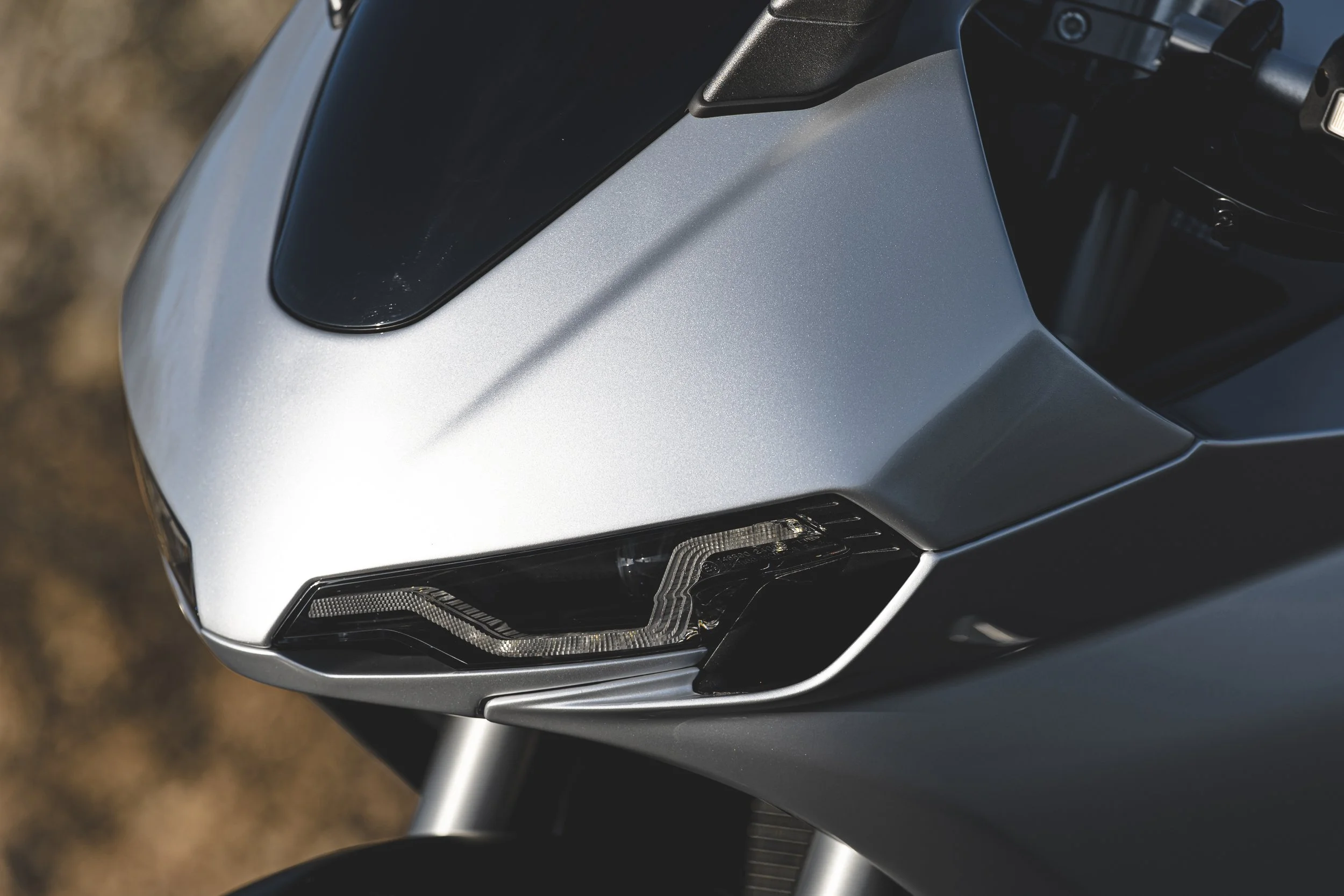
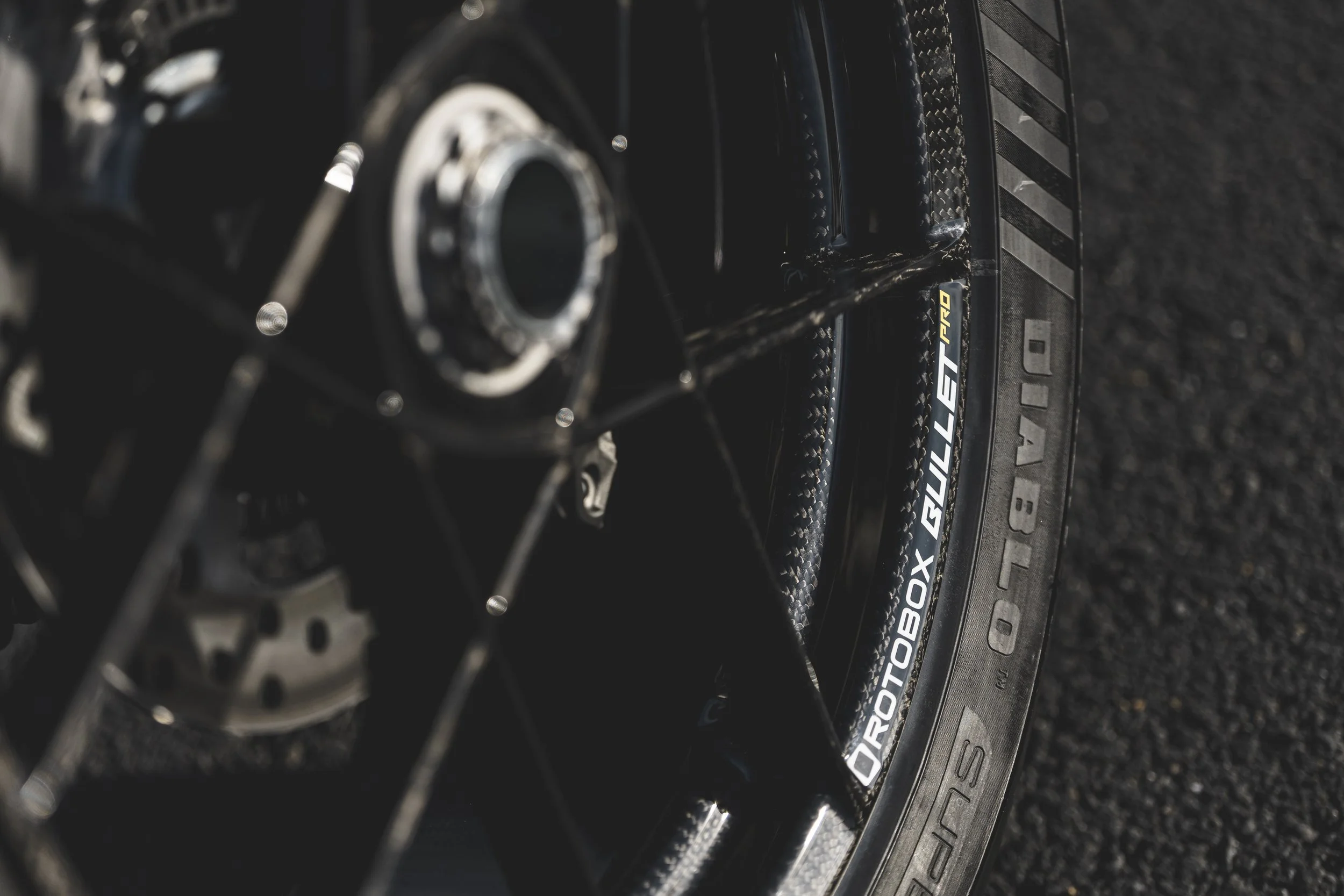
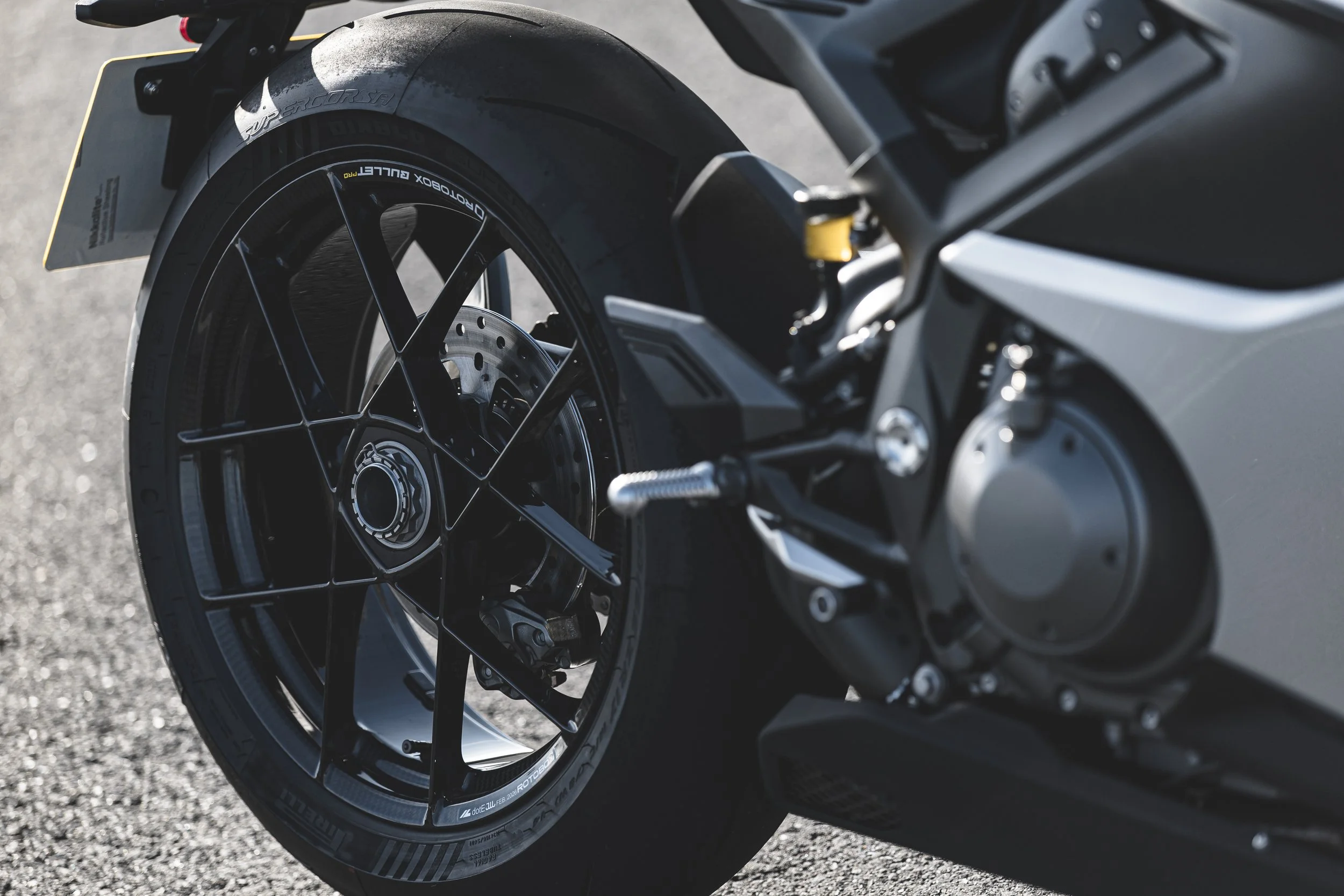
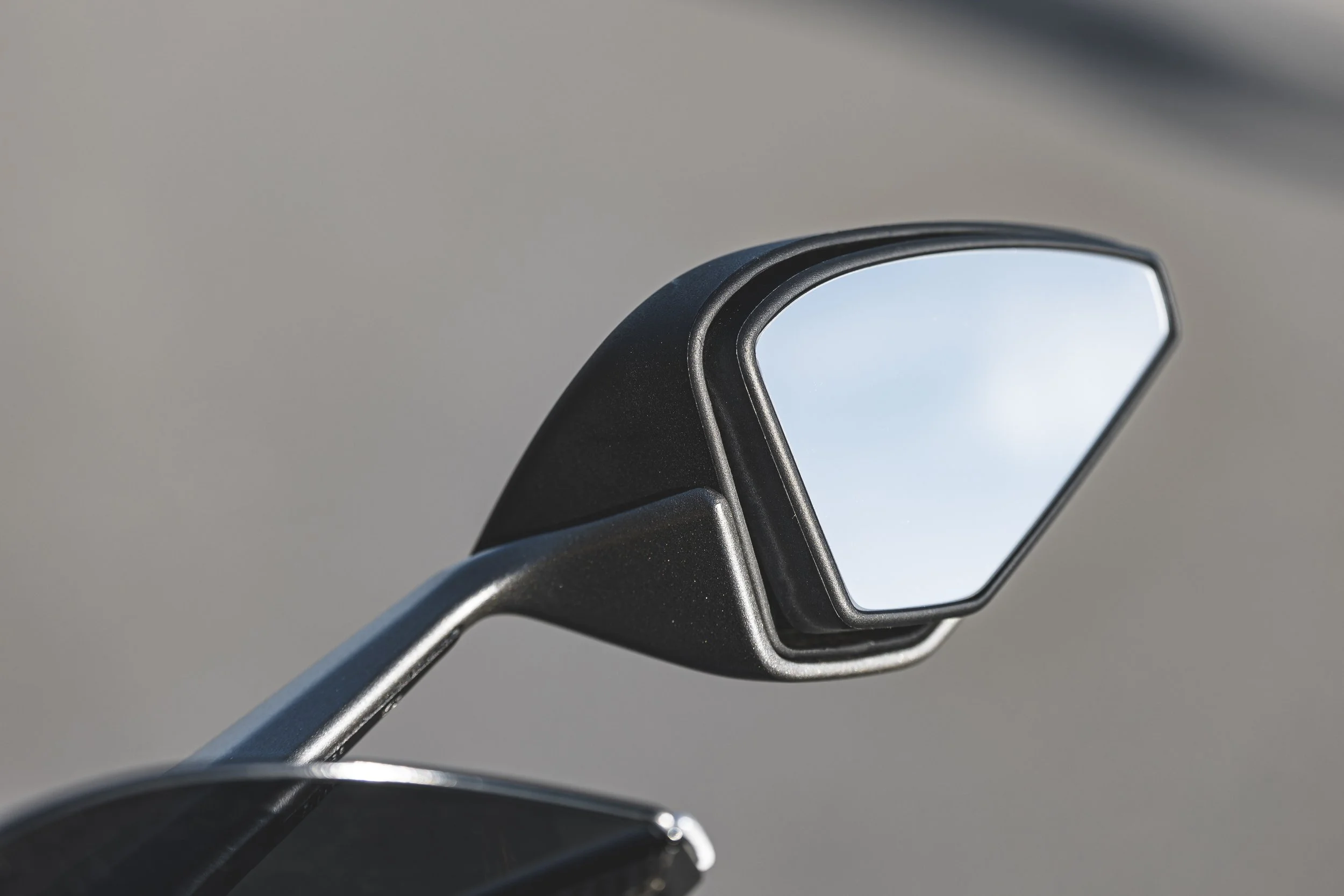
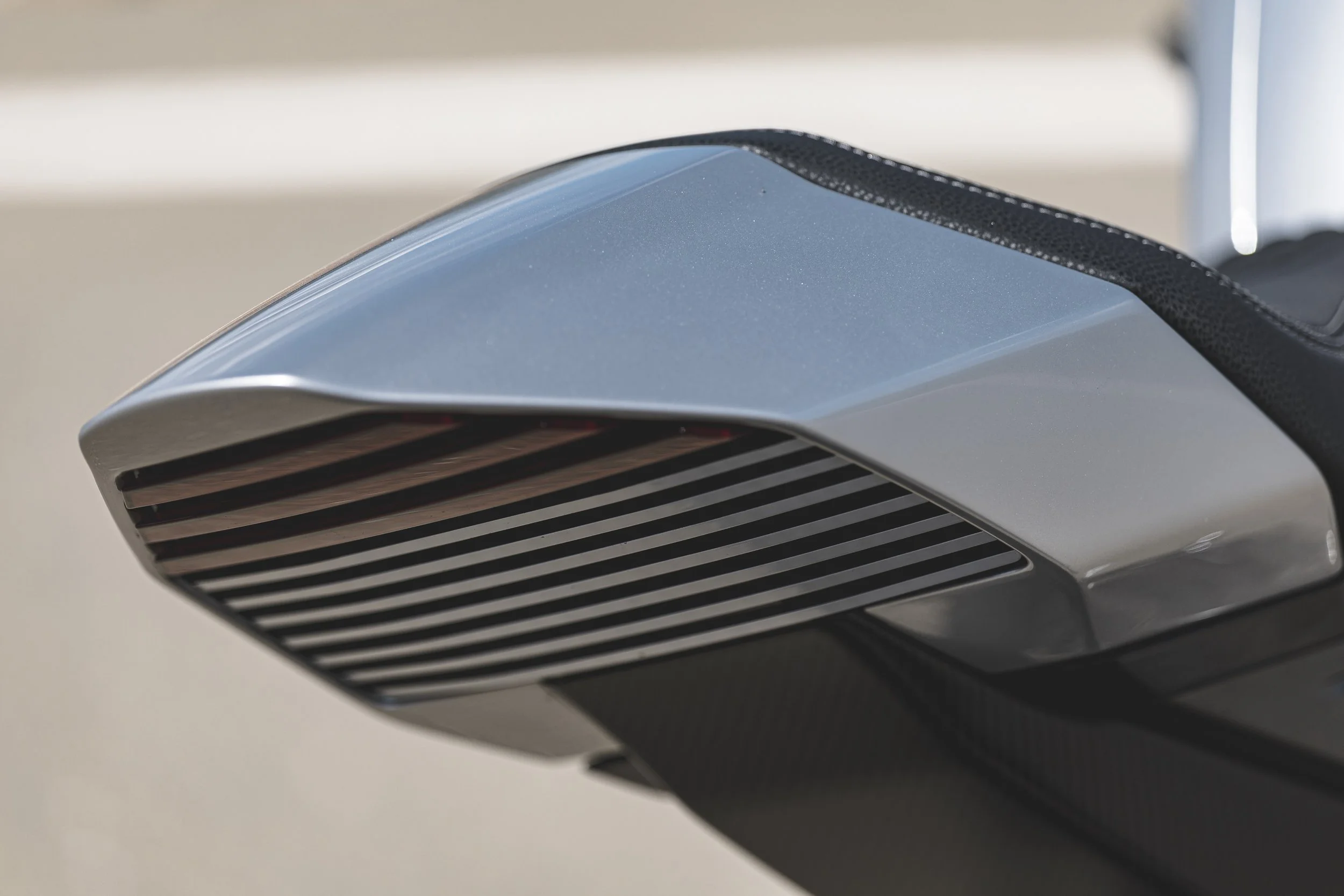
Where are the winglets and MotoGP parts??
This question has been a common one seen in online comment threads and overheard at events where the bikes have been seen - and the answer is simple. As cool as winglets look on the side of a bike, the reality is that unless they're protruding a good 6-10 inches beyond the width of the rider's knees, they do absolutely nothing in increasing downforce. (Sorry, winglet fans.) Norton isn't pushing the Manx R as a softened version of a MotoGP bike... because there isn't one. The Manx R is engineered and built for the road, and as a result, the design brief follows the same ethos.
Comfort
Thanks to its road-over-race focus, the Manx R is a surprisingly comfortable bike to sit on. On the model I'd be testing on both track and road, the seat was covered in leather, which looks great and provides great comfort, but admittedly proved a little lacking in grip on track. Once moving, thanks to the peg positioning, very little weight is placed on the arms and wrists, which is a pleasant surprise given the sporty visuals.
Switch Gear & Touch Screen
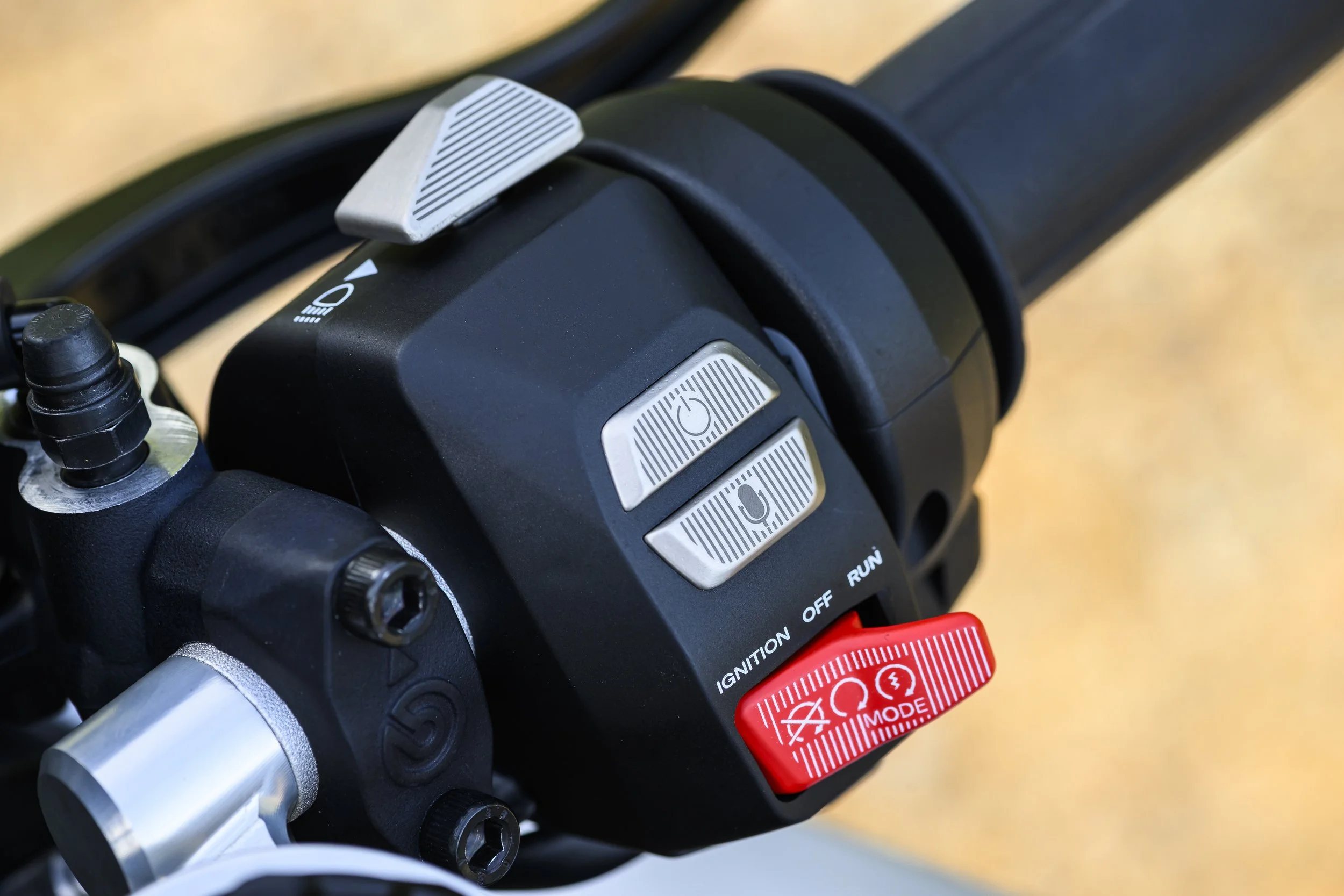
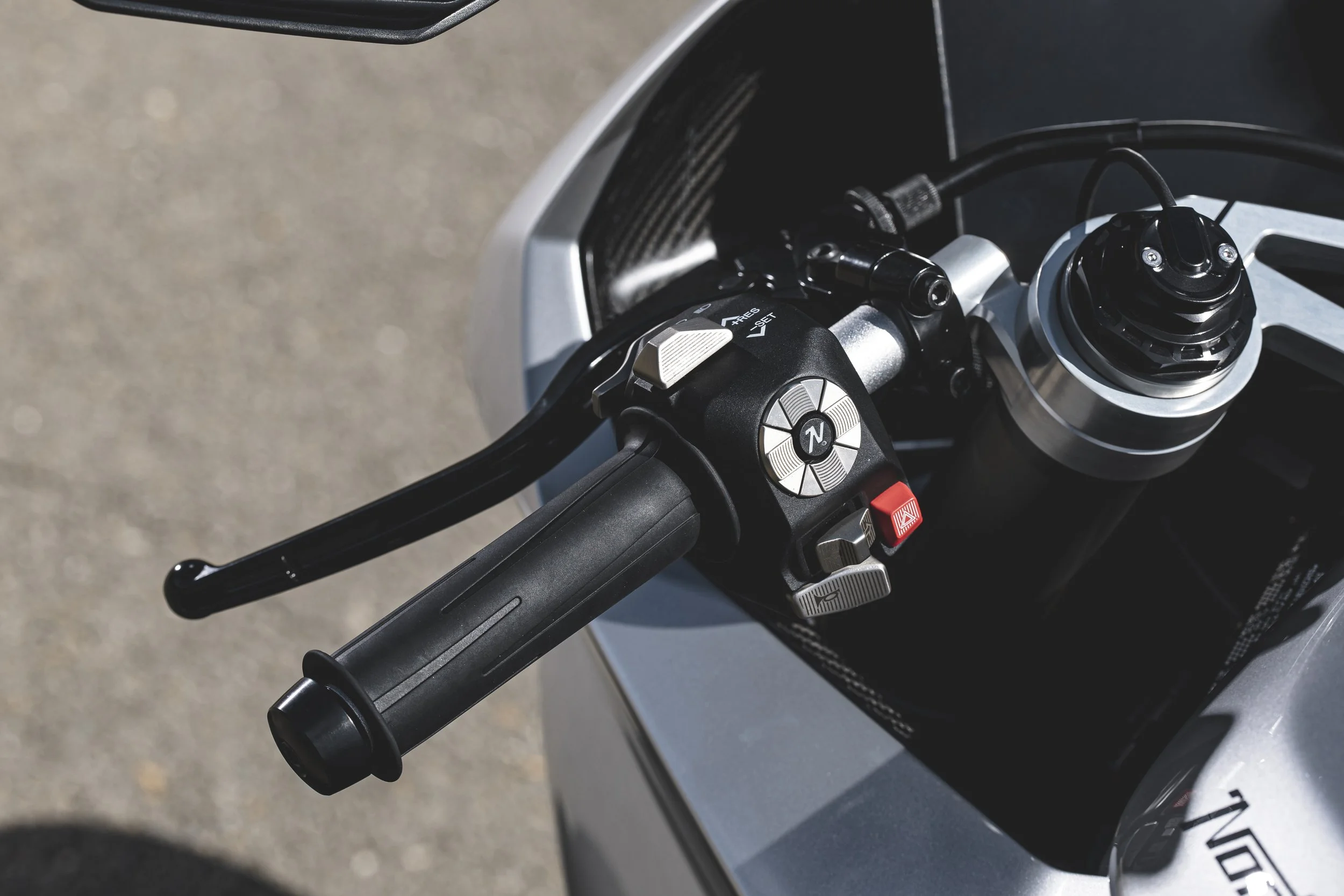
The metallic touchpoints on the handlebars are very pleasant to look at and touch. Without gloves, the metal buttons are cold to the touch and feel far more durable than the typically plastic parts seen on other bikes. With gloves on, the switches are all still usable and very easy to navigate despite their intricate appearance. Another surprising feature is a touchscreen TFT interface. Providing your riding gloves support touchscreen use, almost all settings and modes can be changed on the fly when stationary by simply tapping the 8-inch TFT screen. I found the feature very useful ahead of a ride when setting up the bike, but less intuitive once on the road, where the good old-fashioned button system worked better.

Manx R - Track Test
Despite the launch event taking place in what is widely regarded as Europe's hottest city, on the day I arrived in Seville, I was greeted by torrential rain. Luckily, the worst of the weather passed about an hour before my track ride, yet the conditions proved a little daunting for a two-wheeled circuit-rookie like me. But almost as if the rain had been expertly planned by Norton's PR team, the damp track surface actually worked in the bike's favour, allowing the safety features and rider modes to be demonstrated in real time across varying levels of surface grip.
On all versions of the Manx R, rider modes include Rain, Road, Sport, and two customisable Track modes for individual rider preferences. Given the damp surface and my desire not to immediately slide 200+hp of superbike along the tarmac of a circuit I'd never even seen before, I opted for rain mode on my first ride. Rain mode reduces overall power in lower gears to limit rear-wheel slip when accelerating. It also increases traction control and ABS levels to deliver more predictable power and stopping performance. On a couple of sections of the circuit, I could feel the rear wheel sliding out of corners. Still, quicker than I could even consider assessing best practice, the bike's safety systems had kicked in, reduced initial power, and fed torque back in, allowing me to progress out of the corner as if nothing untoward had happened. The rider aid system is flawless and extremely rewarding for building up confidence.
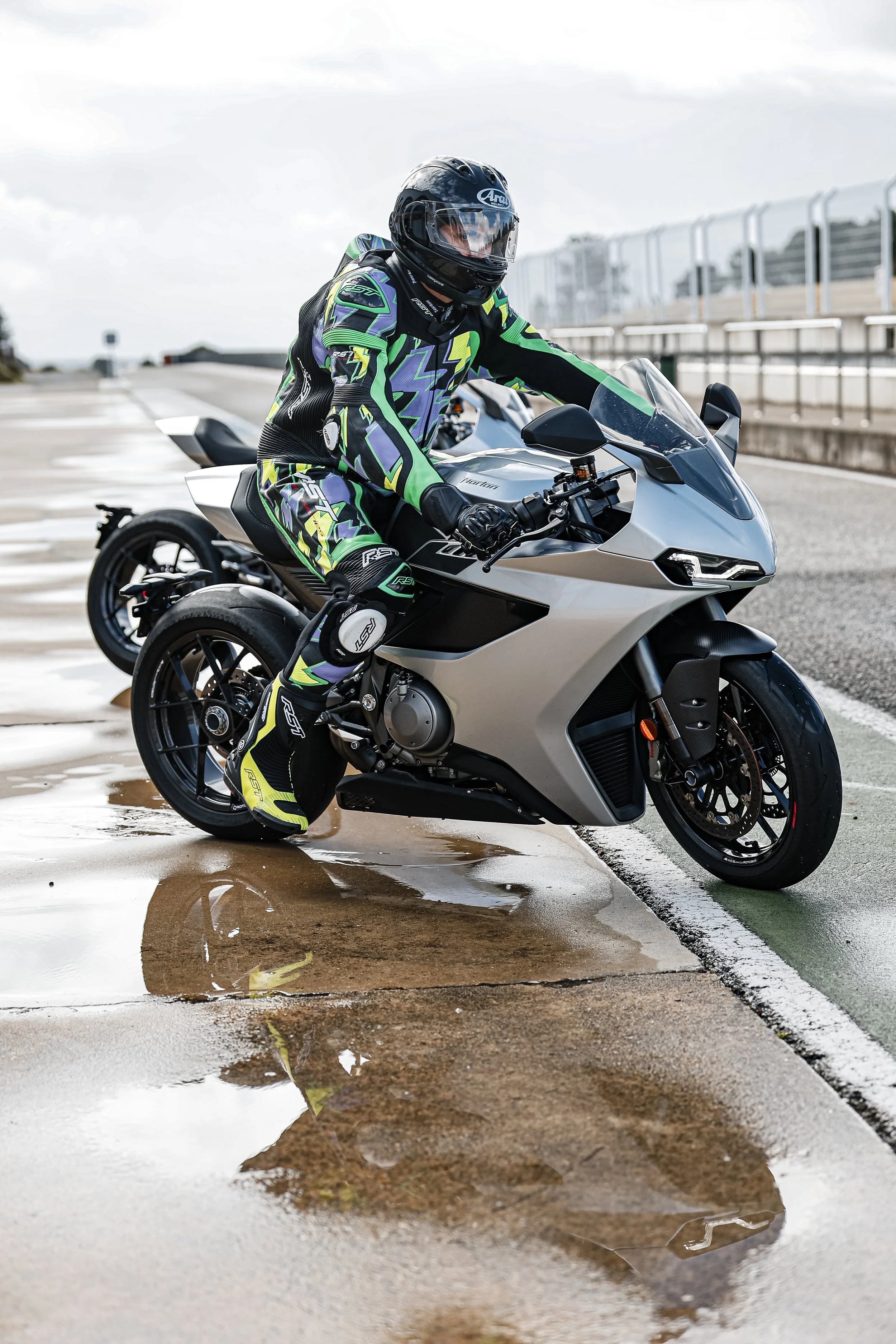
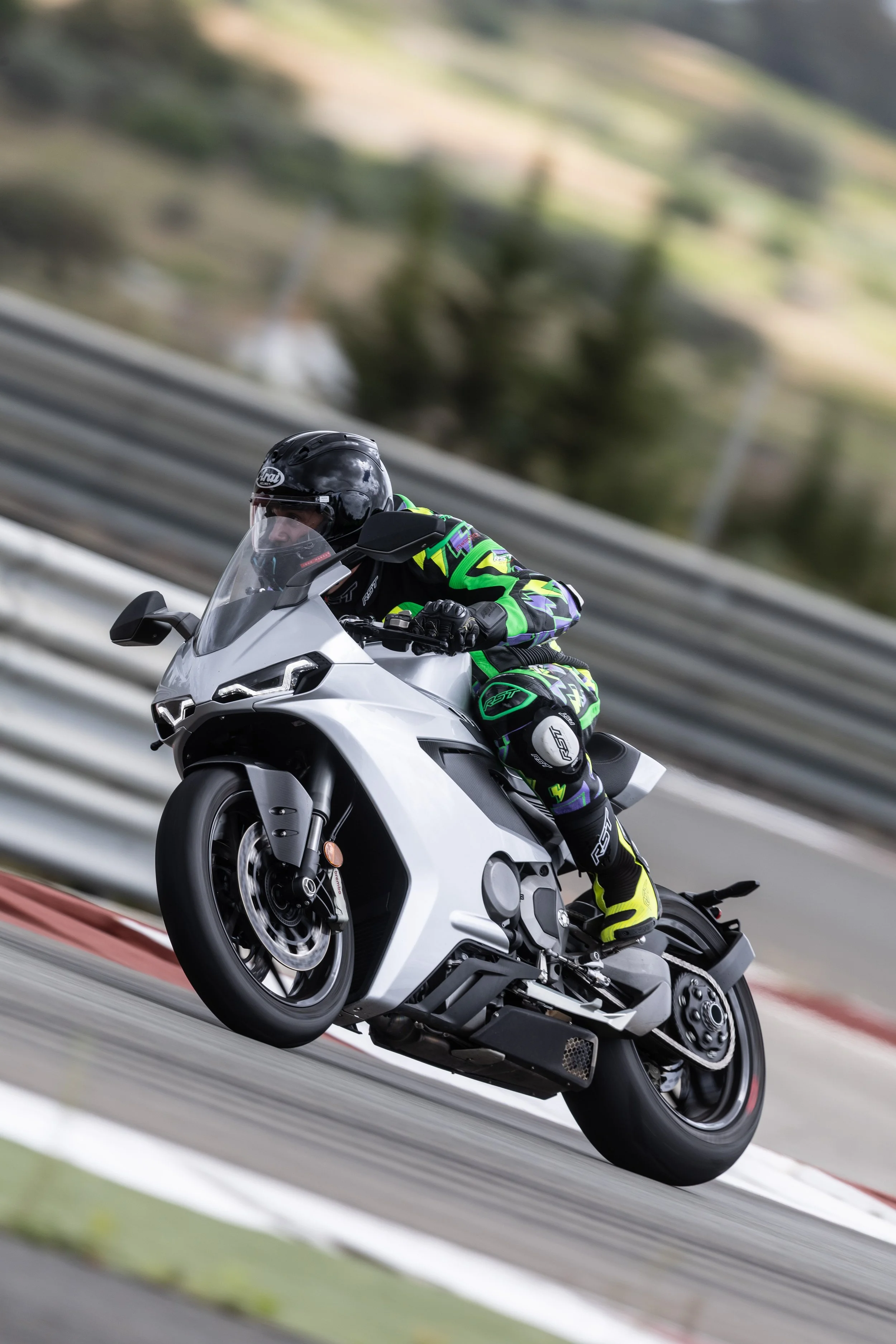
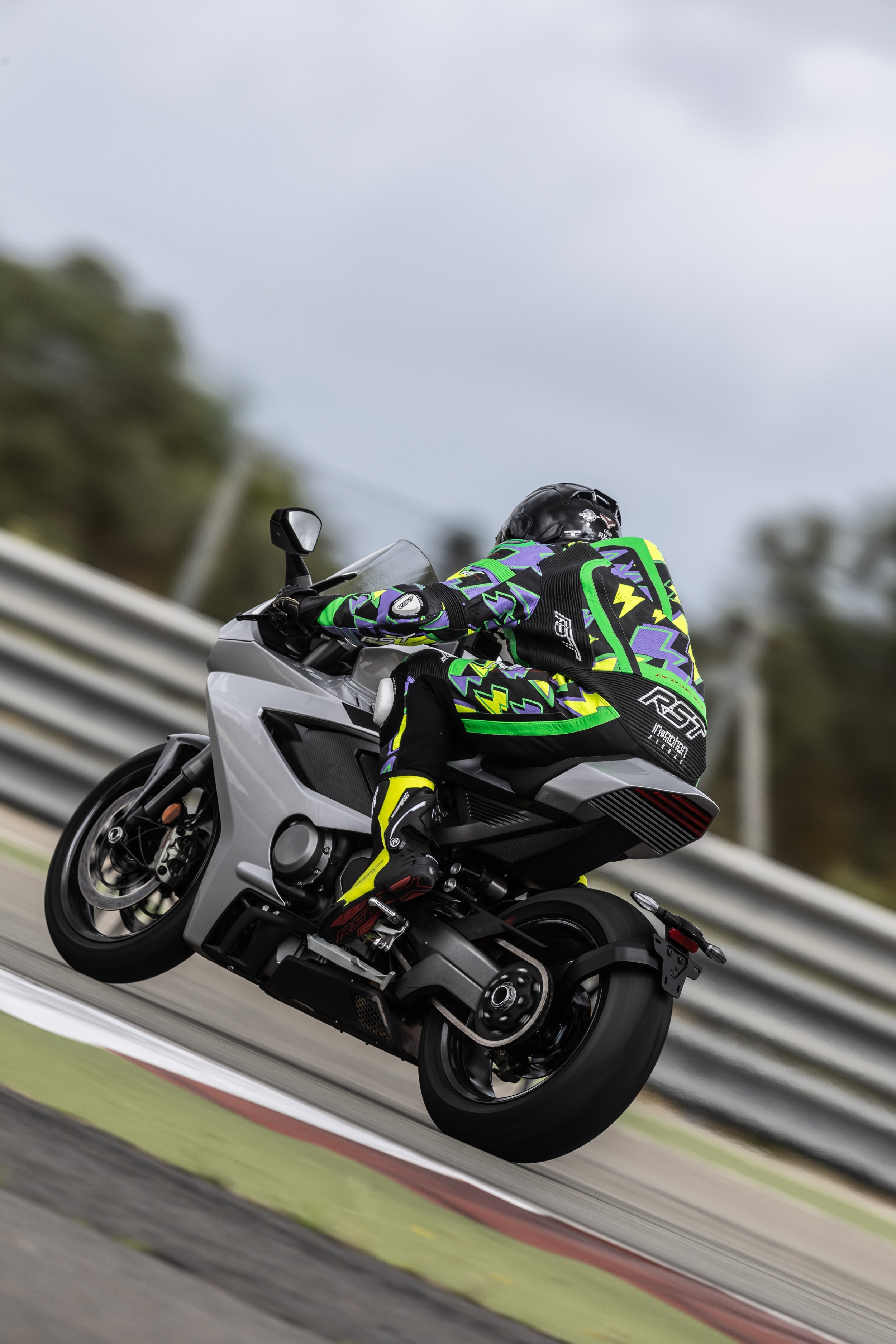
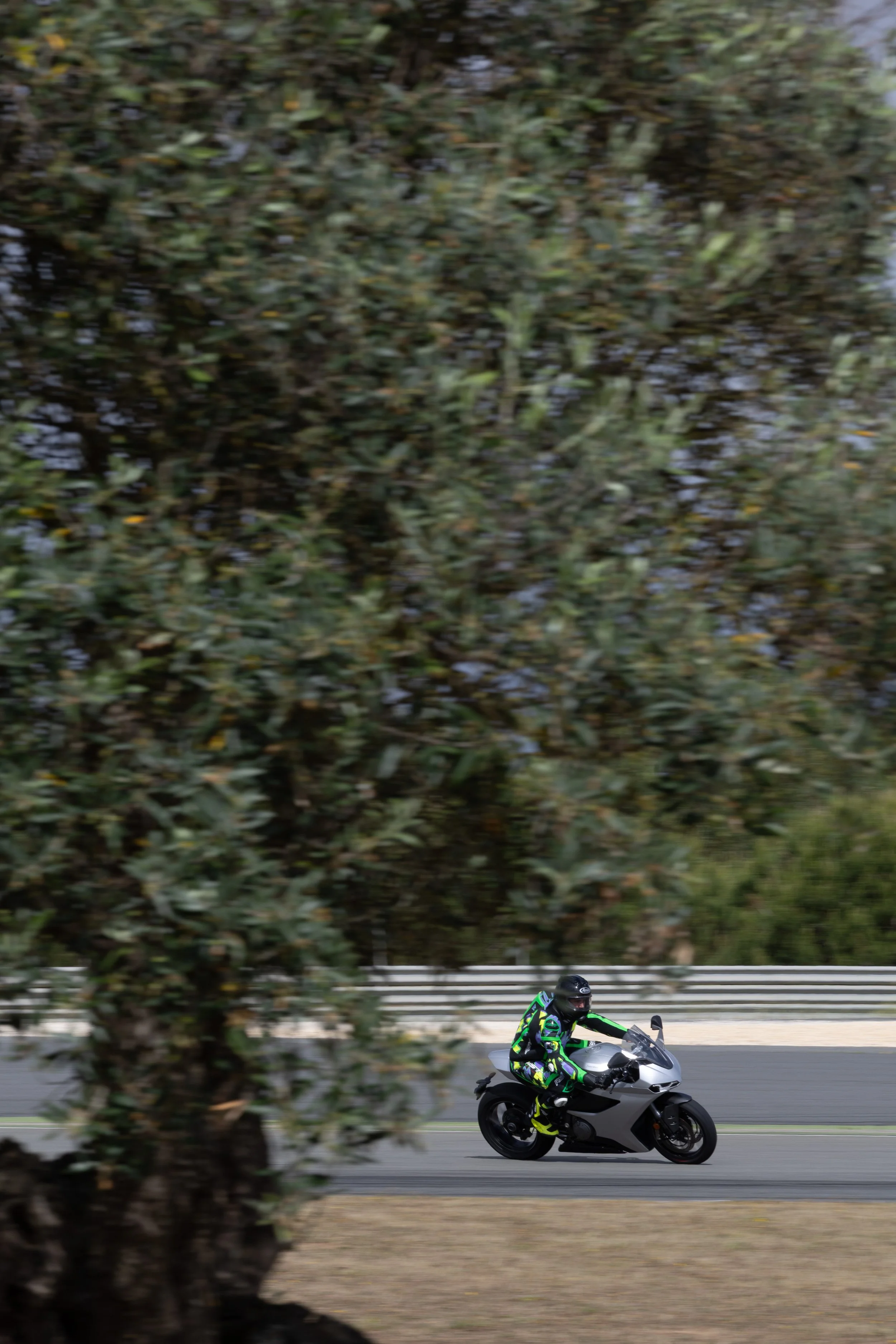
Before long, the circuit dried out almost entirely, allowing me to opt for Road Mode and then Sport Mode. The difference in power delivery is stark, and the punch from 206 hp and 130 Nm of torque is very noticeable.
Despite the big-power headlines, the Manx R is surprisingly easy to ride fast, even with the rider aids turned up to the max. For those wanting more involvement, traction control, ABS, and suspension configurations can all be adapted to meet personal preferences and offer a more extreme version of the same bike.
Soft Chassis
Another key point, both worthy of note and guaranteed to drive conversation, is the purposely soft chassis. The chassis is made from die-cast aluminium, which is then CNC-machined to provide just the right amount of flex and rider feel. In line with the theme, the focus is on a more compliant road ride rather than a super-sharp track-riding experience, thereby enhancing the model's ease of riding and overall comfort.
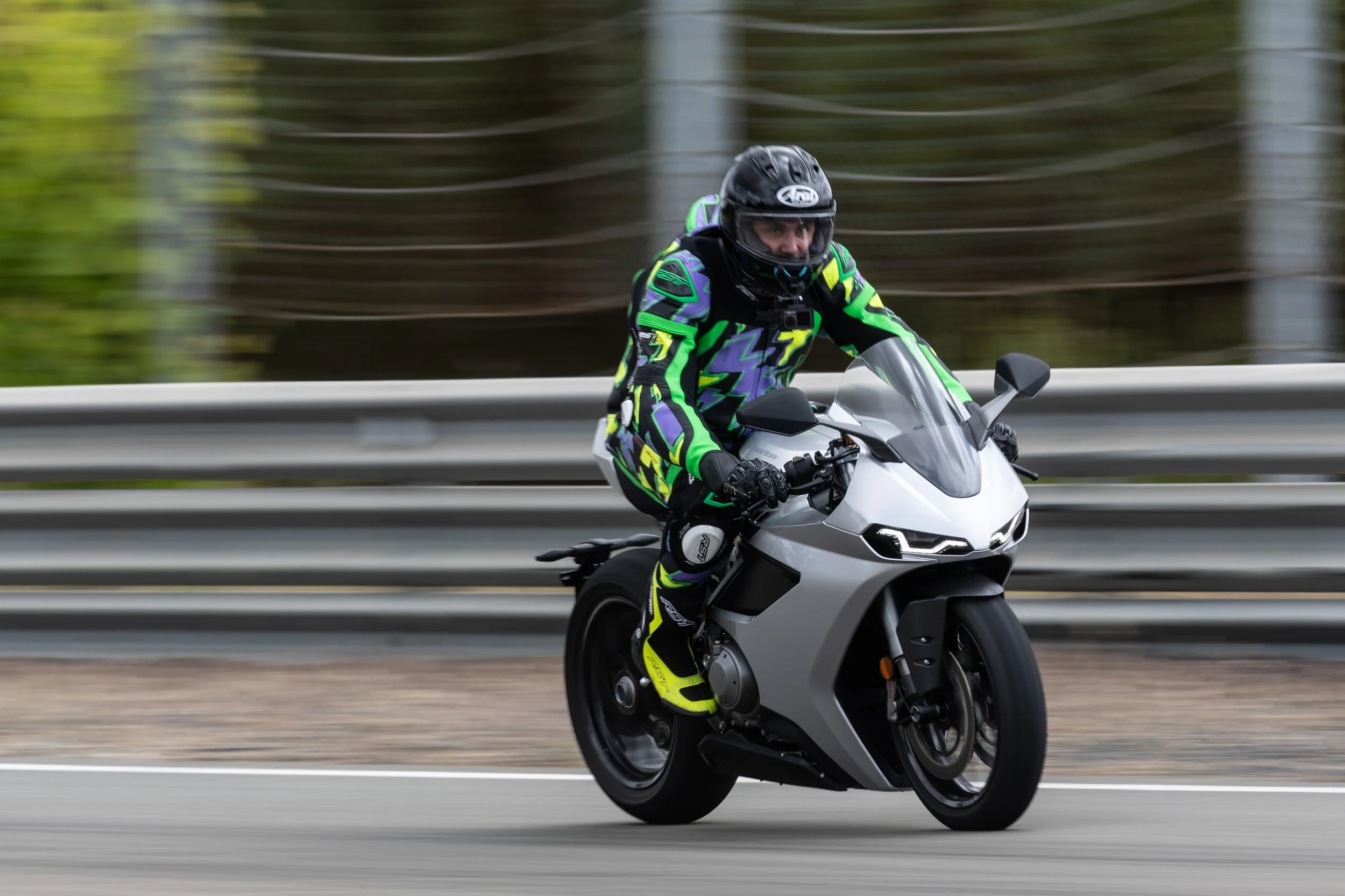
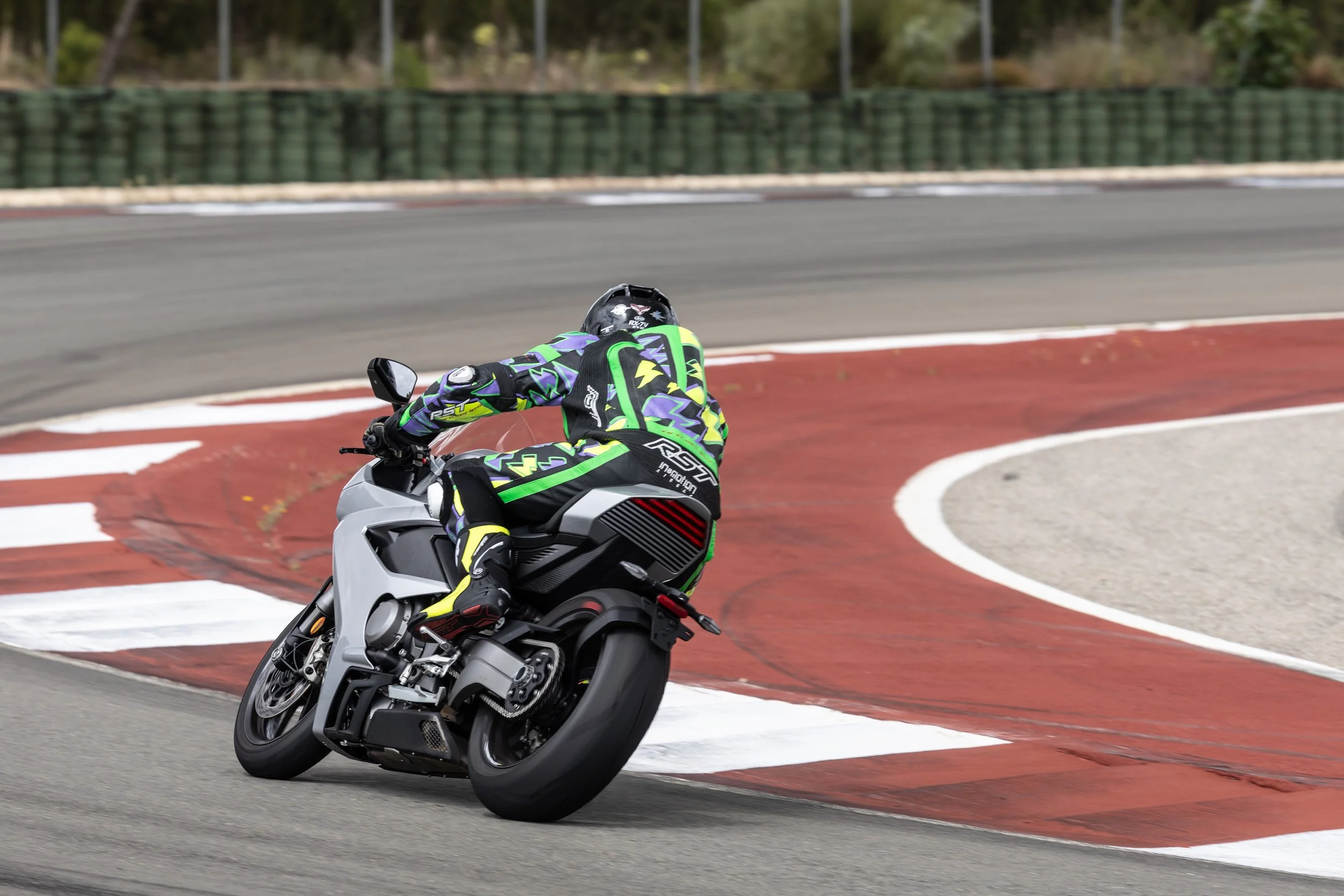
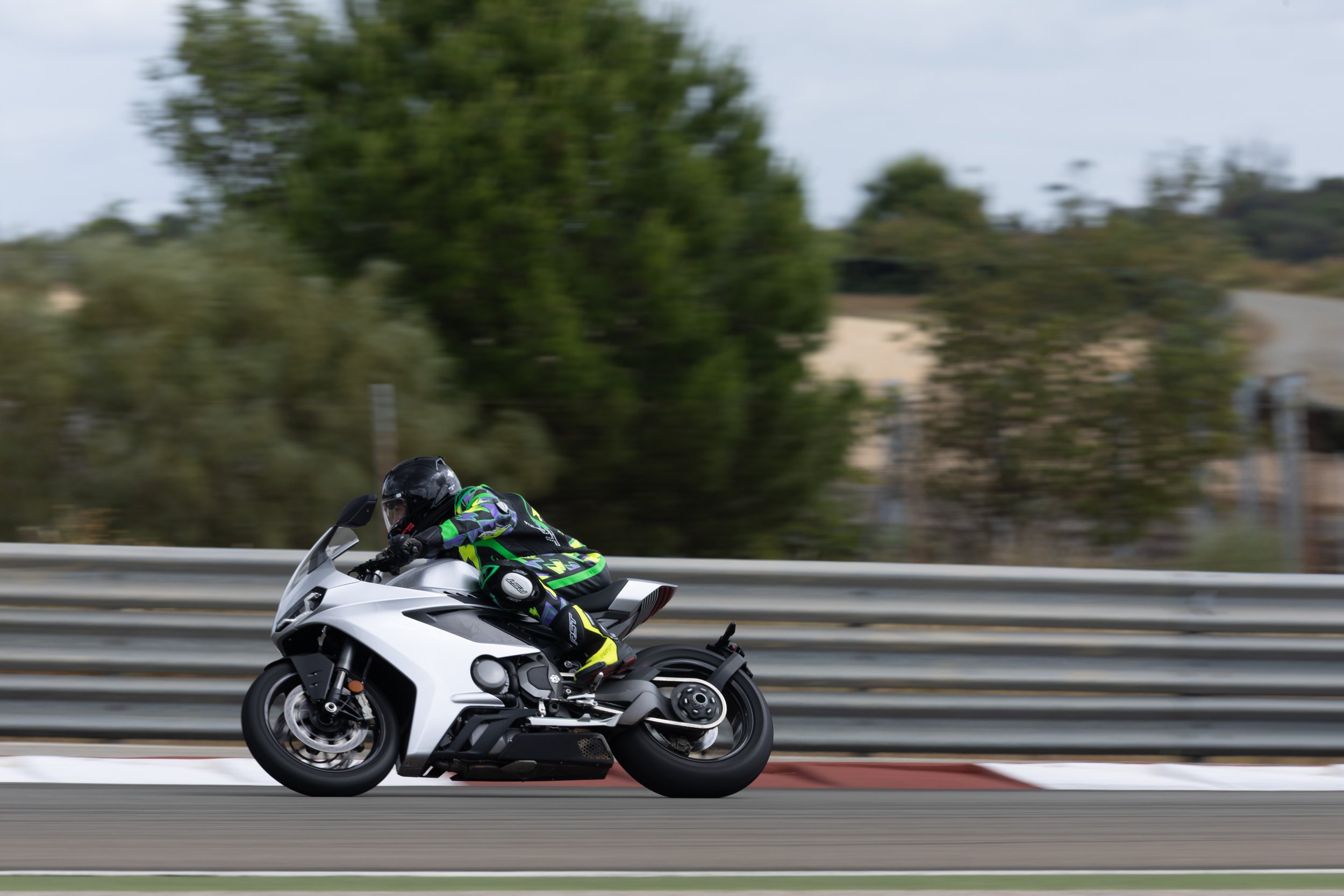
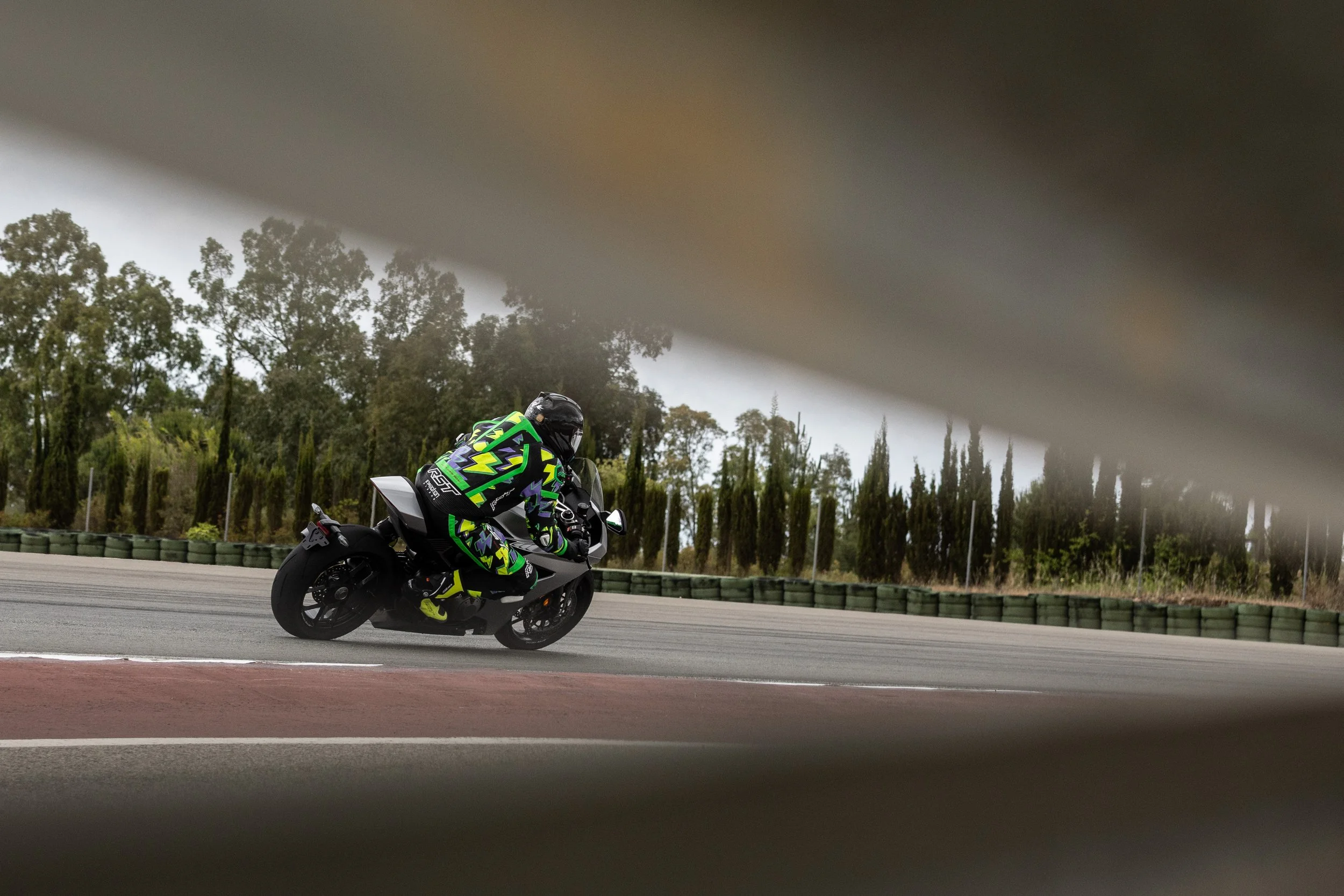
Track Highlights: Torque & Brakes
The two standout features on my track ride, aside from the clever traction control and stability systems, were the torque delivery and the stopping power from the Brembo HYPURE brakes.
The powertrain engineers at Norton logged more than 218,000 km on competitor bikes before perfecting the power delivery on the Manx R. In doing so, the team also discovered that, on a similarly powered superbike, only around 1% of riders use full throttle on the road. This discovery prompted a strategic rethink of how the 130 Nm of peak torque would be delivered on the Norton, and rather than reserving the big numbers for the top end and red line, Norton's engineers have granted 75% of peak torque above 5,000rpm. This lower entry to the torque band offers a very unique riding experience, with the bike being able to pull itself out of slower corners at a rev range where other engines would typically splutter or chug. Norton's V4 grunts and goes in almost any gear, delivering turbocharged-like power from the low end before the linear torque band takes over and catapults it up and through the rev range all the way to 11,500 rpm.
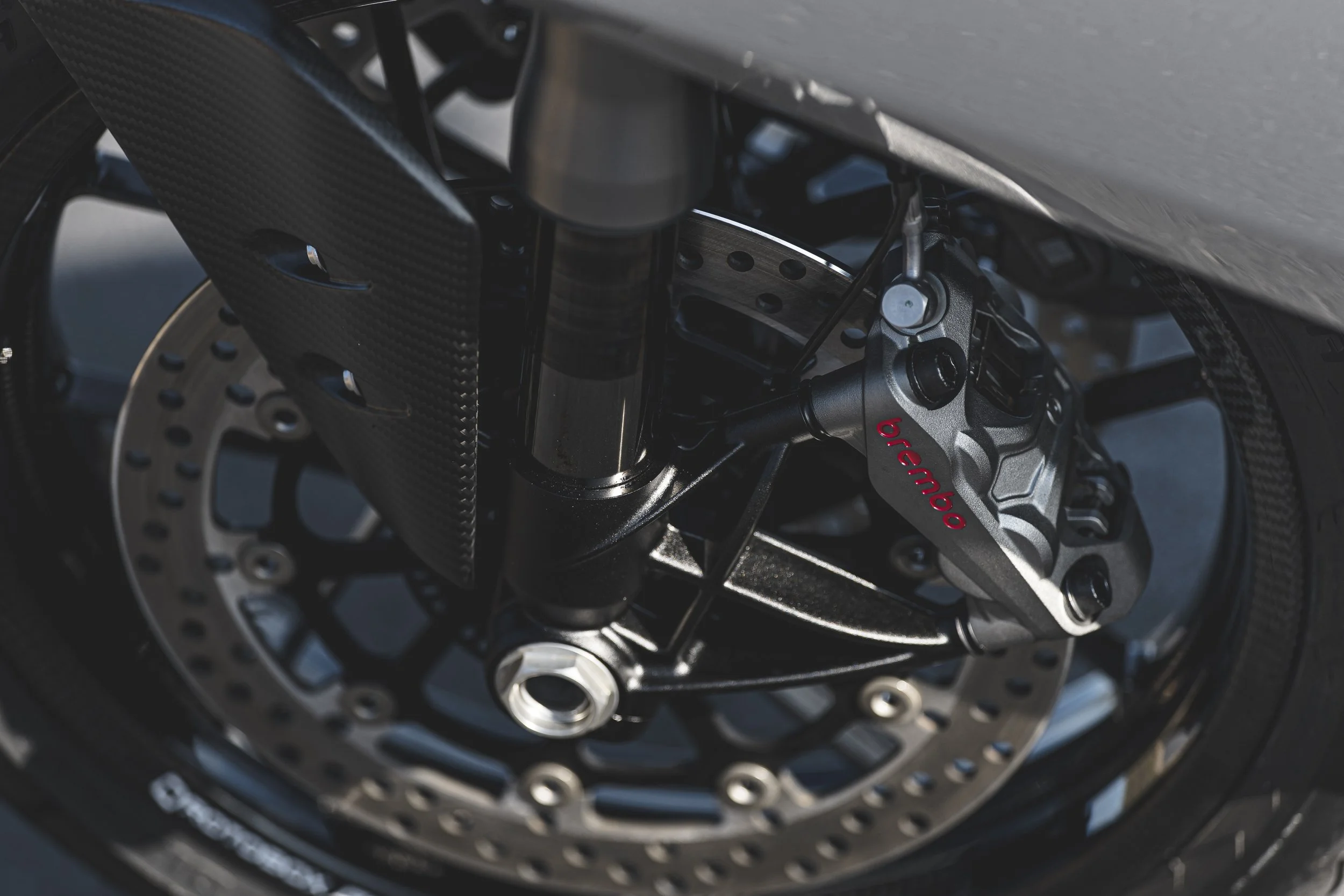
The stopping power is the next highlight, with the Brembo HYPURE braking system scrubbing speed in the most brutal fashion. Thanks to some extremely clever electronic trickery controlled by an integrated six-axis Bosch control module, the braking system provides a precise balance between front and rear stopping power, delivering smoother, more controlled stopping performance from high speeds. On the front wheel are two 320mm floating discs paired up with race-inspired monobloc calipers. On the rear, a single 245mm disc handles the stopping power, and with a big squeeze on the lever and a hard stomp on the pedal, the change in speed is drastic. What makes the braking system so impressive is that the clever modules automatically adjust braking pressure based on lean angle, rider mode, and immediate traction to deliver optimal performance in all conditions. The system also communicates with the Marzocchi semi-active suspension system by monitoring shock travel on the front forks and the rear shock, ensuring both tyres remain in good contact with the tarmac to provide optimal traction for slowing. The system is intrinsically clever and made all sorts of excited noises inside my crash helmet.

Anti Wheelie: No - Wheelie Control: Yes!
A feature the Norton engineers are particularly proud of is the wheelie control on the Manx R. Some bikes offer an anti-wheelie system that cuts power when the front wheel is off the ground. The Manx R doesn't; instead, it assumes the wheelie is intentional, and helps maintain the front wheels' lift by simultaneously monitoring the front fork travel and throttle input. The system is clever enough to know the difference between riding up a steep hill and powering out of a bend and onto a straight; the result, whether you like it or not, is that the front wheel is going up and staying up for as long as you dare. Fortunately, if, like me, you're not a wheelie pro/enthusiast, backing off the throttle sends a signal to the clever modules to gently settle the front wheel back onto the black stuff.
The Keyword: Forgiving
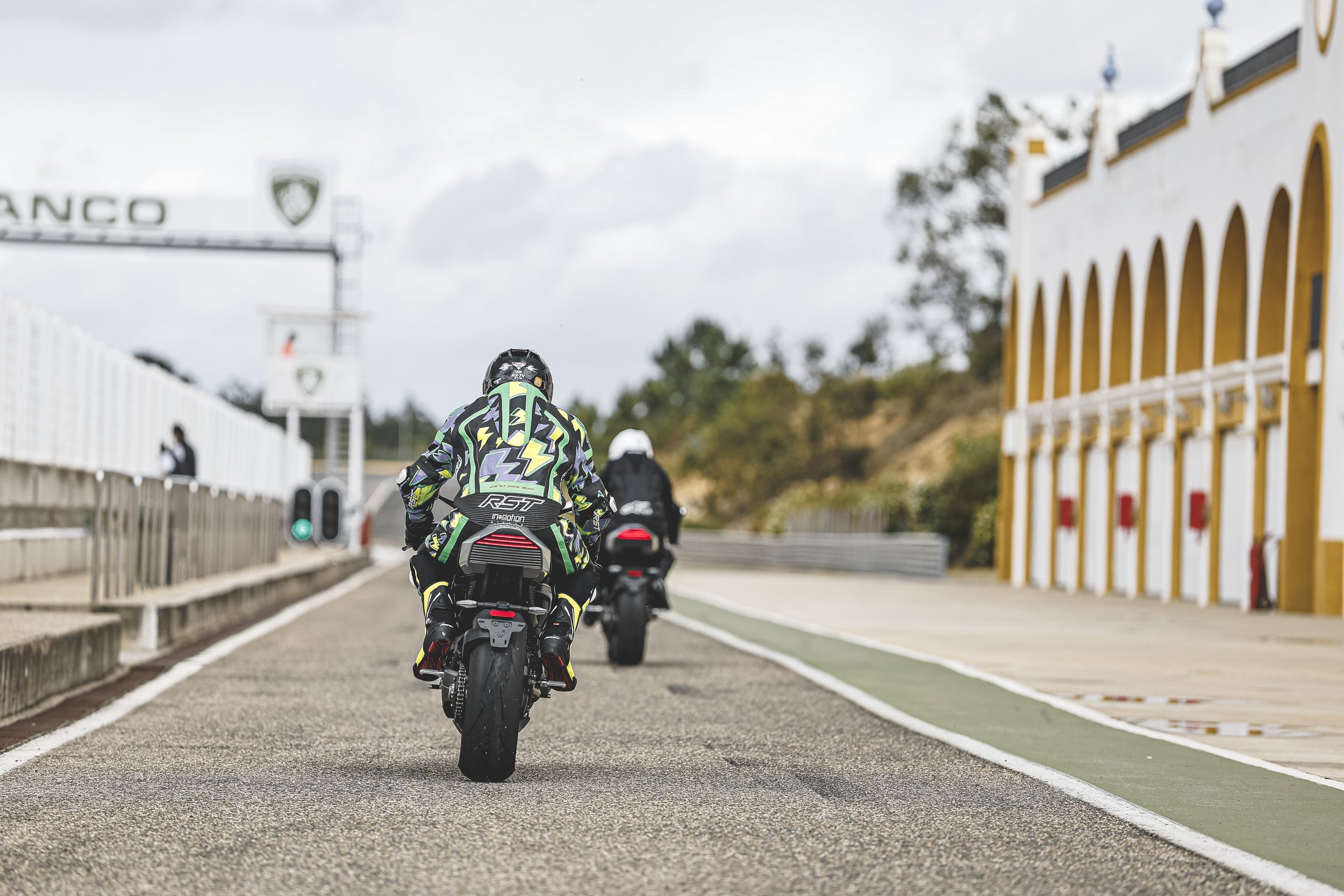
On track, with the safety aids all switched on, the Manx R is an extremely forgiving bike to ride at speed. The traction control, ABS and torque delivery can all be detected when working, but in a beautifully unintrusive way. Riding the Manx R on track, even when greasy and slippery, feels intuitive and reassuring, and with my time on the track coming to an end, it was soon time to see how around 100 miles of road riding would compare.

Manx R - Road Review
The road is where the vast majority of Norton buyers will spend almost all their time. The bike is, after all, developed for road use above track use. There are no motorsport homologations for the Manx R, and there will be no version of it riding at the TT in the near future either. The first of the new models from Norton's resurgence is aimed at the everyday rider, so the road test was just as crucial as the track.
Following a second timely downpour, I was back in Rain Mode for the start of the afternoon's 100-mile ride. Fortunately, within half an hour, the rain stopped and the road dried, allowing road and sport modes to be explored once more.
On the road, the topic of comfort came to the fore far more than I had considered when on track. While the Manx R is developed for road use, I quickly found my limitations. At 6'1 / 186 cm, it didn't take long for me to feel a little tall for the bike. I also found the gear selector to be a little unintuitive for my size 10.5 feet. These factors can be easily accommodated with minor adjustments, but I couldn't help but feel a little restricted on my first proper ride, and I expect riders of a similar height to feel the same.
Overall, for road use, the Manx R offers a comfortable all-round riding experience and more power than anyone would require. Overall, I'd struggle to rate the comfort level above or close to Ducati's Panigale V2S, which offers a marginally more ergonomic and comfortable riding experience whilst retaining just as much sporting prowess.
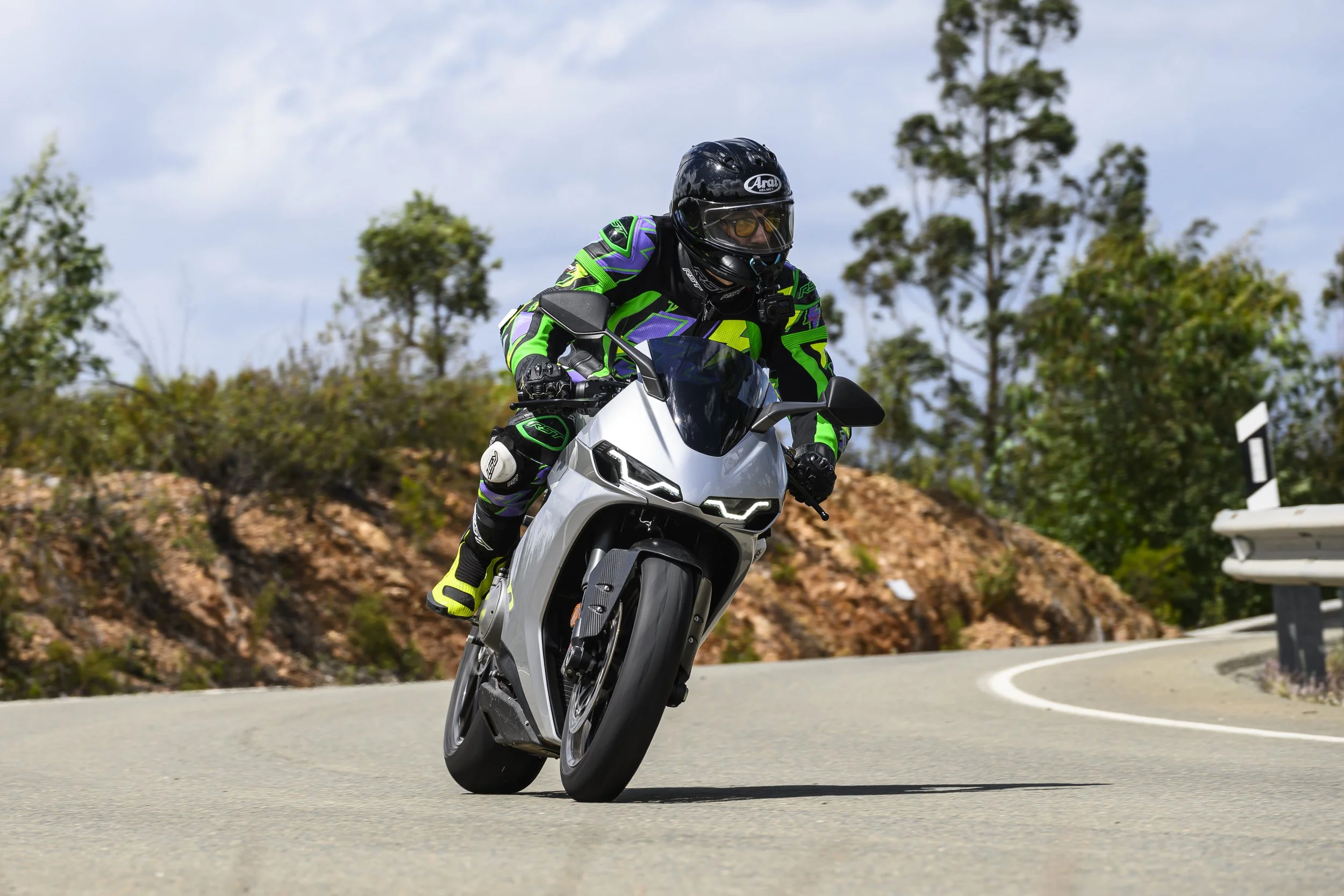
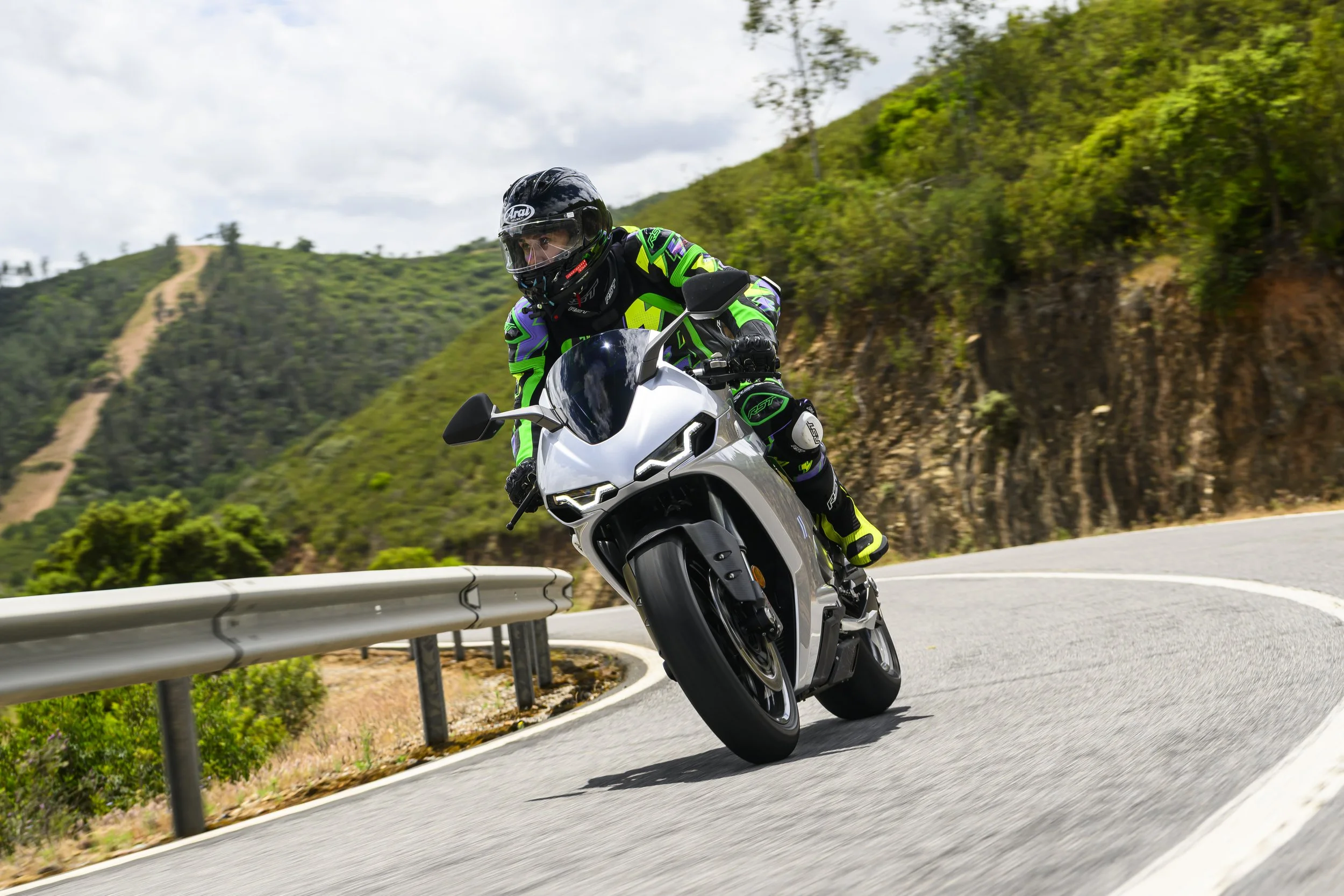
On the road, all of the safety and assist systems that made the bike feel so composed on track work equally well on a variety of road surfaces and at much calmer speeds and the gentler pace allowed for some time to appreciate the beating heart of the new bike fully, Norton's new 1200cc V4 engine.
The Engine
The 72-degree V4 engine is something that both Norton and TVS are exceptionally proud of. While the Manx R models are all assembled in the UK at Norton's Solihull factory, the V4 engines are built at TVS's Hosur, India, factory before being later fitted to the bikes in the UK.
Unlike other V4 engines seen in superbikes like the Ducati Panigale V4, the Norton system is better thought of as two parallel twin-cylinders with independent throttle bodies to each bank linked only by the crankshaft. The 72-degree V allows for a 'square set up' and a 1-3-2-4 firing order. The Exhaust system, which sits under the belly of the bike, is also integral to both placement and function, affecting torque and weight distribution. The system includes an integrated electronic torque-control valve that balances torque delivery, resulting in a superb soundtrack.
The engine's broad torque delivery is sublime on the road and, once again, very forgiving, especially on unfamiliar roads where gear patterns and corner progression are unknown. In 3rd and 4th gears, the V4 pulls its way through the rev range, delivering a generous dose of punchy torque all the way up to 11,000 rpm, assuming the conditions permit.
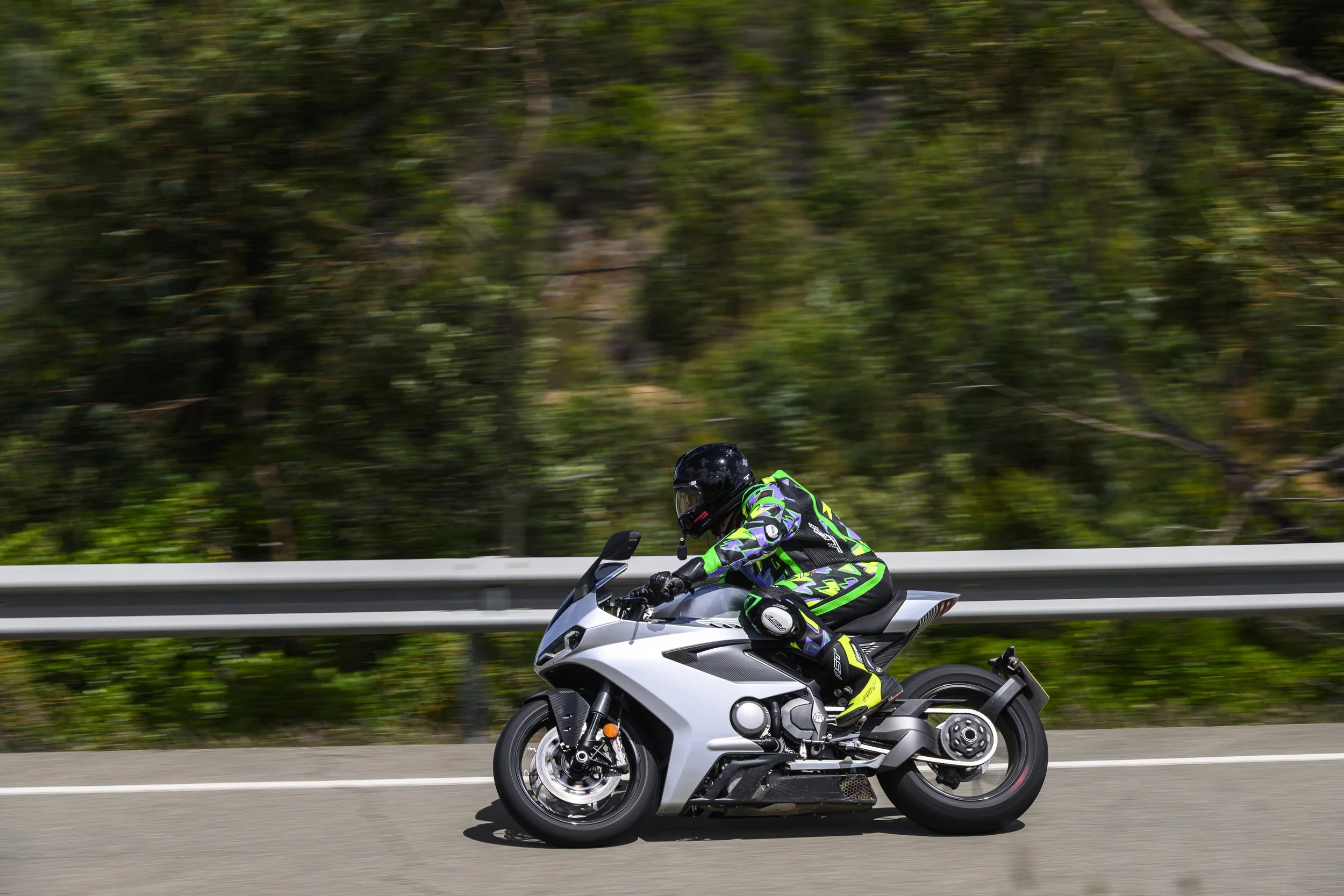
The majority of the afternoon road ride was spent on smooth, progressive, fast corners. In this environment, the Manx R felt utterly at home with the model's soft chassis, allowing for leans into corners at both a leisurely and a more spirited pace. Away from the faster roads and through the slower towns and villages, beyond my own leg length, there is very little that could be considered a compromise or complaint.
Conclusion and Consideration of the Completion
The Manx R, in all editions, is a very easy bike to like. It's extremely good-looking, wonderfully easy to ride, and feels special enough to warrant its price tag.
Where I fear it may falter, though, is with the buyers who will be comparing it to the Italian competition. A comparable Ducati Panigale V4 will retain the crown for motorsport heritage and overall kerbside appeal, and with the Panigale pricing starting from £25k, it's potentially uncomfortably close competition for the new Norton. Still, if the comparison is like-for-like, the closest competitor is actually the Panigale V4S, a bike that buyers will really have to want over the Norton thanks to its slightly higher price tag and considerably more track-focused riding position.
I predict that the Manx R will sell well, and it absolutely deserves to. Those who have been waiting with anticipation for the new model will be all too pleased to spend their cash on the Manx R; however, the market, at least in the short term, may be limited to that audience alone. Norton's real challenge will be converting buyers from the likes of Ducati, Aprilia, and even BMW, and that might take a few years yet.
Words by John Marcar
Photography courtesy of Norton