
Isuzu D-Max EV Review: An Electric Pick-Up That Makes More Sense Than You Think
If you love the idea of owning an Isuzu D-Max but hate the idea of spending £2+ per litre to fuel it, we have some good news. Alongside the new diesel D-Max, there's an EV version too, and John Marcar has driven it.
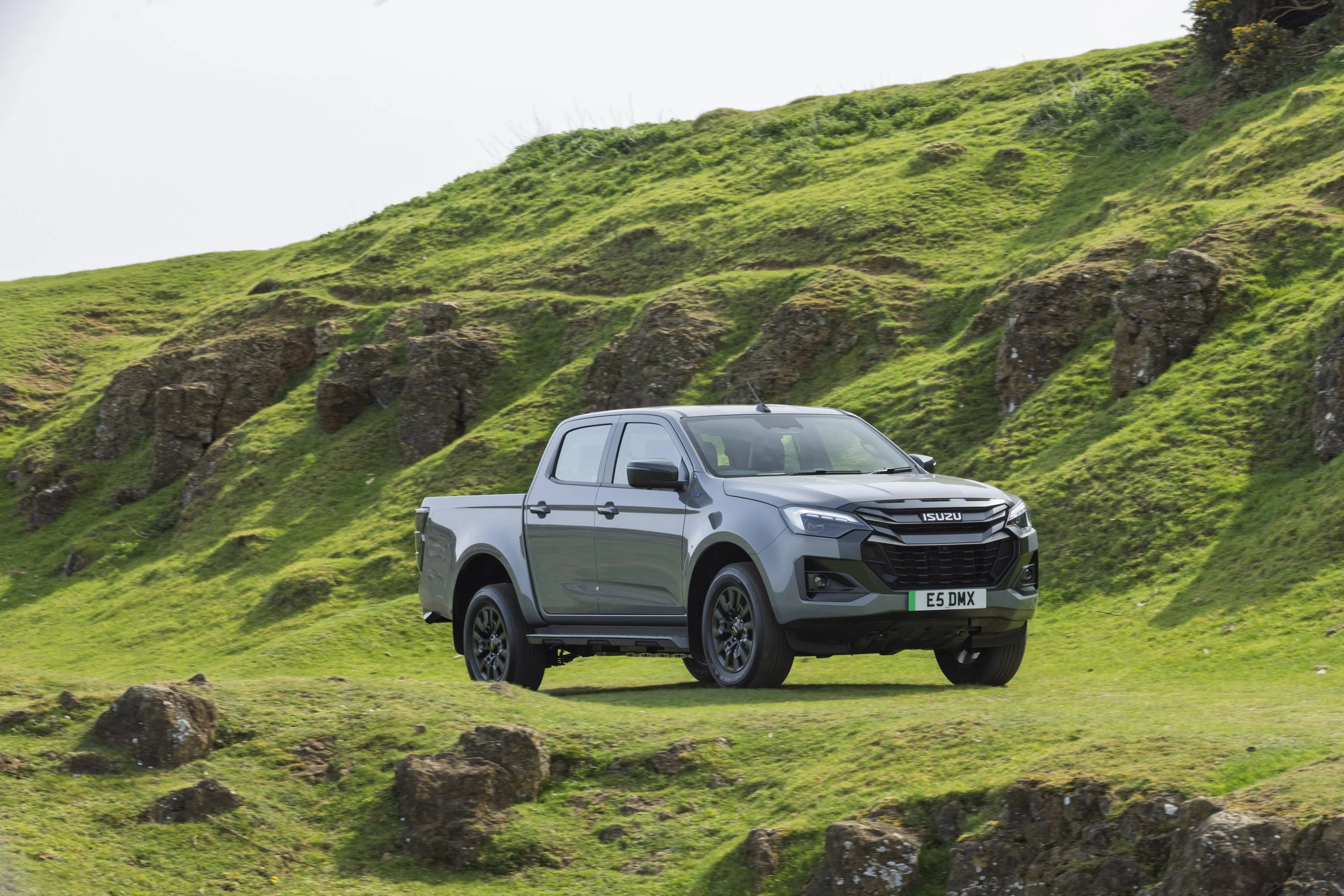
Electric Pick-up Trucks
'Why would anyone want an electric pickup truck?' I hear you ask, and it's a fair question. After all, pick-ups are built for tough daily duties, lugging heavy loads from site to site or from farmyards to fields; surely that's not an environment for a battery-powered EV?
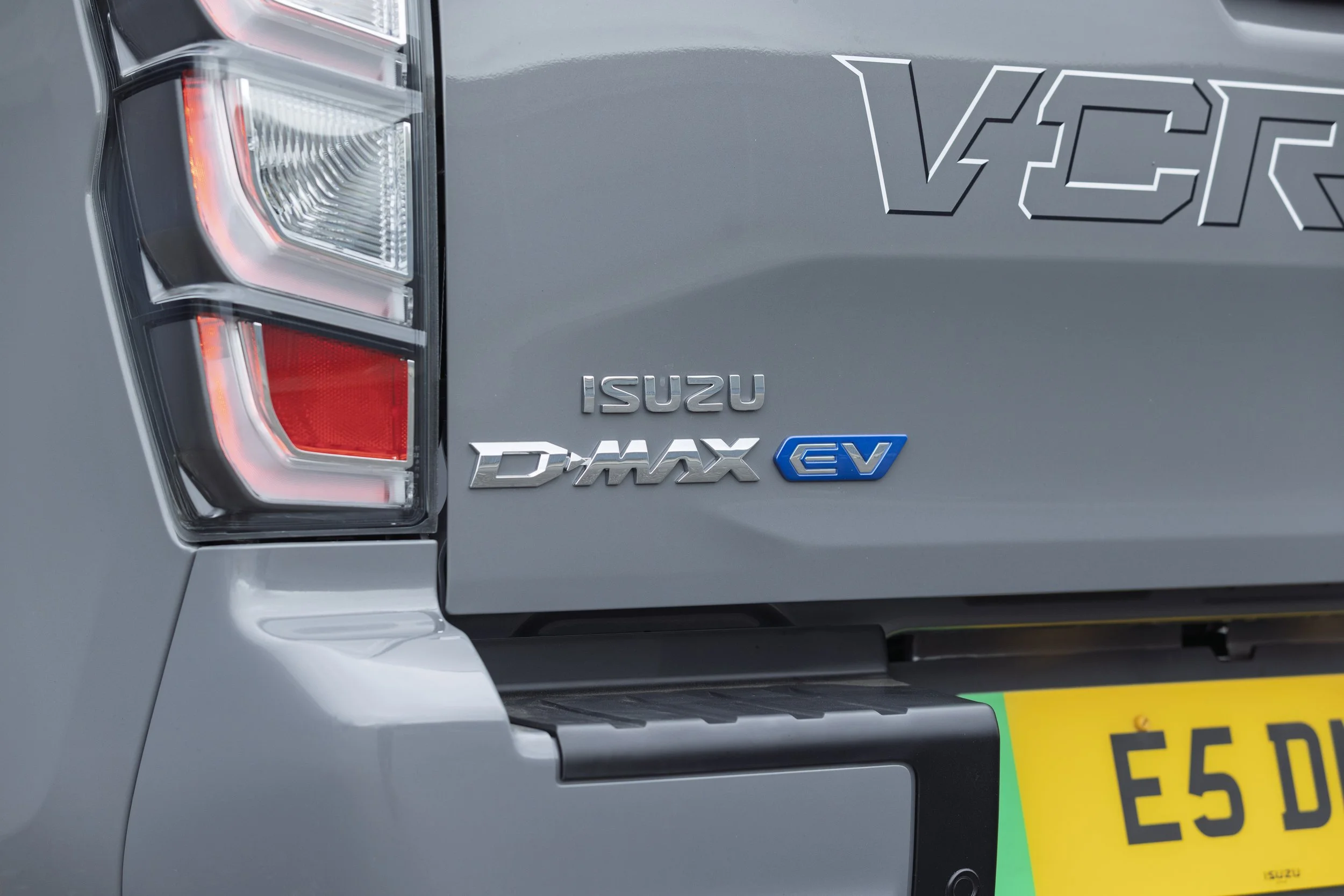
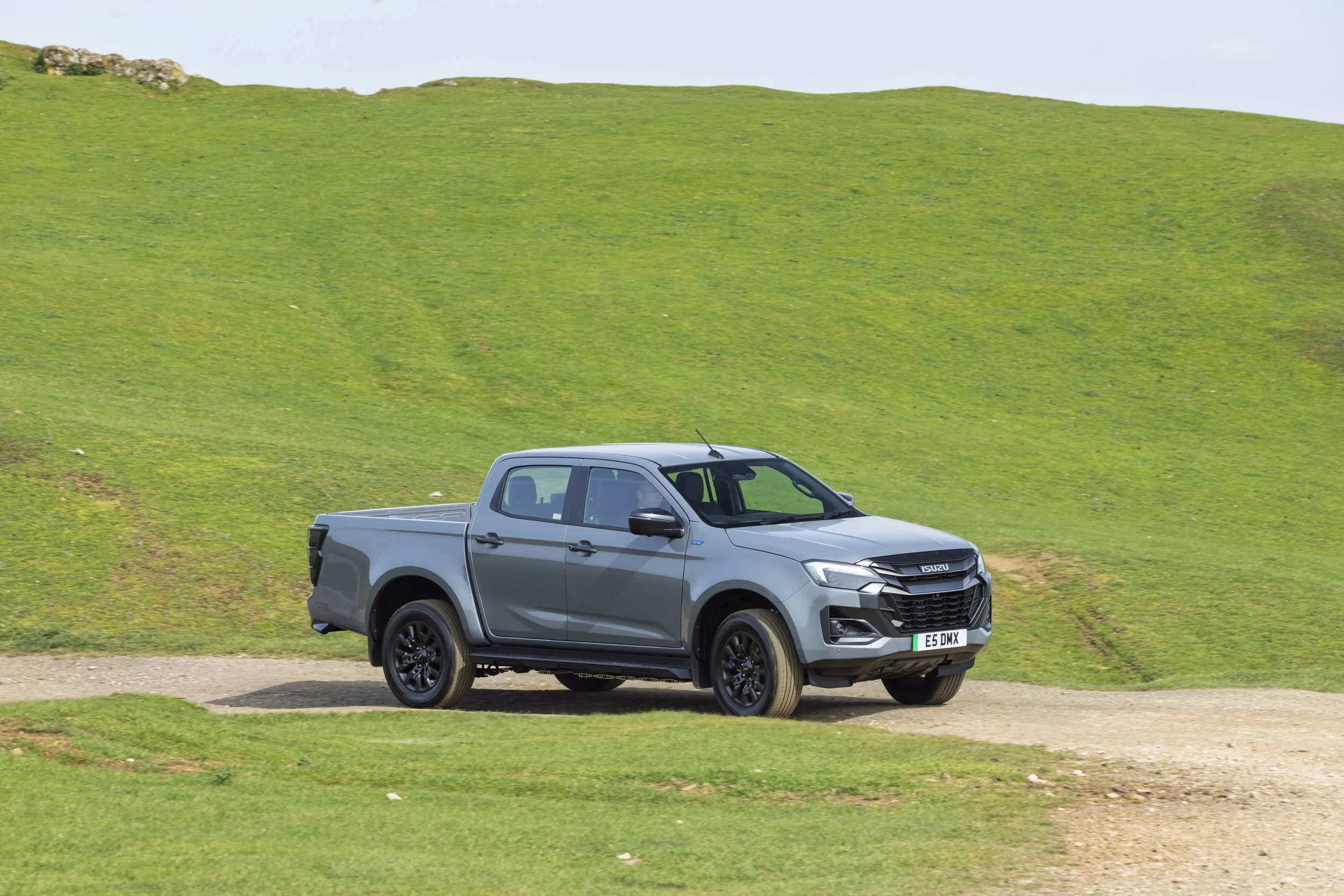
The new fully electric D-Max looks like the pick-up we all know and love, but replaces the 2.2L diesel powertrain with a 70 kWh battery and two electric motors that drive all four wheels.
See the latest diesel version here: New 2026 Isuzu D-MAX
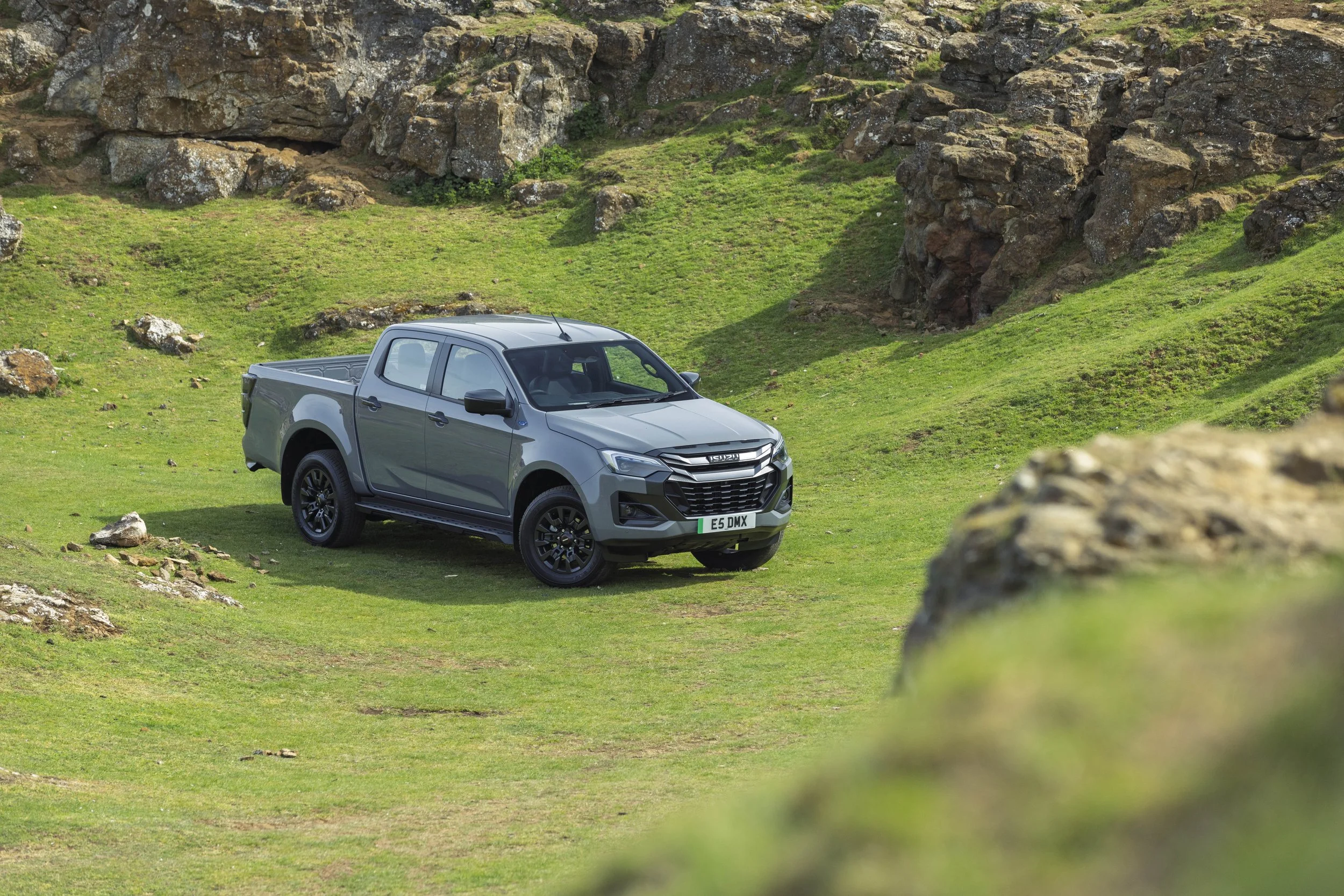
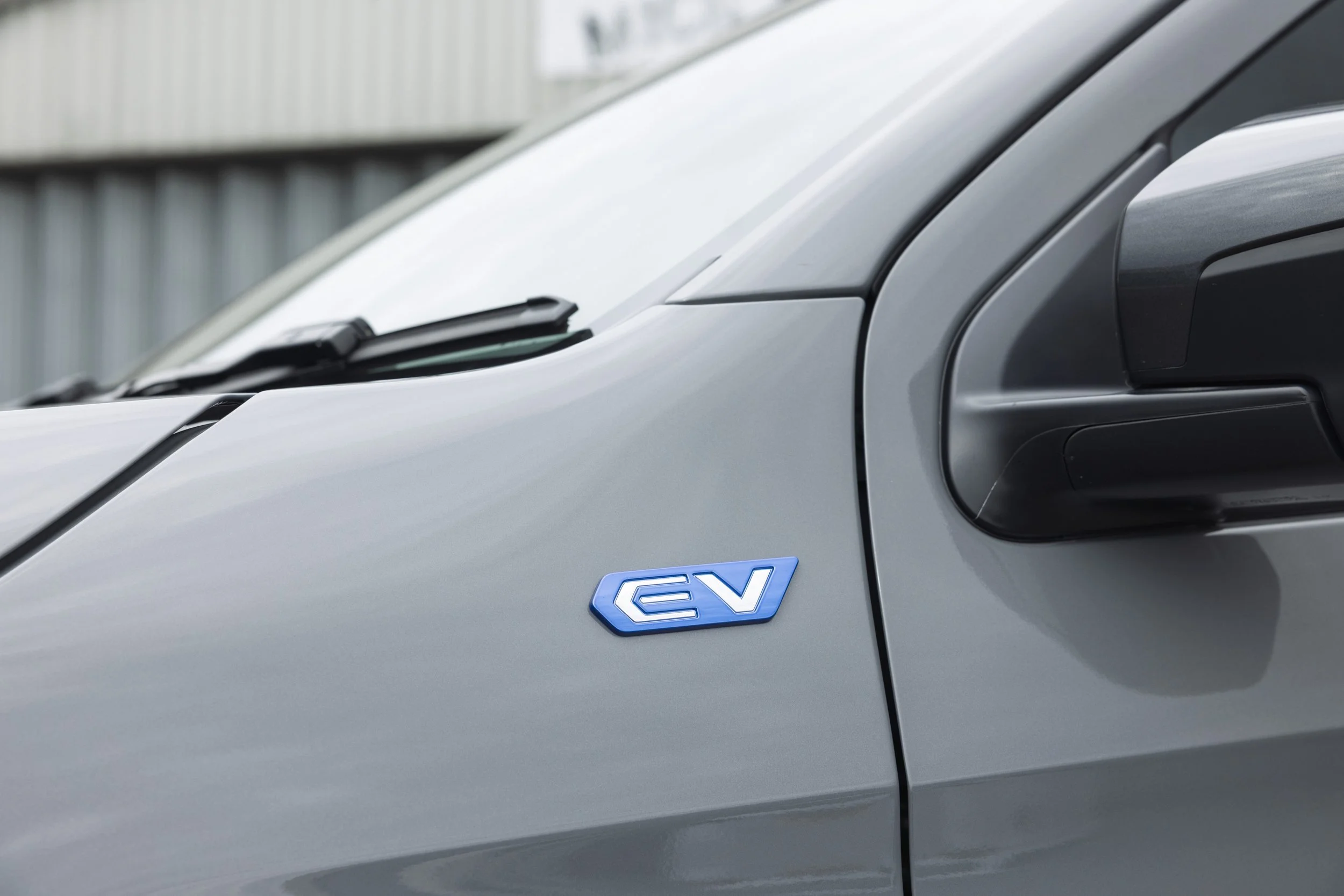
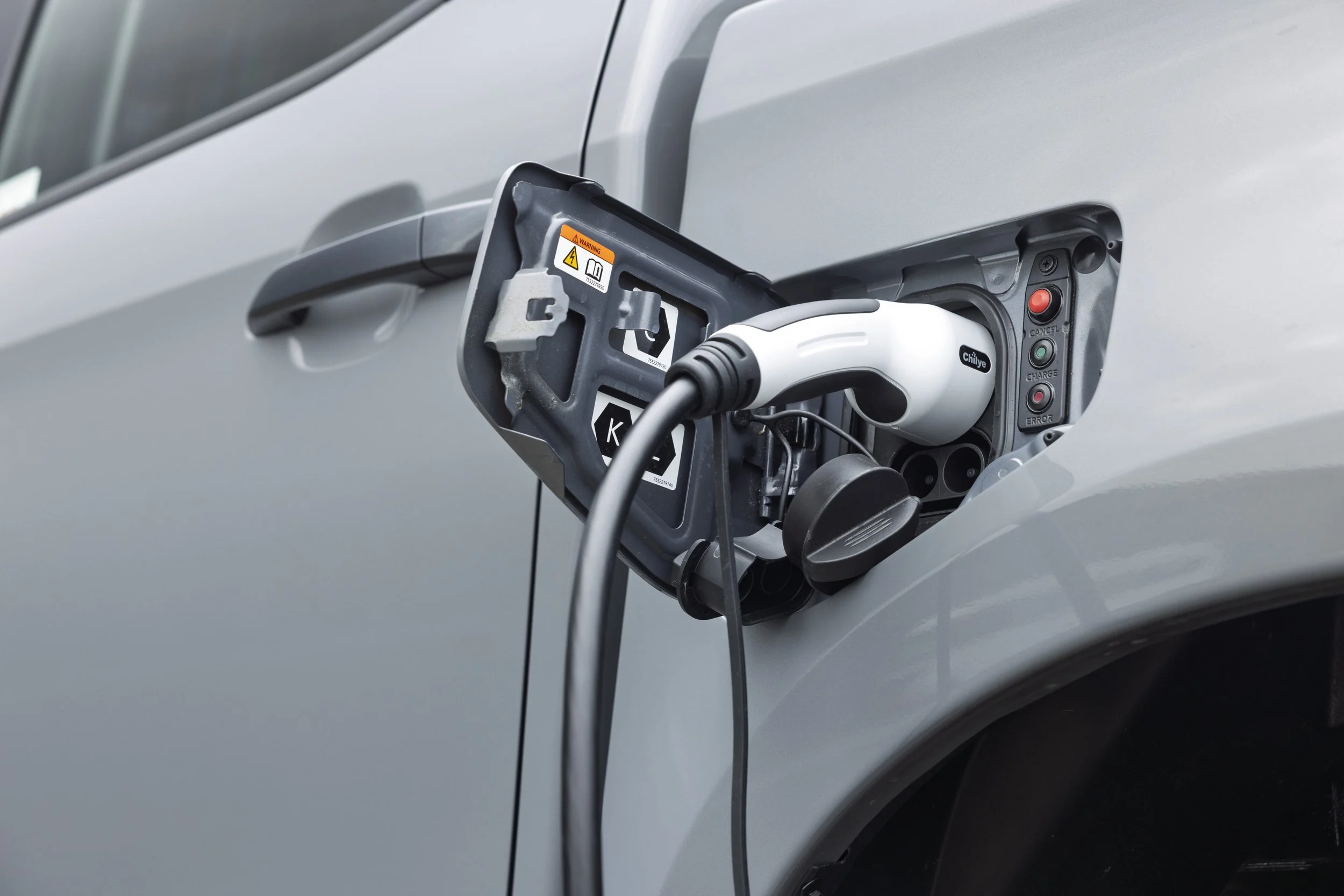
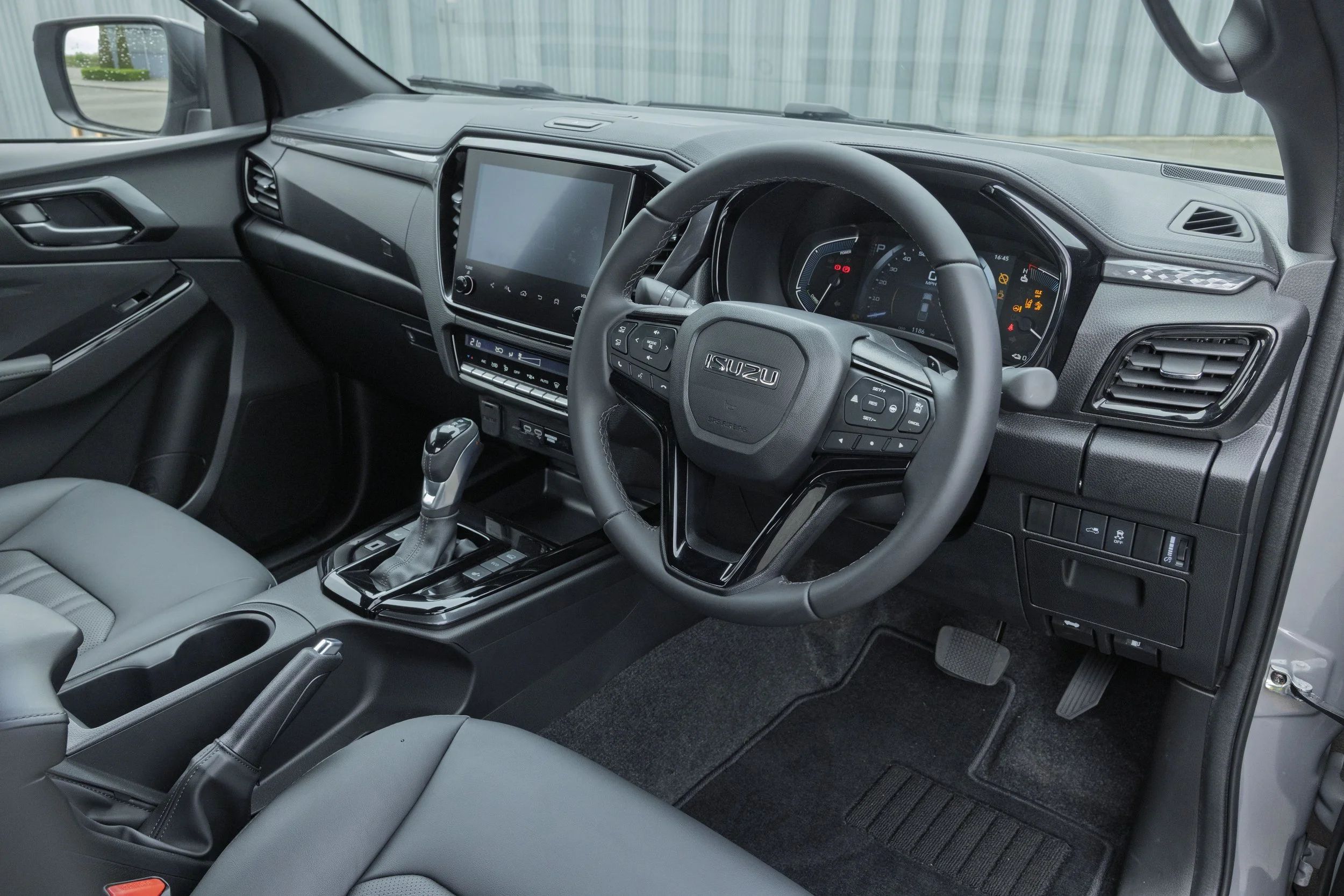
D-Max EV
The D-Max EV is powered by a 66.9kWh battery that feeds two motors, an HC11 motor on the front axle and an HD11 motor on the rear. The front motor produces 45.9kW of power (115 Nm), and the rear produces 103.4 kW (232.6 Nm). In tandem, the overall output is 149.3kW (around 200 hp) and 347.6 Nm of peak torque.
Charging times and Range
The D-Max EV is limited to a 50 kW/29 Amp charge rate. A 10-80% charge can be done in around 1 hour with a fast charger, but at home, 0-100% is more likely to take around 10 hours, which is fine for an overnight plug-in but less handy for short bursts on the road or long drives with a trailer. A full charge delivers a best-case range of 223 miles (WLTP), but a more realistic combined range is 163 miles.
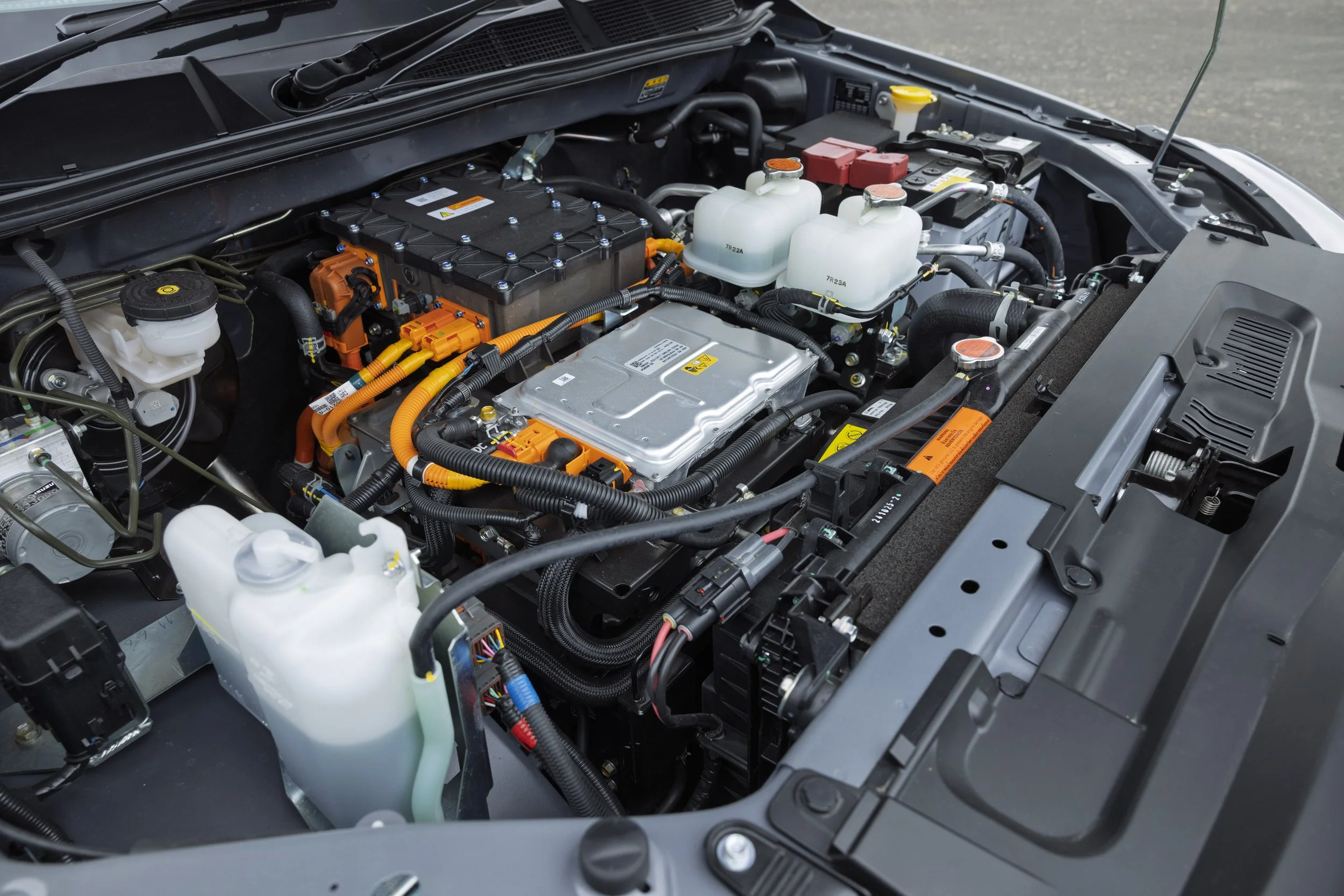
Performance
Whilst the EV power feels marginally punchier off the line than its diesel equivalent, the D-Max EV certainly won't win many drag races. 0-62 mph is covered in around 10 seconds, and eventually the model will reach a top speed of just 84mph.
So, what's the point?
In terms of modern EV capabilities, the D-Max probably won't top the list for WLTP range, charge times, or performance - but that's okay. If you're a farmer with a fair bit of land to navigate and the occasional trip into town, the D-Max EV will likely offer just what you need while saving a fair chunk of cash on diesel.
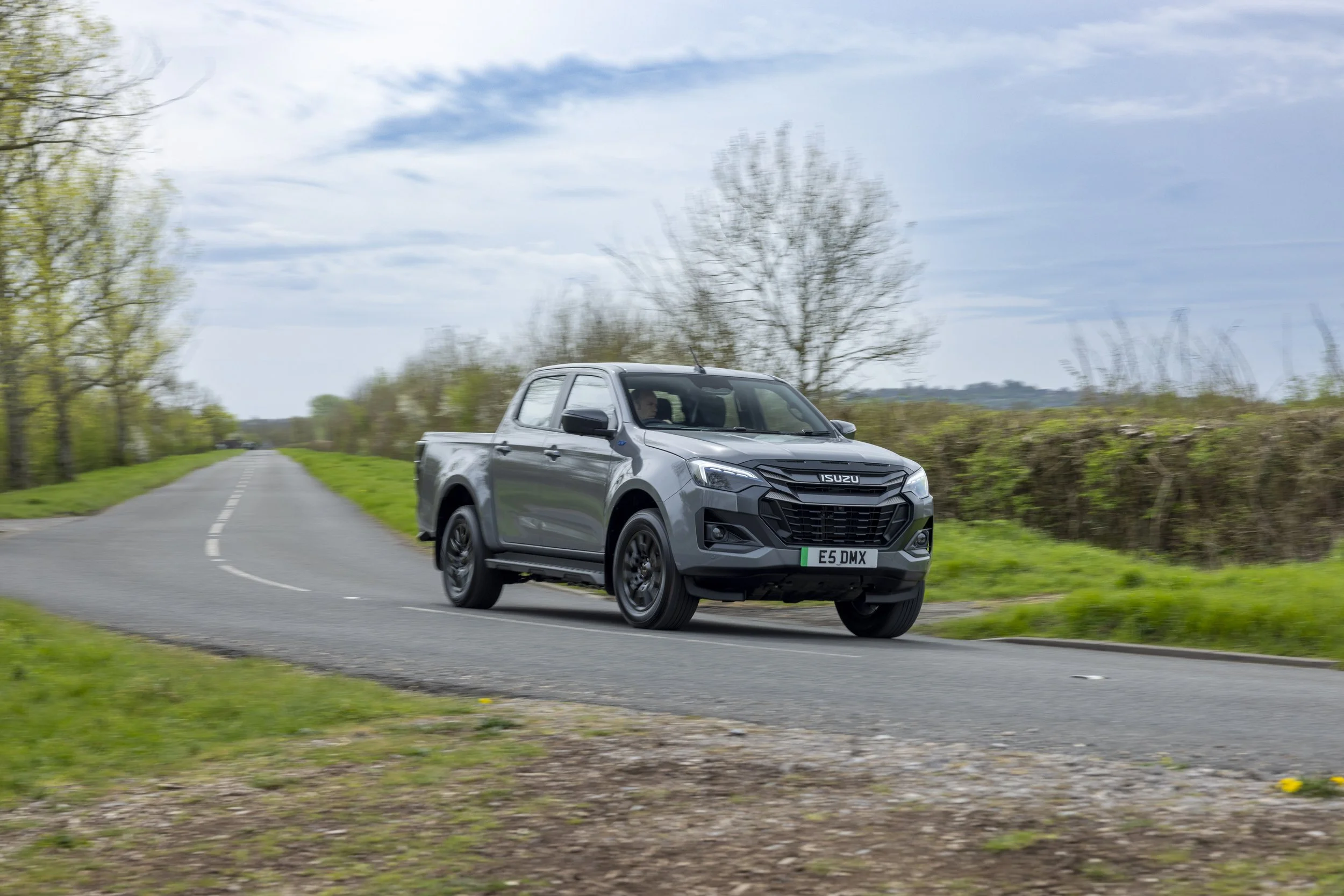
Tested: The D-Max EV
I tested the new D-Max EV at Hurn, a MoD test facility designed to put the best off-road vehicles through their paces in a range of challenging driving environments. From deep sand and muddy bogs to steep hills and harsh ravines, Hurn offers nearly any circumstance a pick-up truck is likely to encounter.
Load and Tow Capacity
For day-to-day use, the EV is as capable as its fossil-fuelled counterparts, with a maximum payload of 1,060kg (the same as the diesel) and a gross train weight tow capacity of 3,500 kg (braked). The only noticeable difference in off-road ability is wading depth, which is reduced from 800 to 600mm in the EV.
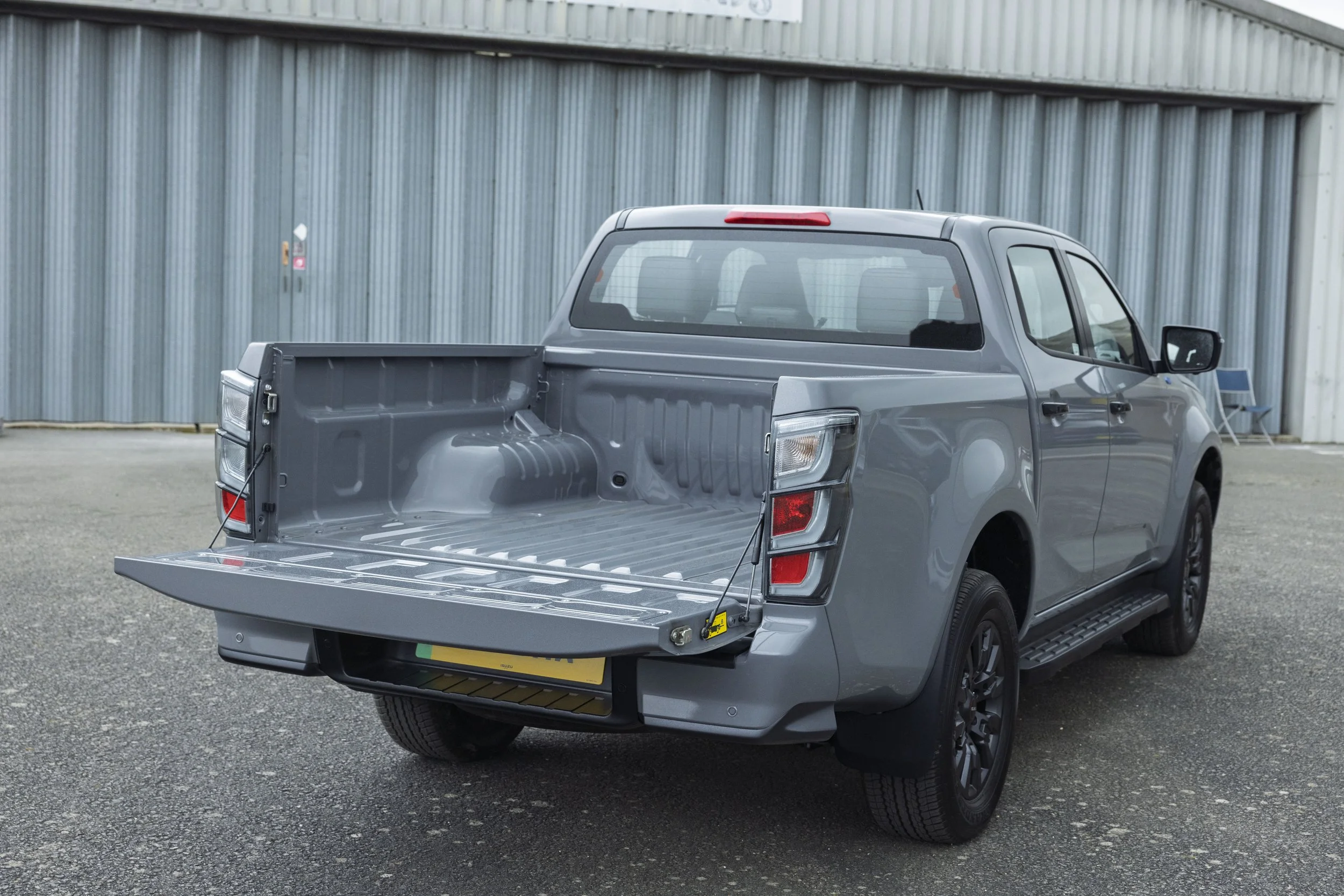
Prices and Trims
The D-Max EV is available in either eDL40 or eV-Cross trim levels. eDL40 is available as either an extended cab priced from £59,995 +VAT or a double cab priced from £60,995 +VAT.
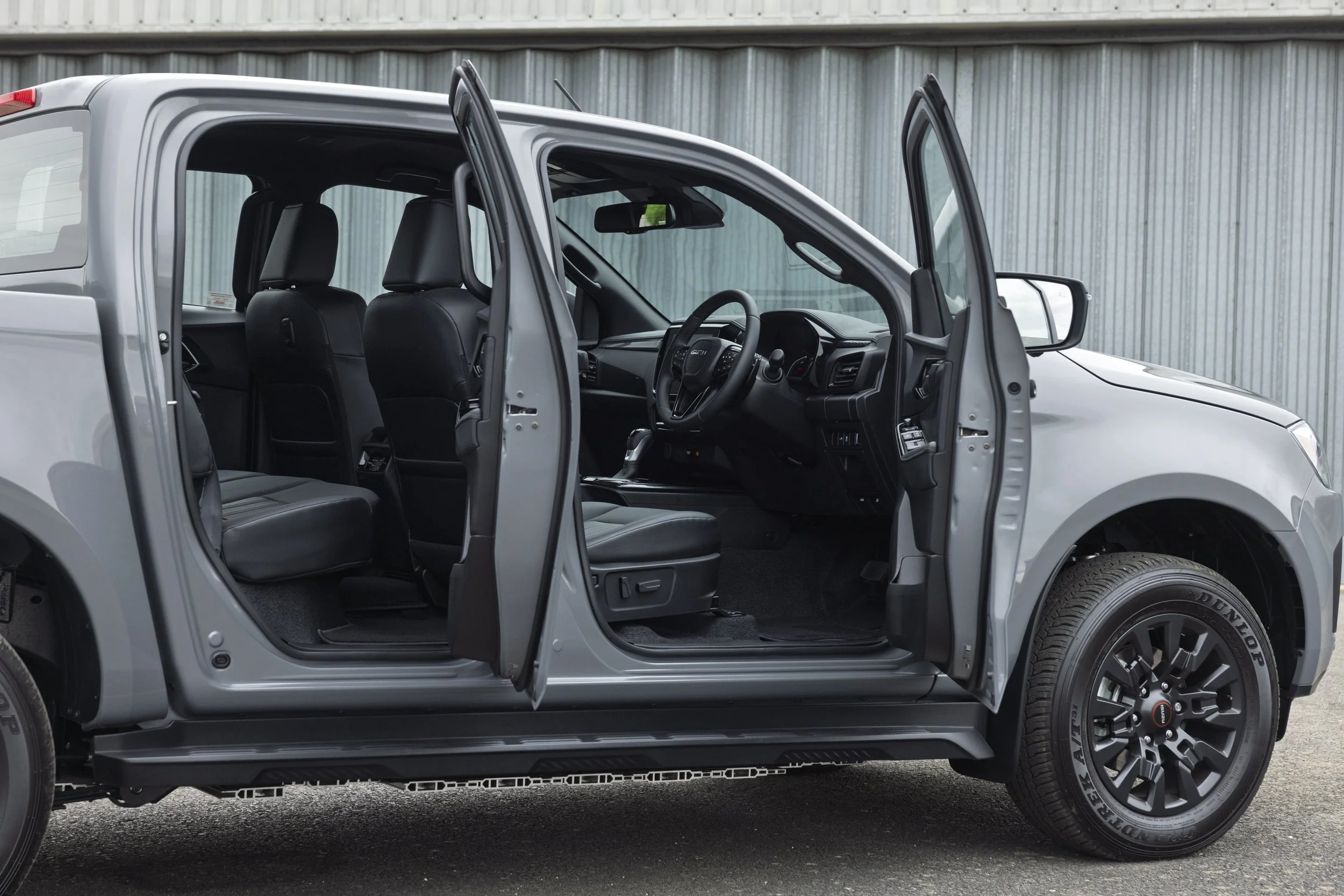
In the eDL40, regardless of extended or double cab, buyers get chrome styling, an 8-inch infotainment display, heated front seats, LED headlights, leather upholstery, dual-zone climate control, front and rear parking sensors, rough terrain mode, and a 6-speaker premium sound system.
The top-end eV-Cross trim is only available as a double cab and is priced from £62,495 +VAT. For the extra money, eV-Cross adds a few luxuries or upgrades over the eDL40, including a larger 9-inch infotainment screen, a self-dimming rear-view mirror, and an 8-speaker premium audio system.
Road Driving
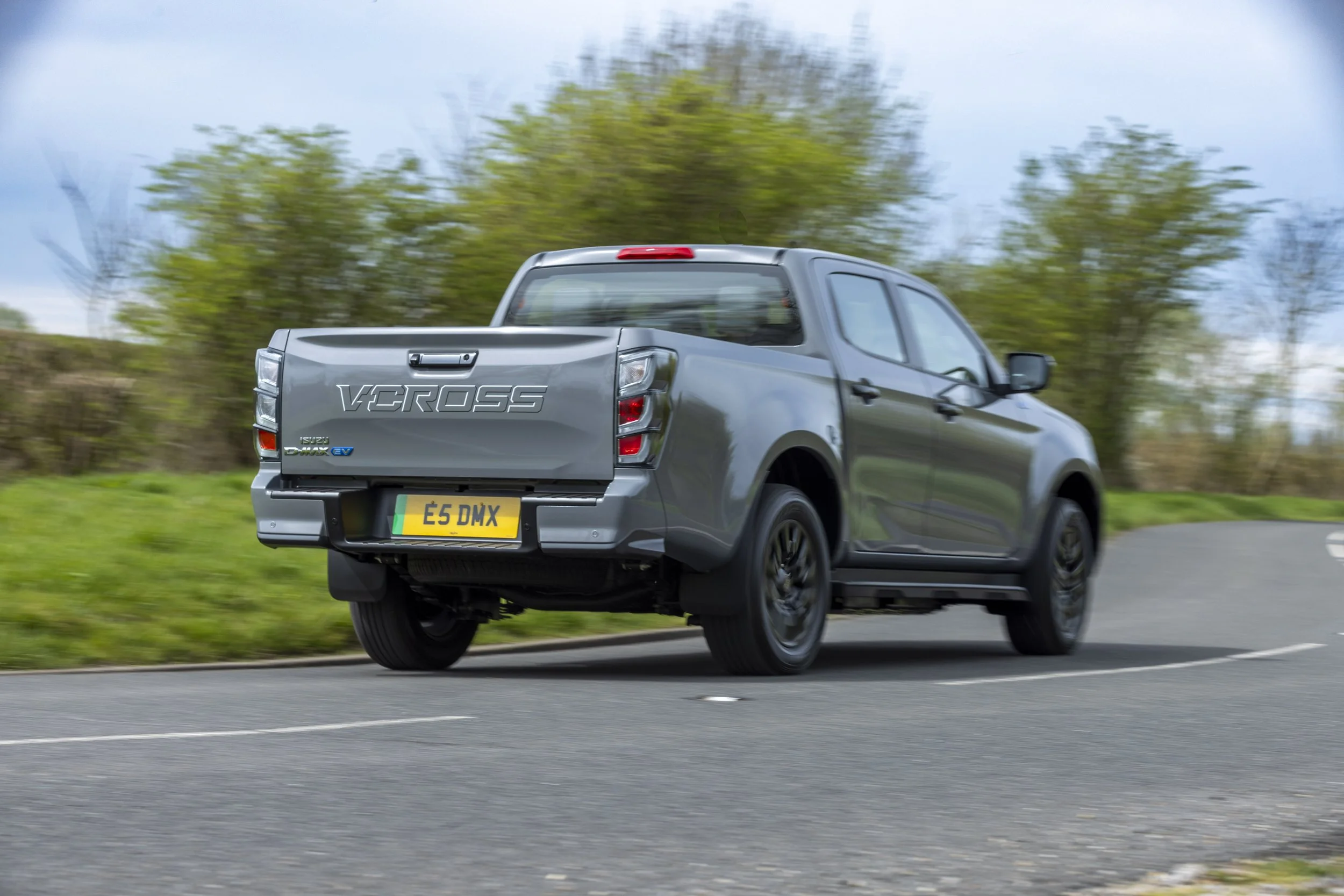
On the road, the D-Max EV offers a surprisingly refined driving experience. Since the EV is based on a diesel platform, I expected a few rattles, rumbles, and road noise in the cabin, but I was pleasantly surprised by how quiet and subdued it is.
The power feels more than adequate on the road, with sprightly acceleration from a standing start. The EV components add around 300kg over the diesel (2,030kg vs 2,300kg), so handling and performance don't differ much between the two powertrains. The weight increase doesn't affect steering or braking performance, making the overall driving experience very impressive.
Towing with 3000kg
As part of the test, we hitched up a 3000kg ballast to the tow bar and used a road route with some challenging hill climbs to put the powertrain through its paces. The EV platform's high-torque capability makes towing feel easy, and even on steep 25-degree uphill climbs, the truck and trailer crawled up without fuss. Equally impressive was the return trip down a 30-degree slope to test the hill-hold and hill-descent systems. Both worked effortlessly to help control the truck and trailer's speed.
Off-Road Driving
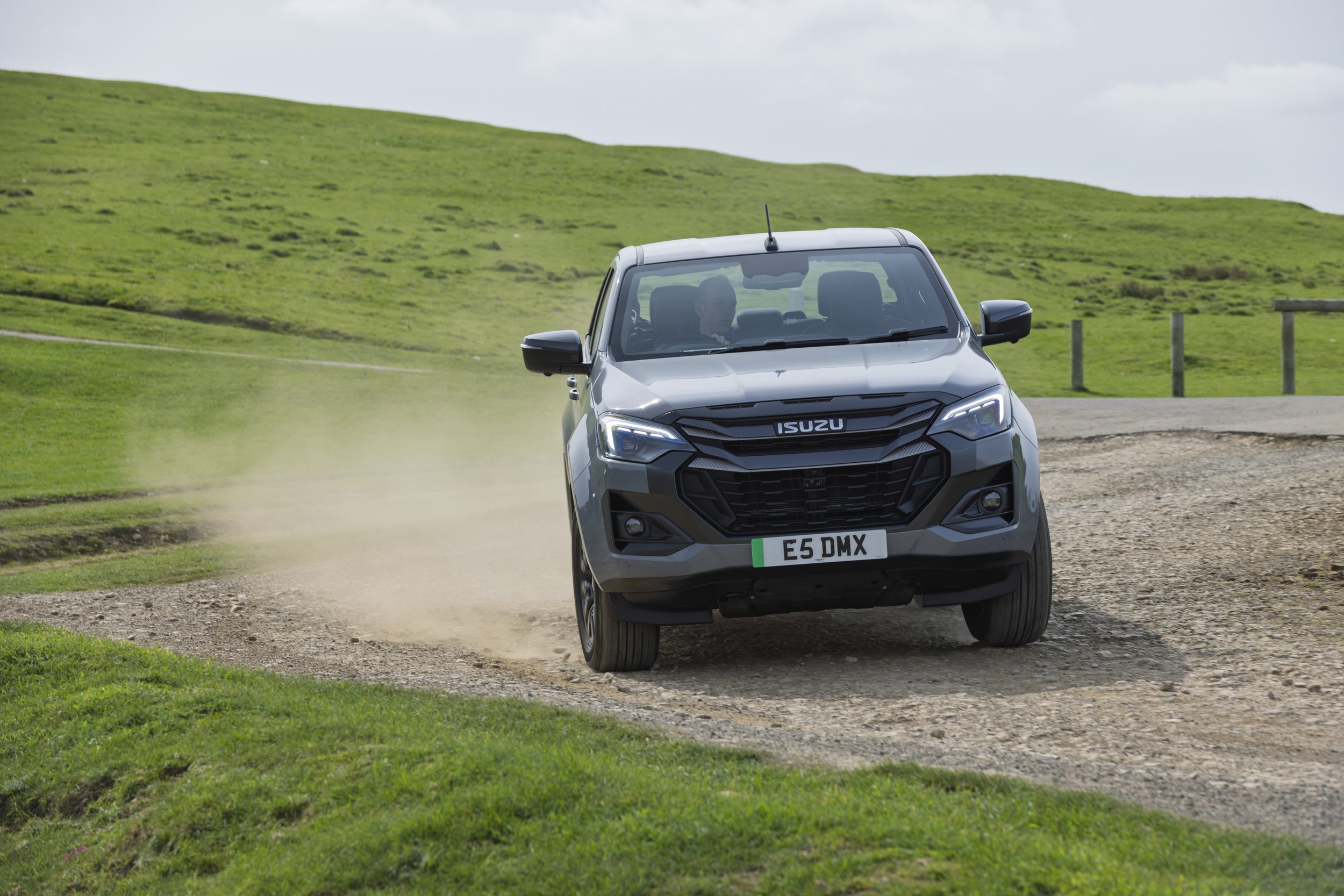
With the trailer disconnected, I took the EV through some of the more challenging mud and sand routes at Hurn. The EV's gentle power delivery provides impeccable traction, in addition to the D-Max's already superb 4x4 capability. As with the 2.2L diesel variants, I struggle to imagine a situation where the D-Max EV would get stuck, with off-road capability on par with a Land Rover Defender. I tested it in all environments on standard Dunlop road tyres, which makes the off-road capability even more impressive.
Who is it for?
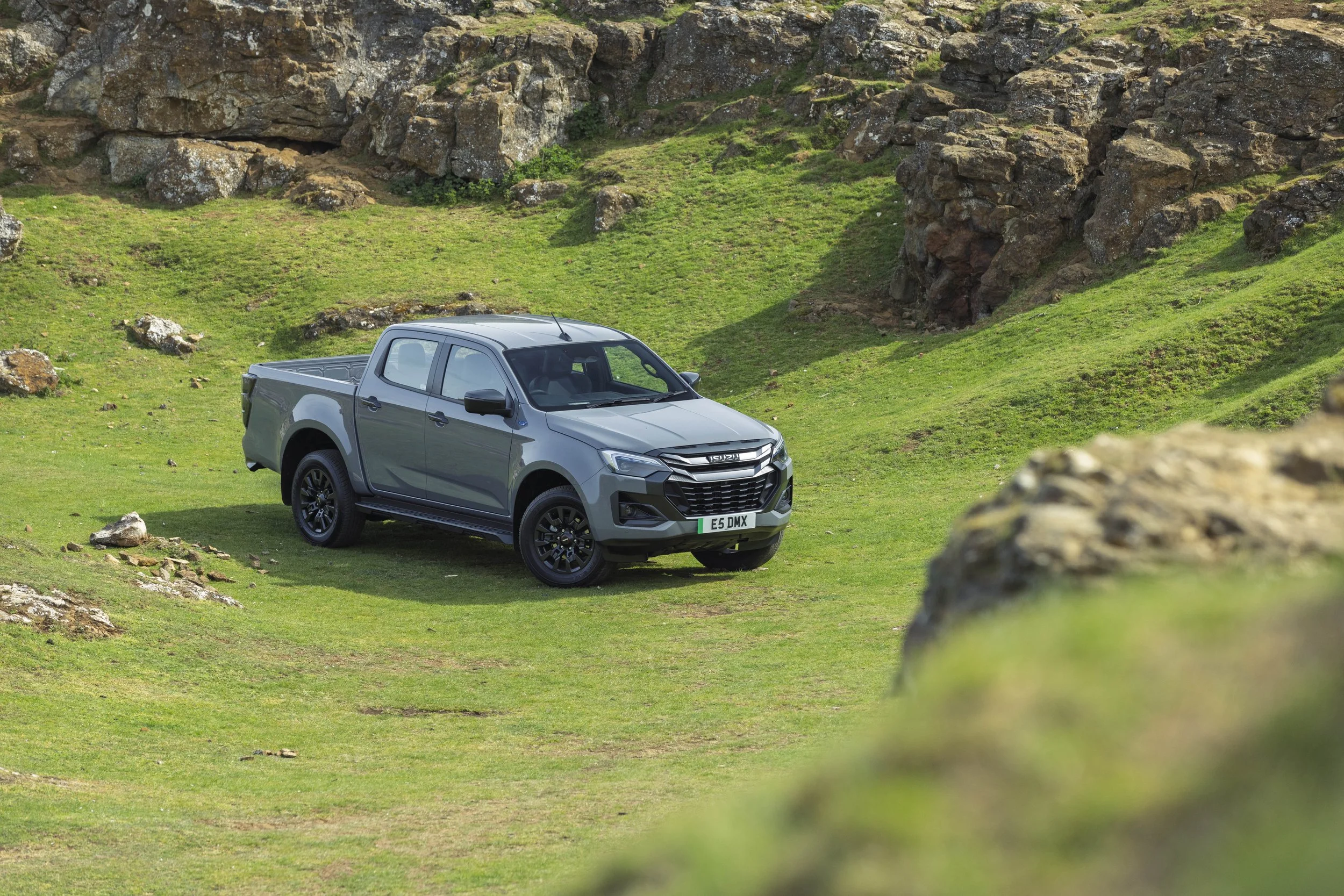
To conclude, it's only fair to say the D-Max EV has a very specialist market, as unlike the diesel version, the EV D-Max probably isn't the most sensible choice for daily road duties compared with an equivalent EV SUV.
If you want an off-road-capable EV with better range and charging capabilities, the Hyundai Ioniq 9, Skoda Enyaq, and BMW iX range will clearly be the better all-round option. For those who need proper off-road capability, though, such as farmers, traders, or groundskeepers who frequently lug heavy equipment over challenging terrain, I can't think of a better alternative than the D-Max EV.
Even with around 100-150 miles of daily use, the D-Max will likely meet most requirements without needing to pop into town every other day to refill the tank for ~£145. The D-Max EV is a true go-anywhere workhorse you can plug in overnight and have ready for a full day of work the next morning, for a fraction of your weekly diesel cost.
The D-Max EV won't suit everyone, but for the right customer - it'll be unbeatable.
Words by John Marcar
Photography: Isuzu UK