
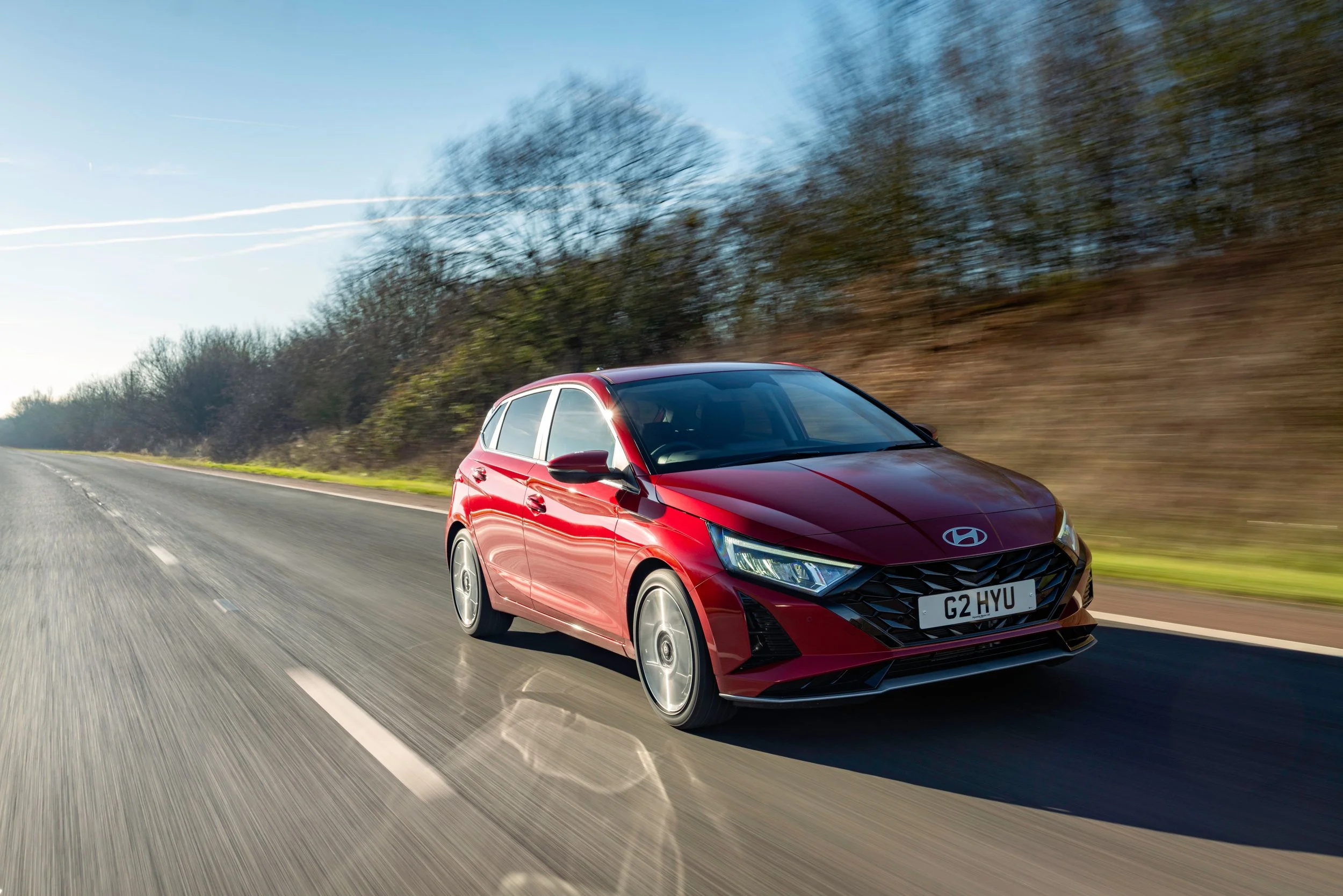
Sam Sheehan has been at the wheel of Hyundai's smallest car, the i20 and has noticed that the updated model is now within reach of other class heroes such as the mighty Renault Clio.
It's not hard to imagine that people who want a good value hatchback in 2026 might decide against buying the class champ of recent years, the Renault Clio, now that its successor is less than a year away. The next-gen Clio is already on sale on the continent, and right-hand-drive cars will reach Britain in 2027, meaning that opting for the soon-to-be-replaced current model might dull its new-car sheen a bit. You could say it presents the perfect opportunity for the Hyundai i20 to step up and steal class honours - and conveniently enough, the model has been given a raft of updates that mean it's got more than an ageing rival to lure buyers behind its wheel.
Design and Kerb Appeal
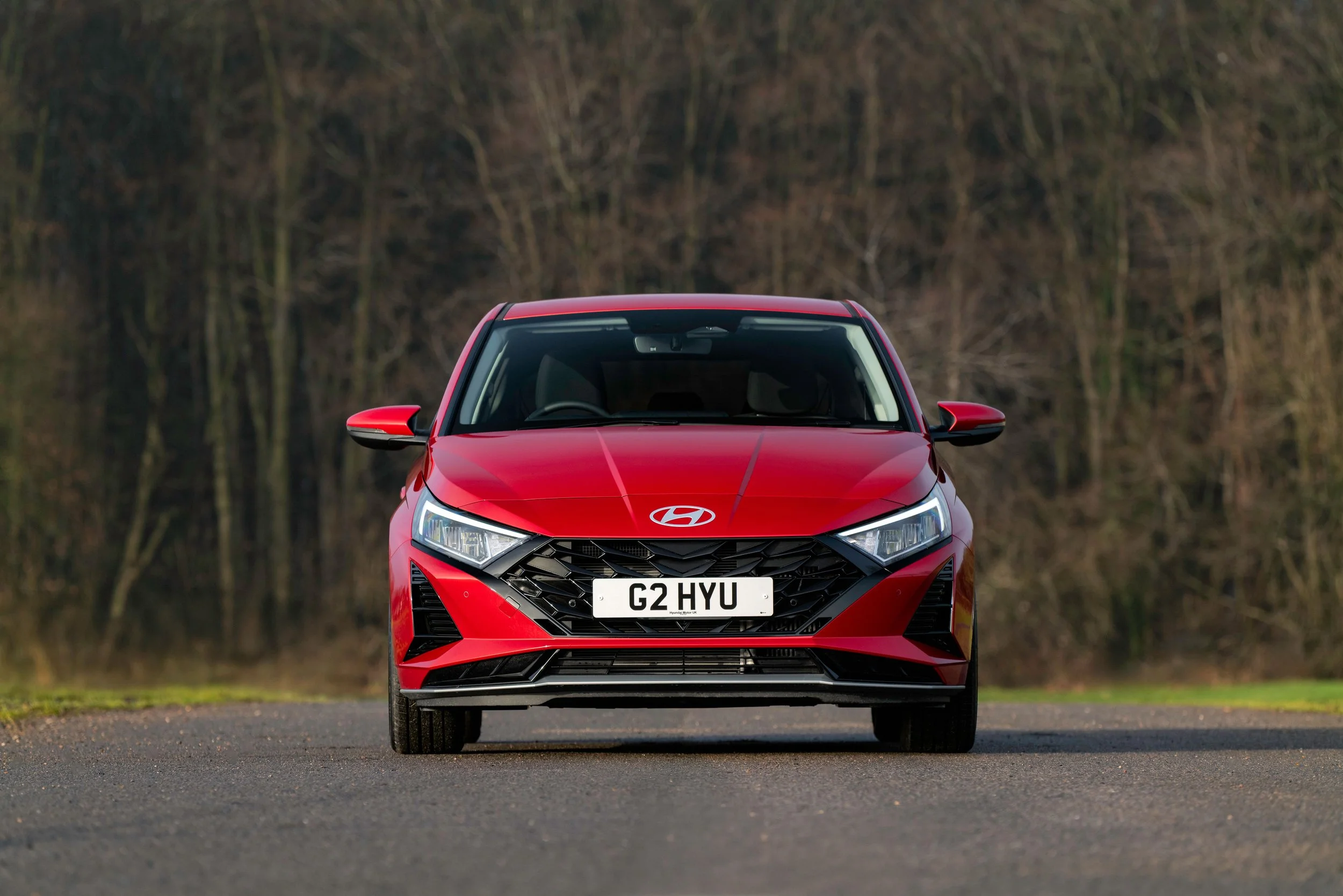
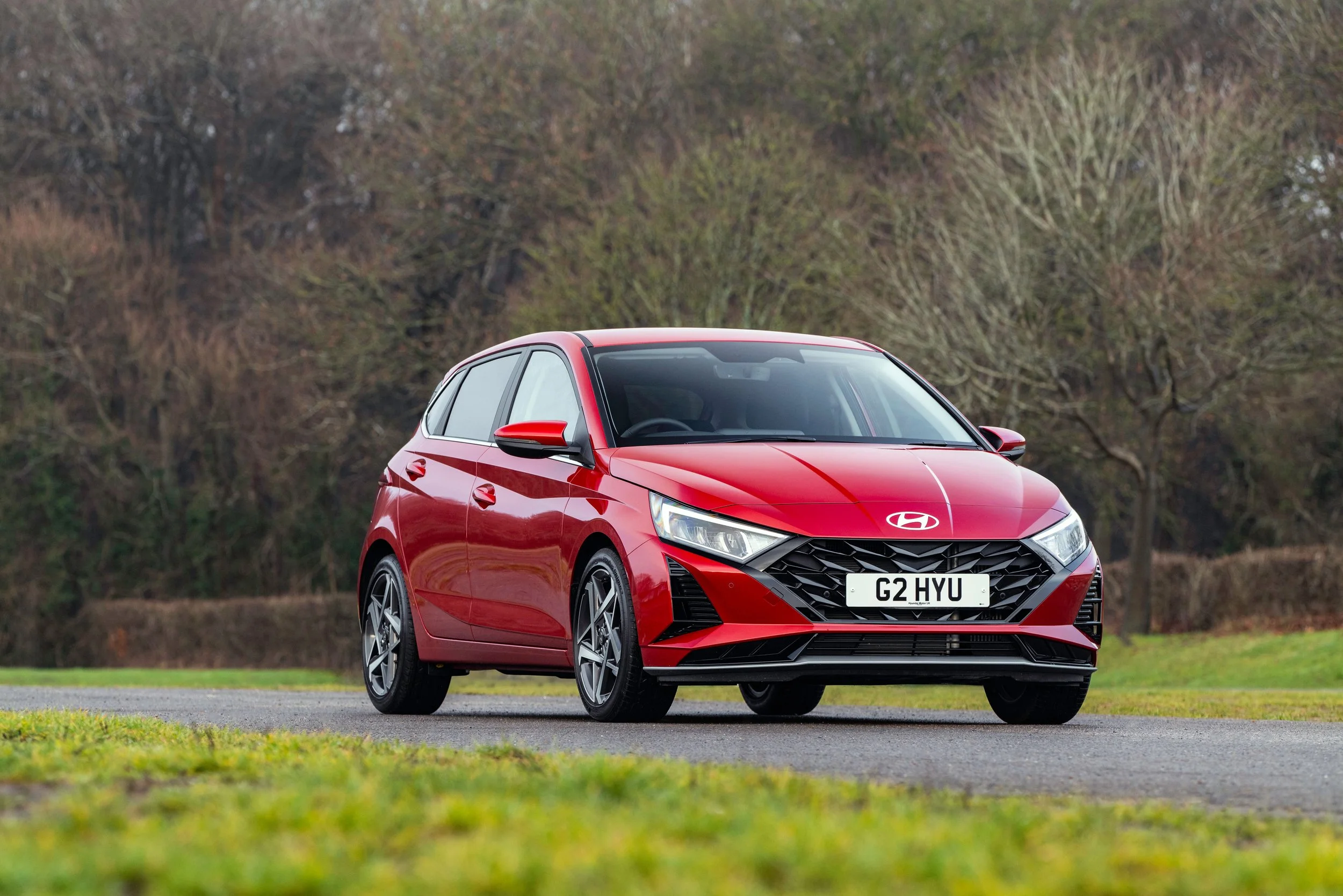
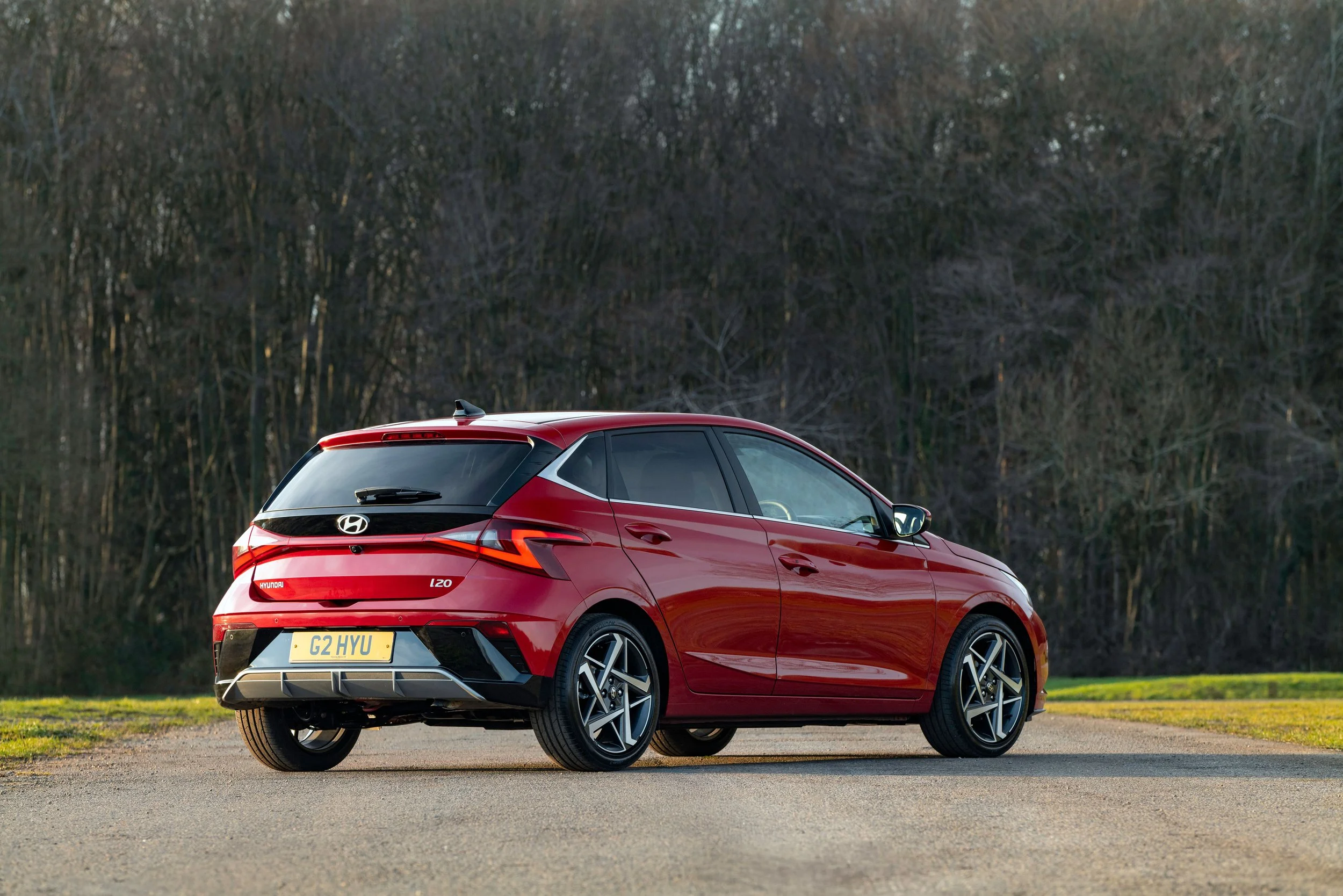
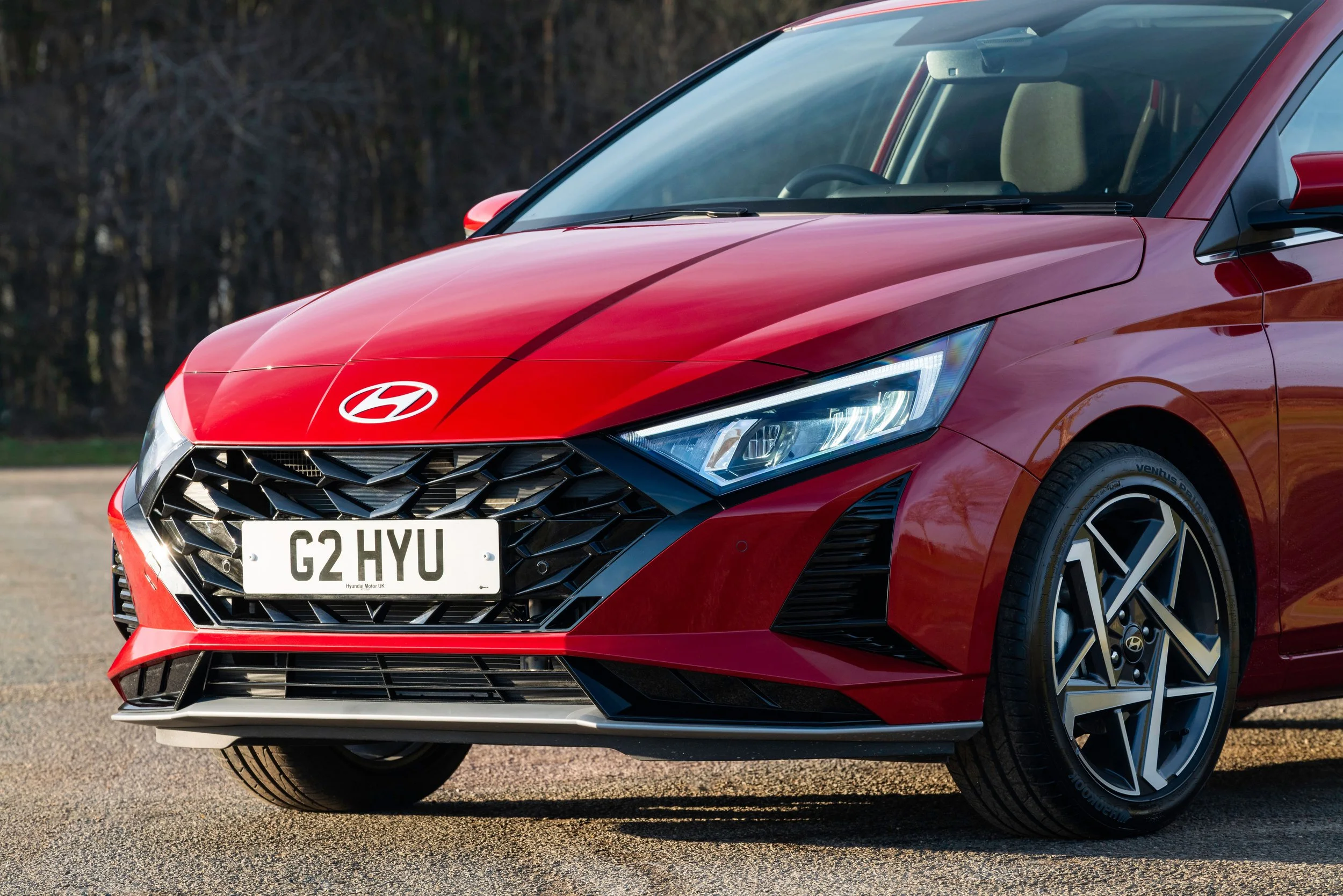
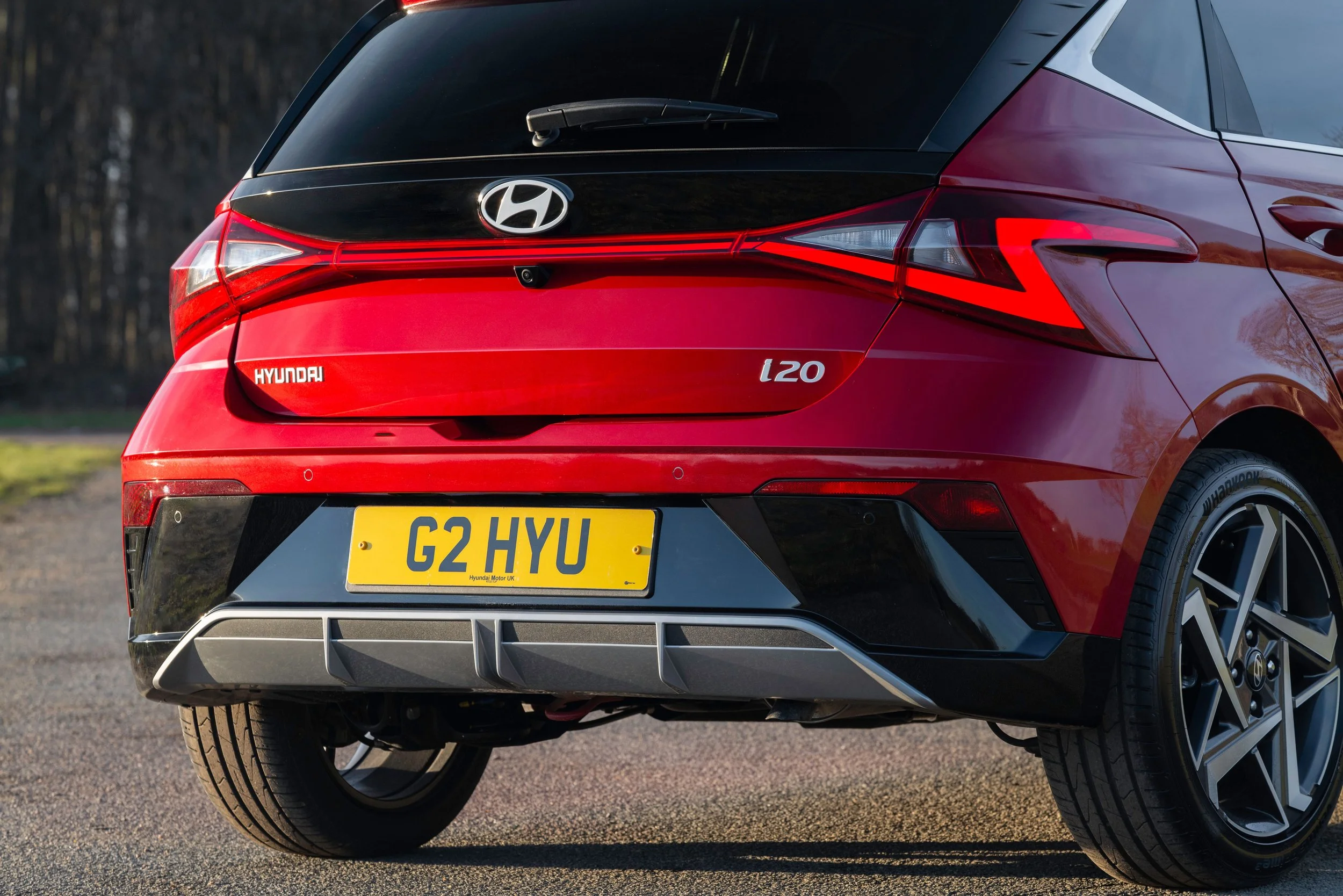
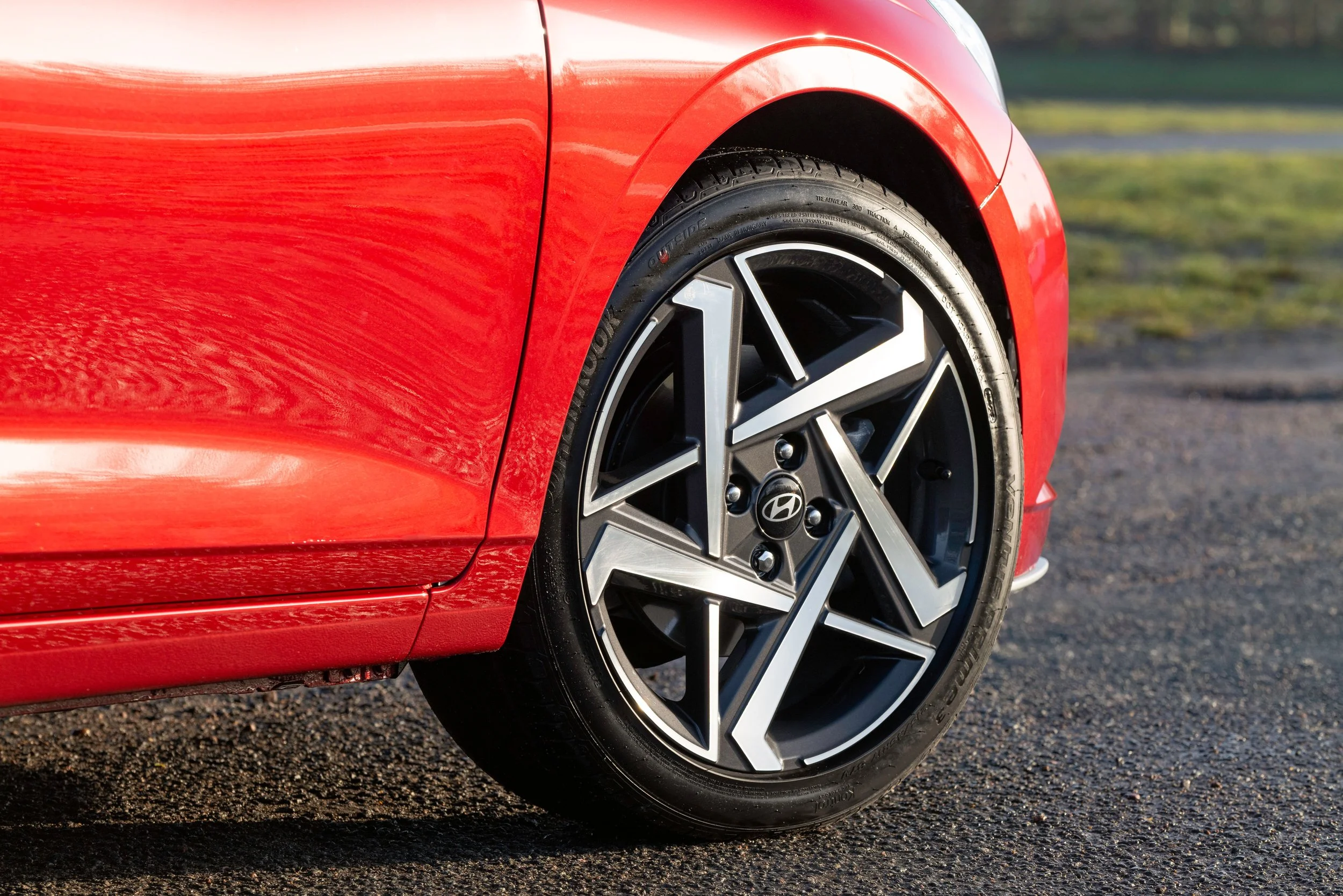
For starters, it looks positively excellent. With new lighting details on the front and rear giving what was already a handsome shape a welcome refresh, the 2026 i20 has a purposeful stance to go with its forward-raked lines. Opt for a top-rank N Line S model, and you even get sportier bumpers to go with a tweaked front grille, and alloy wheels that wouldn't look out of place on a red-blooded N model. There's no reintroduction of the i20 N hot hatch, unfortunately, but those wanting sporty looks on a sub-£20k (by a whole five pounds) supermini should see plenty to like in the updated i20.
Price
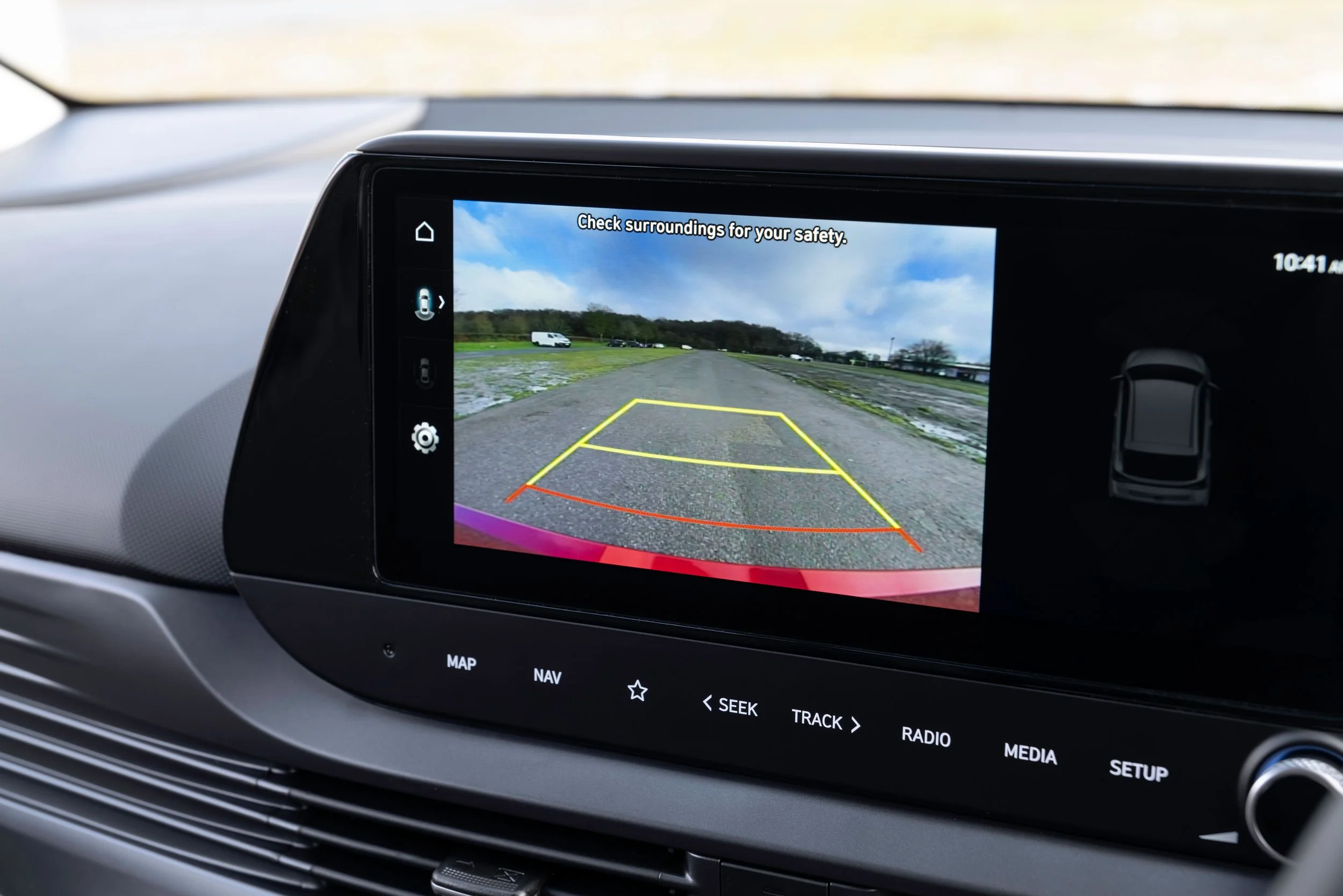
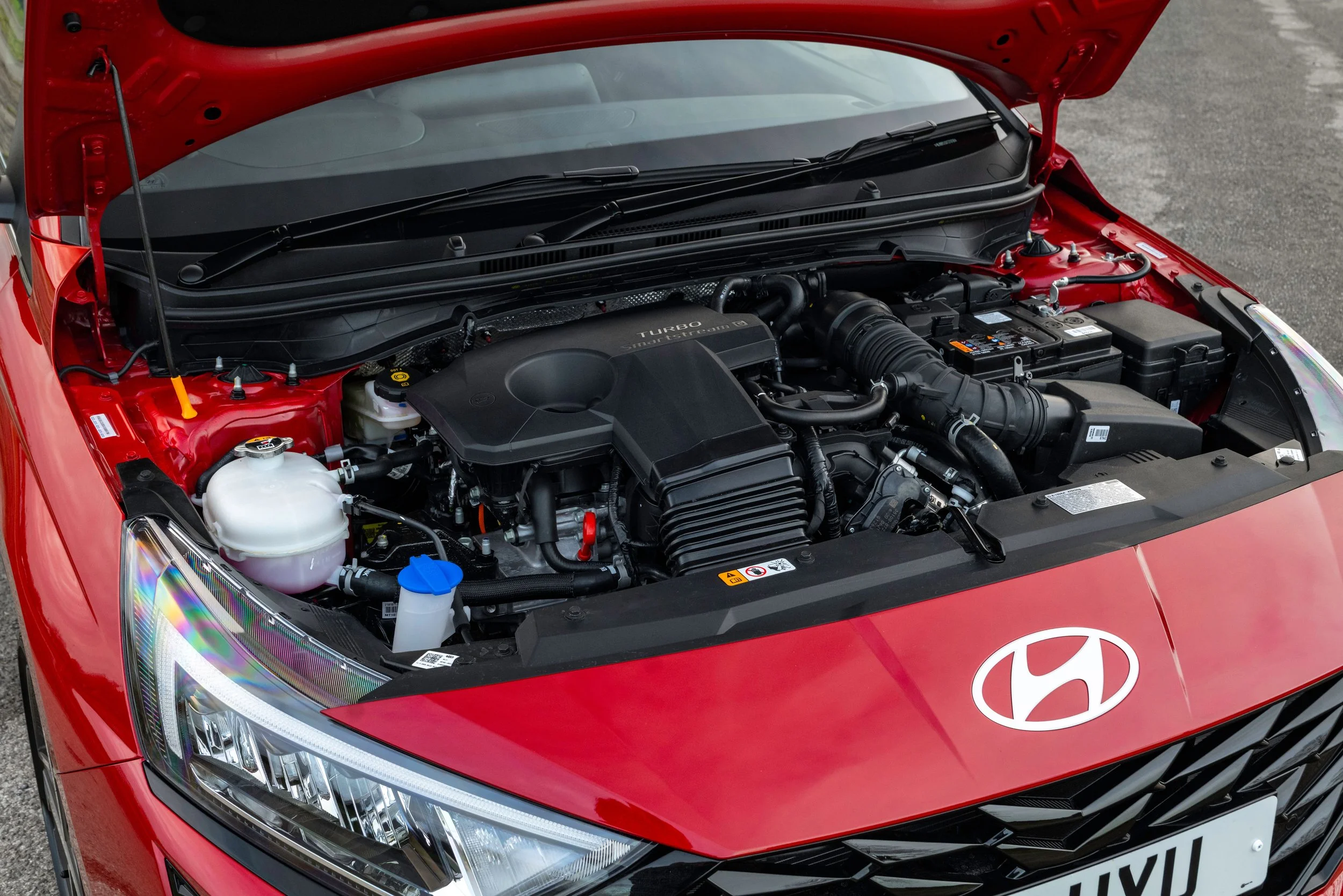
It's well-equipped as well. Yes, at £19,995 the entry-level i20 costs two grand more than a base Clio, but that gap does shrink the further up the ladder you go, with the range-topping i20 N Line S costing from £25,000, making it just £205 pricier than the poshest Clio. Admittedly, it does use a turbocharged 1.0-litre instead of a hybrid setup like a top-grade Clio. But with a generous armoury of driving assistance features (the most annoying of which can thankfully be switched off, as we'll explain shortly) and cabin tech, the i20 definitely doesn't leave you feeling short-changed.
Interior Changes
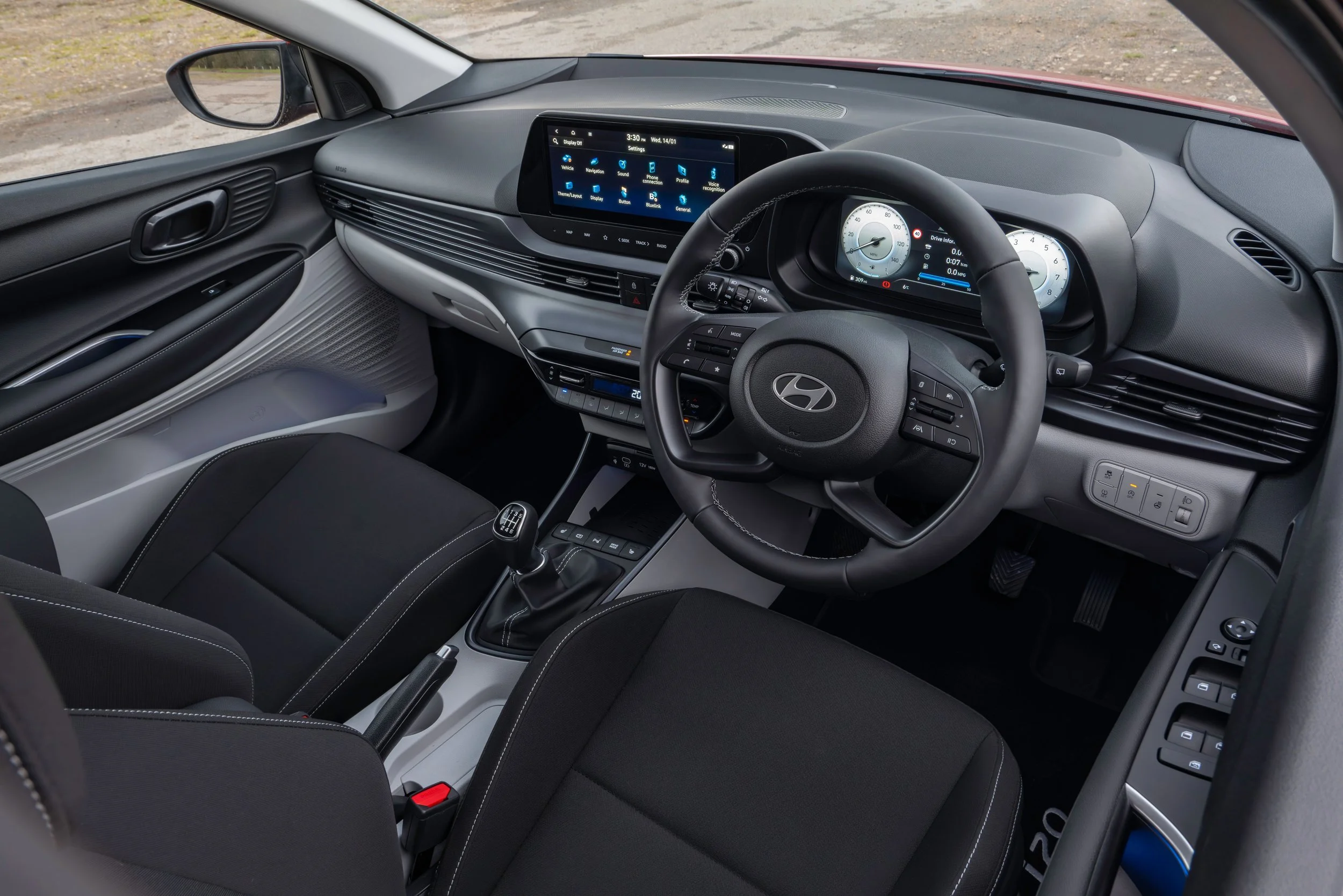
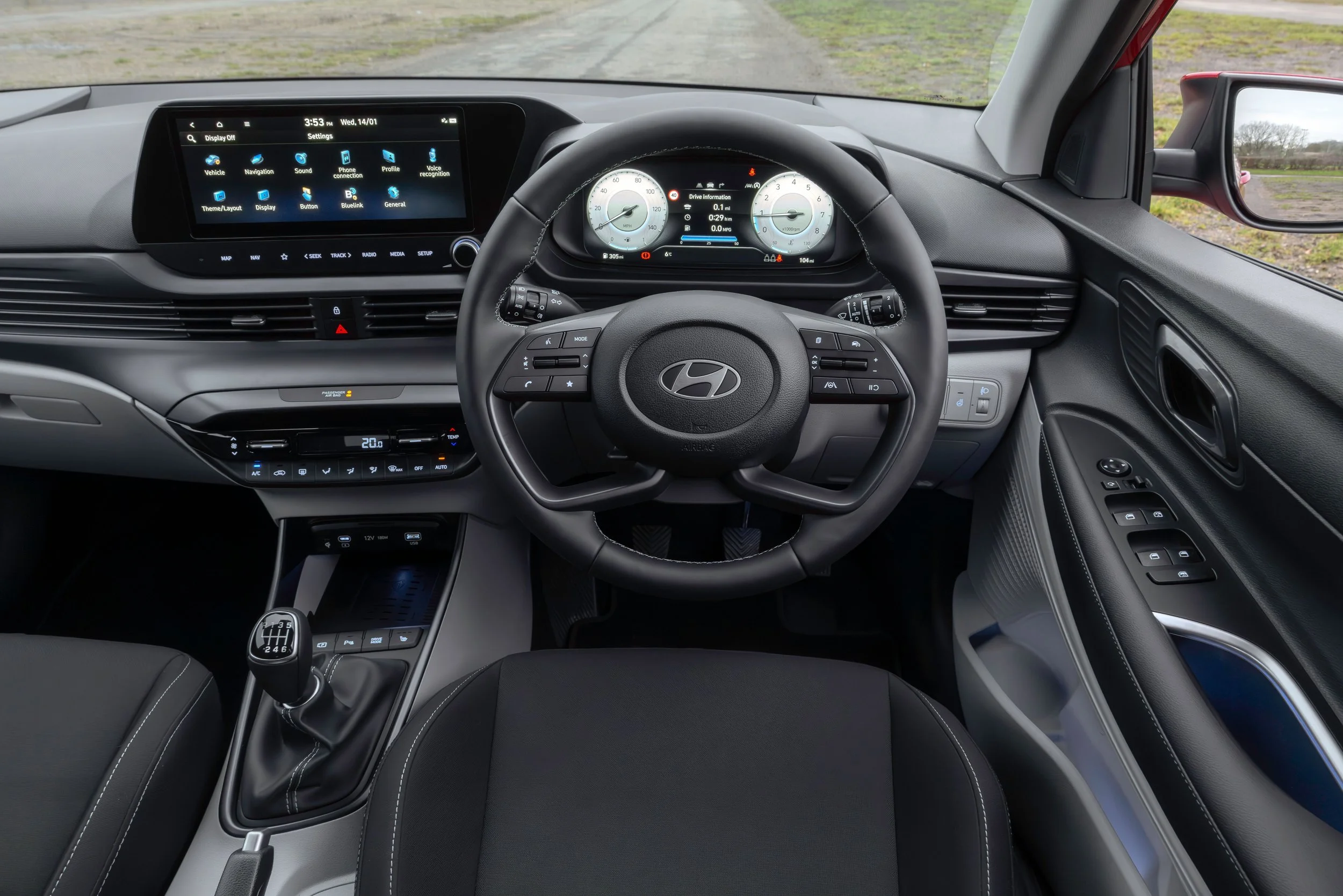
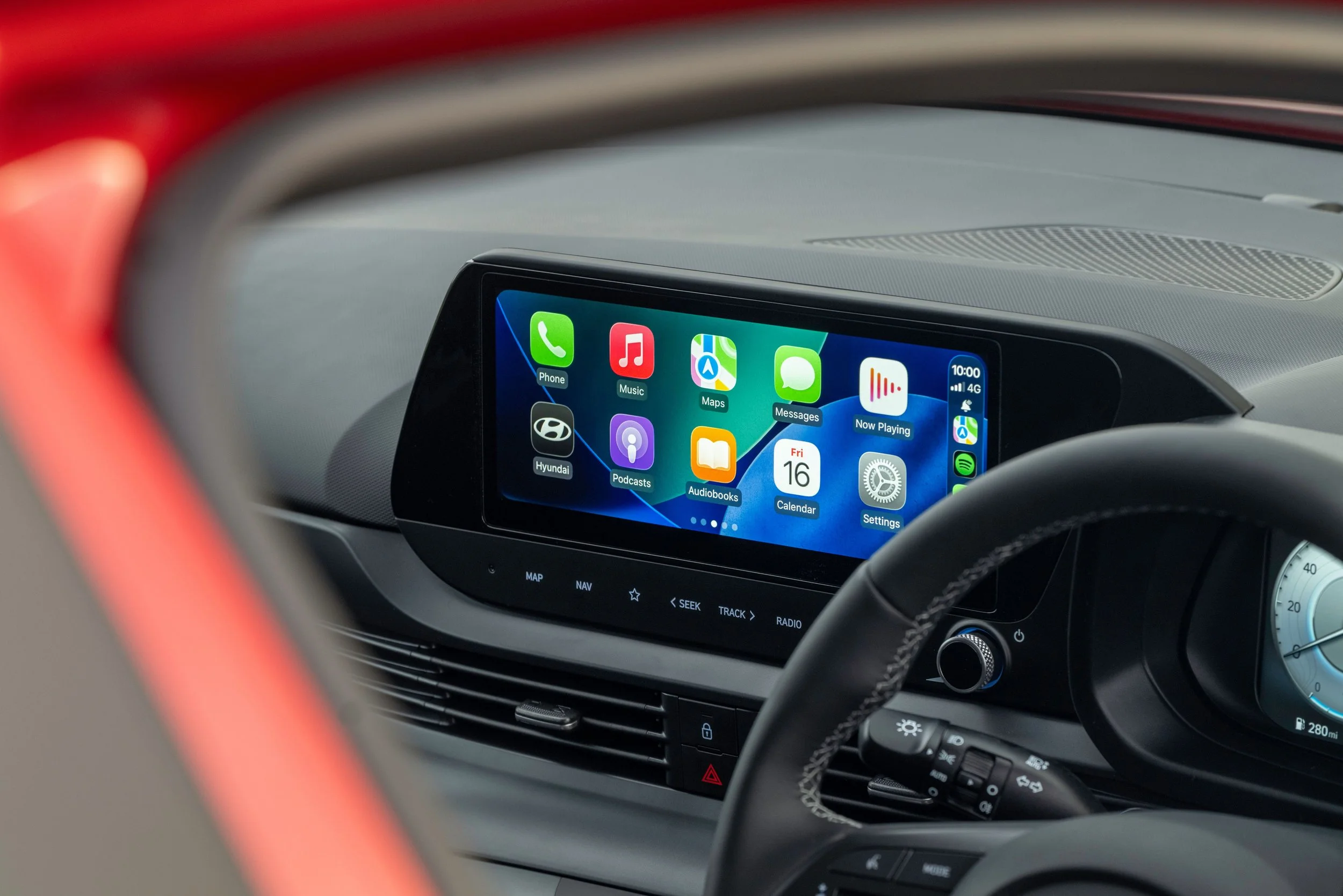
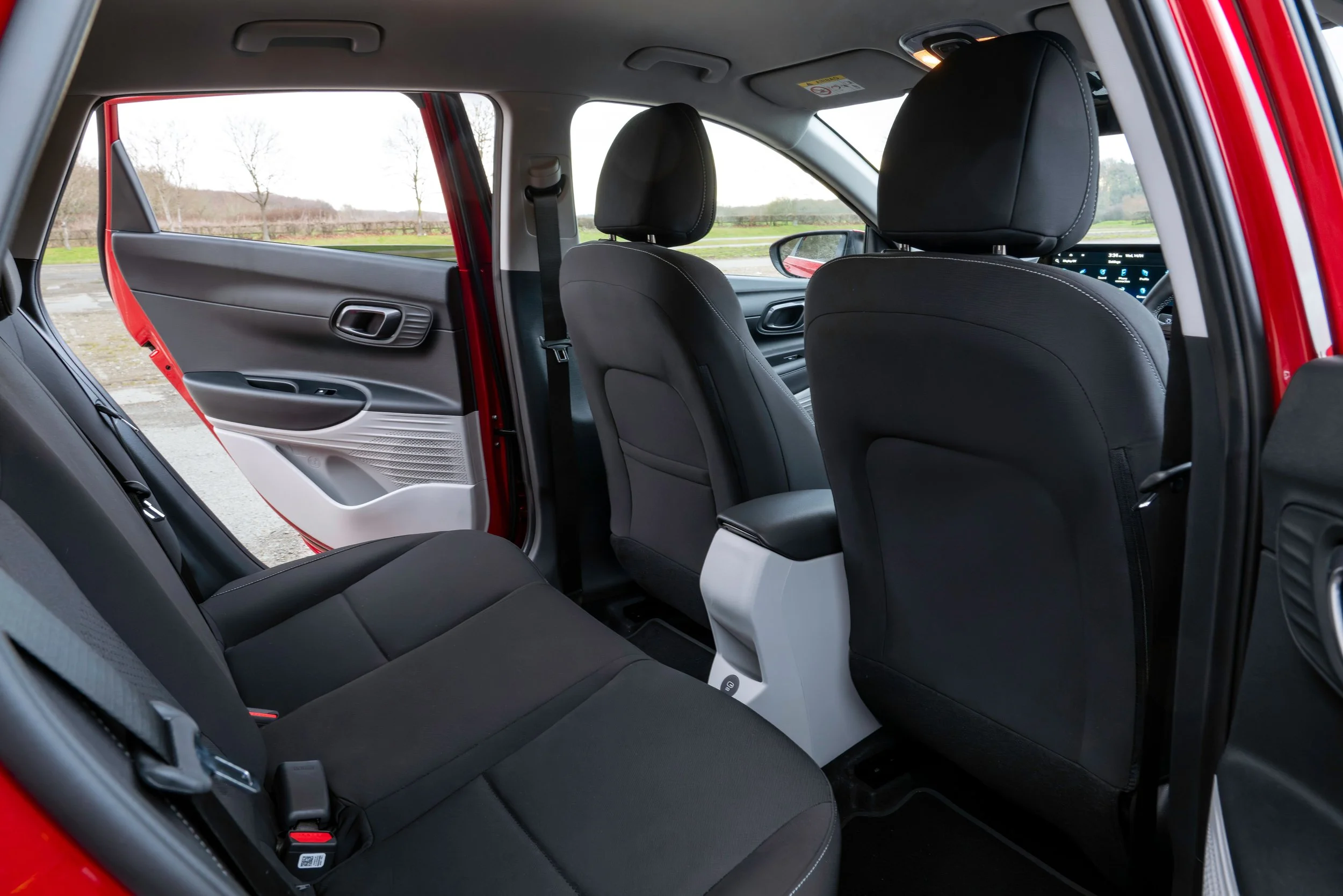
In fact, all versions of Hyundai's i20 now get its 10.25-inch infotainment system alongside a digital instrument cluster with fresh graphics. Unlike the exterior design, the interior doesn't really attempt to woo customers with sporty details. Still, what it lacks in pizzazz it makes up for in ergonomics, with a neat mix of digital touchscreen interface and physical buttons spread across the dash and steering wheel. This isn't the same across all trims; the lower rank i20 Element and Black Line variants, for example, get manual heating and fan speed knobs, while higher grade i20 climate control systems - including a heated wheel and seats - get switches. But crucially, they're not buried in the touchscreen.
Also helping the i20's cause are front seats that have plenty of manual adjustment, while rear space is surprisingly good, both in terms of leg- and headroom. It's even possible for a short-haired, near-six-footer to just about squeeze into the middle seat without their head being crushed by the roof above. The boot's decent too, with a moveable floor that can either be lowered or lifted to reveal an empty spare wheel well with space not only for a tyre repair kit and the car's tow tools, but also small bags or valuables you might want to hide away. Overall, the space is a little smaller than the Clio's, but not by much.
Annoying ADAS
Before setting off, drivers not wanting lane keep assist or speed limit warnings to remain on can turn the star button on the steering wheel into a shortcut for the driving assistance tech menu. Admittedly, you still need to tap the screen a couple more times to switch off each feature, but at least you're not required to scroll through multiple pages first. Conversely, the feature you may want to leave on, steer assist, is fully controllable via a button on the wheel. It's a useful tool for longer motorway journeys as it, along with adaptive cruise control, can take a substantial amount of effort out of driving.
Surprisingly Fun
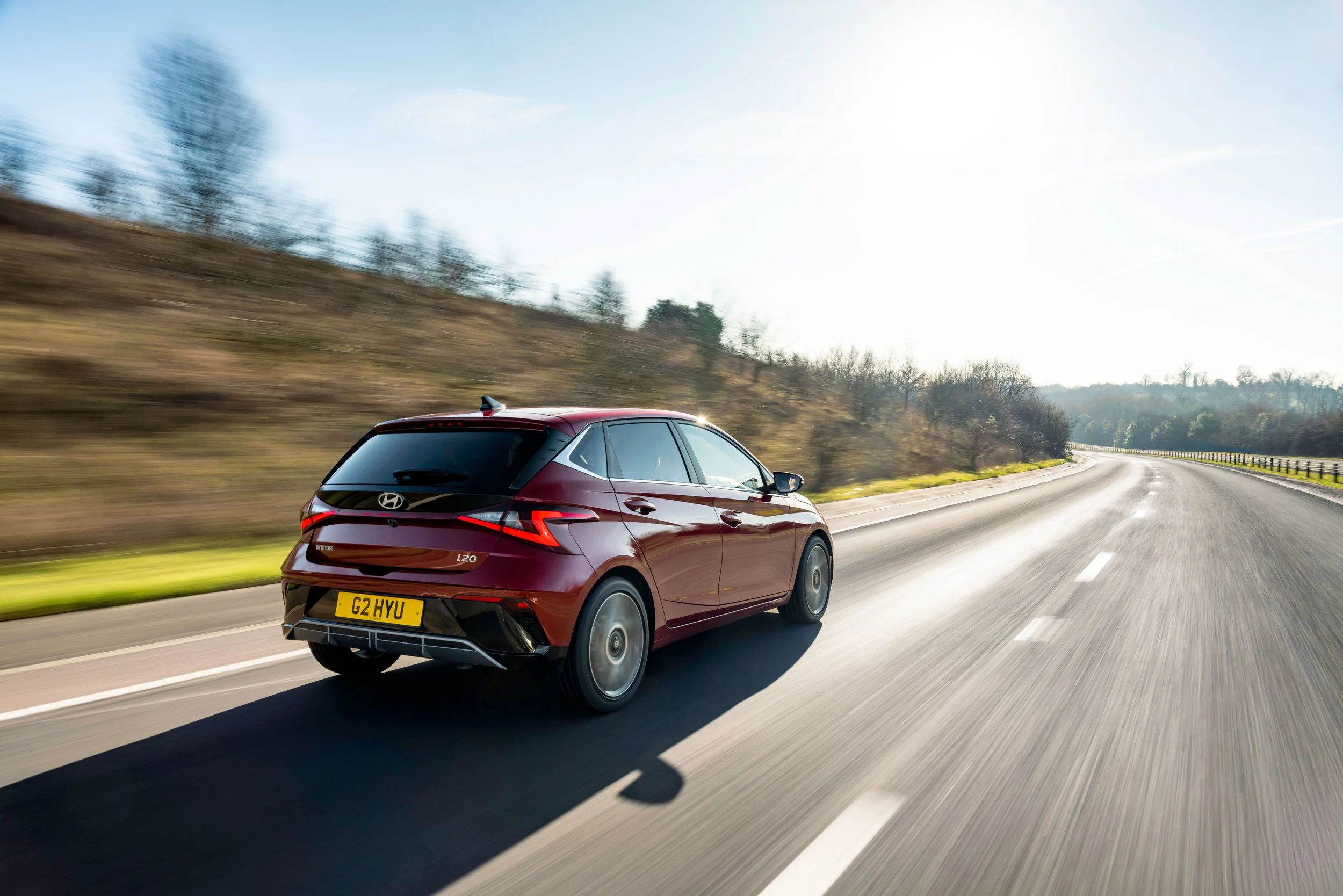
That said, on less boring roads, there's plenty to like in the way the i20 steers when you're fully in control. This four-metre-long hatchback's road manners are more like the discontinued Ford Fiesta than any present-day rivals, because it feels keen to respond to steering inputs and genuinely quite playful at speed. Heck, you can get the i20 to lift an inside rear wheel off the ground if you chuck it about, meaning even a base-spec model has plenty to offer in the fun department. This doesn't come at the expense of lower-speed manoeuvrability either, with light power steering and a tight turning circle making city life a doddle.
Sure, it's not quick in any trim, with a turbo 1.0-litre offering no more than 100hp and a 10.4-second 0-62mph time. But it's got enough mid-range punch and three-cylinder growl to entertain on most urban and suburban routes. The standard-fit six-speed manual is a light and slick setup, and while you can opt for a seven-speed dual-clutch automatic, it's actually slower to 62mph and slightly less fuel efficient, too. Although to be frank, all versions of the i20 will remain cheap to run. Our mixed test in a manual Tech Line model returns over 40 miles per gallon combined without any effort being made to be efficient.
A Great Package
Best of all, the i20 mixes this low cost, fun experience of driving with a comfortable ride and decent sound insulation from the outside world. It feels light on its toes and compact on the road, and yet it doesn't in any way feel cheap or tinny.
The updates applied to the i20 are small, but they add more polish to a car that was already easy to appreciate. For some, the prospect of a new Clio in 2027 might encourage them to wait a year before making a final decision. But for those who want a mature supermini that's fun to drive and cheap to run, the refreshed i20 is undoubtedly a great option. Just don't tell them that an all-new i20 is also due for reveal in 2027, but it might not reach roads until later in that year, leaving just about enough time for that new car sheen to linger for a little longer.
words by Sam Sheehan
photography thanks to Hyundai UK