
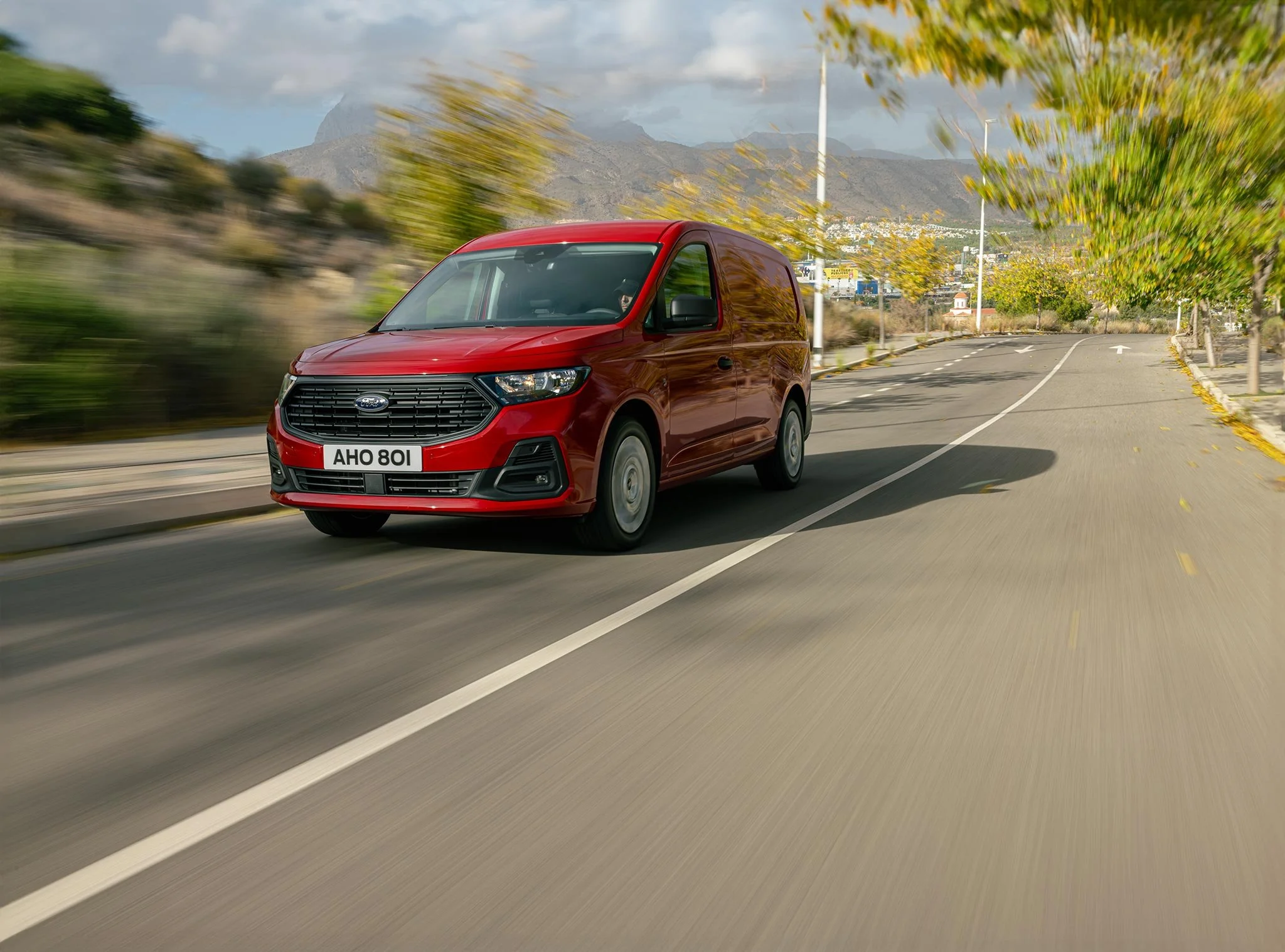
There’s something about the words Ford Transit. It’s a bit like Hoover for a vacuum cleaner, Biro for a ballpoint pen, Velcro for a fastener or Sellotape for sticky tape. Just say the word and everyone knows what you’re talking about. If you’re chatting to someone about your new van but they aren’t sure what sort of van it is, just say “it’s a bit like a Transit”, and they’ll understand.
In 1965, the first Ford Transit rolled off the assembly line at Langley in Berkshire. It’s been a massive success ever since.
The Ford Transit has also spawned other models, one of which is the Ford Transit Connect, which has been with us since 2002. It’s a smaller version of the bigger stablemate but follows the same DNA of being good to drive, economical to own, and designed to carry a decent load with the option of carrying two or five people.
The Transit Connect makes sense, especially if you do a lot of work in built up areas. The fact that it’s available as a plug-in hybrid (PHEV) means that a decent percentage of your time driving in slow town traffic will be done using battery power alone. Ford predicts a possible 72 miles of running effectively as an EV. If you charge the van at home, your transportation from one job to another will cost next to nothing. Good for the bottom line! Even better if you’ve got solar panels on the roof.
Ford Terminology
Many will view a van as a tool. Without it, you’re sunk and can’t do your job. It needs to be fuss-free, reliable and built/designed for purpose.
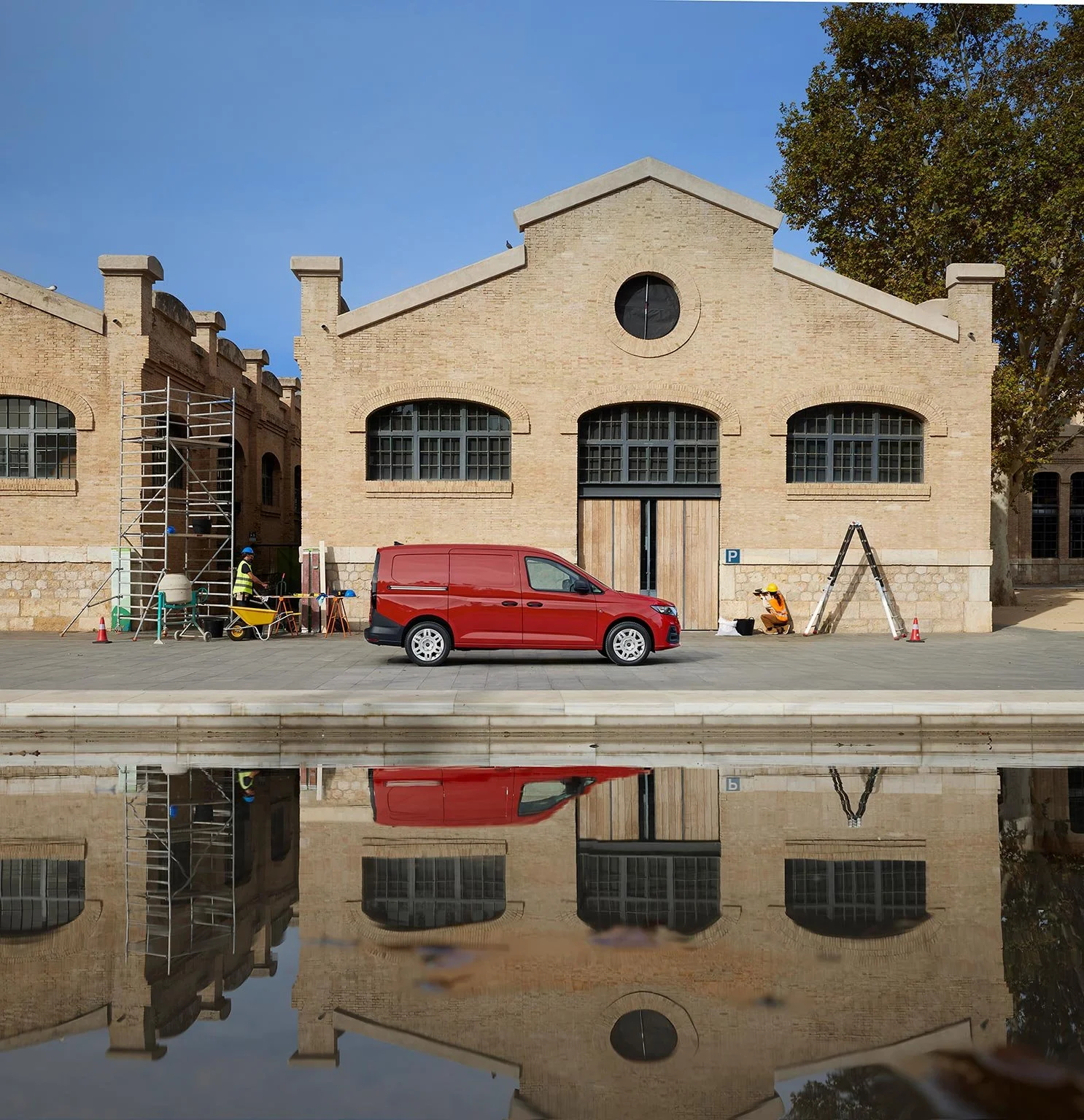
One beauty of the Ford Transit Connect is that it feels very car-like. No wonder other versions aimed solely at passengers have done so well. The Ford Tourneo, for the record, is available as a 5-seater called the Tourneo Courier, or a 7-seater called Tourneo Connect. Both are MPVs, although Ford doesn't like to call them that; they’re a Multi-Activity Vehicle apparently. Ho hum.
In a nutshell, the Transit and Tourneo share the same underpinnings, but Ford calls its vans Transit, while the van-like vehicles that can carry passengers are Tourneo. So there.
Anyway, back to the Ford Transit Connect van.
Powertrain Options
You can have the one I had — the PHEV — or a pair of 2.0 litre diesel engine-powered versions. The diesel with a 6-speed manual ‘box gets a power output of 101 bhp, or if you fancy the 7-speed auto version, power jumps to 120 bhp.
However, the PHEV model pairs a hybrid set-up with a 1.5-litre petrol engine. Put the power output from the battery and engine together, and you end up with a decent 148 bhp. If you do a higher mileage but continue to use the hybrid system, I reckon you should easily manage over 60 mpg, but the attractive figure is the 70+ miles of EV running which for many tradespeople is likely to be well within their daily overall journey. Things are becoming even more attractive when you consider that the filling station down the road from me has just cracked the £2 barrier for a single litre of diesel. Ouch.
Prices
The entry-level Ford Transit Connect using the 2.0-litre diesel engine with a 6-speed manual gearbox tips the scales at £25,956 (Sept 26 and excluding VAT). Add £2K if you want the more powerful engine and auto ‘box.
The PHEV comes in at £31,006, so you’ll need to do your sums to see whether the five grand difference in purchase price between the entry-level version and the PHEV is cost-effective when you take the fuel savings into account. You should also remember that many plug-in vehicles, including the Ford Transit Connect, are exempt from some ULEZ low emission zone charges, although this can vary depending on where you live.
Body Style Options
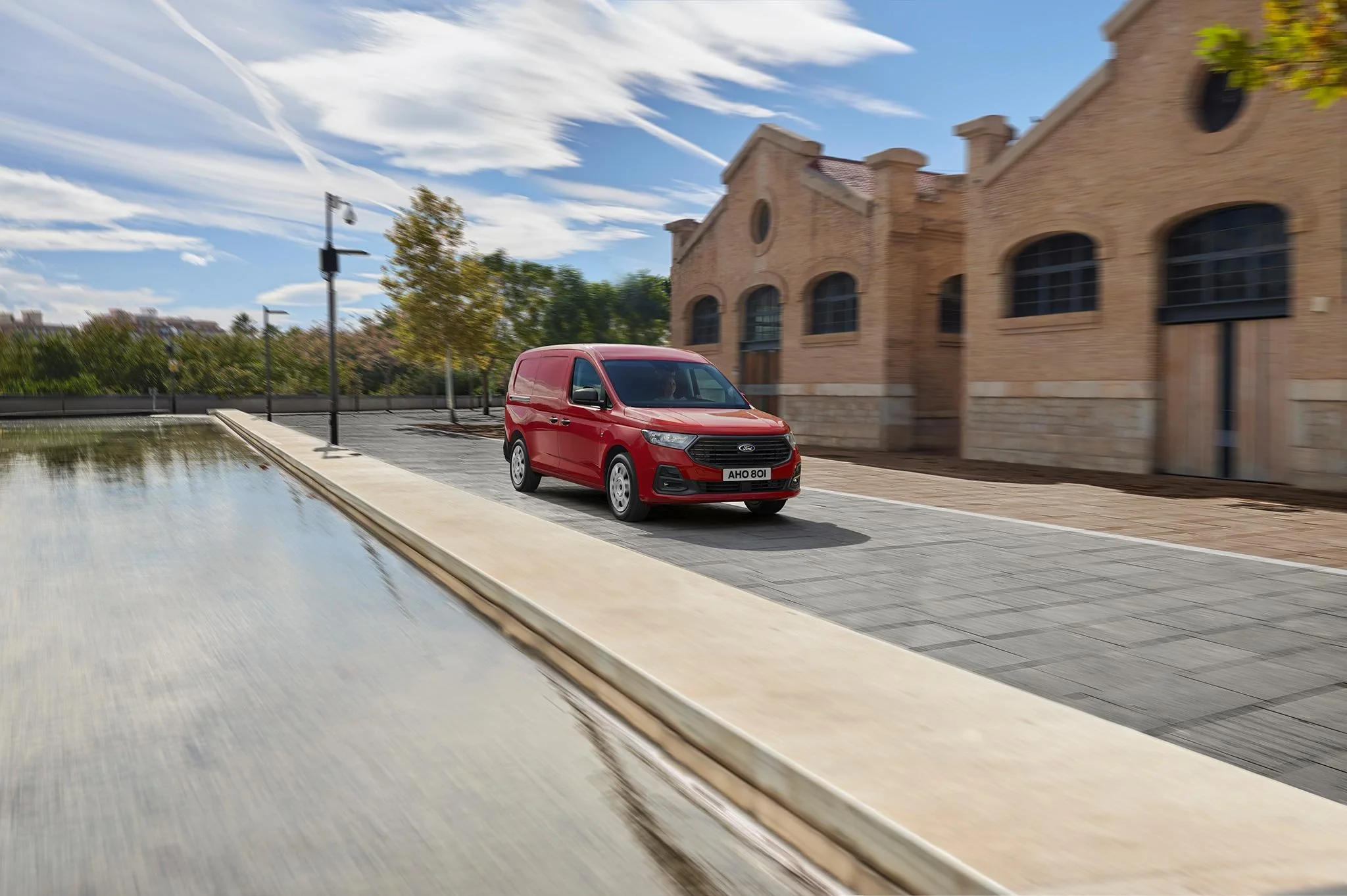
It all comes down to whether you need to carry more stuff or more people. You have a choice of two wheelbases and the option of carrying two or five people.
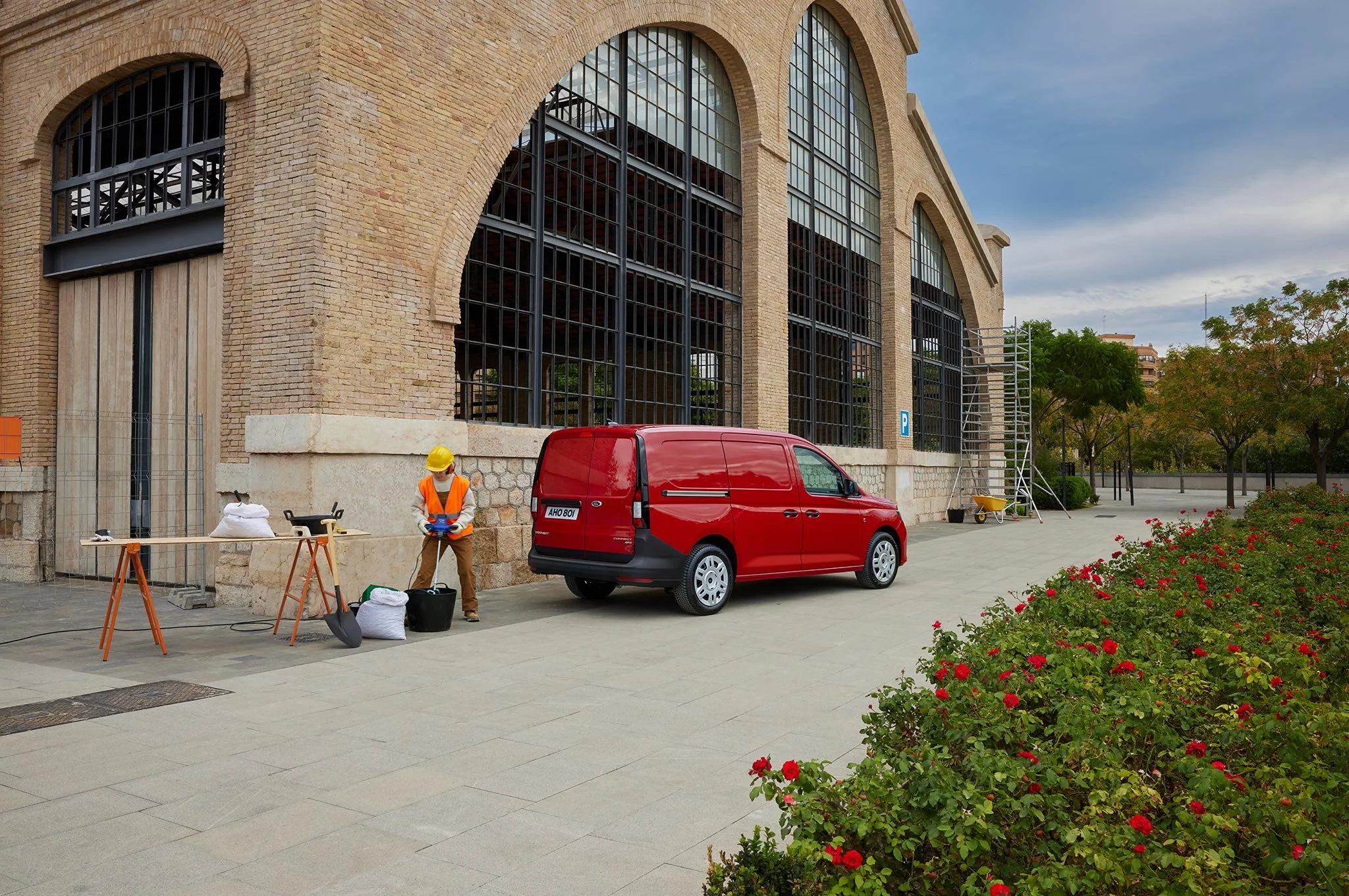
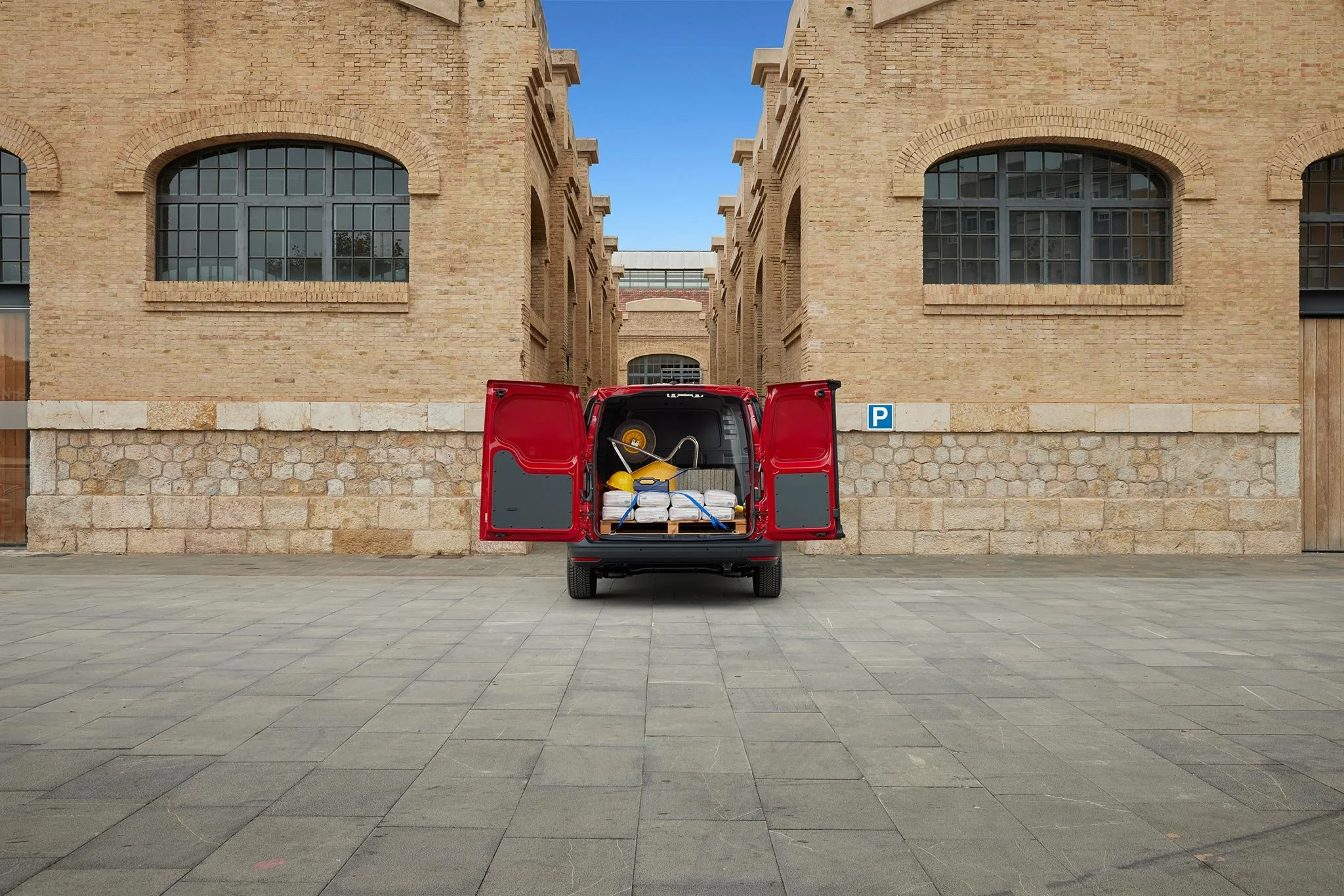
The cheapest version is the two-seater L1 with a load area of 1797mm and a carrying capacity of 3.10 cubic metres, which is sufficient for two Euro pallets. The slightly longer L2 version adds £1k to the price, 373mm to the load area and 0.6 cubic metres to the capacity. If you want the option of carrying 3 passengers on a rear bench seat, add £3k to the L1 and L2 prices. Obviously, carrying capability takes a hit, but it might be handy if you’re working on a big job and need a few extra hands. Access to the load area is good thanks to a pair of barn-style rear doors and a single nearside sliding door. The longer wheelbase model gets a sliding door on the offside too.
Interior
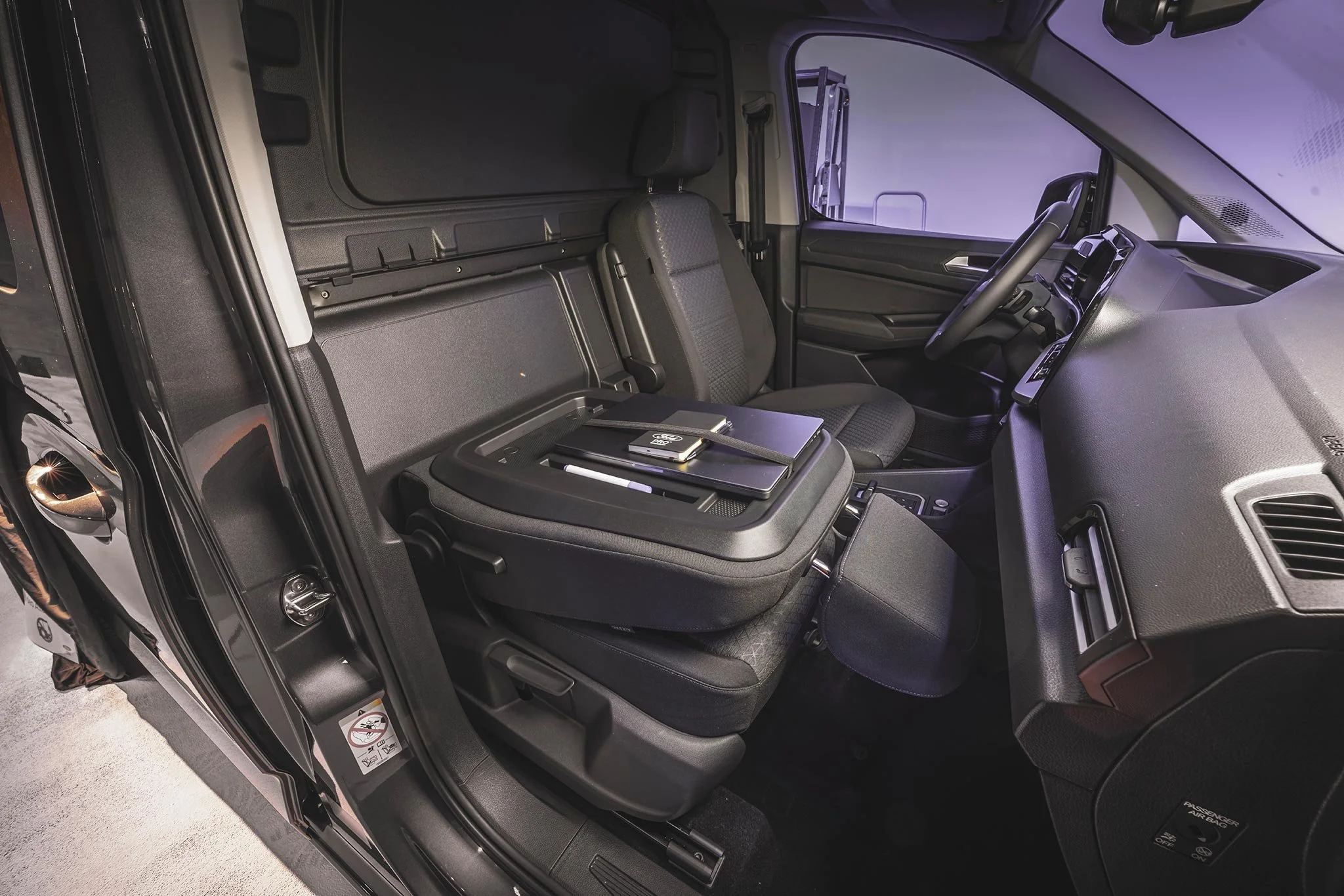
The Ford Transit Connect is built in a collaboration with Volkswagen and shares a lot with the Volkswagen Caddy. Both are built on the same assembly line in Poland. The interior is sturdy, comfortable and functional, but it’s let down by the 13-inch infotainment system which suffers from the Volkswagen problem of having too much hidden away in various sub menus. Interestingly, Volkswagen has done an about turn with its latest cars and returned to knobs and buttons which are easier to use. If you want to adjust the temperature or audio volume, you need to use the useless touch-sensitive slider controls. To make matters worse, they’re not backlit so good luck trying to adjust things in the dark.
The rest of the screen works well, although it seems a bit laggy. Perhaps once you’ve spent a few weeks with the van you’ll get the hang of finding where everything is hidden.
Trim Options
Two trim levels are available — Trend and Limited. Trend gets you stuff like air con, sat nav and halogen headlamps, but the extra £2k for Limited is probably worth it as you now get the excellent Quickclear electric windscreen, which is handy on a frosty morning, powered folding mirrors, driver’s seat with lumbar support and wireless charging.
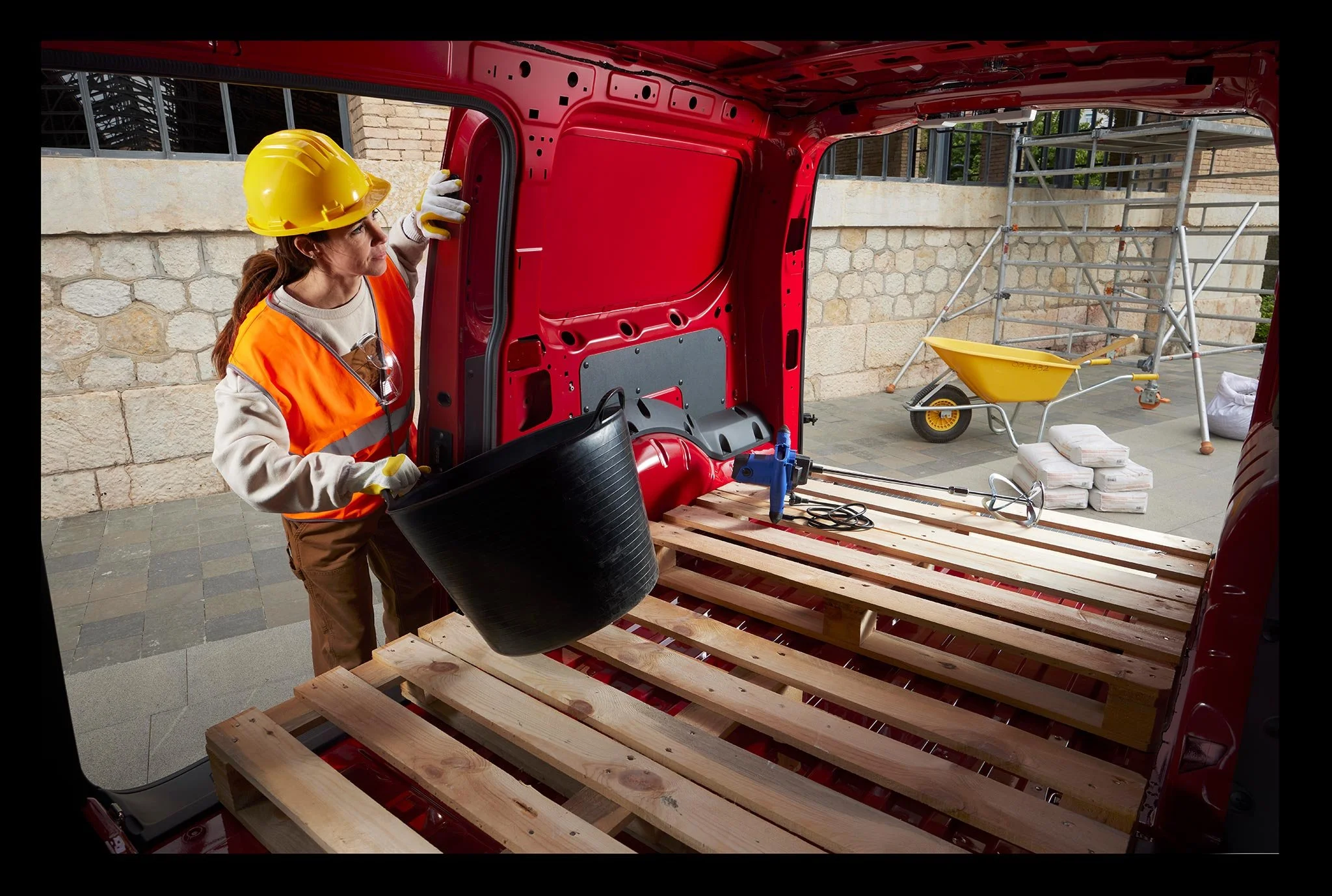
The huge plus point for the Ford Transit Connect is that it drives just like a car, with pretty light-ish steering making manoeuvring in tight streets simple. The suspension easily copes with a full load but doesn’t make the van bouncy when empty. There’s a low lip to the loading area, and the sliding side doors certainly help with accessibility.
Which version should you buy?
The £5,000 difference in purchase price seems like a lot, but I think it’ll be worth shelling out for the PHEV model. It’s likely to retain more of its value and, with the potential of 70 miles of EV running as opposed to the soaring cost of diesel, it’ll probably make more sense in the long run. There’s also the advantage of having a more powerful engine, which is handy on longer runs.
As workhorses go, the Ford Transit Connect is both civilised and versatile. Throw in the economical advantages of PHEV power and it’s easy to see why it’ll continue to be one of the UK’s favourite mid-size vans.
words: Graham Courtney
pictures: Ford
