
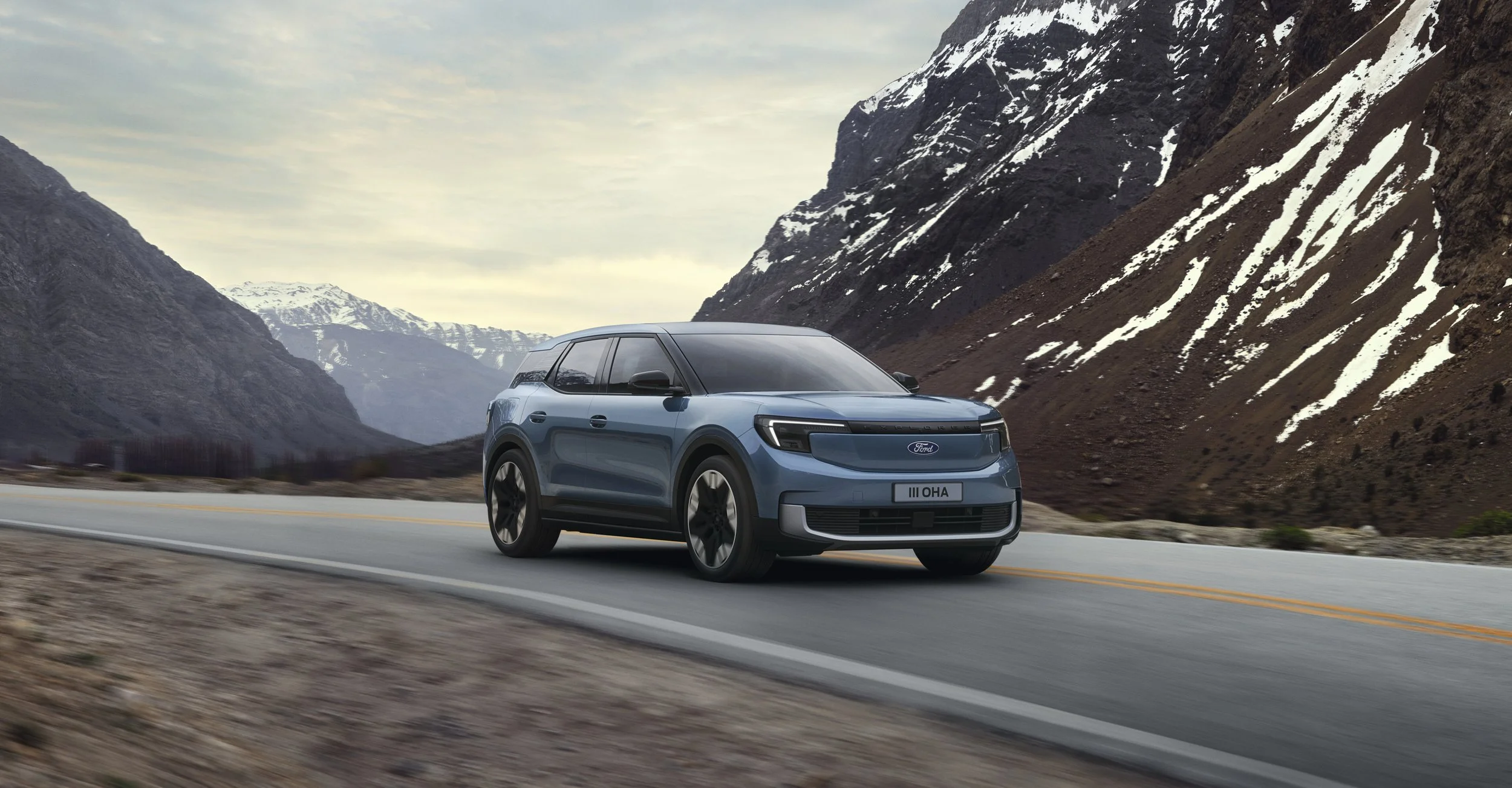
Many moons ago, I went on holiday to the USA and, if you’ve ever been over there, you’ll have noticed (possibly) that Americans often have messages on their number plates. They can pay to put slogans, glorified adverts and even political messages onto the plates. It’s a bit like folk in this country wanting to buy a personalised plate with their name, initials or even the type of car they’re driving. I was fortunate enough to borrow a Ford car from their USA press department, and the number plate said, ’Have you driven a Ford lately?’
The general message is that Ford has always prided itself on producing cars that are good to drive, and the Ford Explorer certainly fits into that ethos, even though it’s electric. Heavy batteries slung under the floor pan give electric cars a low centre of gravity, which generally helps with handling. Although if it’s a car which has been converted from ICE power to electric, the additional weight is sometimes hard to disguise.
Explorer vs Capri
The Explorer has a sister car — the Ford Capri. If you like the sound of a Ford Explorer but would prefer something with a more swoopy exterior profile, go for the Capri.
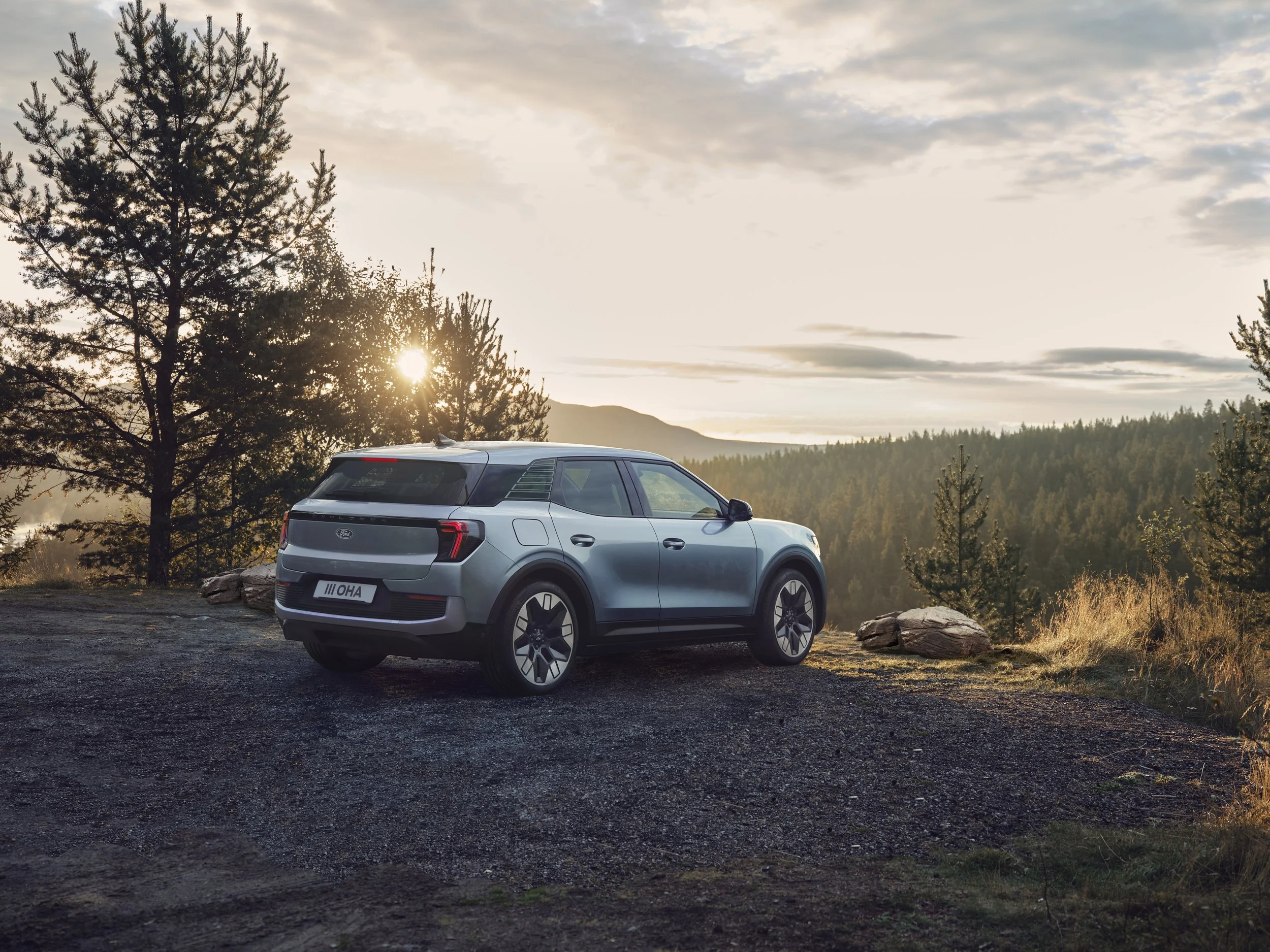
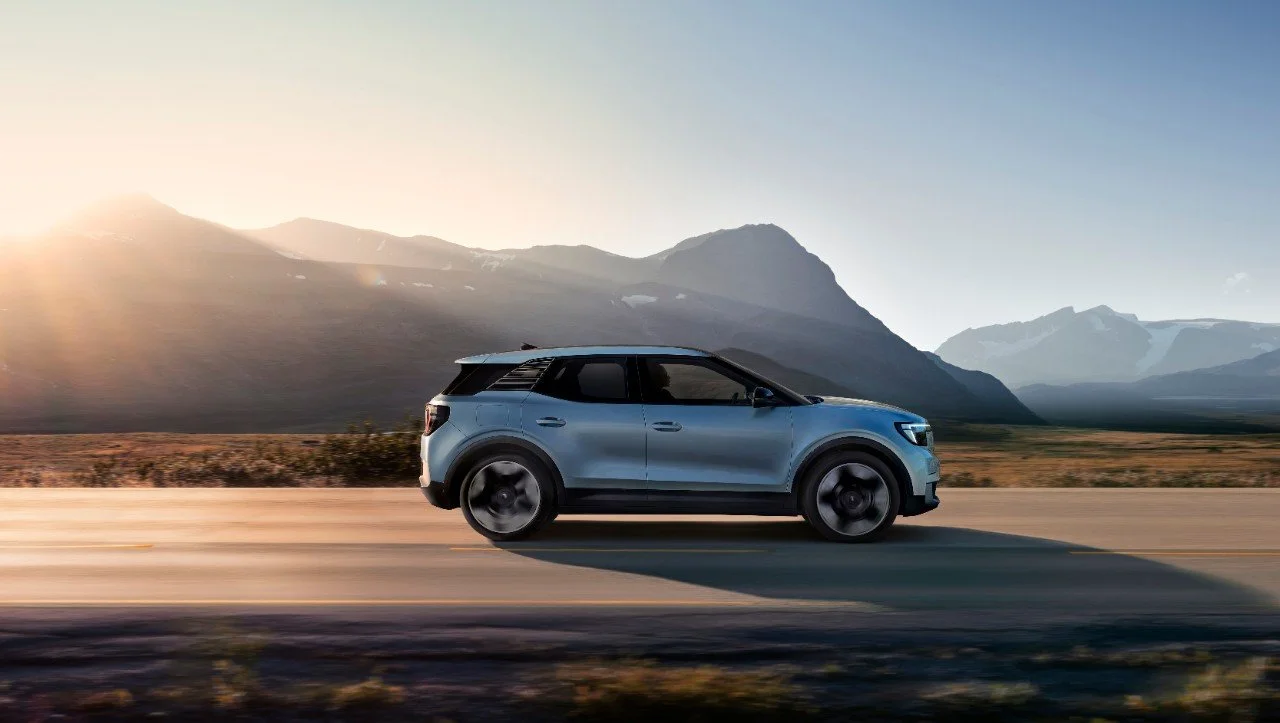
Mechanically, they’re the same. The underpinnings are from Volkswagen (think VW ID.4) but you’d never know it because Ford has ensured that their cars have a very different character. The body is different to the VW and so too is the interior. The suspension has different settings, and the Explorer is built on Ford’s own assembly line in Cologne, so it’s harsh to call the Explorer and Capri a revamped ID.4. Although there’s not much in it, the Capri is slightly longer than the Explorer and sits slightly lower. There’s even a tad extra boot space in the Capri, but because the Explorer has a bluffer rump, the space is a more versatile.
Oh, and if you think this Ford Explorer is a version of the North American Explorer, it isn’t. The latter is a hunky 4x4 with engines ranging from 2.3 litres to thumping 3.0 litre V6.
The former - and the one you see here - is the all-electric Ford Explorer for the European market.
Let’s crunch some numbers.
Price, Ranges & Trims
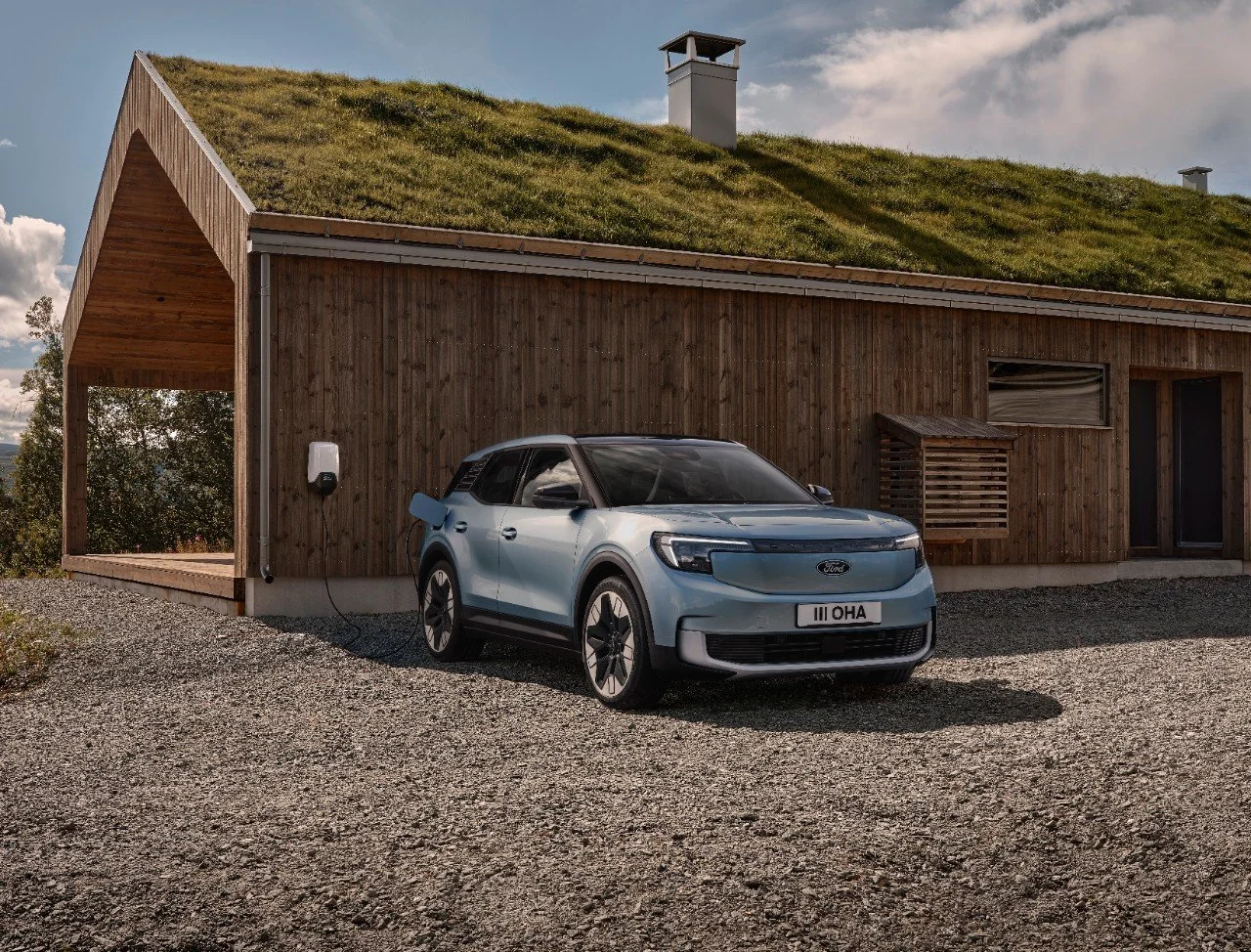
Prices kick off at £35,285 (Jan 26) for the Style trim level. There are three power options, with the entry level rear wheel drive model developing 168bhp and taking you to 60mph in 8.7 seconds. Predicted range is 233 miles.
Then there’s a 282bhp rear-drive model in Select trim, which accelerates from 0-60mph in 6.4 seconds. It has a larger, extended range battery, so it can manage a useful 374 miles. Lastly, there’s the range-topping twin motor, AWD version that churns out 335bhp with a 0-60mph time of 5.4 seconds and a predicted range of 328 miles.
The reduced range is due to the additional weight. This one has Premium trim, which is the only trim where you can specify AWD, although the other powerplants are also available if you just want your Explorer to be fully loaded but with the lesser (and cheaper) power options. Charge times from 10-80 per cent are in the region of 27 minutes.
Driving experience
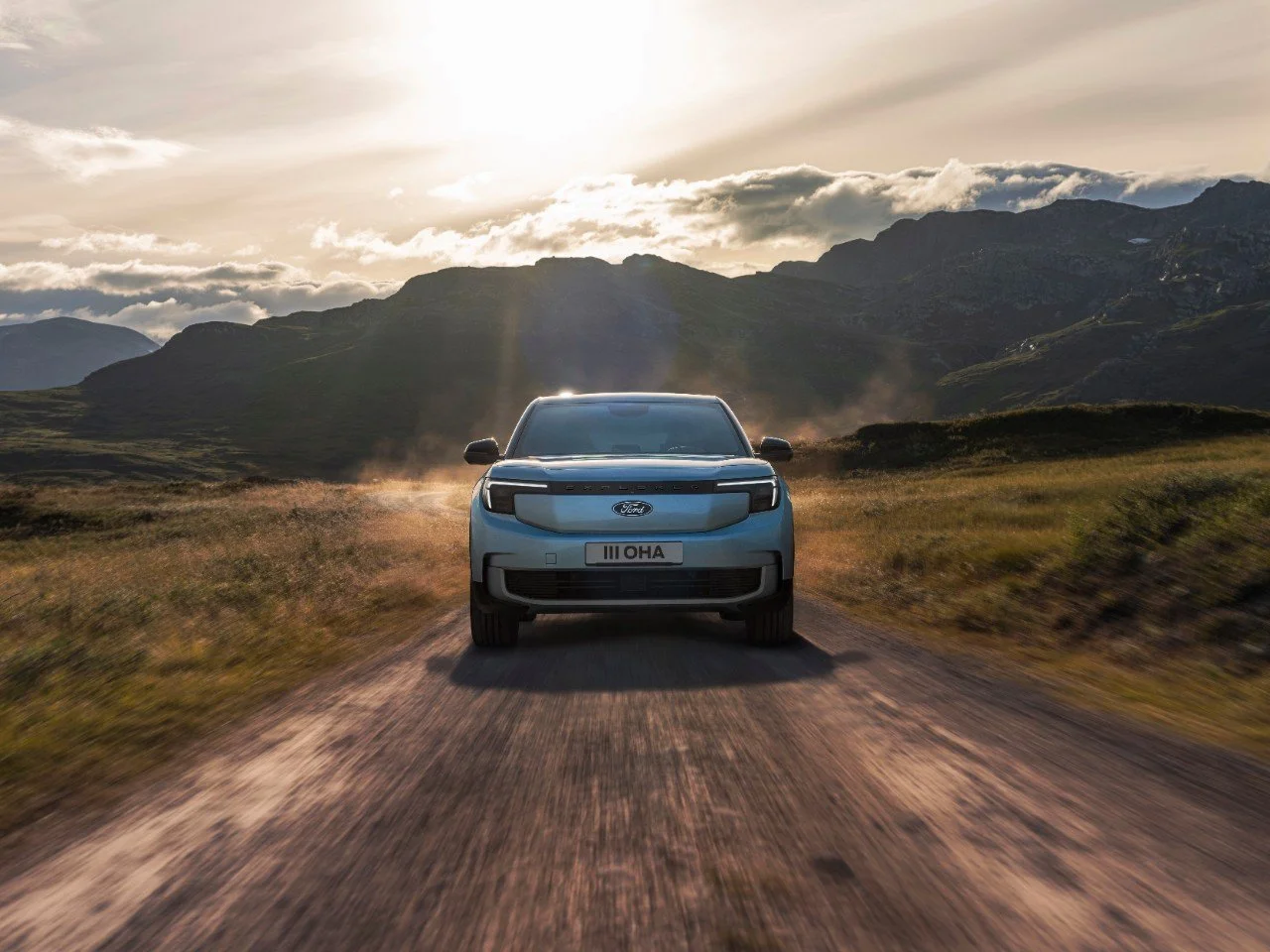
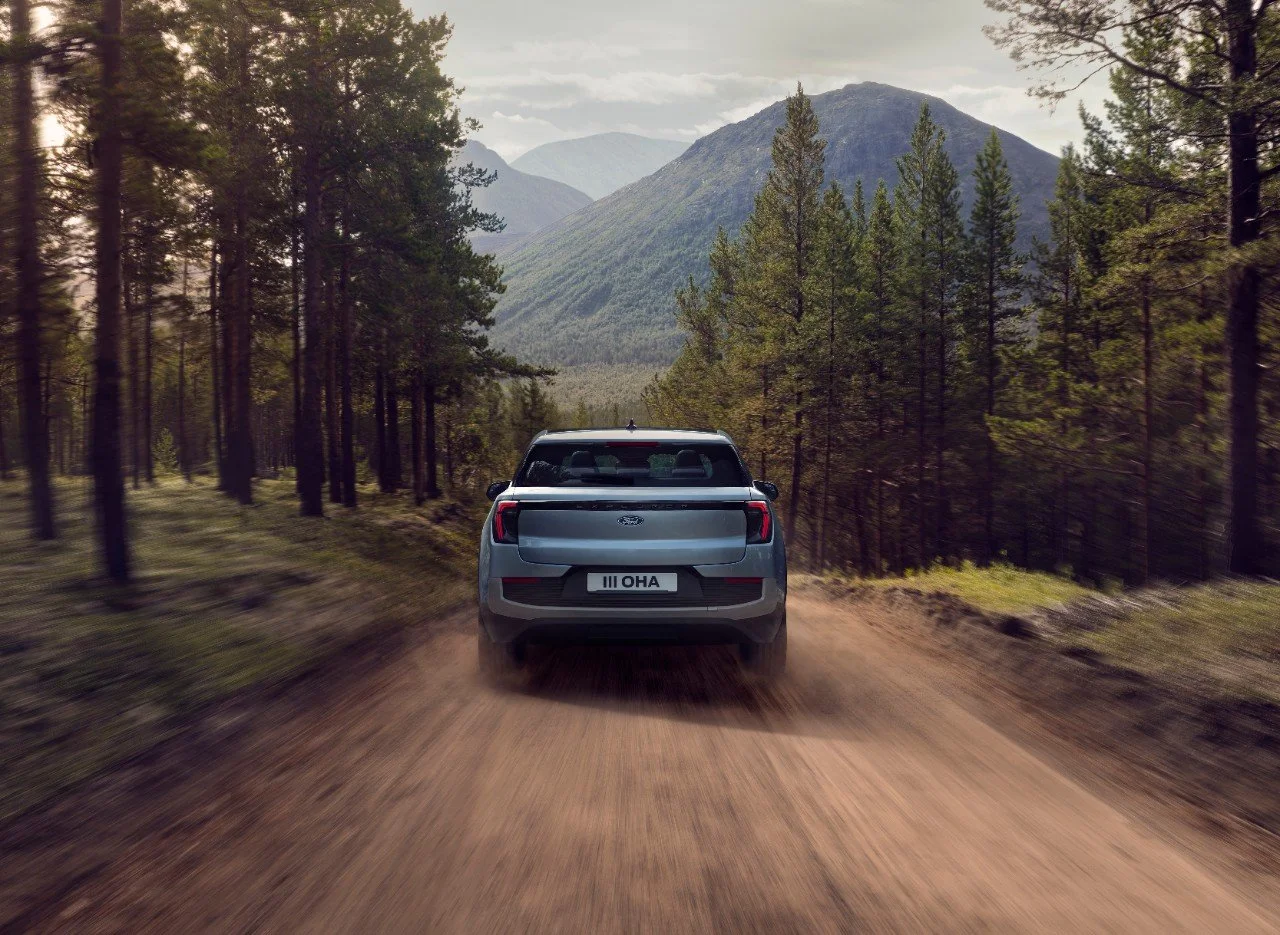
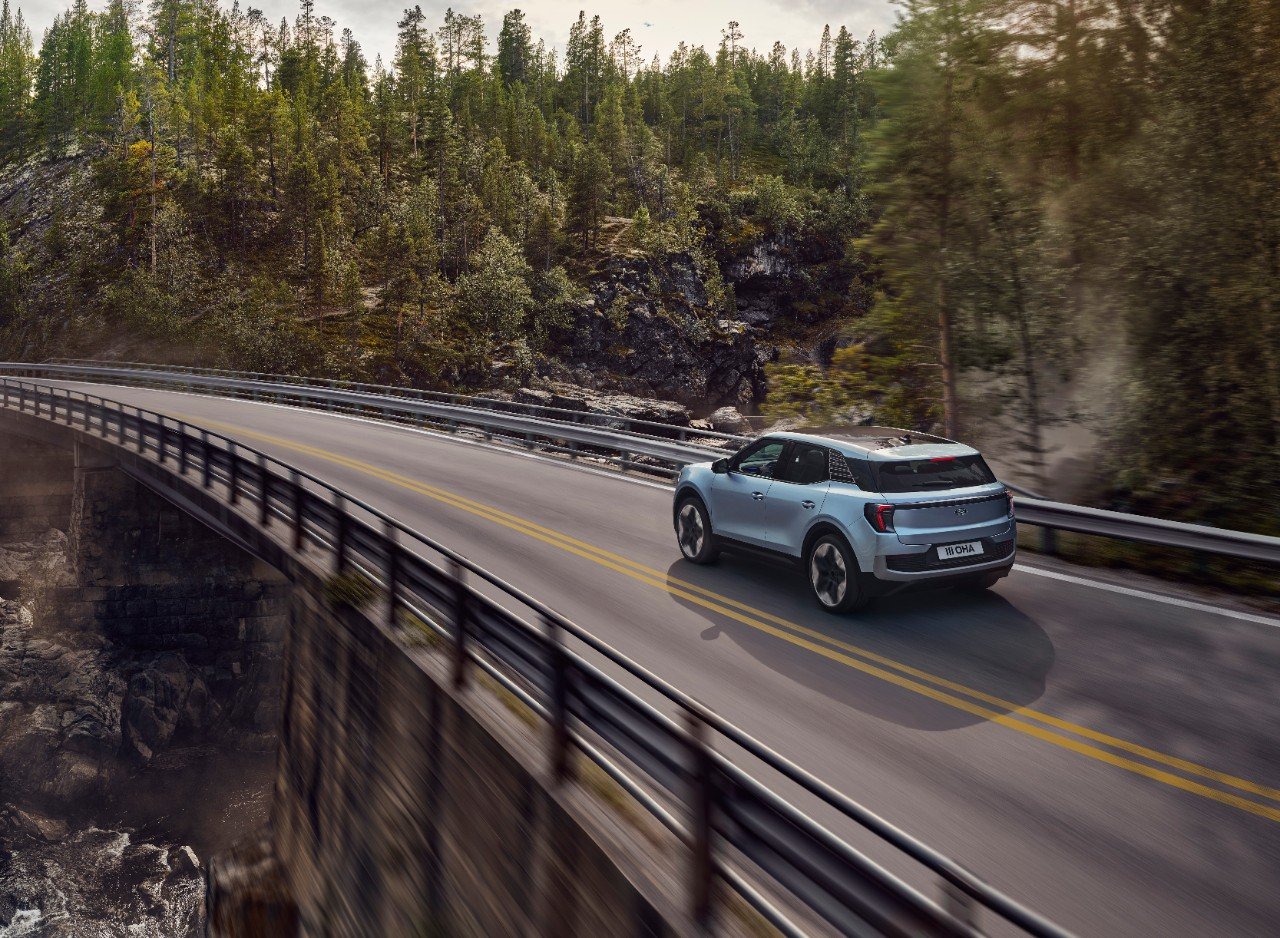
Ford has the knack of making their cars good to drive, which, to be fair, other manufacturers sometimes struggle with when switching to battery power. If you push on, you’ll find that the Explorer handles nicely…there’s very little roll…and even though I had the extended range rear-wheel drive model, it clings on like a limpet, even on damp roads. Okay, if you live out in the sticks, AWD will probably come in handy, but I’d probably just save some pennies and go for the longer-range model.
There are various driver modes. Sport makes the controls feel more sensitive, but I preferred to leave the car in the Comfort setting. You can also adjust the levels of regenerative braking.
Interior
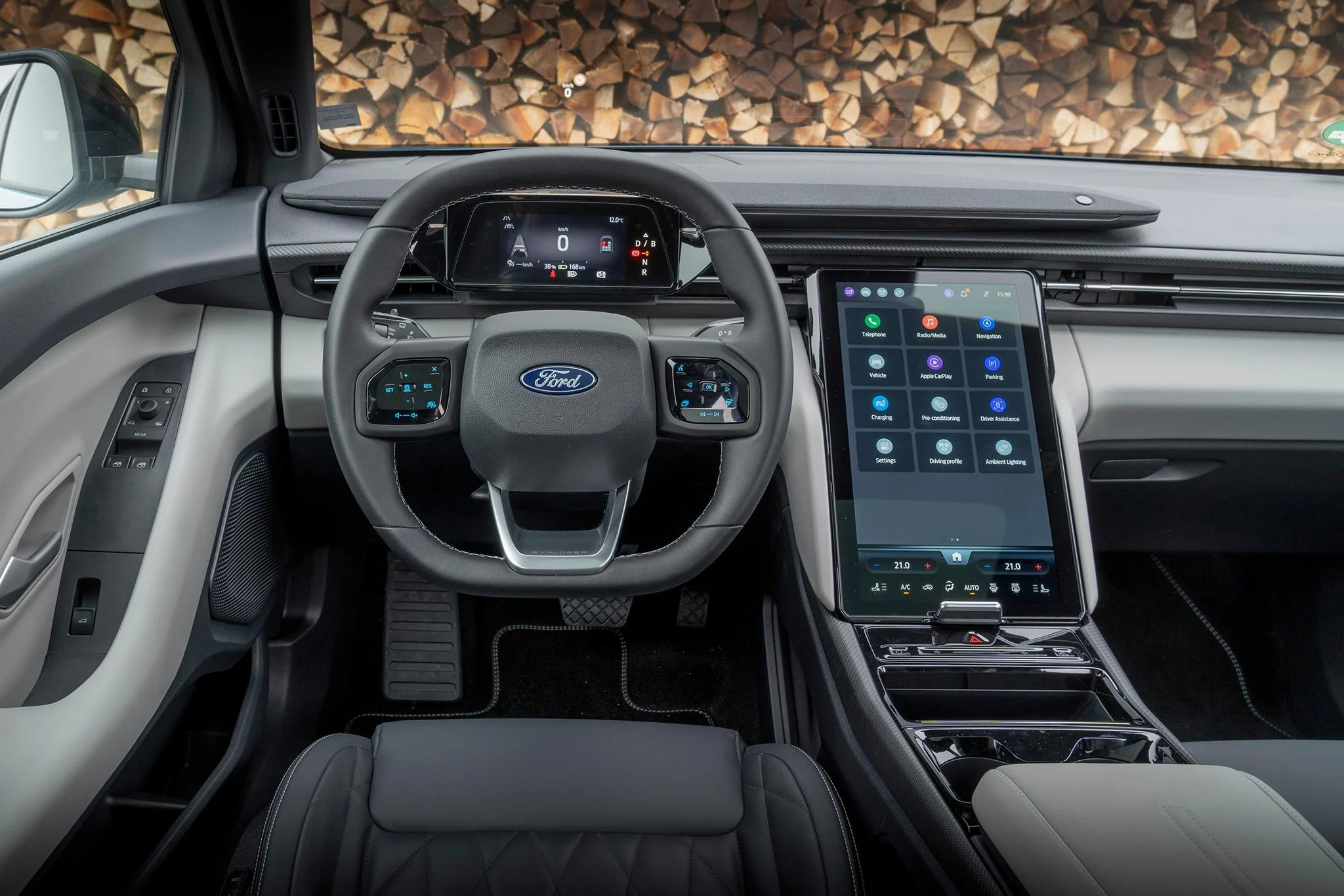
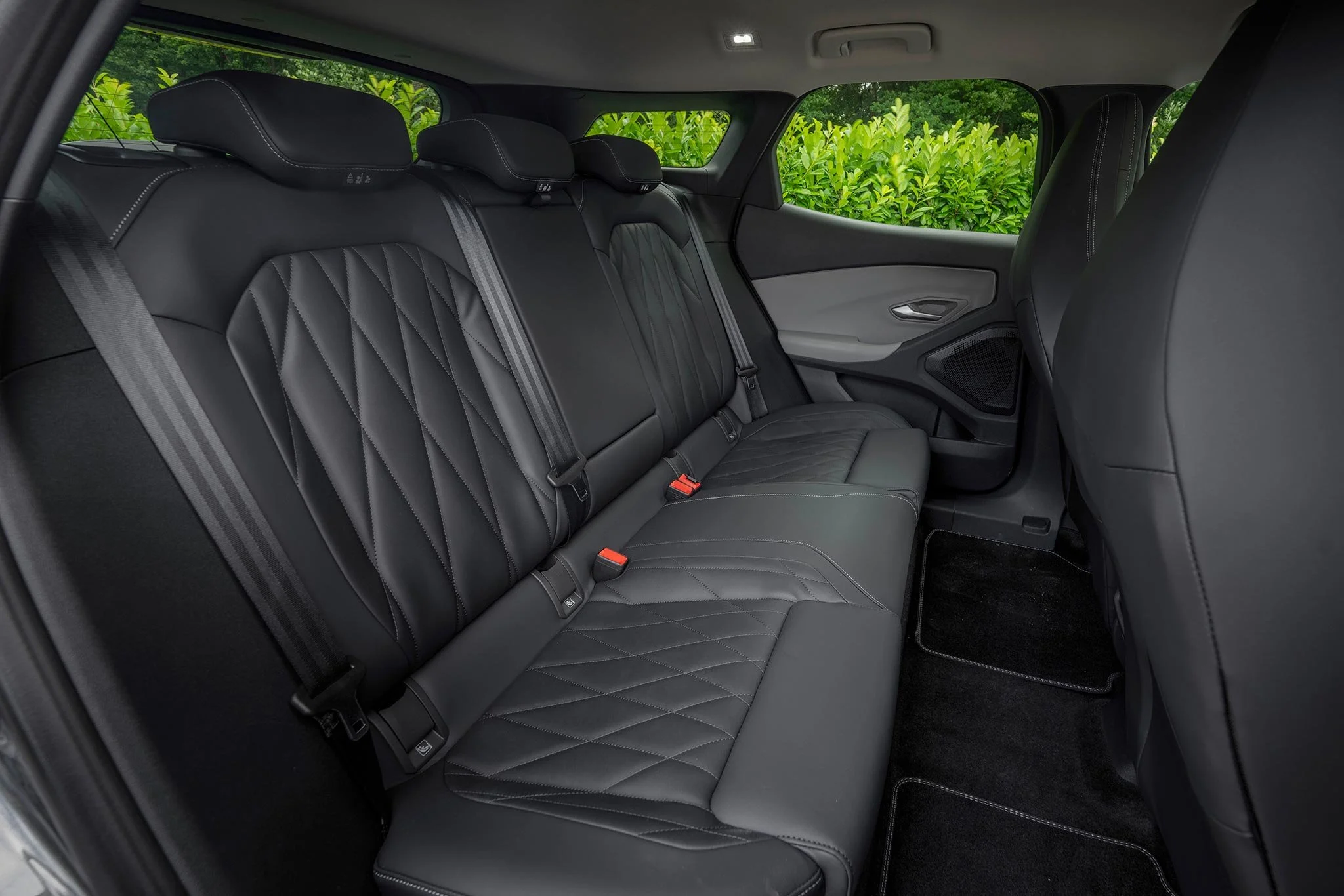
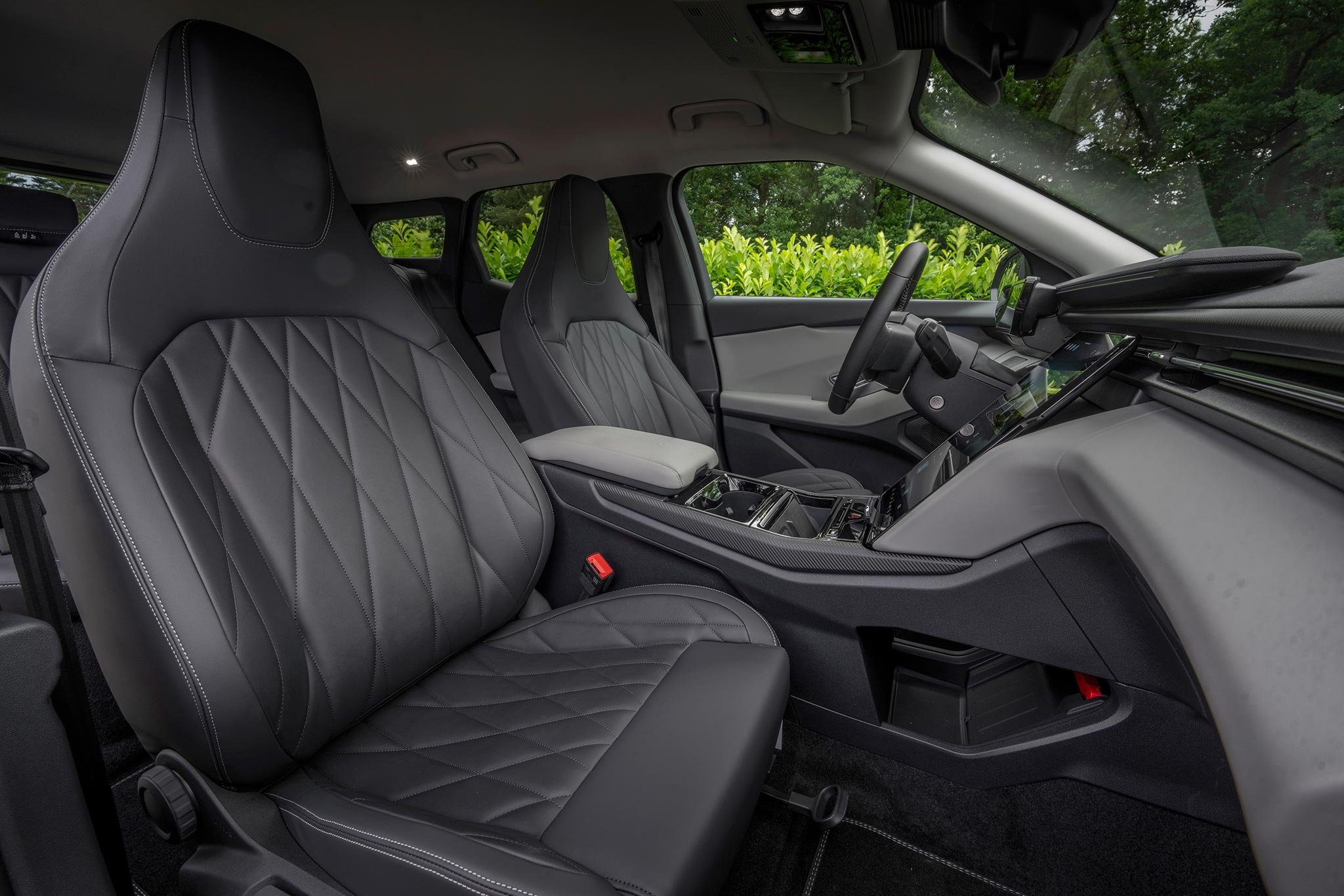
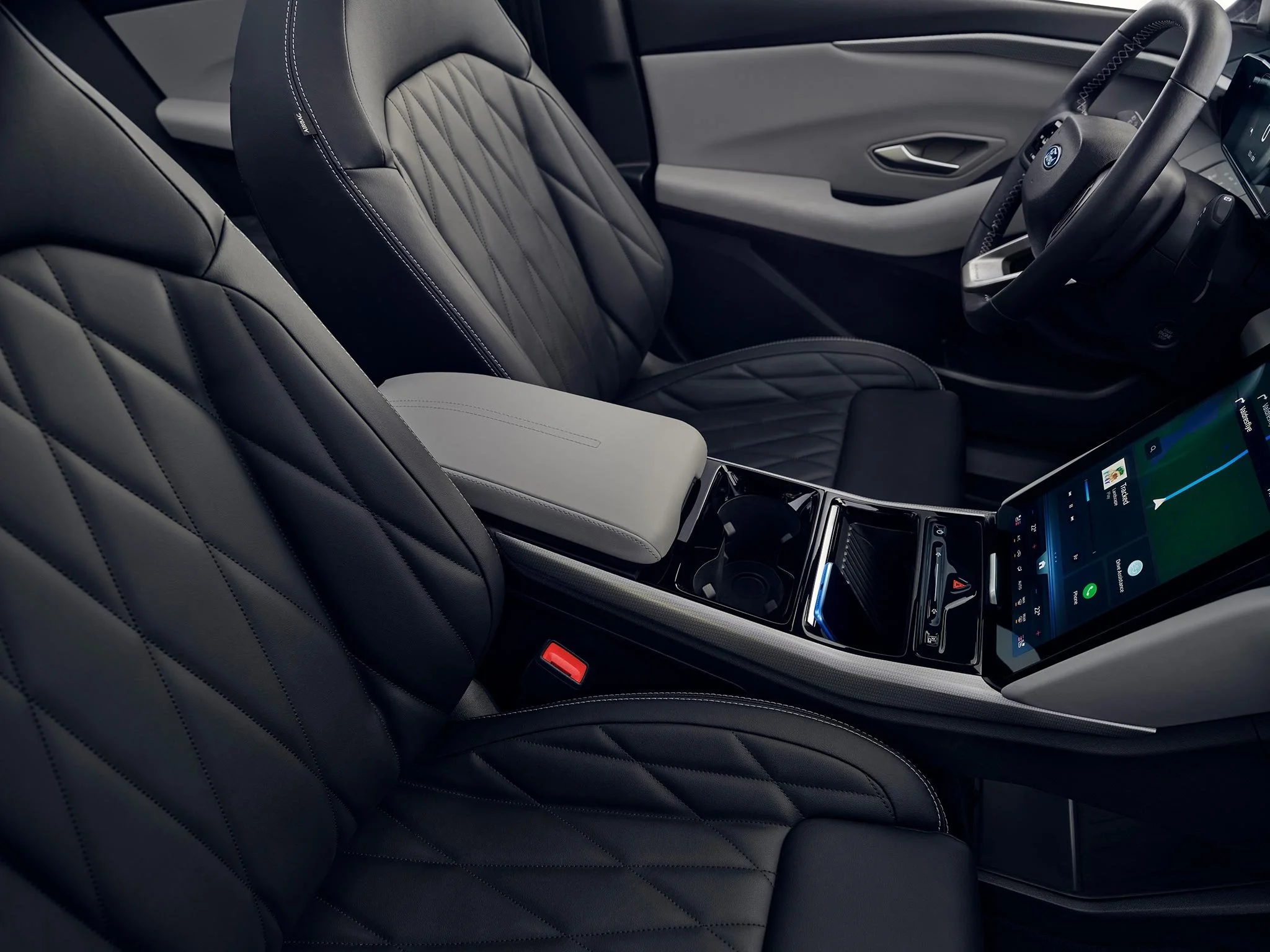
The interior is smart, edging perhaps on the simplistic, but I don’t mind that. It’s better than an interior which looks too fussy. In terms of space, five adults of average build will be perfectly comfortable. The front seats in particular feel great and look good too.
In terms of kit, even the entry-level Style trim gets all the essentials like sat nav, climate control, reversing camera, front and rear parking sensors, LED headlights and a cracking audio system which includes a soundbar.
There’s also a steering wheel which has the top and bottom slightly flattened. This is becoming something of a fashion item on more cars. It allows you to clearly see the driver's instruments while reducing the overall size of the wheel. You do eventually get used to it and I quite like the flattened shape.
The 14.6-inch central touchscreen comes from VW, but it uses Ford graphics. It’s quick and easy to use. It’s also handy to be able to split the screen so that you can have the sat nav map in the top half and then various other blocks below for audio, telephone etc.
Concluding thoughts
If I had to choose, I’d probably go for the Select trim with extended range battery, opting for additional miles rather than a slight increase in power and performance.
The Ford line-up is changing as we head to a world of electric cars. The Fiesta and Focus have been dropped (shame), but whether Ford can tease those customers into buying something like the Ford Explorer, time will tell. Both of those cars were good to drive, which, I’m glad to report, is something that the Explorer has inherited.
words: Graham Courtney
pictures: Ford
