
BYD Seal 6 DM-i Touring - A £35k 1,350km capable PHEV
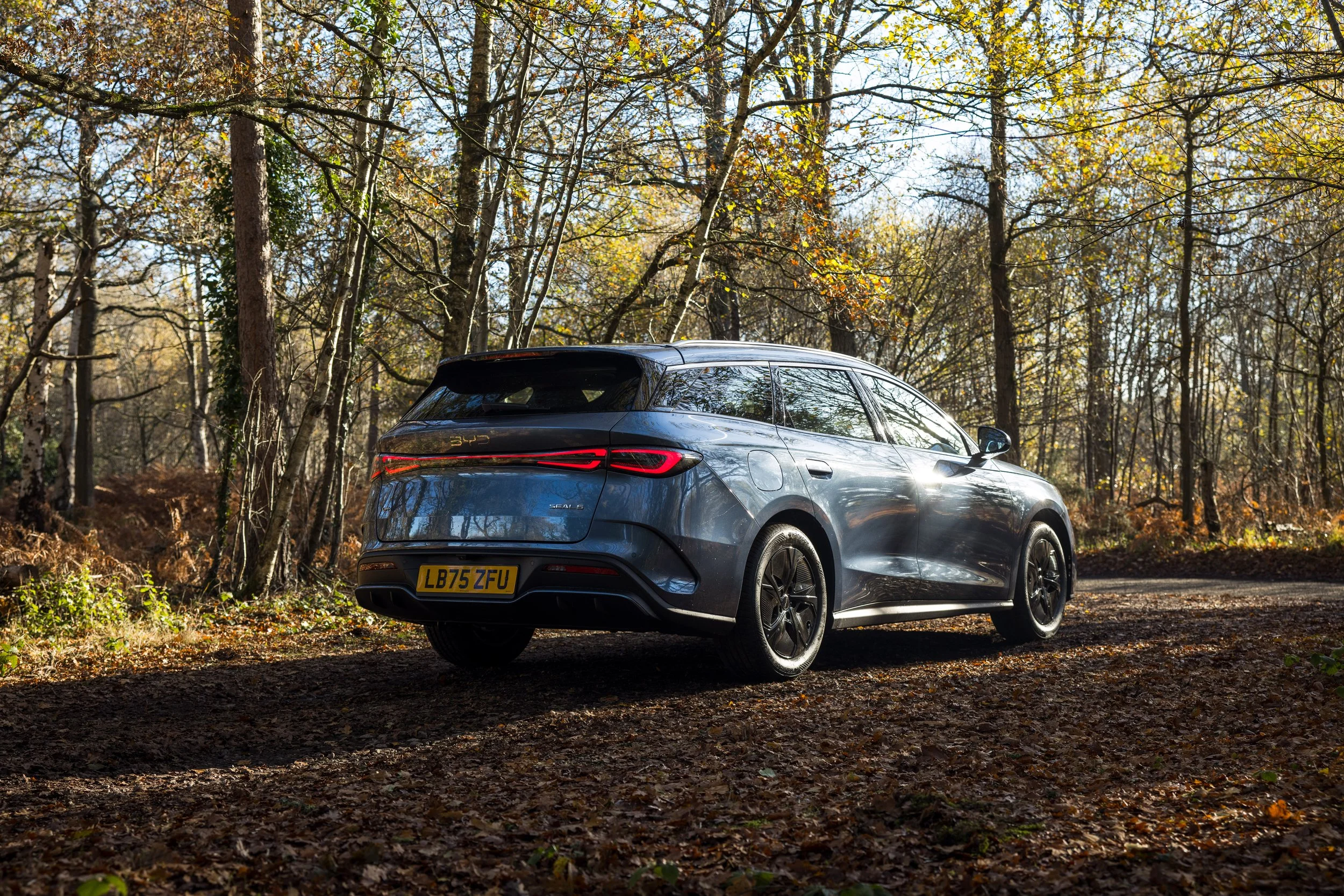
BYD is a company that many will regard as an EV rival to Tesla; however, the Chinese brand has just launched a new PHEV version of the Seal, and John Marcar has driven it.
Is BYD a good brand?
BYD is a brand that has seemingly come out of nowhere and burst onto the market in the UK. Many regard the Chinese outfit as a new rival to Tesla, but given BYD's recent sales figures in the UK and beyond (this side of the Atlantic at least), it would be fairer to describe the marque as less a rival and more a threat.
To date (November 2025), BYD has sold over 39,000 models in the UK alone, which, although impressive, is merely a drop in the ocean compared to the 14.2 million vehicles the brand has sold globally. There's no sign of things slowing down either. BYD is now well inside the top 100 of the Fortune 500 and plans to have 2000 car dealerships in Europe within the next 12 months.
Who is BYD? | REVIEW | BYD Seal | REVIEW | BYD Seal UDM-i
BYD Factory in Europe
Another key sign that BYD has further growth aspirations is the construction of a new European factory in Hungary. Once up and running, the Dolphin Surf and Atto 2 will have their own euro-dedicated production lines, with an additional two new models to follow soon after.
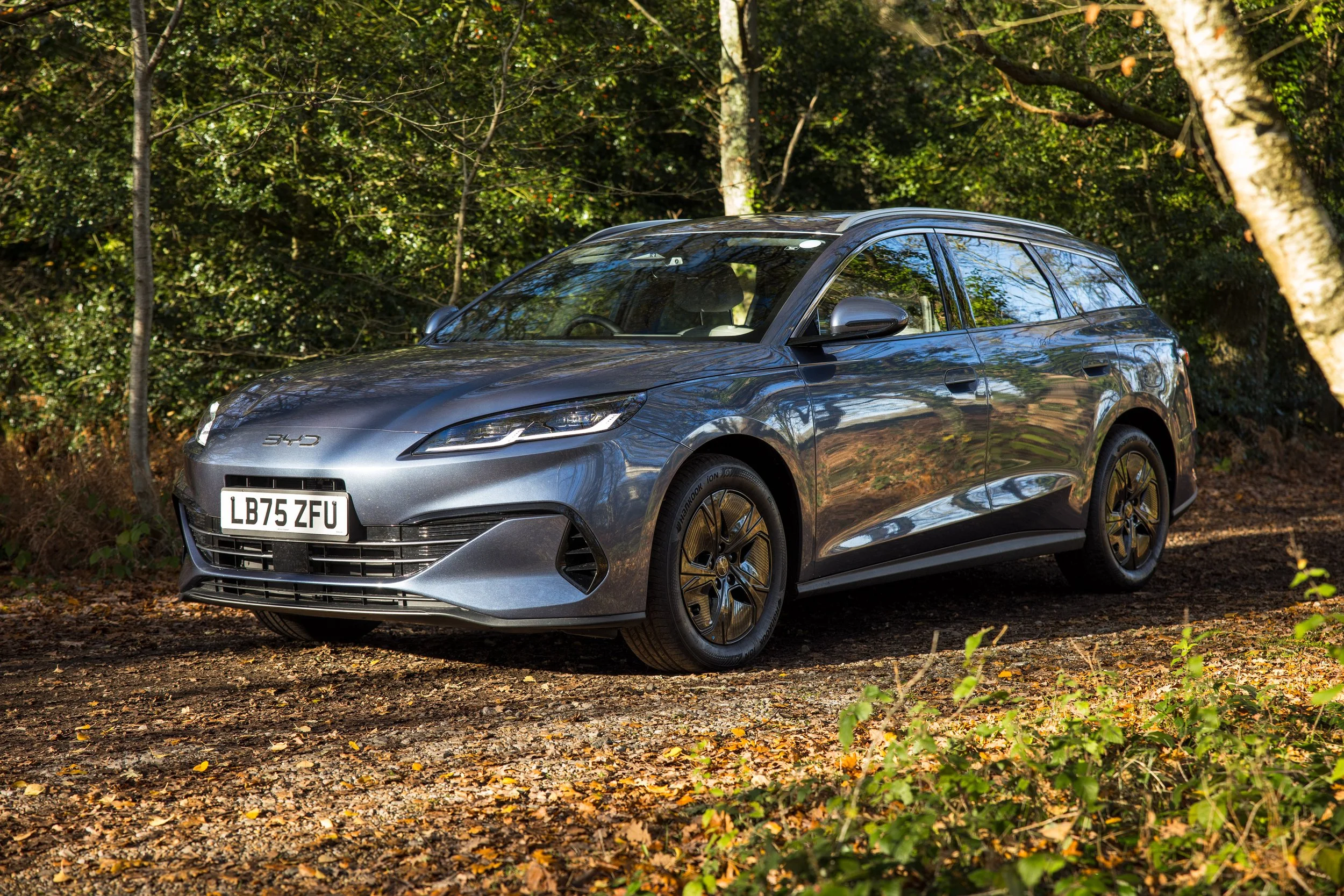
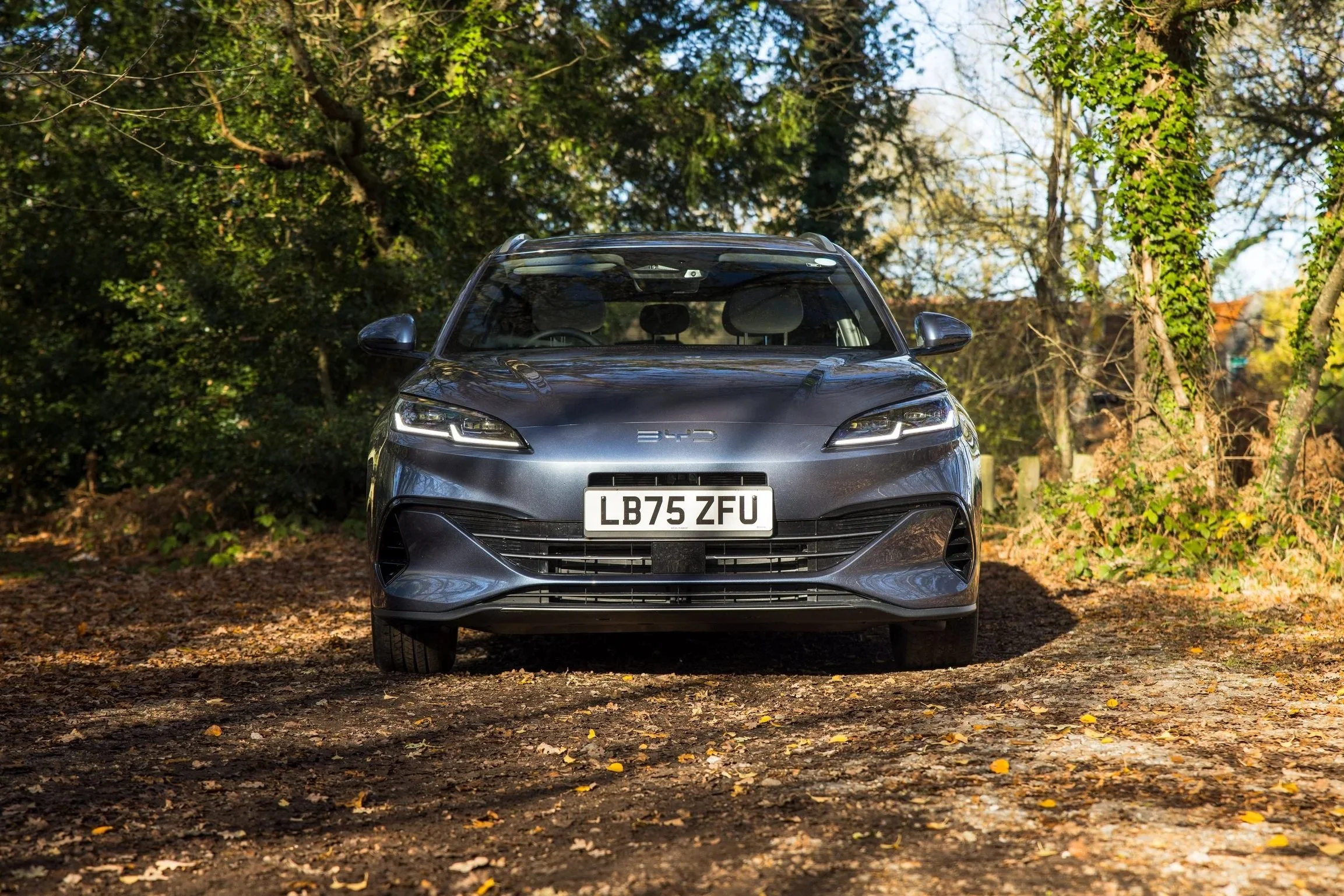
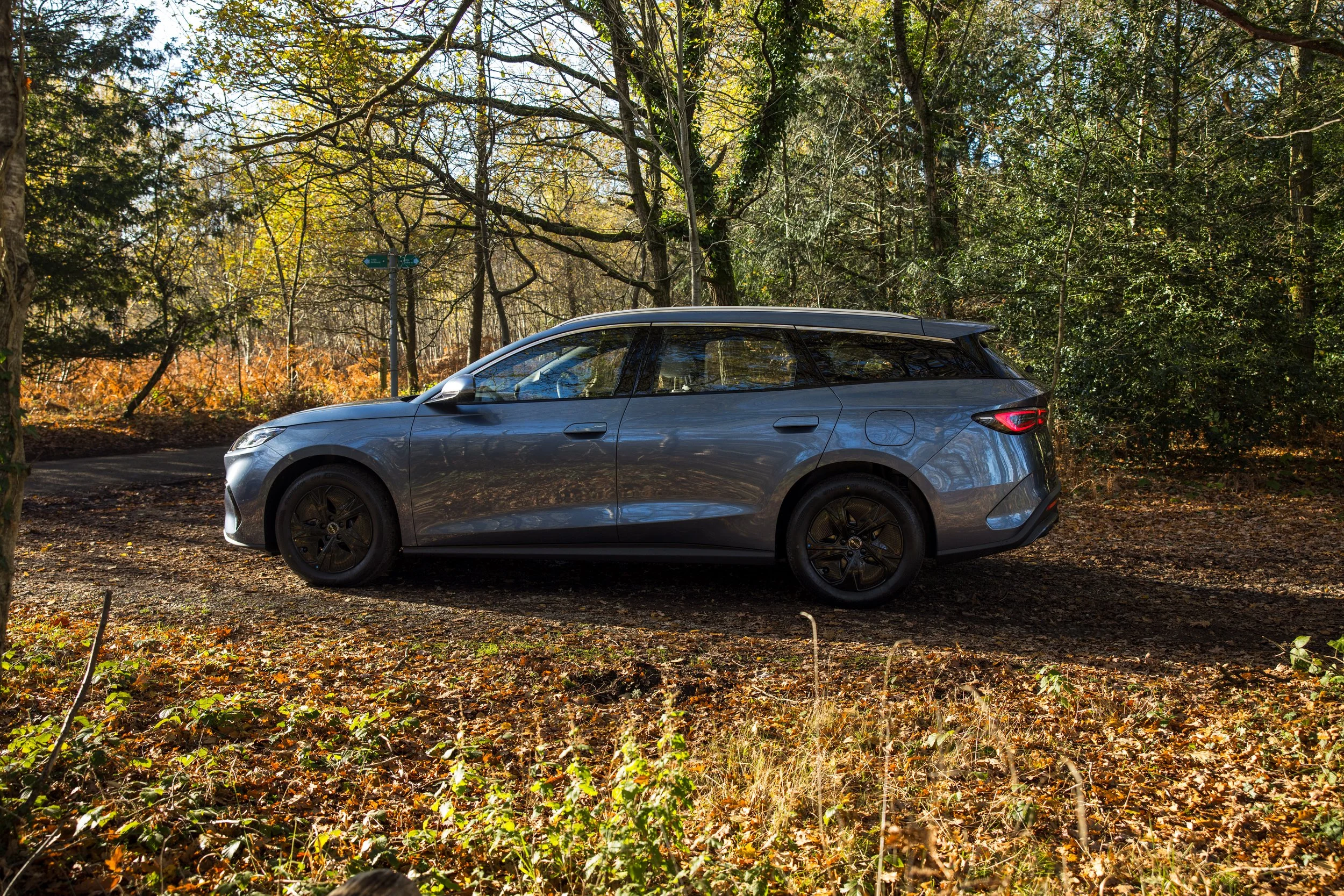
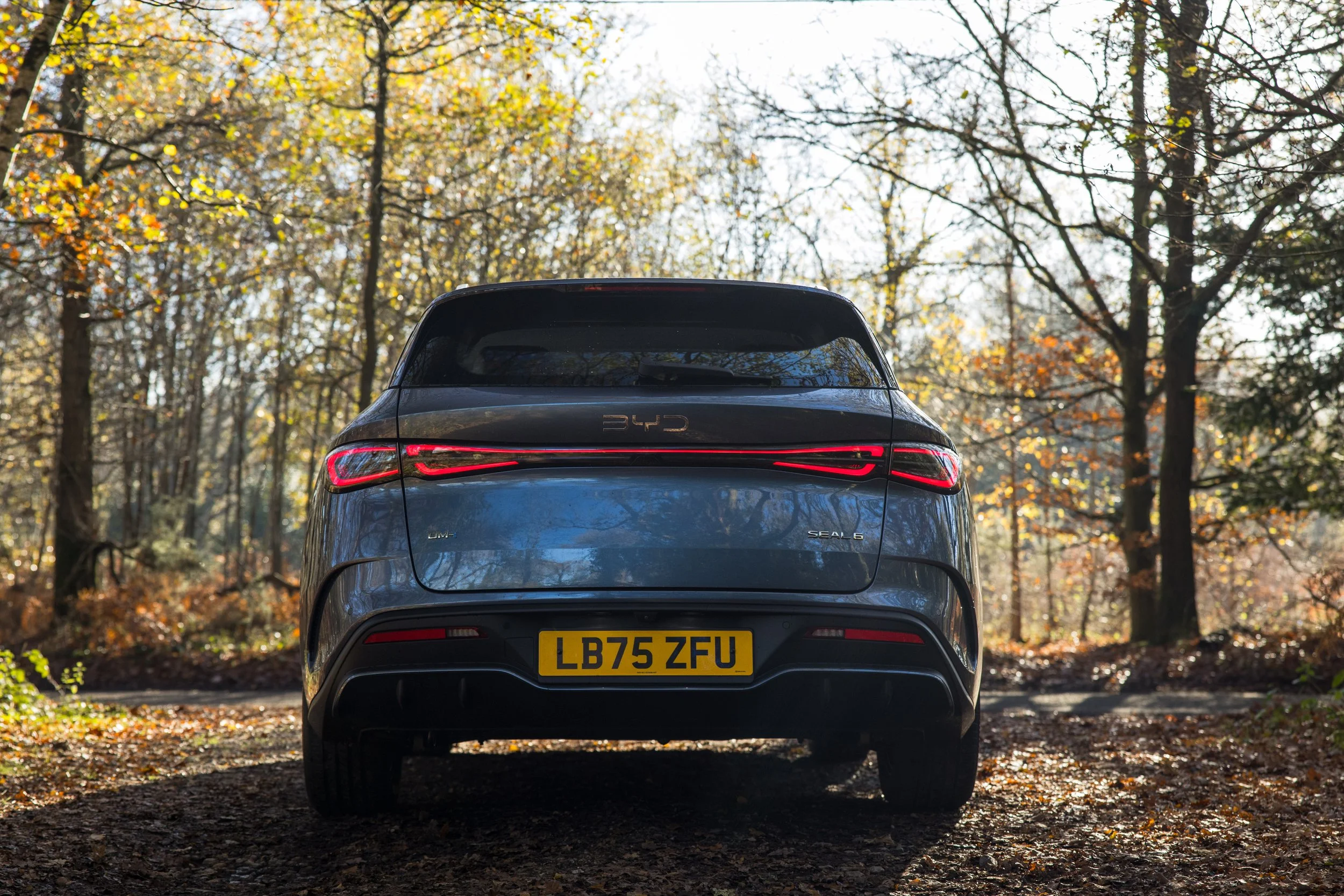
The hybrid Seal 6
The Seal EV has been pitched against Tesla's Model 3 since it arrived in 2023, and it's been a big hit in full-electric form to date. Now, BYD is launching two new variants of the Seal, both powered by the brand's Hybrid DM-i powertrain.
The DM stands for Dual Mode and describes the car's ability to run on either petrol power or electric power independently. Under the bonnet of the Seal 6 DM-i is a 1.5-litre 4-cylinder petrol engine that produces around 100bhp and 122Nm of torque. Directly alongside the petrol engine is a 145kW electric motor, which works in tandem with the engine and draws power from it to drive the front wheels. Any excess power not used to drive the motor is then directed to an LFP blade battery, which can provide enough power to deliver about 36 miles of electric range.
1,350km of Range
The combined range of the engine and electric motor is an impressive 1,350km (838 miles) from one tank of fuel and a fully charged battery. In terms of efficiency, the stats are equally impressive at 1.7L/100km or 166mpg.
Since when did BYD make PHEVs?
BYD has been successfully selling PHEVs since 2008. Although we didn't see any of them in the UK market until the last year or so, it would be fair to assume the Chinese automaker knows what it's doing, as the company can boast selling 7.3 million PHEV or 'Super Hybrid' models so far.
A Proper Estate Car
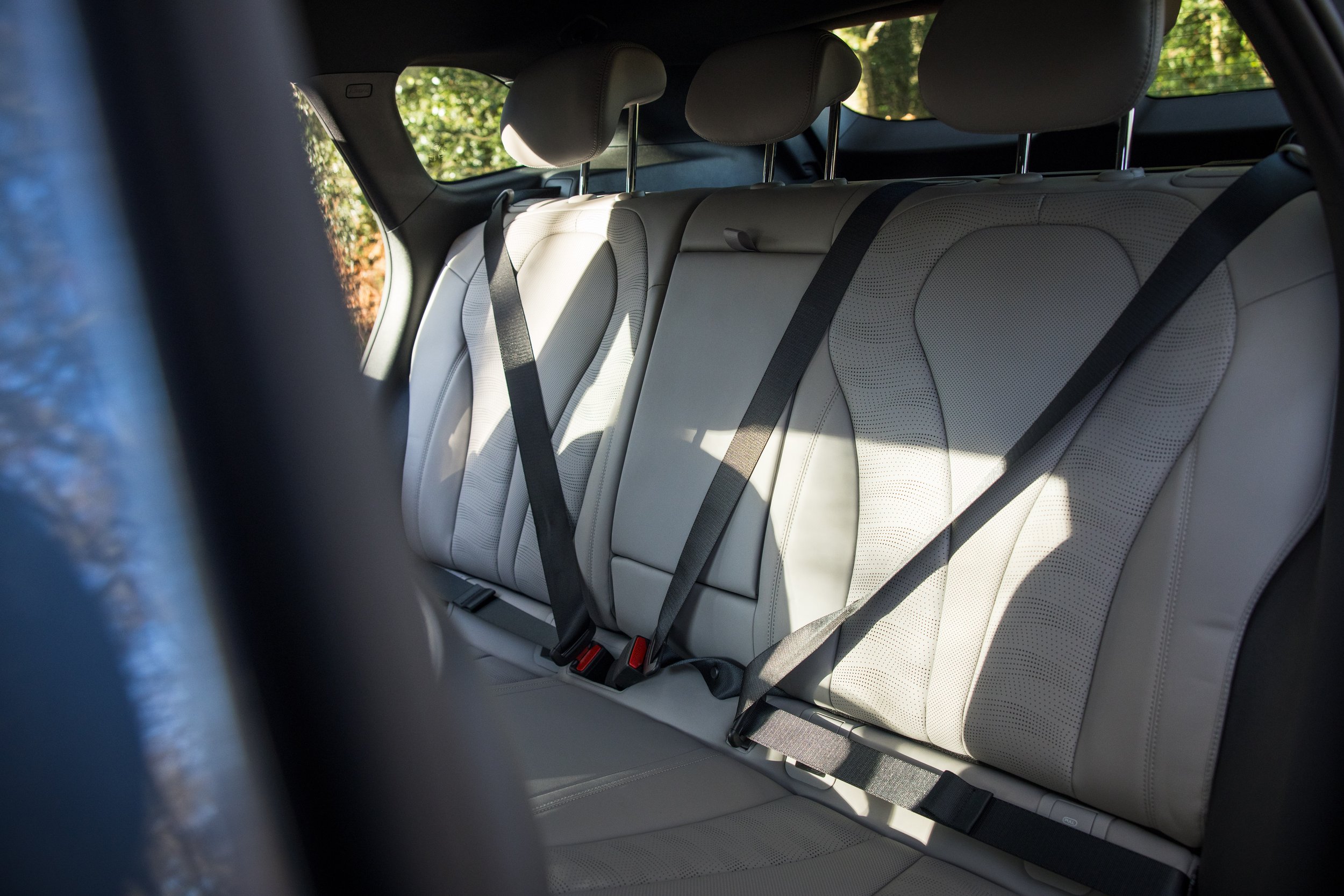
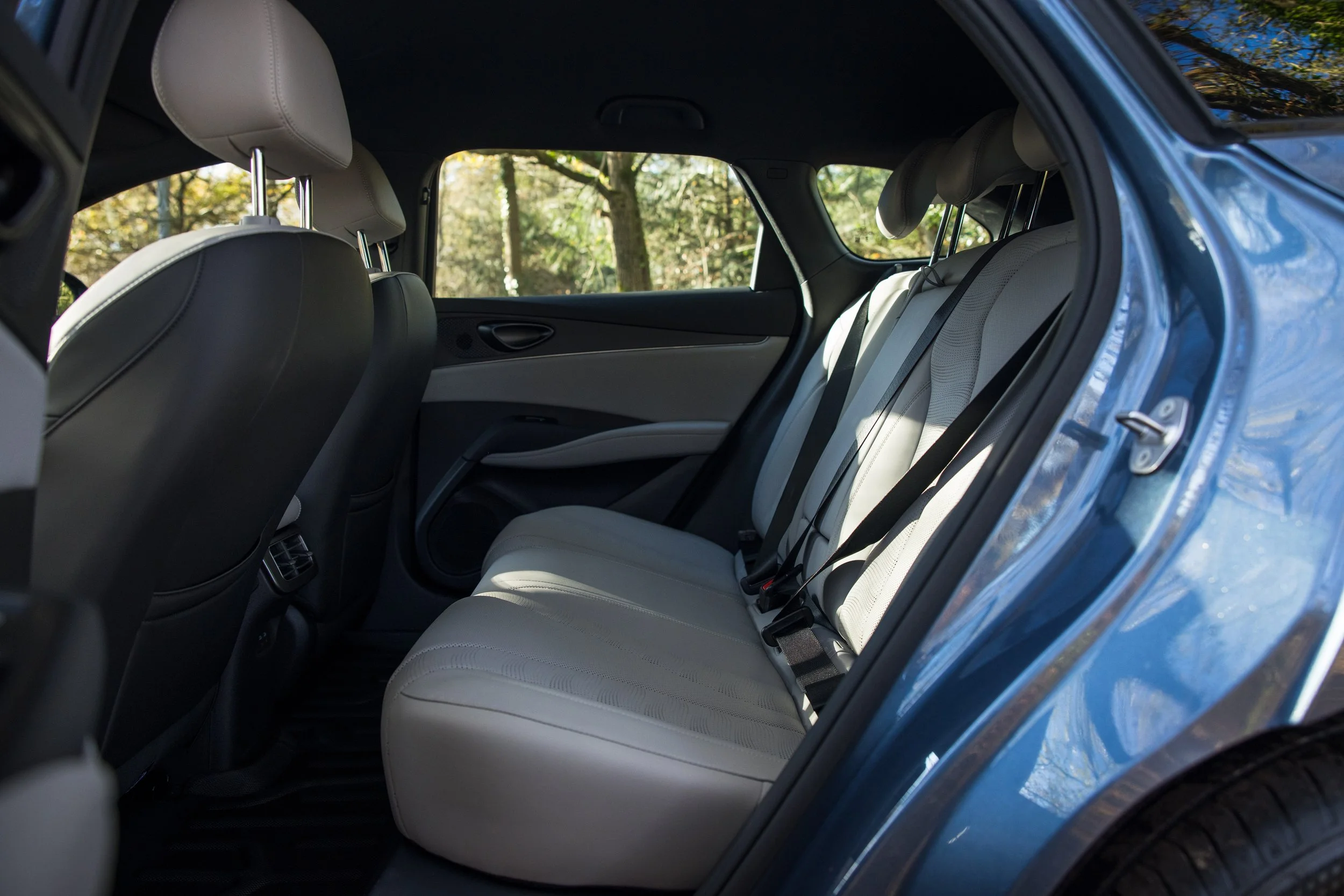
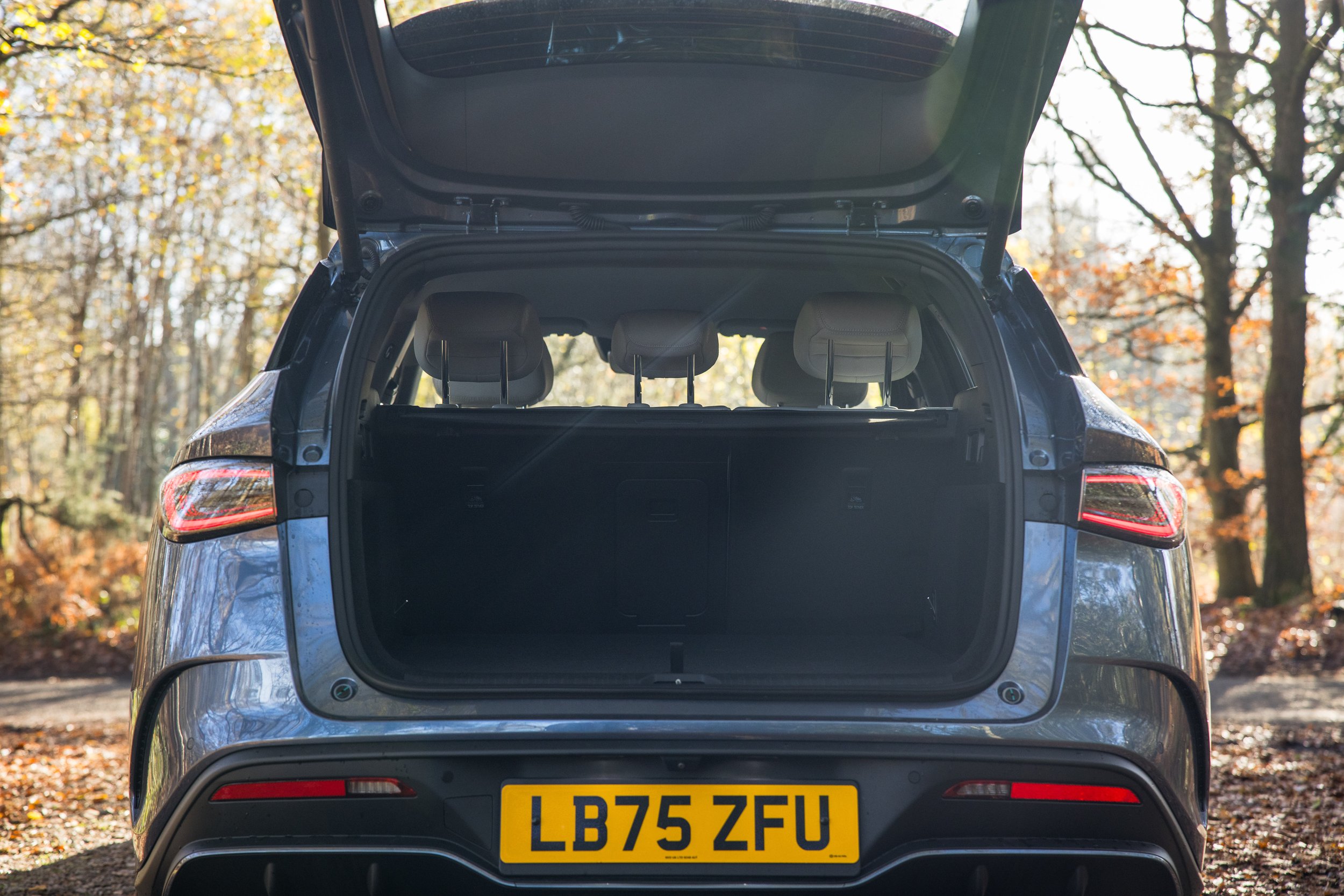
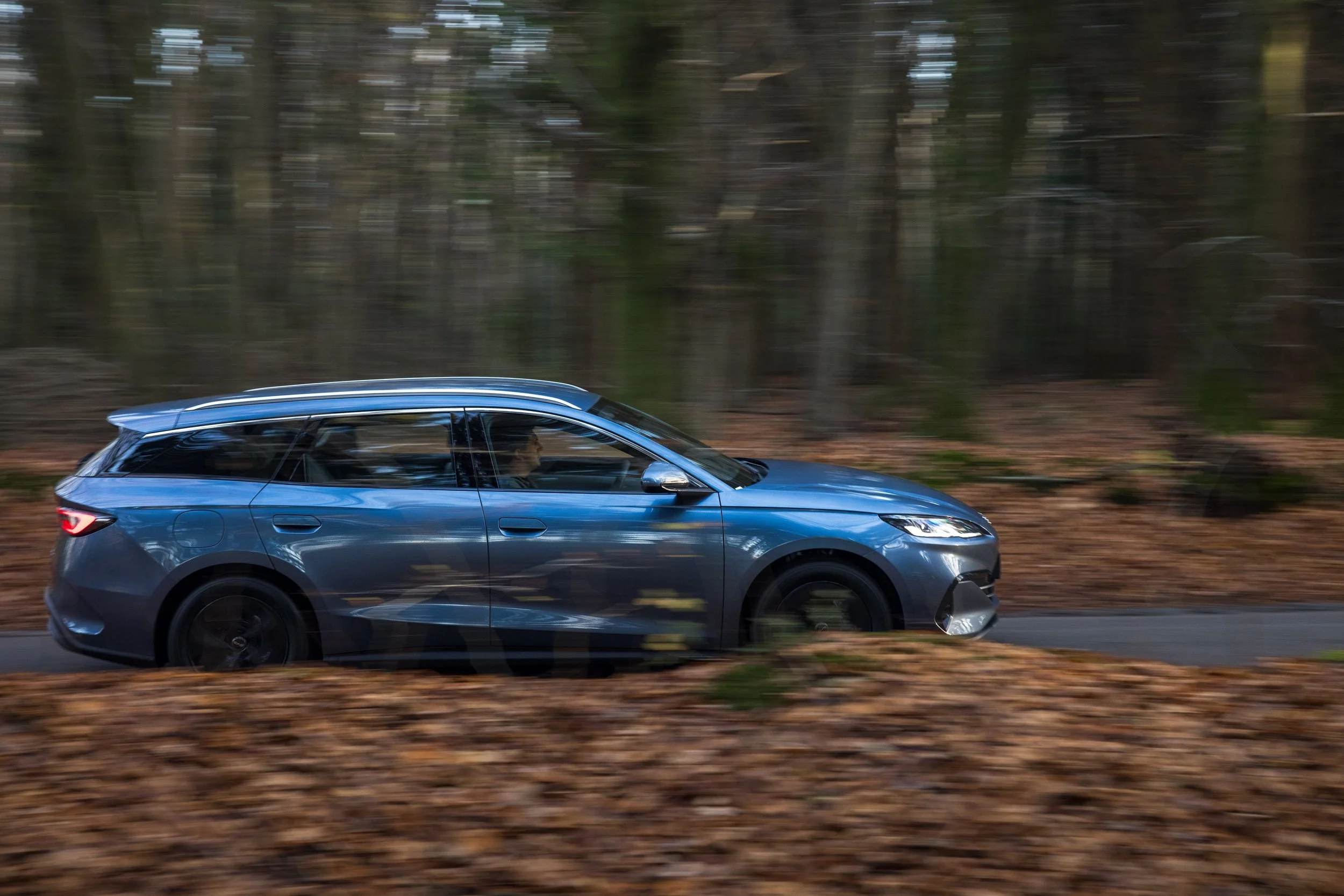
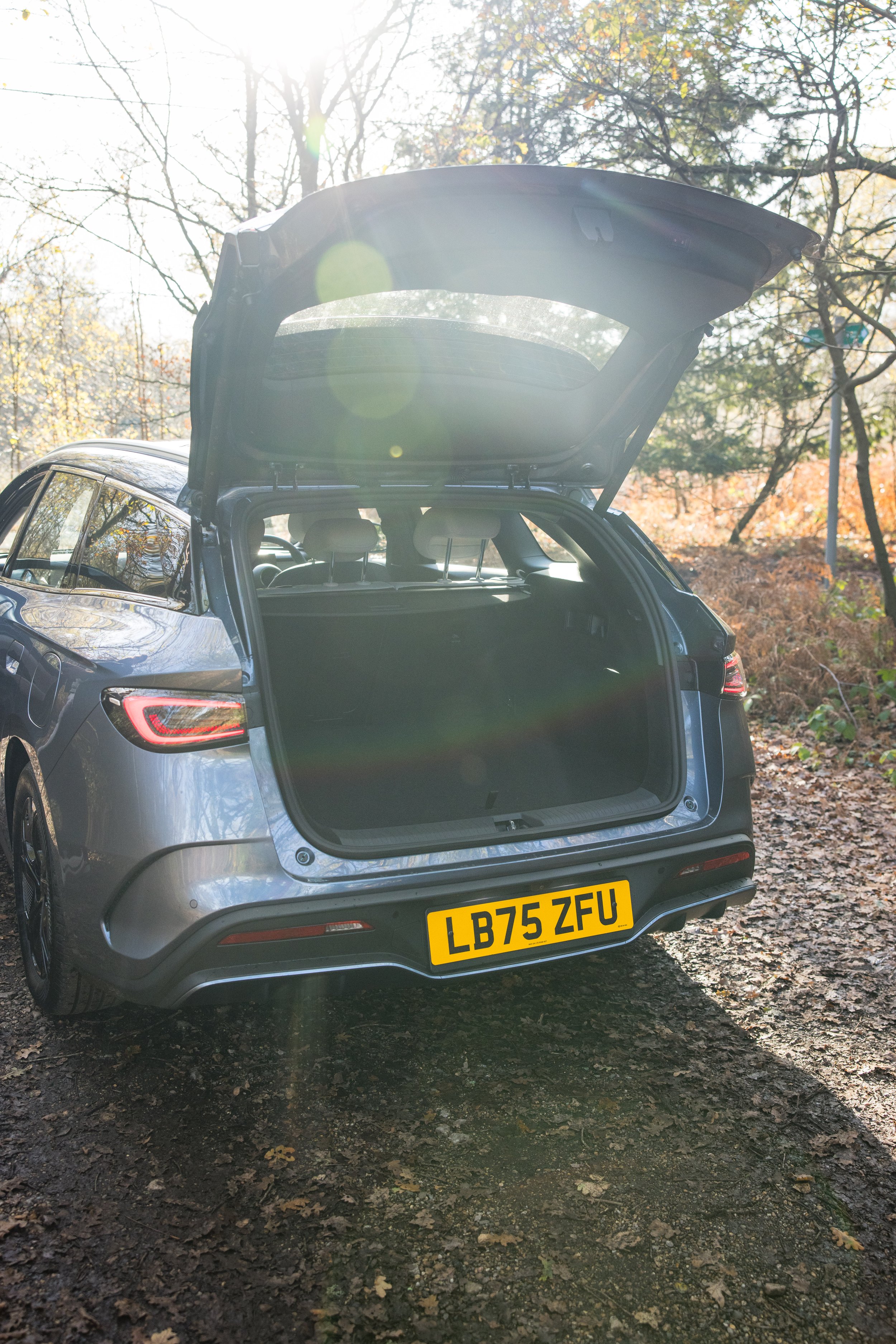
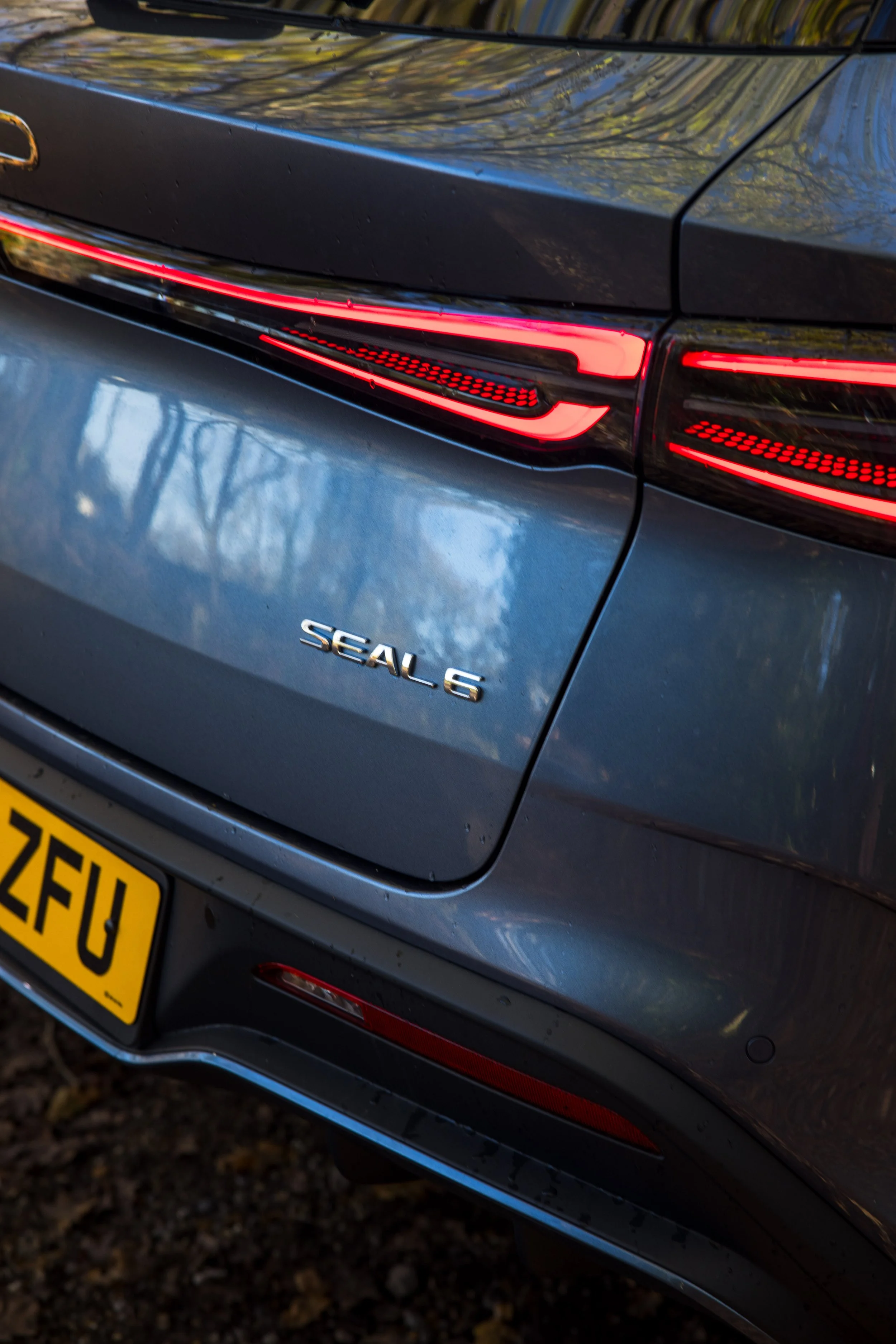
The Seal 6 DM-i is being launched in two shapes: the Saloon looks very similar to the EV version, and the Touring is an all-new shape for BYD and looks reassuringly familiar from a distance. For my review, I gravitated towards the touring option, knowing that many buyers will regard it as the most attractive option for families and fleets. The touring offers an entirely versatile 675 litres of boot volume as standard, and with the rear seats folded flat, that space increases to 1,535 litres.
For many buyers, the Seal 6 DM-i in both touring and saloon form is likely to attract interest from new BYD buyers, and especially those who aren't yet ready to jump into an EV.
Boost vs Comfort Prices
The Seal 6 DM-i Touring is available in two trim levels called Boost and Comfort. Boost is the entry-level variant, priced at £34,990, and Comfort offers some upgrades, with a starting price of £37,990.
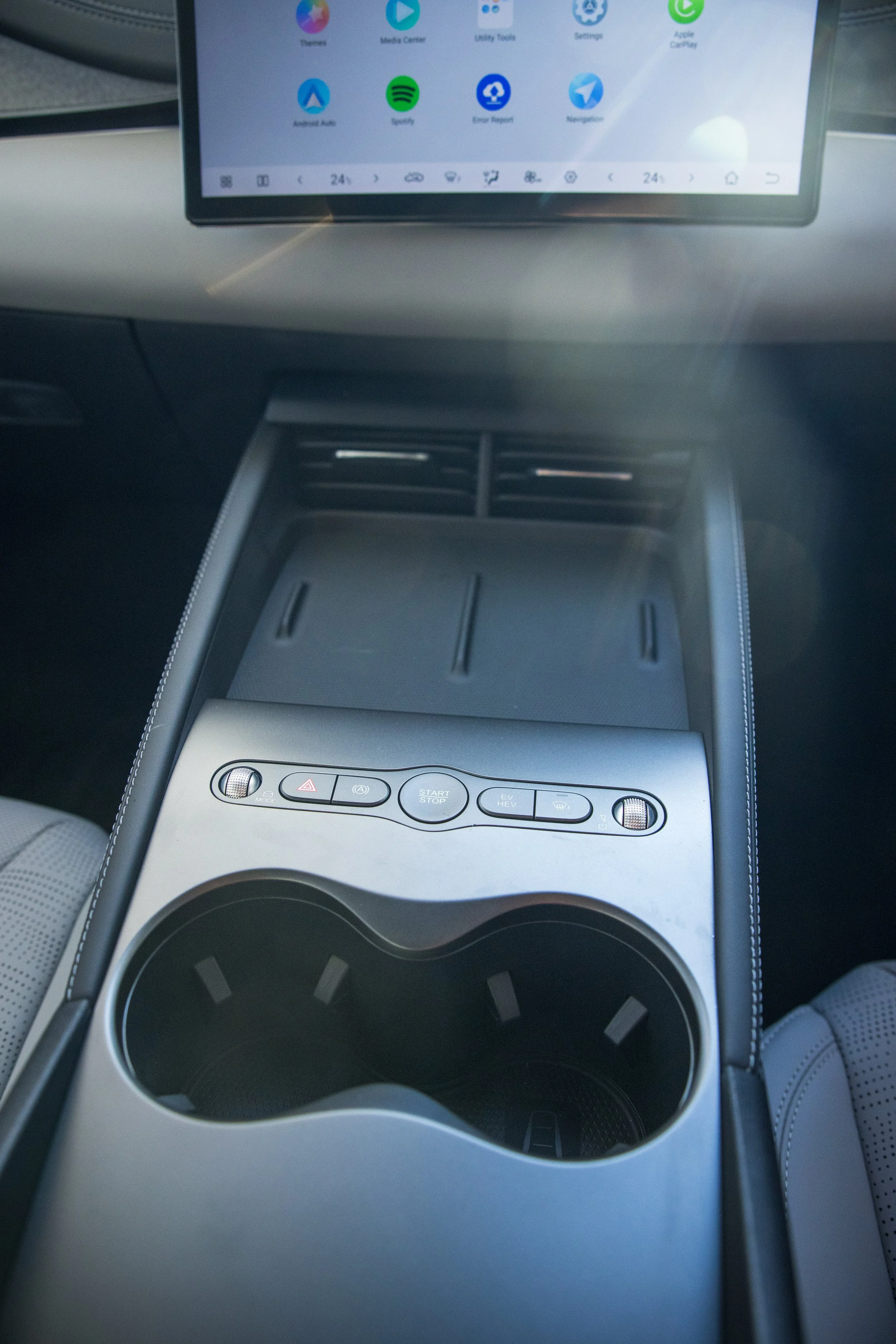
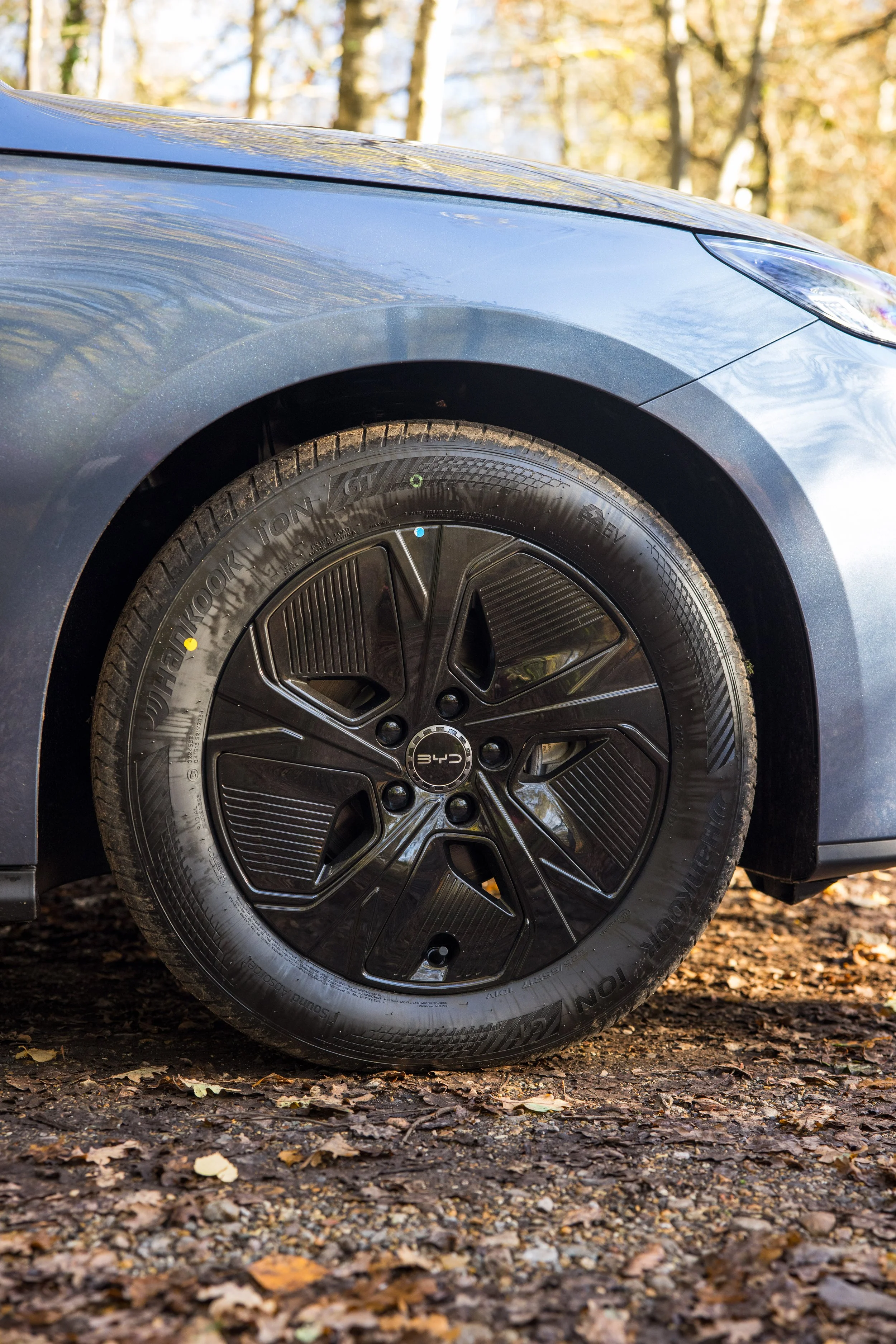
The difference between the two in terms of power is 135kW (181 bhp) from the Boost and 156 kW (209 bhp) in Comfort form. The other differences come down to luxuries and styling. Boost comes as standard with 17" wheels, and although it houses the same level of tech and driver aids, it misses out on a few luxuries, such as heated seats and steering wheels. For the extra money spent on the comfort model, the wheels are upgraded to slightly more stylish 18" alloys and a glass panoramic roof is added. Comfort also grants heated and ventilated seats, a heated steering wheel, ambient interior lighting, an auto-dimming rear-view mirror, an upgraded audio system and wireless phone chargers on the centre console.
Driving the Seal 6 DM-i Touring
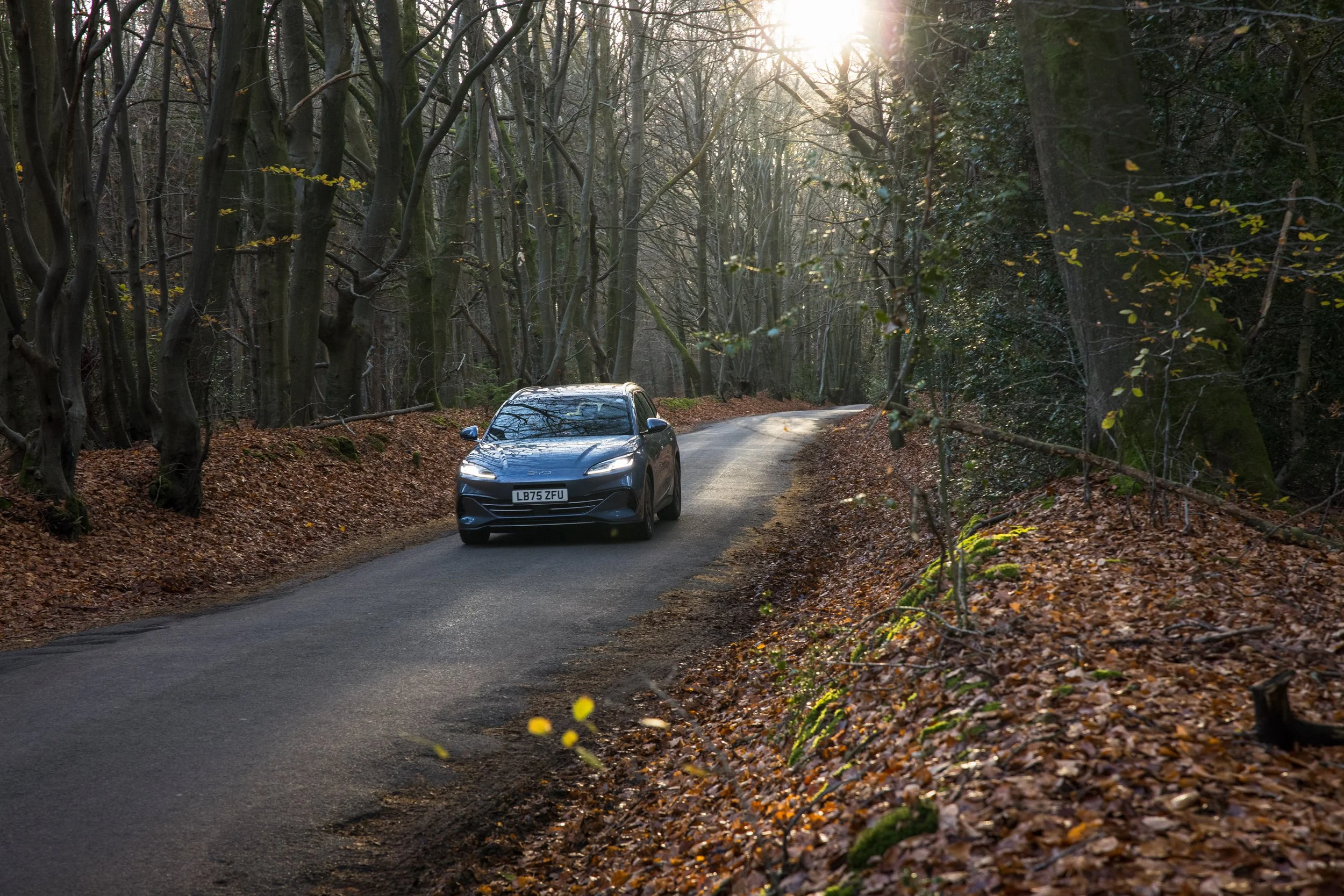
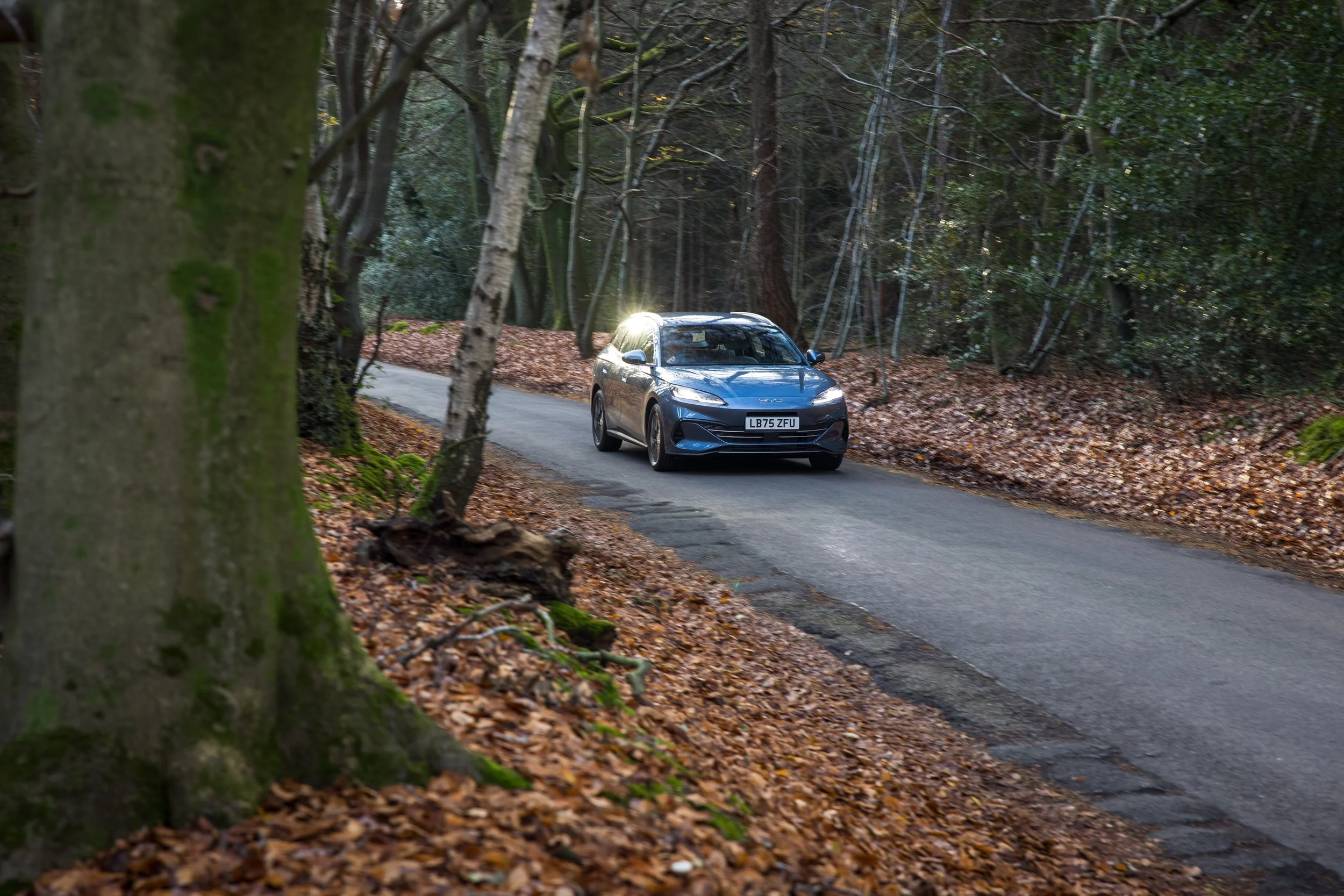
For my test, I opted for the entry-level Boost, which would have a showroom price of £34,990. The 135kW combined output felt perfectly adequate, nothing more than that. For everyday use, the power is precisely what most will want and need. From a standing start, the Seal 6 accelerates like an EV. It has the rewarding, punchy torque level that a 1.5L petrol engine alone could only ever dream of.
The electric motor provides most of the legwork on the road; however, the 1.5-litre engine steps in to offer some extra oomph when needed. With a 0-62 time of around 8 seconds and a top speed of 111mph, the Seal 6 in either Boost or Comfort form isn't exactly what you would call punchy. When the petrol engine shares the load for power delivery, it makes itself heard by revving to 6,000rpm to provide extra torque, but otherwise goes unnoticed at low speeds and during more gentle acceleration.
In terms of steering and suspension feel, the Seal 6 DM-i is likely to be similar to the estate cars its buyers are replacing. Like its engine performance, the handling and steering aren't overly dynamic, but more than fit for purpose.
Road noise and wind noise are both well muted in EV mode, and the engine is only really heard when the throttle is hit hard for overtakes and motorway speeds.
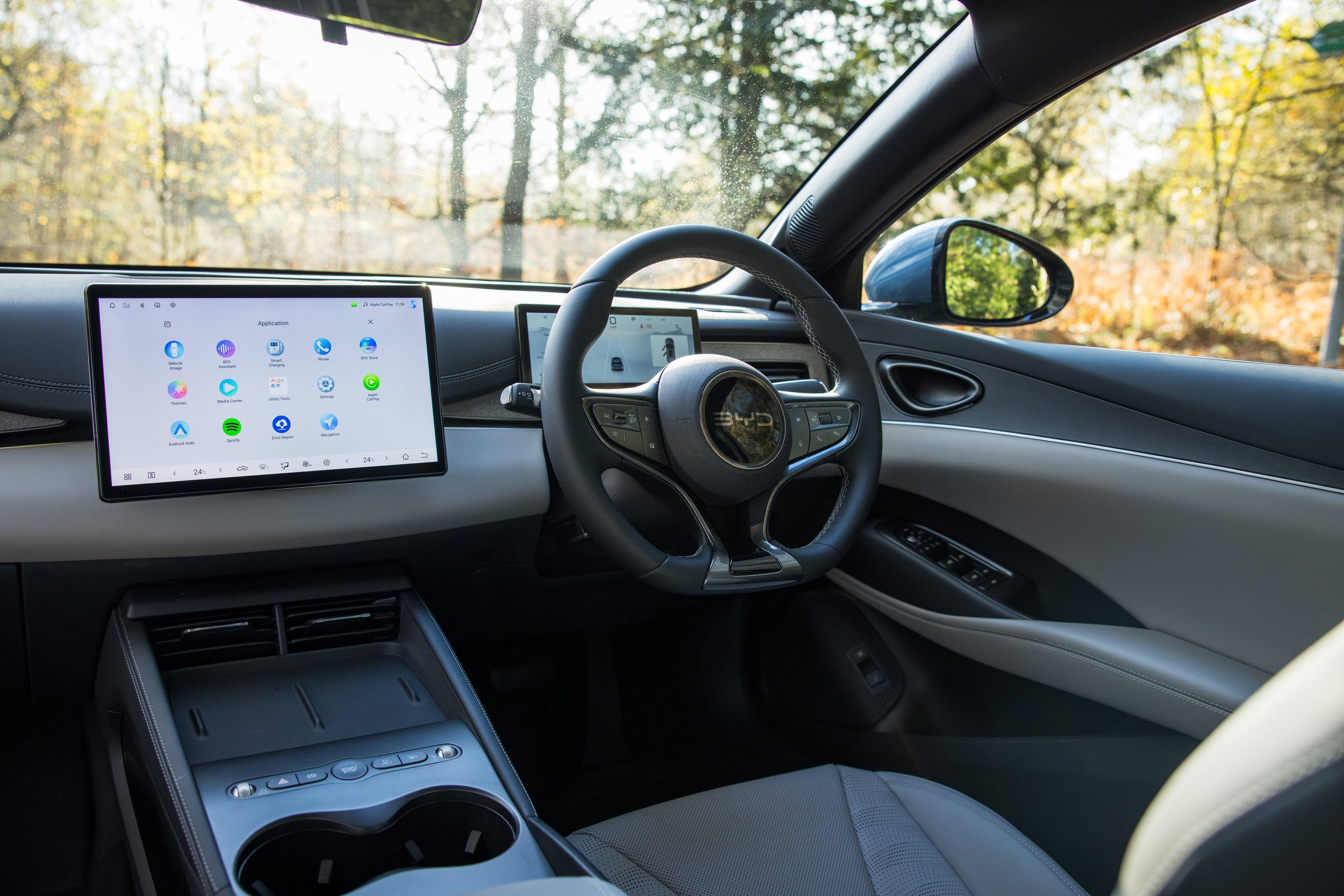
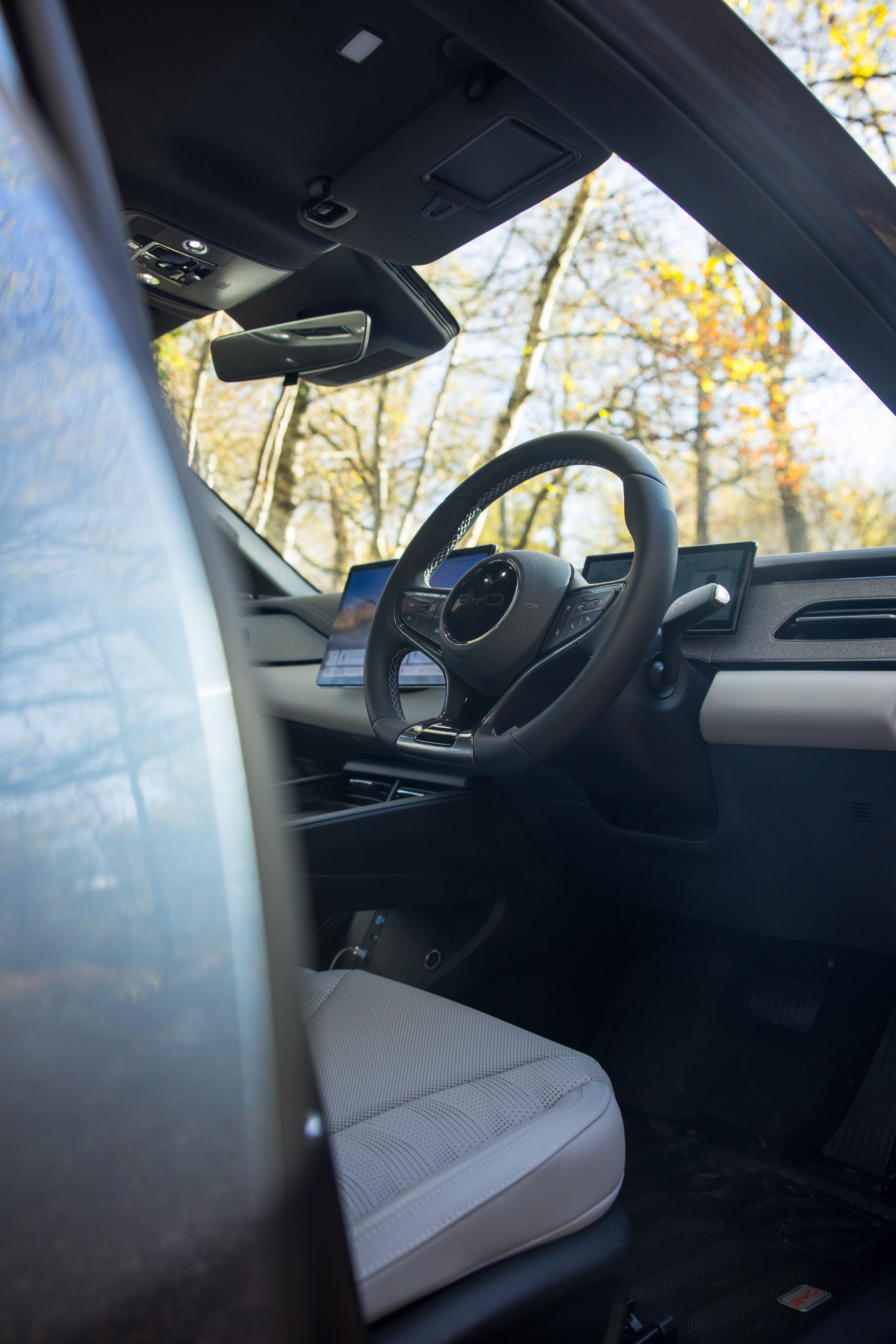
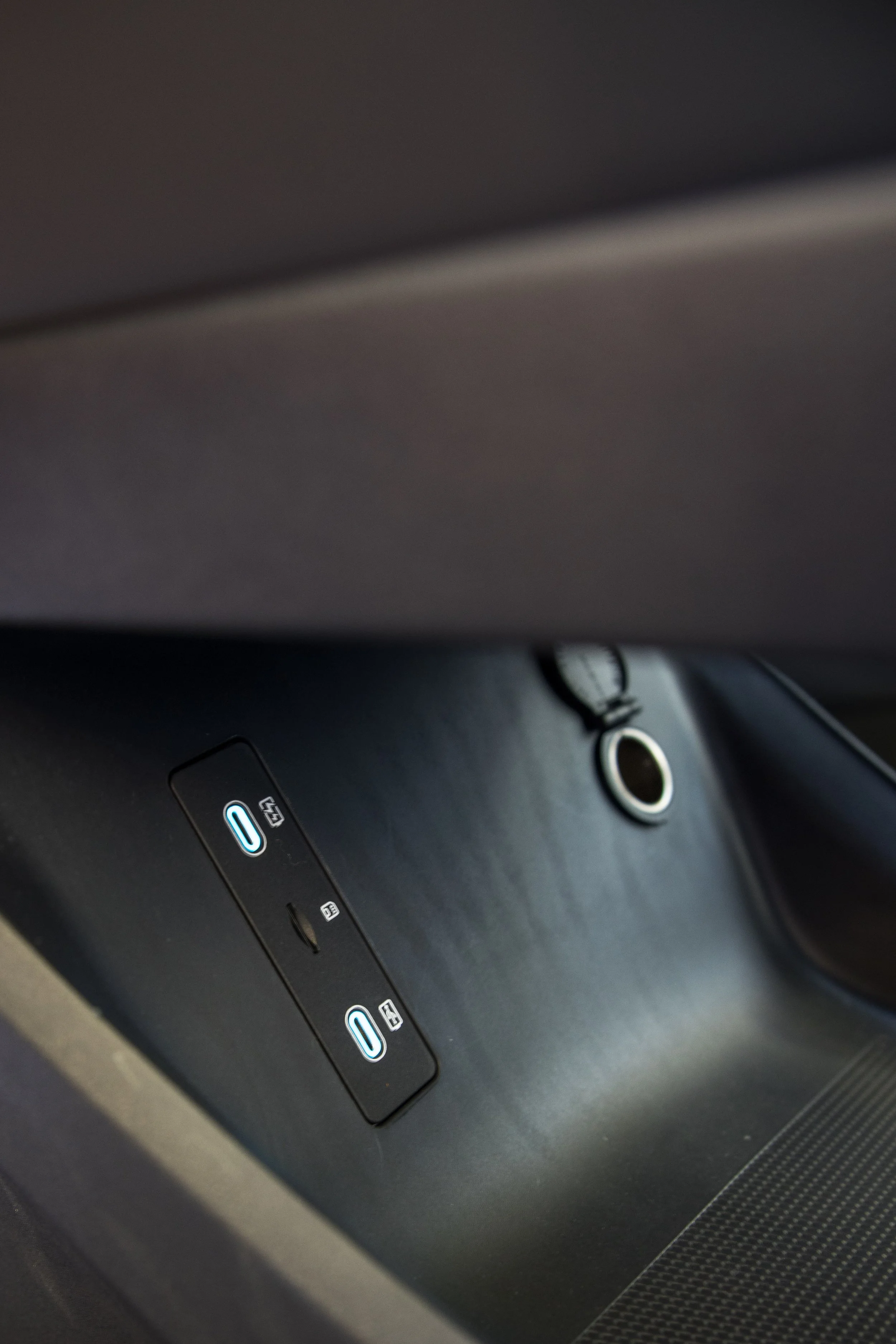
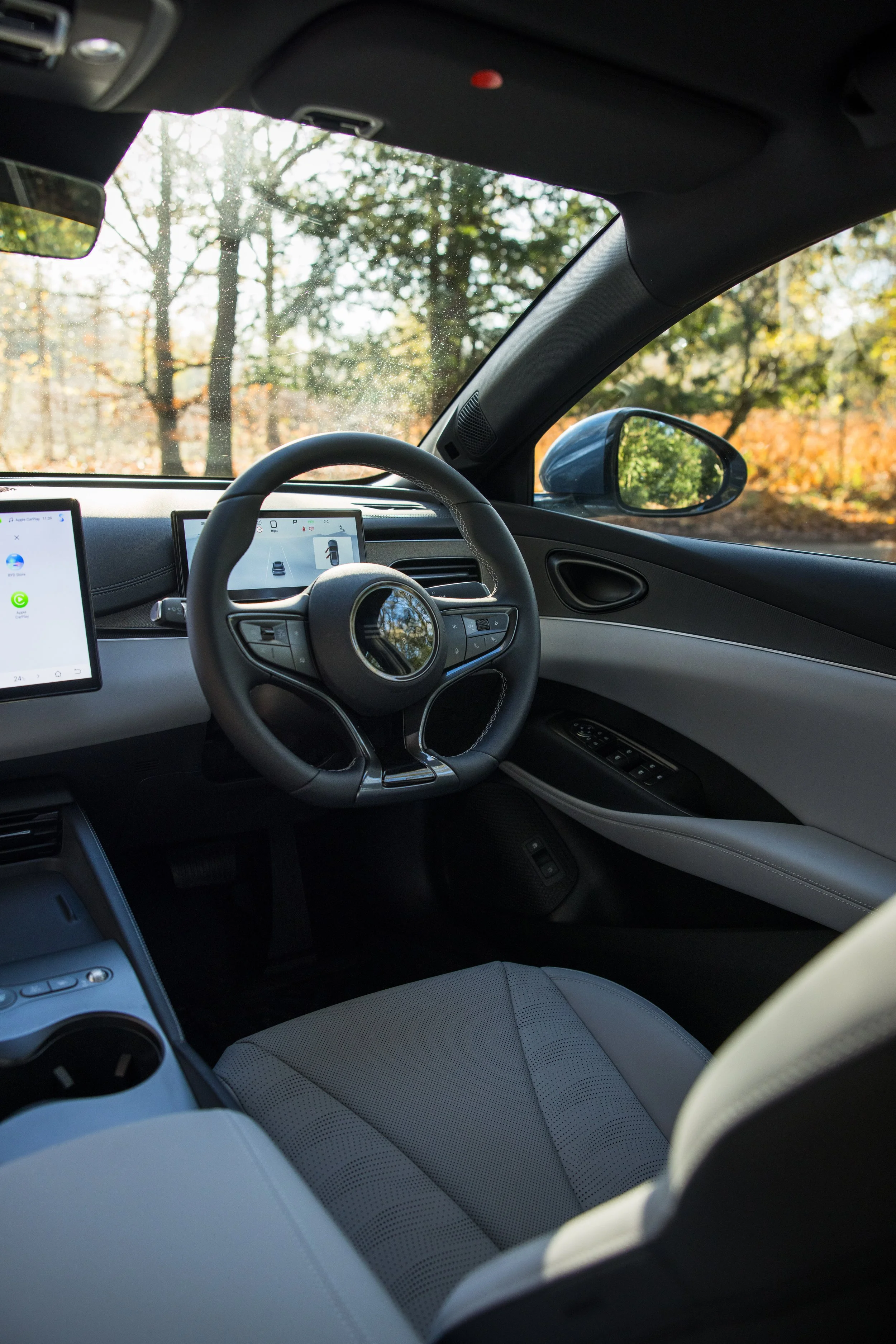
BYD describes itself as a tech company before an automaker, and this is evident in the cars' in-built infotainment systems, which house a collection of applications for assisted driving. There are also assistive functions for adjusting settings that support spoken commands. Drivers can call out 'hey BYD' and ask the car to adjust climate control settings, open and close windows and set navigation destinations without having to remove any hands from the steering wheel.

Comfort and space
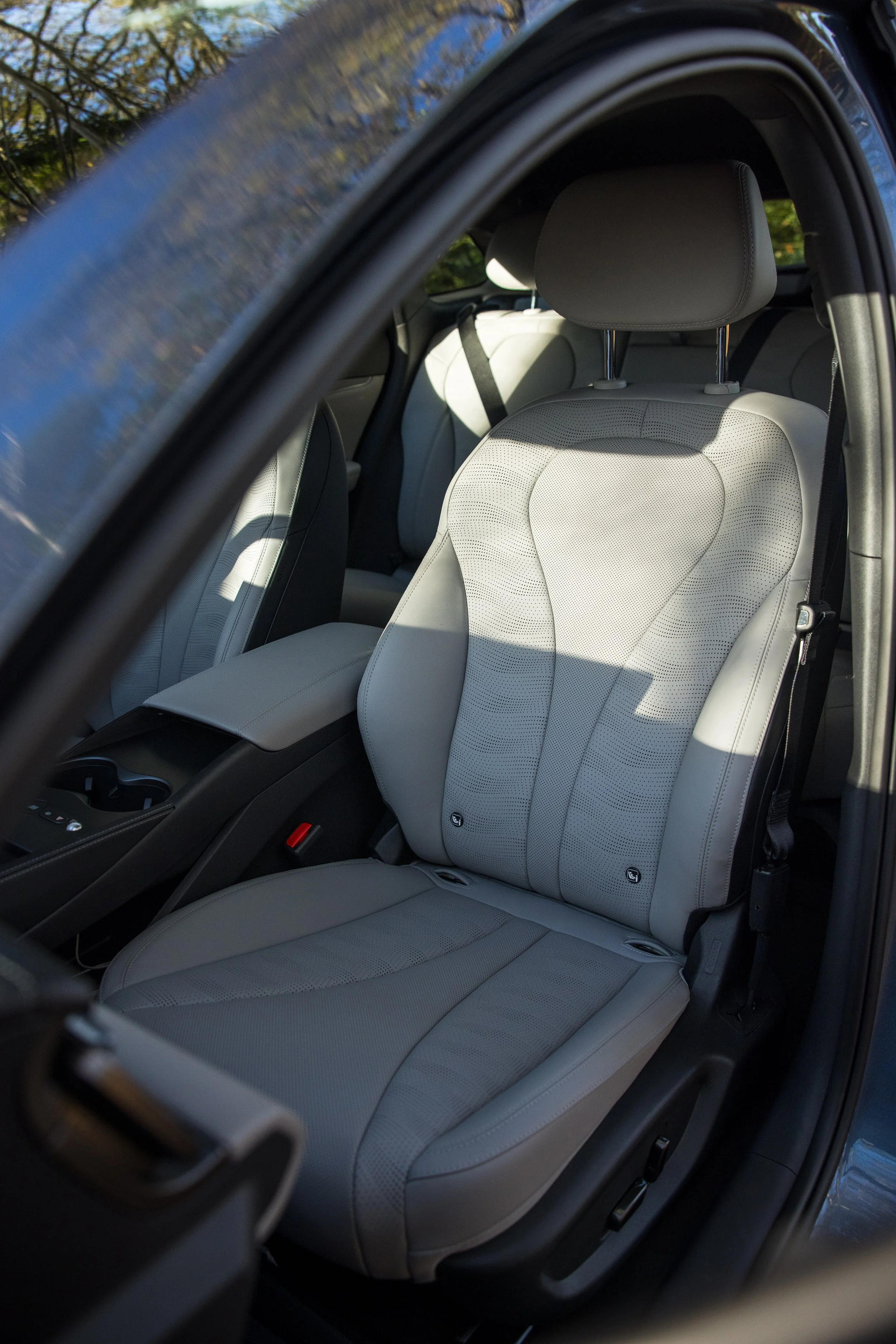
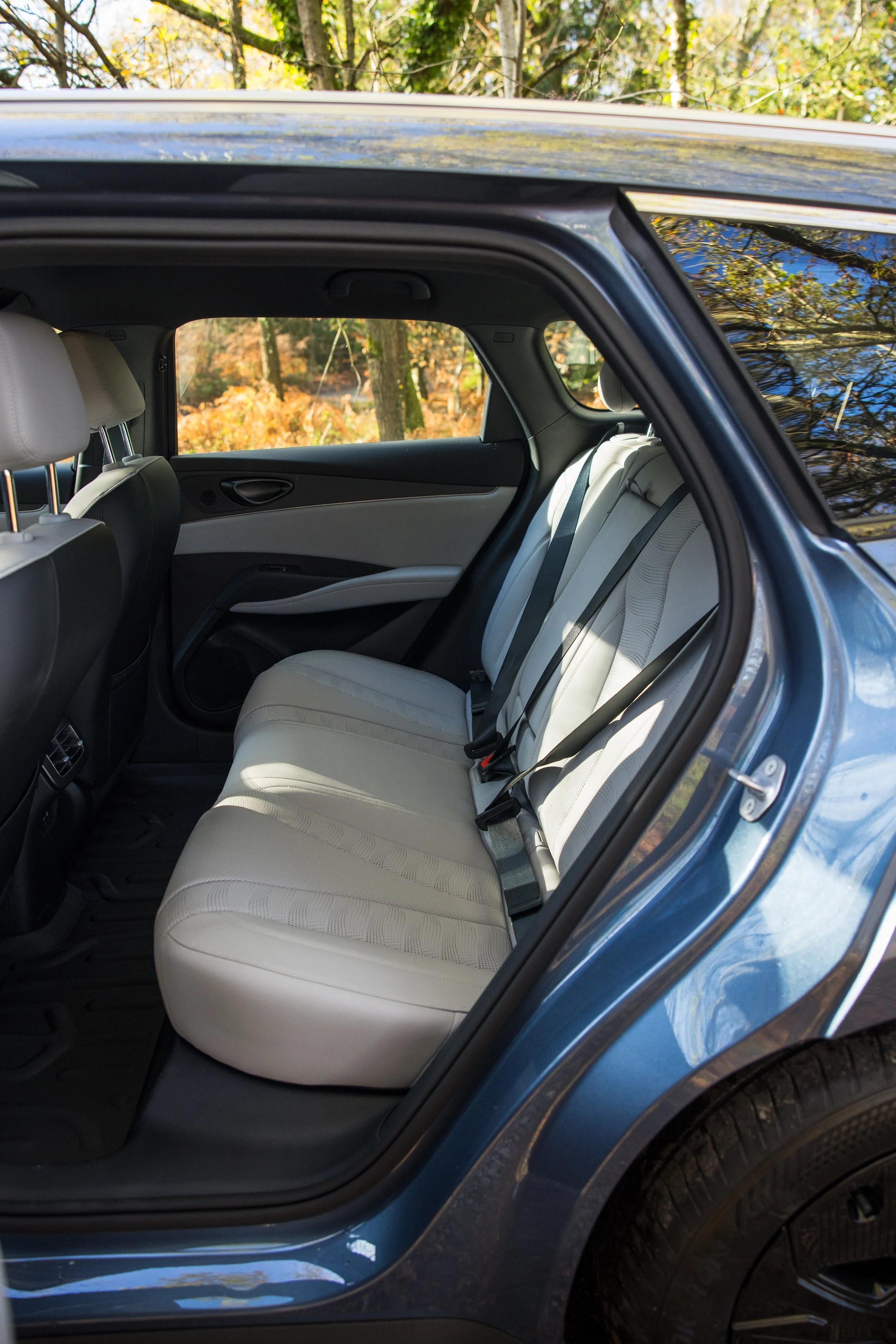
For the driver and front passenger, the Seal 6 DM-i Touring is comfortable and intuitive, though in my Boost, I felt that a front seat-base tilt function was missing, which made the seat feel a little too flat for my preference. Longer-legged rear passengers may also find the second-row seats a little low to the ground, leading to a lack of thigh support. What isn't lacking, though, is legroom or headroom, both of which would accommodate taller drivers and passengers simultaneously.
Is the Seal 6 DM-i Touring worth considering?
Even in the most expensive Comfort specification, the Seal 6 DM-i is undoubtedly worth a look as it's likely to undercut much of the competition in price alone. If the same level of tech and spec were in a car with a BMW, Mercedes or Audi badge on the bonnet, you could expect prices to be tens of thousands of pounds more than that of the BYD. Whilst the price comparison will be reflected in some areas of finish, colour choices, and overall quality, for many, the financial saving will outweigh the minor sacrifices.
For buyers wanting the practicality of an estate without the size of an SUV, the Seal 6 DM-i Touring might just be the perfect solution.
words by John Marcar
photography by Henry Faulkner-Smith