
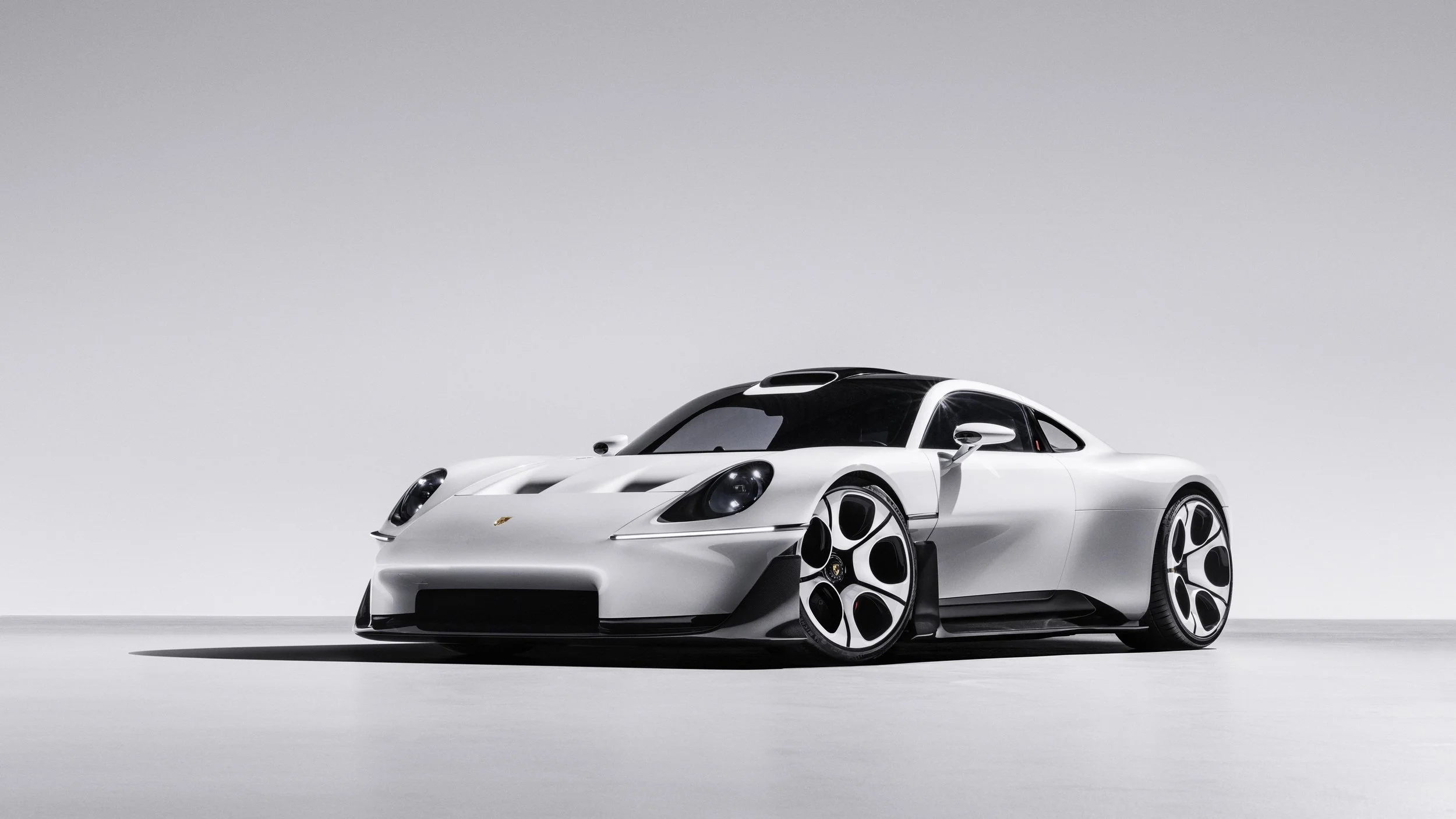
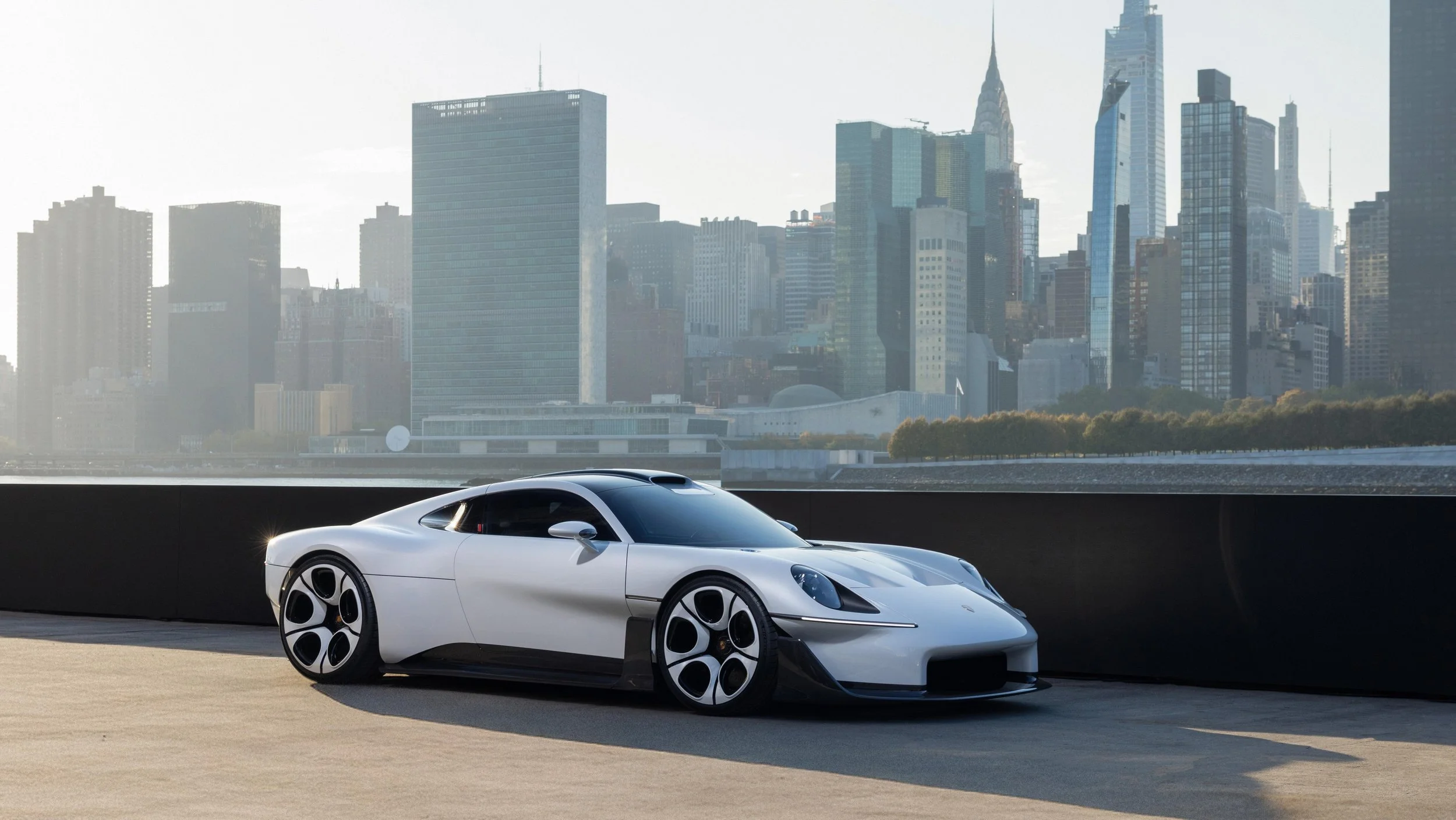
While the automotive world’s attention has largely been on events at this week’s Paris Motor Show, Porsche had people turning their attention across the pond after revealing the Mission S concept car in New York City.
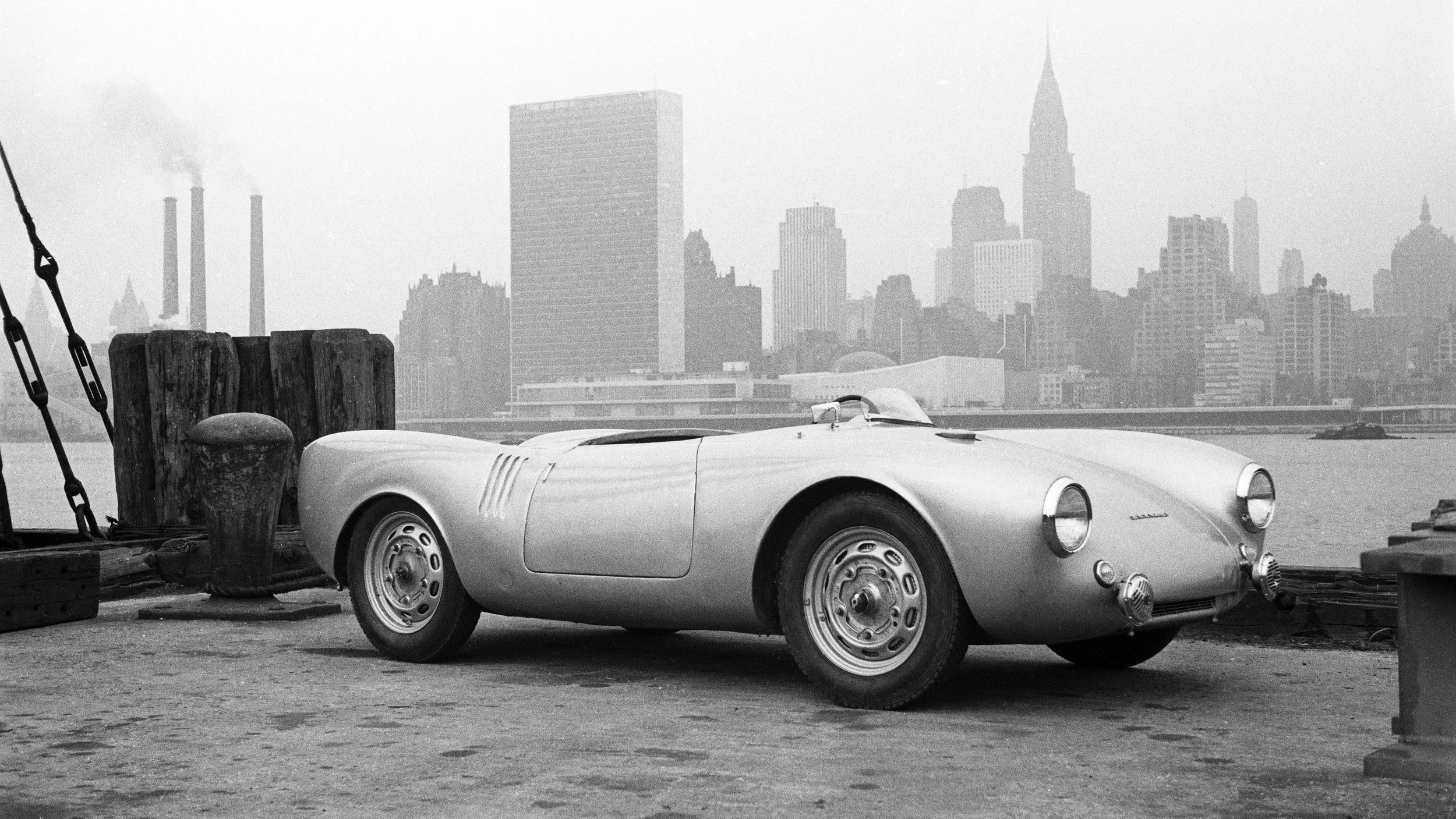
Photographs of the new model were taken in the same location in New York as the mid-engined Porsche 550 Spyder in 1953, with a backdrop of the Big Apple’s skyline. The 550 Spyder was regarded as having defined the company's identity and began its popularity in the United States. Porsche will be hoping that Mission S has a similar impact in the future.
Exterior Design: A tribute to classic Porsche models
While the Mission S has a design language that is inspired by historic Porsche icons, Tobias Sühlmann, Head of Style at Porsche, said that the model is the “result of a forward-looking, holistic design strategy” and “illustrates a fundamental strategic direction that we will soon be translating into our future product portfolio.”
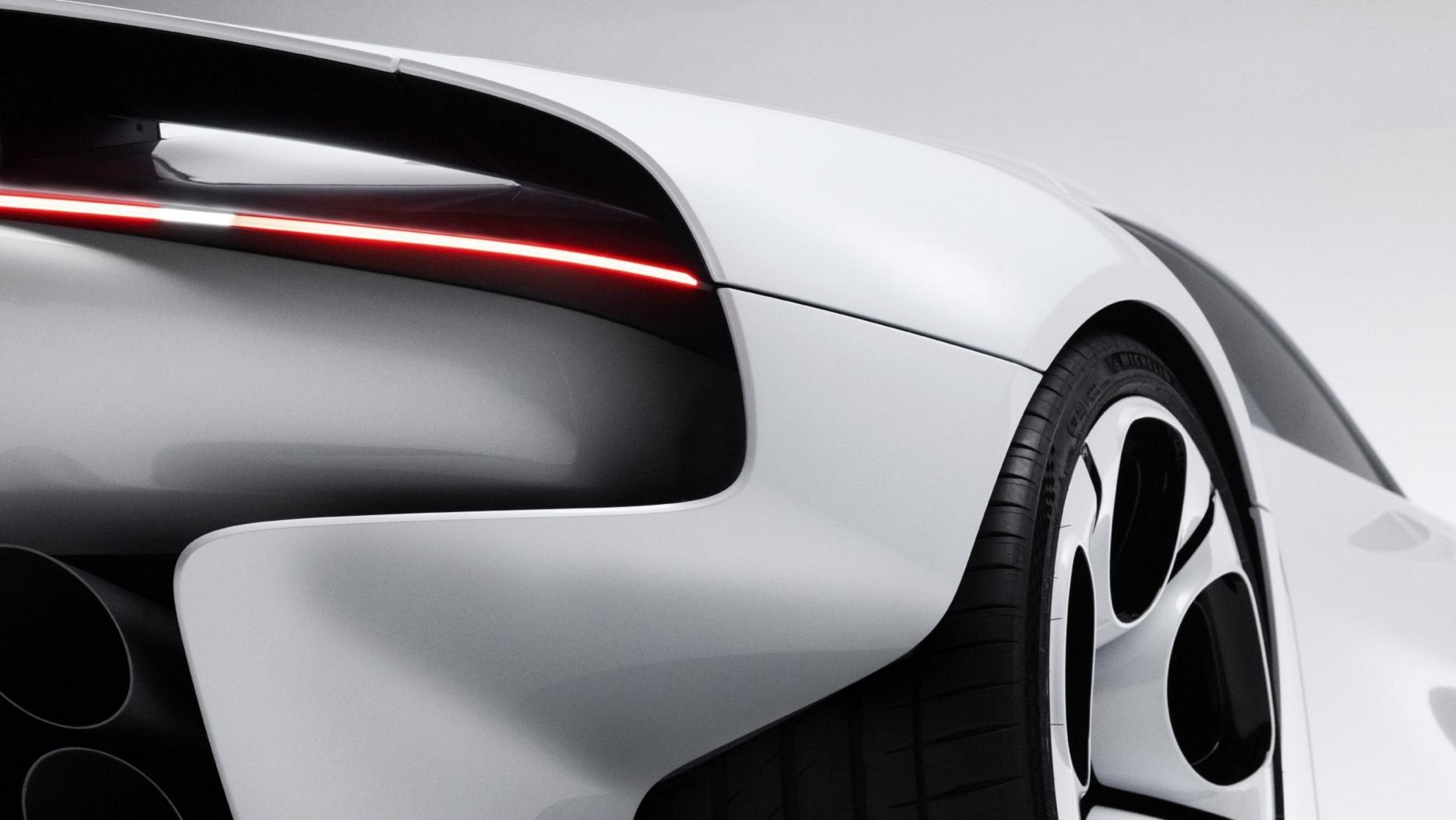
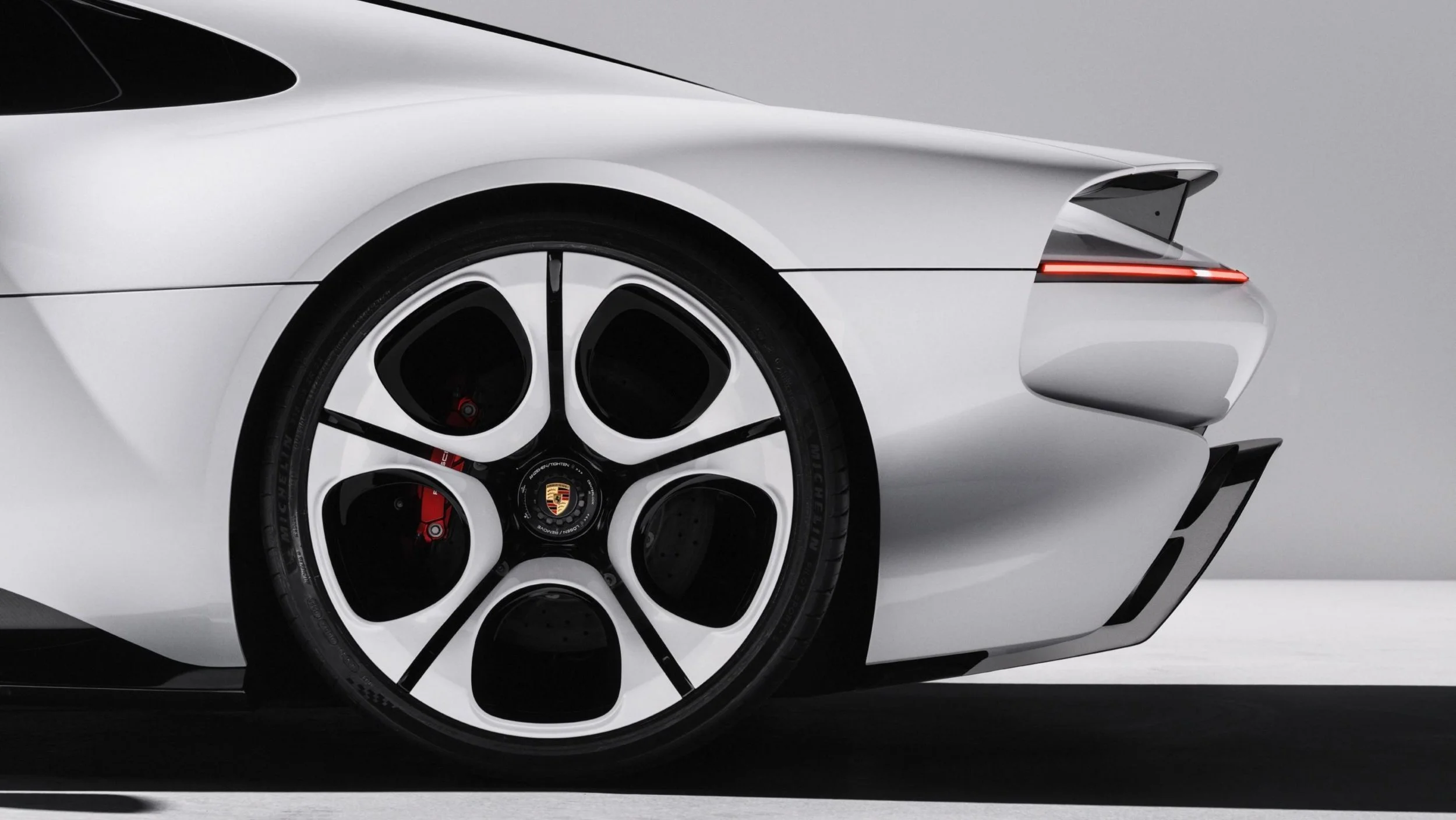
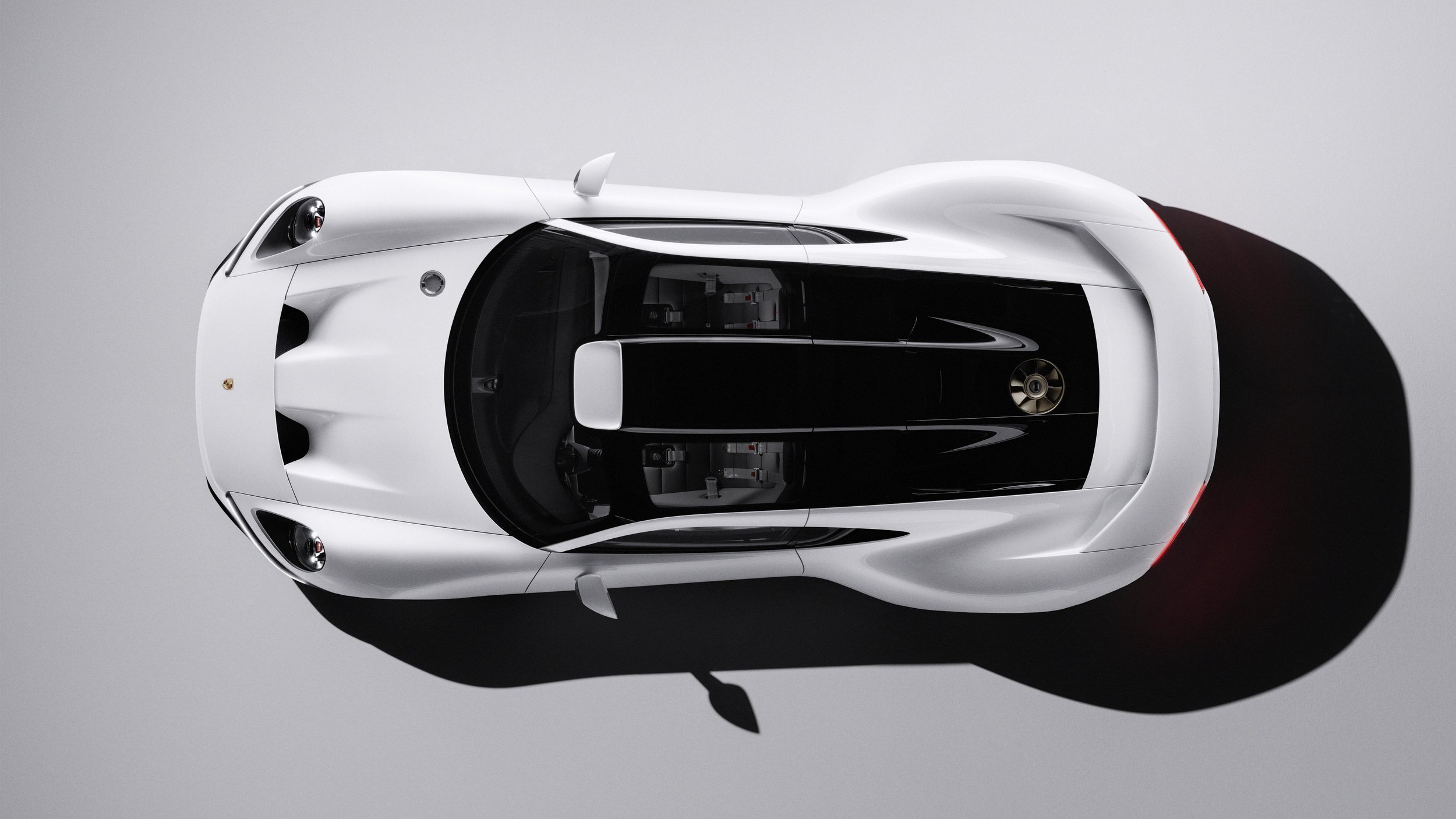
Classic Porsche design features like the torpedo fenders, roofline and width-to-height ratio are still evident, although they have been given a tweak to modernise them for the modern day. Clean lines, including a wraparound main line that connects the light signatures at the front and rear, create a smoother look, while its jutting edges give it muscularity and dynamism.
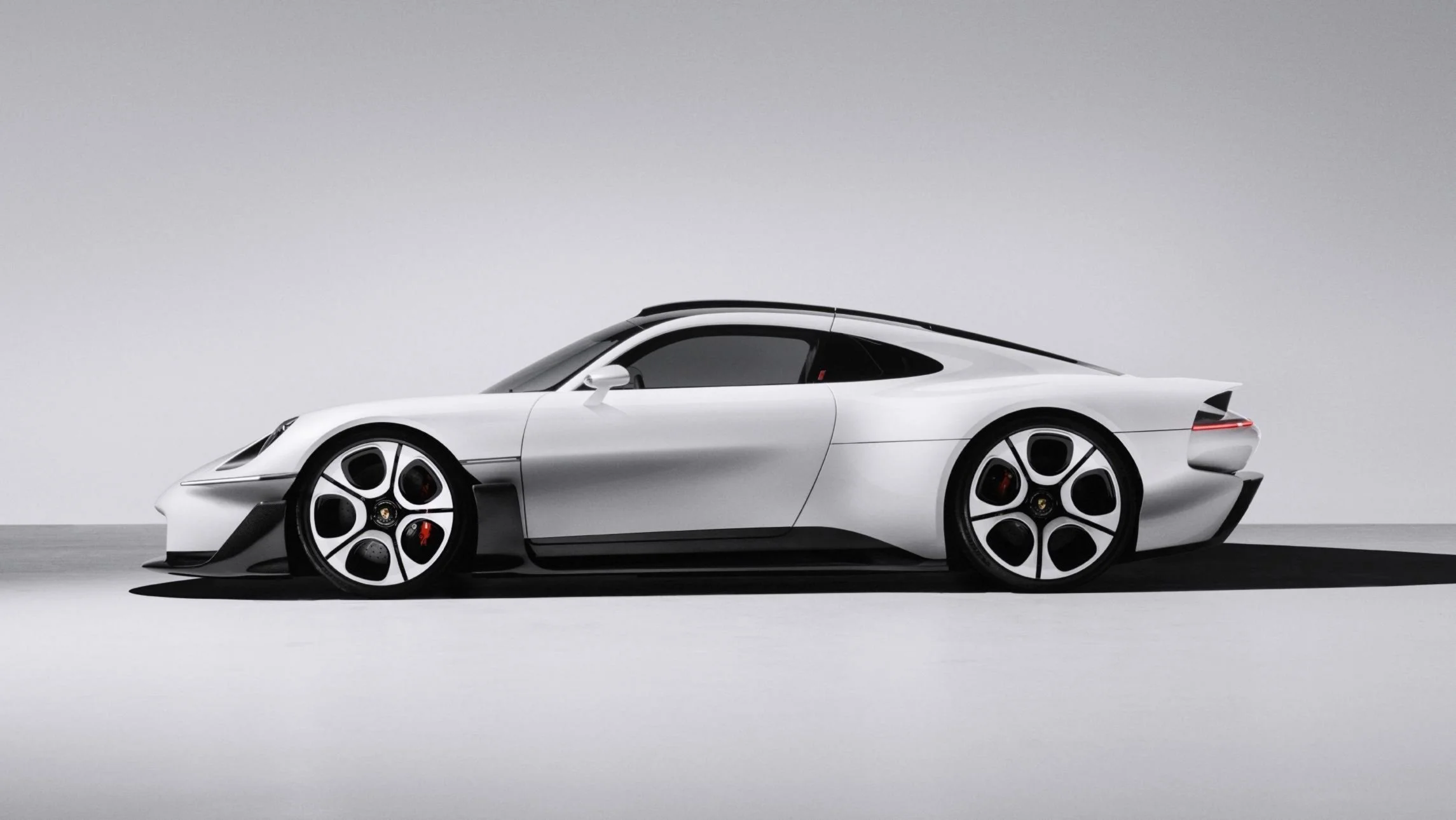
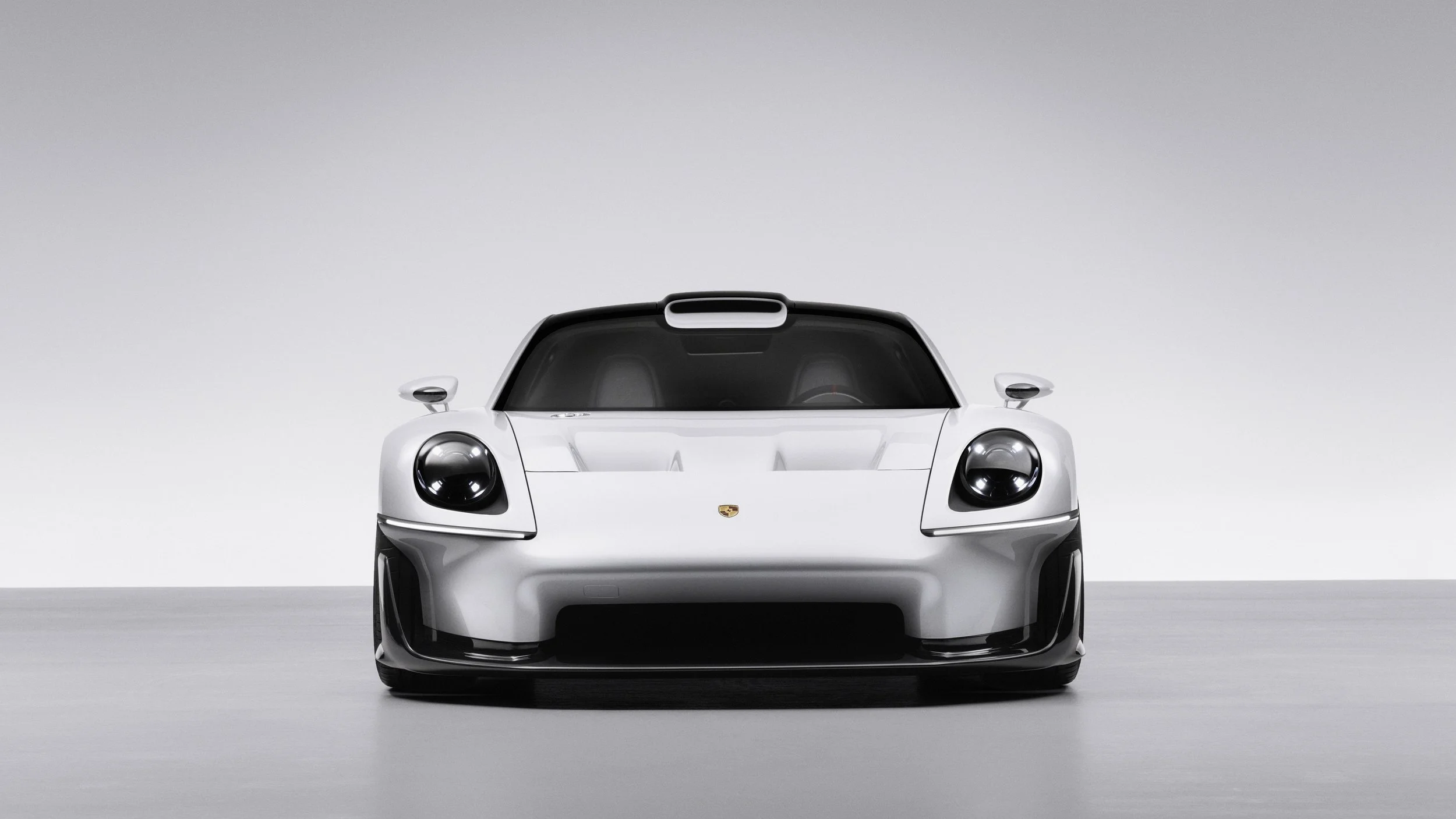
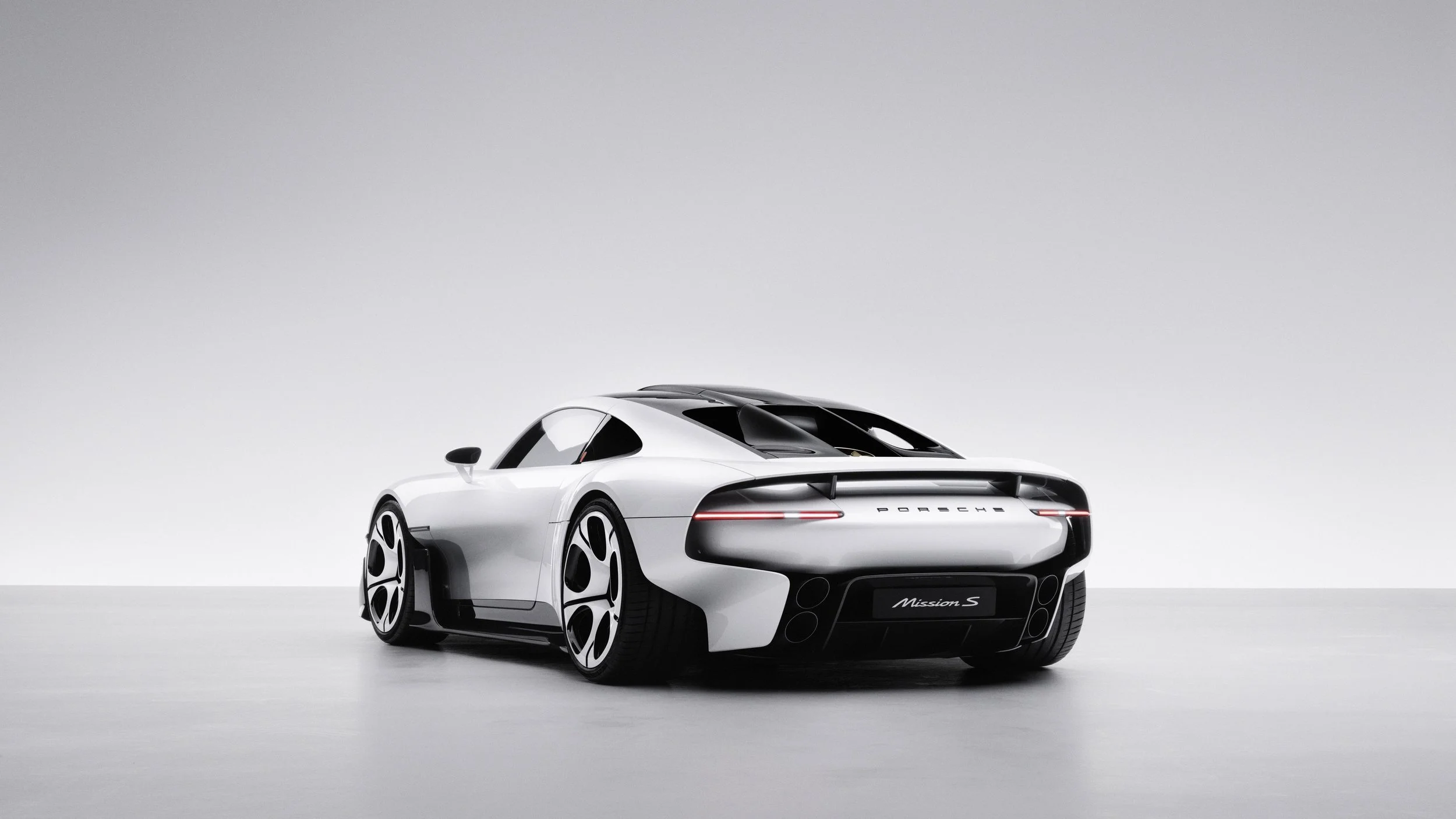
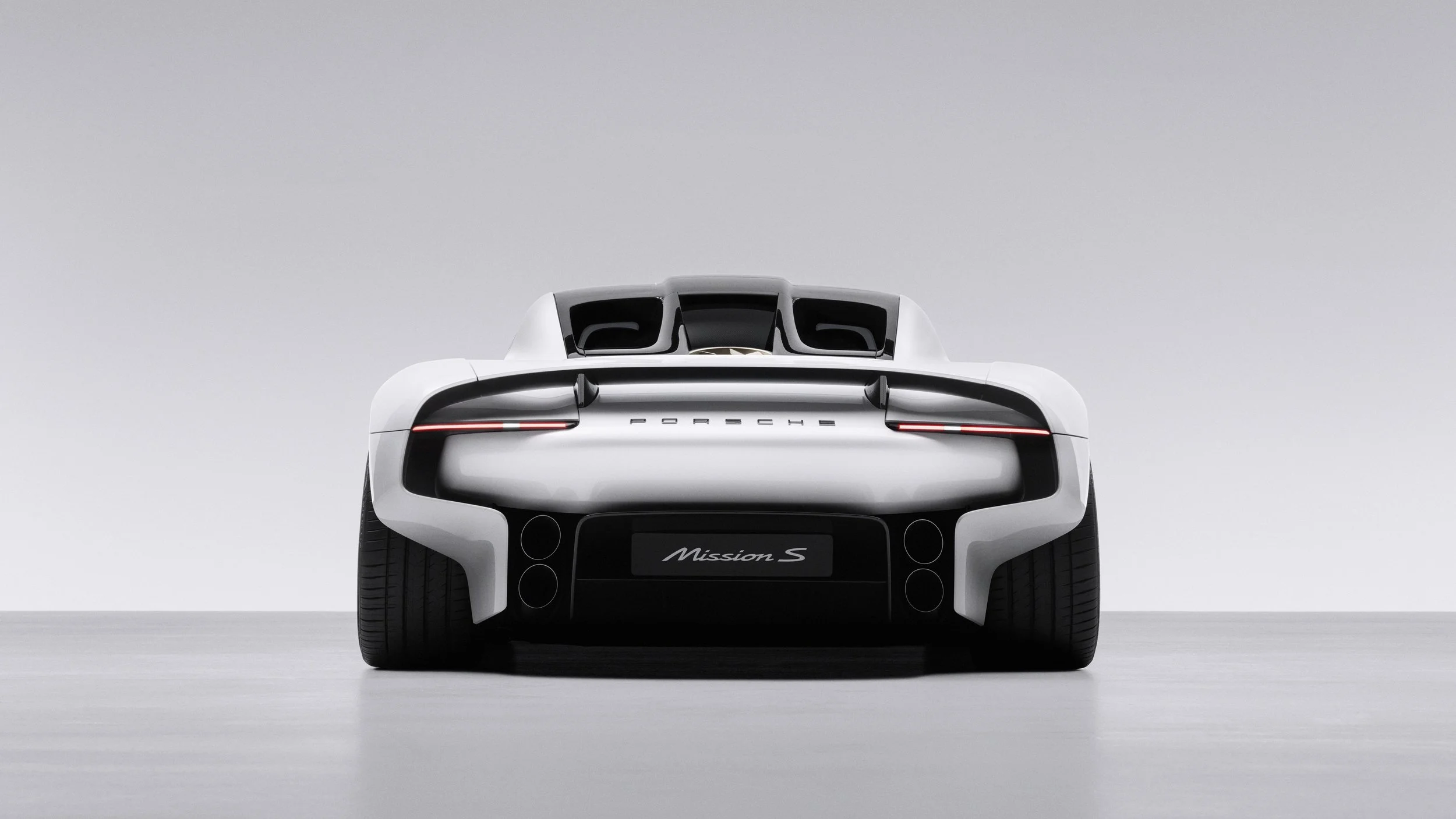
Those classic Porsche design traits are also evident in features like round headlights and striking fenders, which have been borrowed and inspired by the 911, while the flat front is reminiscent of the GT1. You also have the 959-inspired dynamic-looking roofline beneath the rear wing, although Porsche says they have been interpreted in a “contemporary way and combined to form a harmonious overall design.”
The mid-engined Porsche has a cooling solution similar to the 917’s radiator fan and the wheels are based on the iconic ‘dial design’ of the 928.
Interior
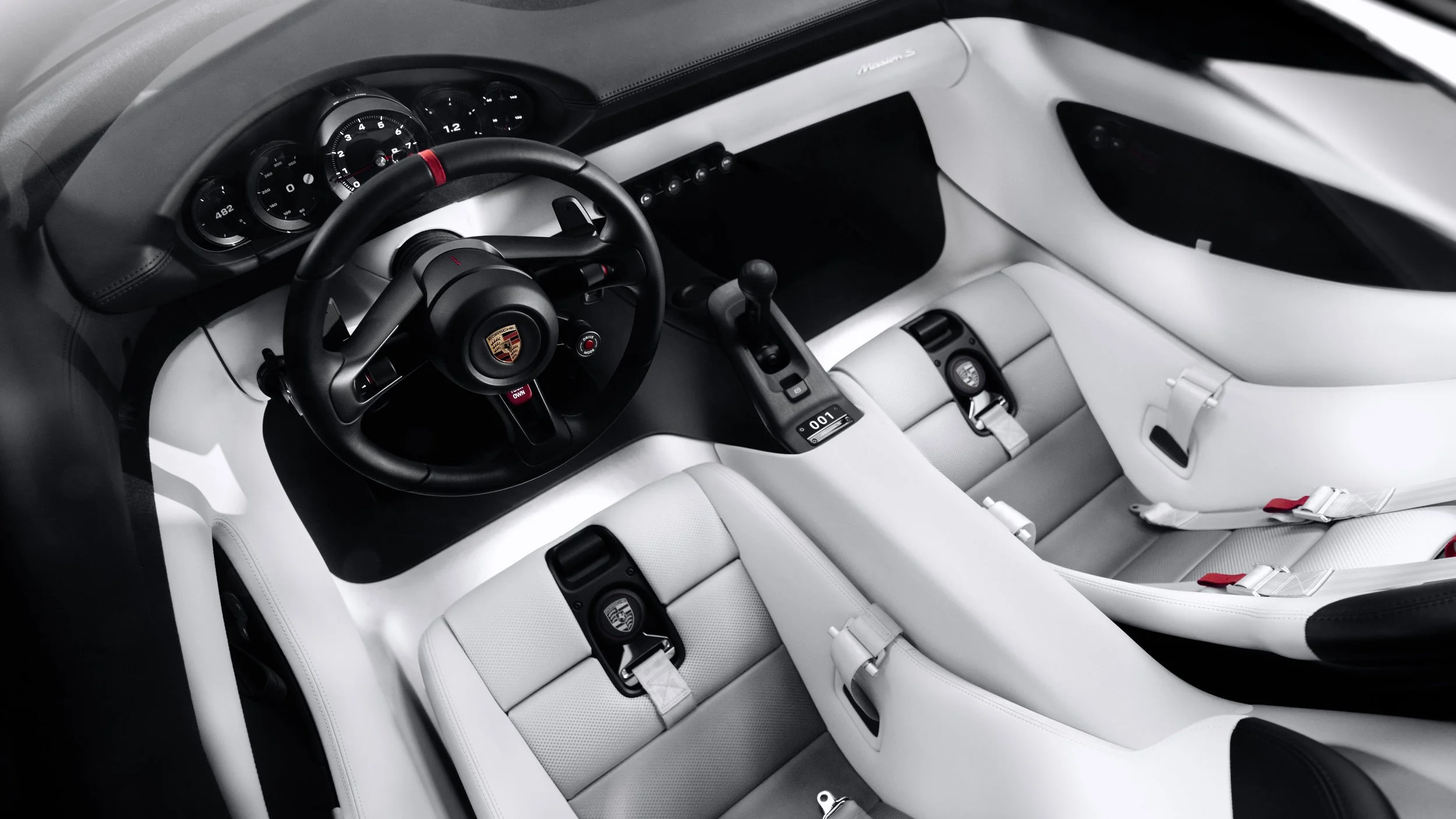
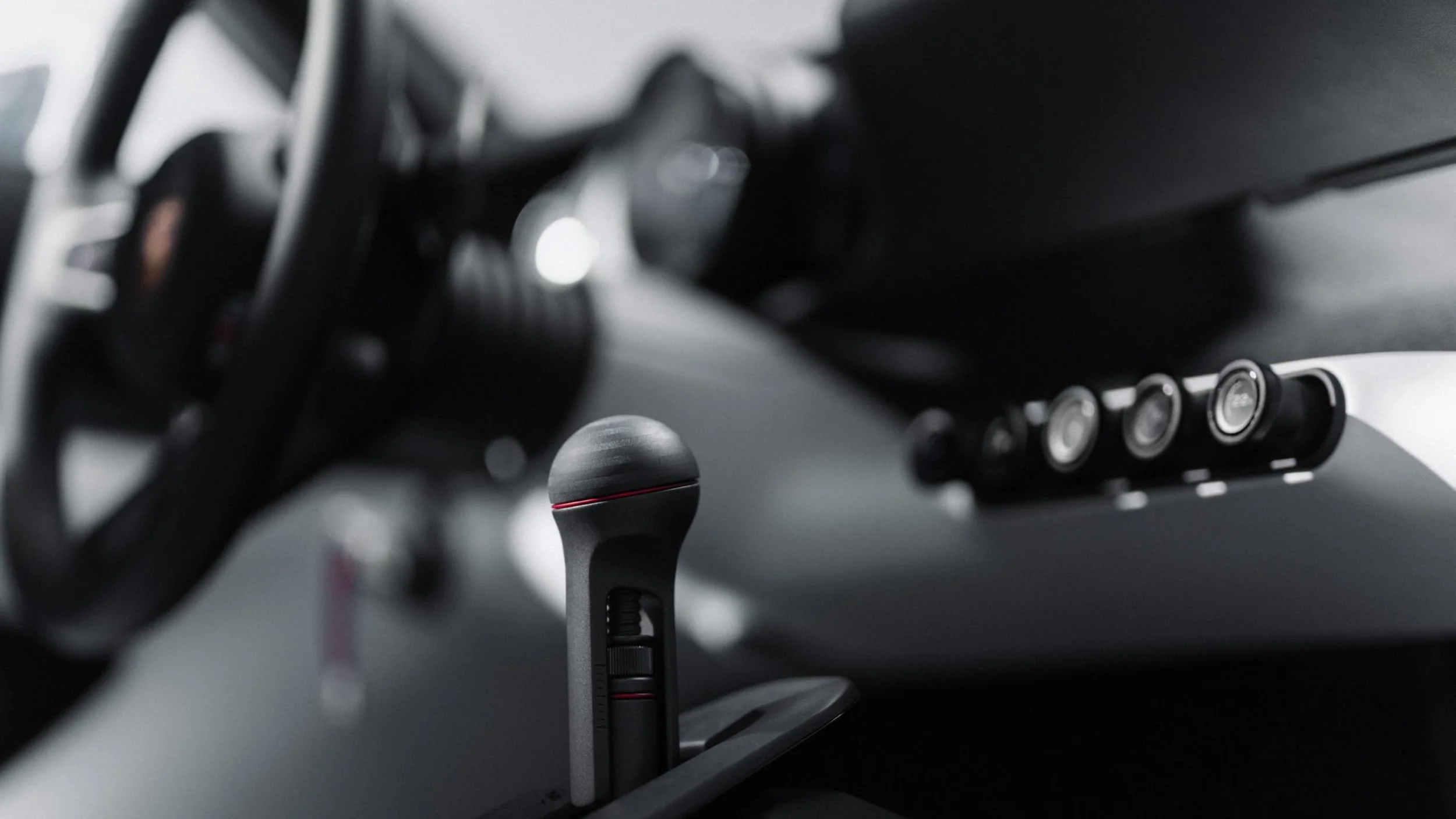
Inside, the architecture is based on classic Porsche sports cars like the 550 Spyder and 356. There are two defining lines that run through the dashboard and doors to make the driver feel they’re sitting ‘deep within the car’.
The past and modern day are blended through the use of analogue and digital controls, with classic switches and buttons sitting alongside modern displays. The seats follow the same approach, using integrated seatbelt buckles in the centre panel and repositioned electric adjustment controls.
Porsche has gone with a racing theme in terms of interior colour, using Firn White Metallic, Light Red Metallic, Black Chrome and Special Black to reinterpret classic Porsche Motorsport themes.
Driving experience prioritised
The Mission S concept has also been designed to showcase how a driver-focused Porsche experience would look in the future.
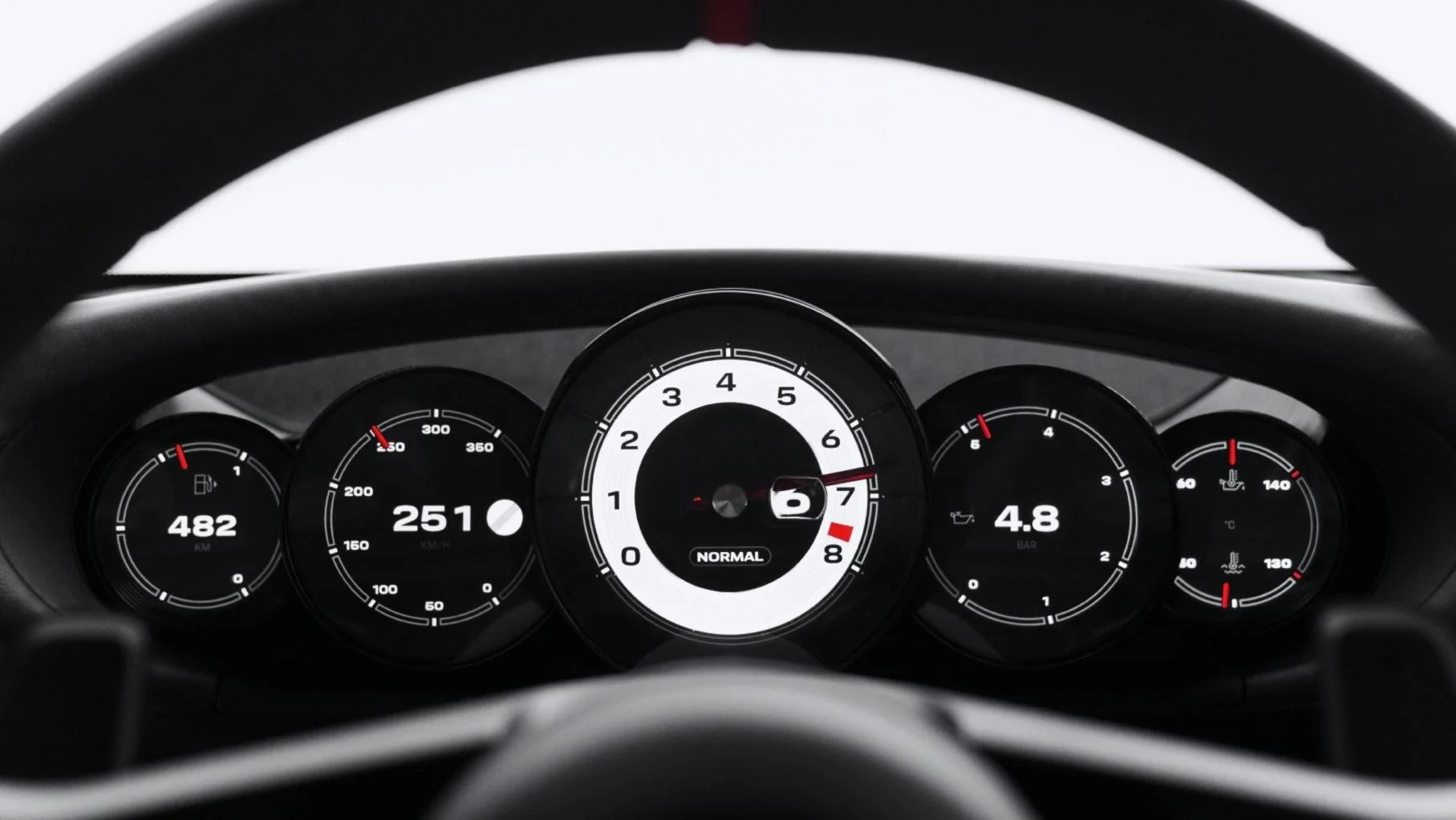
Behind the steering wheel are five different dials with a mix of haptic and digital feedback, which adapt and meet the needs of the driver depending on which drive mode is selected. There’s no permanent integrated centre display on the dashboard, with Porsche instead opting for a retractable smartphone system for use as needed. All functions are provided through the My Porsche App.
What does the future look like for Porsche?
Porsche will look to combine its history of motorsport experience and new innovation and technology to develop a mid-engined production super sports car to sit above the 911 in its range.
Will it look like the Mission S? Well, that wouldn’t be a bad thing…
words: Mike Booth
pictures: Porsche