
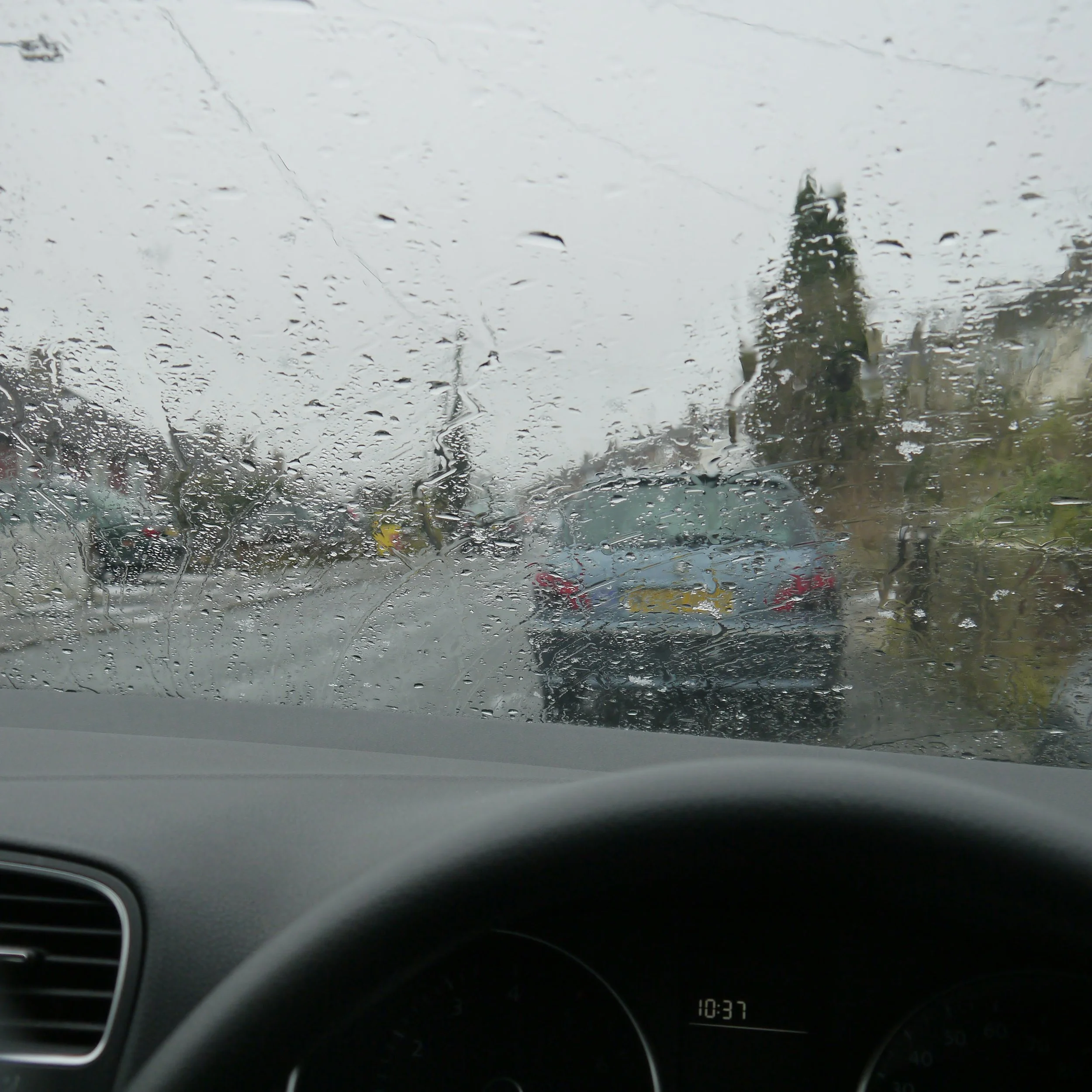
After the wettest UK winter on record in 2023-24, motorists are being warned about the dangers of aquaplaning and how to negotiate wet weather spells when driving.
Car insurance experts at quotezone.co.uk have encouraged drivers to check the tyre tread depth on their vehicles and significantly reduce their speed in rainy conditions to reduce the chance of aquaplaning this winter. Other crucial tips advise against slamming the brakes or turning the steering wheel sharply when facing an aquaplaning situation.
What is aquaplaning?
Also known as hydroplaning, aquaplaning occurs when a layer of water builds up between a vehicle’s tyres and road surface, causing the tyres to lose grip and leading to a complete loss of steering and braking control. This leaves drivers unable to control their vehicle safely until the tyres have regained contact with the road.
Just a small amount of water can cause aquaplaning if tyres are worn or under-inflated, and motorists are encouraged to regularly check that their tyres have the legal minimum tread depth of 1.6mm.
When a car is aquaplaning, drivers may notice a louder engine sound, an increase in revs, more unresponsive steering and ‘fishtailing’ — when the back end of a car drifts from side to side. Aquaplaning is far more likely to occur at speeds of over 35 mph.
How to avoid aquaplaning - 6 tips
1 - Reduce speed
The faster a car is travelling, its tyres have less chance of gripping the road. While there is no magic ‘safe speed’, experts say that a car going under 35 mph in an inch or two of water is more likely to stay in control on the road.
2 - Check your tyre tread depth
The UK legal minimum tyre tread depth is 1.6mm; however, experts warned drivers not to wait until their vehicle is right on the limit. Getting tyres checked or replaced before travelling in wet conditions gives you better grip and leaves you better prepared. Tyres which aren’t deemed roadworthy may also lead to potential fines, penalty points and can also invalidate your car insurance.
3 - Keep tyres properly inflated
An increased risk of aquaplaning can also occur due to under-inflated tyres, as their ability to clear water is less effective. Motorists have been advised to check tyre pressures regularly before undertaking long journeys.
If you aren’t sure what the tyre pressure should be on your vehicle, the car manual or reference sticker on the inside of the doorframe should give you the correct answer.
4 - Keep an eye out for puddles
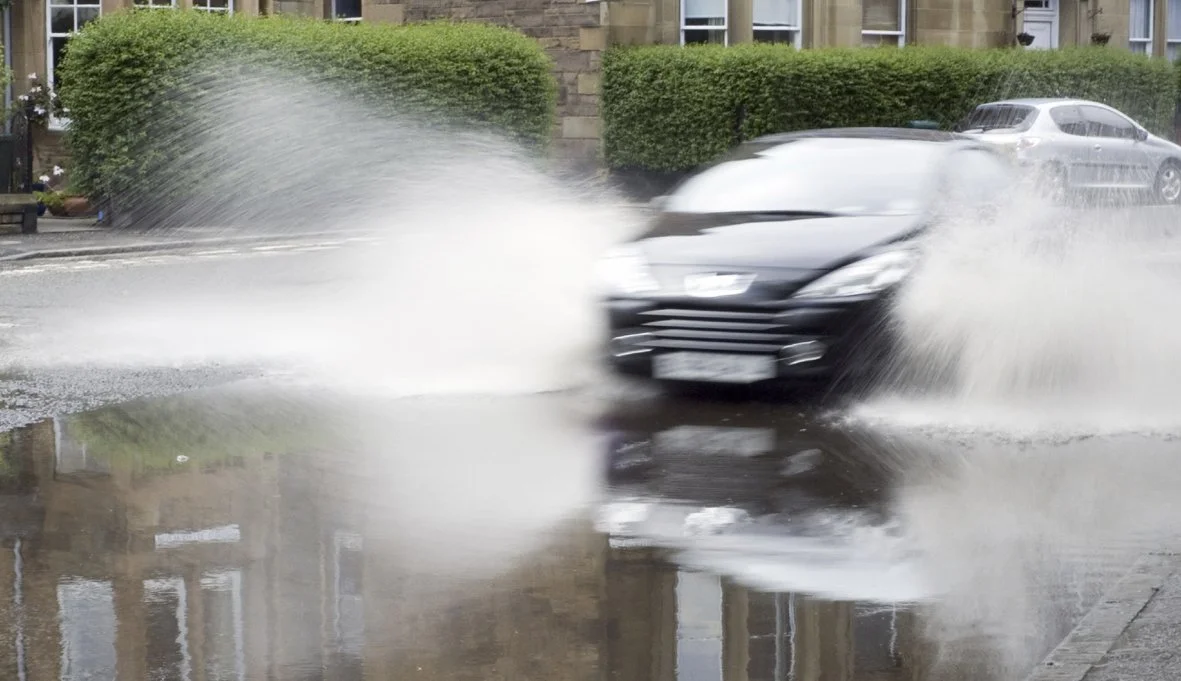
If you see a big puddle, think carefully before travelling through it too fast, as they are known to immediately make your car lose contact with the road.
Motorists are advised to drive around puddles if possible, or travel through them at reduced speed with caution to avoid any mishaps. Many sat nav apps can warn drivers about waterlogged roads beforehand, helping drivers to avoid the tricky situations they present altogether.
5 - Follow the track
Keep an eye on the car ahead of you when driving in wet conditions, as its tyres will have already cleared some of the water from the road, leaving tracks behind. If you drive in those tracks and keep a safe distance, it could help your tyres maintain a better grip.
6 - Drive smoothly
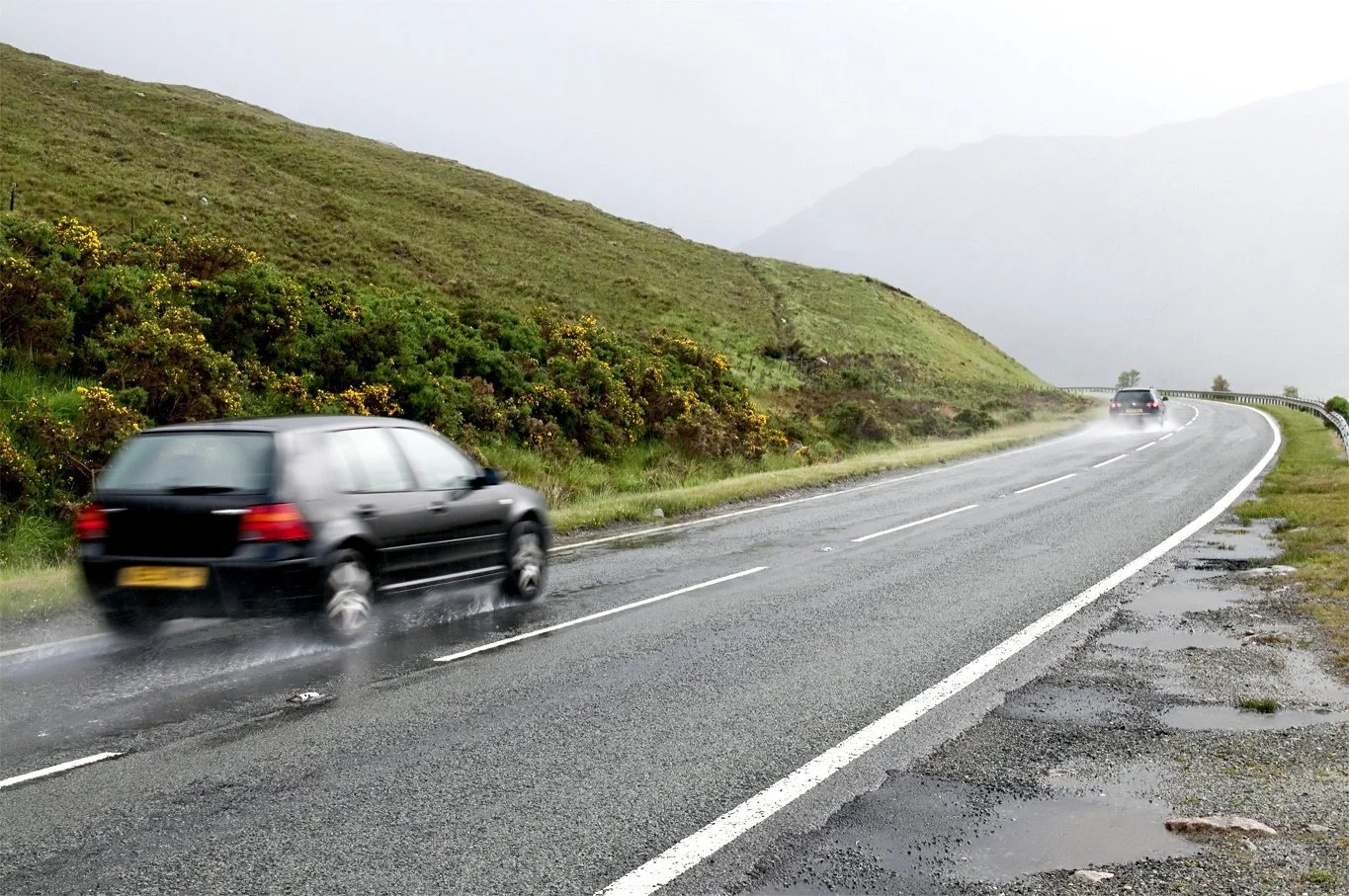
Remaining composed and driving smoothly is the final tip to combat the dangers of aquaplaning. Combining gentle steering, braking and accelerating in wet conditions will give drivers more control of their cars. Extra care is also encouraged on bends, while another tip advises motorists to avoid cruise control, as it can stop you from reacting quickly if you start to aquaplane.
words: Mike Booth