Volvo ES90 Ultra Review – The Swedish Stealth-Wealth Alternative to the BMW i7
If we asked you to think of a luxury electric saloon, chances are, you'll think of a BMW i5, i7 or Mercedes-Benz EQE or EQS. Now, Volvo has joined the game, and John Marcar thinks the ES90 Ultra might be the one to pick.
A Sensible Version of Luxury
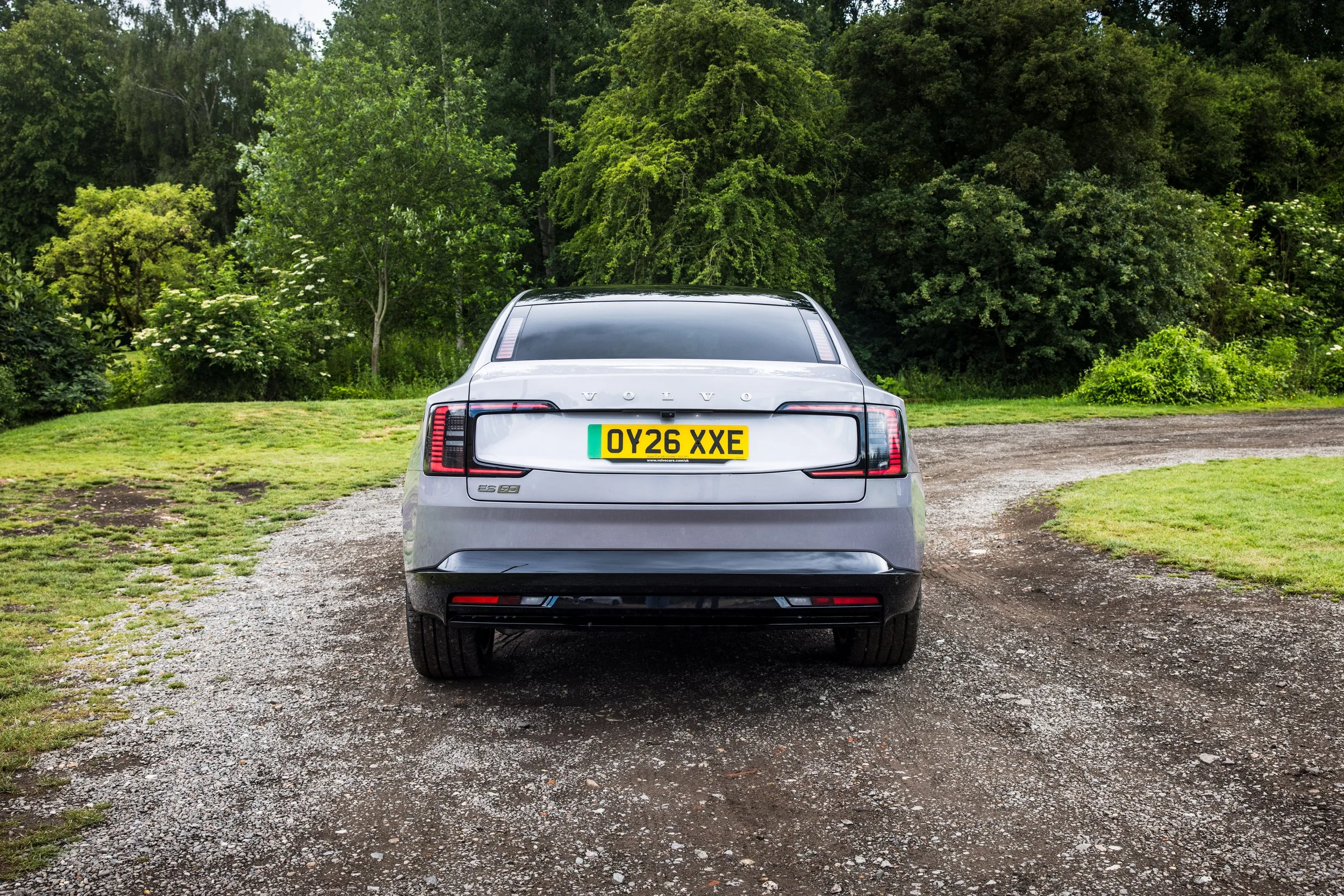
For almost 100 years, Volvo has earned the accolade of being the sensible choice for calculated motorists. The Volvo brand is synonymous with safety, style and family practicality. It's a brand for those who care less about the badge and kerbside appeal, and more about the finer details that many won't notice. Now, there's a new Volvo on the market, the ES90, and it's a model that directly pitches itself against cars unashamedly marketed to the badge snobs and luxury lovers.
Some might argue that the ES90 Ultra goes against what Volvo is all about; others will argue that it's a wonderfully conservative version of luxury. After a week with the model and driving over 1,000 miles in it, I'm very impressed and think it might even be good enough to steal a few buyers from the likes of BMW.
ES90 Plus vs Ultra
The ES90 is available in two trim levels: 'Plus', priced from £67,560, and 'Ultra', priced from £77,260. Given the model's target market, even in 'Plus' form, the standard equipment list is very strong, with luxuries such as a Bose audio system, a head-up display, Volvo's Pro Park Assist system, and a 360-degree camera system all included for under £68k.
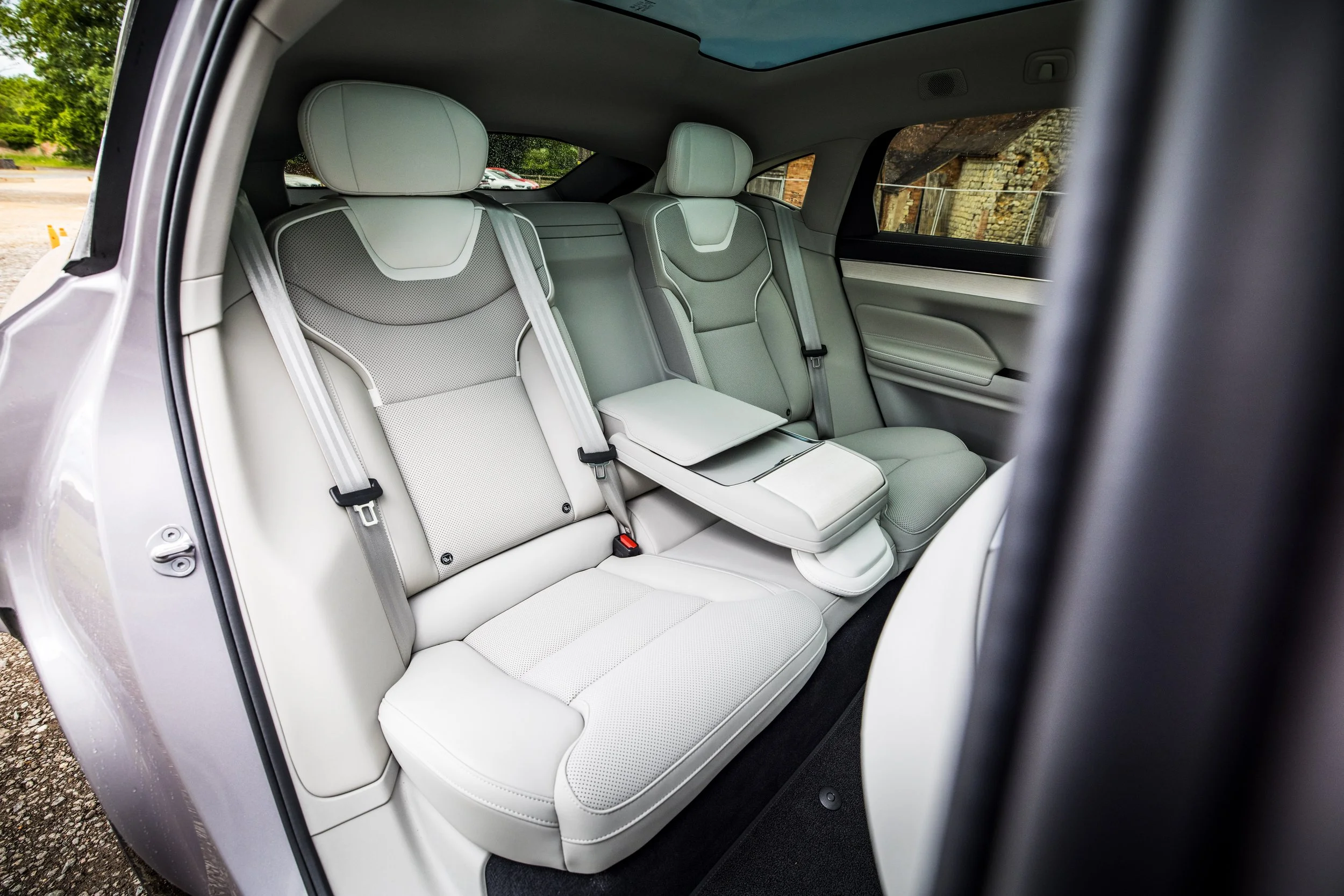
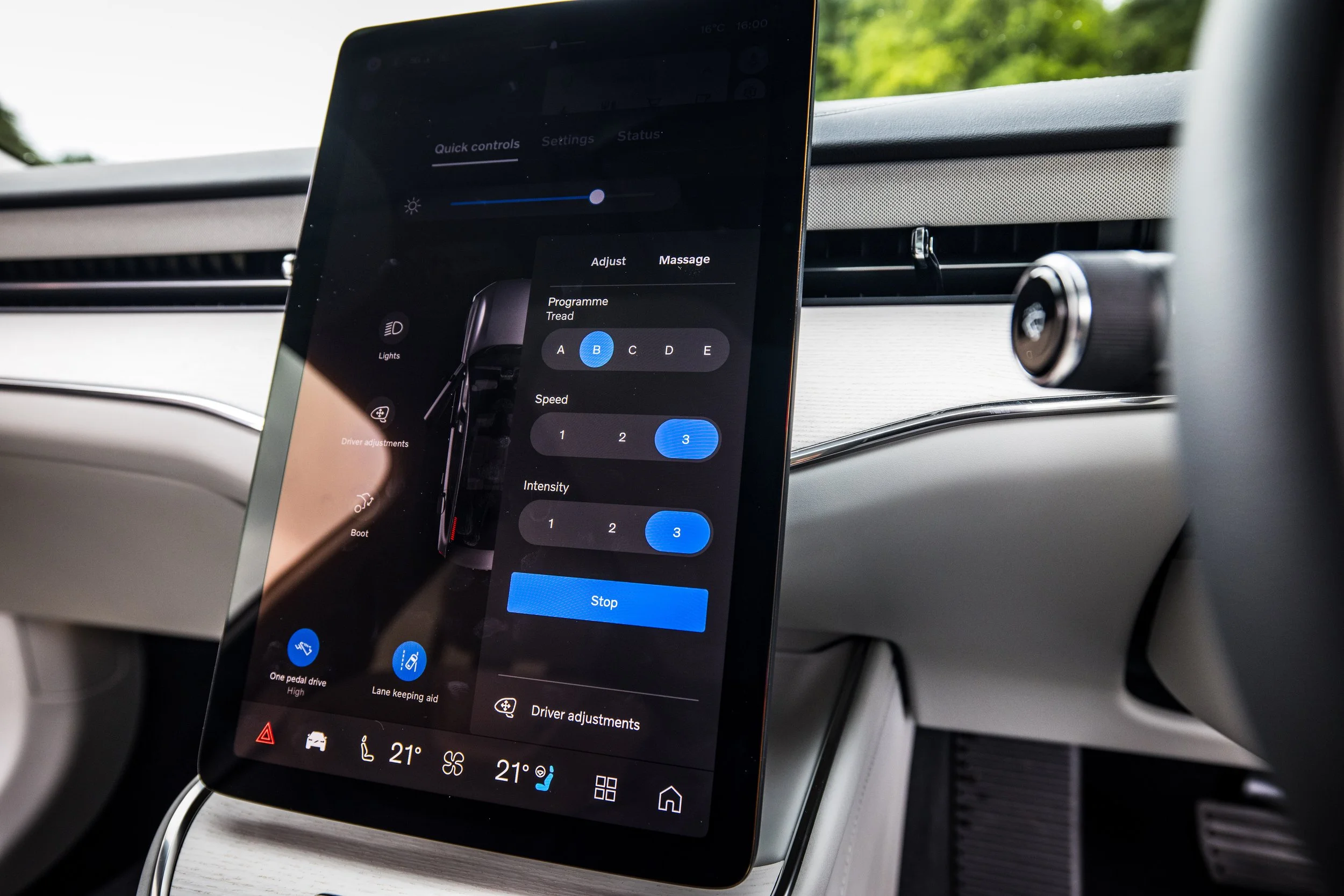
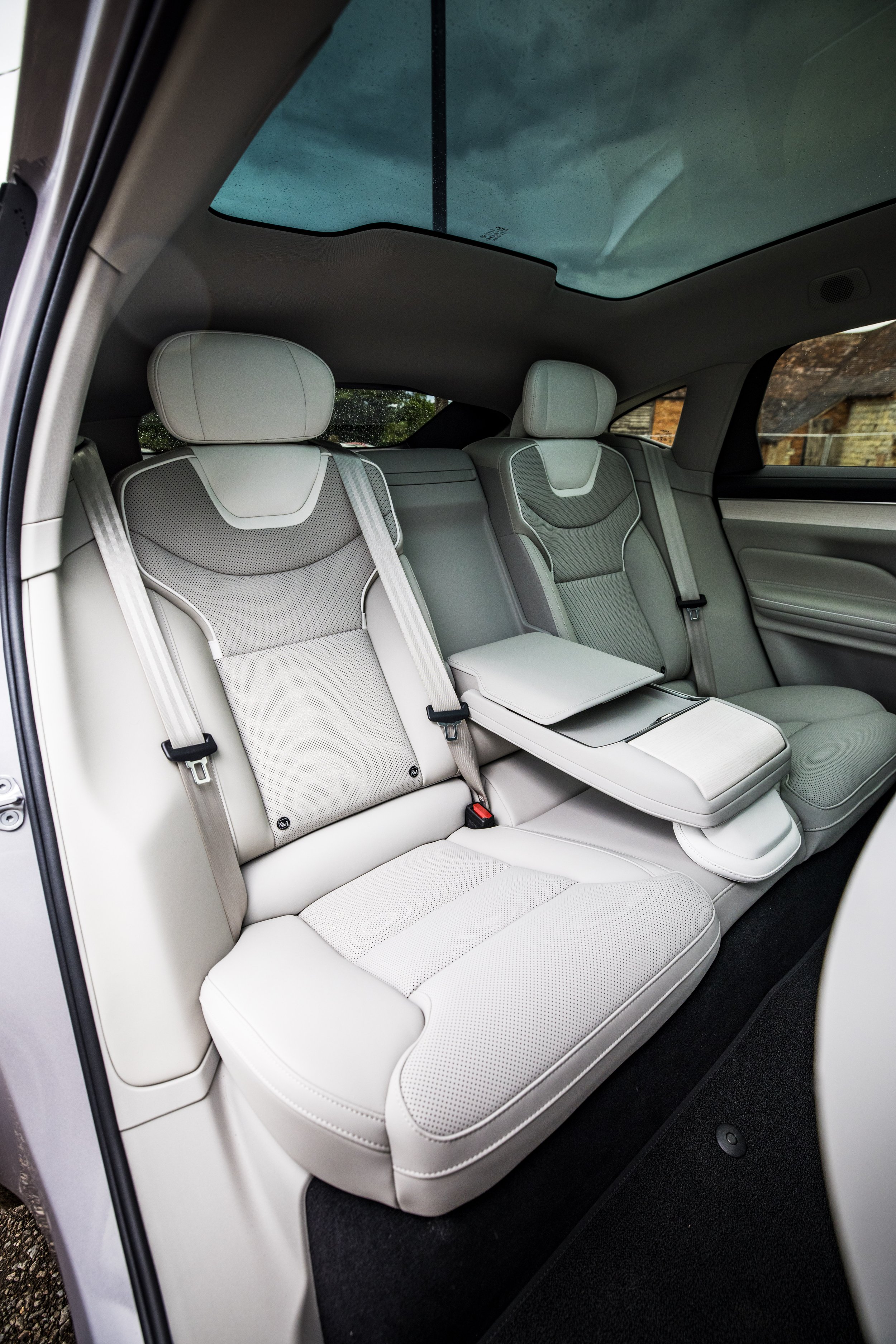
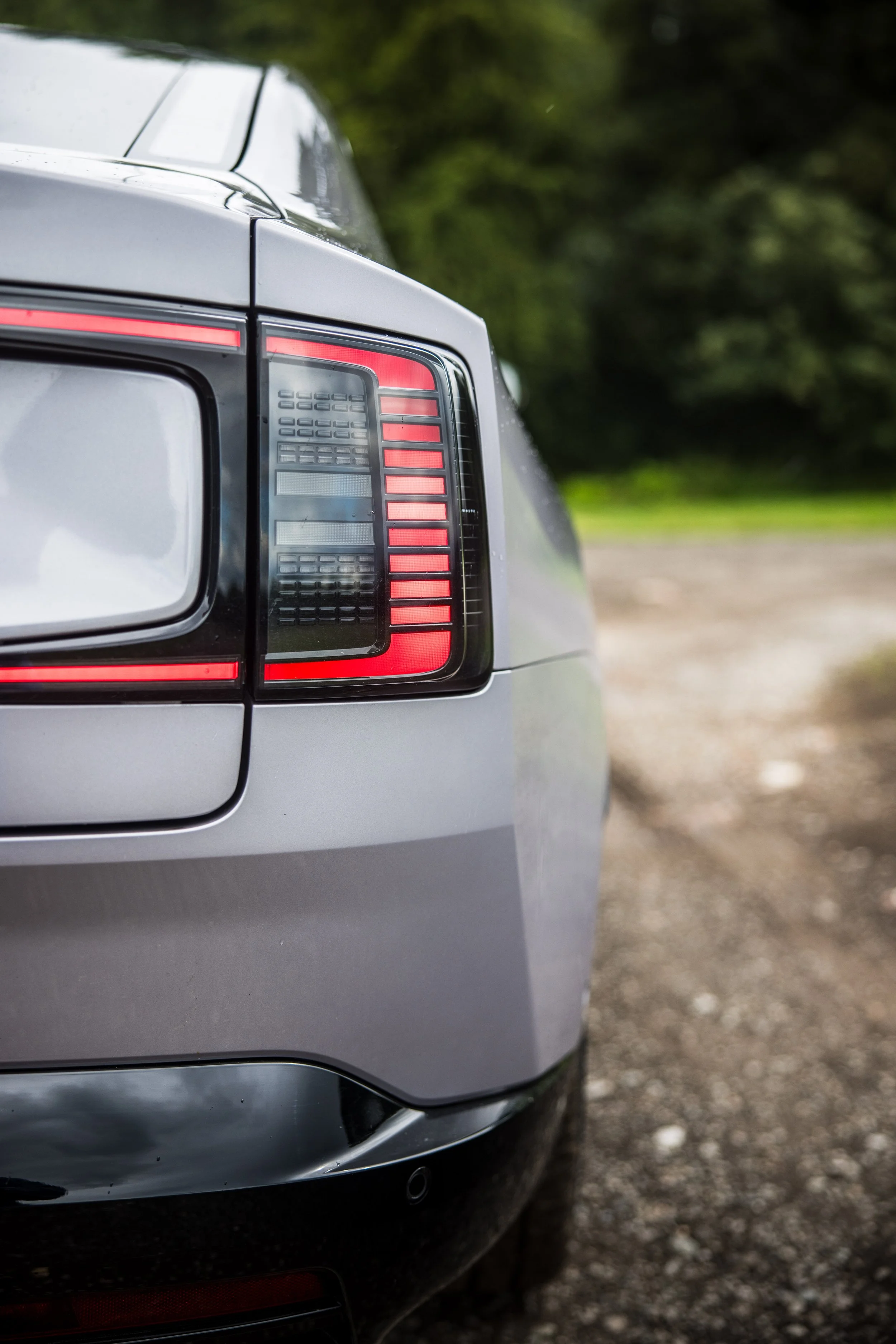
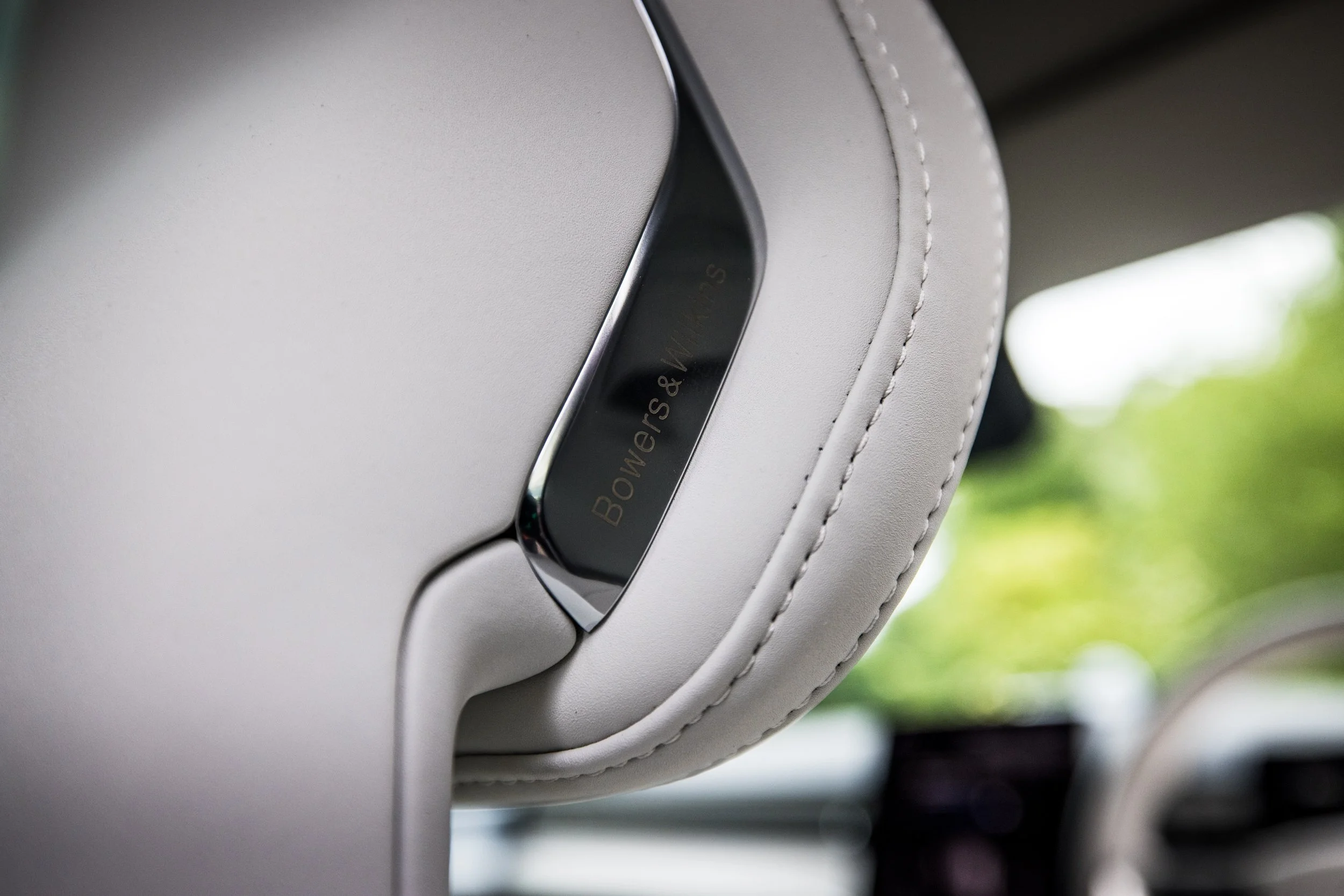
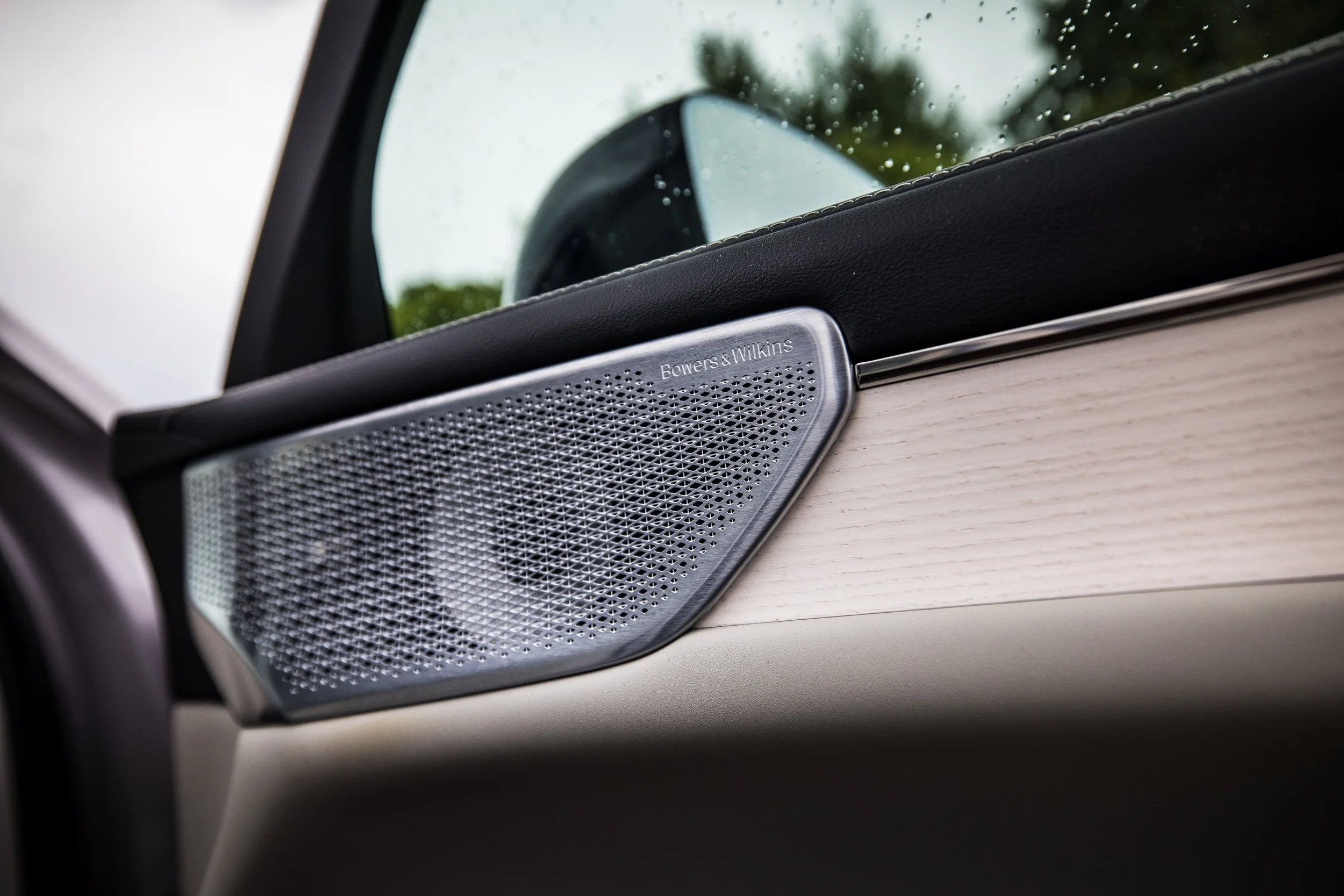
'Ultra' offers a very comprehensive list of upgrades to the standard kit, including a Bowers & Wilkins audio system, an electrochromic panoramic glass roof, high-definition pixel headlights, active air suspension, heated and ventilated seating, and a massaging system for the two front seats.
Prices and Optional Extras
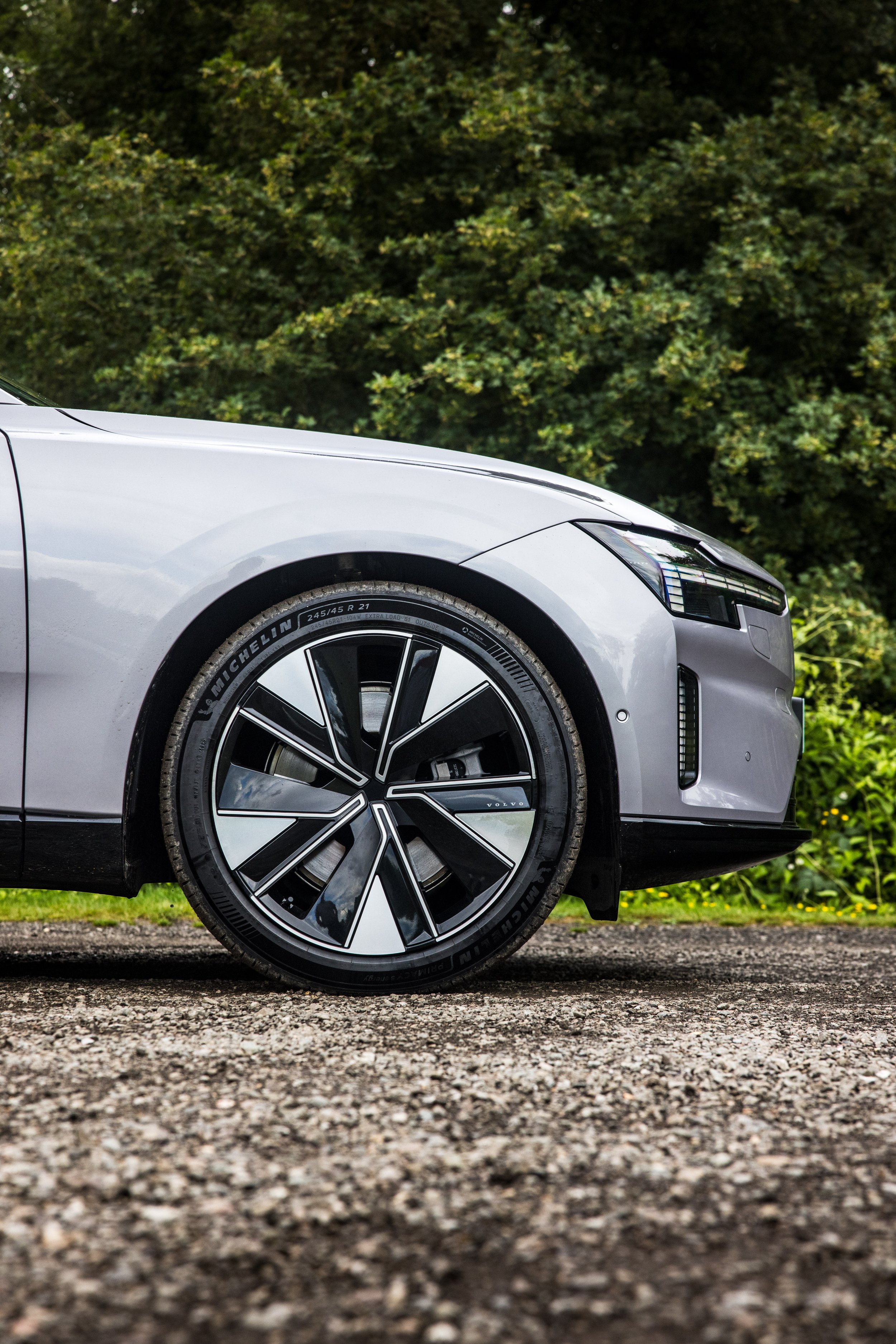
Two versions of grey are available as standard for the exterior colour, with other choices incurring an optional extra price of £845. A fairly comprehensive list of optional extras is available, including tow bars, mud flaps, weatherproof floor protectors, and even bike and roof racks, which, if added, can see the total retail price climb to £94,000; however, the price of the model as tested was £78,105.
Motor Options
In Ultra trim, there is a choice of a 333hp single-motor, range-extended RWD powertrain (as tested), a 456hp twin-motor powertrain, or a 680hp twin-motor performance version, which improves acceleration and driving performance but reduces overall range.
Range and Charging Times
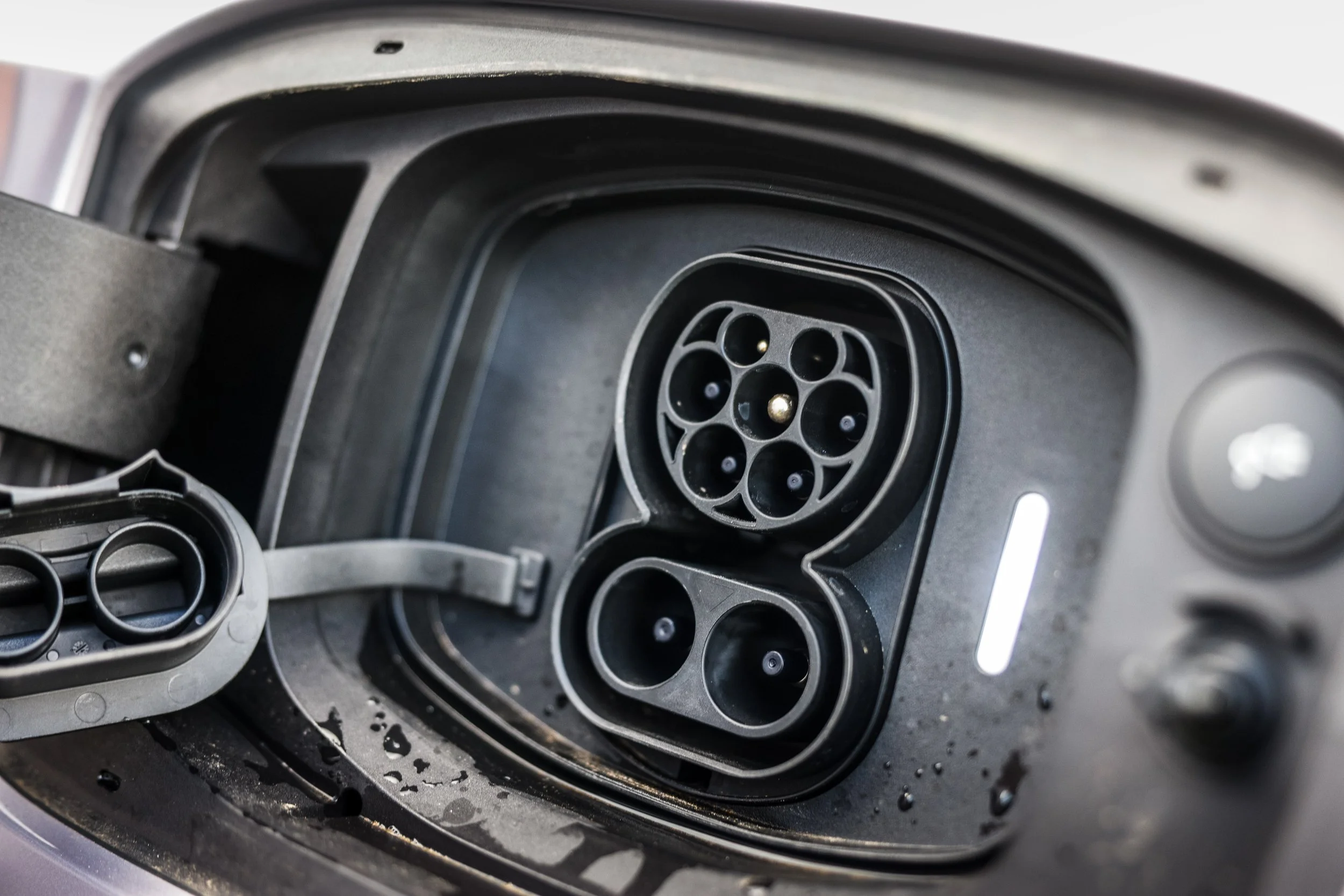
In the 333hp ES90 Single Motor Extended Range RWD Ultra I've been driving, the maximum advertised WLTP combined range is over 400 miles on a single charge, which closely reflects what I was able to achieve in my time with the car. Charging times are equally impressive thanks to the model's 310kW charging capability, which enables a 10-80% charge in as little as 22 minutes.
Interior Comfort and Quality
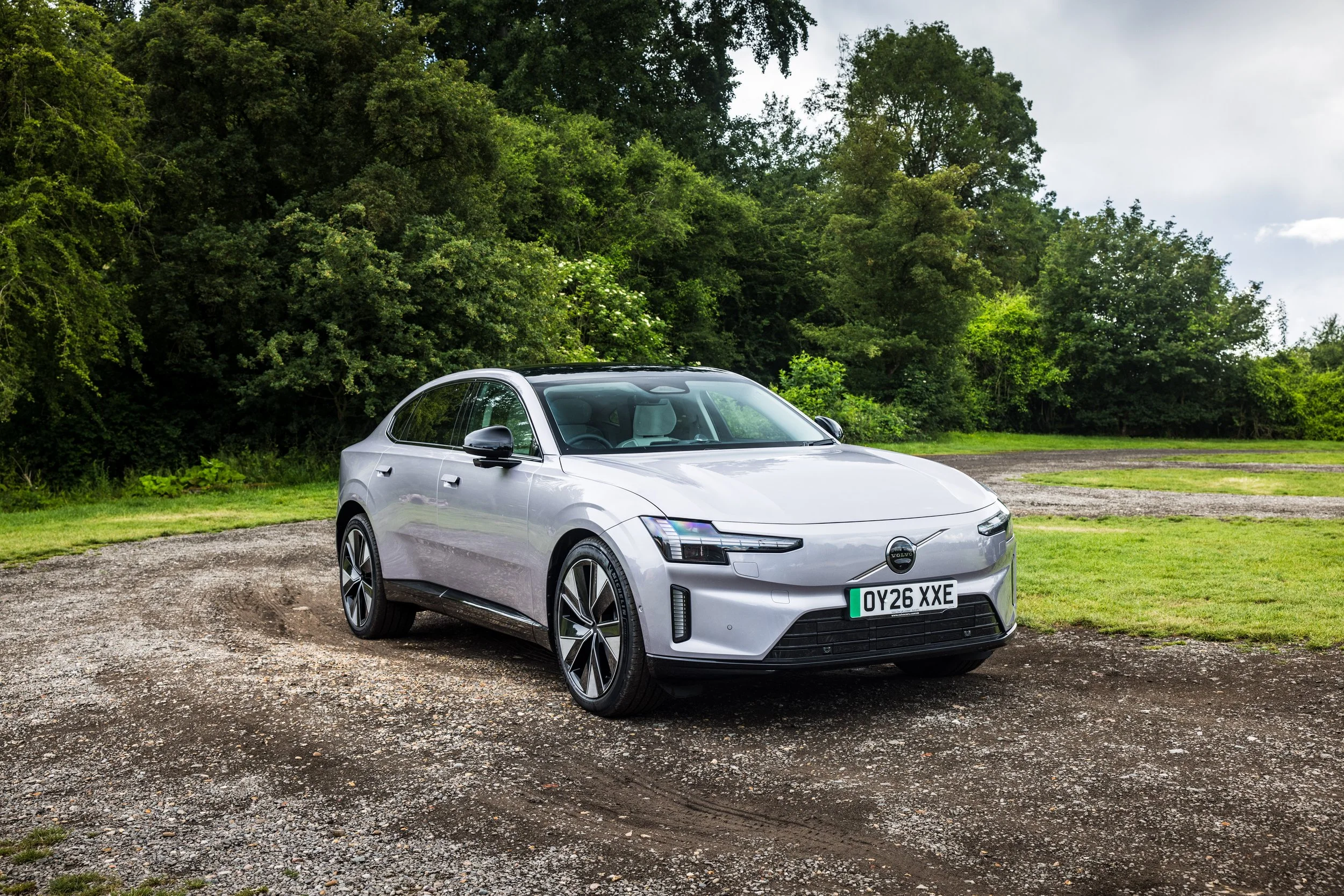
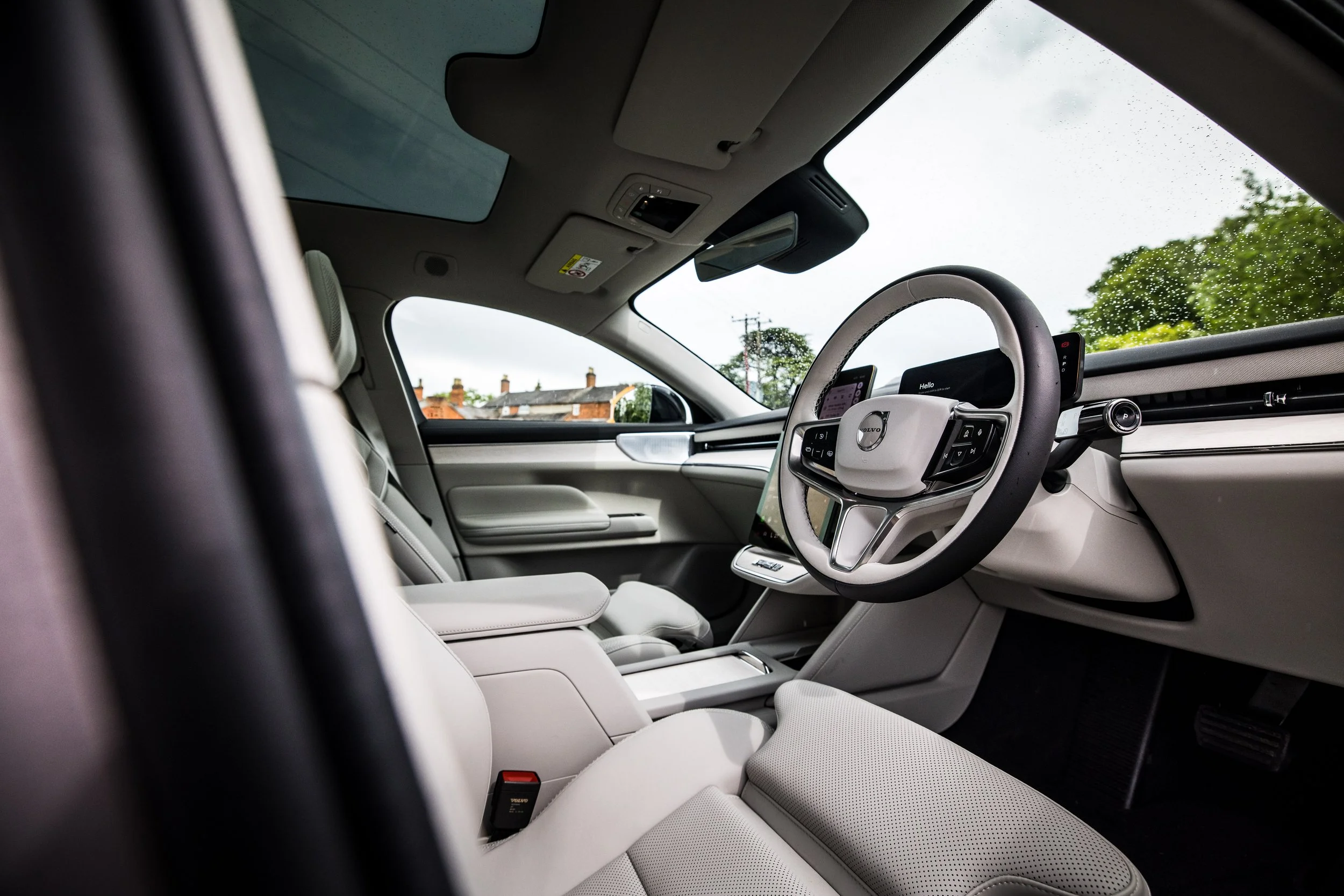
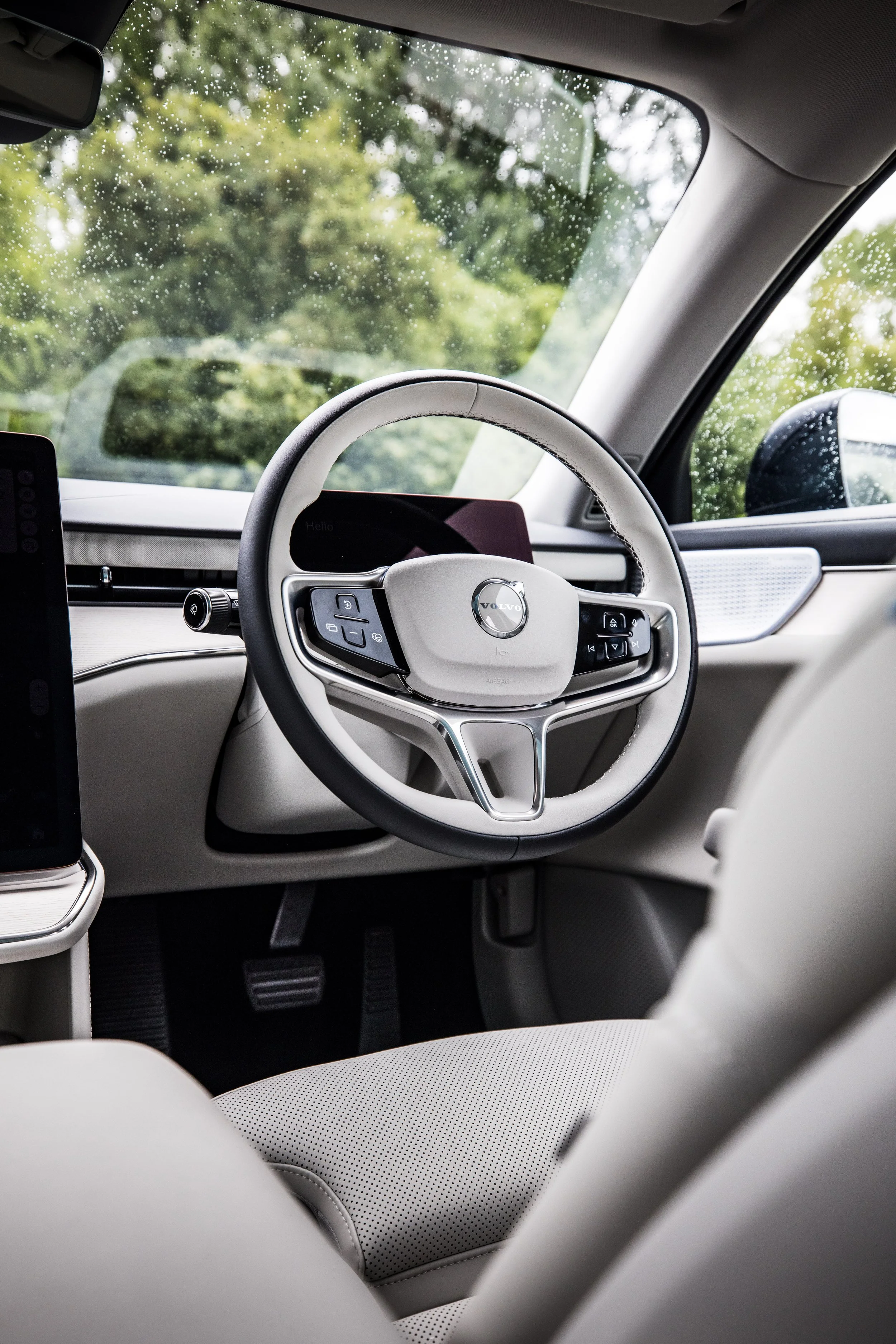
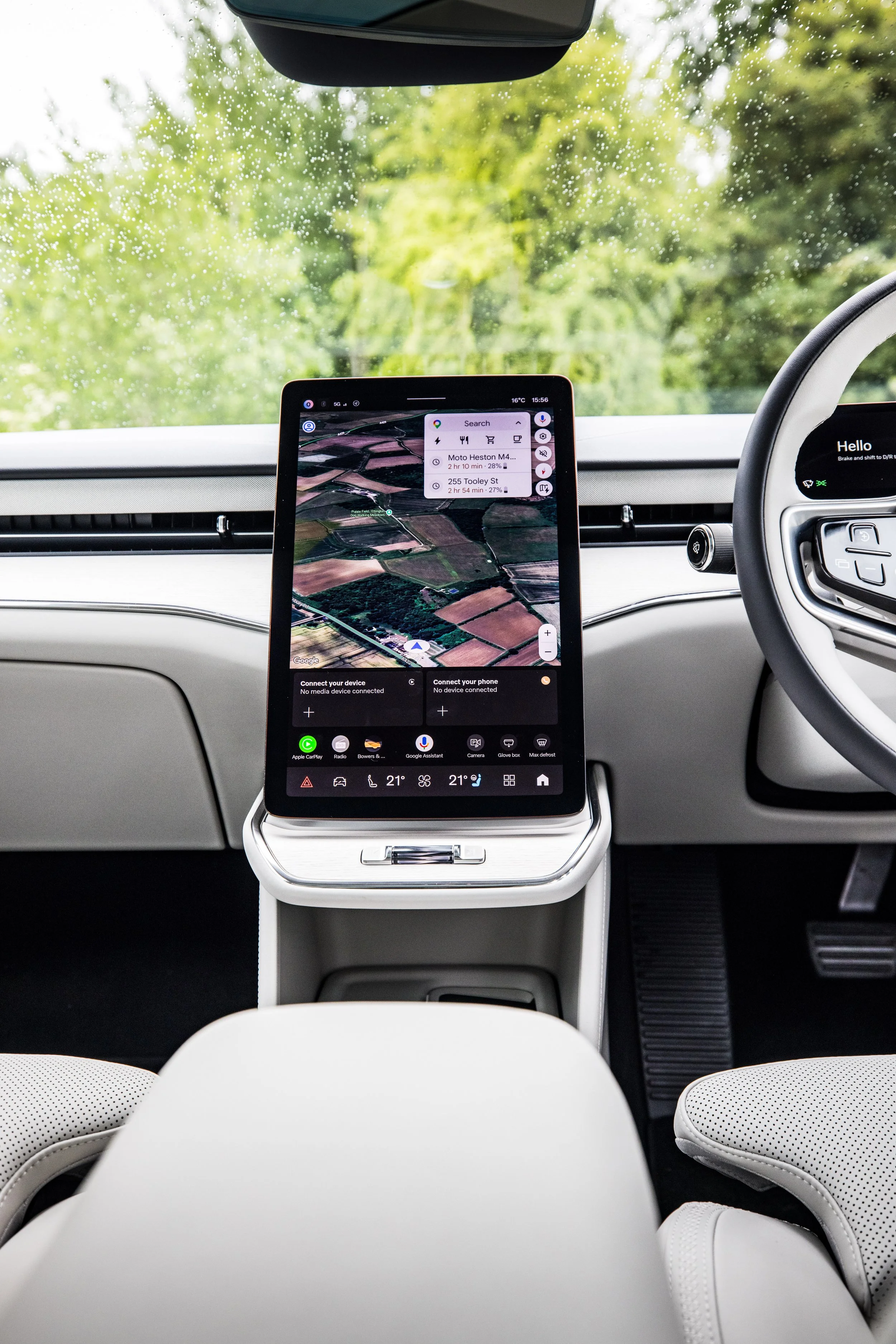
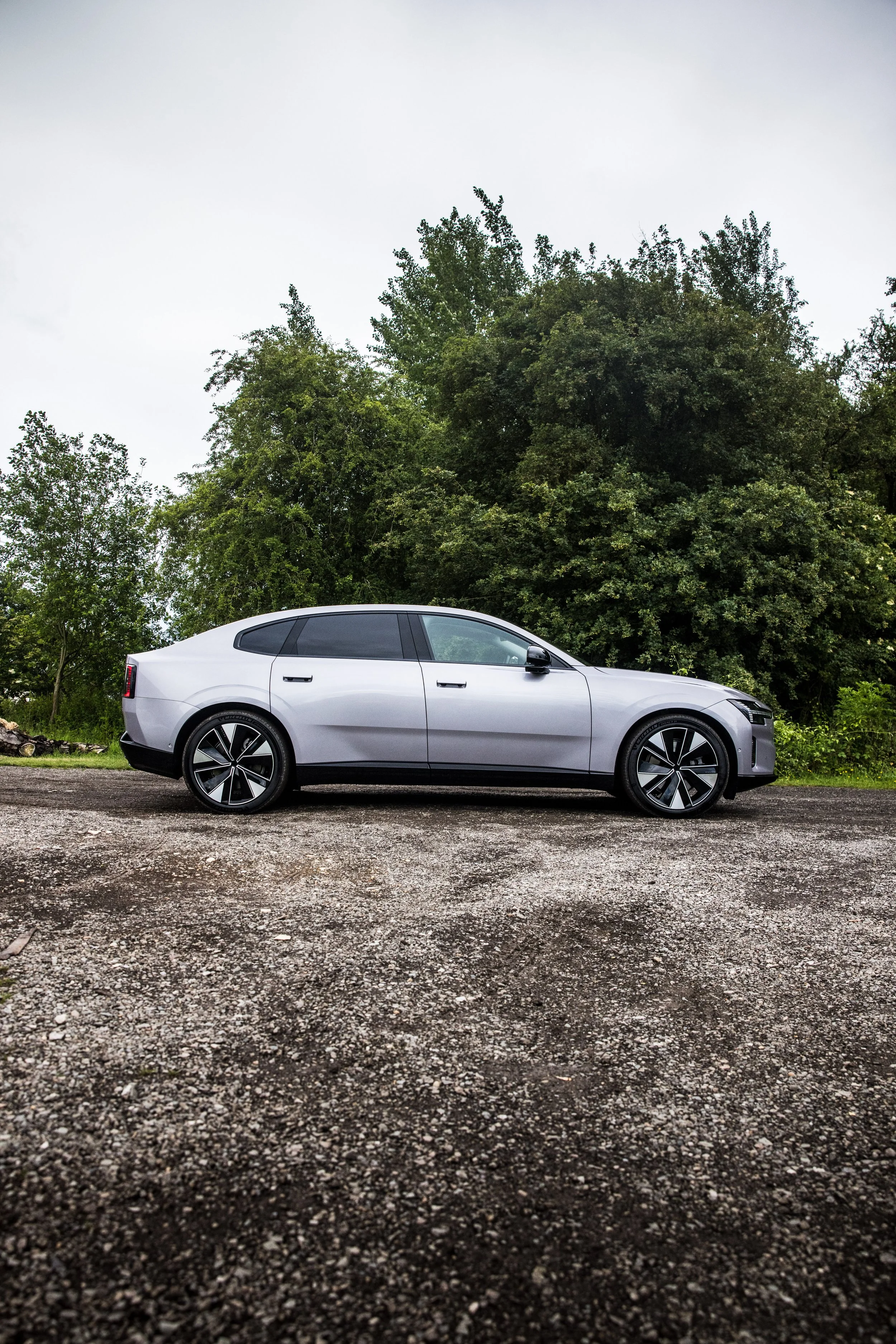
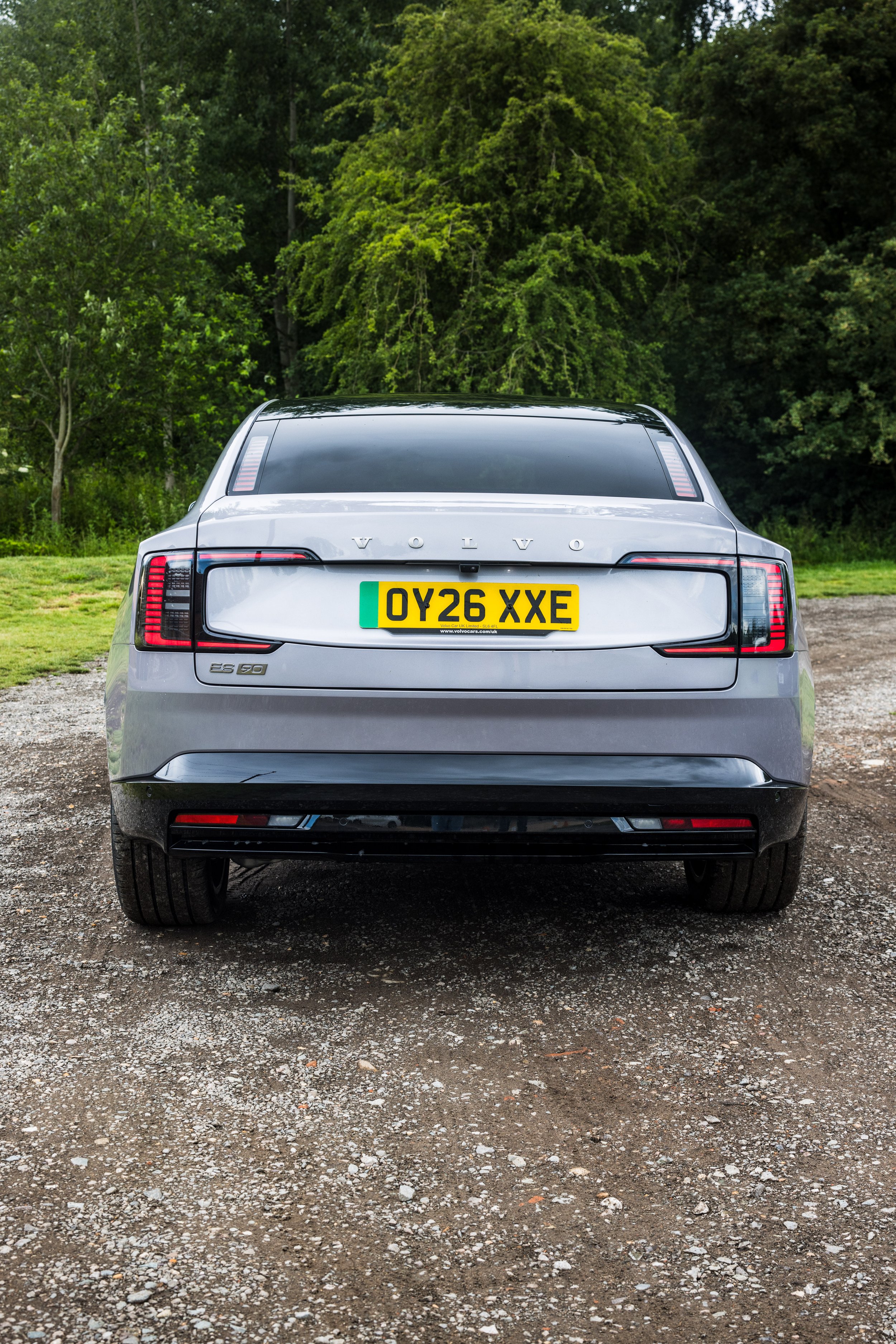
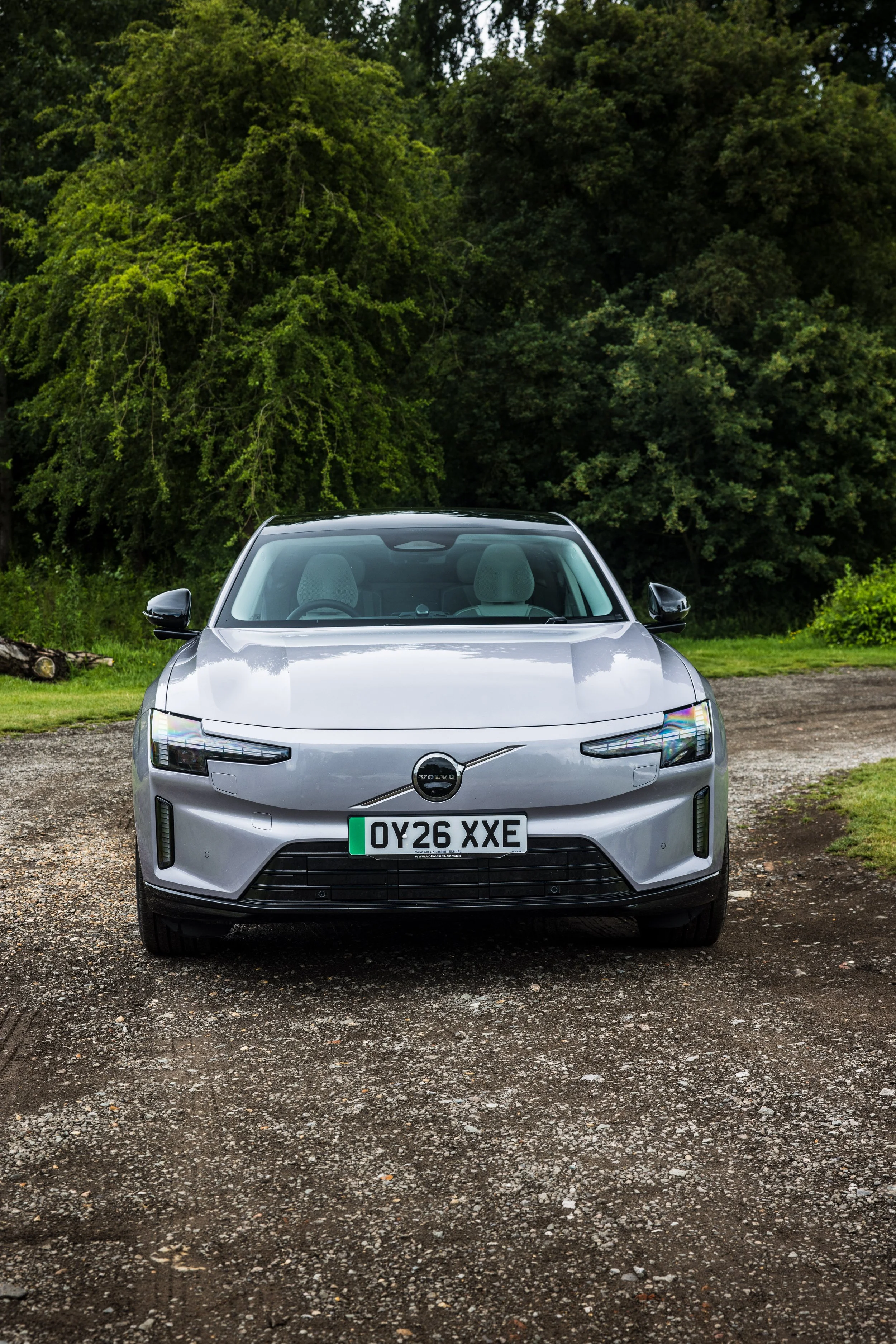
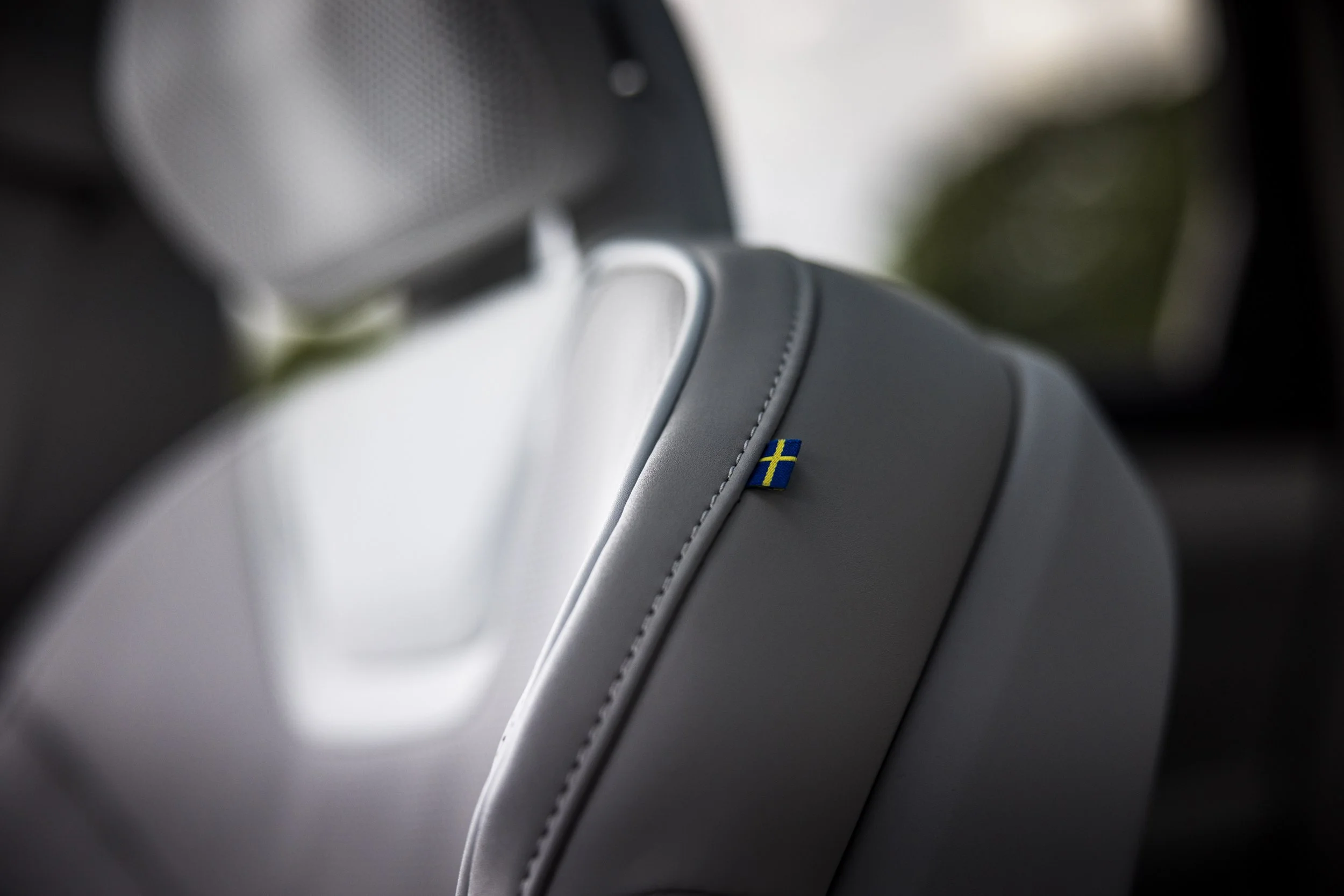
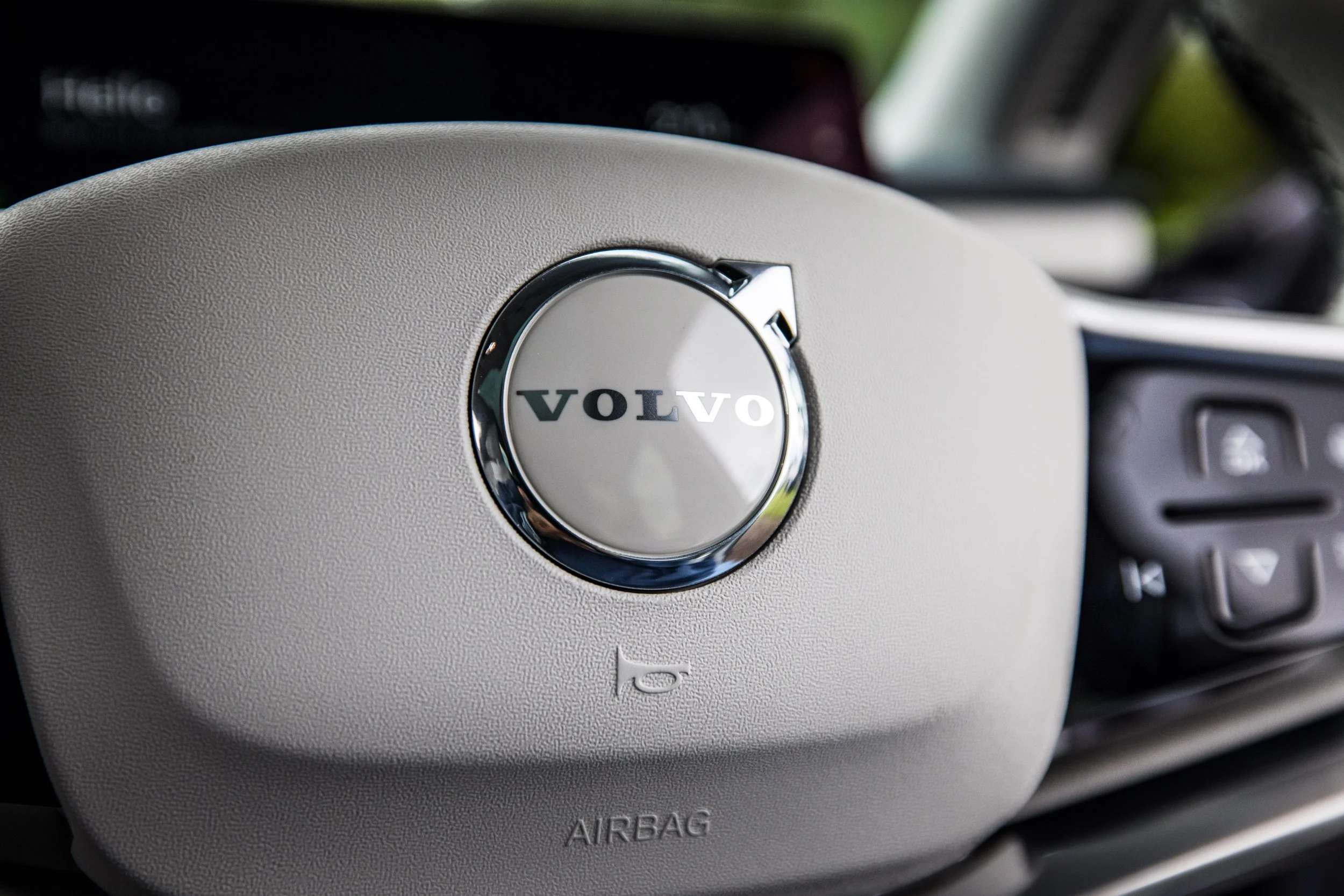
The big selling point for the ES90 is the interior, whilst the exterior styling is unoffensive and very smart, the interior is the highlight. The upgraded 'Ultra' seating looks and feels fantastic in use. The minimalist design of the dashboard, with a large iPad-style centre screen and a small cluster ahead of the steering wheel, looks great, and the touchscreen interface is one of the best I've used, with absolutely no input lag.
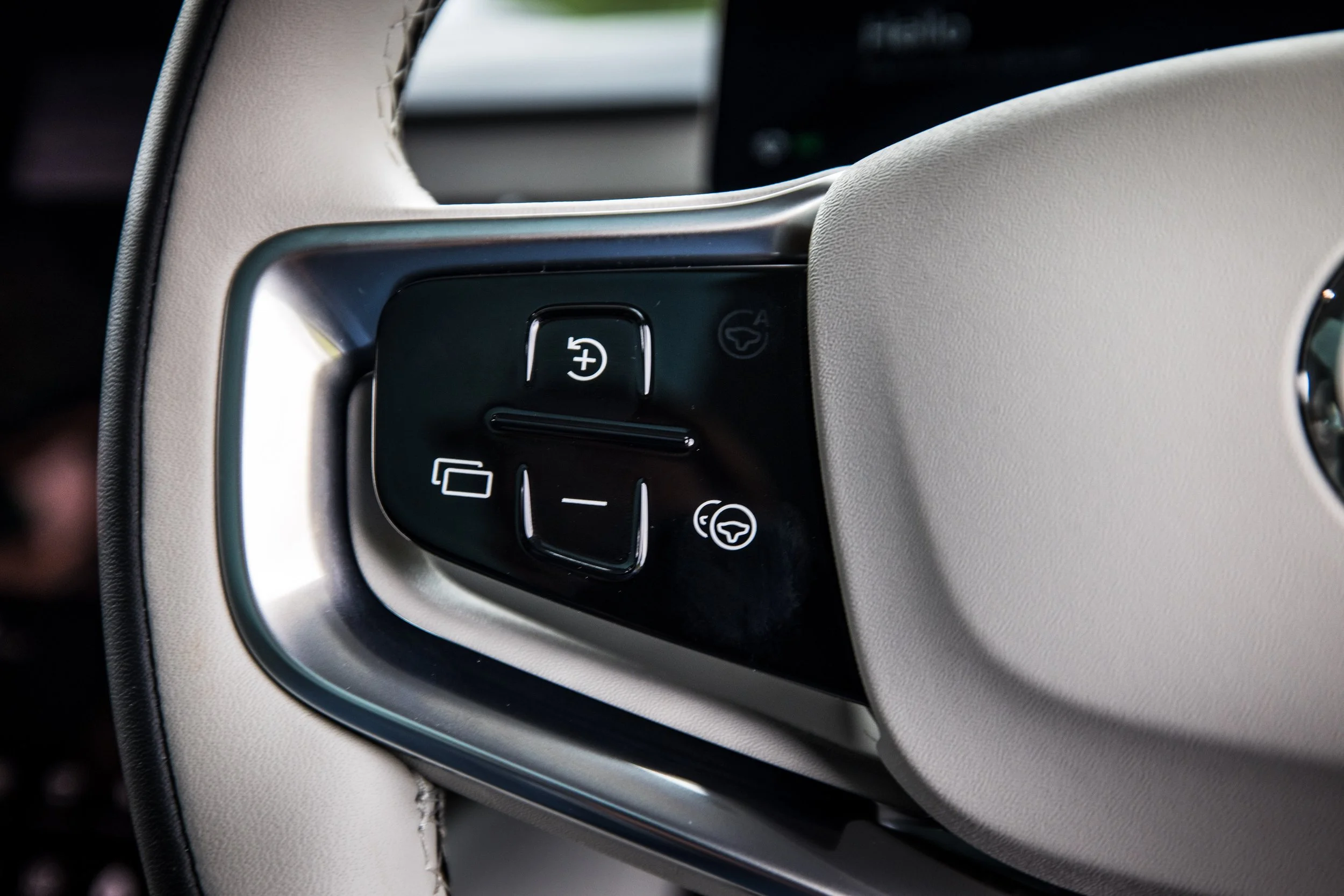
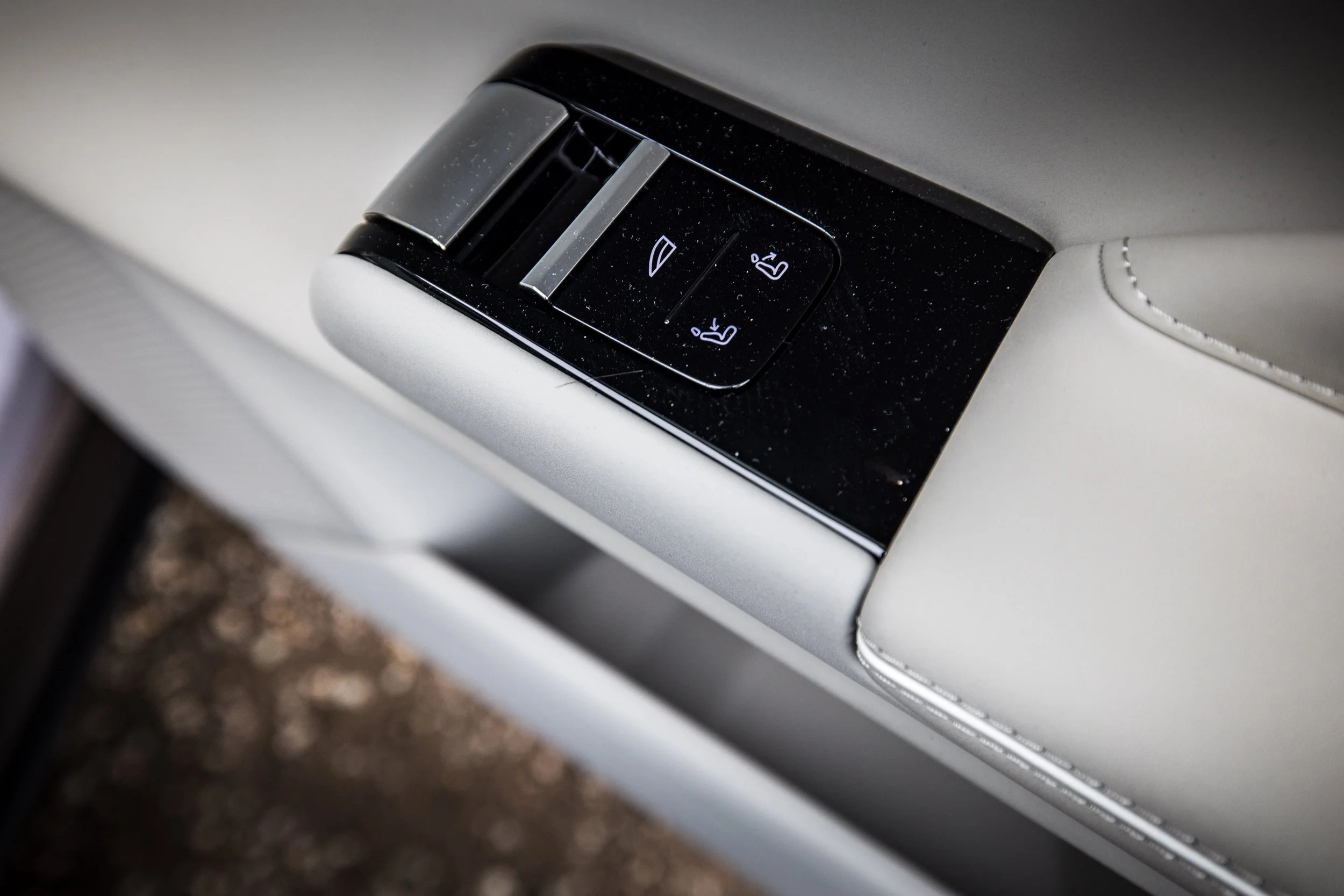
All touchpoints, switches, and controls feel very high-quality and are a genuine upgrade from what you now typically find in BMW's disappointingly plastic version of luxury.
Driving the ES90
The keyword for the ES90 is comfort. In terms of both practicality and aesthetics, the comfort is flawless. In the driver's seat, the adjustability allows for versatile positions with intuitive rest points for arms and elbows regardless of height.
In 333hp 'extended range' form, the acceleration and pickup feel plentiful and never underpowered. The model will happily waft from a standing start and reach motorway speeds in under 7 seconds, and, thanks to the built-in driver-assistance technology, the car gently assists with steering, acceleration, and braking inputs, further enhancing the relaxing and luxurious driving experience.
The steering feel and suspension firmness can be tweaked if desired, along with the level of regen from the motors, which reduces the need to rely on the brake pedal to scrub speed whilst sending power back to the battery.
At night, the high-definition pixel headlights illuminate the road ahead brilliantly whilst avoiding dazzling other road users thanks to a 20,000 pixel projection system.
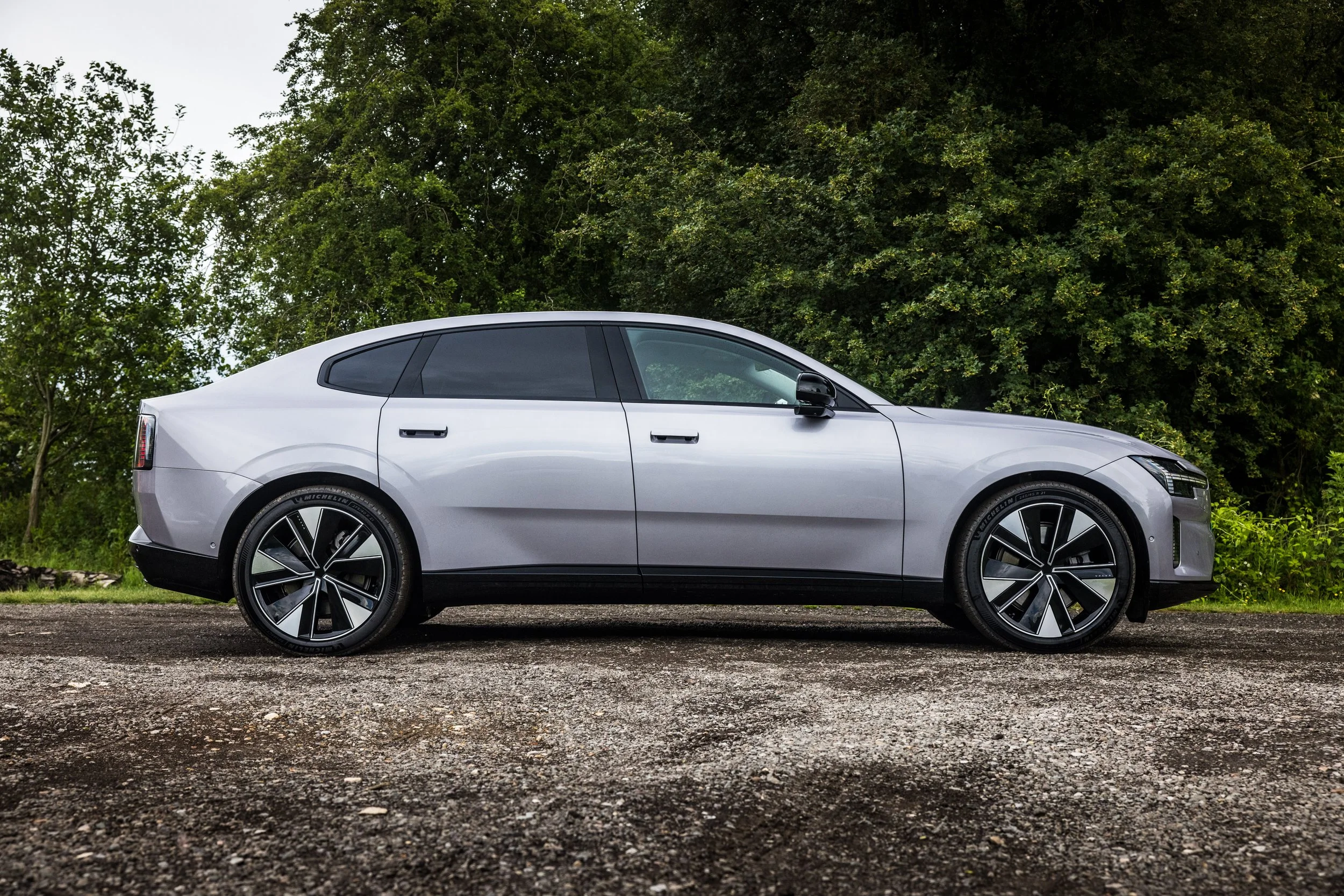
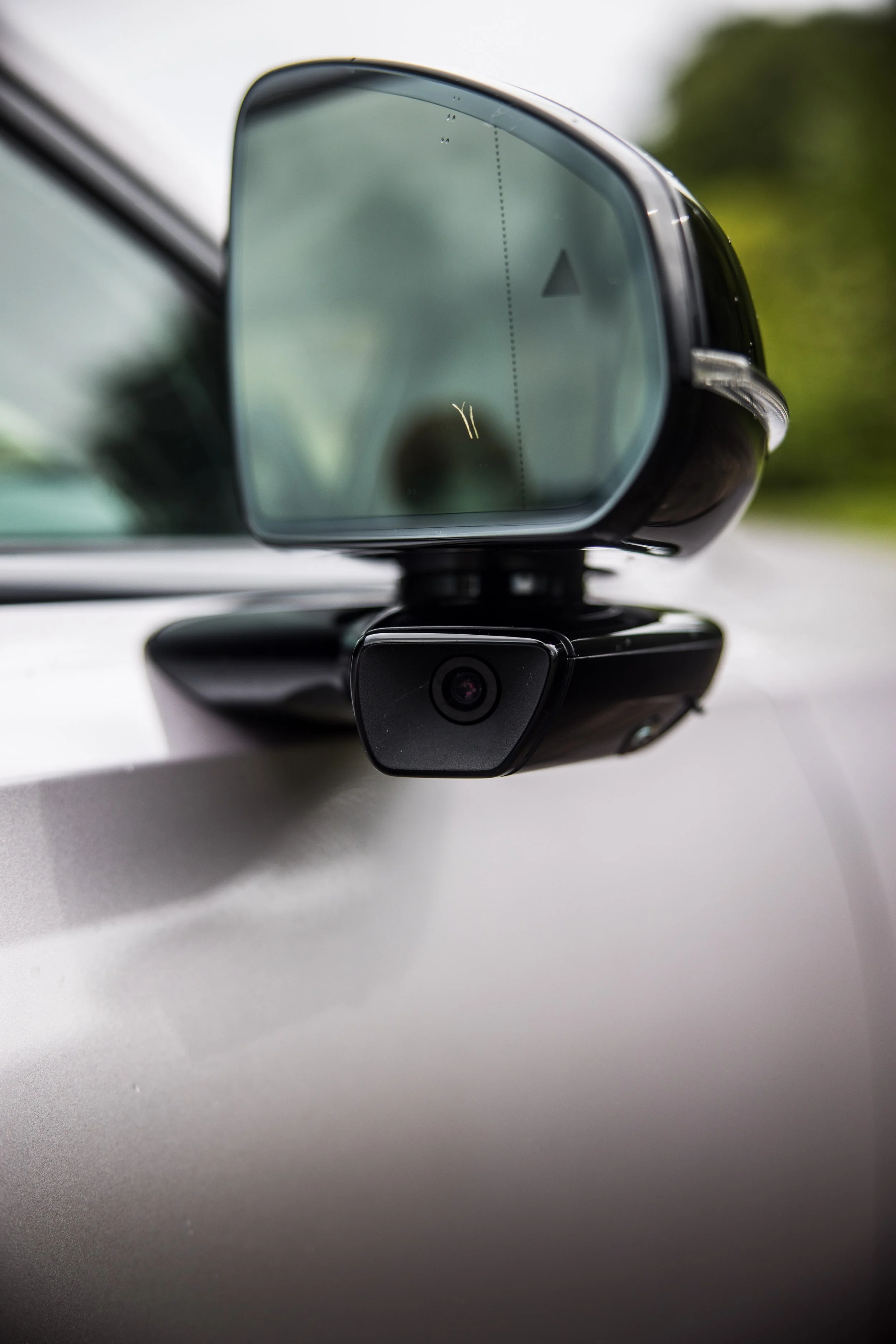
Something worth considering with the ES90 is its size. At exactly 5 metres long, over 1.9 meters wide and with a turning circle of 12 metres, it feels closer to a limousine than a saloon on the road. This can mean that parking spaces and tight manoeuvres can be challenging in certain environments, but the 360-degree top-down view cameras do a great job of helping to negotiate these challenges via the centre screen display.
Storage Options
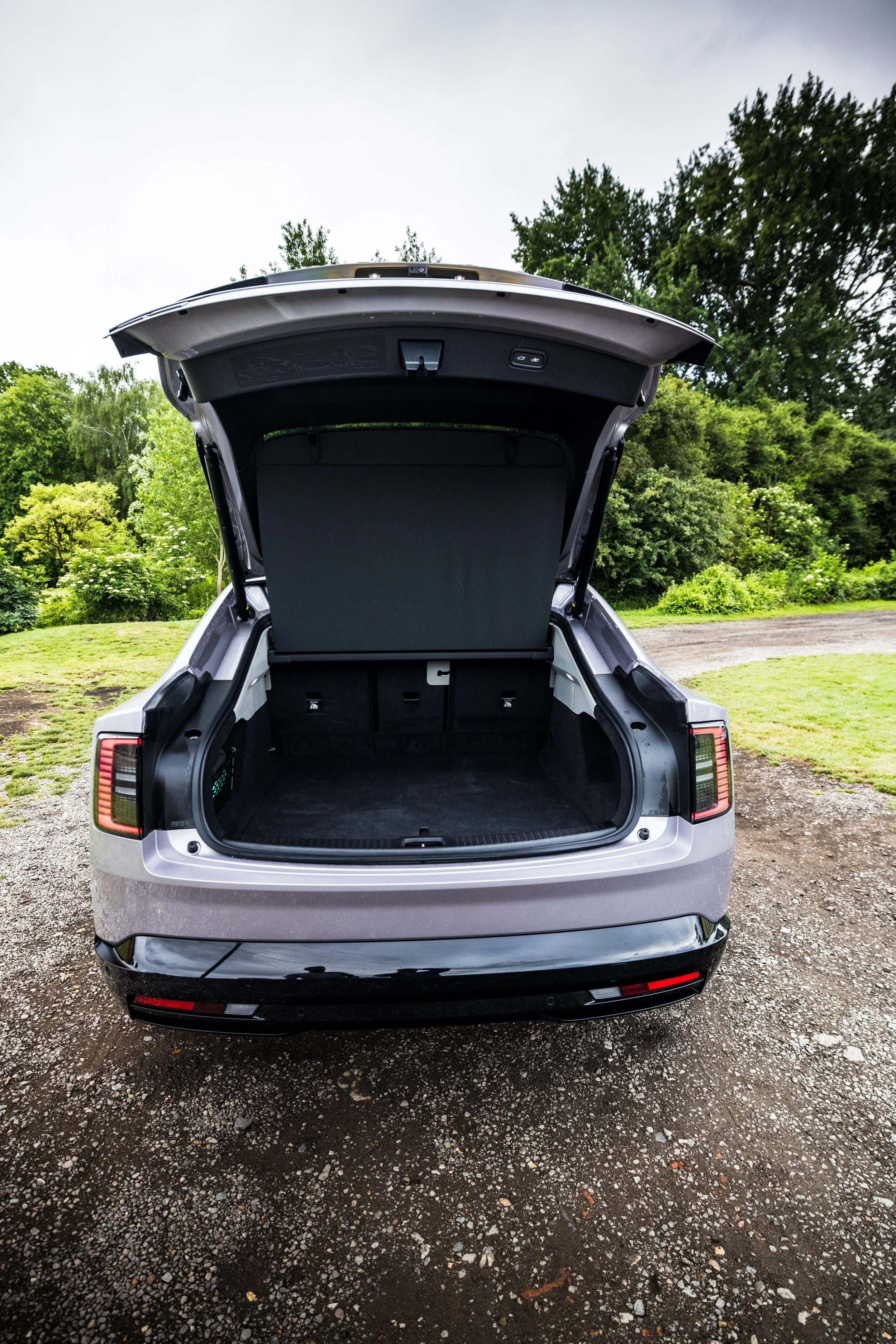
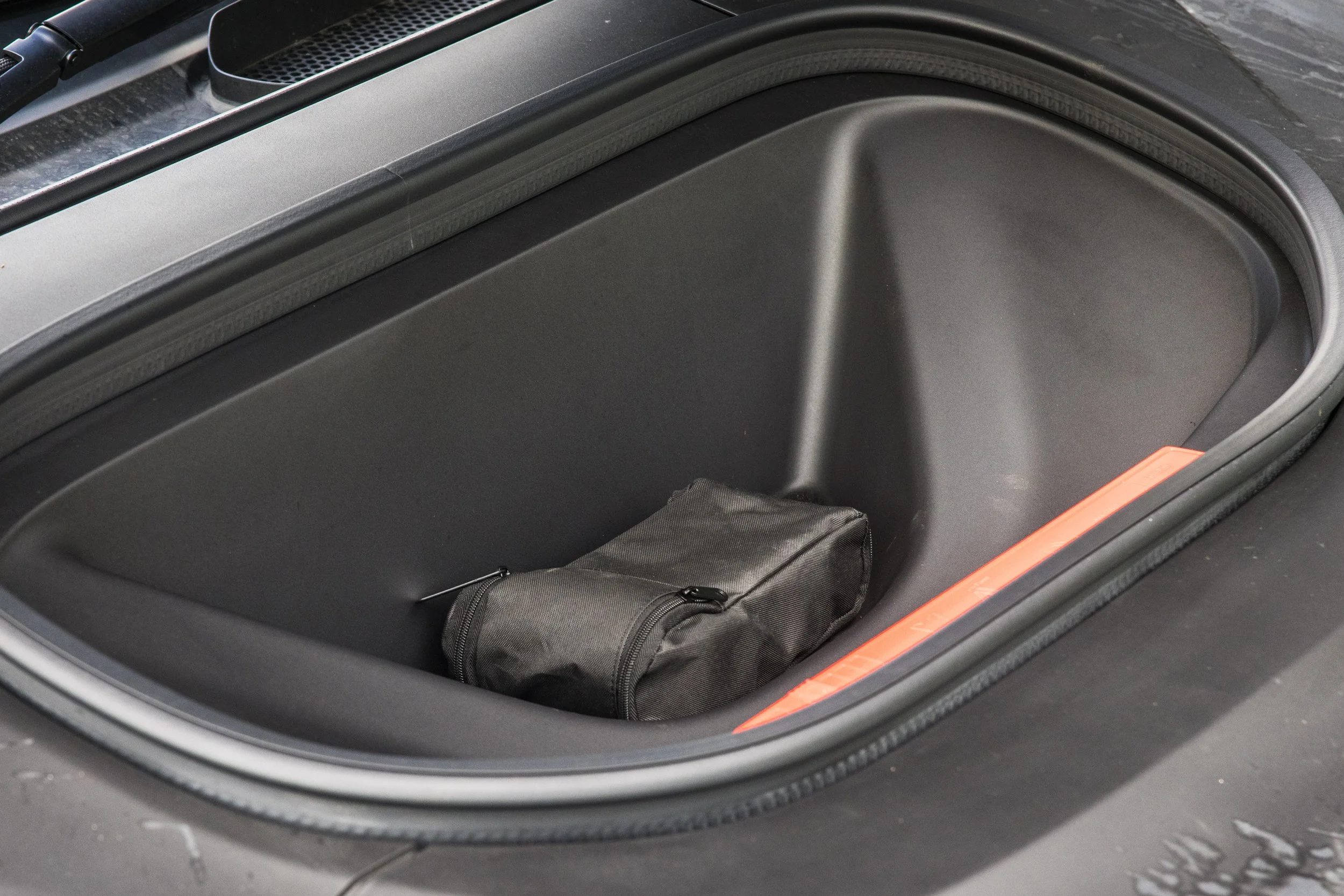
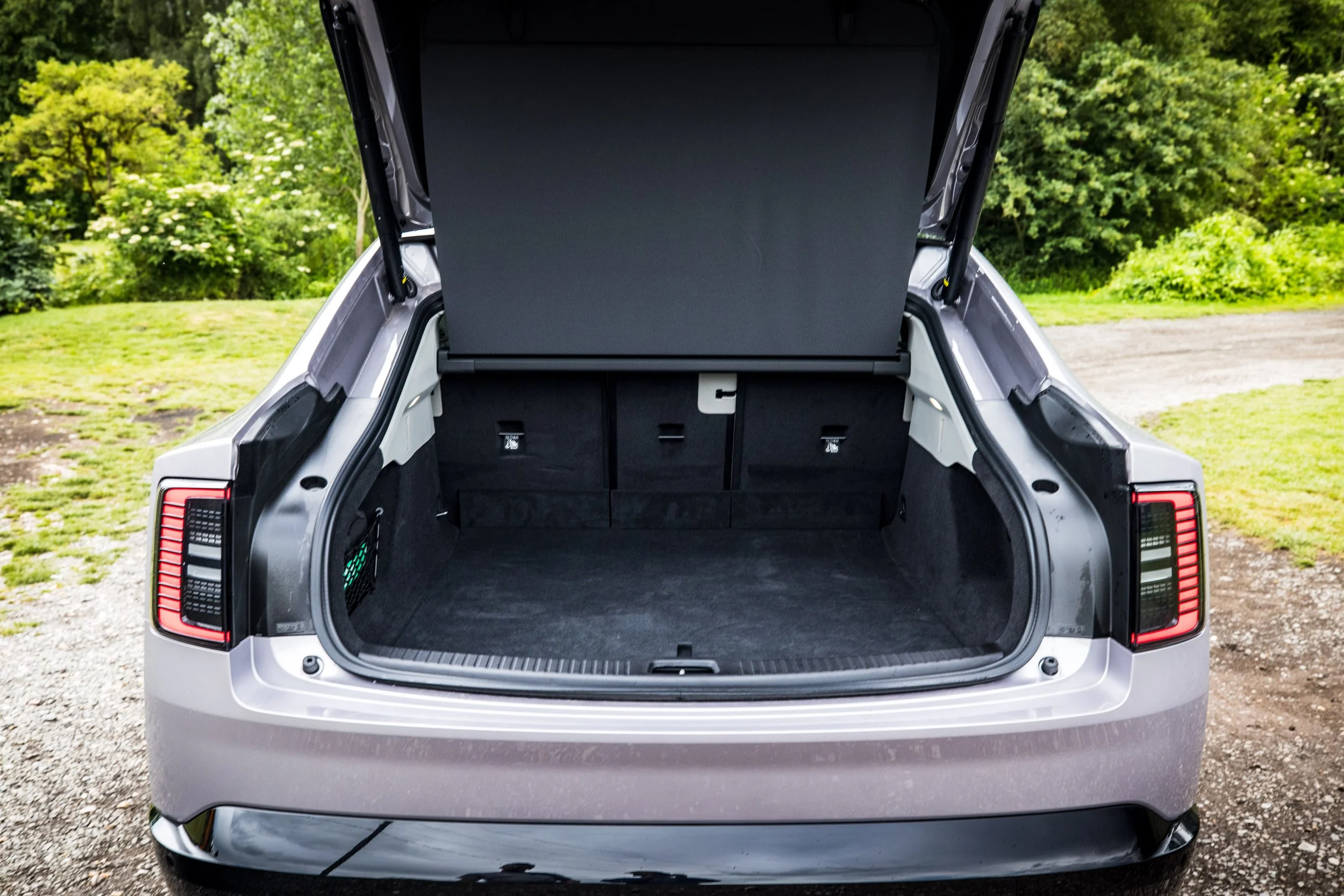
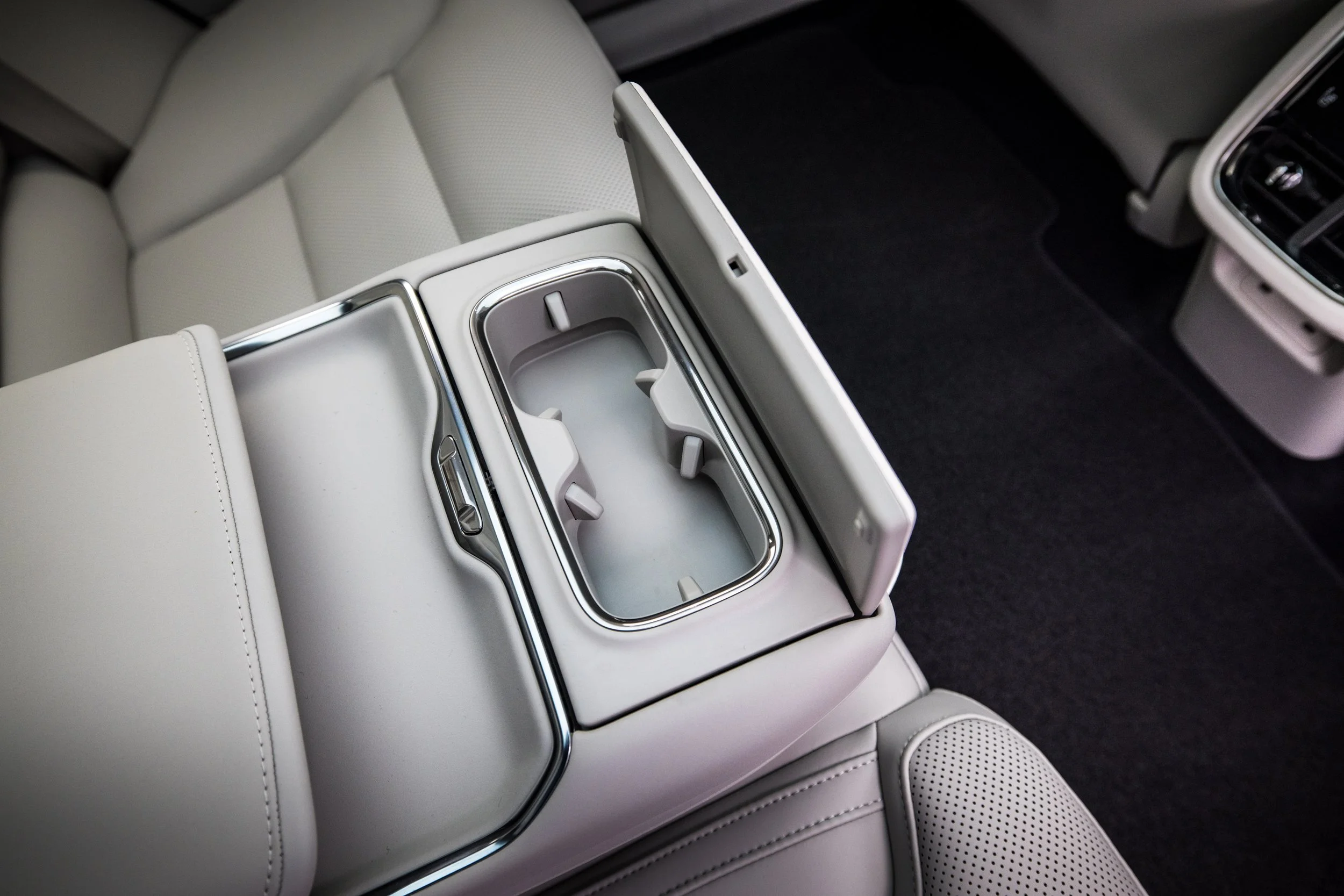
Thanks to many decades of a family-first ethos in car design, the ES90 still offers a huge number of storage options, with boxes, pockets, and cubbyholes designed to swallow up clutter and day-to-day essentials. Under the bonnet is a 27-litre frunk, and the boot offers 424 litres of storage, which increases to 1,424 litres with the rear seats folded flat.
Minor Gripes
Of course, for some, the touch screen - whilst pretty - might not be desirable. With the exception of a volume toggle and two track-skipping buttons on the centre console, absolutely everything from climate control to the steering wheel and wing mirror adjustments is handled via the touch screen, which can feel a little counterintuitive at times when the system is alerting you, the driver, to stop looking away from the road.
The Ultra also has adaptive suspension, which is worthy of praise - the system keeps the car level when cornering and stable at high speeds, but if you want to change the setting from firm to soft whilst driving, you'll need to tap and swipe at least 5 times to reach the relevant settings screen. A physical mode button or switch would be far better.
Perhaps the most annoying gripe is with the supposedly 'intelligent' traffic sign recognition system. This is a common fault with almost all car manufacturers, where the camera system constantly looks for speed limit signage to inform you, as the driver, of the speed limit and communicate with the cruise control system. Unfortunately, the cameras frequently misread the signage or misinterpret speed restriction notices on the backs of trucks. The result is either the cruise control trying to adapt to an incorrect speed, or incessant pings from the ADAS system when it incorrectly thinks the 10mph roadworks traffic speed limit is in effect on the adjacent 70mph motorway.
Big Positives
The perks, fortunately, outweigh the negatives. The first, and the one most worthy of praise, is the Bowers & Wilkins audio system. I'm a self-confesssed audiophile, and testing a car's sound system, for me, is almost as crucial as the handling. It's evident that B&W and Volvo have worked together on the upgraded sound system, as it's flawless in all seats. For pernickety audio fiddlers like me, there are countless options for individual tuning and level adjustments, making the listening experience a real joy.
Helping the enjoyment of the audio system is the beautifully quiet ride quality. Wind noise and road rumble are hushed to a whisper in the ES90 Ultra, which is great for enjoying podcasts, audiobooks, music, or just sitting in silence at motorway speeds.
Another pleasant surprise is the way in which the Volvo ADAS system alerts you to speed limits. As opposed to just pinging and bonging when the car thinks you've crept over the legal speed limit, the ES90 has the option to instead replace the 'bong' with feedback through the accelerator pedal. As you approach the speed limit, the car will automatically ease off the throttle to discourage speeding, without any of the annoying audible prompts. Because the traffic sign recognition system doesn't always get it right, the speed limiter can be overridden by gently applying more throttle, allowing you to accelerate to the desired speed with minimal interference.
The ES90 is possibly the most relaxing car I've driven in a long time, with luxurious characteristics reminiscent of Bentley, BMW, and Range Rover. Yet the Volvo easily undercuts the luxurious competition by as much as £100,000 in the most extreme cases, making the overall package look like exceptional value.
Competition and Conclusion
The luxury electric saloon market is pretty competitive right now, and with direct rivals including BMW, Mercedes-Benz, Audi, and, let's not forget, Volvo's sportier cousin, Polestar - the ES90 is up against its fair share of competition. Where the ES90 Ultra is most likely to succeed is not with the buyers who want to be seen, but with those who would much rather blend in. The ES90 Ultra falls into the stealth-wealth category. It's sleek, luxurious, exceptionally high quality and offers a fantastic overall package without any shouty styling or unnecessary gimmicks.
The ES90 isn't perfect, but it is exceptionally good at balancing practicality with luxury. Sure, you could argue that a BMW i7 (Review here) would offer a similar experience, but in an i7 you'll feel like just another businessperson; in the Volvo ES90 Ultra, you'll feel like a Scandinavian Prime Minister.
words by John Marcar
photography by Henry Faulkner-Smith