
Volvo ES90 Review - Fuss-free, but is that enough for £67k?
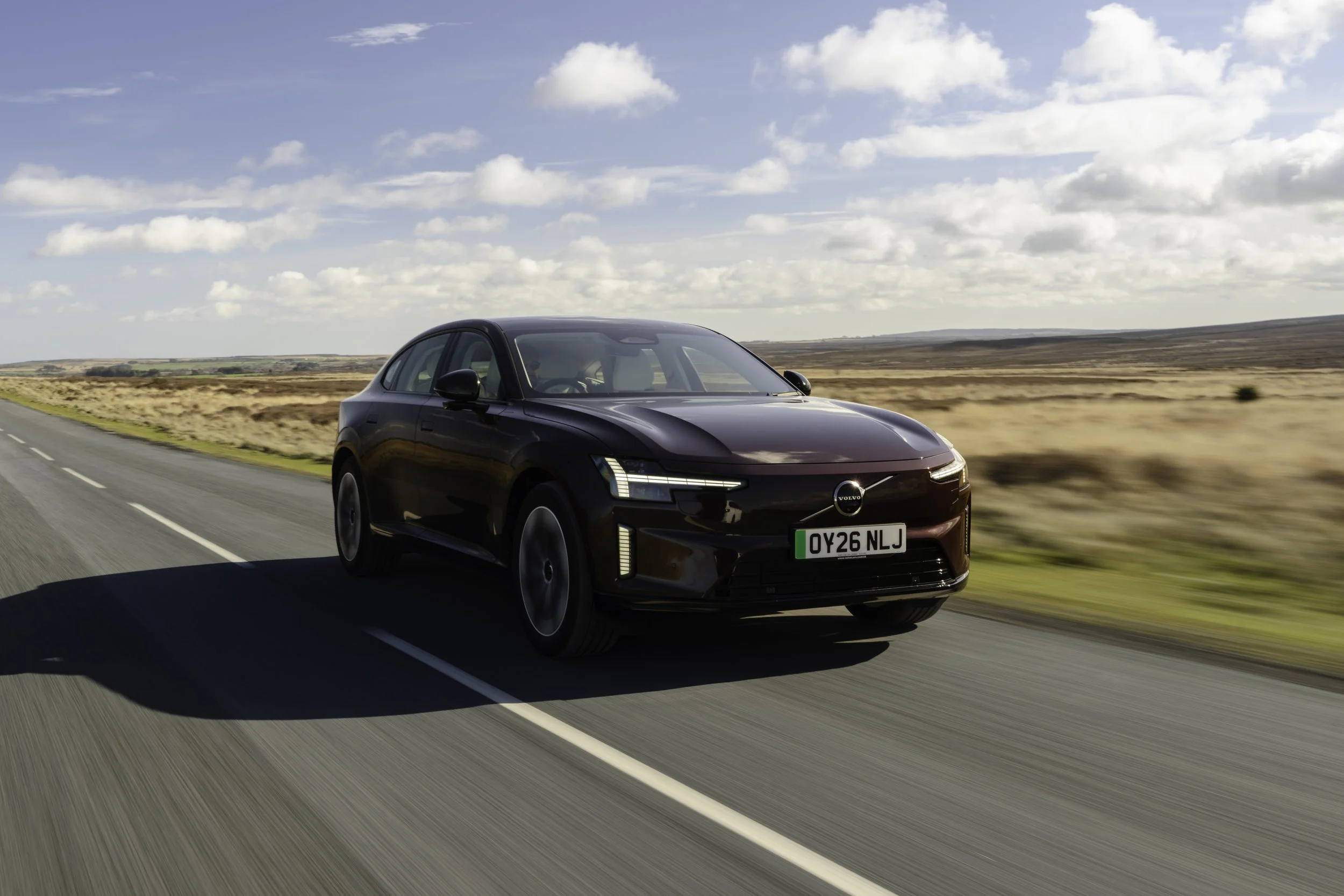
It’s so hard to dislike Volvo. While it’s never been viewed in the same way as the shiny German triumvirate that fills endless business park lots, you know that with a Volvo, you’re going to have a nice time. Not an exciting time. Not a white-knuckle drive that’ll fuel pub jawing sessions for years to come. They’re nice cars for nice people to have nice times in. Anyway, there’s a new Volvo out: the ES90. It’s a big electric saloon, and it’s, well, nice.
Volvo’s electric offerings so far
Volvo’s EV revolution kicked off in full ‘new generation’ force a few years back with the EX90, a big electric SUV. It came with promises of LiDAR, and tech so clever it’d make your brain do happy dances. It was followed up with the EX30, which was almost a brilliant car, but its oddly high floor and dependency on routing everything useful through its touchscreen made it more annoying than groundbreaking. Now it’s time for a more old school body shape to have its moment.
ES90 Exterior
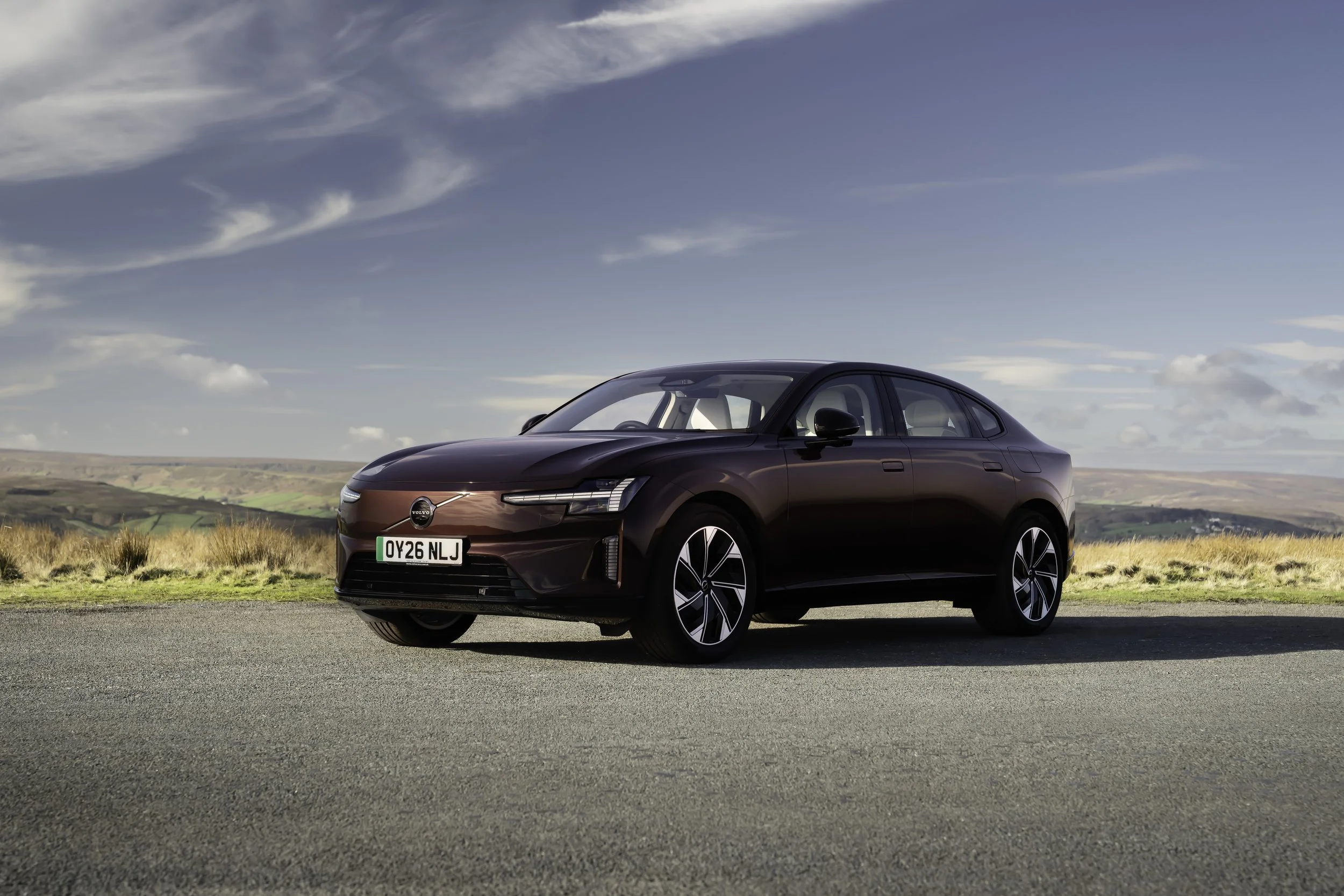
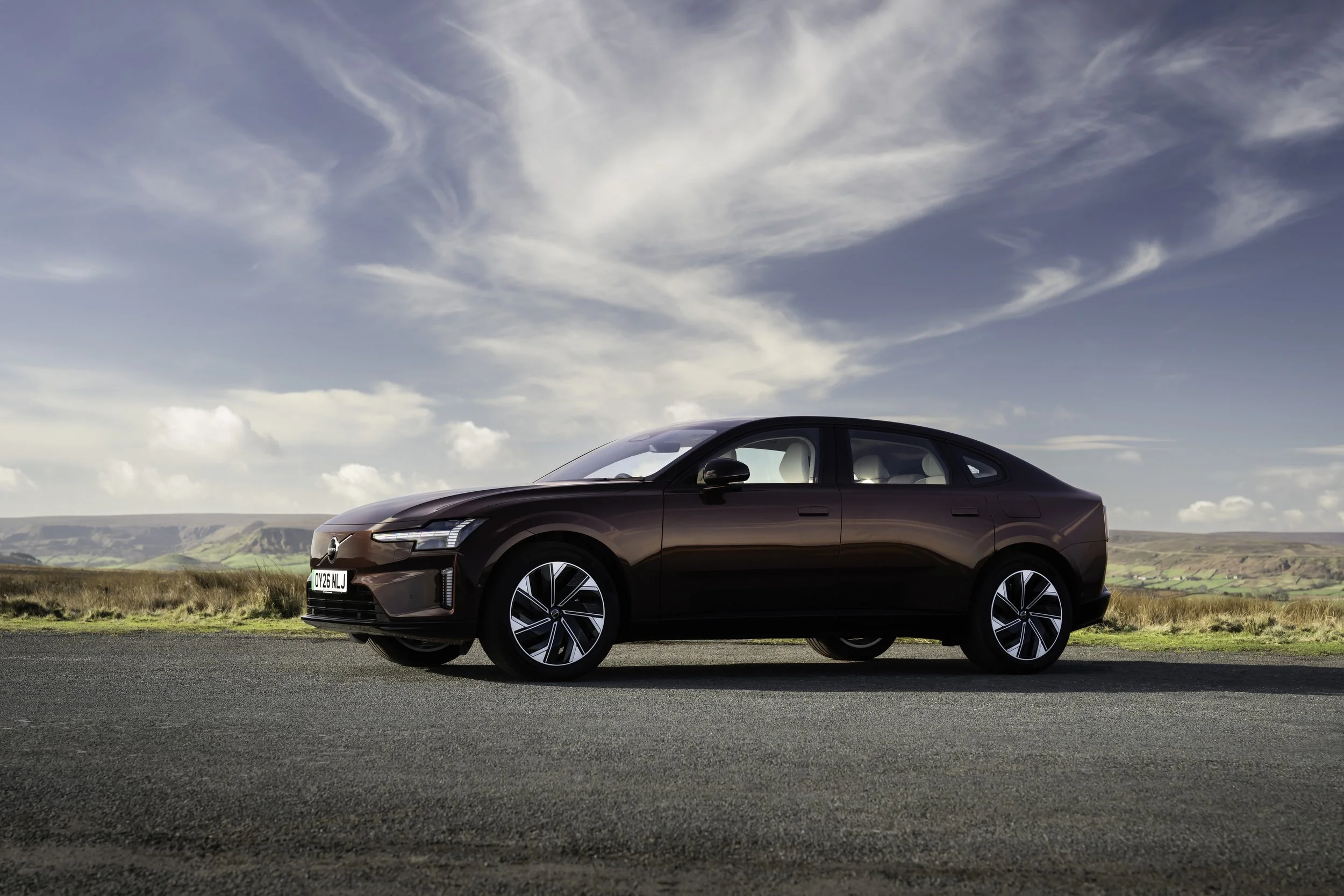
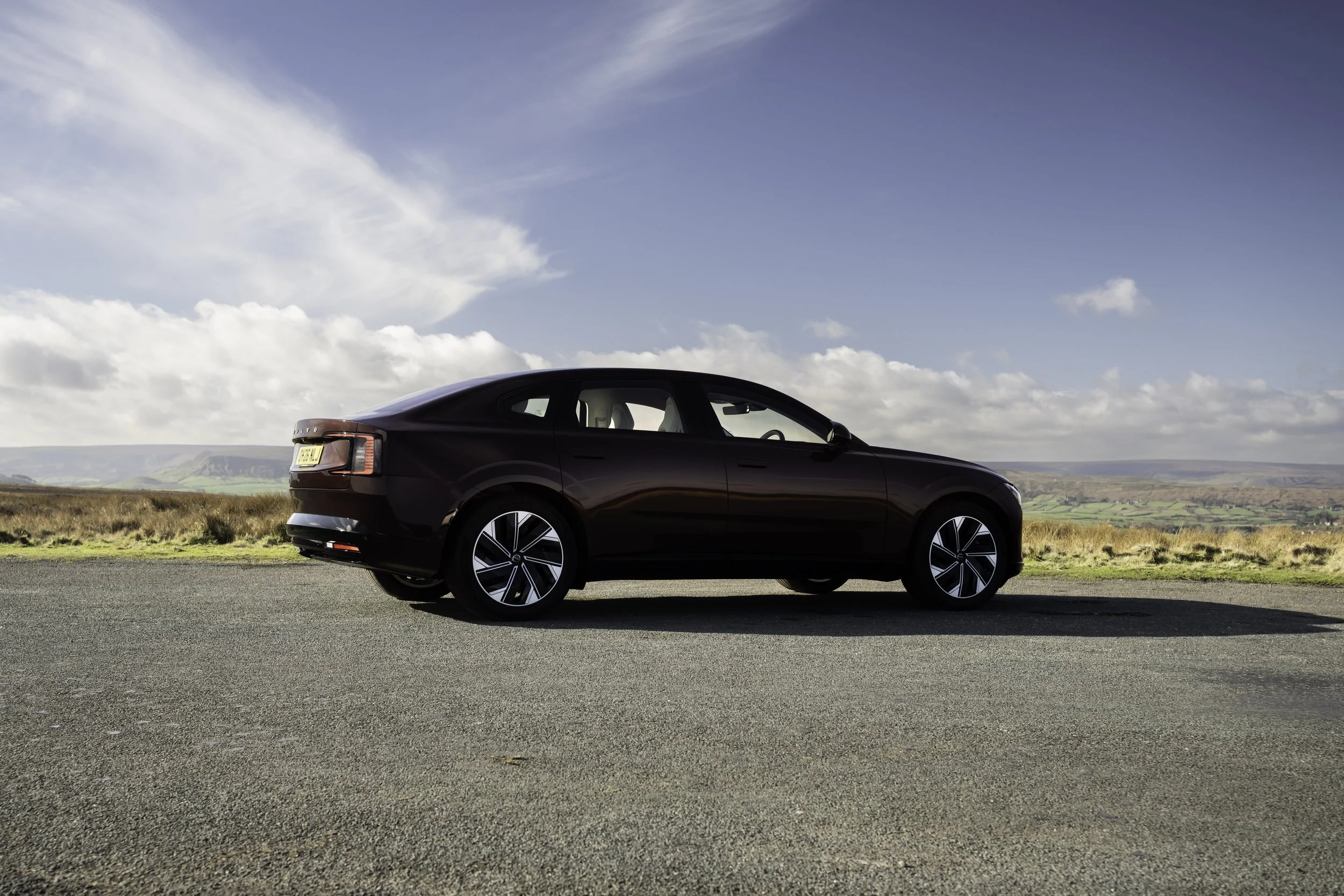
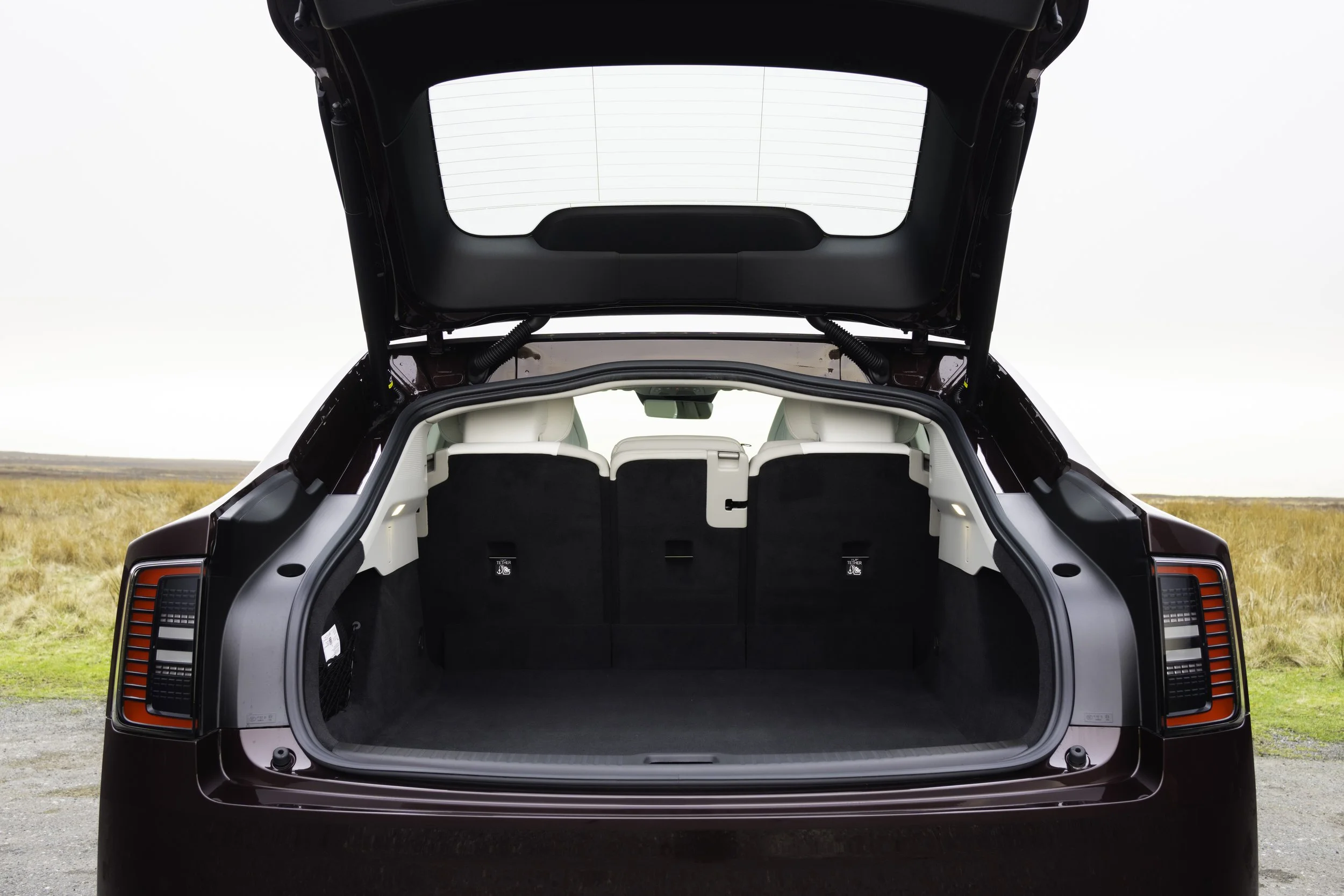
Based on the SPA2 platform, the same as the EX90 and Polestar 3, it’s a hulking great thing. It’s five metres long, just shy of two metres wide, and pleasingly short at a touch over one and a half metres tall, so average height people can at least have a good ‘ol look at its roof.
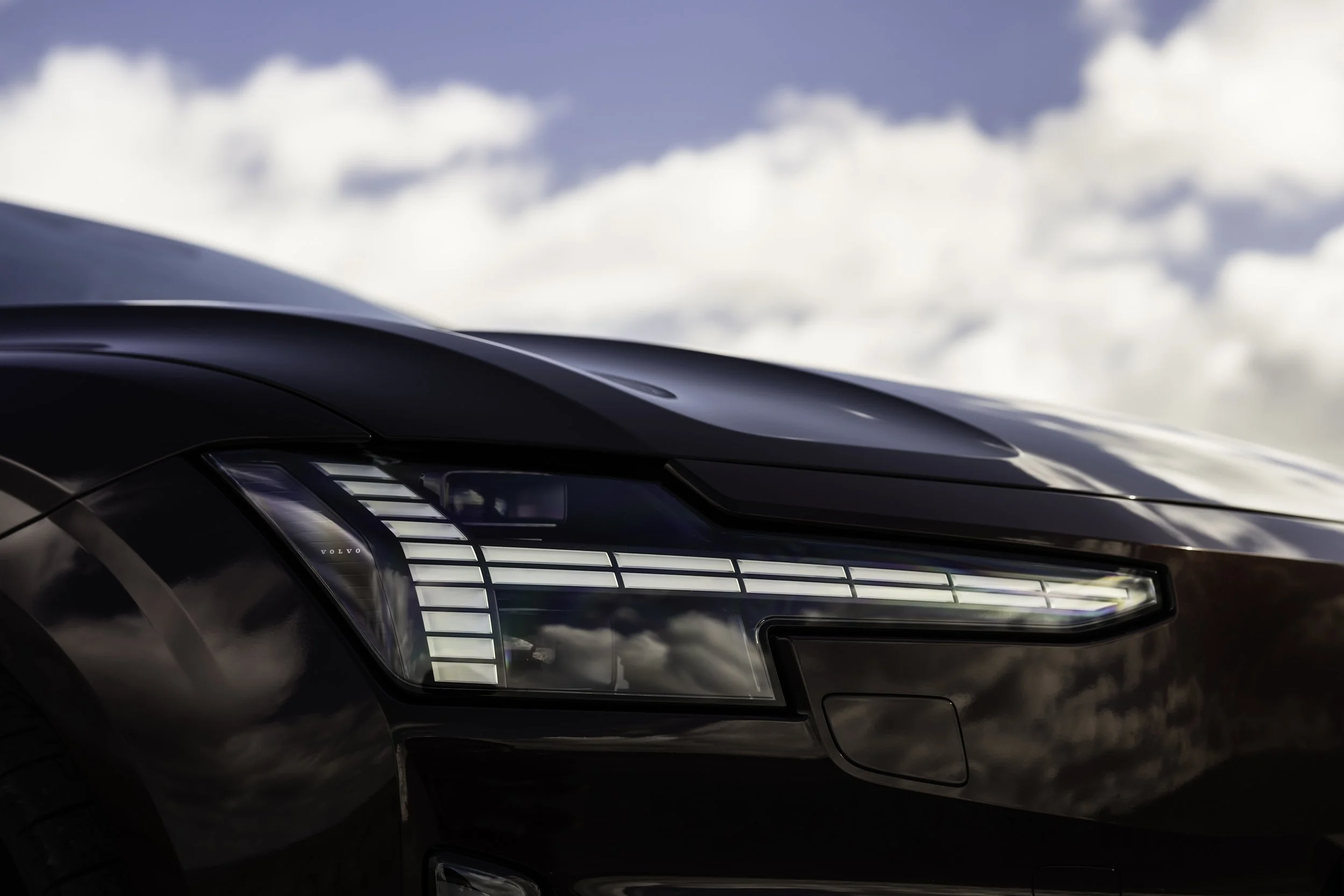
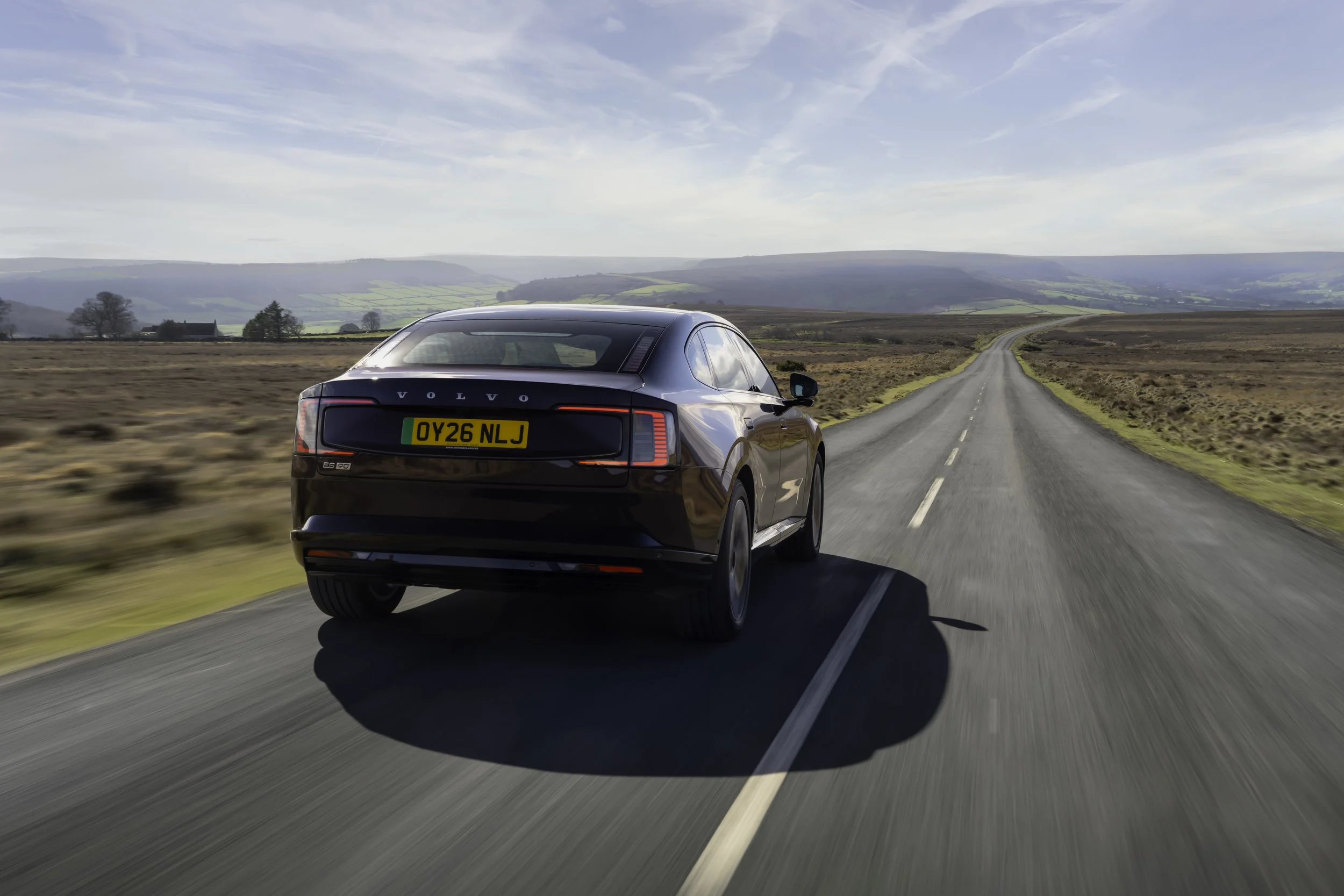
It’s a handsome thing from the outside, and yes, while it’s quite large, its Digitalswede lines wear the size well. The creases are sharp, the curves subtle but welcome, and hallmark Thor’s Hammer headlamps look good here. Somewhat pleasingly, we’re entering an era of toned-down design, and the ES90 suits it.
Battery, Range & Performance Figures
Under its floor is either a 92kWh, 106kWh, or 111kWh battery, which, depending on spec, can get you 437 miles on a charge. When you need to top it up, its 800V architecture will let you take up to 350kW at a time, netting a 22 minute 10-80% SOC time.
Speaking of spec, there are various combinations of motors, driven wheels, and battery sizes. Go for the top spec Twin Motor Performance, and you’ll crack 0-62mph in 4.0 seconds. The base RWD car will do the same sprint in 6.6 seconds, which is hardly slow. Your top speed is capped at 112mph, which is quick enough for everyone who doesn’t spend their time permanently late or on fire.
Price
Pricing is a little gulp-inducing. It kicks off at £67,560, heading to £86,060 for the really quick one. Yes, it’s a new car, the economy’s knackered, everything’s more expensive because of reasons (AI and Bitcoin, probably), and it’s a flagship model, but it still makes you take a moment and question your life choices. Anyway, if you have that sorta cash to burn on a car, should Sweden’s finest be on your list?
Interior
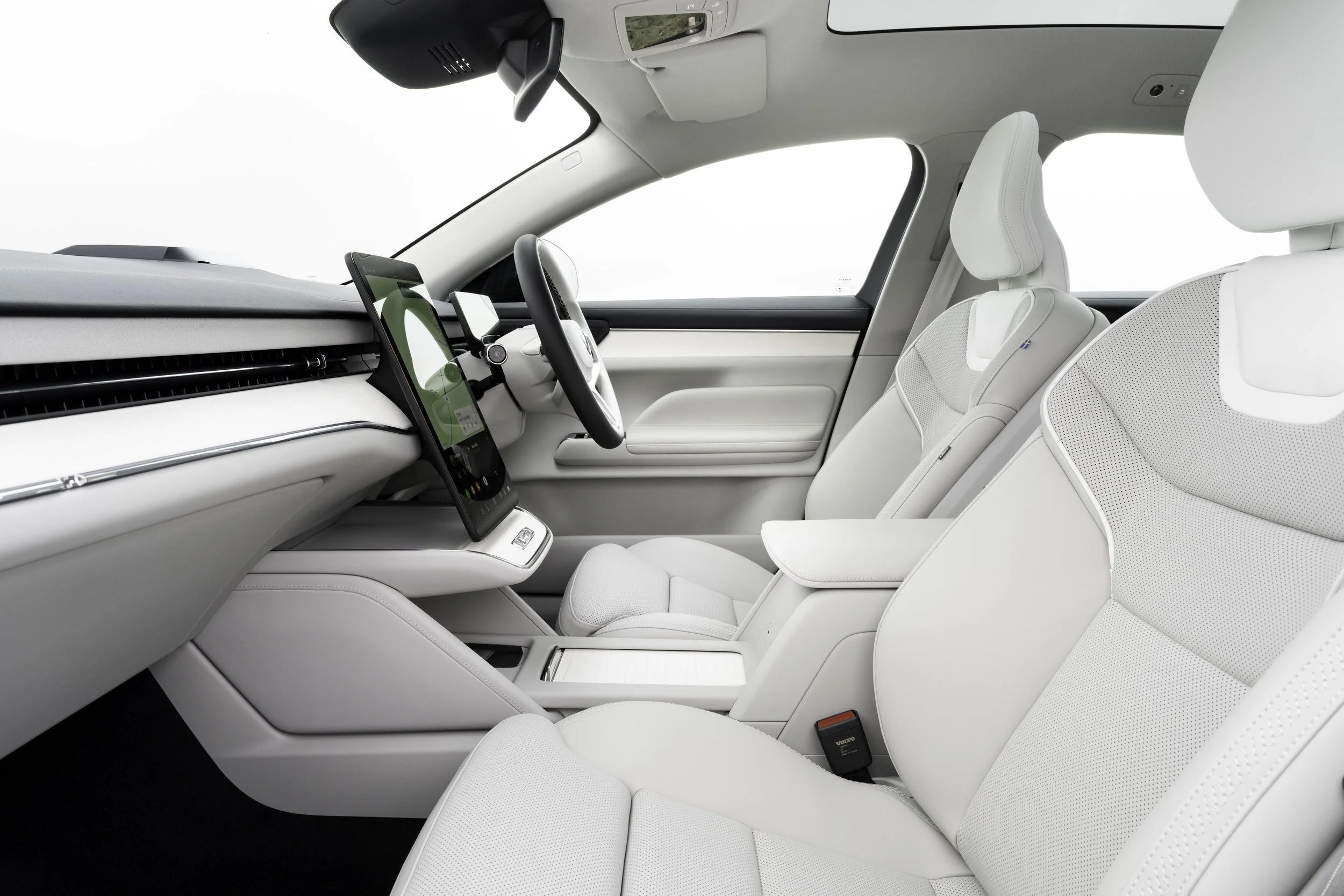
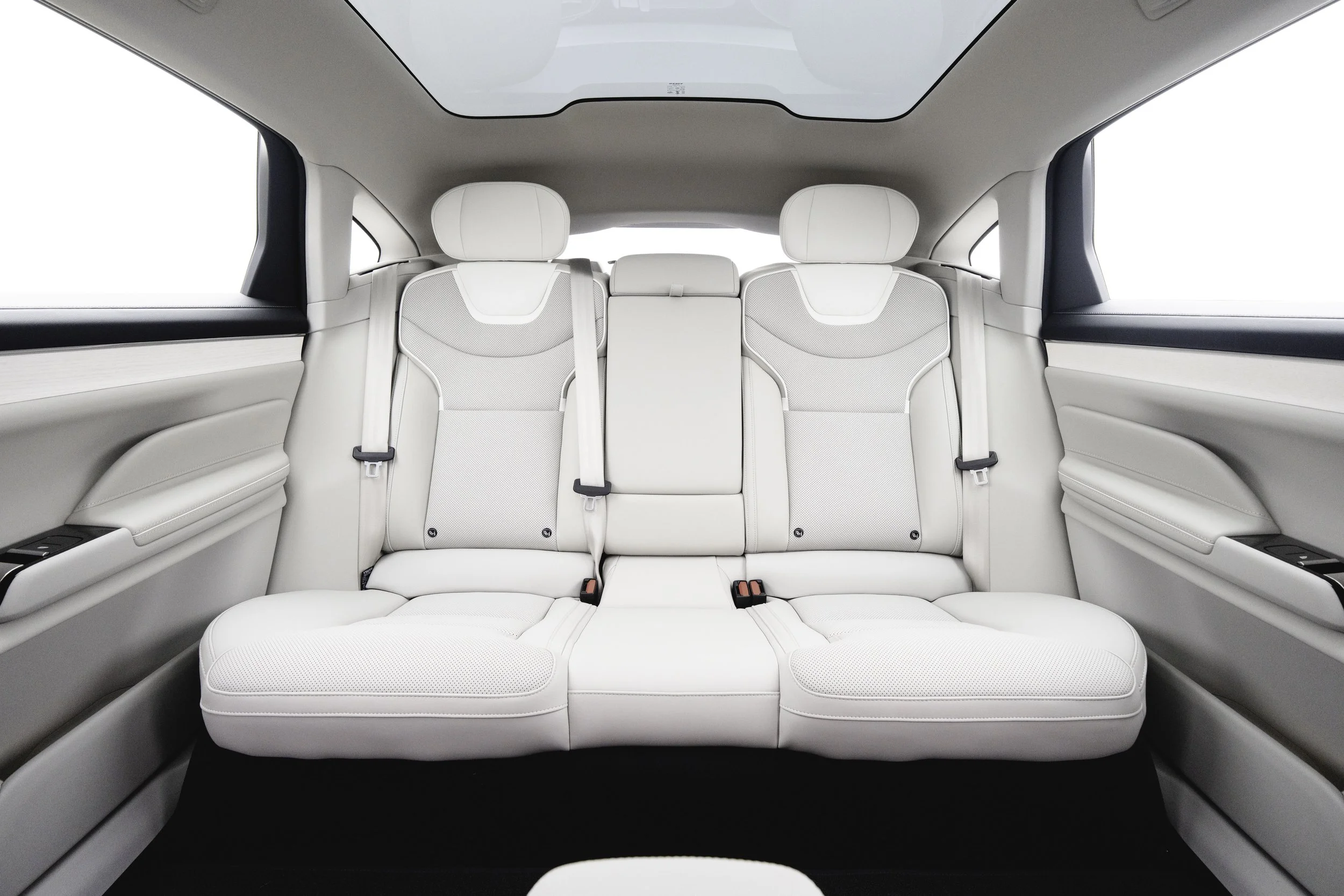
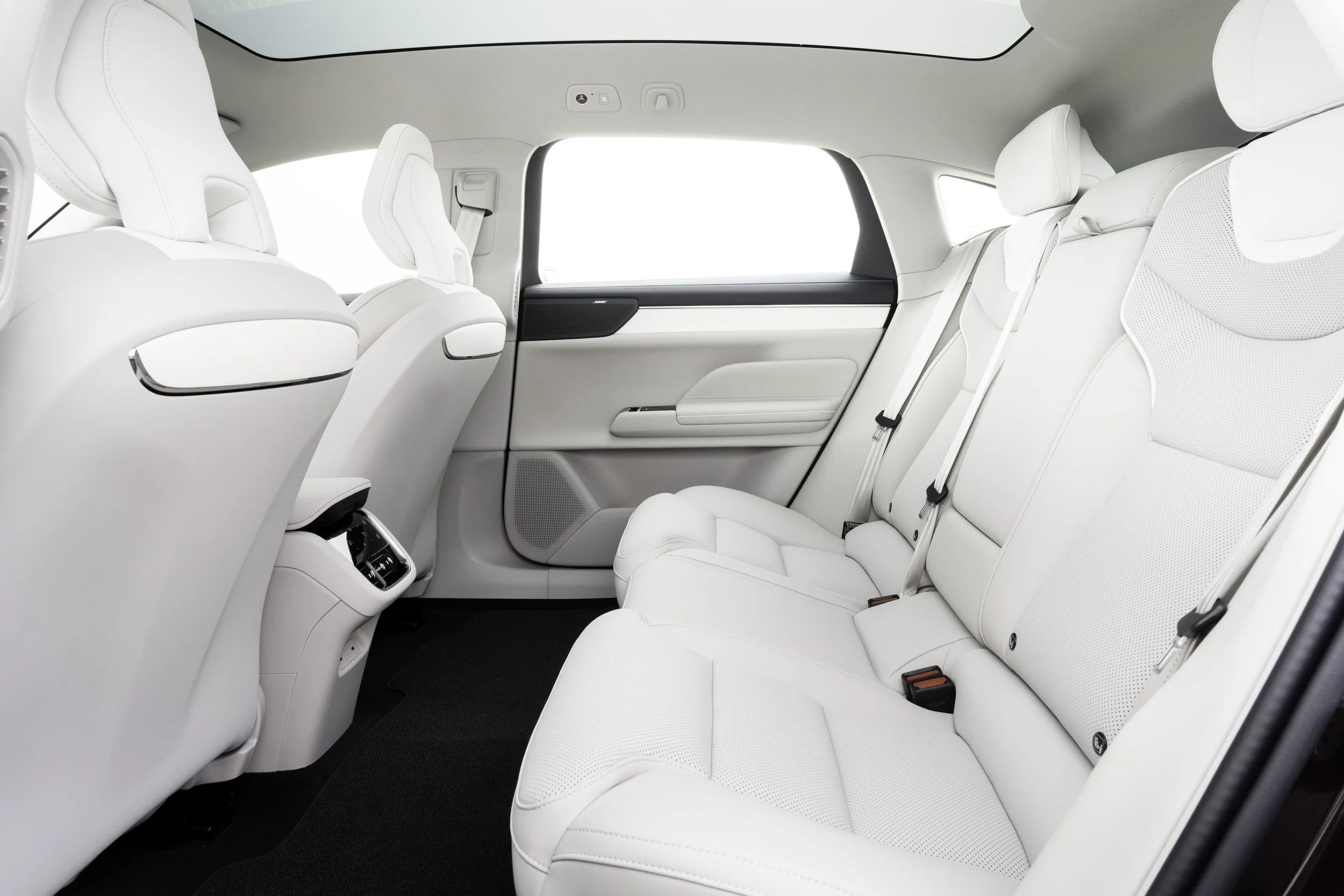
Inside, there’s LOADS of space to play in. Rear seat passengers, even if the driver’s closing on seven feet tall (maybe), will still be able to stretch out without having to worry too much about aching joints. Up front, the seats are big, comfy and easy to adjust on the fly if you find your lumbar support isn’t quite as you like it.
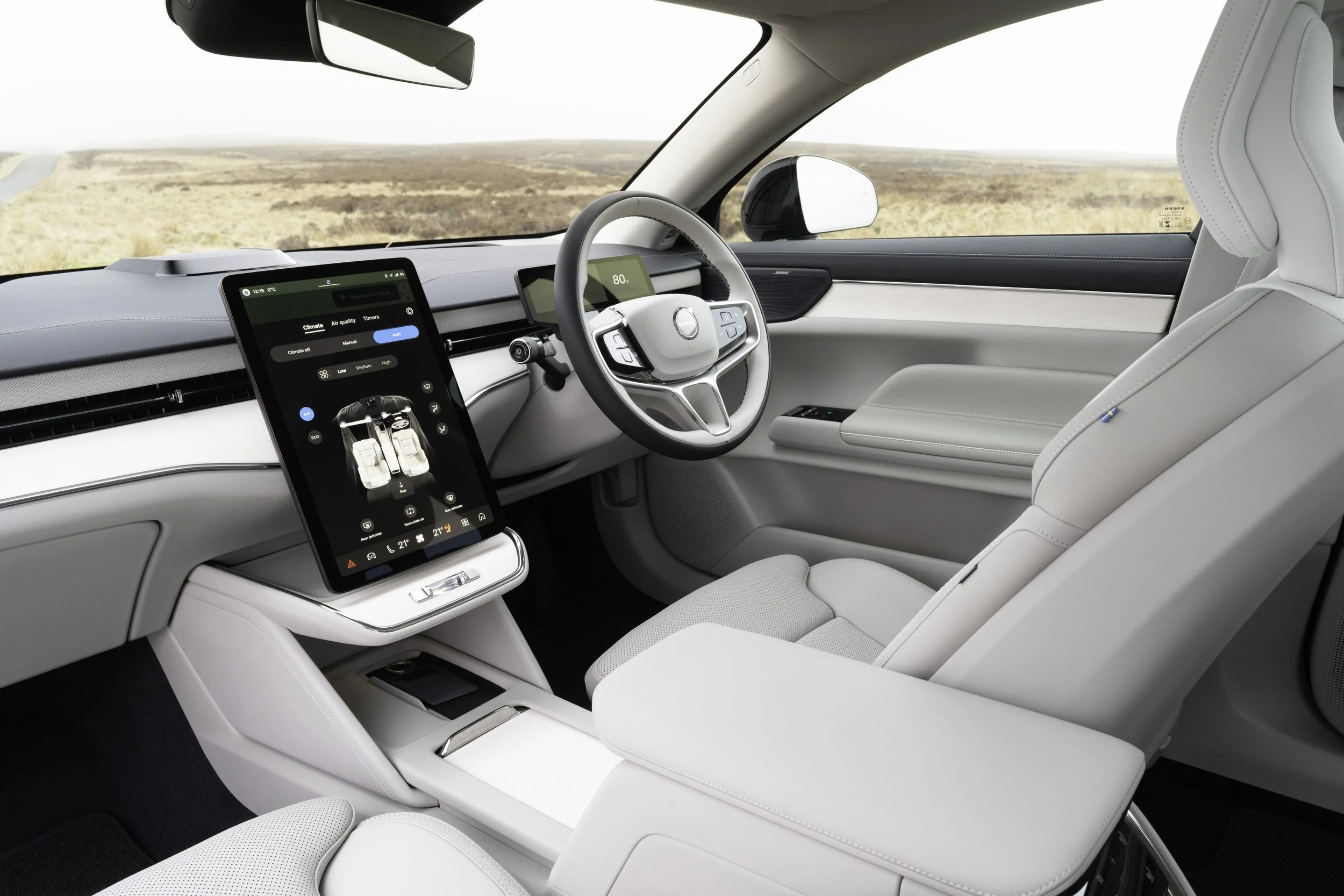
The surfaces and materials are minimalist, but in that pleasing Scandi style way that doesn’t make the space feel empty. If you saw a house in Wallpaper Magazine with the same vibe, you’d Google the designer and probably feel a bit ill when you see how much a sideboard is. Its flat floor is a touch discombobulating - there’s a big ‘old slab of battery under the car, so there’s not room to put a dip where your feet go. The result? Your feet sit oddly high, and your knees go up by your ears a touch. Tall passengers will likely find it troubling.
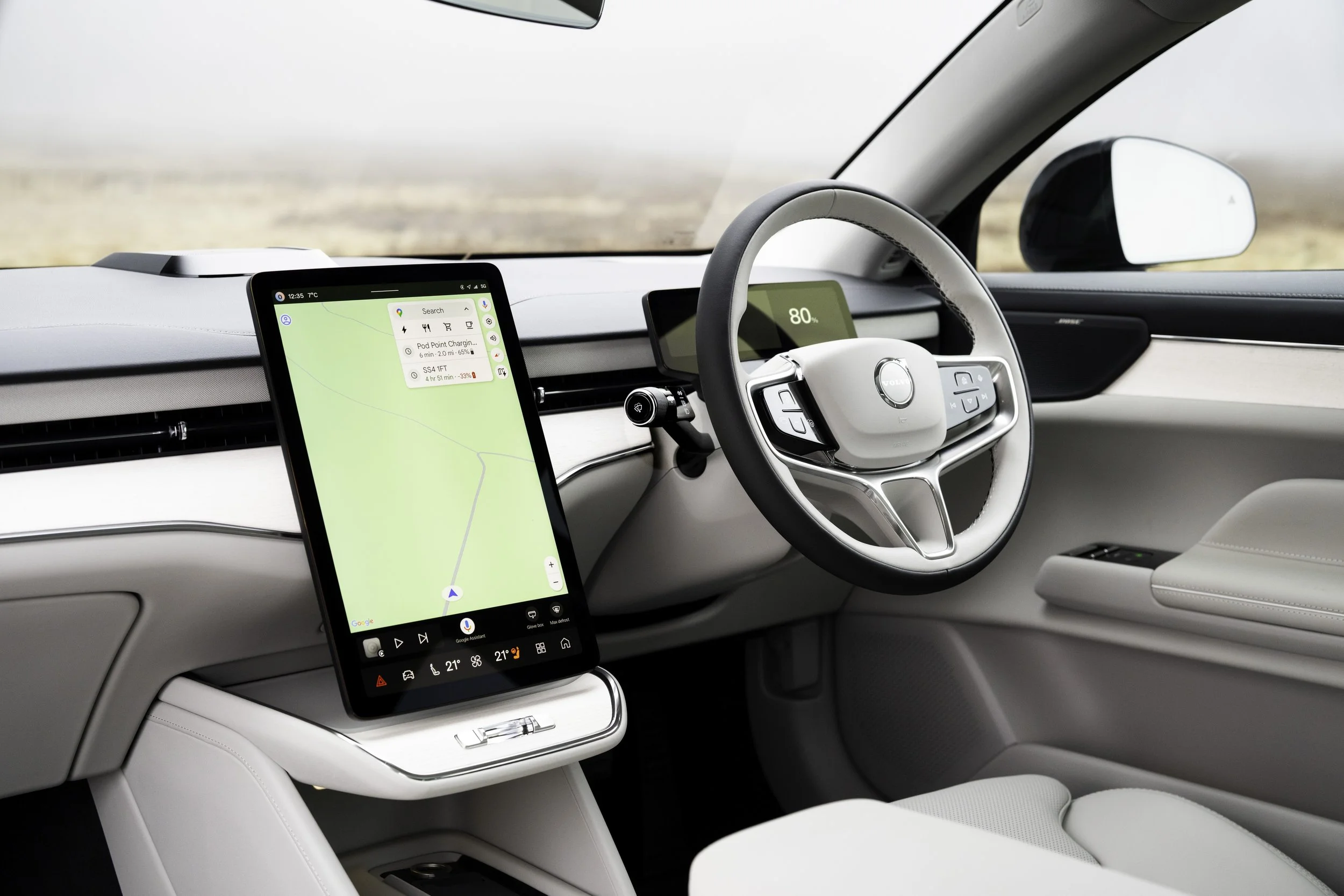
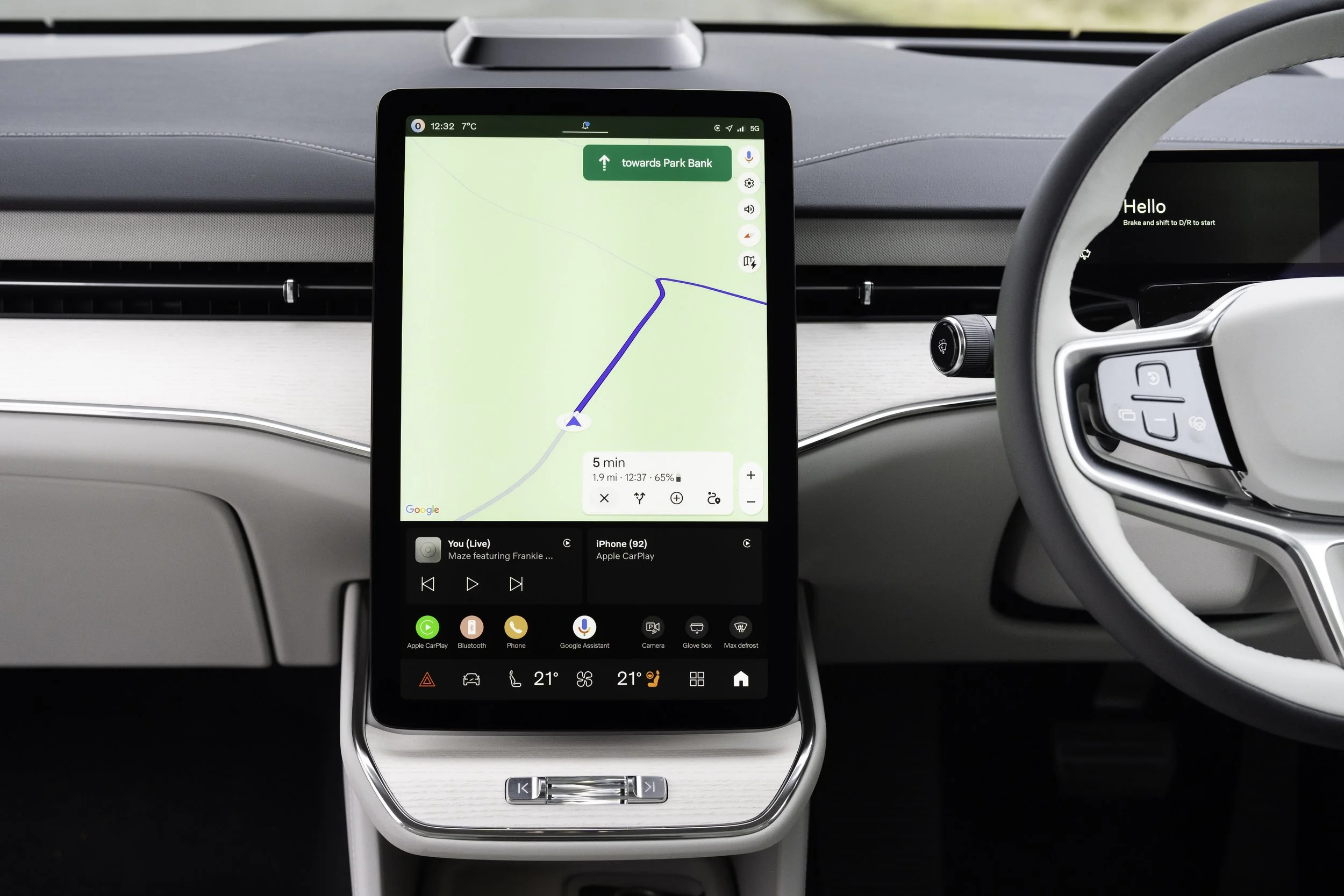
You’re not overburdened with screens here. There’s a dinky one over the steering wheel to show speed and such, while a chunky 14.5-inch touch panel lives in the centre console. It uses the familiar Google-based OS to keep things running, which means Google Maps comes as standard, it’ll tell you where the nearest chargers are, and it’s generally easy to use. The screen, however, is where everything lives. Want to adjust your mirrors? Use the screen. Move the ‘wheel? To the screen with you! It’s a similar story to the EX30, and that’s quite annoying… until you realise that once you’ve set your mirrors up once, you probably won’t have to do it again - the irritance goes away once that penny drops. Physical buttons for air con and the like would be good though.
Tech & Safety Kit
There’s lots of smart tech on board to keep you entertained, and it’s not overly intrusive on a run out. It’ll even do a bit of the heavy lifting of driving itself, though not with LiDAR - Volvo’s relationship with Luminar, the people that make it, came to an abrupt end in 2025. Its absence, says Volvo, shouldn’t be an issue. The lack of LiDAR does help in one key area: the roof-mounted sensor made it look a bit like a taxi, having it absent helps the aesthetic no end.
Going into the minutiae of how safe a Volvo is these days is needless, so here’s a quick breakdown: Big Swedish car safe. If crash people likely fine. It try to not make crash happen. Crash bad so Volvo try no crash. Easy.
Out on the road
That’s an awful lot of what it’s about, isn’t it? What’s the drive like? Well…it’s almost the least interesting thing about it.
Playing in a RWD car, there’s sensible power to play with, which is all delivered smoothly. It doesn’t feel fast with a capital F, but instead makes progress without any fuss. As you’re whooshing around, it’s as quiet as they come. You sort of exist in a bubble of calm, going about your day. The ride is soft, though the many potholes on the road naturally upset it. You won’t find your teeth being mashed together during cornering; instead, it gently moves with the road, keeping you comfy and feeling a bit loved.
The steering can be adjusted to feel a bit more sporty, but it never feels darty or bitey. It’s relaxed. In fact, the whole thing’s relaxed. At no point did it ever feel like it was encouraging you to give it a kicking and behave like a child. It’s a nice time.
Should you buy one?
It comes with plenty of toys, plenty of presence, and is the sort of drive that leaves you feeling decent after a long run out. That sounds like a good thing, doesn’t it? It is, but it also…isn’t. See, the ES90 is a fine thing, but because it does everything so fuss-free, you’re not drawn to it in any meaningful way. It’s nice to look at, nice to drive, nice to be in. It’s nice. And nice doesn’t necessarily convince people to spend money. Which is a shame. Because it should.
words: Alex Goy
pictures: Volvo