
Sustainable Fuels: The Solution To An Impending Oil Crisis?
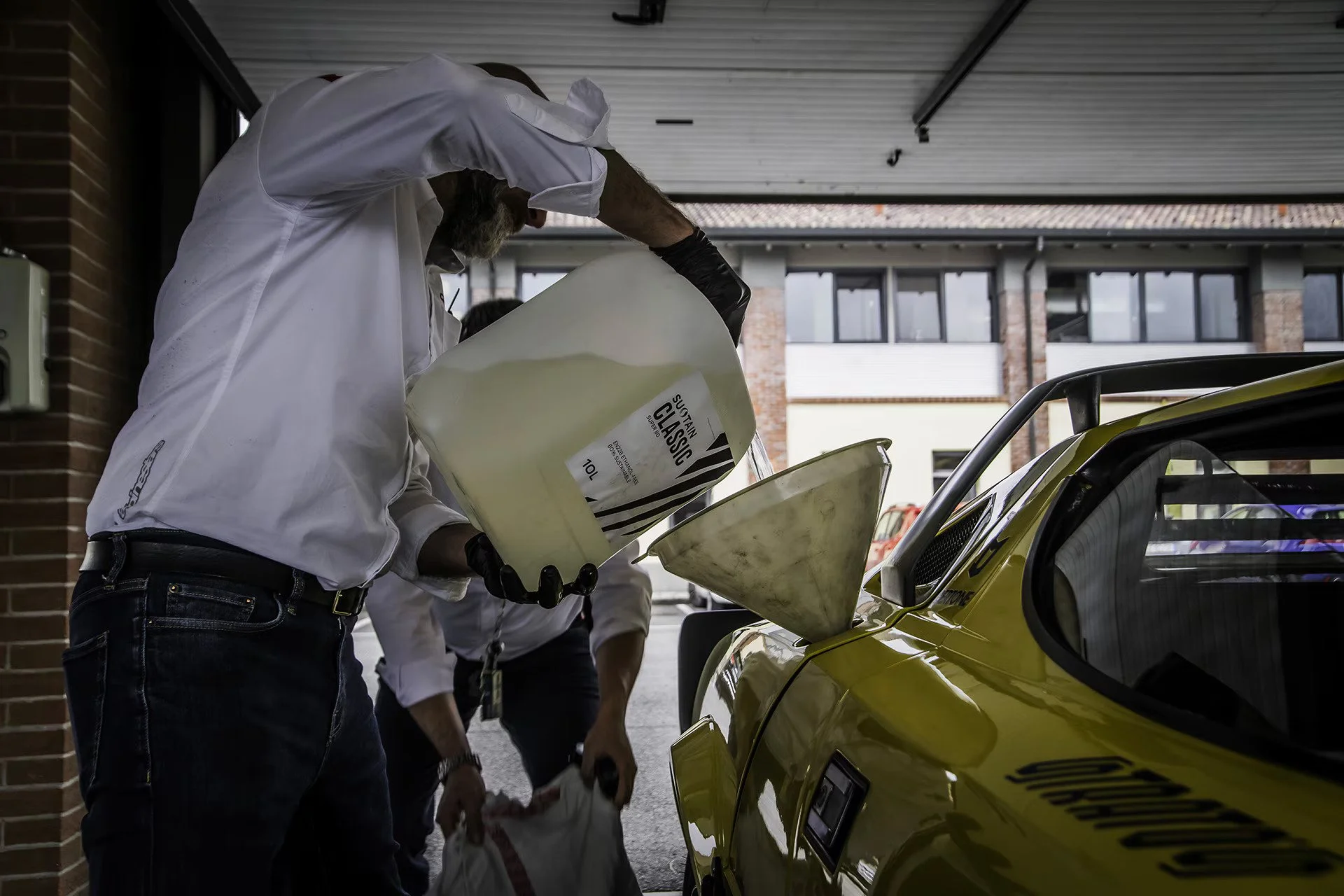
With war in the Middle East already impacting oil supplies, a home made alternative looks all the more appealing
By pure coincidence, the year that Formula 1 has made a switch to using 100% sustainable fuel is also the year that the oil industry finds itself in a bit of a crisis. With the war in the Middle East already having had impacts on the price of fuel at the pumps, and F1 demonstrating on the global stage how crude oil-free fuels can be reliable and safe, is 2026 the year we finally start to take this solution seriously?
Coryton Advanced Fuels certainly thinks so, and it has from way before this year’s conflict had impacted the world’s oil supply chain. In fact, Coryton’s Sustain fuels team - which operates out the company’s refinery on the Essex coast - has been producing fuels sustainably for car manufacturers, company fleets and motorsport, as well as aviation and even individuals keen to cut their motoring CO2 since the division launched in 2021.
“Sustainable fuel has actually been produced here for more than a decade,” Sustain brand manager Suresh Nahar tells Driven. “But since Sustain was launched, we’ve grown to produce hundreds of thousands of litres per year, with some of it going directly to major brands such as JLR and Airbus.”
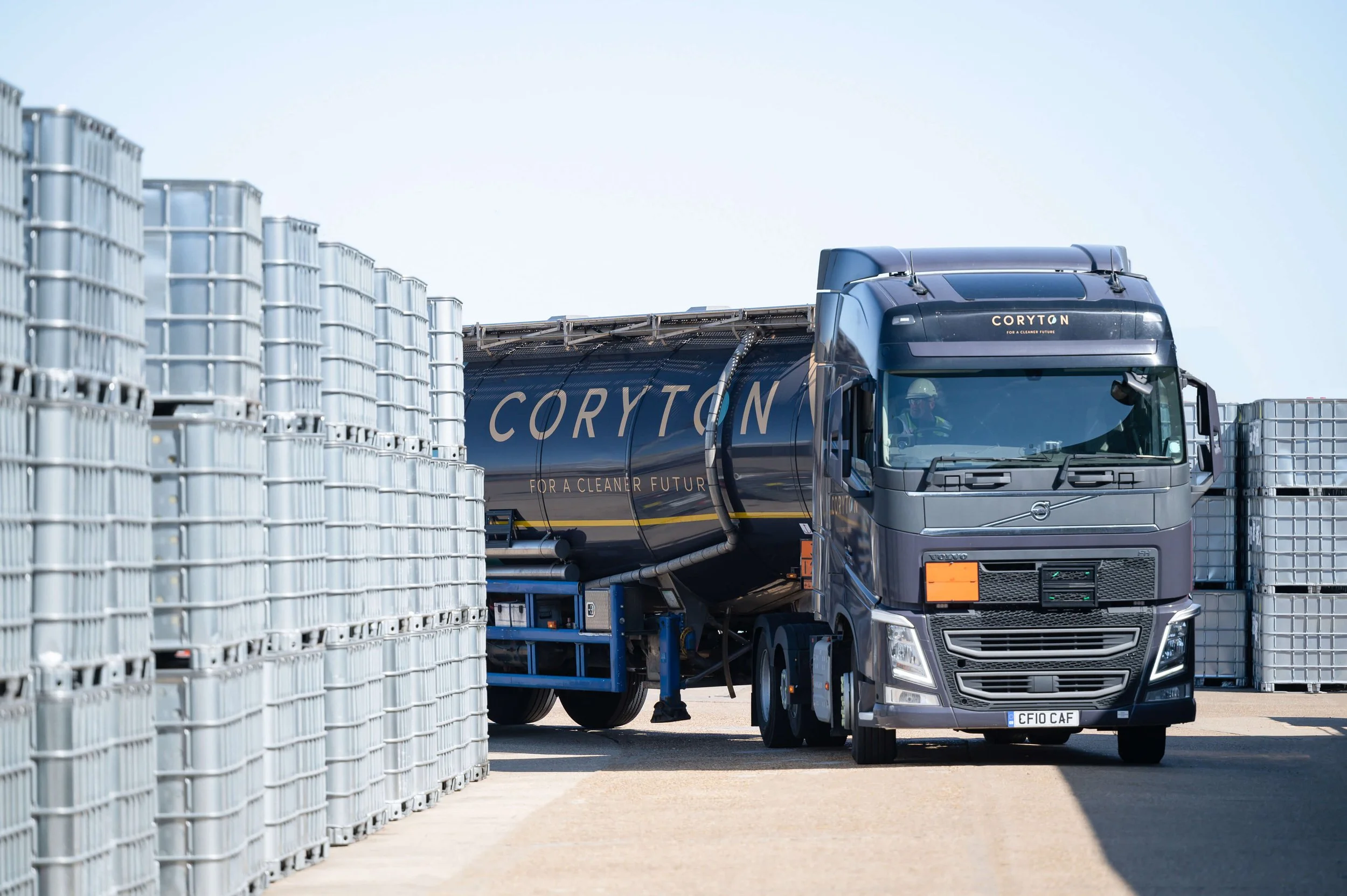
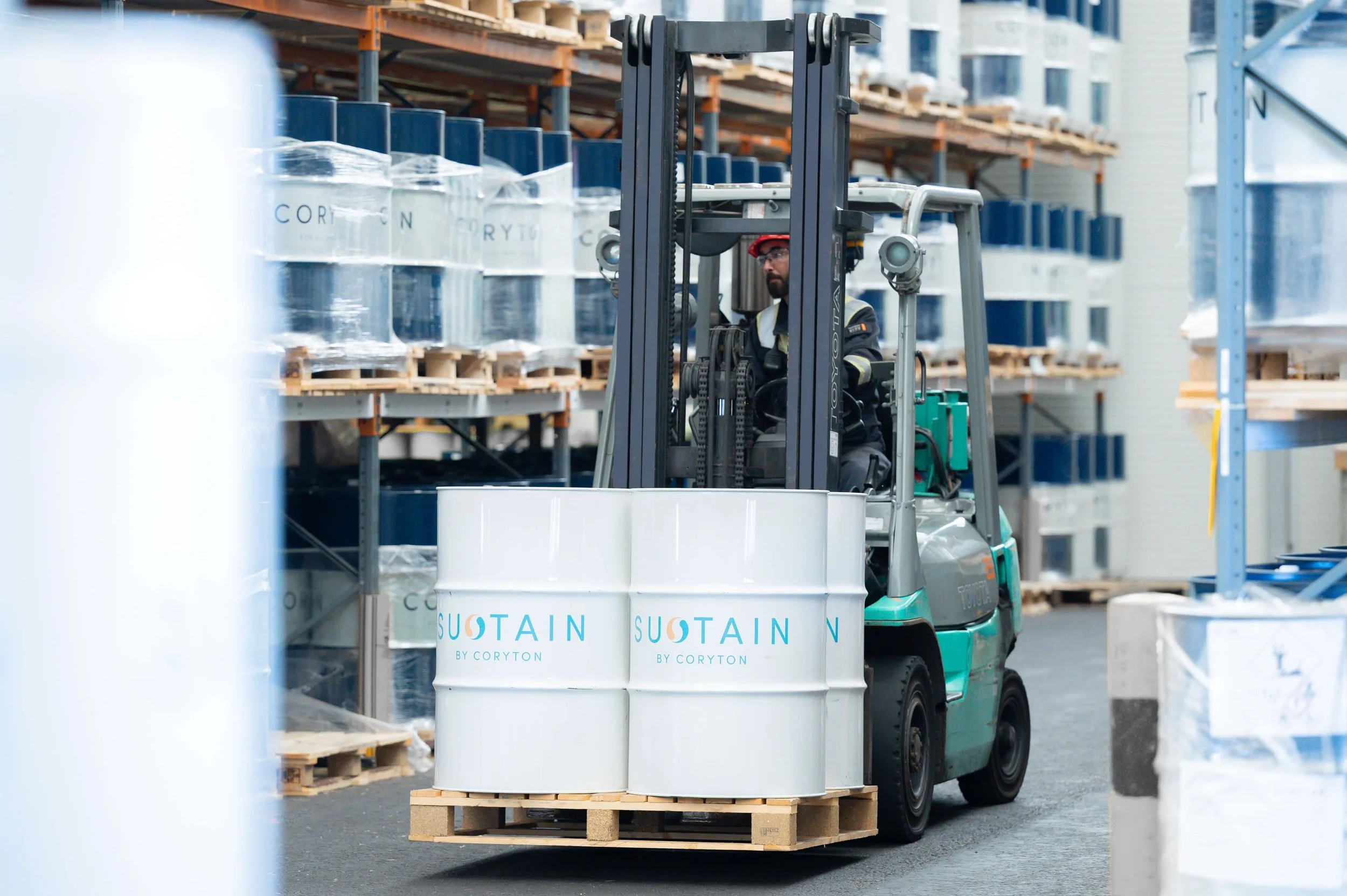
Admittedly, the Sustain output is only a fraction of what Coryton’s refinery produces per year, with most of the site’s eight to nine million litres of fuel being conventional petrol and diesel. But as Nahar puts it, Sustain “can easily produce more, as the site offers production flexibility” that far exceeds any medium-term projected demand.
It also does much more than just blend sustainable fuels - the process of which we’ll get onto shortly - with a small, on-site laboratory working on new ‘recipes’ to suit different client demands, be it motorsport teams that require a high octane solution or aviation companies that want a fuel to adhere to the latest industry regulations. Currently, 95% of Sustain’s work is of the business-to-business capacity, but could 2026 be the year it starts to appeal to regular motorists?
“There are actually more benefits than just CO2 reduction in running a car on Sustain,” Nahar explains. “Racing teams are already finding the cleanliness of the fuel gives them more consistent engine performance compared with [comparably inconsistent] petrol equivalents. And that can be felt in regular road car engines too.”
Nahar goes on to reveal that classic car owners - including motoring journalist and YouTuber Harry Metcalfe - are choosing to run their cars on Sustain because it can be produced with zero ethanol content. Even high-octane fuel at the pumps has 5% ethanol, but Sustain can contain less than 1% ethanol in its blend, which means it won’t attract moisture and lead to corrosion during prolonged periods of inactivity, as conventional fuels can.
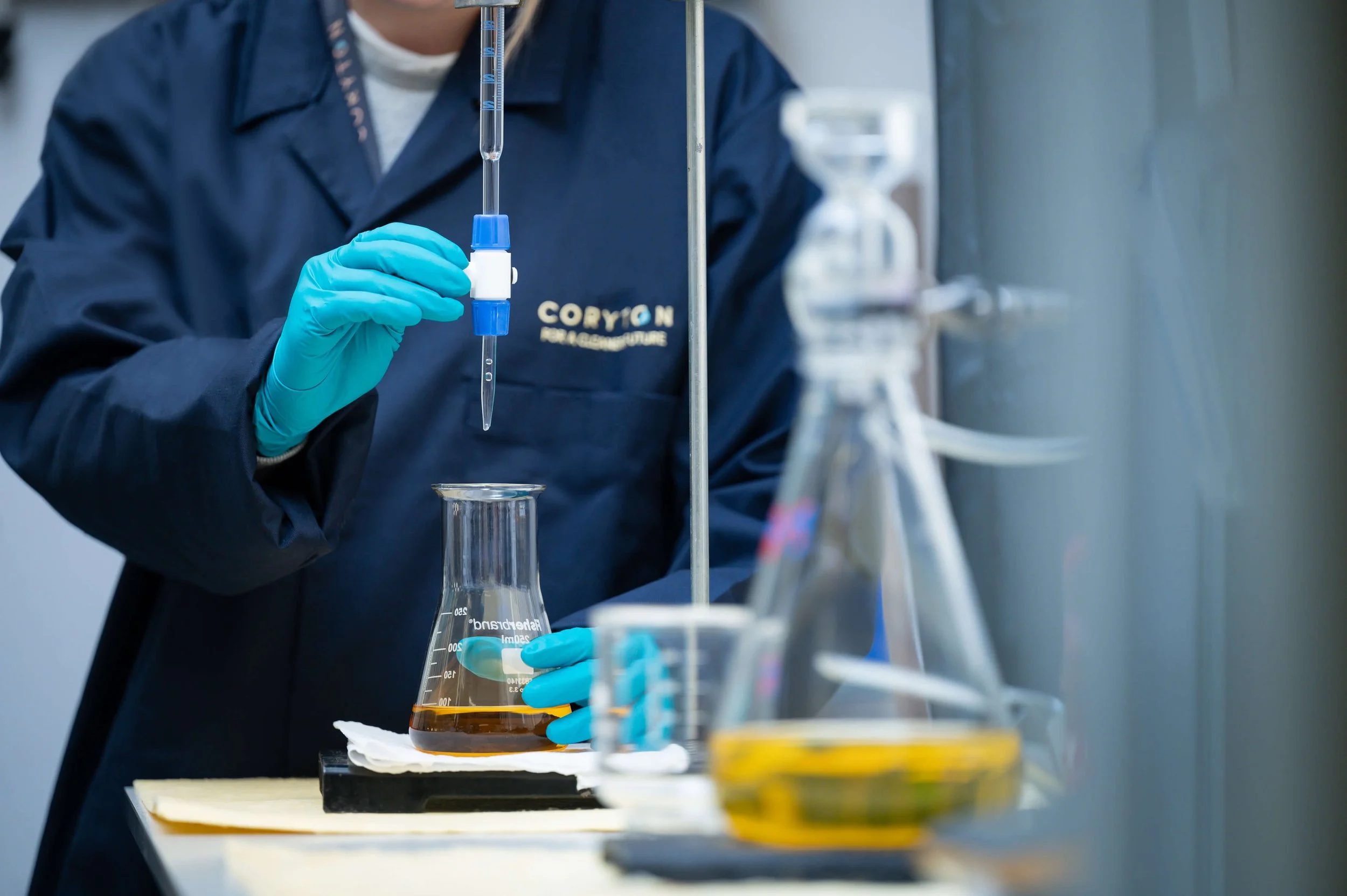
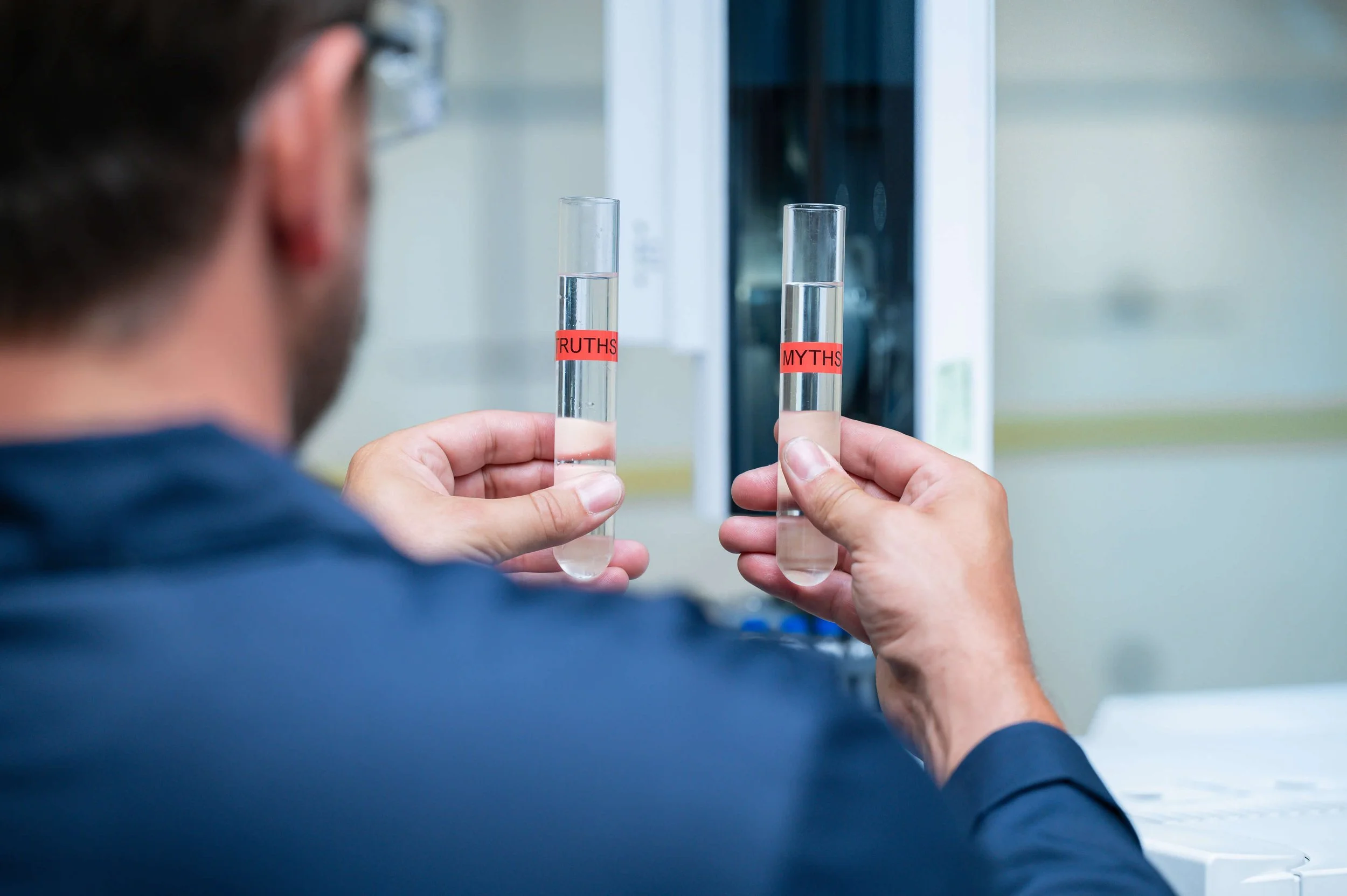
So with next to no ethanol in it, what are sustainable fuels like Sustain actually made of? They’re a blend (Coryton’s Essex site is in effect a blending facility) of ingredients made from bio waste that’s already on the market, such as agricultural and forestry waste, that’s then converted into bio-ethanol, before it’s processed to produce a bio fuel. It can be made in different octane ratings, from RON 95 to RON 102, and while its ingredients are by-products, meaning Sustain doesn’t create new CO2, it can include a blend of conventional fuel to reduce cost.
Cost, admittedly, is the toughest challenge for Coryton and other brands investing in sustainable fuel. While the consistency of performance offered by Sustain and equivalent sustainable fuels means for some, including racing outfits, the higher prices of these fuels are easier to swallow, costs of £4.50 or more per litre might not be such an easy sell for conventional motorists. Even during times of crisis, conventional petrol tends to remain below £2 per litre, with the post-Covid period seeing average petrol prices go no higher than £1.91 at the pumps.
Clearly, the technology is there, output capacity can grow and the proof is in the pudding, with everything from Formula 1 (where teams are developing bespoke fuels with manufacturers) to well-known motoring journalists running their cars on sustainable fuels, leaving cost as the key barrier to success. Sure, if demand were to rise, economies of scale would inevitably help to drive down prices a bit, but what really needs to happen is regulatory, or more significantly, government intervention, where firms like Coryton are supported in the production of these products.

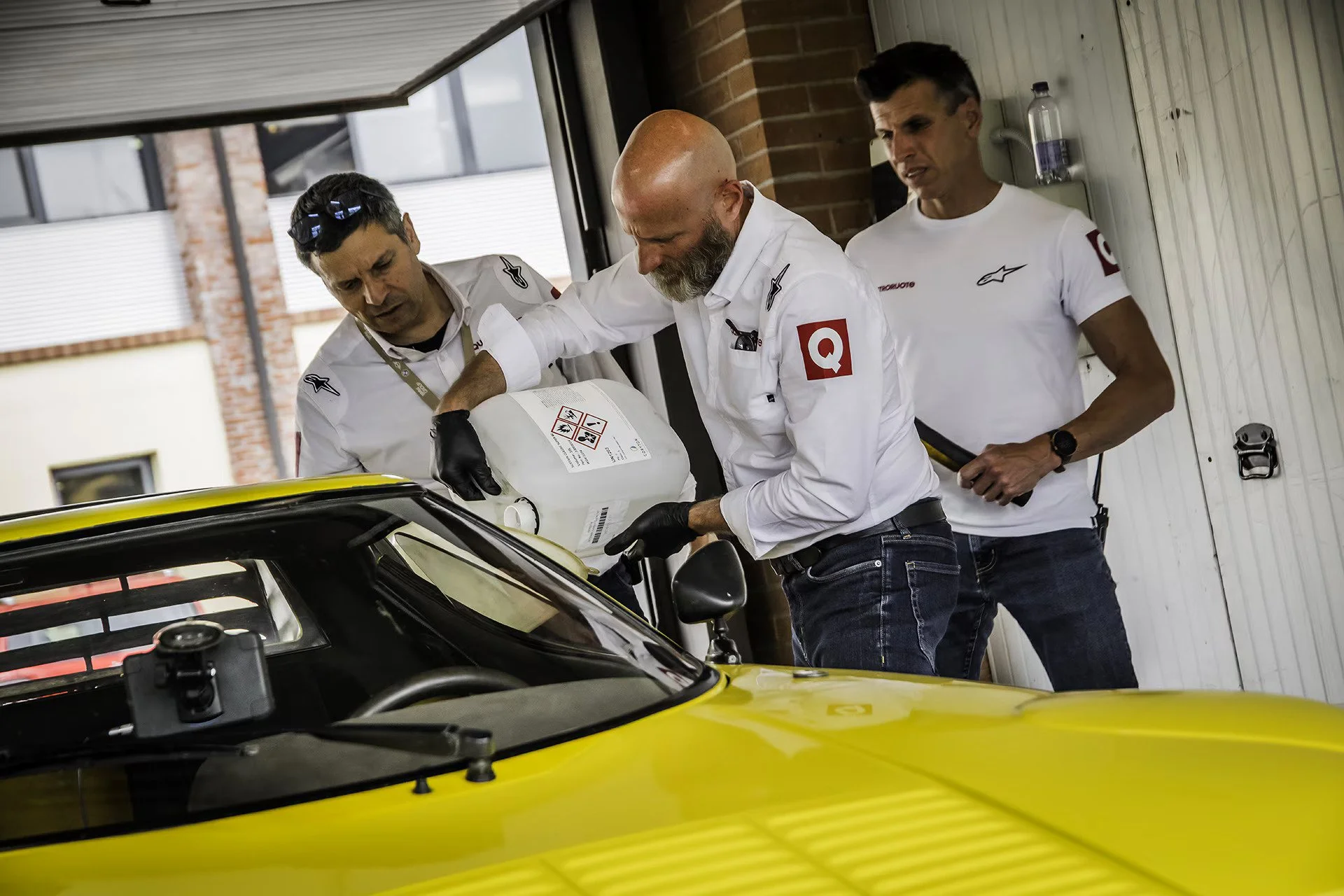
One thing’s for sure, small scale as it is right now, the steady growth of Sustain feels especially important at a time when global supply chains look increasingly fragile. And let’s not forget about climate change, which continues to be a key topic for discussion. Biofuels like these aren’t perfect in that regard, as they still produce some CO2 at the tailpipe. But they’re a big step forward from conventional oil-based fuels.
When it comes to fuelling transport, electric and hydrogen are still probably our best bets for a sustainable longer term future, but sustainable fuels could represent our biggest opportunity to stabilise fuel security in the next few years. Governments subsidise plenty of industries, so why not one producing a sustainable fuel that’s unaffected by global crisis and is ready to go right now? Nahar definitely thinks sustainable fuel is primed to react should the call come from the top.
“Sustainable fuels are a real, viable opportunity [to replace conventional fuels] right now because they require no change to the current fuel infrastructure,” he said. “We could look at a conventional petrol station forecourt and fill it with 80% or 100% sustainable fuel tomorrow. The fuel is already there. Whether the UK Government can make the economics work, is the crystal ball question.”
words: Sam Sheehan
pictures: Coryton