Royal Enfield Bear 650 - The Interceptor we’ve been waiting for
If there was ever a brand with one hell of a comeback story to celebrate, then Royal Enfield surely is worthy of a party. For my first ever Royal Enfield Review for Driven back in 2021, I wrote about spending 6 months with a Royal Enfield Continental GT Twin 650 and in the article, I explained the back story of how a small company in the West Midlands of England went from being an engineering outfit producing sewing needles in the early 1900s to an industry giant in India producing a staggering number of motorcycles per year.
A few years on, the success story for Royal Enfield has only continued to grow, and now, the production figures that the Anglo-Indian brand can boast are incredible.
1 Million Bikes Per Year
Between April 2024 and April 2025, Royal Enfield produced 1,009,090 bikes. Yes, really. Assuming the factories are open 365 days per year, that is a grand total of 2,764 (and a bit) bikes per day. Or, 115 bikes per hour, ...which is just a smidge under two bikes every minute.
Powered by the 650 Twin
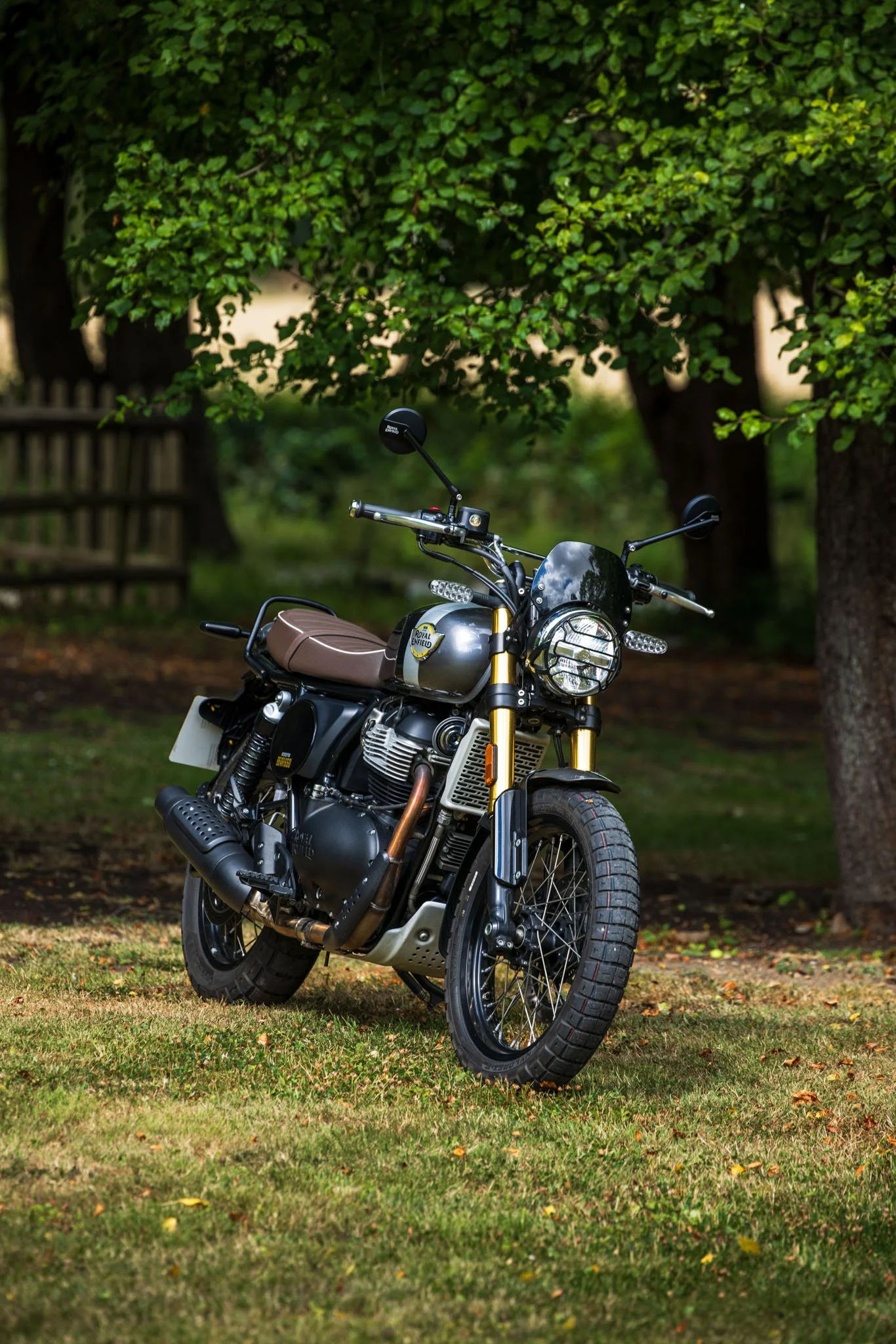
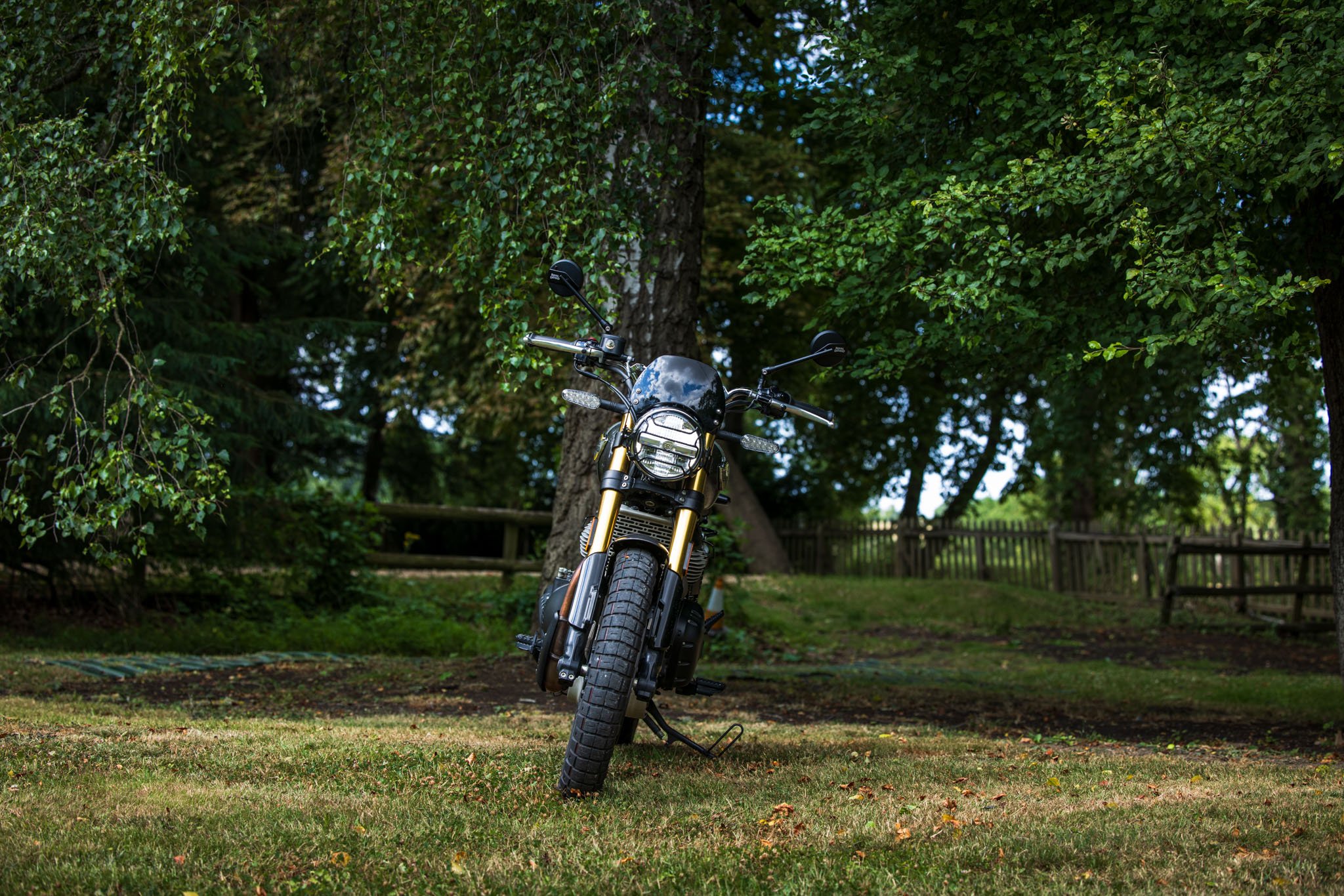
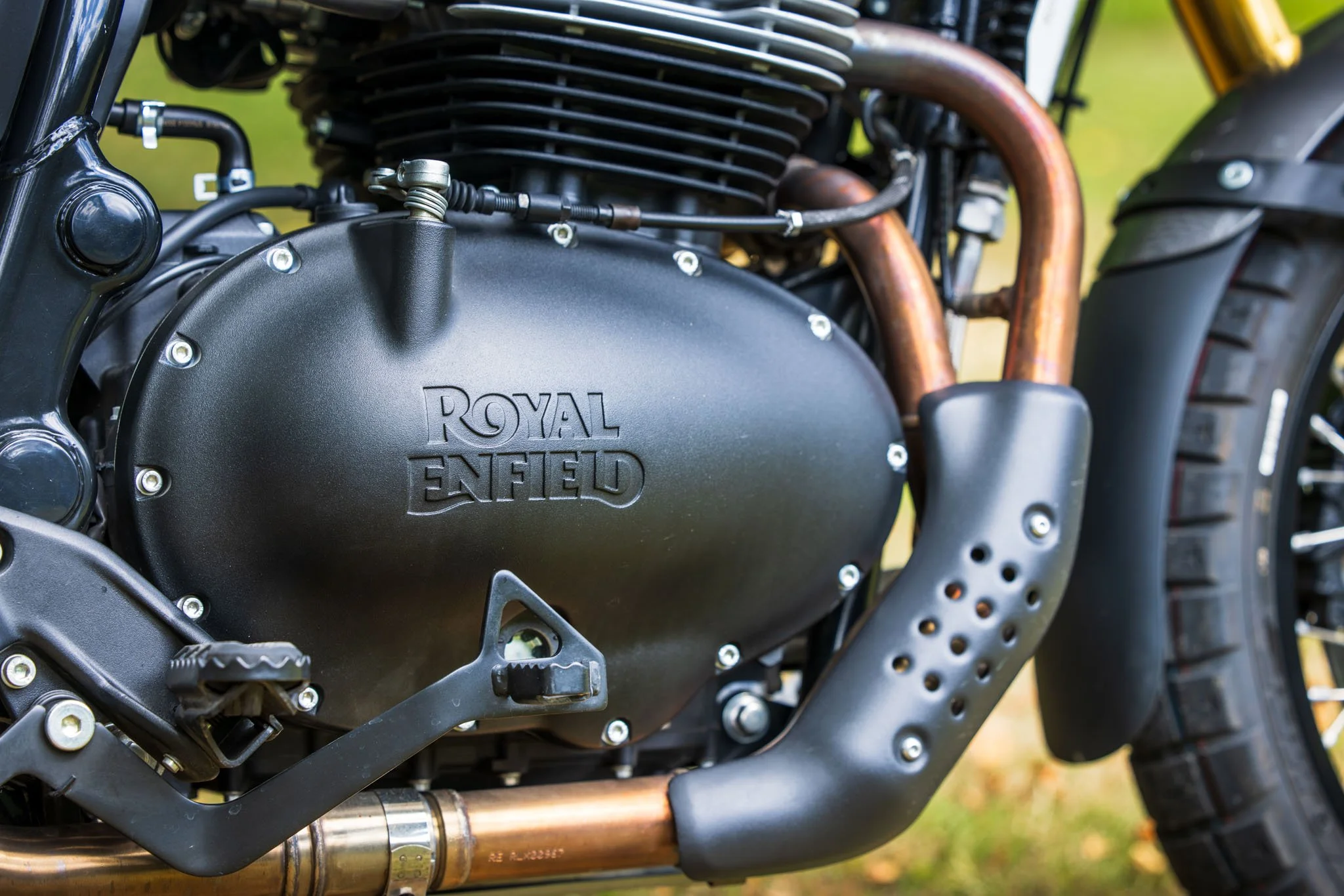
The Bear 650 is the latest in the range of new-age Royal Enfields to feature the 650 Twin engine. As a power plant, it's beautifully simple and boasts a very humble output of 47 BHP and 56.5 Nm of torque at 5,150 RPM. The 650 Twin engine continues to be a big hit for Royal Enfield and is now found in six models in the brand's range. In terms of practicality and efficiency, the 650 twin rewards a real-world 50-60MPG, and a full tank will get you 150 miles with ease and the occasional spirited squeeze.
Hardware
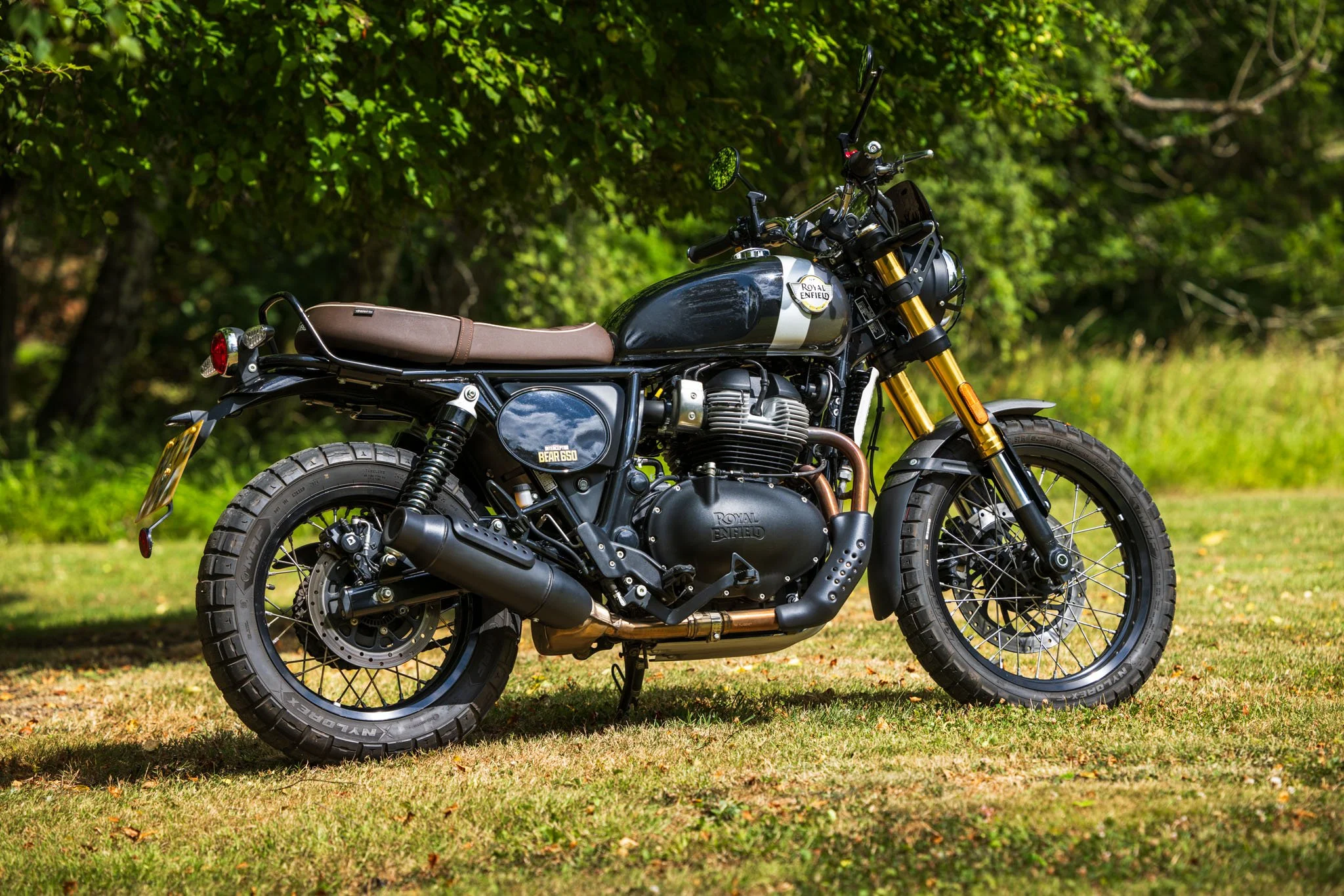
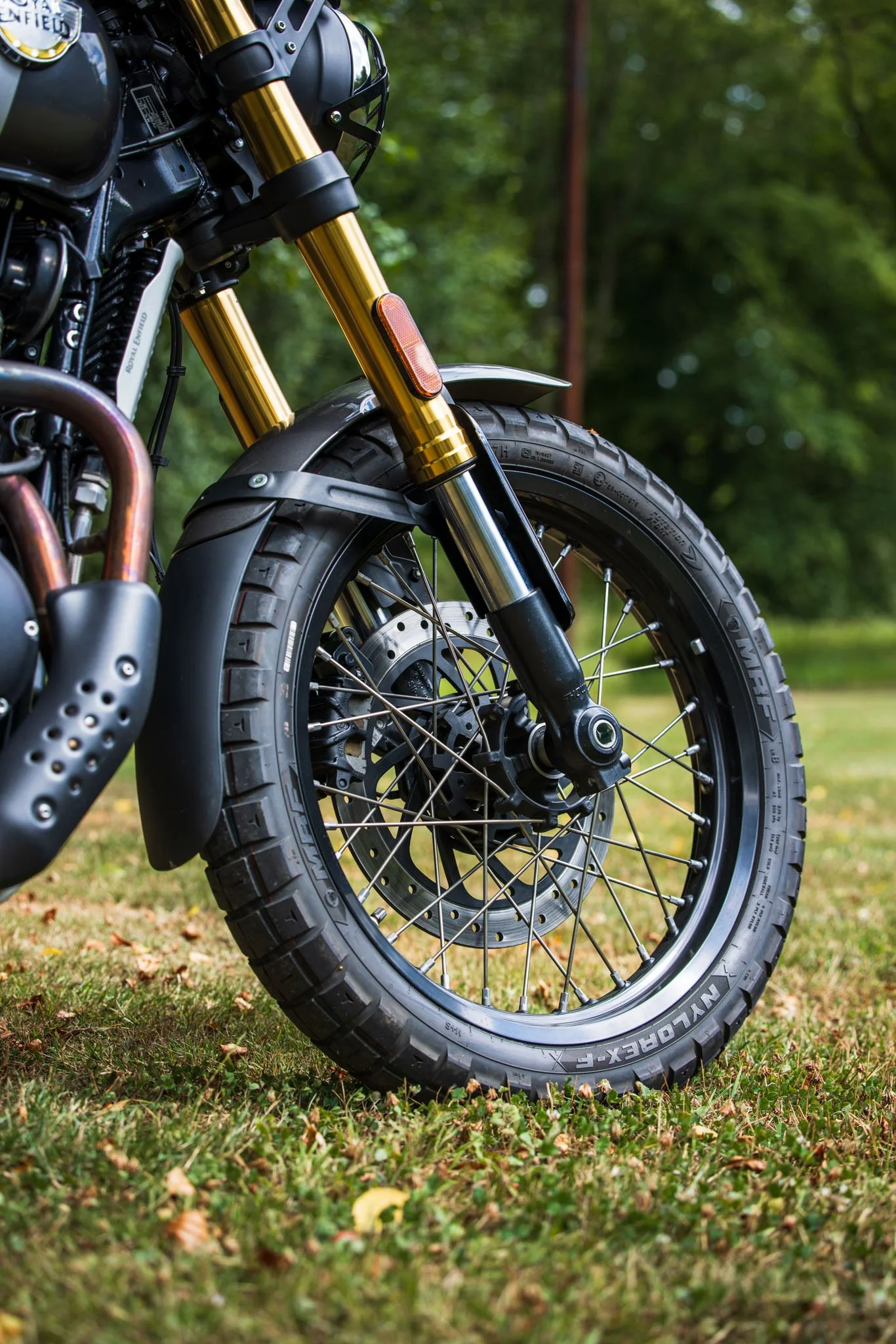
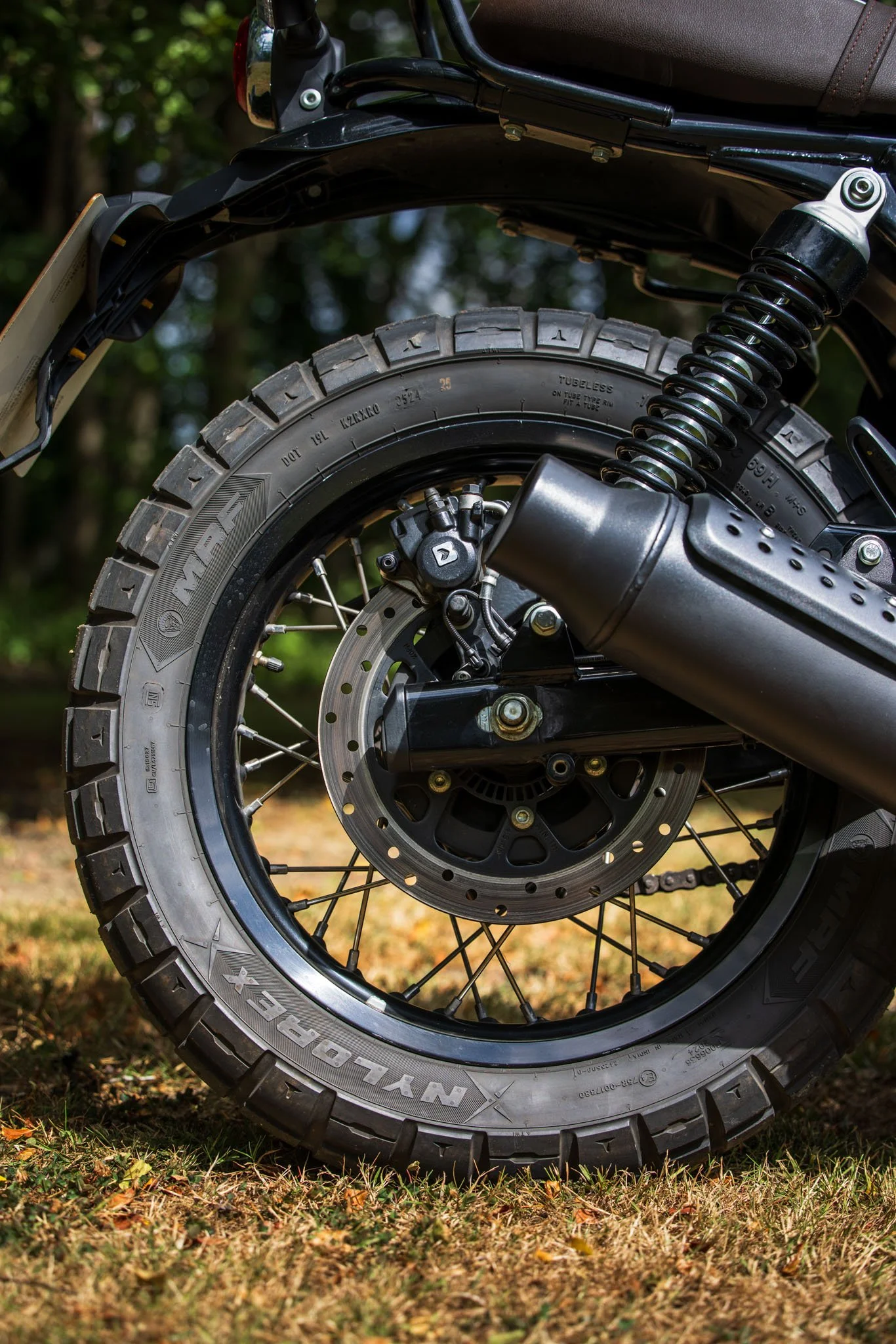
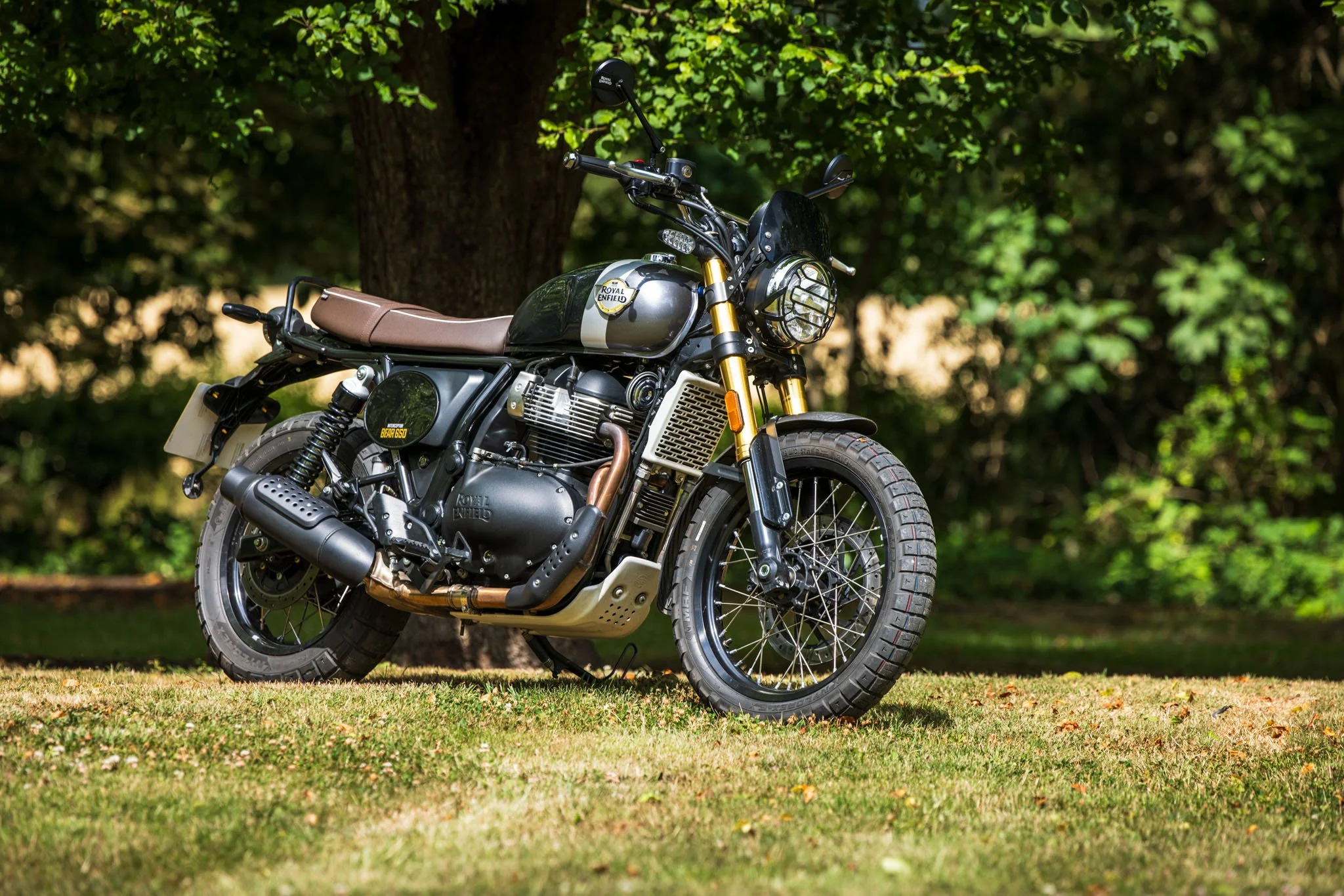
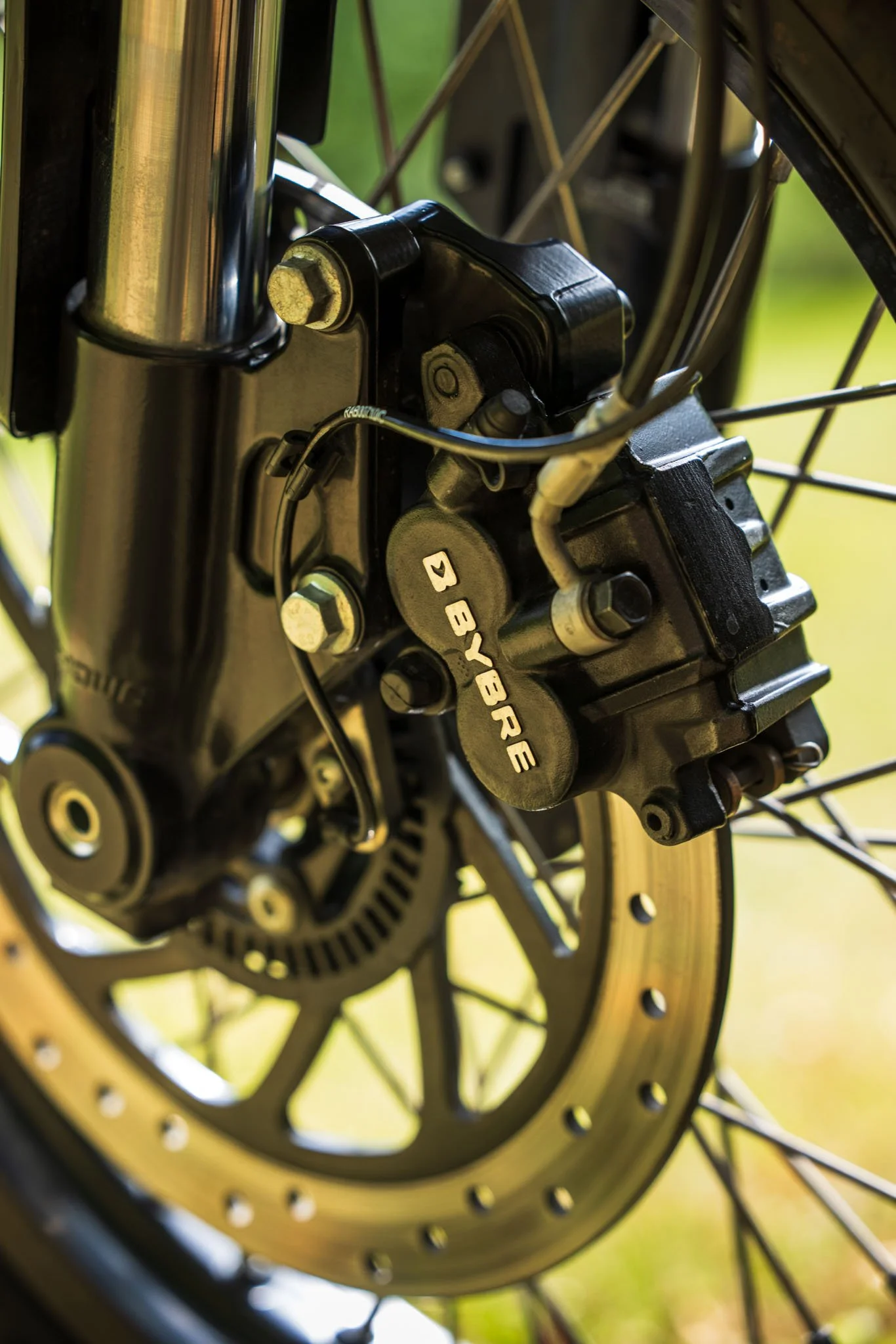
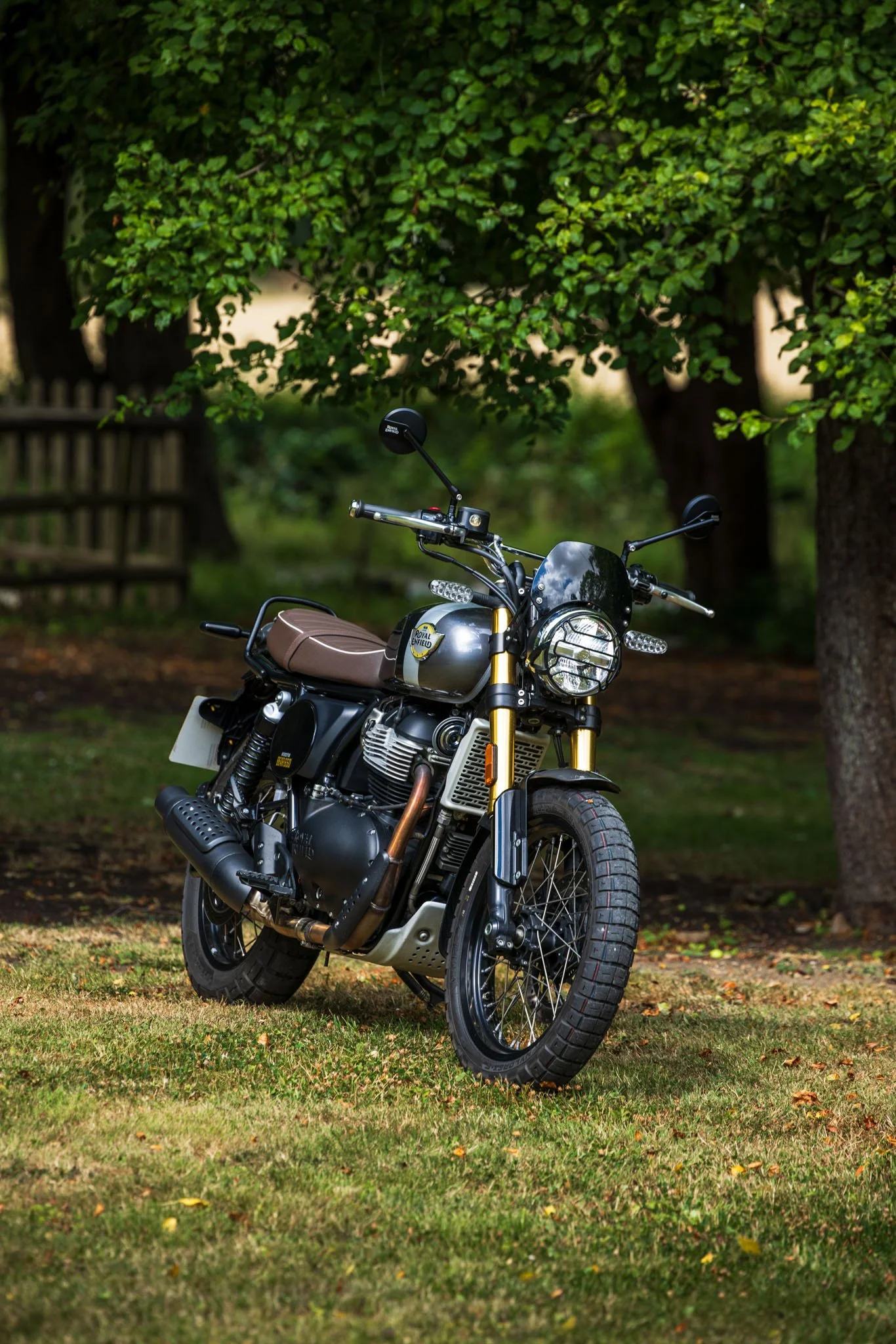
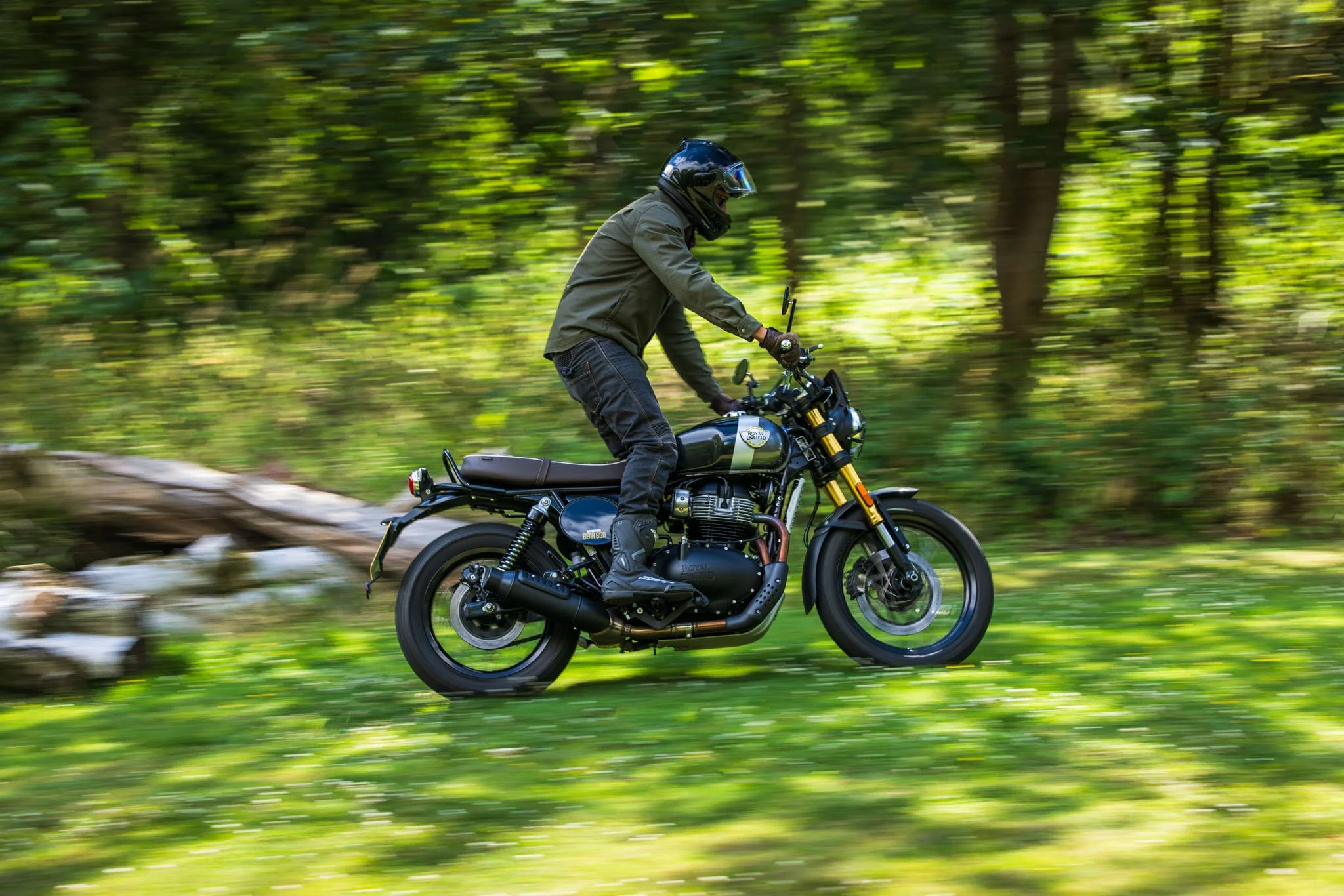
The Bear 650 features some excellent trick parts and some updated geometry from the Interceptor on which it's based, including Showa front suspension forks and twin-tube shocks at the back. The ride feels compliant, stable and secure on the bumpiest roads that your local council can provide and rewards stable cornering and predictable movement if braking hard. For stopping power, Bybre brakes get the job done with a 320mm disc and two-piston caliper at the front, and a 270mm disc with a single-piston sliding caliper at the rear. Royal Enfield's ABS system keeps everything in check on the road, but if you want to take the bike off-road for some more dynamic fun, you switch off the rear ABS for added control.


Off-Road Ready
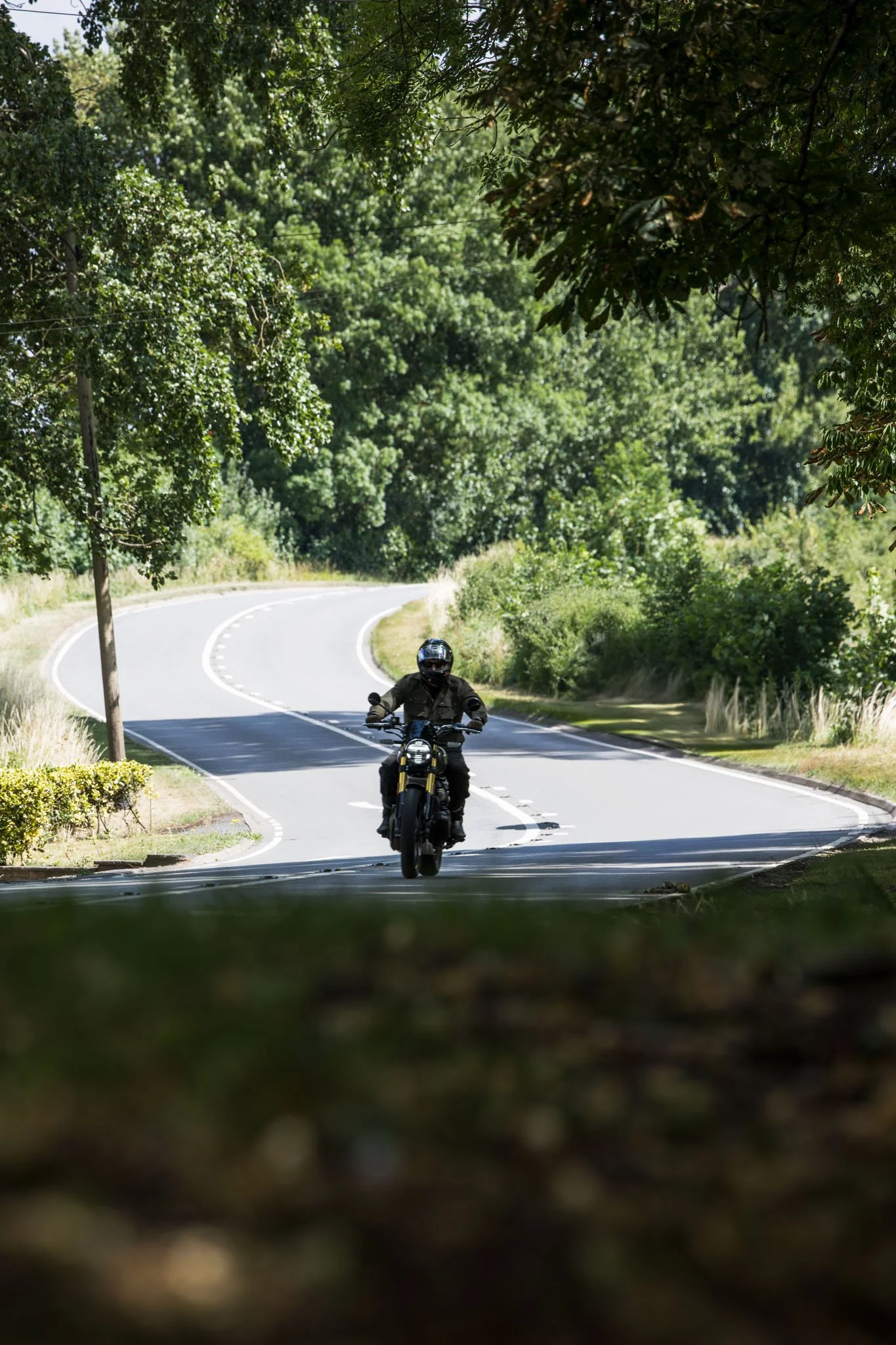
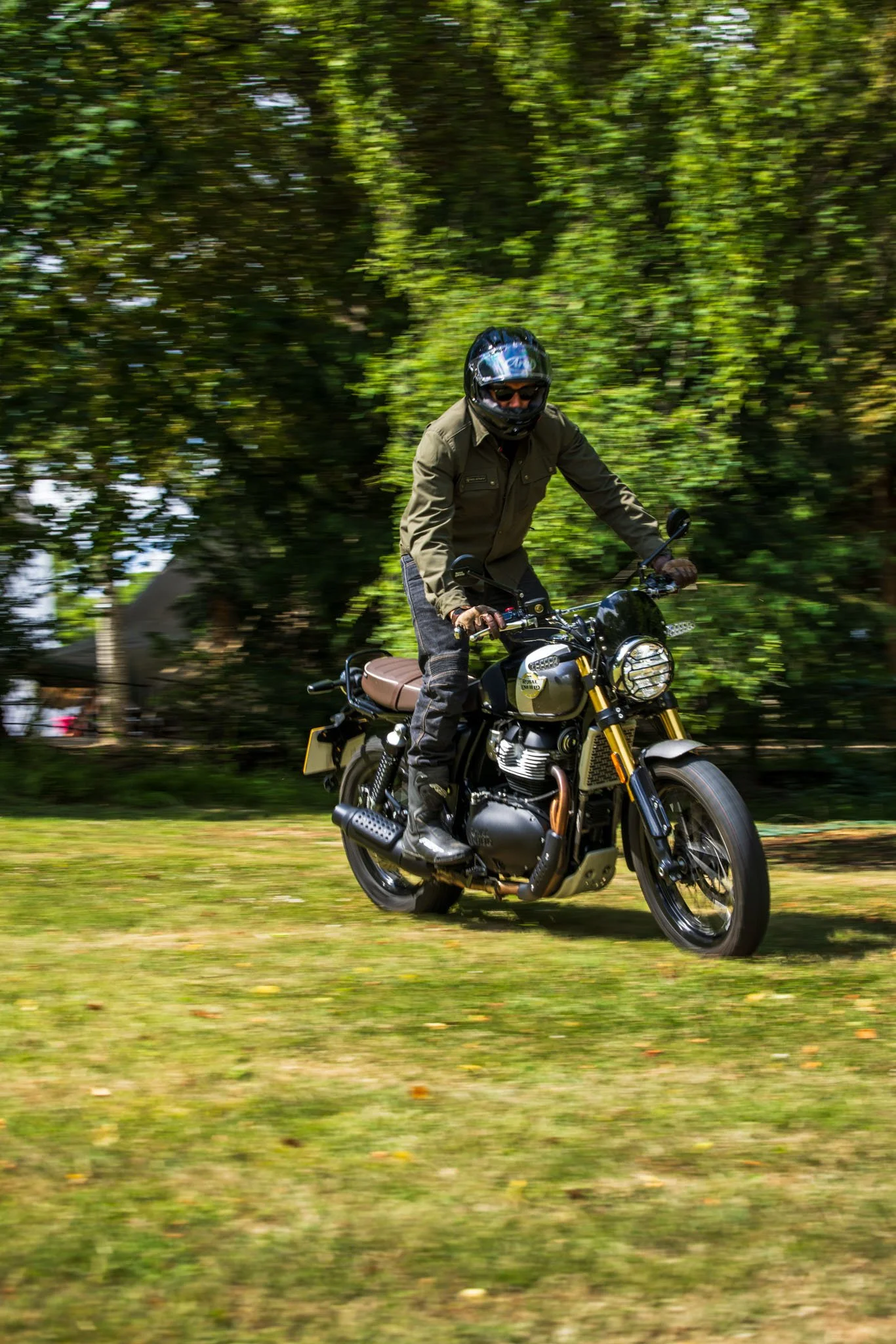
Off-road is the plan for this interceptor-based bike, proven by the 19" front wheel and 17" rear, which makes for ideal off-road traction and obstacle management. Both wheels are wrapped in semi-knobbly tyres from MRF, which are smooth enough for a sensible ride on the road and just knobbly enough for occasional rough terrain. Strictly speaking, the MRF Tyres are on the cheaper end of the tyre price list; however, I didn't feel let down by the grip levels at any point, and on the occasional times I did venture onto the rough stuff, they gripped into the mud and grass brilliantly.
Noise
For a standard bike with standard exhaust pipes, the Bear 650 makes a great sound. There are rumbles and burbles on overrun, and underload, it thunders along quite nicely whilst rewarding a smooth thud from the two-to-one exhaust system.


Keeping it Simple
As is the norm for Royal Enfield, simplicity is the key to the brand's success. There are no fancy trick electronic aids, rider modes or electronic suspension adjustments to speak of. There is a TFT colour screen, which, when paired with your smartphone, can display navigation maps and other rider data. However, ultimately, what you see with the Bear 650 is what you get, which is, fortunately, all very good.
Prices and Options
With just the right amount of simplicity, helped by the sheer volume of bikes sold per day, the other good news comes at the point of checkout. The Bear 650 has a price tag of £6,749 (OTR). With a PCP deal and a £1,500 deposit, you're looking at a monthly price of around £85.
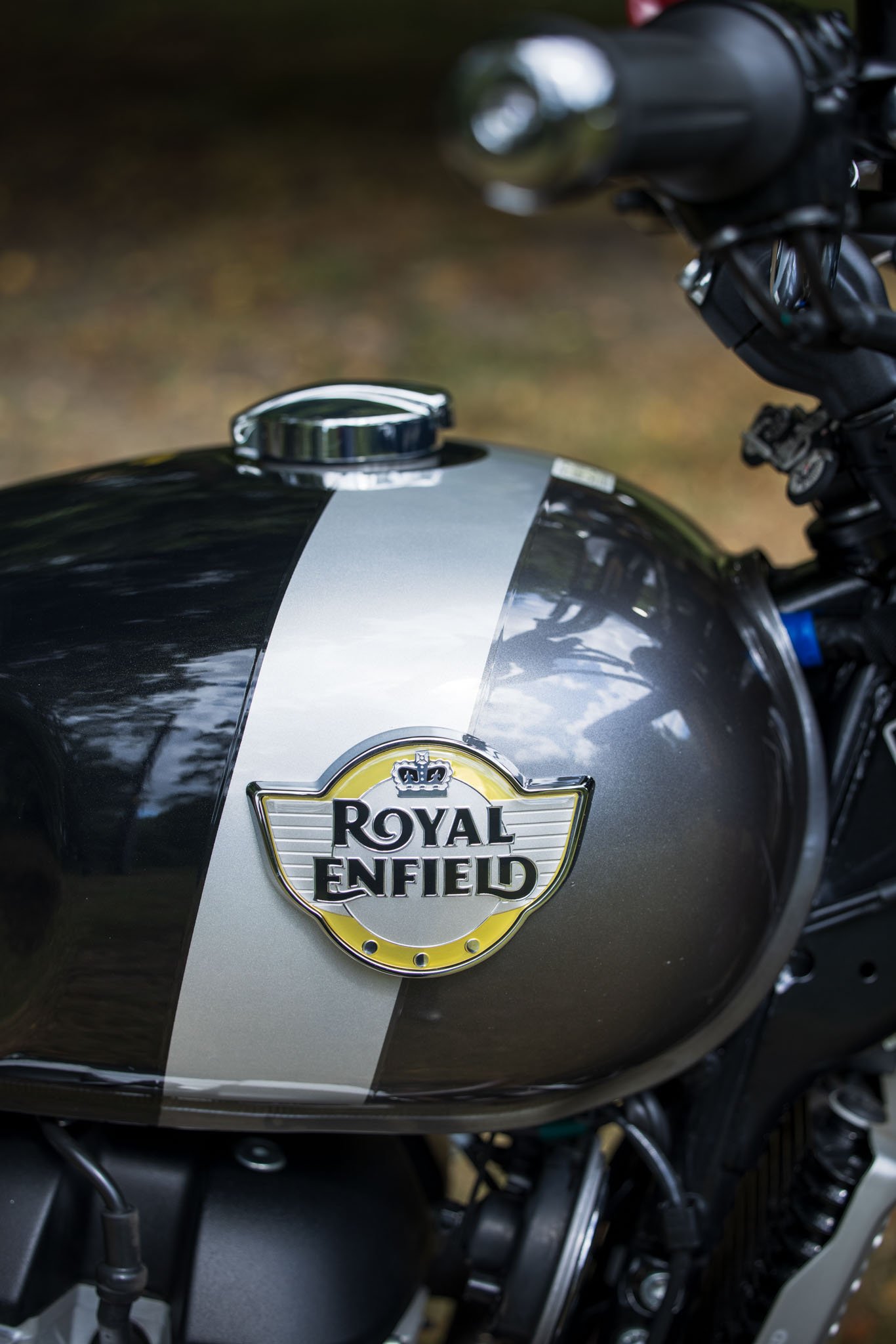
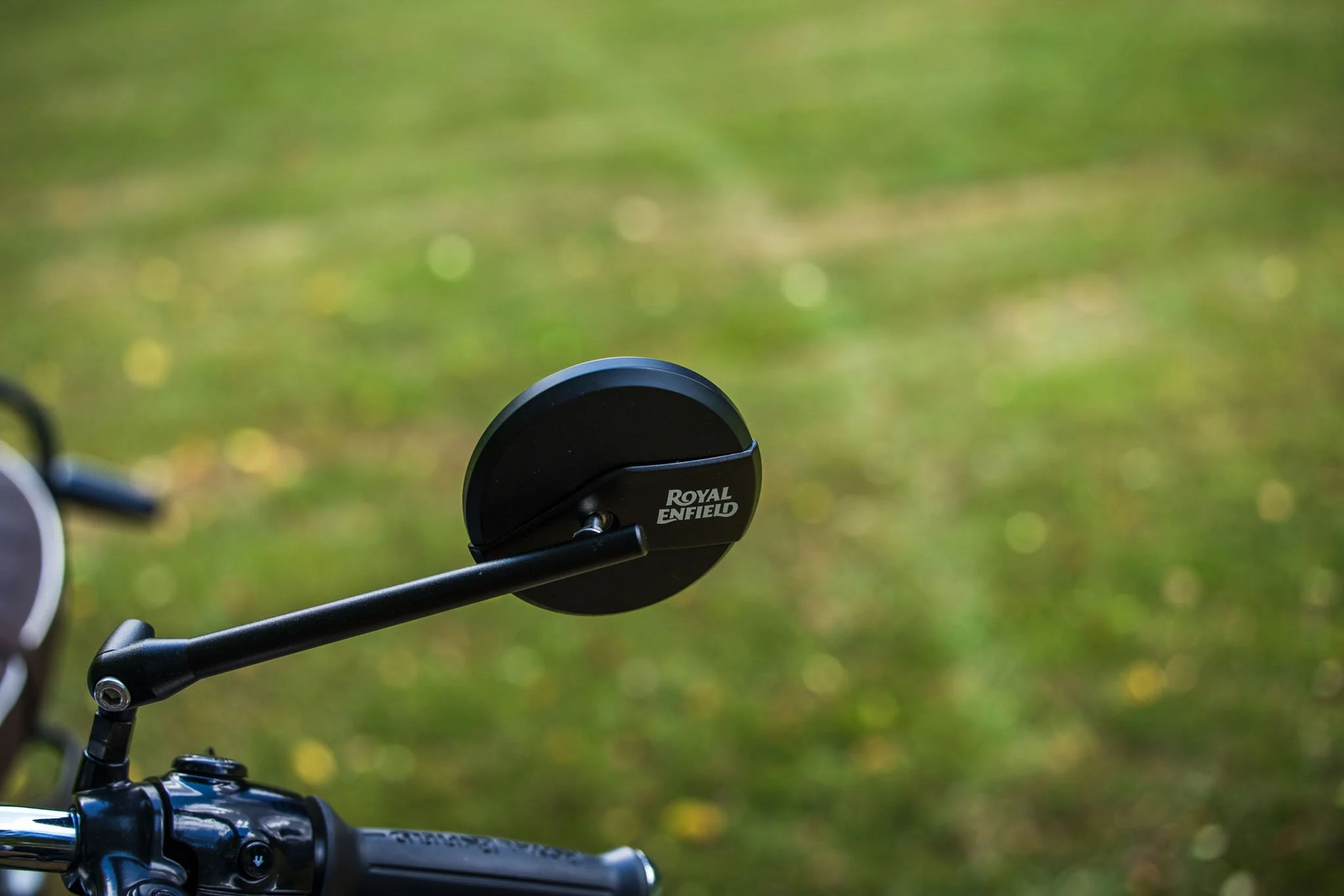
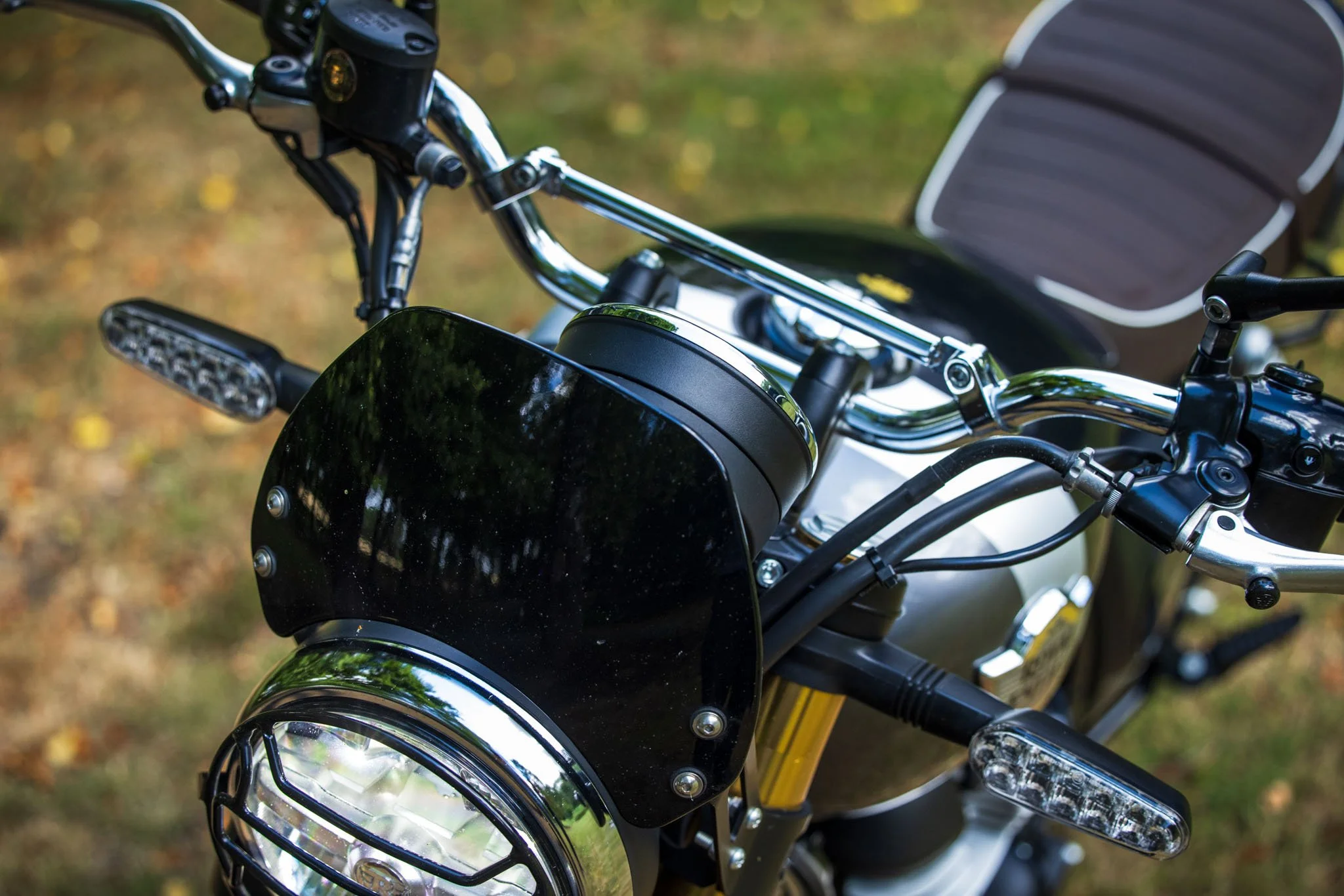
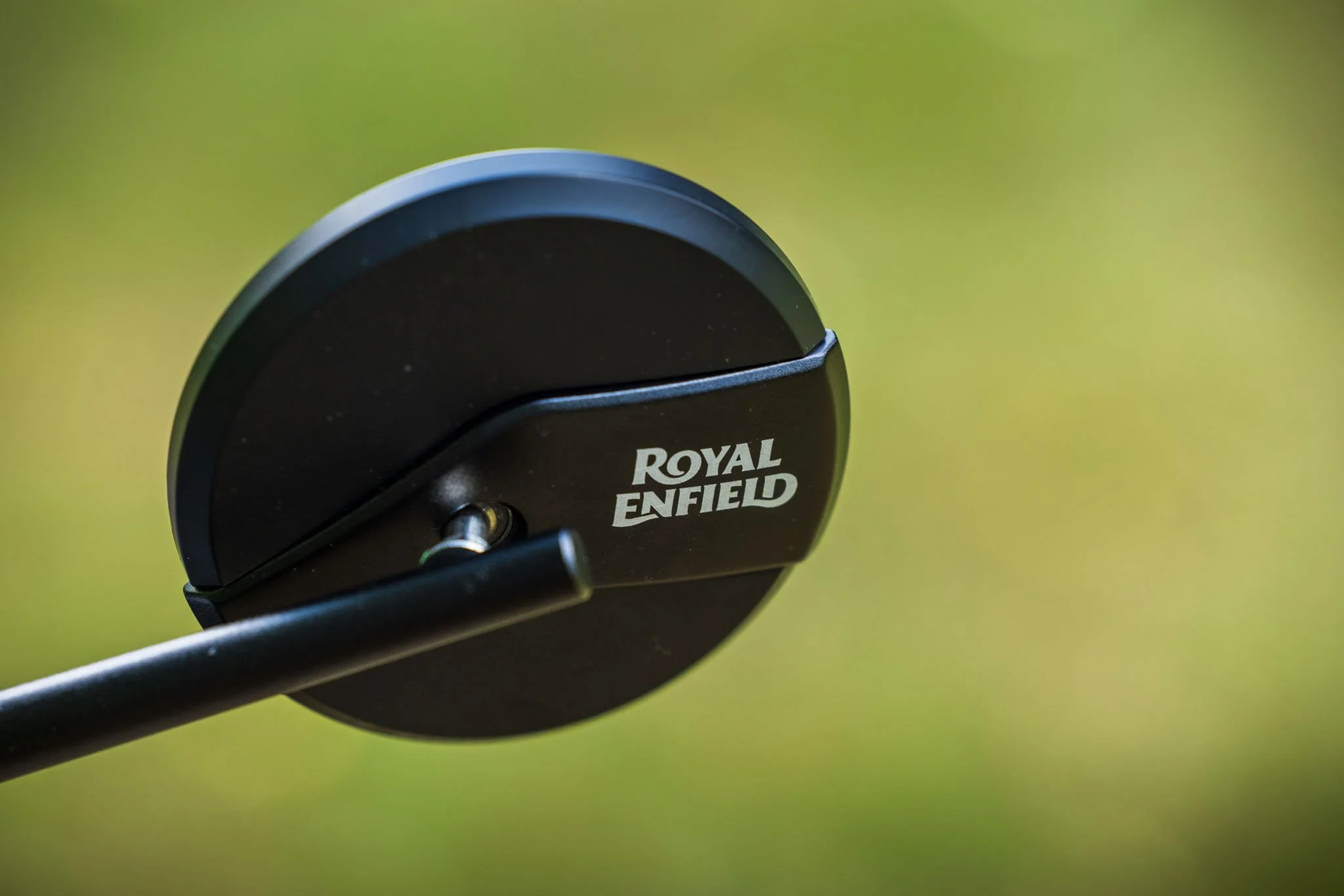
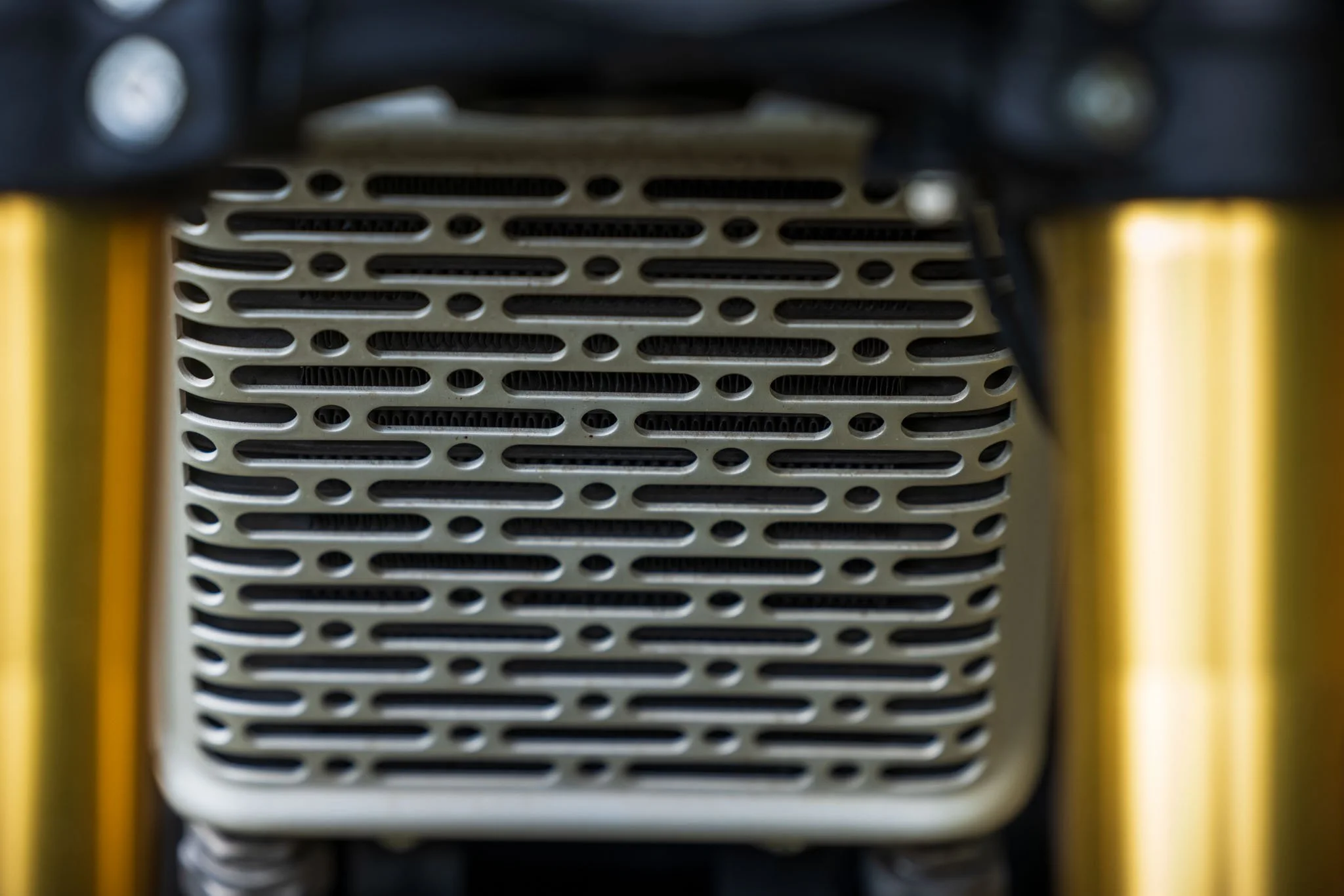
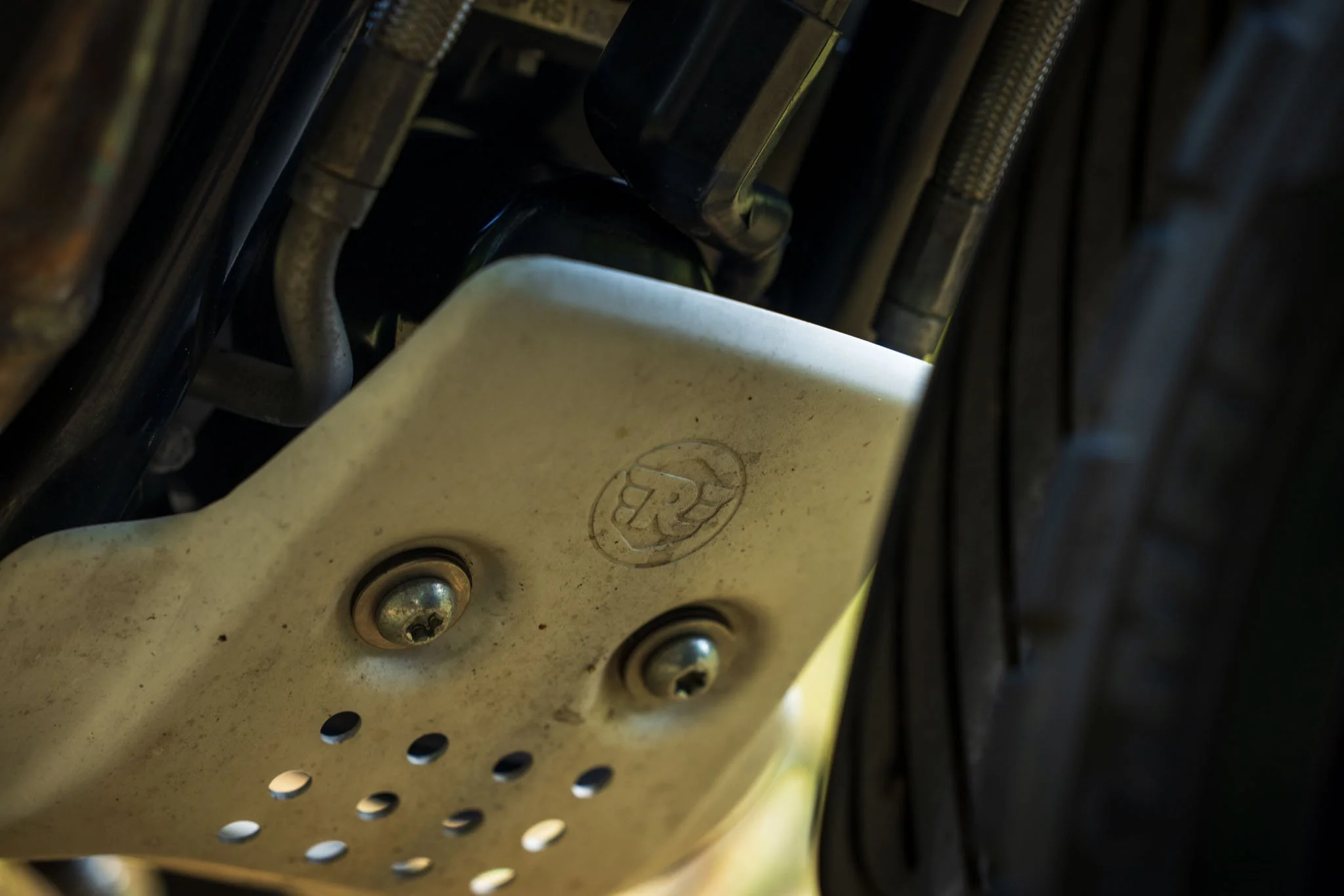
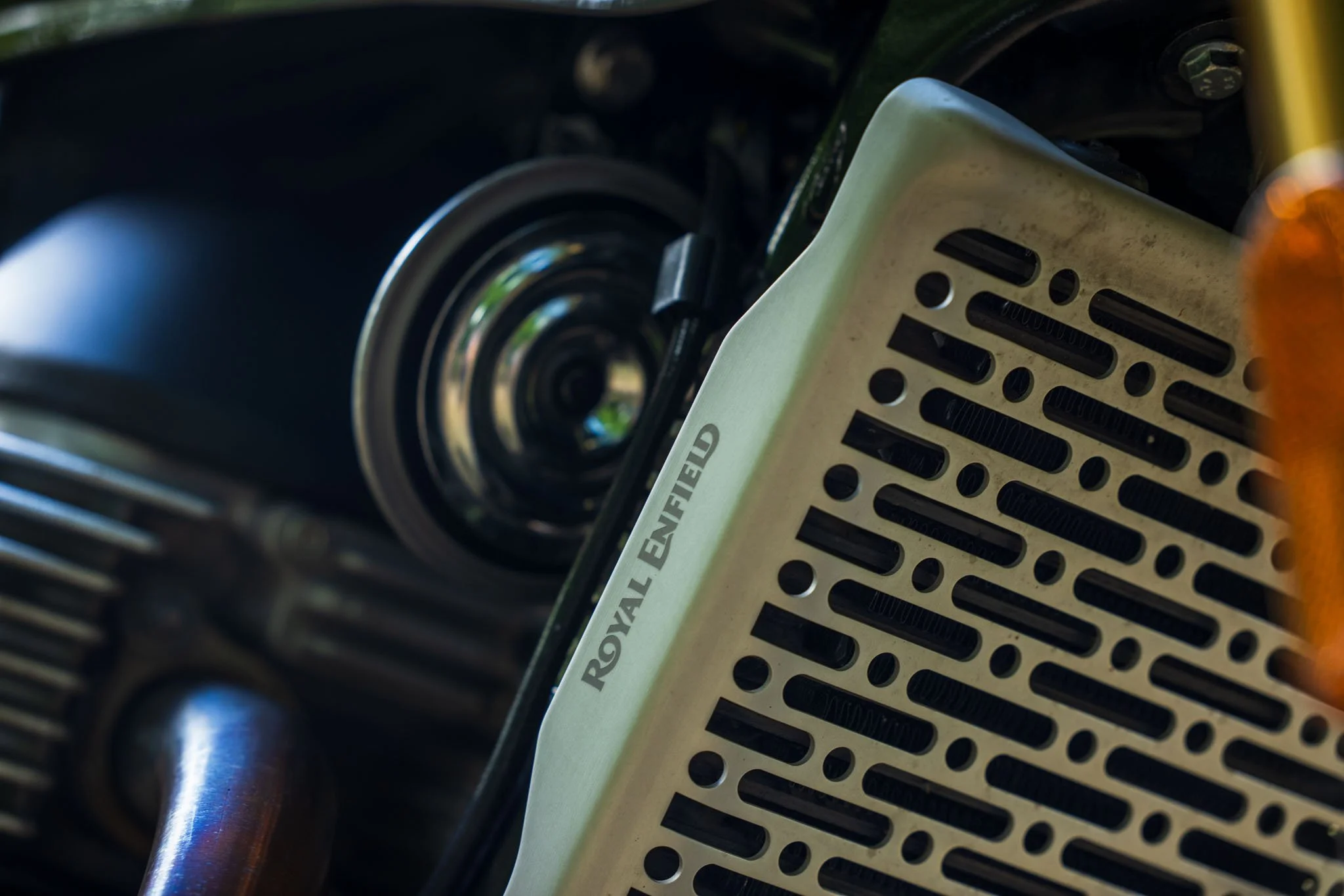
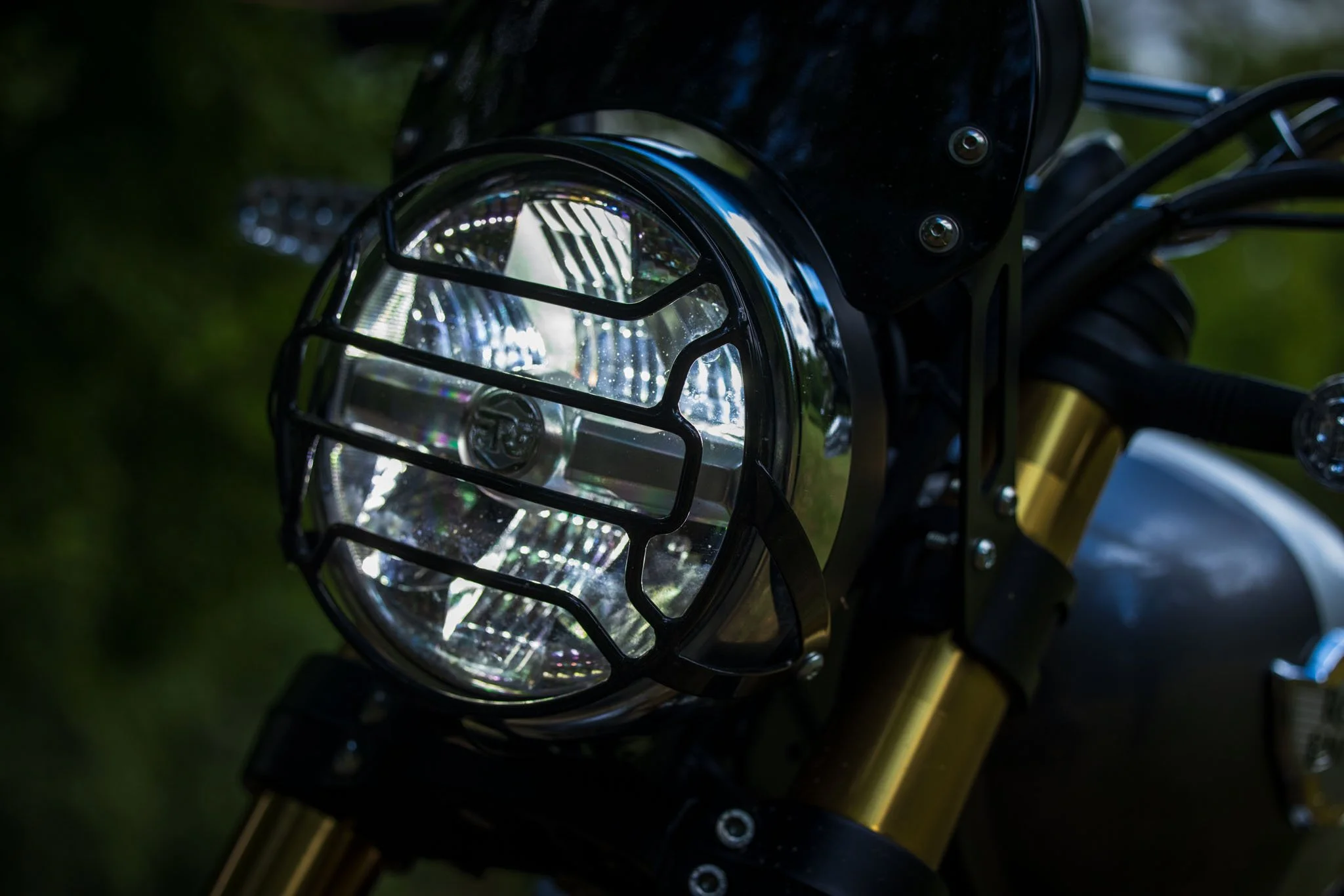
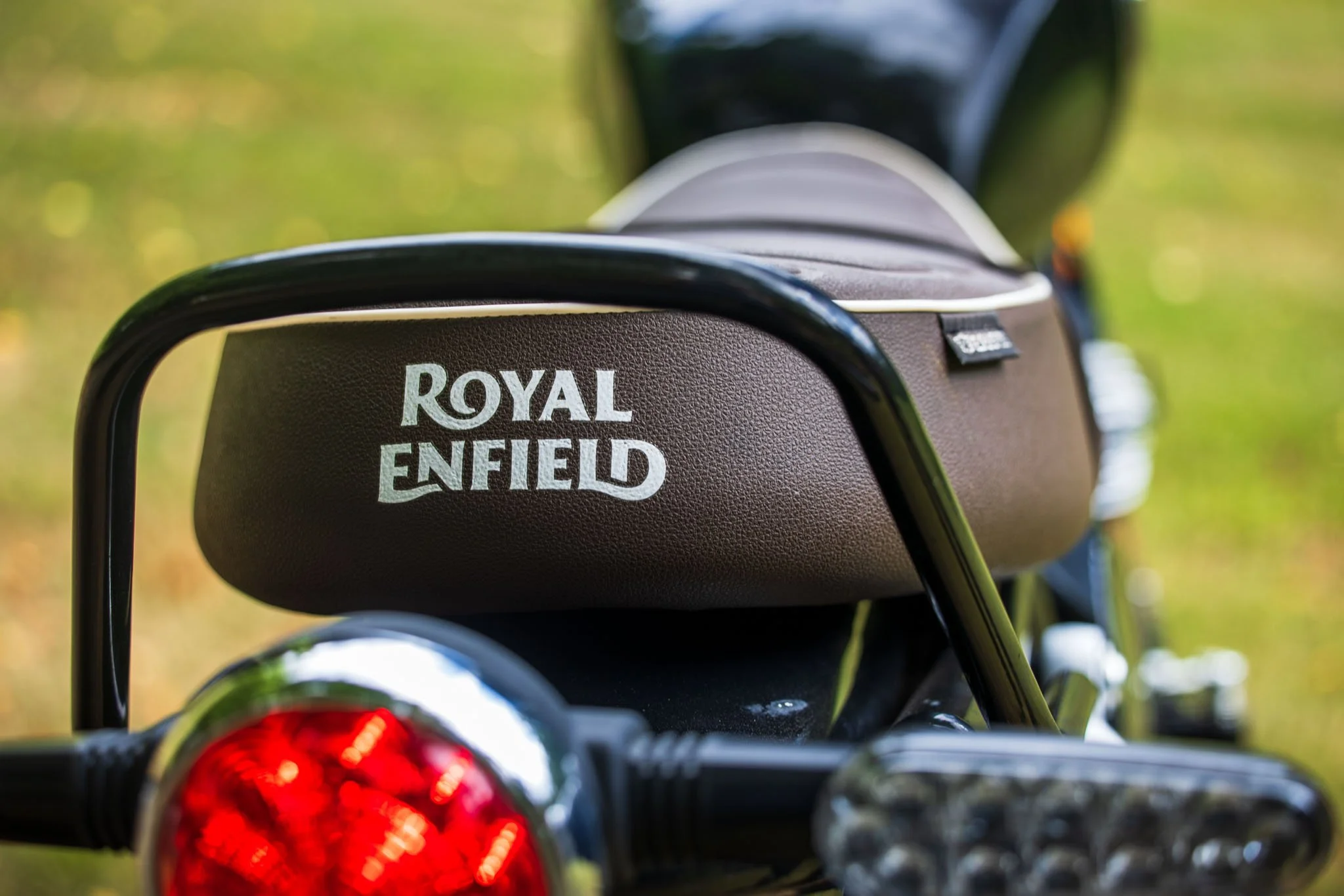
A handful of optional extras are available to spec on the Bear 650, and on the model I've had on test, the options include: Touring Wing Mirrors (£179), Tinted Tall Fly Screen (£89), Brown Signiture Scrambler Seat (£149), Sump Guard (£99), Headlight Grill (£69) and an oil cooler guard (£69) - which brings the total price with options as tested to £7,503

Areas for improvement
The predicted range and indicated fuel level on the TFT screen can be overcautious at times. I had two separate motorway commutes where my indicated fuel level and predicted range had plummeted to zero, only to find that once I'd nursed my way to a petrol station, there was a good 5+ litres of fuel still in the tank. The hardware and switchgear on the bike all work well, but there's a confusing mix of button styles, and some of the switch locations are unintuitive, such as flash being a rotating thumb switch rather than the more typical trigger system.
The TFT screen's Bluetooth link is an excellent idea in principle and looks very attractive when it works, but it's a bit clunky in practice as it requires navigation destinations to be set via a dedicated mobile app, which is then connected to the bike. On multiple occasions, I'd lose the pairing connection when stopping and restarting, so I opted instead to mount a phone to the handlebars and use it for navigation rather than trying to get the screen link to operate.
Conclusion: Worth the wait?
The Bear 650 is already proving to be a big hit for Royal Enfield, and having spent the past 4 weeks on this one, I can see why. It's a capable, rewarding, and reliable bike that turns heads and sparks plenty of conversations. As an additional 'outside of the box perk', the price point allows for upgrades to tyres and optional extras whilst still representing excellent value to buyers. Yes, the Bear 650 has been well worth the wait, and if you've been hankering after the idea of a road-focused scrambler for less than £10k, it is absolutely deserving of your consideration.
words by John Marcar
photography by Henry Faulkner-Smith