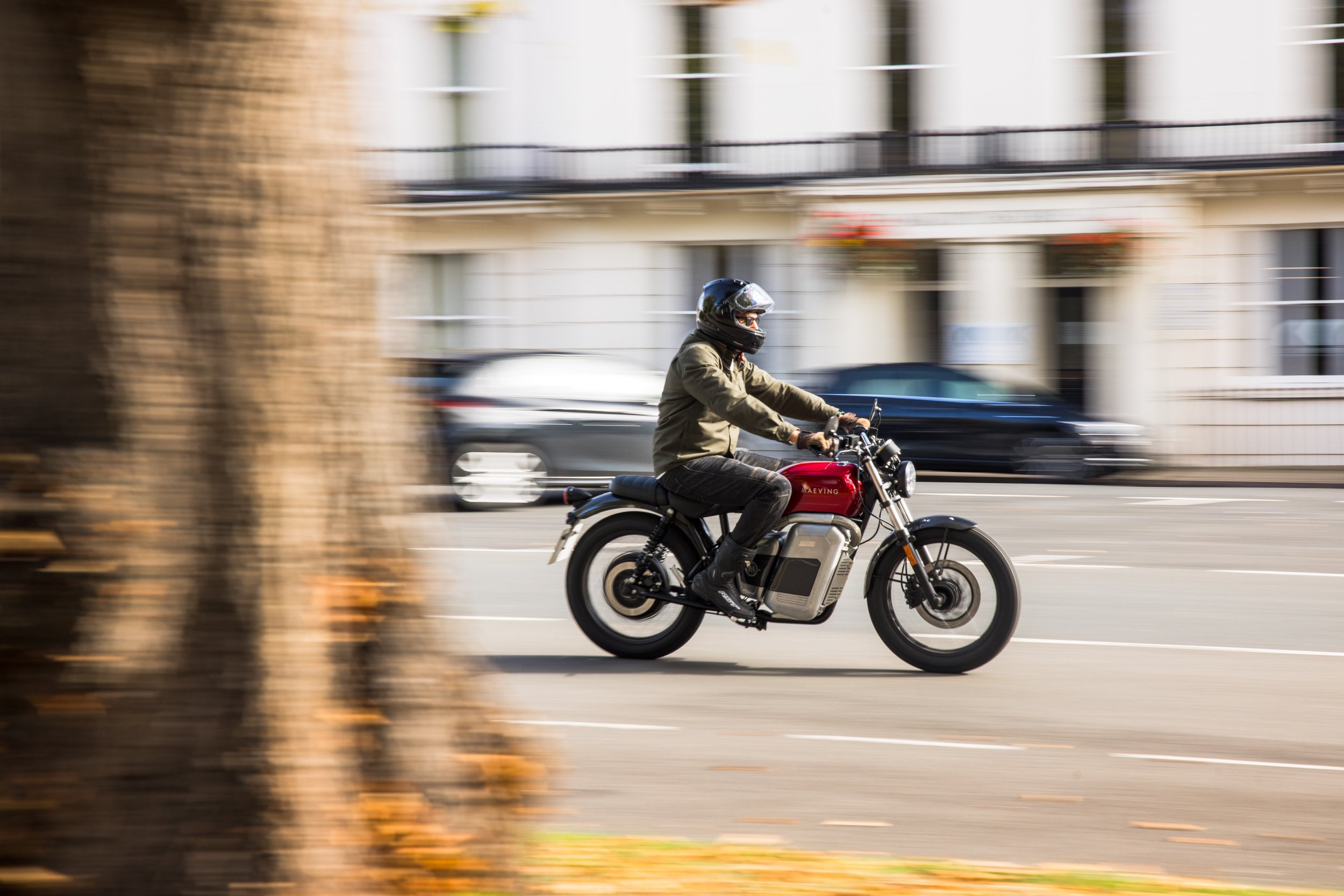
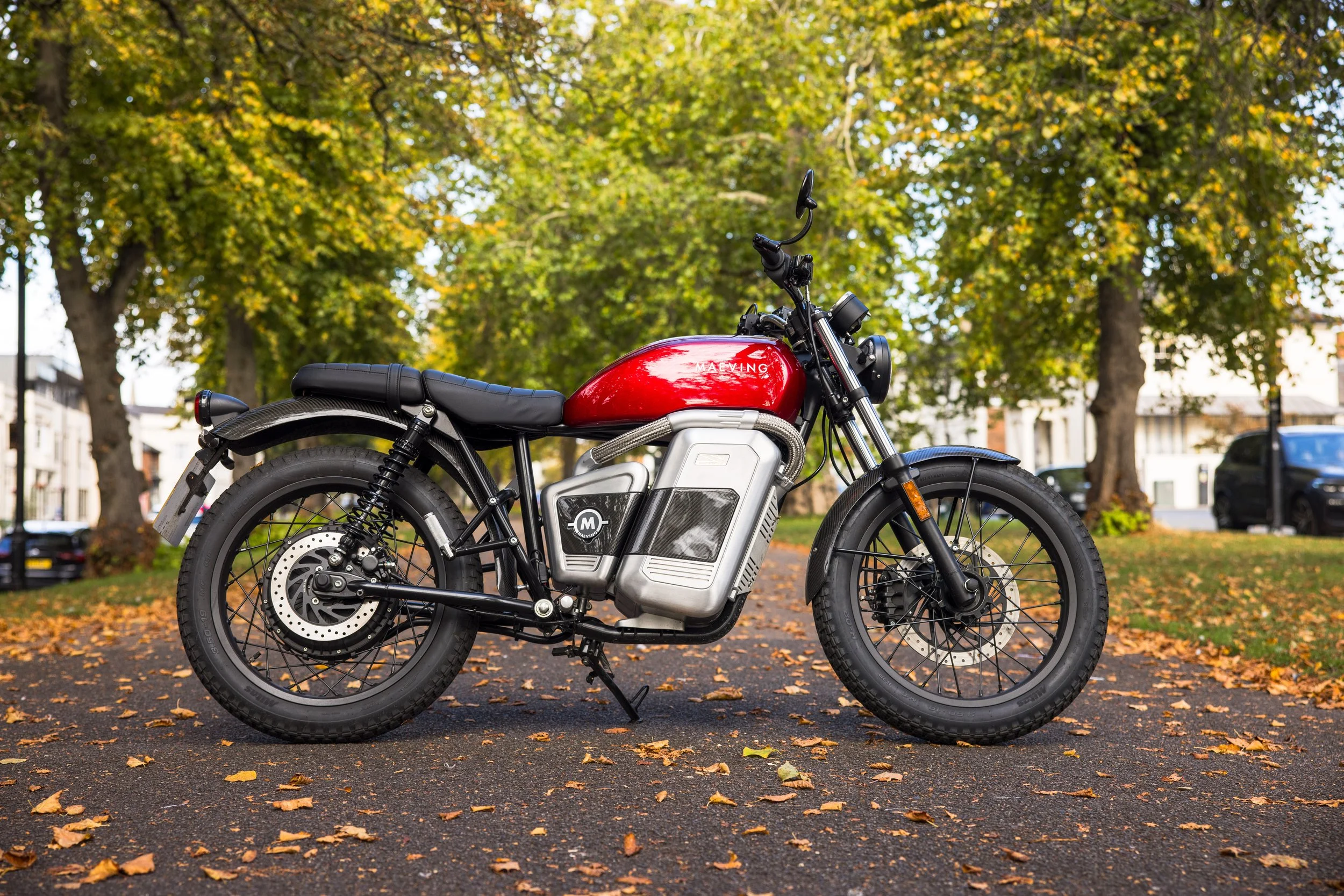
Maeving has set the benchmark for stunning design and commuter practicality since it launched the RM1 in 2022. Now, there's a new model in the range that finally allows riders to bring a friend along for the adventure, the RM2 - and we've tested it ahead of its launch.
Recap on Maeving
I've been a massive fan of the design-led EV motorcycle brand Maeving since sampling the outfit's first model, the RM1, in 2022. The RM1 was the first product launched by the Coventry-based motorcycle manufacturer and was designed for city commuters who wanted to ride in style. The RM1 boasted a top speed of around 45mph and a range of 40 to 80 miles, depending on whether one or two batteries were added to the frame.
Read our review of the RM1 here:
https://driven.site/words/review-maeving-rm1
In May 2024, the RM1S was launched. The new model featured a refresh to the styling to accommodate a new battery layout and an improved top speed of 70mph. The S also boasted a standard range of 80 miles, thanks to 2X 2kW batteries equipped as standard.
Read our review of the RM1S here:
https://driven.site/words/maeving-rm1s-review
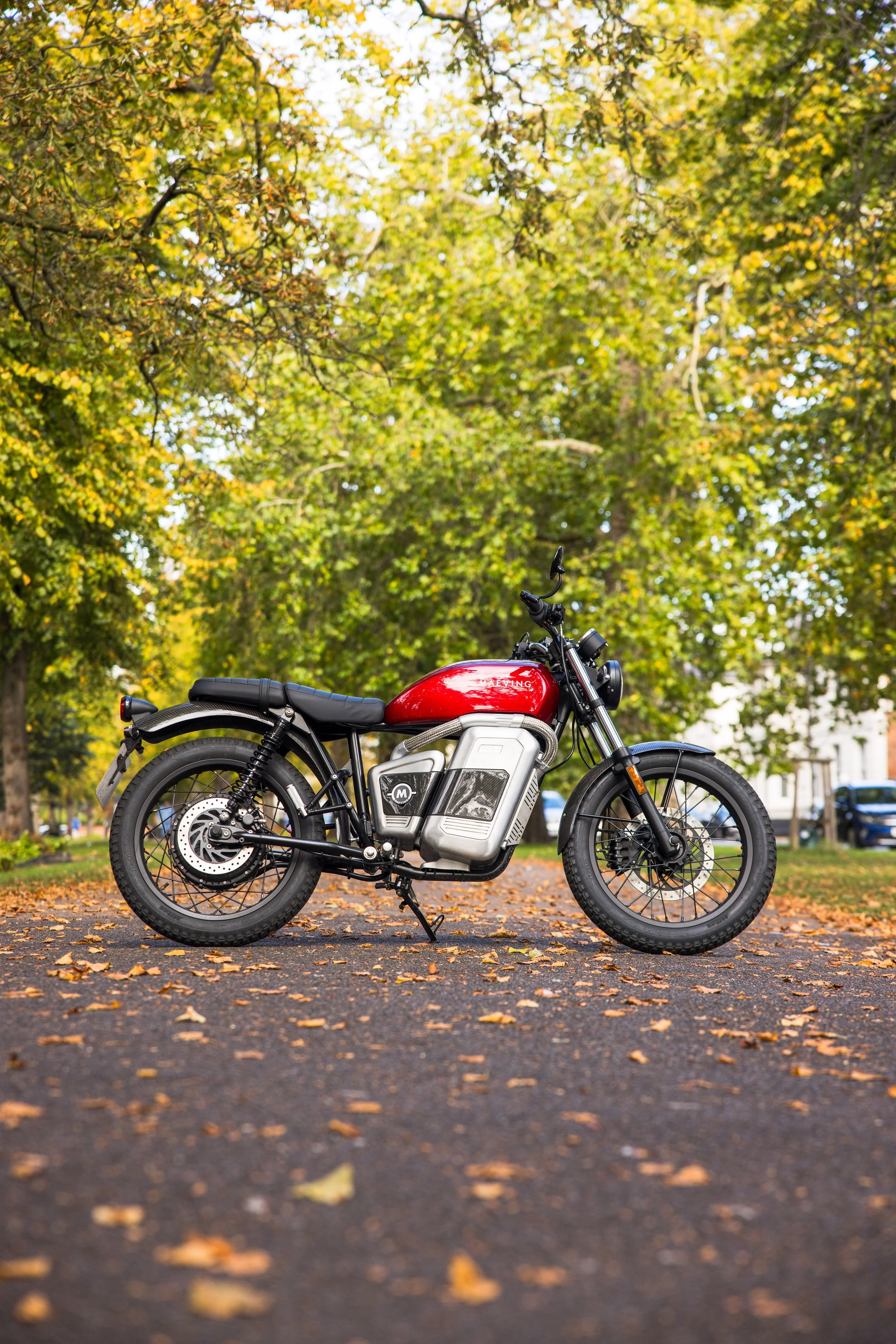
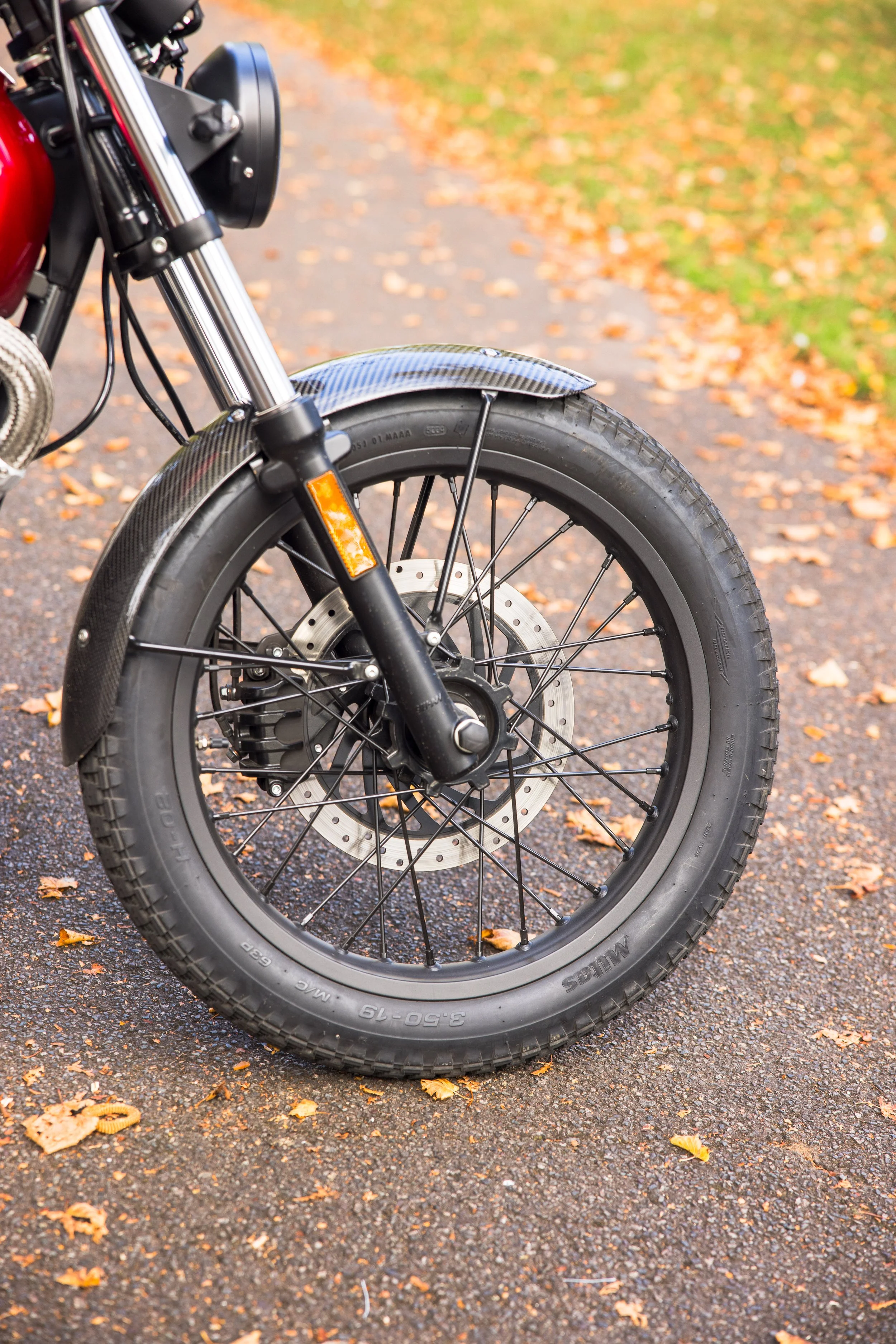
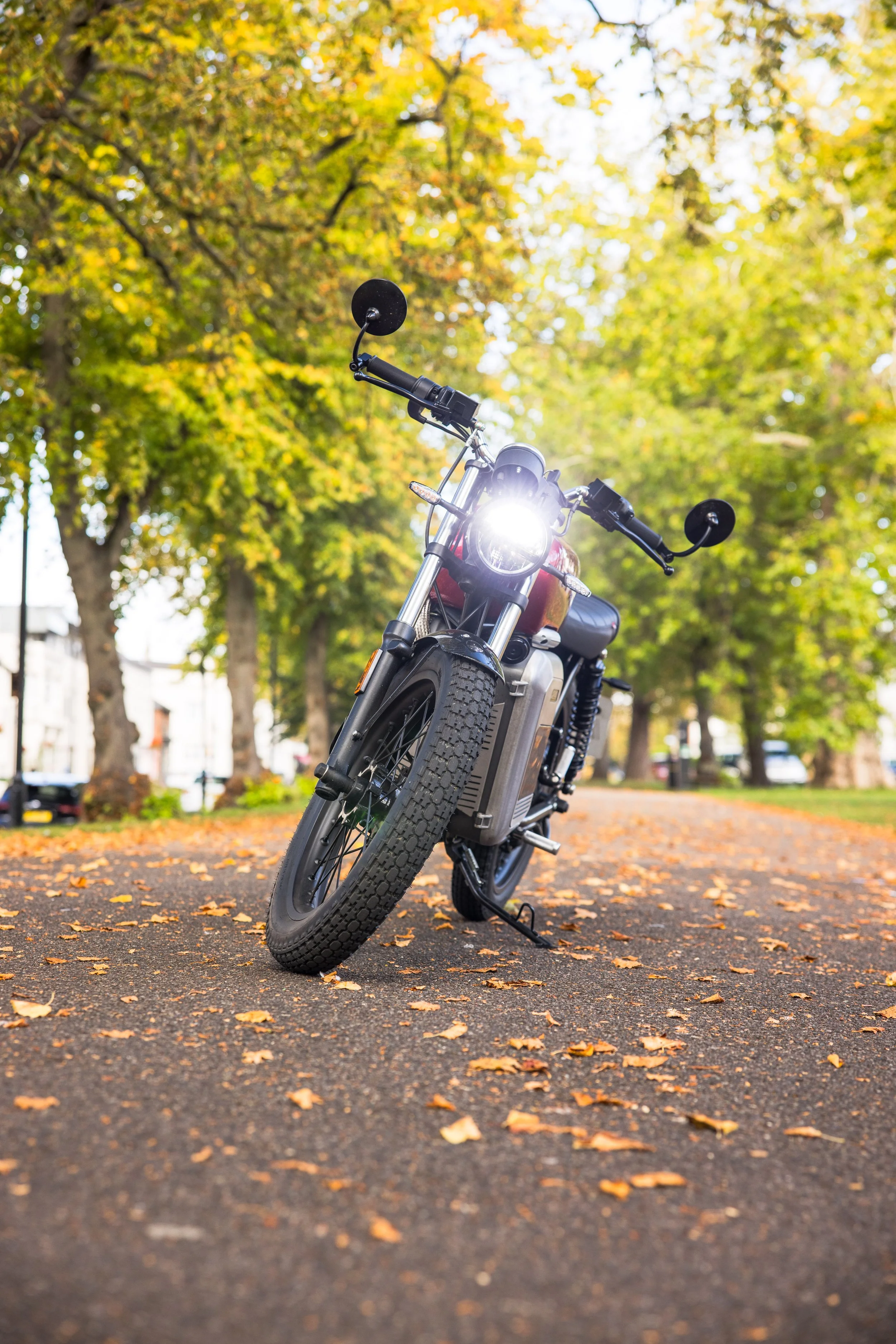
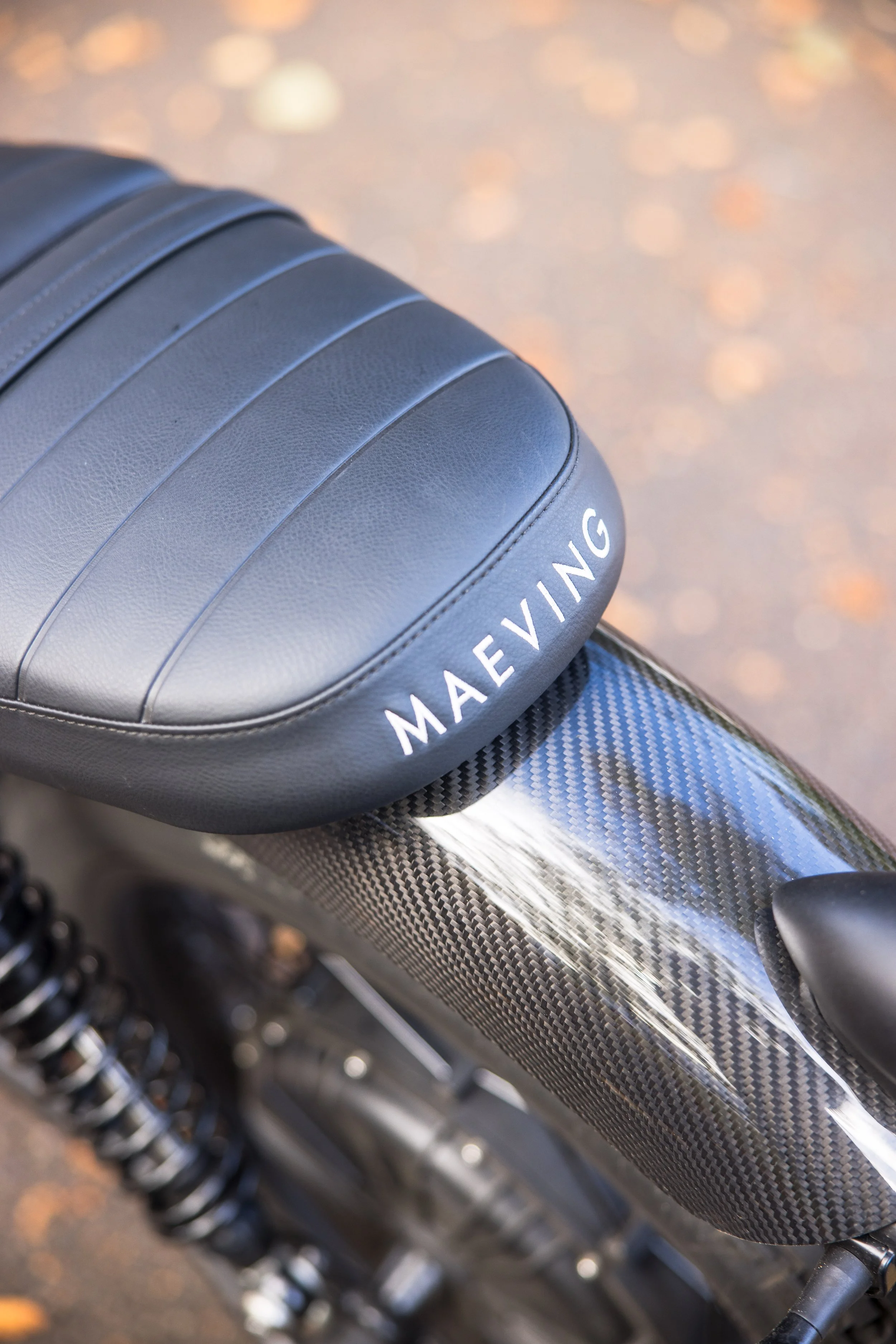
The new model with an extra seat
For 2025, Maeving has updated the RM platform once more, this time by adding a pillion seat for the first time, enabling riders to share the fully electric riding experience with a passenger.
Gearing up for 11,500 units per year
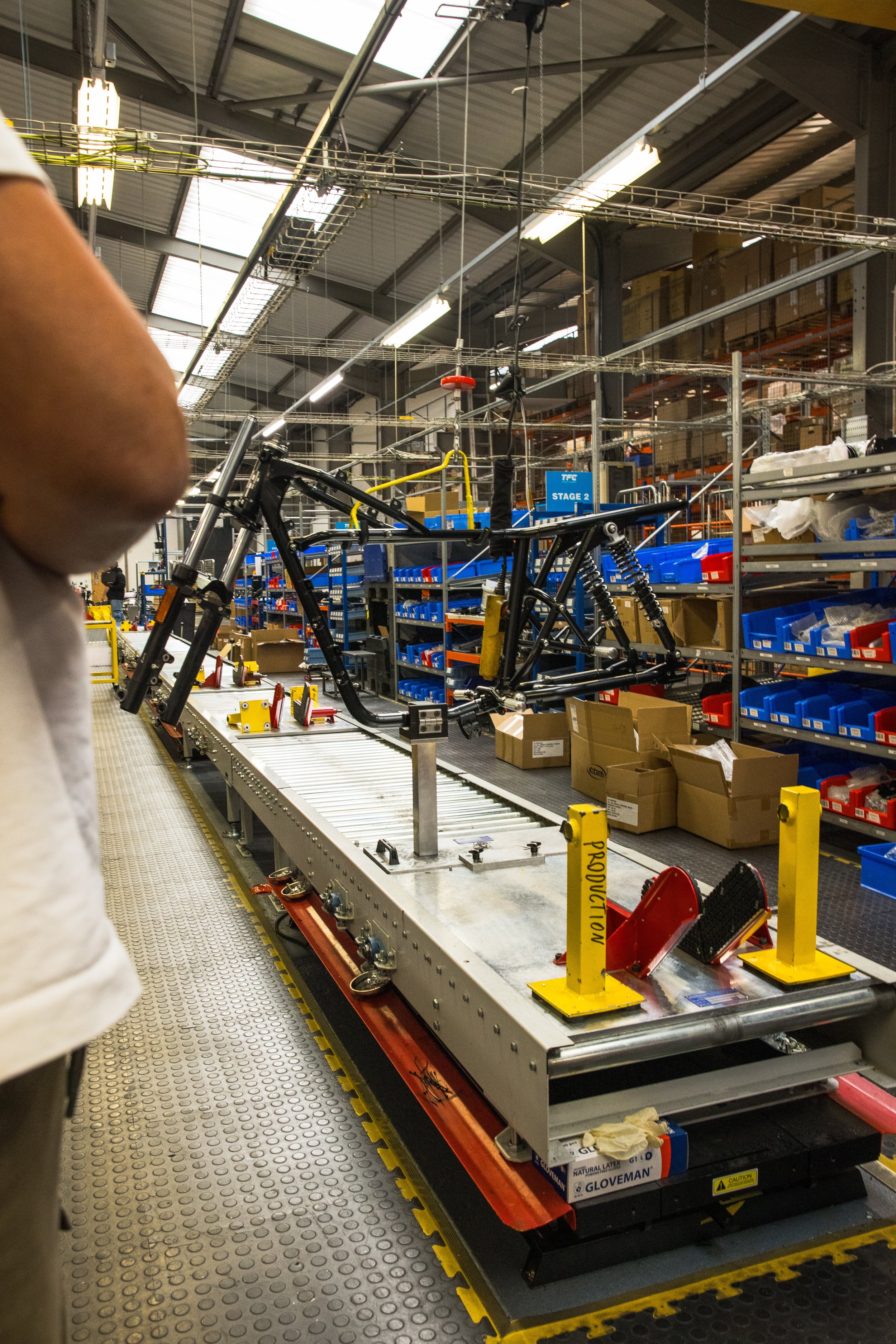
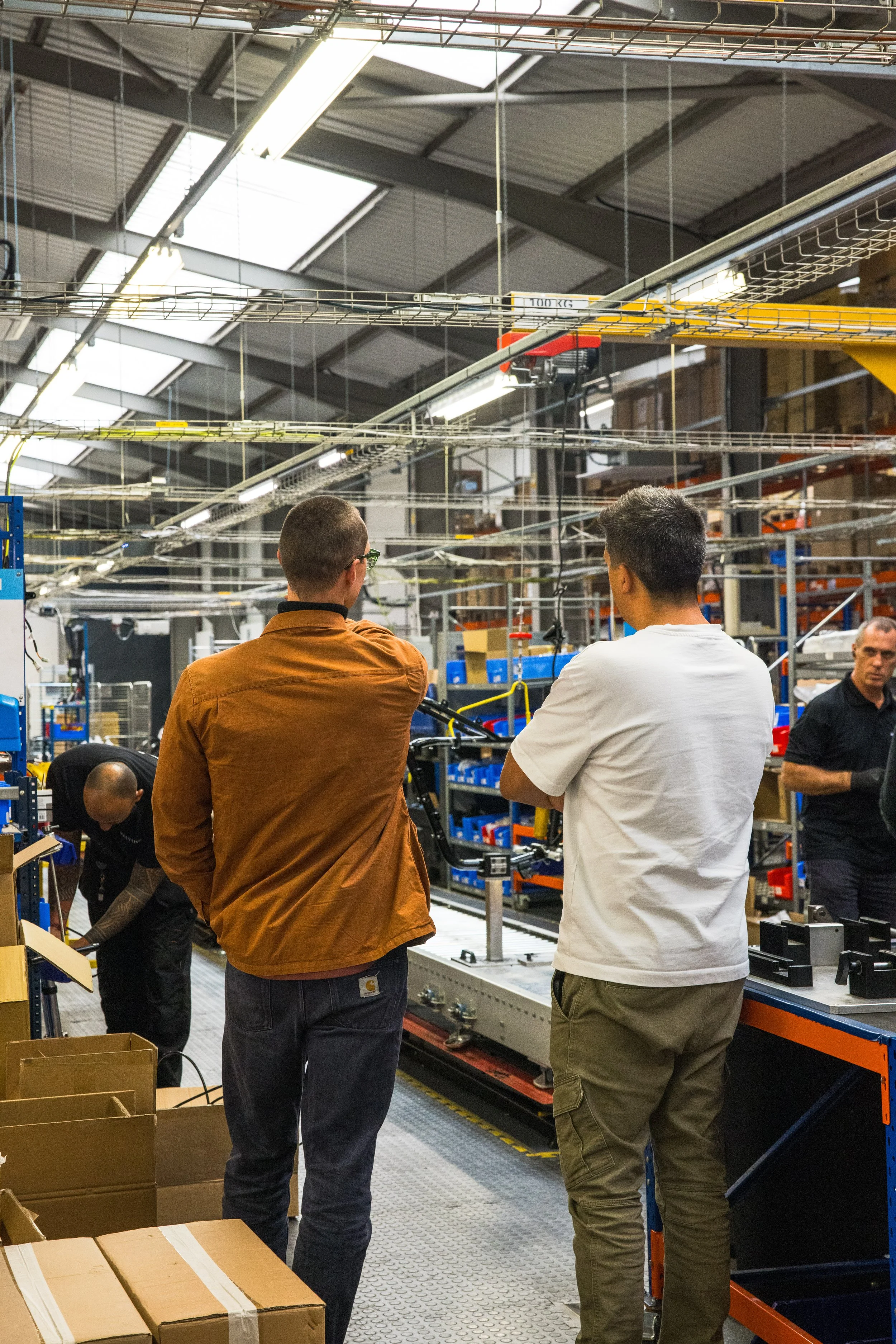
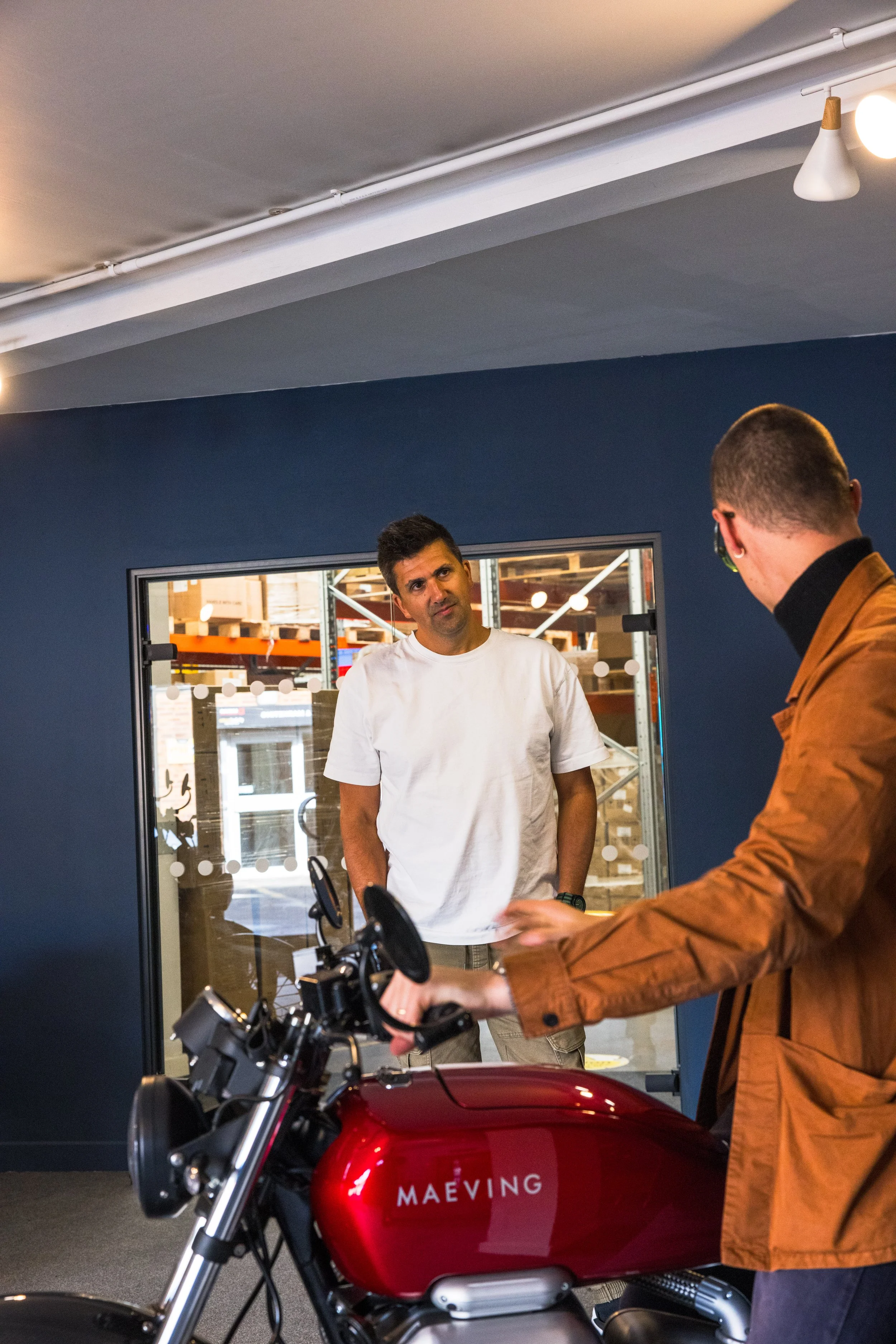
I was invited to try the new RM2 a week ahead of the official launch by the company's co-founder, Seb Inglis-Jones. Seb offered me a 1-2-1 tour of the factory in Coventry, where every Maeving is assembled by hand before being shipped out to customers around the globe. On the day I visited, the production line was undergoing an update in preparation for production of the new RM2. Currently, the factory produces around 1,500 Maeving models per year; however, the upgrade and reconfiguration of the facility will enable that production figure to jump to 11,500 units annually.
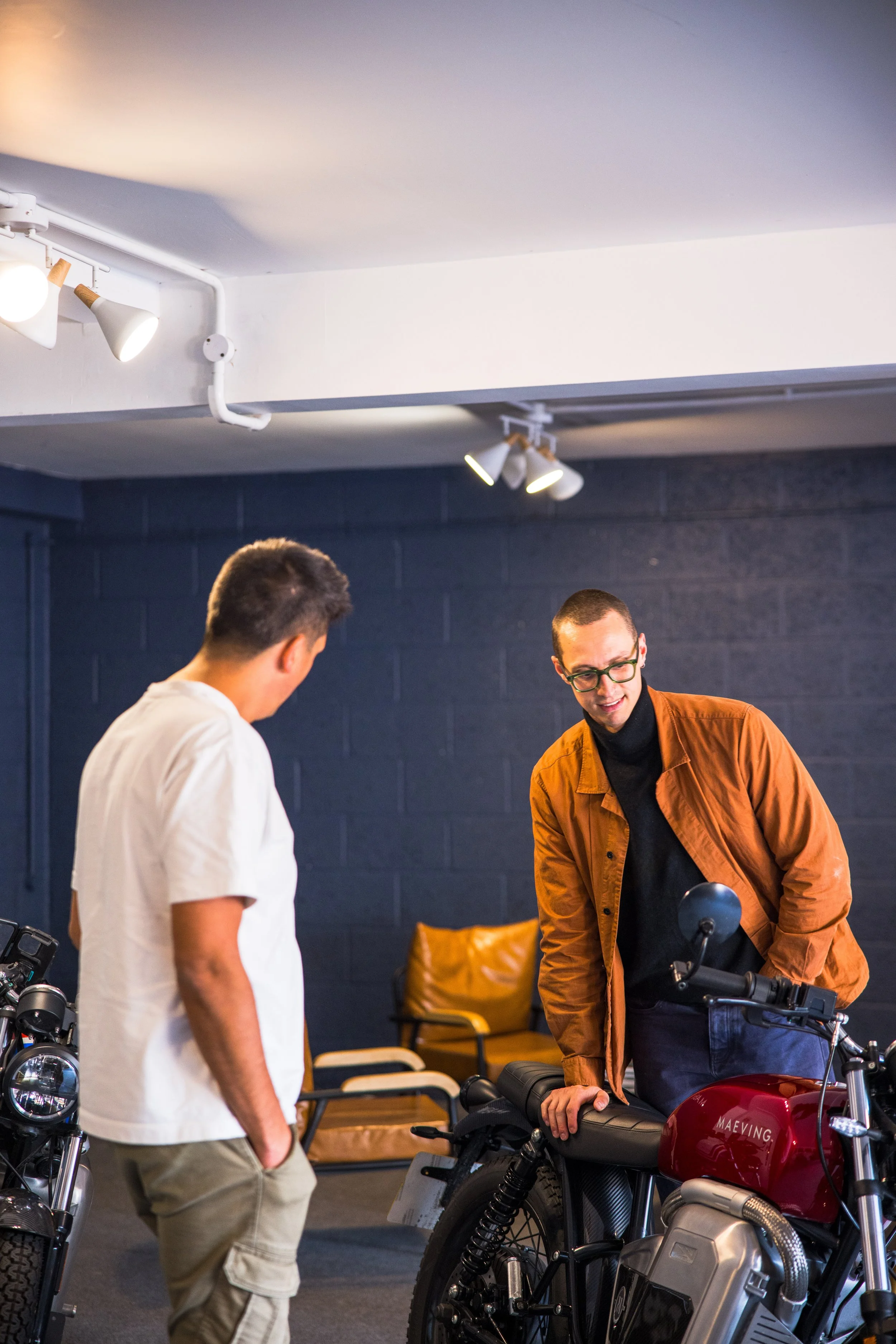
Seb explained that he expects the RM2 to be another big hit for the brand and foresees it being received even better than the RM1S, which saw a dramatic increase in demand from its predecessor, the RM1, both of which are still in production and available for purchase alongside the new model.
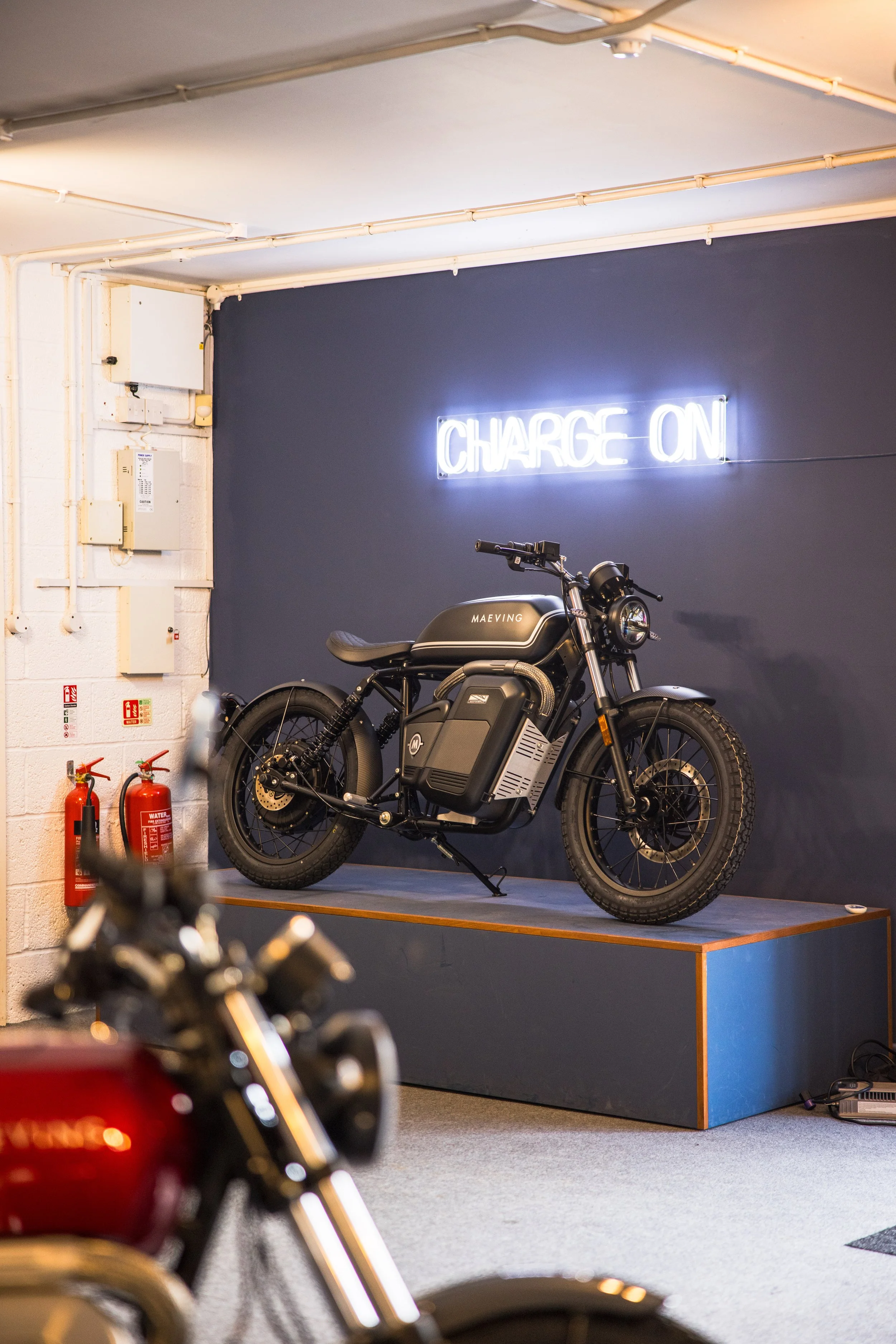
RM2 vs RM1S - What's the difference?
The RM2 has received a marginal upgrade in power from the RM1S, now offering 7.2 kW of continuous power and 11.1 kW of peak power. The claimed range of 80 miles remains the same as that of the RM1S; however, it's sensible to assume that the addition of a pillion will affect the range due to the potential extra weight. That said, Seb explained that exclusive solo 20-30mph city riding on the RM2 should reward as much as 90 miles of actual range, cementing it as the ideal choice as a commuter bike.
Charging Times
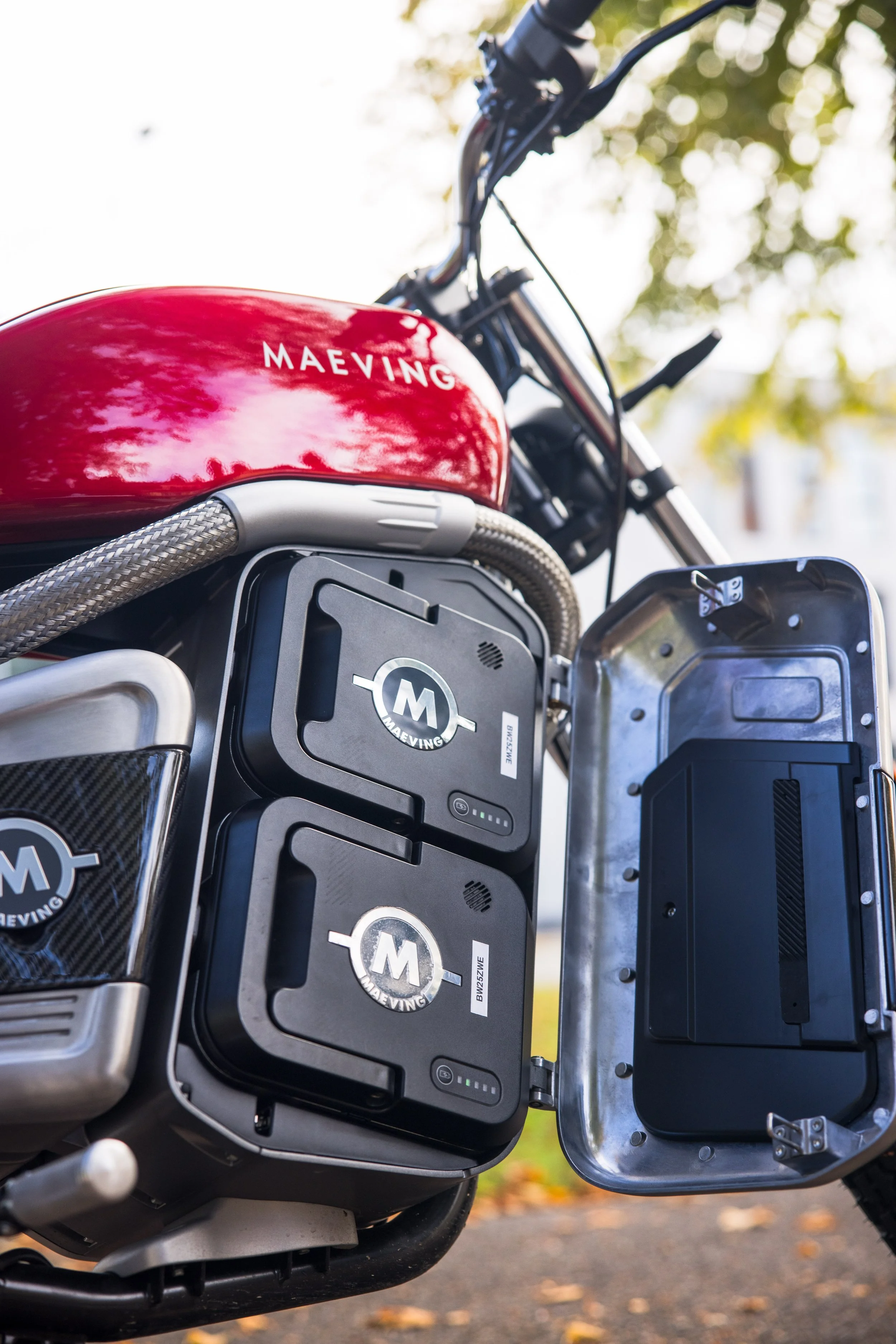
A full charge of the removable batteries from 0-100% takes around 6 hours, ideal for an overnight or office day schedule; however, the sweet spot, as ever for EVs, is the 20-80% window, which for the RM2 takes just 2.5 hours with a standard 3-pin domestic plug socket. Just like on the RM1/S, the batteries can be removed from the bike and docked onto dedicated charging pads (akin to those used for charging power tool batteries) or, left in situ, with a dedicated power plug connected to the bike if preferred.
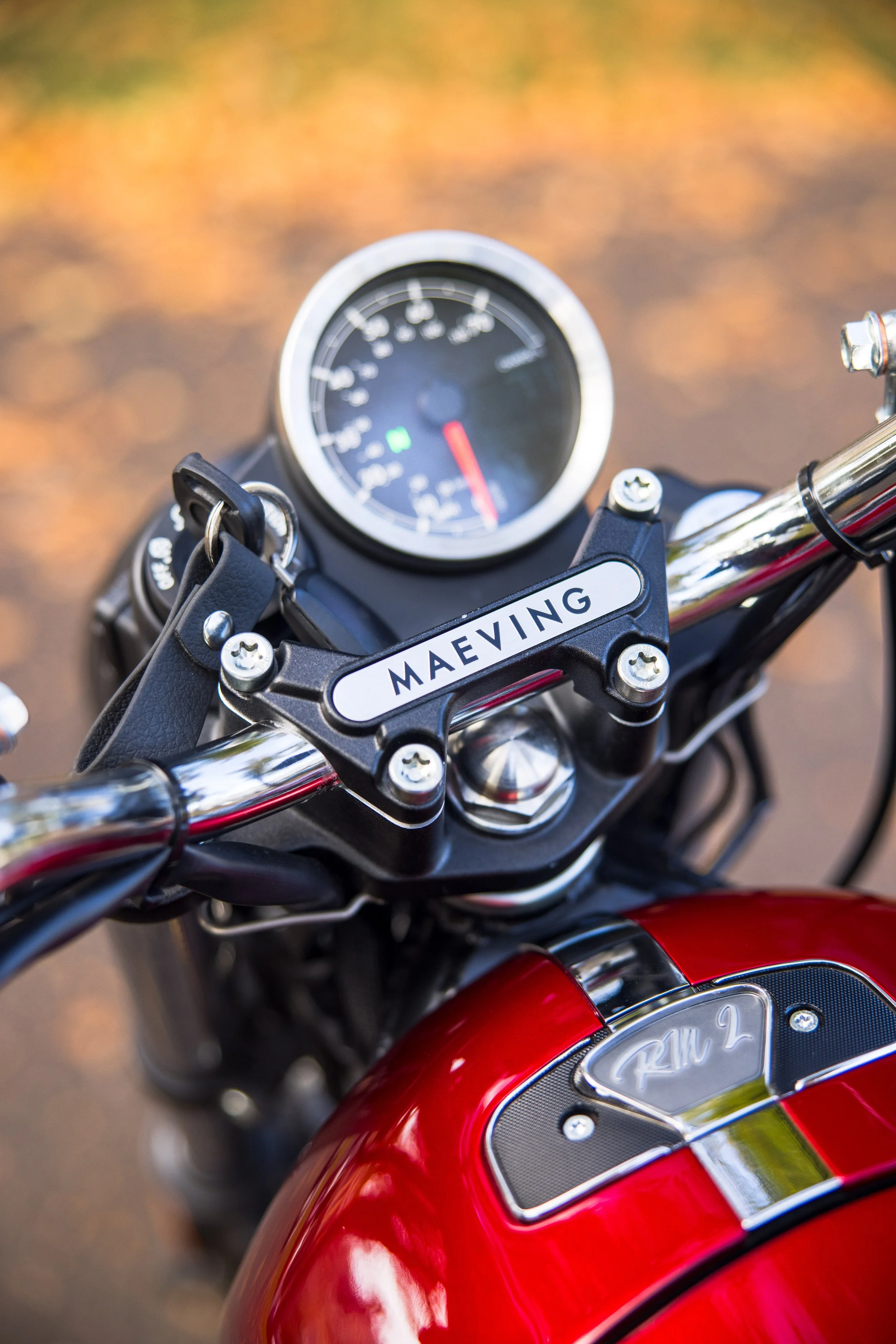
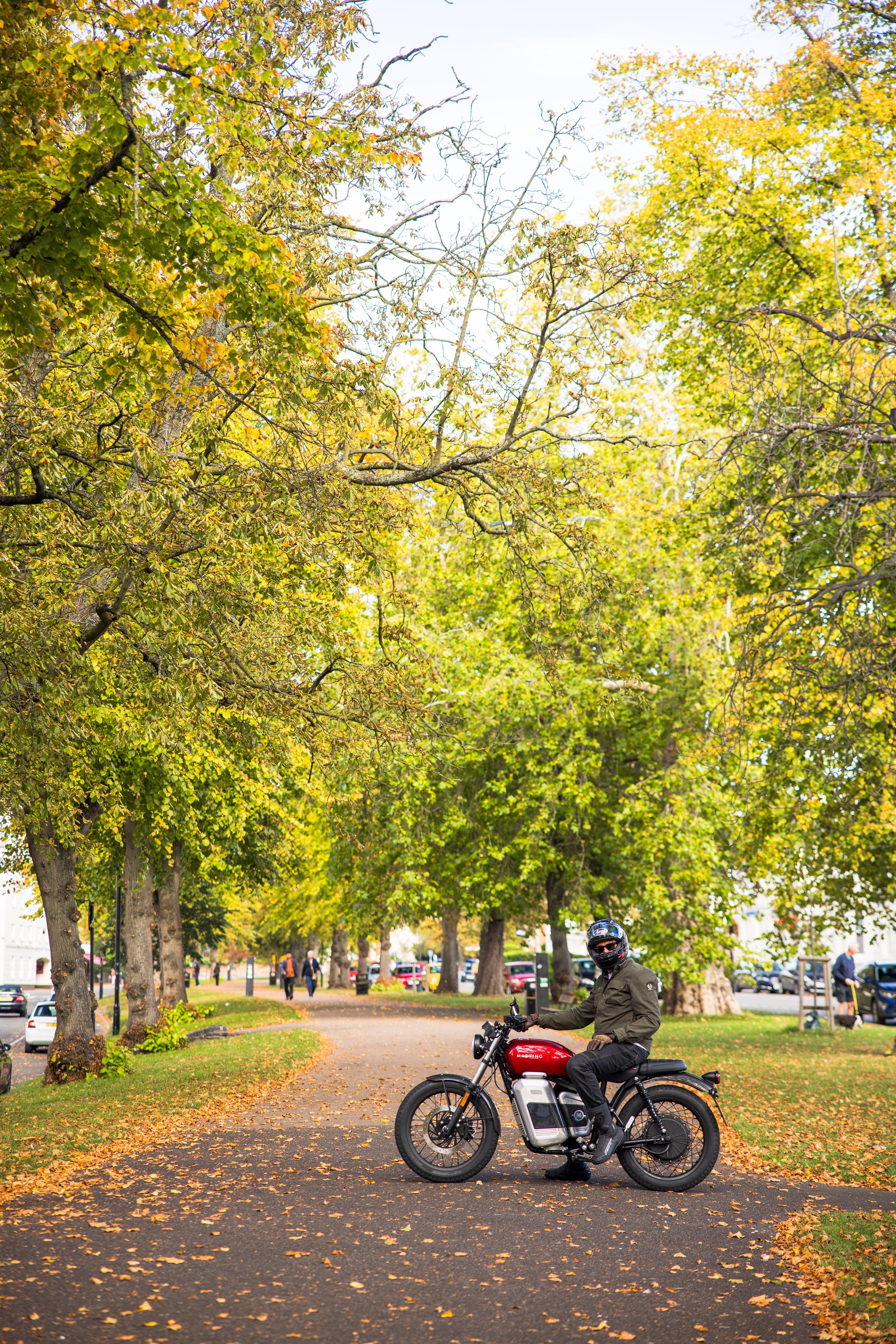
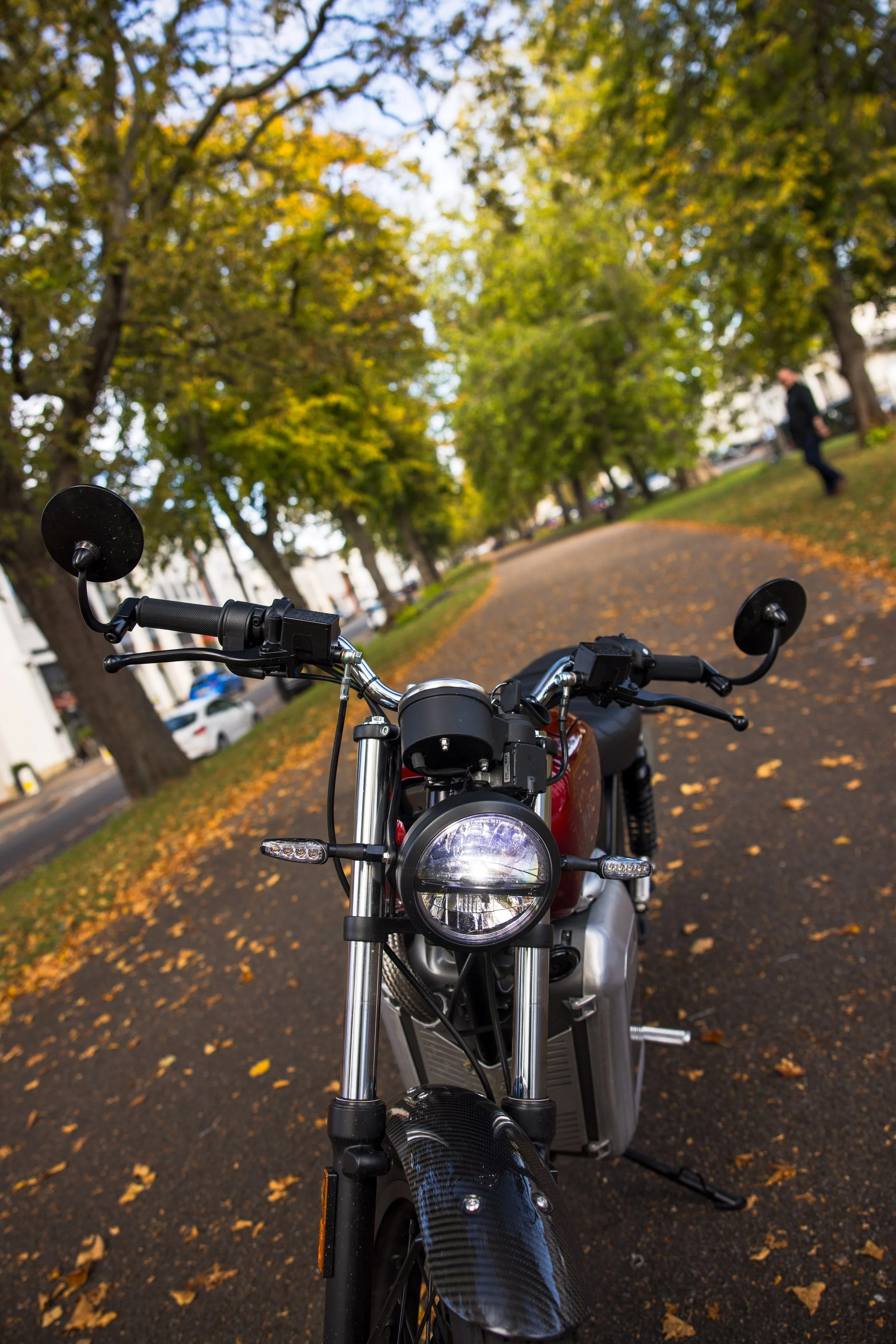
A wider rear wheel and an adapted frame
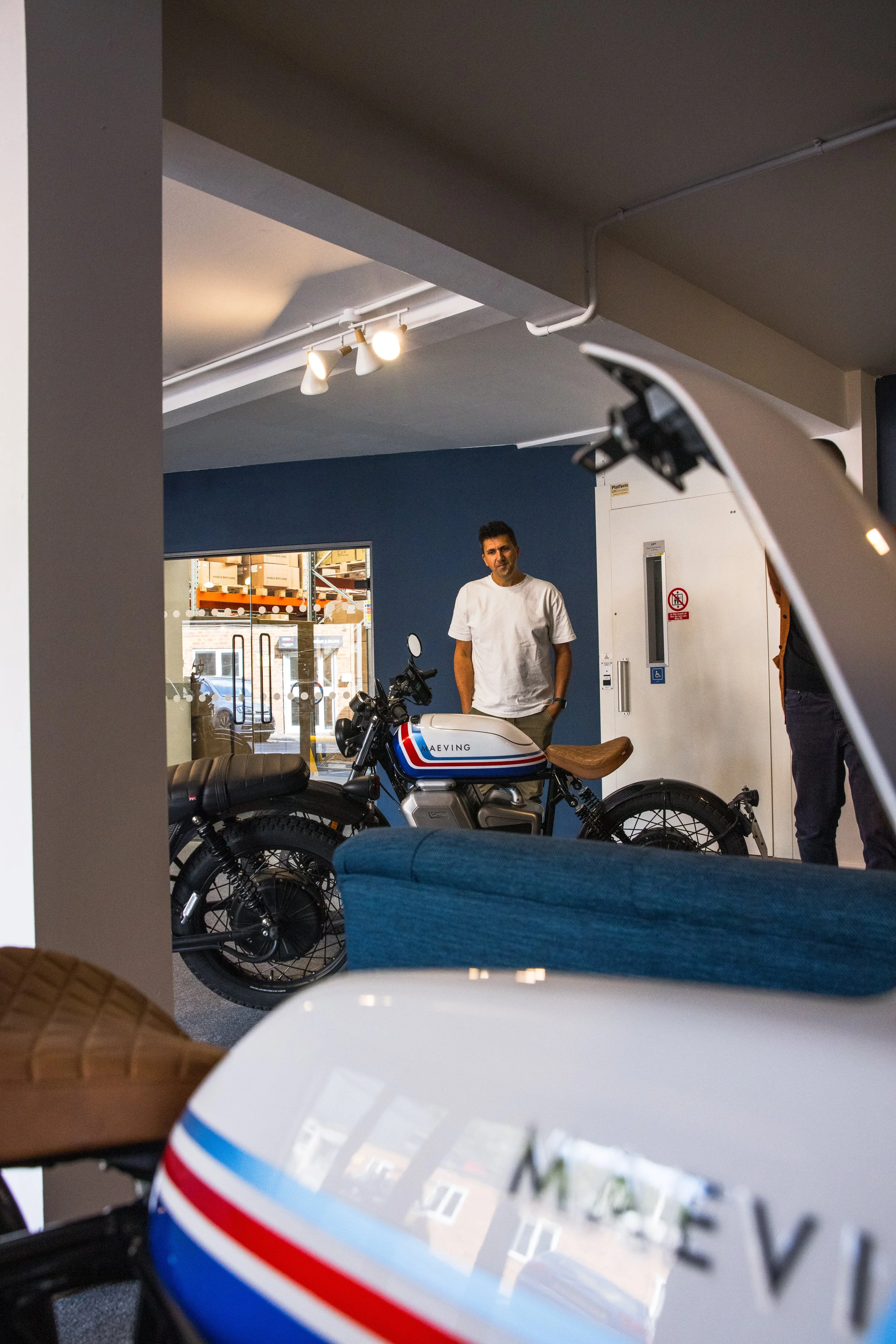
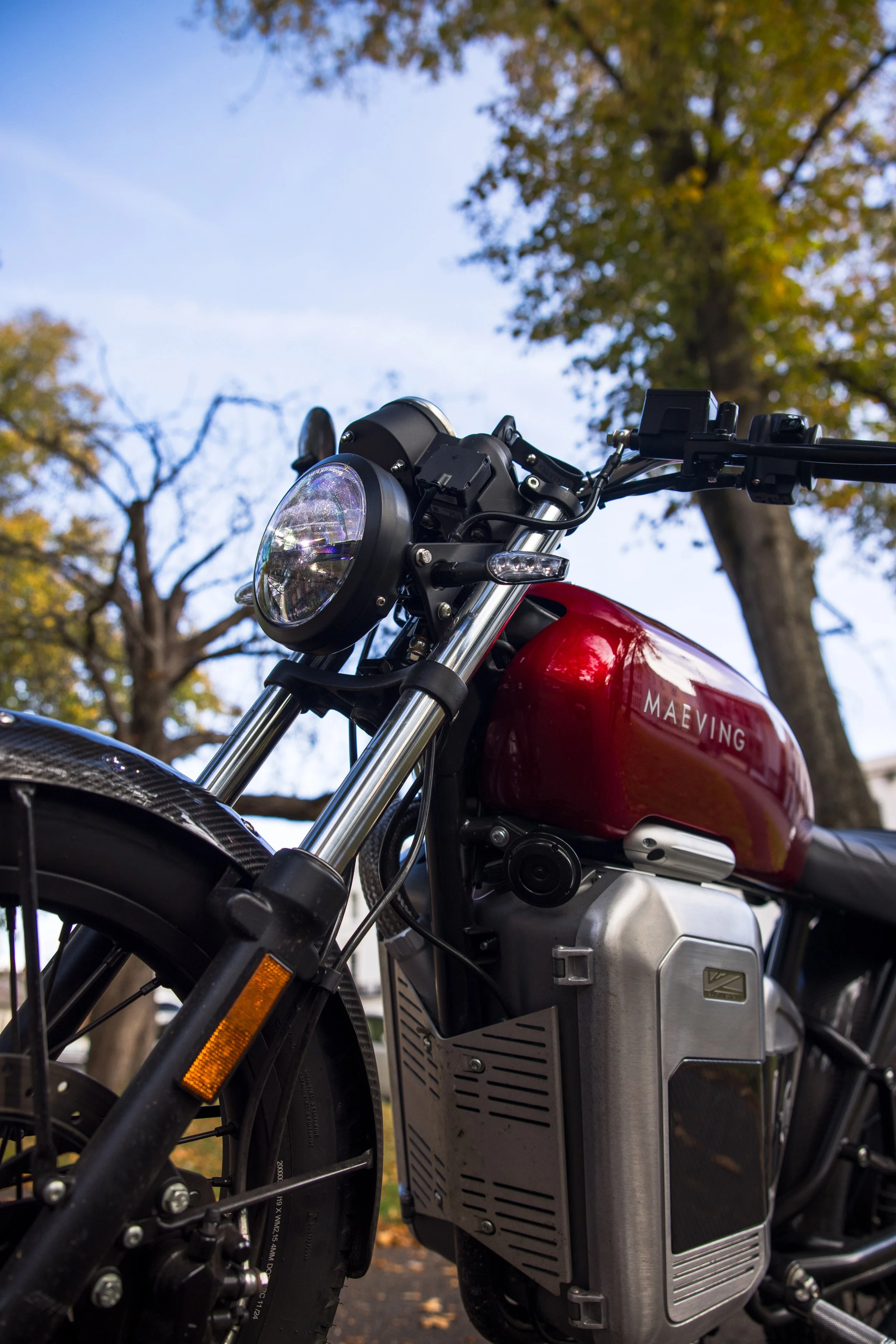
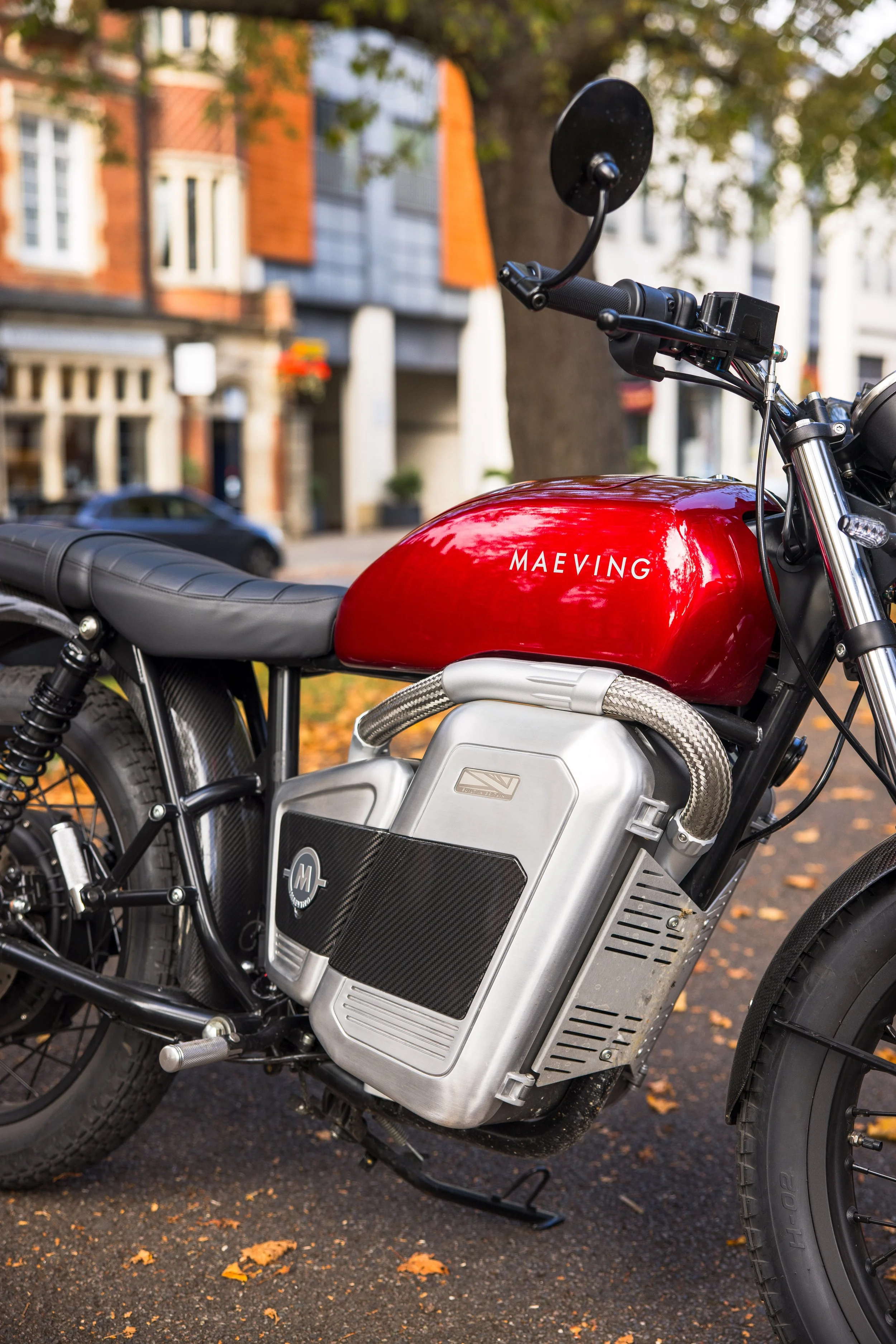
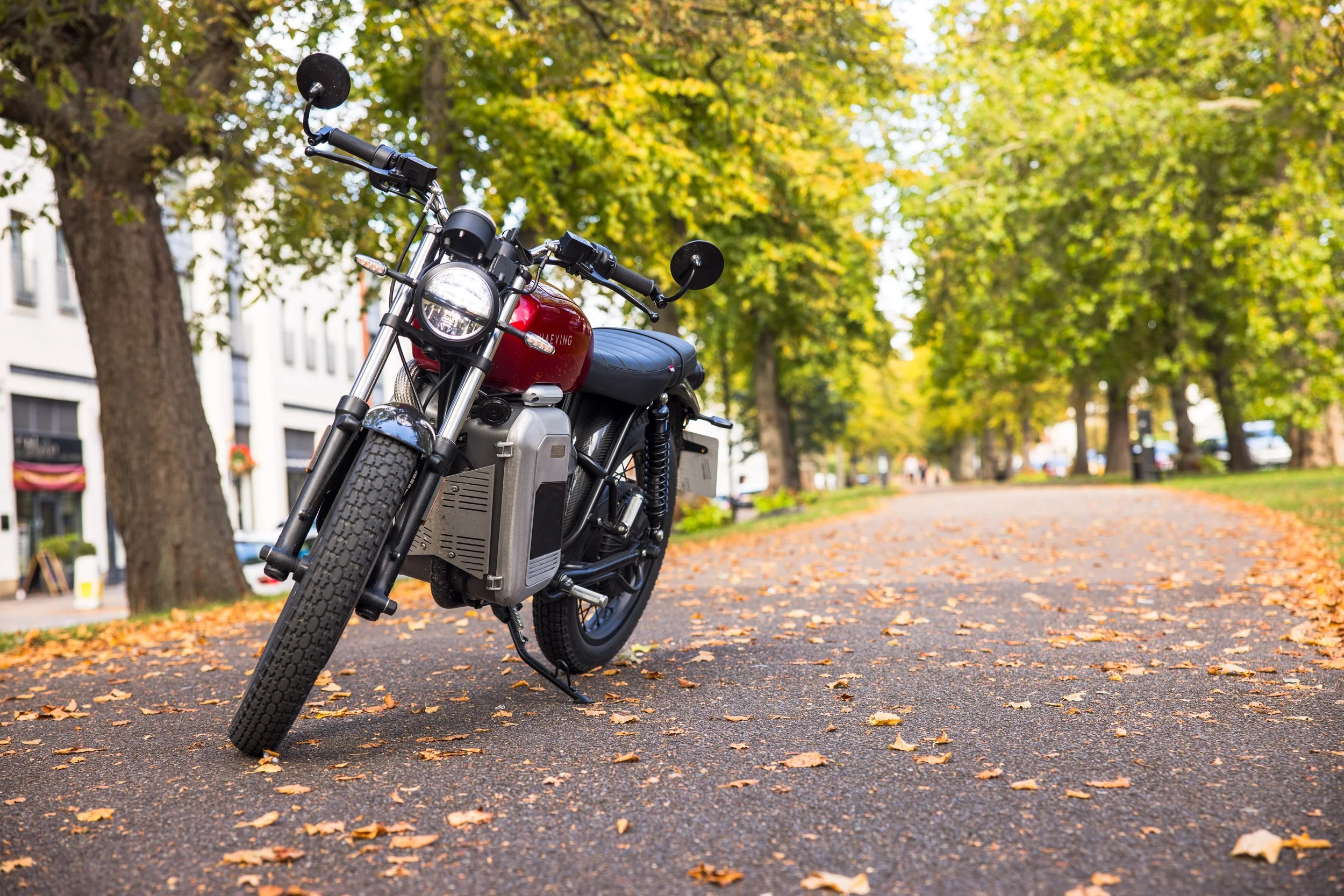
In preparation for a pillion, Maeving has adapted the RM1S's chassis to accommodate a slightly wider rear wheel and tyre setup. The new wheel and tyre choice not only provides a more robust support for additional weight but also serves as a significant styling upgrade. The RM2 looks slightly beefier and more purposeful. The addition of the rear seat also rewards a visual continuation of the bike's design lines, which leads your eye from the tank to the rear lights. It's undeniably a beautiful bike, but the rear seat and slightly wider rear offer so much more than just a visual upgrade or a passenger perch.
Handling upgrade
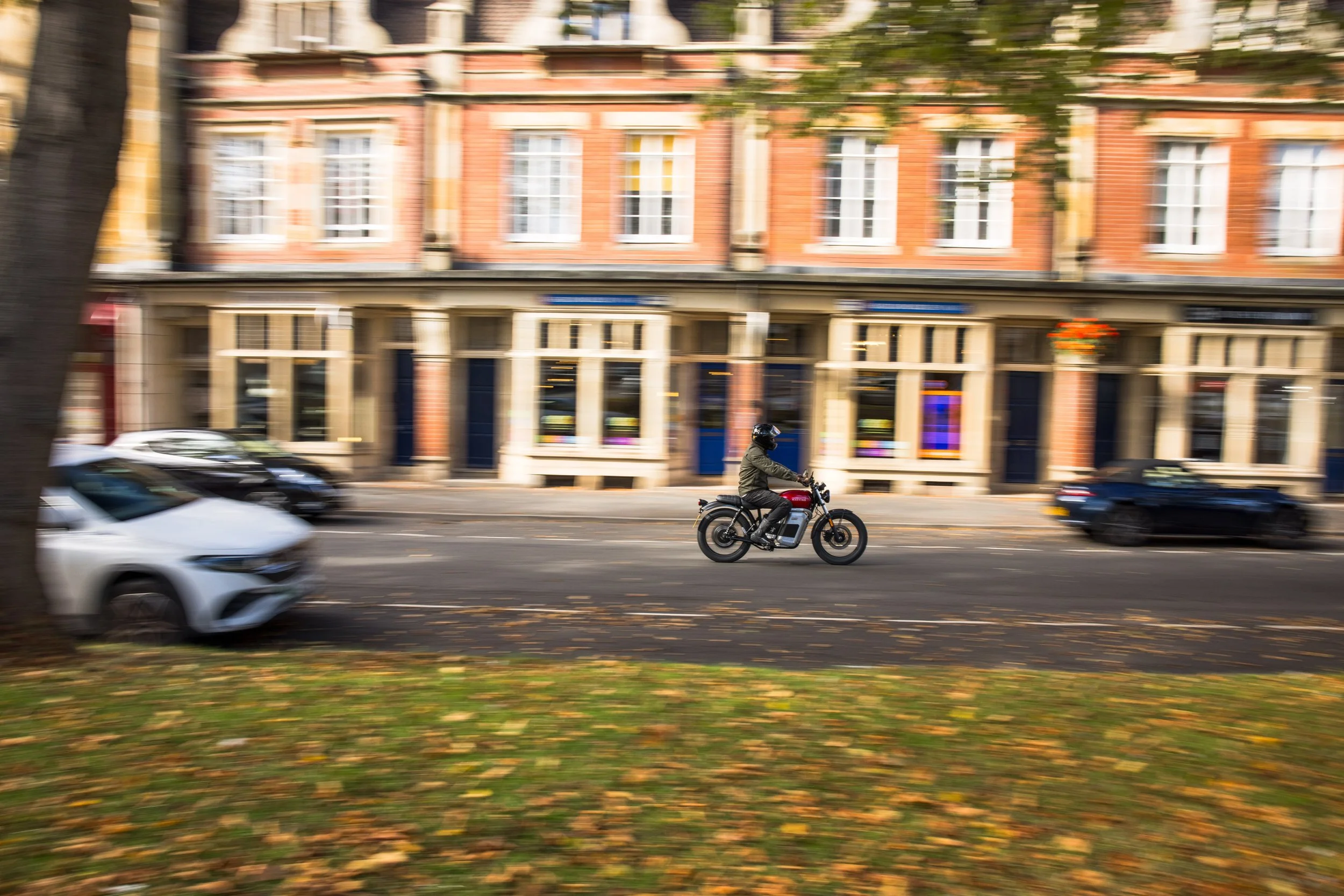
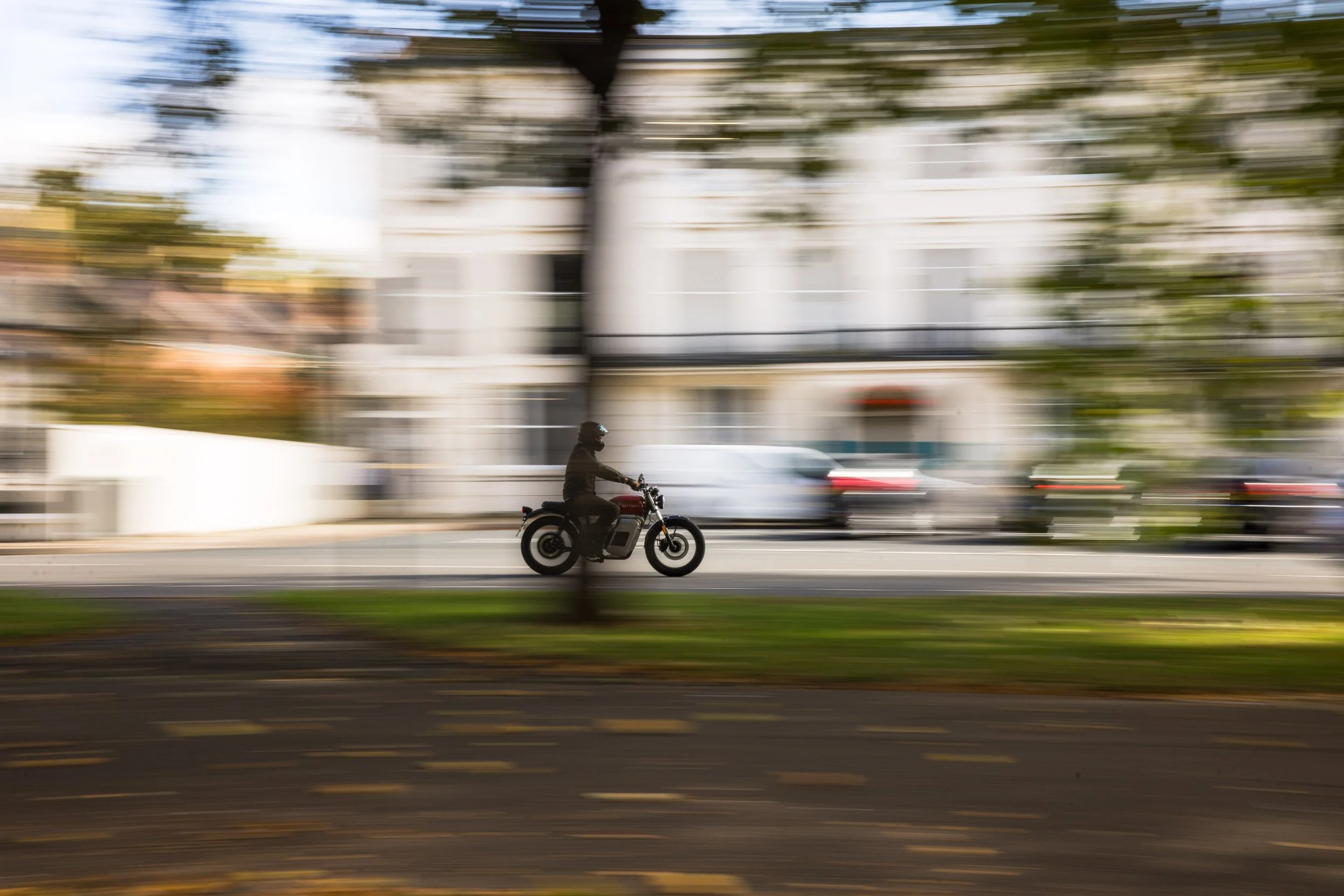
A significant perk of the chunkier rear wheel and widened chassis is that the RM2 rewards a far more neutral and adaptable riding position. The Maeving now moves with you in a way that the single seat couldn't accommodate quite as well. The ability to move around on the seat and reposition your body for an ideal cornering position is another superb improvement, and it is almost transformative in terms of rider engagement. The single seats on the RM1 and RM1S look fantastic and offer great comfort, but the riding position is limited to just one, which, for some, proved to be a little stretched from the torso to the handlebars. The new, wider, and longer seat rewards a multitude of positions, offering better comfort, positioning, and an overall better riding experience.
All you need is a CBT
Like its predecessors, the RM2 can be ridden on UK roads with a CBT (Compulsory Basic Training) licence, which allows anyone who has completed the 1-day course to legally ride the Maeving with L plates fitted. To sweeten the deal for anyone new to the idea of riding and without an existing CBT, Maeving also offer to reimburse the price of your CBT course when purchasing a new model.
Price and options
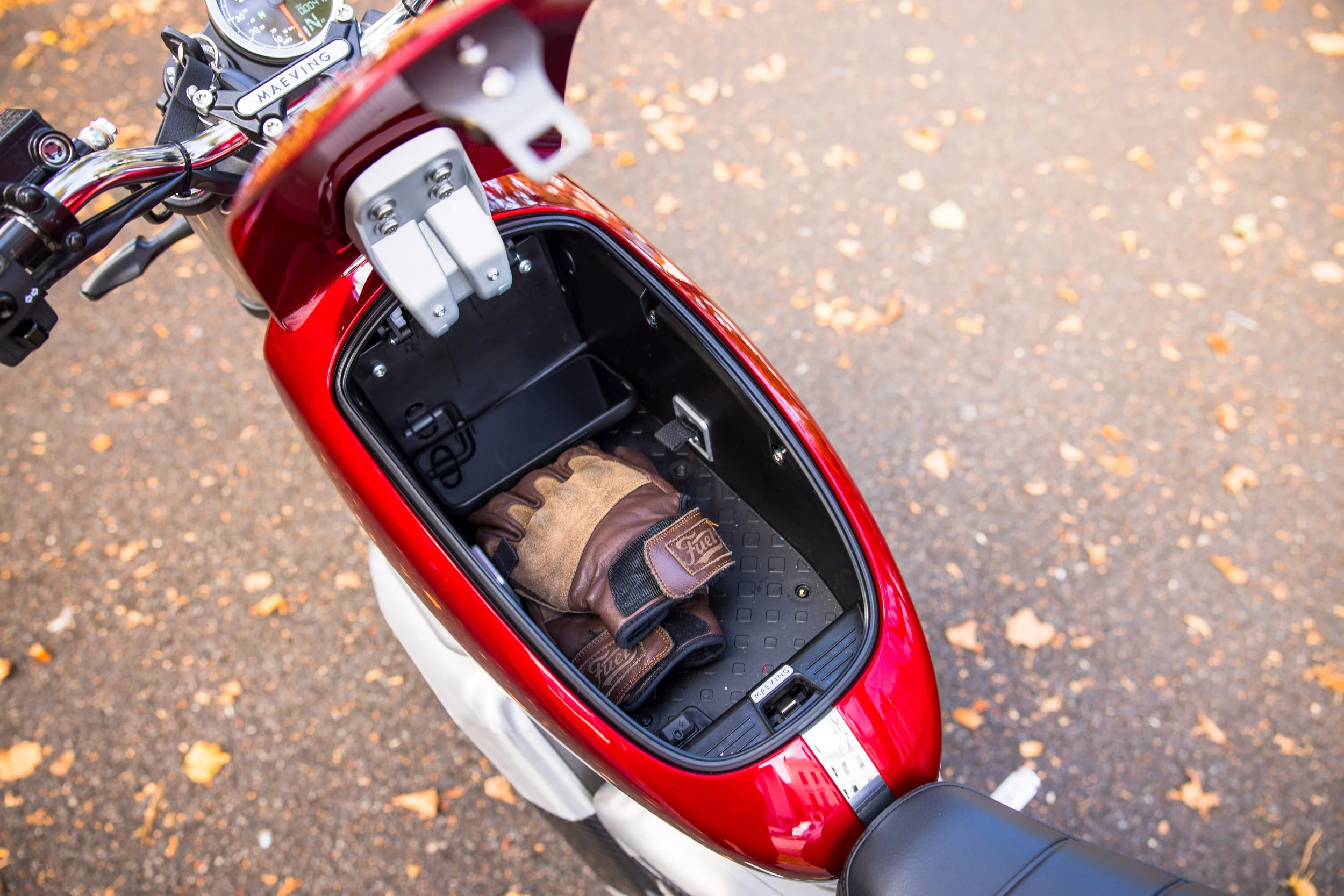
The RM2 launches with a few new options, including a new back box that is large enough to store a helmet, as well as some new colourways for the latest model. Prices for the RM2 start at £7,995, which is a noticeable chunk more than some equivalent Chinese-built e-bikes, but the design-led ethos and British build quality are what set Maeving apart from its competition.
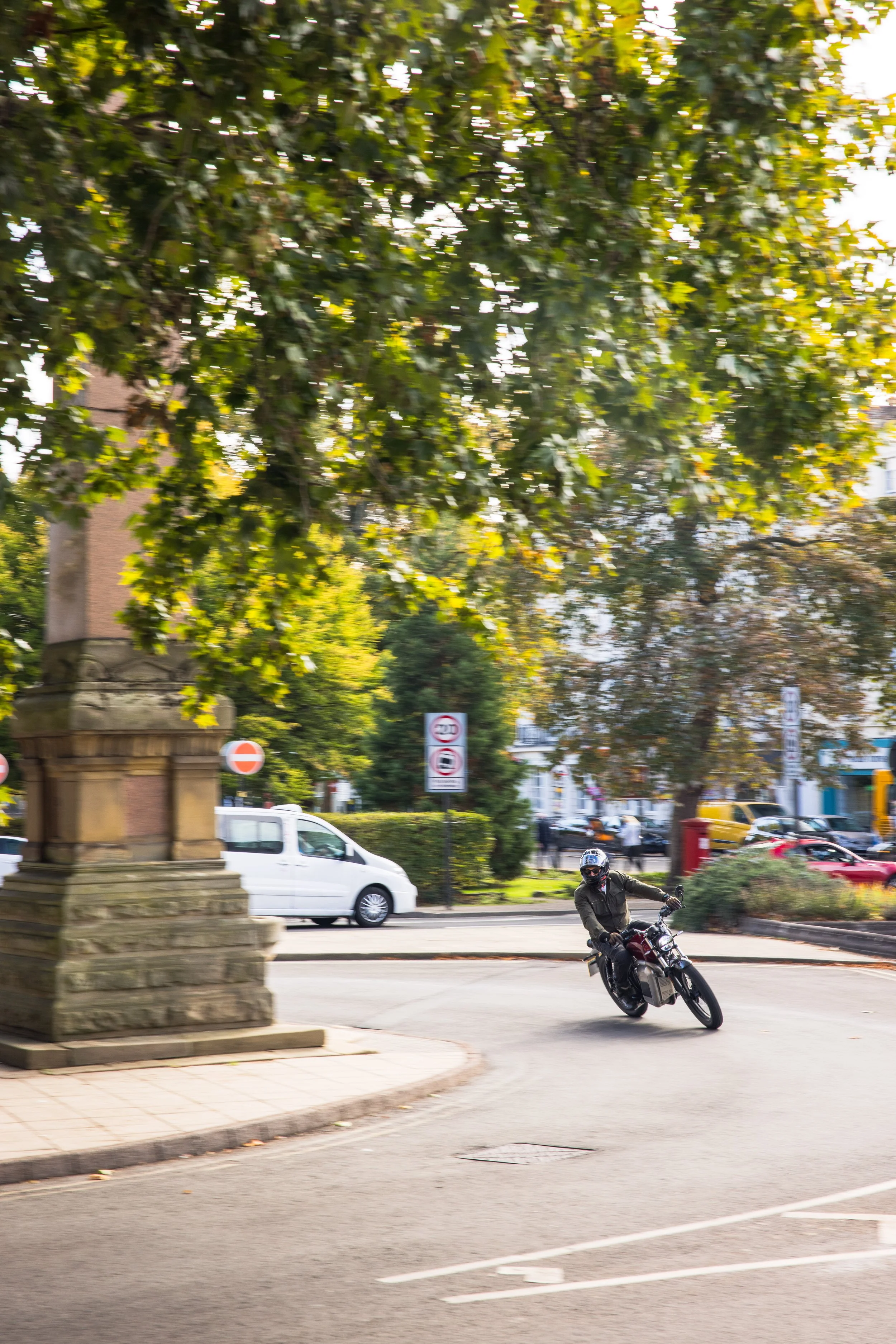
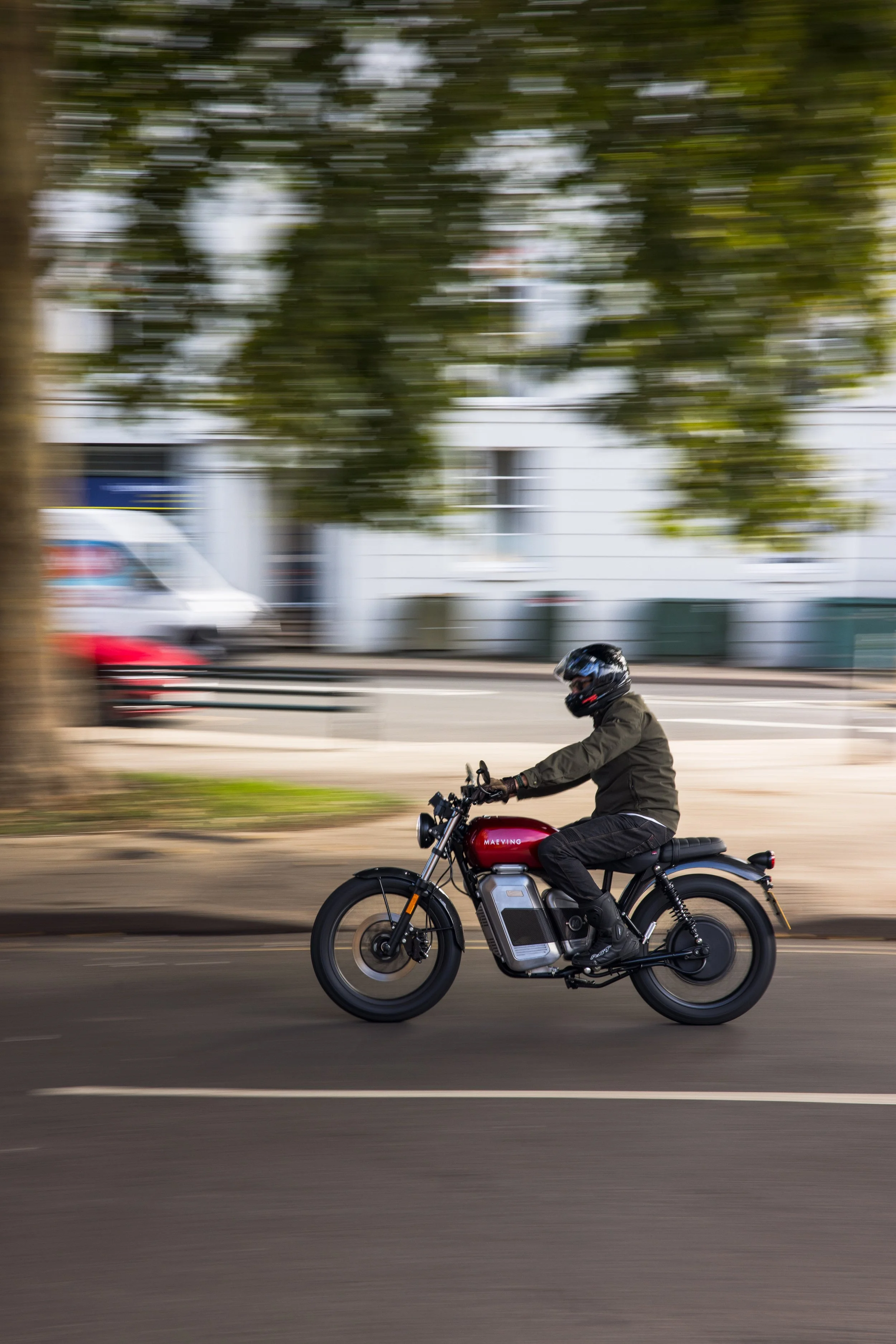
It's another big hit for Maeving.
The RM2 offers more than just an extra seat. It provides an entirely new rider experience and a new level of rider engagement, rewarding a substantial upgrade from the RM1S. It's also a visually stunning bike, guaranteed to turn heads and evoke conversation. For riders in or out of the city, the RM2 is without doubt the best EV motorcycle on the market by offering all that you need and nothing that you don't.
words by John Marcar
photography by Henry Faulkner-Smith