
History of Honda in the UK
In the late 1950s, a new name appeared on the UK motoring scene - Honda.
The Japanese firm already had a decent reputation worldwide for building motorcycles, and it was only a matter of time before its bikes arrived in Blighty.
Ten years later, Honda added another pair of wheels, and their first car went on sale here. It was a tiny sports car called the Honda S800. I sat in one a few years ago, and it felt like a child’s pedal car. At 55 inches wide, it’s snug for two people. If you’re over 6 feet tall, you’ll need a shoe horn to clamber in.
Next up was the Honda N360, which was even narrower at 51 inches. Sales were slow because most folk still associated Honda with motorcycles, but everything changed in 1972, when the Honda Civic arrived. It was a hit and came 3rd in the 1973 European Car of the Year awards.
The Civic is still around today, and its latest iteration is still a top seller for Honda.
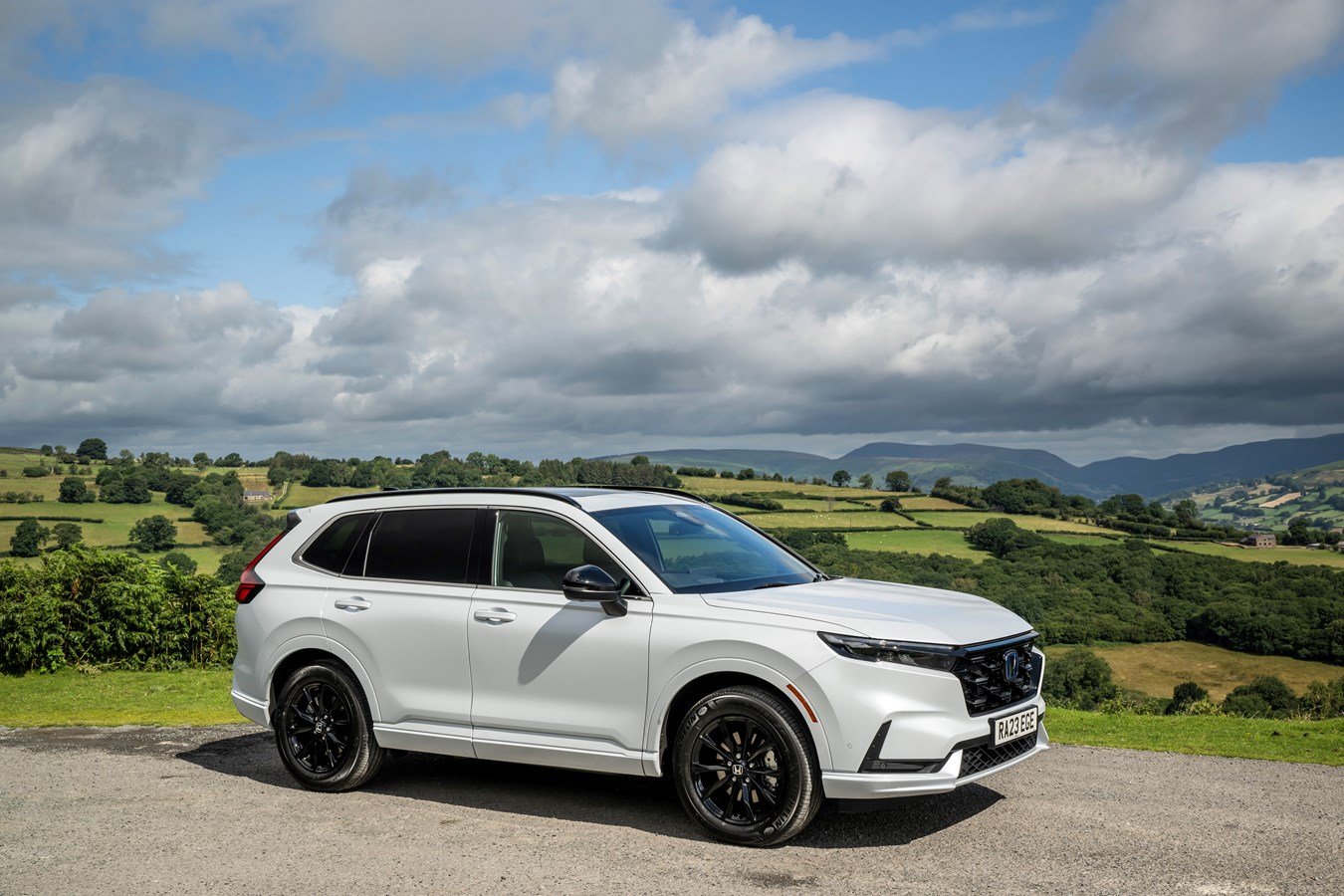
Sixth-gen CR-V rolls into town
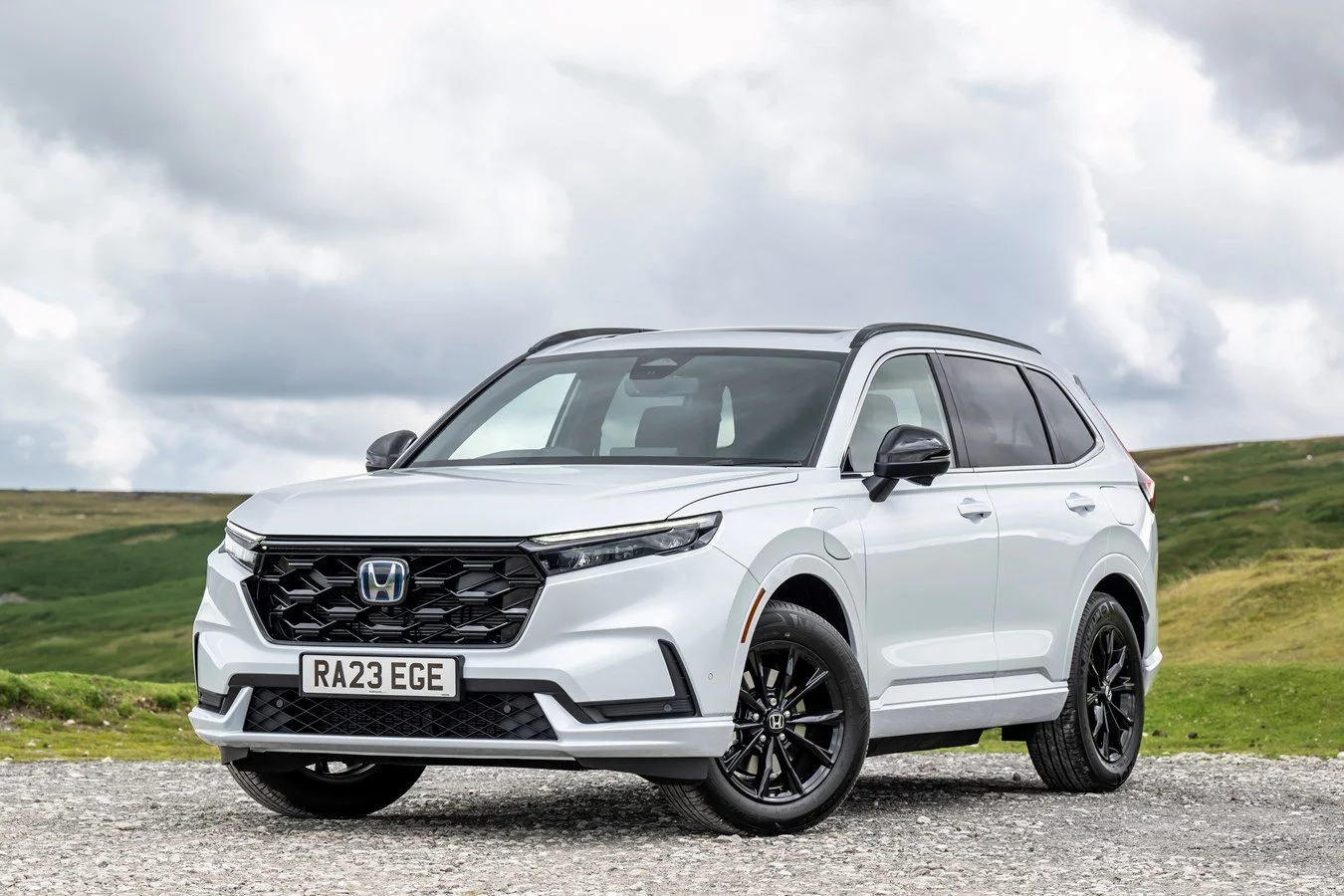
This is great news for the sixth-generation Honda CR-V, as a lot of the Civic’s oily bits are to be found under this family SUV.
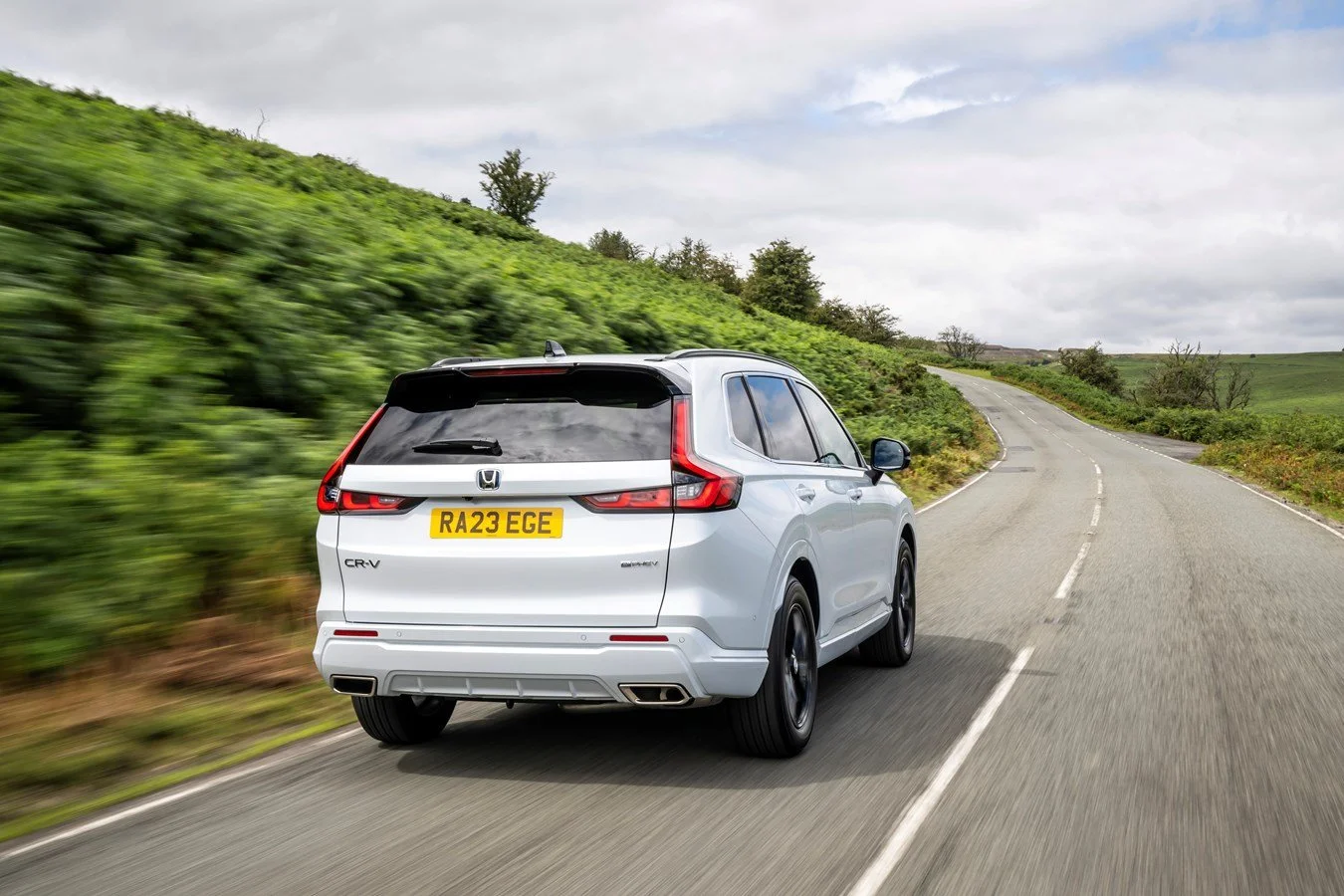
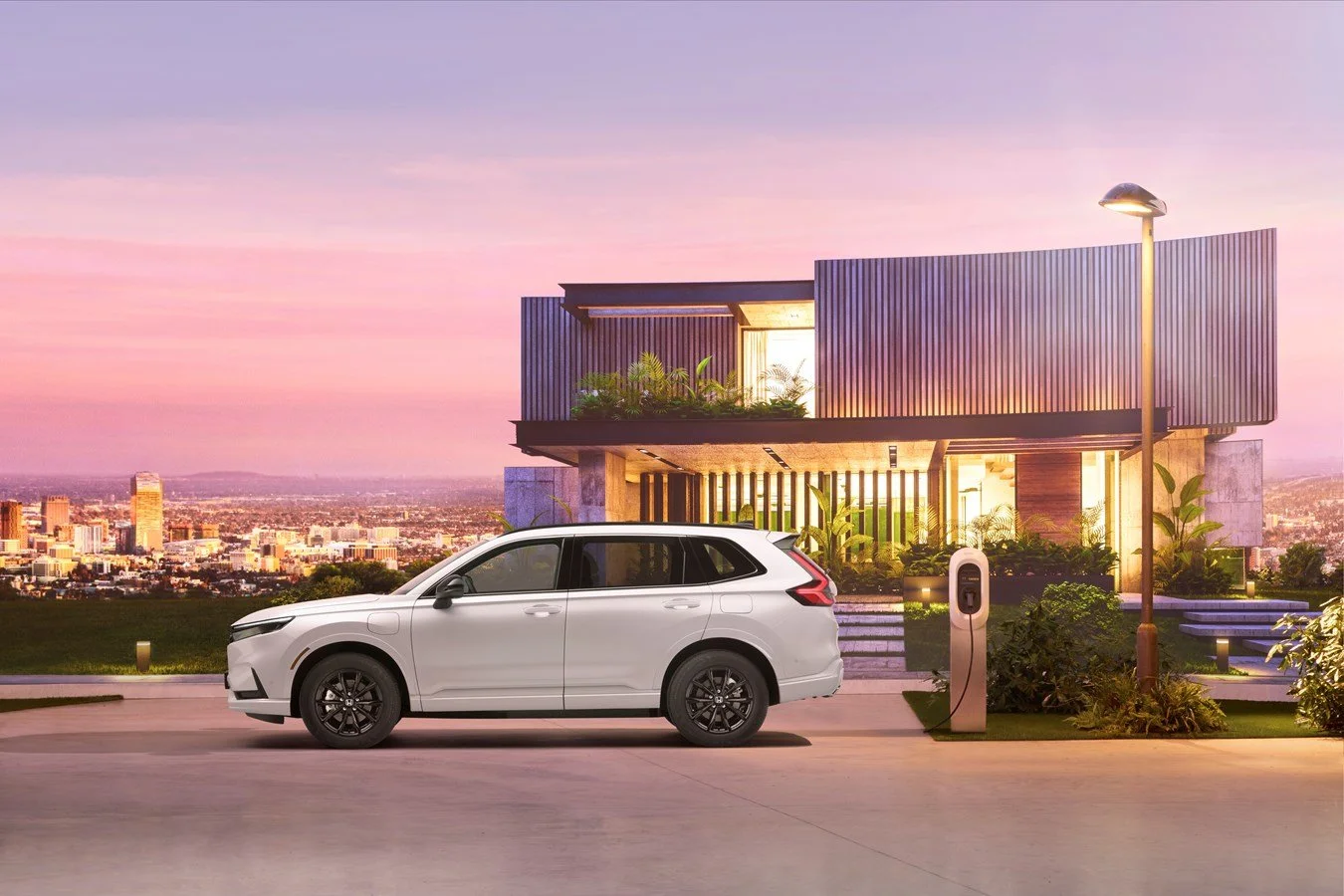
Yes, what you are looking at here is the latest e:PHEV version of the CR-V, which means you get a 2.0 litre, 181bhp petrol engine with a plug-in battery. There are two electric motors which, for most of the time, propel the car. The engine spends the majority of its time working as a generator for the battery and only drives the wheels when you need additional power or at higher speeds. Honda reckons this all adds to the CR-V’s efficiency and allows for up to 50 miles of battery-driven motoring. Use the hybrid system to its full extent, and Honda reckons you can get close to 300mpg. Okay, that won’t happen, but it shows that if driven considerately, you’ll end up with terrific fuel economy. I managed just over 50mpg when the battery was depleted.
Speed & Driving Experience
Sprinting from 0-60mph takes a shade over 9 seconds and you’re able to reach a top speed of 121mph. It feels quick off the mark because much of the work is done by the battery, so you instantly have the 181bhp available. To be honest, it feels a lot like driving an electric car.
It’s also worth pointing out that the switch from pure battery mode to engine power is seamless. You only feel a slight hesitation before everything works in tandem.
Something which hybrid cars can suffer from is a CVT gearbox that makes the engine scream its head off when you call for some rapid acceleration. Thankfully, that’s not the case with the Honda CR-V, as it pulls away nicely and without too much fuss. If you intend to do long journeys, you’ll be fine, and it’s a relaxing experience.
Other options & Prices
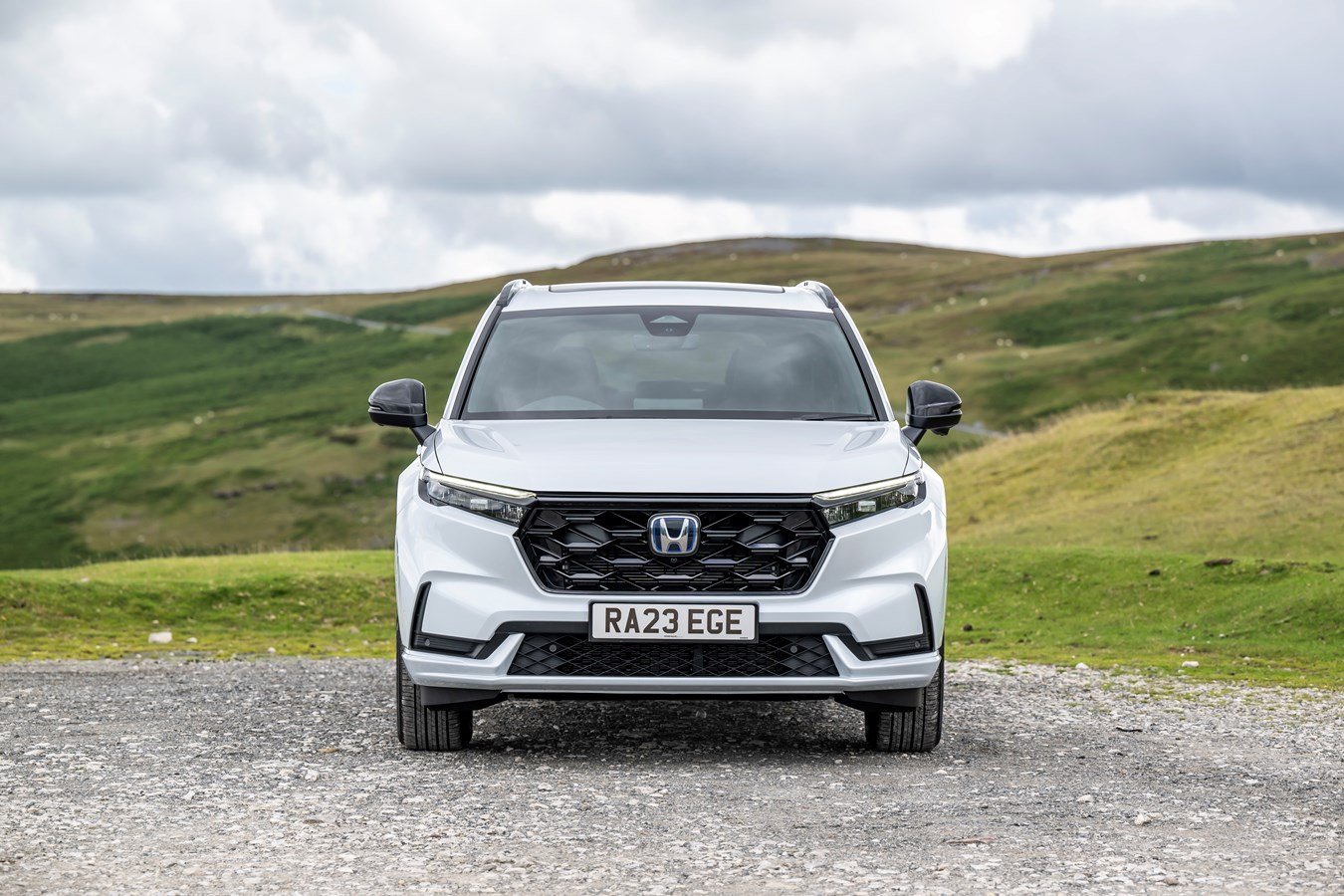
Incidentally, as well as this e:PHEV car, there’s also a regular, self-charging hybrid called an e:HEV. Mechanically, they’re more or less the same, and there’s hardly any difference in the price - the 2.0 e:PHEV kicks off at £49,930 (Nov 25) while the 2.0 e:HEV costs a further £540. The latter also gets AWD. Business drivers will more than likely head for the e:PHEV due to its lower emissions.
One thing that’s worth noting is that the e:PHEV comes with adaptive dampers. I’ve not driven the e:HEV, but it doesn’t get the dampers, so I suspect the plug-in version will give a cushier ride…which it has. There’s also sufficient control to mean that keen drivers can push on a bit. Put the driving mode into Sport and you can feel the car settle more in a corner.
There’s also plenty of feel through the brake pedal. A lot of PHEVs struggle to get it right, and they can either feel vague or a bit grabby, but things are good in this particular Honda.
Interior & Kit
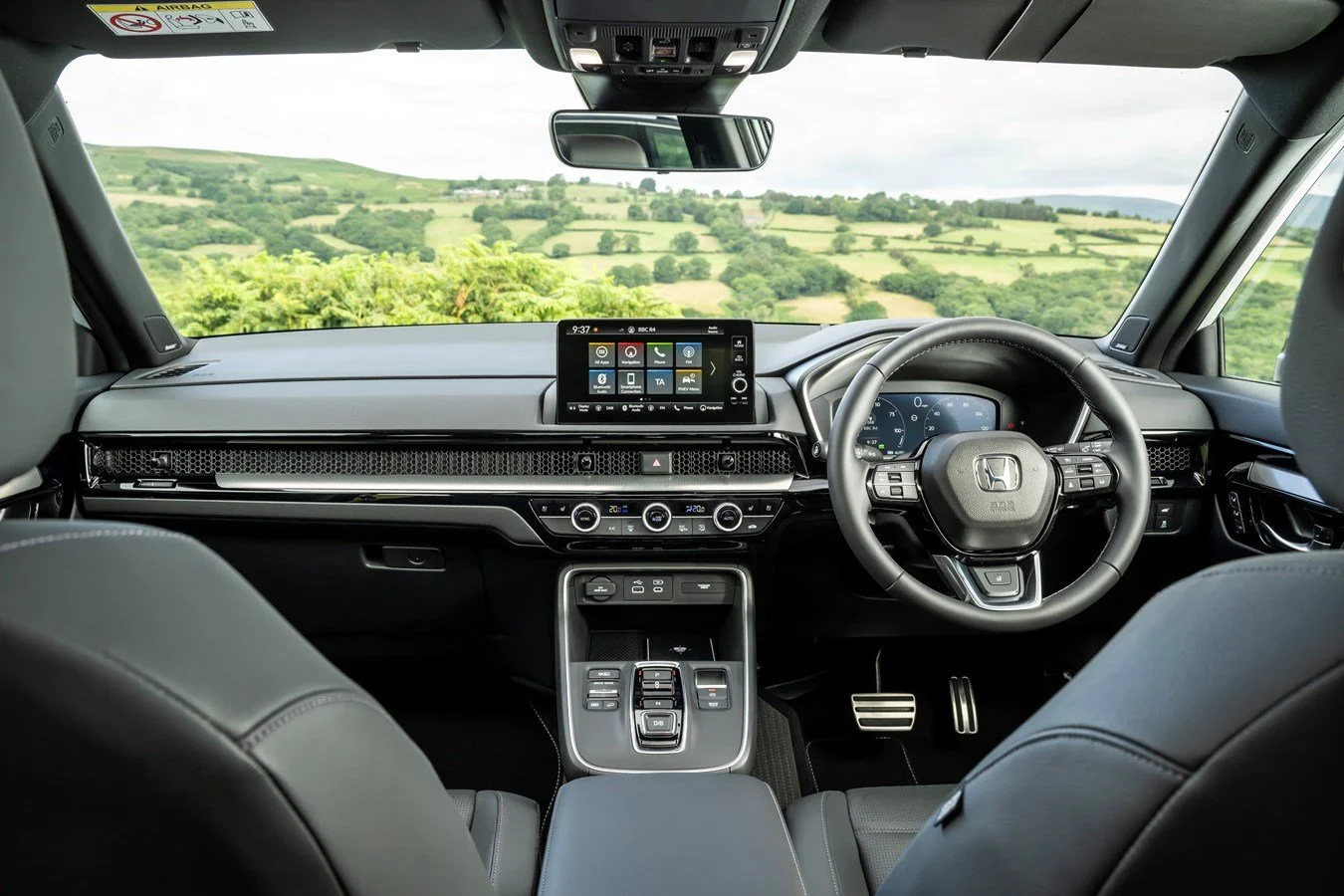
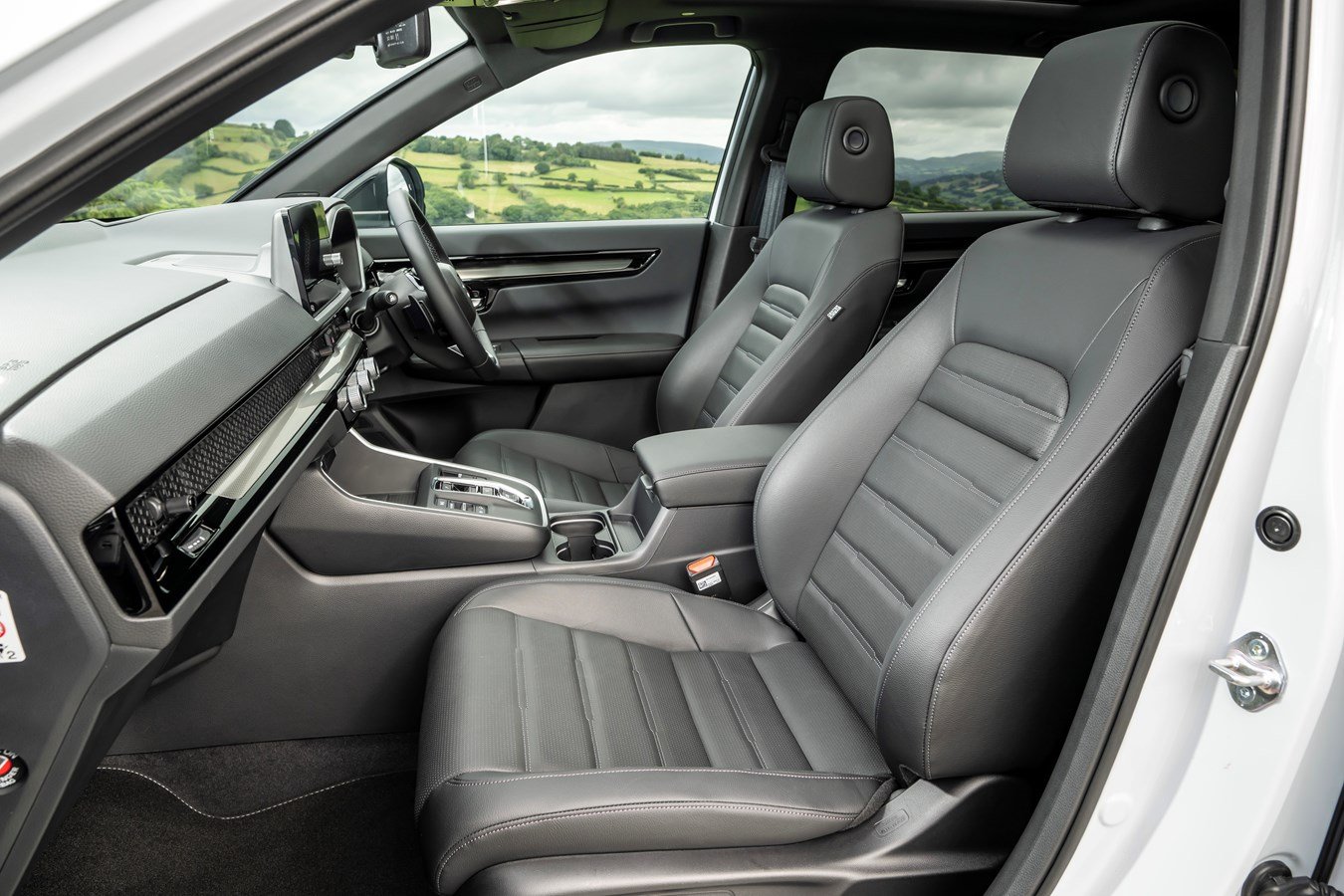
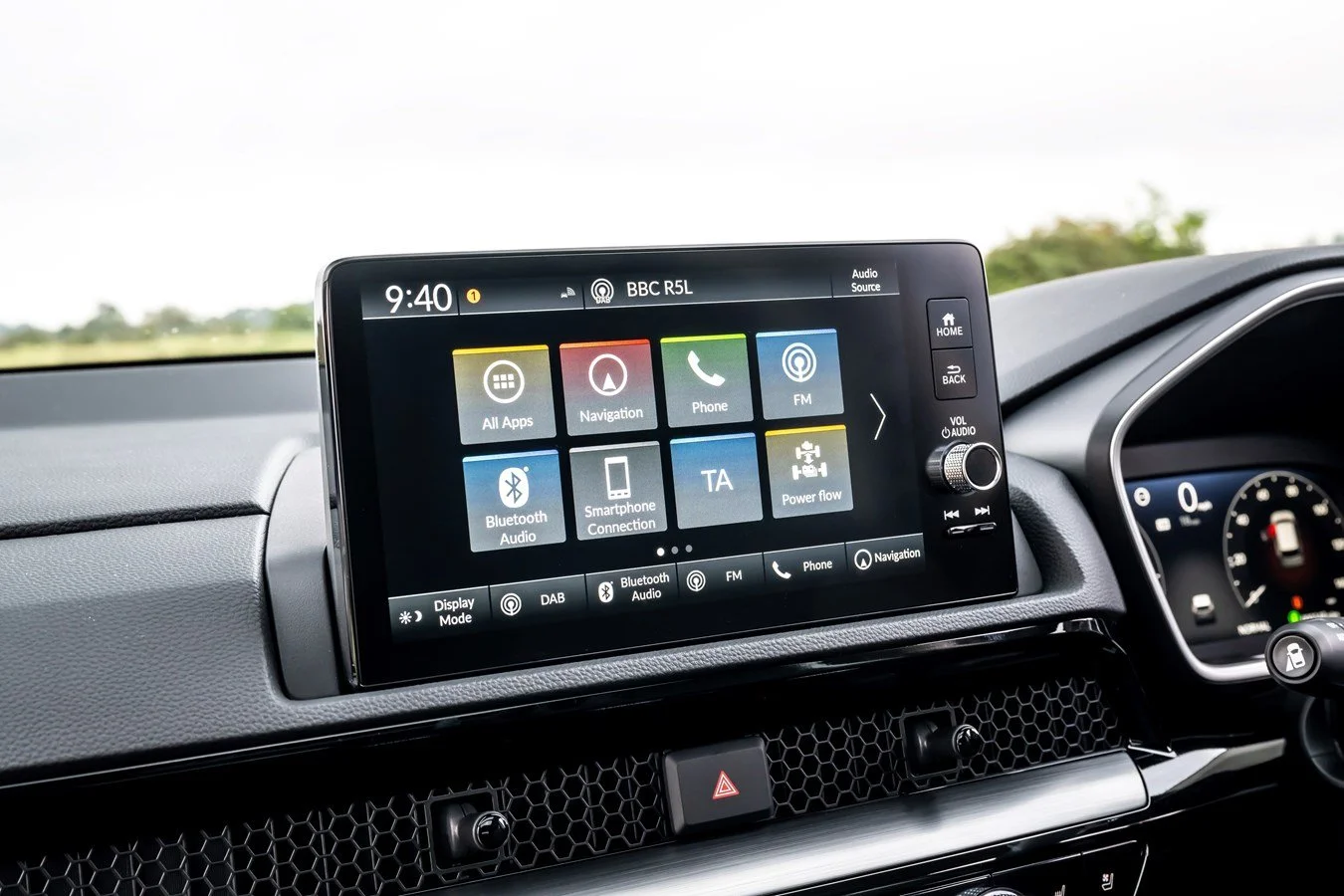
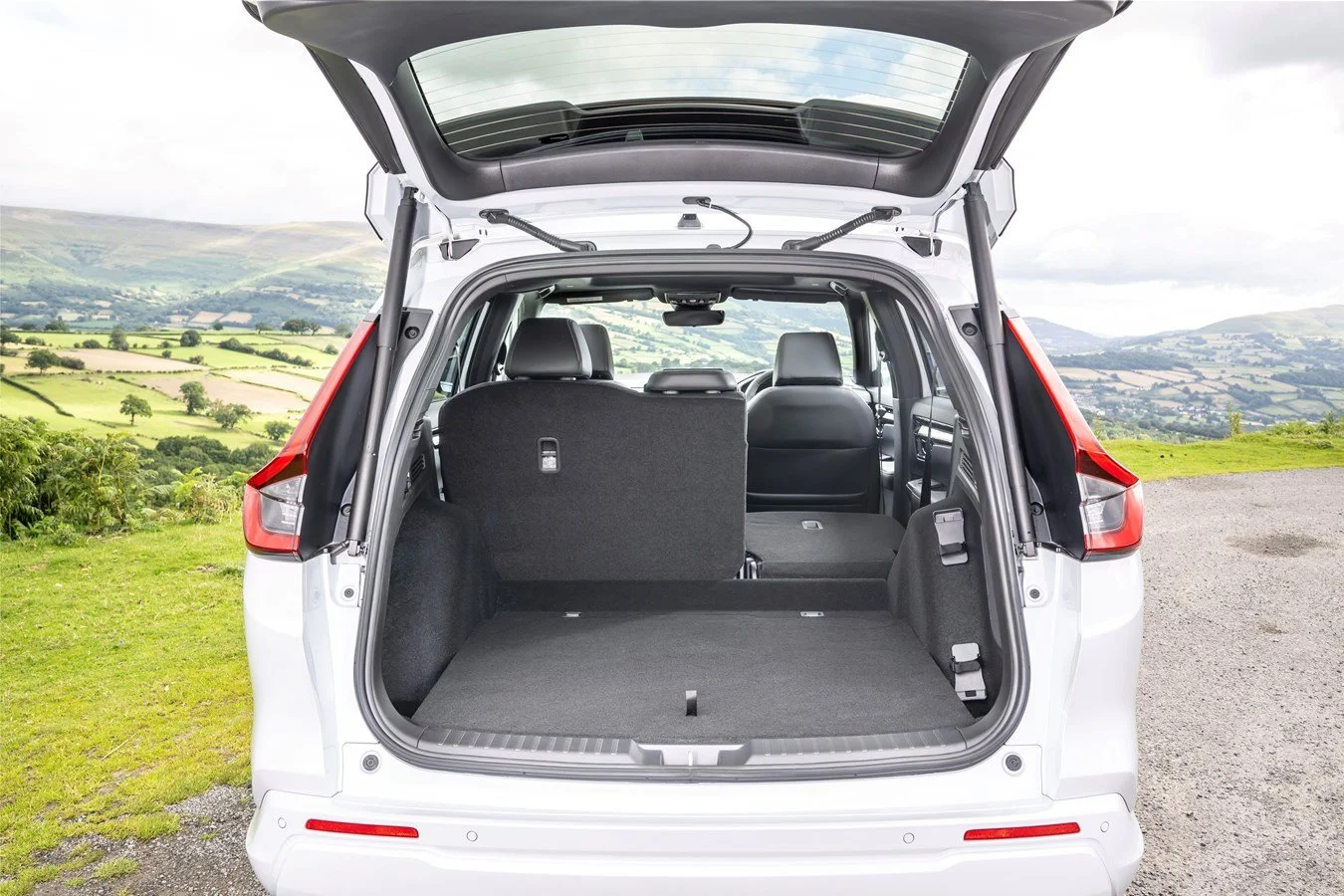
Hop inside and you’re met by a smart and functional interior. Thankfully, Honda hasn’t gone down the route of putting all the controls in the central 9-inch touchscreen, so that means that there are plenty of knobs and buttons. Good. There’s also plenty of space front and rear with a good-sized boot (635 litres). The CR-V will be ideal family holiday transportation.
In terms of kit, Honda has a reputation for giving their cars a decent level of standard specification. I had the Advance Tech trim, which gives you a powered tailgate, parking sensors all round, sat nav, heated steering wheel, heated and ventilated front seats, head-up display, wireless phone charging, powered driver’s seat, panoramic roof, reversing camera, DAB radio, LED lights front and rear, and a 10.2-inch driver display. There’s a host of safety gizmos too.
Oh, and a quick word about the BOSE sound system….it’ll blow your socks off.
Summary
If you are doing a comparison with other PHEV family SUVs, the Honda CR-V may seem as though it’s priced a tad on the high side, but take a close look at the specification and make sure you’re considering like-for-like.
As sensible, economical, family SUVs go, the Honda CR-V is highly recommended.
words: Graham Courtney
pictures: Honda
