
Not Your Typical Hybrid
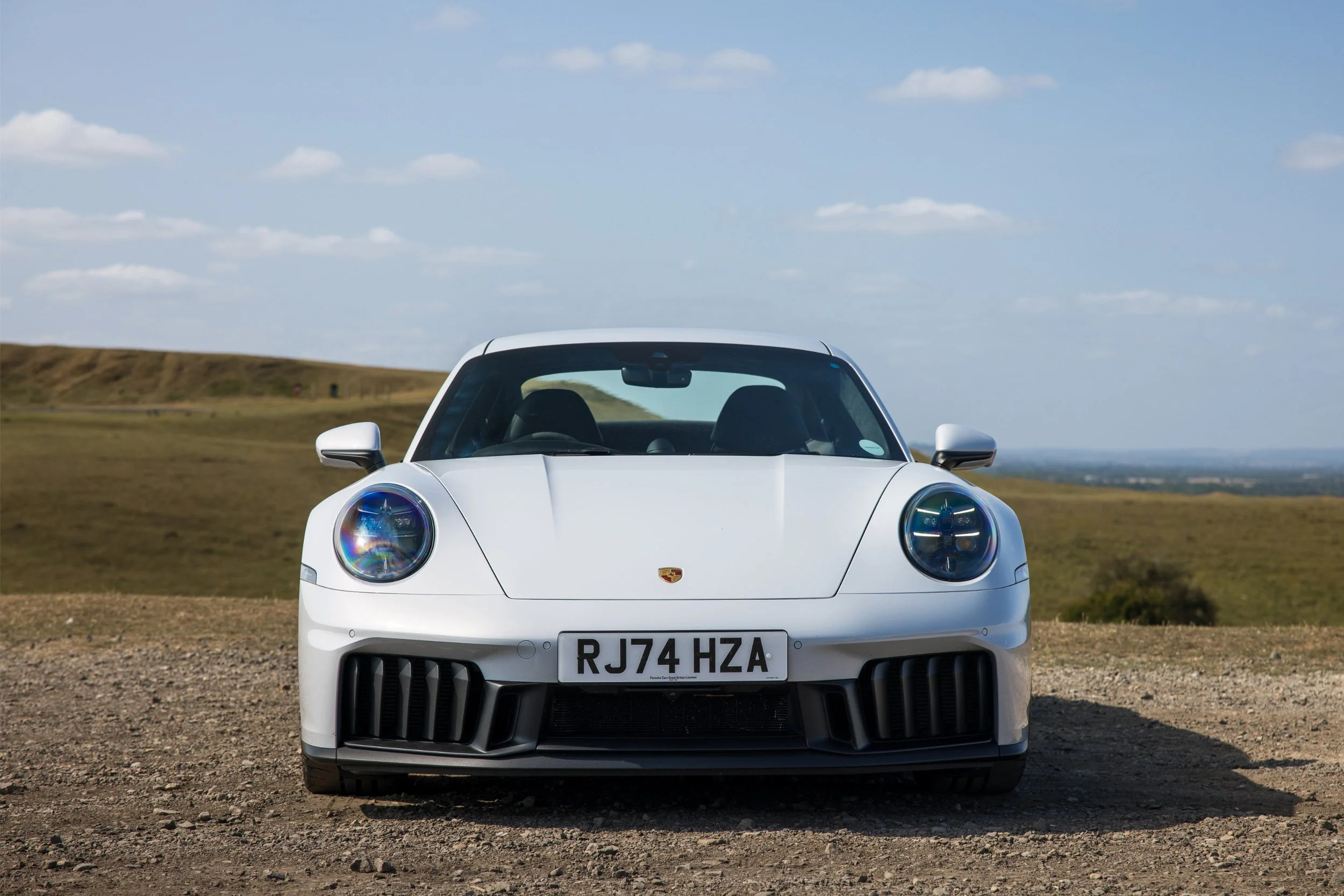
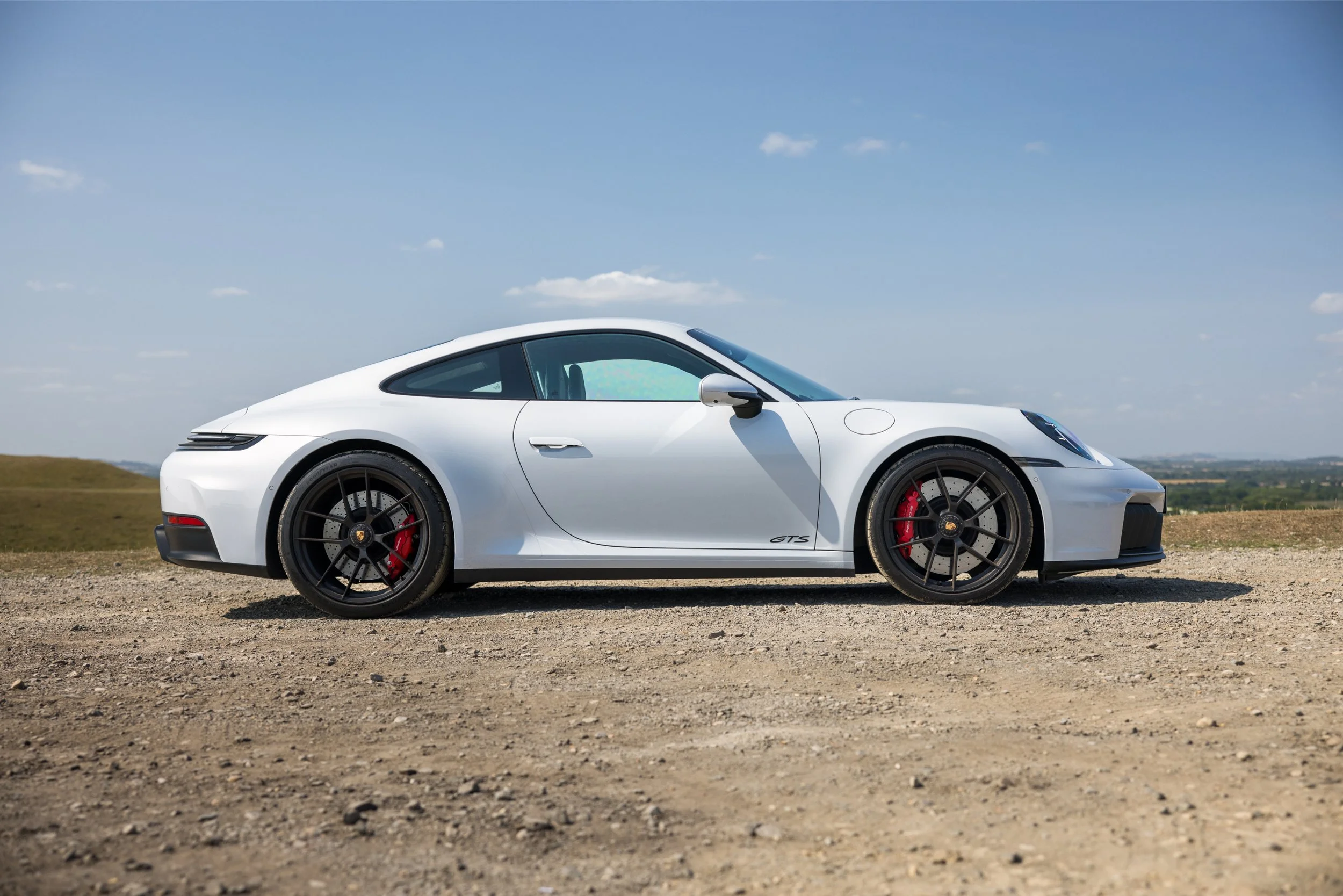
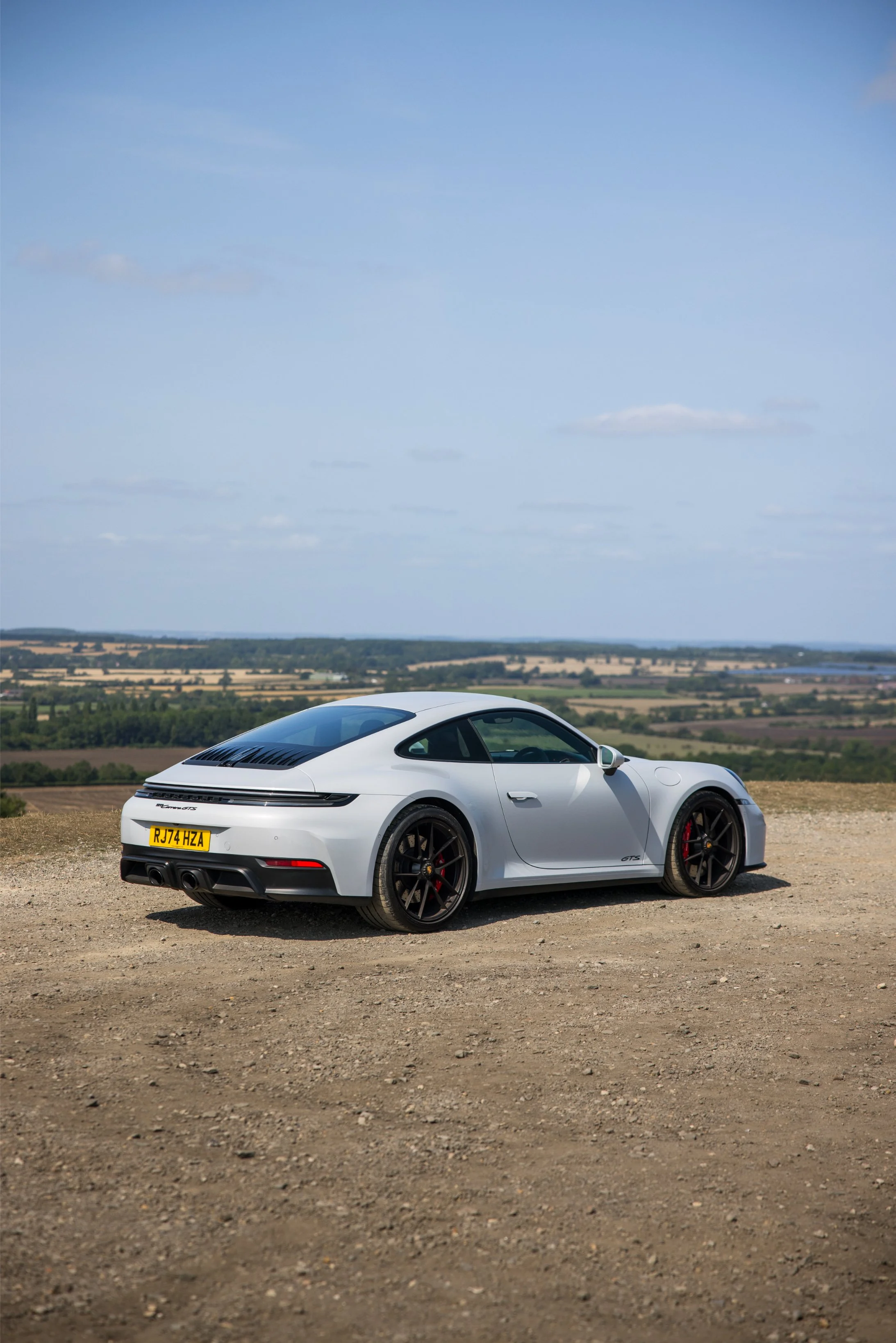
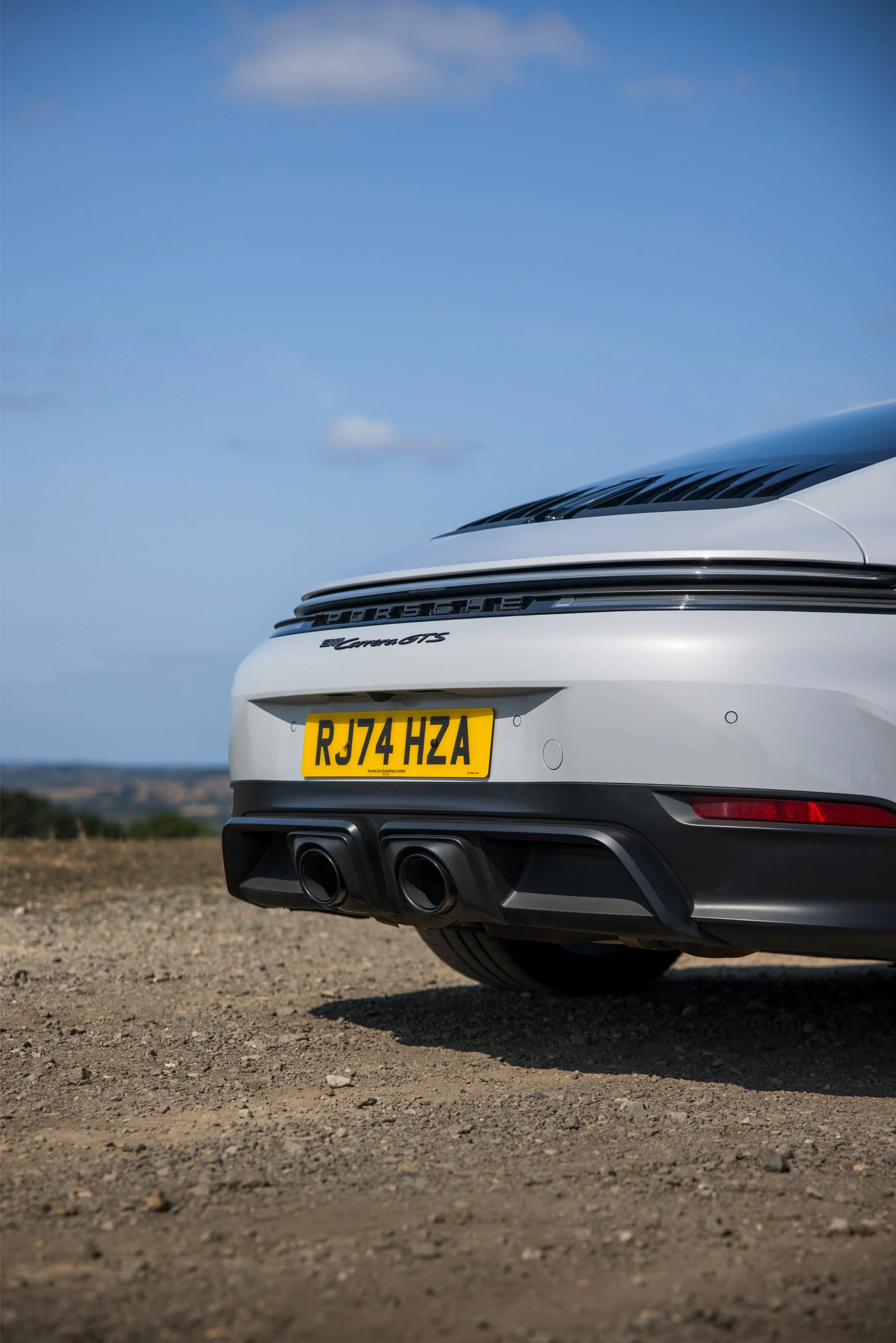
I fully appreciate that the words 'Hybrid' and 'Porsche 911' in the same sentence might be a cause for concern for some, but before expressing any disapproving sighs or grumbles, please allow me to make it clear that this is far from your typical hybrid system as seen in many vehicles used by Uber drivers. The rear bumper still shields a sizeable flat-six engine, and the new 911 GTS T-Hybrid still looks, drives and sounds like a 911 should. The most significant point here is that there is no fully electric mode or economy-focused driver setting to speak of. The hybrid system in the new GTS exists to do one thing and one thing only... to make the 992.2 GTS one of the fastest accelerating Porsche 911s ever.
How the Porsche Hybrid System Works
Porsche calls its new tech the T-Hybrid System. Up front, under the bonnet, is a battery that sends the electricity to two motors. The battery is located underneath the scuttle panel and just behind the front (and importantly uncomprimised) 135L storage compartment. It's a 1.9kWh unit weighing in at 27kg, but its placement has been thought about. It's located in line with the front axle to balance out weight and help with handling.
The first of two motors is located inside the PDK gearbox housing. The motor creates around 53 hp independently and feeds its electric power seamlessly into the drive train, boosting the power from the already punchy 3.6 litre engine.
The rest of the electricity then goes to the turbo. The 992.2 GTS has a single turbocharger, unlike the usual two on a new-era 911. The turbo incorporates its own electric motor, which electronically spools in addition to the conventional exhaust gases, thereby eliminating any turbo lag.
There is no plug-in element to the GTS; all the charging for the battery comes from the engine and kinetic regen.
Power
The result of the hybrid system working in tandem with the engine is 541HP and 610Nm of torque, which enables a 0-62 sprint in just 3.0 seconds, via the rear wheels exclusively.
Weight and Practicality Compromises
The extra-large battery does come at the expense of weight, as the GTS is now the porkiest 911 on the market, weighing in at 1645kg before fuel, a driver, passenger or any luggage is thrown into the mix.
Driving Review
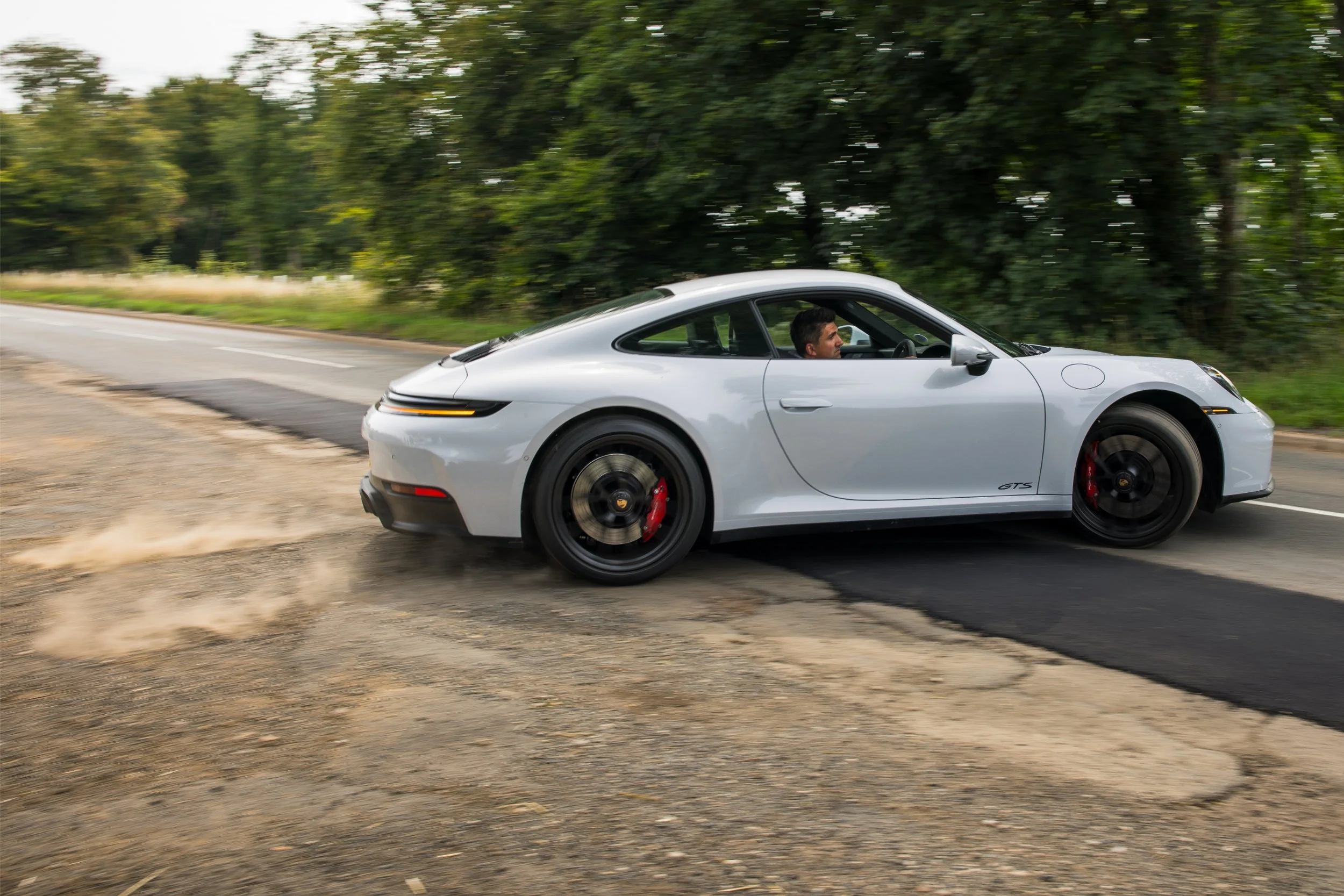
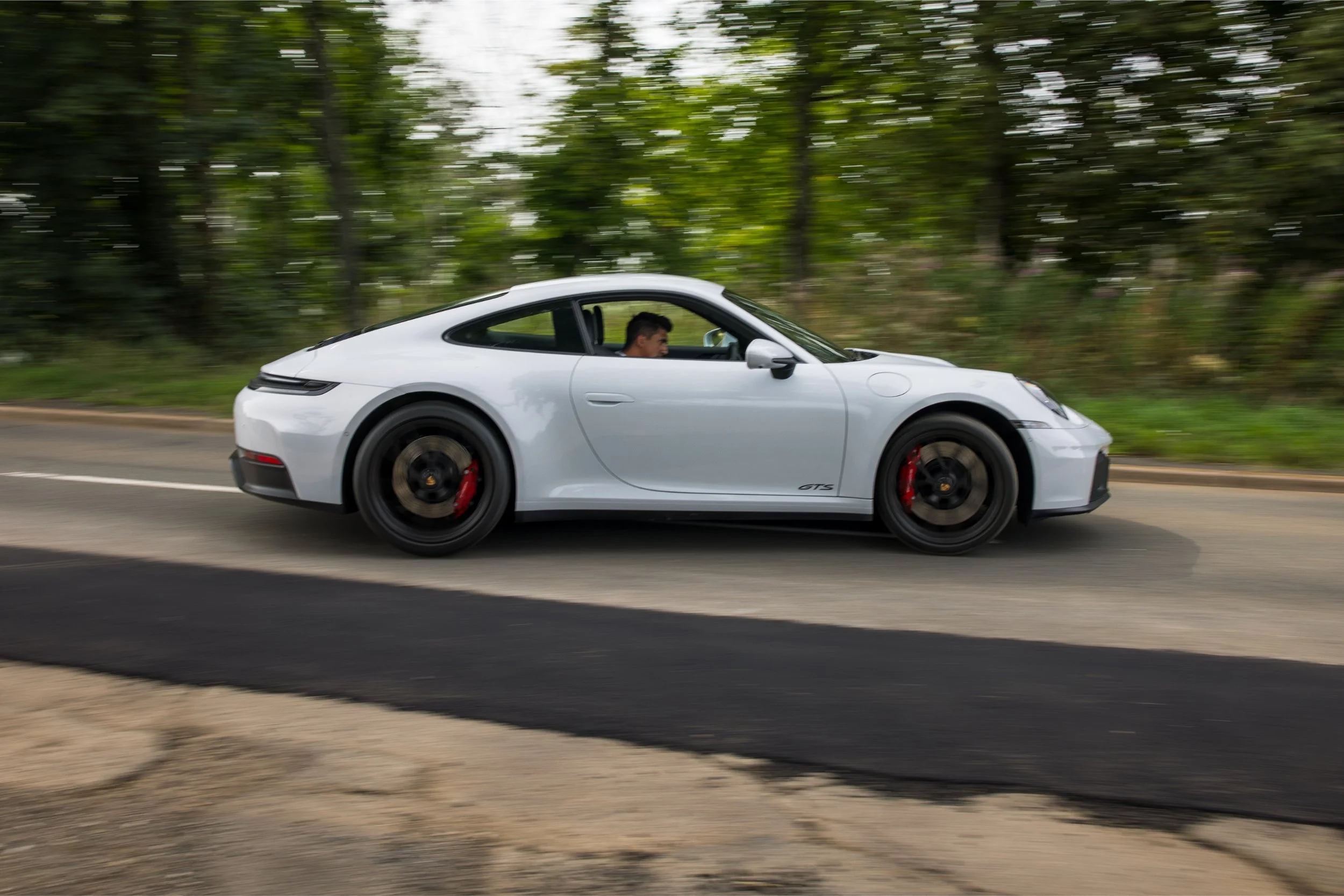
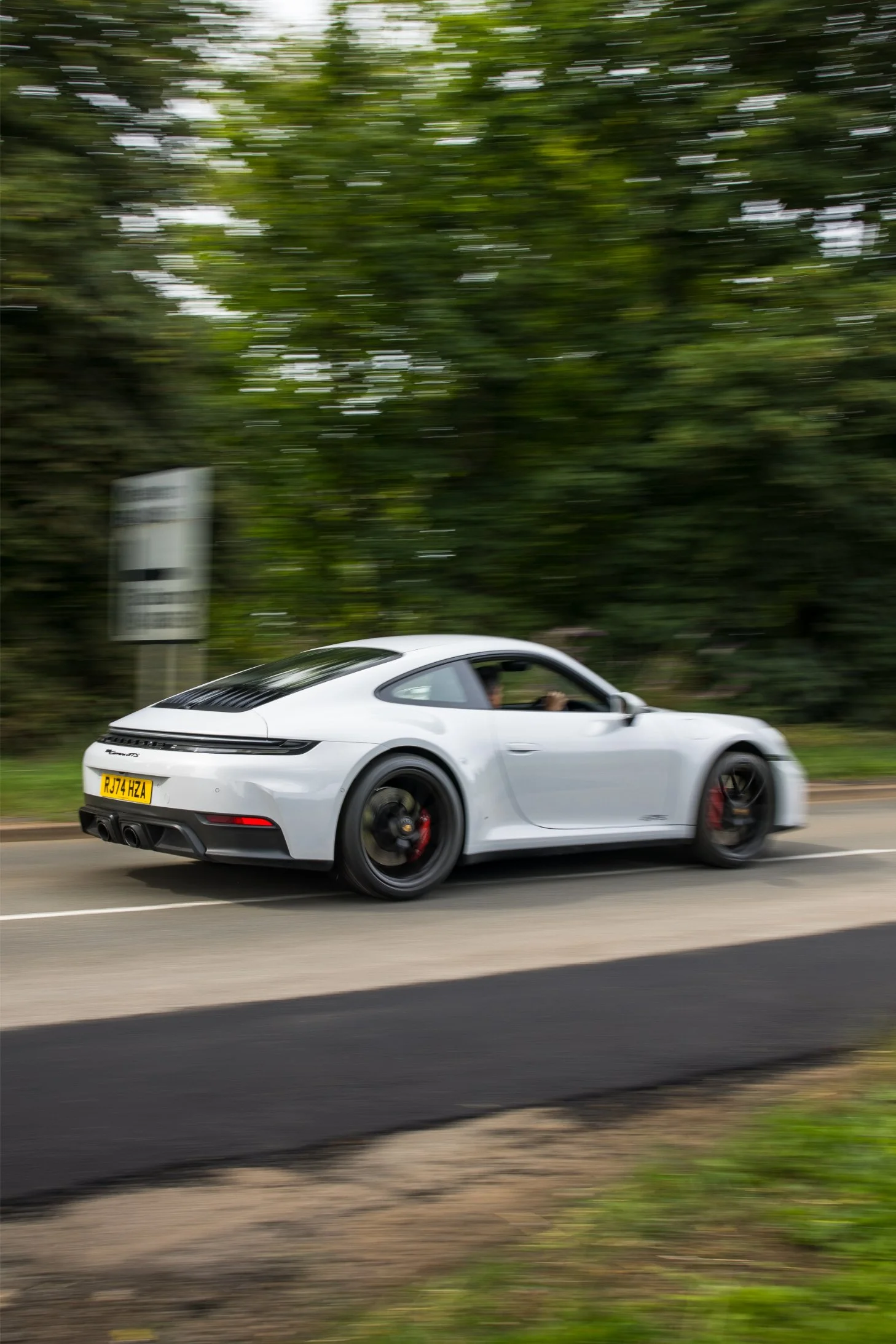
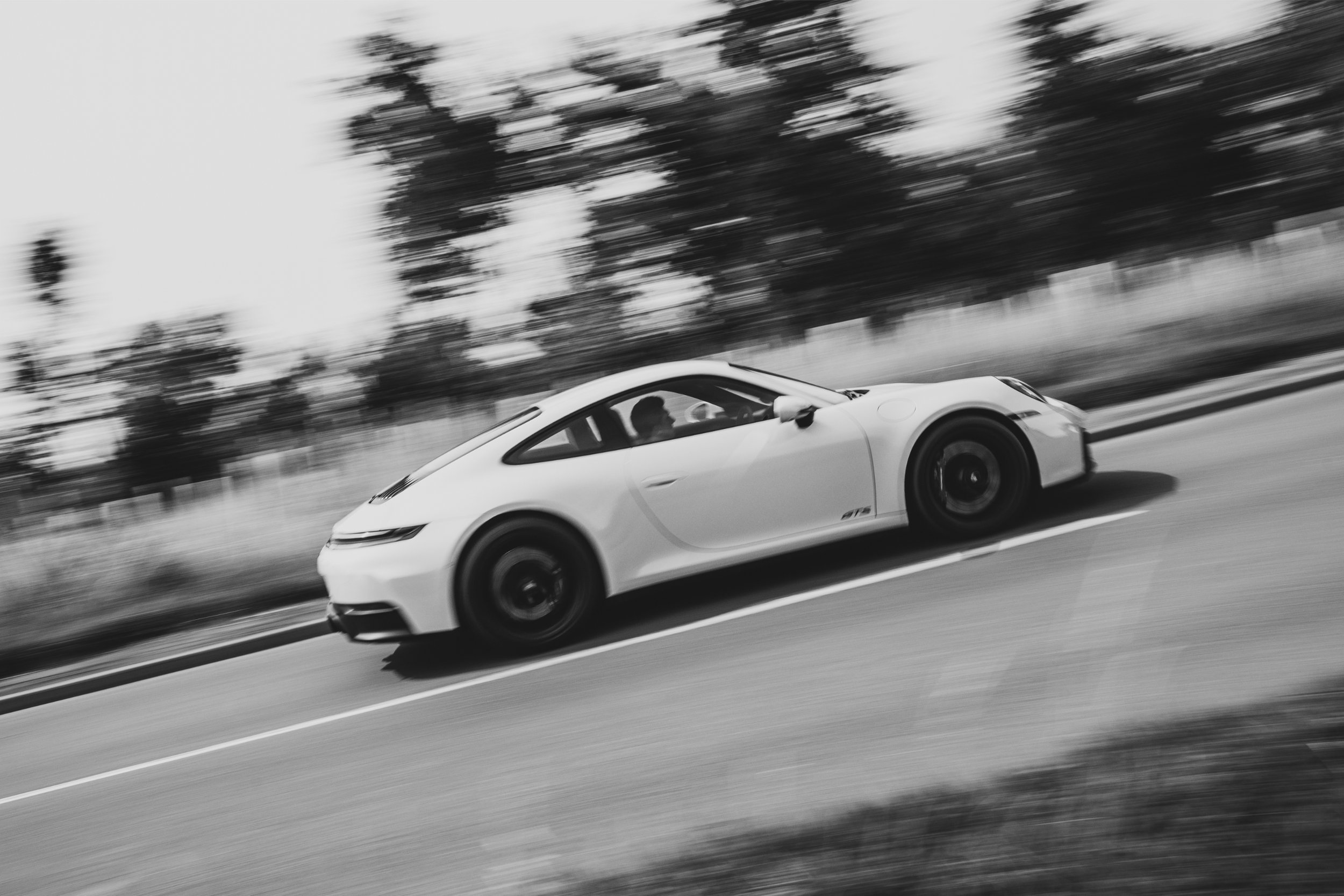
The 992.2 GTS T-Hybrid still feels like a 911 should. The steering is still beautifully direct - and almost telepathic in the way that it turns into a corner. The brakes feel reassuringly sharp and predictable, and without any of the double-layered pedal feel that you sometimes find with new regenerative systems, and the chassis feels suitably 'dialled in' as a 911 always has done.
In normal driving mode, the ride is firm, but it's the right kind of firm. There is a firmer version of firm, which you can toggle with either a switch on the centre console or by selecting the Sport+ driver mode, but enjoy some consumer advice from me and leave that button well alone. The chassis in Sport+ is a tad too firm for road use. Fortunately, if the sportiest driving mode is desired, the suspension toggle switch does allow for the softer mode while everything else is in high-power performance mode.
Hybrid Power Delivery
If you've driven a few EVs, you'll already know that 200, 300, or 400 HP in electric form often feels vastly more impressive than it does in exclusively internal combustion form. Although the GTS is a hybrid, the principle of electric power delivery is the same.
The torque is instantaneous, regardless of gear or driving mode. You put your foot down, and in addition to the 3.6 litre engine, you can feel the electric boost spooling the turbo and thumping propulsion through the PDK gearbox. The power delivery is linear, smooth and extremely impressive.
Gearbox: PDK Only
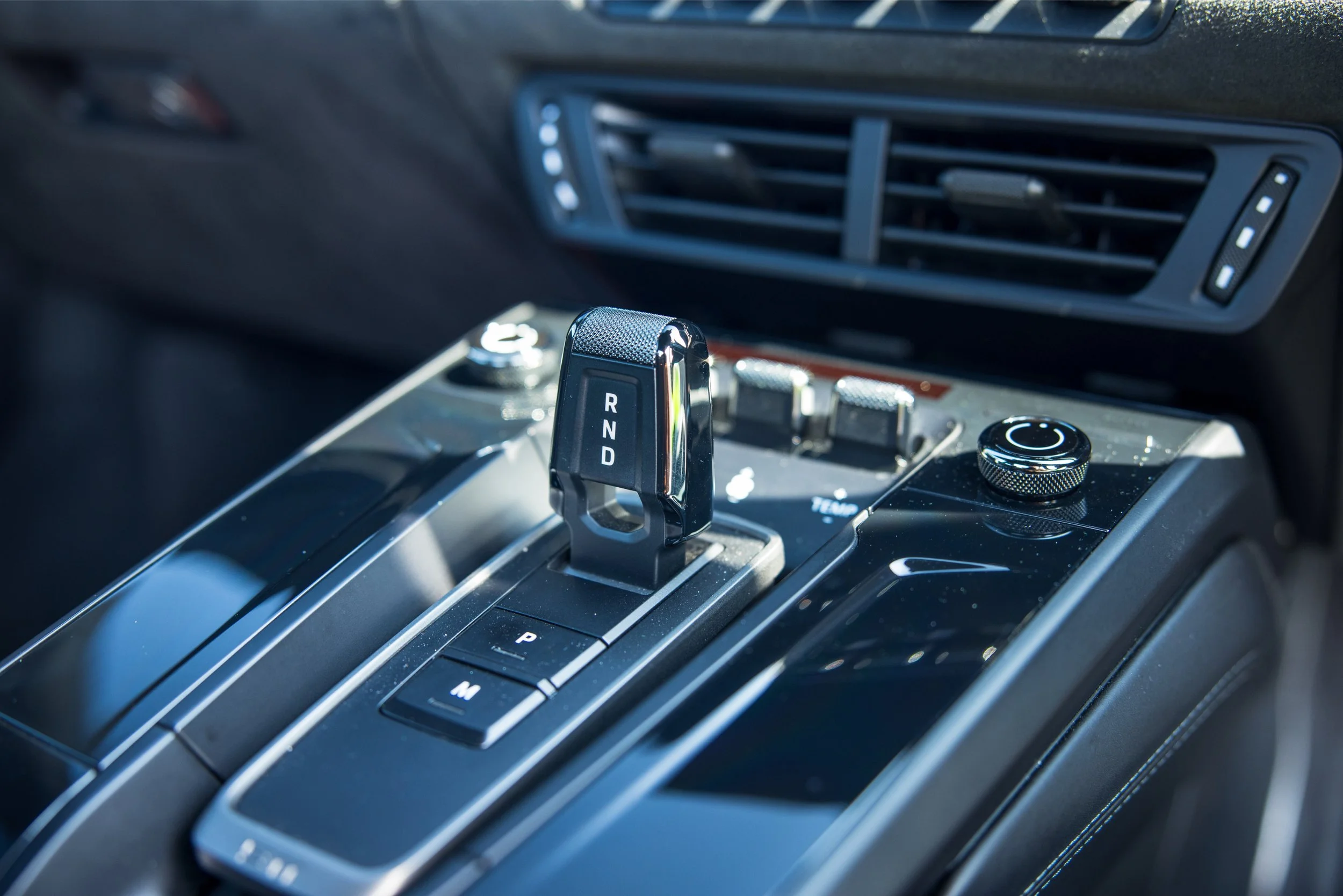
A drawback for some (in theory at least) is that the Hybrid system doesn't currently allow for anything other than a PDK gearbox option. Fortunately, Porsche's PDK paddle shift system is a glorious bit of kit and rewards the typical instant shift that has been enjoyed in the Turbo S, GT4RS, GT3, GT3RS, and other Porsches at the top of the performance food chain for the past few years.
Full auto mode takes care of the shifting for you if you solely want to focus on the steering. In different driving modes, the auto setting adapts to the style of driving, with aggressive automatic downshifts under hard braking and redline screaming upshifts when under acceleration in Sport+ mode.
Driver Modes
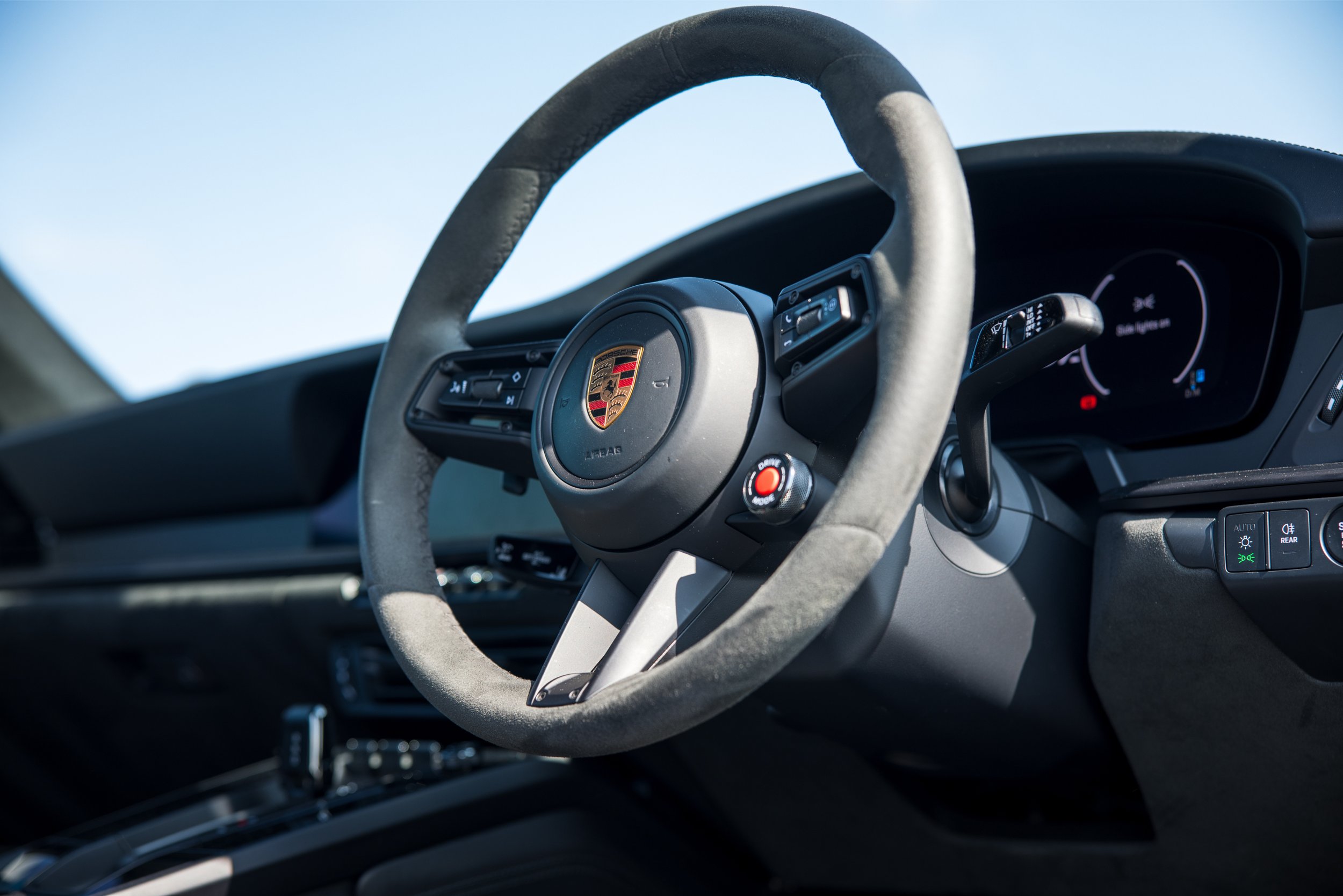
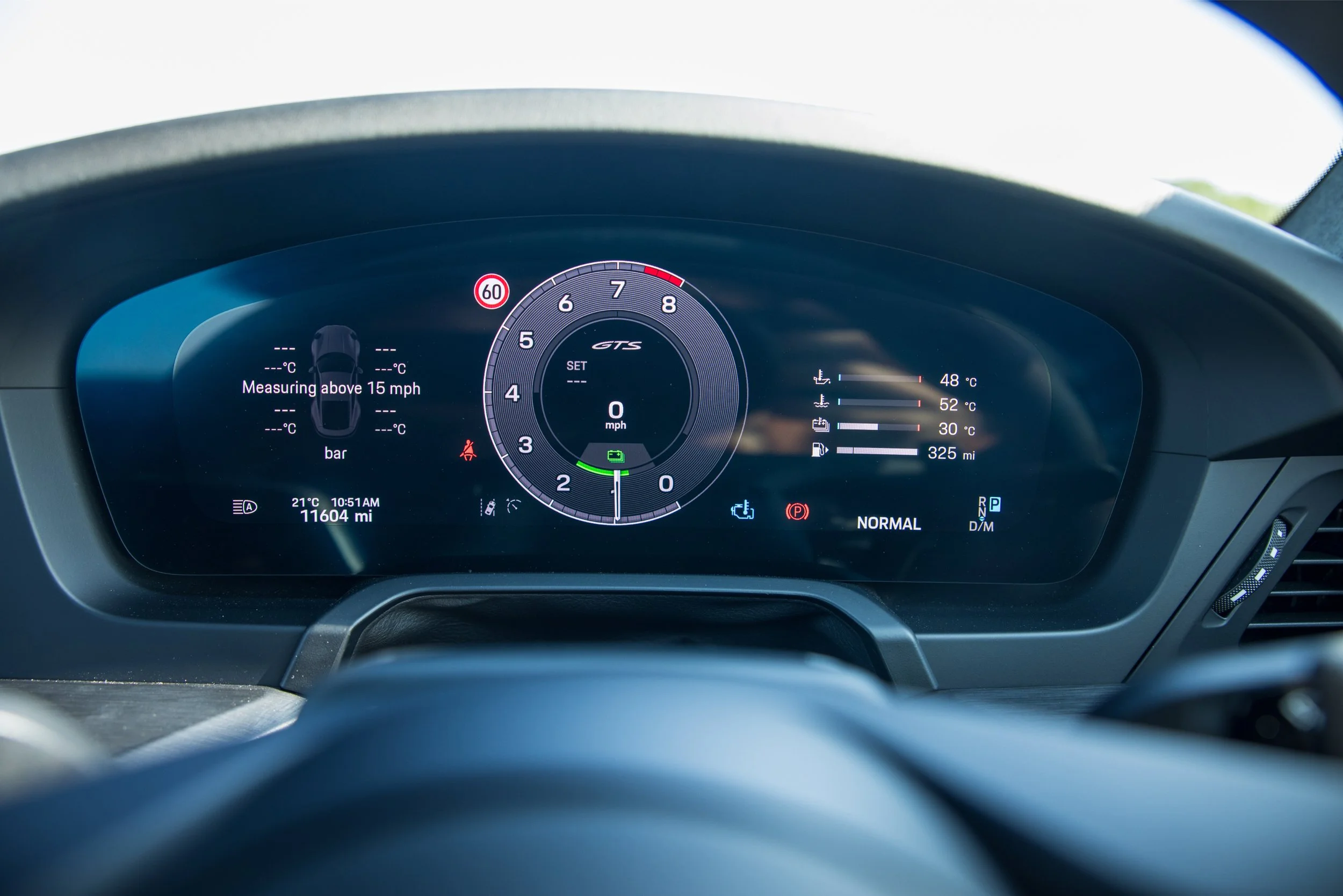
There are four driving modes at your disposal. At the spiciest level is Sport+, which sharpens up the throttle, steering and brake feel whilst firming up the chassis and opening up a noisy valve in the exhaust back box. One step down is sport, which dials back the extremes, then normal, which provides a comfy balance of everything, and then a new clever mode called wet, which, when driving in the rain, reduces the power, heightens the alerts for traction control and ABS and helps keep everything in check. Within all the modes, independent adaptations can be made to things like the suspension (thank goodness) and even the exhaust noises.
Driving Position
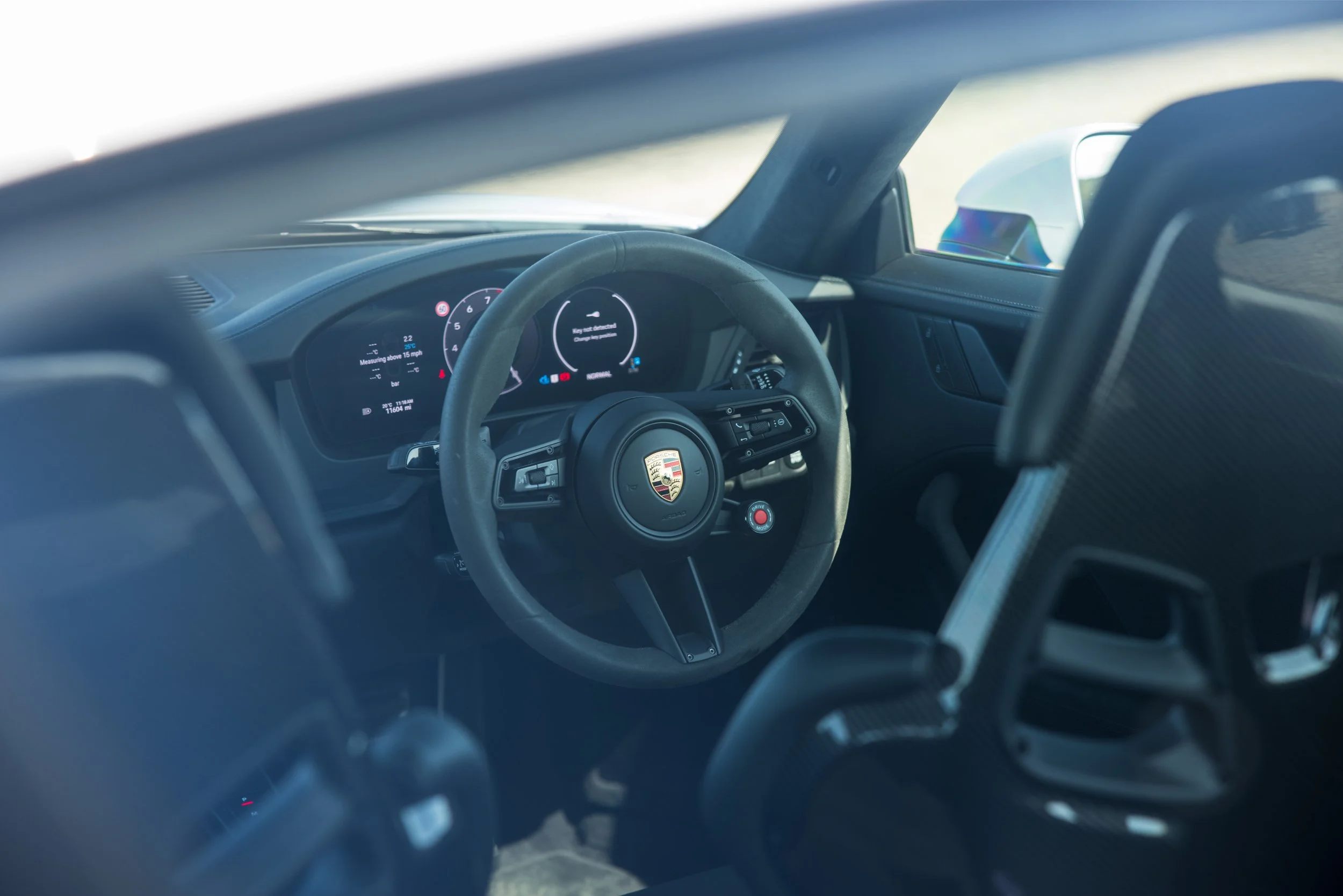
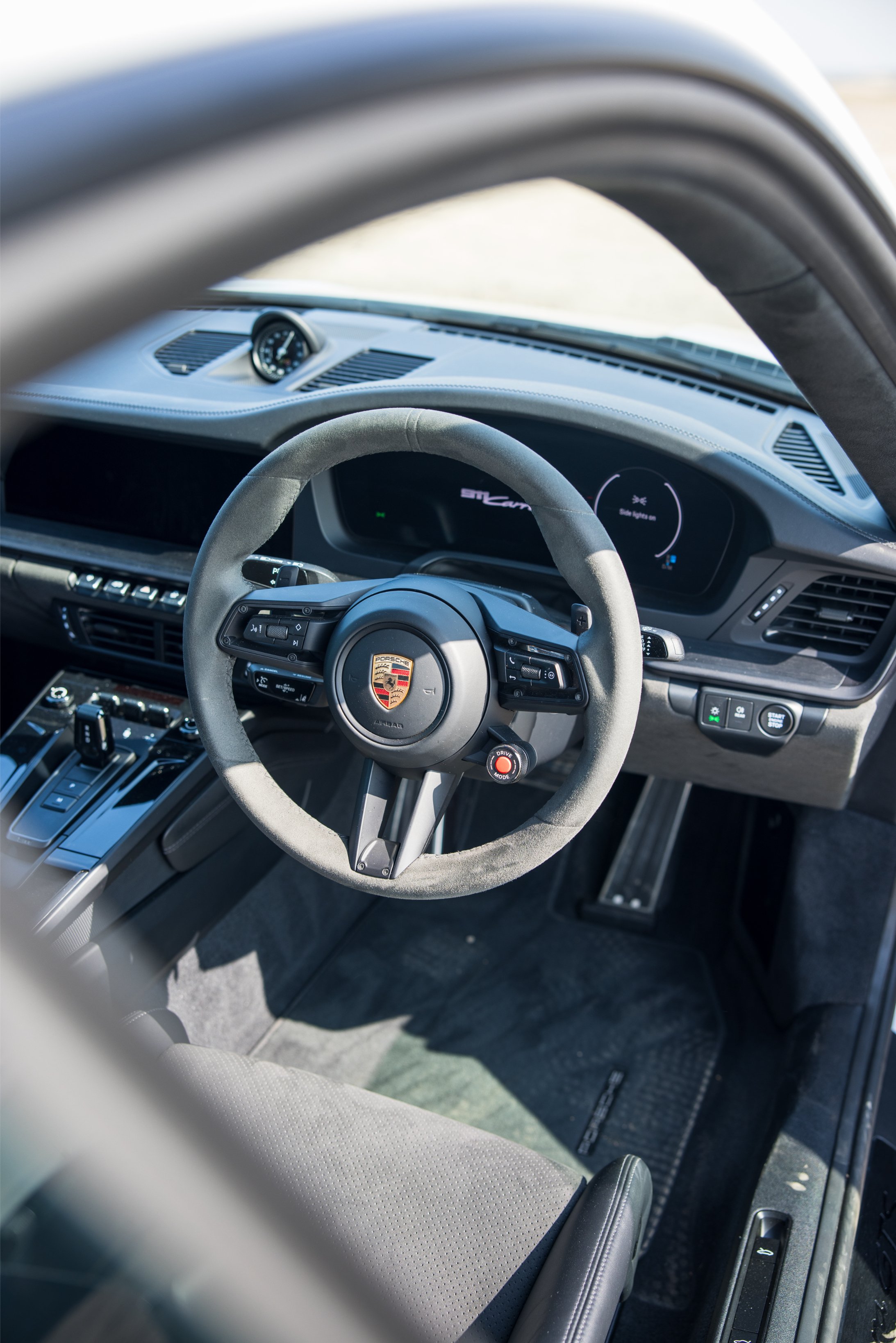
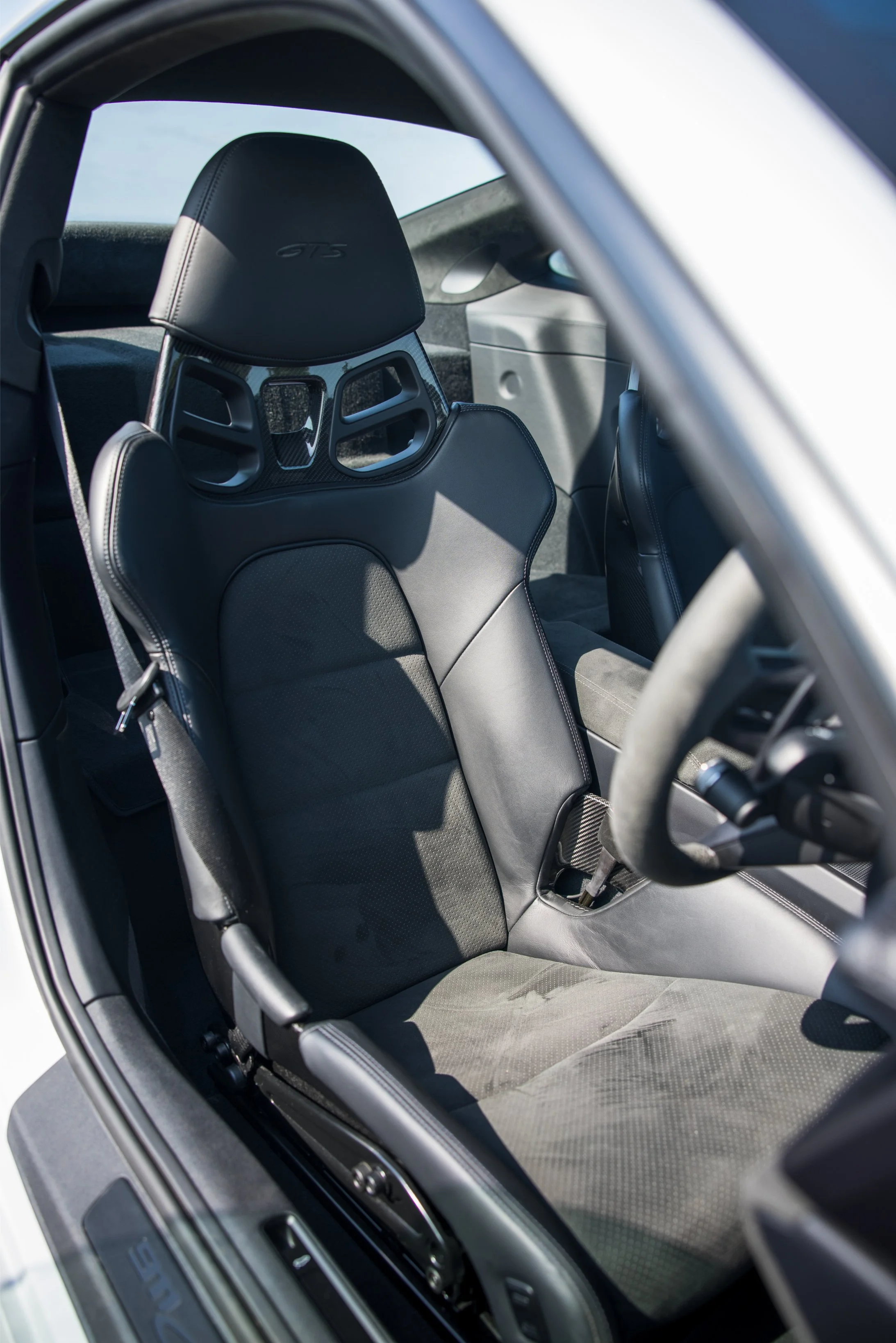
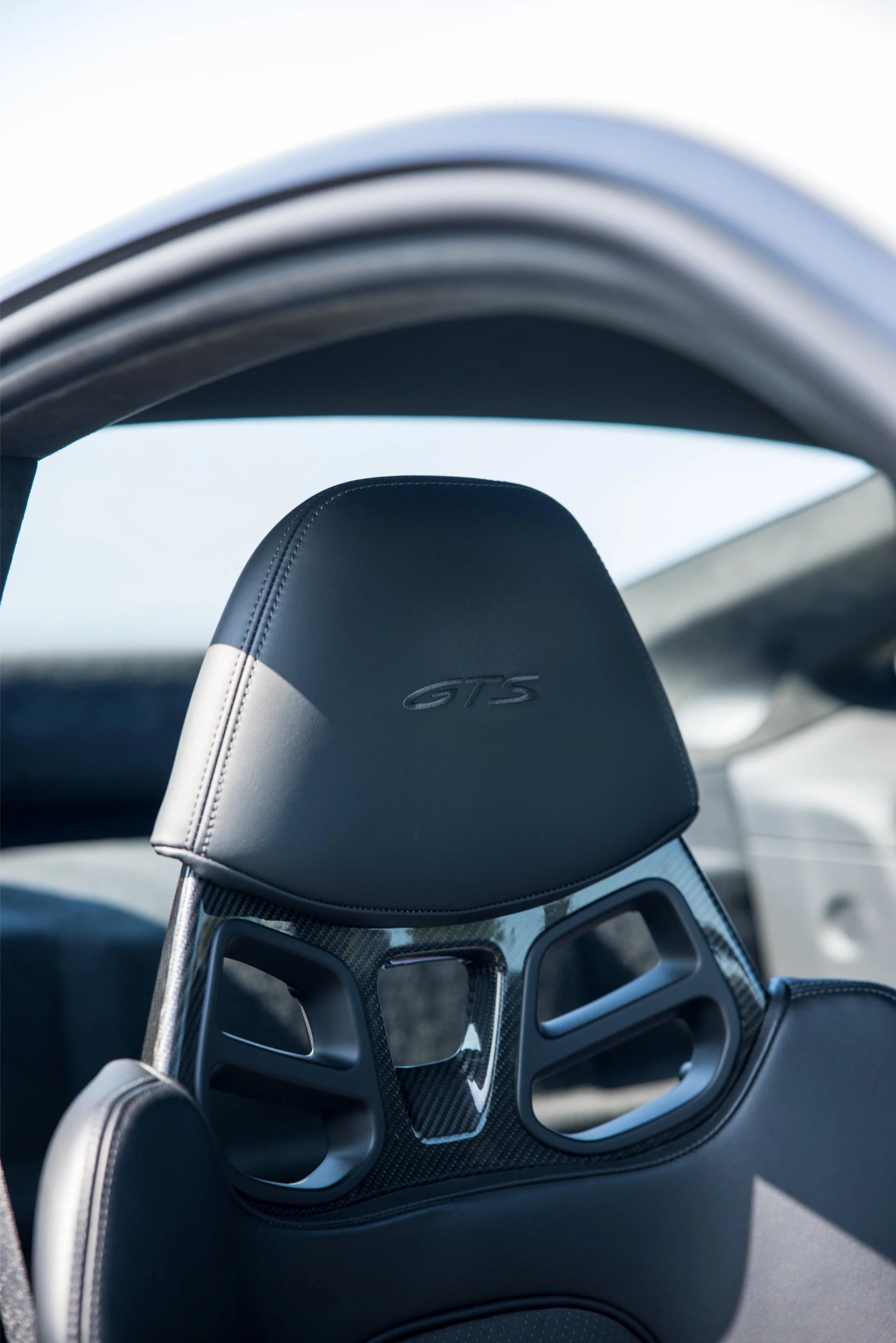
As is to be expected in a modern Porsche, the driving position is perfect, and with the bucket seats ticked (as tested), the performance feel is dialled up to 11. Porsche's optional bucket seats are, in my opinion, the best made by any manufacturer. And whilst they're not cheap, they do enhance the overall feel of the driving experience and are an essential for anyone hoping to enjoy the occasional trackday.
Drawbacks
There's a lot to like about the 992.2 GTS; it might be the perfect 911 for all tasks, but there are some drawbacks worth pointing out, which for some might spoil the occasional moment. Firstly, the noises. For the new 992.2, Porsche has added something it's calling 'Emotive Engine Sounds' which plumbs in amplified engine audio via the speaker system inside the cabin. It sounds good, but at times, a little too good to be true, and at other times, it's a bit too loud to the point of distorting speakers.
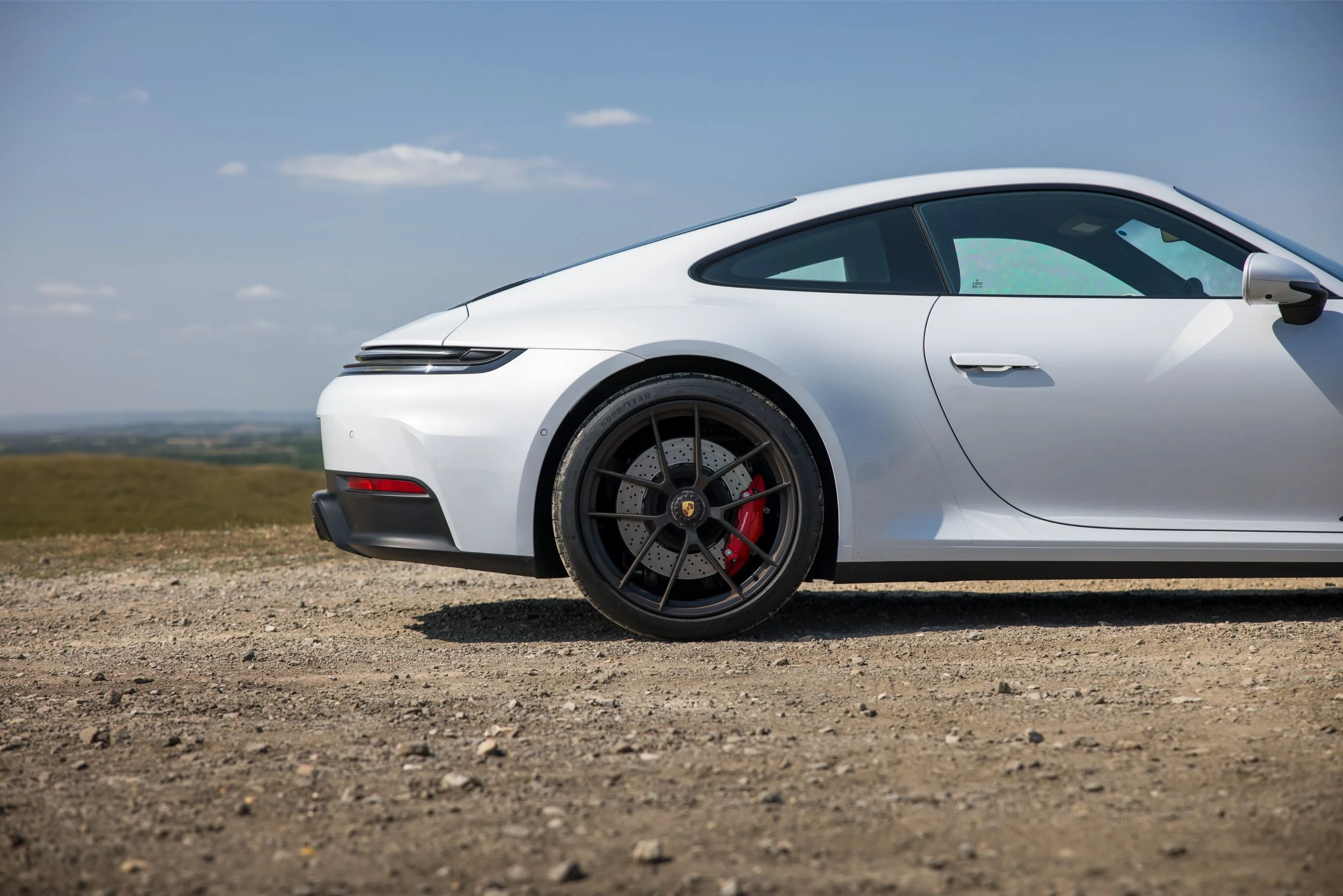
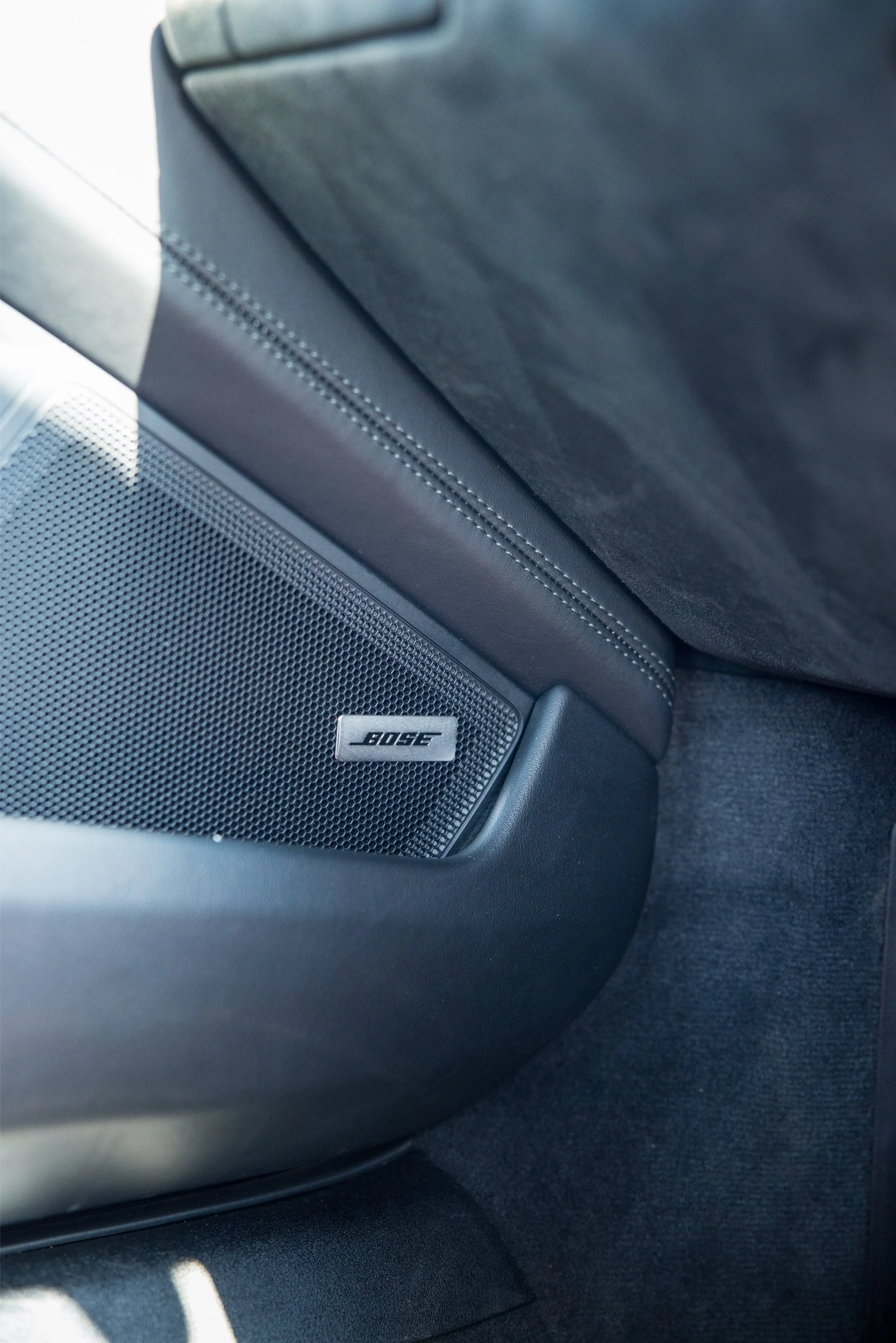
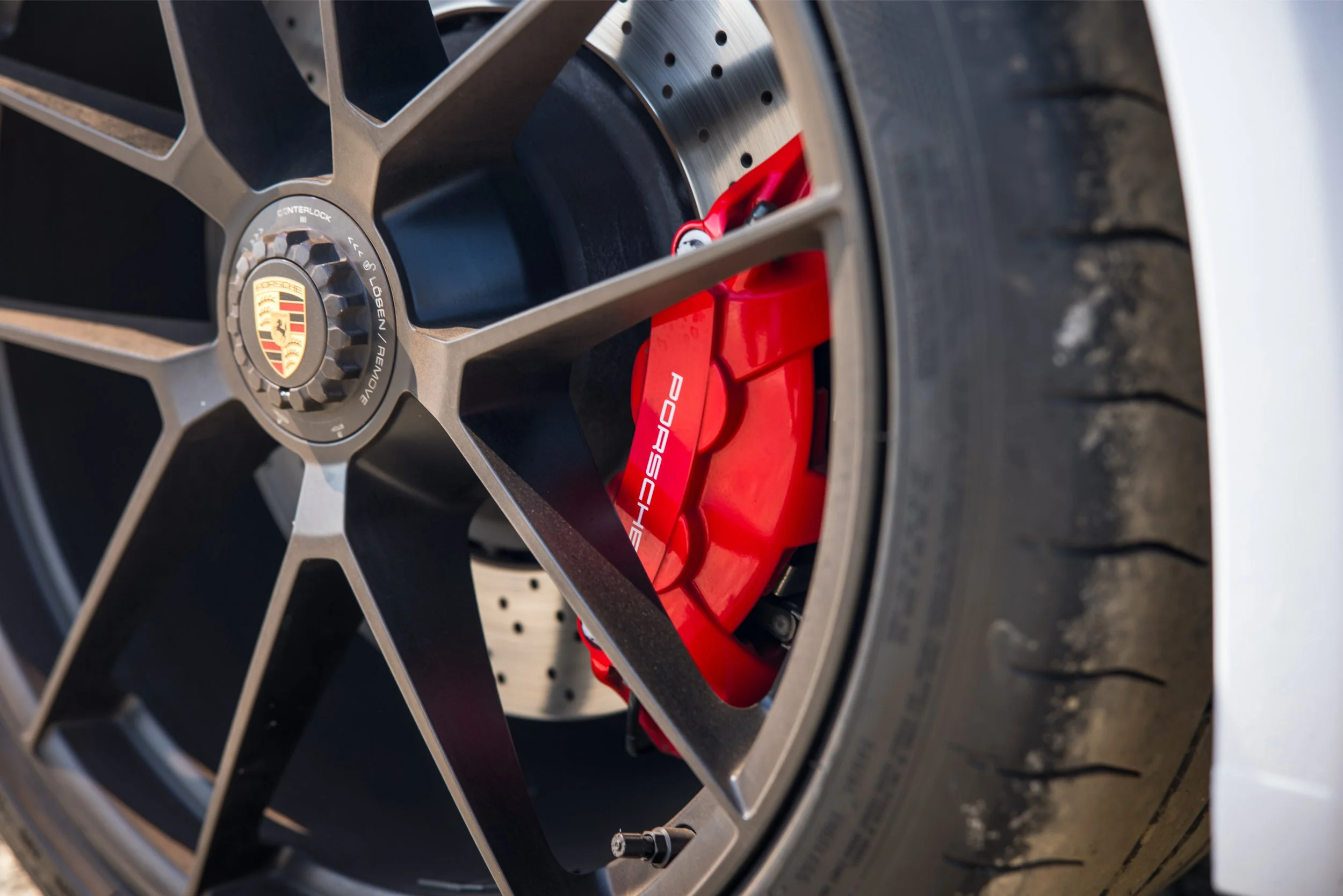
Continuing on the subject of sound, for many others, the road rumble created by the two 305-section rear tyres might be another gripe. On a rough stretch of road, the roar from the rear tyres heard inside the cabin can be unhealthy competition to the otherwise excellent BOSE surround sound system.
The Price
The 992.2 GTS has a retail price of £137,900 before any options are ticked. Of course, being a press car, the car does have some options, all of which add up to over £10,000.
The paint Ice Grey Metallic is a £1,067 option. The surround view camera system to aid with parking is a £1,298 option. And the bucket seats, whilst excellent, are priced at £4,621.00 for the pair. Additional items include a fire extinguisher at £128.00, a top tinted windscreen at £97.00.
All in, the GTS T-Hybrid I have on test has an overall retail price of £148,463, which makes it not only the fastest GTS ever, but the most expensive too - by quite some margin.
Conclusion
All said and done, the 992.2 GTS is an incredible package and showcases Porsche's new T-Hybrid system as a superb addition to the 911 platform. Hybridisation in this form makes a lot of sense, adding exceptional power delivery and hilarious acceleration capabilities without compromising any of the practicalities that have made the 911 the sports car of choice for buyers since the 1960s. A key point to take away from the GTS is that the T-Hybrid system is likely to be seen in other models very shortly, but that's no bad thing. Porsche might be on the verge of changing how we, the driving enthusiast community, think about the word 'hybrid', and that change is very positive.
words by John Marcar
photography by Henry Faulkner-Smith