
‘Beauty is in the eye of the beholder’ is a phrase accredited to Irish novelist Margaret Wolfe Hungerford. I haven’t got a clue who she is or whether she wrote anything of any consequence, but those eight words have become part of our day-to-day language.
I’ve always wondered what beholder meant, so I reached for a proper dictionary with pages (remember those?) and discovered it was ‘a person who sees or looks at someone or something.’
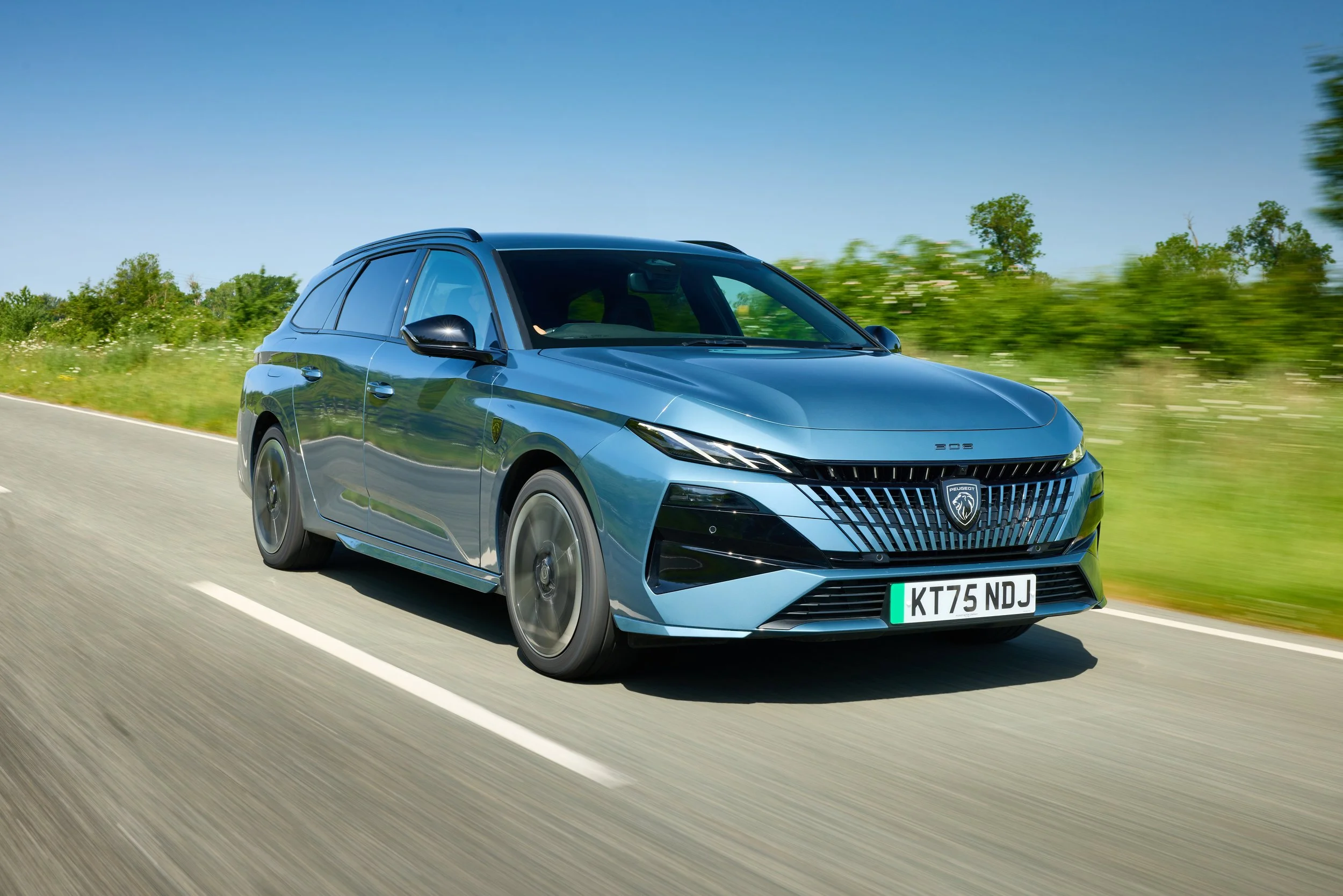
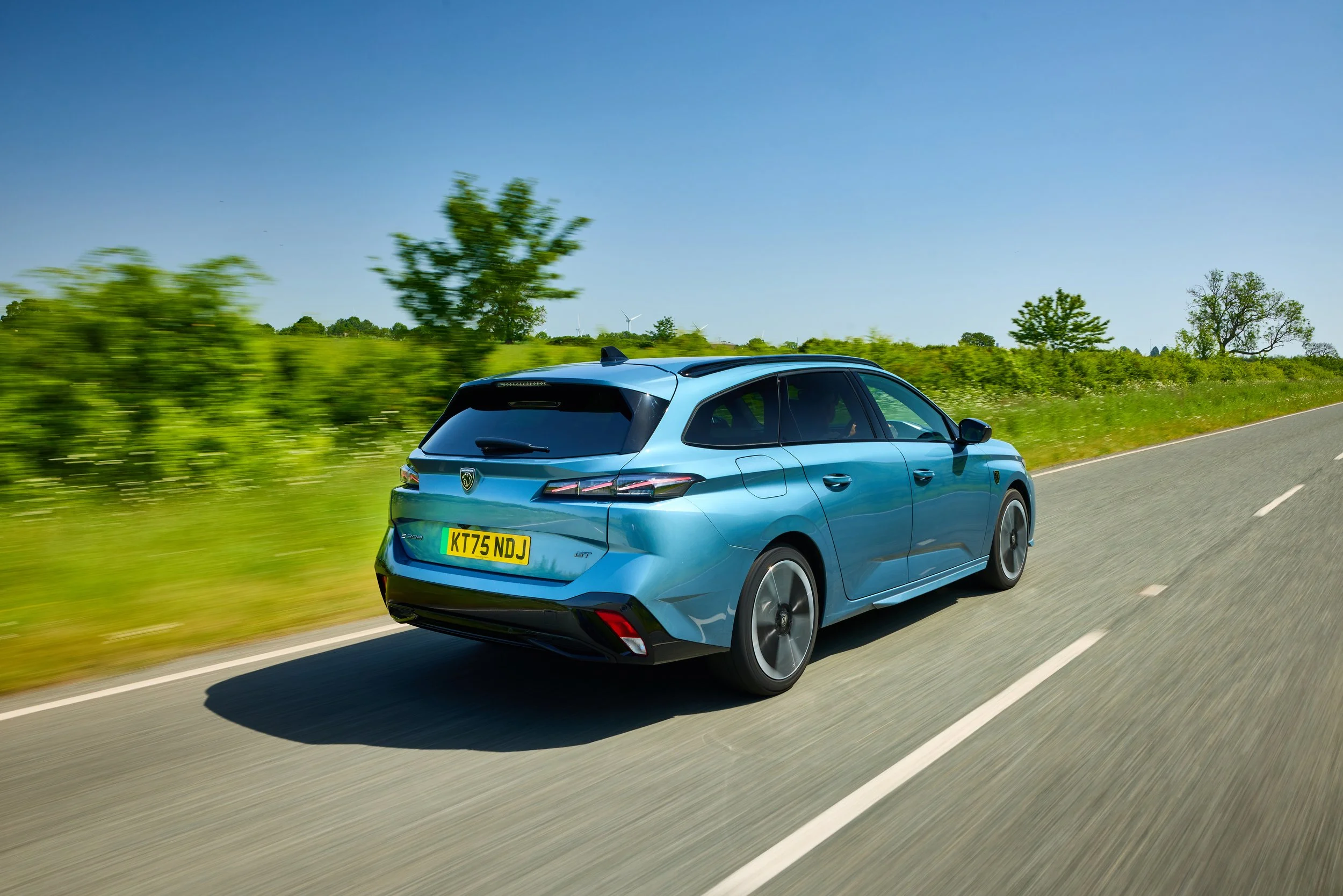
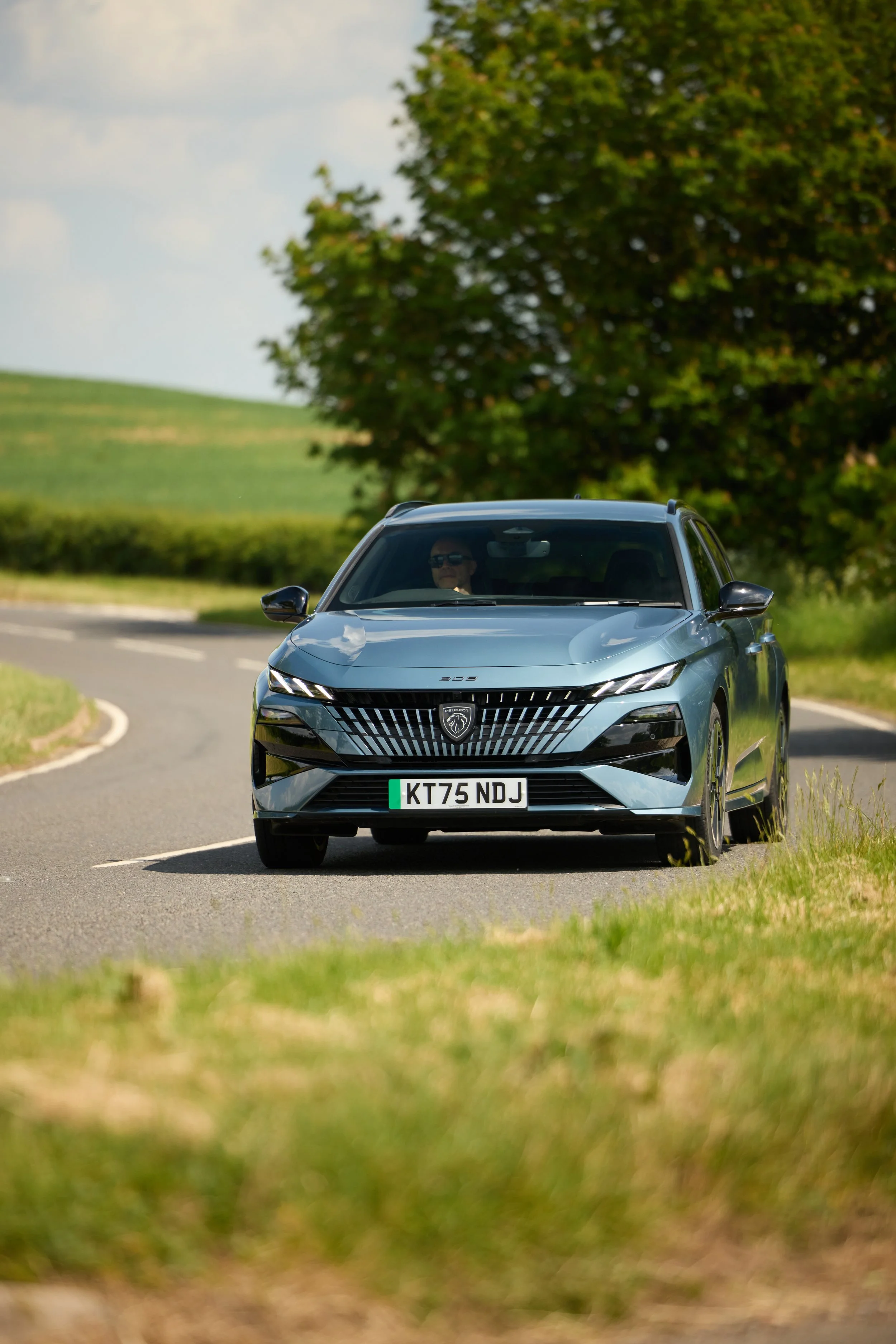
One thing is certain: this latest Peugeot 308 SW certainly is a stunning bit of architecture to behold. Whoever is designing the latest Peugeot cars deserves a massive pat on the back. They’ve gone from being a bit dull and anonymous, to super stylish and the sort of car you’d happily have plonked on your driveway.
Estates are just better
And as any regular visitors to Driven will know, I have a soft spot for estate cars, or as is the case with this Peugeot 308 SW, a Station Wagon. Estates always look better than the saloon or hatchback equivalent. I’ll accept no arguments on that observation.
The car you see here is the brand new 308 SW launched in April. It’s currently available as a plug-in hybrid (PHEV), hybrid or (shock) diesel. There’s also an E-308 SW which is fully electric. If you rack up the miles and regularly have a decent load, the diesel will be worth a look.
Exterior & Storage Space
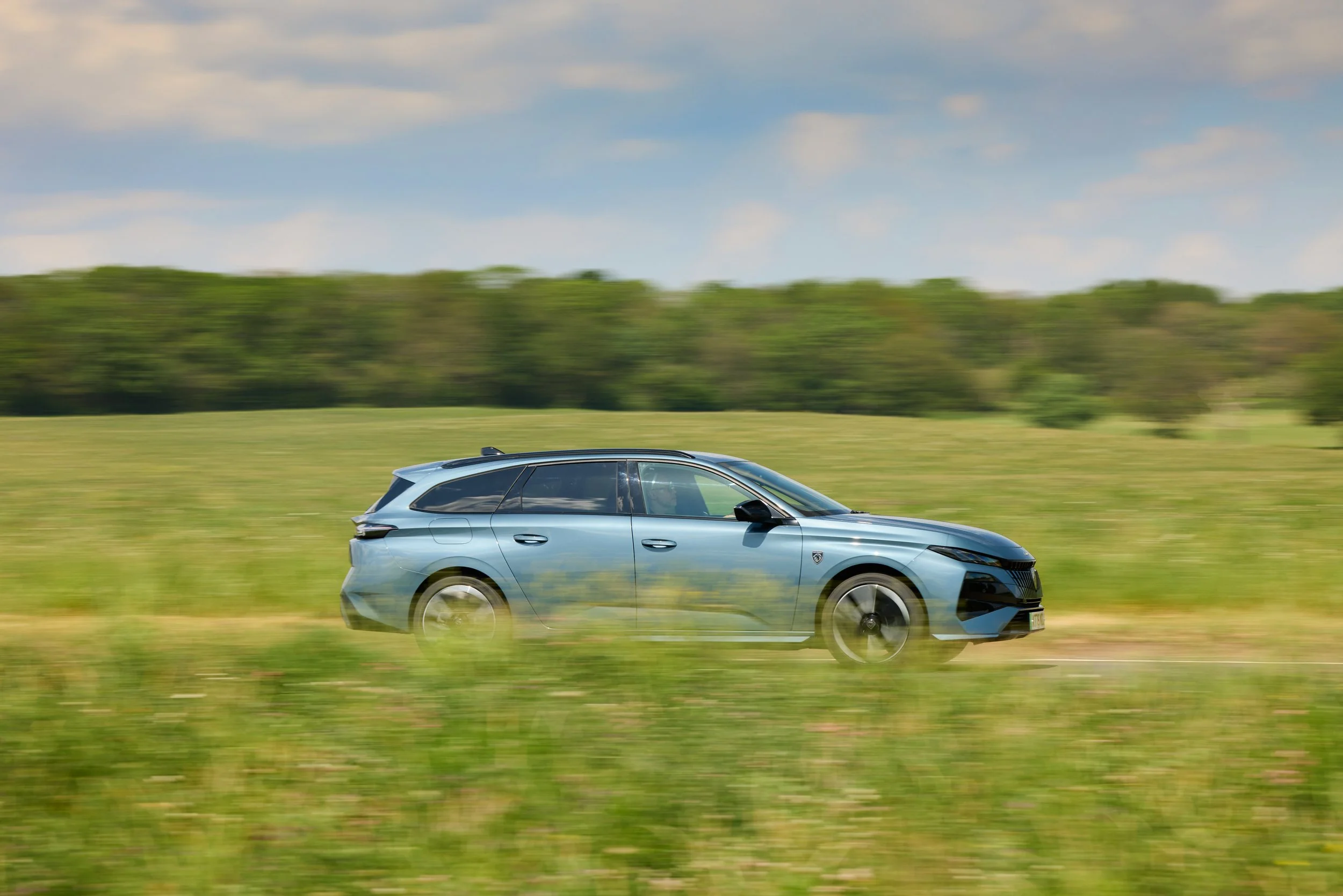
I had the PHEV, which isn’t exactly like the one you see here as these are photos of the electric model, but you’d need to be eagle-eyed to spot any difference. Just in case you’re wondering, the alloy wheels and badging are different and the electric model, obviously, doesn’t have an exhaust pipe. That’s it.
There are also hardly any differences between the estate and its hatchback sibling other than the 308 SW being 270mm longer. The powertrains are identical.
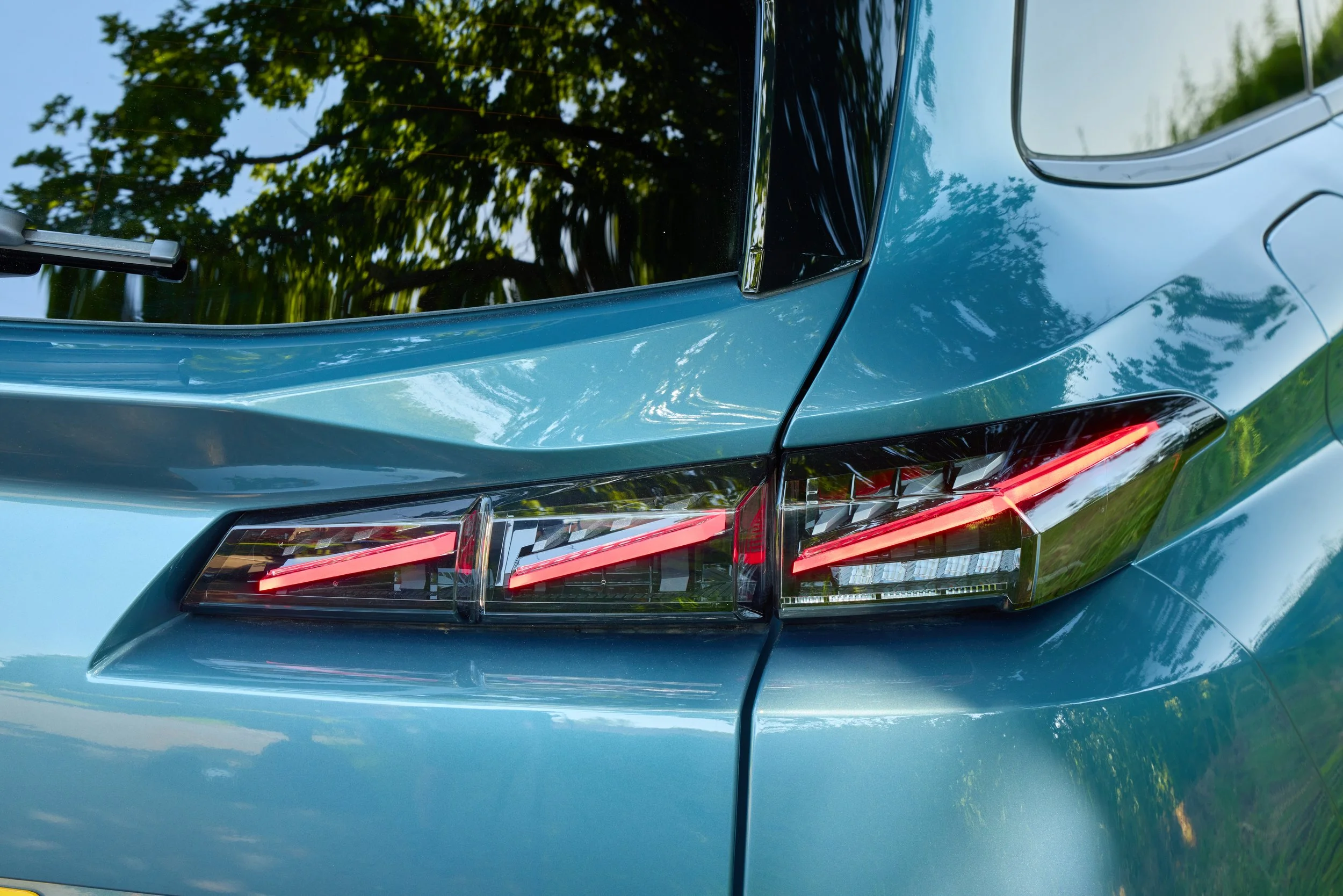
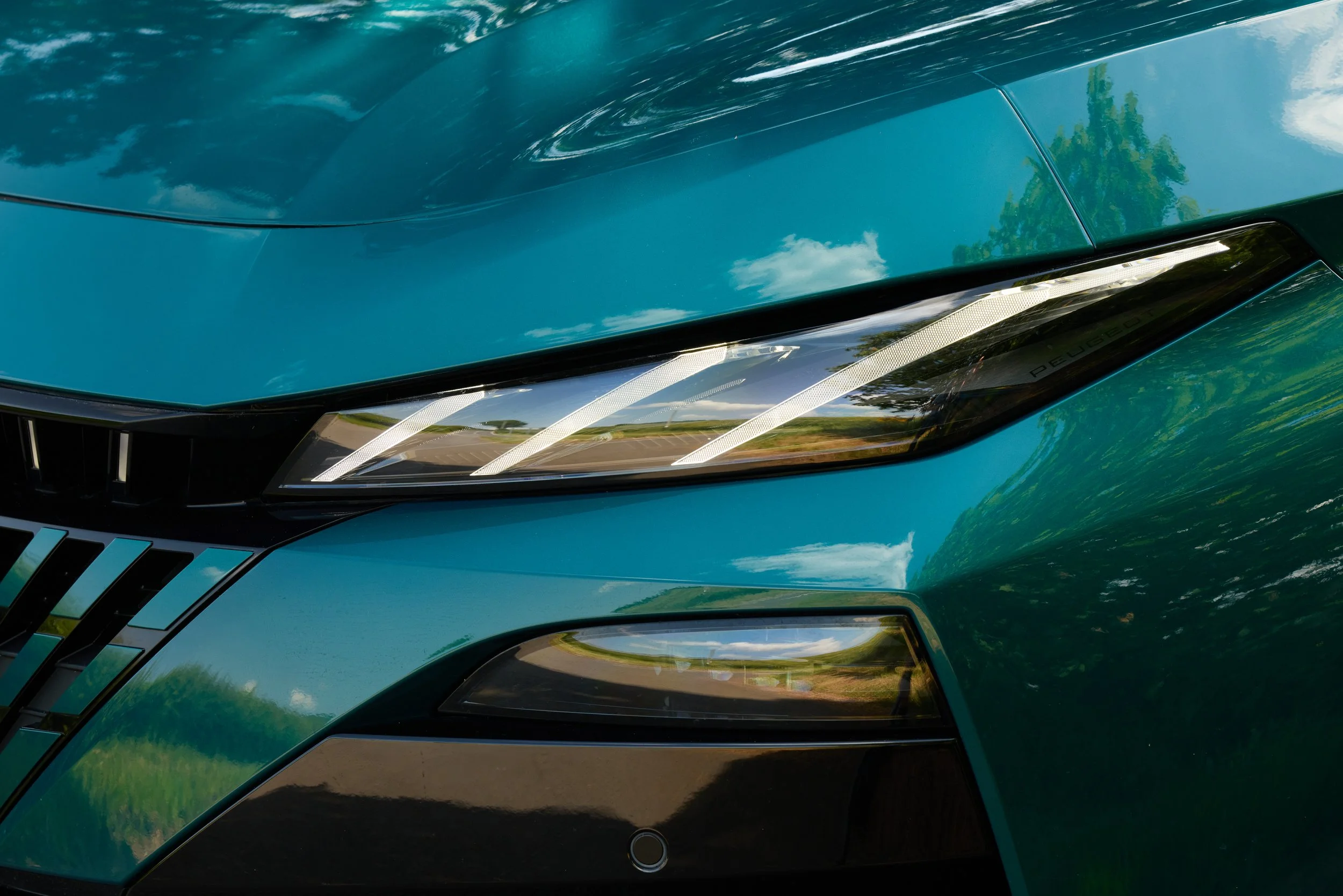
In terms of comparing this new 308 SW with the outgoing model, it has redesigned front and rear lighting, a new frameless body-coloured grille, and the roofline is given what Peugeot refers to as more of a ‘feline stance.’ On the higher trim levels, the front badge is illuminated. The majority of the chrome used previously has been replaced with black trim.
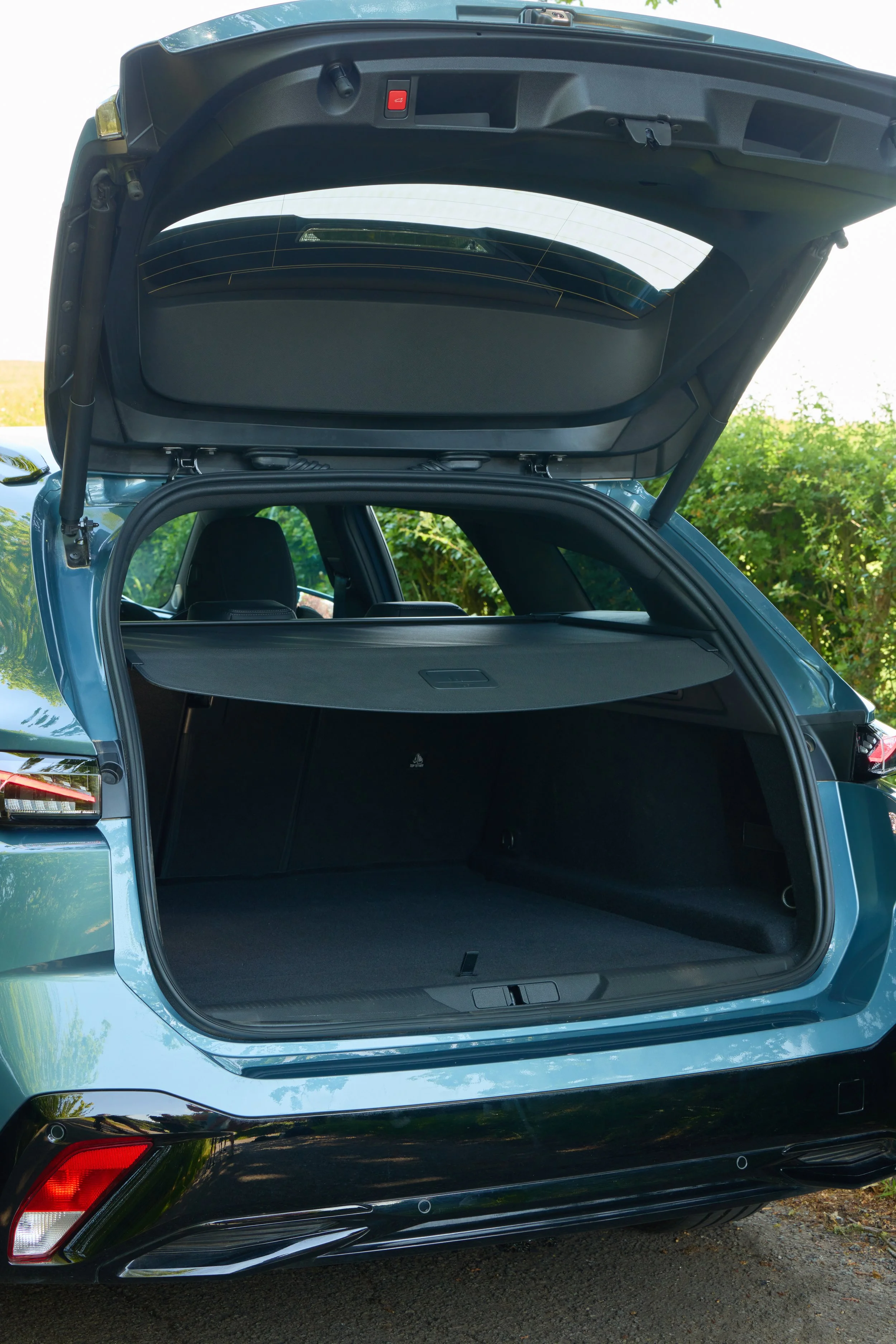
Estates are bought to do a job, and the 308 SW is no exception, with 1,487 litres of room if you flop the seats forward and 598 litres if you don’t. That should be sufficient for most families heading on holiday or antique shop owners shifting some knotty pine drawers.
Powertrains & Price
As for powertrains, you’ve got a choice of 1.2-litre petrol mild hybrid, 1.5-litre diesel, 1.6-litre PHEV and the all-electric E-308 SW.
The PHEV I tried is the most expensive of the four and will set you back £33,600 (June ’26), which is four grand more than the mild hybrid, but you need to do your sums because it’s seriously efficient. Peugeot estimates 128mpg, which, of course, you won’t get, but you can manage 53 miles of battery-powered motoring before the engine cuts in. Many of you reading this will have a daily commute less than that. In other words, a petrol-free journey. I reckon with a mix of steady and quicker driving, you should easily crack 50mpg. Decent.
Performance & Driving Experience
Performance-wise, the battery and petrol engine work in tandem, giving you a 0-60mph dash of 7.7 seconds, although it certainly feels quicker. Power tops out at 192bhp. You’ll struggle to notice when the engine bursts into life when switching from urban driving to the motorway. This is relaxed cruising at its best. The ride is fairly soft, which certainly helps when using our pothole-strewn roads. There are various driving modes which allow you to control when the petrol engine joins the party. Sport mode adds extra weight to the steering.
Interior
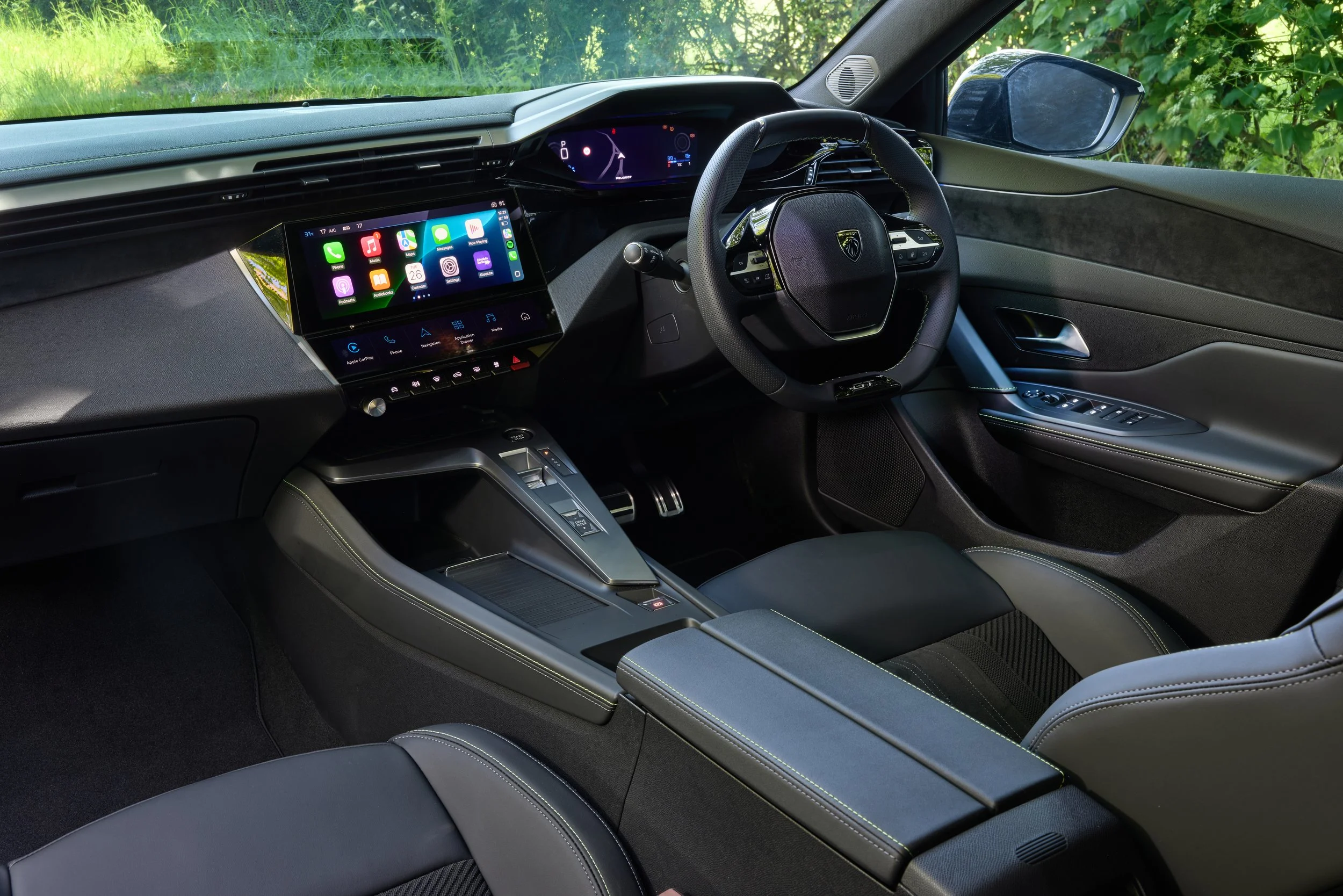
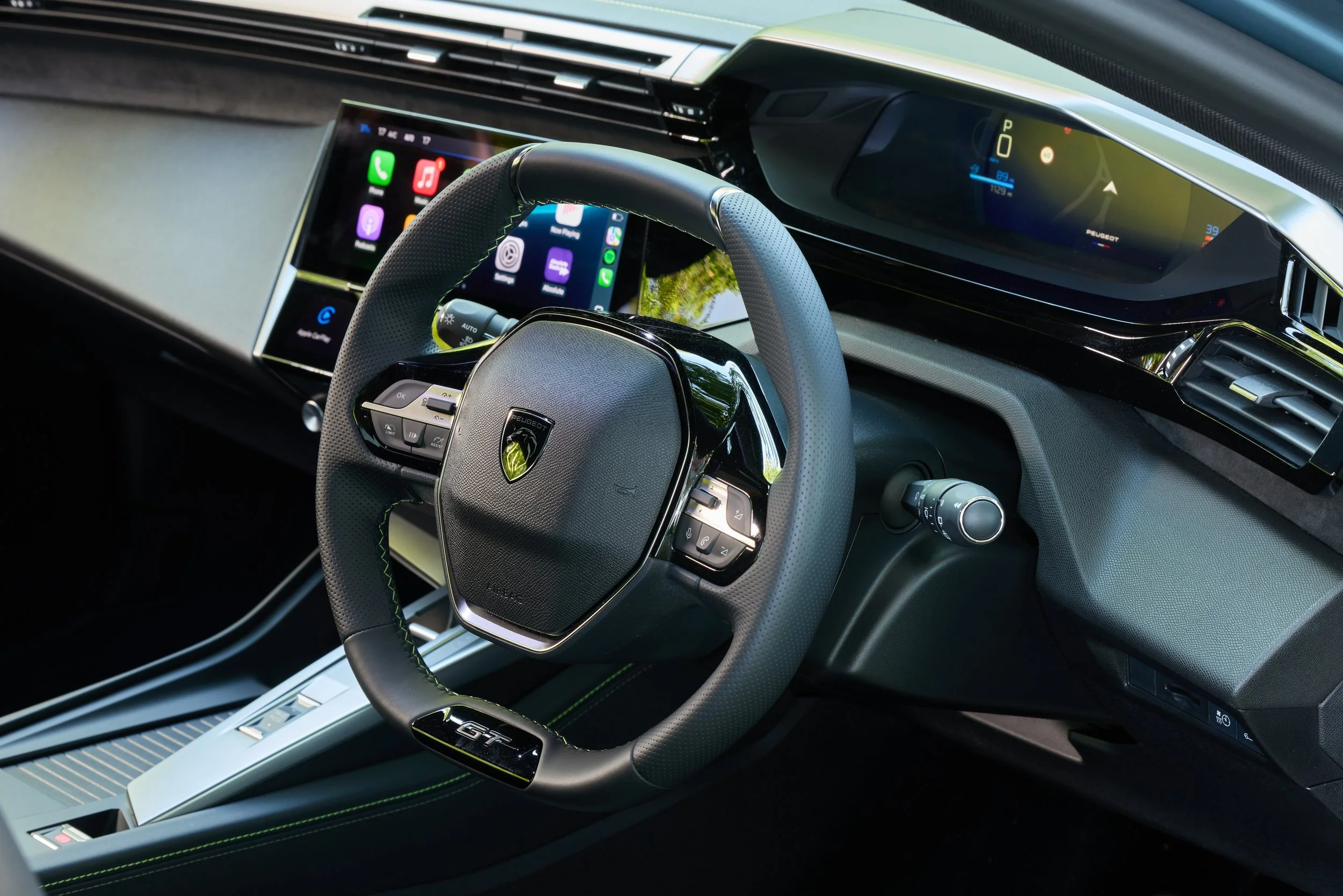
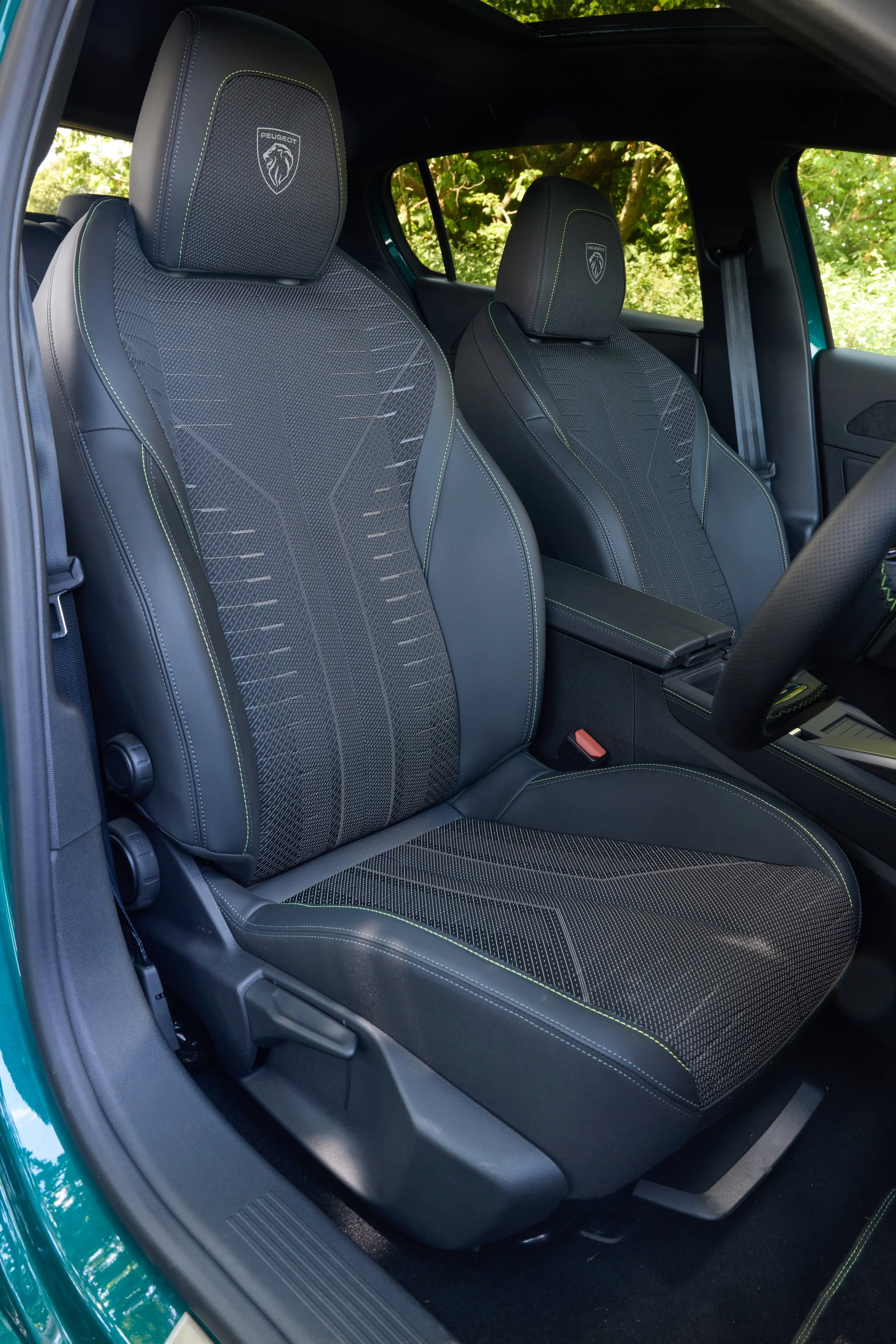
Which is a good thing, because in normal driving, it’s very light. You’re also faced with Peugeot’s tiny steering wheel, which is about the size of a dinner plate. It does take a bit of getting used to but…I like it.
It’s all part of Peugeot’s i-Cockpit, which offers a small digital screen for the driver that you peer at over the top of the steering wheel. The dashboard sweeps around the driver. It looks neat and works well. There’s a 10-inch central screen which on most versions has a row of handy shortcut buttons along the bottom. Beneath the screen is another row of buttons which mainly look after climate. There’s also voice activation which generally works well.
Trim Levels
Peugeot, along with most of the other manufacturers in the huge Stellantis group (Alfa Romeo, Fiat, Vauxhall, Citroen etc) have seriously chopped the number of trims available. The 308 SW has three choices — Allure, GT and GT Premium. If you go for entry-level Allure, you’ll get a reversing camera, air con, privacy glass, LED headlights and smart 17-inch alloys plus plenty of safety gear. In other words, you get the key stuff and, for a lot of folk, that’ll do nicely, thank you.
GT trim adds around two grand to the price and includes stuff like sat nav, keyless entry and start, matrix LED lights, front parking sensors, 18-inch alloys, illuminated front grille and badge, and smarter interior trim.
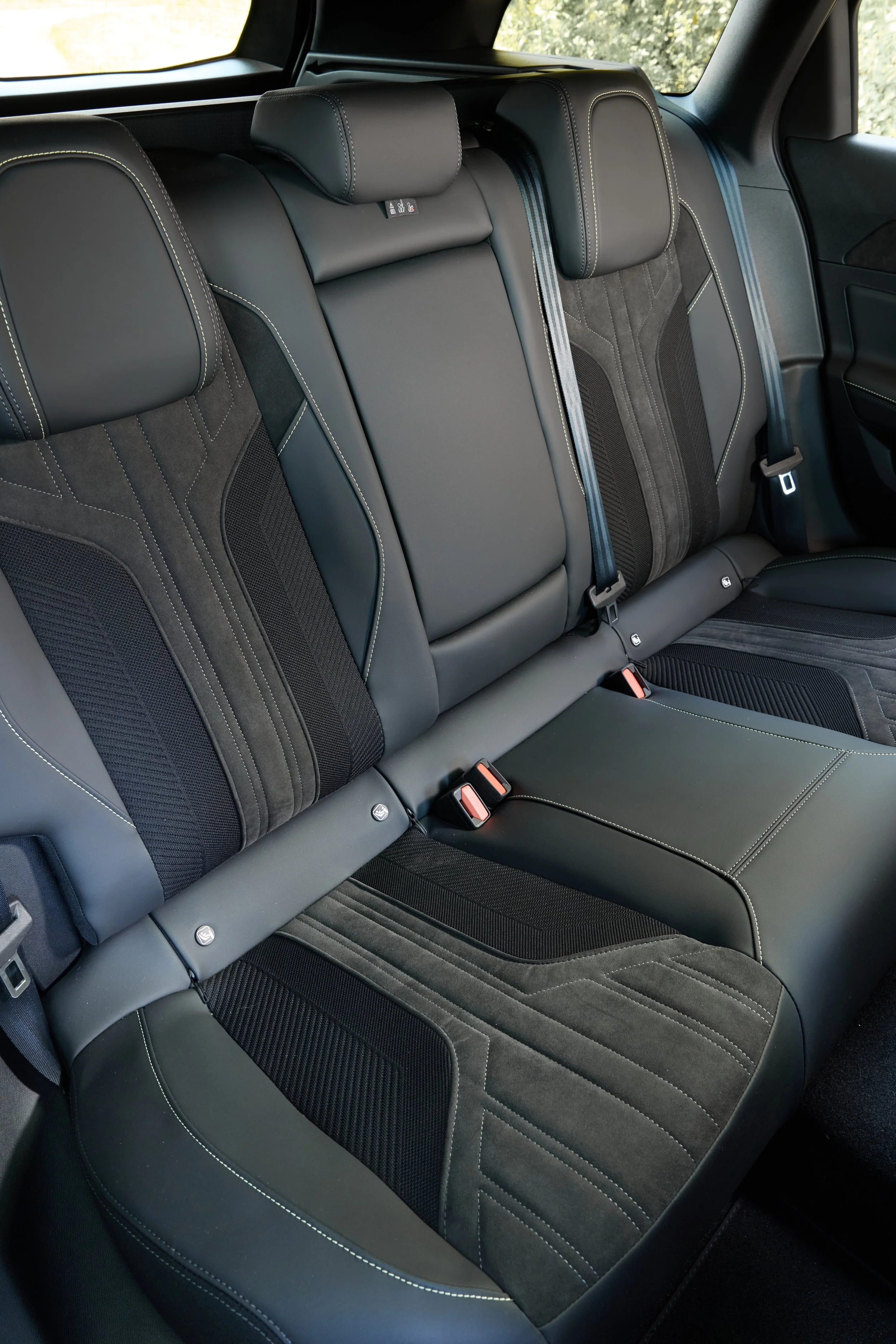
GT Premium bumps things up by another two grand to £37,400, but the car is now loaded with heated and massaging front seats, Alcantara trim, adaptive cruise control, powered tailgate and a 3D digital instrument cluster.
I’d probably stick with Allure.
Concluding Thoughts
The Peugeot 308 SW is one of the best-looking cars out there. It’s also well equipped and good to drive. The interior is comfy and seriously smart. Carrying capacity is decent. It comes with all the essential kit and should be reasonably economical.
If ever there was a reason to ditch your faceless SUV, this is it.
words: Graham Courtney
pictures: Peugeot
