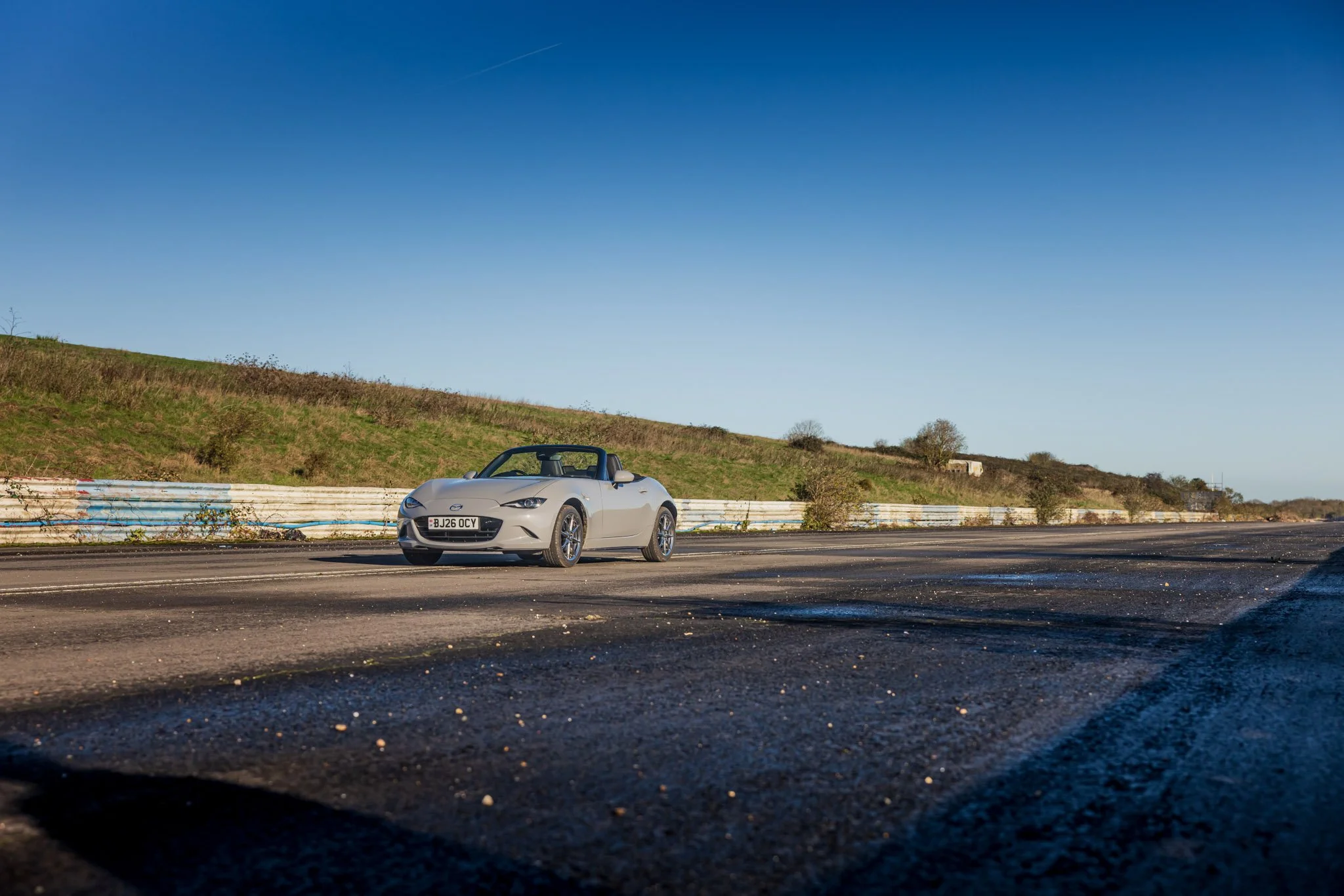
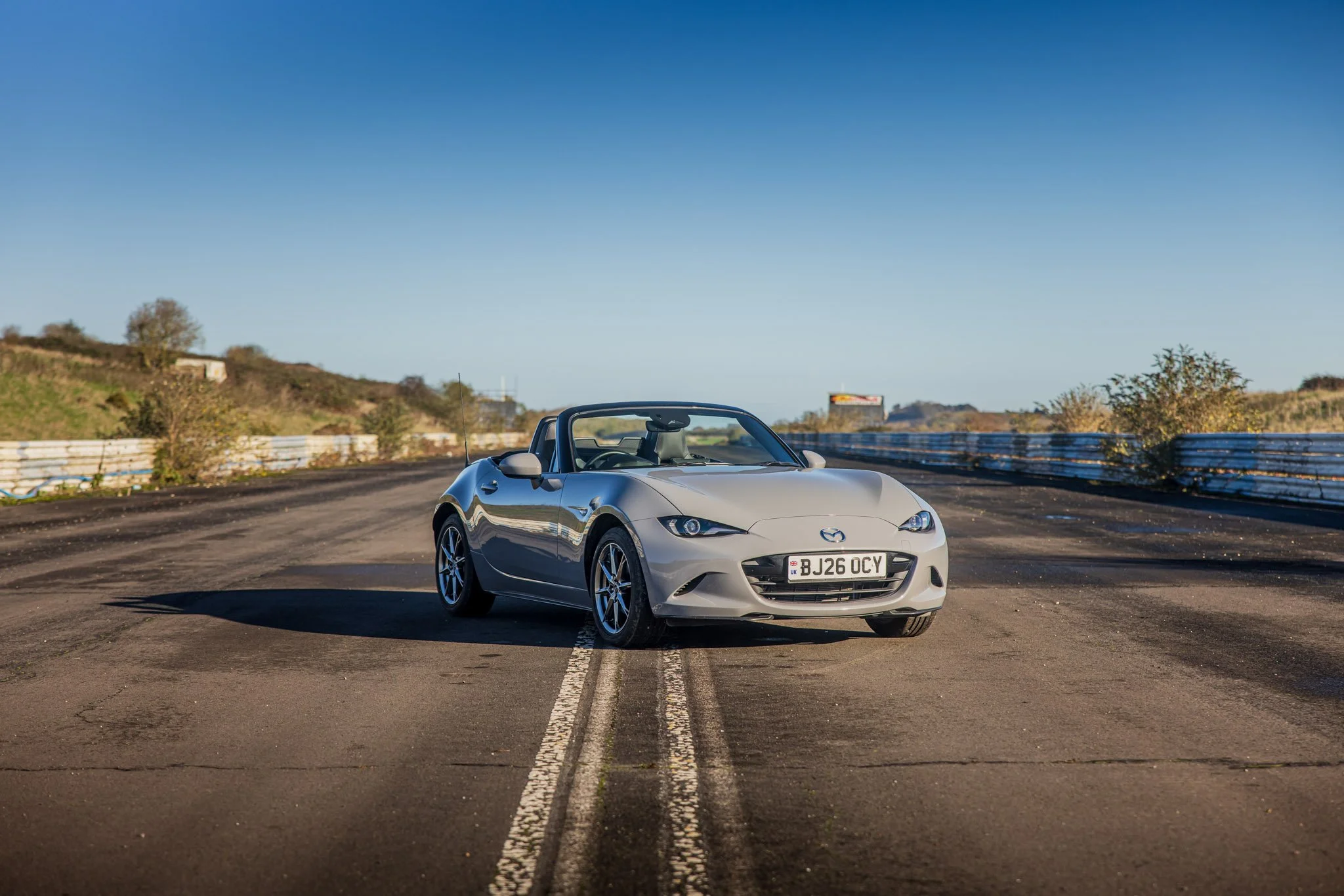
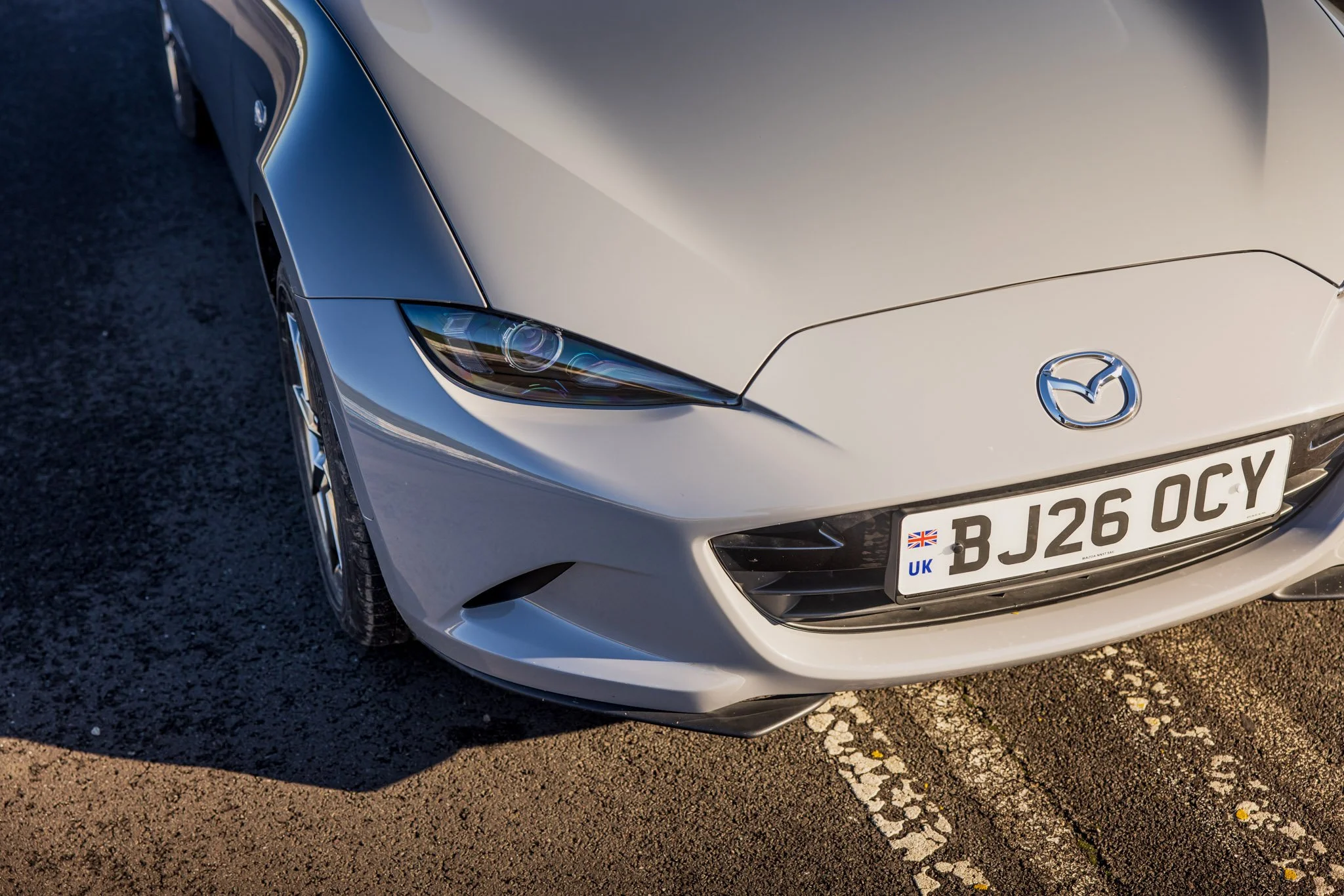
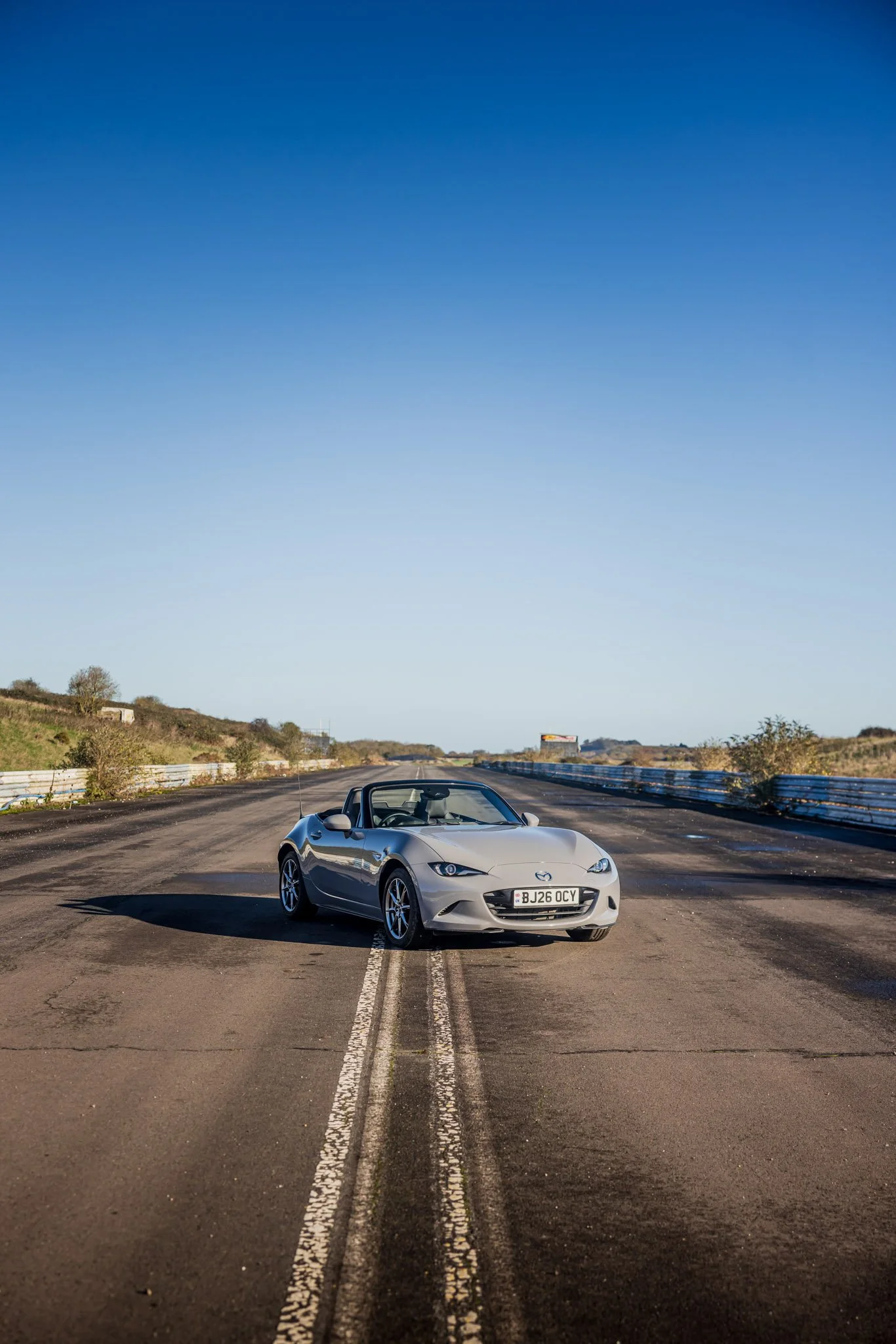
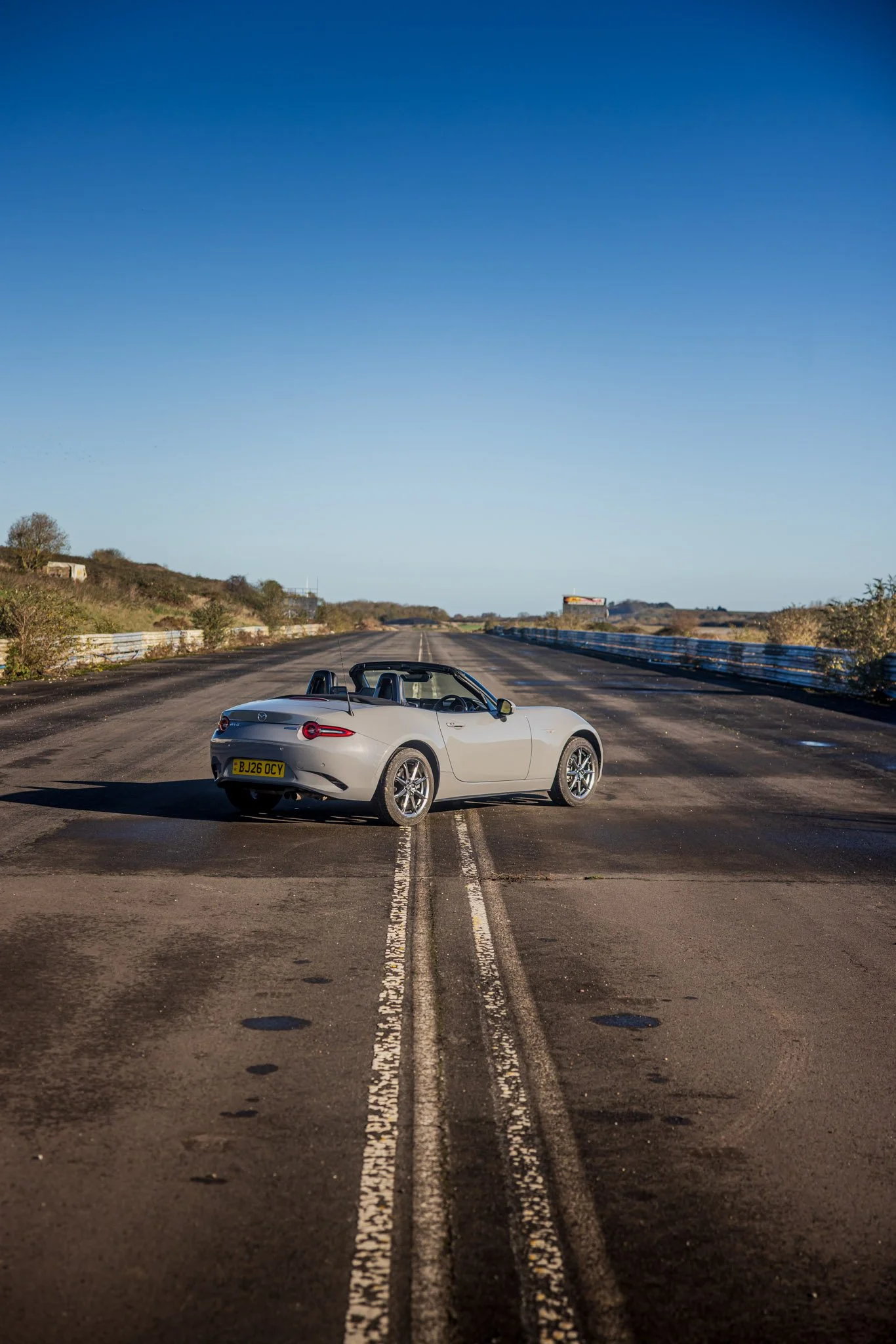
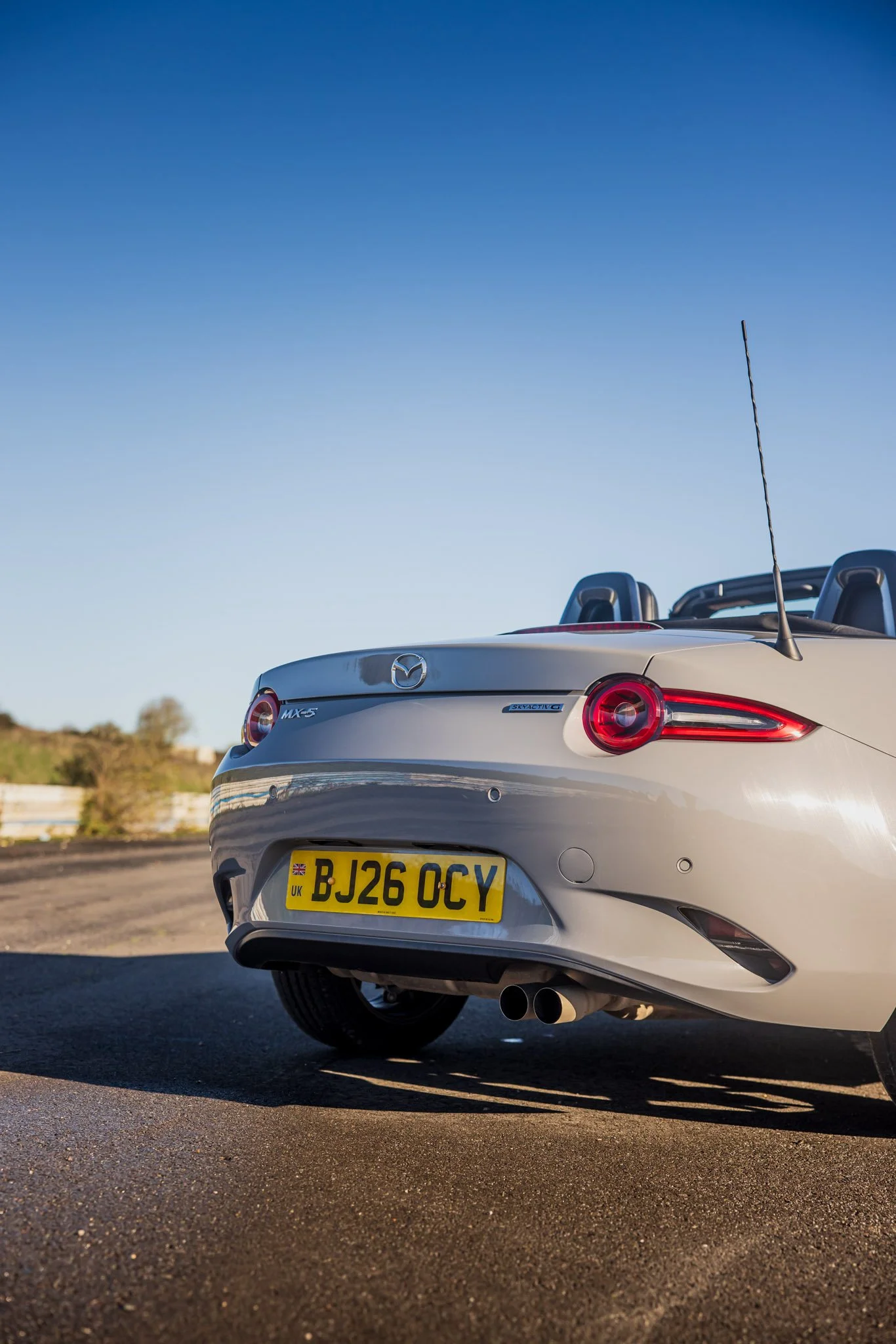
I've just concluded a week with the latest Mazda MX-5, a car that I believe is almost impossible to dislike. Since 1989, the little roadster has made a big impact in the world of driver's cars, taking inspiration from a classic British icon (the original Lotus Elan) and creating a version that was (let's be honest) better in every single aspect.
The Mazda MX-5: A Personal Love Story
The Mazda MX-5 holds a special place in my heart. The first ever sports car I purchased was a 1990 Mazda MX-5 that had been imported from Japan (also known as the Eunos Roadster). I bought my silver MX-5 as a track day toy and got to grips with Rear Wheel Drive car control. It was the first car I ever drove on track, the first car I ever mastered the art of oversteer in, and the first car I ever drove to the Nürburgring at the tender age of just 19.
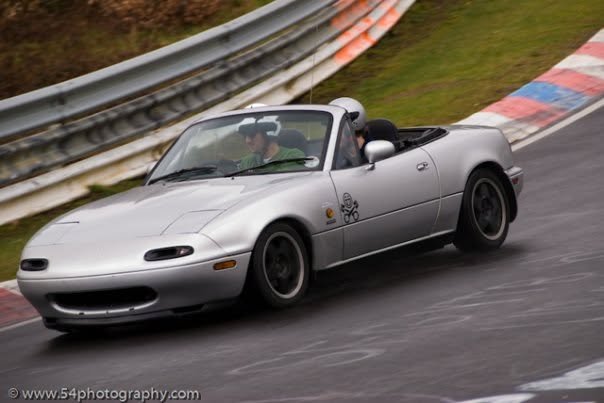
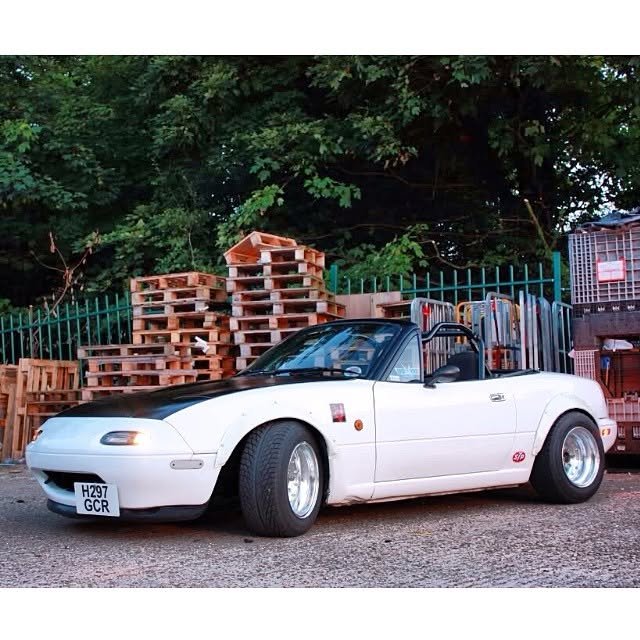
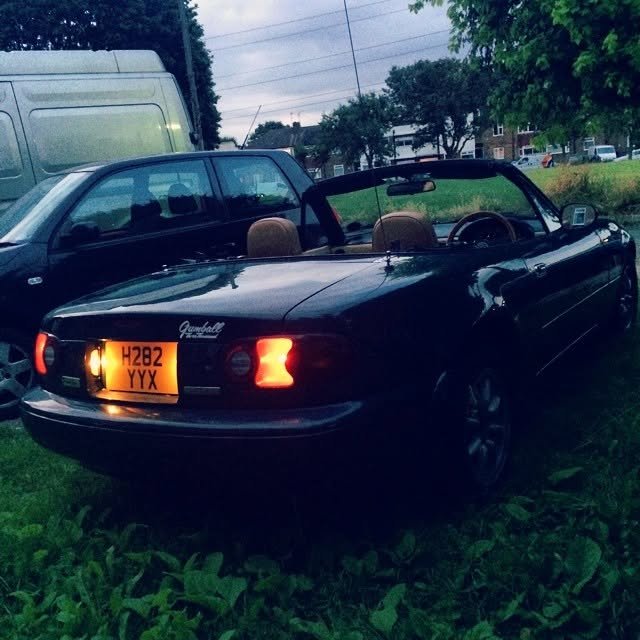

The little silver Mk1 would be the first of four MX-5s I'd own. I went on to purchase a very special one-of-one Japanese custom build and later a gorgeous green-over-tan V-Spec version, both of which have typically shot up in value since I sold them. I also had a very short stint in a Mk2.5 MX-5, which was a delightful little car.
Elsewhere in the timeline, I co-ran a track day company that primerilly catered to MX-5s and offered basic driver coaching to other MX-5 owners. I also organised events and driving tours for groups of MX-5s in Europe and was lucky enough to drive multiple versions of the model that owners had kindly entrusted to me.

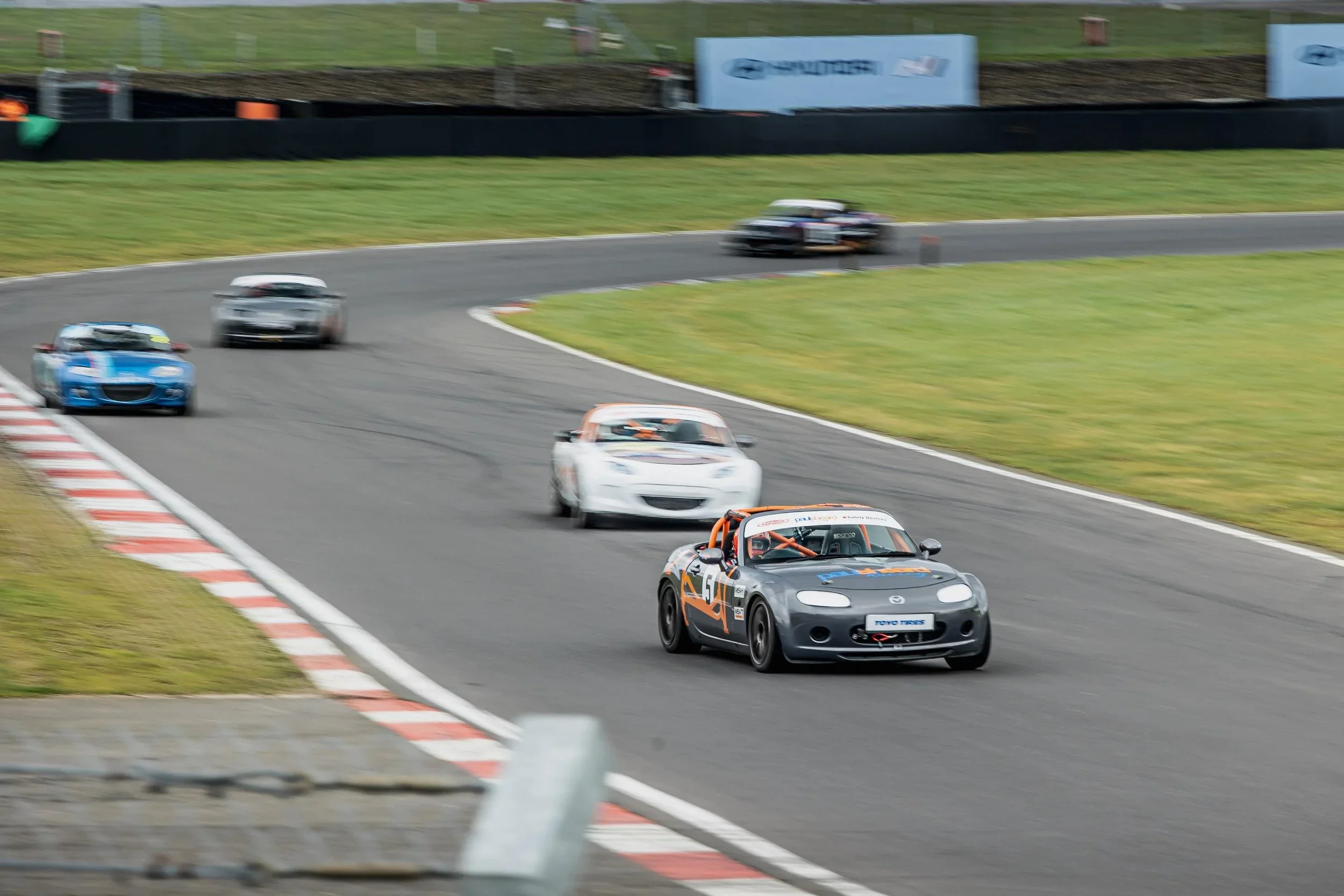
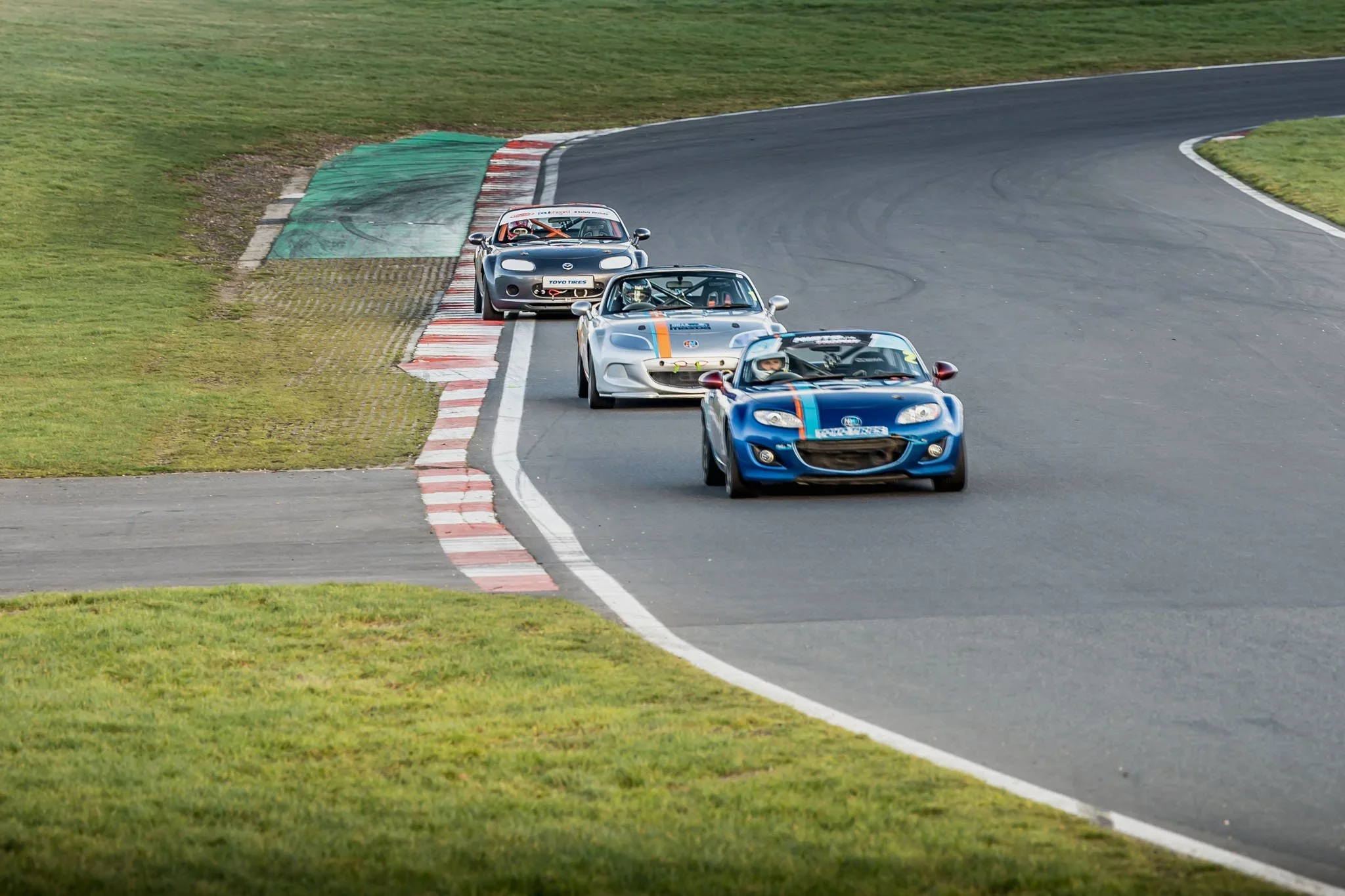

A decade or two later, I even raced some Mk3 MX-5s at Brands Hatch and Snetterton, and I can say - hand on heart - that those race-prepared MX-5s offered some of the most enjoyable driving I've ever experienced, regardless of vehicle values.
I think it's fair to say I have had more than my fair share of exposure to the humble little Mazda MX-5. Still, I couldn't help but feel intrigued by the latest offering - and so, following a polite email to the Mazda UK press office, the latest version of the MX-5 was delivered to see how it compares to the previous versions.
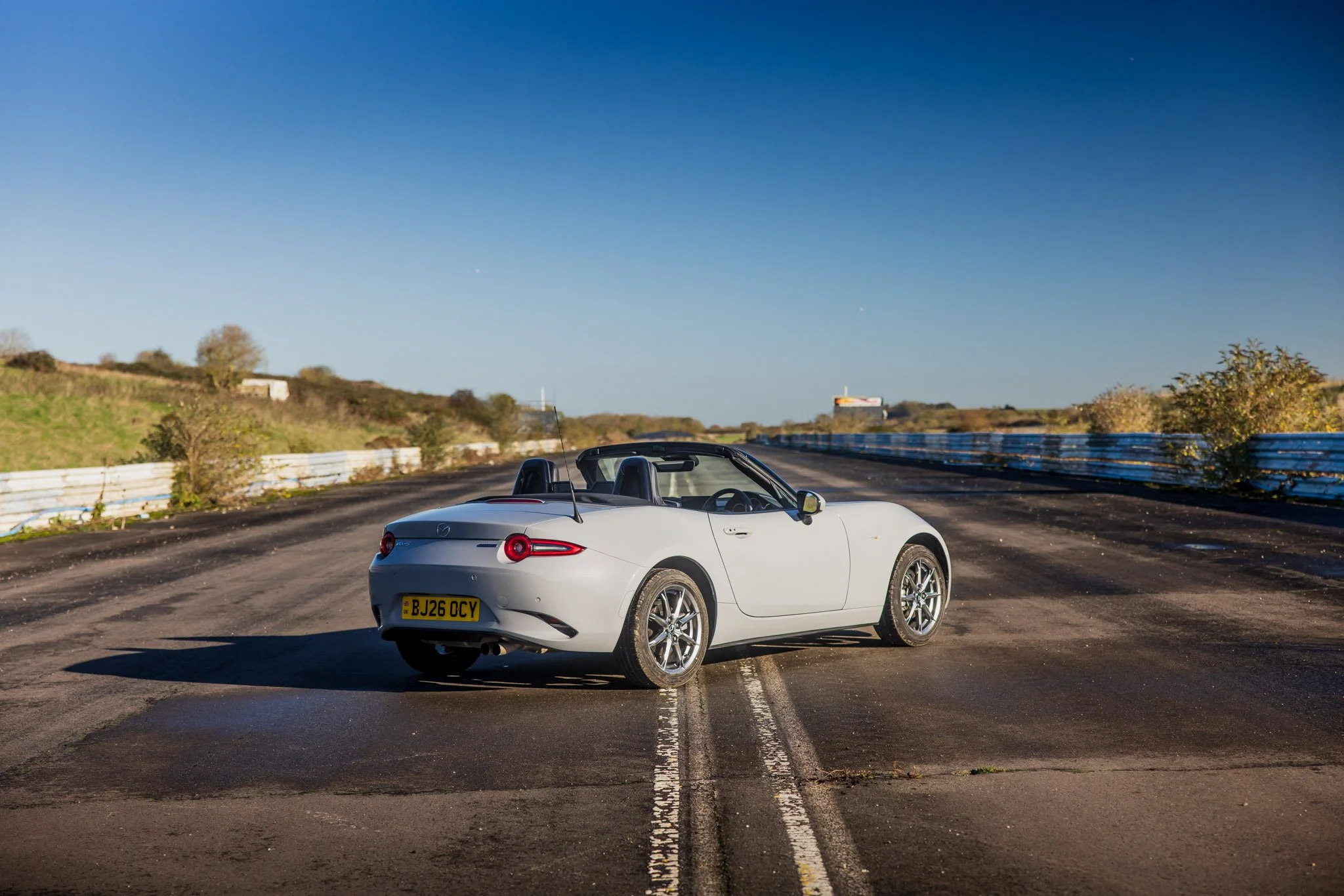
Exclusive-Line
There are currently three trim levels available when specifying your MX-5: Prime-Line, priced from £28,605.00; Exclusive-Line, priced from £30,606.00; and Homura, priced from £36,065.00.
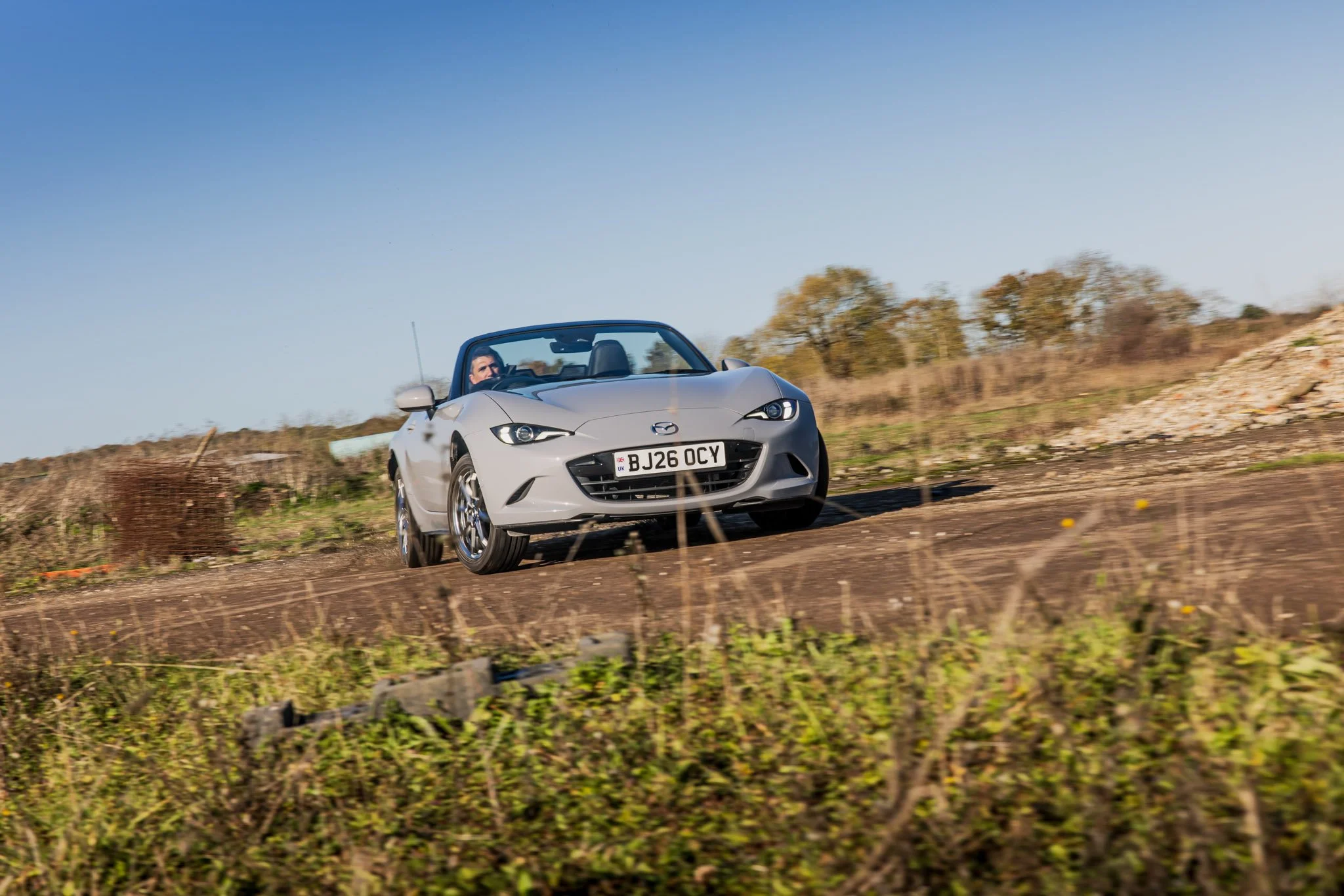
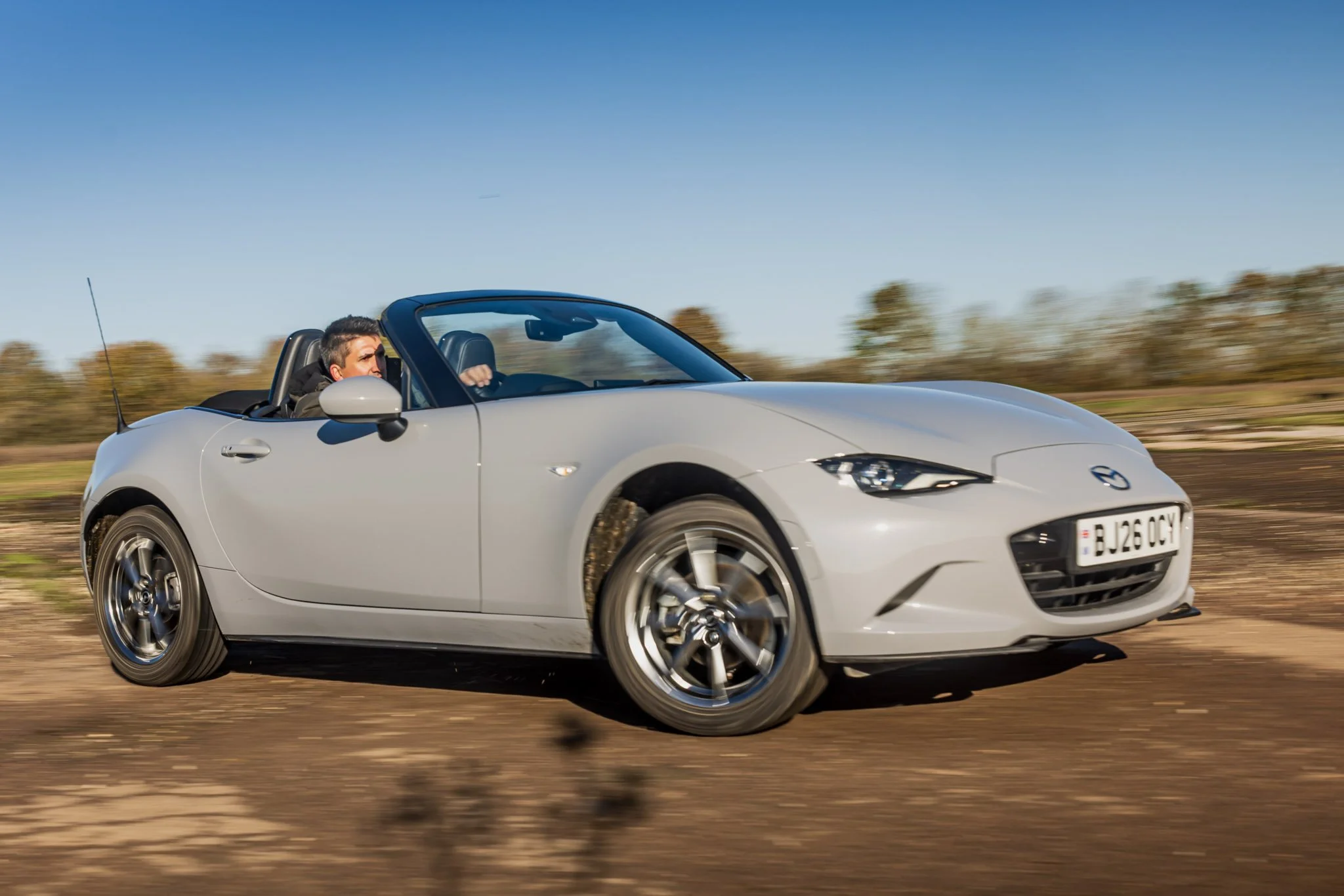
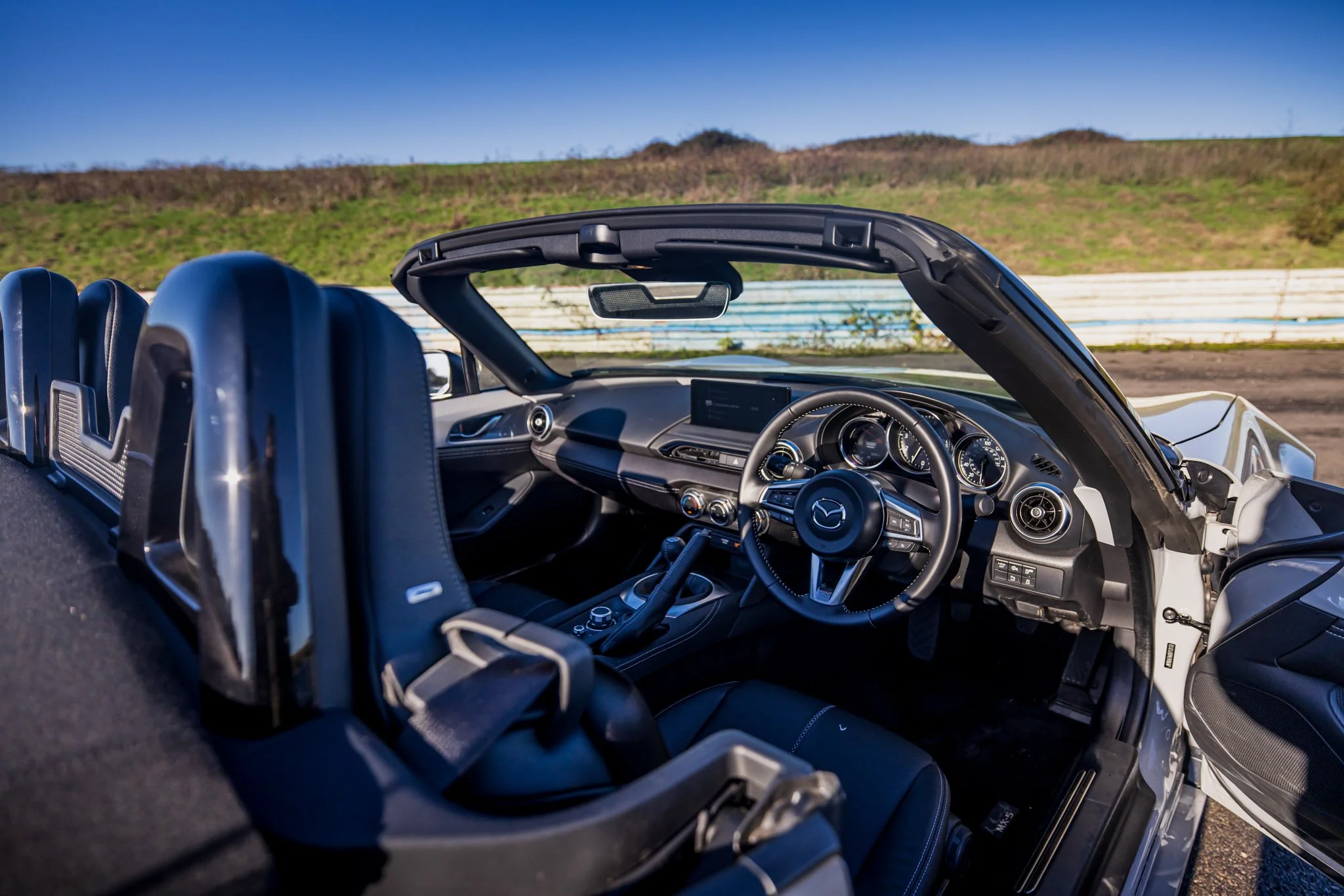
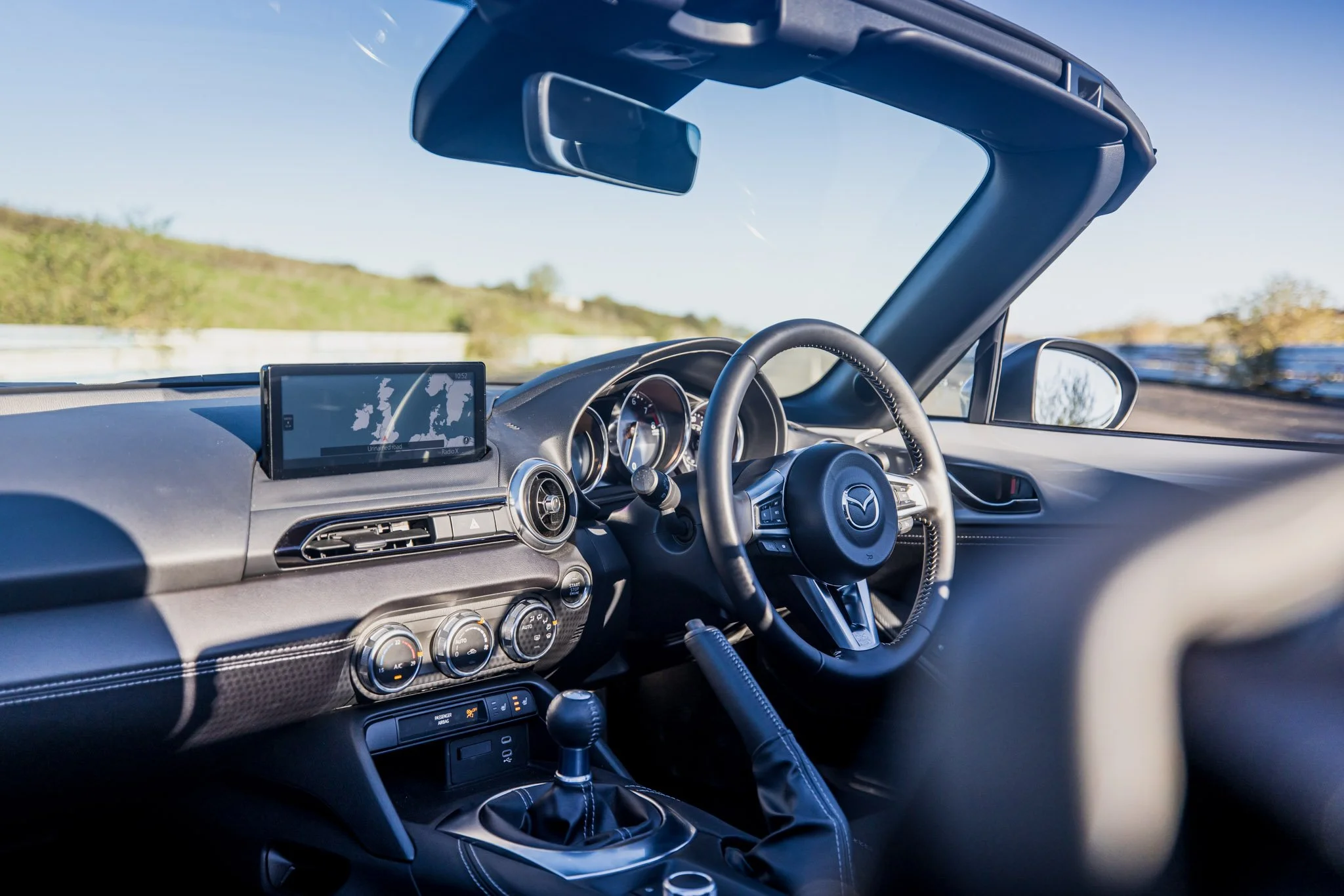
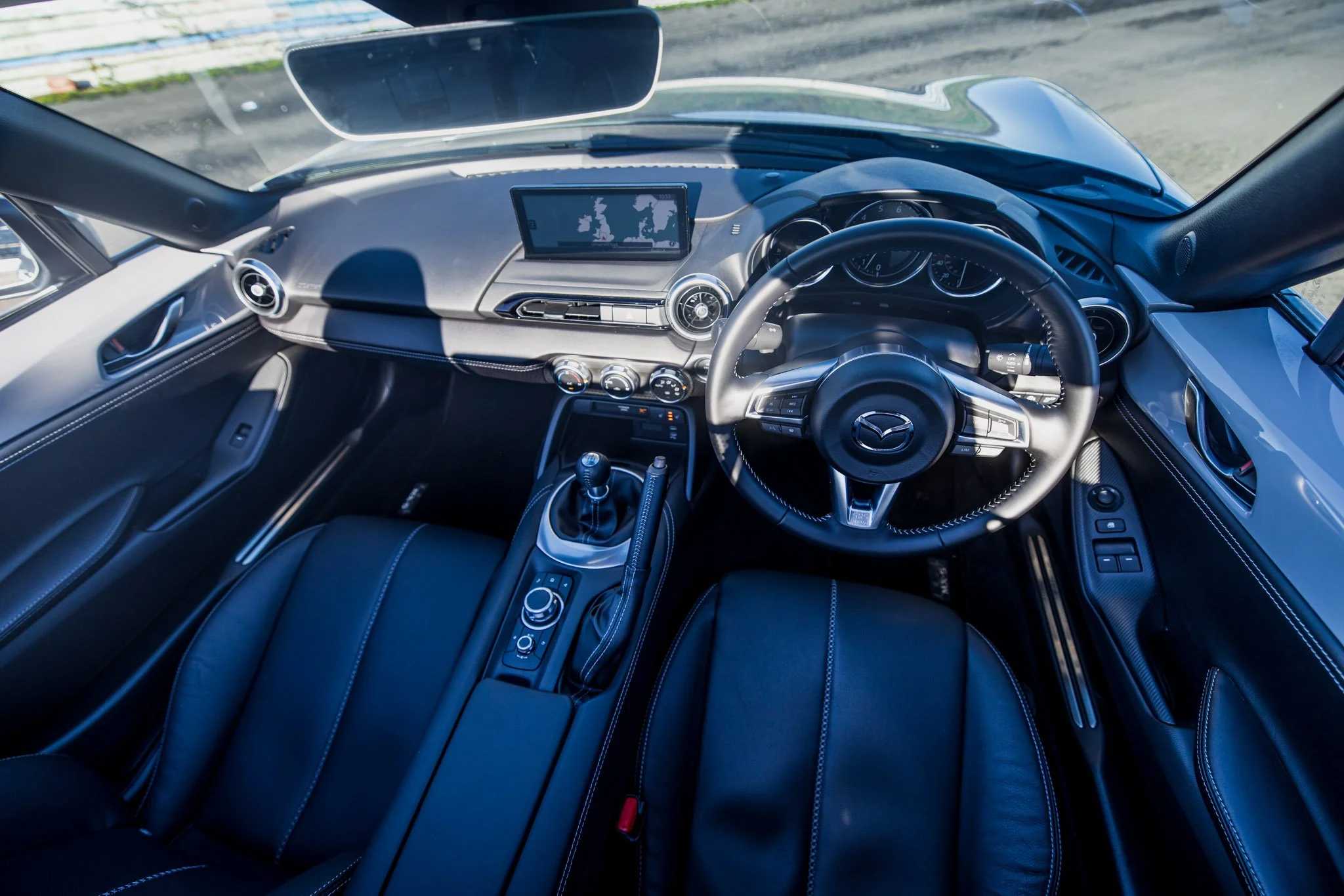
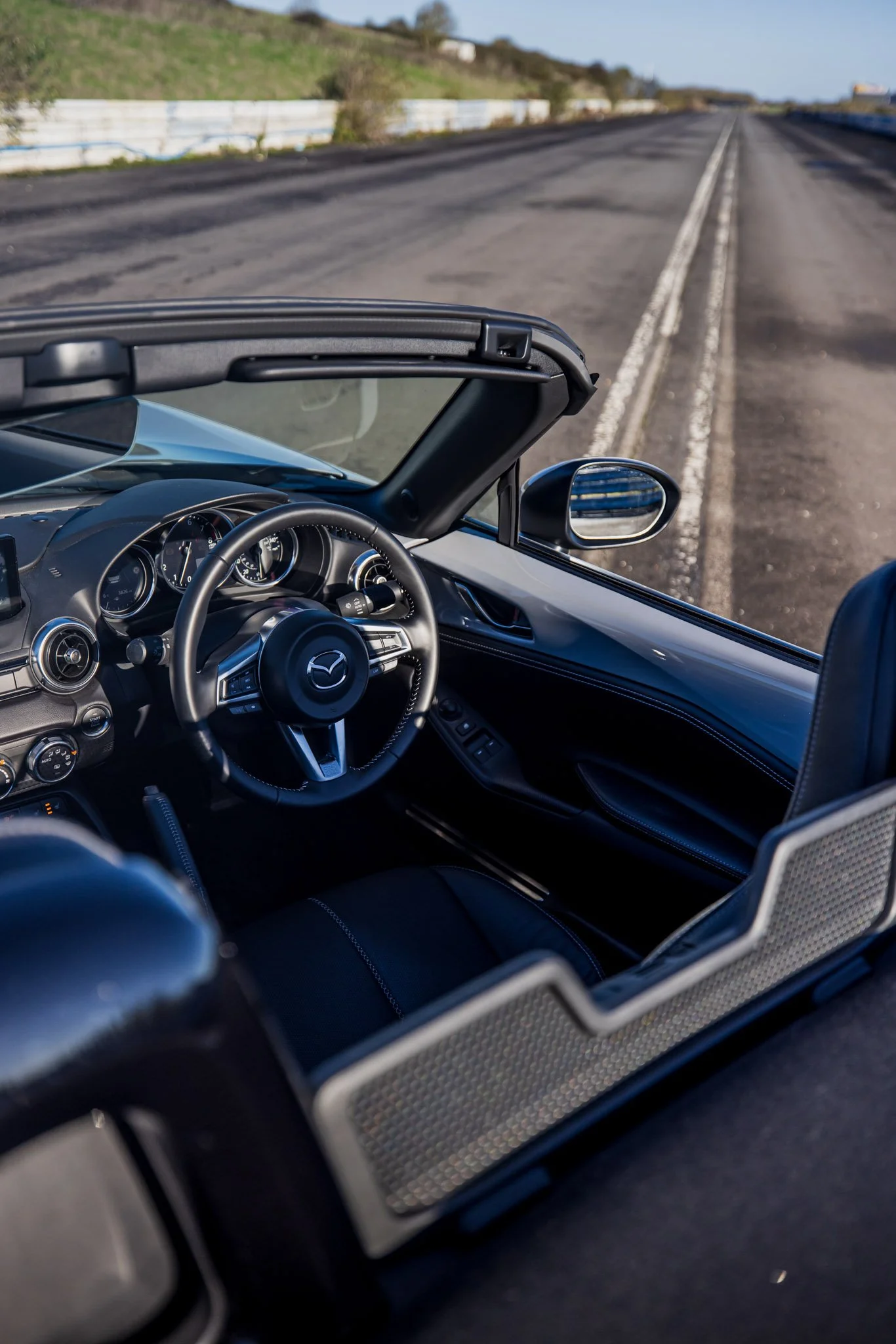
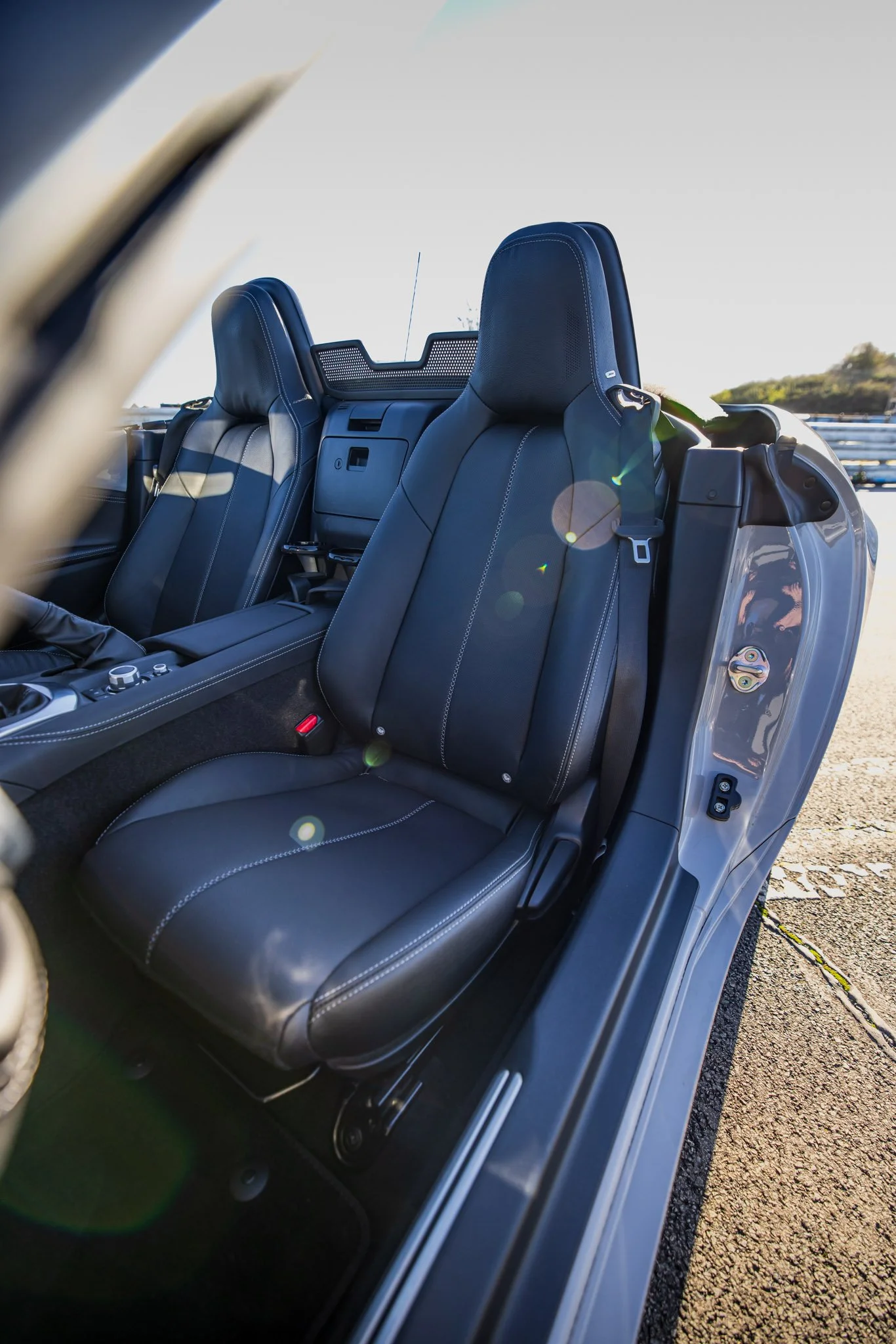
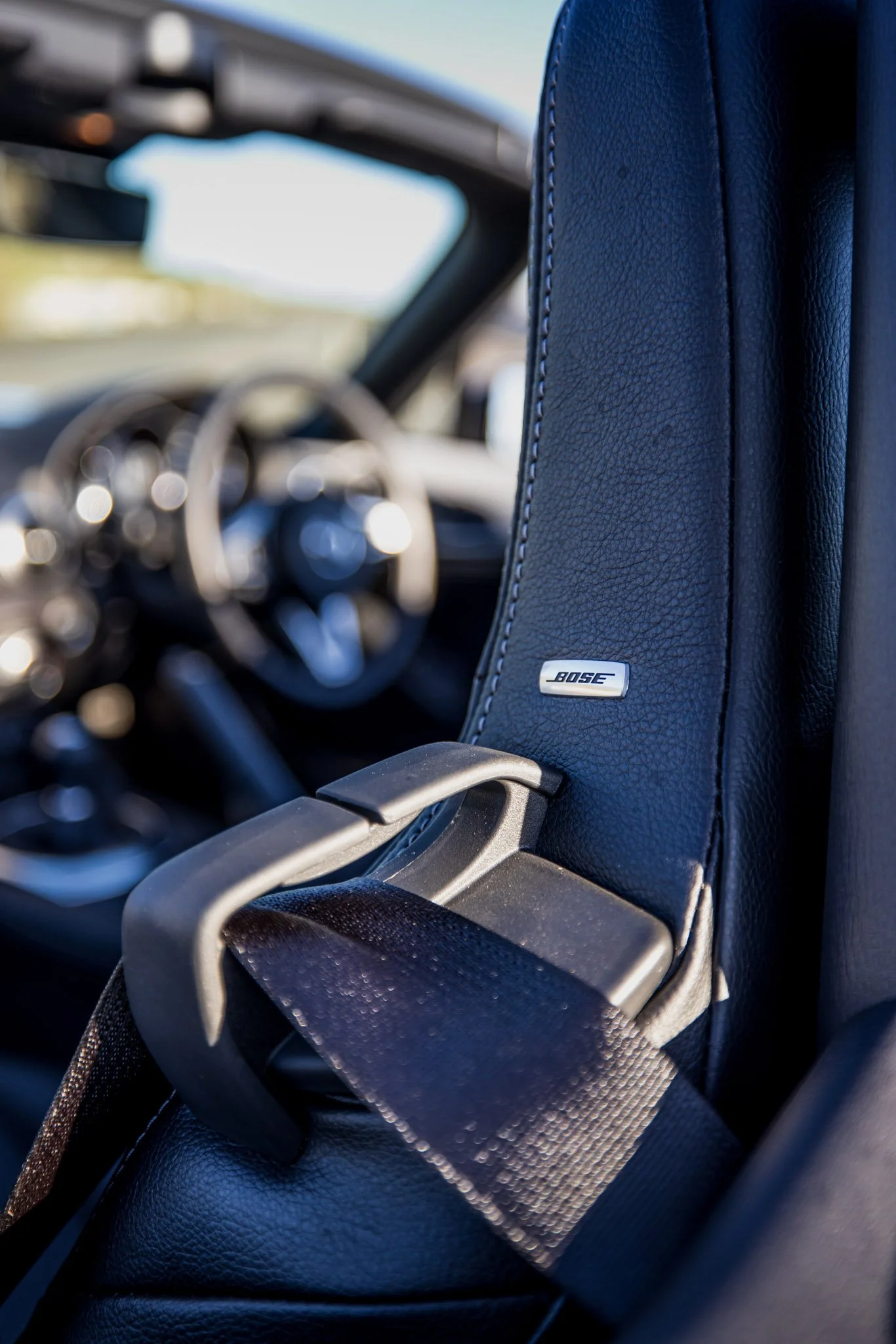
For my road test, I had the middle-of-the-range Exclusive line, which offers 16-inch alloy wheels, leather seats, a Bose surround sound audio system, dynamic stability control with track mode, and smart keyless entry.
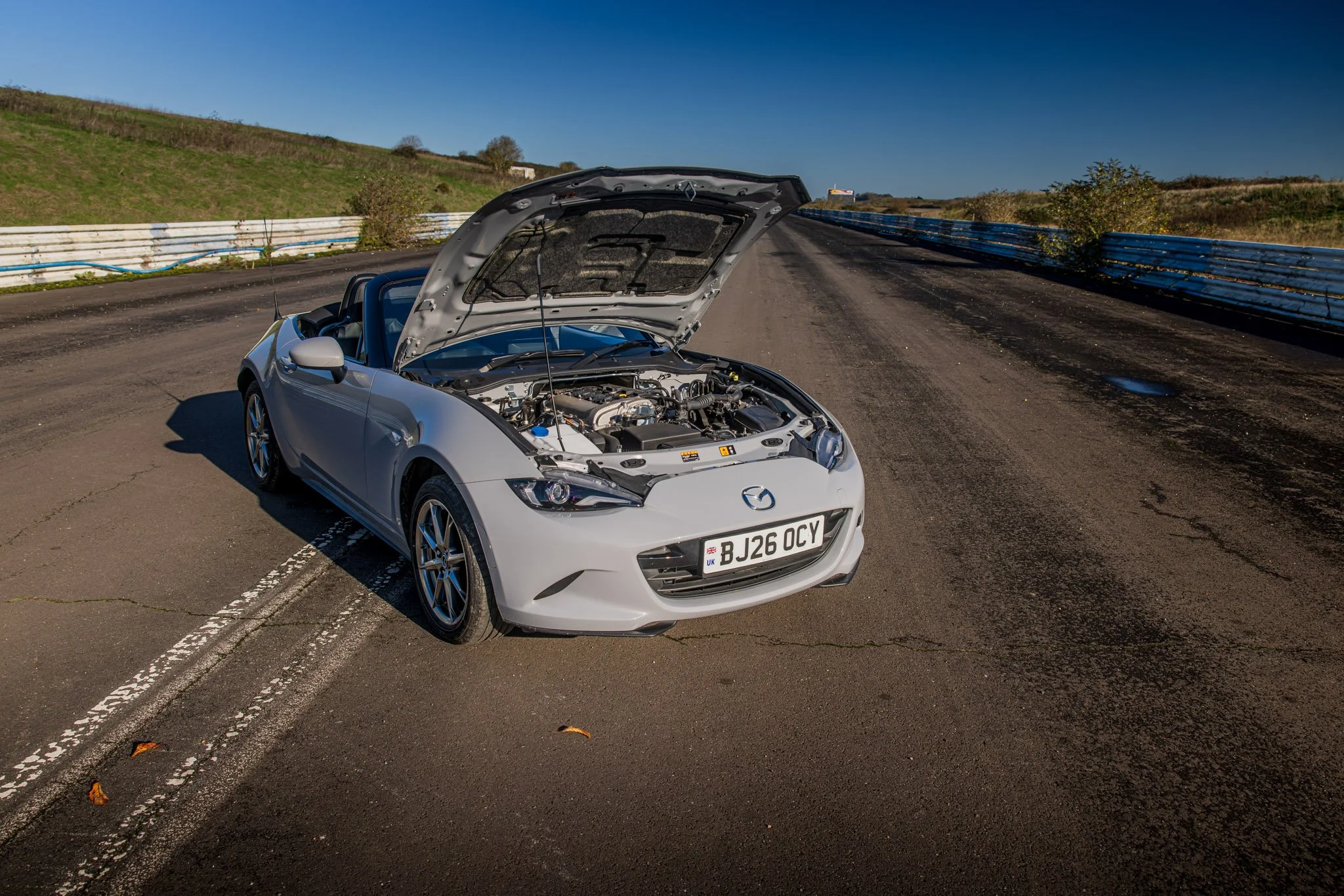
Which MX-5 Engine is Best?
Once you've settled on a trim, the next big decision is which engine to choose out of the two available options. The larger of the two is a 2.0L naturally aspirated 4-cylinder which produces 184 hp to the rear wheels at 7000rpm. For my press car, I was in the smaller 1.5L engine. Like the larger-capacity engine, the 1.5L is also naturally aspirated, and it delivers 132 hp to the rear wheels at 7000 rpm.
If the Mazda MX-5 has taught us anything over the last 37 years, it's that 'bigger doesn't always mean better' and the peppy little 1.5L engine is proof of that. The engine delivers a smooth and delightfully linear power band through the rev range, rewarding a familiar exhaust tone and exciting rasp up to the redline.
By modern standards, 134 hp in a sports car won't impress many people on paper, but in use, the power feels great. The Mazda has weight on its side, and at just 1,031 kg, the model boasts a more than adequate 126 bhp per tonne.
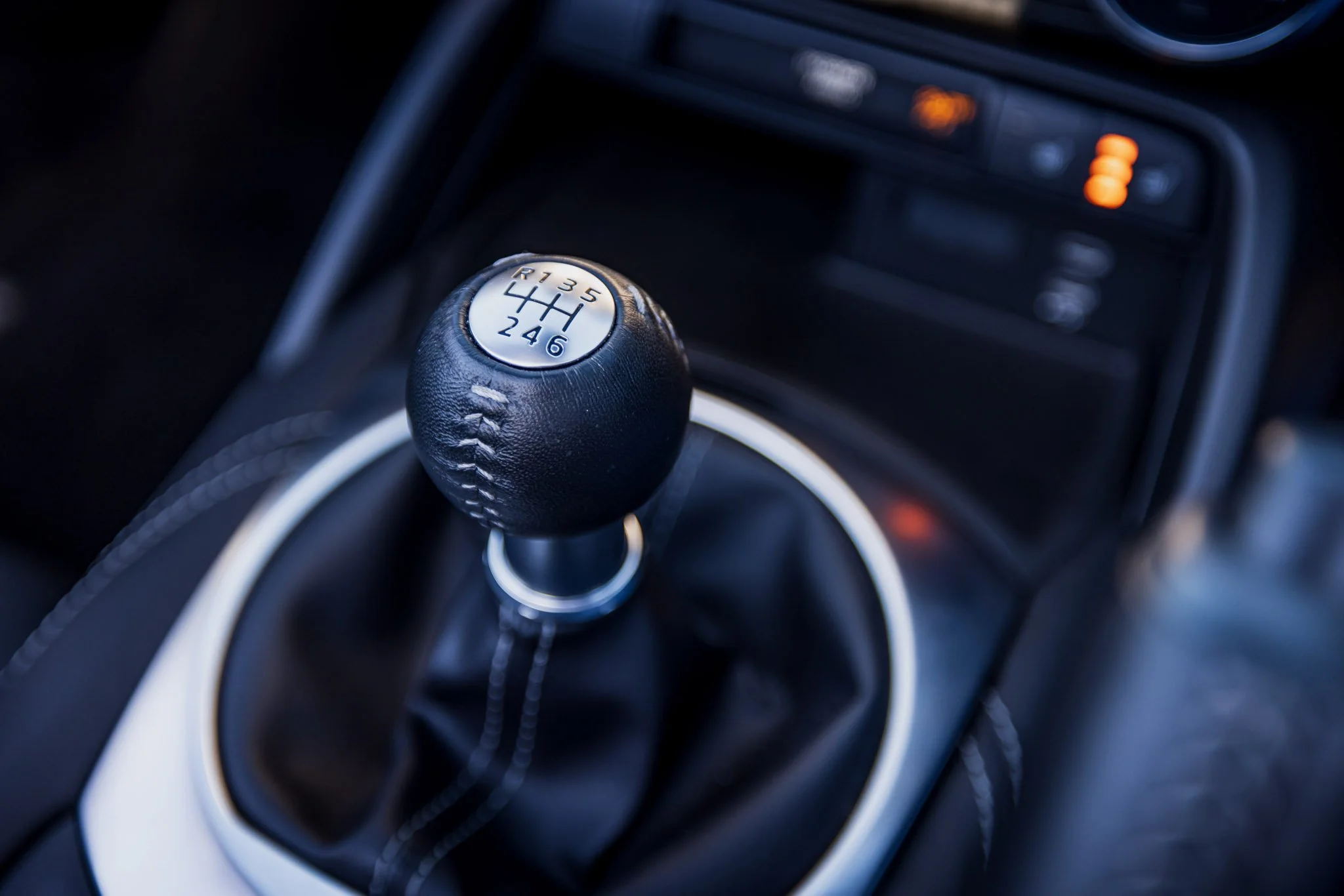
The Best Manual Gearbox Ever?
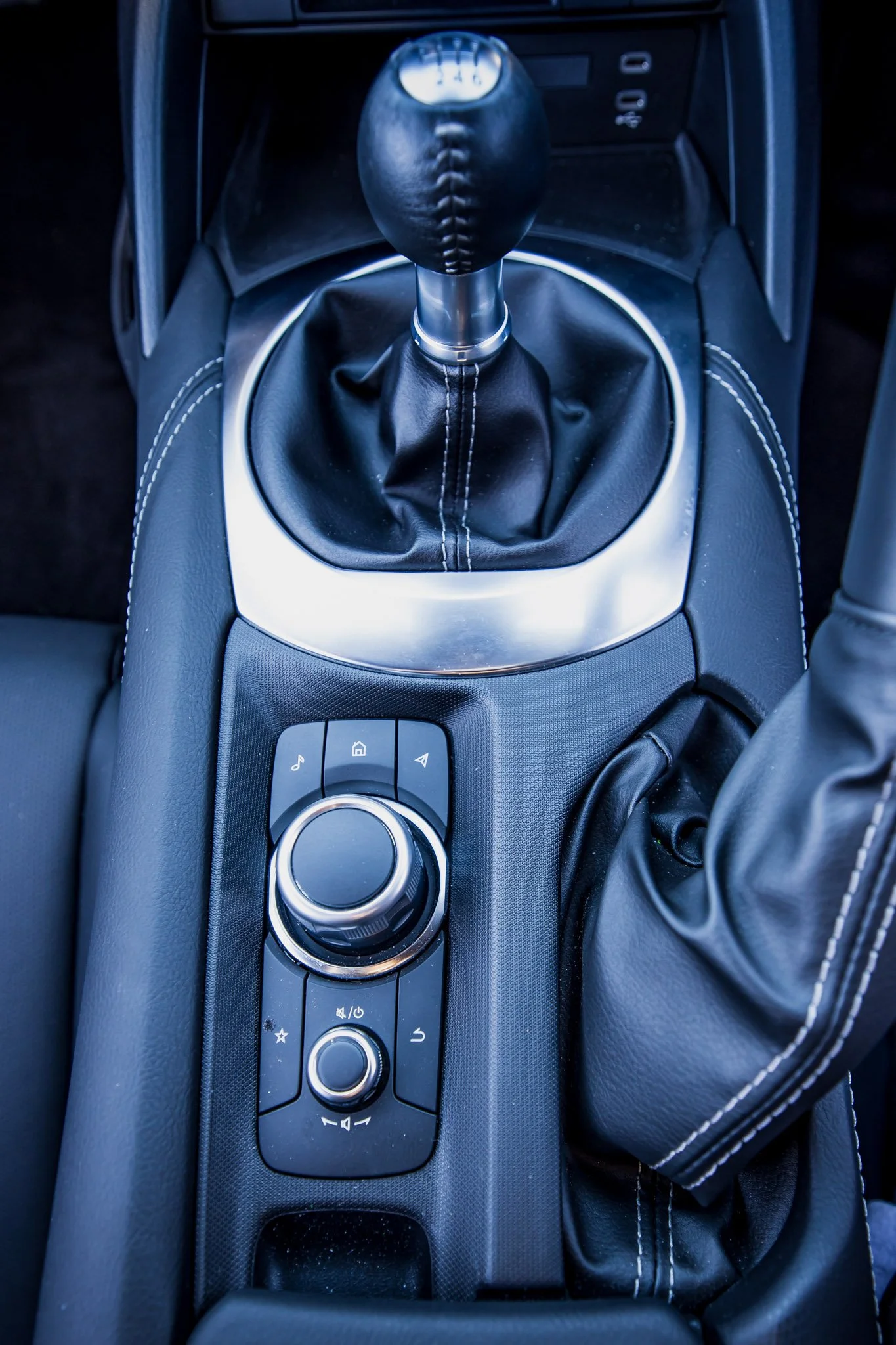
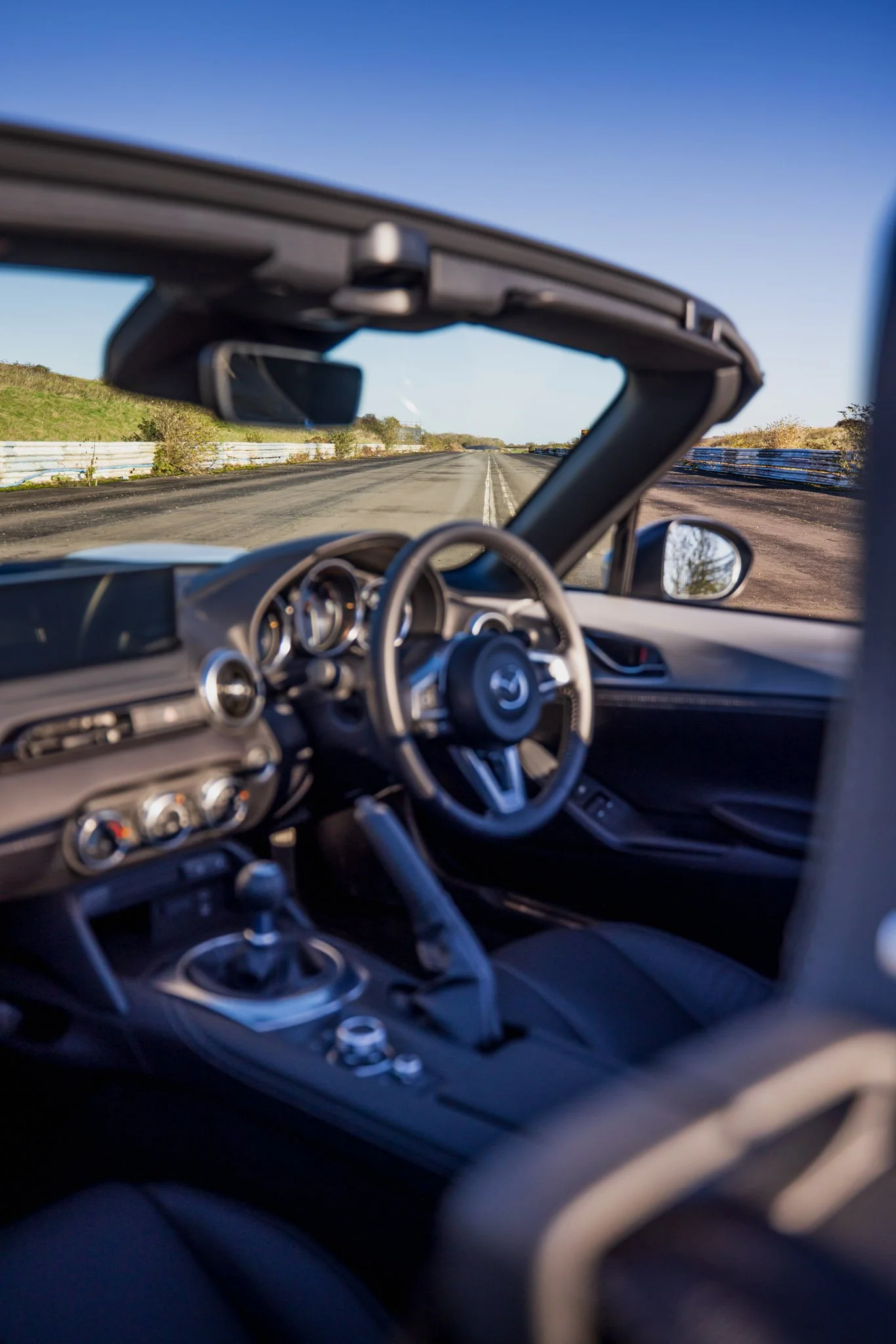
Adding to the engine's engagement is a simply sublime 6-speed manual gearbox. The manual gearboxes in MX-5 have always been a positive talking point, and in the latest model it's no exception. The gearbox engages each gear with pin-sharp precision, making shifting gears feel like second nature.
Chassis and Handling: Delightful
Another big talking point for the MX-5 is the handling and suspension. The MX-5 doesn't complicate things with adjustable dampers or artificially weighted steering settings; it's a simple, one-size-fits-all get-out-and-go setup. The good news with Mazda's simple approach is that it's all brilliant - just as it always has been.
Using words such as 'perfect' is very dangerous in this line of work; however, for the MX-5, I'm tempted to risk it. The suspension compliance and handling balance through corners are about as close to perfect as I could have asked for, and thanks to the whole car weighing in at just over a tonne, the feel through the steering wheel is exclusively positive.
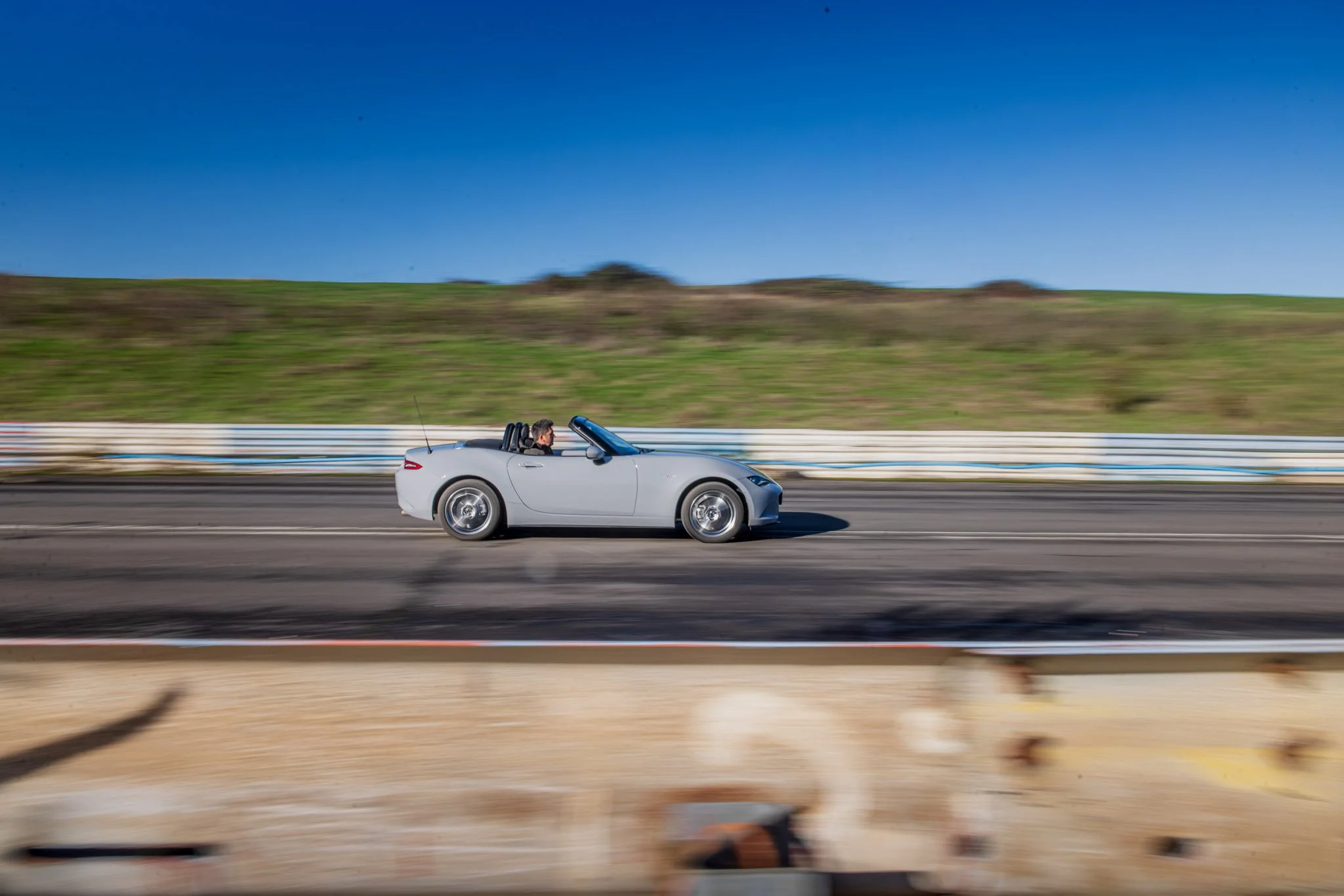
Sporty vs Everyday Driving
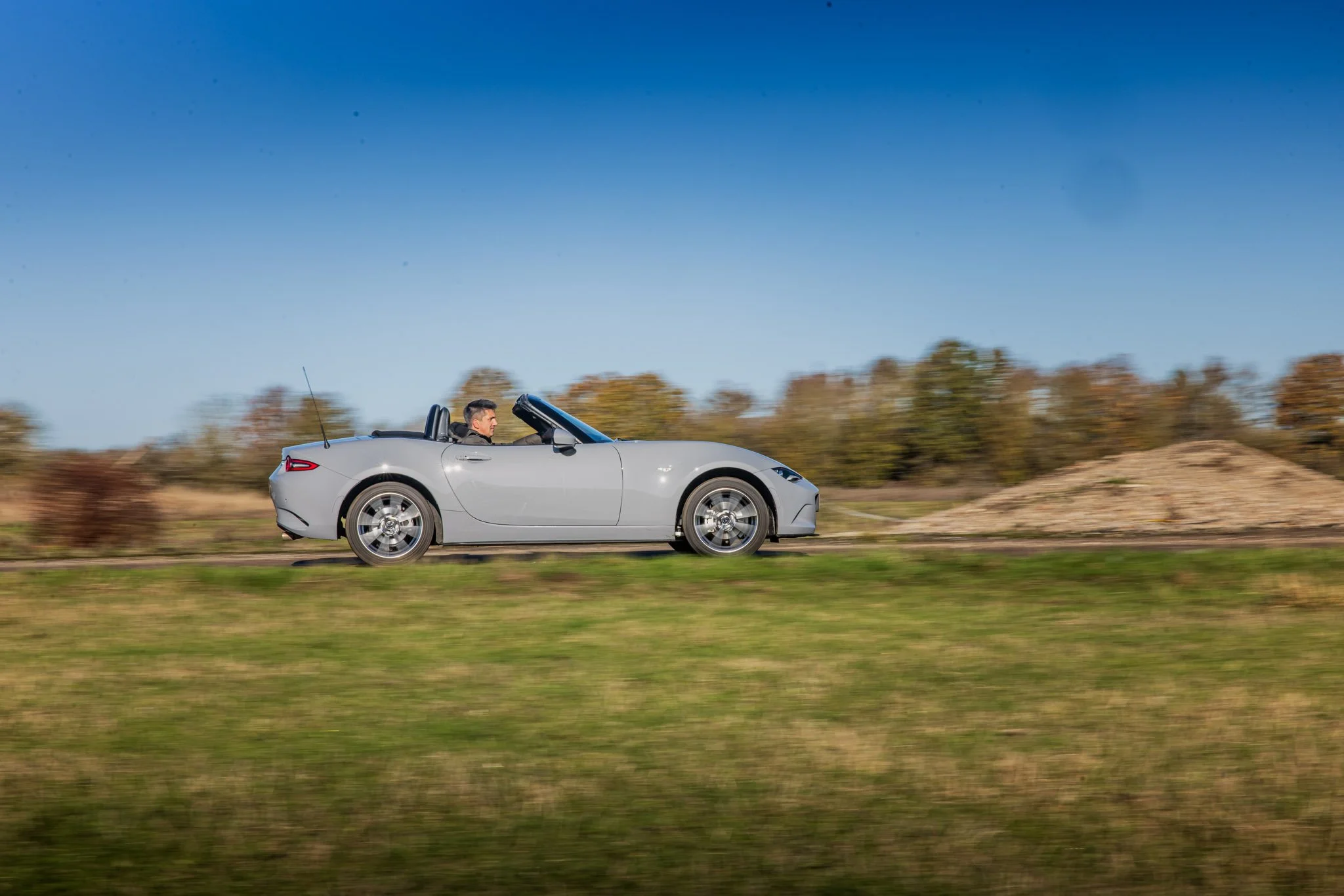
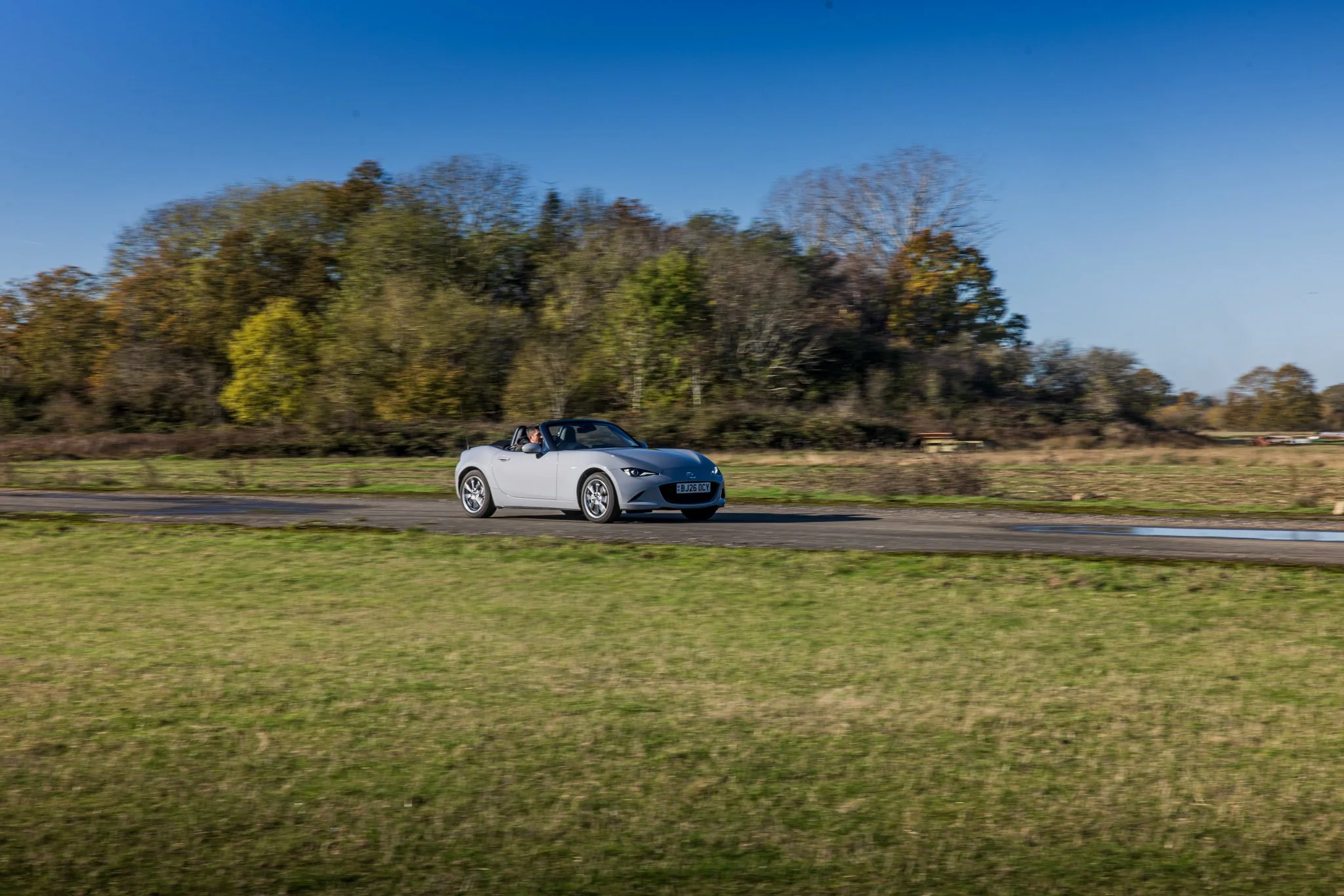
From a driving point of view, the MX-5 has very few compromises for spirited and everyday driving. On familiar roads, the MX-5 feels safe, predictable, and delightfully easy to control. The brakes feel sharp and precise without being too 'grabby' for the road, and the suspension is soft enough to endure speed bumps and potholes without too much fuss or discomfort.
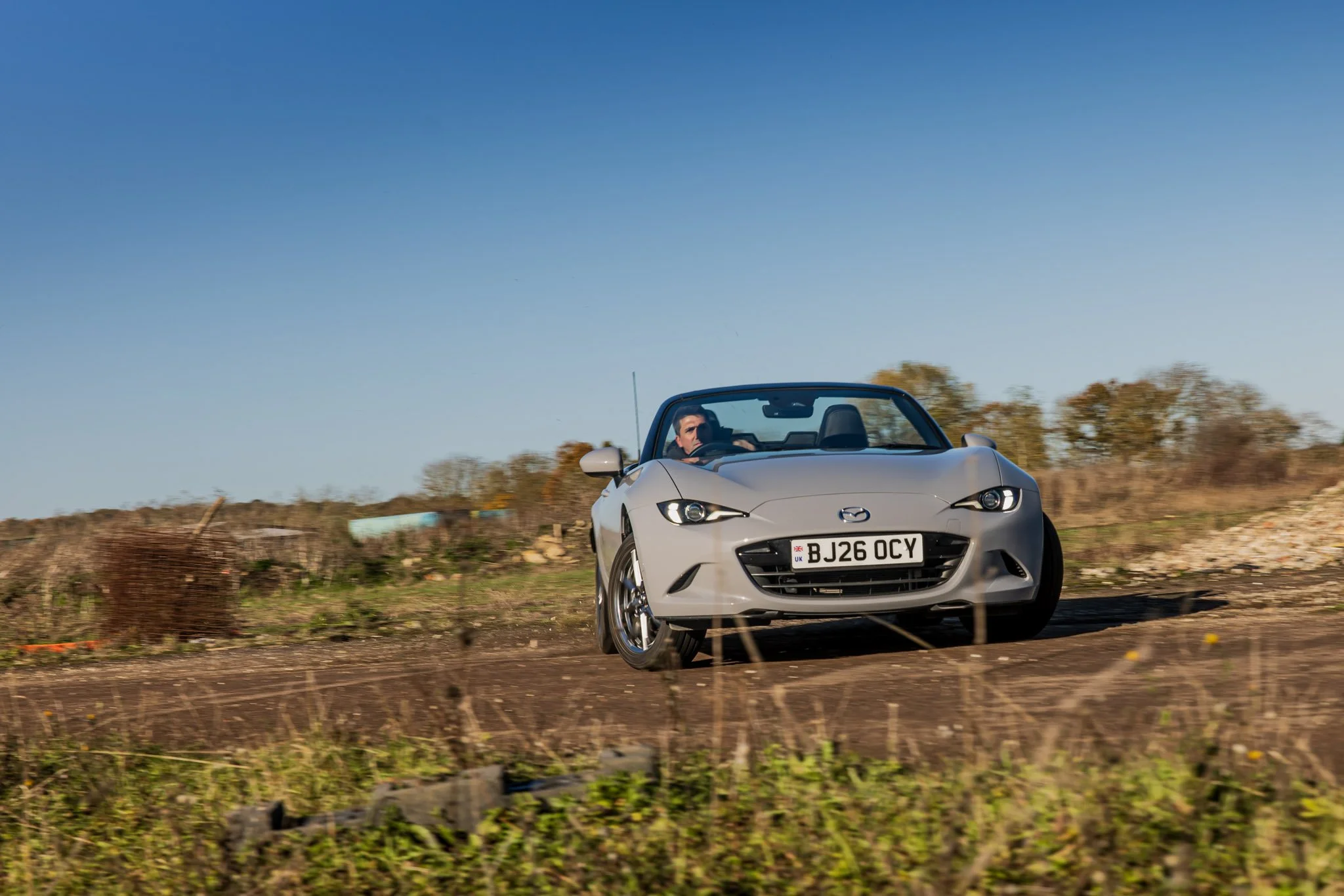
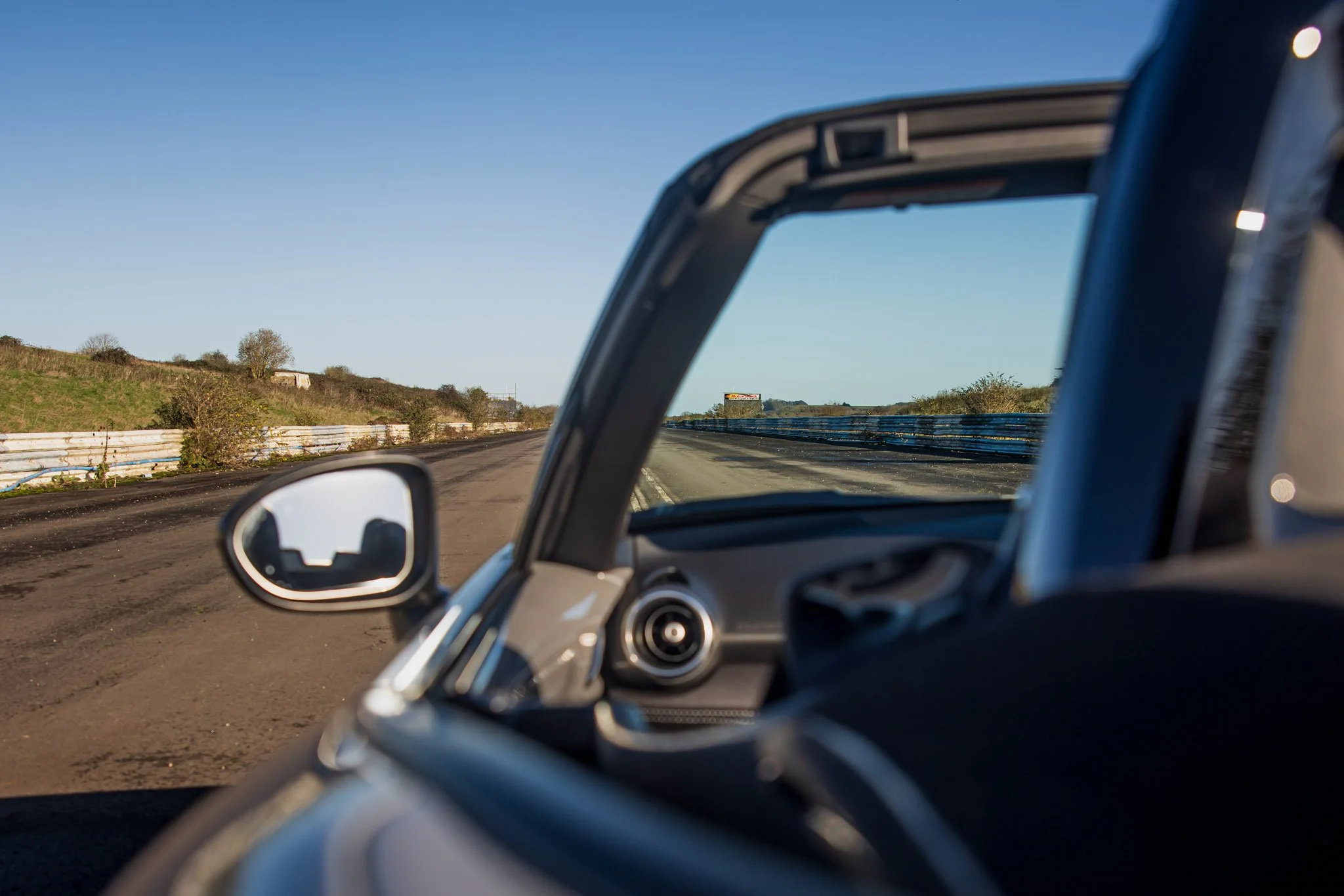
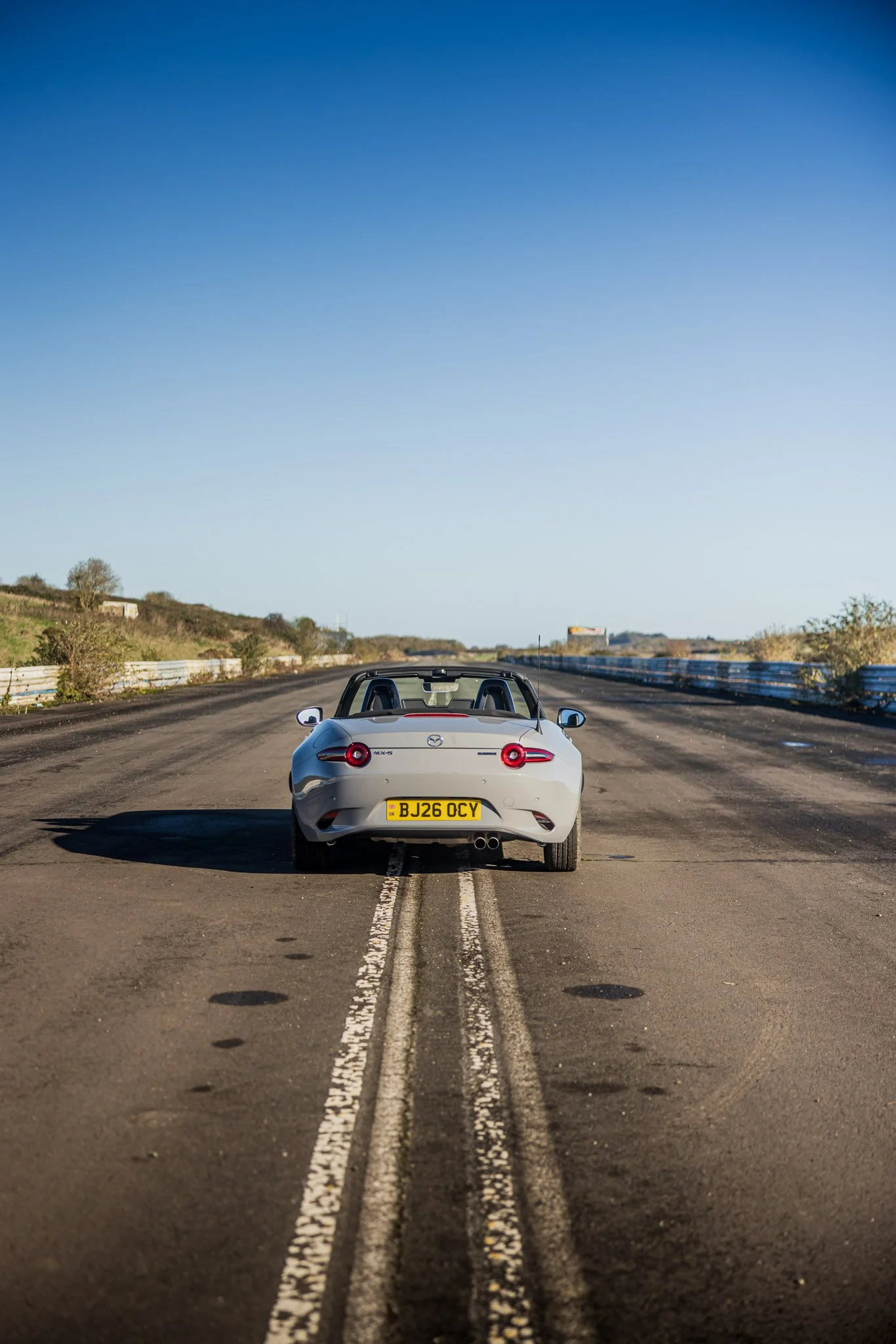
If, like me, you have access to a private airfield for a few hours, you can unlock the full joy of driving by powersliding and drifting the model with ease, but the real joy is found on a familiar 60 mph country road. With the roof down, the MX-5 comes into a league of its own, and I'd challenge any driver not to have a play without cracking a smile.
Real World Practicality
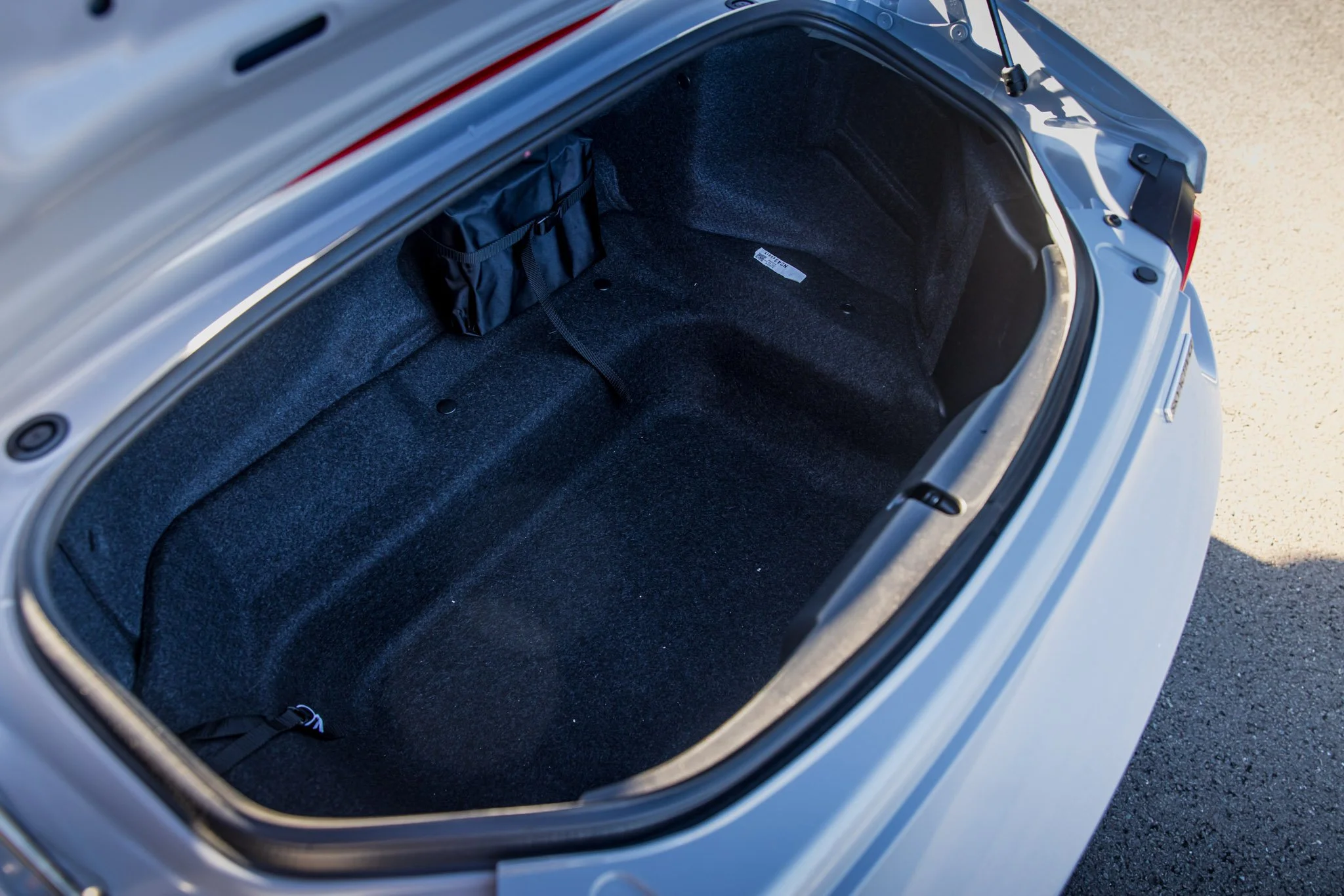
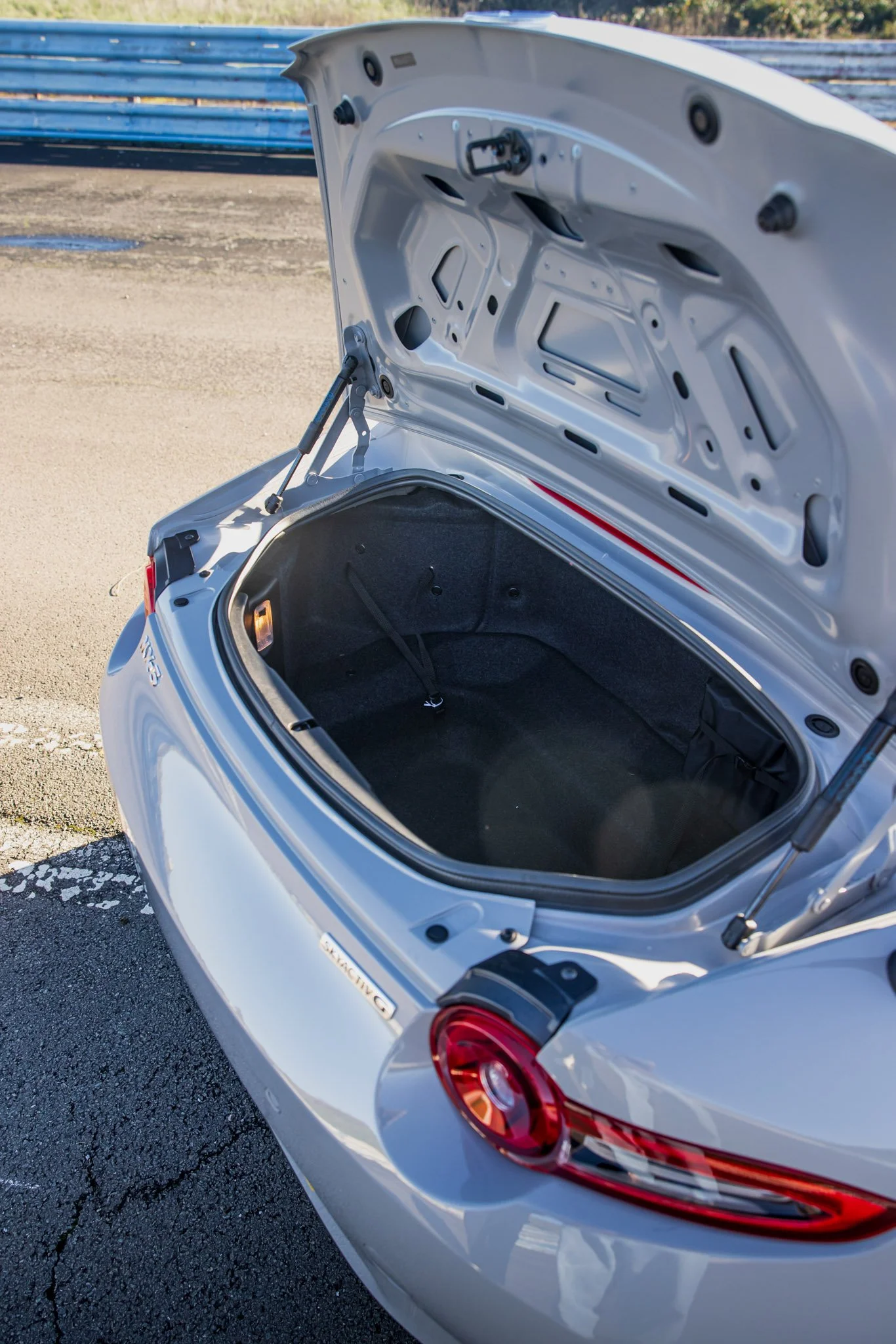
There's no getting away from the fact that the MX-5 is a small car, so things like boot space and storage can be a challenge. Larger suitcases won't fit in the MX-5's 130L boot, and for in-car storage, there are only two small cubbies and no glove box or door pockets.
If, like me, you're over 6' tall, then you might find that the standard seating makes you feel especially tall. Modern crash-safety requirements dictate that seat bases must sit higher than the sill, meaning taller drivers may feel a little higher up than usual. Still, legroom isn't compromised in either the driver or passenger seat, and the model is very comfortable for long drives regardless of the seat height.
With the roof up, the wind noise and road rumble at motorway speeds are surprisingly low, so you can take advantage of the Bose surround sound system, which is a lovely luxury.
So, what's changed in almost 40 years?
Perhaps the biggest delight from my week with the new MX-5 is realising how little has changed since my 1990 model.
What I love most about the MX-5 is that the recipe has stayed mostly the same. Despite new crash-safety bracing, airbags, and electronics, the new MX-5 is just 36 kilos heavier than the original Mk1, and despite the engine being 100cc less than my old 1.6L, it's quicker, more powerful, and just as engaging to drive.
So many driving icons, such as the Mini Cooper, VW Golf GTI, and even the Porsche 911, have evolved brilliantly from their origins, but in doing so have become significantly larger, heavier, and much more complicated than the early models that paved the way for later versions' success. In the MX-5, the seating position, steering, and overall feel of the new model feel like a wonderful evolution from the Mk1. It's been a great week and one that has brought back many happy memories.
TL;DR - Go and Drive One!
If you haven't yet experienced an MX-5, I urge you to visit your nearest Mazda retailer to give one a try. I promise you'll never think about sports cars or driving in the same way again.
Words by John Marcar
Photography by Henry Faulkner-Smith