
Living with an MG IM5 ‘Long Range’
Sam Sheehan has spent some quality time with MG's sleek electric Tesla Model 3 rival and has found that it does one thing better than anything else in the class.
The Rise Of China
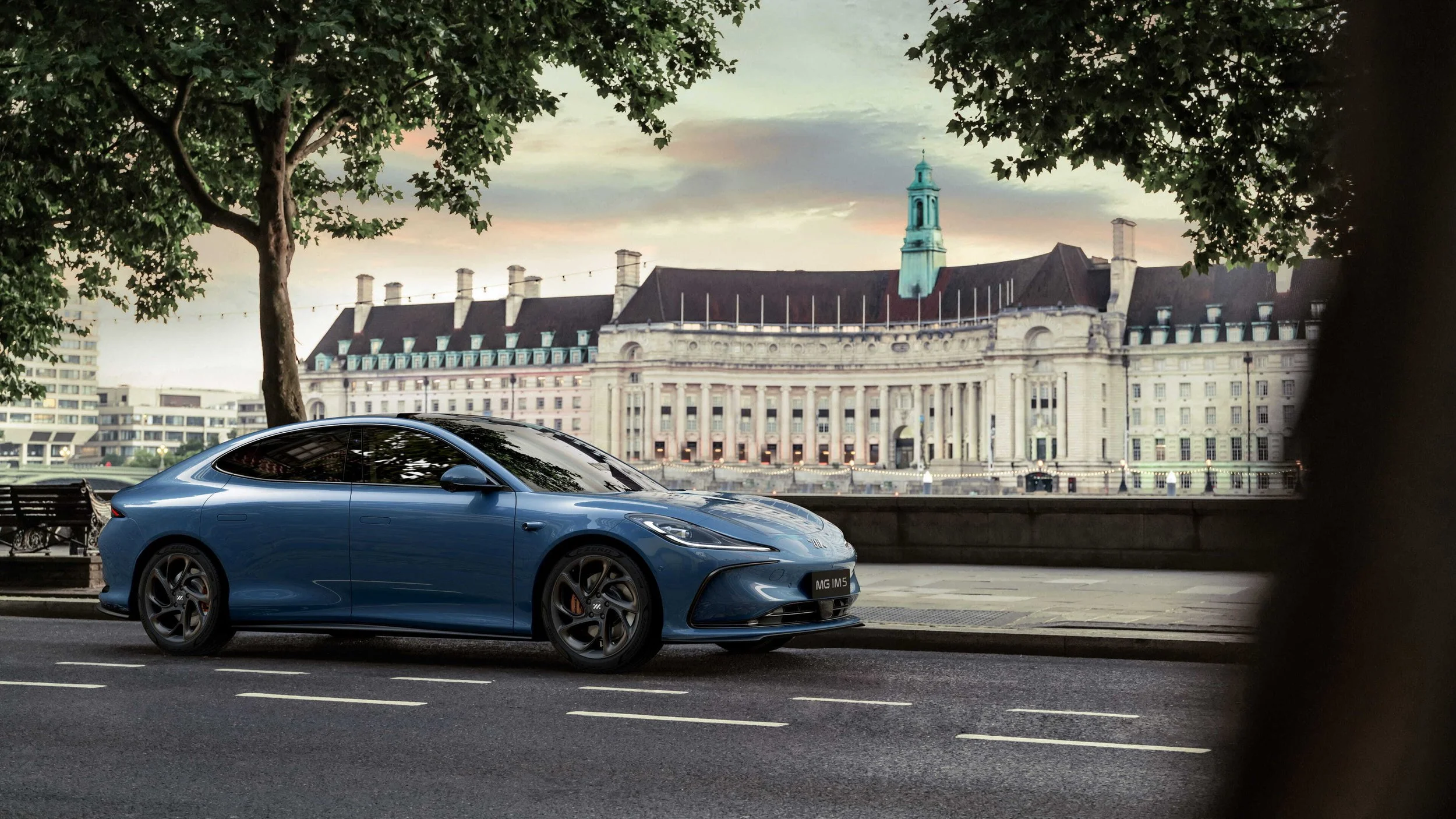
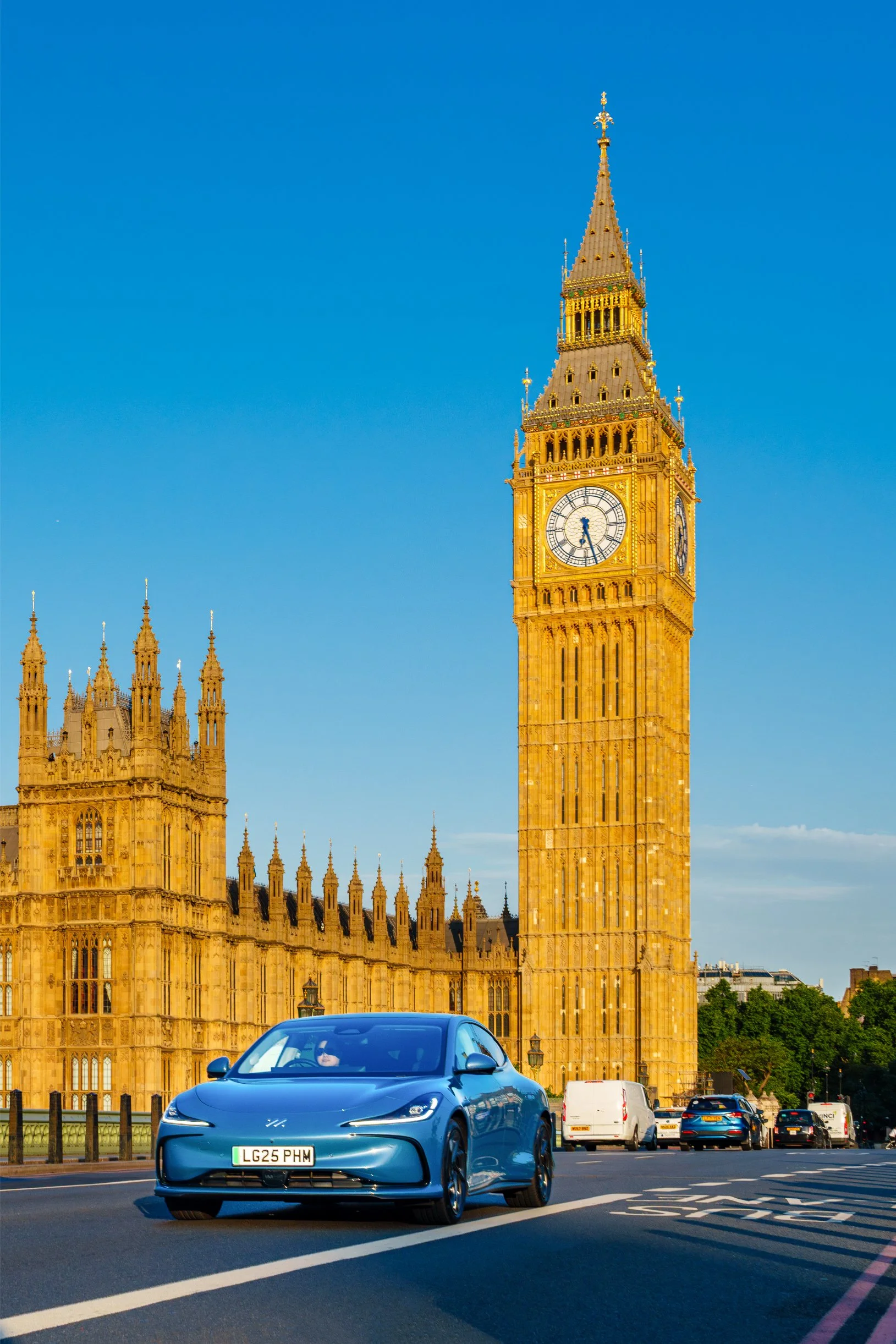
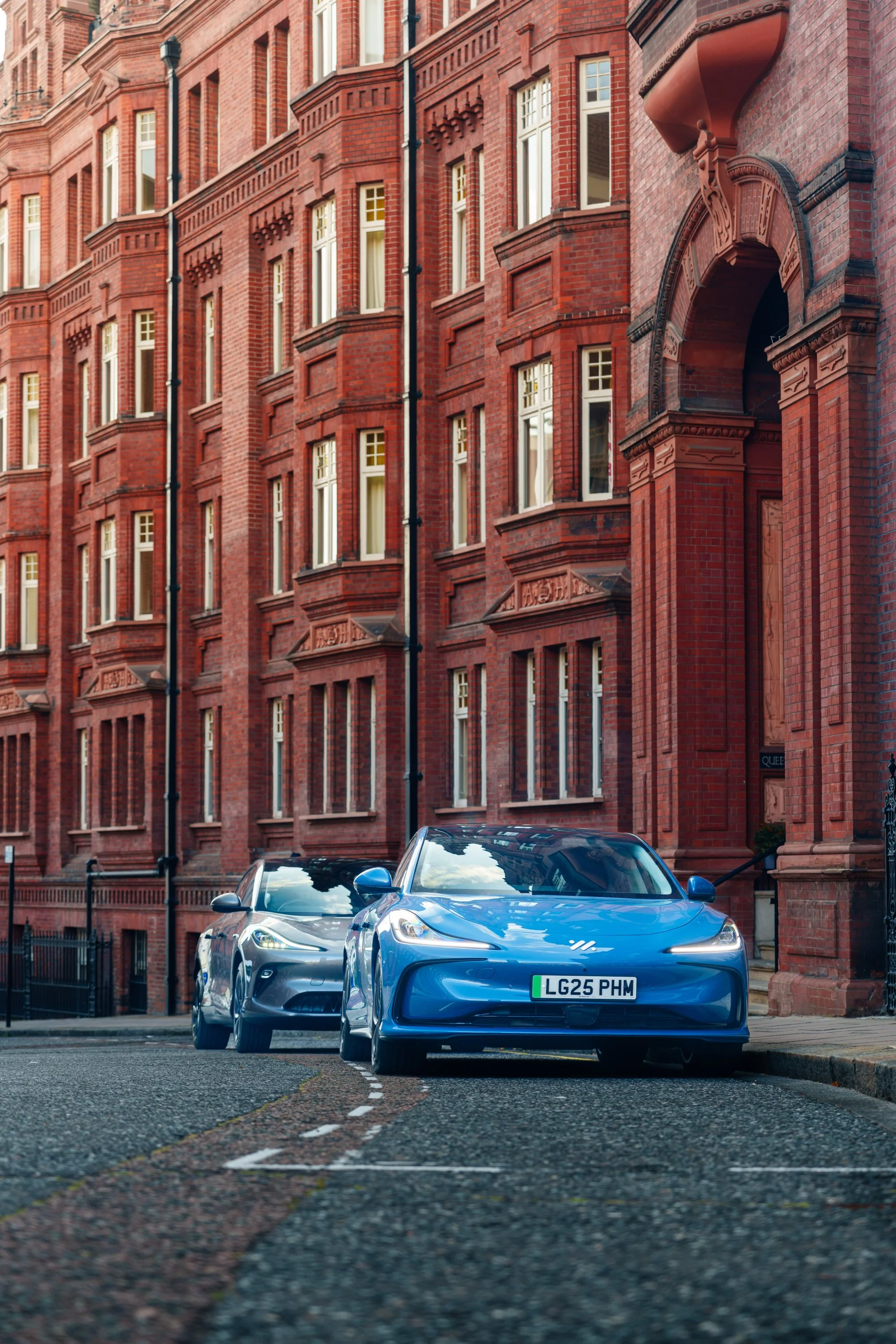
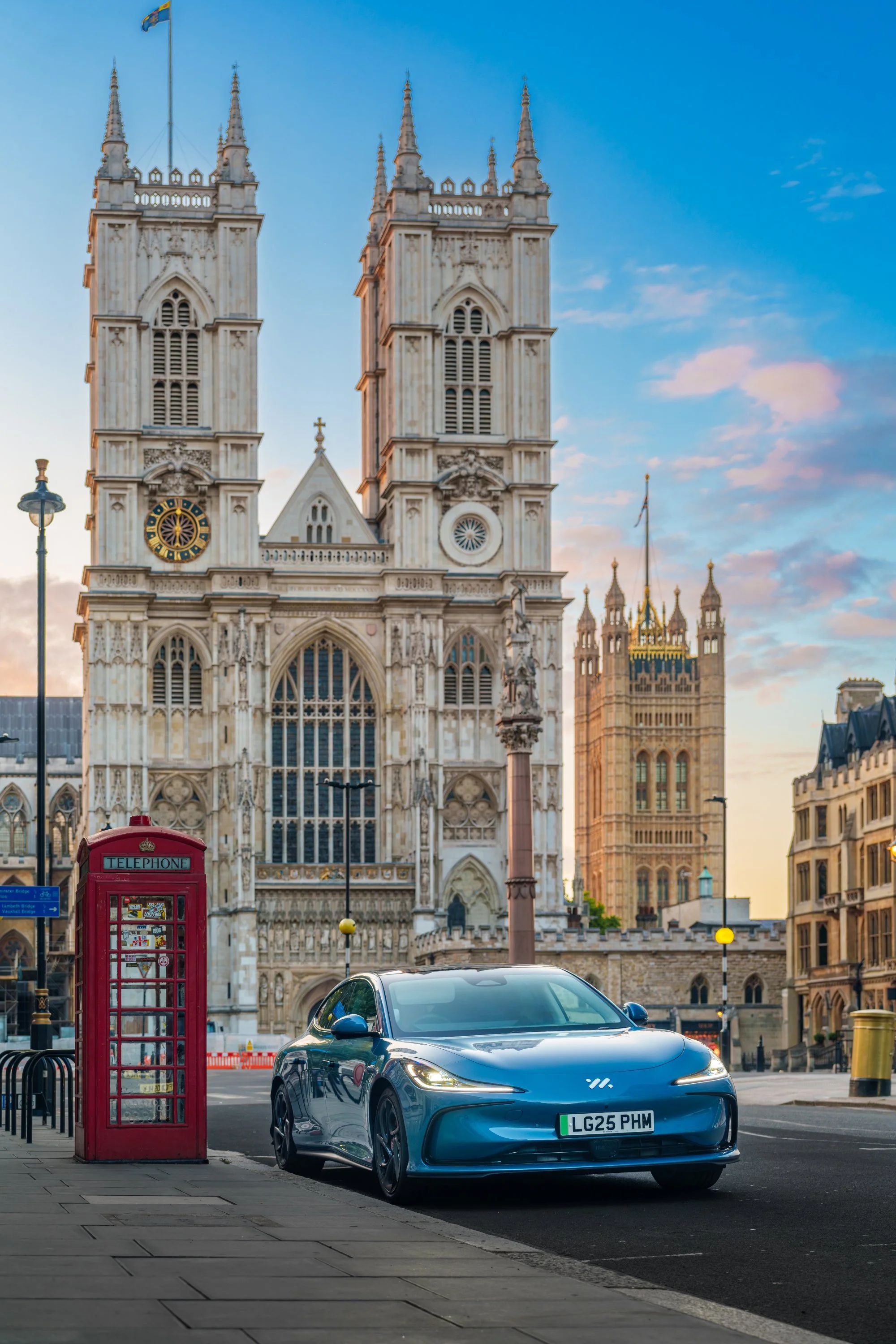
If the recent rise in popularity of Chinese cars in the UK has taught us anything, it's that modern Brits are no longer the badge snobs we once were. Alright, strong sales of cars like the Jaecoo 7 have probably got something to do with how much they look like premium European equivalents (the 7's unashamedly Evoque-like, especially at the rear), while costing much less. But if there's a Chinese car that proves there's more to it than just low cost and design inspiration, it's the MG IM5. I should know, because having just handed the keys of a 400hp-plus example back to MG UK, I'm missing it a lot - and not for the performance-related reasons I'd expected. Allow me to explain.
This sleek, 4.9-metre-long hatchback can't claim to be a class bargain like other vehicles from China, with the 85kWh Standard Range car only just ducking under the £40k mark (which is crucial in helping it avoid the UK's luxury car tax), meaning it sits alongside the Tesla Model 3, albeit with a helpful six grand gap to the excellent Mercedes-Benz CLA 250+. But go for a 100kWh Long Range like the car I had, and suddenly that advantage evaporates, because while it offers 441 miles of claimed range for its £44,995 price, on paper at least, the CLA can eke out 39 miles more for just £620 more. And you don't have to be a badge snob to find it difficult to choose an MG over a Mercedes. So why would you?
Better than a Tesla?
For the record, I'm a former Tesla' owner', I ran a 67-plate Model S company car for almost four years until early 2025, and in that time I became well aware of how big an advantage the US company's charging network is. But the latest Model 3 is, to me, such a departure from what made the early Teslas so good, with those cars' decent mix of analogue and digital cabin controls having long since been swapped for something so tech-focused, it's ultra-frustrating to use the stuff on the go. Having to use the Model 3's screen to swipe from Drive to Reverse when your fingers are frozen from the winter outside is, to be frank, an inconvenience. So that's the reason why I'm referring to the CLA as the main rival for Brits considering an MG IM5 here.
Key to its case is the CLA 250+'s efficiency, which is genuinely commendable and illustrated not only by the fact that its smaller 75kWh battery ekes out more claimed range than an IM5 battery pack with more cells, but also by the systems it employs to help achieve it. My favourite is the adjustable regenerative braking tech, which can be ramped up to a full one-pedal mode via the physical lever behind the steering wheel, so you can tweak it on the fly as the road conditions change. This is a key advantage over the IM5 that I noticed straight away during my loan of the car, because the MG requires you to use one of its touchscreens to tweak the regen strength. As far as outright range and regen adjustability go, the 250+ easily wins this battle.
It's not until you put some miles on the IM5 that its different approach can really get under your skin. While the regen can't be adjusted on the fly, the standard setting is actually just about strong enough that you'd only need to switch to the strongest mode (via one of the touchscreens) if you live life permanently in traffic. The 'creep' function, which means the car edges forward like an old torque-converter automatic, means you can one-pedal it in traffic, albeit by using the brake pedal rather than the accelerator. Plus, the 'Comfort Stop' tech, which cleverly smooths out any jerkiness or wobbles during deceleration, is brilliant. For passengers prone to car sickness, it'd likely be a big benefit.
Power and performance
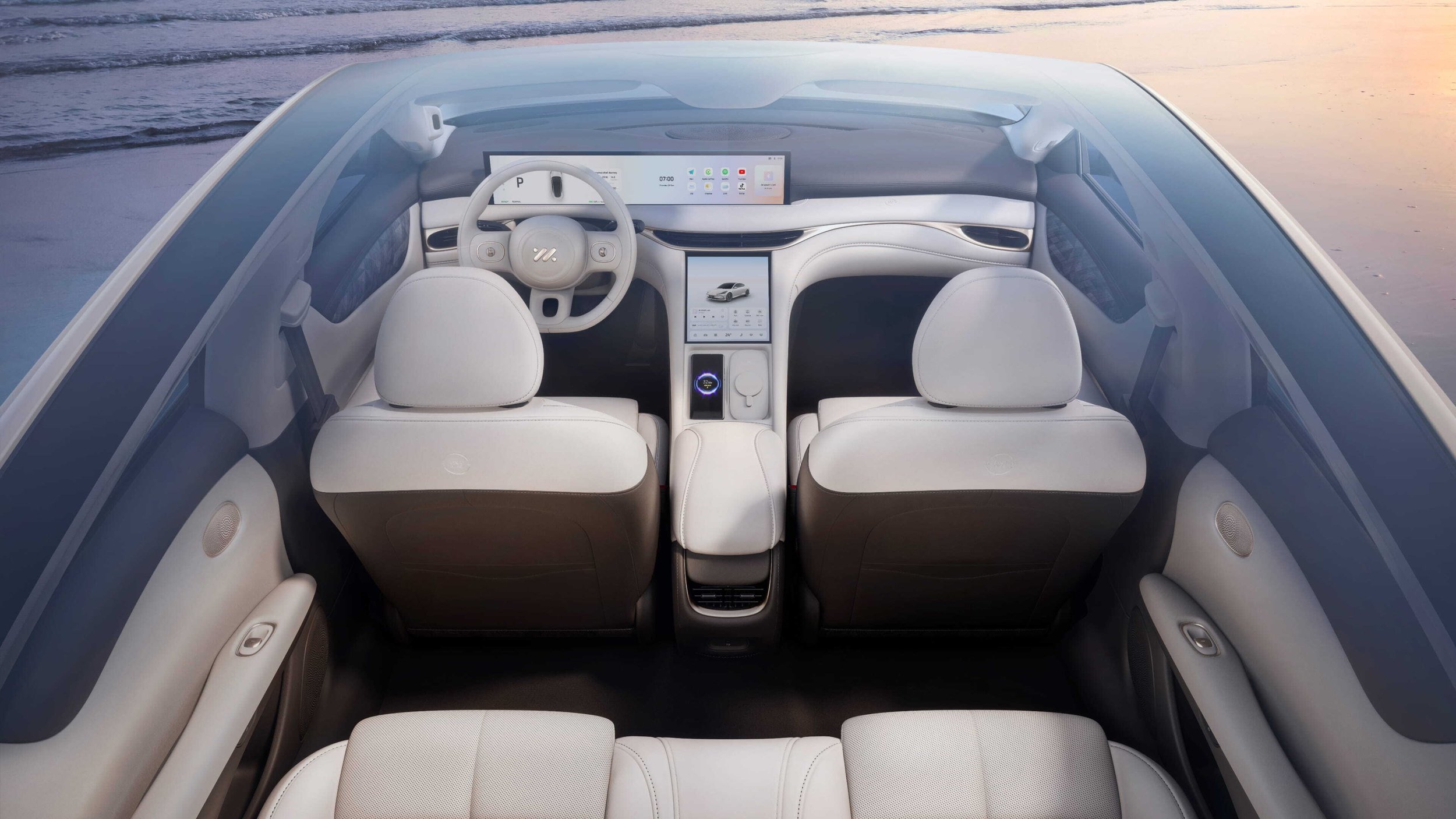
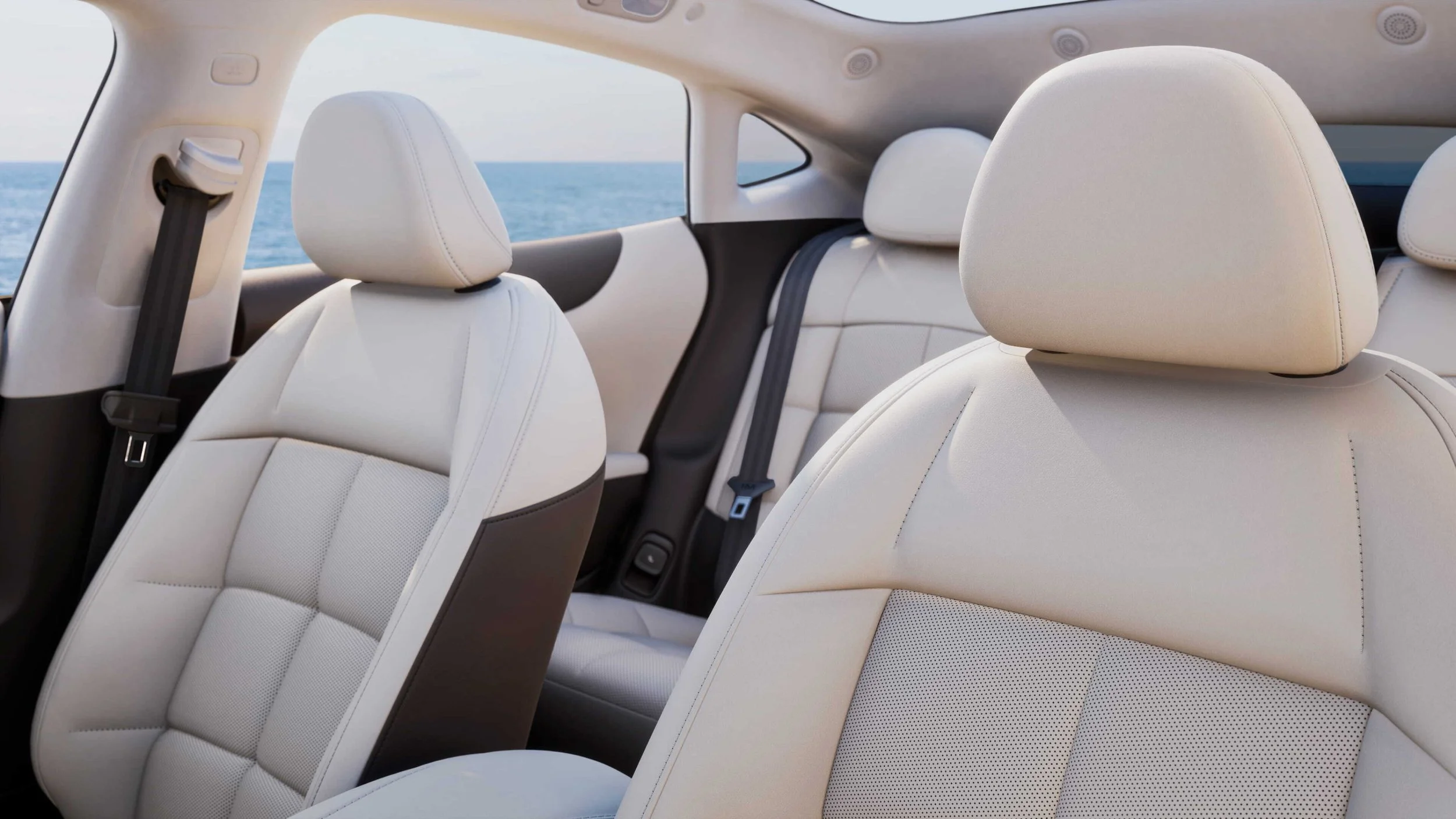
Given the IM5 Long Range has 407hp and 368lb ft of torque, enabling a 0-62mph time of 4.9 seconds, you might expect it to do quite well as a performance EV too. But the overall comfort focus of the car means that while you absolutely can shame proper sports cars away from the lights, the IM5 never beckons you to. In fact, it projects an air of calm from the moment you climb aboard. The standard-fit driver's memory seat moves to provide easy access, the soft floor carpets and seat cushioning are lounge-like, and the cocooning effect of the central dash, which itself has sides wrapped in cushioned, vegan leather, all combine to make you feel relaxed. Light steering and a physical gear selector behind the wheel mean driving off is a doddle, one that doesn't require you to interact with the touchscreen.
The Tech
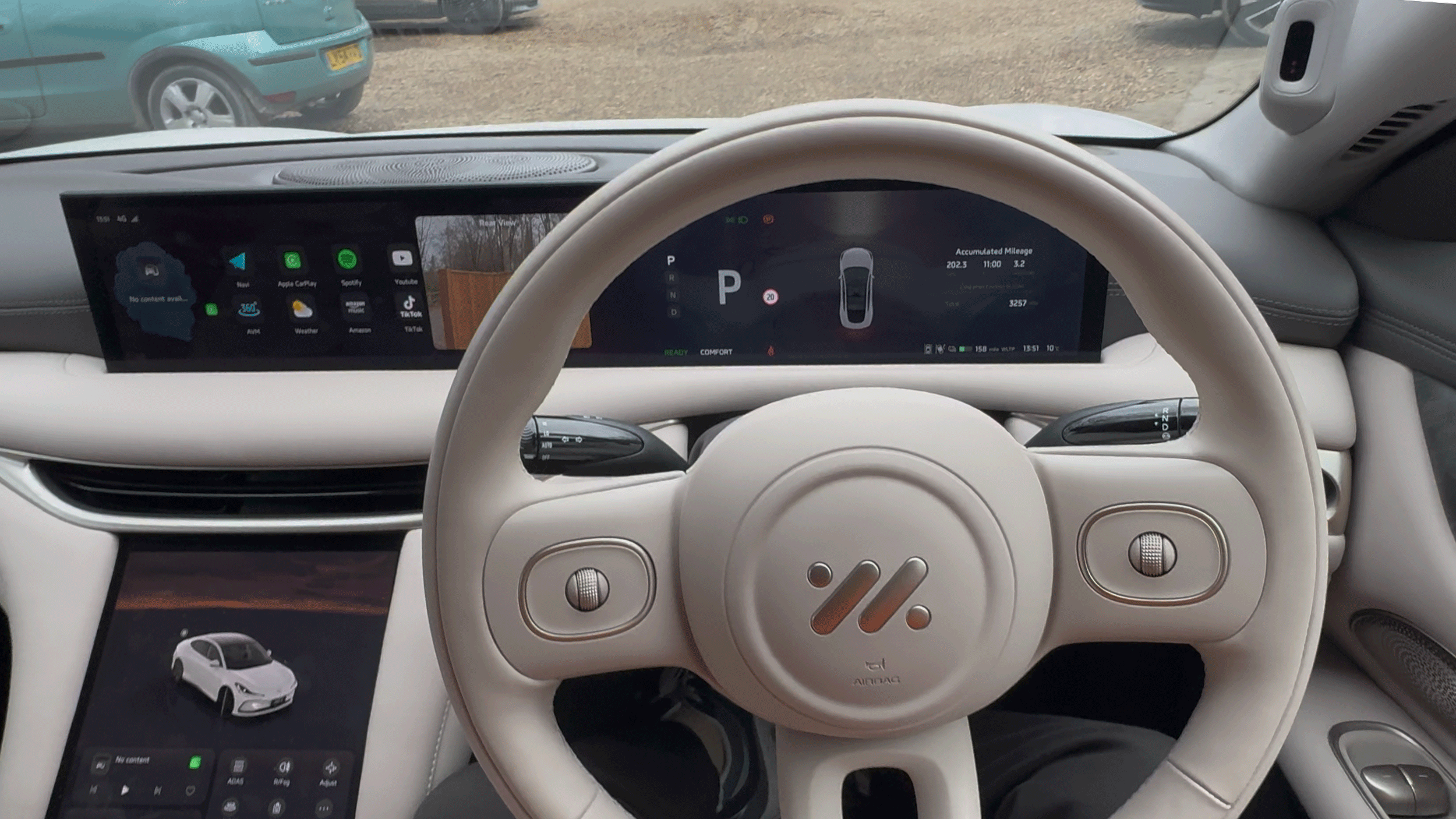
Obviously, there is still a lot of tech, certainly more than I'd ideally like, embedded into the IM5's touchscreens. But having two of them, one above the other on the centre console, means you can at least have, say, Apple CarPlay on permanent display up top, while you leave the lower screen showing the cabin climate control. Plus, with physical buttons on the wheel to adjust volume and change music track/stations, and paddles behind the wheel to tweak the adaptive cruise control distance and speed, you needn't take your hands off the wheel for anything other than to adjust the interior temperature. Once you get the hang of it, it becomes second nature stuff - and quite the contrast to other brands' solutions.
The Bad News
There is one annoying thing that I couldn't get used to, however, especially in an urban environment. The view out of the rear window is, to be honest, laughable. It's such a narrow view that I'd almost have preferred if MG had gone down the Polestar 4 route, using a camera to provide visibility via a digital rear-view mirror. MG's solution is to support the tiny view out the back with a camera view, accessible both when you click into reverse and when you click a rear-view button on the wheel. But the problem is where the rear-view video is positioned. In the right-hand-drive car I had, it was quite significantly blocked by the left side of the steering wheel, so I had to tilt my head left to see it fully. That's annoying enough on the motorway, but when you're in busy city traffic with cyclists and mopeds filtering past, it's especially inconvenient.
The Good News
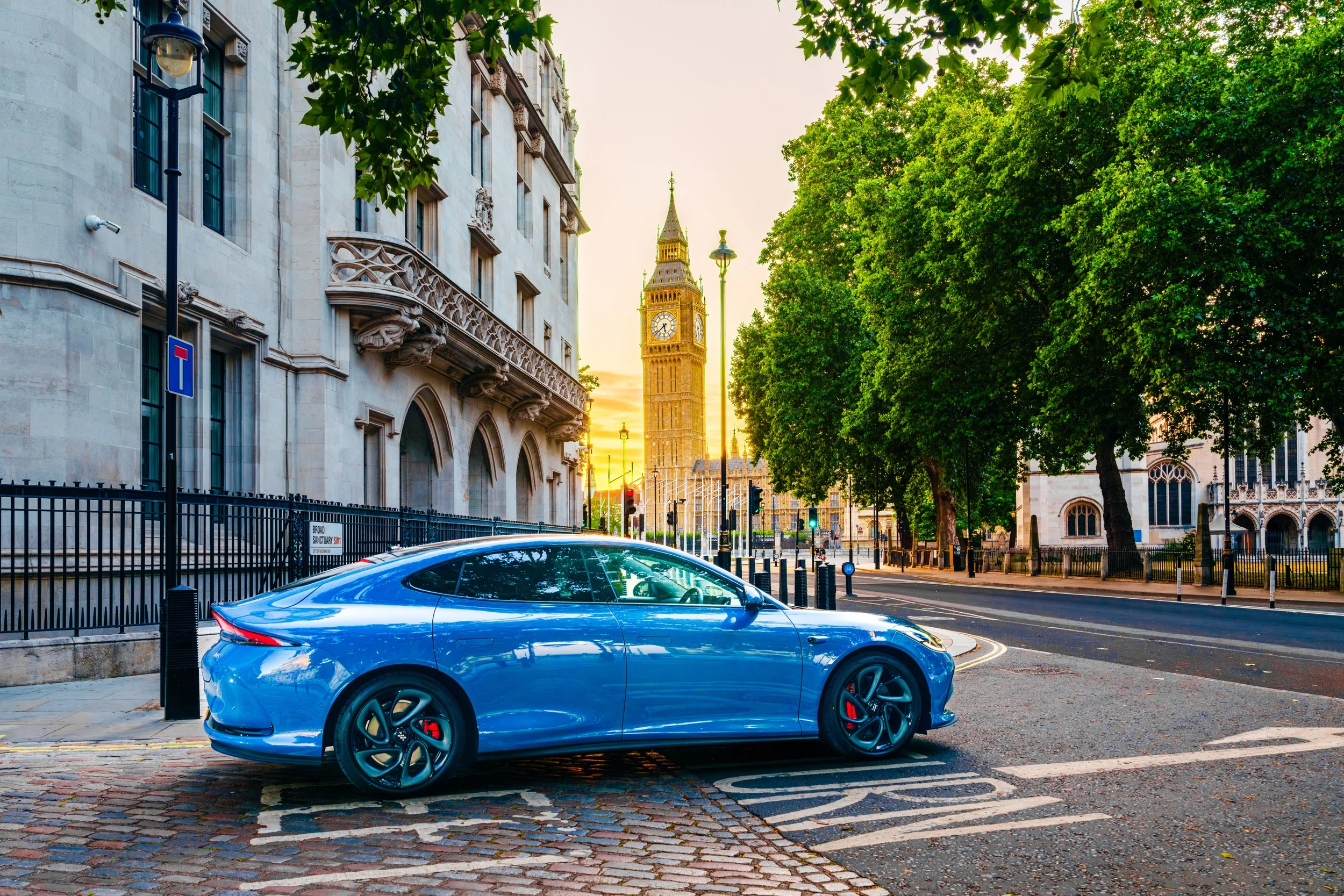
Back to the good bits. The cabin insulation is fantastic, and the ride is properly comfortable. Alright, it's not got Mercedes Magic Carpet levels of wizardry, but speed humps are nicely cushioned by the springs, deep potholes feel shallower, and motorway cracks are almost unnoticeable. That doesn't come at the expense of handling either, because the IM5 - which doesn't get air suspension like the taller IM6 - has impressive body control. The aforementioned light steering ensures this is no performance EV to excite those wanting a more tactile experience (no surprises there), but cross-country pace is excellent. This is even true when the temperature drops and the road surface is wet, because the IM5's comfort-enhancing focus also carries into its stability control software, which keeps you pointing in the right direction without cutting power aggressively. It all feels brilliantly fluid as a result.
True Range Test
Best of all, given that I'm writing this during a cold snap in the UK where temperatures are barely above zero degrees Celcius, the IM5's range predictions are remarkably trustworthy. I won't pretend that I saw anything close to the claimed 441 miles that the Long Range is supposed to be capable of. But, like the Model S I grew to appreciate over those years, the predicted range on the IM5's dash was consistently accurate. Sure, averaging 3.2 miles per kWh over 300 or so miles of driving is a fair bit below the car's claimed 3.8miles/kWh, but I can't deny I was exercising its performance a bit on more than one occasion. 3.2miles/kWh equates to about 309 miles of real-world range from the IM5 with its 96.5kWh of usable capacity. Far from claimed, but certainly not bad. That's the drive from London to Newcastle, with room to spare.
Space and Comfort
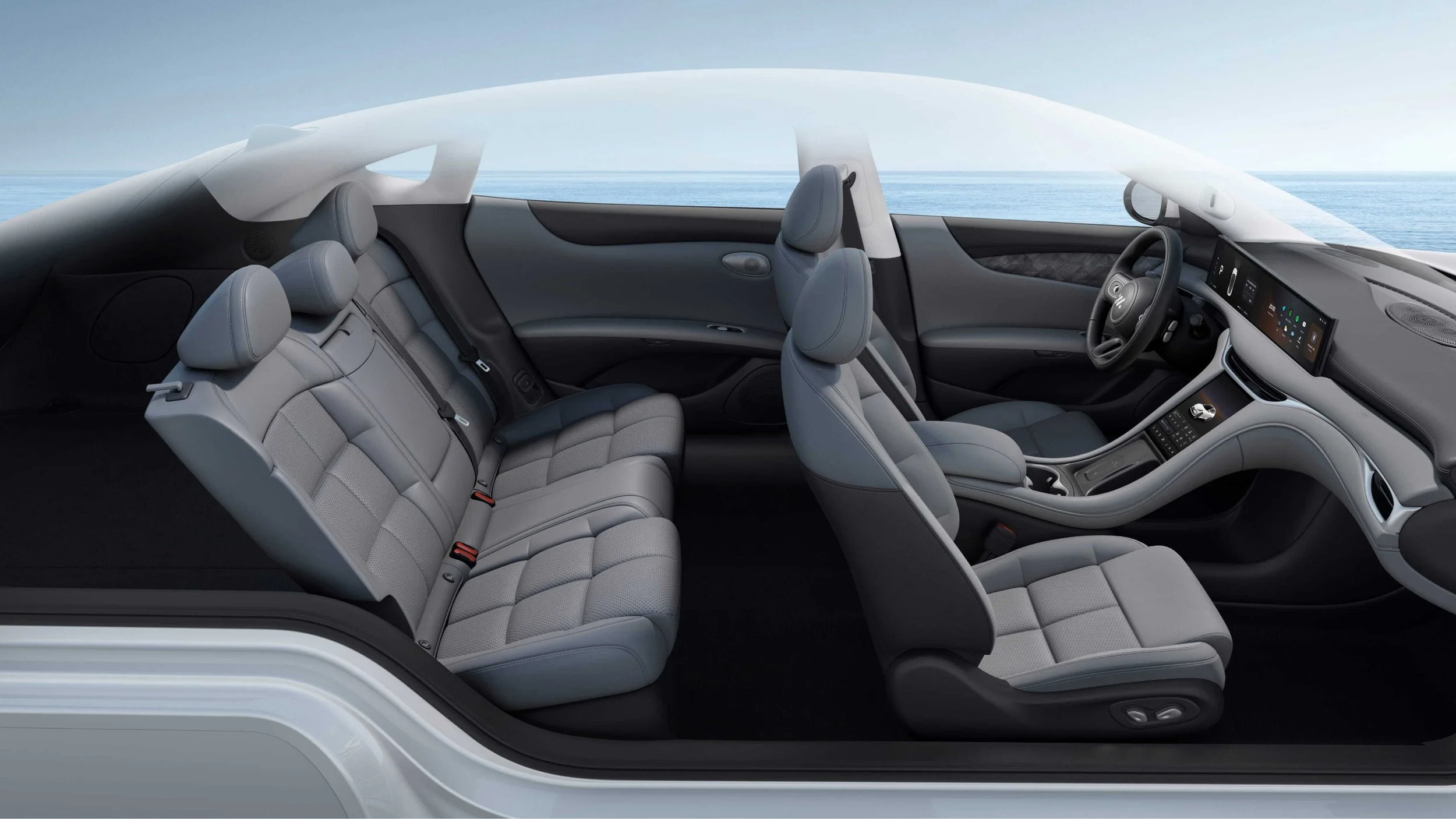
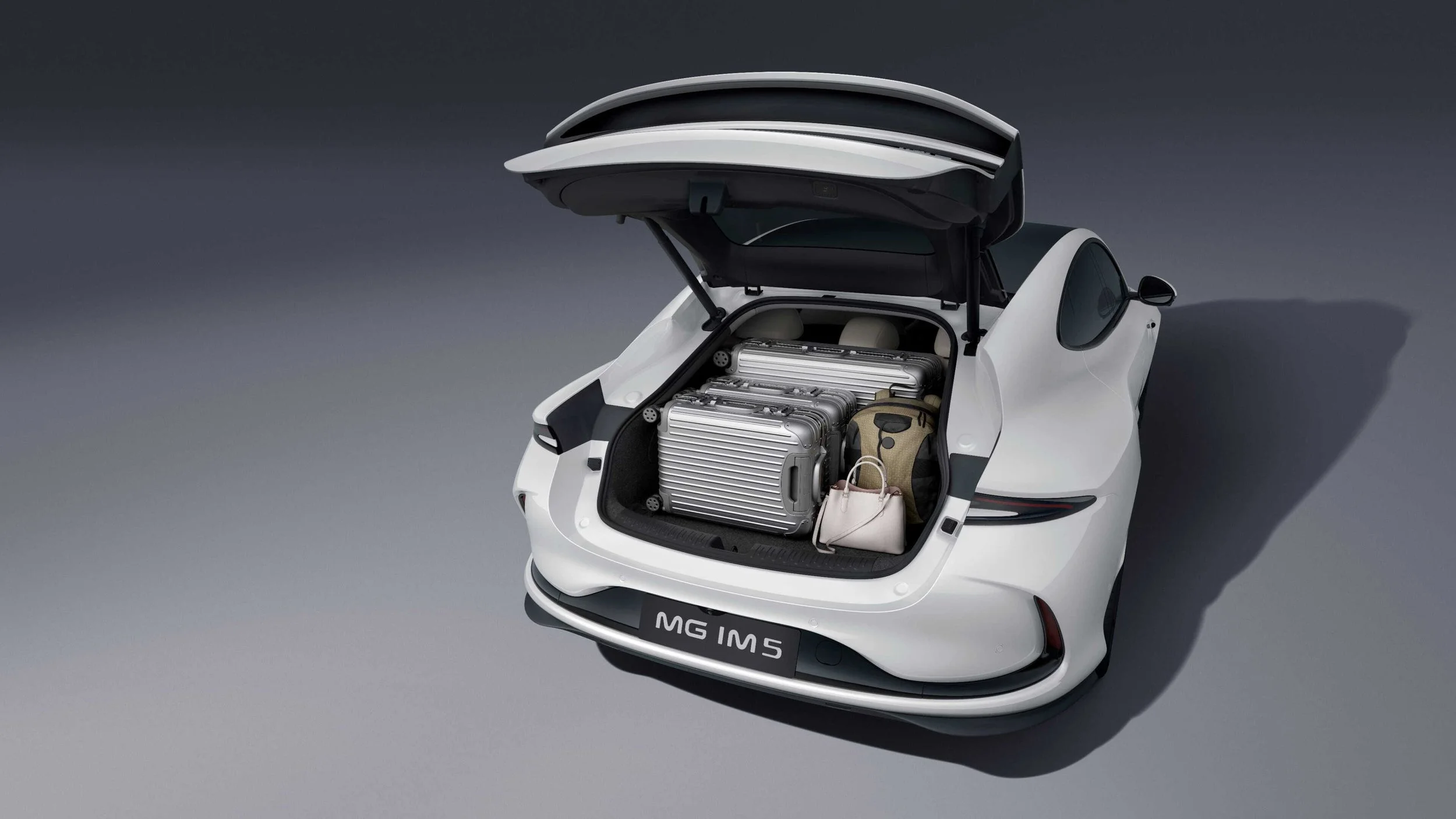
Talking of ‘room’, the space in the back is good, but it could be much better if the floor were lower so you could tuck your feet under the seats ahead. At least the full panoramic glass roof offers plenty of headroom, and the seats in the back are just as cushioned as those up front. And while some have been quick to penalise the IM5's short (height wise) boot space, unless you're doing airport taxi runs for a living, the long boot of this MG is plenty big enough for family life. I certainly had no trouble getting the weekly shop and some flat pack furniture into it in one trip. Handily, the charge cables can squeeze into the car's front boot (aka frunk), which makes up for the fact that the boot doesn't have underfloor storage space.
What's it like to live with?
All things combined, my stint with the IM5 Long Range proved to be one of my most relaxing automotive experiences of recent times. Not only was it calming to drive, but to live with as well, because my plus-300-mile test had a substantial portion of urban driving, meaning I only needed to charge the car before handing it back to ensure the driver had a couple of hundred miles in the battery, to get back to MG UK. And now, with another EV outside my flat, with an interior that's all touchscreens, a ride that's harder over city bumps, and a range that's definitely less trustworthy, I find myself missing the IM5 and its squishy dependability.
Would I take it over a Mercedes CLA 250+? If I lived life on the motorway, probably not, because those extra battery miles count for a lot of convenience. But as far as sub-£50k electric lounges on wheels go, the IM5 doesn't just cosy up around you. To me, it's the best of the bunch.
words and pictures by Sam Sheehan
additional photography by MG UK