
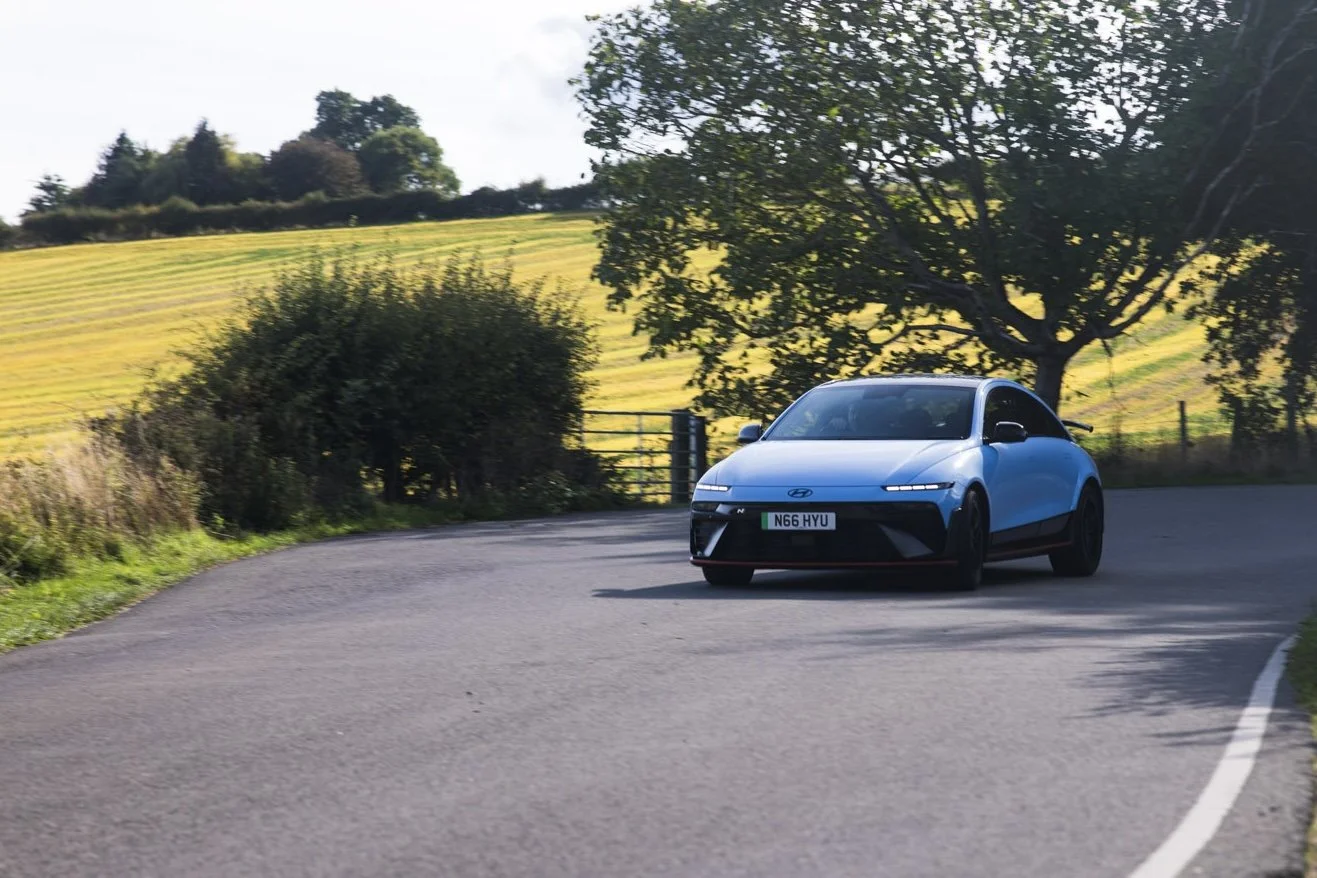
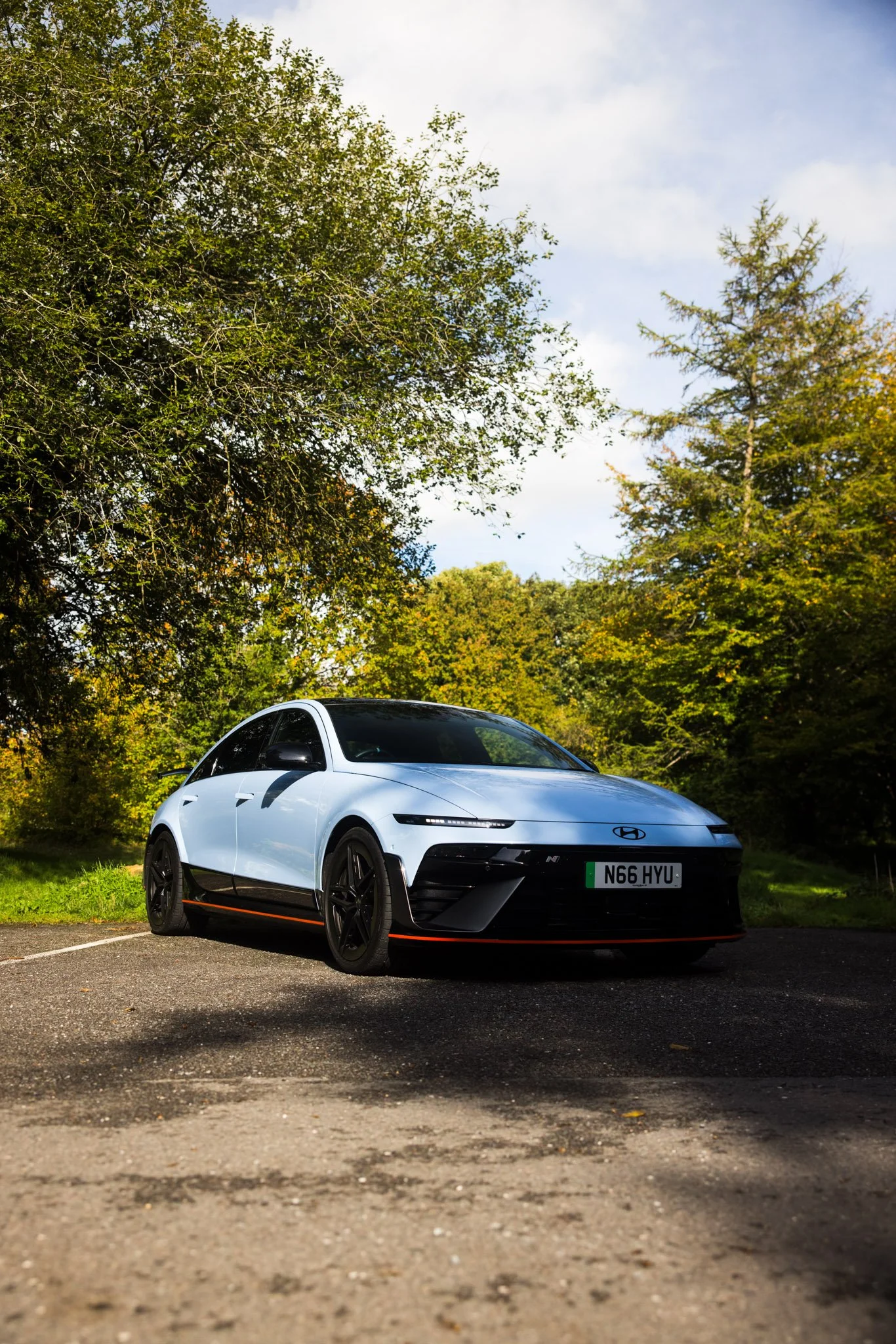
John Marcar has finally driven the Hyundai Ioniq 6 N, and after a week with it, he's decided it's his new favourite EV, which is annoying because it breaks every rule he thought he had set for road-going EVs.
Back in 2022, I tested the (then-new) Audi e-tron GT and deemed it possibly the best EV on the market. I gave the e-tron GT a positive review because it was the first EV I could imagine personally owning. It was, and still is, a model I'd predict most hardcore petrolheads would be happy to drive and own in place of, or in addition to, a conventional petrol-powered car. The only downside to my week with the car: the 2022 public charging infrastructure that made keeping the Audi charged both frustrating and expensive.
READ: Audi e-tron GT | The best EV we've driven, but…
Since the e-tron GT road test back in '22, the public charging infrastructure has improved tenfold, and many new driver-focussed EVs have joined the ranks alongside the Audi. But the e-tron kept the trophy as the best of all for me... well, that was until I ended my week with a Hyundai Ioniq 6 N.
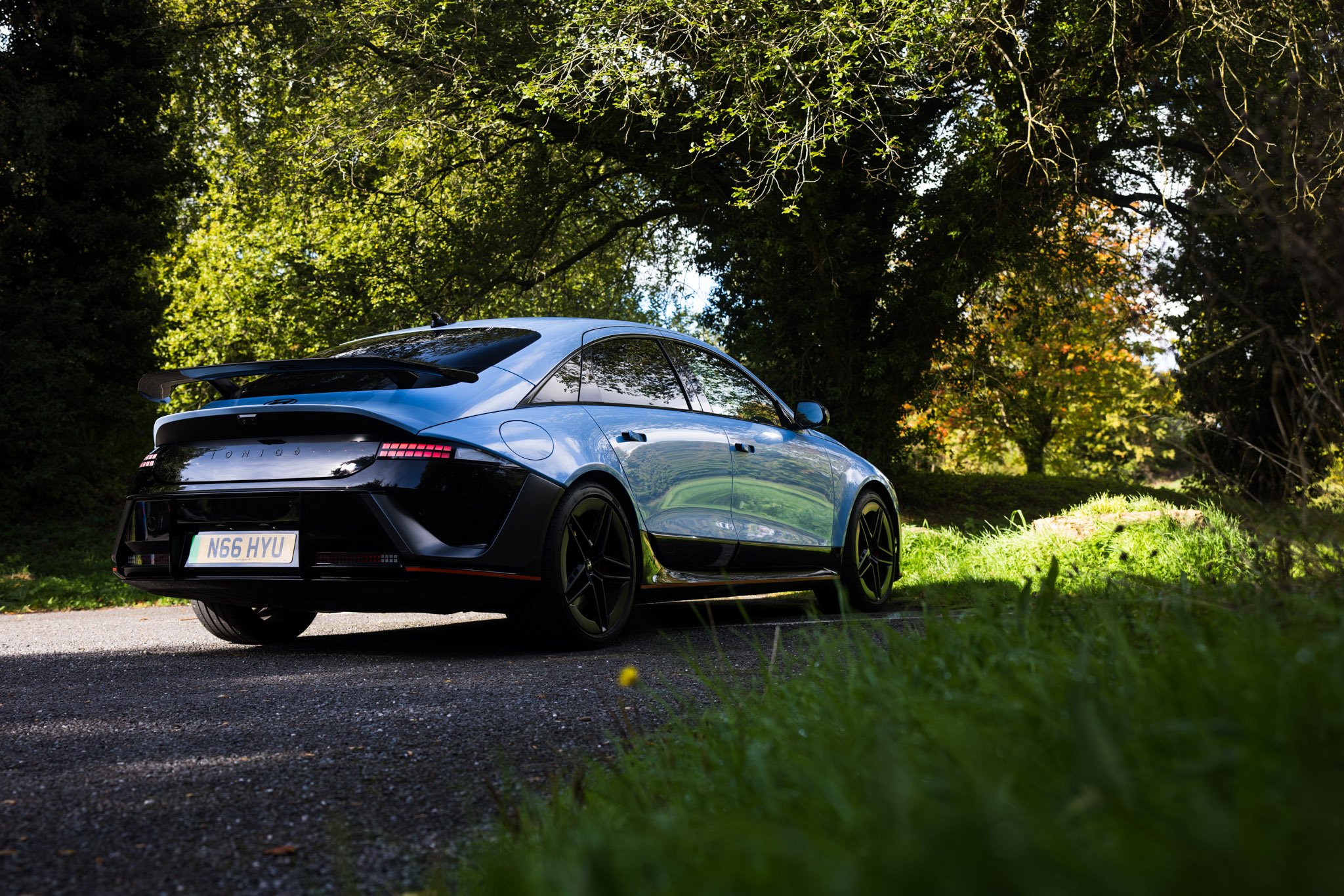
This is An EV for Drivers
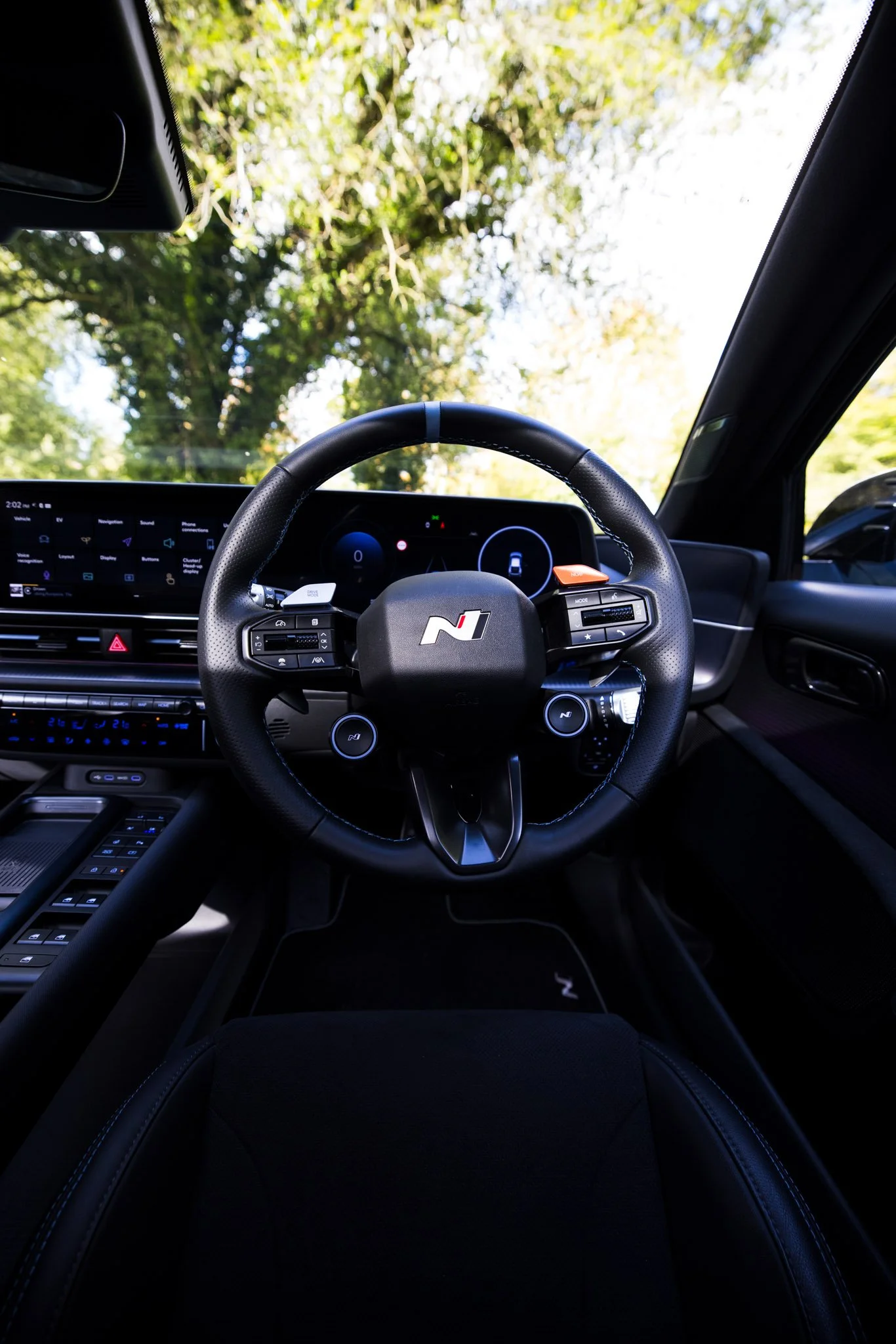
The headlines for the Ioniq 6 N are frankly ludicrous. Despite being a 5-seat saloon car, the model boasts 609PS (448kW) and 740Nm of torque on demand. With a button press on the steering wheel called 'N Grin Boost', the power figures jump temporarily to 650PS (478kW) and 770Nm.
With N Launch Control and N Grin Boost activated, the Ioniq 6 N has the ability to launch from 0-62 mph in just 3.2 seconds and can top out at 160mph.
The 6 N doesn't just launch and accelerate in typical fast-EV fashion; it also stops, steers, and handles like a 'proper' track car, and so it should, because it is a 'proper' track car.
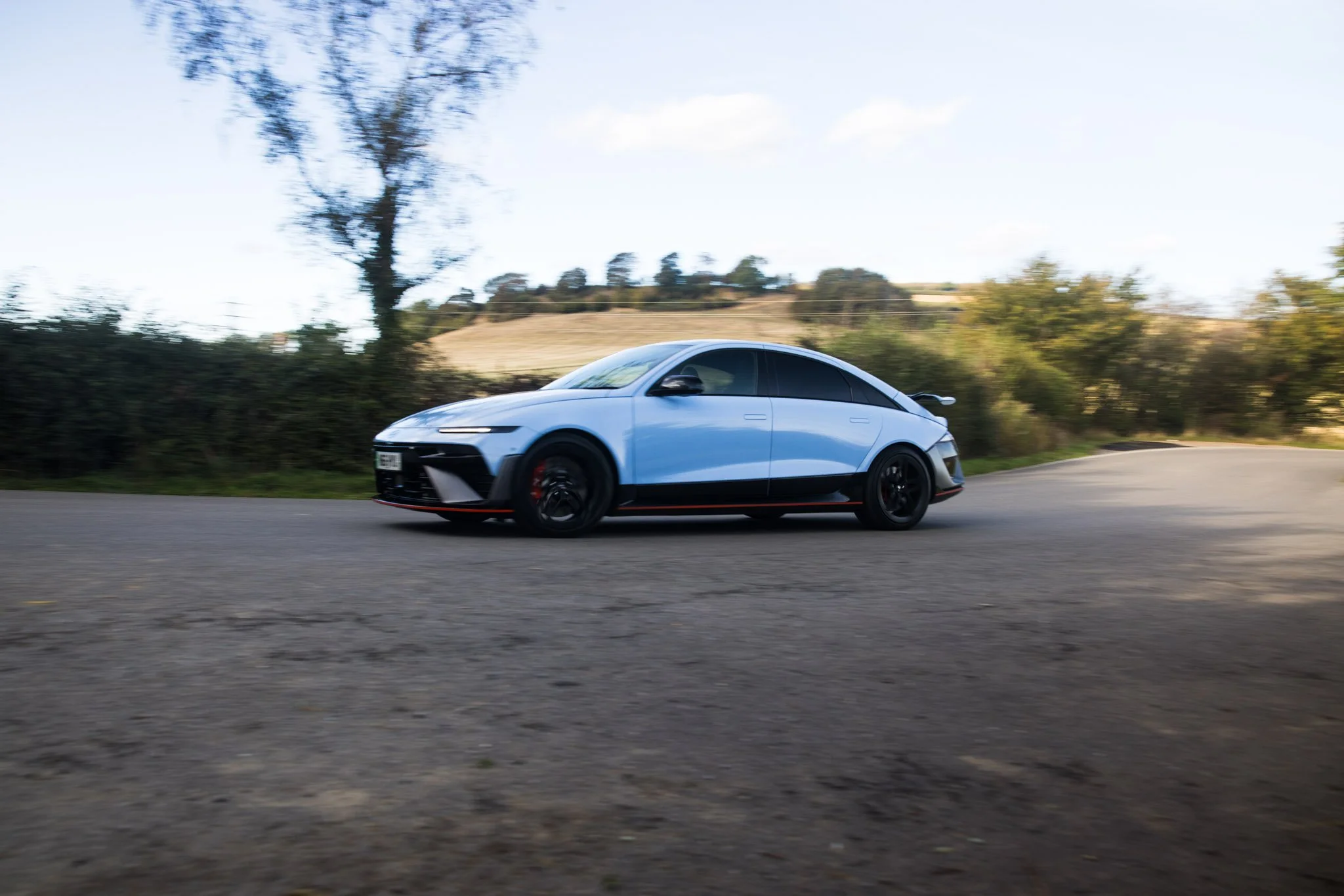
Developed for The Circuit
The 6 N has been developed by Hyundai's finest motorsport engineers to reward a track driving experience that would appease even the fussiest of performance car drivers.
Motors
The power is split between two separate motors. A 238 HP motor powers the front axle, and a 412 HP motor handles the rear. The two motors enable Hyundai's N Torque Distribution system, which manages torque across 11 settings to suit individual driving styles, circuits, or even temporary moods.
Suspension and Brakes
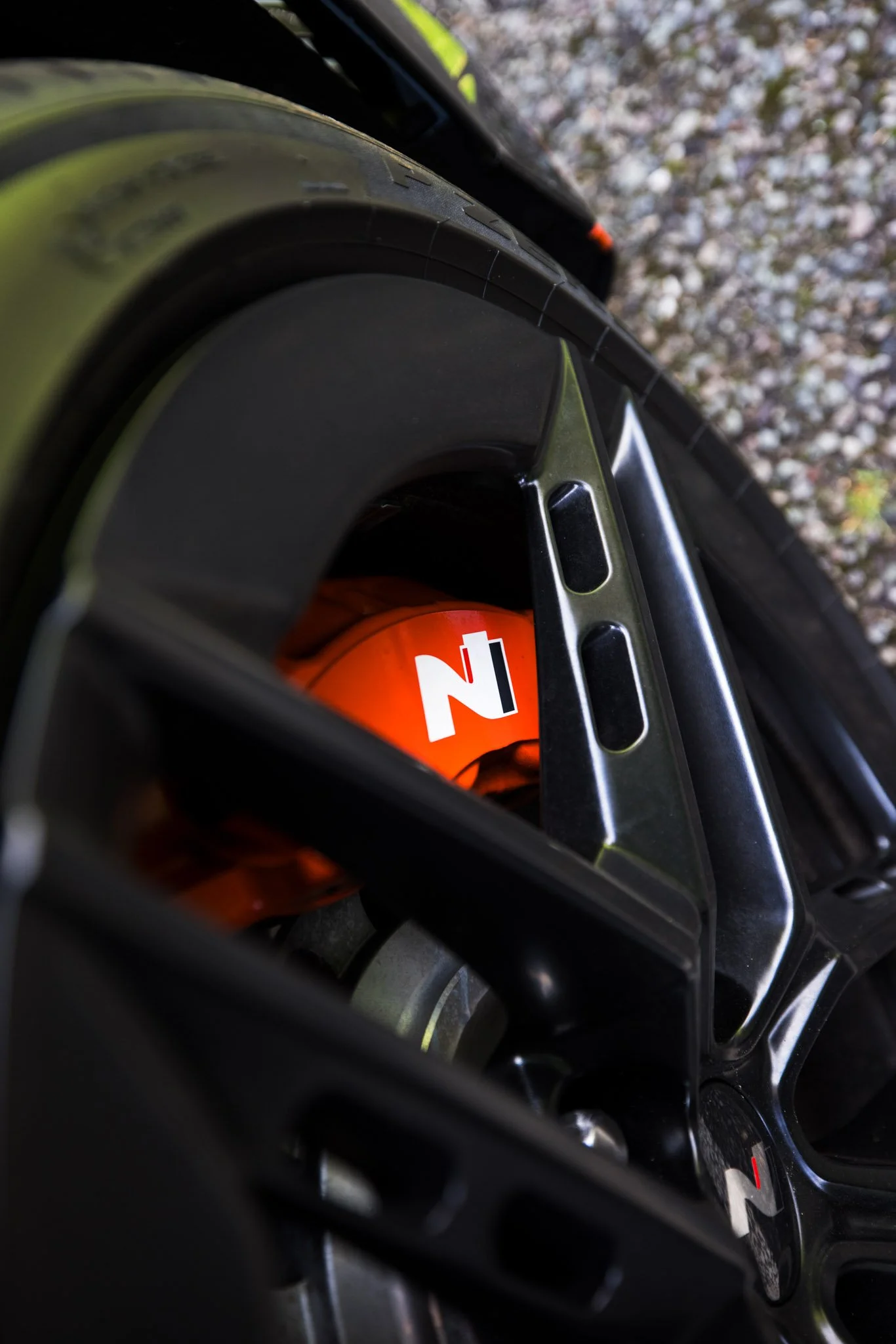
The 6 N uses stroke-sensing, electronically controlled suspension dampers and a lowered roll centre for super-sharp handling and engaging steering. Enormous 400mm front and 360mm rear brake discs deliver nosebleed-inducing stopping power.
As an EV, it has the usual compromise: weight. Depending on the trim level specified, the 6 N weighs between 2,166 and 2,201 kg, which is noticeable under heavy braking and in tighter corners. Getting used to the weight is easy enough, but if you've spent years throwing around lightweight sub-1800kg performance cars, the heavy EVs might take a while to adjust to.
Aerodynamics
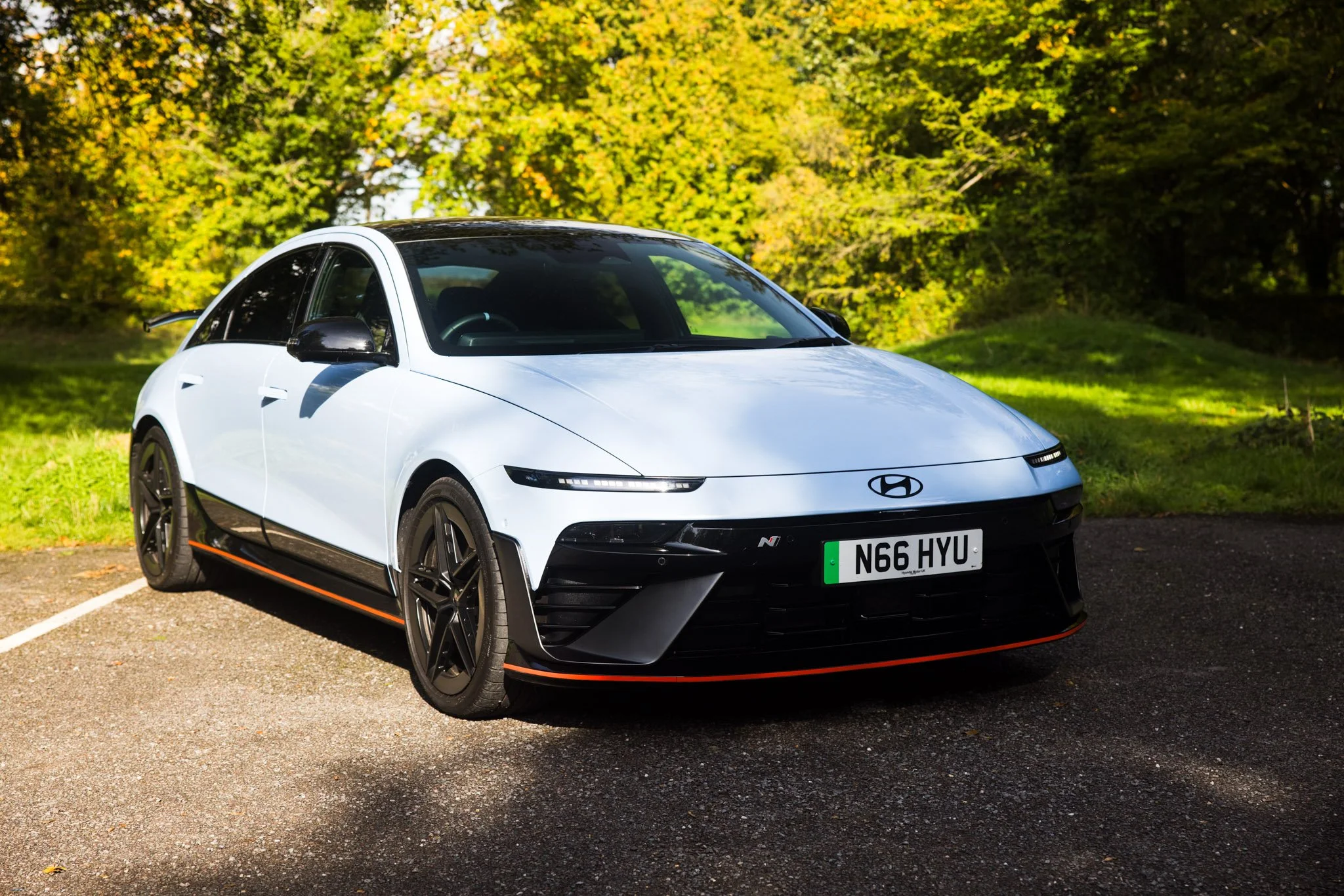
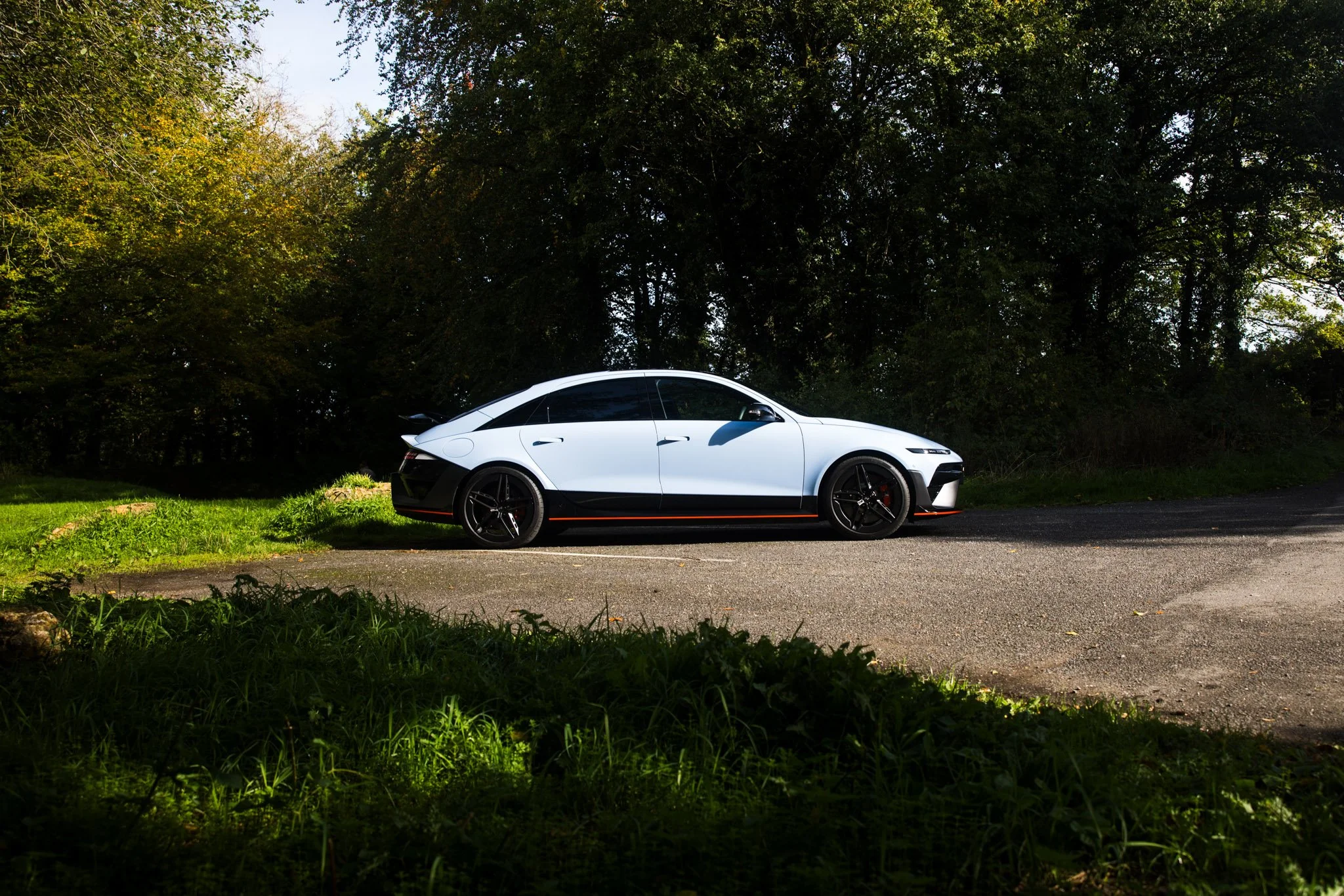
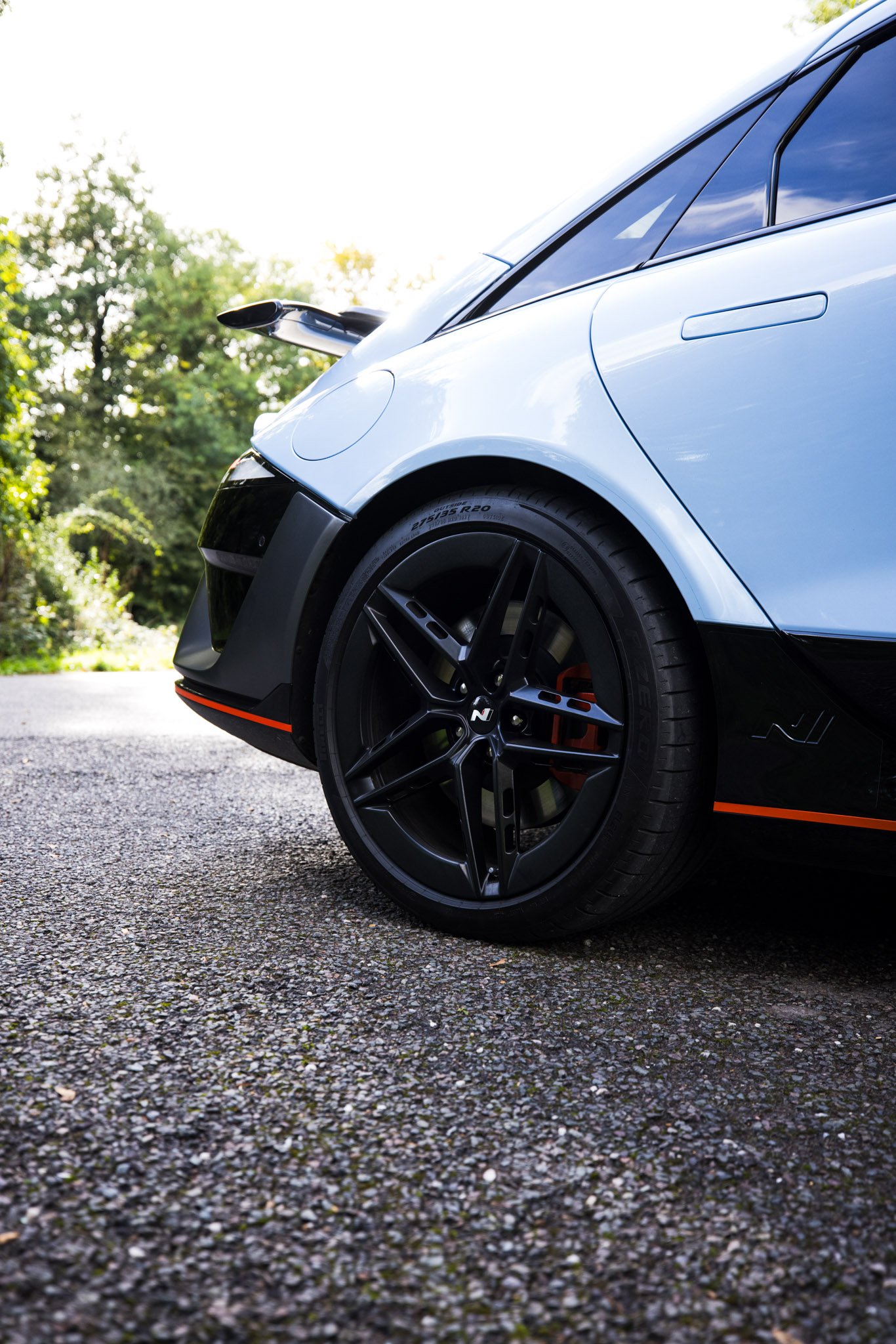
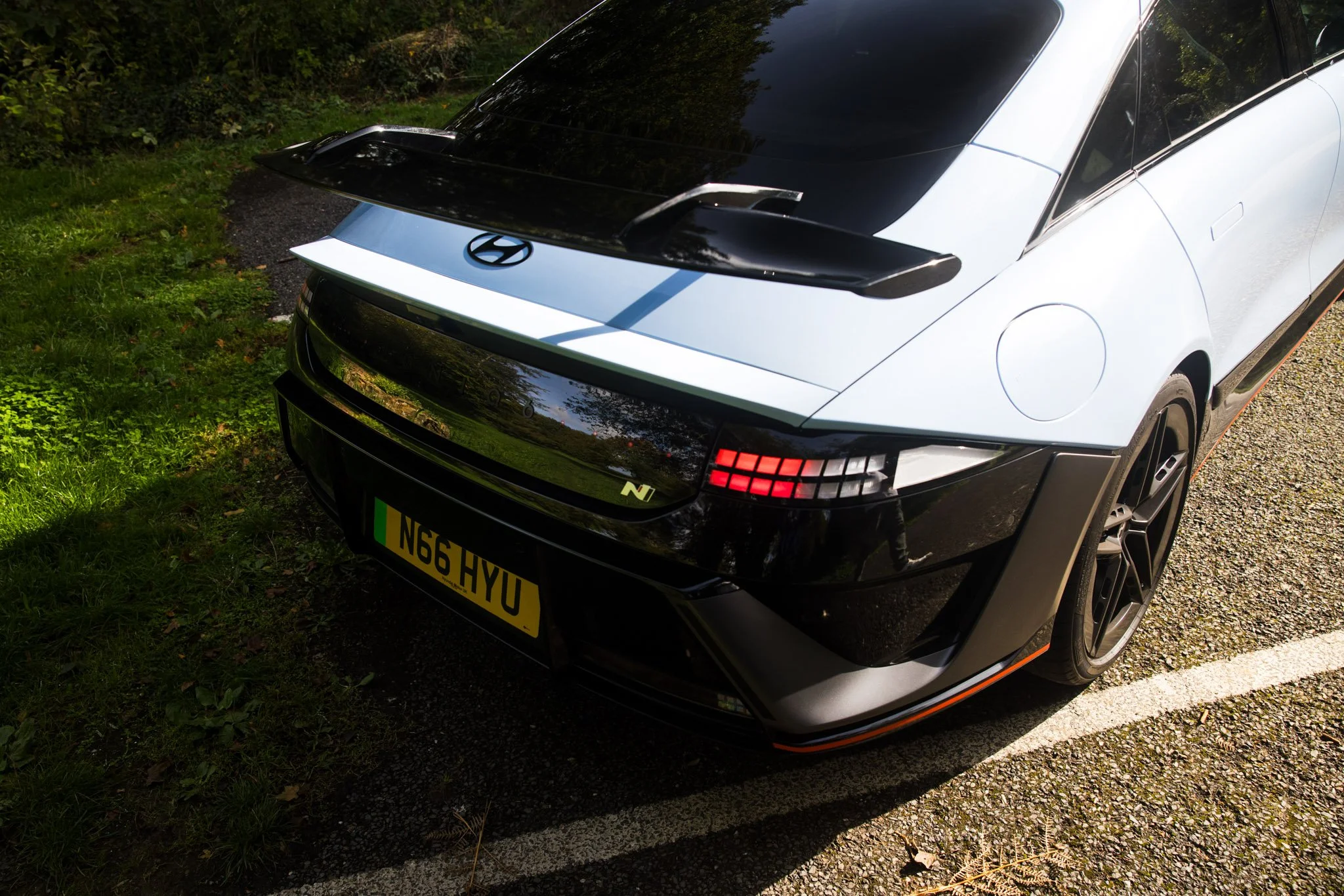
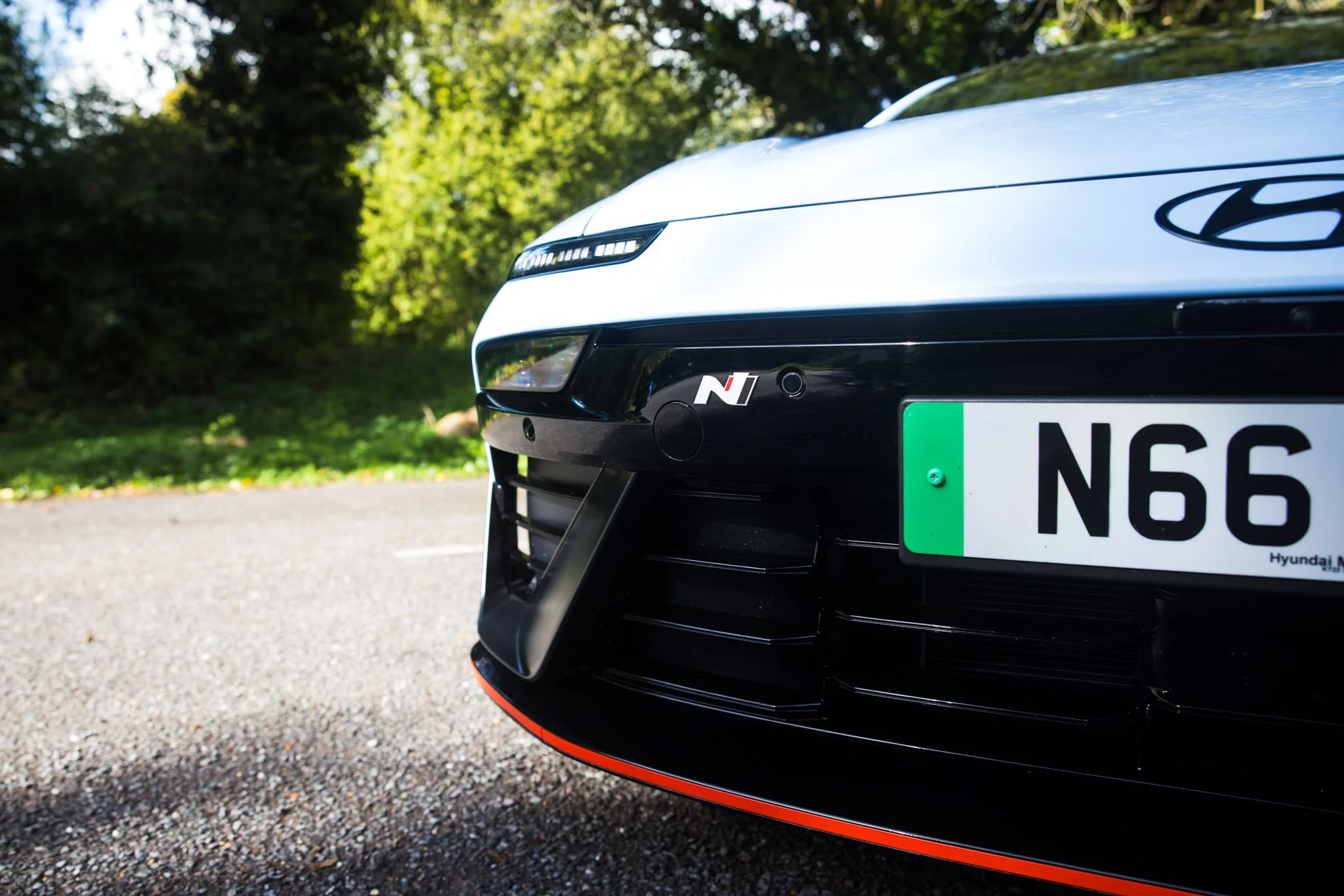
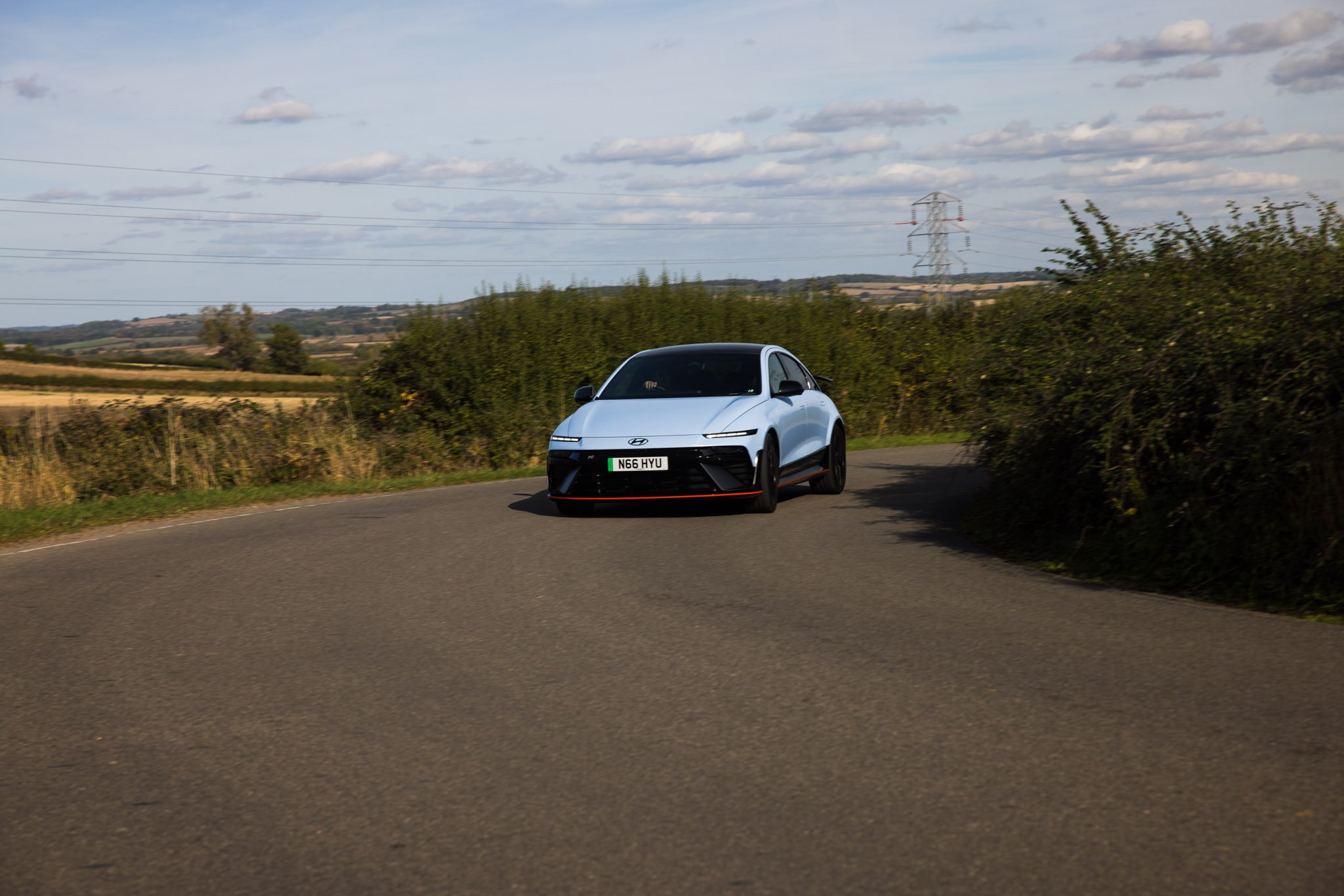
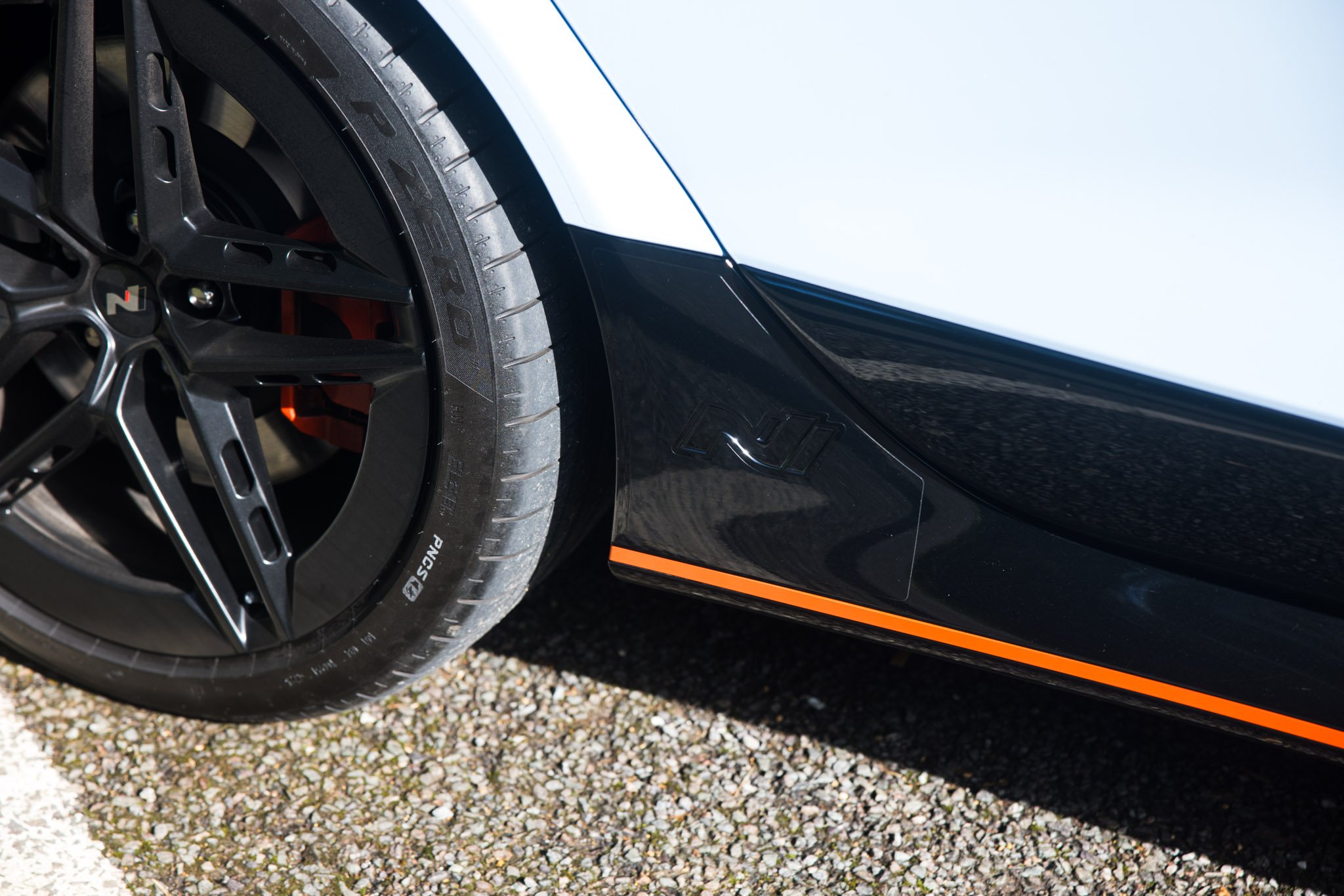
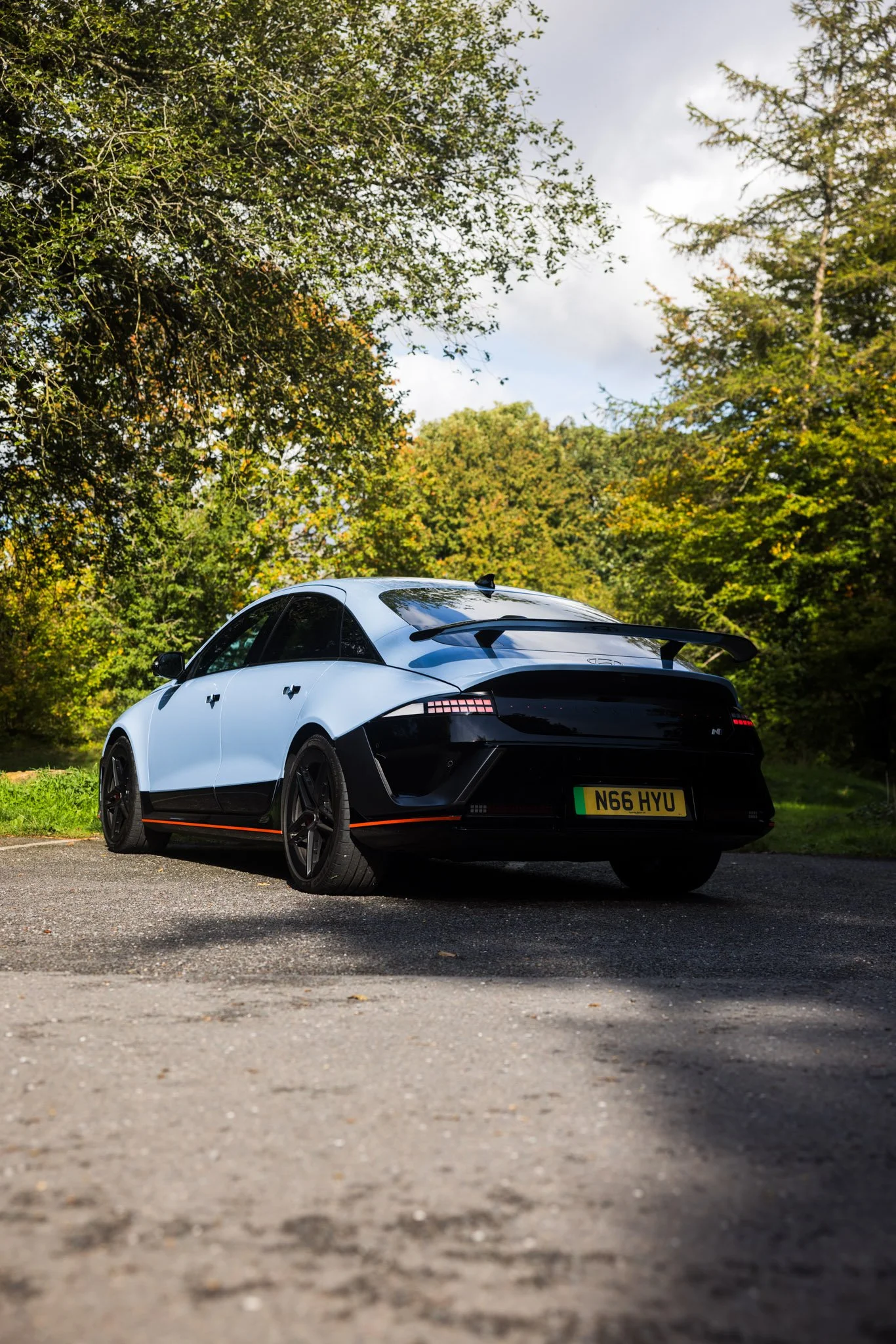
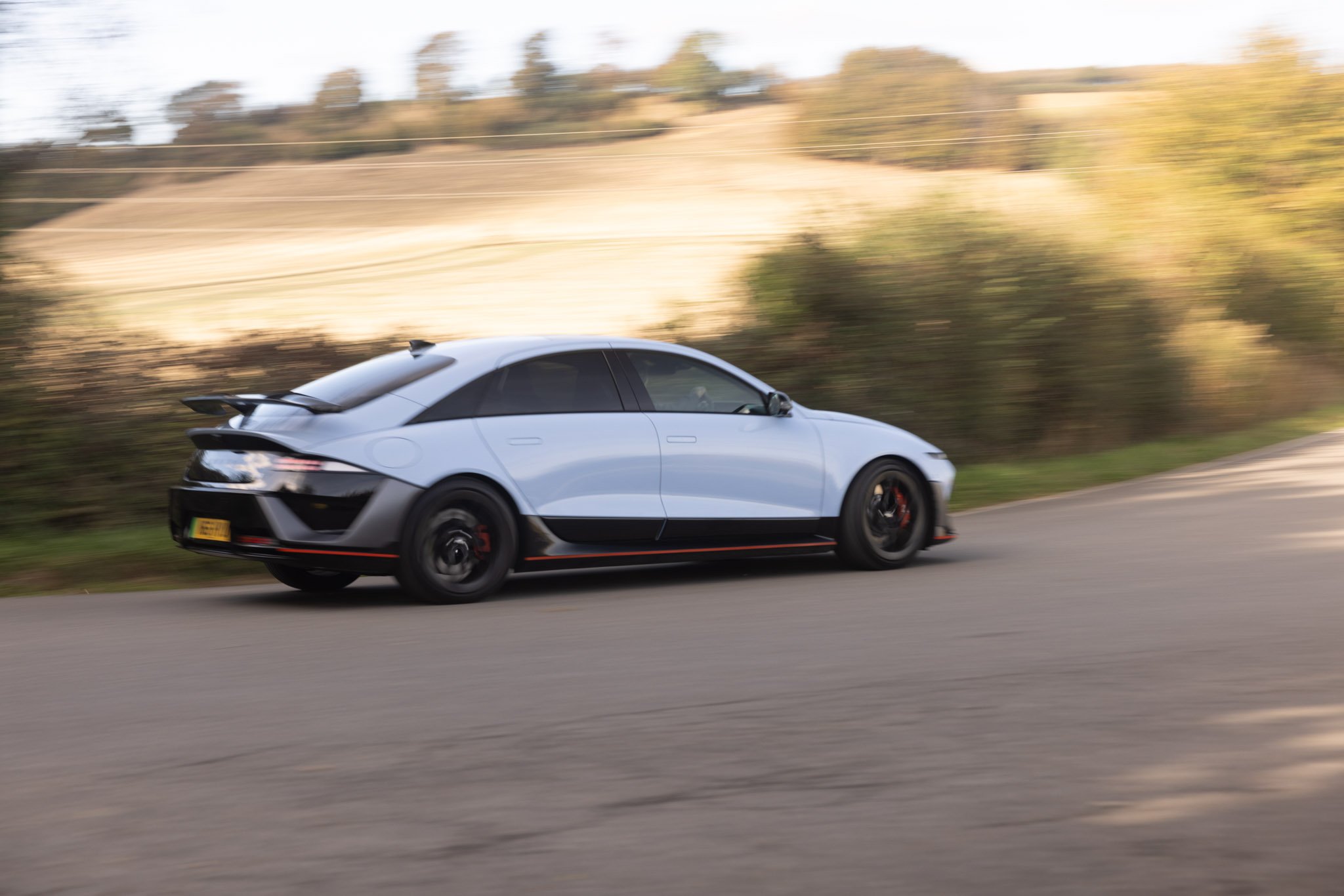
At a glance, the 6 N looks significantly more purposeful and aggressive than its road- and range-focused family-car counterpart. The aero is functional too for high-speed stability on the road and track. A sporty front splitter elongates the front bumper, the rear wing hangs like a whale over the boot, and the rear bumper houses a diffuser to disperse air as efficiently as possible while looking extremely attractive.
Circuit Data Built in
The 6 N even comes pre-programmed with circuit information in its computer systems. Turn up to Silverstone for a track day, and the 6 N will know it; it will also record your driving data and offer feedback and analytics throughout the day.
The Problem with Performance EVs
So, why am I annoyed? Well, the 6 N breaks every rule I'd previously set for EVs. I've always been baffled by the need for a high-performance electric car. Why would anyone want a car that goes from a standstill to 60mph as quickly as a Porsche 911 GT3, at the expense of overall range?
Simulated Engine Sounds
The first feature to trigger an audible sigh was the simulated engine sounds. Like its boxy 5N counterpart, the 6 N plays fake engine sounds through the car's internal speaker system. Some sounds mimic a performance petrol engine, while others create a more sci-fi soundtrack that grows louder and more aggressive the harder you push the throttle. Why on earth would anyone want that?
A Fake Gearbox in an EV
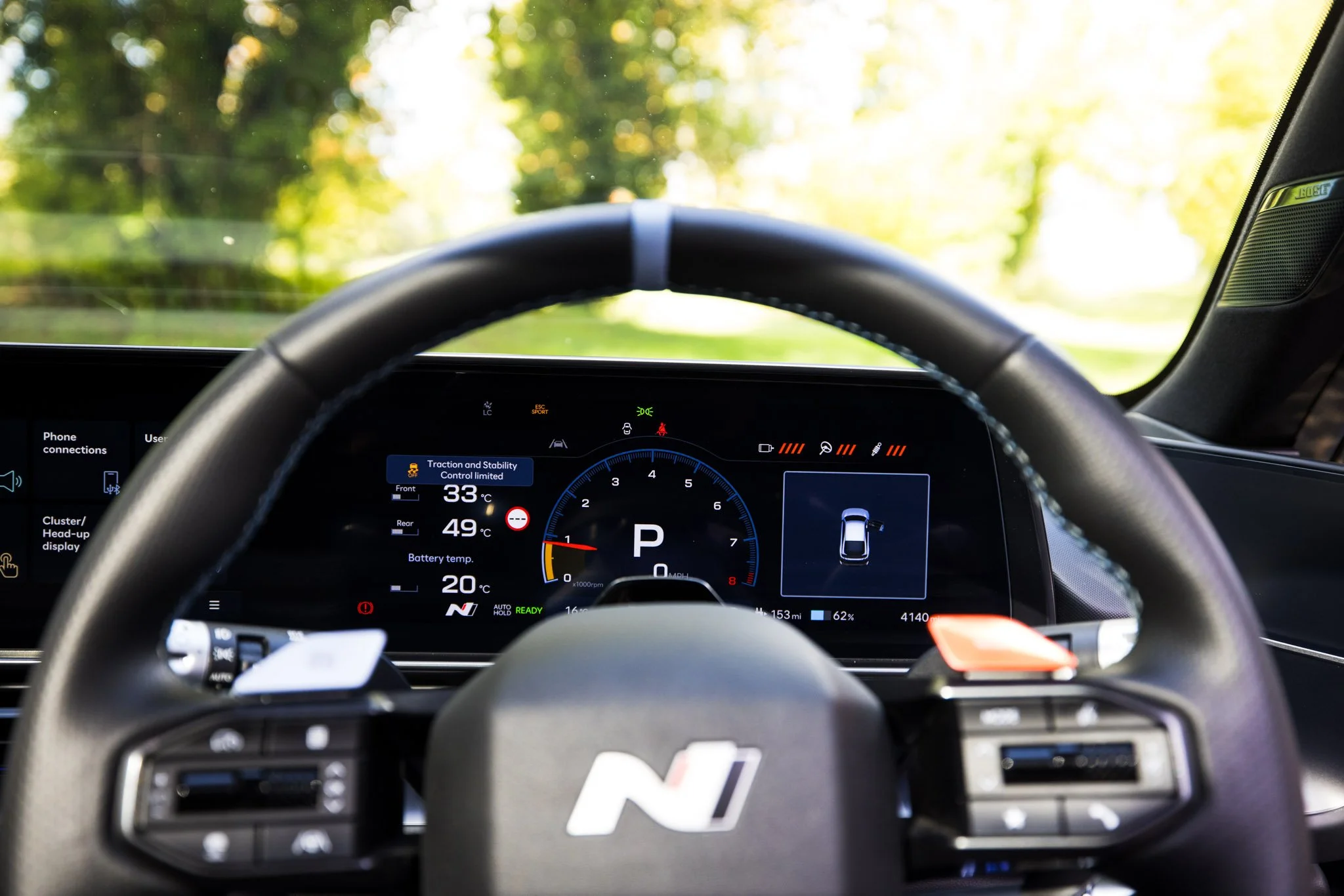
Then there's the gearbox, which, like the engine sounds, is completely fake. Paddles behind the steering wheel let you shift up and down through 'gears'... except there are no gears; it's an EV!
With the simulated gearbox engaged, the 6 N accelerates with typical EV linear power until you pull a shift paddle. When you pull the paddle, it cuts the power for a fraction of a second (as a DCT gearbox would while it selects the next gear), and the torque kicks back in to simulate the pull of a higher gear. When shifting down, the simulated engine sounds blip the revs, and the power cuts again for a moment to simulate a physical gearbox downshift. The simulated gearbox works as a full-auto or full-manual simulation. Like the fake sounds, when I first heard about it, I couldn't help but wonder: who would want such a silly thing?
Sporty Aesthetics
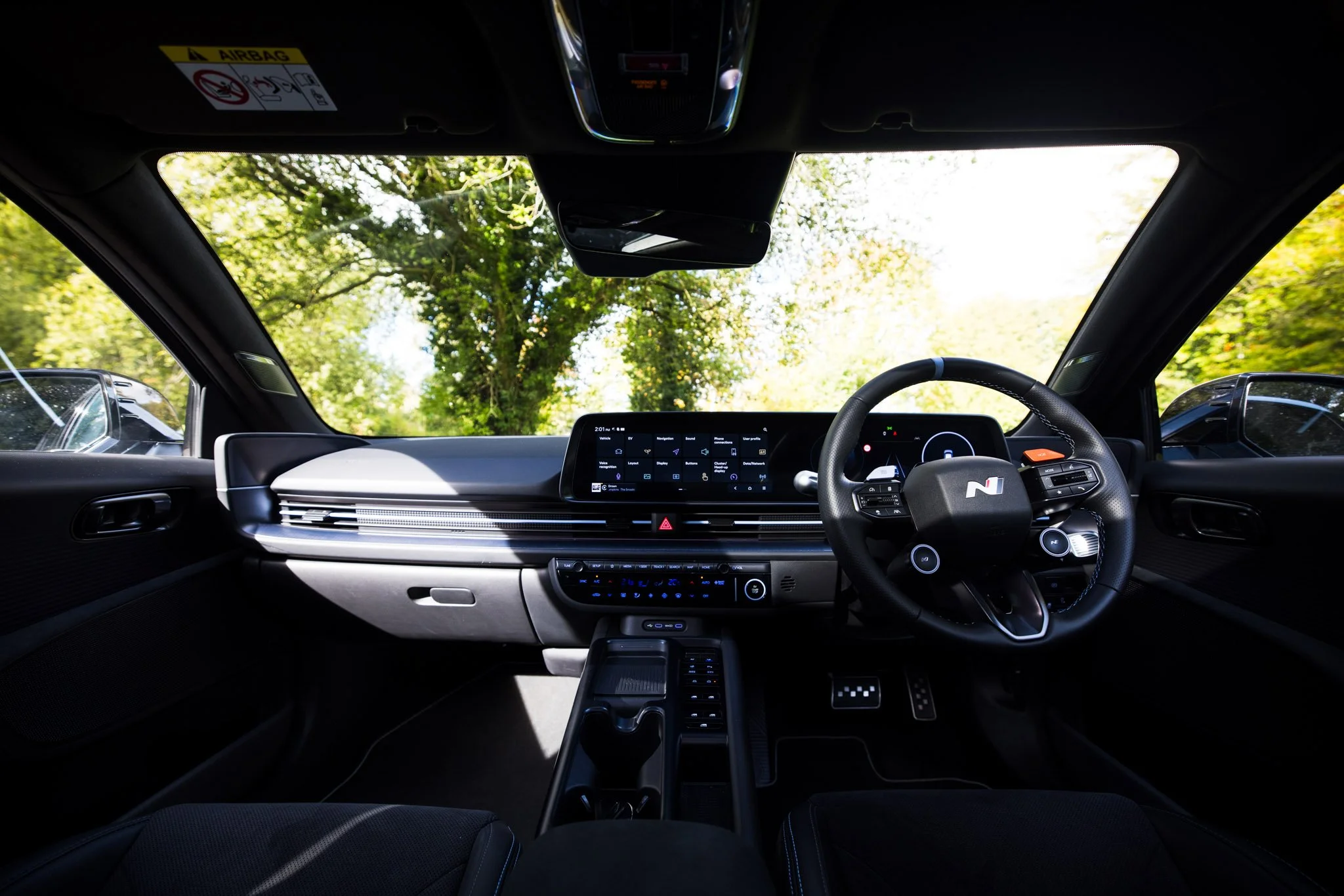
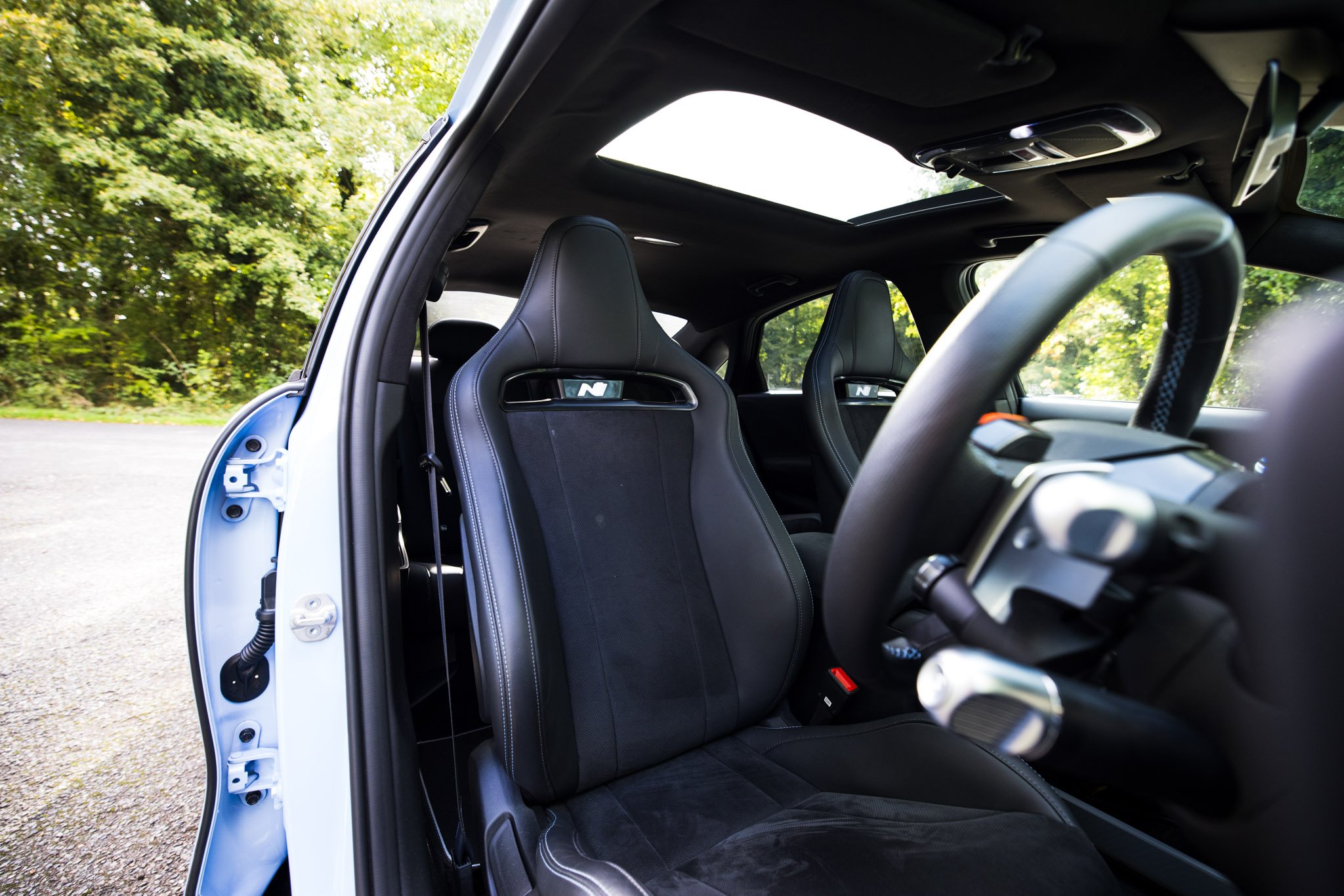
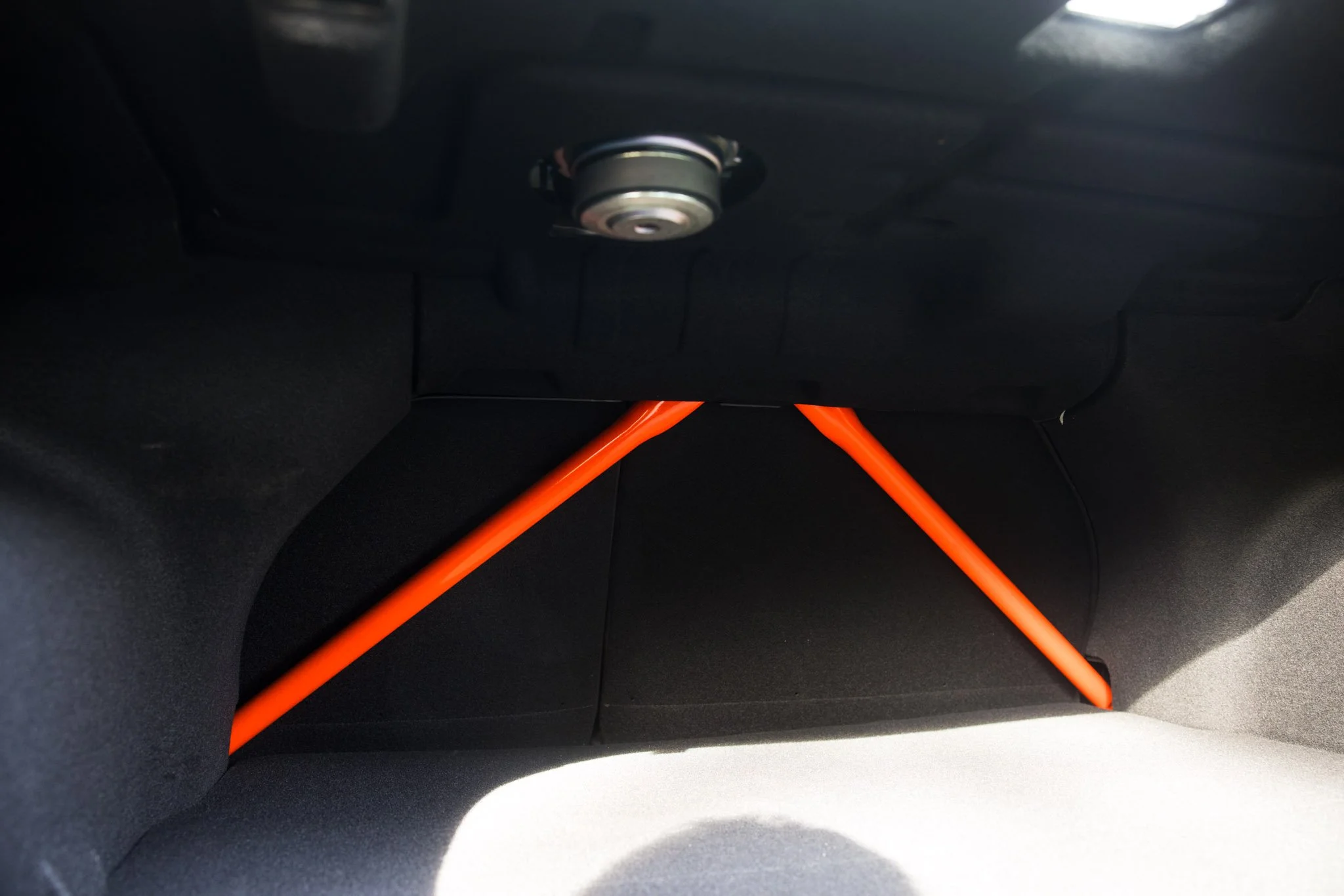
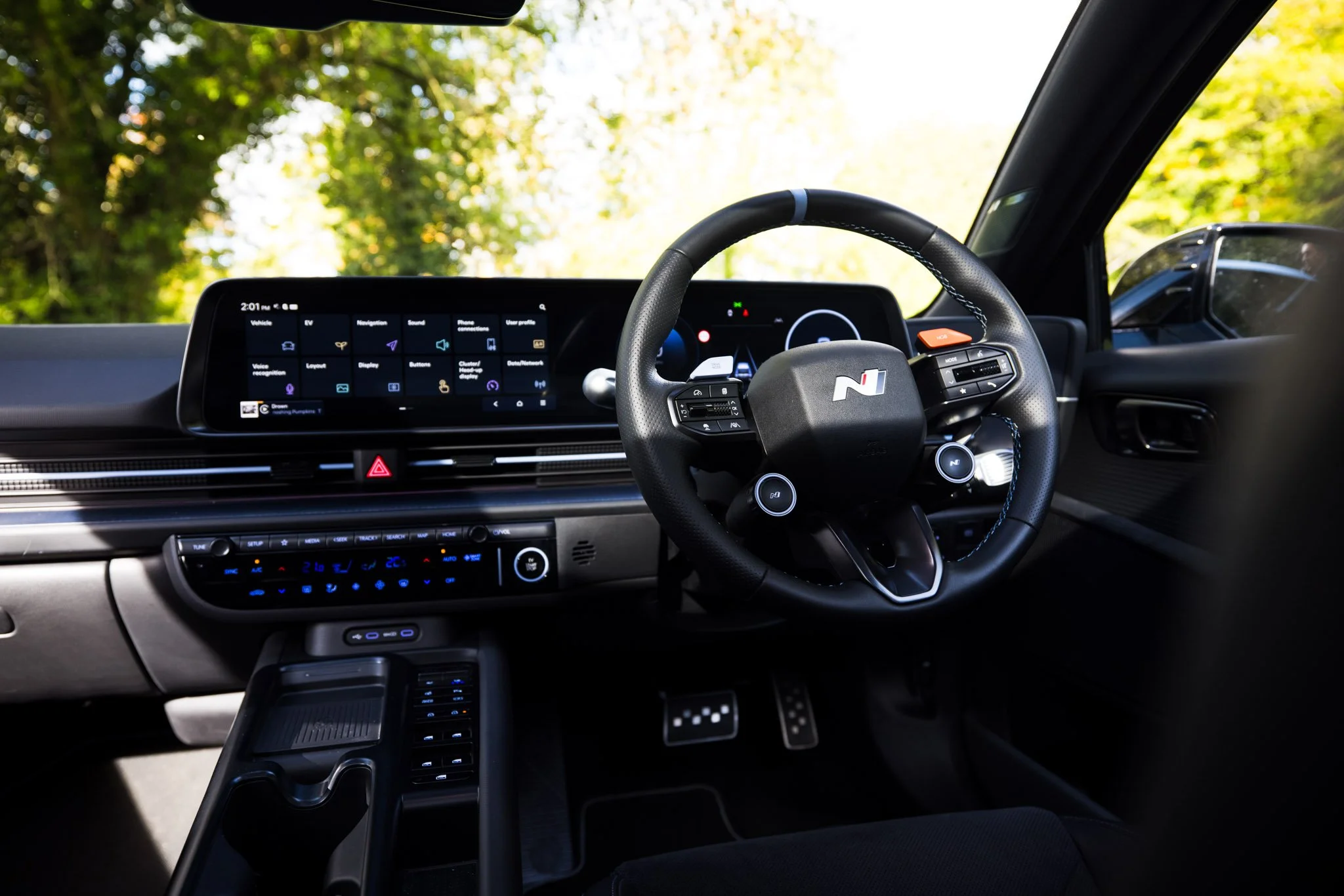
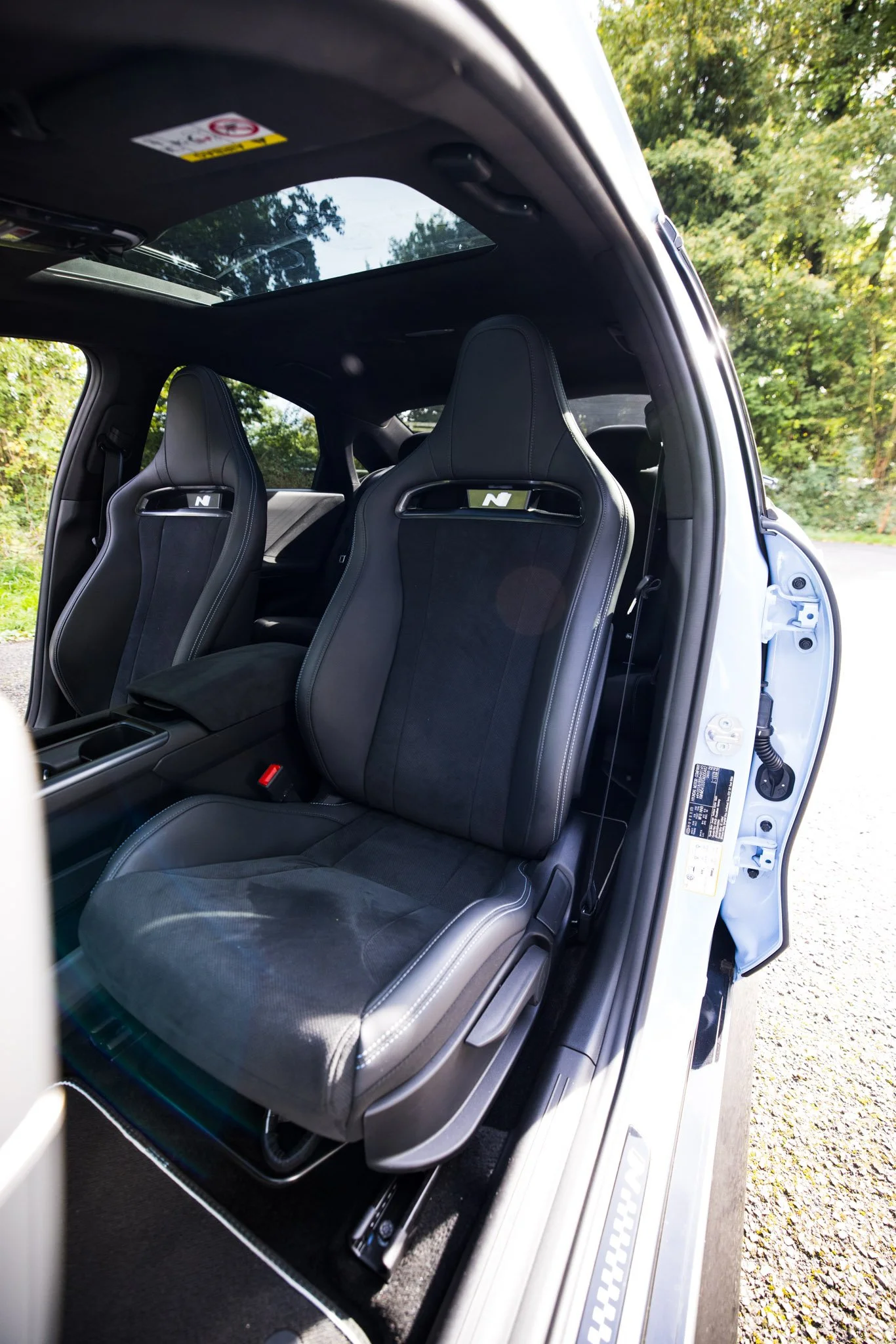
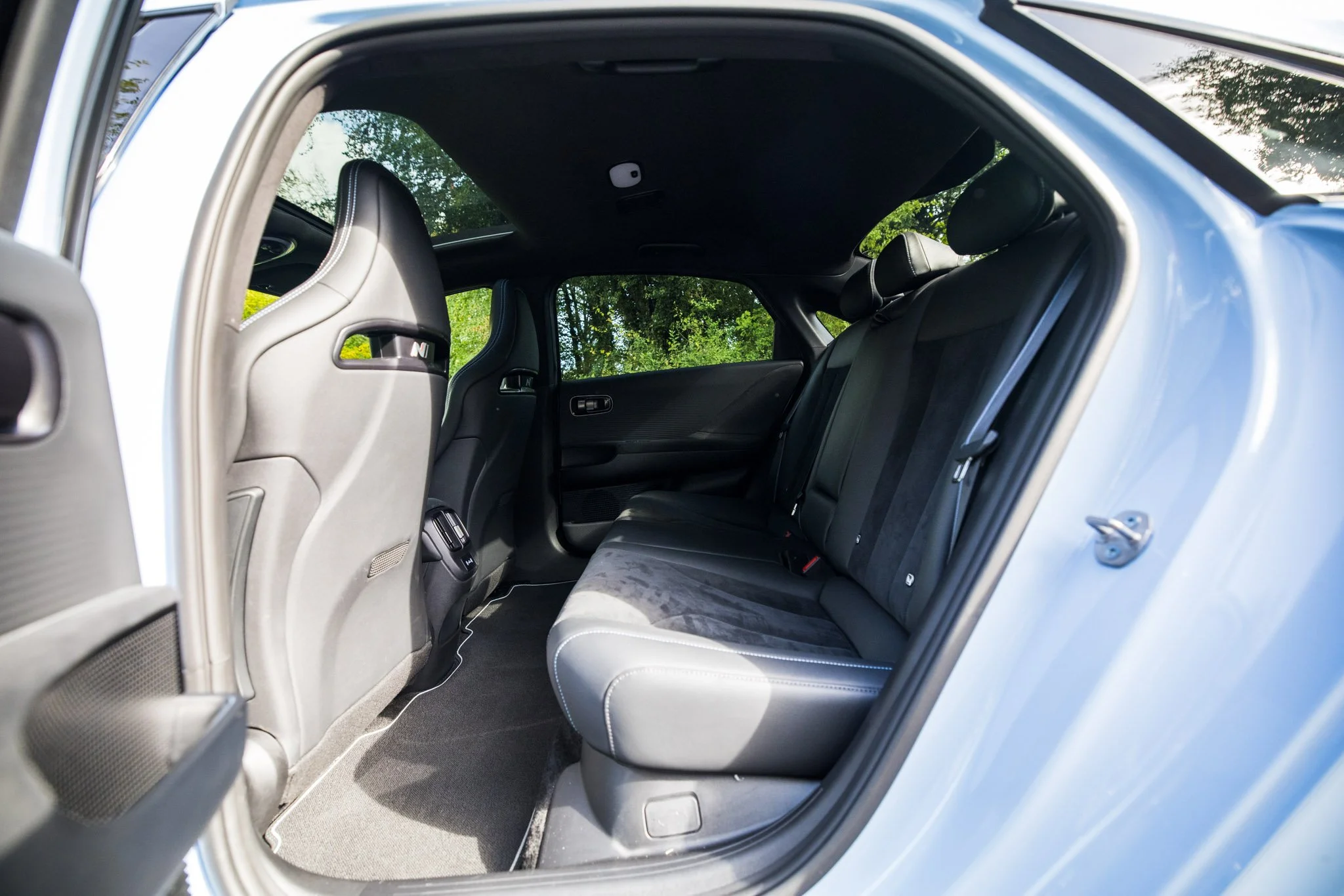
The last point of confusion is the sporty extras. It's not just the splitters, diffuser, and rear wing that had me scratching my head; it's the bucket seats, sporty steering wheel, and racey aluminium pedals, which all seem like silly, pointless ideas in an electric car.
And yet, I love it all (which is... annoying)
Here's where it all gets a little confusing for me. The 6 N offers a string of performance-derived features, all listed above, which, when I first heard about them, made me scoff in disbelief. But the truth is, in practice, the 6 N's performance features delivered one of the most unique driving experiences I've ever had.
The performance is infectious. On paper, the power seems pointless, but the throttle response, speed and handling, thanks to the exceptionally clever torque balancing, rewarded one of the most engaging road-driving experiences I've had in the past few years. It's not just quick; it's supercar quick. The acceleration feels comparable to A Ferrari 296. 0-60 mph is daft, but 40-70 mph on the motorway is equally hilarious.
The simulated sounds are surprisingly intuitive. The simulated engine rumble quickly shifts from being a strange quirk to a familiar reassurance at speed. If anything, it bridges the gap often lost when driving a performance EV at speed and helps put acceleration into perspective beyond just being pinned into the seat.
The fake gears are actually brilliant. The simulated gears quickly became second nature, and I found myself instinctively shifting up and down the gears when driving in N performance modes. When I first heard about the feature in the 5N, I remember laughing it off, but I have to admit, it's simply fantastic. Everyone needs to experience it at least once to understand.
Real World Range and Driving
Putting the performance features aside for a moment, I need to mention another big selling point for the 6 N. Sure, it's a capable track car, but it doesn't compromise on daily-driver duties, which matters, since most of its miles will be on public roads.
The 6 N will return around 300 miles of range in a best-case scenario, though a more realistic average is 200-250 miles, which is still pretty good for a performance EV. Charging is rapid, thanks to Hyundai's 350kW capability, which means a 10-80% charge can be completed in just 18 minutes.
For standard road driving, the 6 N is as comfortable and quiet as its road-focused sibling. READ: Hyundai Ioniq 6: A Modern Day Success Story
The 6 N includes luxuries that make daily driving feel special. A Bose sound system delivers a high-level audio experience, the suspension feels comfortable and compliant, road rumble and wind noise are near silent, and driver aids such as assisted cruise control, 360-degree cameras, and emergency assist systems deliver peace of mind and convenience in all driving environments.
The 6 N feels comparable to the BMW M5. It's a luxurious, comfortable, and stylish car for daily duties, while still delivering high-performance figures on a circuit.
The best part: The Price
The Hyundai Ioniq 6 N has an OTR retail price starting from £65,800, which feels like somewhat of a bargain when comparable performance cars are lined up alongside it.
The Audi e-tron GT I fell in love with 4 years ago now costs between £90,000 and £150,000. A Porsche Taycan costs between £90,000 and £190,000. Lotus' Emeya is another comparable car in terms of performance; it costs £90,000-£130,000.
The Hyundai goes way beyond just undercutting the competition. In most cases, it equals or even beats it. And it's not just undercutting the electric performance saloons; it's undercutting the petrol and hybrid ones too. The M5, for example, starts at £114,000.
Conclusion: I genuinely want one
The Hyundai Ioniq 6 N is an undeniably special car capable of truly superb performance. My feeling of 'genuine want' matters because, as an electric car, the 6 N goes against everything I've previously protested about EVs.
Performance EVs are still niche, and Hyundai knows that as well as Porsche, Audi, and Lotus, but with a price that undercuts the competition so significantly, Hyundai has produced a model likely to change how people think about not only EVs, but the brands that make them.
words by John Marcar
photography by Henry Faulkner-Smith