
I once went to a press event regarding the launch of a new brand of sportswear. To save any embarrassment I shan’t name names, but the assembled hacks were given a tracksuit for us all to try. It was branded as a budget product but represented cracking value and good quality. Allegedly.
Bearing in mind that, when it comes to clothing, I’m a big follower of shabby chic, with a very heavy emphasis on shabby. I’m no expert, but I thought it looked okay and seemed to be made from decent material.
A week later I wore it at a rain-soaked 5-a-side football match. When I got home, I chucked it into the washing machine. 90 minutes later I removed it from the tub and was rather surprised to discover that all the zips on the jacket and those used for the trouser pockets had fallen out. The brand soon disappeared.
Yep…you get what you pay for.
The Price is Right
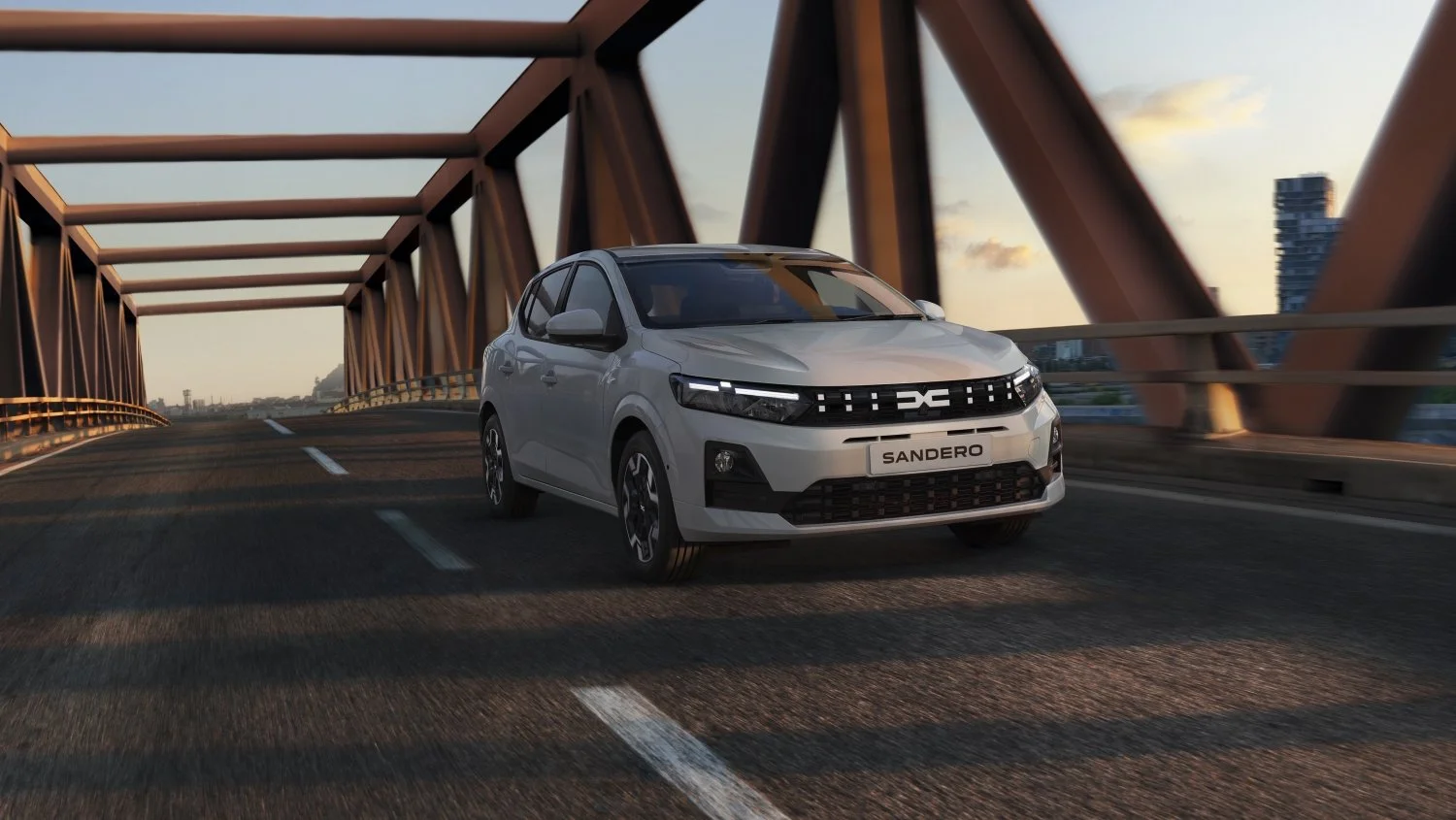
Which is what you may assume will be the case with the latest Dacia Sandero, which has just been given a refresh. And before you think the refresh has led to the inevitable price rise…think again, because it’s actually gone down in price by £950. Result.
Get the entry-level Essential trim, and you’ll be driving away from the Dacia dealer in a brand-new Sandero for a decidedly reasonable £14,765 (Aug 2026). This makes it the cheapest conventionally powered car in the UK. Incidentally, Dacia also makes the cheapest electric car — the Dacia Spring. And before you protest, the much cheaper 2-seater Citroen Ami doesn’t qualify as being a car as it’s technically a quadricycle.
Powertrain & Performance
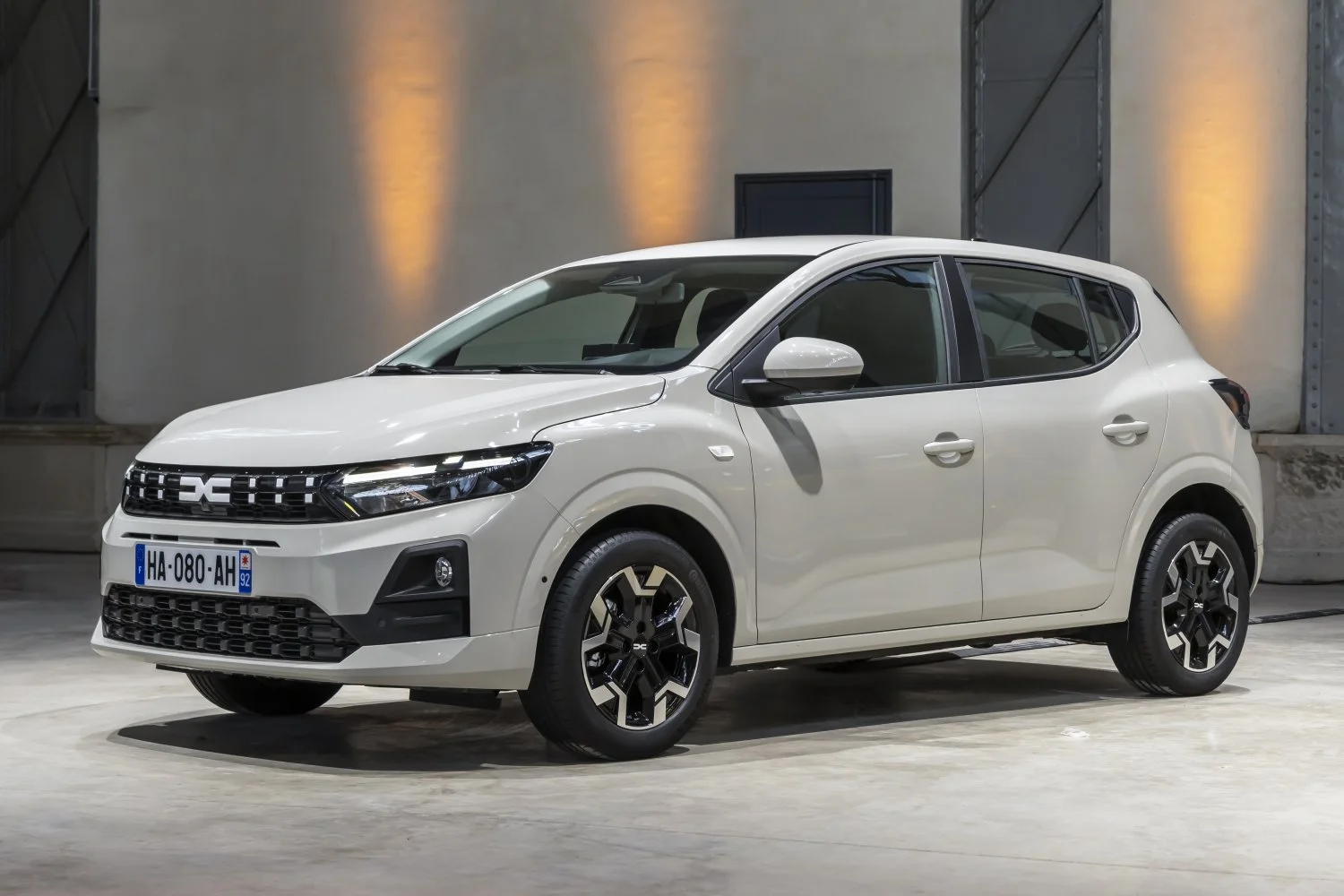
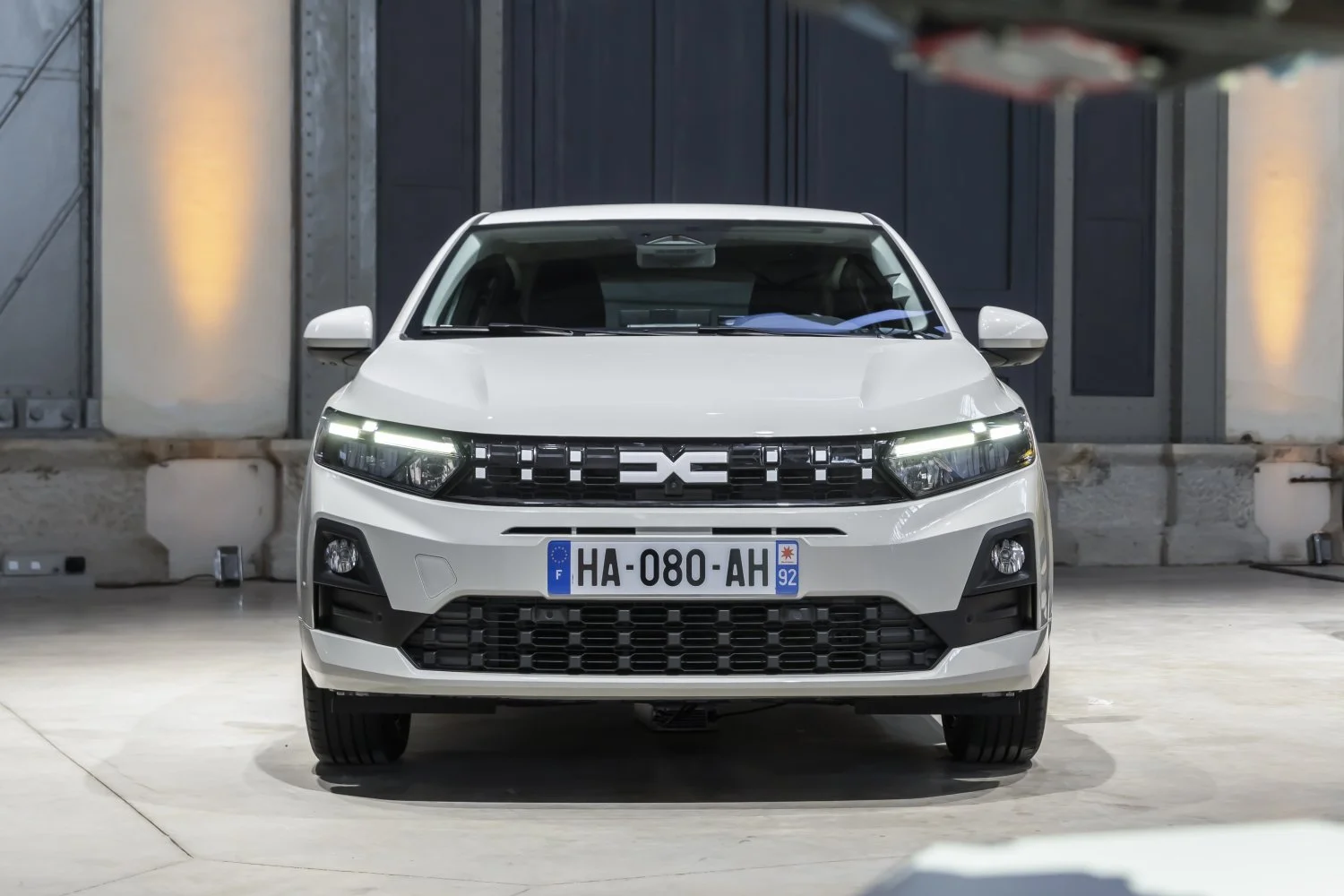
Dacia keeps it simple with this latest Sandero. There’s only a single engine: a 99bhp petrol 3-cylinder unit mated to a 6-speed gearbox which feeds the front wheels. There’s no automatic option and the bi-fuel model, which could use petrol or LPG, has been dropped in the UK. Take it easy and Dacia reckons you’ll manage 52.3 mpg. In terms of performance, you get a thoroughly acceptable 0-60 mph time of 9.6 seconds, while flat out it’ll manage 111 mph. A more powerful hybrid version is in the pipeline.
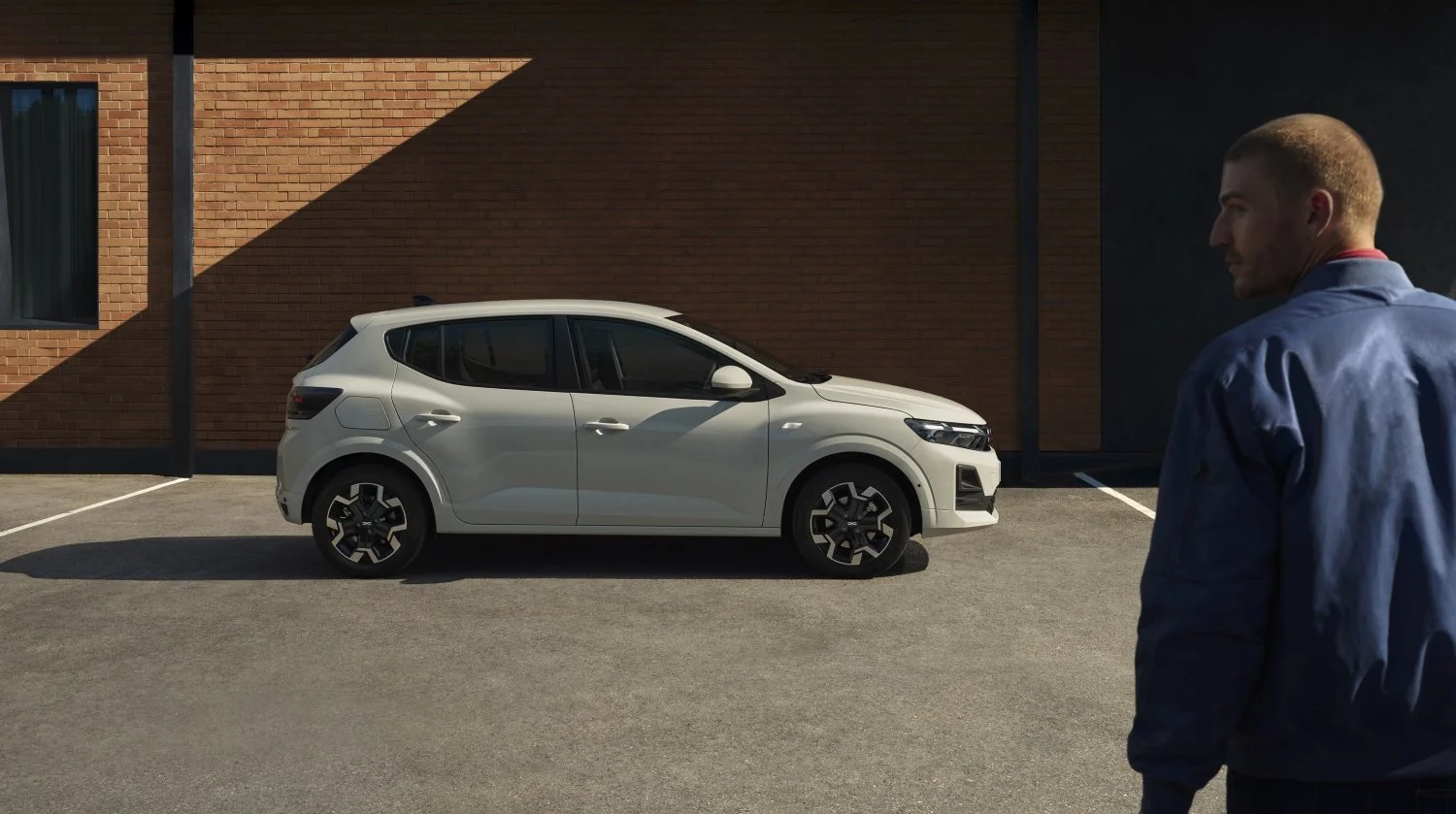
If you fancy a Sandero which has a bit more of a practical appearance with slightly raised ride height (4cm higher off the ground), some body cladding, roof bars etc, go for the Sandero Stepway. Add around £1,500 to the Sandero price.
Driving Experience
Bearing in mind the Sandero is based on the same platform shared with the Renault Clio and Renault Captur (Renault owns Dacia), it’s surprising how different the cars feel. I thought the little Dacia was nicer to drive than the Captur I had recently and seemed livelier, with a smooth engine that responded nicely to the throttle inputs.
You can tell that Dacia has built this car with the assumption that most of its miles will be racked up on town and urban roads. The suspension errs on the soft side, which is great at soaking up lumps and bumps at slow speeds, but if you push on, the body tends to lean. I don’t have a problem with that and most drivers who end up at the wheel of a Sandero are hardly likely to be too enthusiastic on country roads anyway.
And despite what may look like a weedy engine for a decent-sized family car, the Sandero is a willing performer and can hold its own on the motorway. The turbo soon bursts into life, which means you can quickly build up speed when needing to overtake.
As with many 3-cylinder engines, they tend to make a bit of racket when you work them hard (it’s not an unpleasant sound), but once you ease off, the car is pleasingly hushed.
Trim Levels
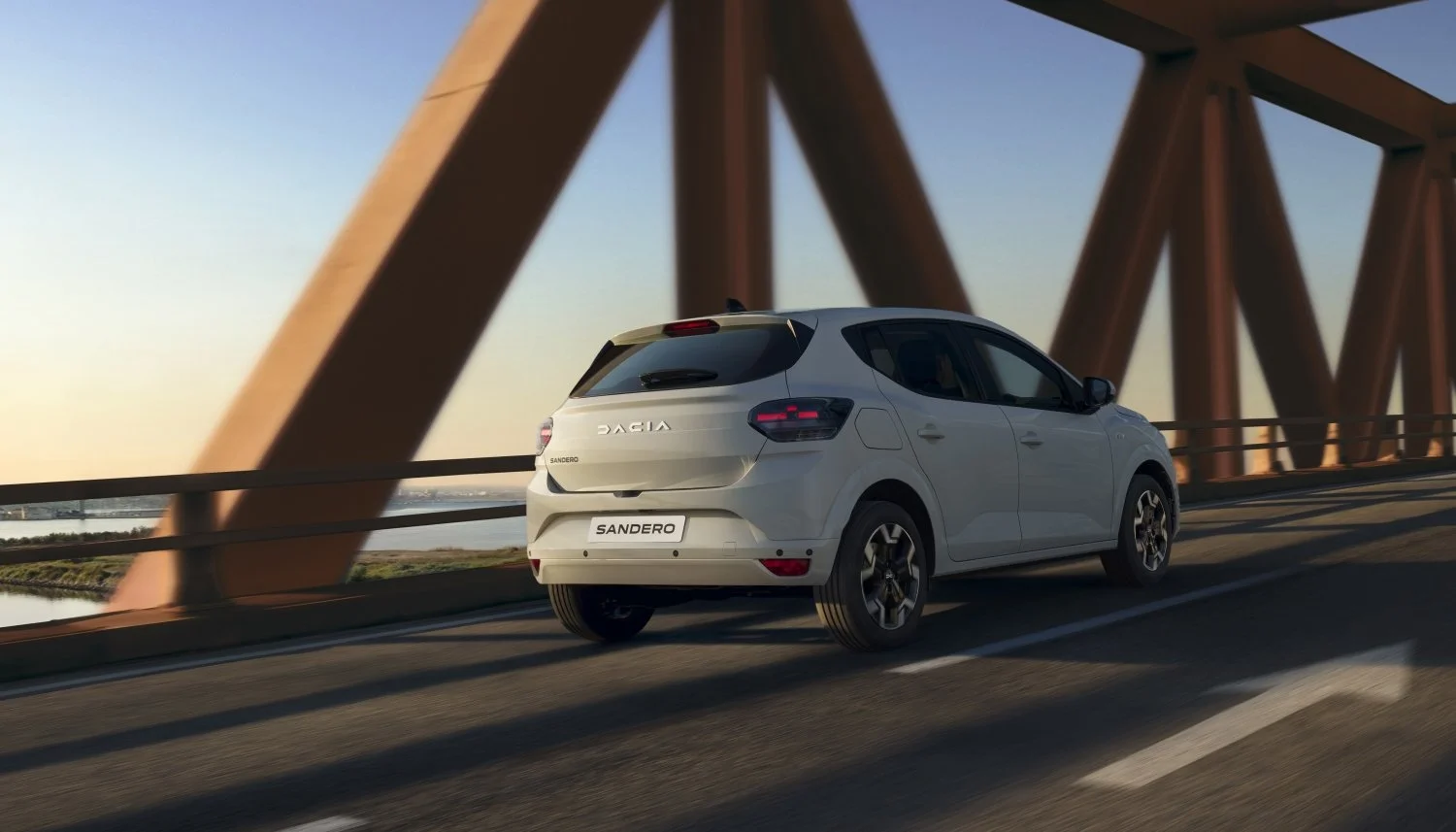
As for which trim to go for, the entry-level Essential package gives you exactly that with bits like rear parking sensors, cruise control, LED headlights, tyre pressure monitor, DAB radio, powered front windows and air con. For many of you this will be fine.
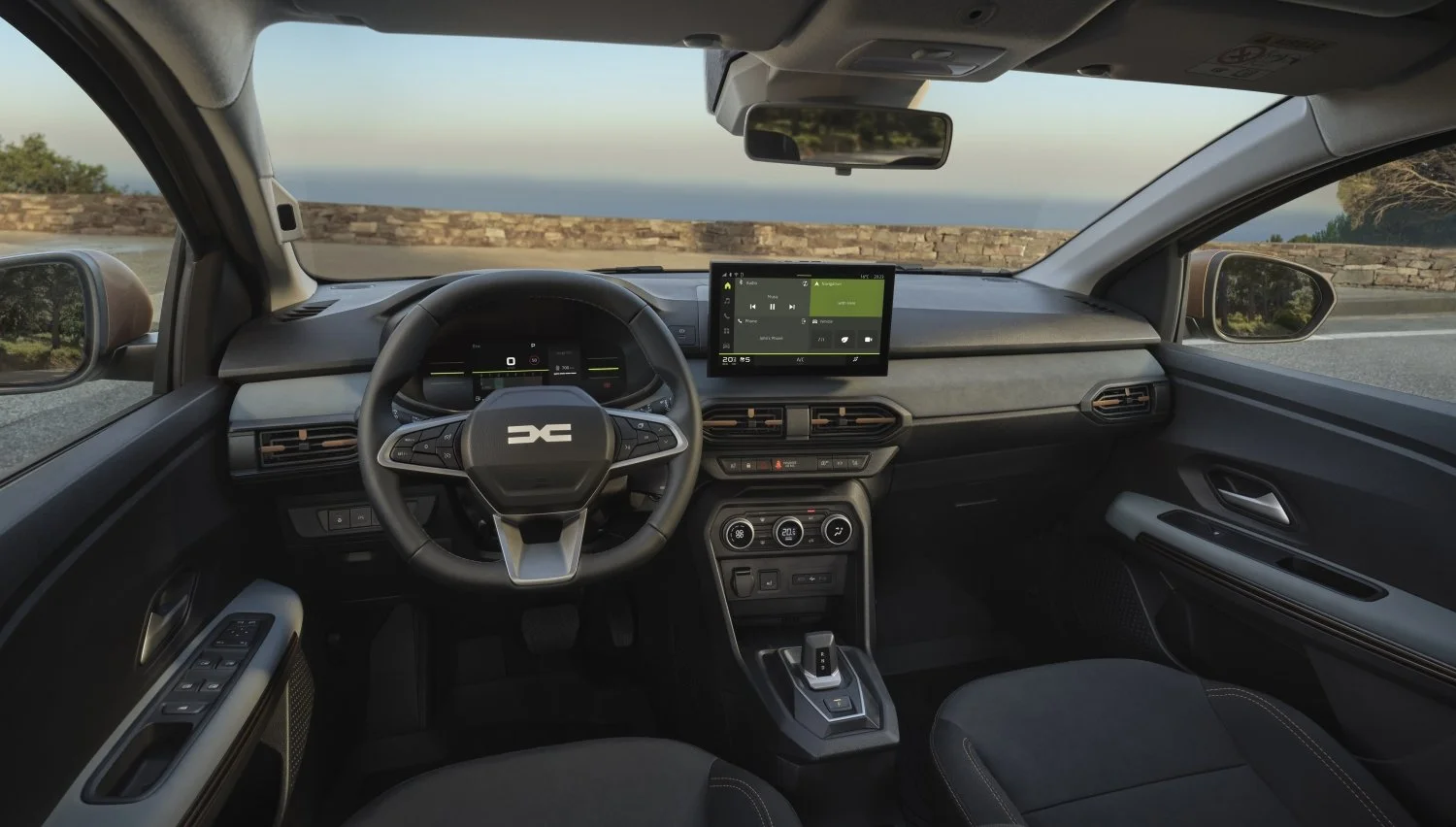
I’d spend an extra grand though and go for the Expression trim. You now get a 10-inch central touchscreen which works well and can link to your smartphone, rear camera, front fog lights, height adjustment to the driver’s seat, centre armrest, powered rear windows, and a greater choice of exterior colours. You get larger 16-inch alloy wheels as opposed to the Essential trim’s 15-inch steel ones.
Journey adds another £1,300 to the price and gets you stuff like sat nav, although I’d recommend saving the money and just using your phone via the touchscreen.
Well done to Dacia for resisting the temptation to load everything onto the touchscreen. The screen has a row of buttons which you can easily hit for audio and phone connections, but there’s also a row of physical buttons and knobs lower on the dashboard for climate control. The air vents are conveniently placed too. The USB-C sockets are handily placed…it can sometimes take ages to find them, especially when it’s dark.
Interior
The interior is simple but smart and belies the budget price. Everything looks and feels good and it’s pretty solid too. It’s also surprisingly roomy. We had a full car one evening with three average-sized adults in the back and everyone was comfy, including the bloke in the middle.
Boot space is 328 litres with the rear seats in place. Plenty sufficient for a family holiday.
Should you buy one?
If you weren’t told the price of the Dacia Sandero, you’d expect it to be more expensive. It doesn’t look, drive or feel like a budget car. Get it serviced at a Dacia dealer and you’ll have the reassurance of a 7-year / 75,000 miles warranty.
This might be the cheapest car in the UK with a petrol engine under the bonnet and represents stunning value, but it’s a thoroughly good car to own and drive. It’s practical and, if you go for the Expression trim, it’s decently equipped and puts a lot of much more expensive cars to shame.
Yep…it’s cheap, and it’ll certainly make you cheerful.
words: Graham Courtney
pictures: Dacia
