
BYD Sealion 5 DMi - The 3rd Petrol Hybrid is here.

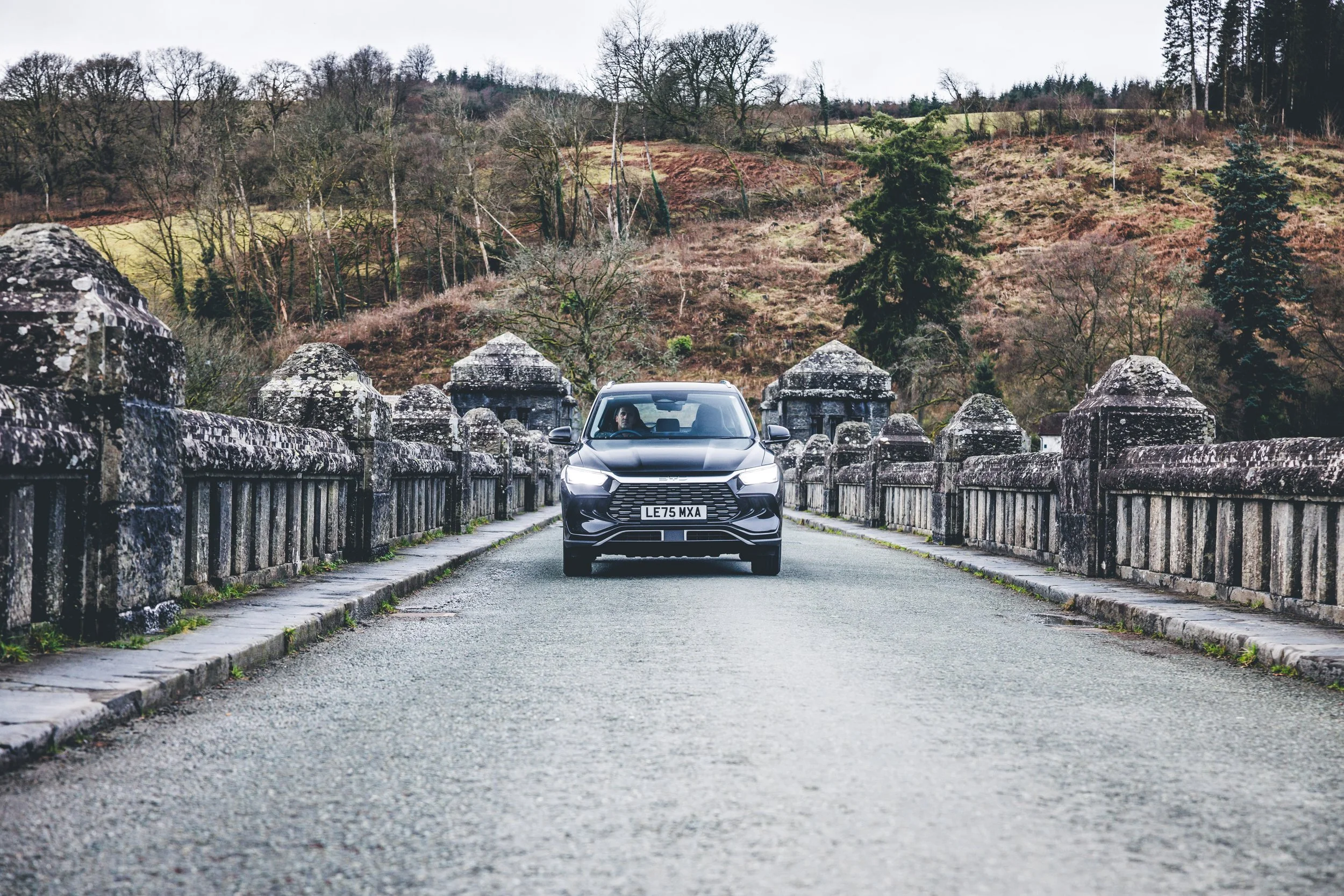
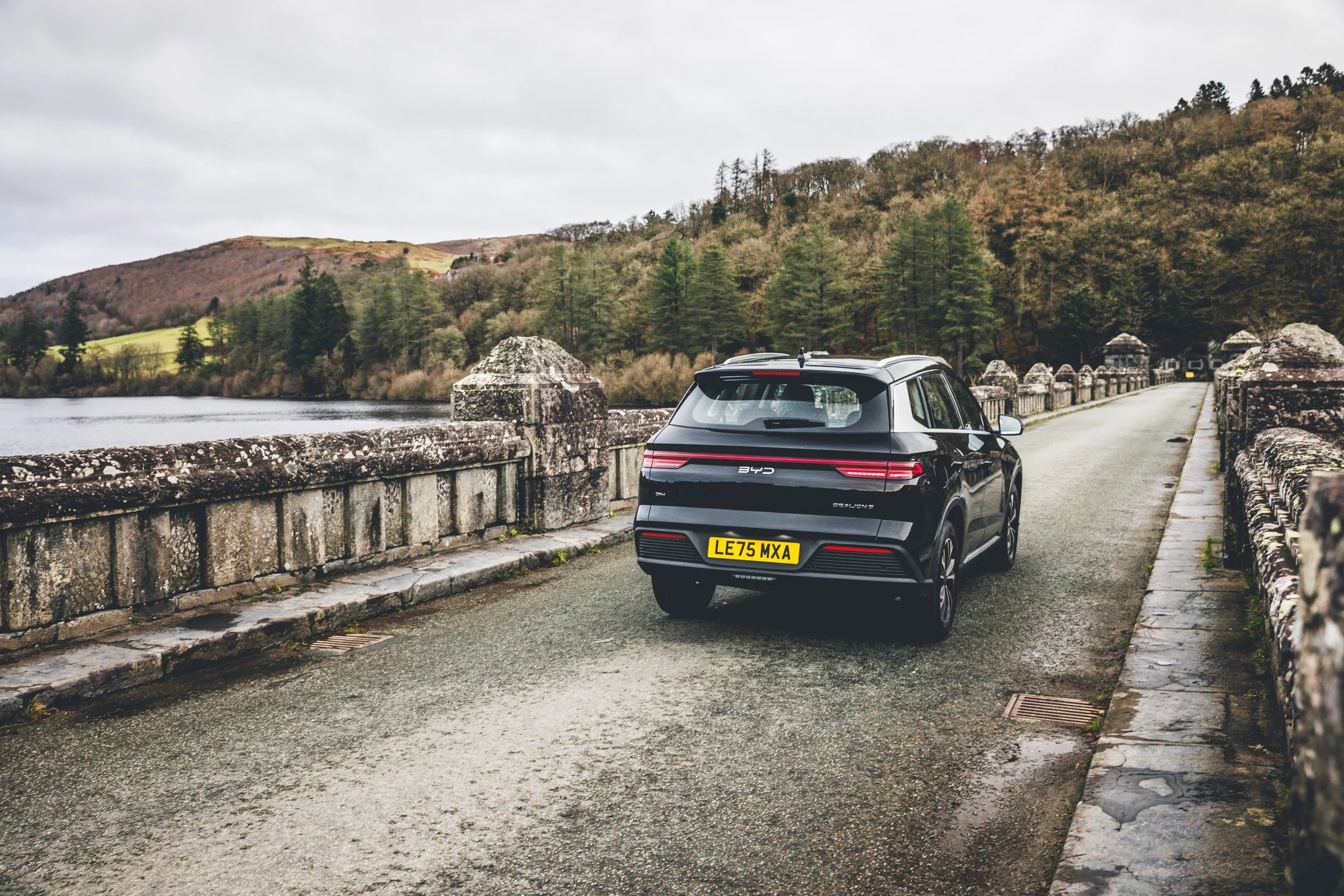
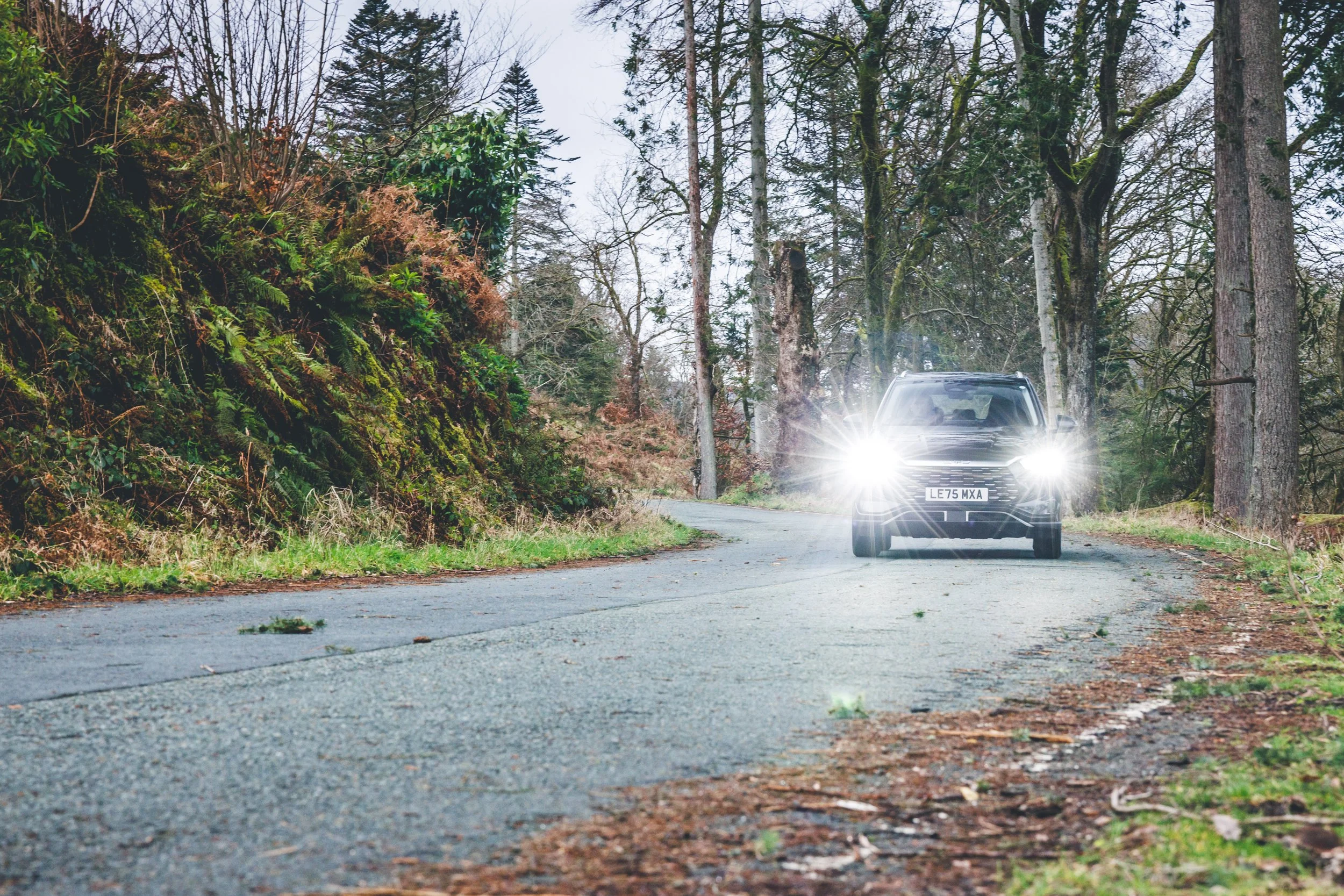
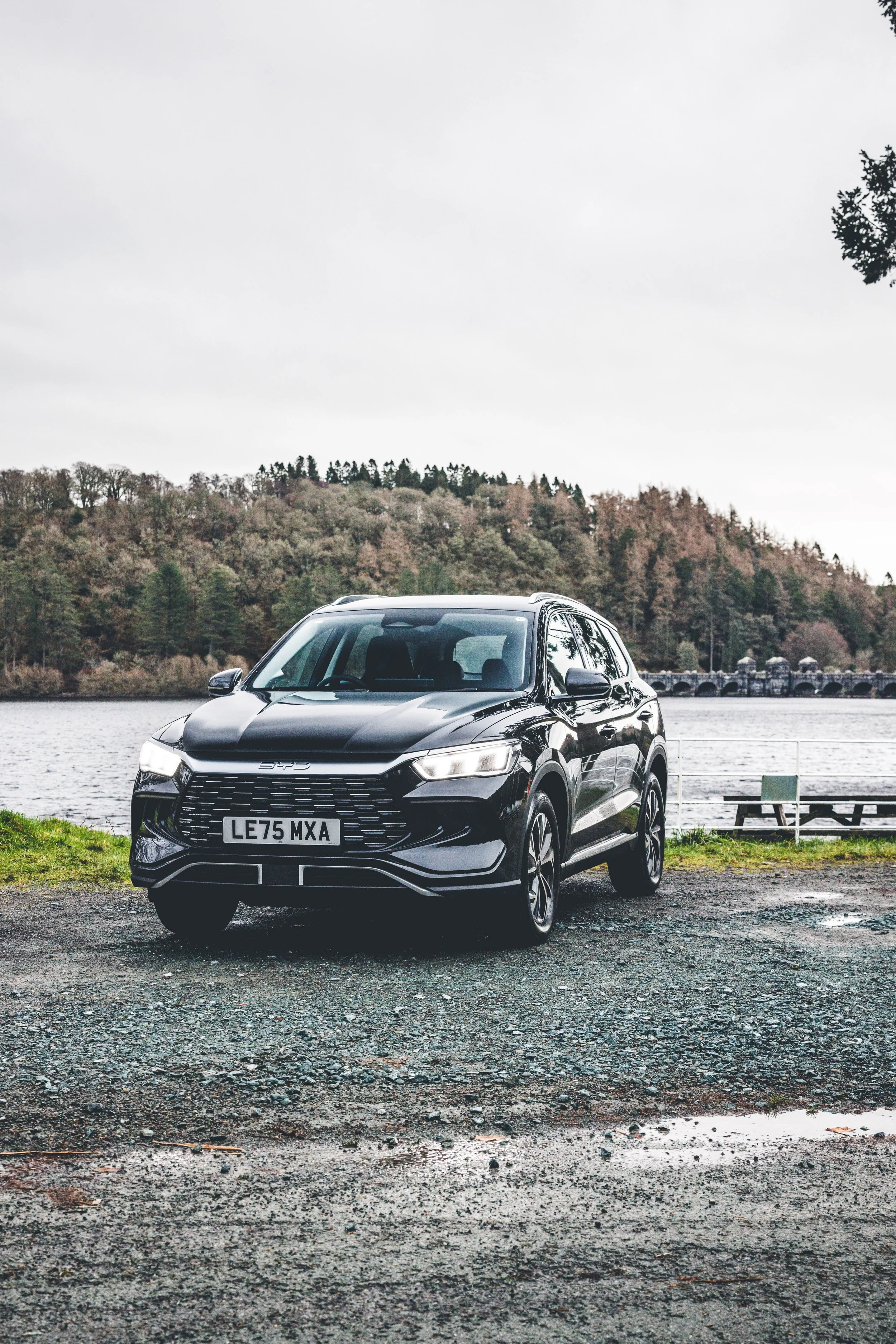
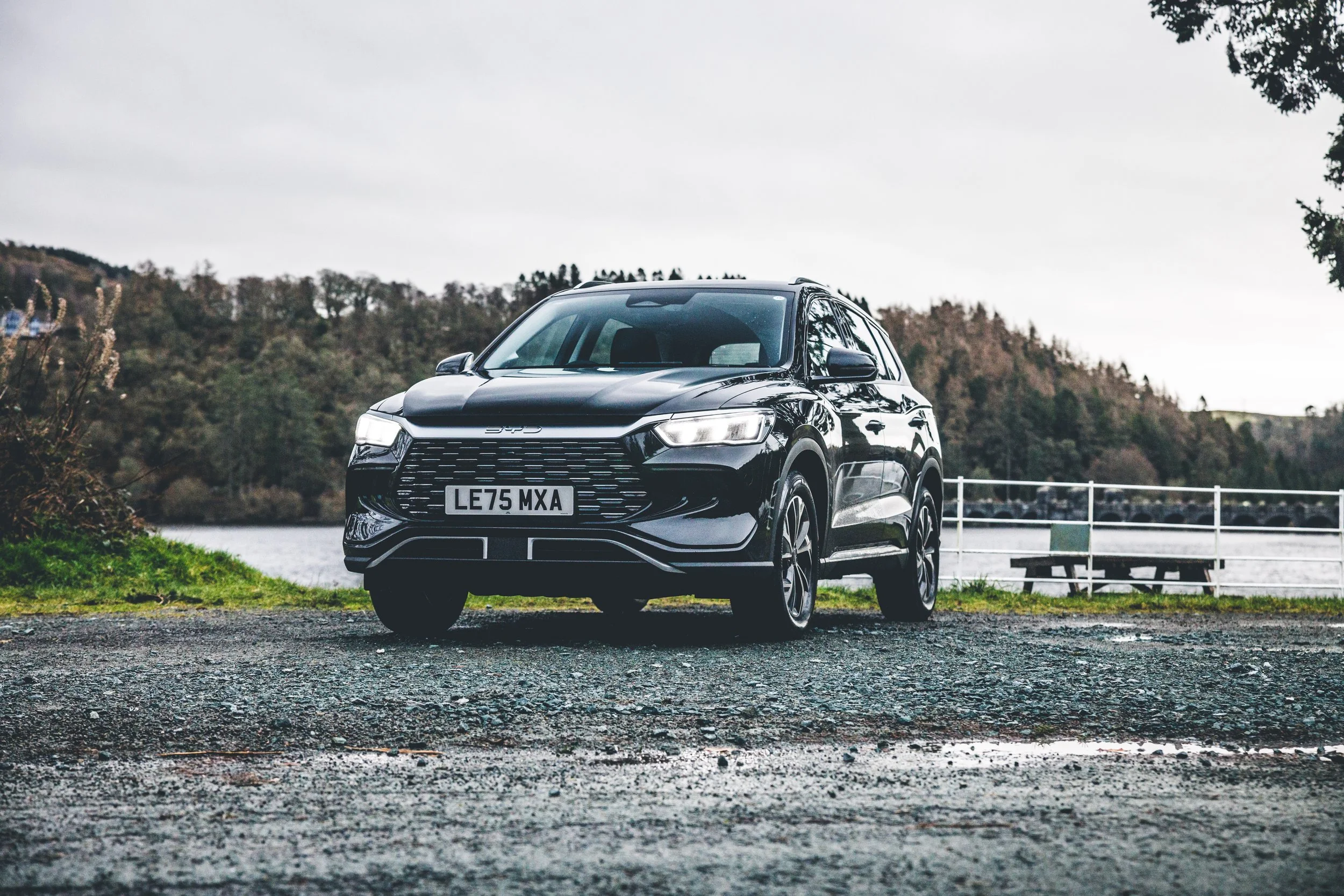
BYD has launched yet another model to its seemingly ever-growing car range. This time, the Chinese car giant is taking a direct stab at the C-SUV segment, which happens to be the most popular in the UK. BYD predicts that its new car, the Sealion 5 DM-i, will be a bestseller in the UK, following the company's 4.6 million-car global sales in 2025.
What is the Sealion 5?
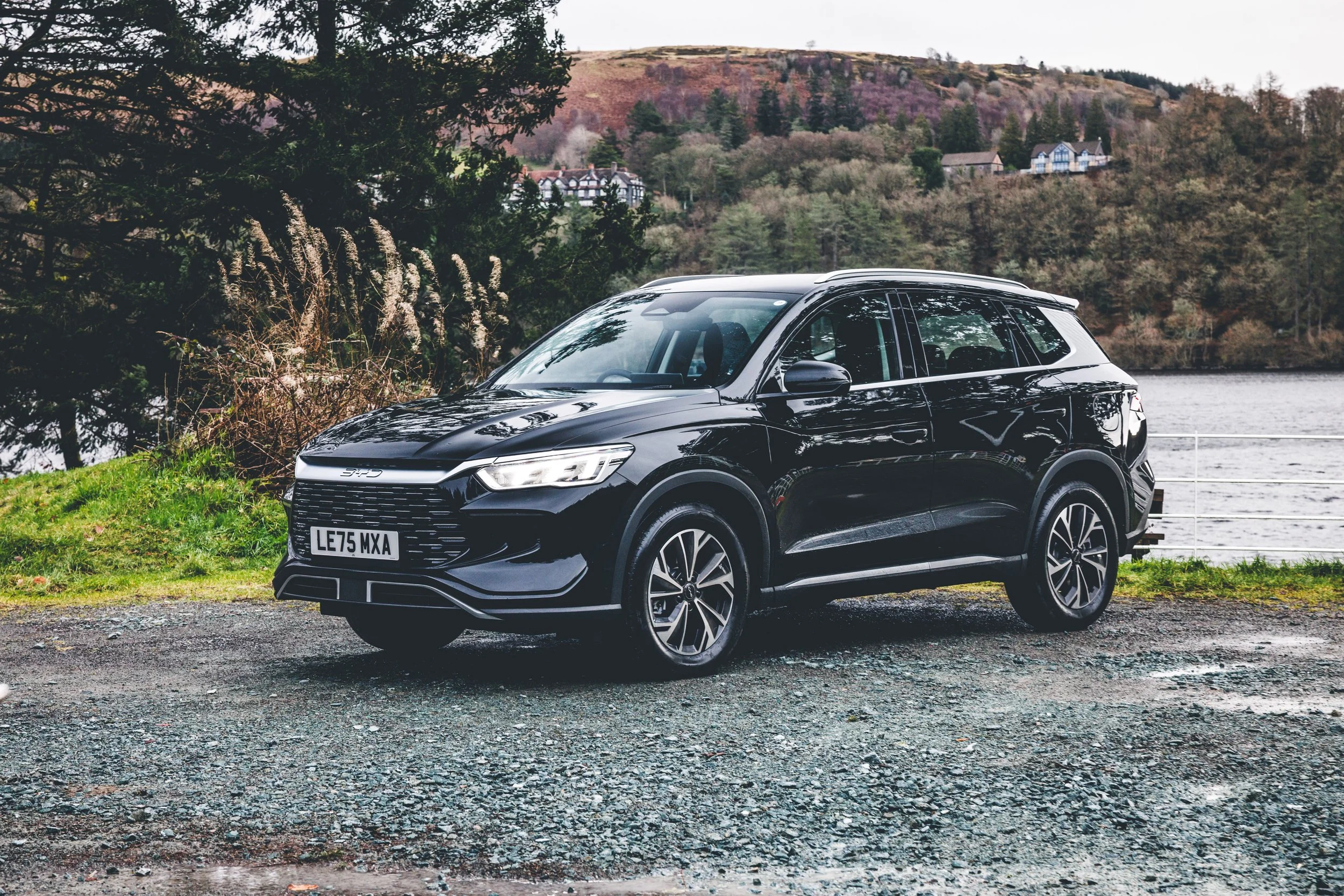
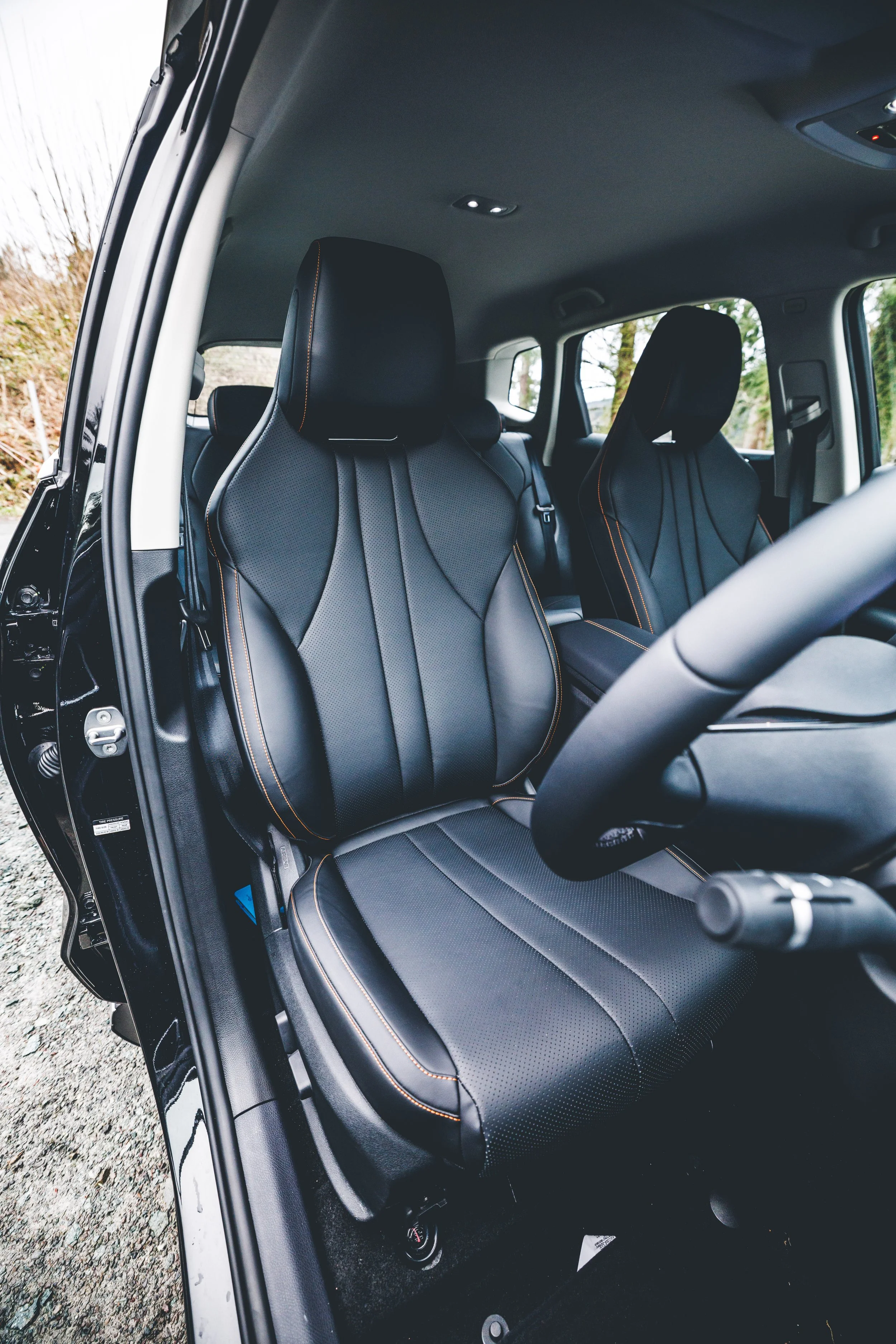
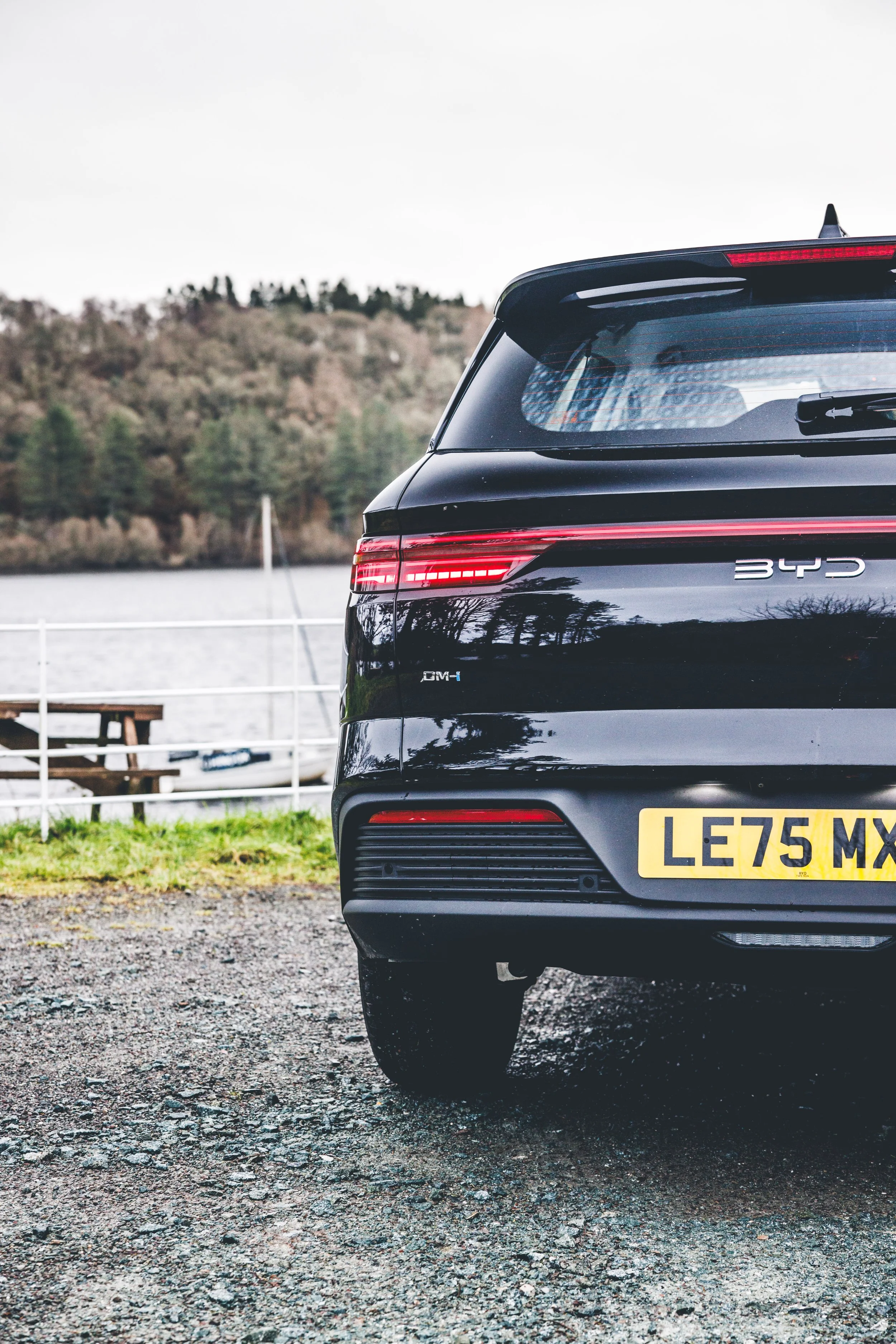
What sets the Sealion 5 apart from most BYDs on offer is that it's a plug-in hybrid. Under the bonnet is a petrol engine and an electric motor, both of which power the front wheels. The same power plant can be found in the Seal U DM-i and the Seal 6 DM-i.
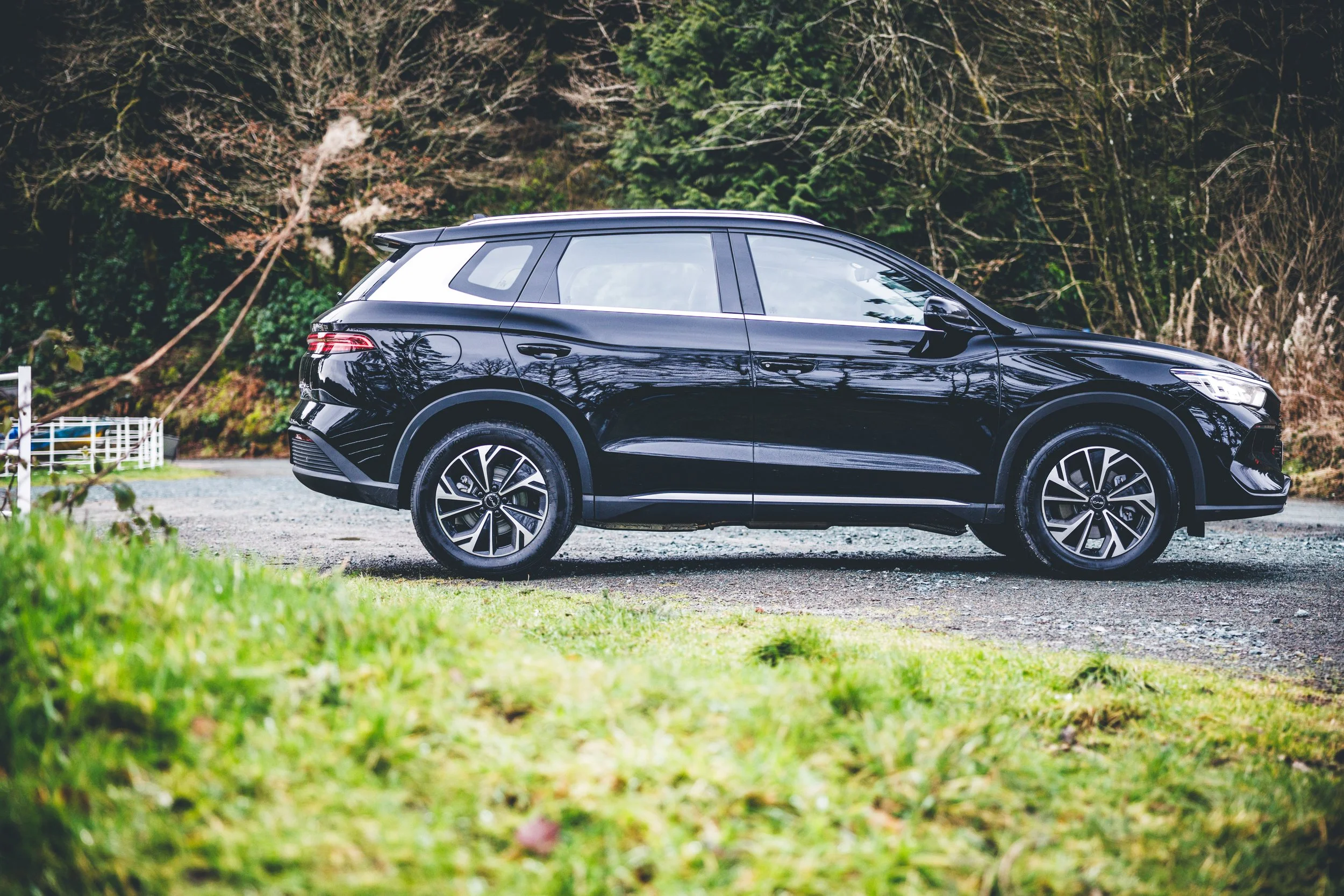
The Sealion 5 DM-i is a smaller version of the Seal U DM-i. If the Seal U DM-i is a BMW X5, then think of the Sealion 5 as the slightly smaller X3.
How much?
Whilst the Sealion 5 isn't quite comparable in terms of driving dynamics or power, it's likely to attract interest given its price compared to the German competition. Starting at £29,995 for the 'comfort' model, the Sealion 5 offers a great overall package for a very reasonable price with standard features including cruise control, vegan leather, reverse cameras, driver monitoring, and multiple other safety systems. The top spec model, named 'design', is just a few thousand more at £32,995. For that, you get additional convenience features, including a 360-degree camera system, a power-assisted tailgate, and heated front seats.
At the time of launch, the monthly costs (which BYD says is how most of its customers purchase its cars) are also competitive. The comfort model is available for £299pm with a £2,000 deposit, and the design model is £319pm with a £3,000 deposit.

DM-i Super Hybrid
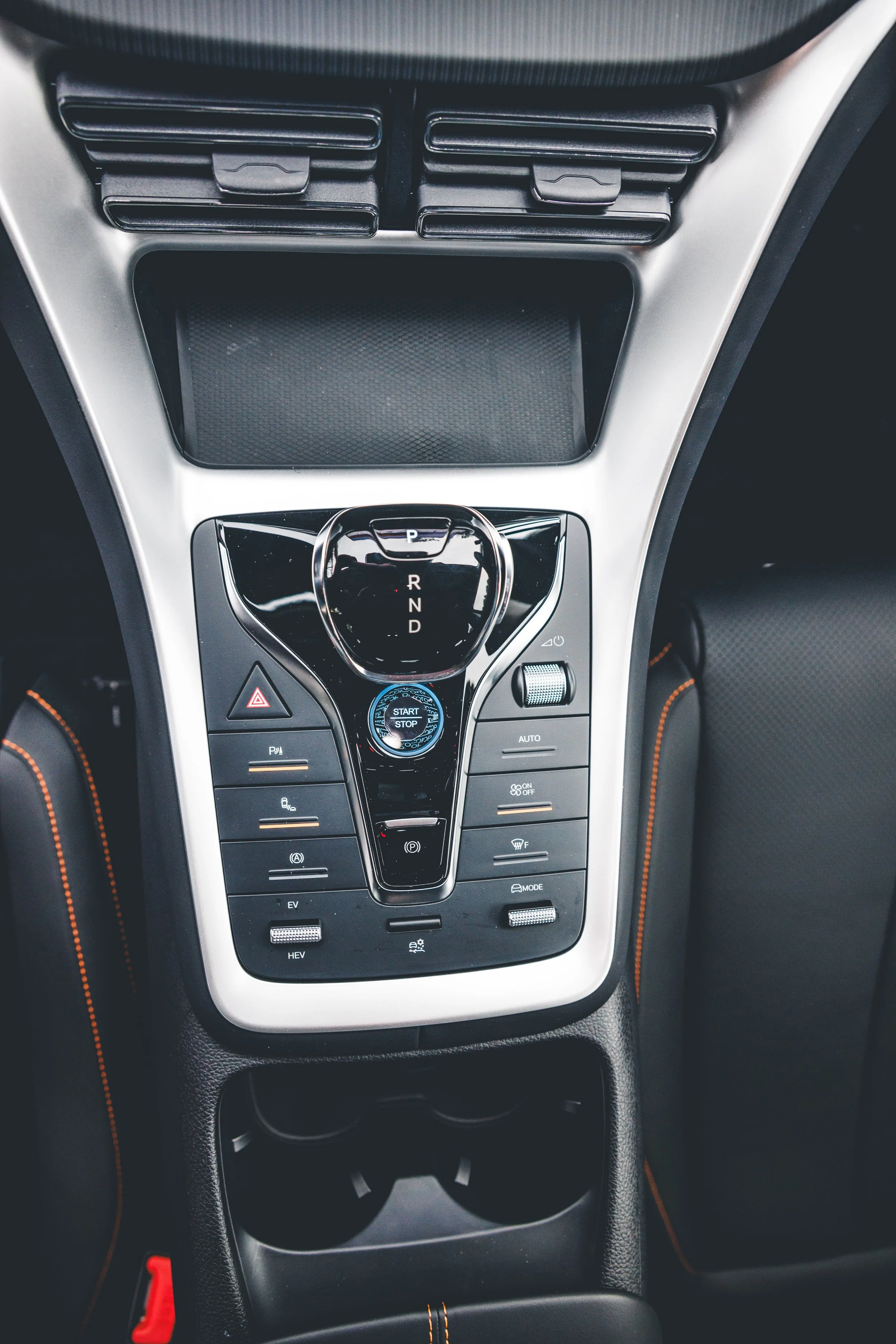
Like the Seal 6 DM-i I reviewed in December, the Sealion 5 features BYD's DM-i 'Super Hybrid' powertrain. Under the bonnet is a 96HP/122Nm 1.5-litre 4-cylinder petrol engine which sends power via a CVT transmission unit to an electric motor and a battery. The DM (Duel Mode) refers to power being sent to the front wheels by the two powerplants in tandem, for a combined total of around 215HP. The Sealion 5 can run on EV power for around 35-40 miles, after which the petrol engine starts and primarily acts as a generator for the motor, until it's required to boost acceleration via the CVT transmission.
Range and Driving Dynamics
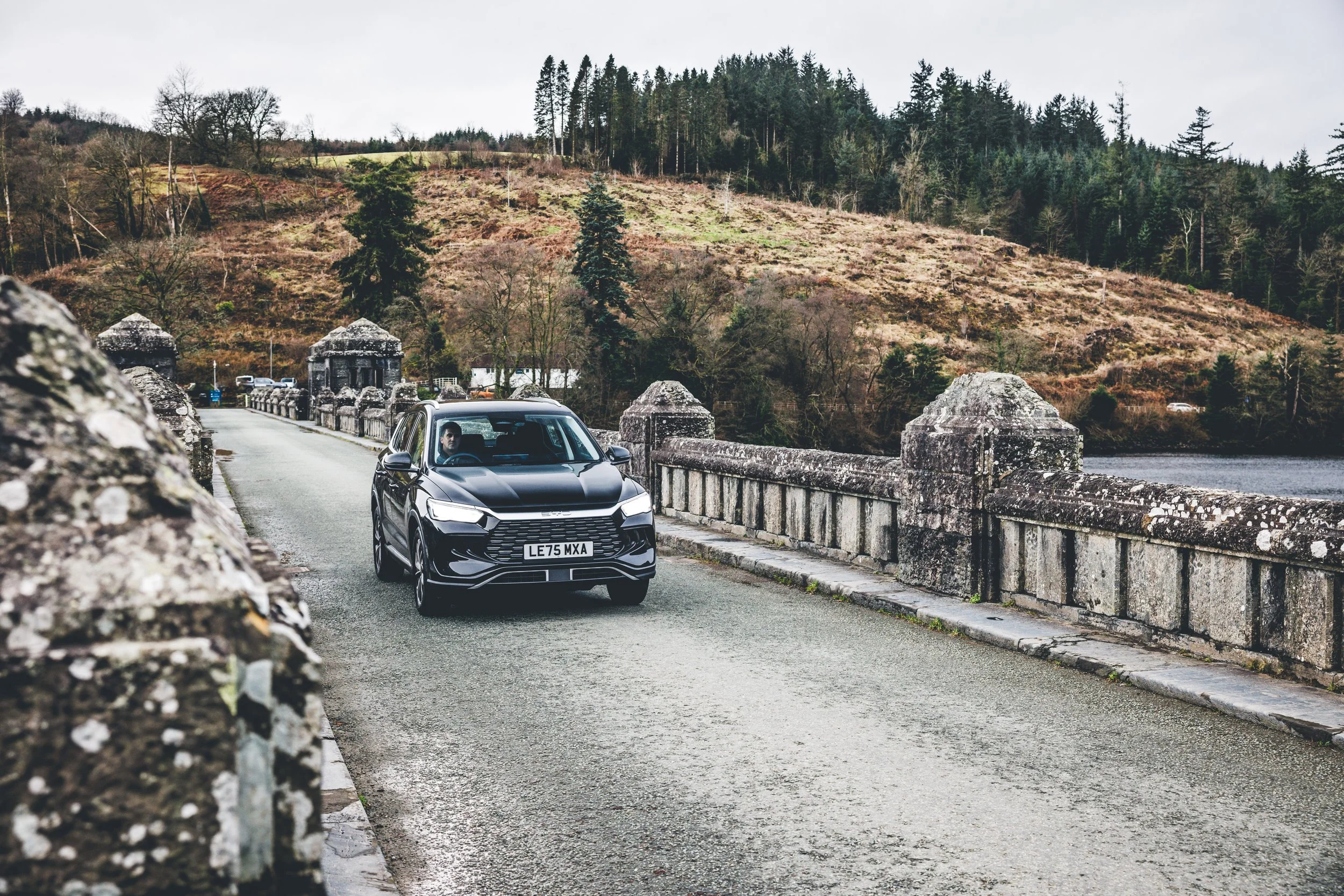
The Sealion 5 won't light many fires for anyone hoping for an exhilarating driving experience. The 215hp output is more than efficient, but doesn't feel overly exciting, and the steering feels a little heavier than I expected, too. I should make it clear that there's nothing particularly wrong with the way the Sealion 5 accelerates, steers, or stops, but it's not what anyone would describe as dynamic.
BYD claims that with a brimmed fuel tank and a full charge in the 12.96 kWh battery, drivers should expect a range of up to 631 miles (WLTP); however, 550-600 miles is likely a more realistic result for everyday drivers.
BYD Sealion 5 - The Good News
It's good value - Even the top spec offers standard features that many other manufacturers would charge an extra premium for.
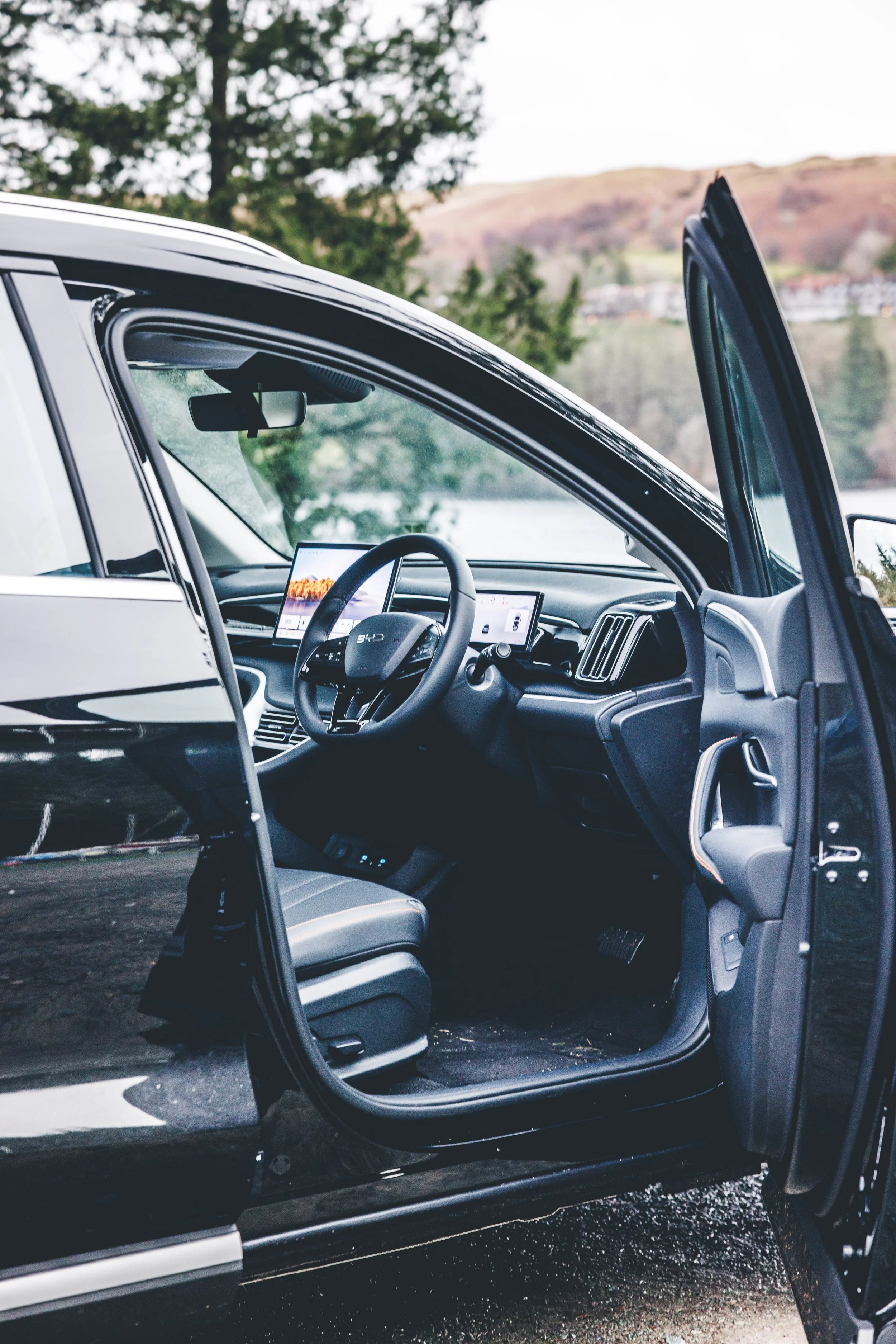
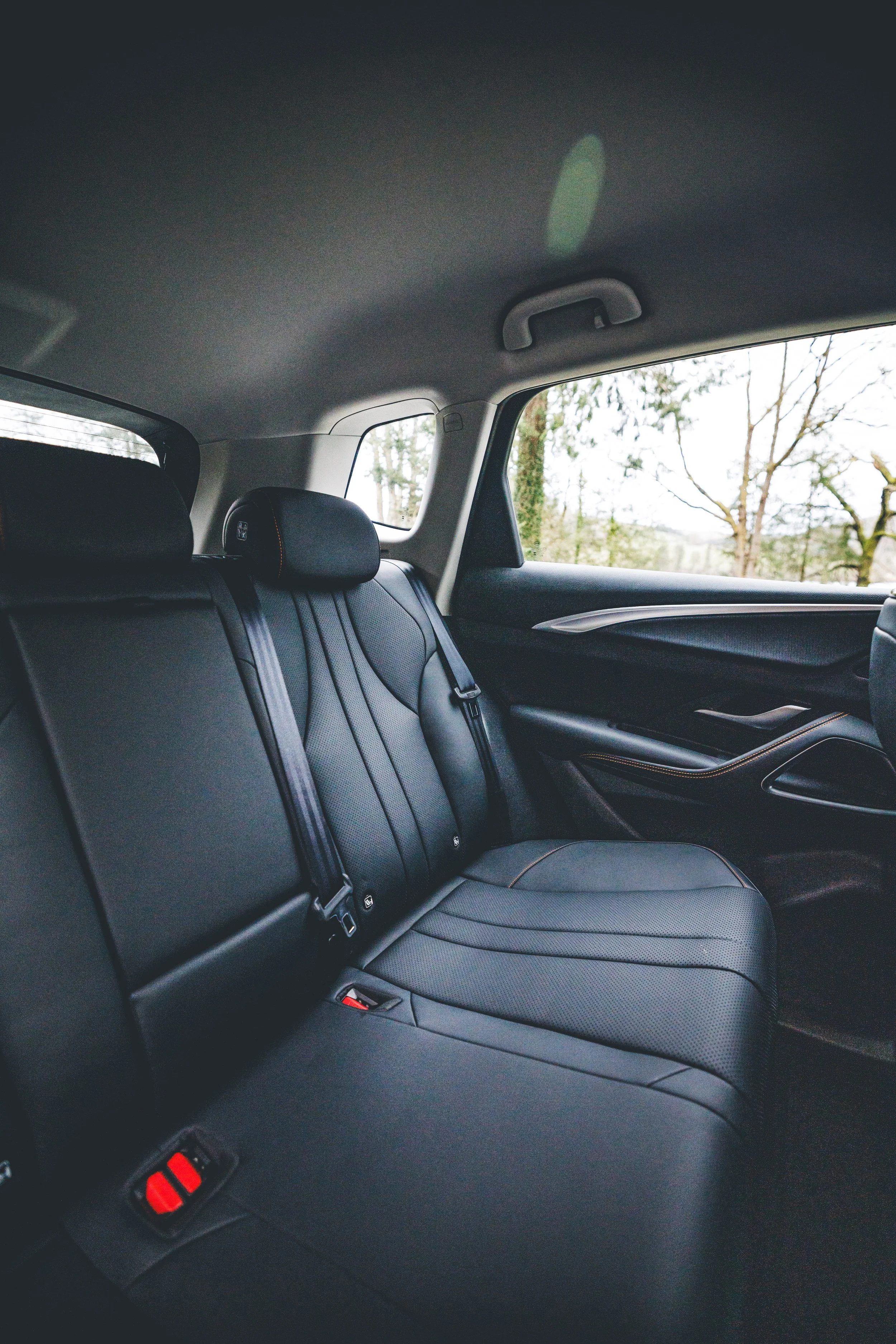
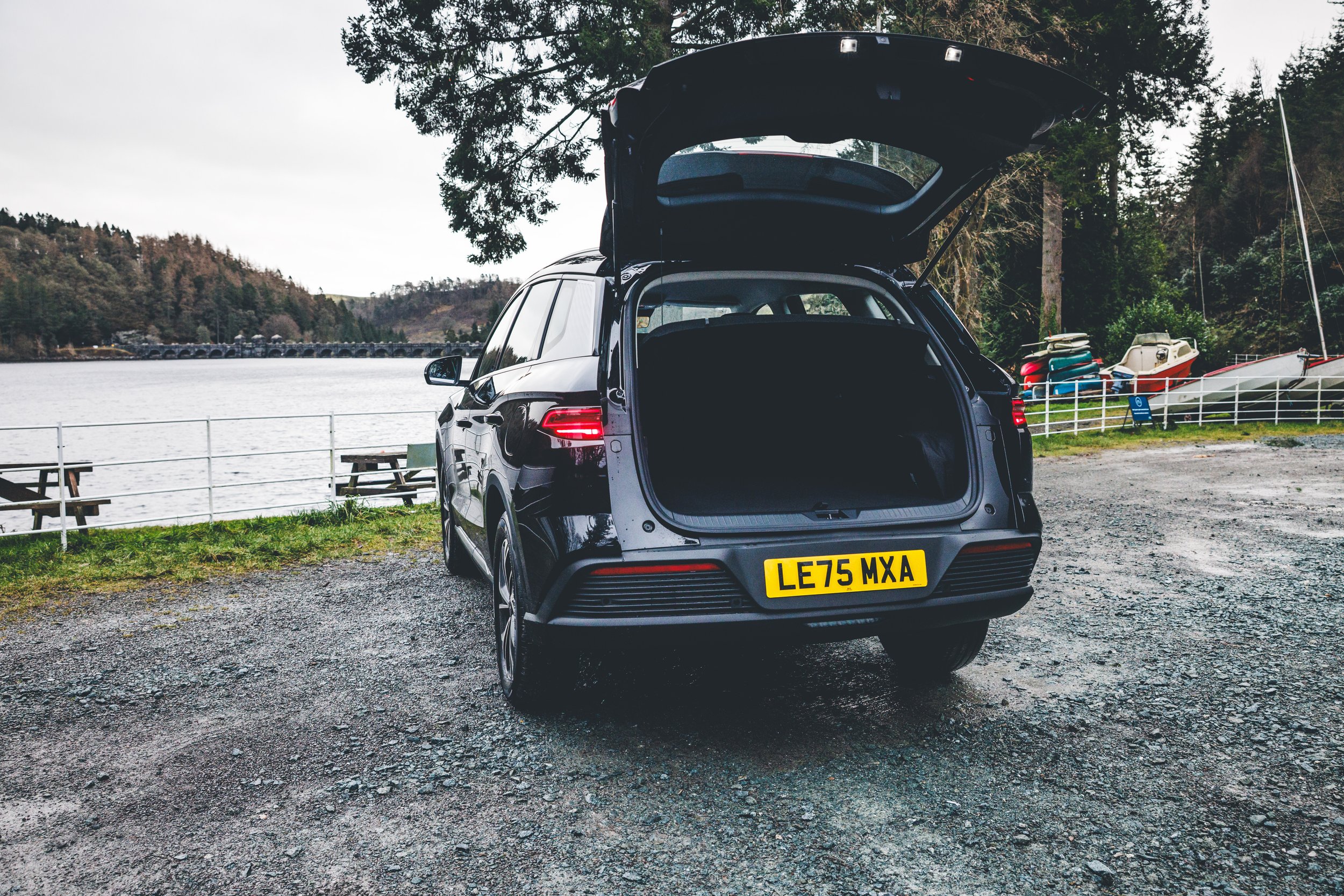
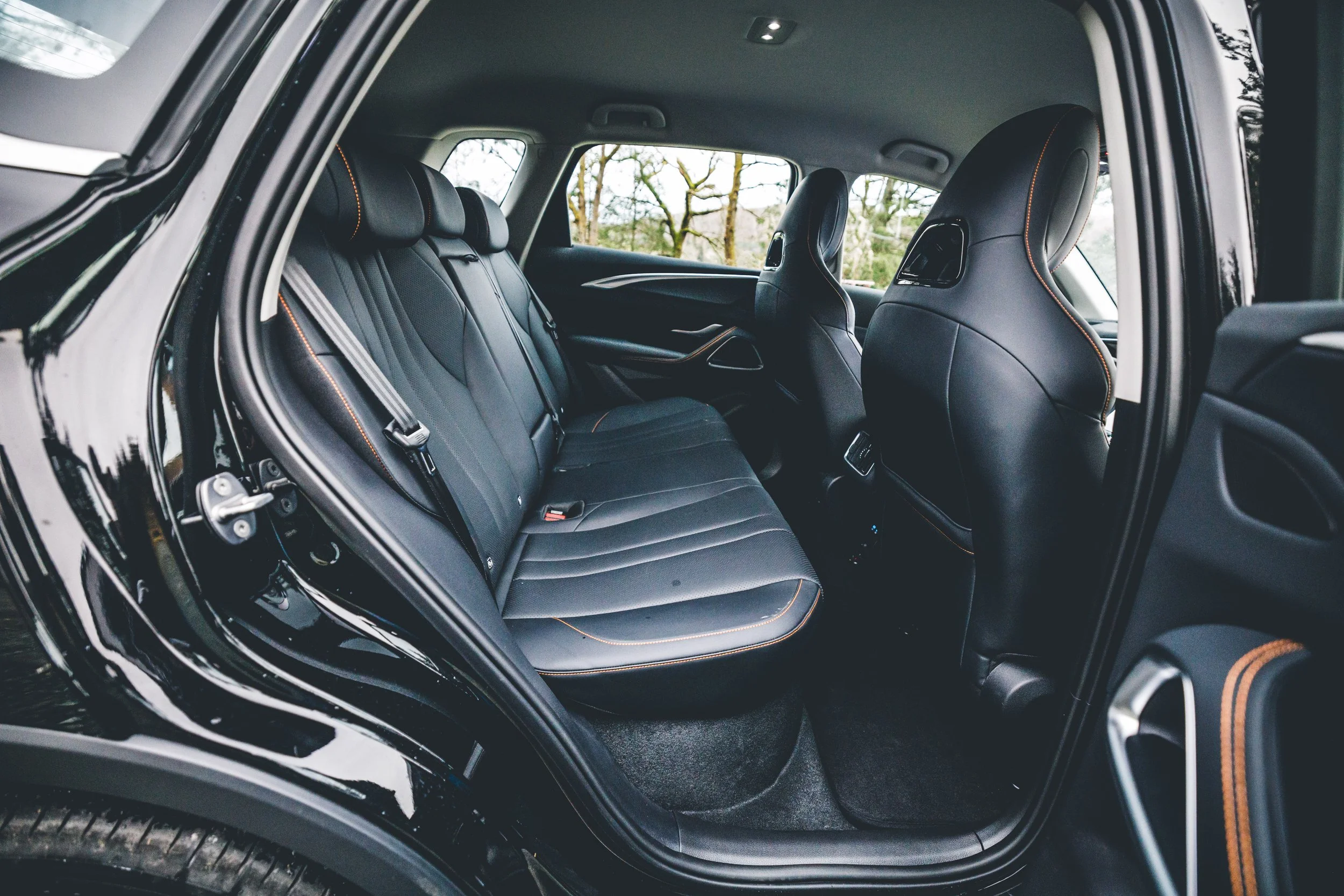
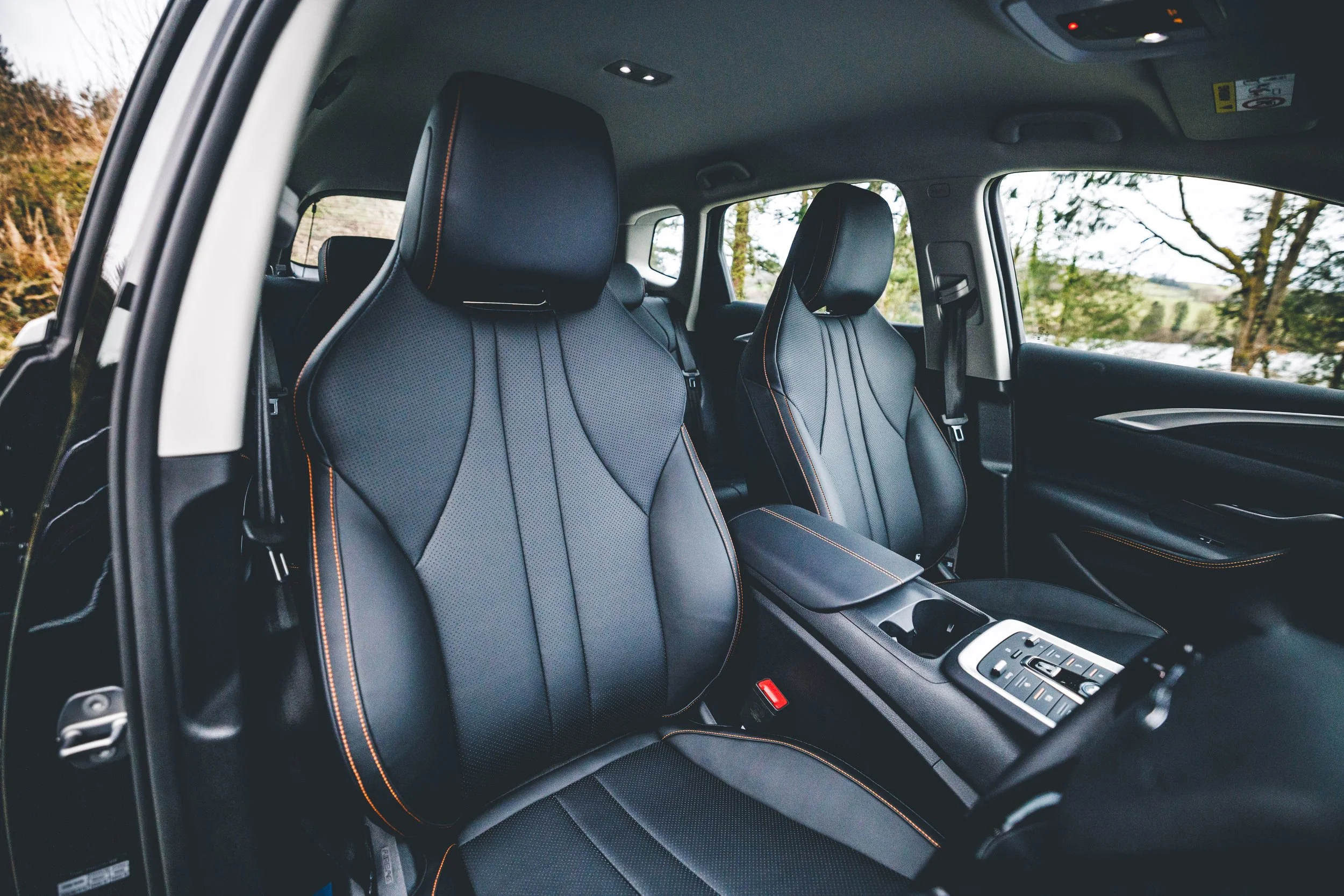
Spacious interior and boot space - For a C-Segment SUV, the Sealion 5 offers generous space for 4 adults. The boot space is also impressive, with 463L as standard or 1410L once the rear seats are folded flat.
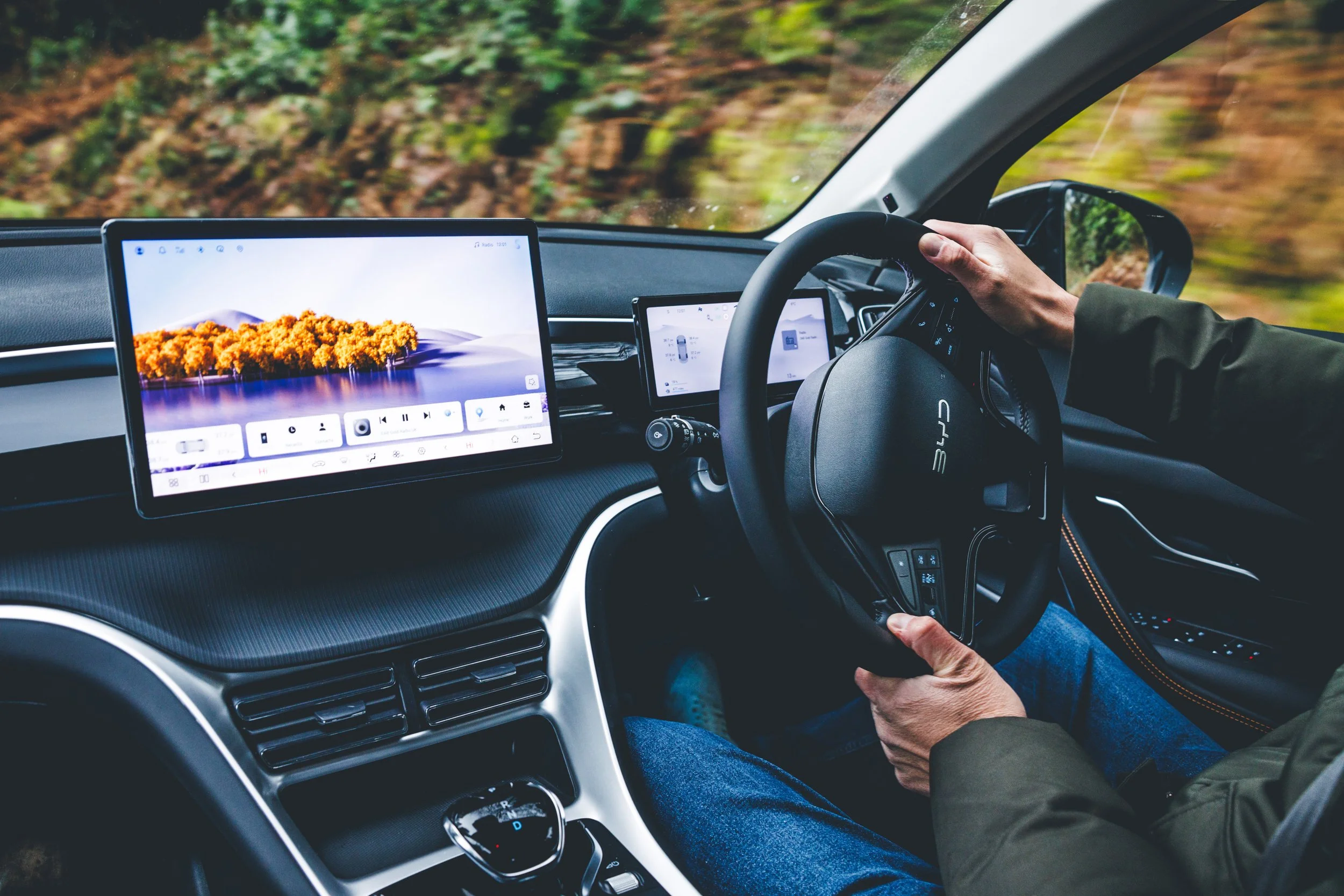
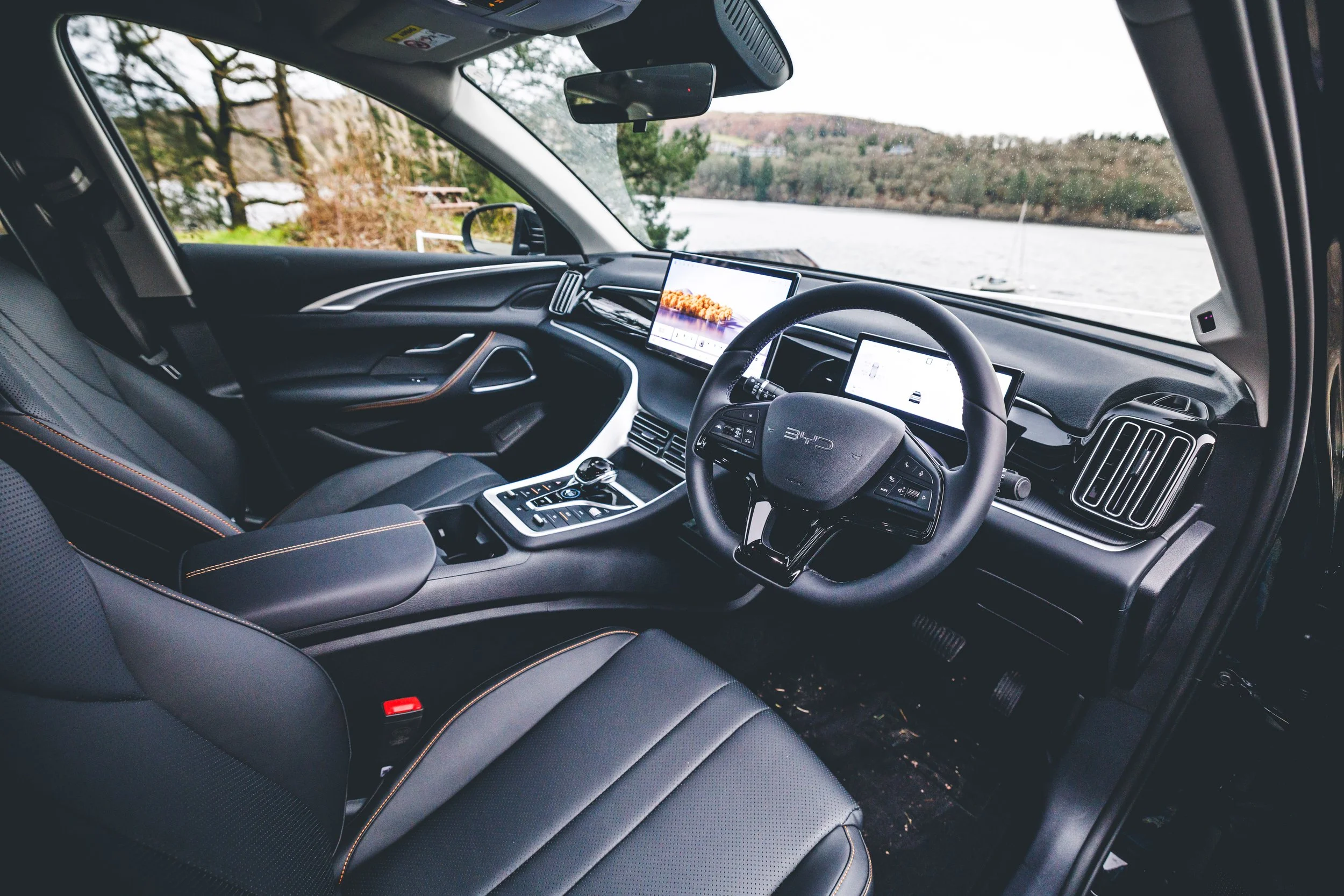
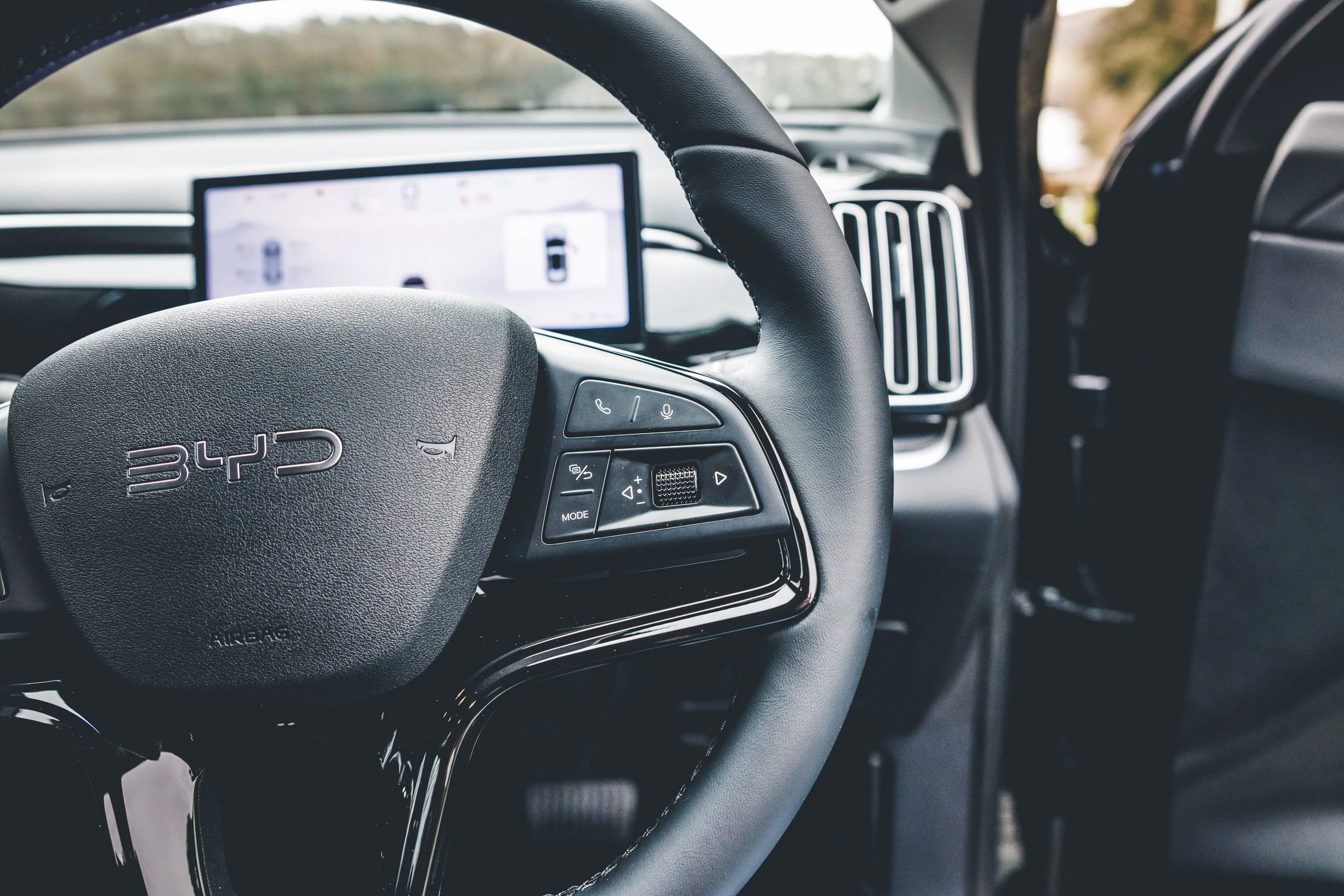
Great tech included as standard - Luxuries such as assisted cruise control and voice-activated assistance make the BYD feel a little more advanced than many of its competitors of a similar price.
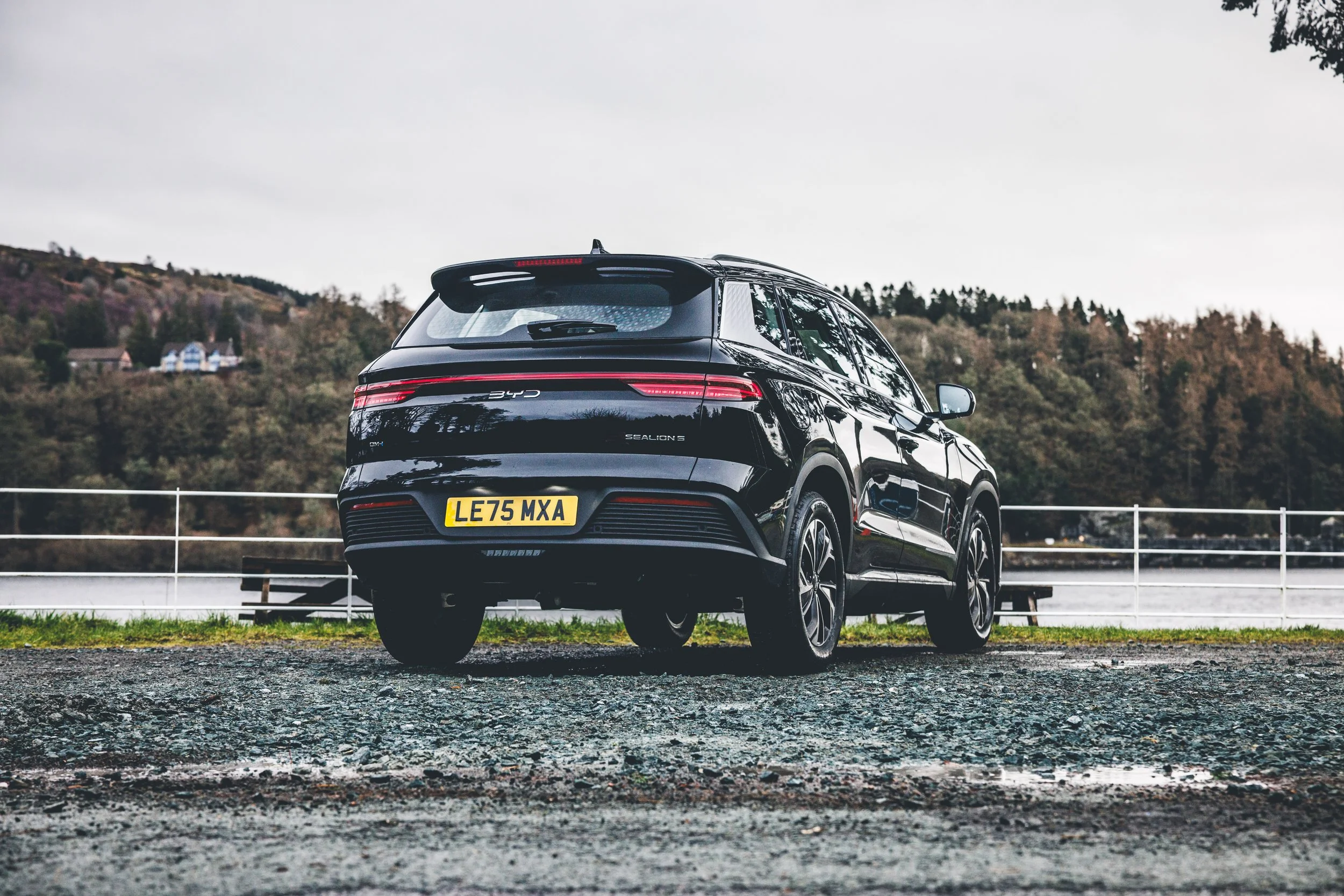
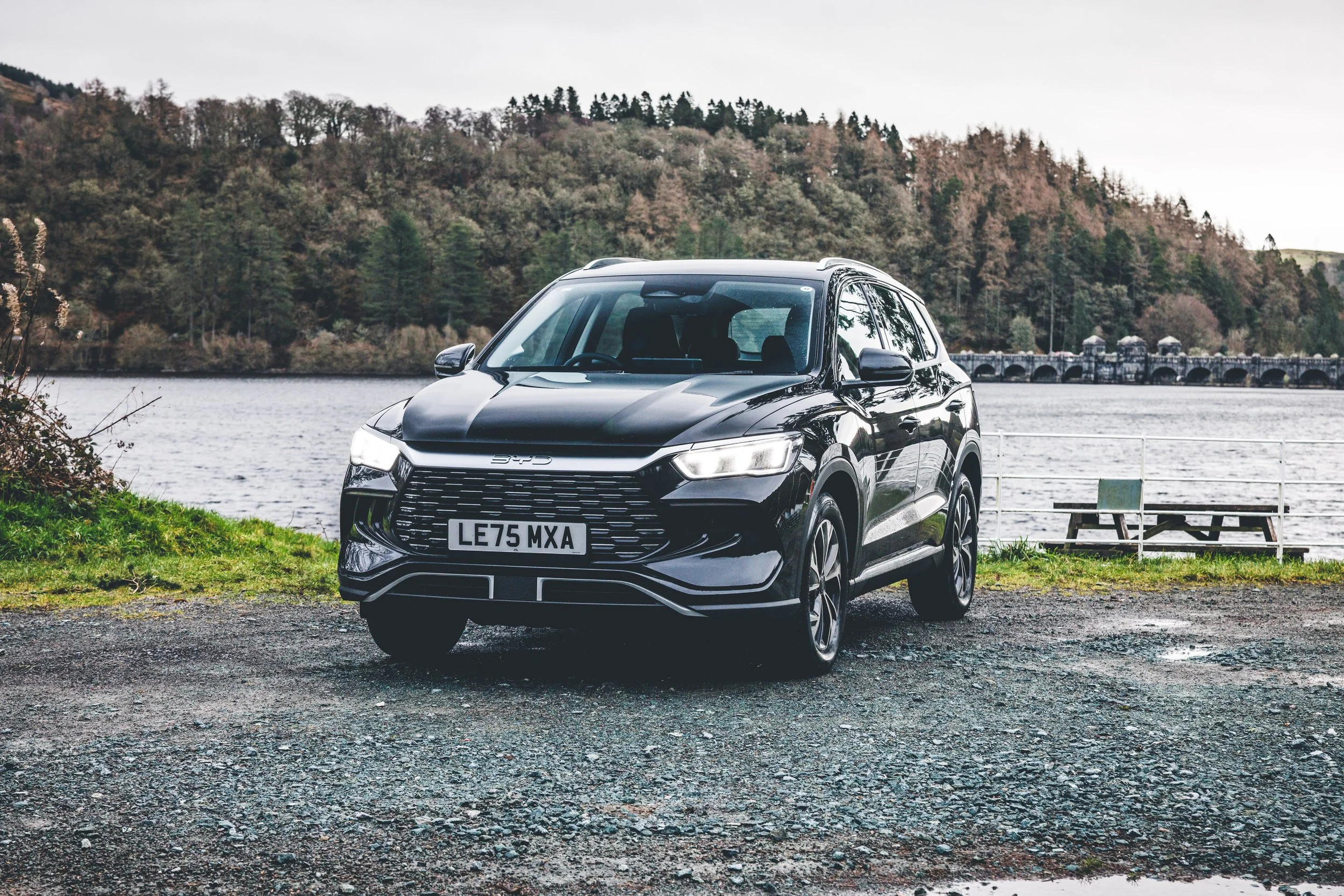
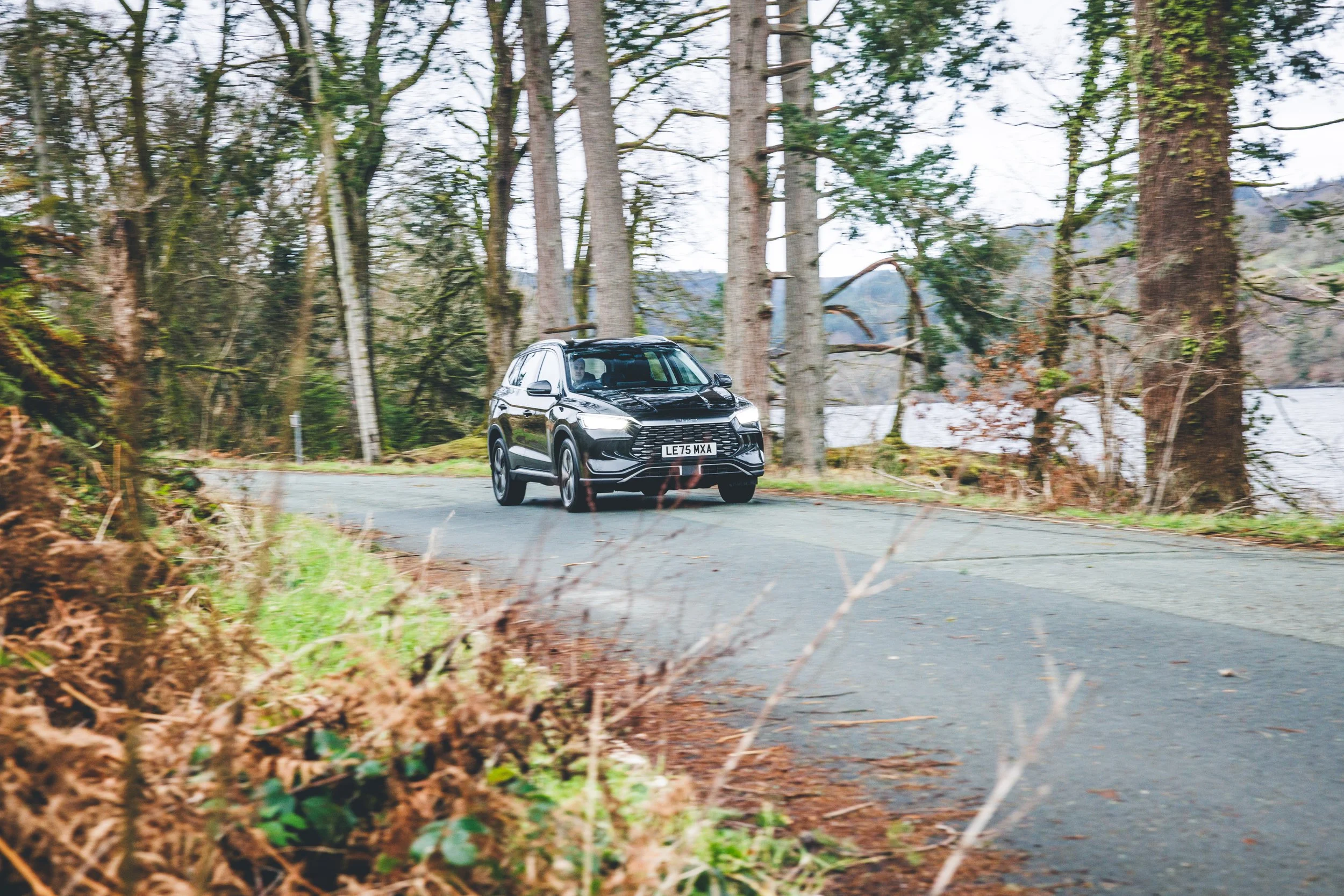
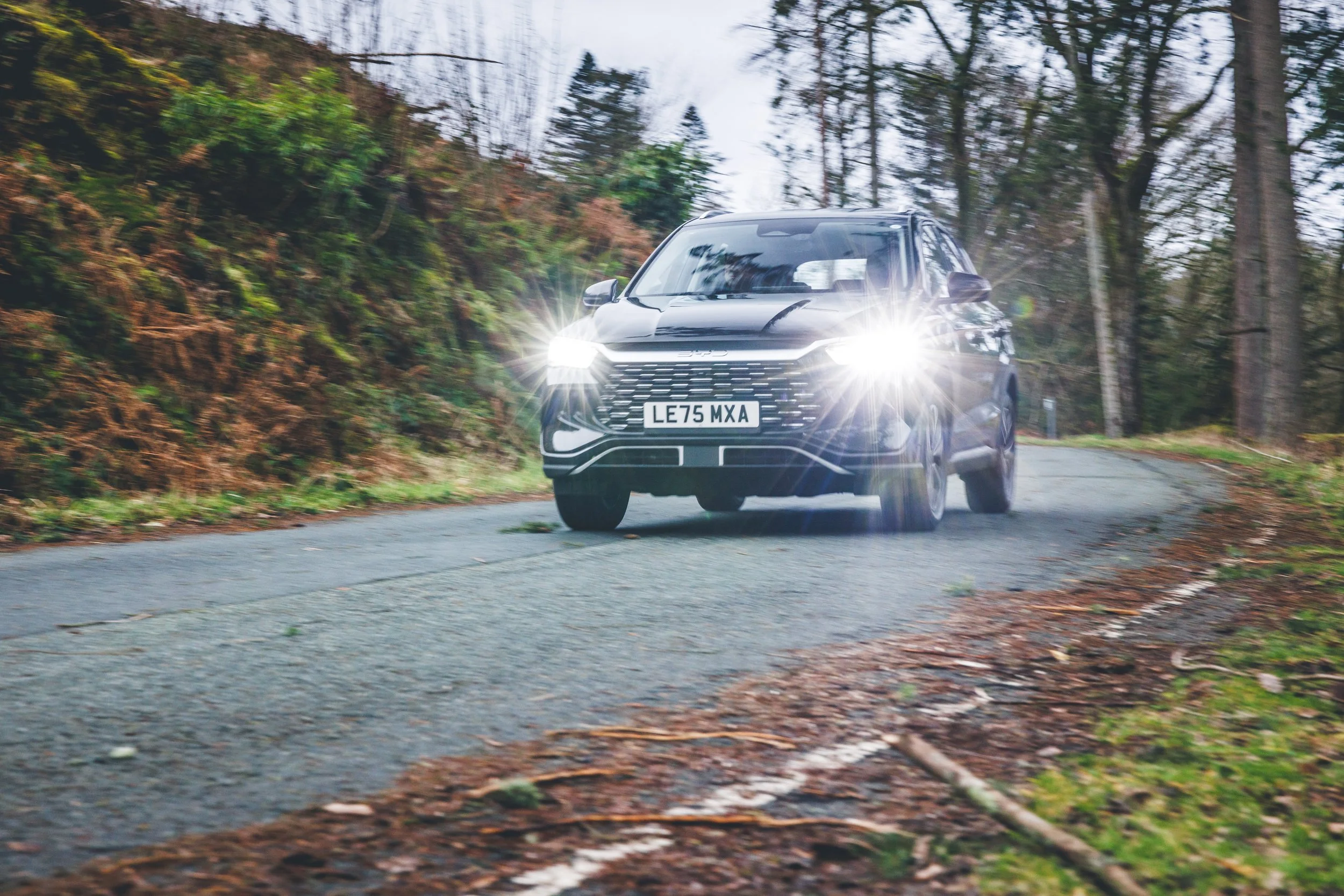
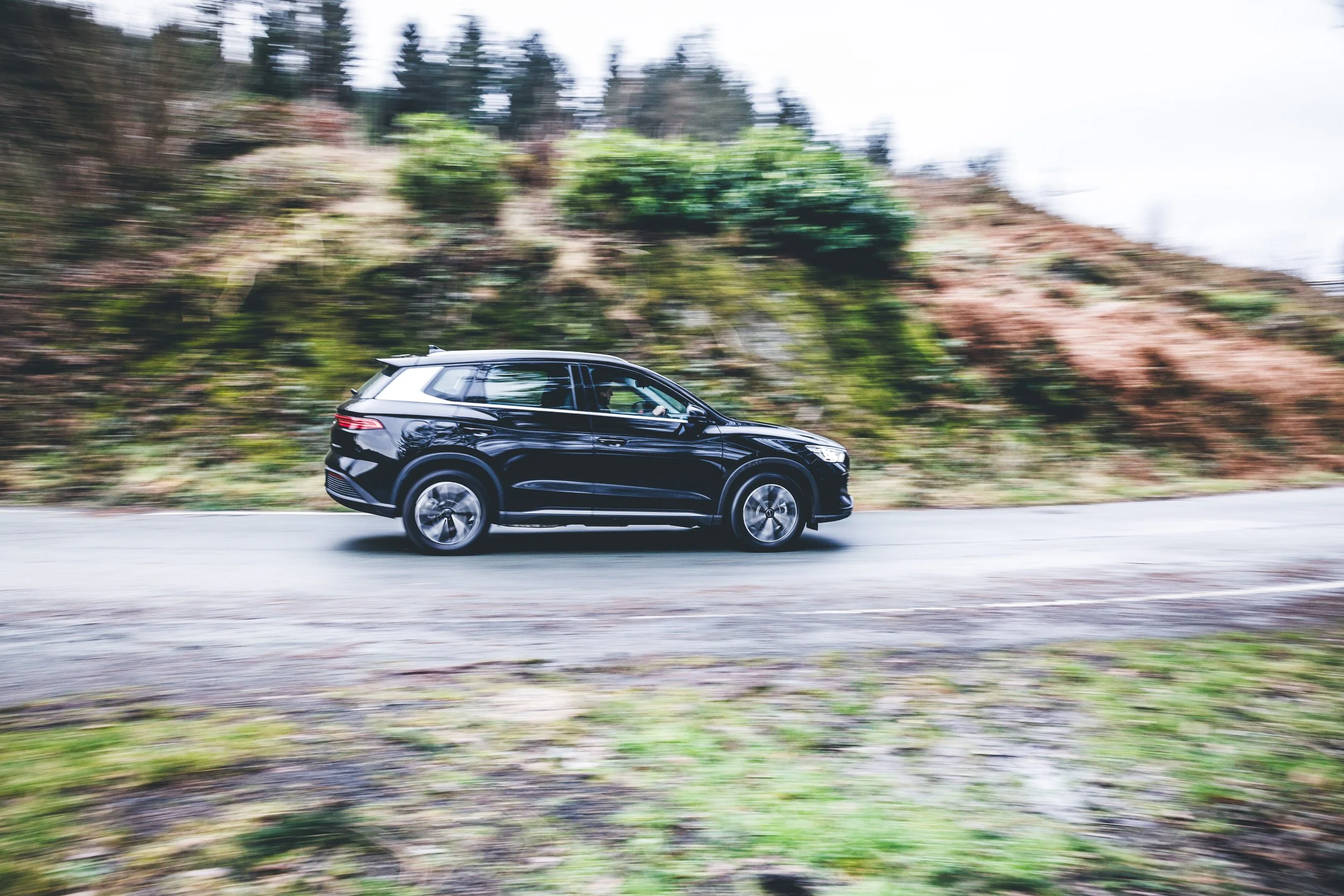
Good Design - Design and styling are always a matter of personal opinion; however, I believe the Sealion 5 will hold its own against the likes of the VW Tiguan, Kia Sportage and Hyundai Tucson in the looks department.
BYD Sealion 5 - The Not So Good News
The driving position is a little high - Taller drivers may feel that the driver's seat sits too high. The base of the seat also lacks adjustment to angle, making it feel flat and unsupportive.
Steering wheel rake lacks adjustment - Like the driver's seat, the steering wheel adjustment is minimal, which may leave taller drivers feeling the wheel is a bit too far away.
Noisy Engine - When the engine works in tandem with the electric motor for harder acceleration, it can sound a little strained under load. It's comparable to a smaller-capacity car driving in a low gear at motorway speeds. It's probably something you'll get used to over time, but it can feel excessive at first.
Over-sensitive Safety Alerts - To comply with modern NCAP regulations, like all car makers, alert systems sound when the car gets a little too close to leaving a lane. In the BYD, another system monitors where the driver's eyes are looking, and even a glance at the centre screen for a little too long will result in incessant beeping that can get infuriating. The system can be deactivated, but it will reactivate when the car is switched off and back on.

Worth Considering?
To conclude, the Sealion 5 is worthy of a spot on the shortlist for anyone considering a few different C-Segment SUVs. For the money, as is the norm for BYD, the build quality feels excellent, the built-in tech and software are fantastic, and the driving experience is absolutely fine. But for a few, the financial savings against competitors like the VW Tiguan may fall short in terms of overall comfort and versatility.
words by John Marcar
photography by Henry Faulkner-Smith