An EV Shaped Like a Car
Poor old EVs. They're still having a hard time in a world filled with petrolheads, and it doesn't seem to be getting any easier. Even when a big brand brings out a new super-fast, super-sleek and super exciting EV, there appears to be an army of critics waiting in the wings, ready to hurl sentences starting with "Yeah, but..." at their screens. It's created somewhat of a perfect storm as manufacturers must adapt, and consumers (largely) don't like change. My personal gripe with the big change, though, is nothing to do with what's powering our next cars; it's the bizarre shapes they're morphing into.
WATCH OUR VIDEO REVIEW HERE!
Think of 5 new EVs, and I'll bet that at least 4 of them are big blobby-shaped SUVs, except, most of the time, they're not SUVs; they're just confusingly enormous 4-seat cars. I understand that large cars are on trend at the moment; customers clearly want to buy them, but what I can't work out is why? What was ever wrong with a car shaped like a car?
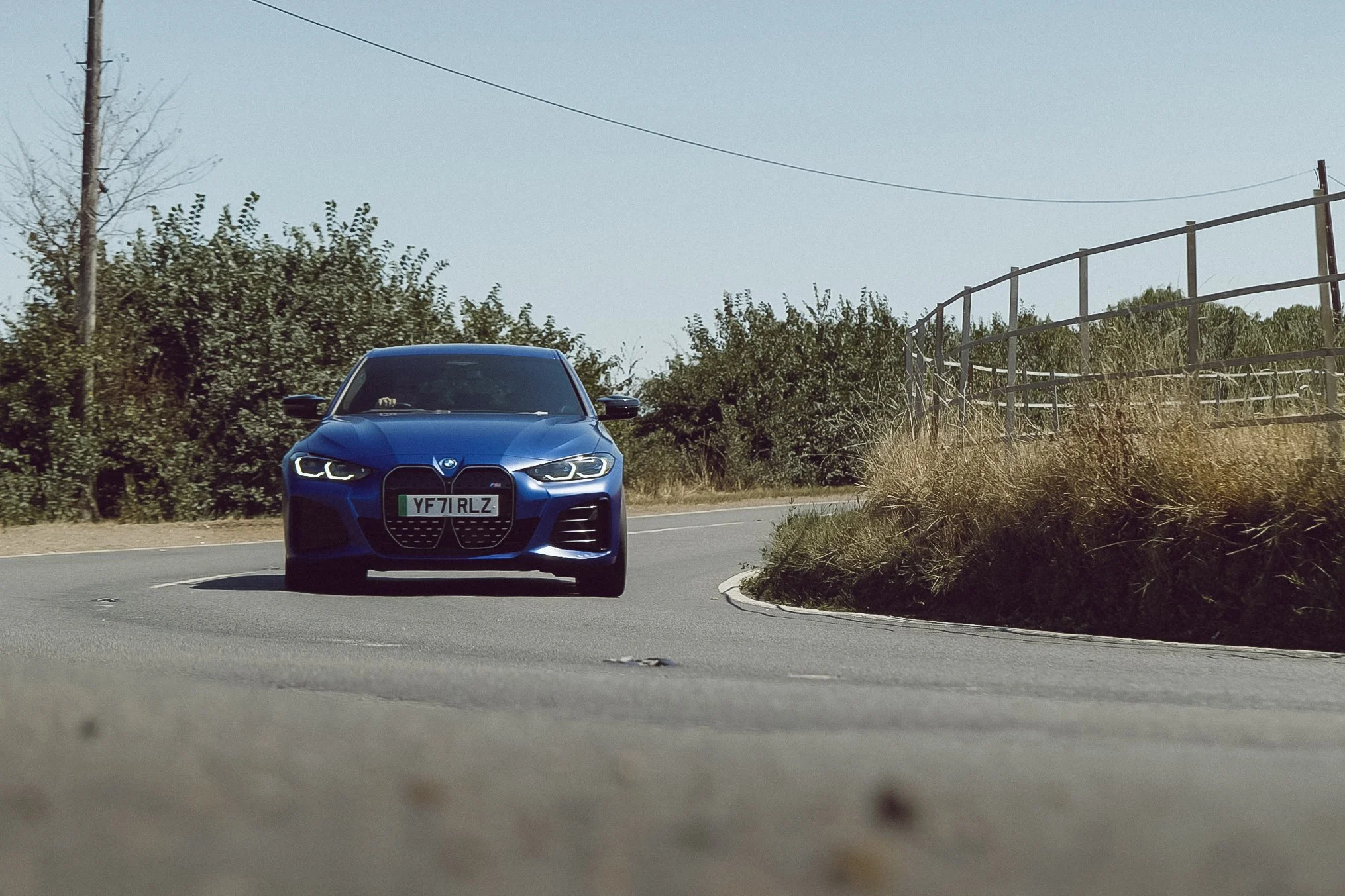
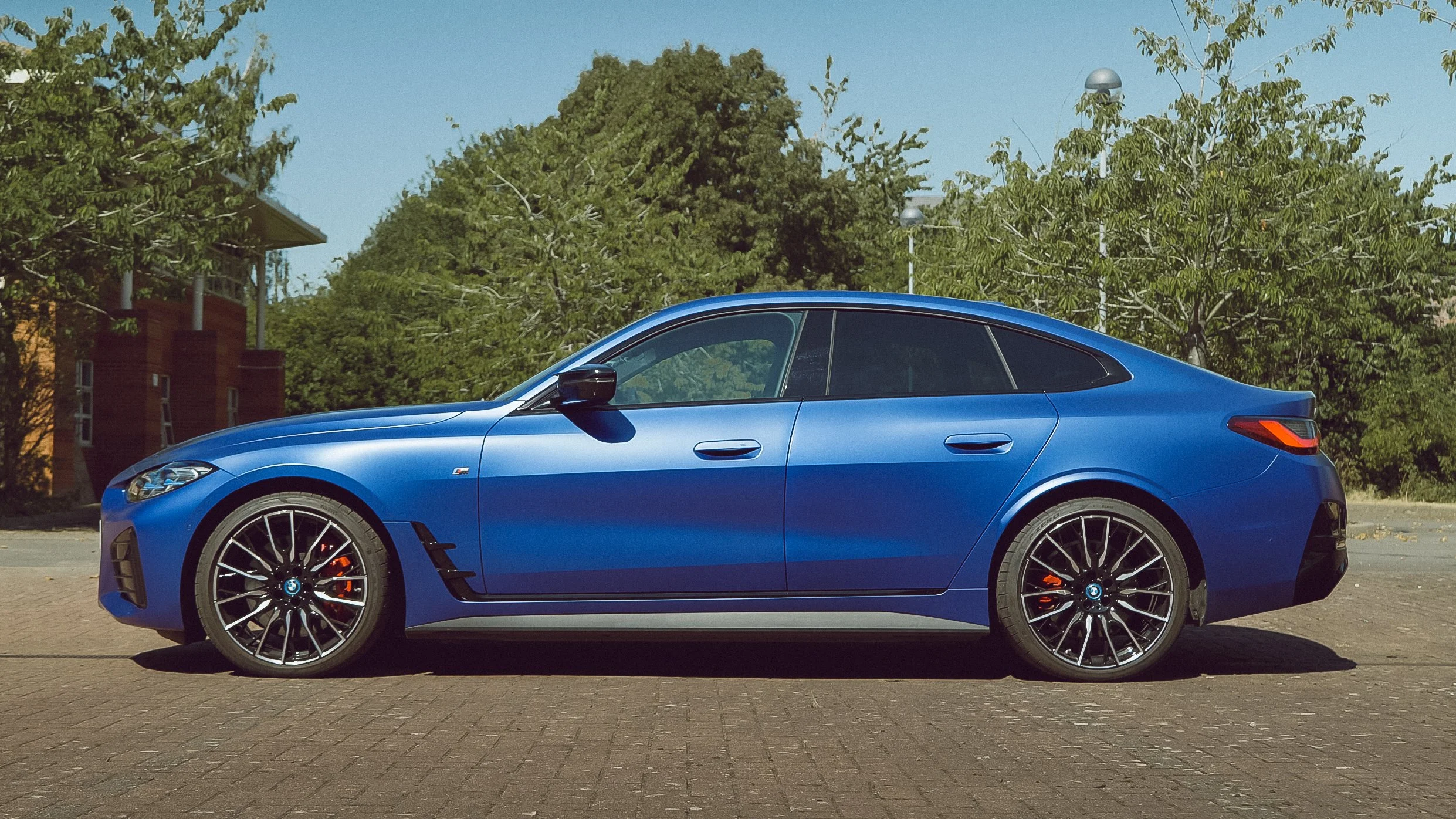
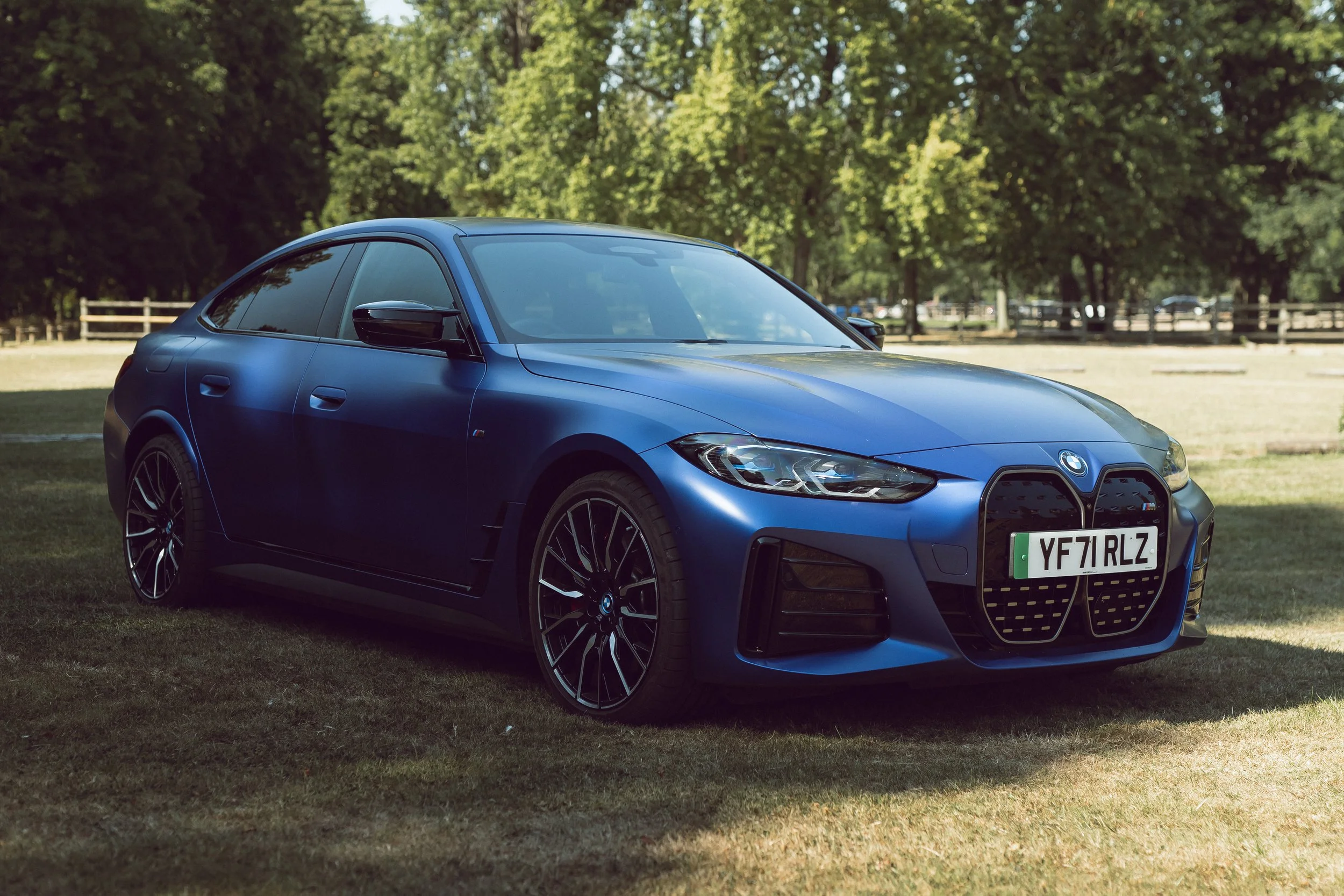
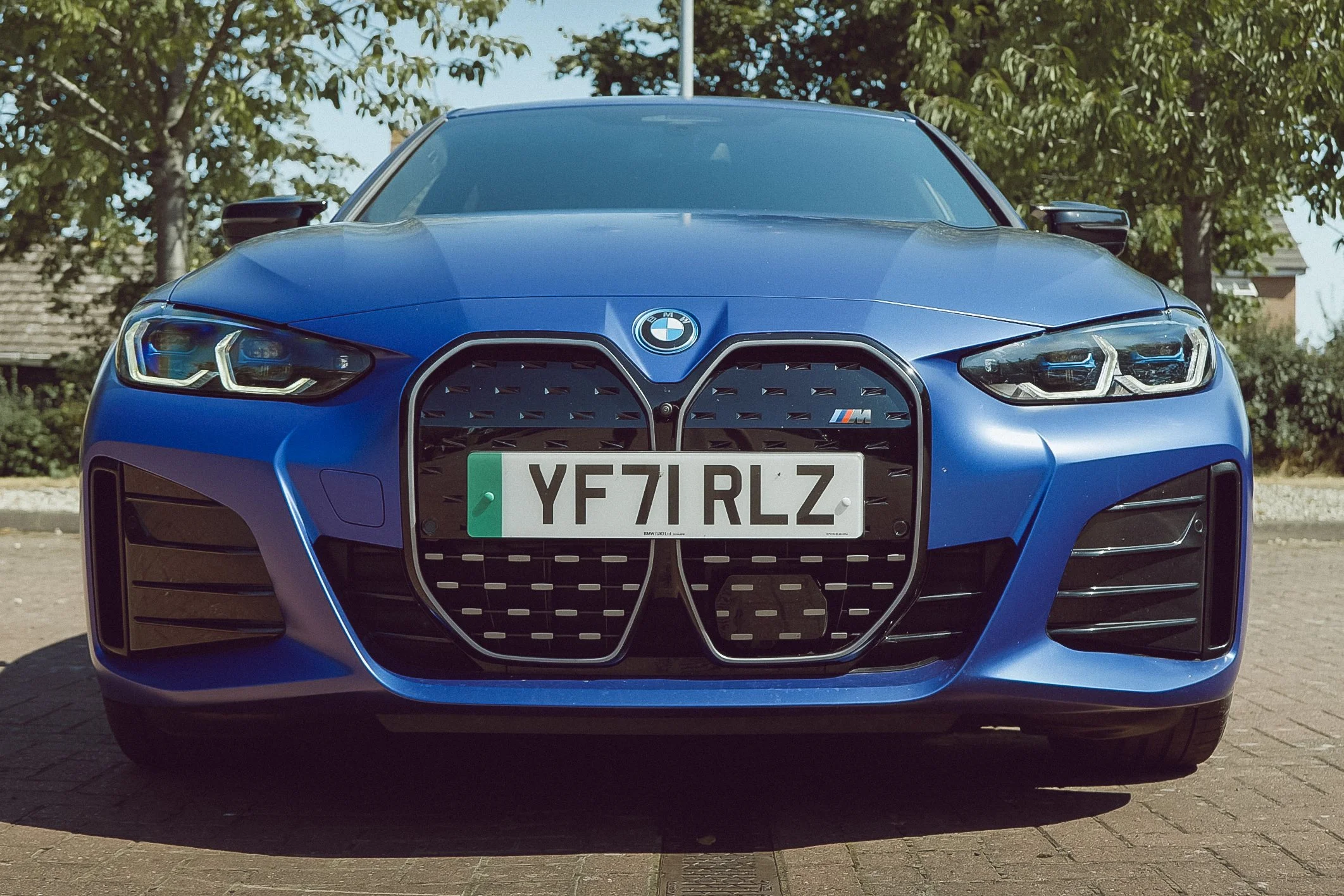
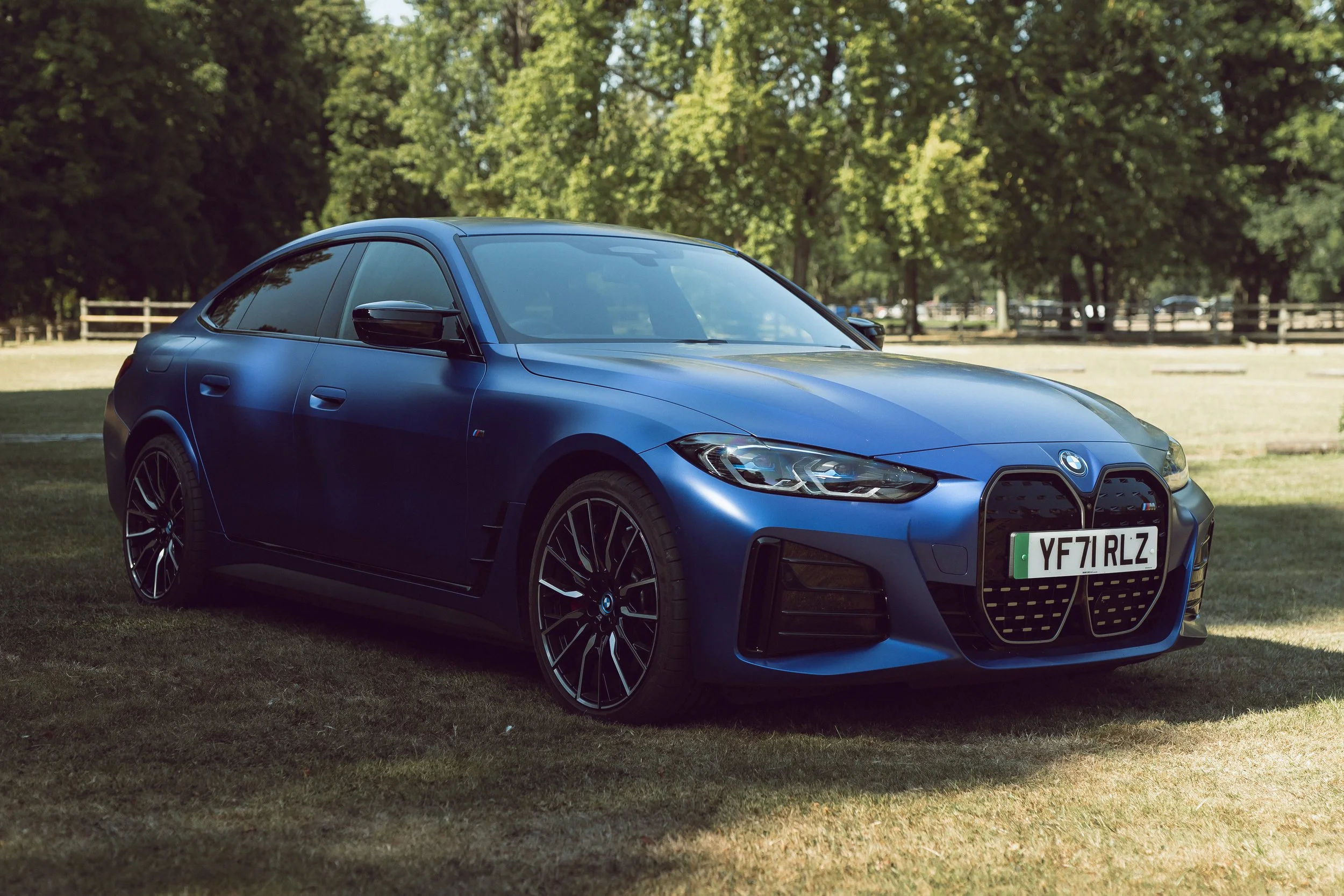
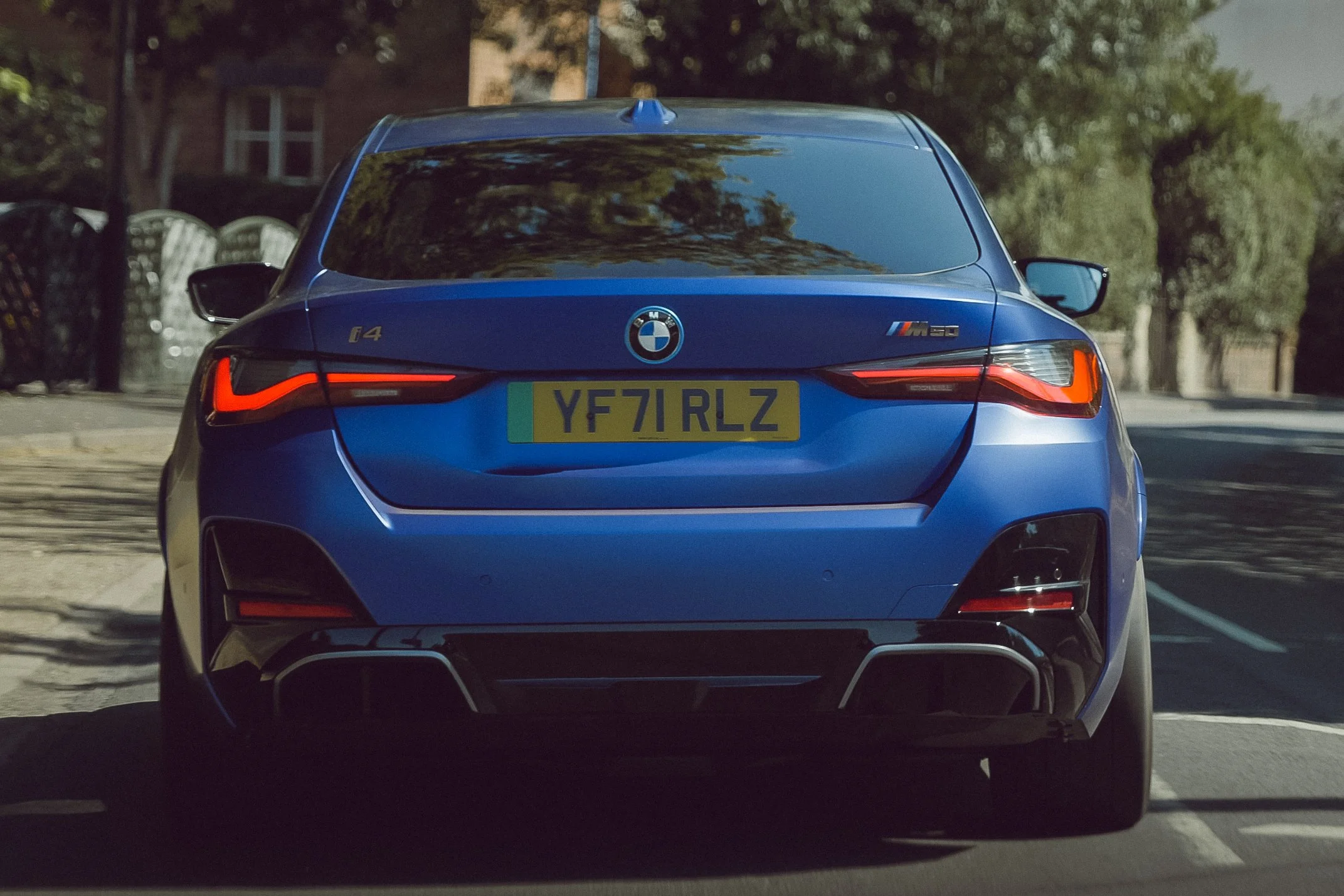
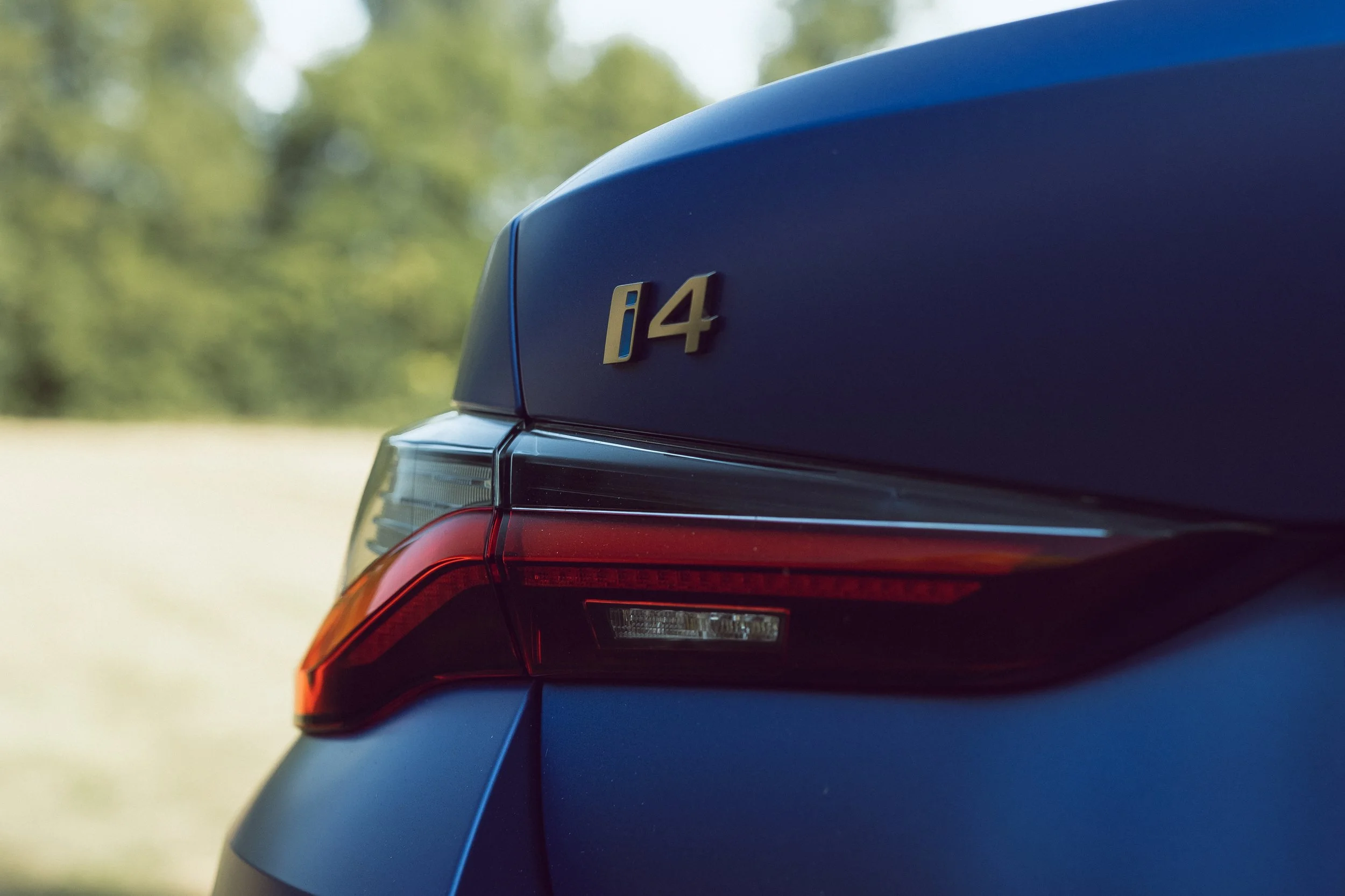
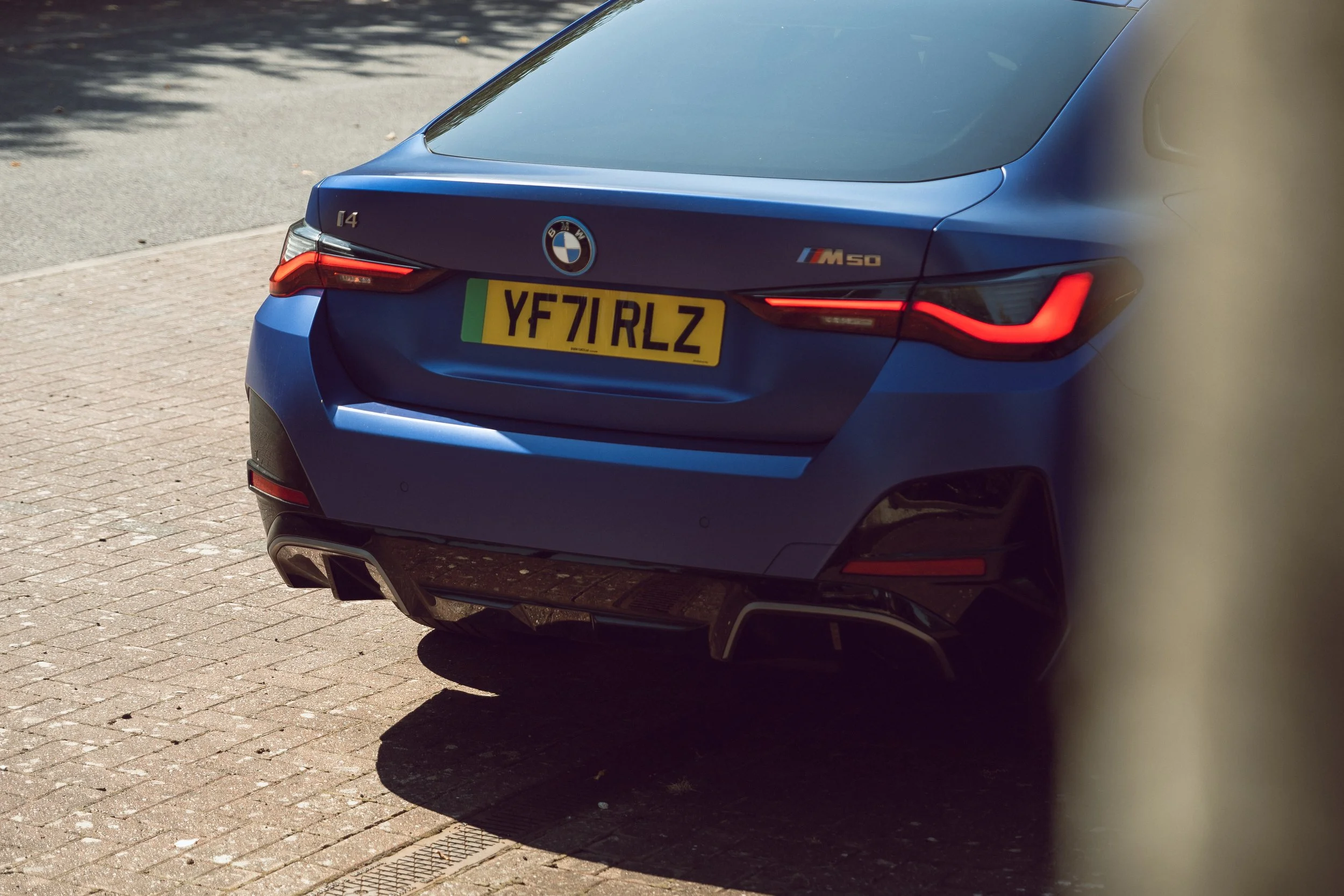
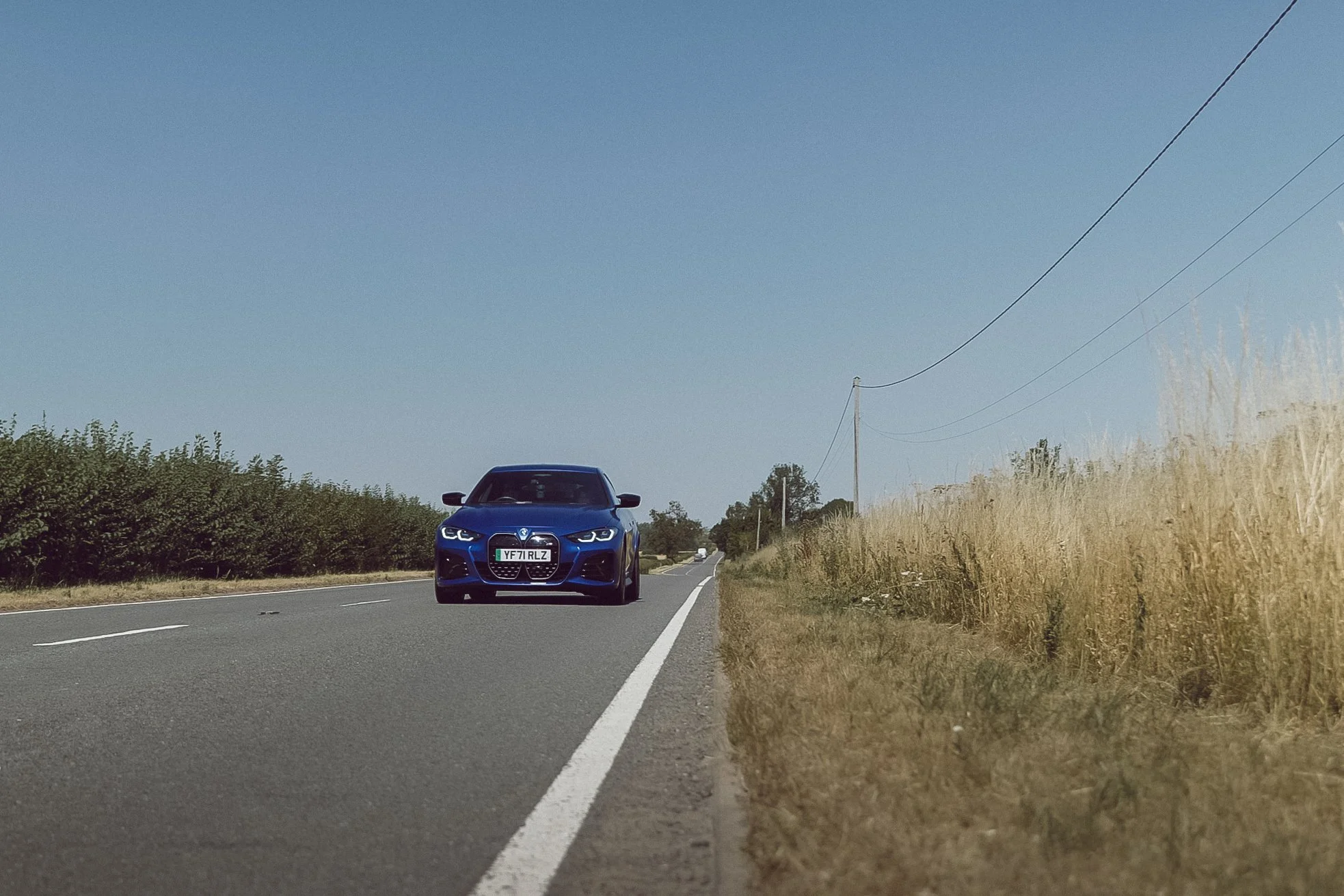
Our friends at Partridge BMW in Hampshire recently kindly arranged for BMW's take on Tesla - it's a full EV (electric vehicle) called the i4 M50. The i4 M50 brings many exciting features, but first, I'll focus on my favourite thing: it looks like a car, not just an unnecessarily enormous 4-person SUV.

Designed for ICE, adapted for EV
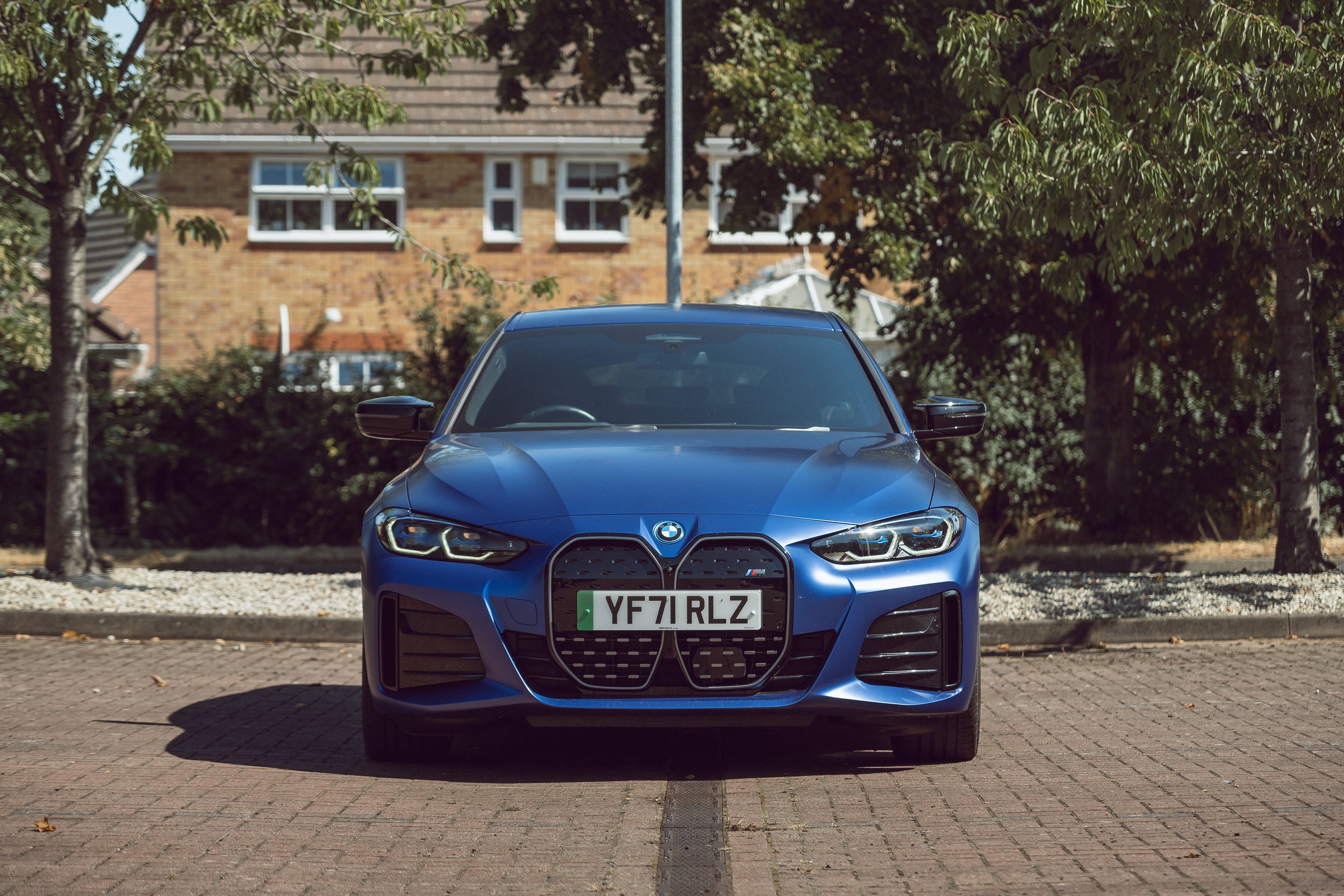
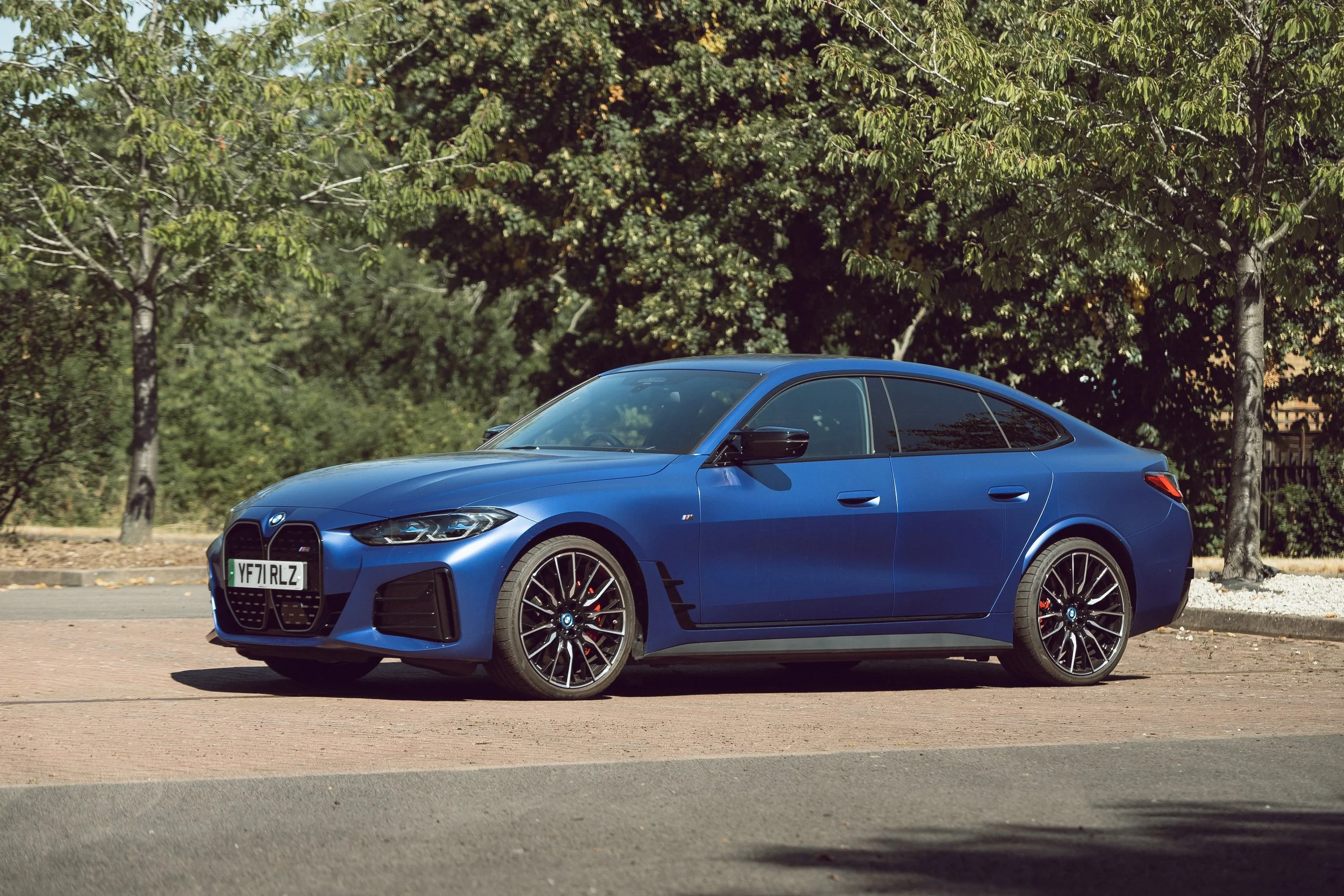
BMW has been quite clever with the i4 M50. Rather than creating a skateboard platform for multiple EVs in all shapes and sizes, the engineers in Munich have instead created their EV saloon by taking an existing chassis (the 4 series gran coupe), designed for ICE engines, and adapting it to accommodate batteries. All in all, it's unmistakably a BMW car, and I think the design team has done a decent job in keeping it looking like a car. The lines and proportions from all angles work nicely, and the rear quarter view, in particular, looks great.
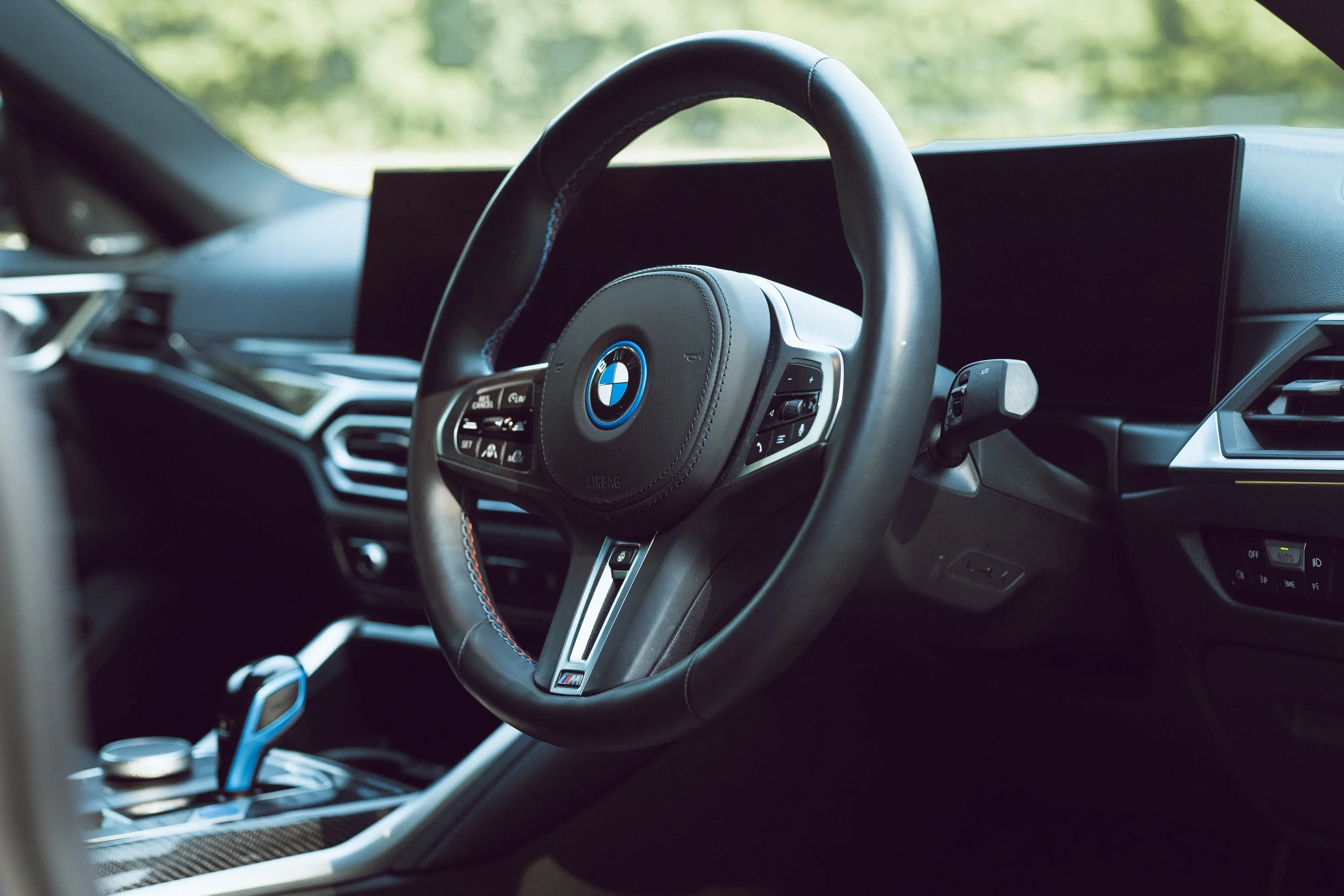
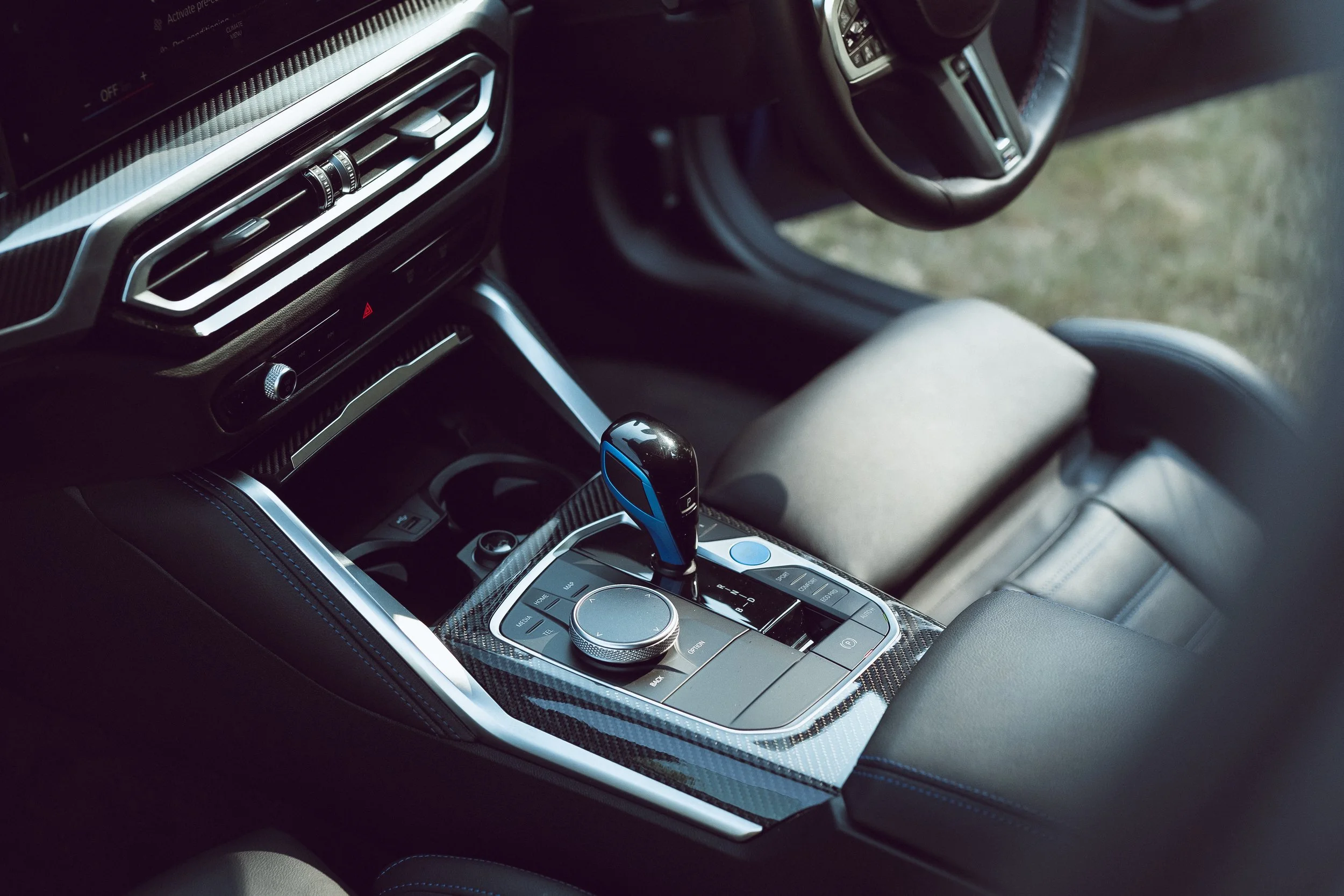
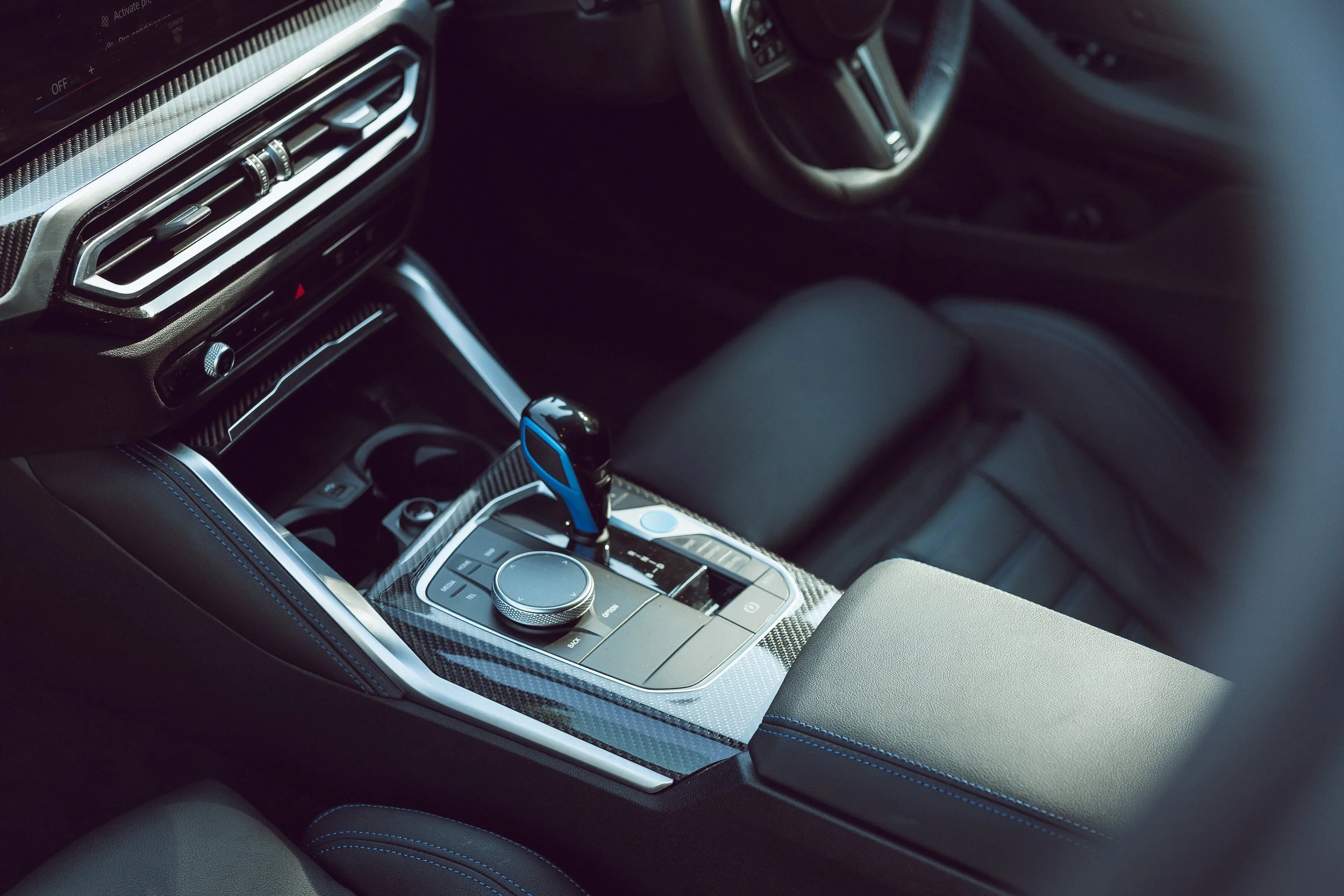
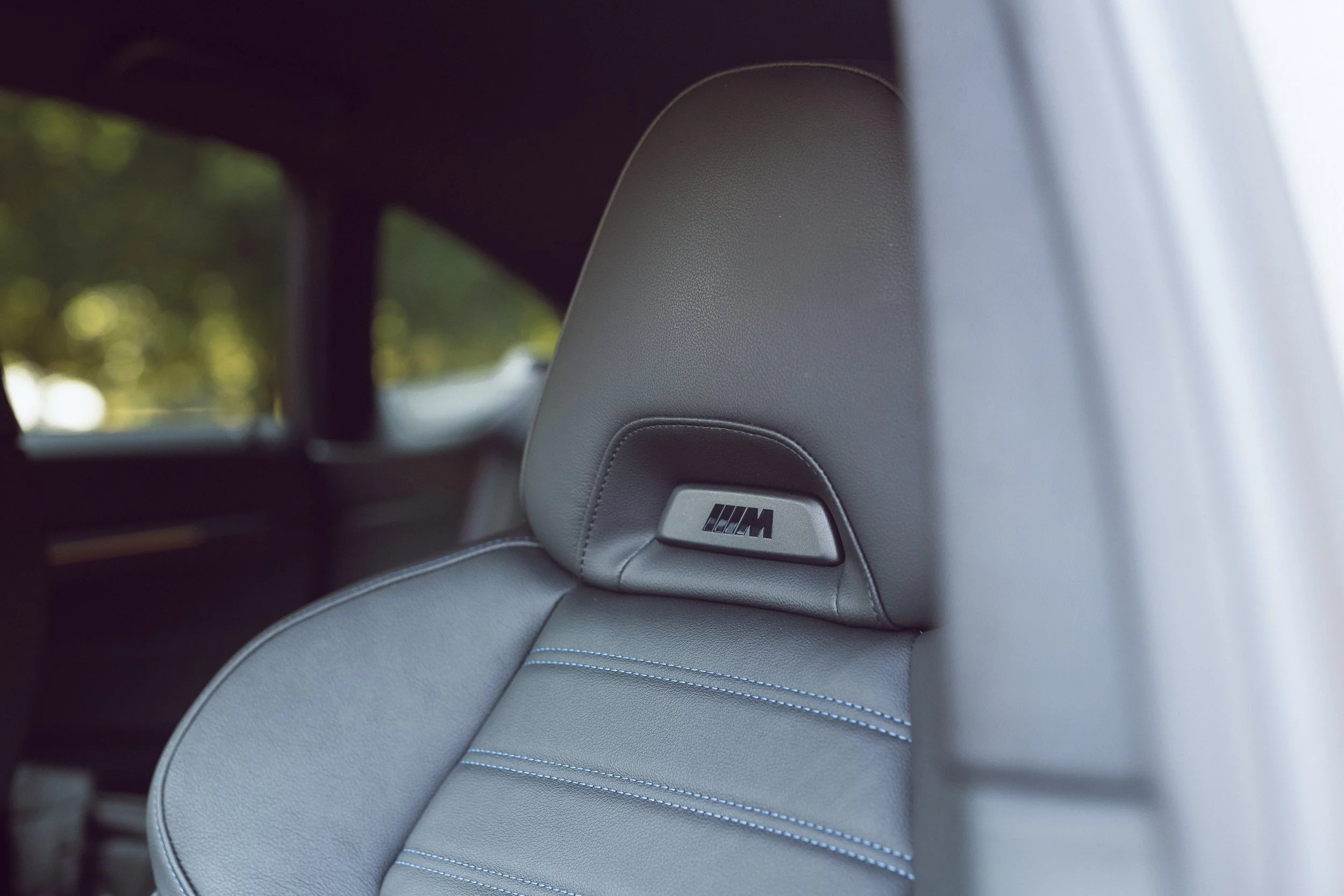
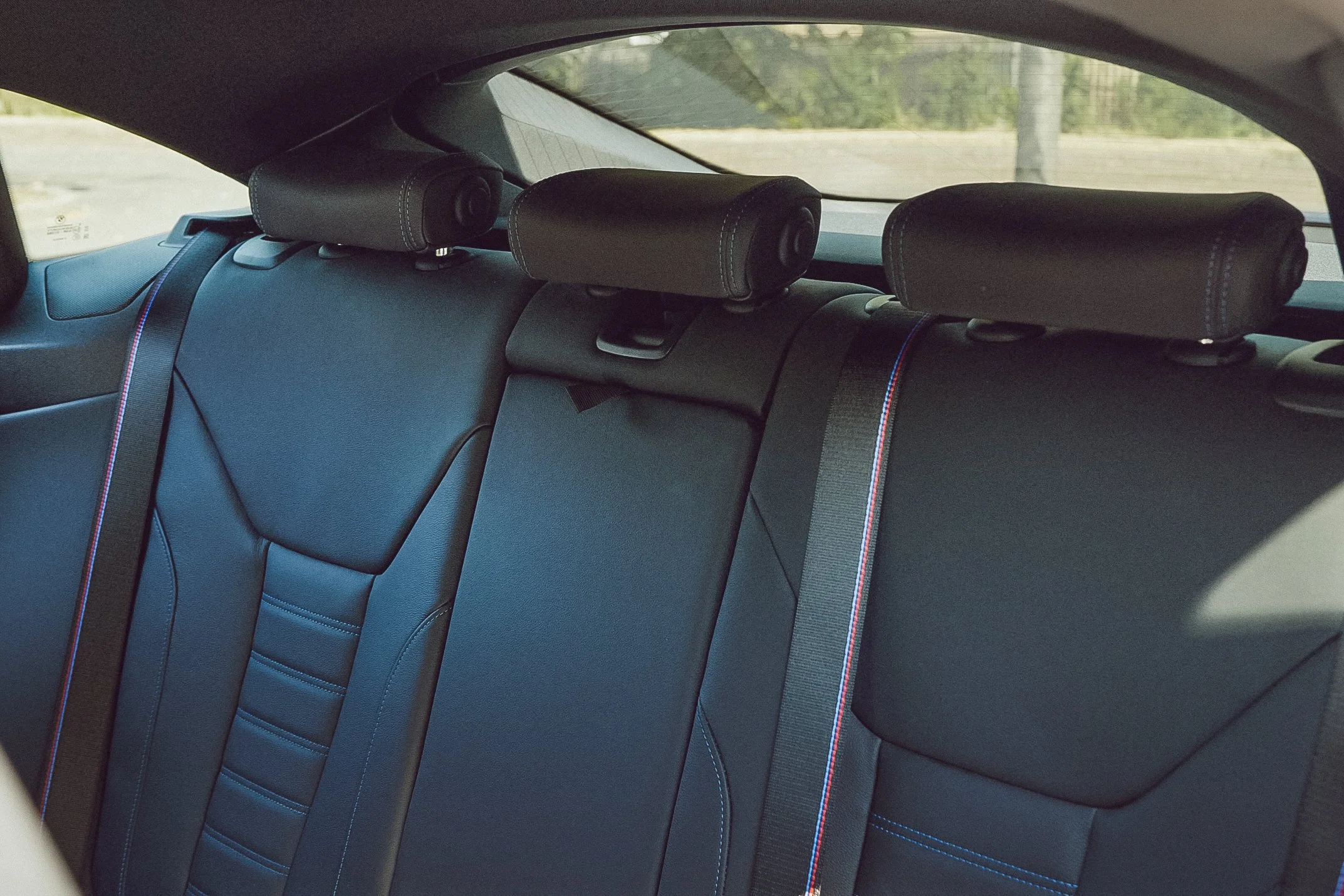
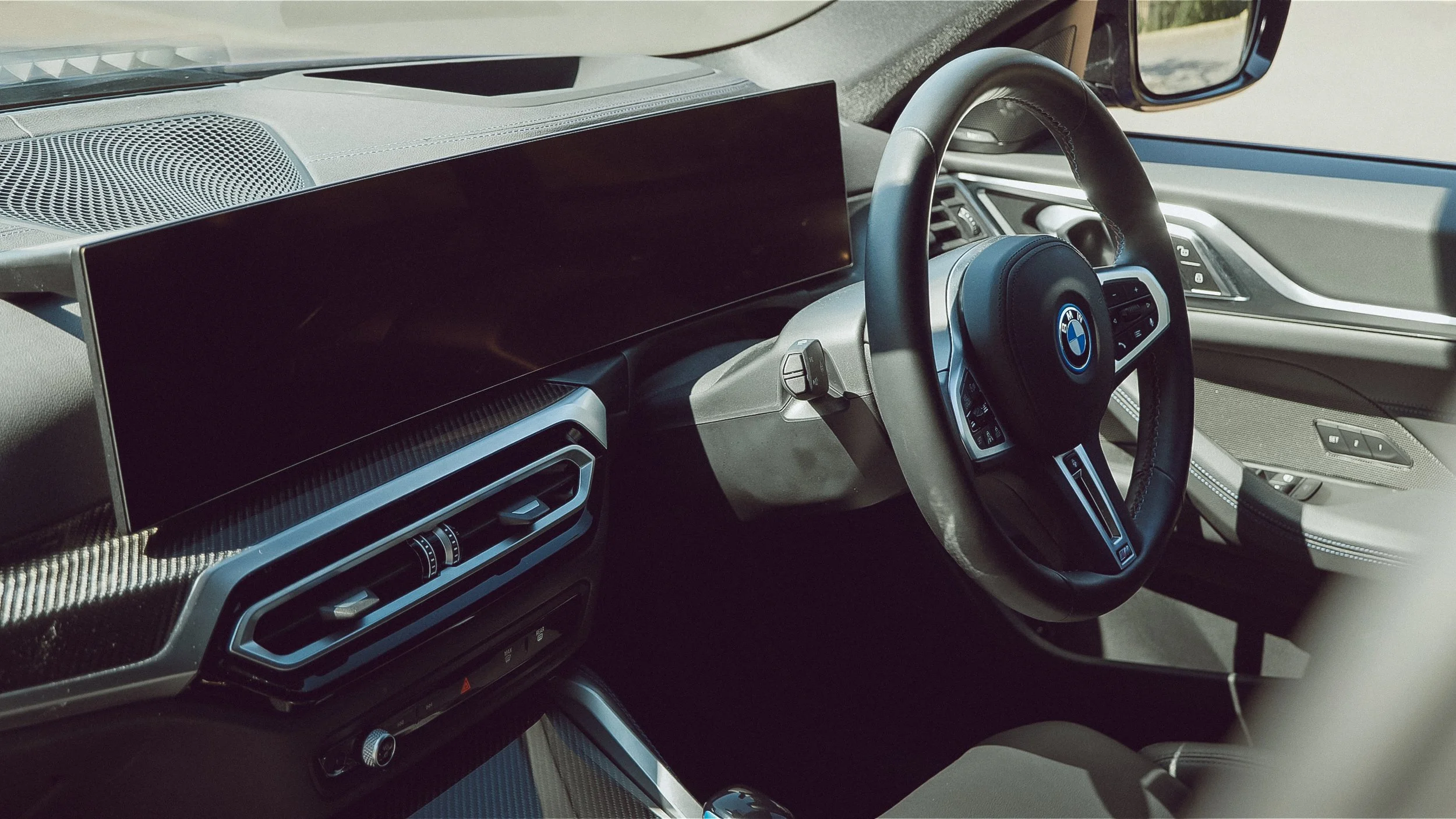
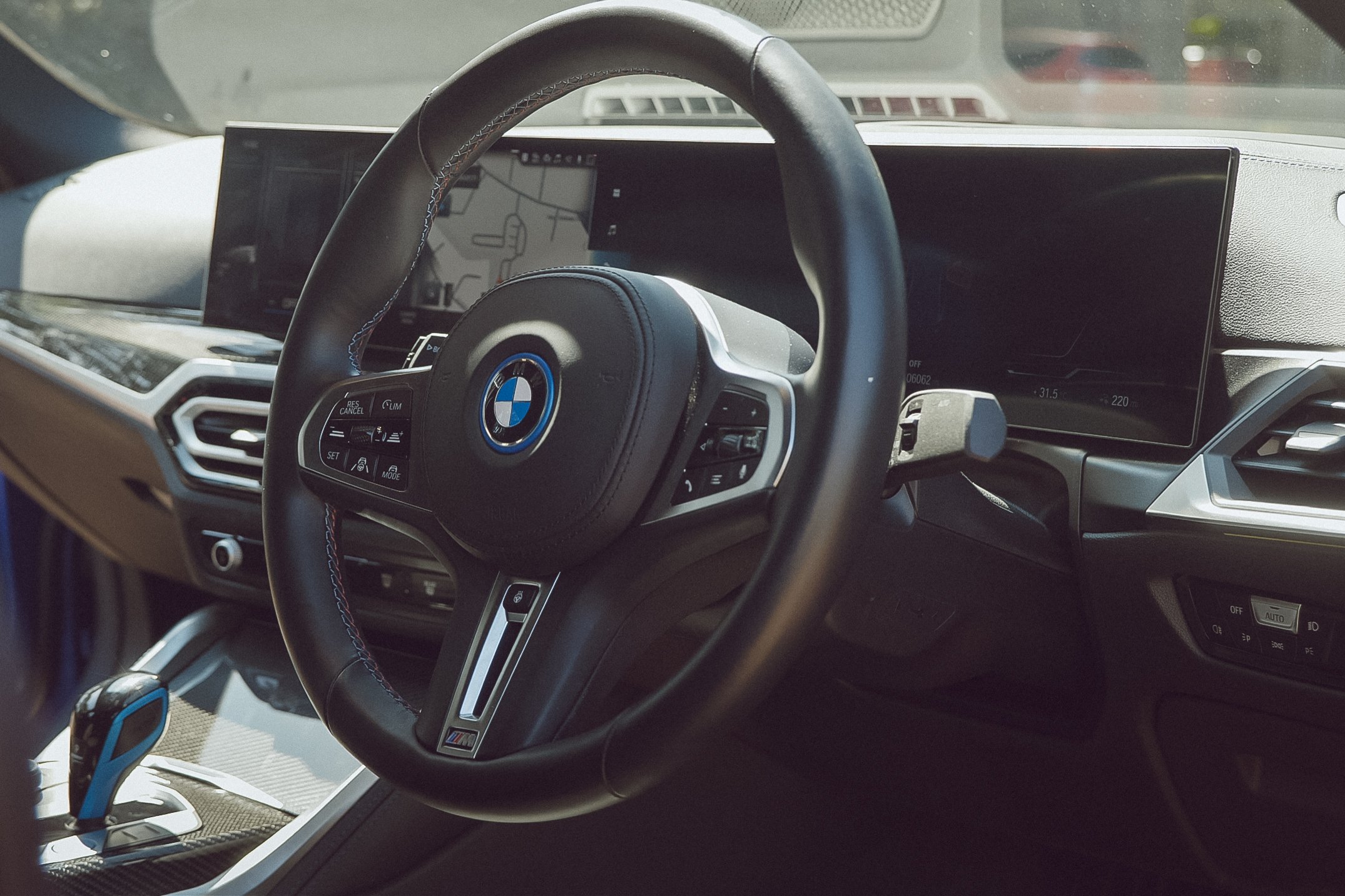
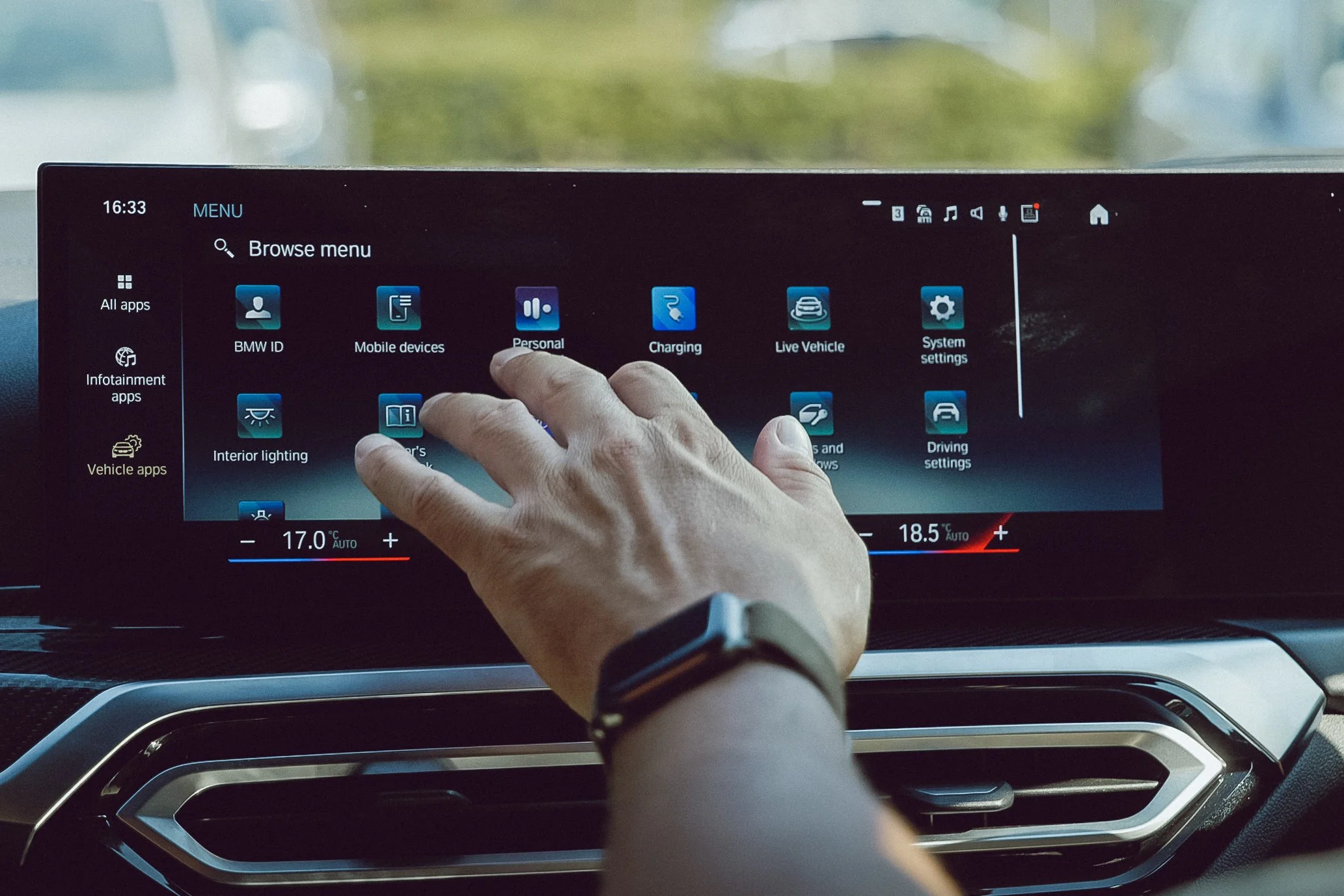
It's all equally familiar on the inside, too. I'd go so far as to say that if you were to be sat inside the i4 without any prior instruction, you'd be forgiven for thinking it's just another 3 or 4-series model. Up front, the cabin is spacious and intuitive, and the pillarless doors (front and back) add a nice aesthetic feature. The back seats are a tad tight for the longer-legged passenger, but not unusable. My only gripe with the back of the car is the sloping roofline, which can make things feel a little cramped. The same goes for the rear passenger legroom. It's not unacceptable, but if you have any rear-seat-occupying claustrophobics in the household, it might be worth bringing them along for the test drive.
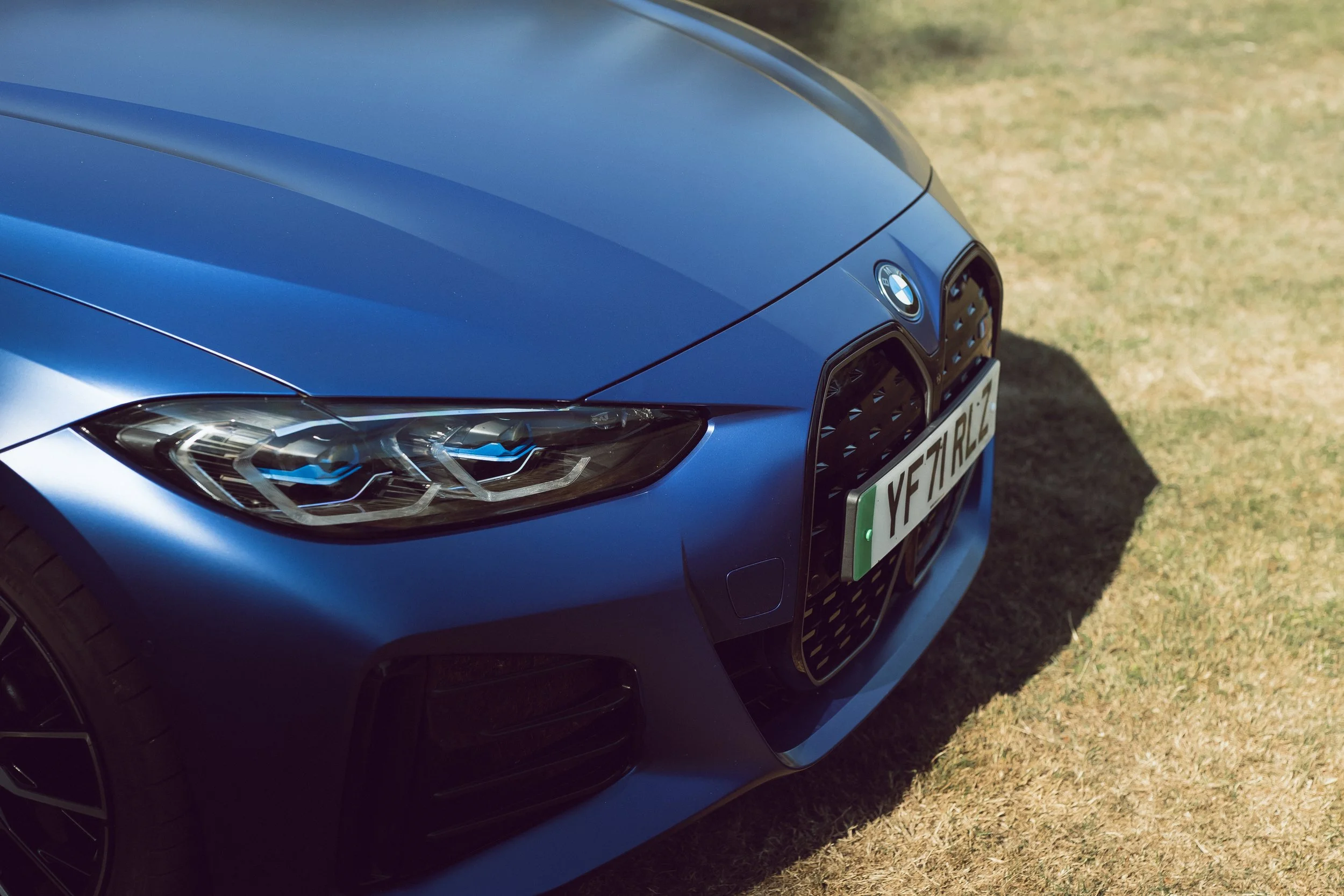
Another thing I like about the i4 is that there are no futuristic, brightly coloured fabrics or new bronze-plated twisty knobs or switches (as found in some of the other BMWi models), and I'm pleased about that. A welcome and familiar resemblance to BMW products of late makes the i4 very pleasing - perhaps reassuring. It's almost as if someone in the BMW design team stood their ground in a meeting and said, "Hang on a minute, guys, shall we just make one that looks and feels like all the other popular cars we make?" Styling gets a big tick; well done, BMW. I was keen to see if the drive was comparable, too.
Driving Dynamics
Driving the i4 M50 (not long after experiencing the petrol M440i) took quite a bit of getting used to. I was expecting an altered experience, but the comparison between the petrol and EV models turned out to be night and day. Thanks to the electric powertrain, the i4 M50 is rapid, accelerating from 0-60 in just 3.9 seconds. The sensation of 0-60 from a standstill creates a series of new sensations beyond just being pinned into your seat; the big unexpected one is a very new noise.
Sound Design by Hans Zimmer
To compensate for the missing sound of an engine, BMW, like many other car makers, has added a synthetic sound effect to give our brains something to match the visual sensation of speed. The legendary Hans Zimmer composed the sound for the i4 M50, which is best described as 'futuristic'. It's a progressive synthetic drone, the kind of sound you'd expect to hear firing out the back of a spaceship in a sci-fi film, and it's intuitive in line with the increasing speed. I suspected I might get bored or even frustrated by the sound after a while, but I actually grew to like it. It makes for a great "now, watch this" party trick for your mates in the car.
Stopping and cornering also take some getting used to compared to its lighter weight brethren - the main reason for that is the i4 M50's weight. A petrol engine 4 series weighs in at as little as 1600kg; the i4 M50 is a staggering 2,290kg - a difference of almost 700 kilograms (or, to put it another way, a small caravan). Perhaps unsurprisingly, that extra weight takes its toll on the driving dynamics. The i4 M50 is xDrive, which helps make the car feel light and agile when accelerating, but when it's time to bring things to a stop, 2300 kilos feels very much like, well, 2300 kilos. Fast cornering caught me out a couple of times, too. I was lulled into a false sense of BMW M agility by the clever torque vectoring individual motors, but a very sudden reminder of the M50's mass arrives mid-corner on a particularly tight and twisty downhill road, giving a more Range Rover Sport-like feel as opposed to a small sports saloon.
Can we really call this an M Product?
BMW is clearly marketing the i4 M50 as 'the first ever EV M', but honestly, I'm not overly convinced that the BMW M team had much final input in the M50's overall handling feel. It's simply too heavy to fit into the performance saloon category, but thankfully, the dynamics become predictable with time and some driver adjustment.
Of course, most people won't buy an i4 M50 to try and compete with the M3 or M4, so I'll focus on the day-to-day. As a car to drive, it's lovely. BMW has done a superb job of keeping things quiet, and the Harmon Kardon sound system sounds excellent, tuning out road noise even at motorway speeds. Despite being a hatchback rather than a traditional boot, the boot space is ample and actually makes a lot of sense in this format.
Charging Times and Real-World Range
Charging and range are something BMW has been celebrating with the i4 M50, and with headline figures of up to ‘318 miles on a full charge', it sounds impressive. Admittedly, I didn't see anything close to that myself, but 200-250 miles, even in the sporty modes, was more than satisfactory. Much like in a petrol or diesel car, I noticed that the range was responsive to driving styles. A calmer use of the throttle pedal rewards you as a driver with an increased battery range. I have little doubt that if you drove sedately in 'eco' mode, you could achieve a range of 300+ miles. As is the norm with BMW's I models, there are multiple drive modes to choose from. The most extreme, SPORT+, rewards you with rapid acceleration and the loudest synthetic sounds. As you'd expect, the range drops significantly even by selecting this mode, so think of it best as 'show off mode' as you won't want to be commuting in this setting. SPORT is a slightly calmer version of the aforementioned, and COMFORT is a happy, everyday medium that balances the fun with the sensible. ECO and ECO PRO offer the range-extending modes with aggressive regenerative braking and one-pedal driving.
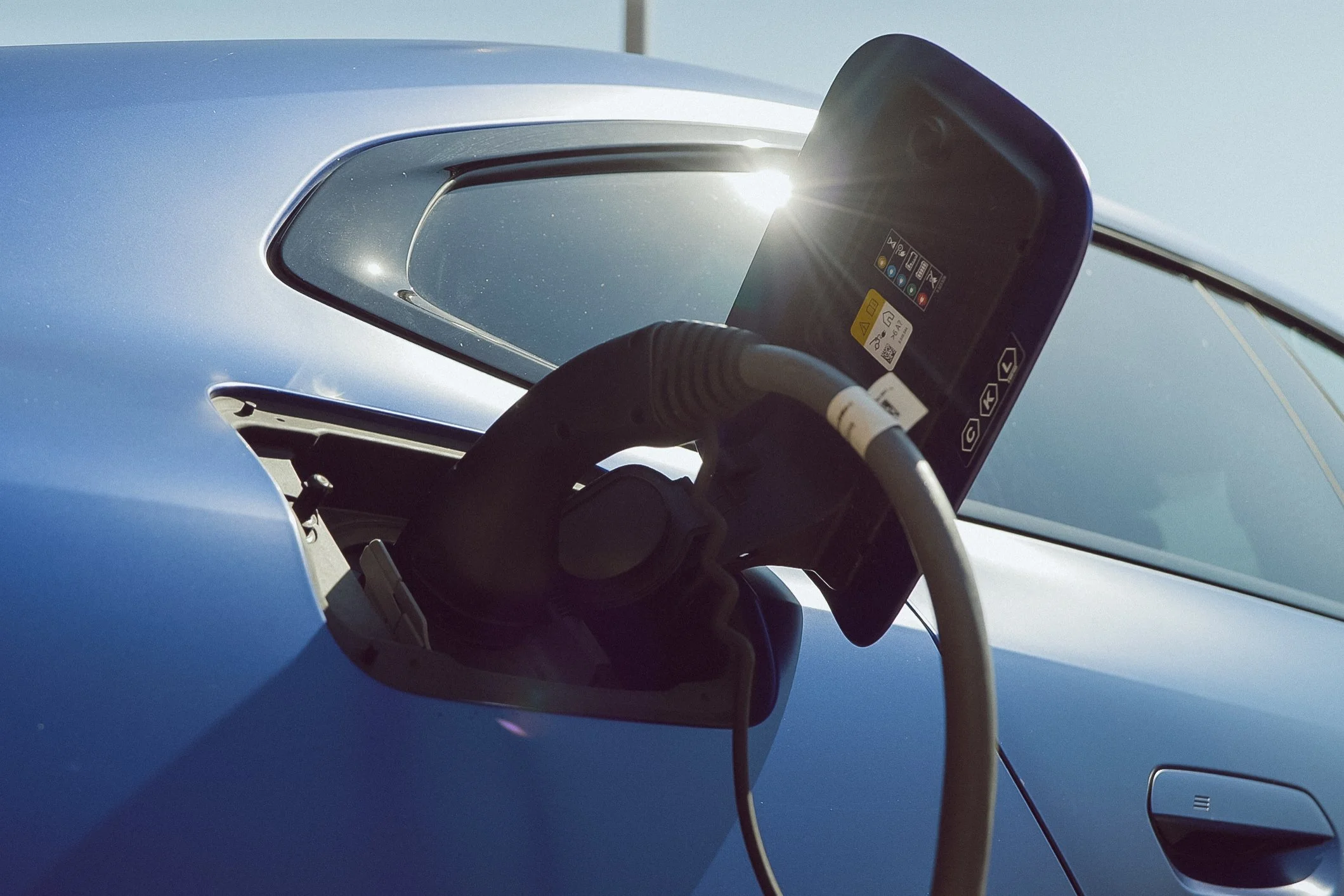
As is often the way with EVs, the ability to charge at home will make EV ownership cheaper and easier, but thanks to the i4 M50's ability to fast charge, range anxiety soon disperses when you learn that plugging in for just 10 minutes can reward you with 70 miles of range. With a 100 kW charger, I managed to charge from 20% to 100% in just under 40 minutes.

Conclusion
Overall, I have been pleasantly surprised by the i4 M50. It looks great, drives brilliantly, and will reward many with an exciting new version of driving. At £65,785.00, it's comparable in performance vs value to the M3 and M4, too, not to mention the many government grants and financial incentives to also take advantage of.
The i4 M50 is the first full EV car I've driven that's made me think, "okay, this could work", and for that reason alone, it feels significant.
If the i4 M50 represents a glimpse into the future of EVs, then I have to say I'm okay with it, maybe even excited.
words John Marcar
pictures Richard Fullbrook
special thanks to Partridge BMW Hampshire