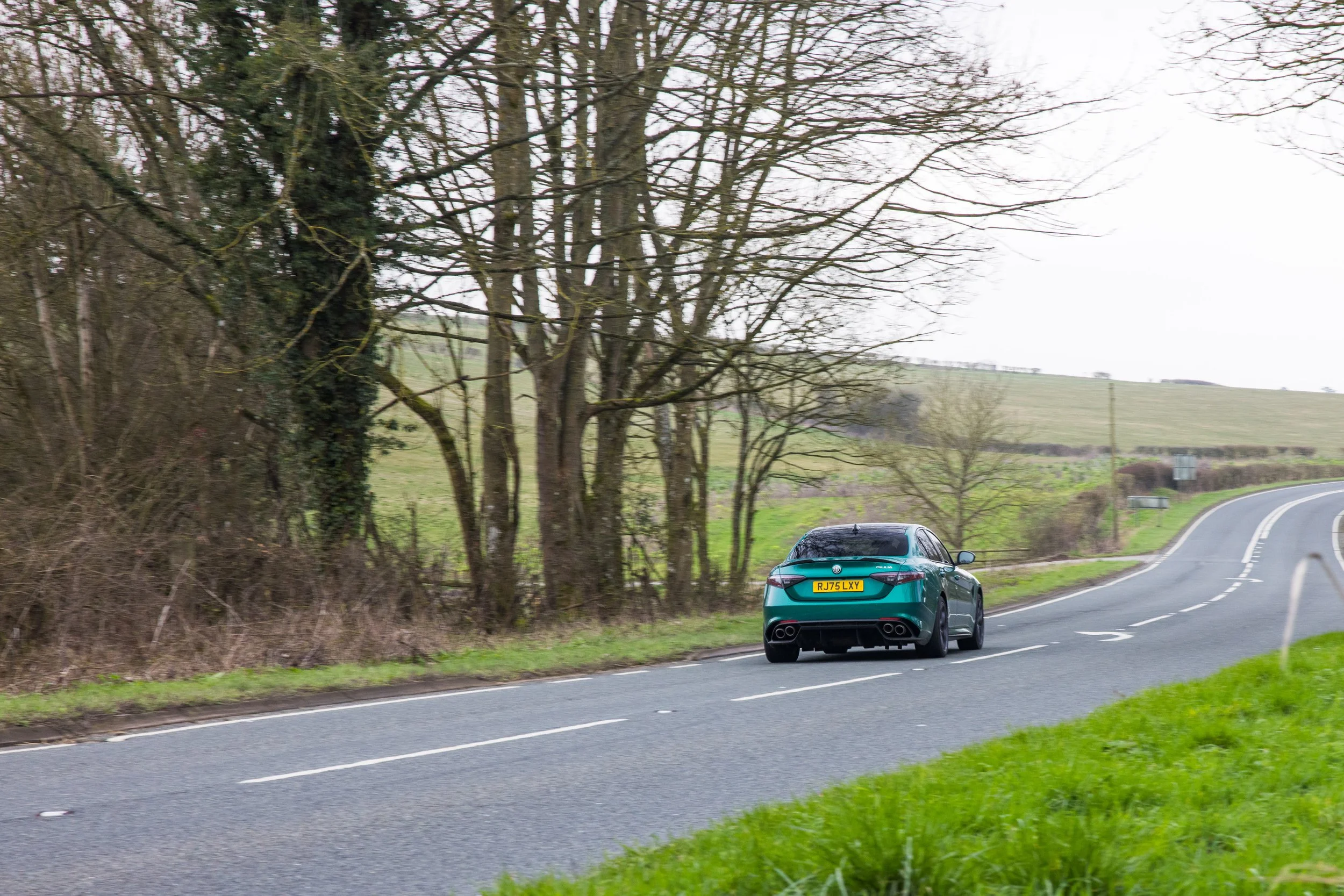
Alfa Romeo Giulia Quadrifoglio | 2026 Review - Still The Heroes' Choice?
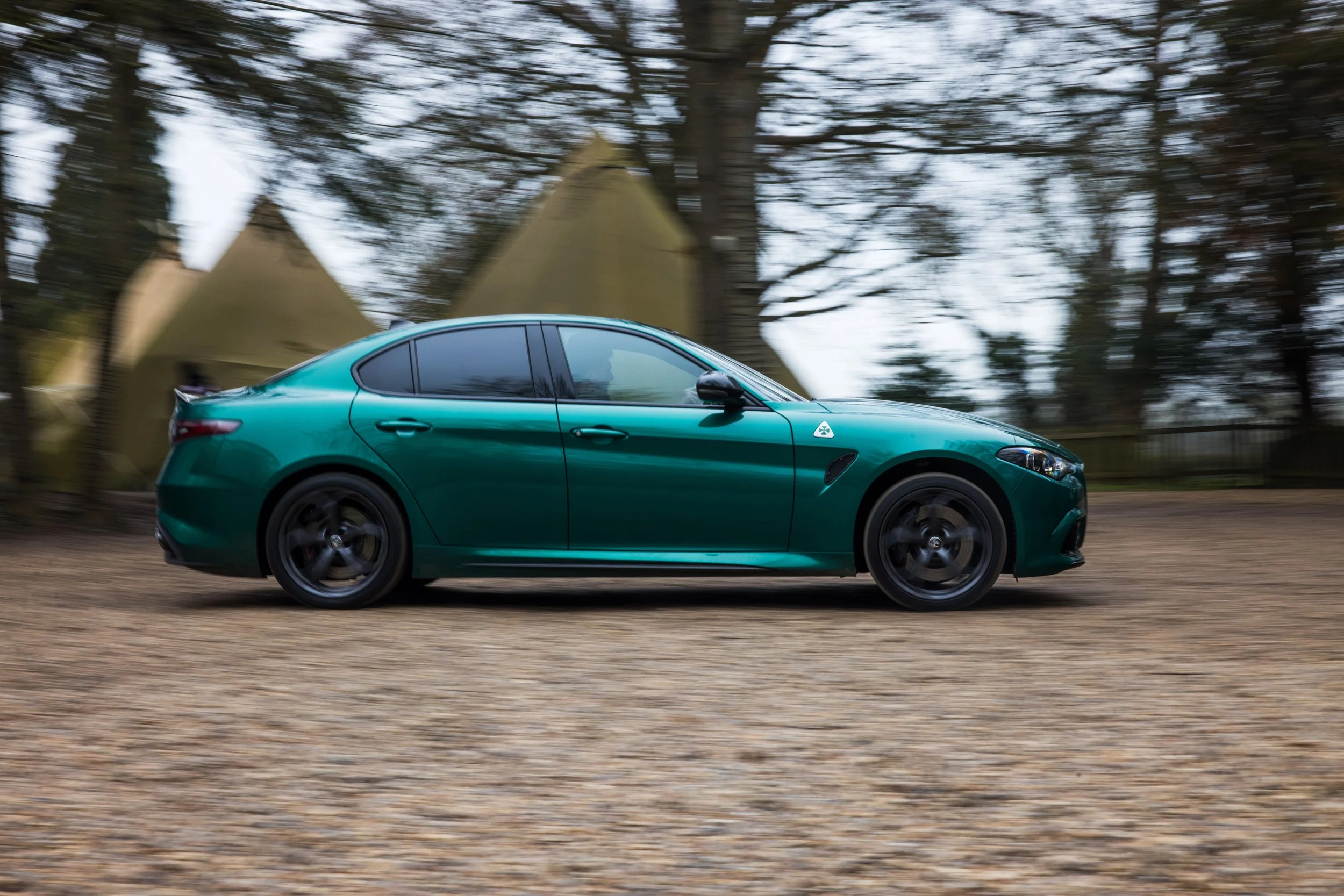
In 2015, the Alfa Romeo Giulia Quadrifoglio was launched to battle the likes of the BMW M3. 10 years on from its UK launch, the Giulia Quadrifoglio has had its life extended by a further 2 years... but is it still a worthy M3 competitor in 2026?
11 years. (Yes, really.)
I vividly remember seeing coverage of the Giulia Quadrifoglio launch event. It was an event which Alfa had been building up to with teasers and hype. On a shiny floor stage in Italy, Alfa Romeo revealed its new performance saloon, accompanied by live opera from the legendary Italian tenor Andrea Bocelli. At the time, I remember thinking that the whole event was brilliantly Italian. Like everyone else, I wanted to know everything about this new car, and the Giulia Quadrifoglios' general reception was extremely positive, with the automotive press's excitement equally palpable thanks to claims of punchy performance numbers such as 520hp and 600 Nm.
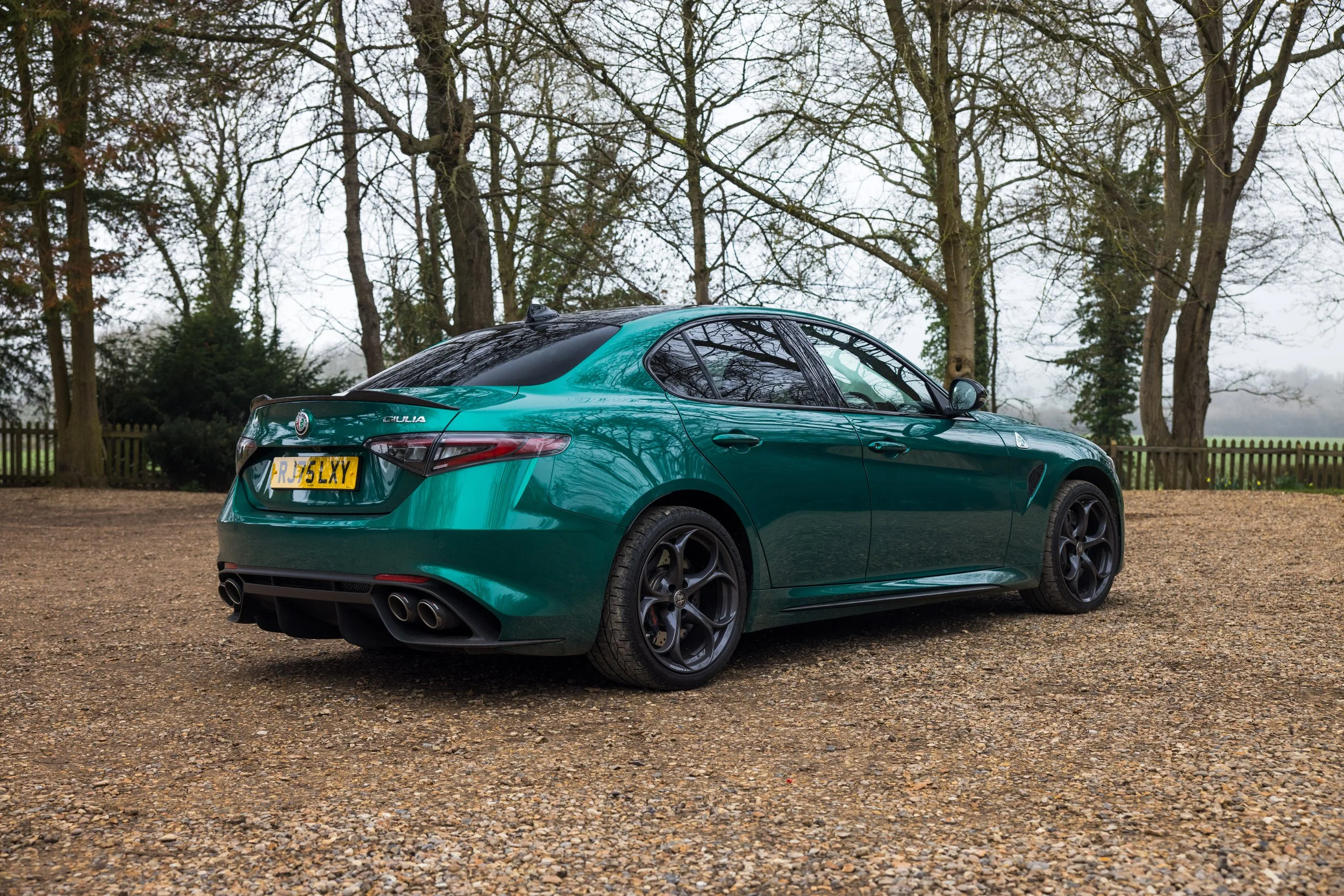
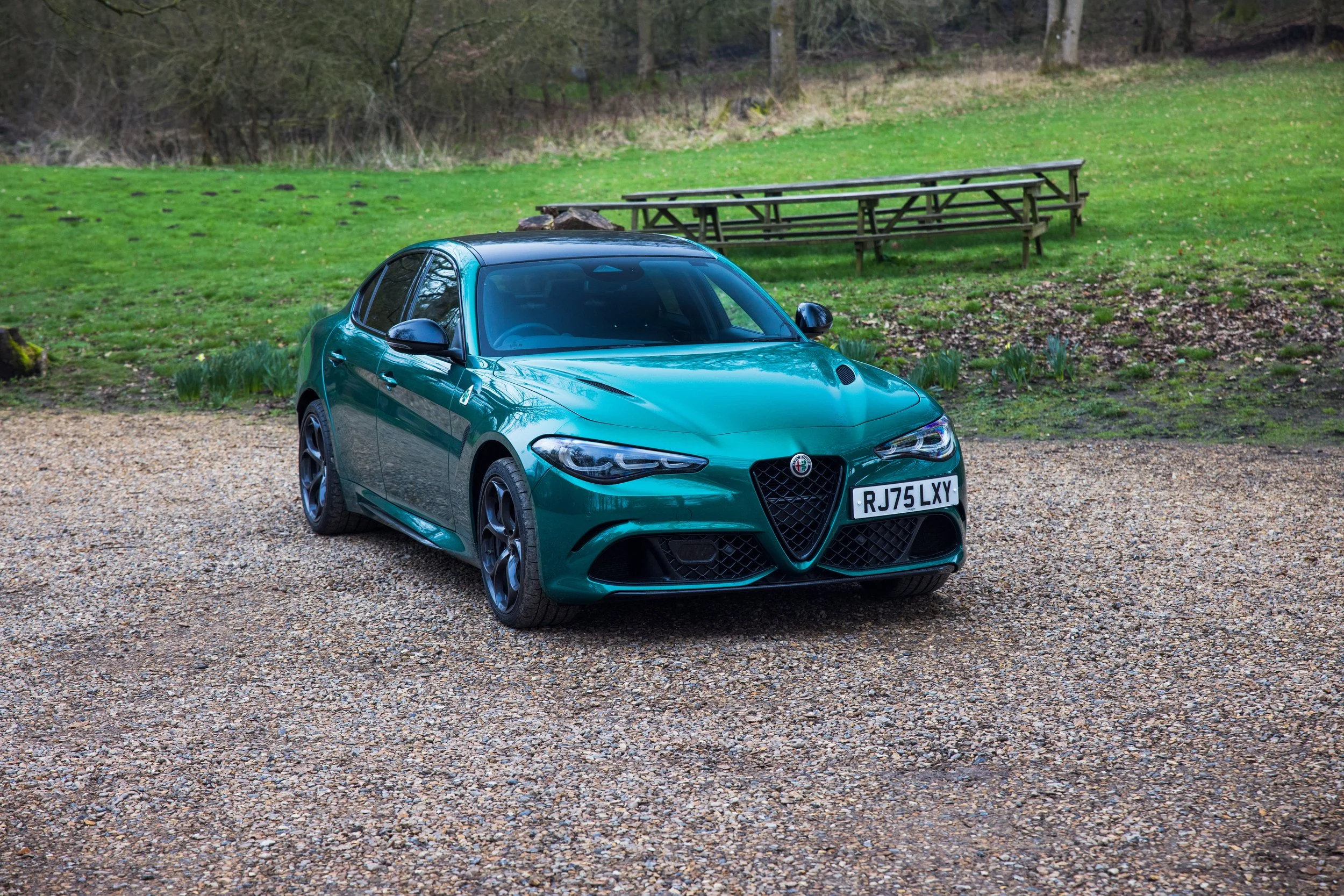
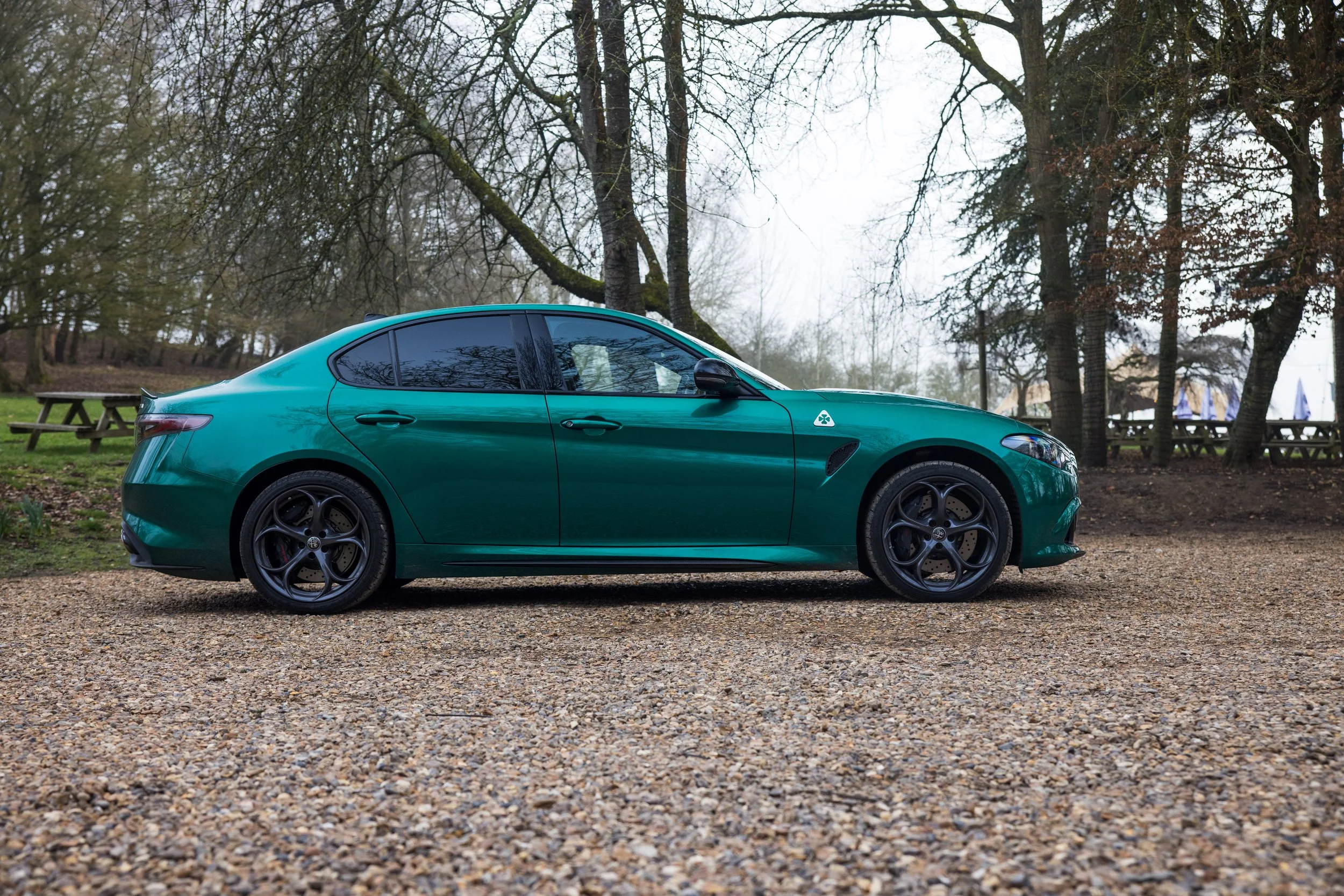
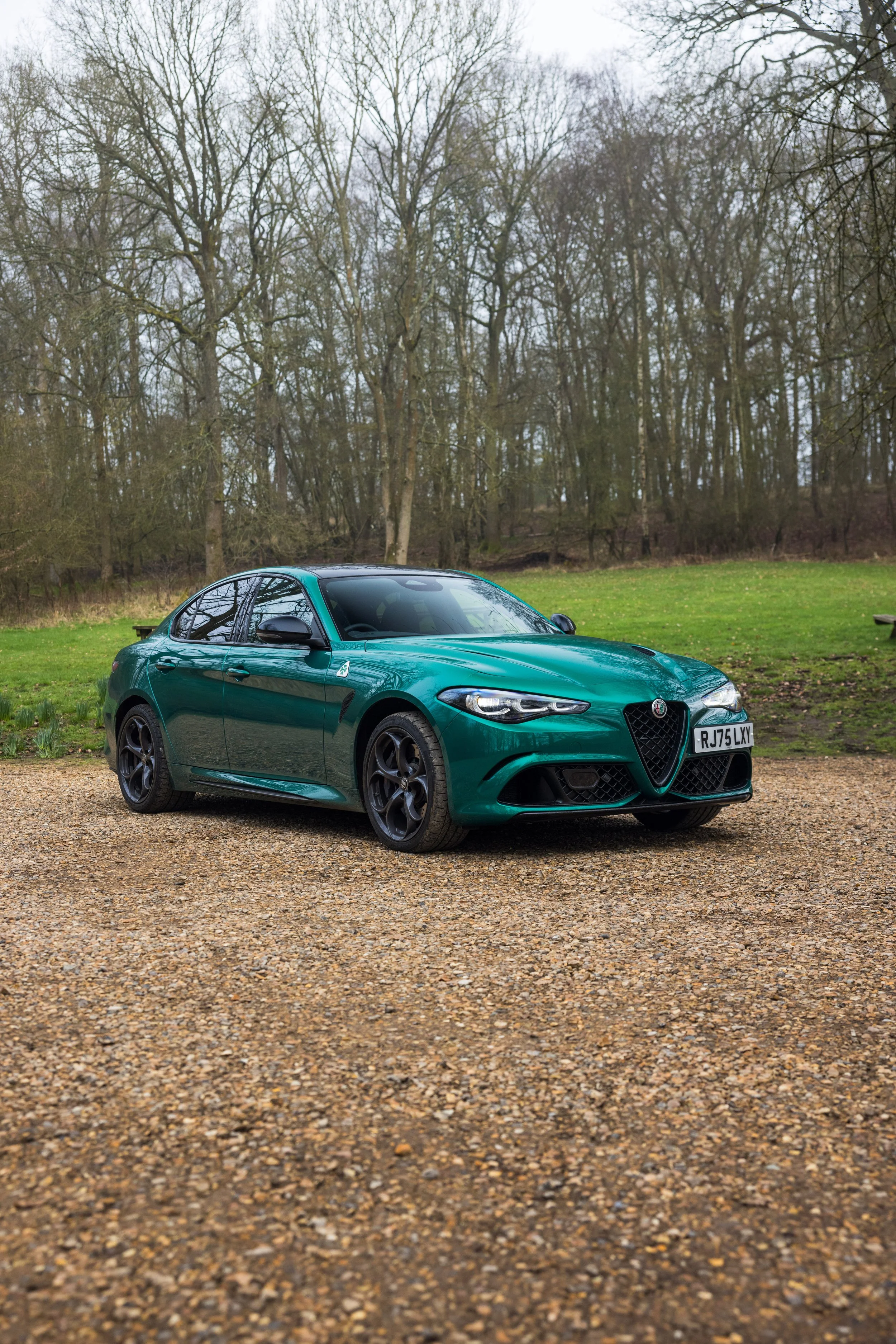
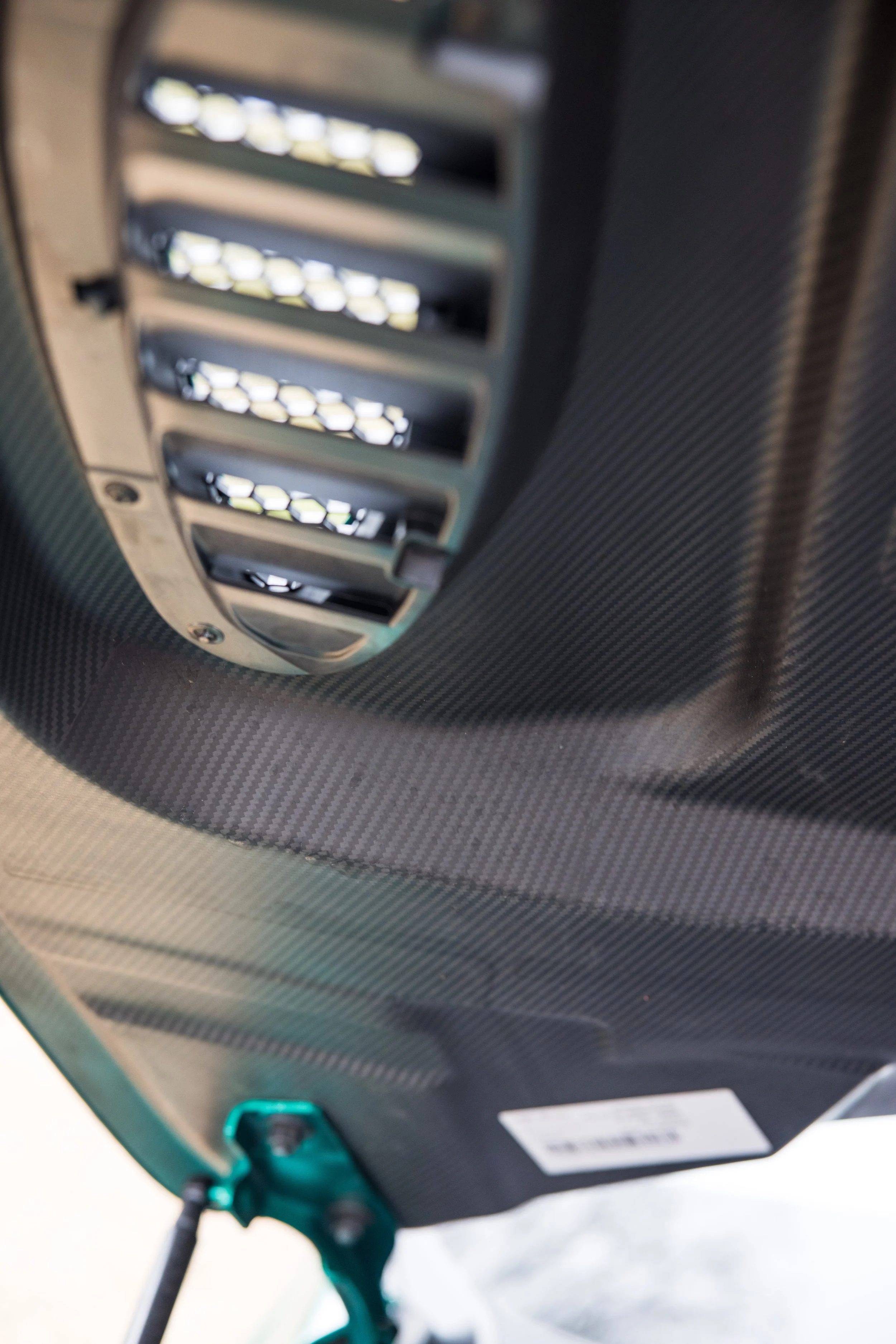
The Giulia Quadrifoglio was unveiled as a competitor to the mighty BMW M3, a model that's proudly been the benchmark for manufacturers since the late 1980s. Once revealed, the performance figures from the new Italian V6 looked exciting, as did the excessive use of carbon fibre parts, but above all, the biggest hit for Alfa Romeo beyond the strong numbers was the styling. The Giulia was, and arguably still is, one of the prettiest four-door performance saloon cars ever made.
Quadrifoglio vs M3: What's Changed in the past 10 years?
When the Giulia was launched in 2015, the 'benchmark' M3 it was up against was the F80 edition. The F80 M3 had a straight-six twin-turbocharged engine and produced an impressive 444hp. The Alfa's V6 produced over 520 hp, casting an immediate, unavoidable shadow over the BMW. The Germans wouldn't be happy with that for very long, and in 2020, BMW unveiled its new M3 in the form of the G80, and whilst the M3 certainly wasn't going to win any prizes at the beauty pageant (obviously), it was now more powerful than the Alfa. So, what did Italians do to try to best the Germans in the years since...? Well, not much actually.
The performance figures, design, and interior layout of the Giulia haven't changed much since David Cameron was the Prime Minister and Barack Obama was the President, which has meant that as each iteration and upgrade of the M3 passes (two so far), the Alfa becomes an increasingly more difficult sell.
...And the Quadrifoglios Life Has Just Been Extended
After 10 years of production, the Giulia Quadrifoglio was tipped to be nearing the end of its life, with 2025 being marked as the final year of production. But unexpectedly, in early 2026, in a moment that surprised the motoring world, Alfa Romeo performed a 'Jordan Belfort - Wolf of Wall Street' move by exclaiming, "I'm not leaving!!"
The message: 'Alfa Romeo is to keep the Giulia Quadrifoglio on sale through to the end of 2027.' Great news, so we must be due for a facelift or performance upgrade now, right? Right??
It's always exciting when a performance hero gets its life extended, but usually it comes with a lifecycle styling upgrade or a performance boost. Sure, there have been some very subtle interior and exterior styling tweaks since 2015, but overall, Alfa Romeo has decided not to change much else except the price tag... and that's either very brave or slightly daft.
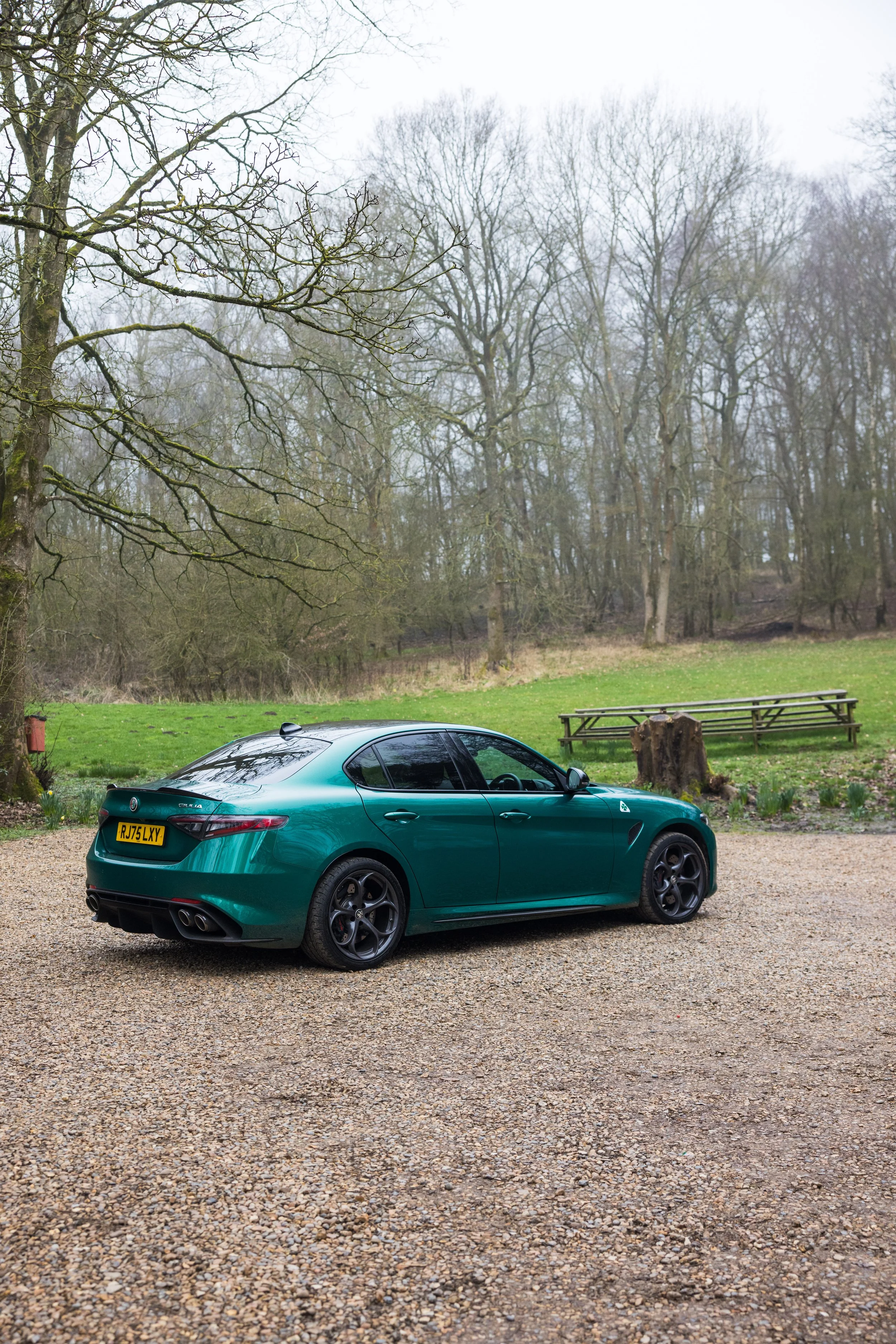
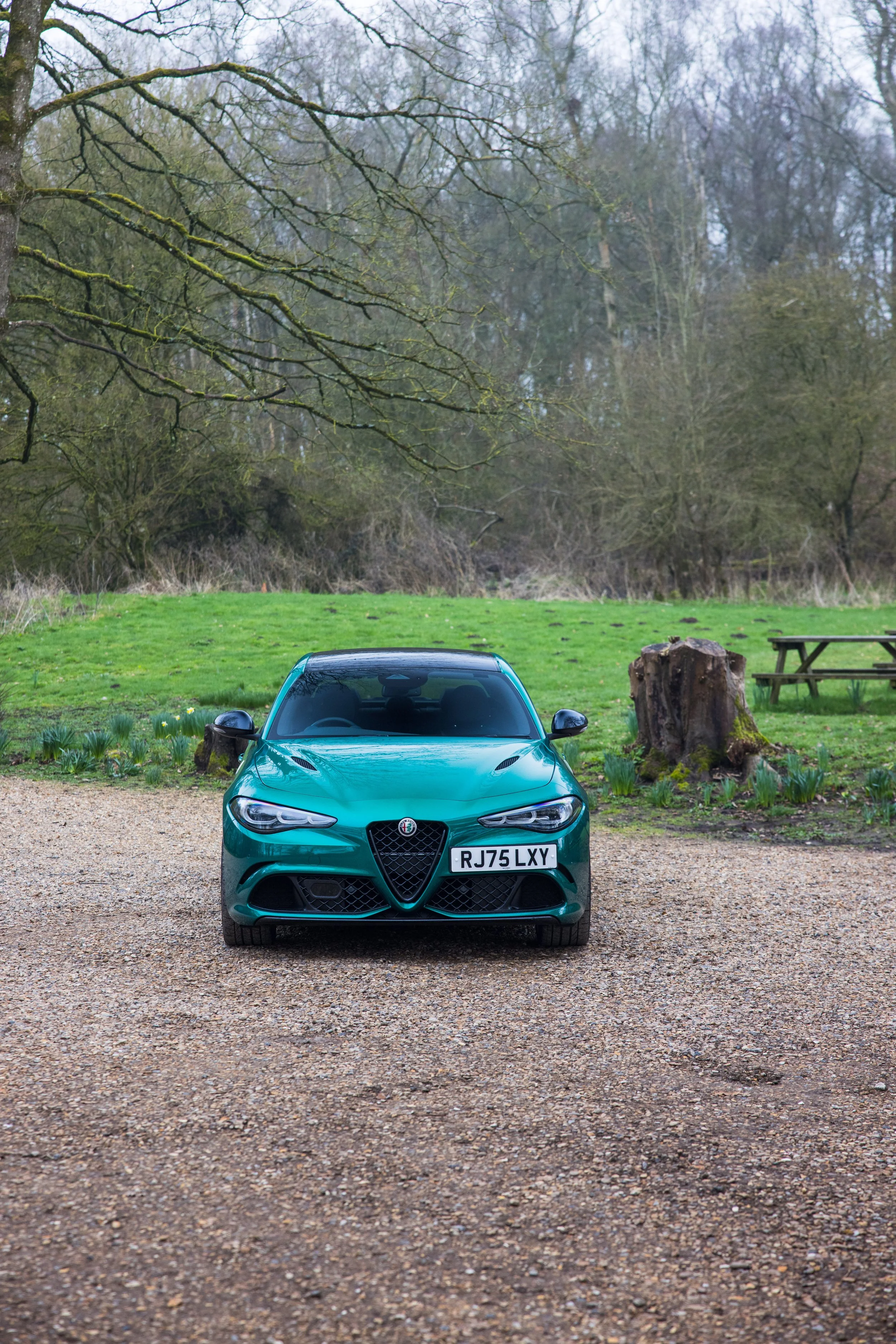
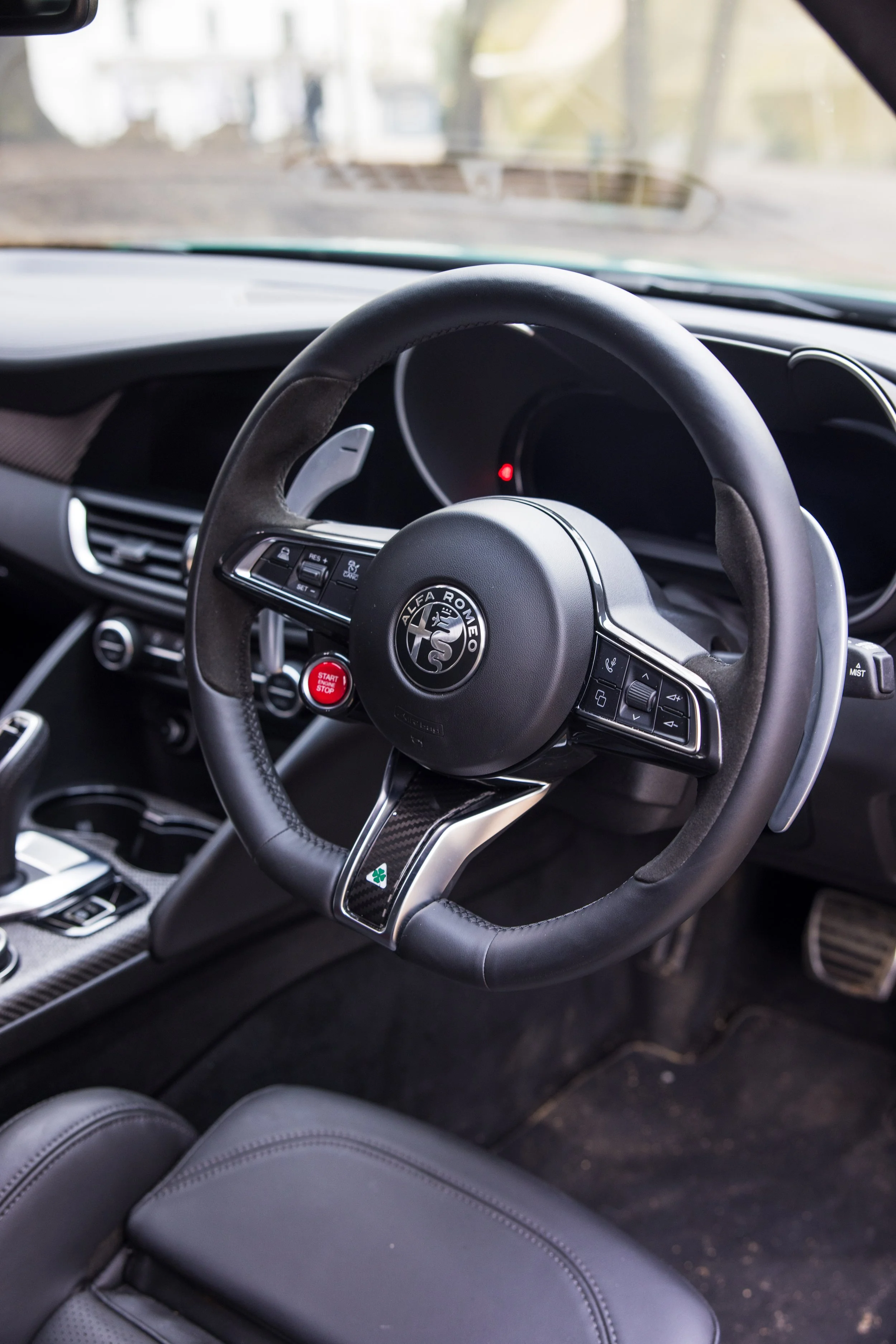
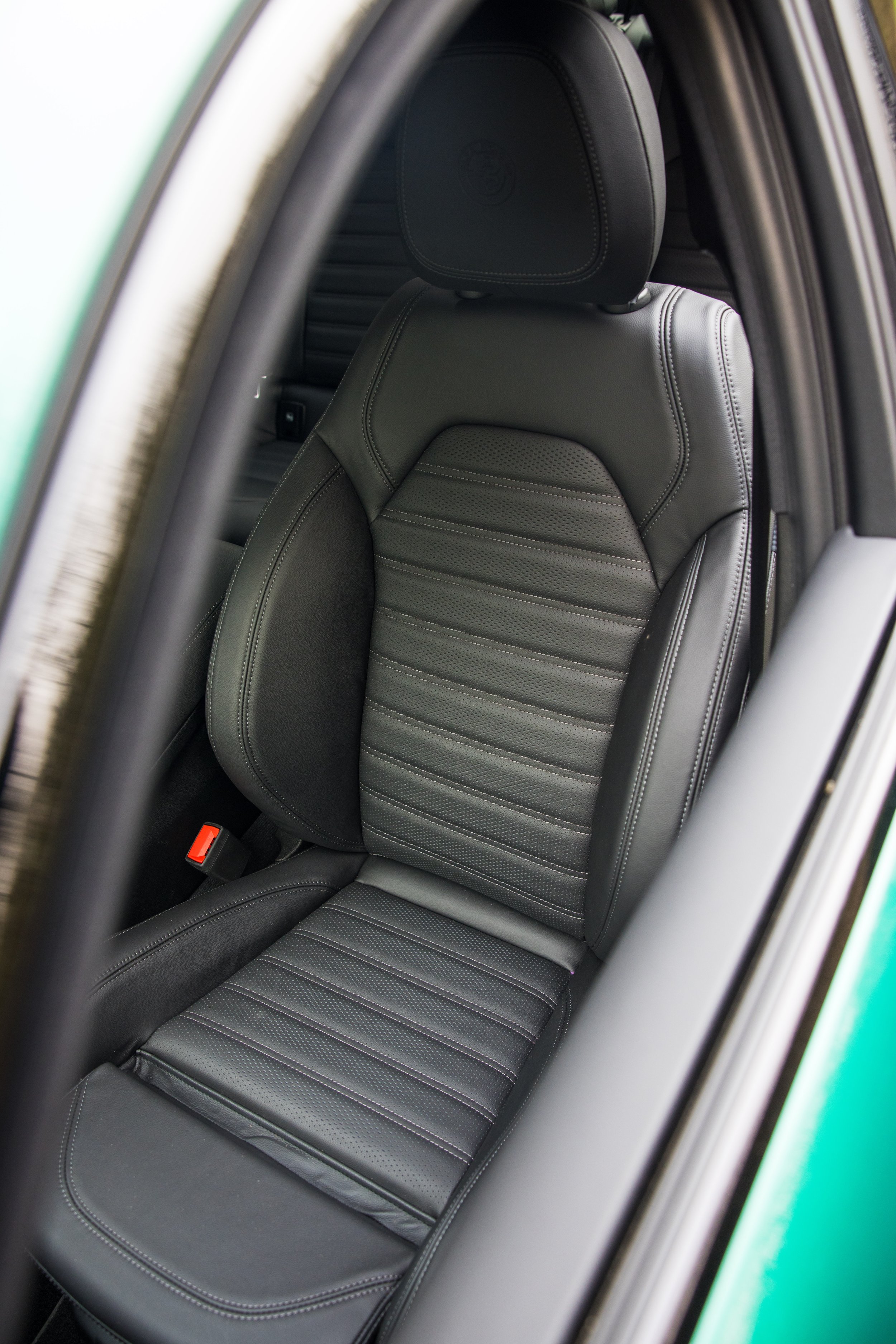
The Price
Although the Giulia Quadrifoglio was unveiled in 2015, it didn't actually arrive in UK showrooms until October 2016. When it landed, it was launched with an OTR price tag of £59,000 (for reference, the F80 M3 was £56,000).
The following 10 years have seen the Giulia's price creep up in line with inflation, parts supply, and, undoubtedly, in accordance with competitors' pricing. However, we're now at a point where the Giulia Quadrifoglio's price matches that of the equivalent M3, and suddenly it's no longer a fair fight. Prices for the Giulia now start at £84,000; add options, such as those on the model I've been testing, and the price tag rapidly jumps to £94,000, which is firmly in line with the G80 M3 - a car that is, on paper at least, a far more sensible overall choice. But is 'sensible' what the people want?
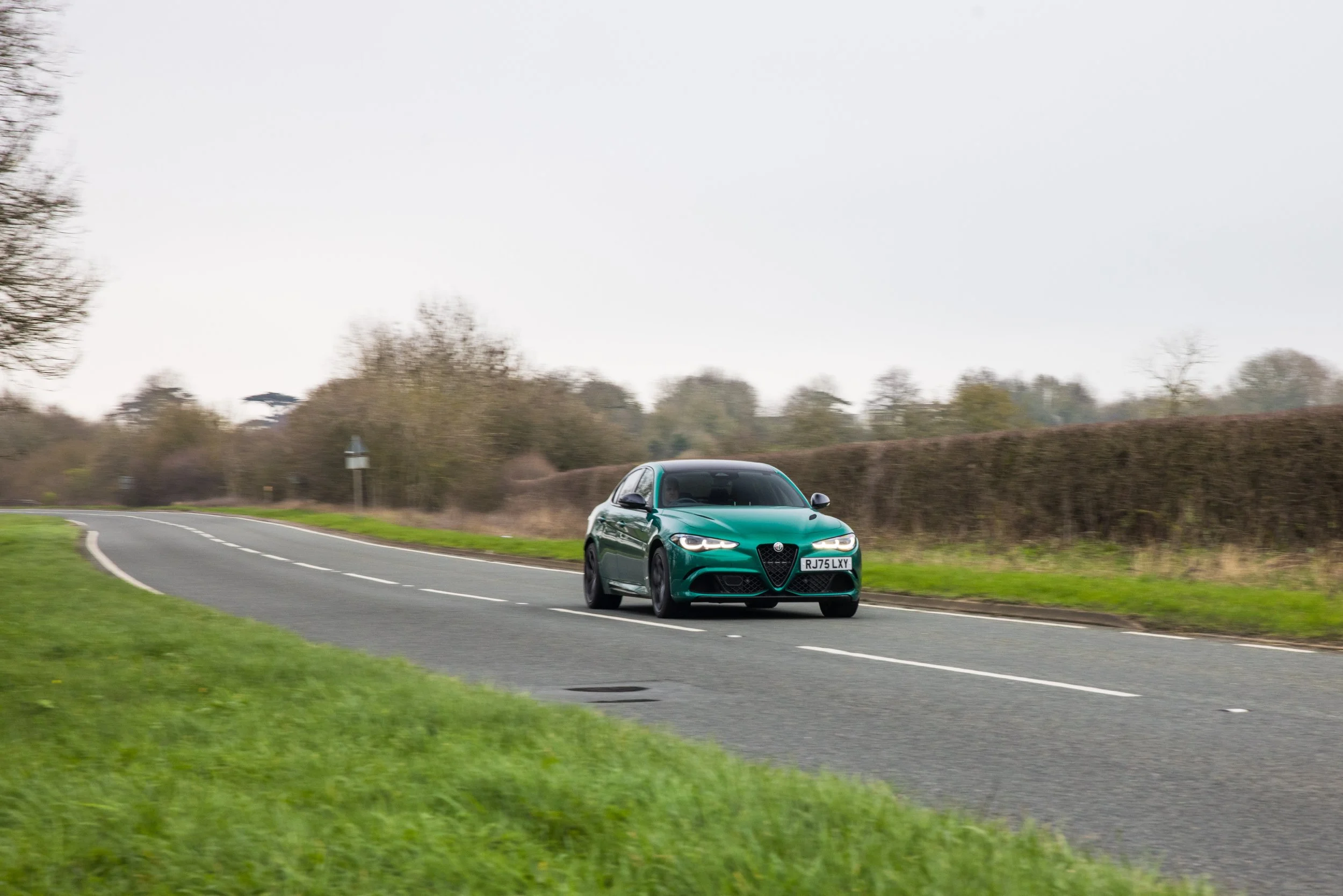
The Good news: It's a True Driving Hero
Whilst time hasn't been kind to the Alfa in terms of competition and pricing, there's one very significant area in which time standing still has worked in its favour: its weight.
The current G80 M3 is now a 1700-1800kg car; the current M5, thanks to its hybrid parts, is now a 2500kg car. The Giulia Quadrifoglio, however, remains as it did back in 2015 at a brilliantly light ~1500kg. 1500 kilos and 520hp is a match made in heaven, and it was a fairly standard power-to-weight ratio for performance cars in the twenty-teens, but these days, it's a ratio that most manufacturers can only dream of.
The weight is by far the most rewarding factor in the Giulia Quadrifoglio, as it enhances the steering feel, acceleration, and braking performance that many performance saloons have lost over the past decade. When driving the Giulia on familiar twisty, undulating roads, I found myself thinking back to the joyous driving experiences of the E46 (early naughties BMW M3). The steering feels light, direct, and beautifully precise compared to modern M products.
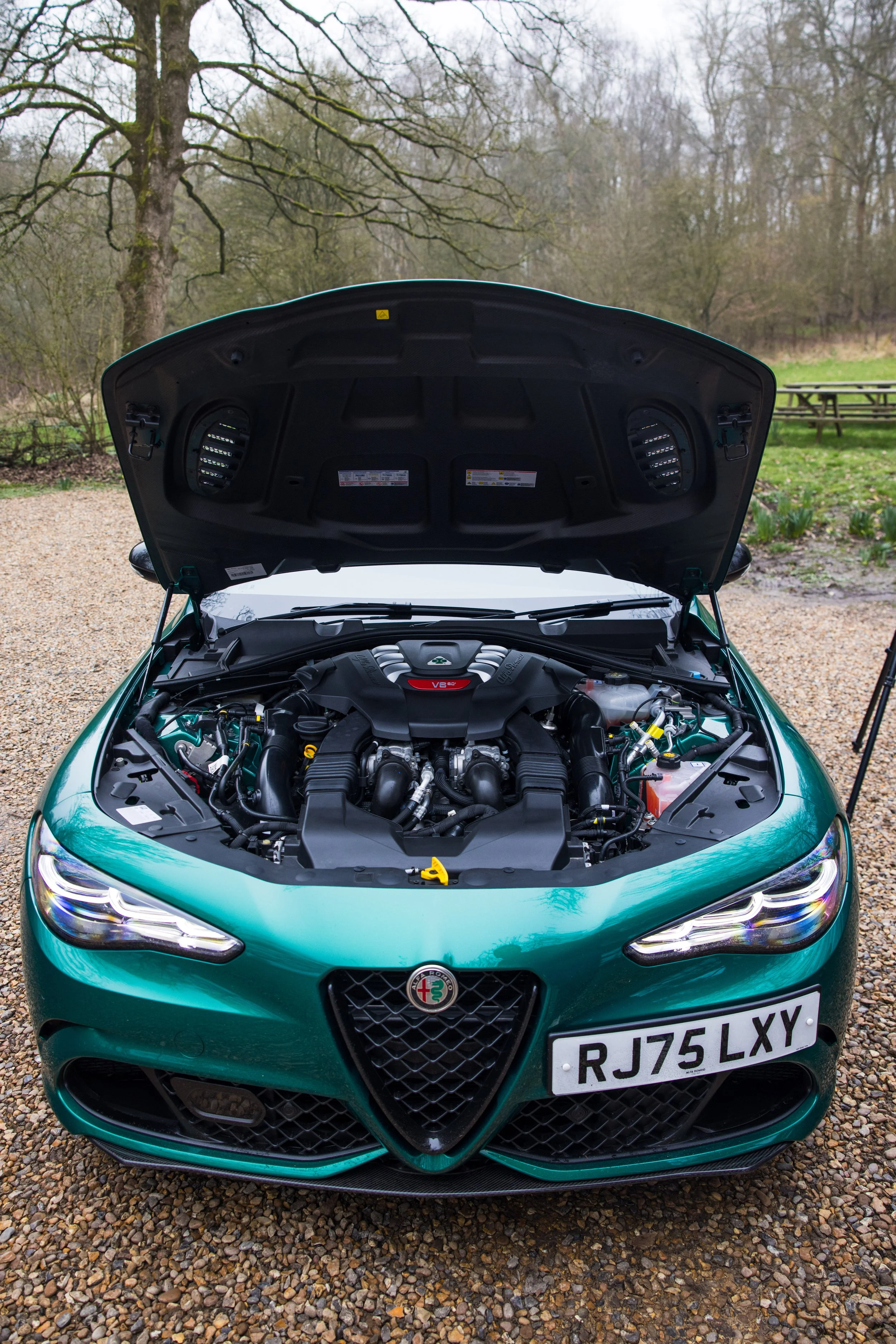
The Engine: A decade-old masterpiece
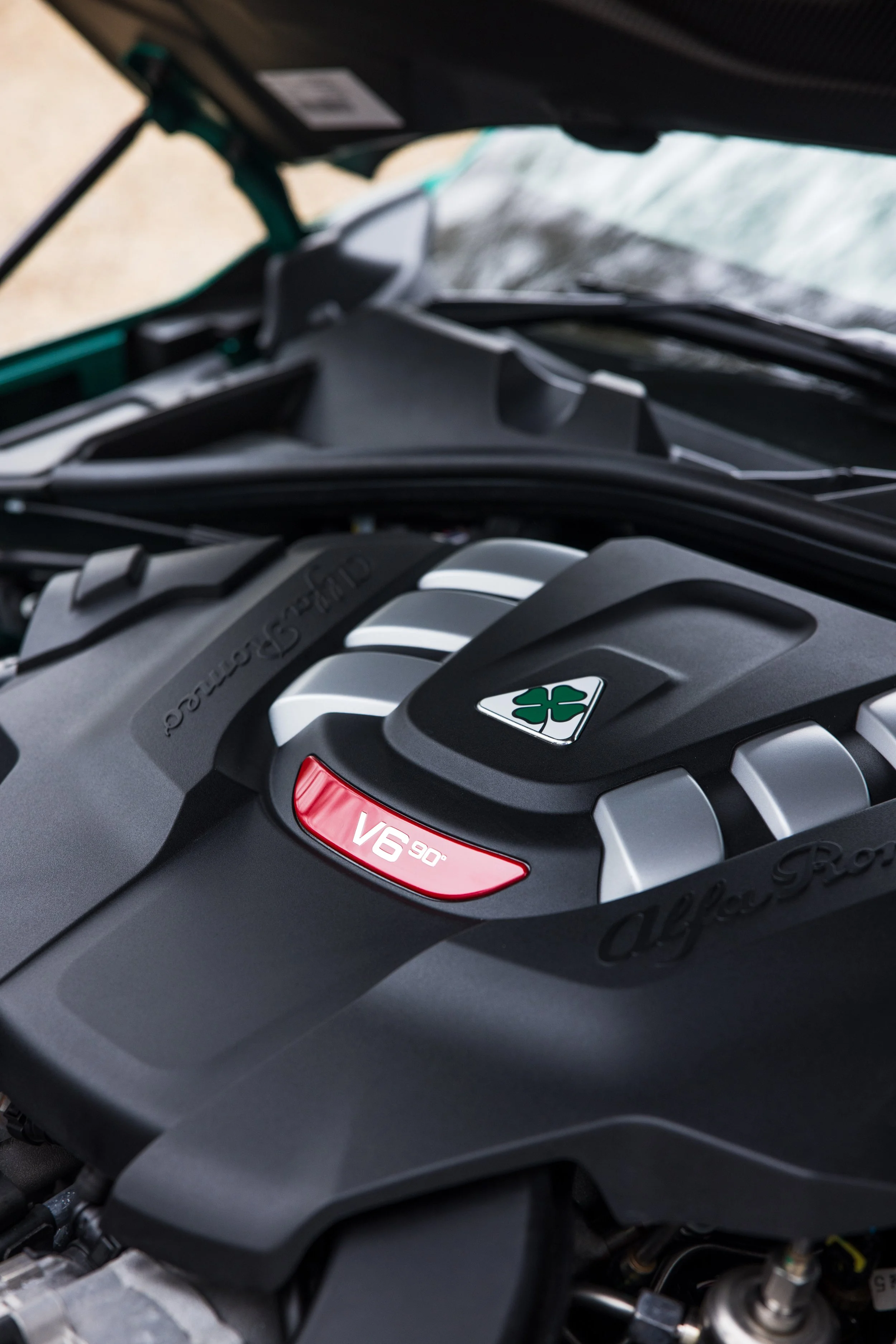
The power delivery from the 90-degree V6 is infectious. The 3.0L engine is attached to a ZF8 gearbox, making the powertrain a perfect pairing. The twin-turbocharged V6 delivers 600 Nm of peak torque, which seems to remain on permanent standby at any RPM. The ZF8 gearbox is sharp and precise, delivering linear power to the rear wheels with an utterly wonderful soundtrack.
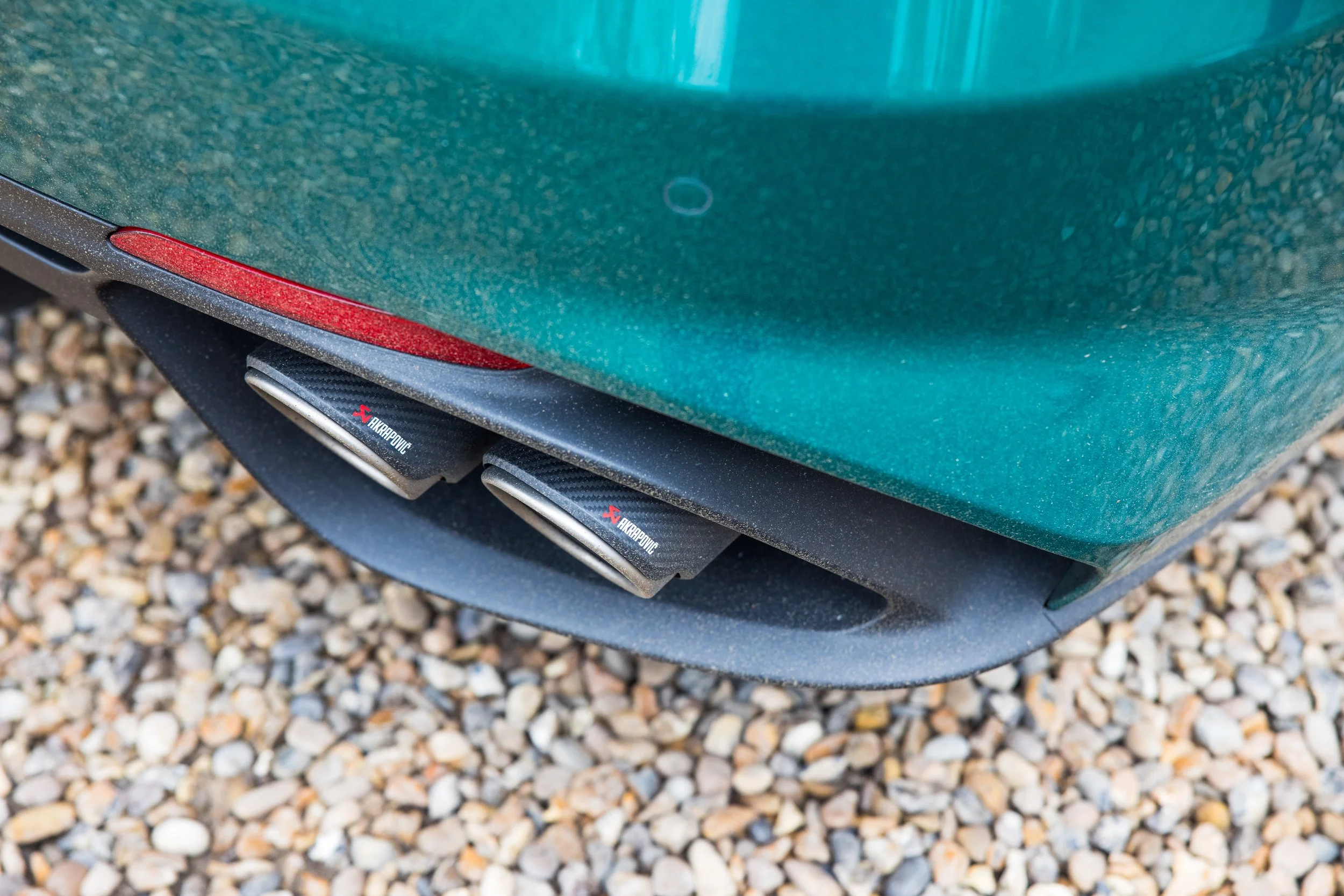
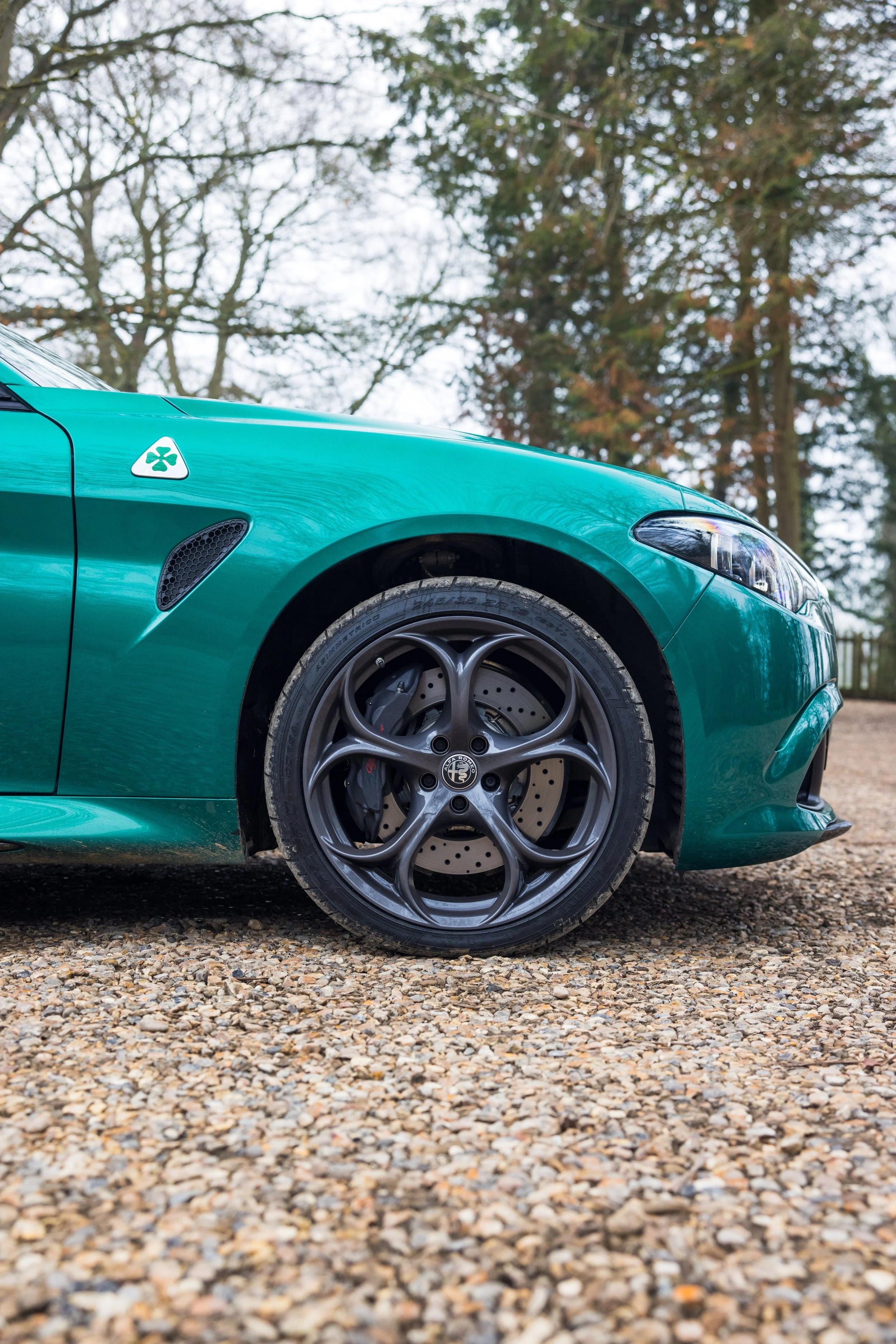
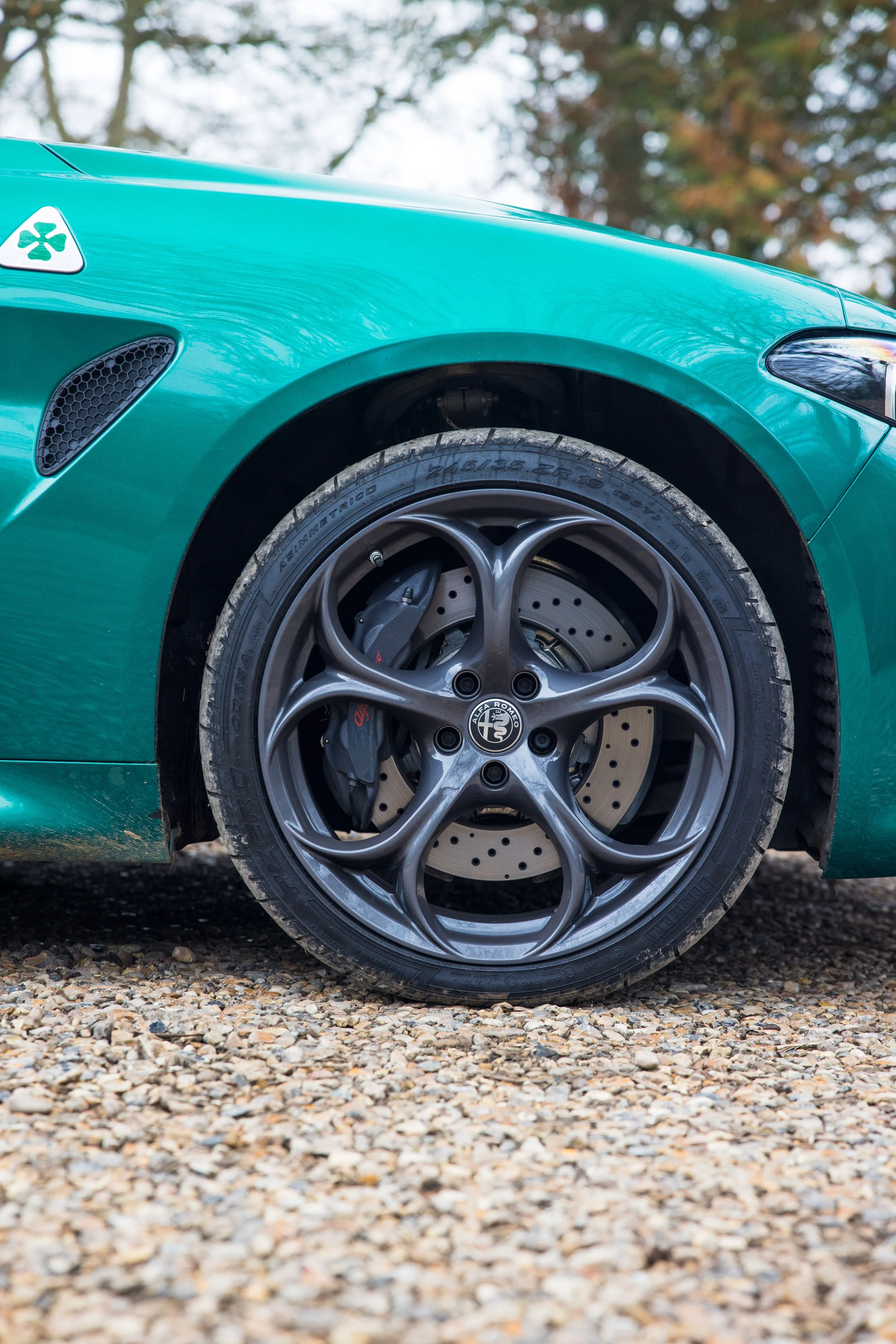
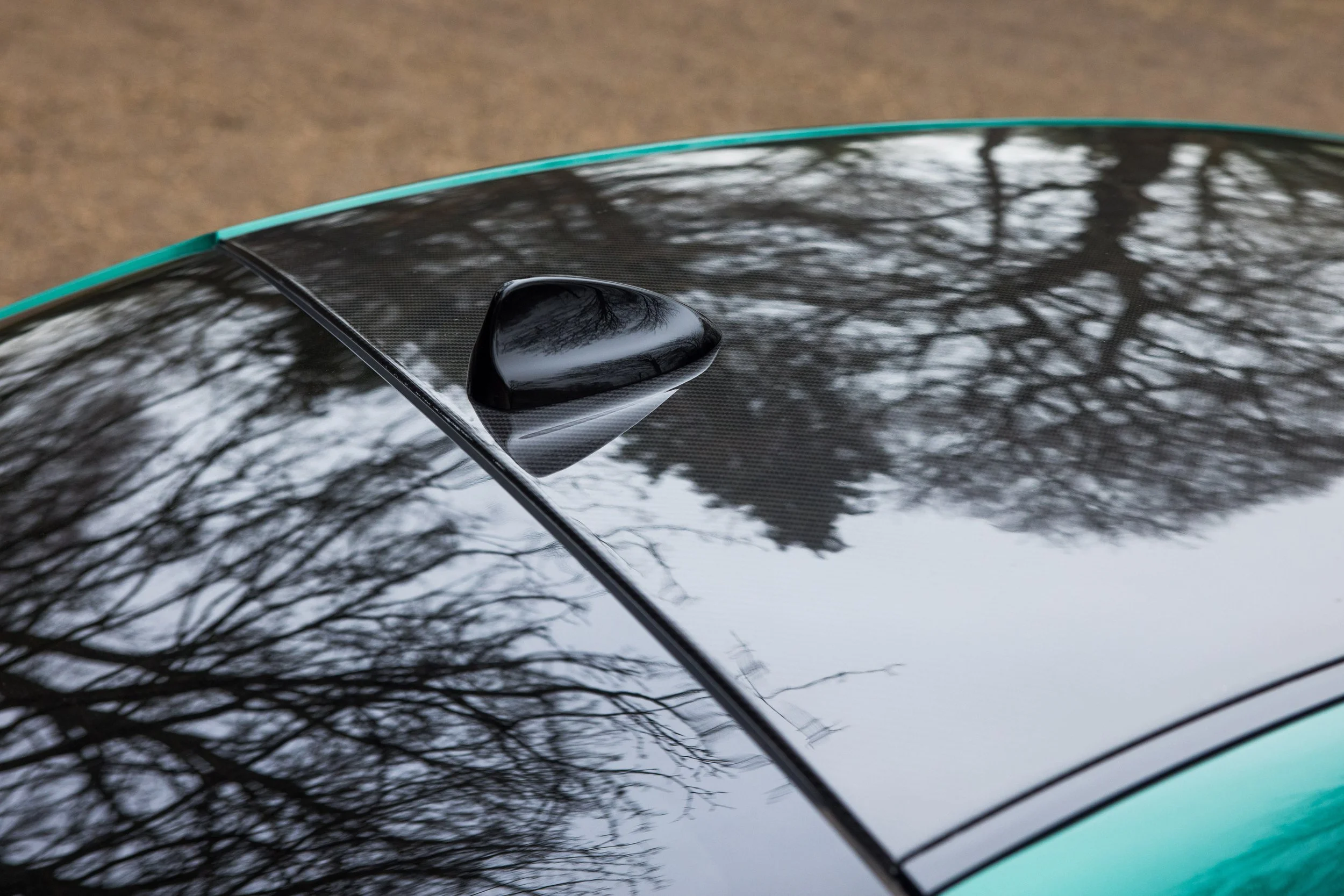
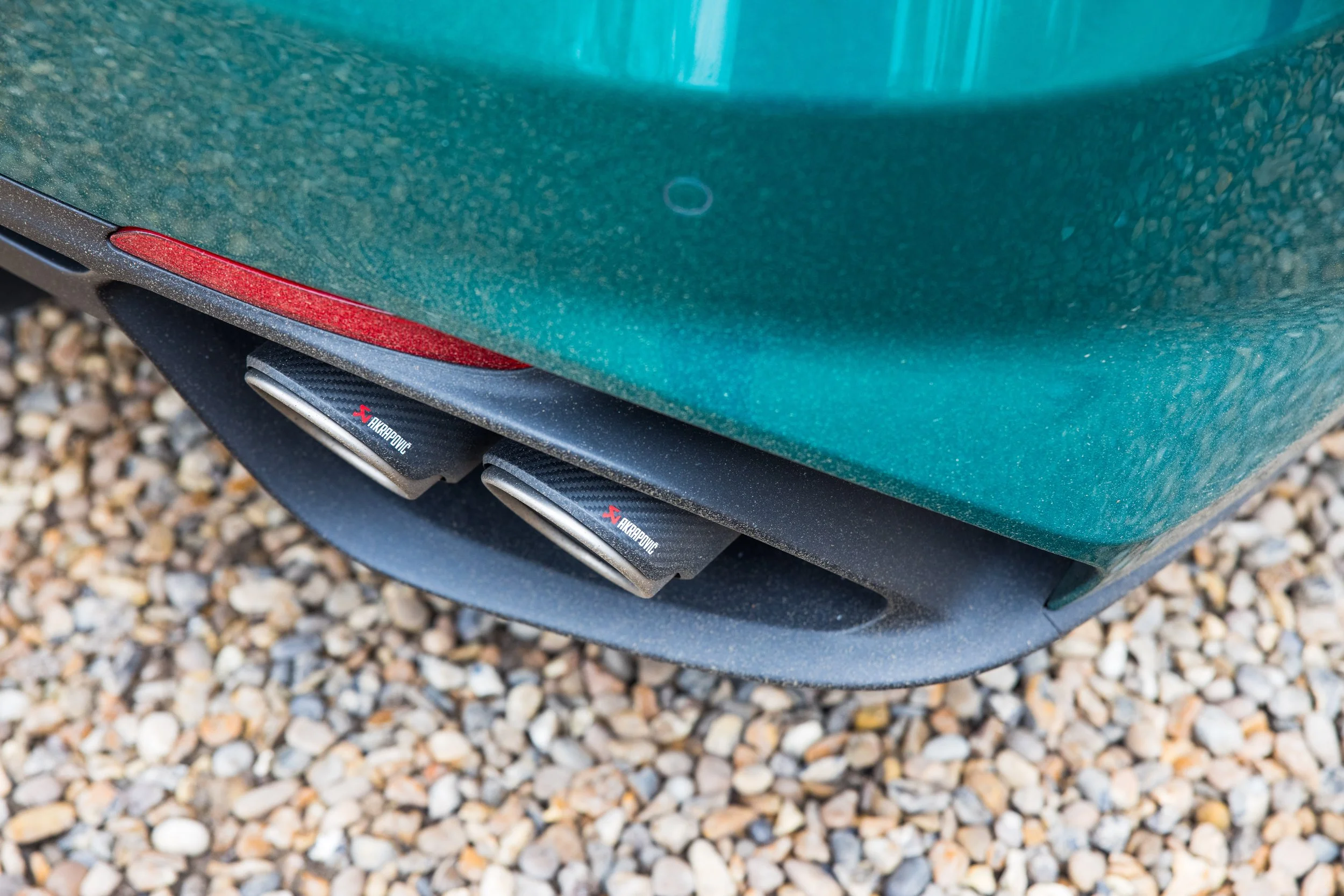
The car I've had on test is also equipped with the optional Akrapovic exhaust system, which costs £3500, but in my opinion, it's worth every penny. The Giulia growls, howls and burbles beautifully through the quad exhaust tips and beats the new M3 for soundtrack by a country mile. Other options that enhance the car's overall performance and visual appeal include the carbon roof (a £2000 option) and the Montreal Green paint job (a £2000 'special paint procedure').
Suspension and handling
One area where the Giulia's light weight can be a compromise is in the sportier suspension settings. On undulating roads with gradual peaks and troughs, the Giulia can feel oversprung. The rear of the car can be prone to bouncing out of bumps, which mid-corner can make things feel especially lively. A suspension specialist will be able to dial things in, but I found myself opting for the softest setting on the adaptive suspension, which even in the most sedate driving modes still caught me off guard at times.
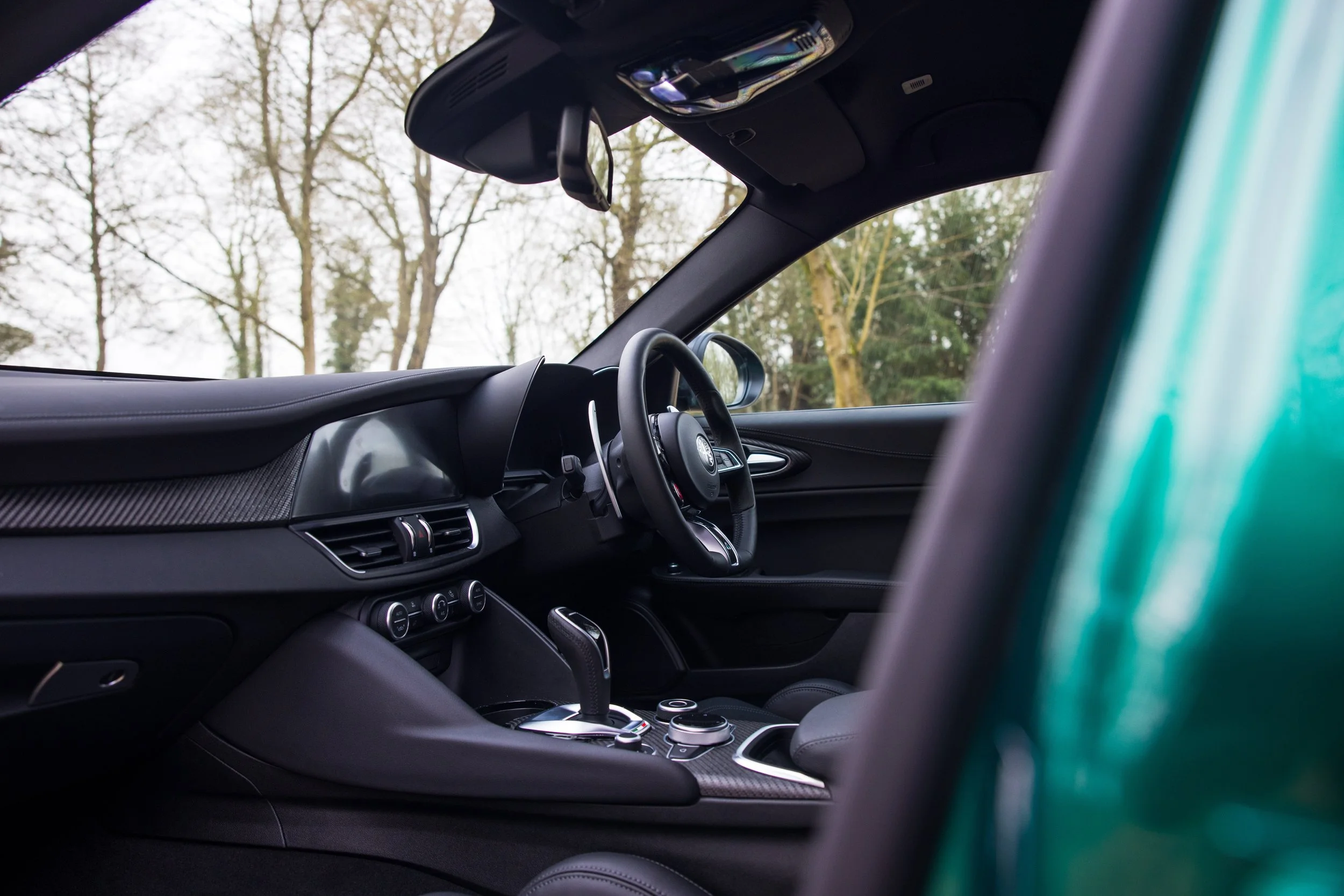
The Bad News: The Tech Hasn't Aged Well
Two technology features that stand out as unfortunate negatives are the Giulia Quadrifoglio's assisted cruise control and ADAS camera systems. Both would have been more than adequate in 2015/16; however, with the competition advancing year on year, the Alfa's tech now feels slightly archaic.
The ADAS system (a £1000 optional extra, I should add) has a painful habit of misreading road traffic signs and speed limits. As is the norm in all modern cars, to comply with Euro NCAP regulations, an audible alert sounds when the car detects it is travelling faster than the speed limit. This can be a helpful feature in towns and cities where the speed limit is vital and consistent, but on dual carriageways and motorways with 70mph speed limits, the Giulia constantly picks up on speed limit signs which are not relevant to the road being driven on. For one stretch of 70mph dual carriageway, I was subjected to incessant pinging alerts from the car's camera, which had picked up a 10 mph roadworks sign on an adjacent stretch of road. Due to Euro NCAP requirements, switching the alert system off requires multiple swipes and touch screen button presses, which seems to add more than a touch of irony to the 'safety' of its design.
Autonomous radar cruise control is also included in the driver assistance pack, and it felt more like a frustration than a luxury. The radar system is slow to react or make speed adjustments, resulting in jerky acceleration and braking when traffic ahead merges into or out of the same lane. I found the assisted cruise control system so clunky and frustrating that I opted to drive without it, even on motorway commutes where I'd usually let it take over.
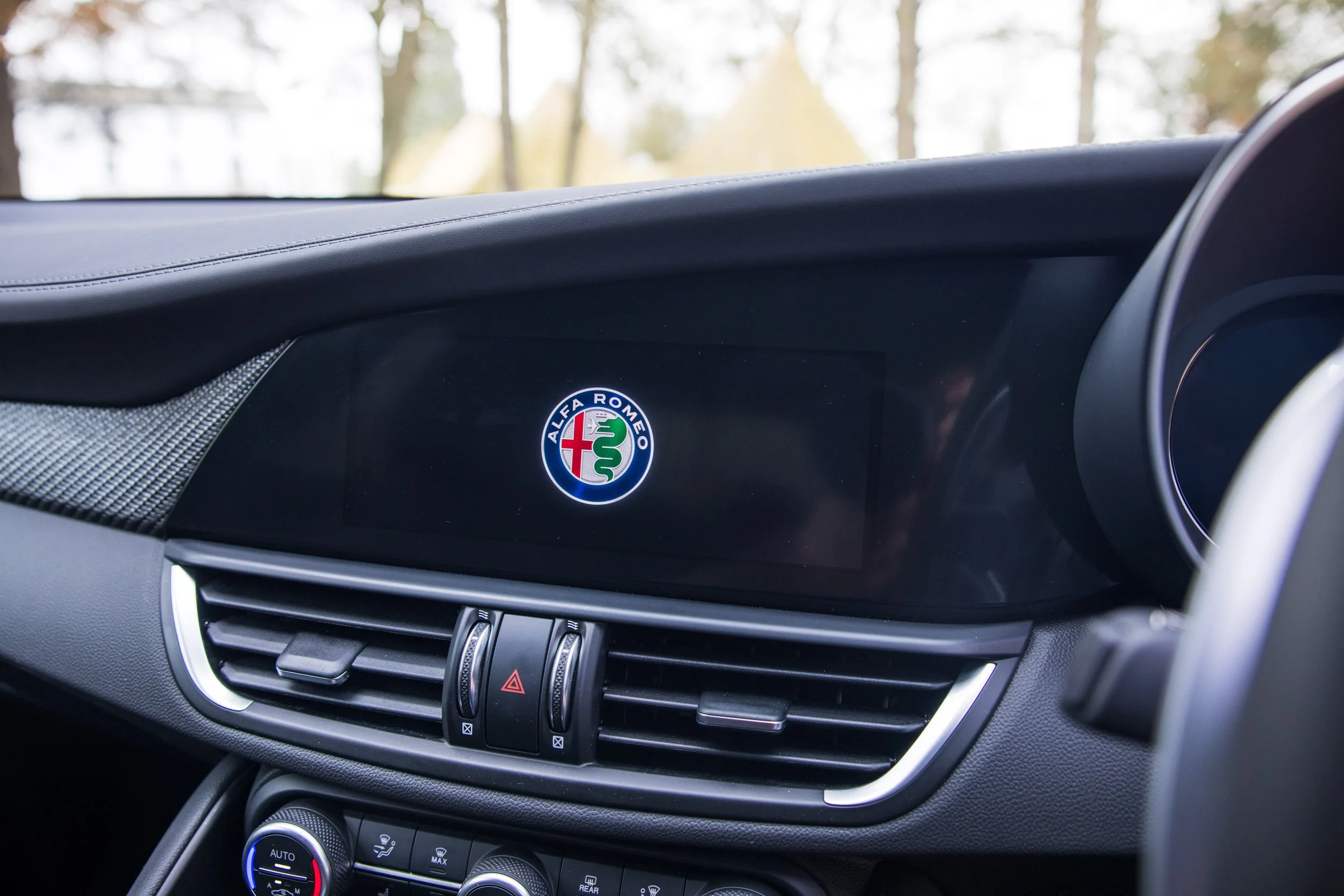
The Infotainment Feels Especially Old
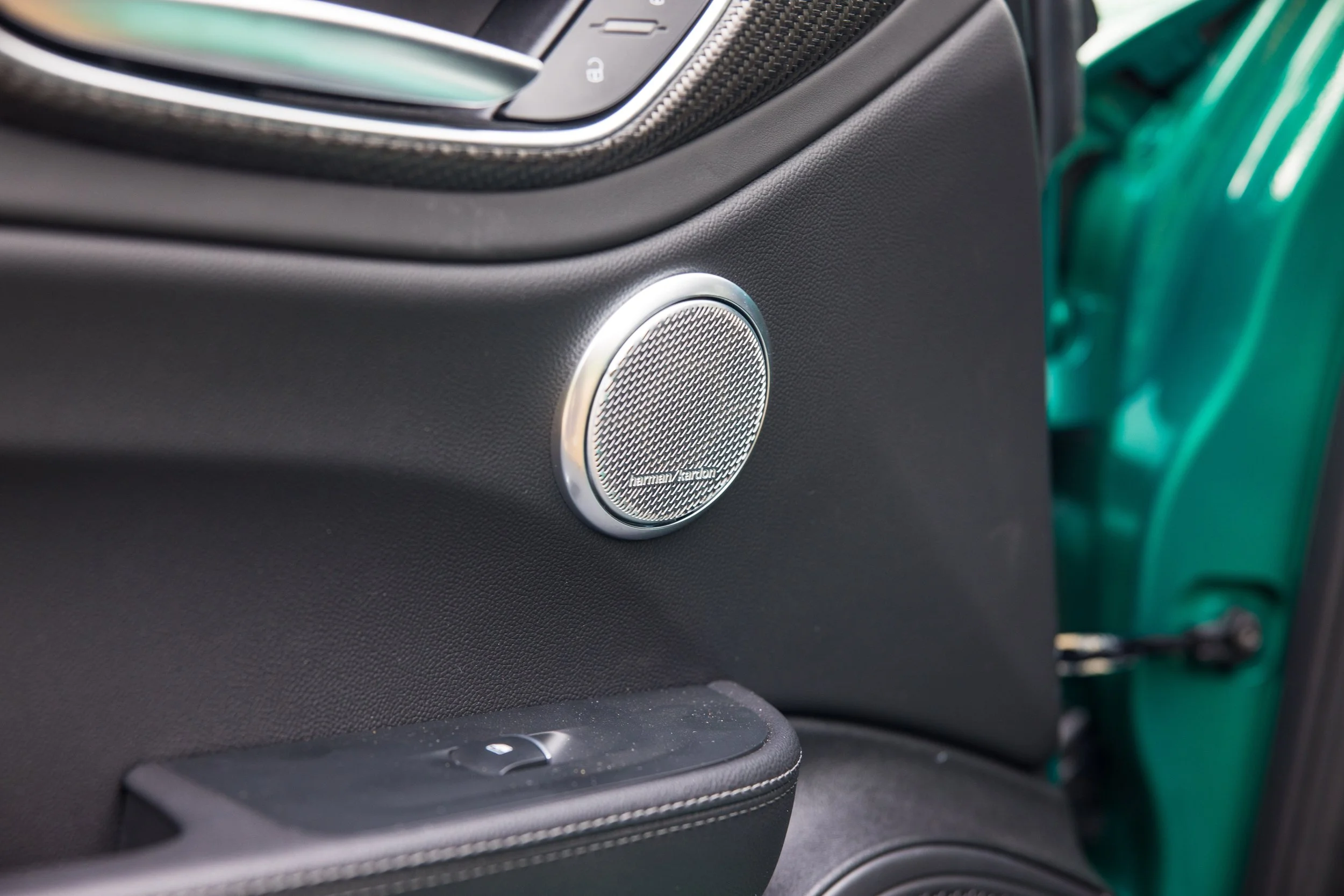
Another area where time has been less kind to the Giulia is the infotainment and general technology interface inside the car. The touchscreen is slow and laggy, the menu layout is unintuitive, and smartphone connectivity for Apple CarPlay and Android Auto is wired-only, which, on more than a few occasions, caused the screen to crash and freeze mid-journey. The Harmon Kardon Soundsystem is a nice bonus and offers a pleasant audio experience, but again, when comparing to other new cars with similar systems, the 10-year pause in evolution is very noticeable.
Interior and driving position
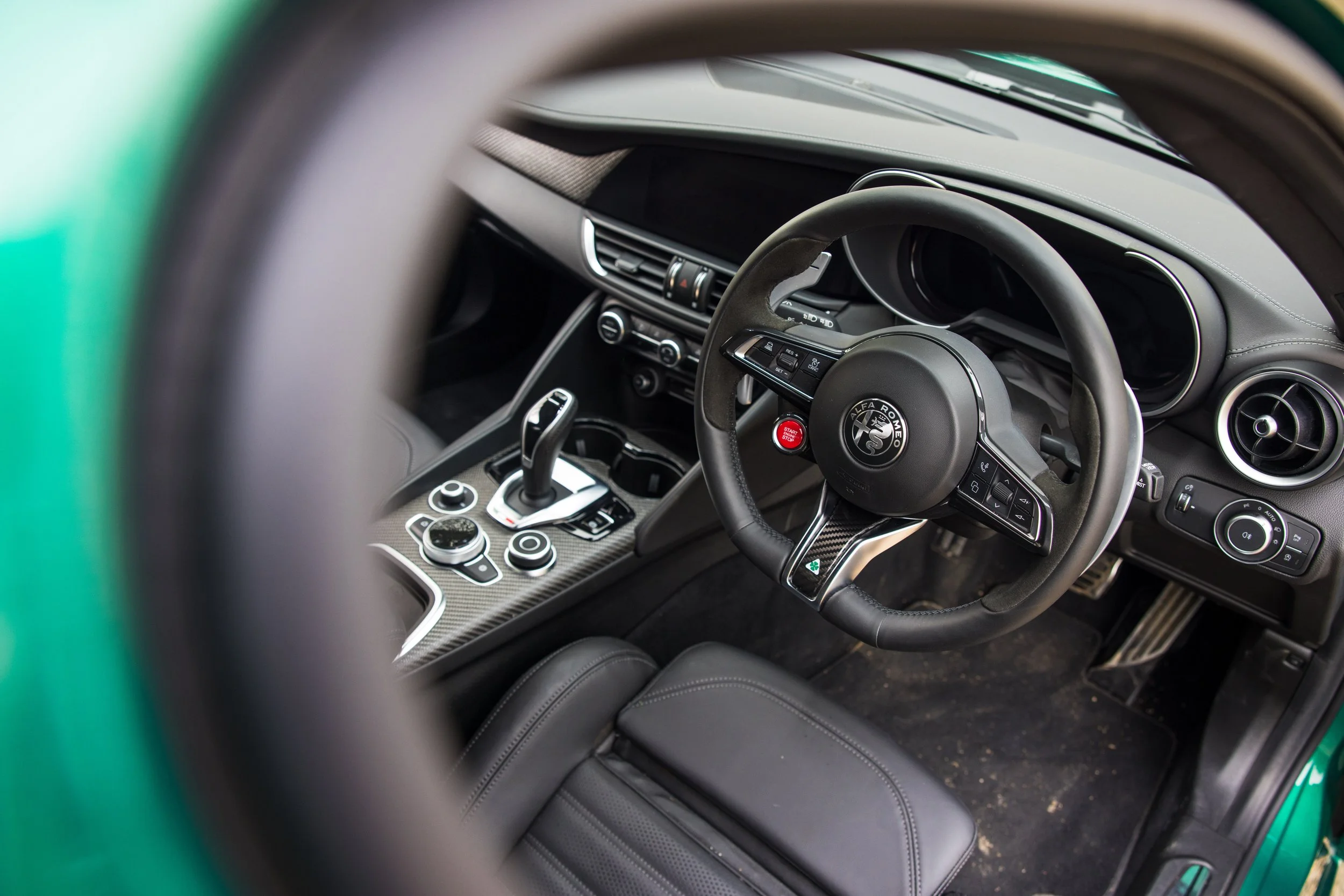
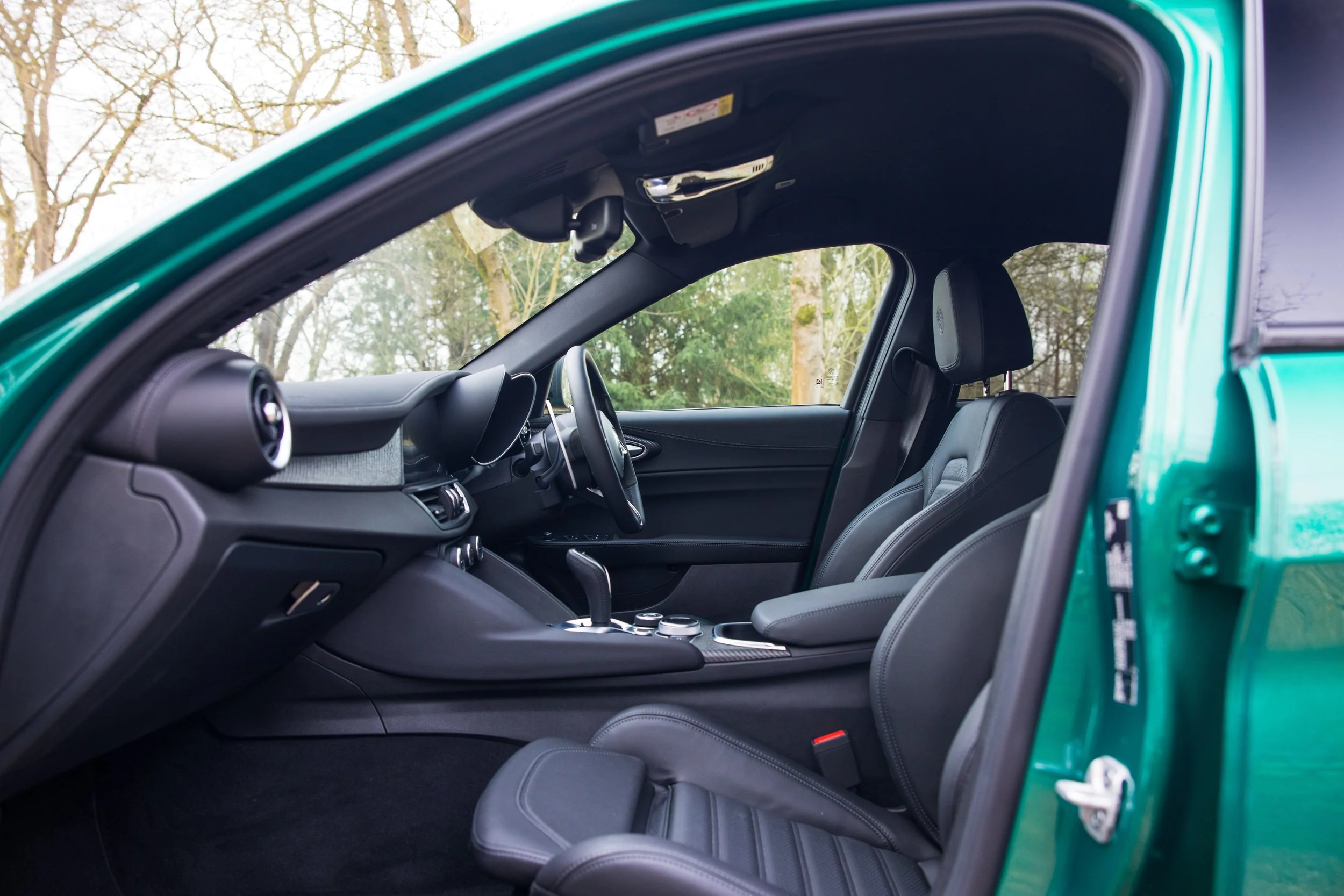
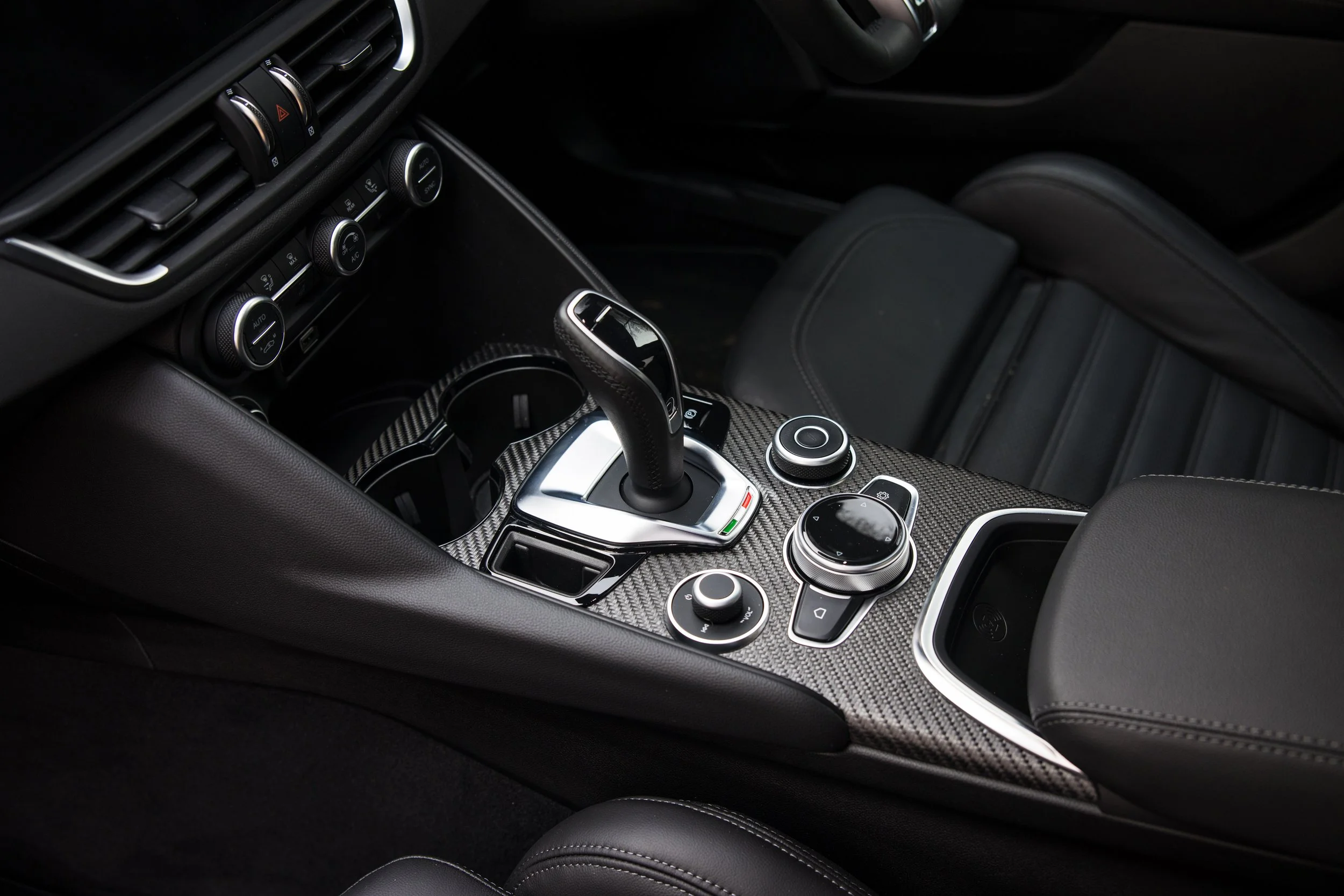
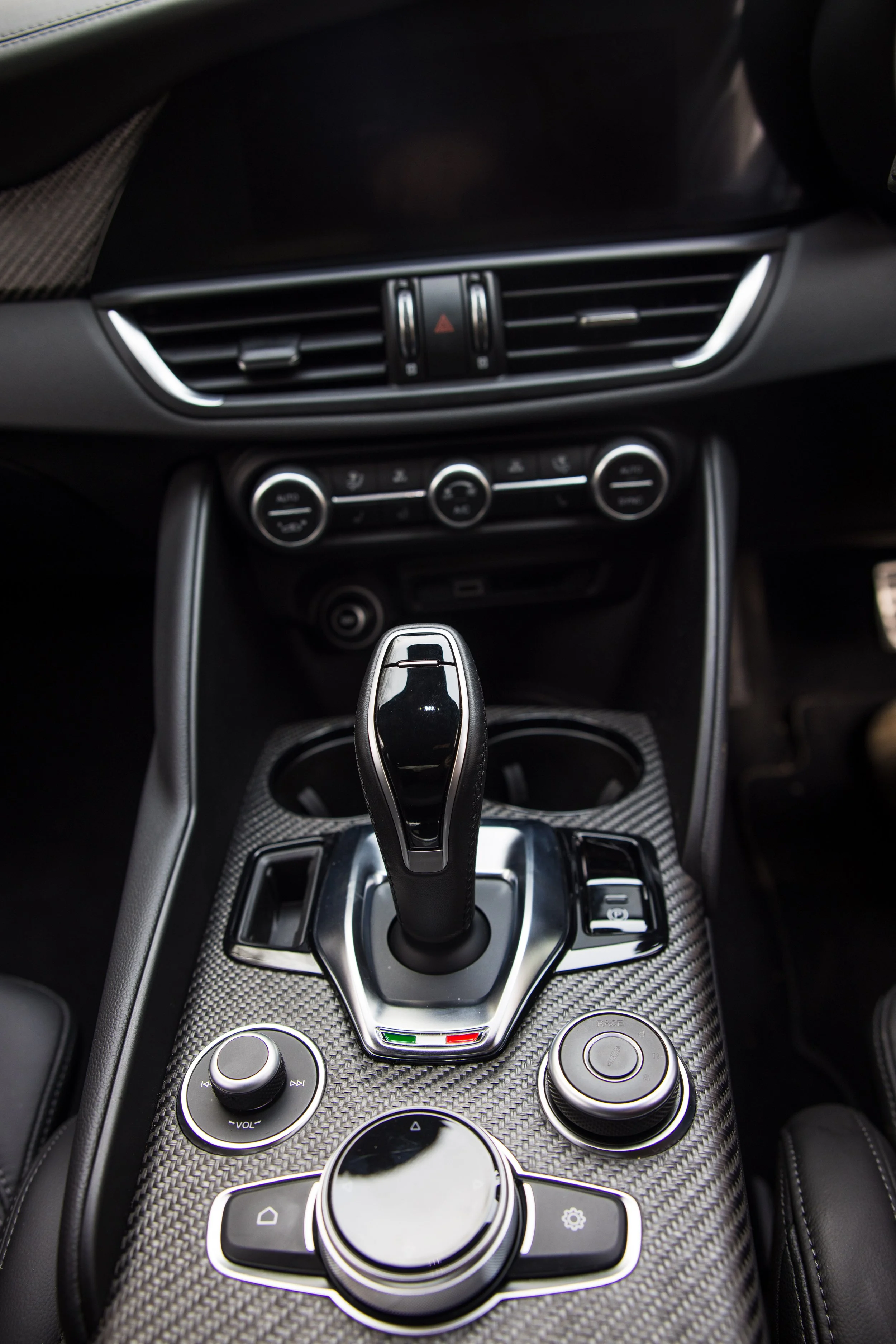
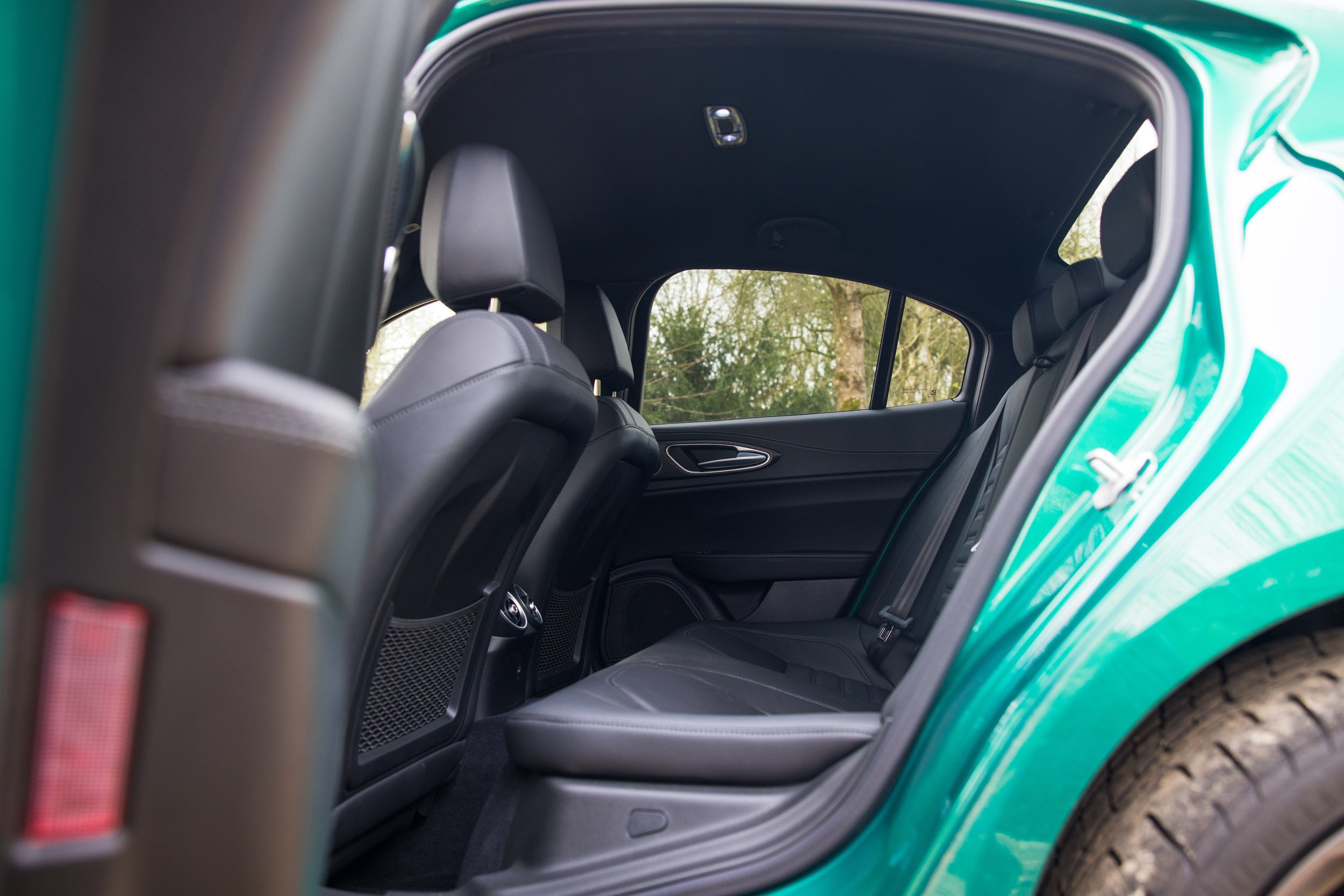
Back on a positive route, the cabin environment and driving position are very good. I'm wary of using words like 'perfect' in reviews; however, the driving position for me, at 6'1 / 186cm, was as near to perfect as I could have wished for. Despite the car's age, the actual interior layout, from an aesthetic point of view, is fabulous, and the Alcantara Sparco sports seats are fantastic too - especially considering they are a no-cost option. The cabin is lined with carbon fibre for an additional sporty throwback, but it all feels purposeful and justified. From a driving and ergonomics viewpoint, the Quadrifoglio feels like a very special place to be in all driving environments with little to no compromises.
The minor technical gripes are fortunately outweighed by the driving experience, and let's be honest, nobody has ever purchased an Italian performance car for its advancement in tech over anything made by the Germans - and that's absolutely okay!
Where the Alfa beats the BMW: It's Truly Special
There are areas where the Alfa Romeo is now showing its age; however, anyone looking for a true driver's car packed with engagement and passion needs to look no further. In terms of an overall performance and usability package, the BMW M3 is undoubtedly a better choice, but the Alfa rewards a driving experience and overall feel that BMW had to forego a decade prior.
Buying a Giulia Quadrifoglio is a heart-over-head decision. If I were fortunate enough to have a spare £100k to spend on a new performance saloon, I'd genuinely struggle not to choose the Alfa, despite being a real BMW M fan.
As for how many buyers will opt for a new Giulia over the next two years is yet to be seen, but one thing is for certain. Anyone who chooses the Alfa over the BMW is a hero in my eyes.
The other big potential appeal of the outgoing Alfa Romeo is what comes next: aside from a handful of special-edition, limited-run sports cars on the horizon, beyond the Giulia and Stelvio Quadifoglios' end of production in 2027, there is no indication that anything remotely special will fill the gap in the standard range, and that's significant.
There's a very real possibility that the Giulia Quadrifoglio will be the final petrol-powered performance saloon from Alfa Romeo, and as a result, will likely be remembered for many decades as the last of its kind - and that for some, might just make it worth every penny.
words by John Marcar
photography by Henry Faulkner-Smith