
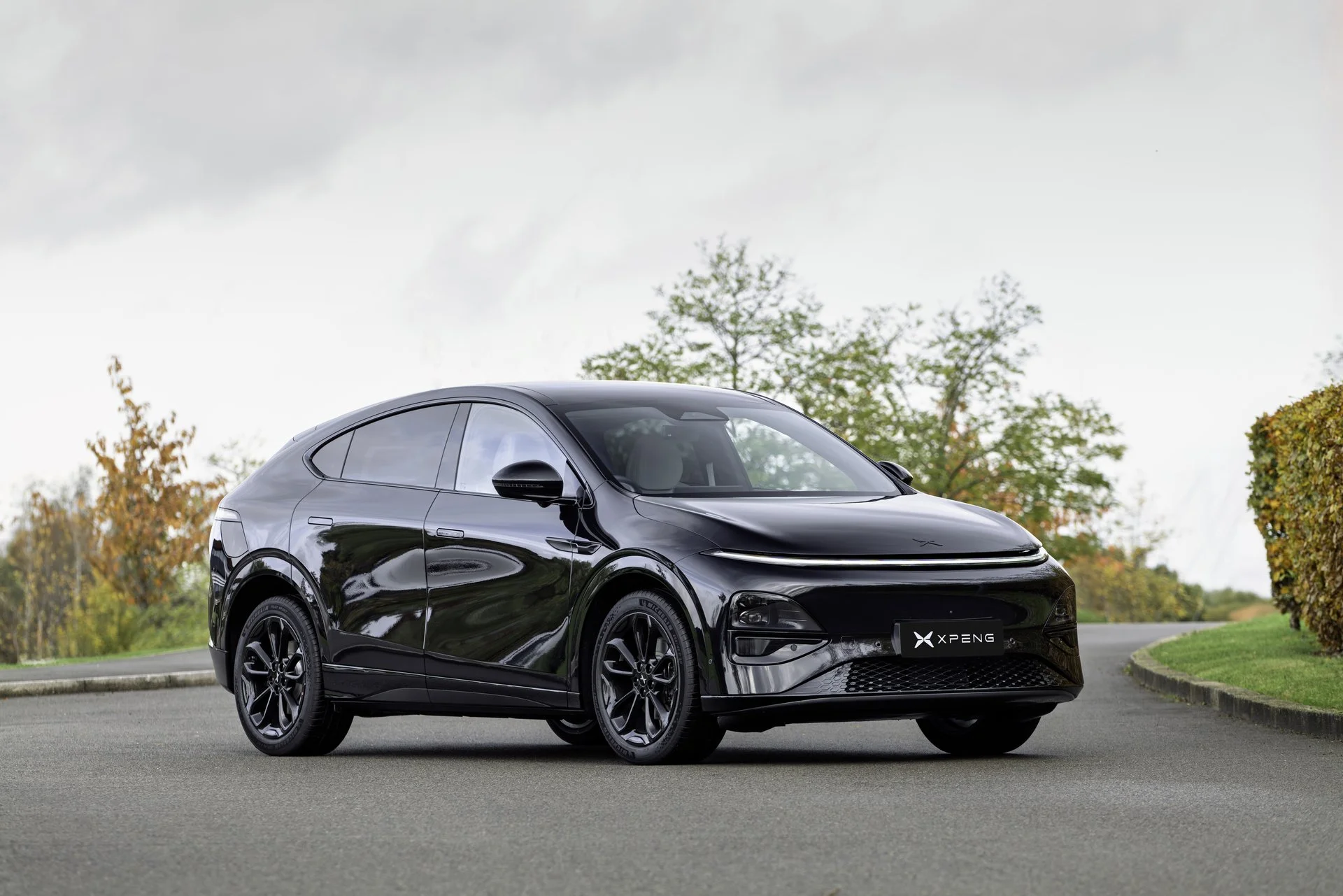
Among the swathes of new Chinese car brands coming to the UK, XPeng is perhaps one of the manufacturers you’re less familiar with – could that all be about to change? Mike Bartholomew finds out.
I can’t blame you if you’re struggling to keep track of all the new-to-Britain Chinese car brands popping up on our roads at the moment. You’re almost certainly familiar with BYD by now, and you’ve likely seen plenty of Jaecoos and Omodas around. But you’ll need to have been paying much closer attention to tell your Cherys from your Changans and your GWM Oras from your Skywells.
XPeng probably falls into that latter category for you, too, so here’s a quick intro. Even by the standards of Chinese car companies, it’s quite a young brand, founded in 2014 and launching its first model in 2018.
It’s keen to describe itself as ‘a tech company that builds cars’, and indeed, conventional EVs are just one arrow in its quiver. It’s investing seriously in humanoid robots, which it says will soon help sell cars in its showrooms, and has a flying car division, Aridge, whose first product is the Land Aircraft Carrier, a six-wheeled pickup truck/van mashup with a bed that serves as a landing pad for an electric VTOL aircraft. That’s apparently not some years-off flight of fantasy – you can place an order for one in China now, and XPeng says it’ll start deliveries this year.
If stuff like that ever comes to Europe, though, it’s a long way off, and for now, XPeng just sells a single model here, the all-electric G6 crossover (more are coming, starting with a posh people carrier called the X9). It slots into the busy premium mid-size class, but the car the G6 seems primarily designed to take on is the sales daddy – the Tesla Model Y.
That’s no small feat for a company nobody in Britain had heard of 12 months ago, which is why this facelift – arriving three years into the G6’s overall lifespan but barely a year after it went on sale in Britain – is important. XPeng says it brings around 20,000 changes to the model overall. I tried counting them all, but gave up after about six, so I’ll highlight the major ones below.
Exterior
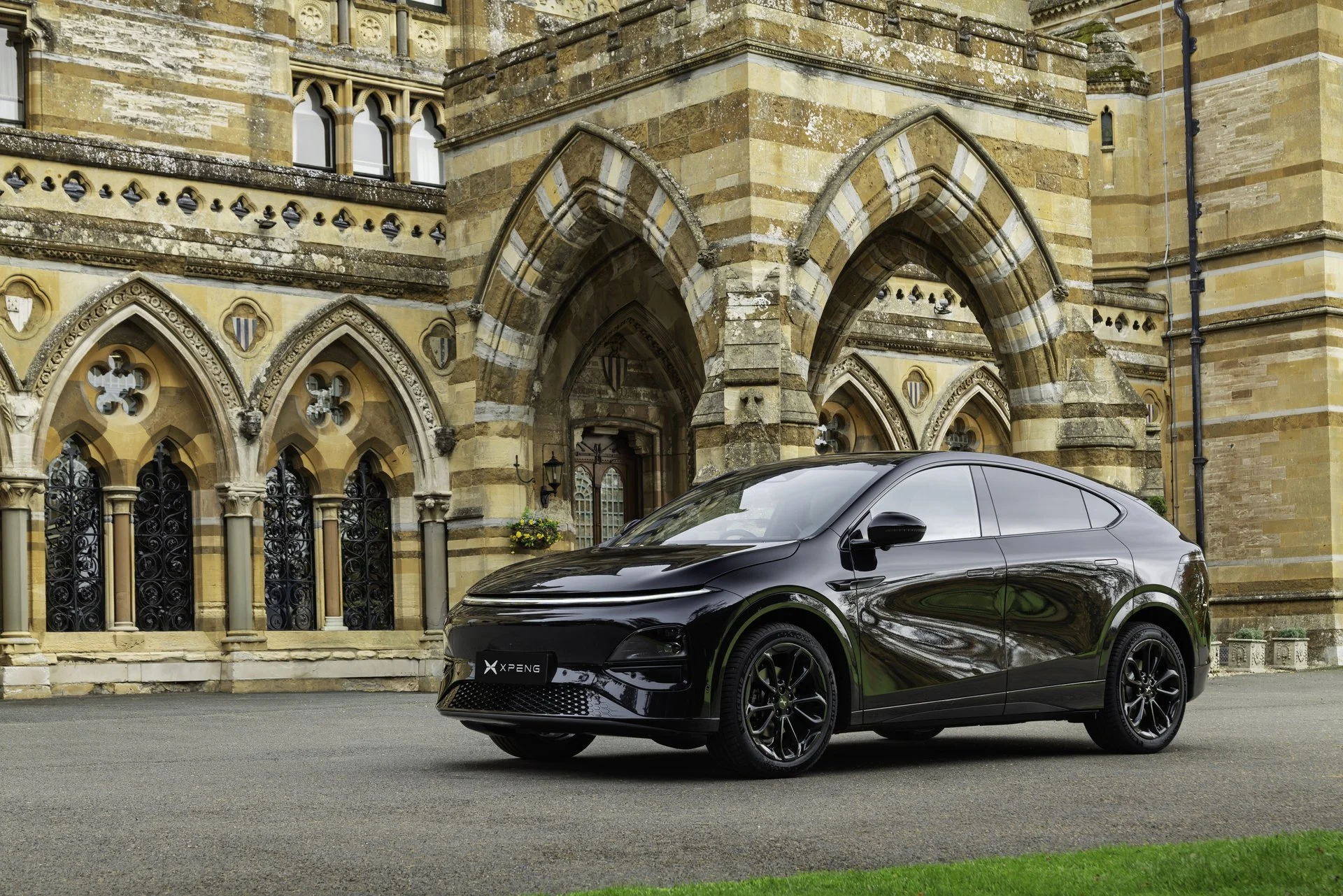
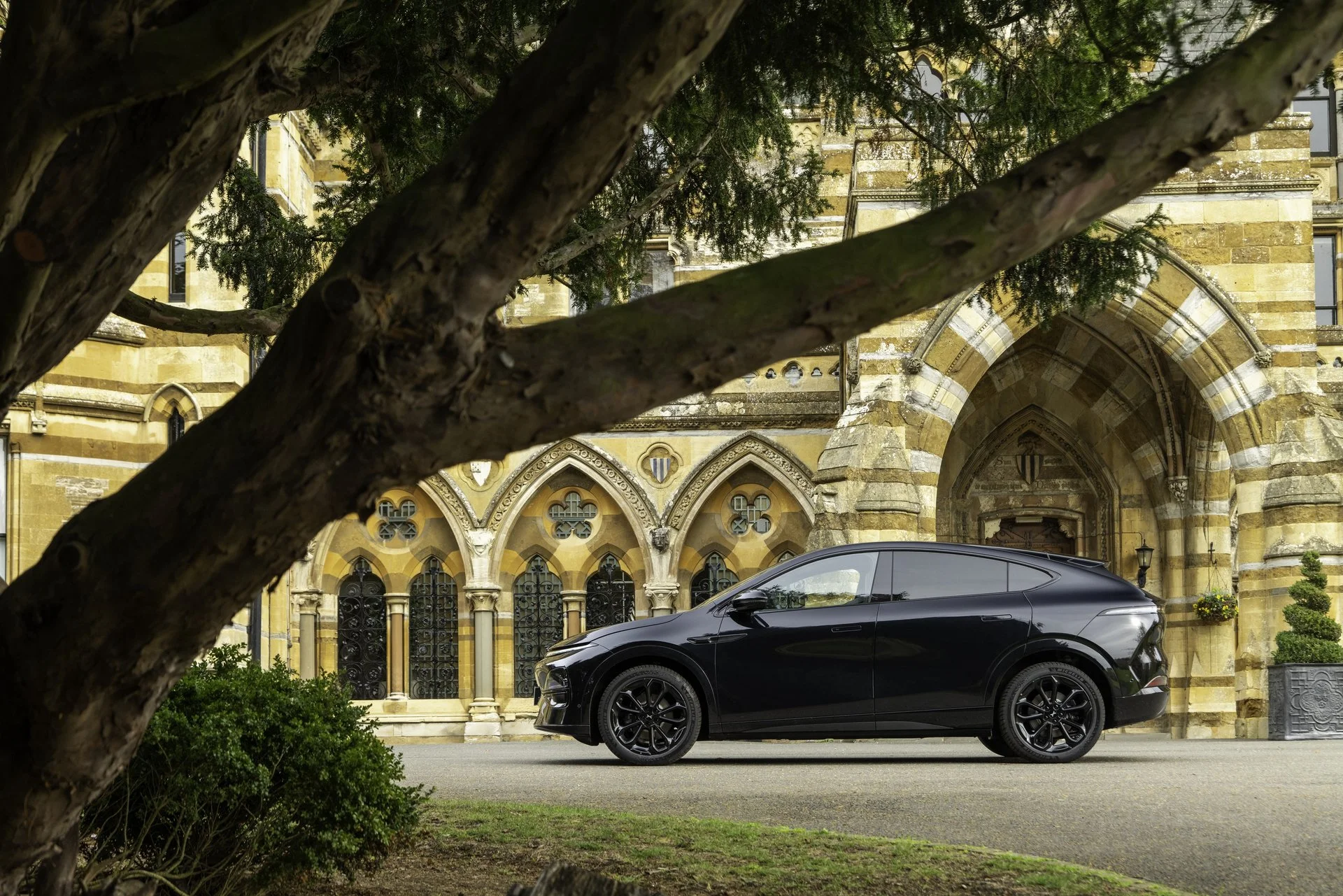
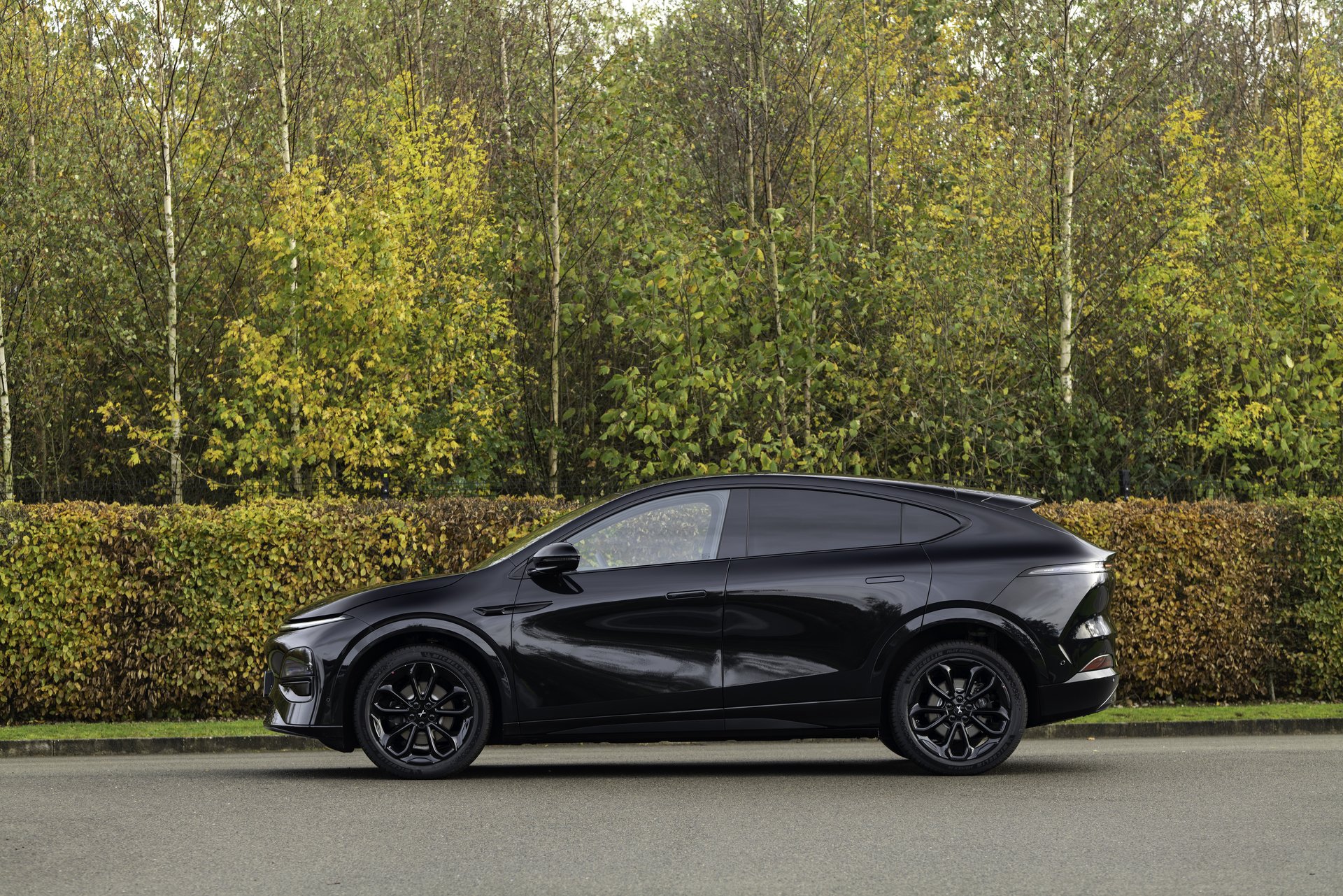
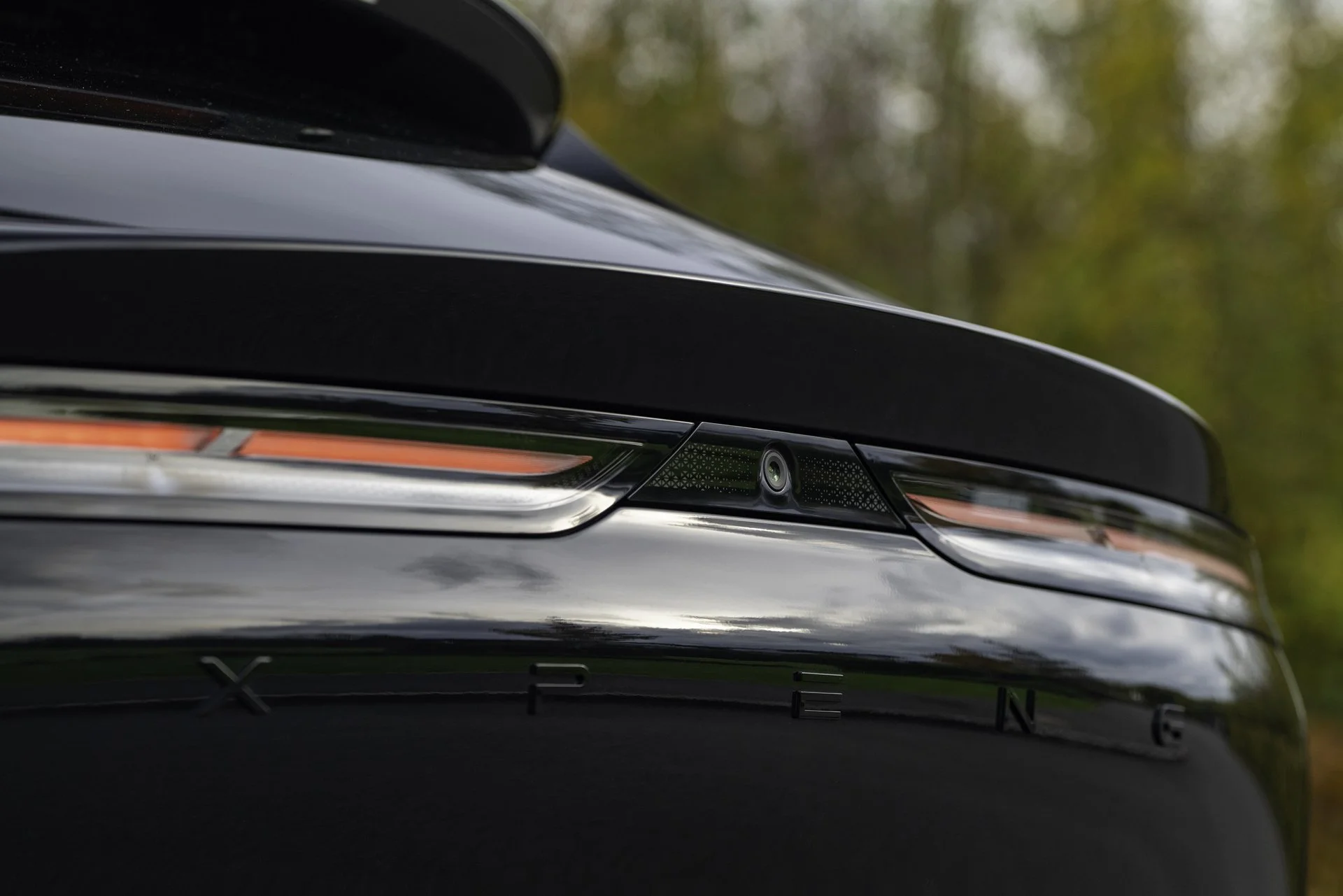
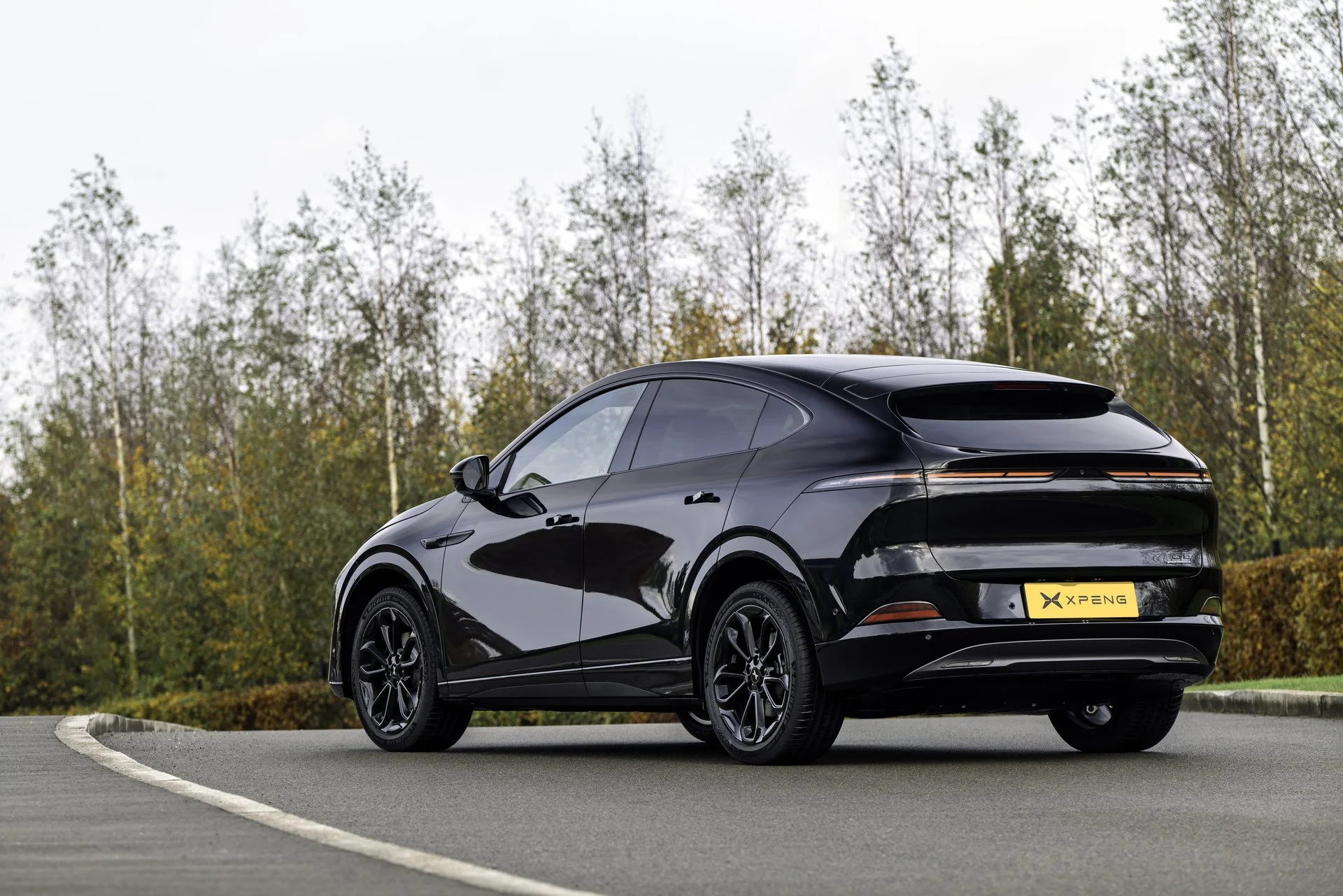
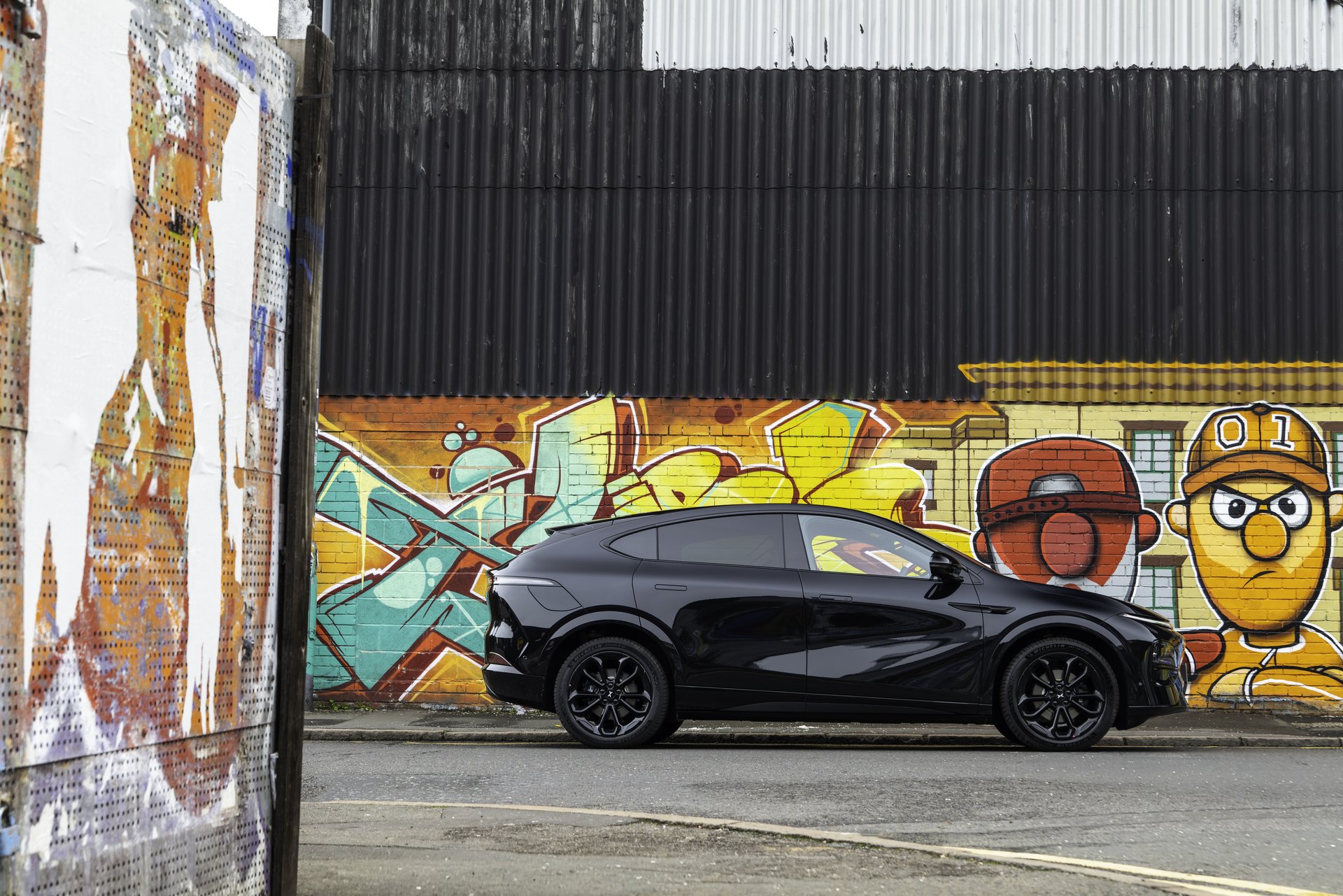
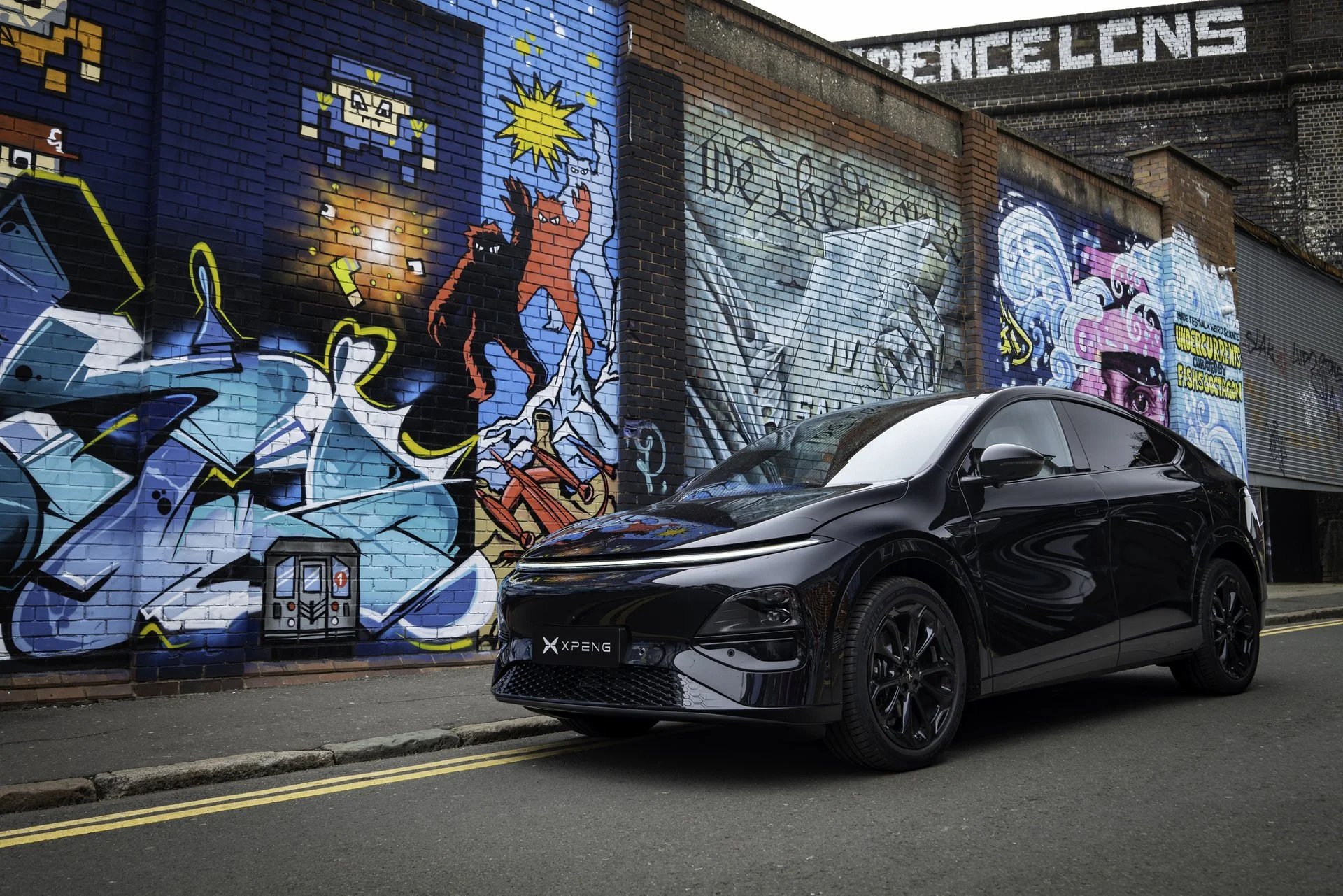
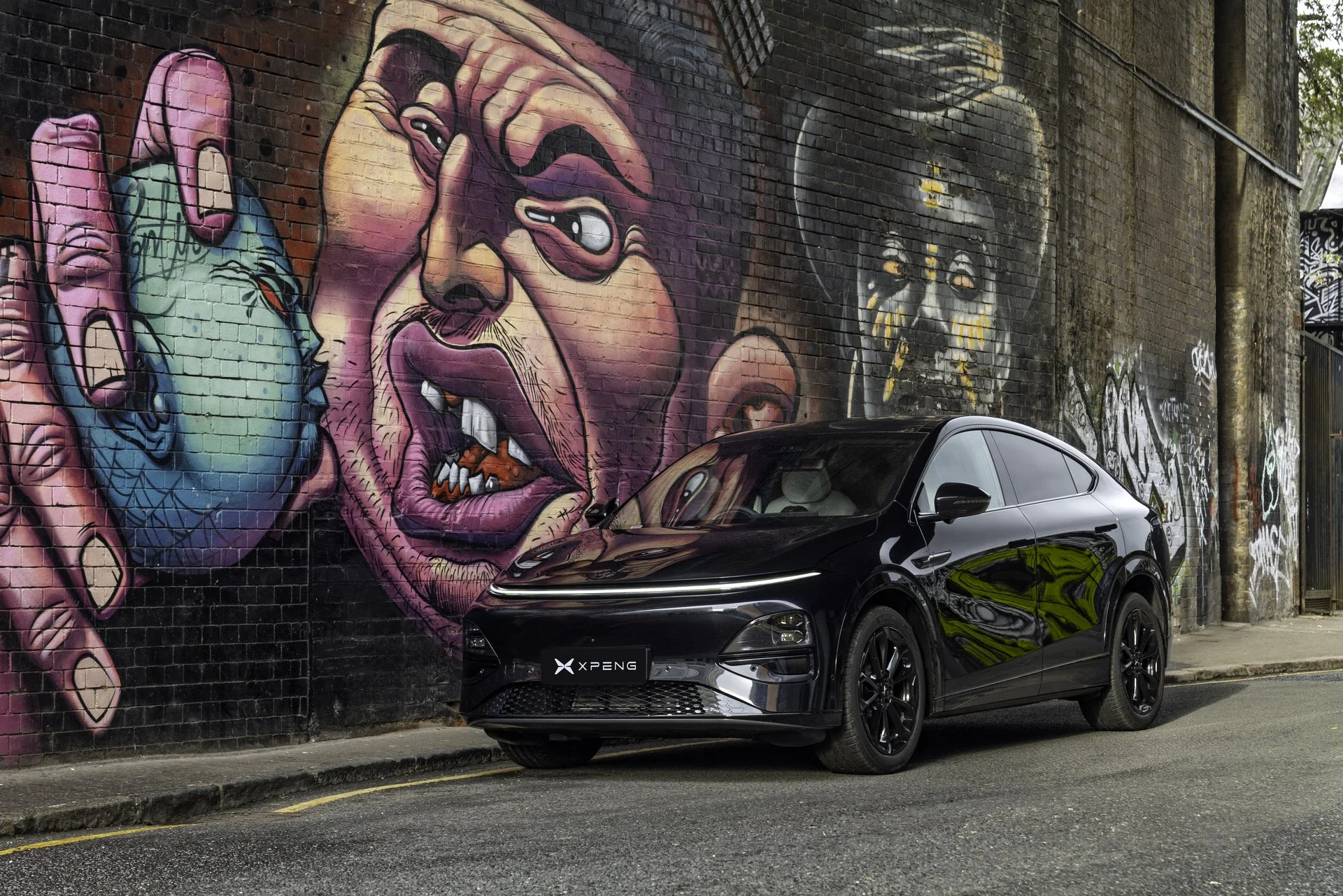
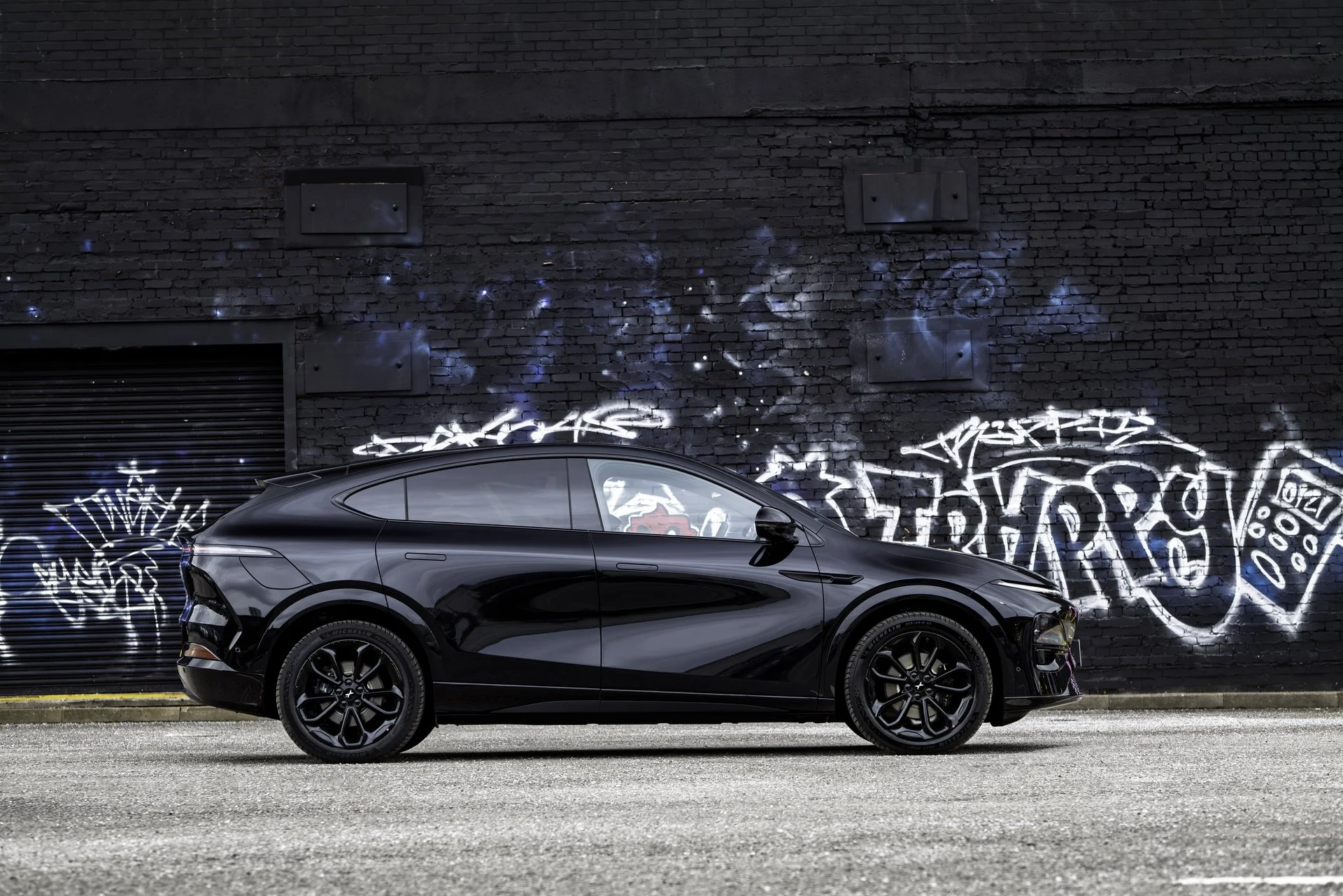
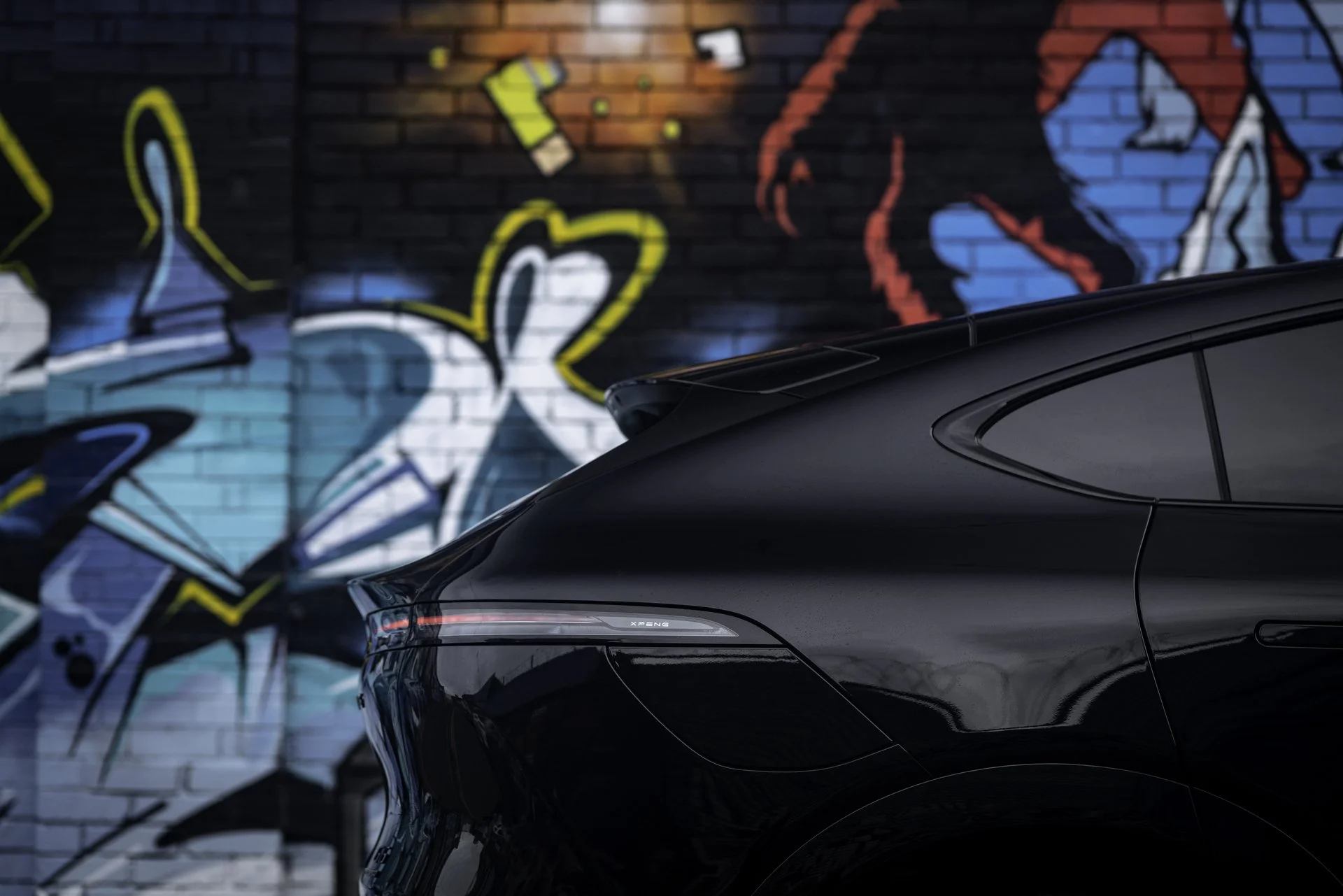
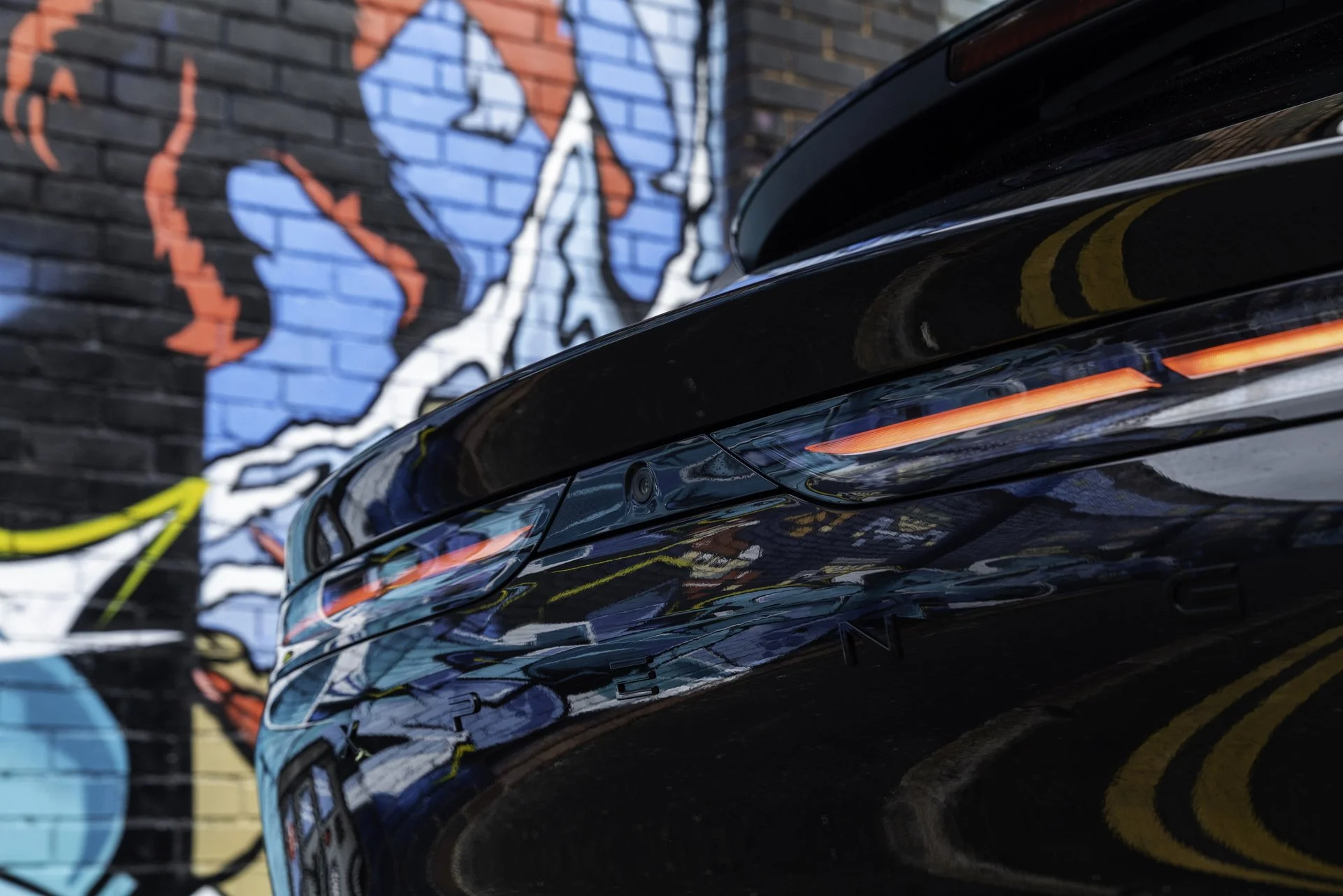
The G6’s looks are fairly unapologetic about its Tesla-tackling ambitions – just look at the fastback profile, the bar-of-soap smoothness, and those full-width lightbars front and rear.
With no heritage to lean into like the European ‘legacy’ companies, it’s a bit of a shame the designers of the G6 haven’t used the opportunity to do something a bit more distinctive, but then this tech-product-first, car-second approach obviously works for the buyers Xpeng is trying to coax out of their Model Ys.
The result is… fine. It’s far from offensively ugly, but it’s hardly memorable either. Like the car it’s trying to beat, it just sort of looks like a giant computer mouse.
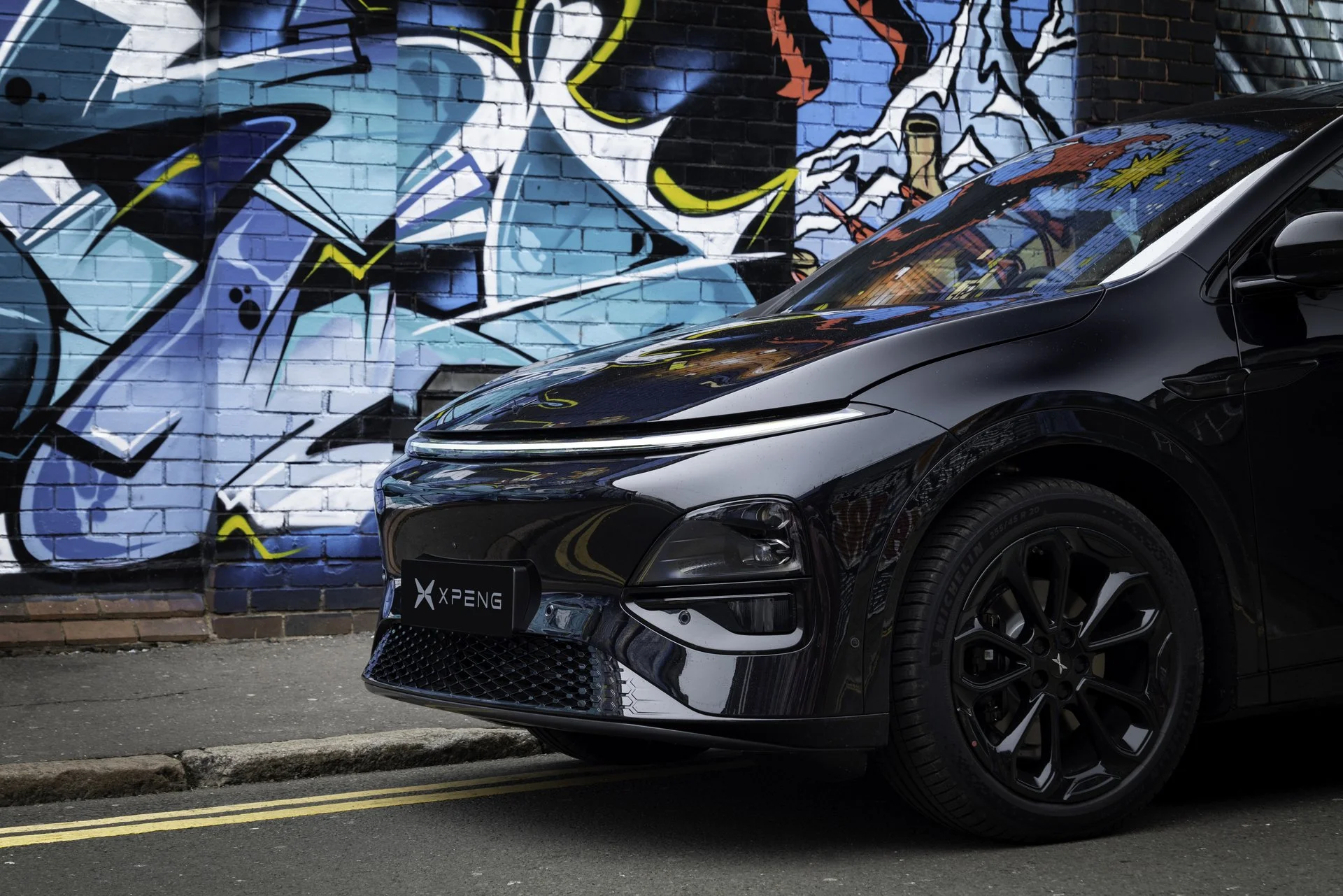
There are a few changes from the pre-facelift car, but you’ll need to look very hard to spot them. The front lightbar now stretches right across the width of the car, the badge migrating to the bonnet to accommodate this, there’s a new aero-enhancing rear spoiler and diffuser, and the wheel arch trim has gone from black to colour-coded.
Interior
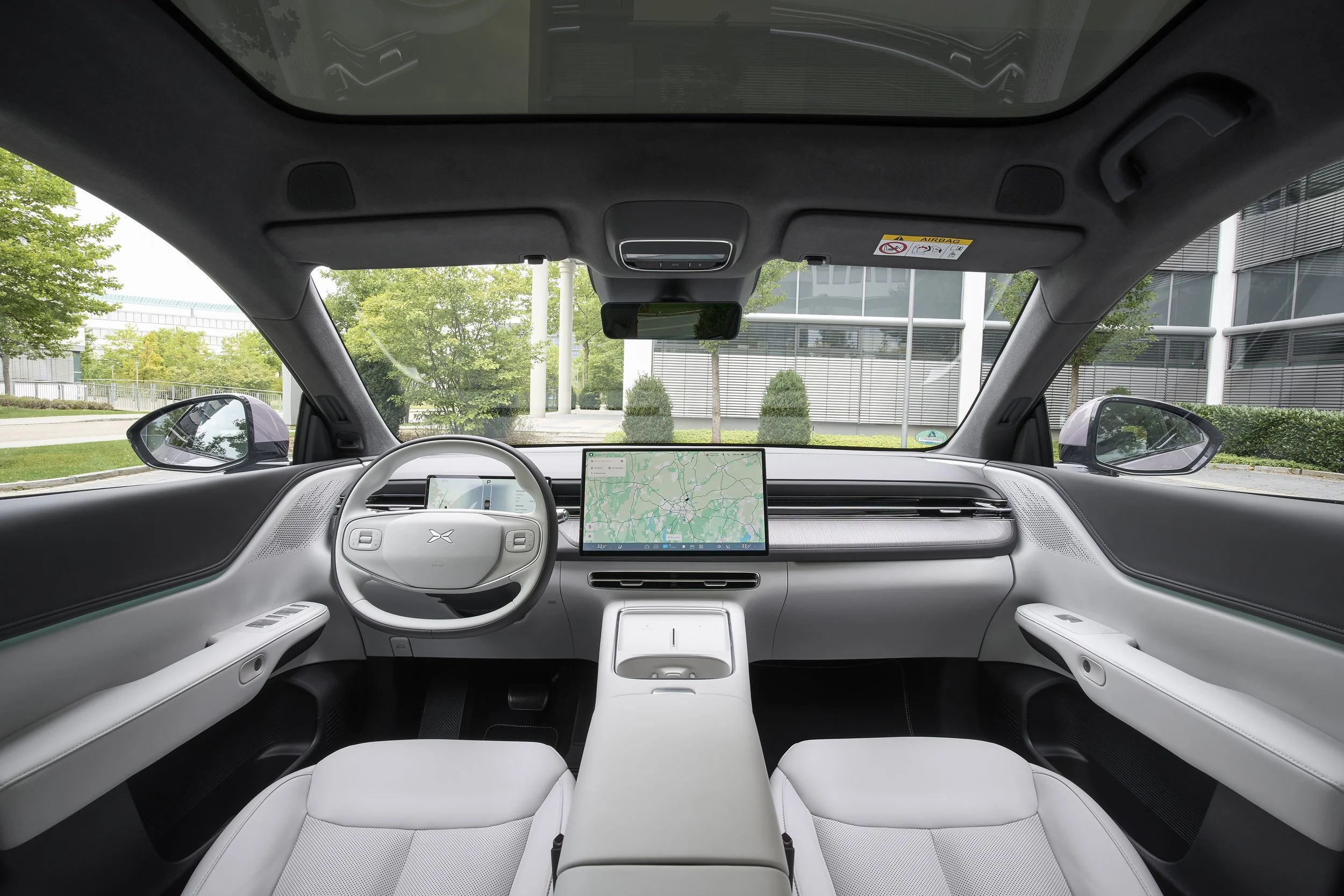
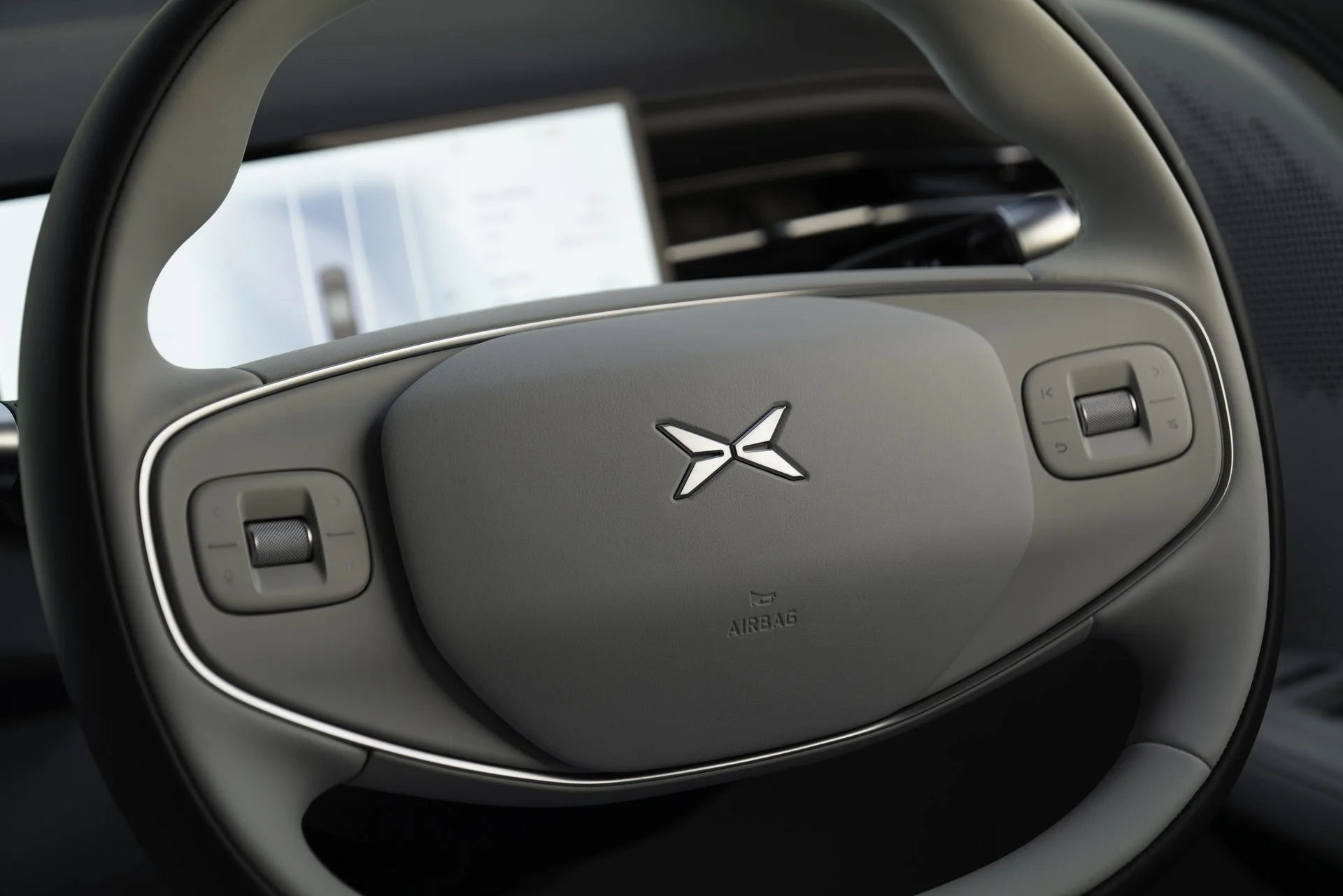
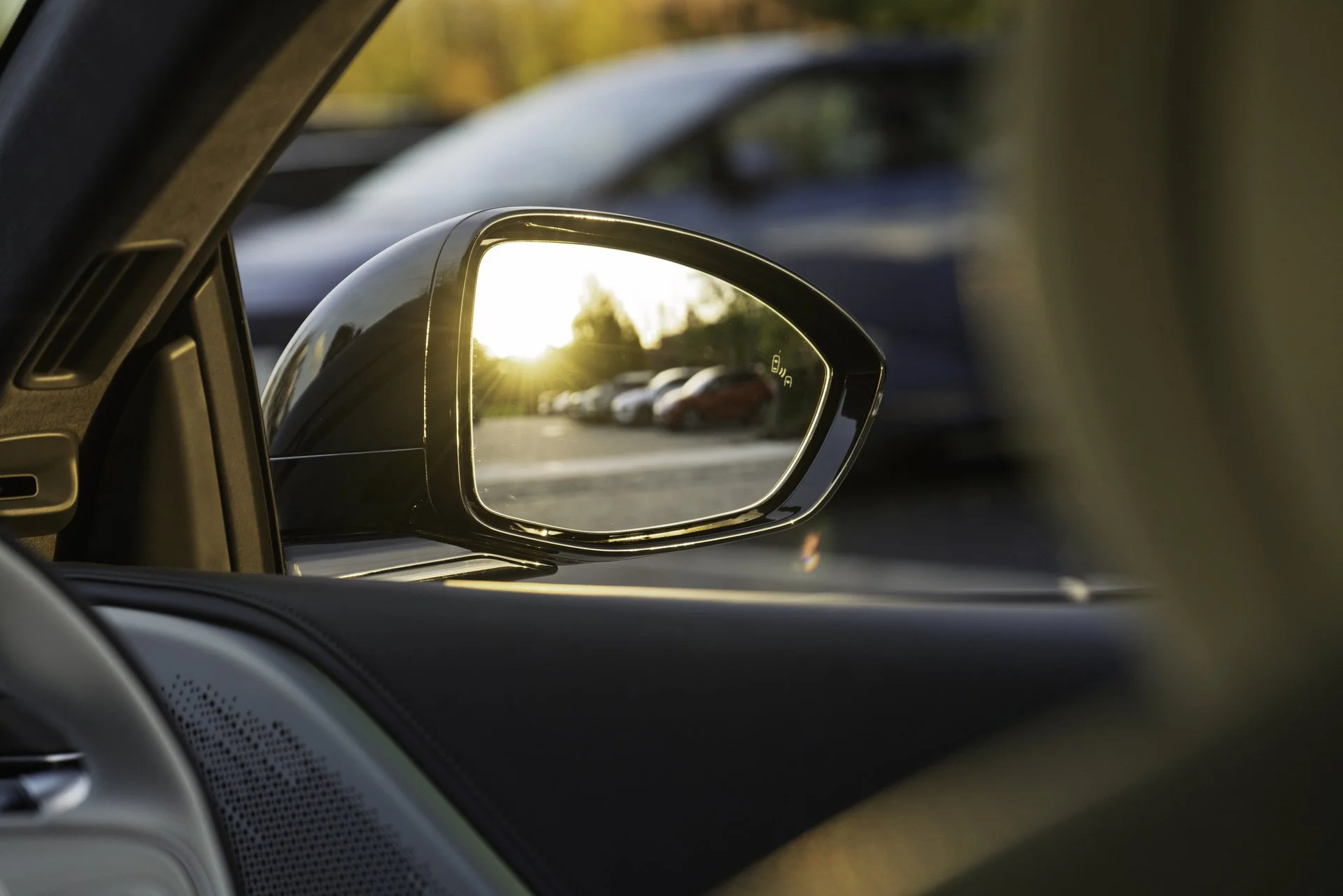
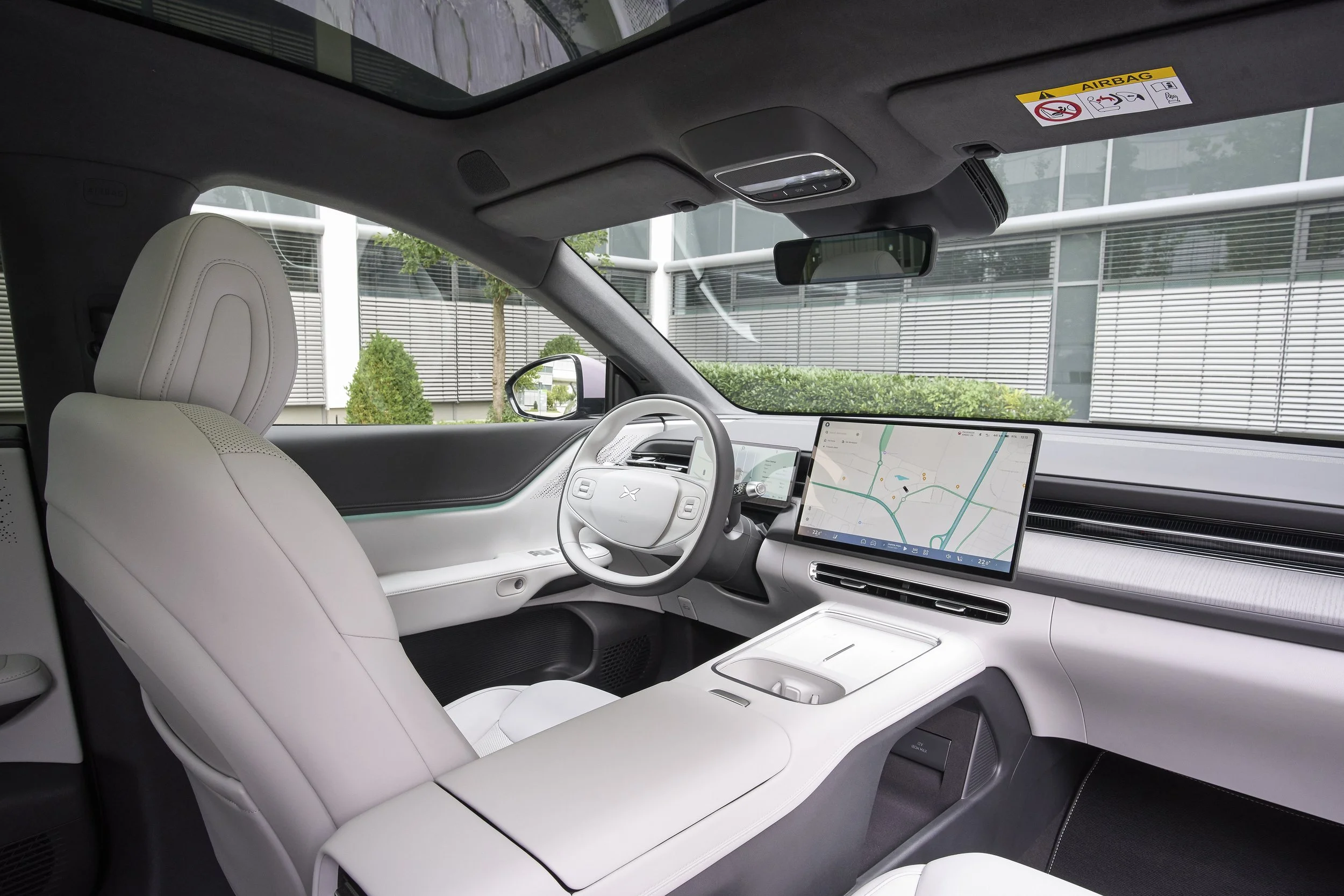
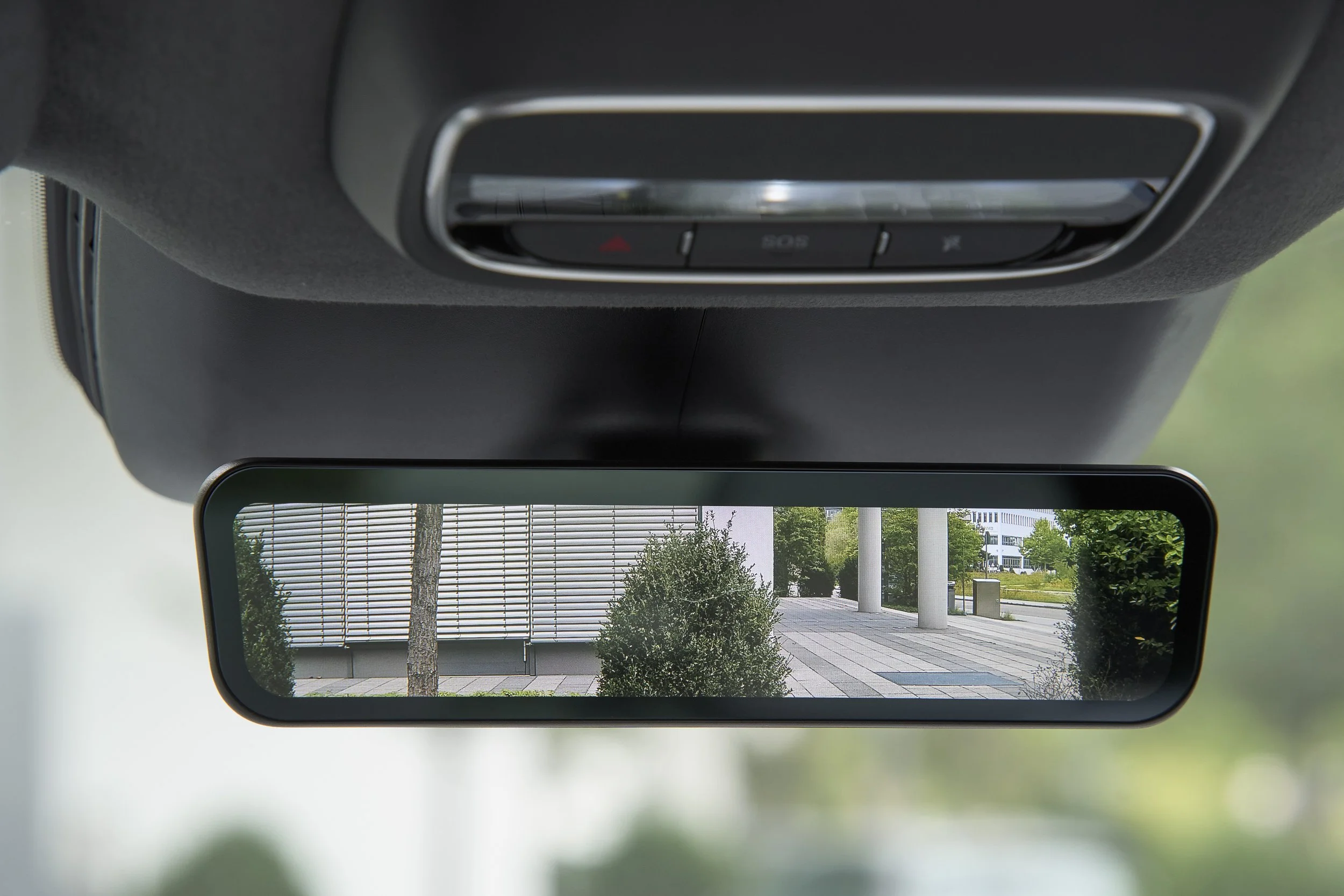
If the outside doesn’t convince you the G6 is aiming to poach customers from Tesla, then the interior should do the trick. There’s lots of real estate given over to the enlarged 15.6-inch infotainment screen, although mercifully, there are still physical stalks for all the really important bits like lights, wipers and drive selection, plus proper clickable steering wheel controls.
Inevitably, another pie XPeng has its fingers in is AI, and it features heavily in the G6 in the form of a voice assistant. Unlike plenty of others, though, this one actually works reasonably well – it’s good at understanding you, and can handle plenty of functions. When you encounter something it can’t do, though, the screen is unsurprisingly busy and distracting to navigate, even with the ability to personalise which icons are anchored to the bottom as shortcuts.
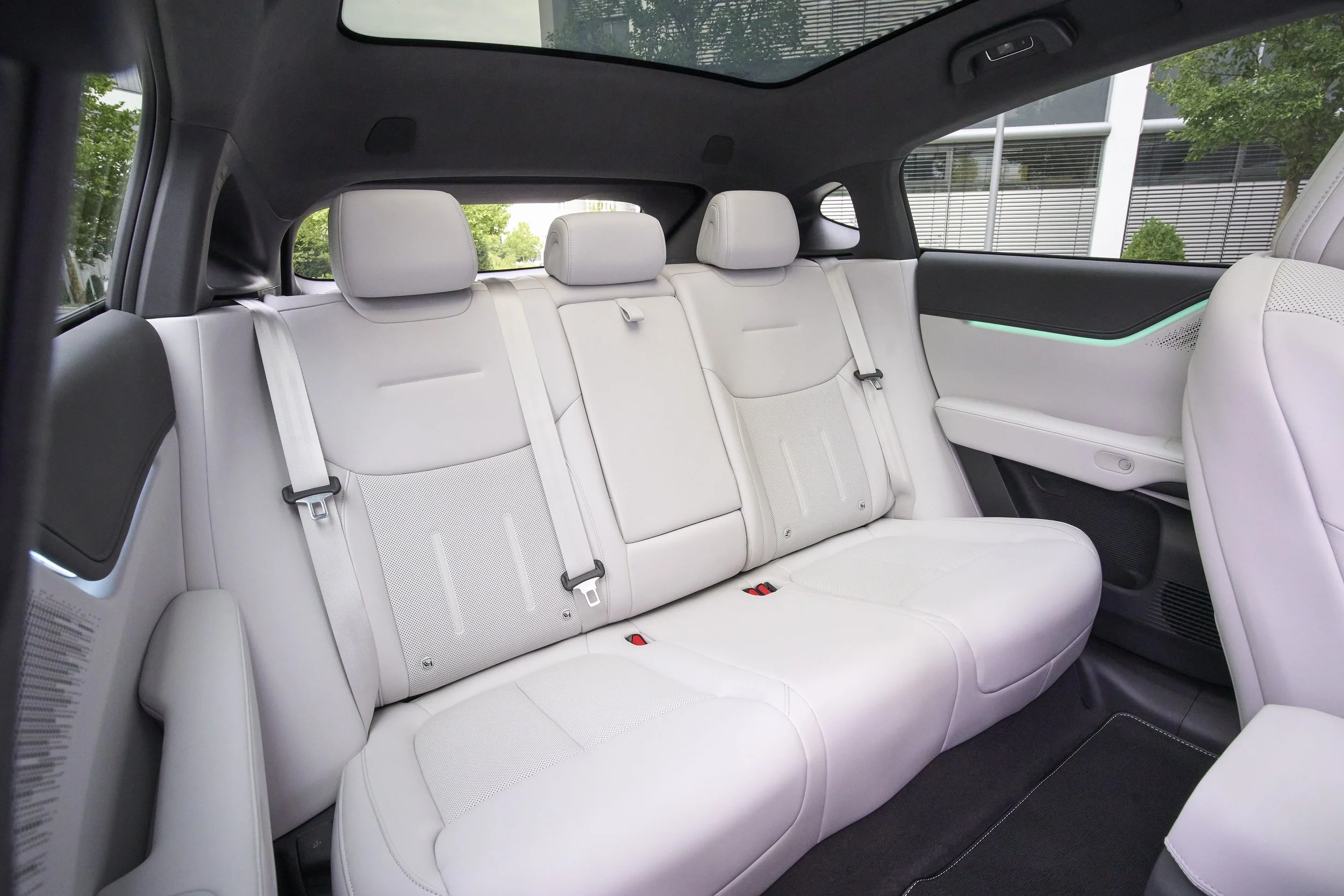
Tech aside, the interior is a nice place to be. It’s hugely spacious front and rear – I could sit behind my six-foot self and still have bags of legroom – nice and bright thanks to a full-length panoramic roof, and feels solidly screwed together with plenty of high-end materials. Special shout-out to the massaging front seats, which are standard on the mid-tier Long Range model upwards, and are some of the most powerful I’ve ever encountered in a car.
Powertrains and charging
The biggest news with the facelift is that the previously rear-wheel-drive-only G6 now has a dual-motor, all-wheel-drive version too. XPeng calls it the Performance, and it does the usual powerful EV thing by offering gut-mashing acceleration numbers once reserved for the most exotic of exotica. Fed by an 80.8kWh battery, it has 480bhp and 487lb ft of torque, good for a quoted 0-62mph figure of 4.1 seconds, and the official numbers say it’ll go up to 316 miles on a charge. If you want this one, be prepared to spend a lot of time cleaning it, because it currently only comes in a self-explanatory Black Edition.
That joins the original rear-wheel drive car, which comes in either Long Range or Standard Range guises. The Long Range uses the same battery as the performance, and in fact, its official range is only 10 miles longer at 326 miles. With 292bhp and 325lb ft, it’ll manage 0-62mph in a quoted 6.7 seconds. Meanwhile, the Standard Range gets a smaller 68.5kWh battery and a weaker 248bhp motor, though it still packs the same torque as the Long Range. This one’ll hit 62mph in 6.9 seconds and go a quoted 292 miles. All three versions have their top speed capped at 125mph.
The G6 is capable of charging seriously quickly. It uses XPeng’s latest lithium-ion phosphate battery and runs on an 800V system, all of which makes the Standard Range capable of charging at up to 382kW and the bigger-batteried cars at 451kW. Find a (still very rare) 400kW fast charger and you can, in theory, juice up from 10 to 80 per cent in as little as 12 minutes.
Driving
Here’s a surprise: the G6 is not an exciting car, not even the Performance version, whose name only really truthfully describes the acceleration. It offers up surprising levels of grip that manage to mask some of its 2220kg heft through fast corners, but there’s little else to encourage you to drive quickly. The steering has almost no feel, and while you can adjust its weighting, there’s not really a sweet spot. The same goes for the brake pedal, which seems to have a bit of empty squishiness before everything happens at once, and struggles to balance the physical brakes and regen. I did have a go in a rear-drive car, too, but you’d have to be paying a lot of attention for it to feel more tangibly crisper and rear-driven than the Performance.
Things improve vastly when you start treating the G6 like most people will. It’s as effortless as any big EV, and it rides beautifully. Even at motorway speeds, it does a fantastic job of dampening wind noise, so you get that real sense of serenity that the best EVs provide during day-to-day driving. The only big grumble at low speeds is that it’s hard to find a good middle ground for the regenerative braking, which jumps from barely noticeable in its lowest setting to way too aggressive in its moderate one.
The new wave of Chinese cars haven’t exactly gained a reputation for having well-calibrated ADAS systems, but the G6 refreshingly bucks the trend. The speed limit bongs are quiet, and the first time they’re set off on a journey, the screen offers up the option to deactivate them. The lane-keep assist is reasonably unintrusive as these systems go, but it’ll still freak in some situations, like negotiating roadworks.
It’s hard to get a real handle on efficiency with just a couple of hours in the car, but the range I was being shown in the Performance – around 275 miles with a 90% charge – seemed to check out with the chilly conditions, and drop consistently with how far I was driving. You’re probably a software engineer if you can track down the display that gives you the actual efficiency figures, though.
Value and conclusion
The G6’s pricing looks strong, especially given the generous equipment levels, but it plays it pretty close to the Model Y. In fact, the long-range, rear-drive versions of both cars start at an identical £44,990. Meanwhile, the Standard Range starts at £39,990 and the Performance at £49,990, undercutting the equivalent Model Ys by a couple of grand. The Tesla counters this with longer ranges across the board, though.
There are also entrants from the established European brands to consider – think BMW iX3, Audi Q6 E-Tron, Mercedes GLC and soon, the Volvo EX60. They’re all considerably pricier, but do bring setups more tailored to European sensibilities, better ranges and the badge clout that none of the Chinese brands can yet hope to compete with.
Perhaps the badge doesn’t matter to you though, and you’re increasingly put off by the antics of a certain American company’s CEO. If so, then G6 is a seriously well-rounded, decent-value car and well worth a look. It’s certainly not unreasonable to think that XPeng won’t be one of those vaguely unfamiliar Chinese brands for long.
words by Mike Bartholomew
photographs by XPeng