
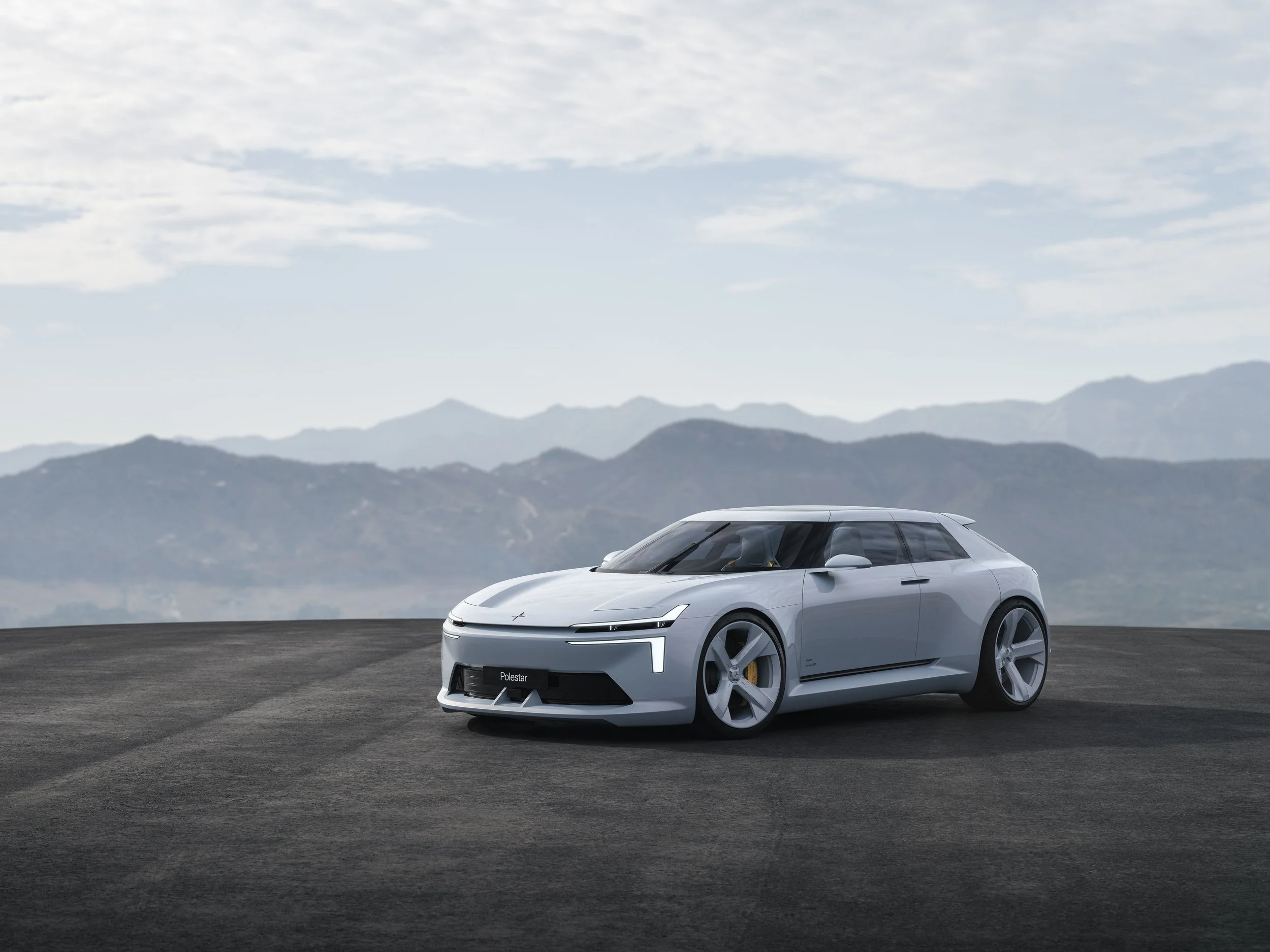
We have been awash with concept cars lately, largely thanks to the recent releases at the Paris Motor Show. However, if an award for the best concept car to come out in the last couple of months were ever on offer, this one by Polestar may be in the mix for the gold medal in 2026.
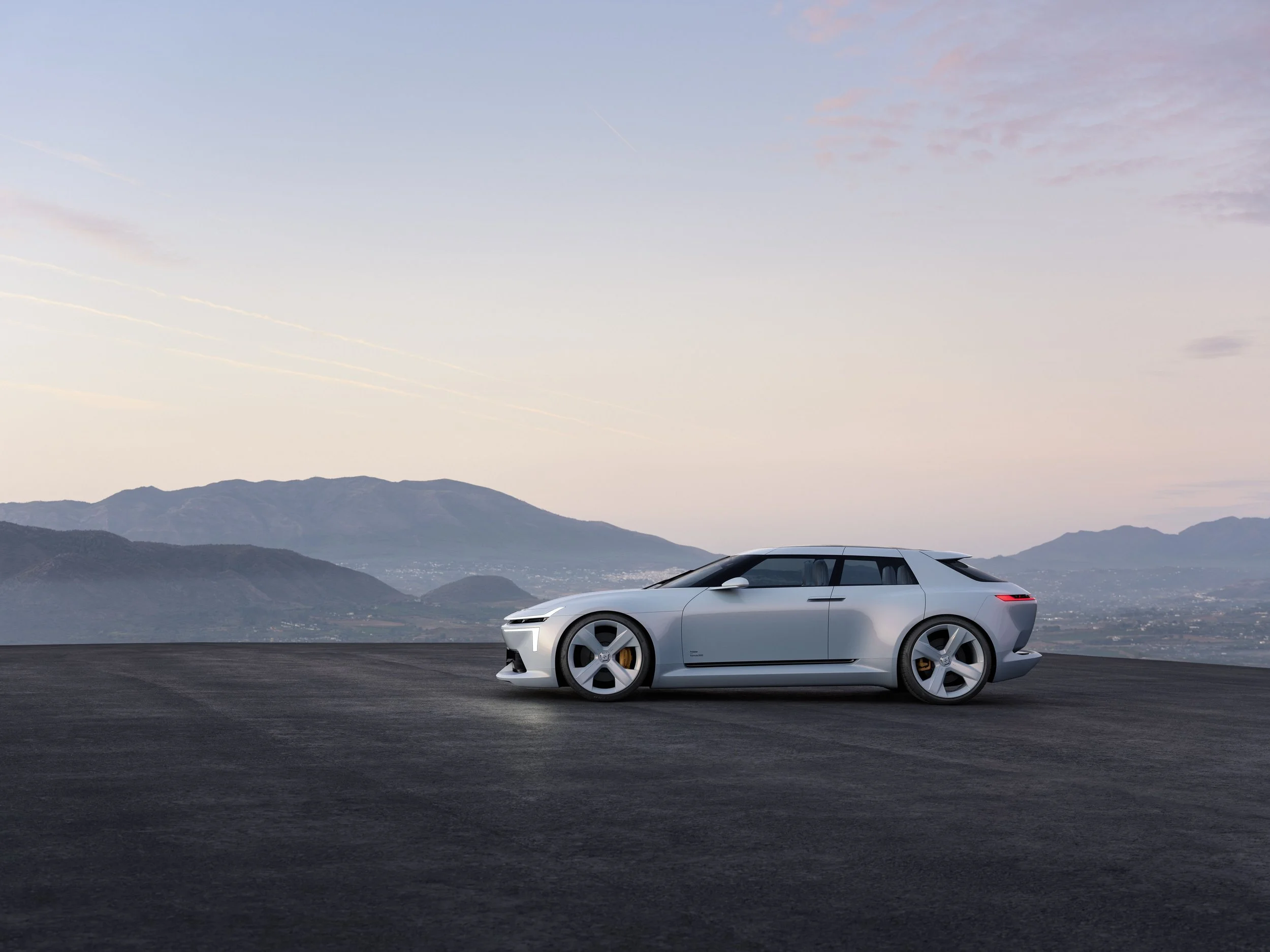
This is the Formula 2030 concept. Designed by Polestar as the ‘physical manifestation’ of the brand’s wider Formula 2030 strategy, the car is a nod to its future design direction, and unlike the majority of concepts, this wouldn’t look out of place on roads if it were placed there tomorrow.
It is the first show car to be created under the leadership of Head of Design Philipp Römers, who previously held the same position at Audi as well as the role of leading designer at Volkswagen. The Formula 2030 was designed with the ethos to ‘remove the unnecessary, improve what remains and refuse to compromise’, and on the surface, you couldn’t argue that any of those mantras haven’t been achieved with the final result.
Exterior
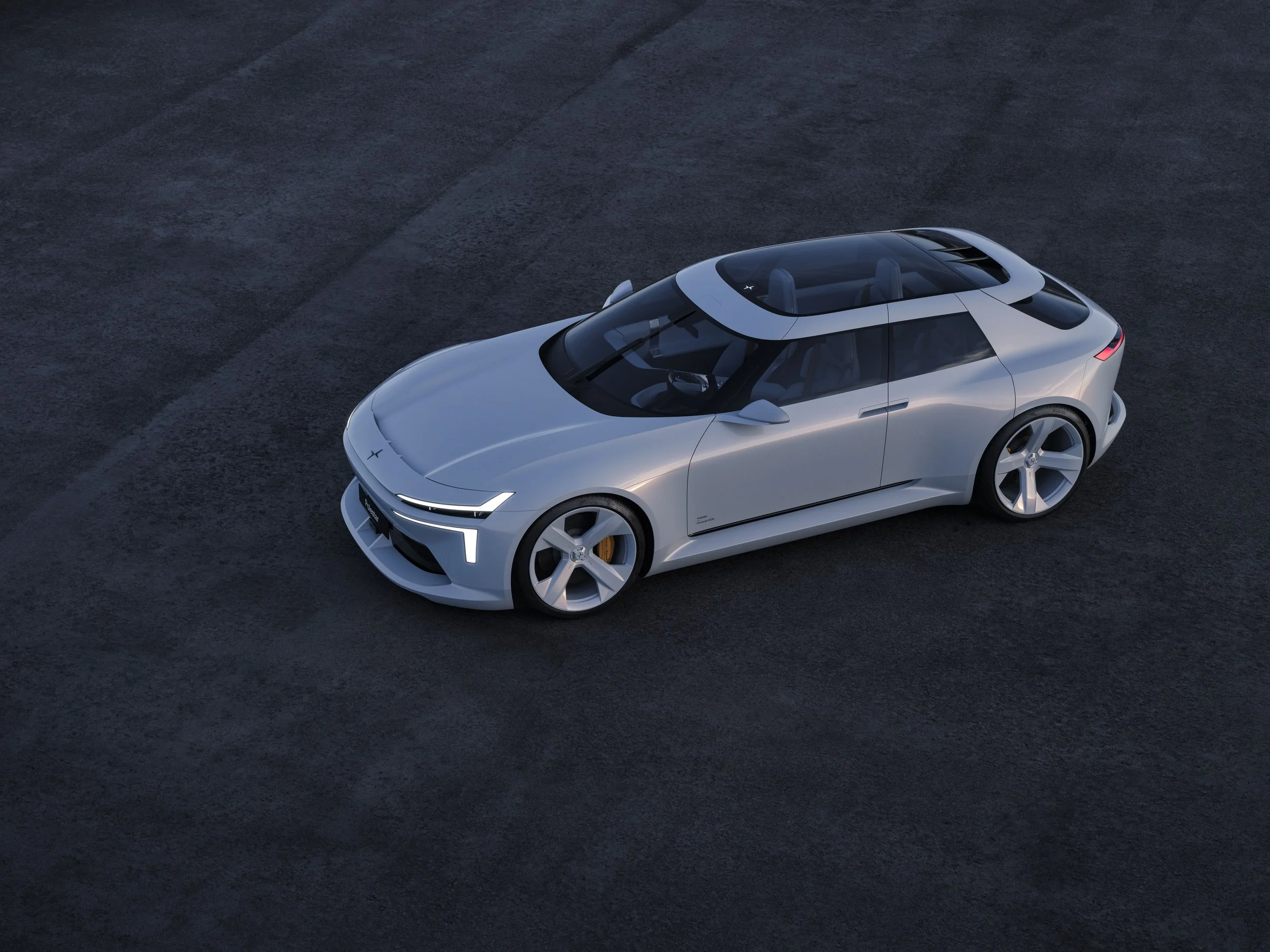
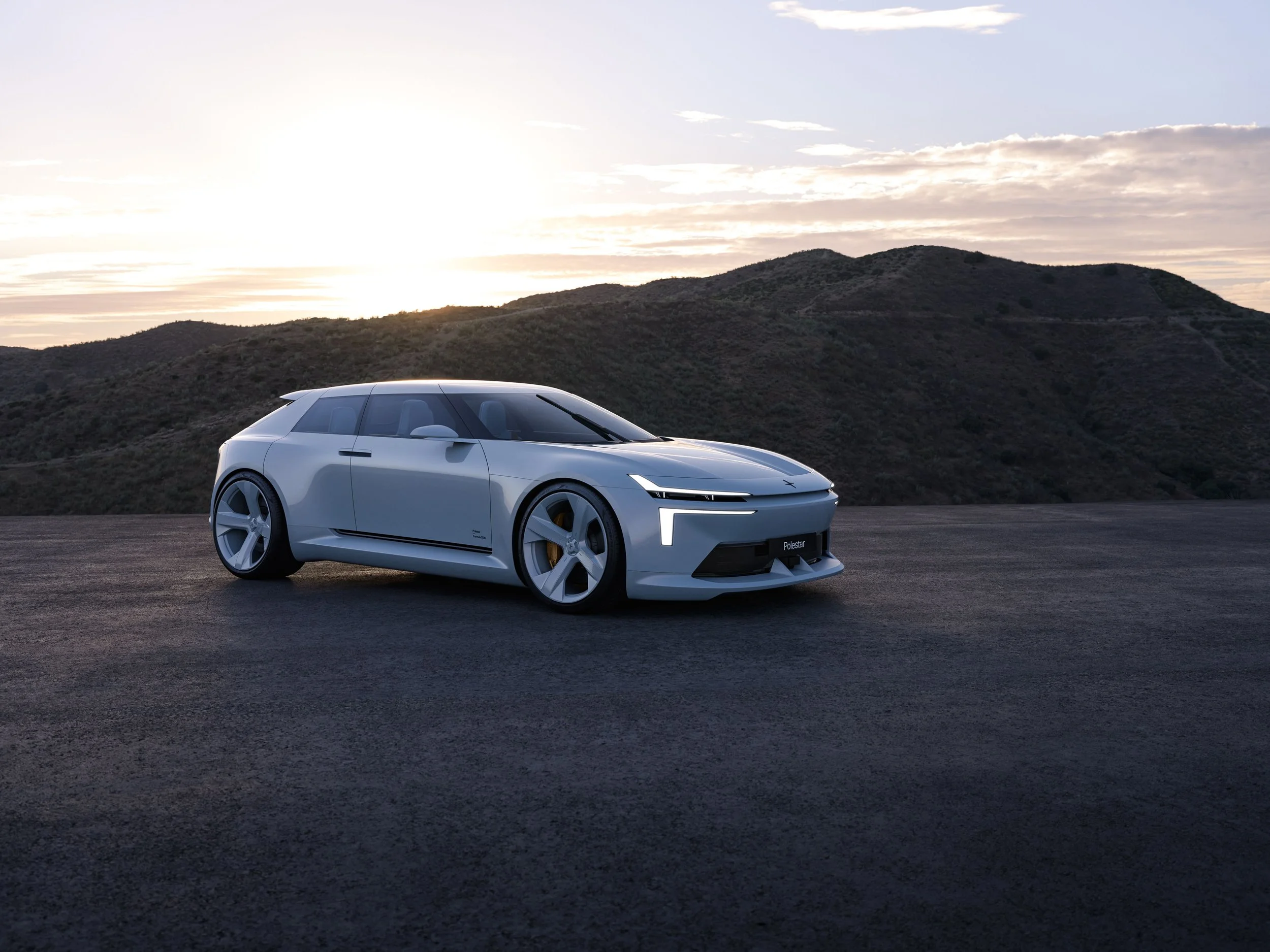
While taking inspiration from the Polestar 4 SUV, this four-door sports car is in a segment of its own and sits somewhere between the forthcoming Polestar 2 and Polestar 7.
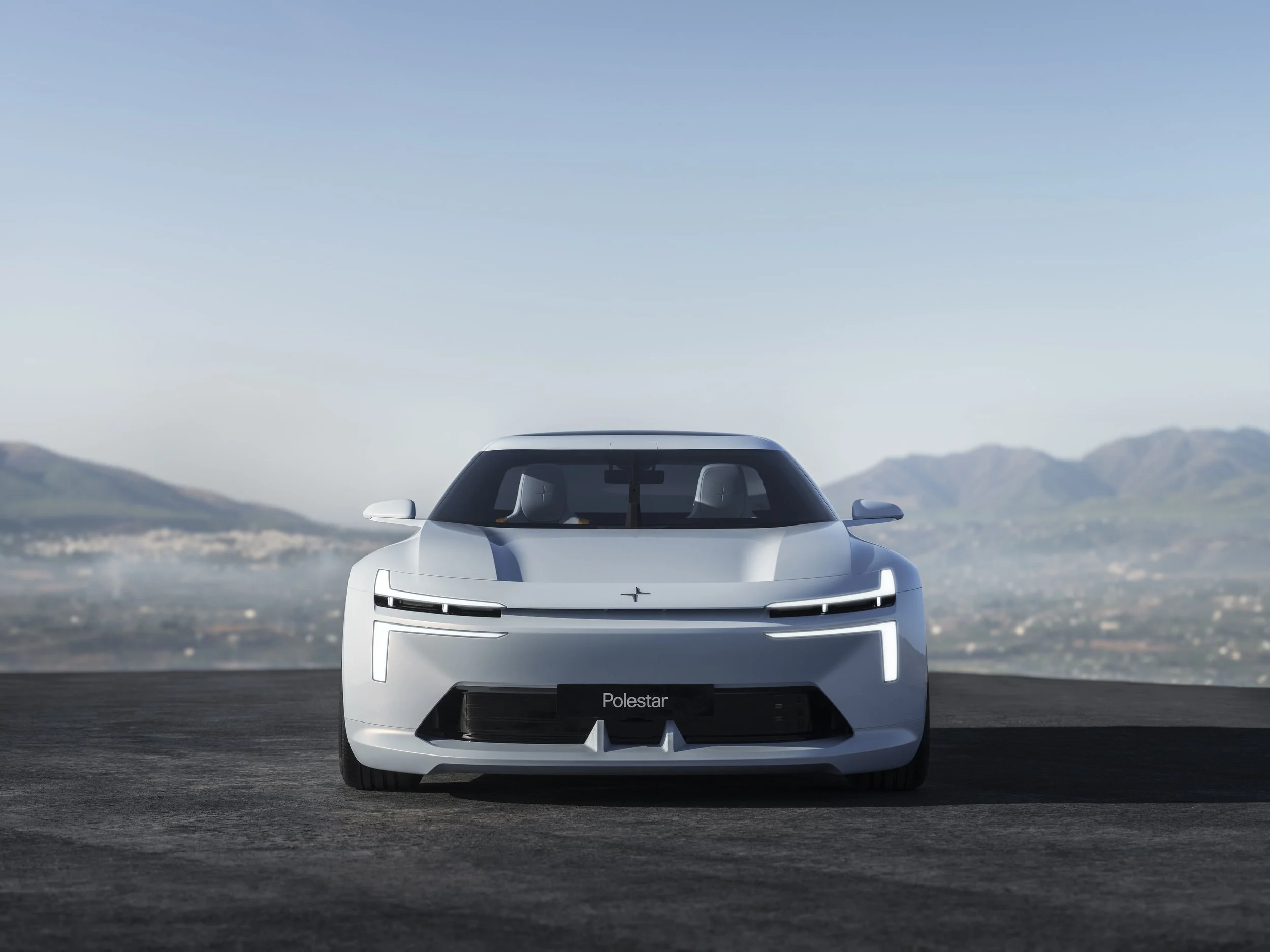
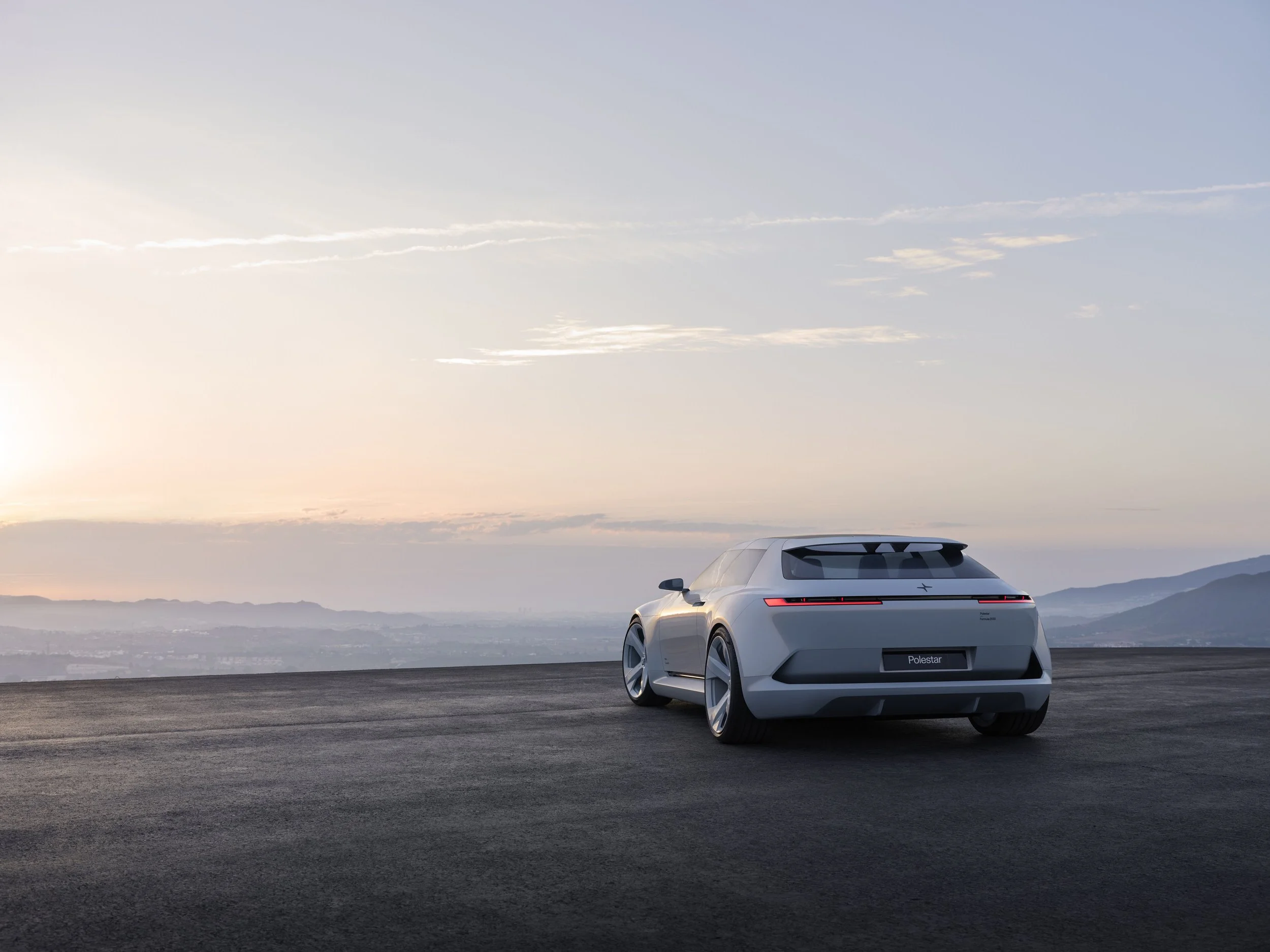
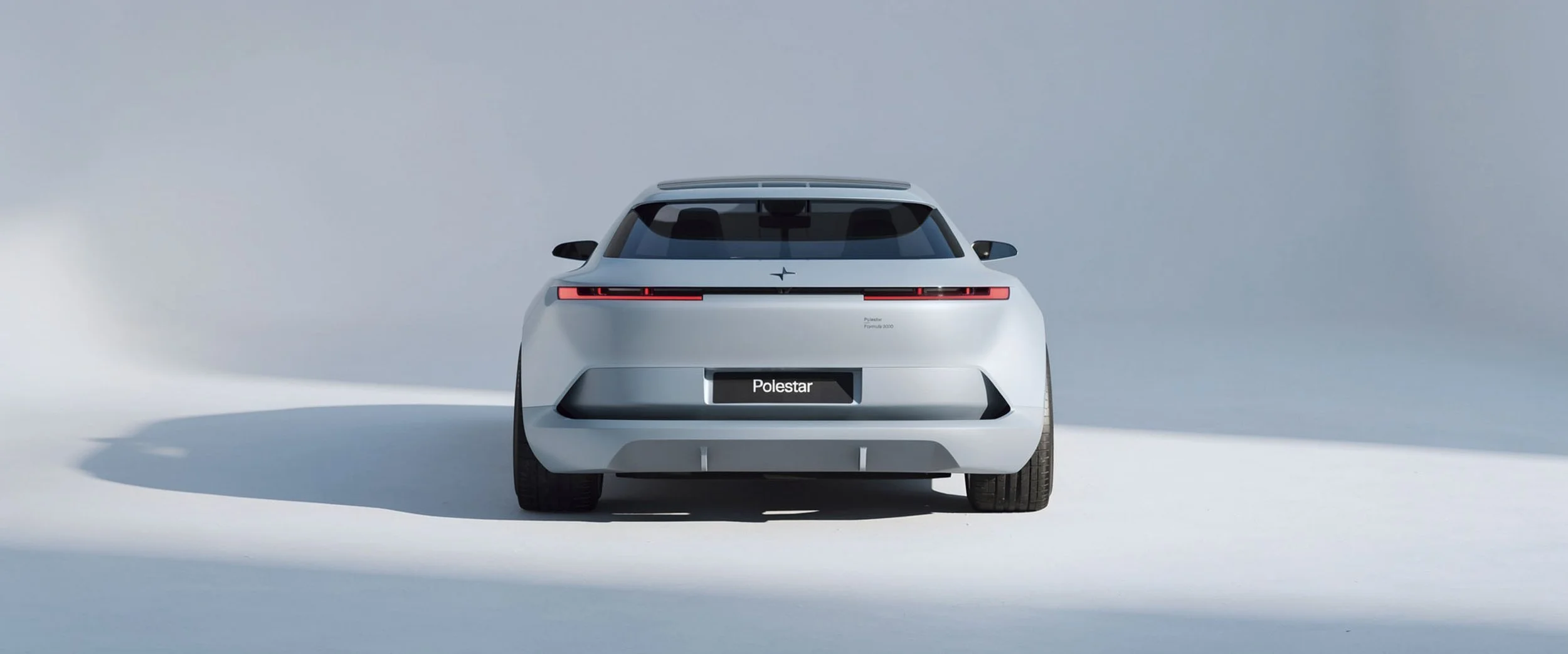
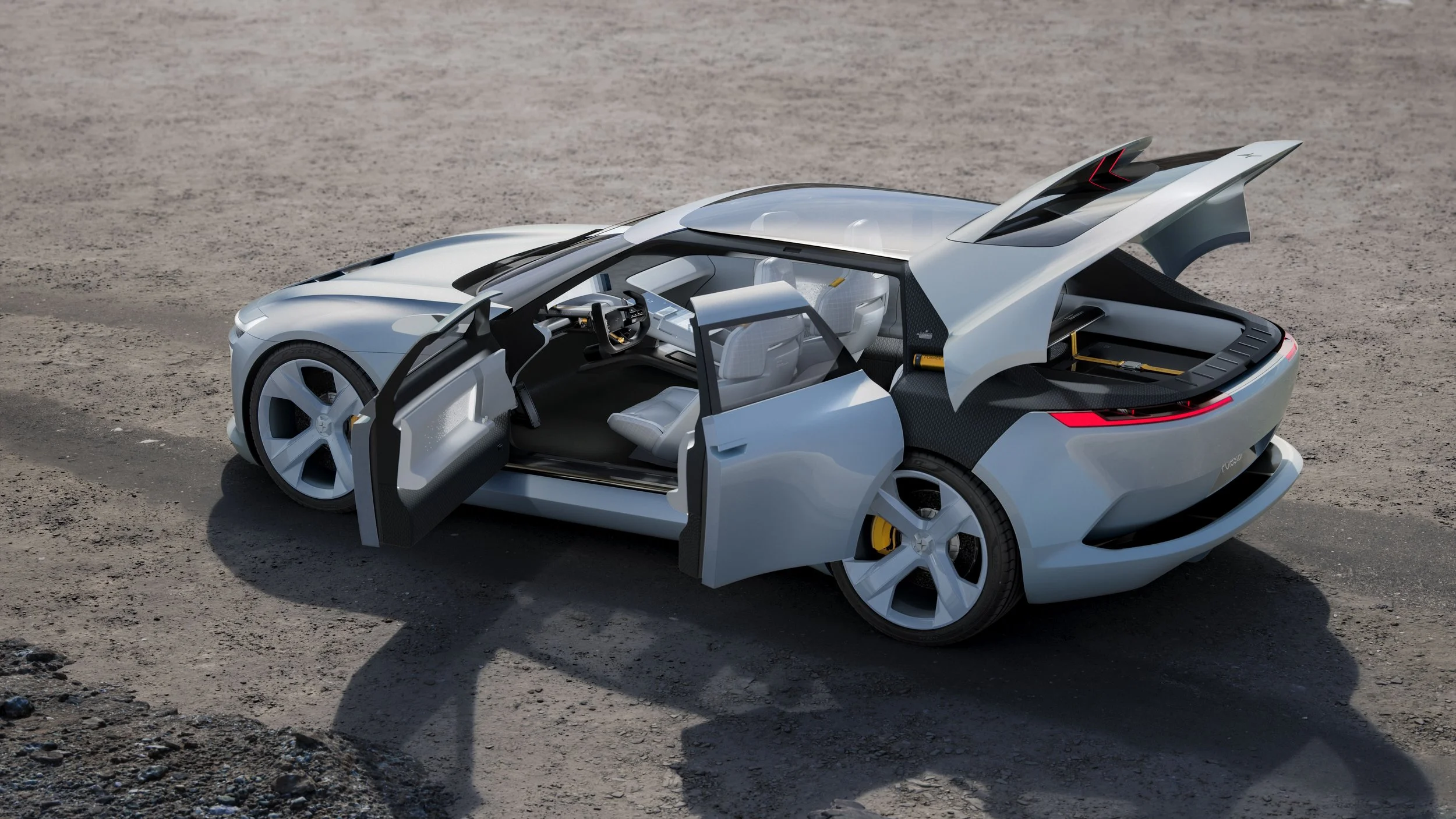
Sitting on 22-inch wheels, the concept has a long bonnet and short overhangs, yet retains that first-glance shape that Polestar is becoming known for and is given the brand’s Dual Blade headlights. These headlights are integrated into a front aero wing, while the shark nose and deep front splitter are there to ‘emphasise performance’. At the rear, however, the 2030 introduces Polestar’s Single Blade rear lights ahead of their use on production vehicles, dispensing with the ubiquitous lightbar.
The concept has a wide stance and has a roof height of just 1,350 mm from the ground, which is even lower than the Polestar 5 Grand Tourer. A vertically oriented windscreen wiper is mounted on a visor-like wraparound windscreen that pays homage to the first generation Polestar 2, and a panoramic glass roof lets in plenty of light.
Interior
Inside, the performance-focused cockpit is concentrated towards the driver and features a 20-inch HyperDIM curved monitor mounted directly to the steering column and a 12.2-inch Centre Screen Display (CSD) integrated into the gently rising centre tunnel.
Another feature of the interior, which has been seen in Polestar’s current production vehicle lineup, is the well-lit horizontal interior band that wraps around the driver and flows into the rest of the cabin.
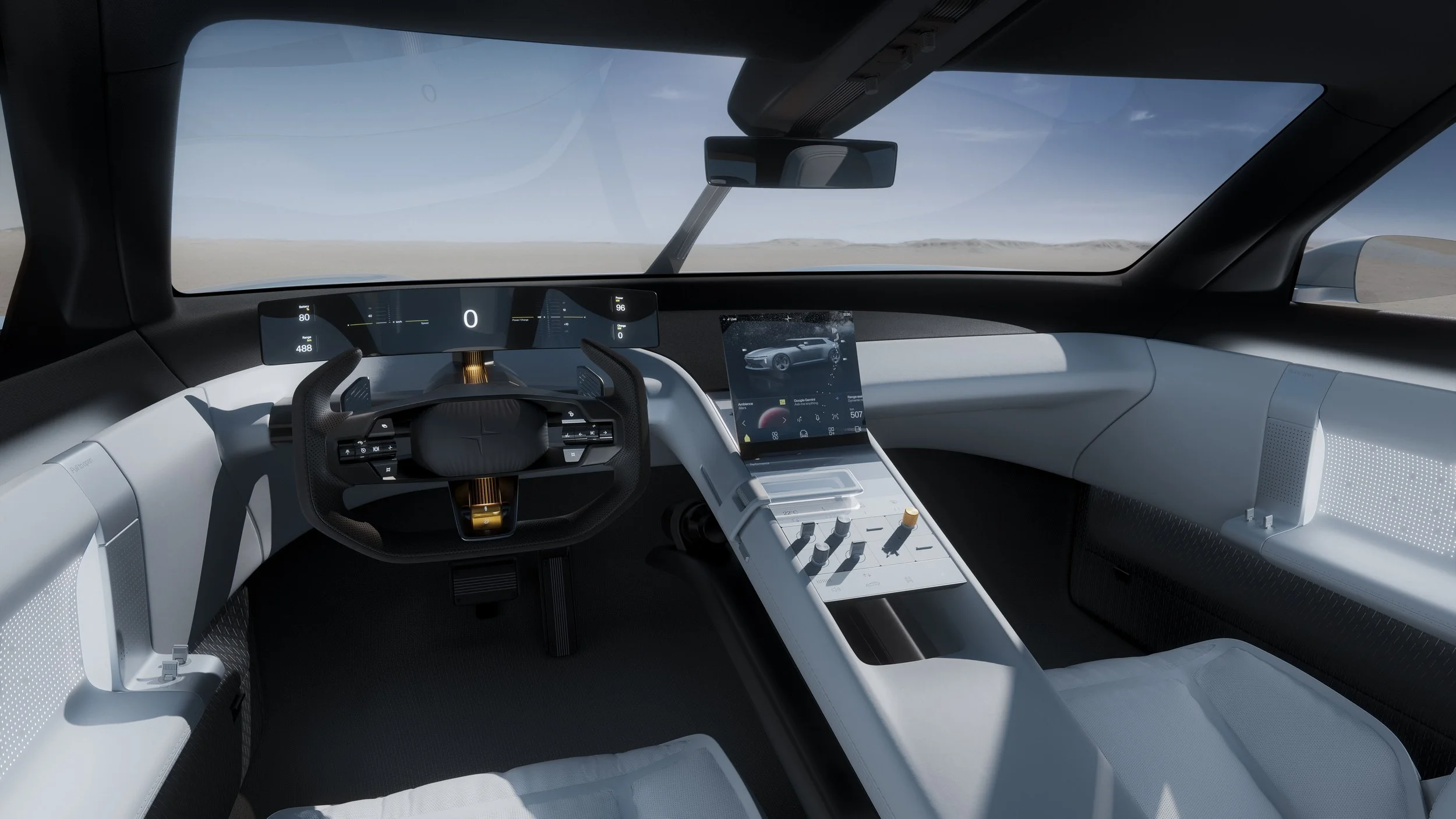
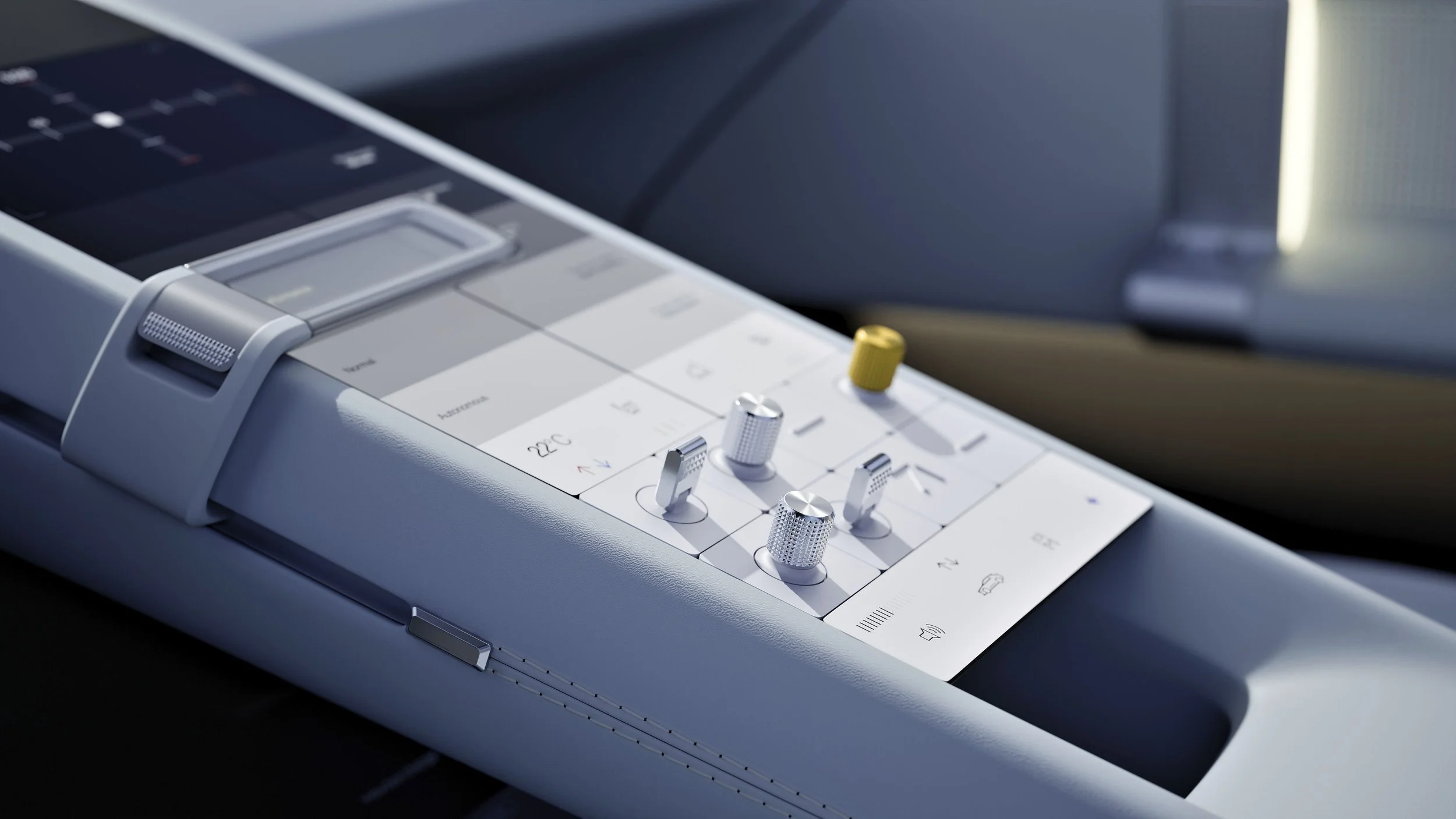
Those behind the wheel can select three different drive modes — Performance, Normal and Autonomous — which affect the position of the driver and CSD. As the driver moves through Normal mode to Performance, the CSD lowers further and sits flush into the surface while the steering wheel – and HyperDIM – pull themselves closer to the driver’s chest, optimising the cabin for enthusiastic driving.
One of the aspects of the Formula 2030 concept that seems to be impressing people most of all is the mix of physical and digital controls, which Polestar says it is looking to ‘rebalance’ after the modern wave of purely digital touchscreens and the like. Rocker switches and rotary controllers, as well as digital controls, are customisable and provide quick and easy access to the most used functions in the car, while individual hot keys can be programmed to provide user-defined functions.
Like Polestar’s production vehicles, the Formula 2030 has Google Gemini integrated, providing advanced AI for all people in the car through conversational voice cues.
Other Features
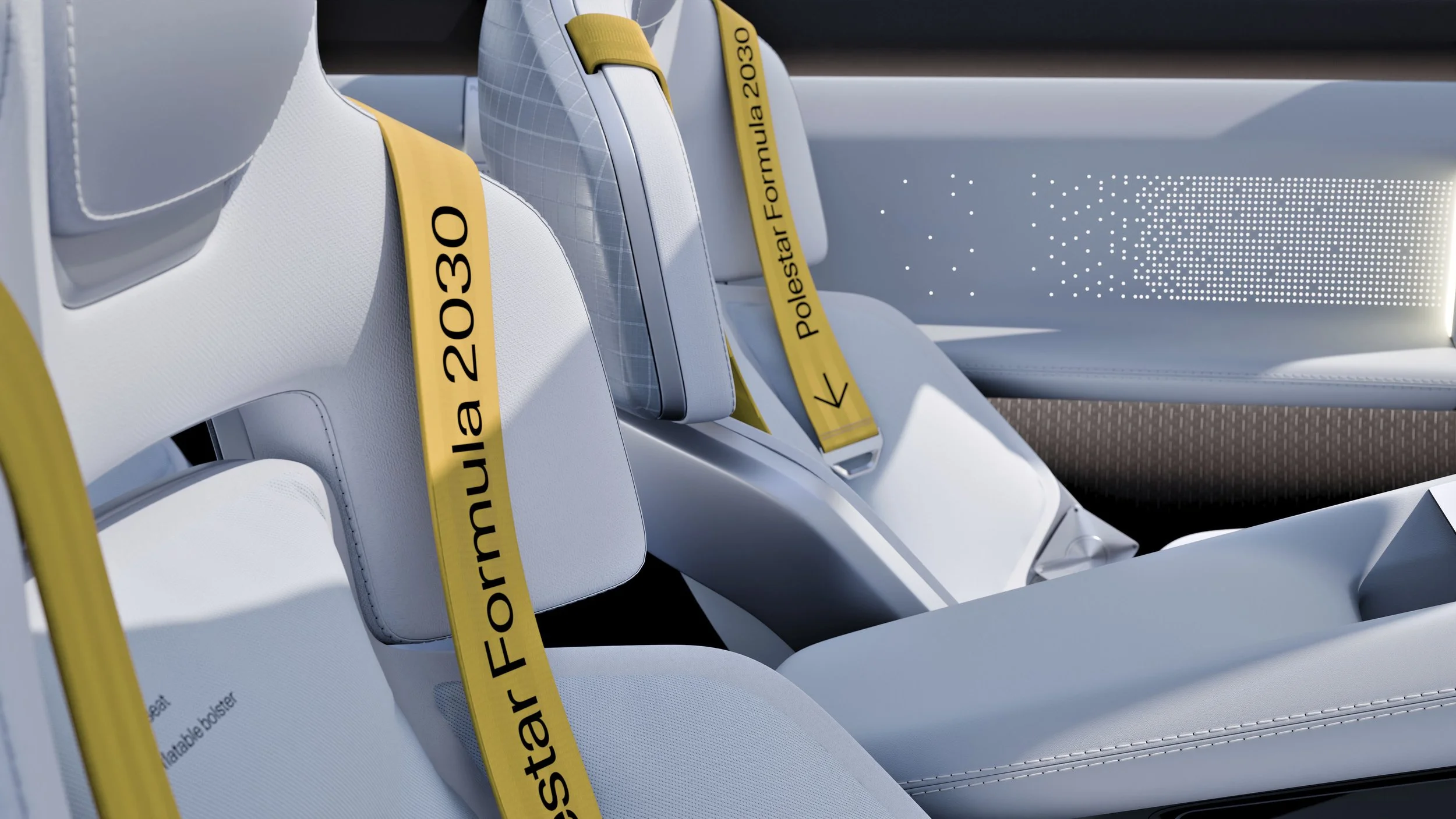
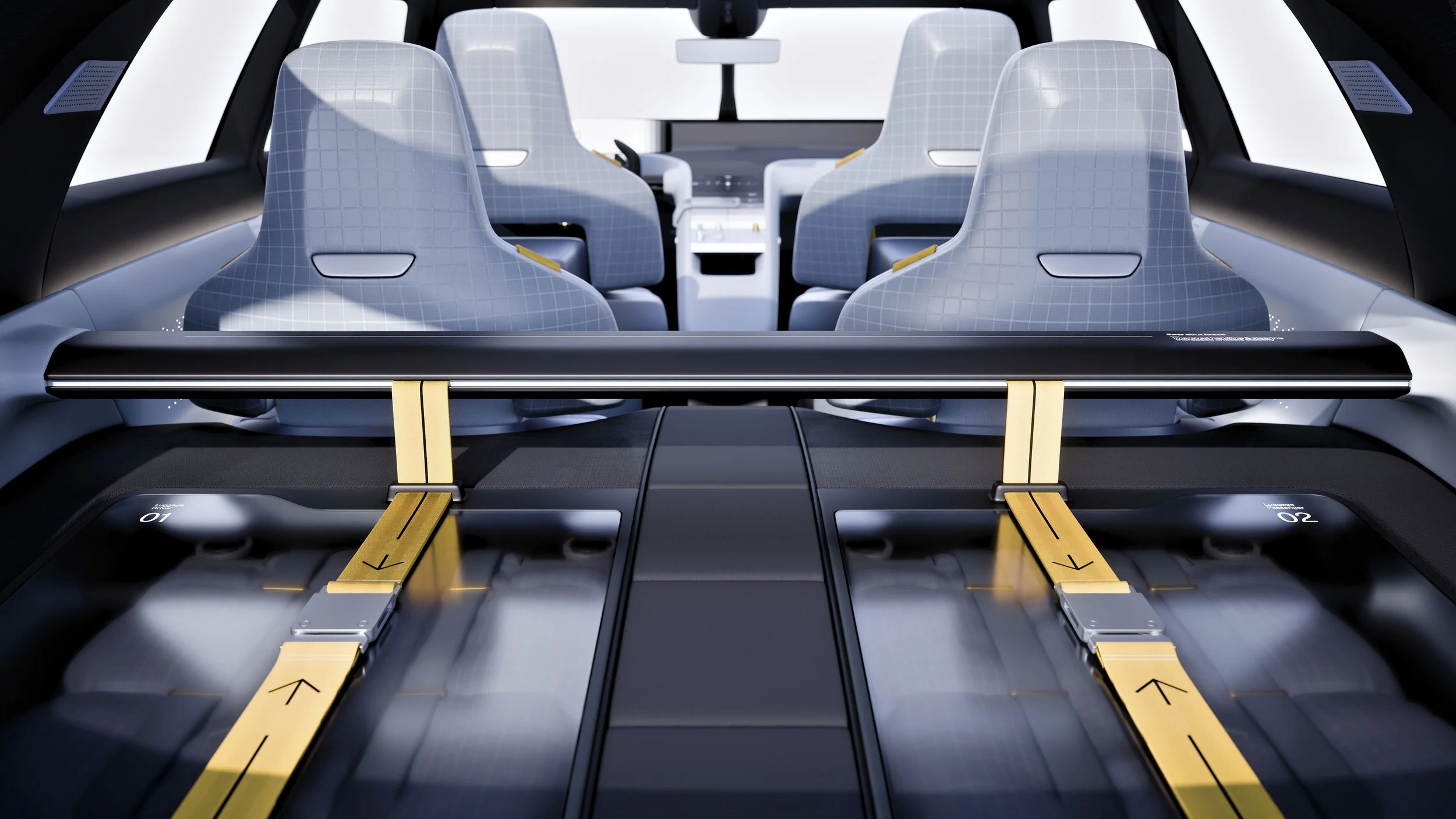
The Formula 2030 showcases a brand-new exterior colour, Nitrogen, which is specific to the concept and is designed to react to natural light. The colour is also seen on the 22-inch centre-lock four-spoke wheels, the side cladding, front splitter and rear aero diffuser, while Polestar’s Performance signature colour, Swedish Gold, is found on the Brembo brake calipers, valve caps, interior detailing and seat belts.
Sustainability is also high on the list of priorities for Polestar, with the concept using fully recyclable material for the door interiors, while the seat backs are made from bio-based composite that replaces traditional plastics.
words: Mike Booth
pictures: Polestar