
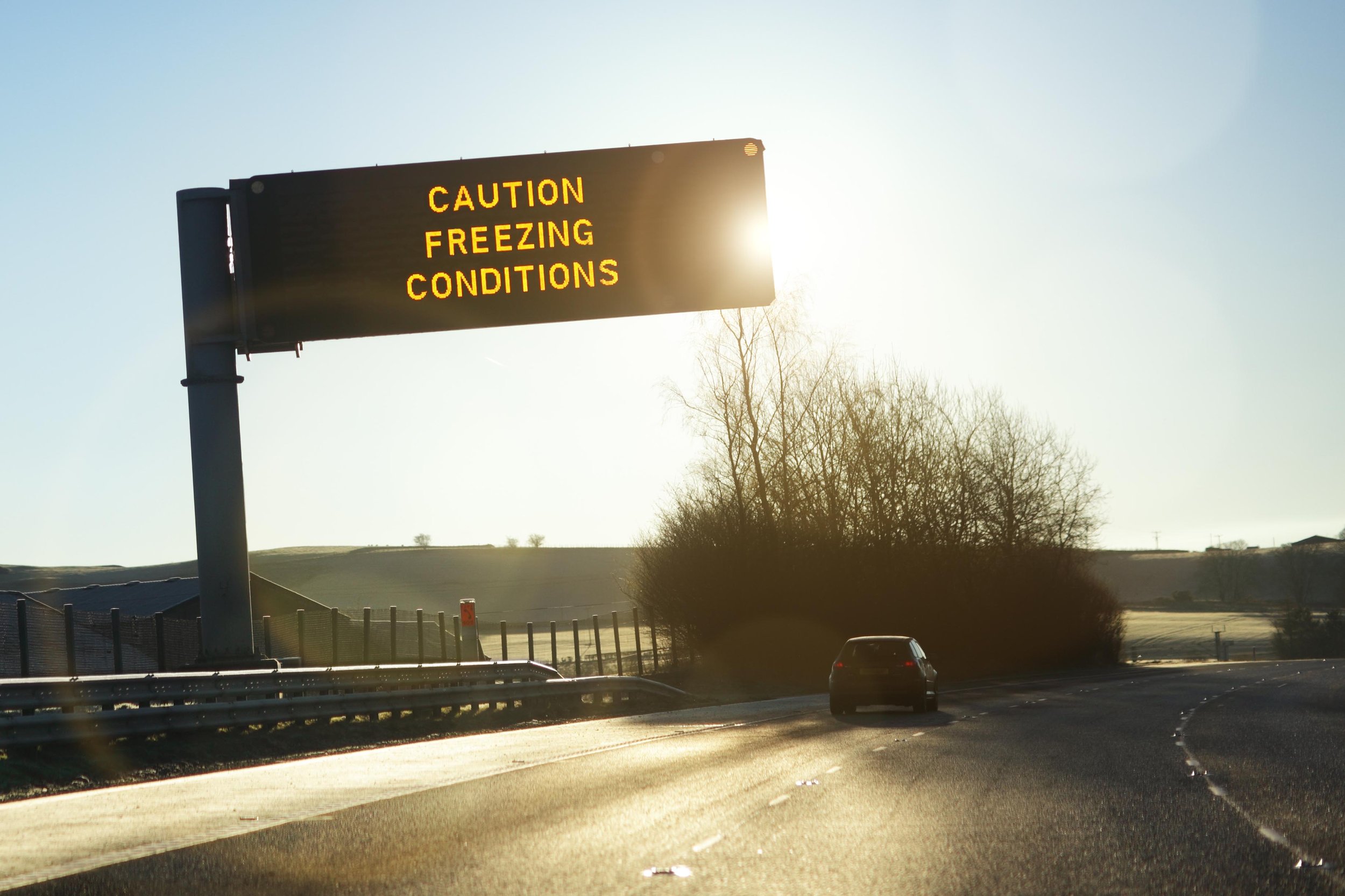
It has been a freezing start to 2026, with conditions on the UK’s roads trickier than ever for motorists to drive on. In some regions, up to eight inches of snow has fallen, while the Met Office has advised that the worst of Storm Goretti may be yet to come in the next week.
In response to these extreme winter conditions, GEM Motoring Assist has provided tips on how to prepare your car to avoid a breakdown, as well as a deeper insight into the effects of cold weather on your vehicle, especially the battery.
Research has shown that freezing conditions (0°C) can cause a battery to lose around 35% of its power, and with modern vehicles so reliant on their batteries for things like the headlights, heaters, wipes and infotainment, the strain on the battery will be even greater in the wintertime.
Issues faced by EV drivers
Despite the battery found on electric vehicles being significantly larger than their ICE equivalents, motorists have been advised that cold weather slows the battery chemistry, causing a reduction in range available from a full charge, even more so when heating and defrosting.
GEM head of road safety James Luckhurst says precautionary checks can save drivers a lot of trouble, especially if their battery is approaching the end of its five-year life span.
There are also warning signs to acknowledge, like a low whirring sound, no sound at all or the inability to use your remote central locking or key fob, which may indicate a failing battery.
How to prepare your battery for cold weather
Before setting off on your journey, ensure your vehicle is fully charged.
Use any pre-conditioning features like warming the cabin while your vehicle is still plugged in
Allow extra time and estimated charge for journeys in sub-zero conditions
What to do if your car won’t start
You may be able to jump-start your car with a quality set of jump leads and access to a second vehicle. Drivers are advised to check their owner’s manuals for both vehicles to ensure this process is done correctly.
Once the engine is running, keep both vehicles idling for a few minutes before carefully disconnecting the jump leads.
Prevention is also better than a cure, and GEM advises that most garages and automotive centres offer free battery health checks to see whether your battery is charging and holding power safely.
words: Mike Booth
pictures: GEM Motoring Assist